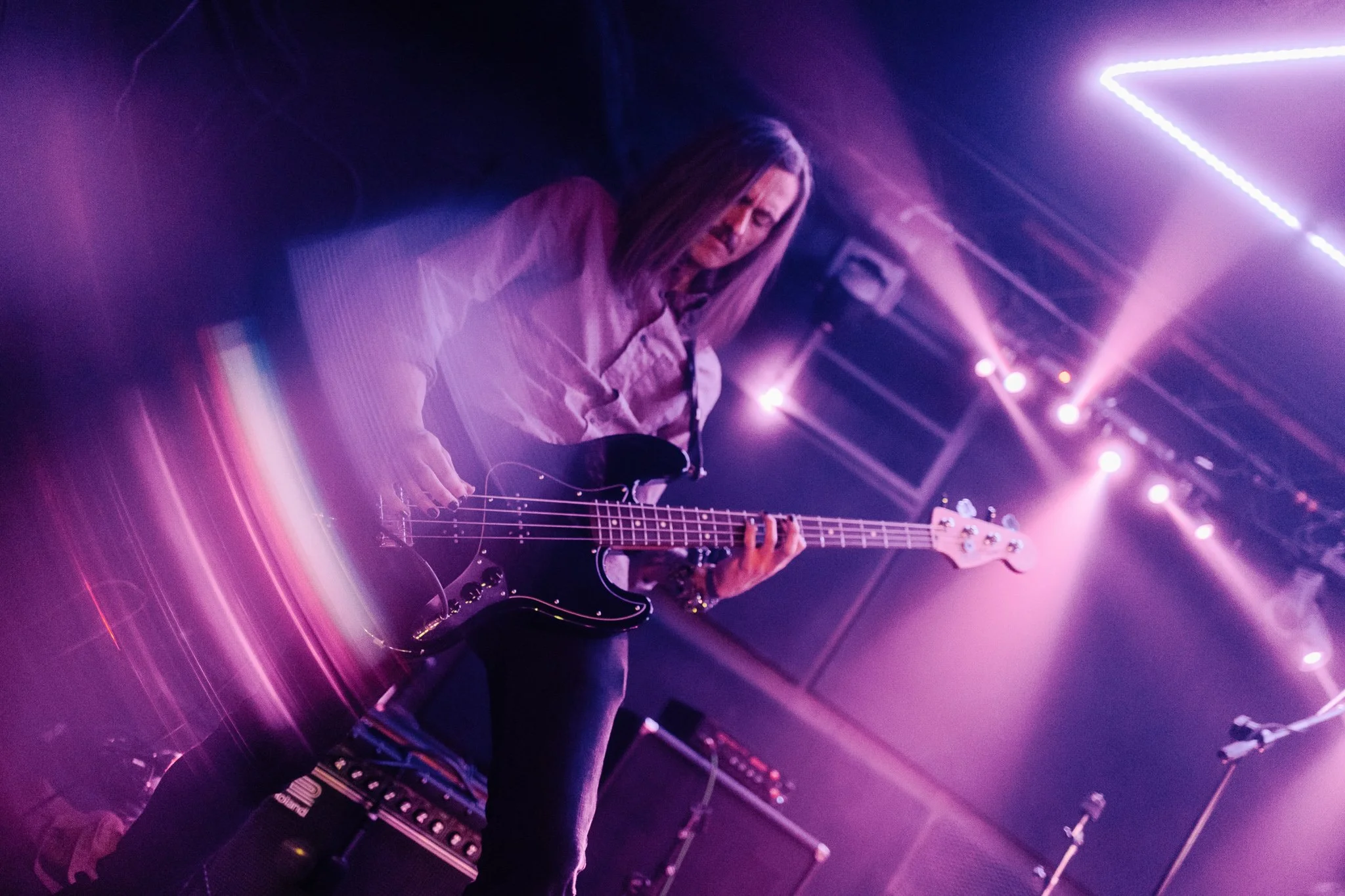
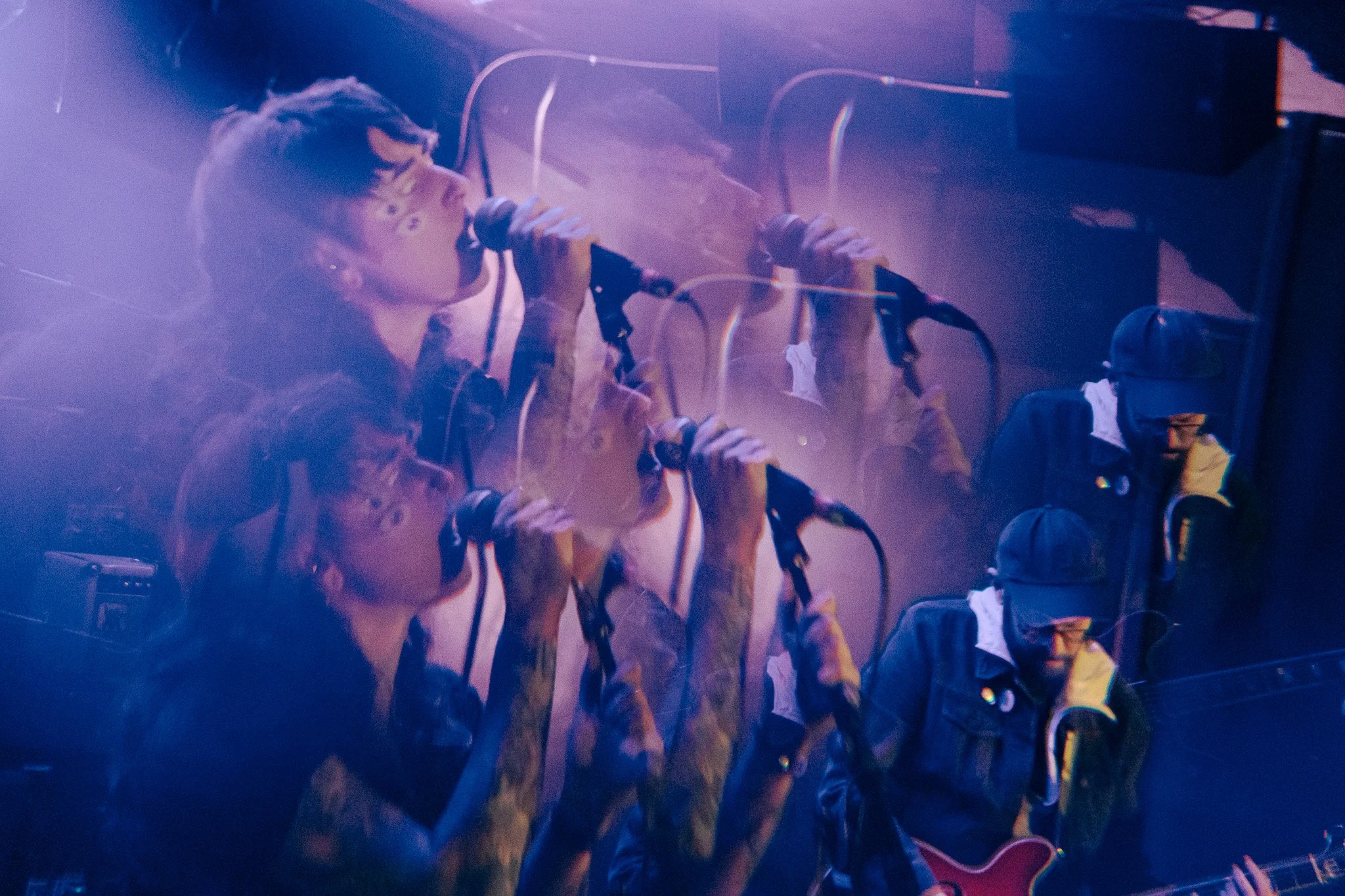
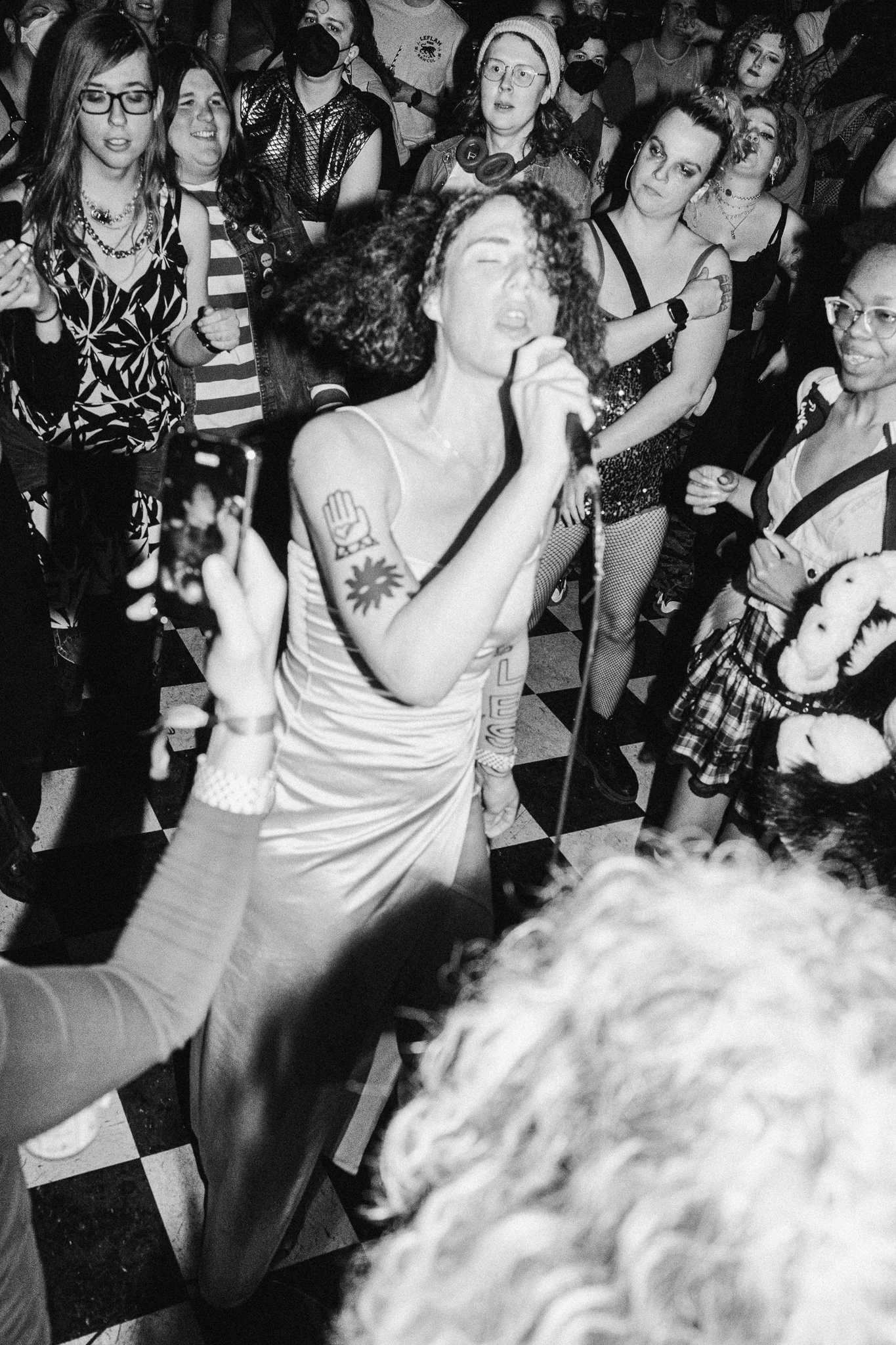
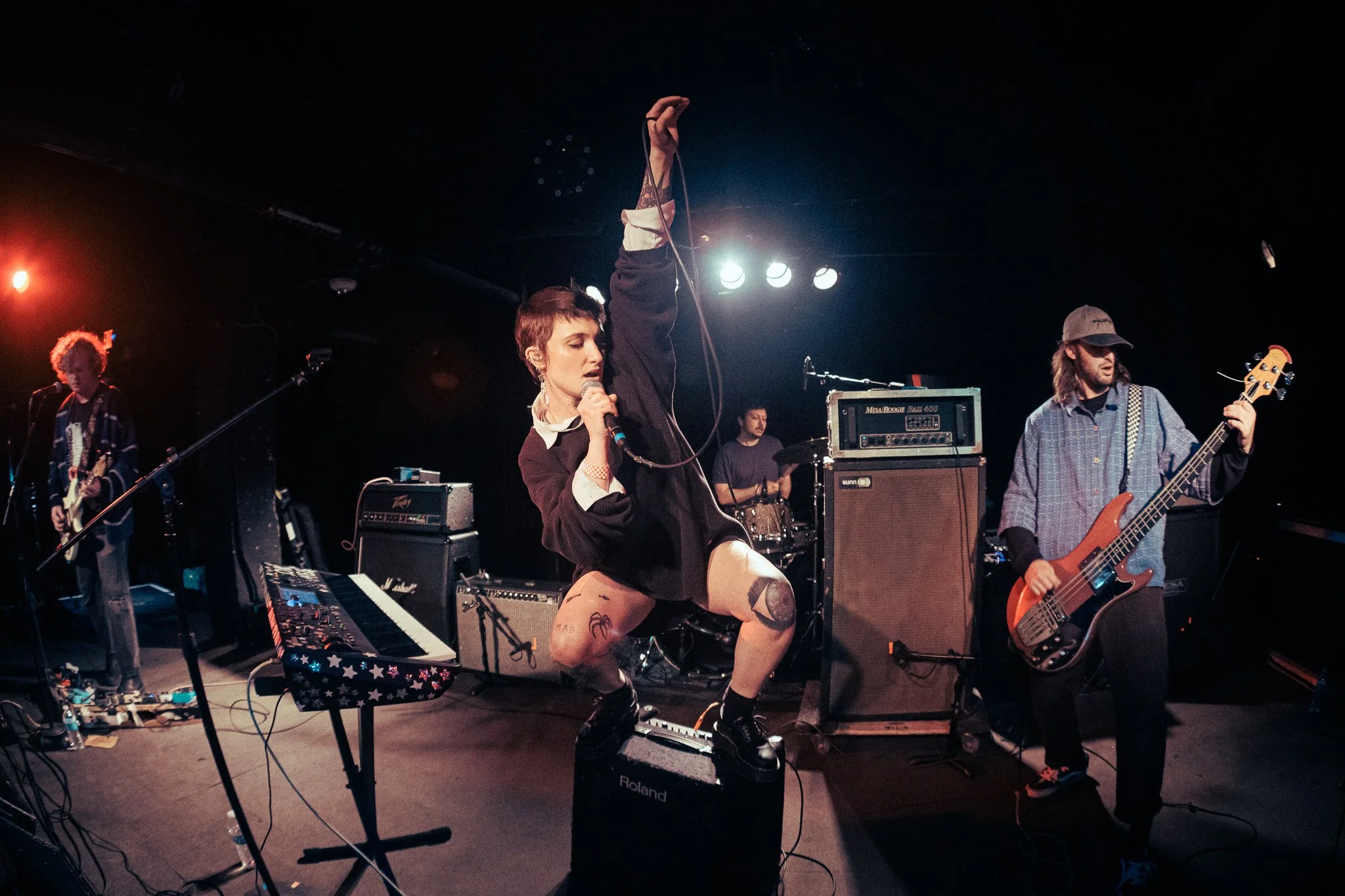
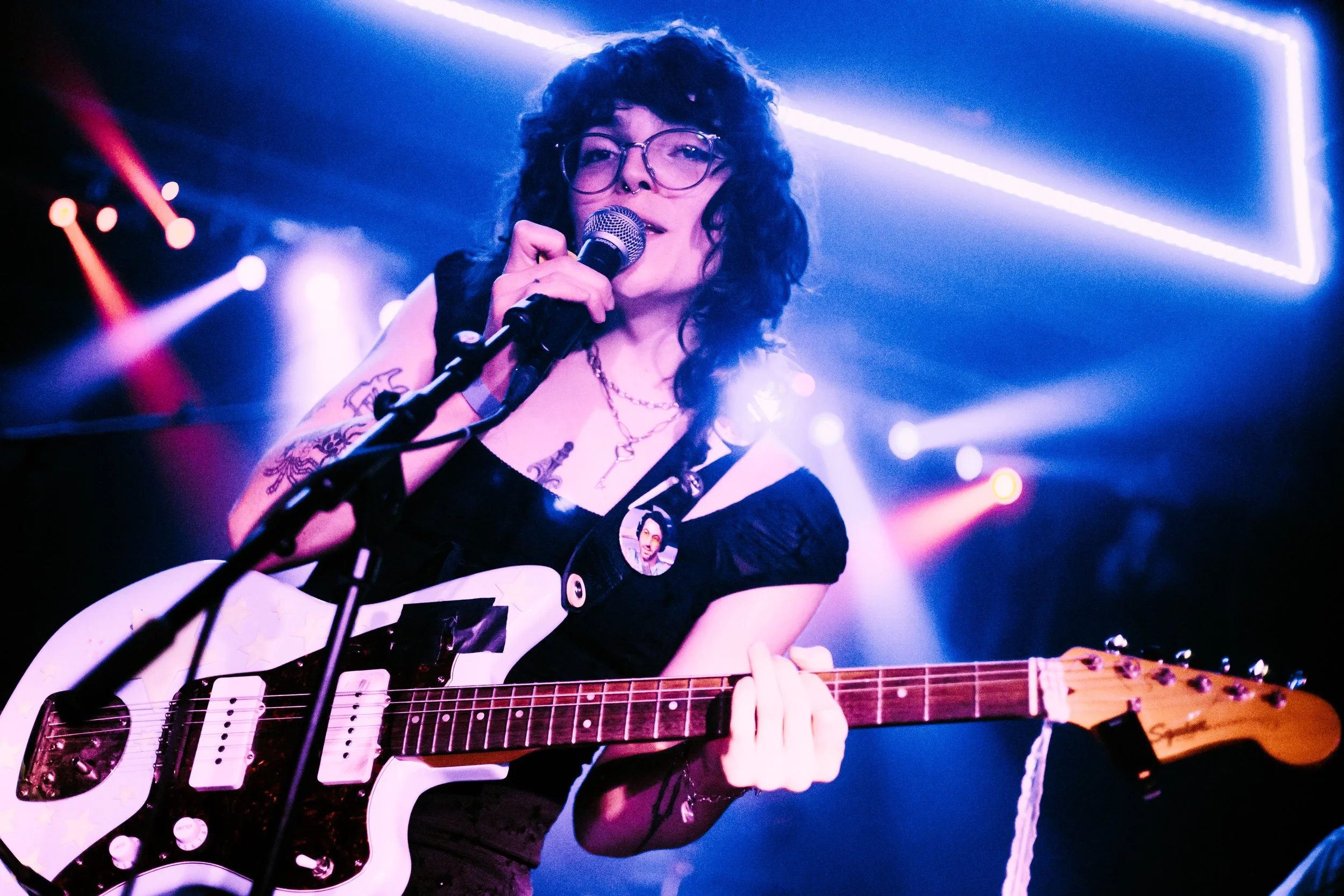
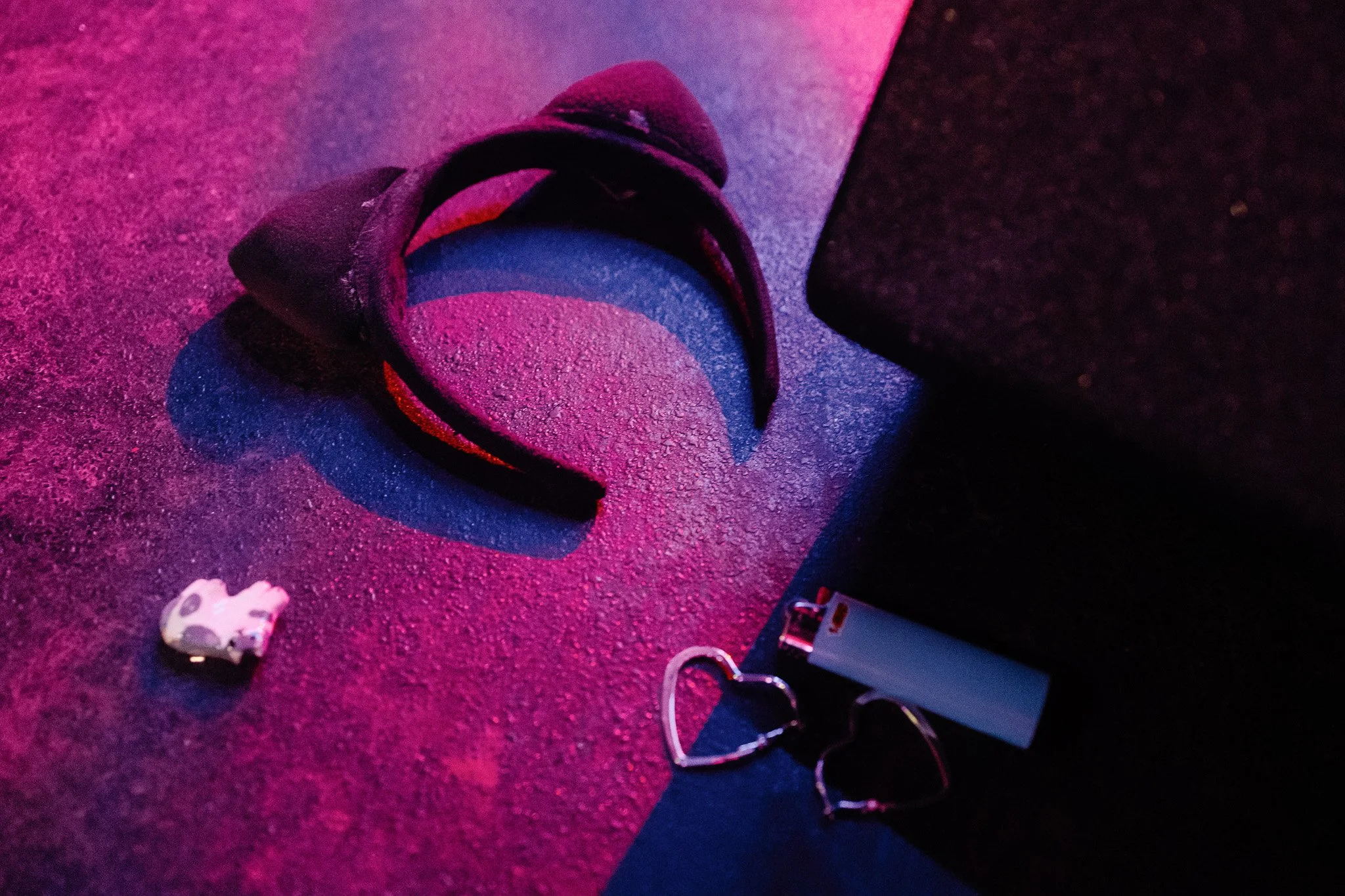
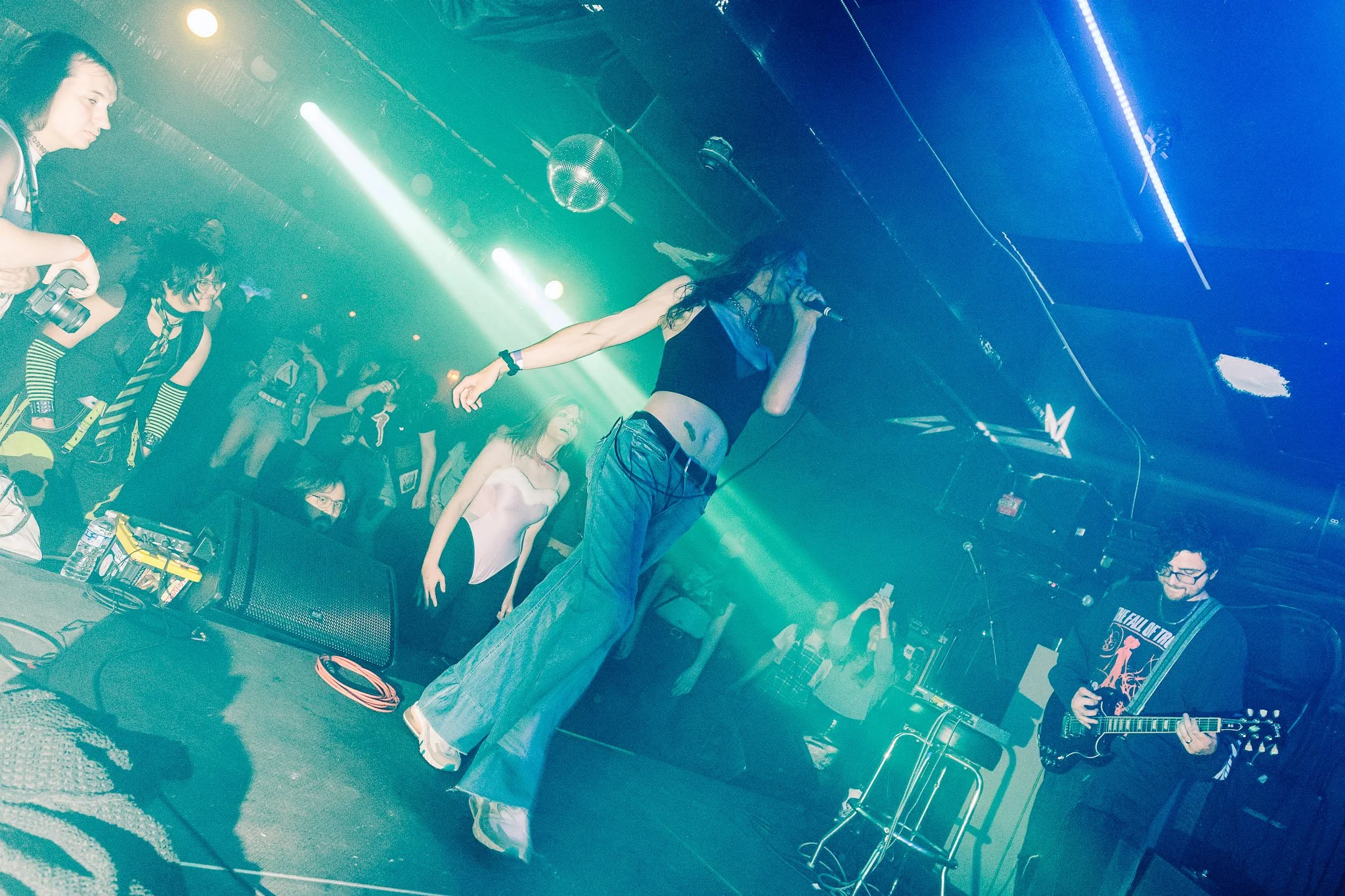
We Just Want to Live: Liberation Weekend II Recap

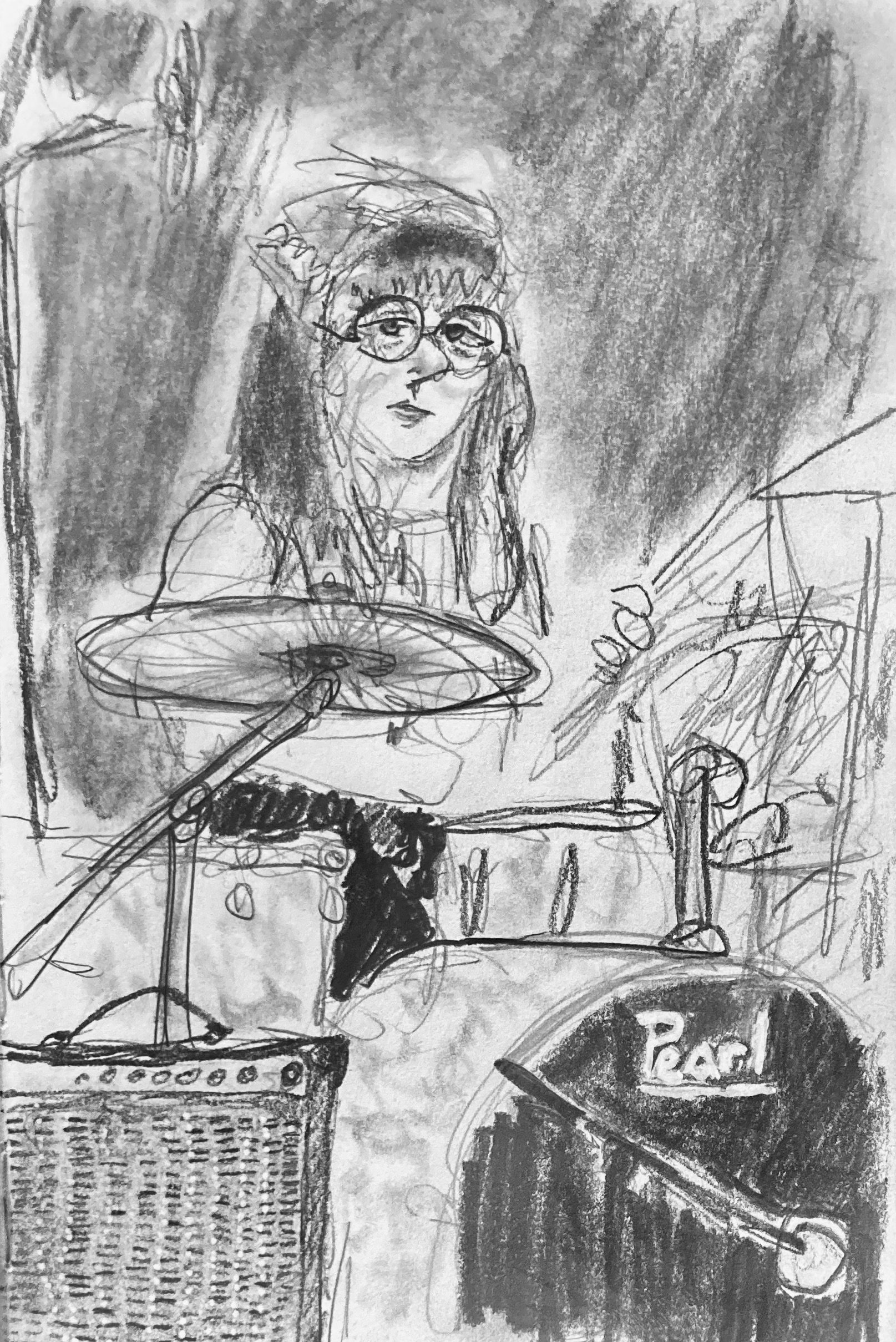
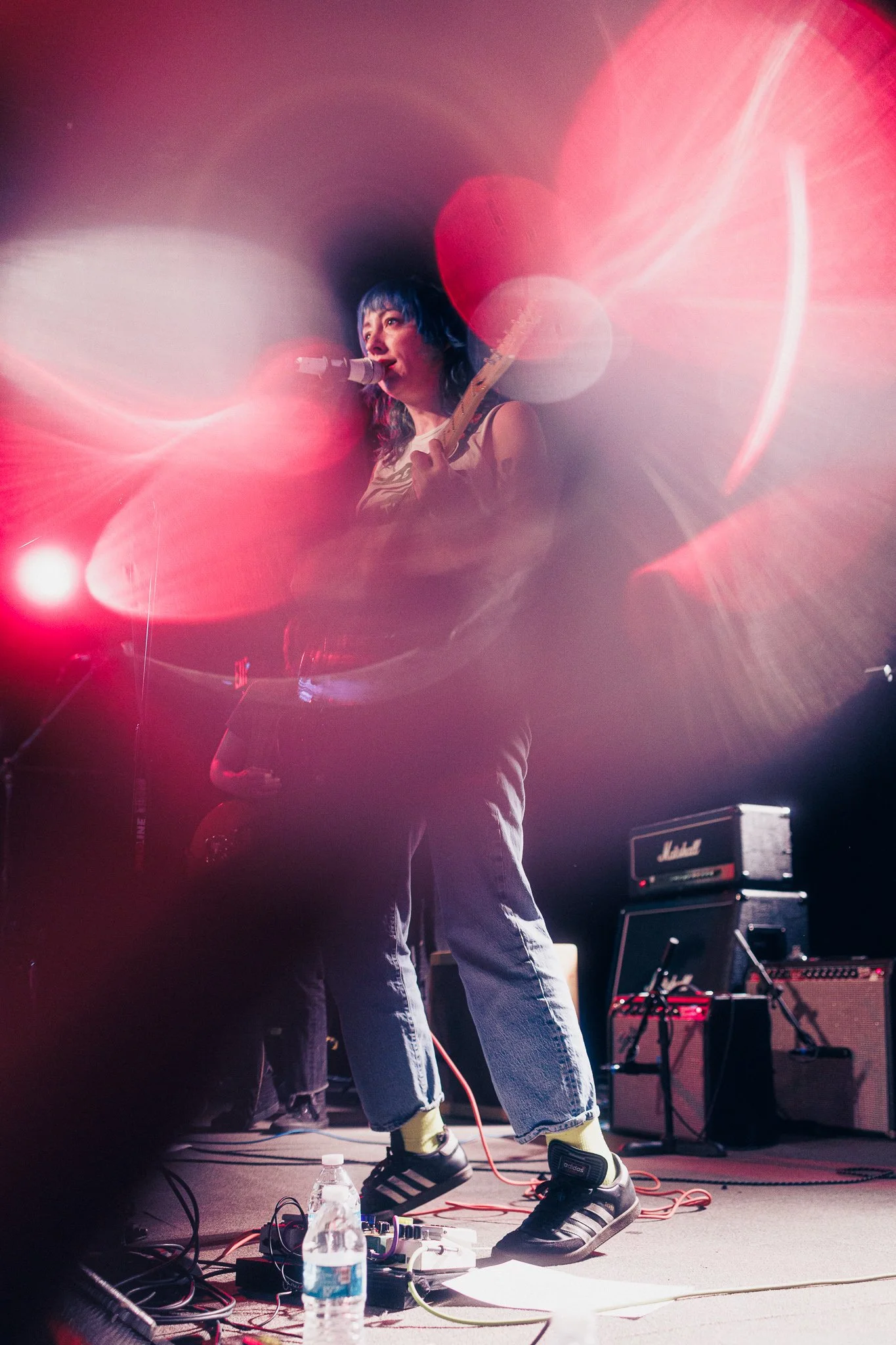
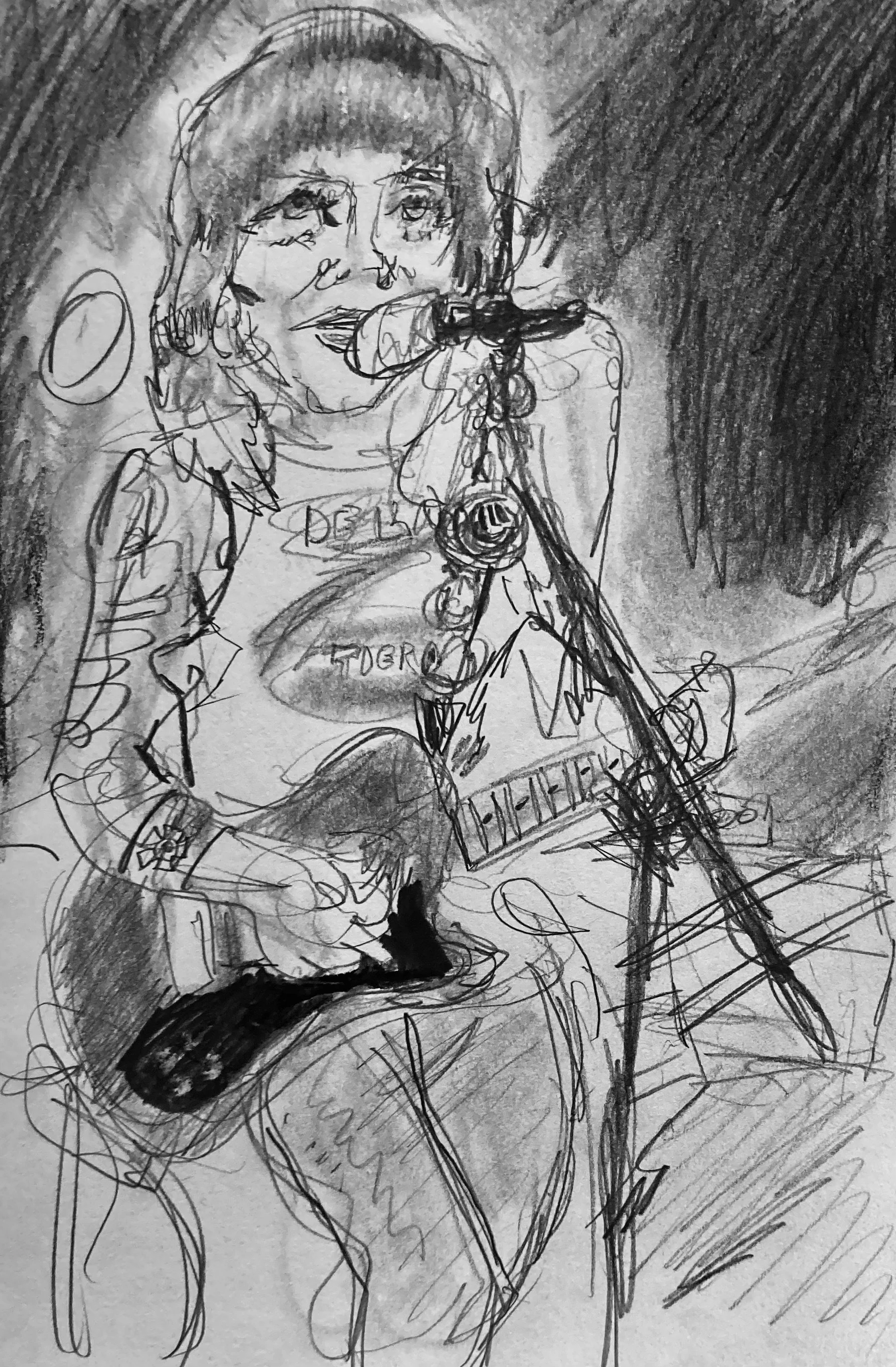
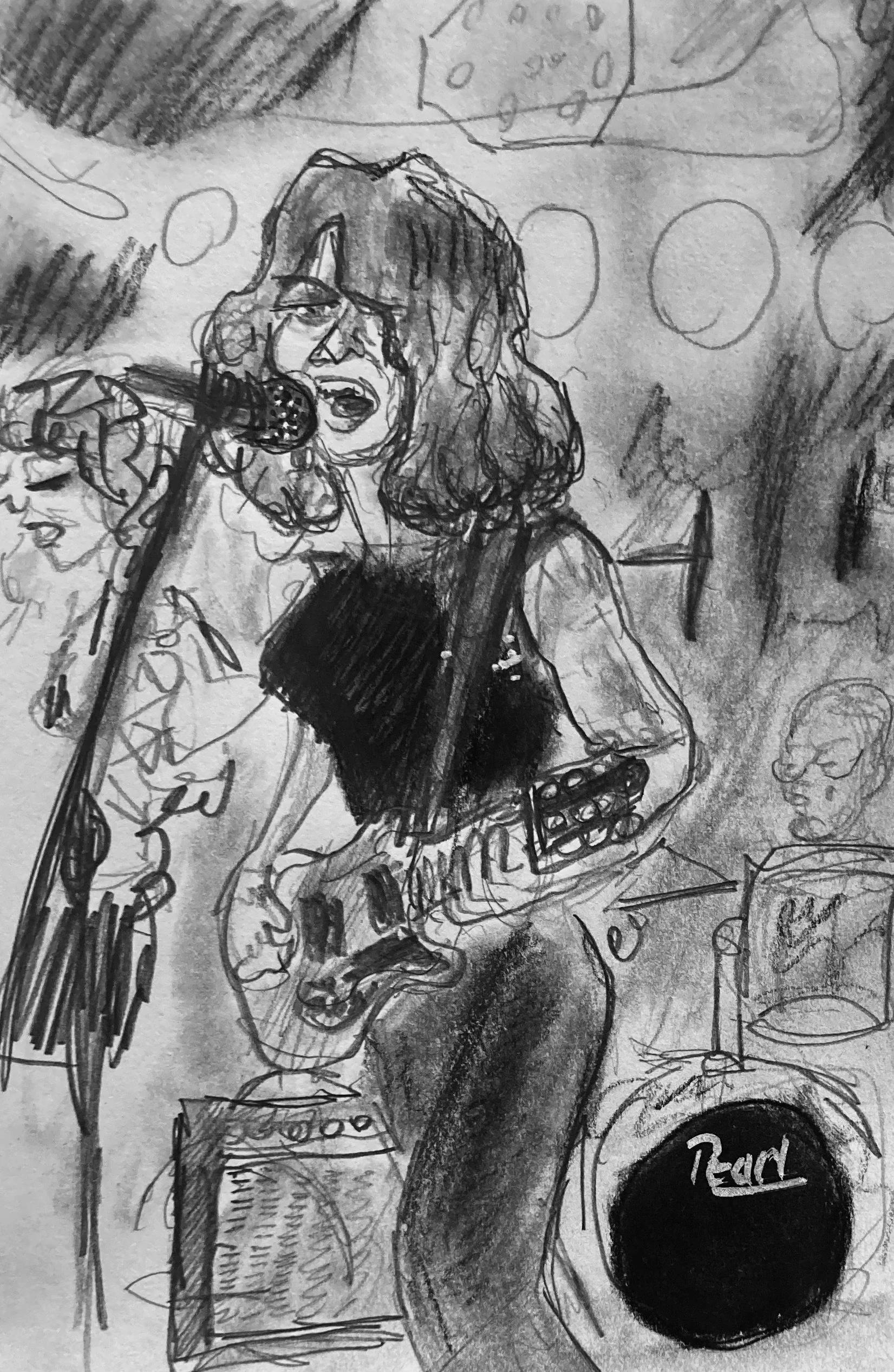
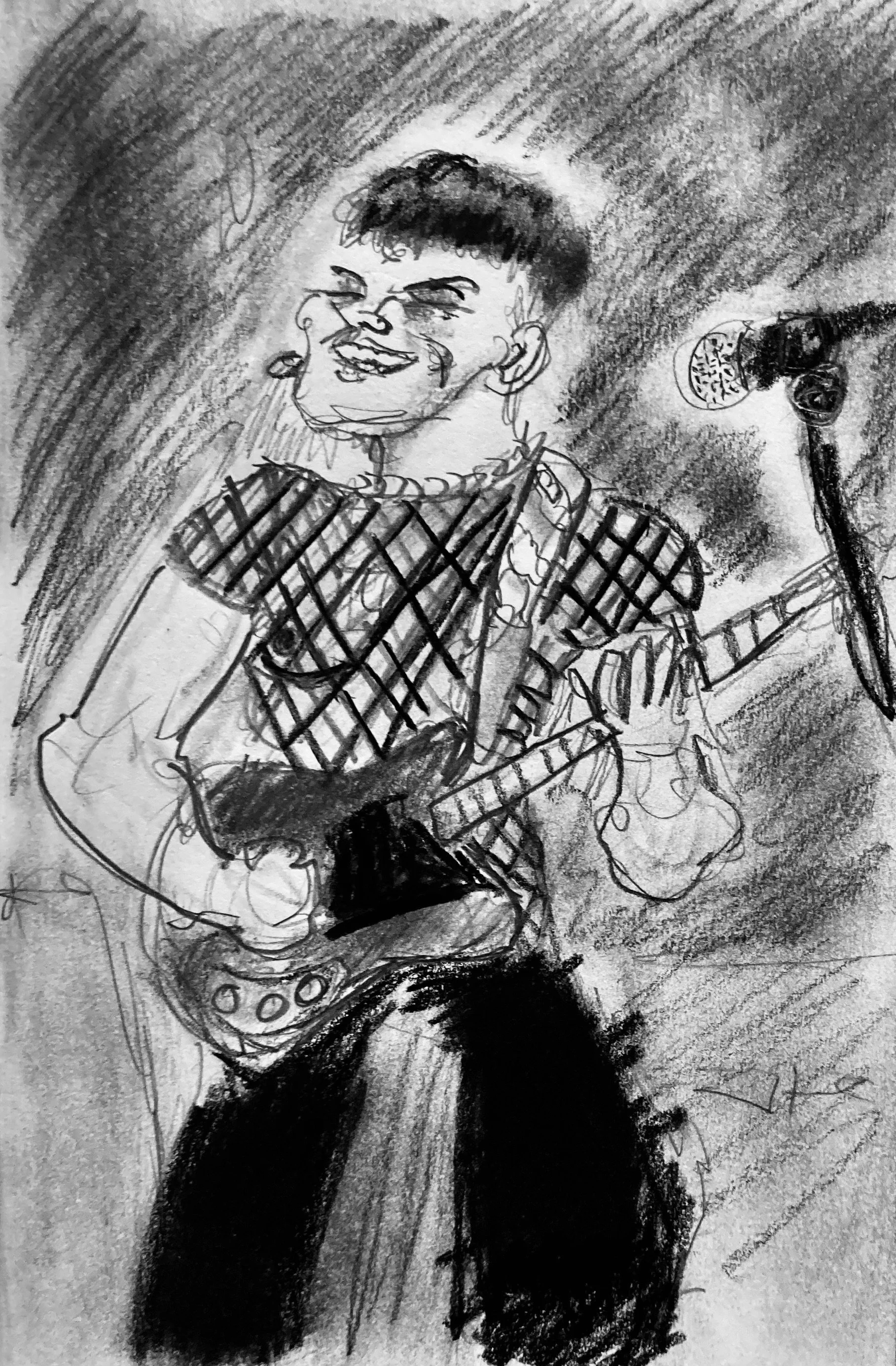
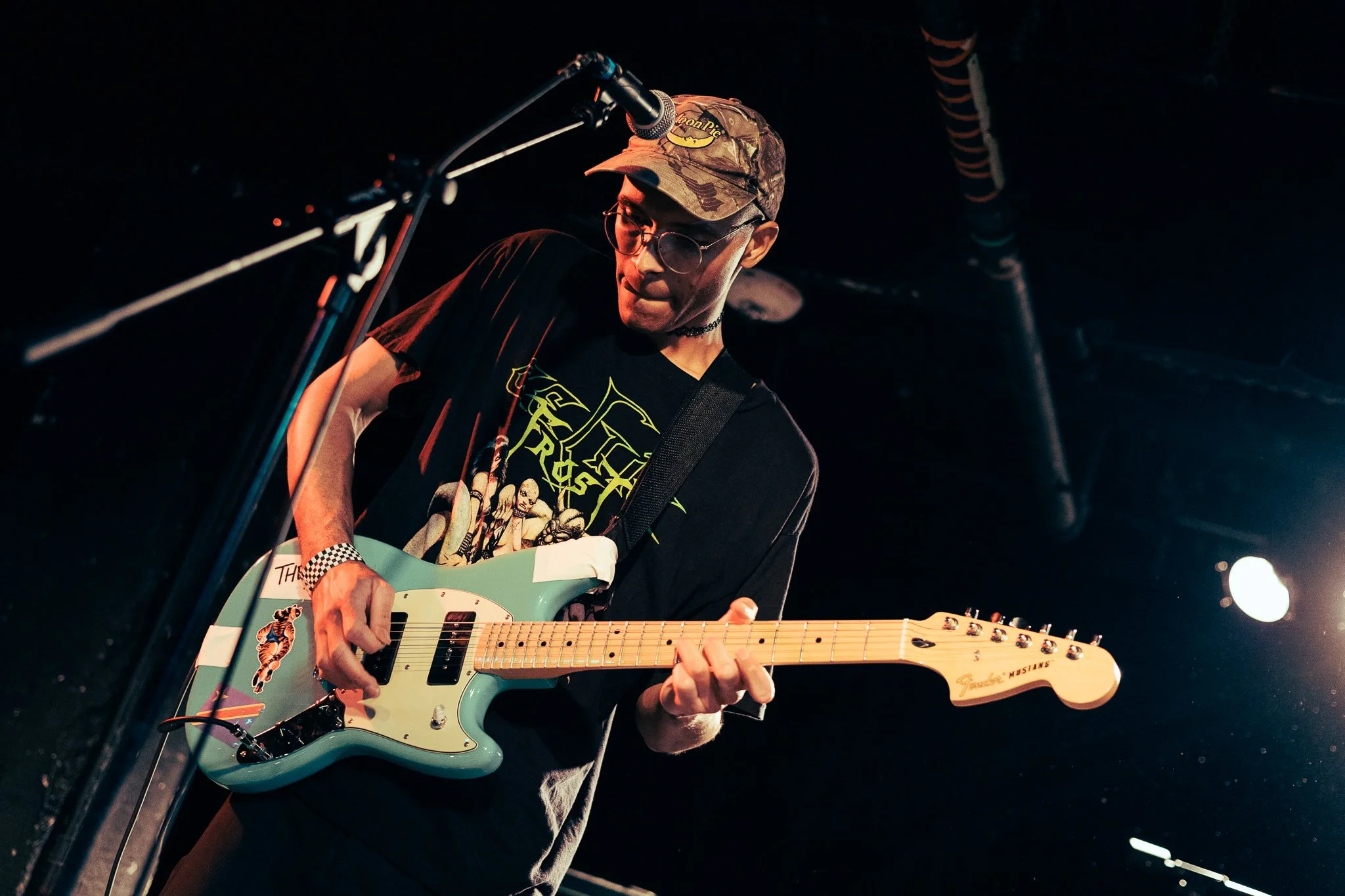
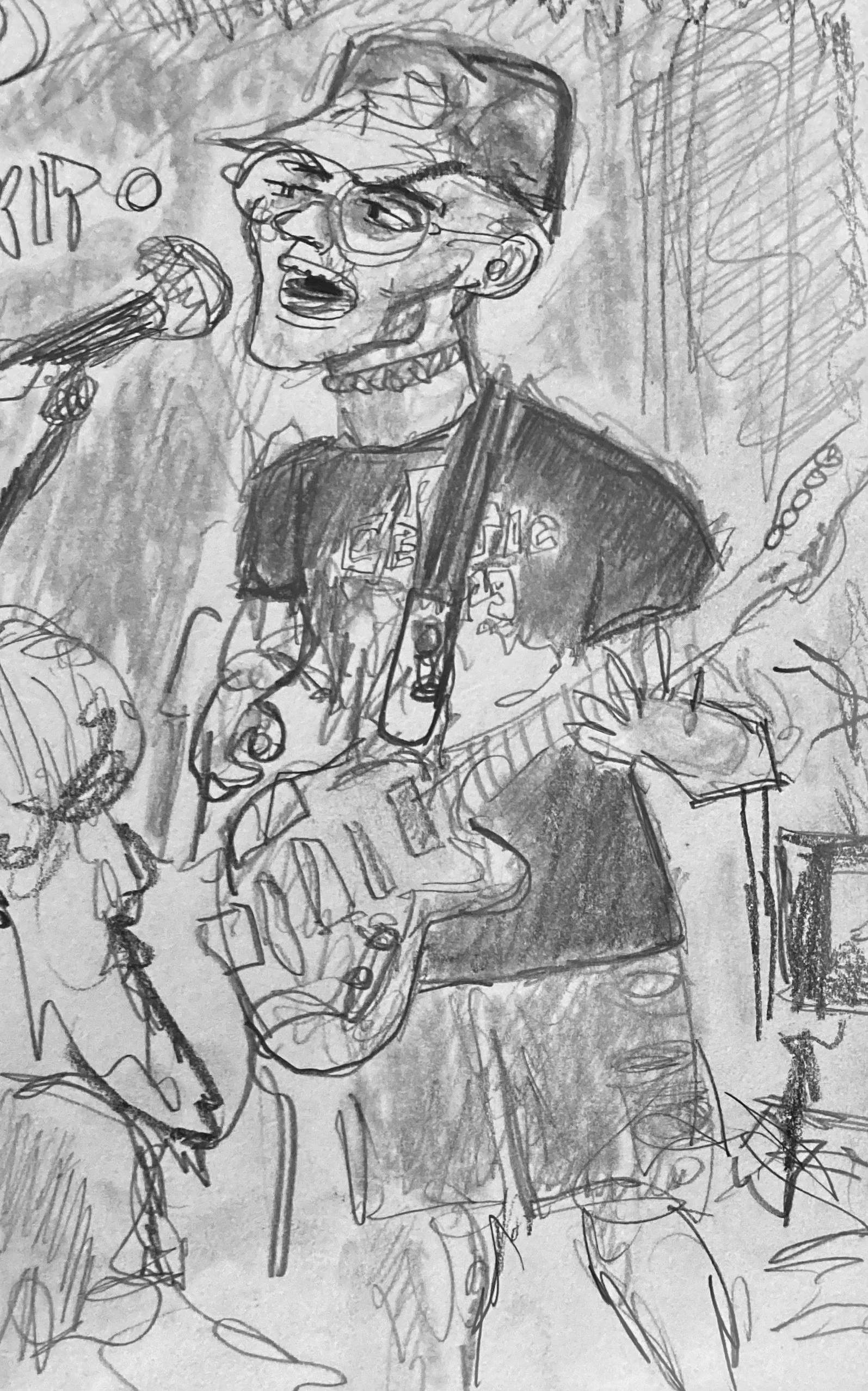
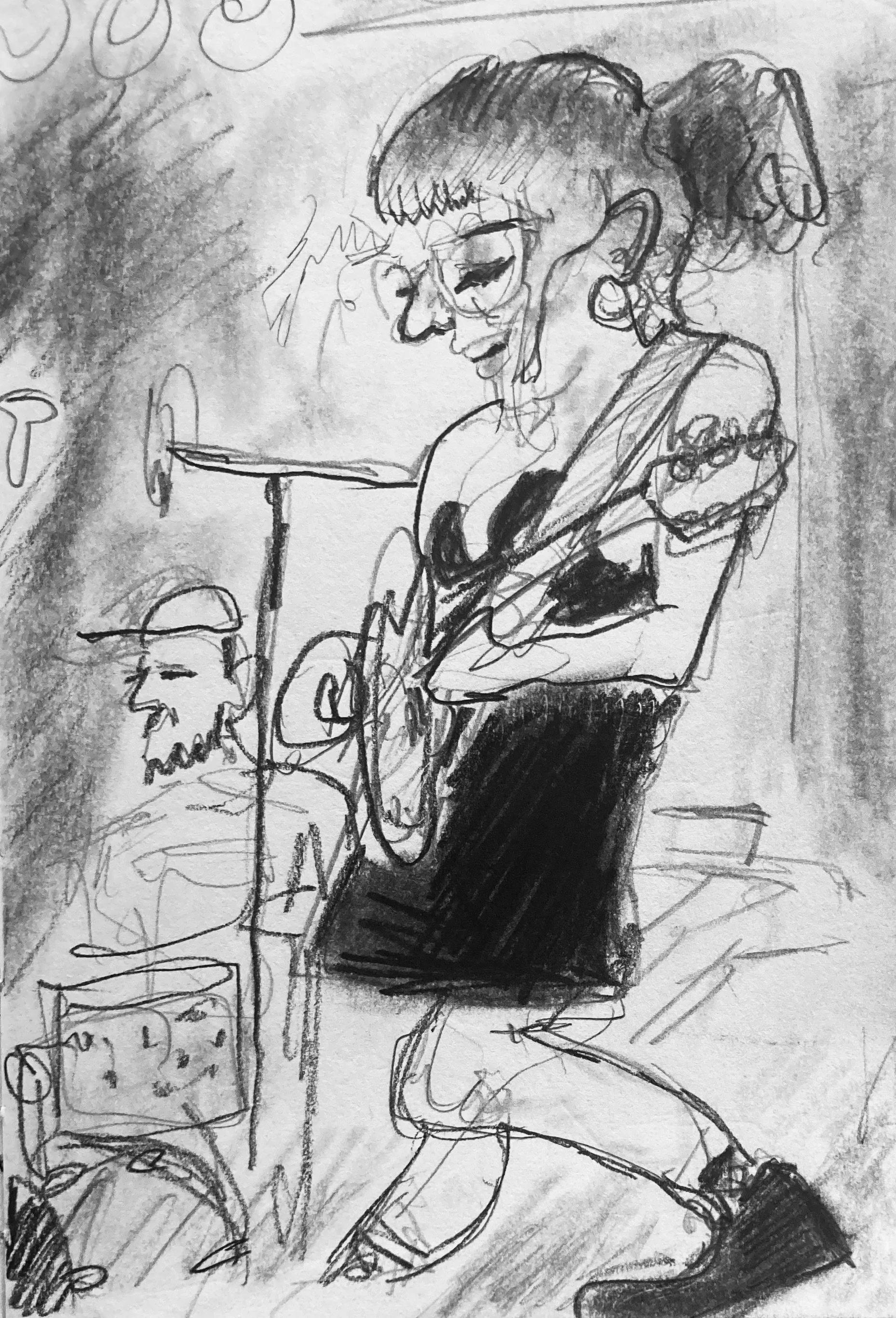
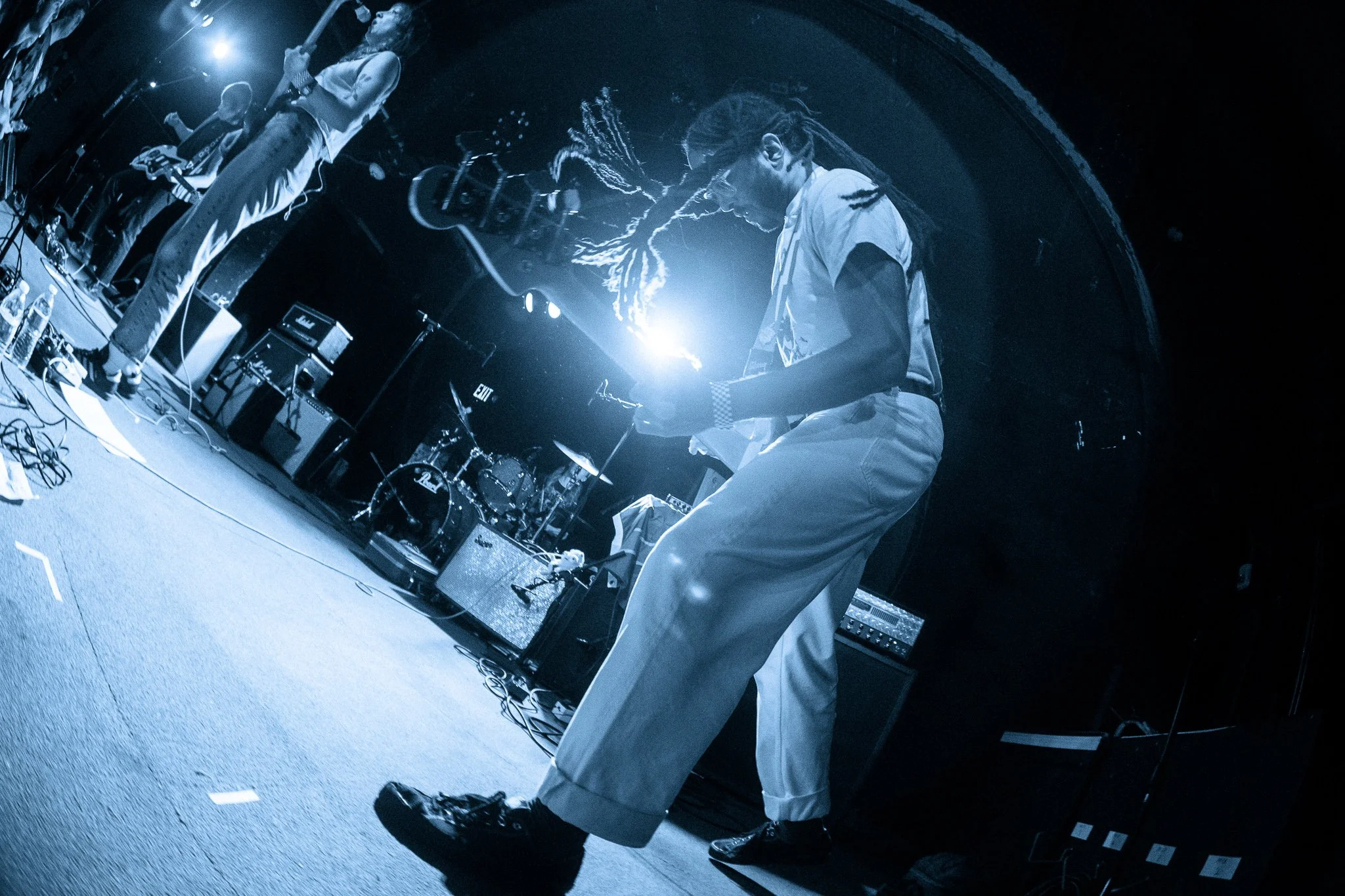
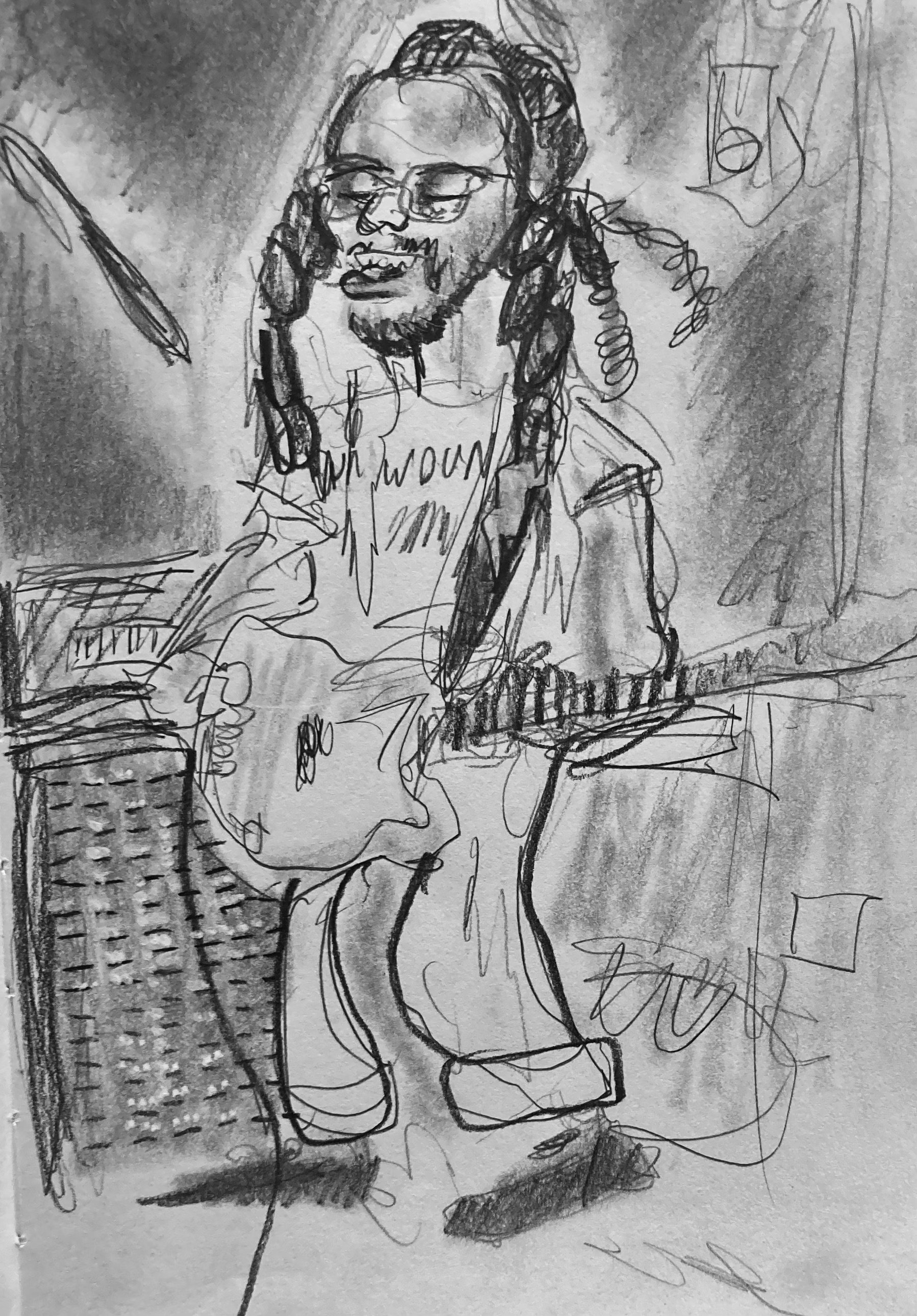
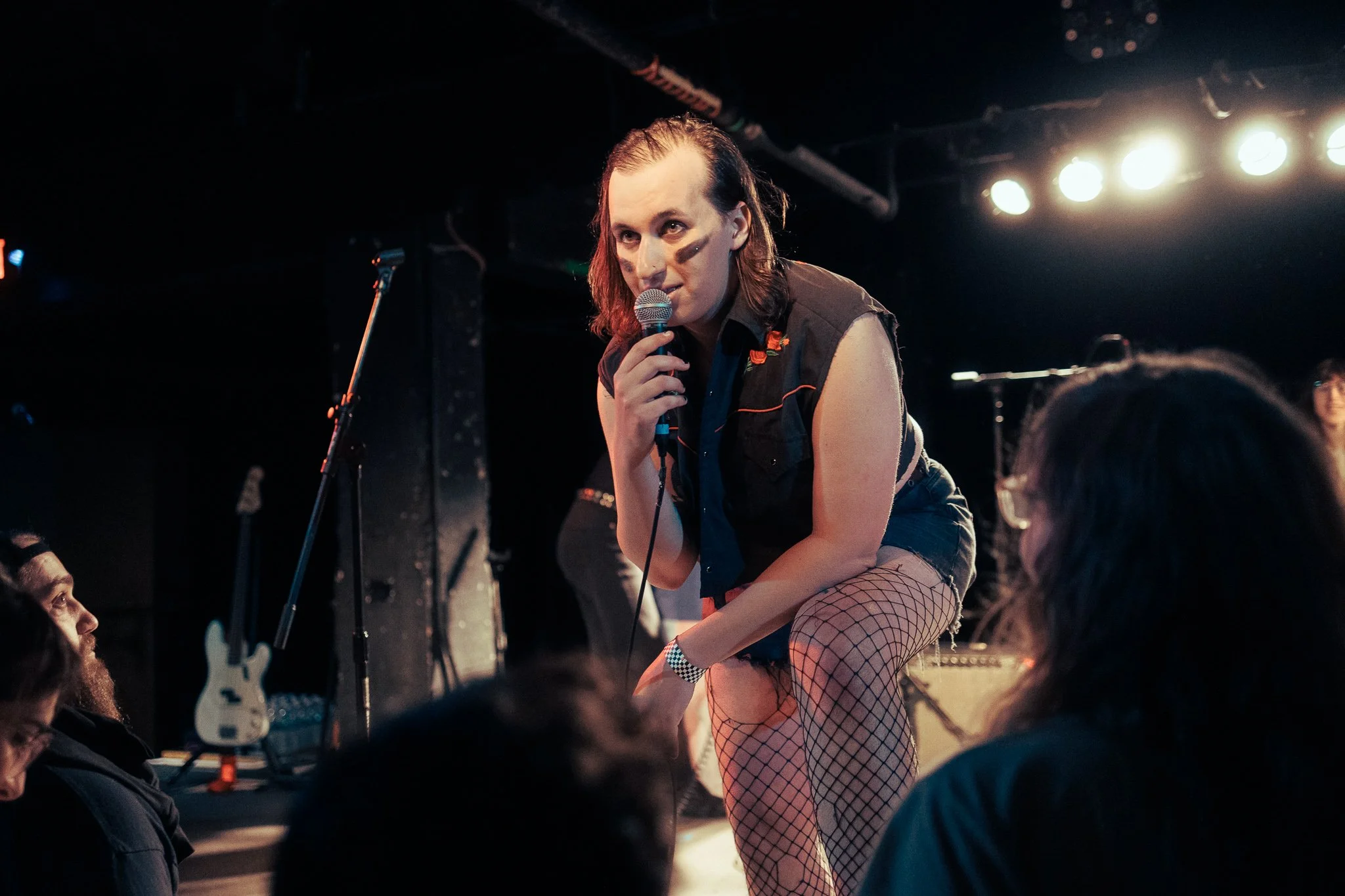
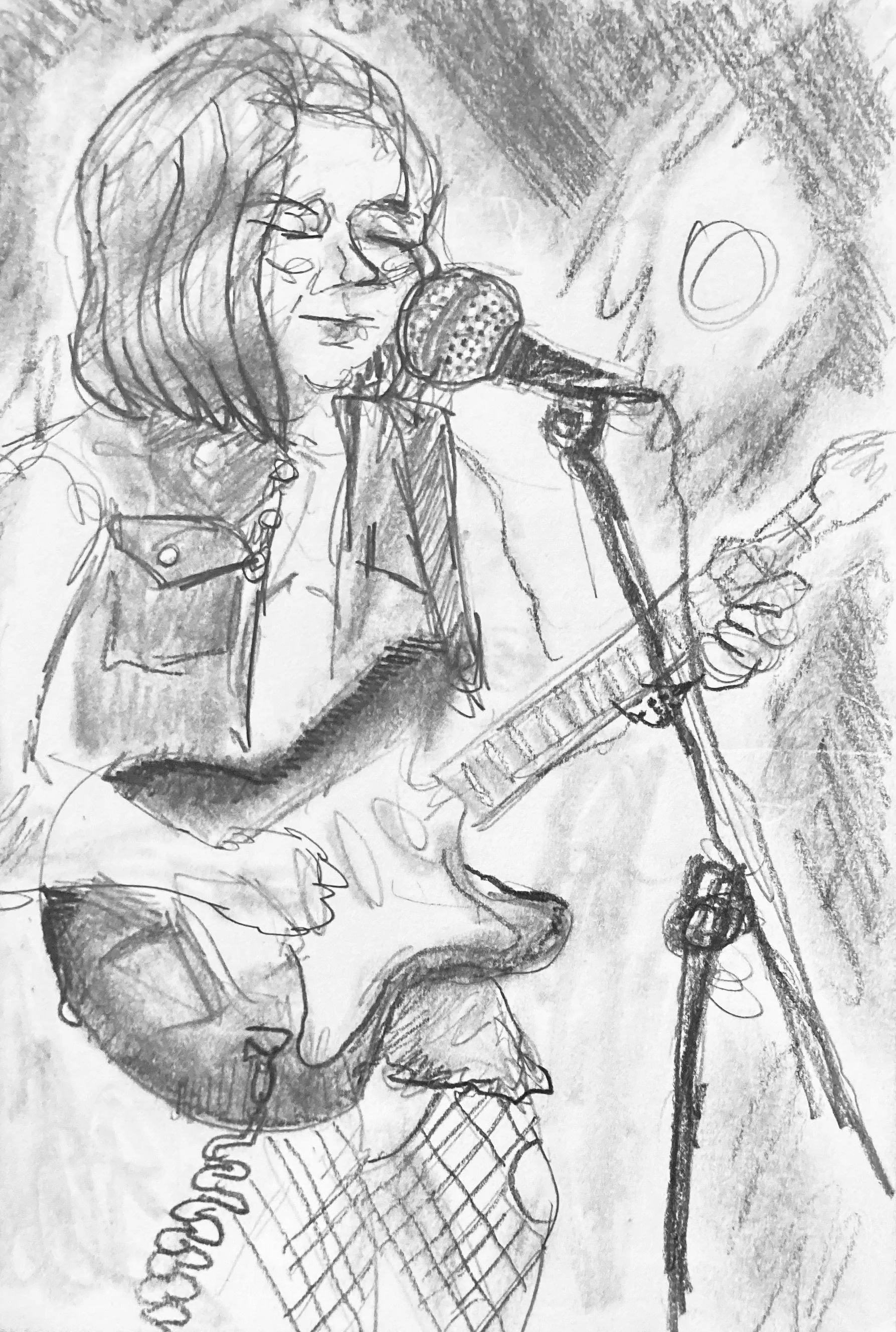
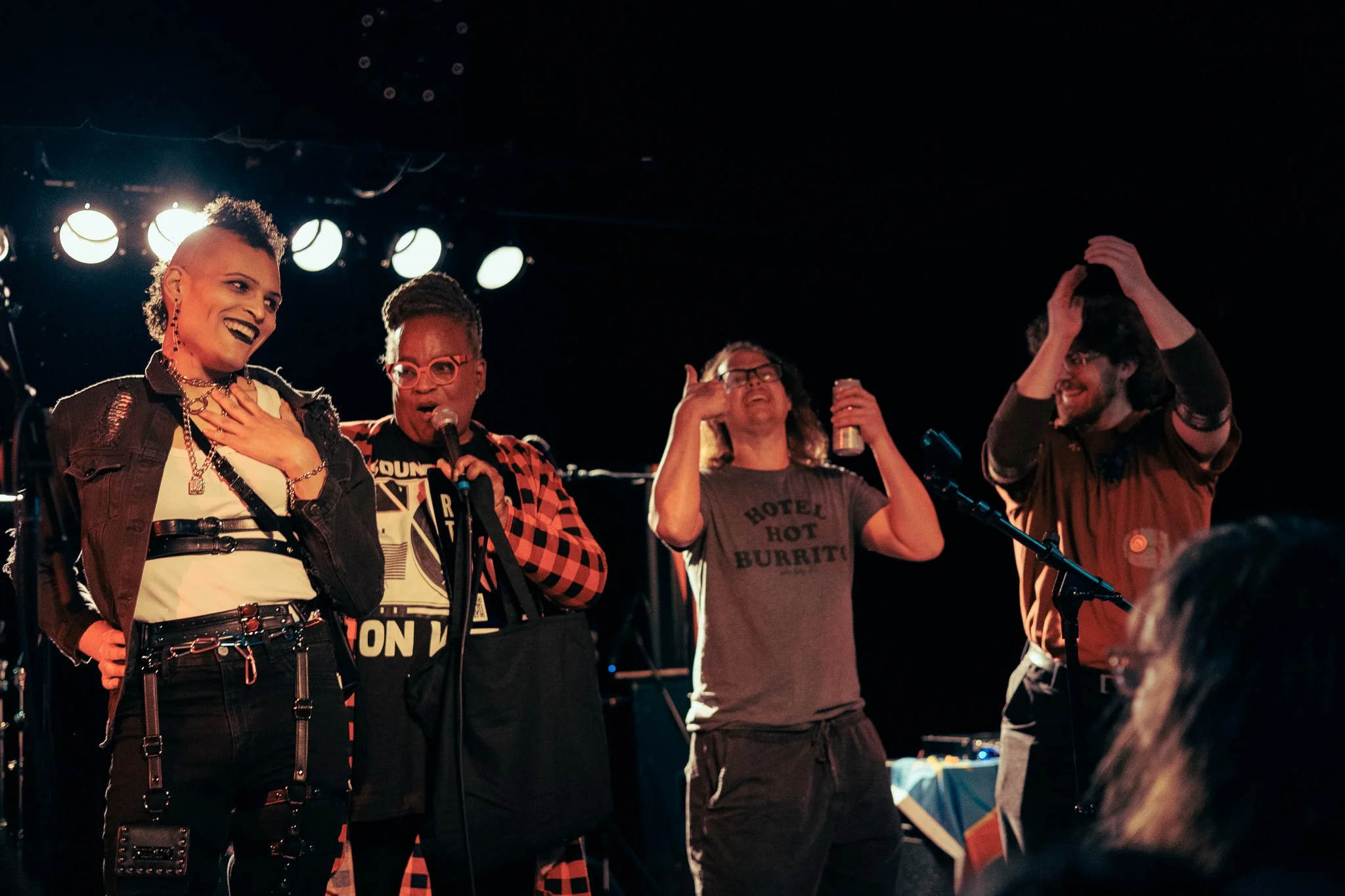
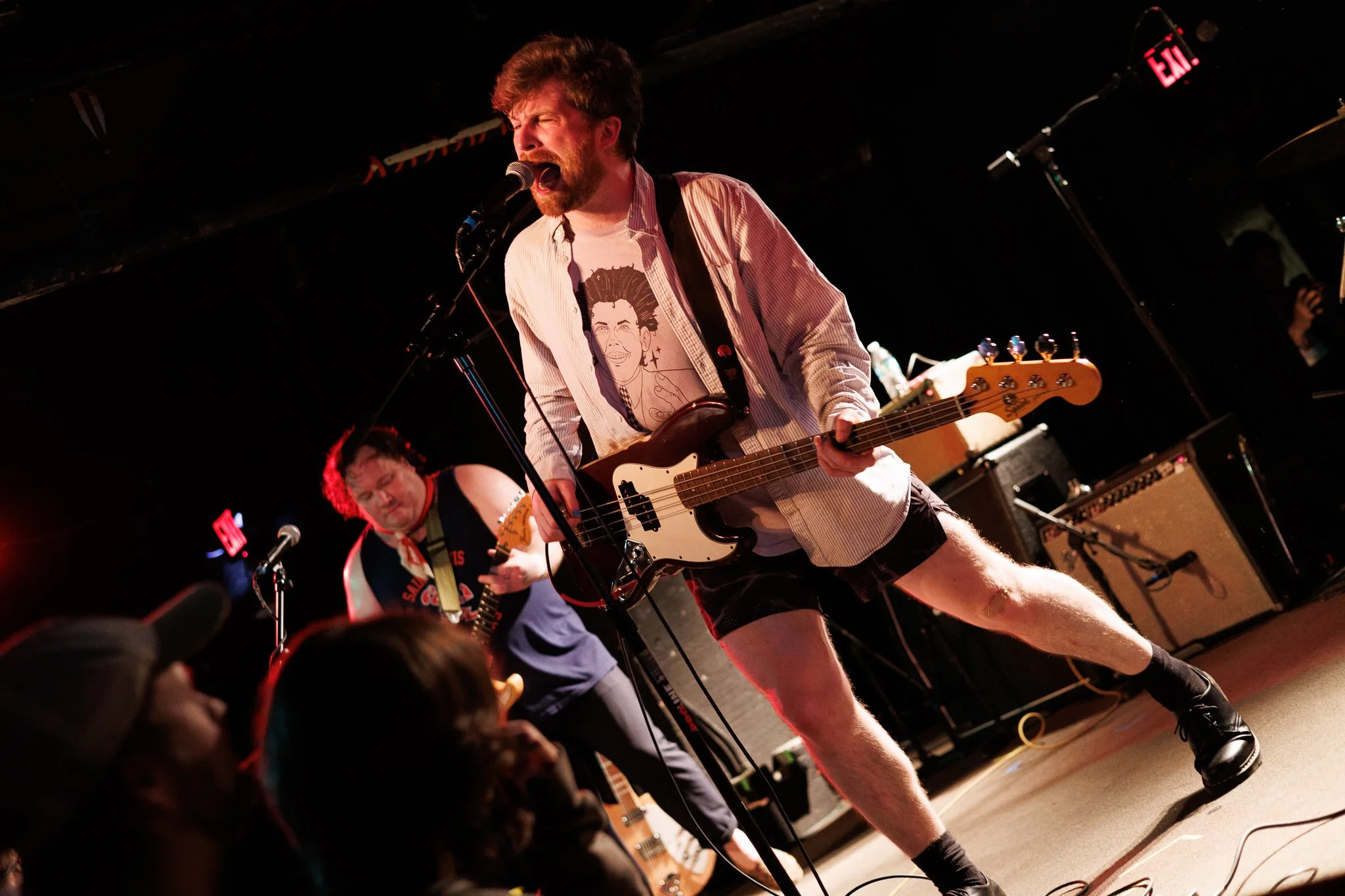
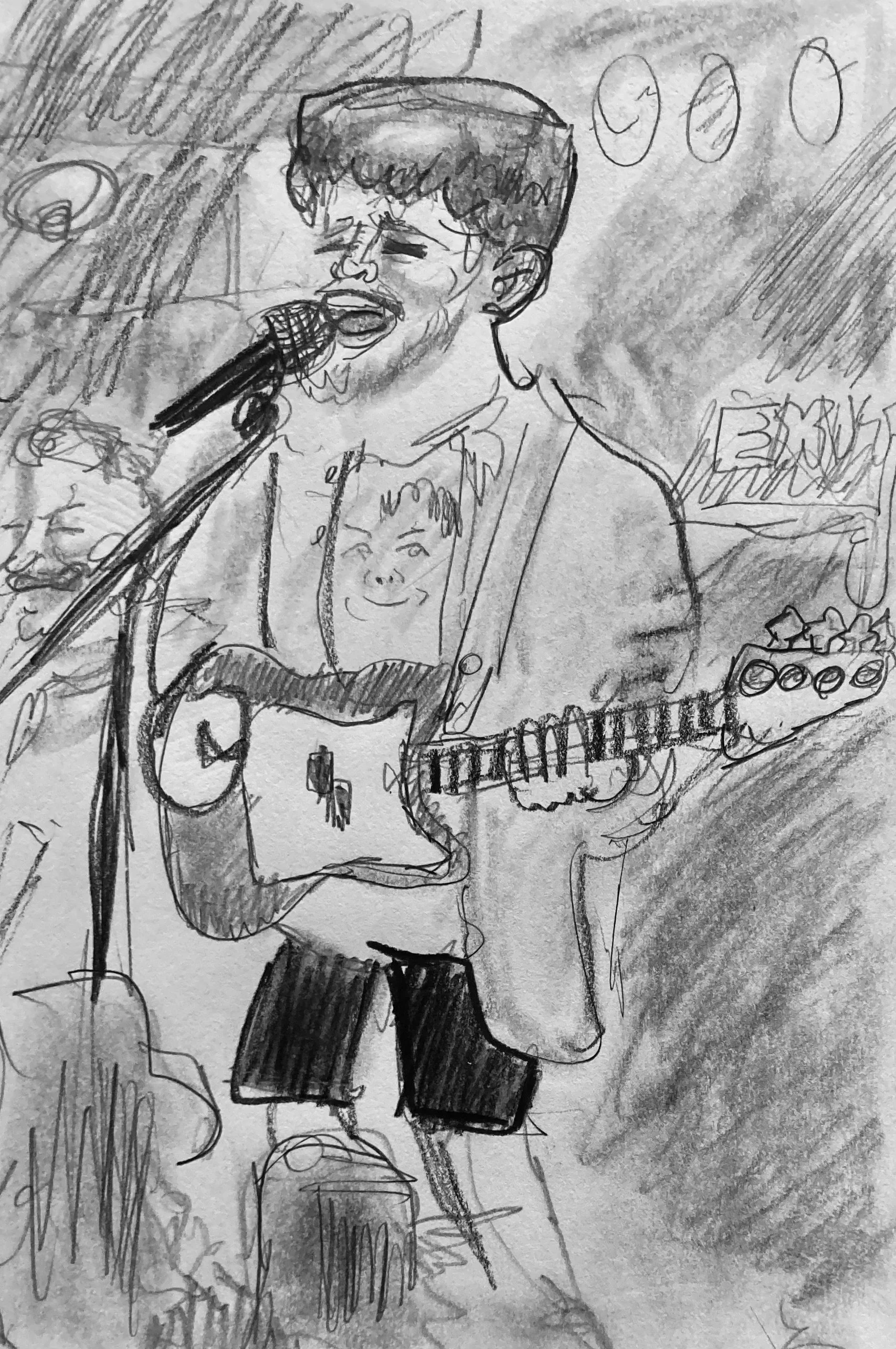
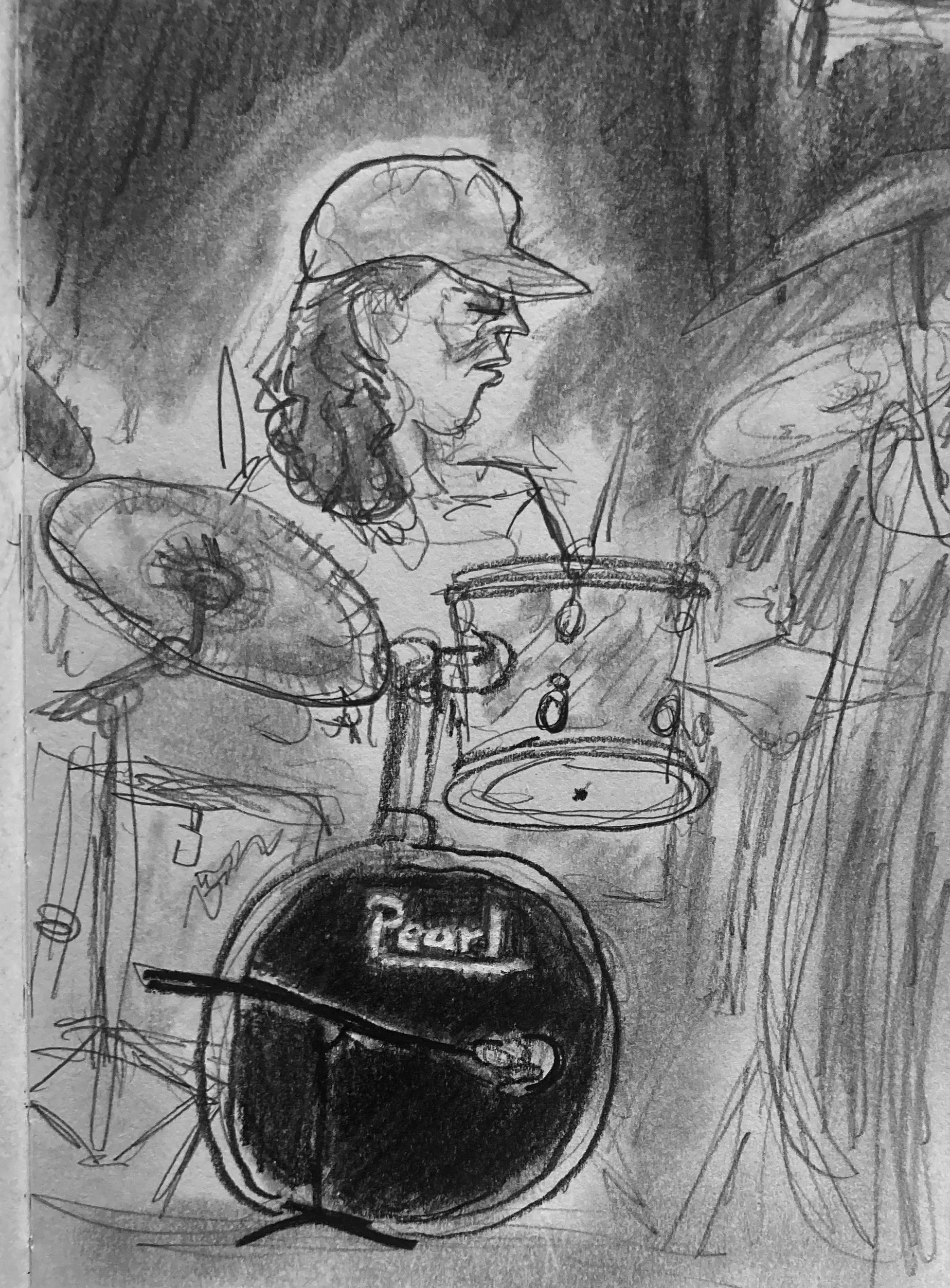
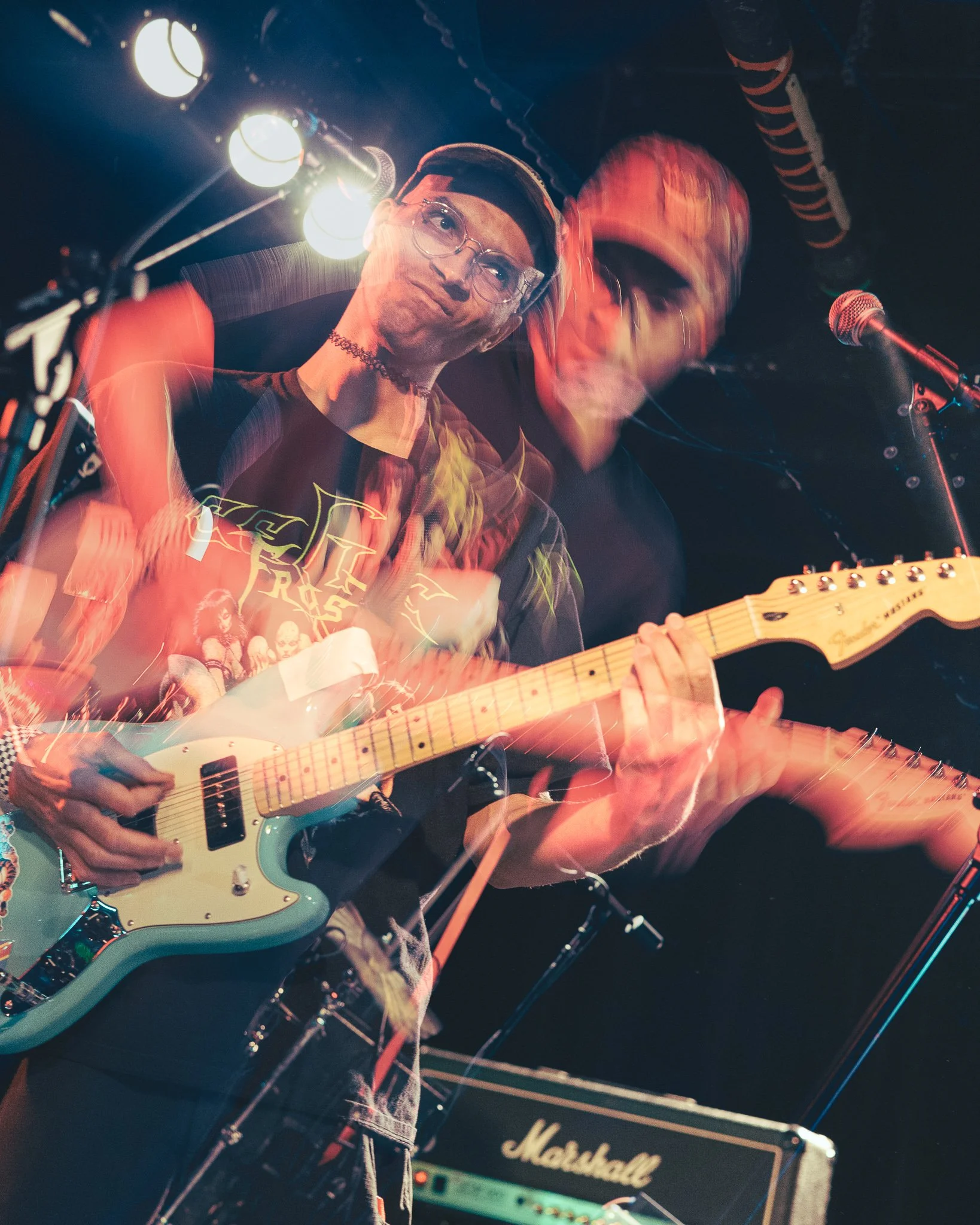
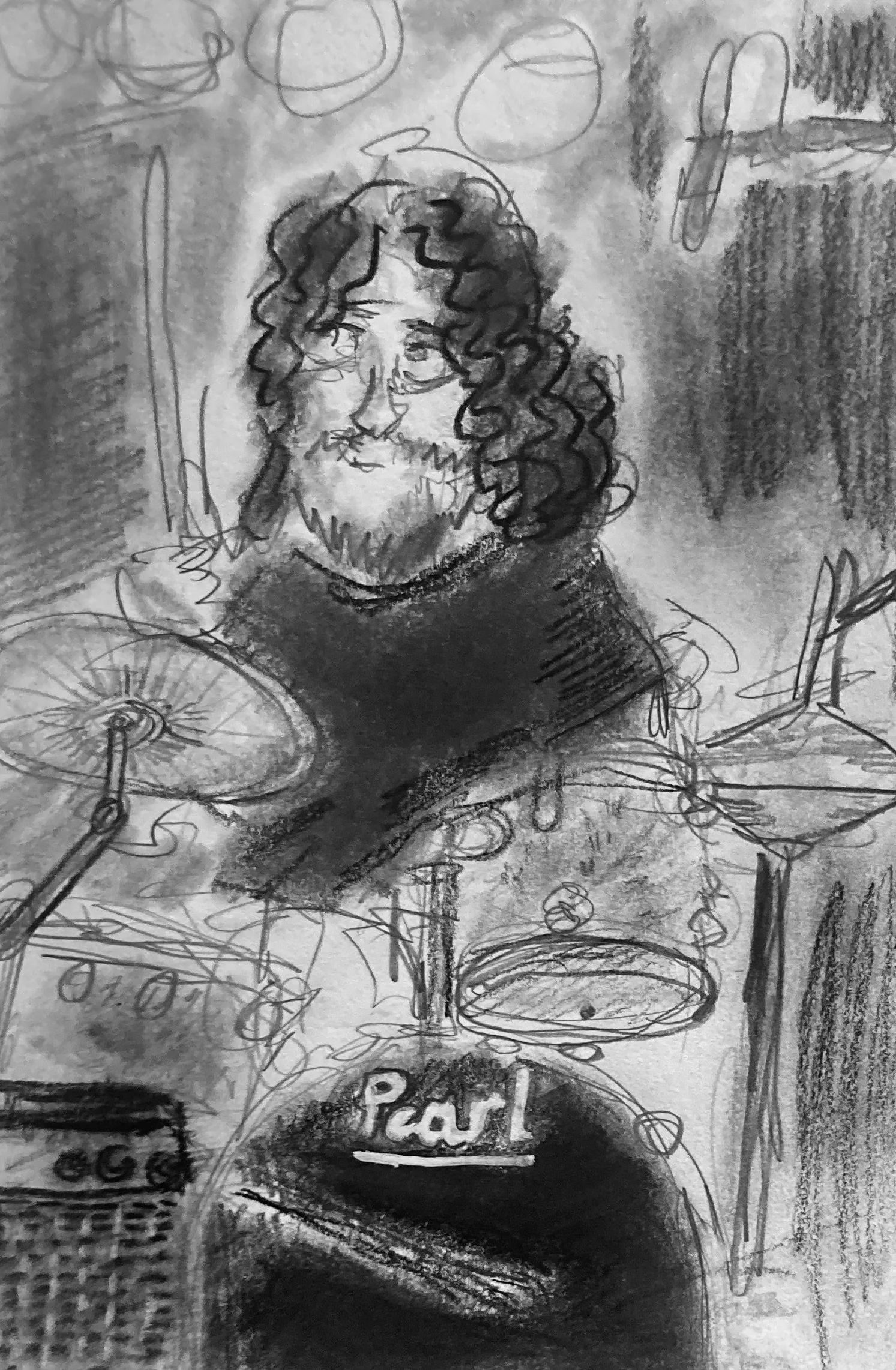
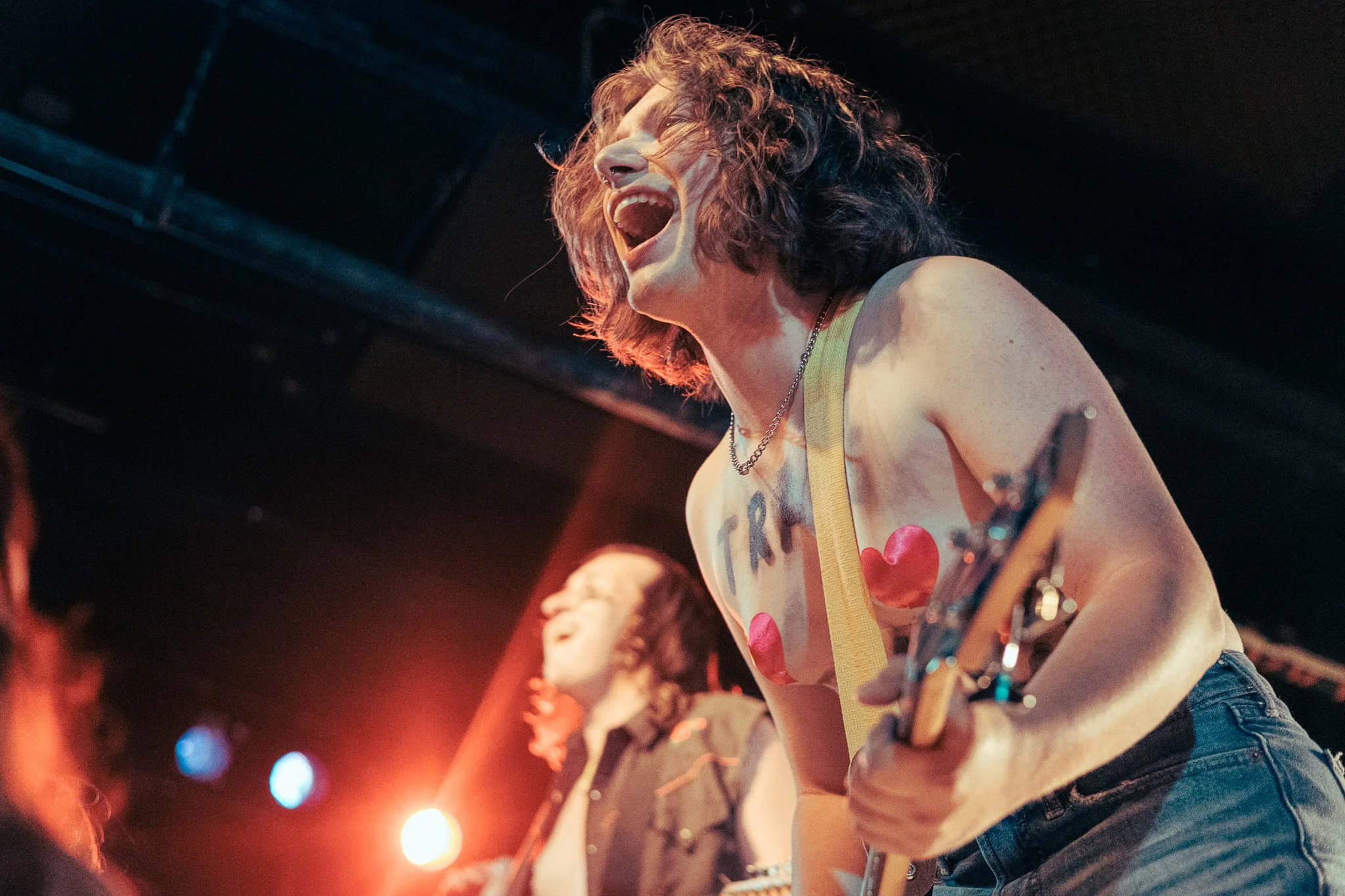
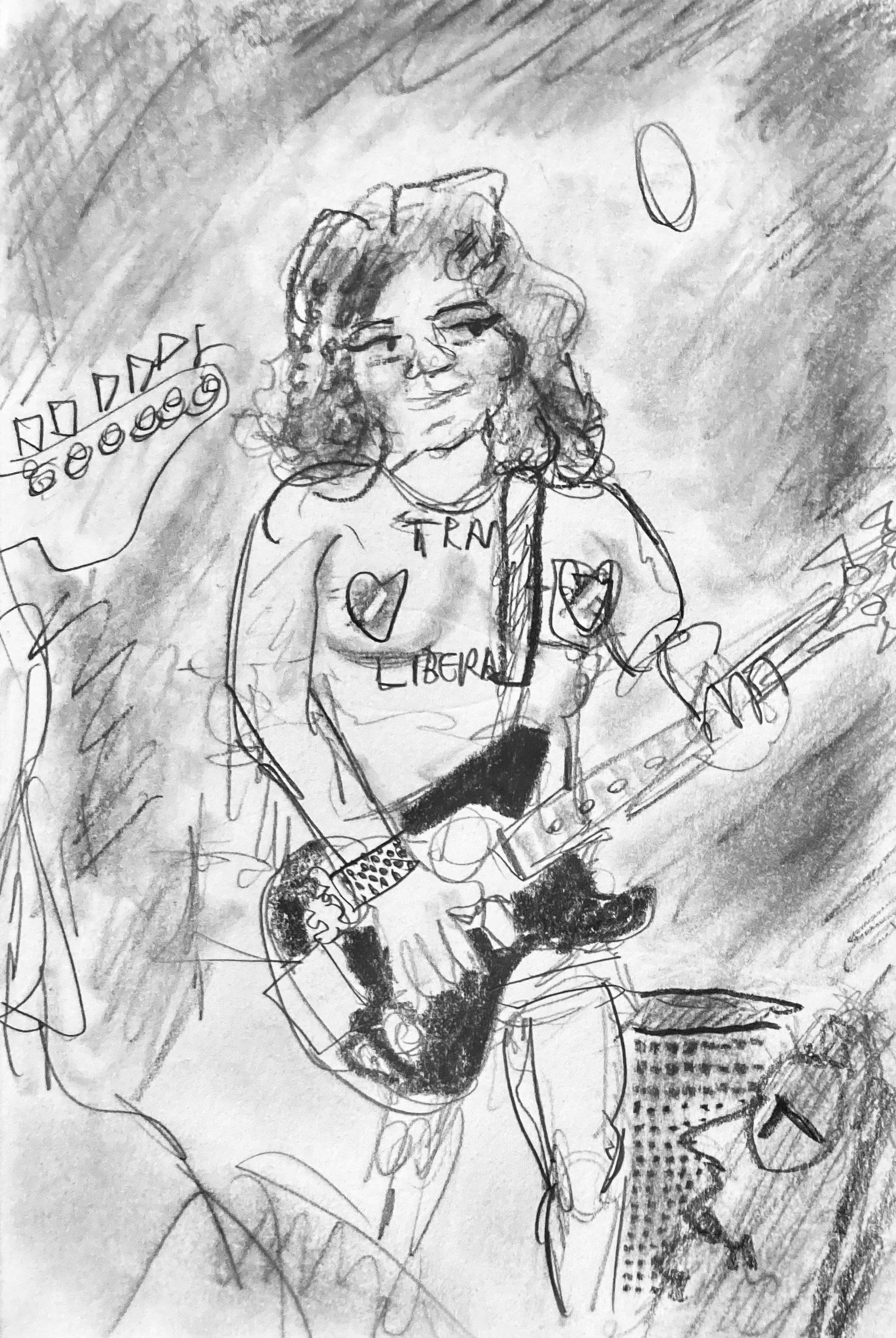
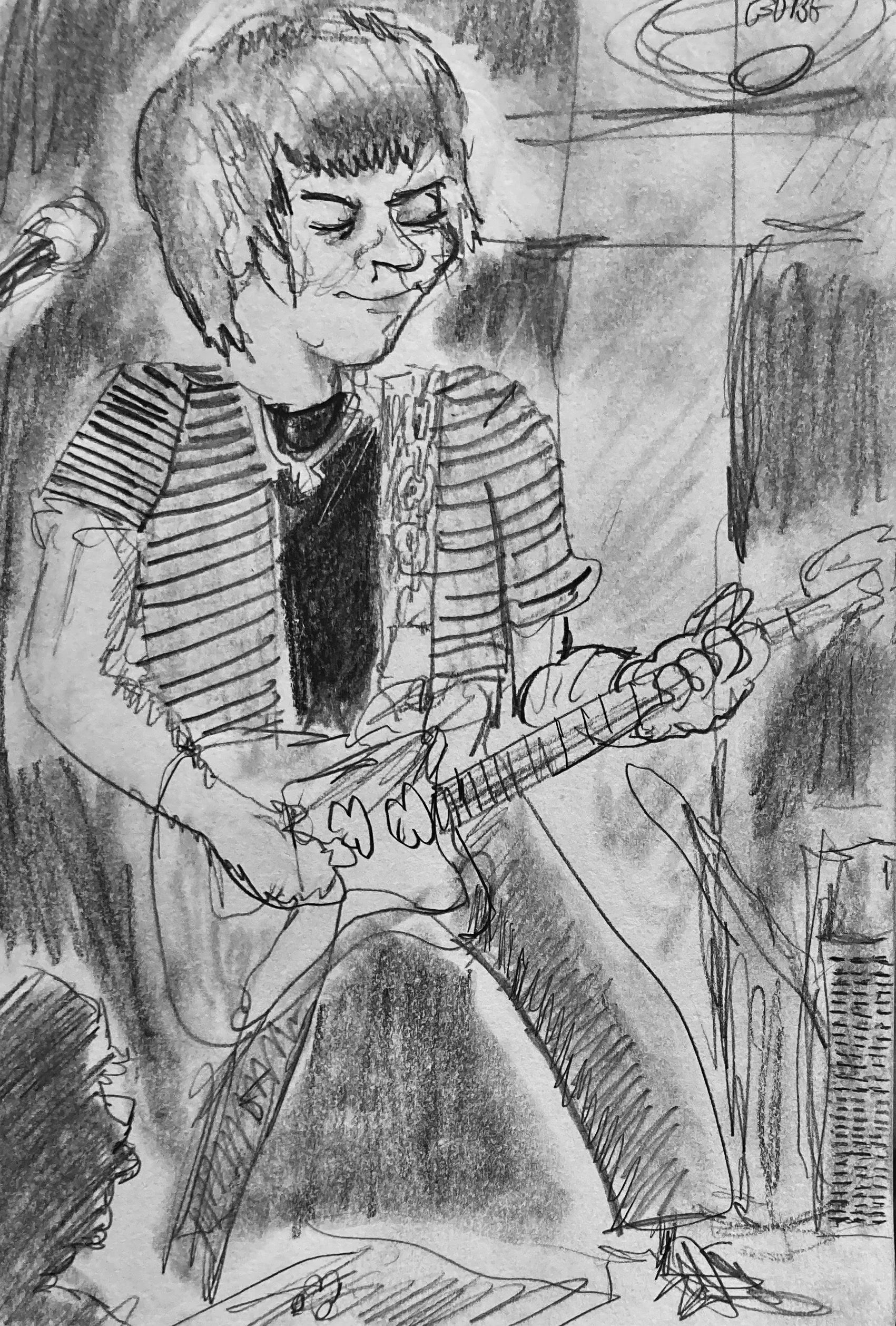
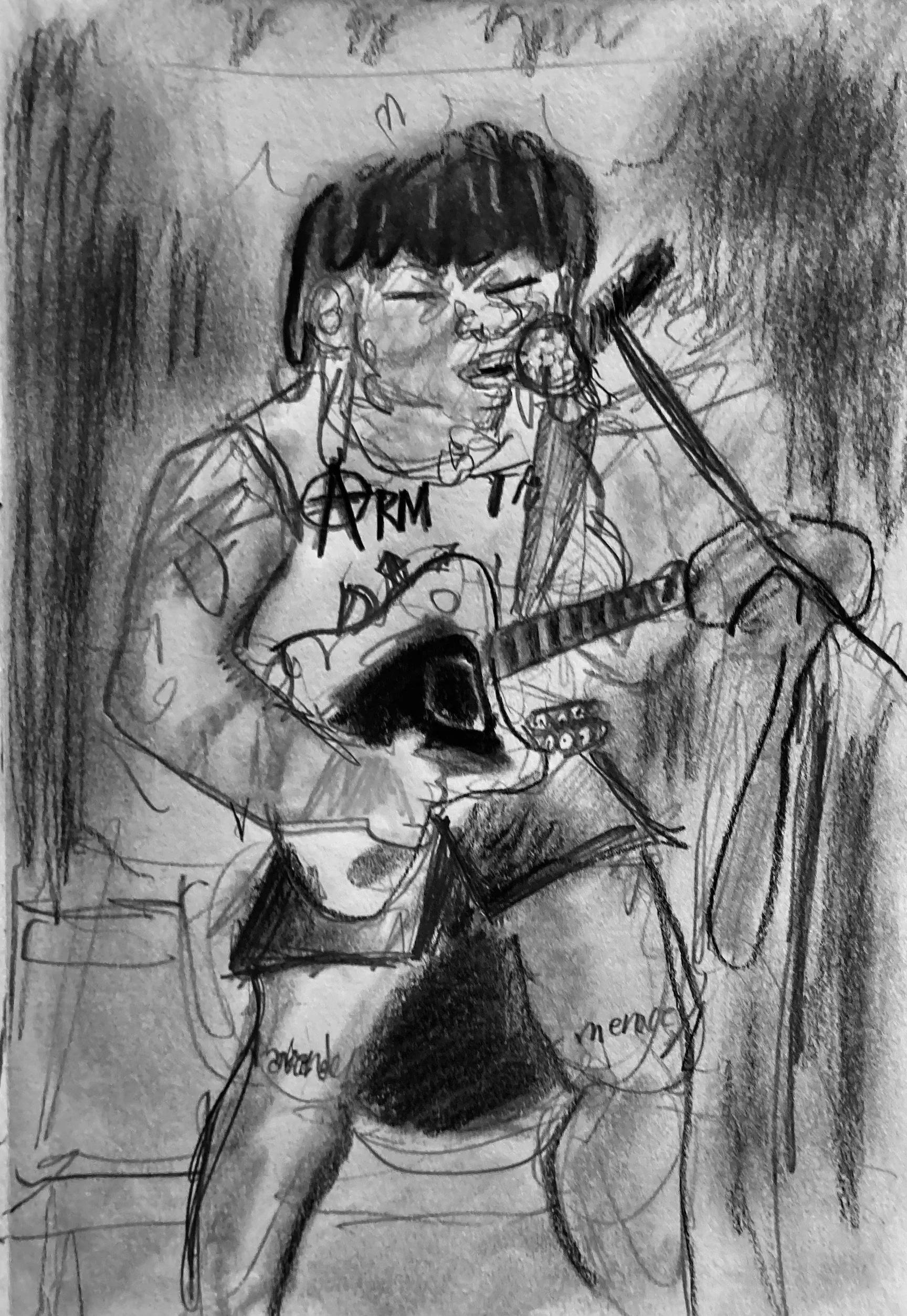
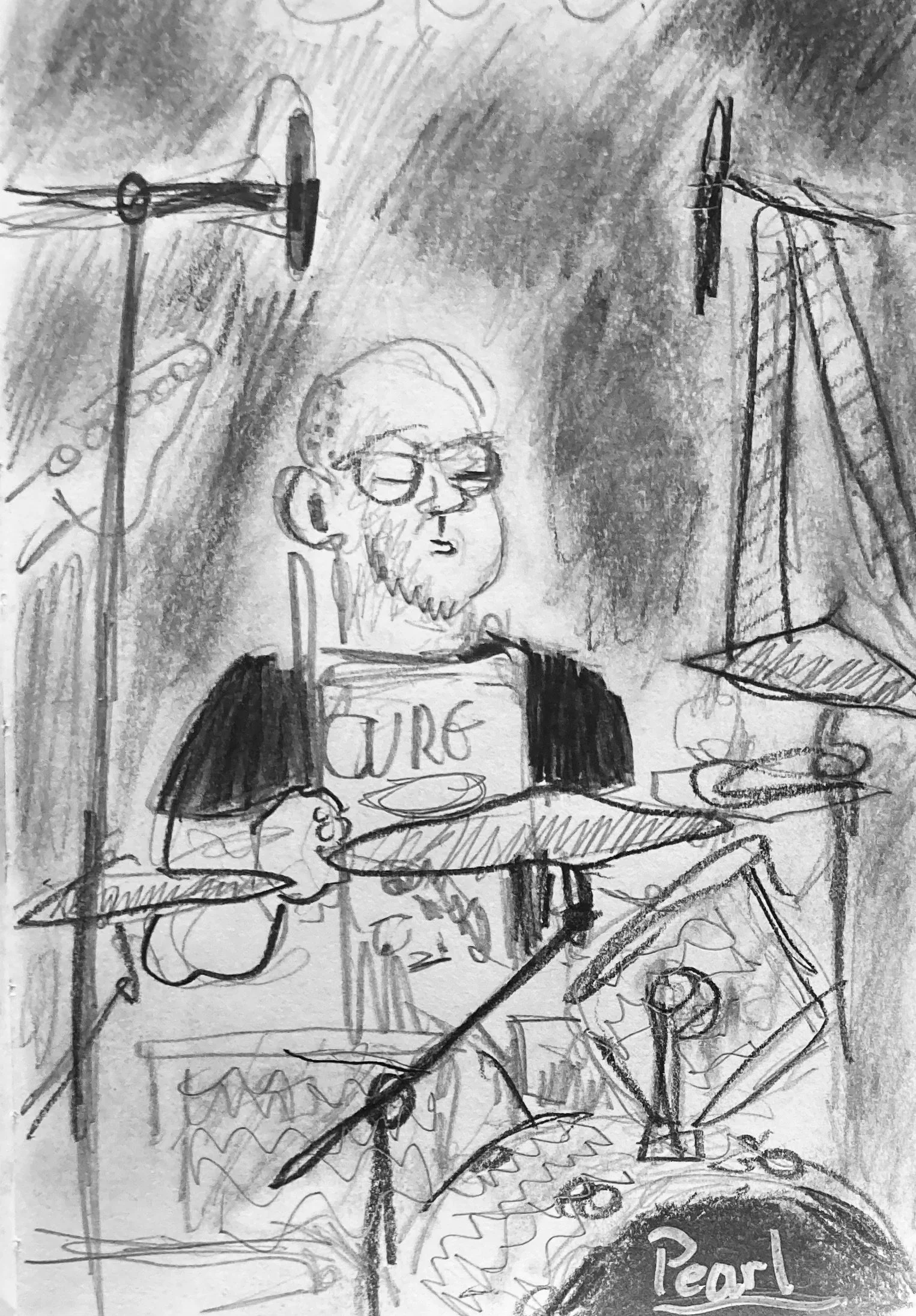
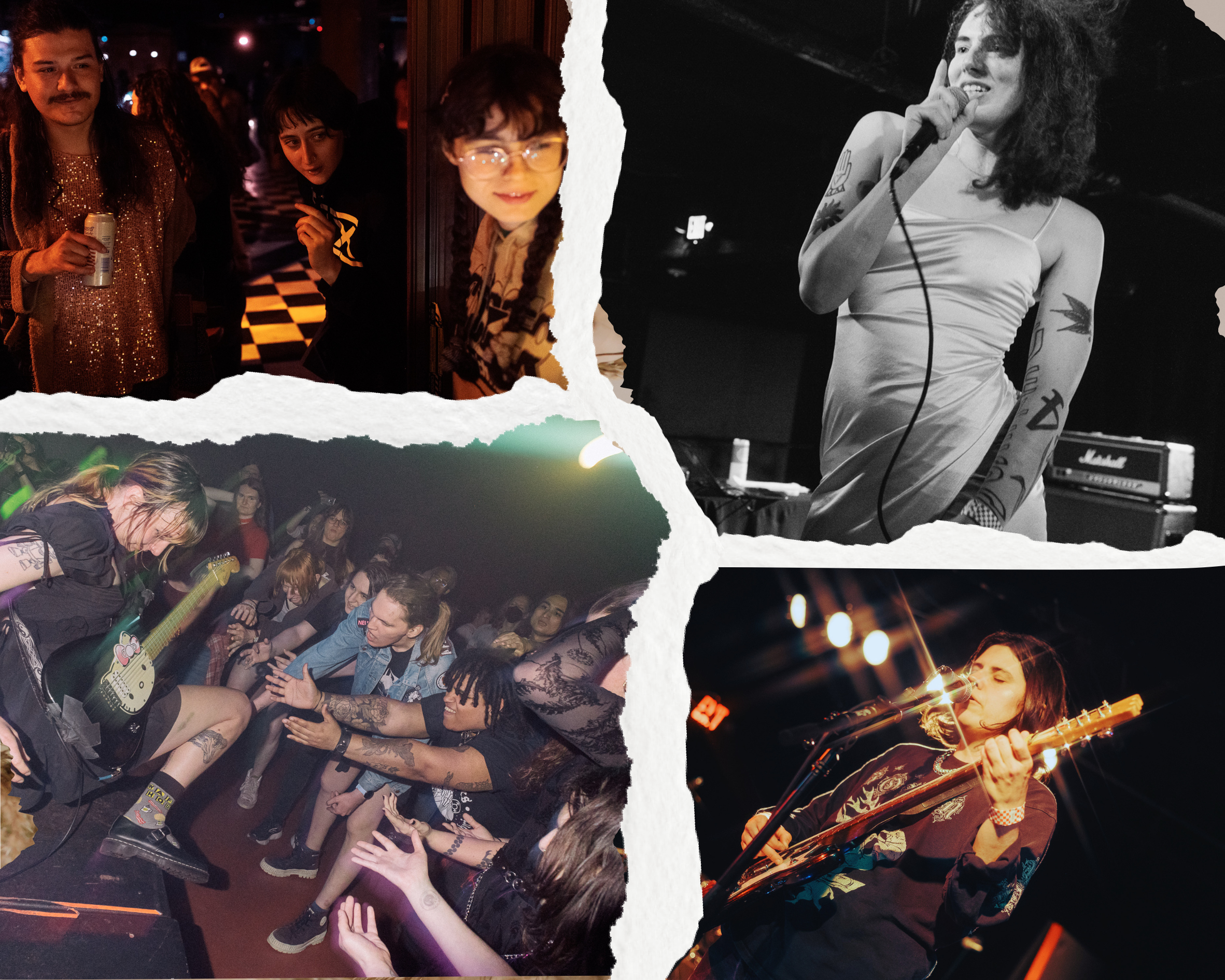
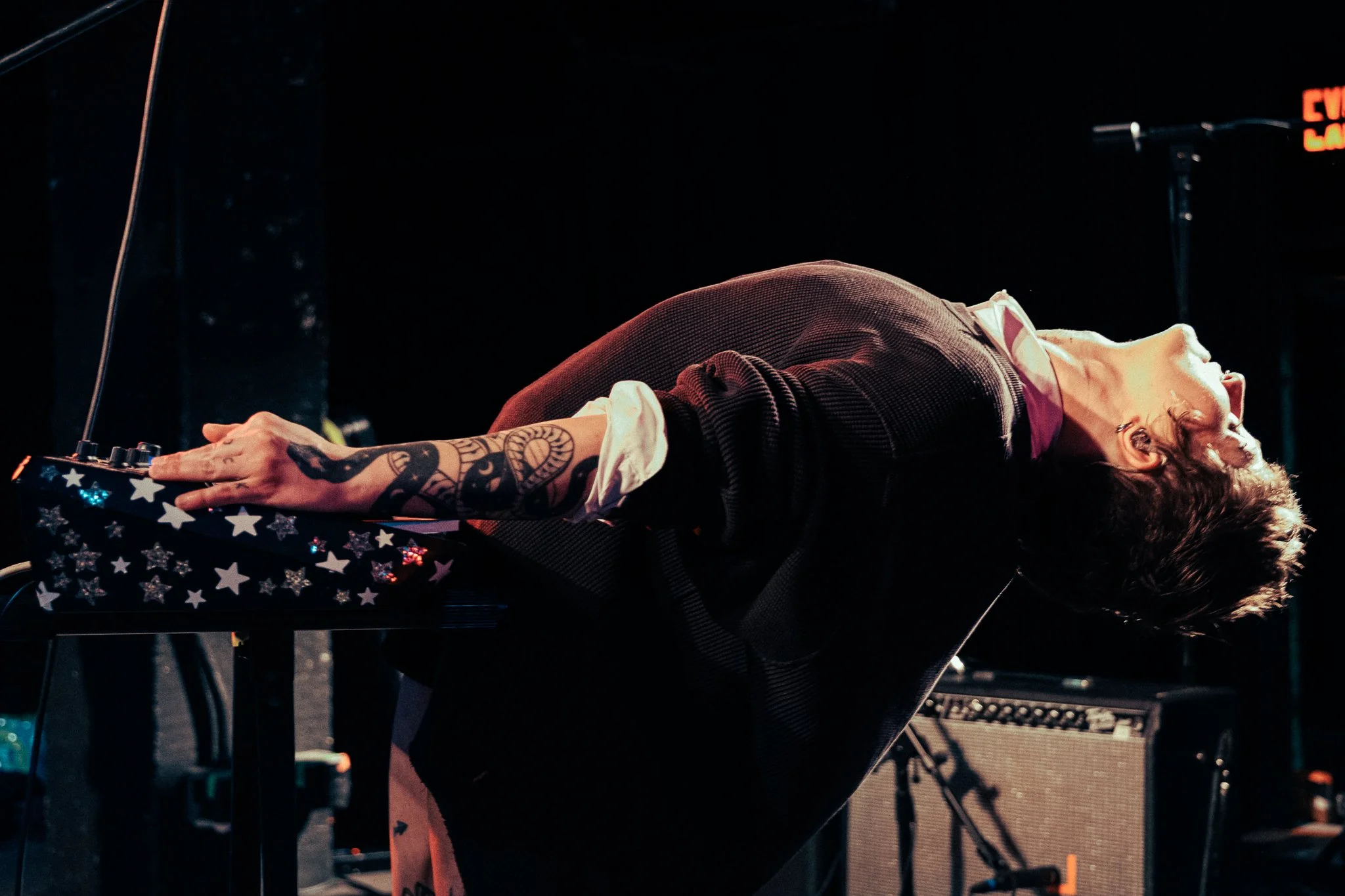
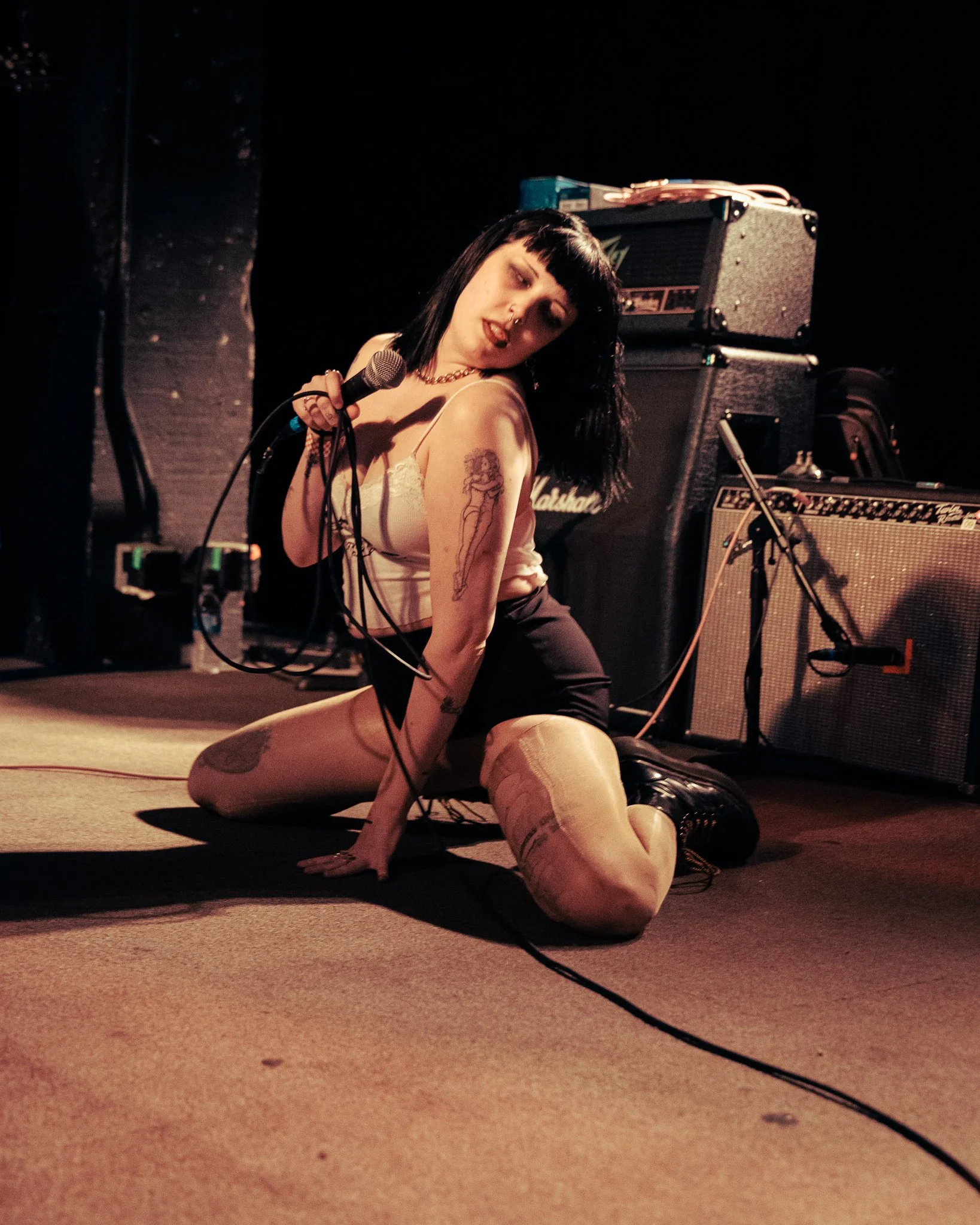
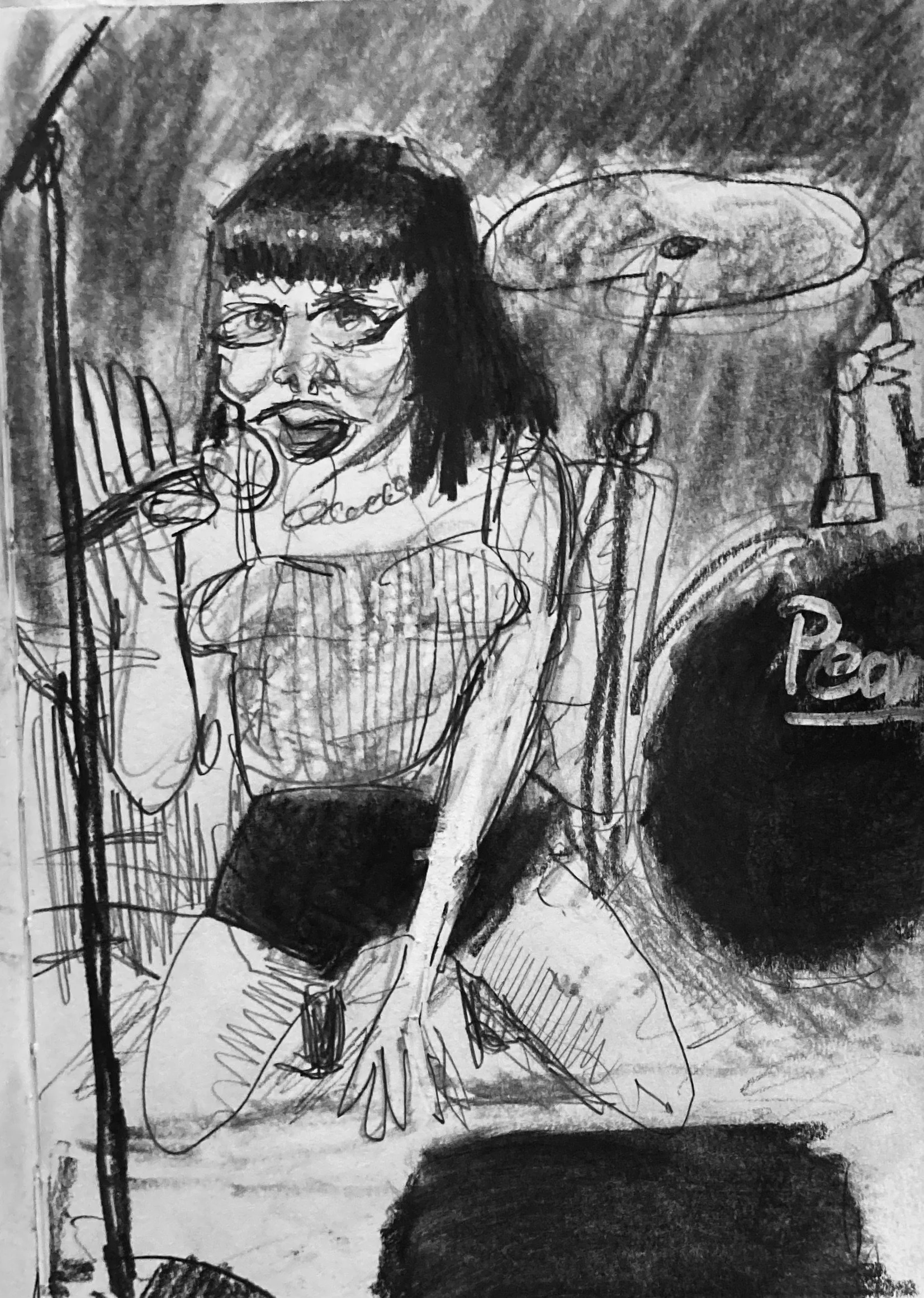
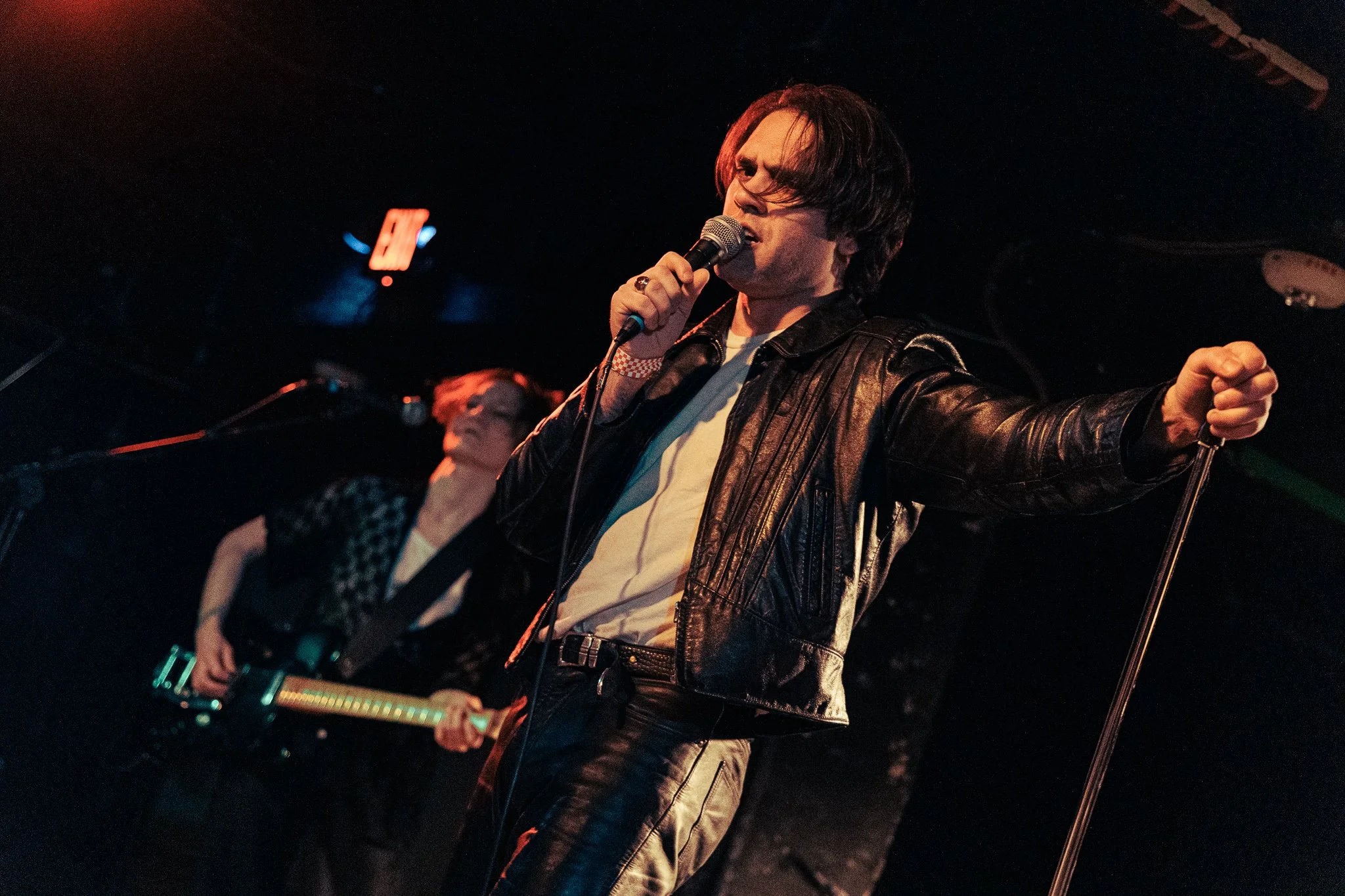
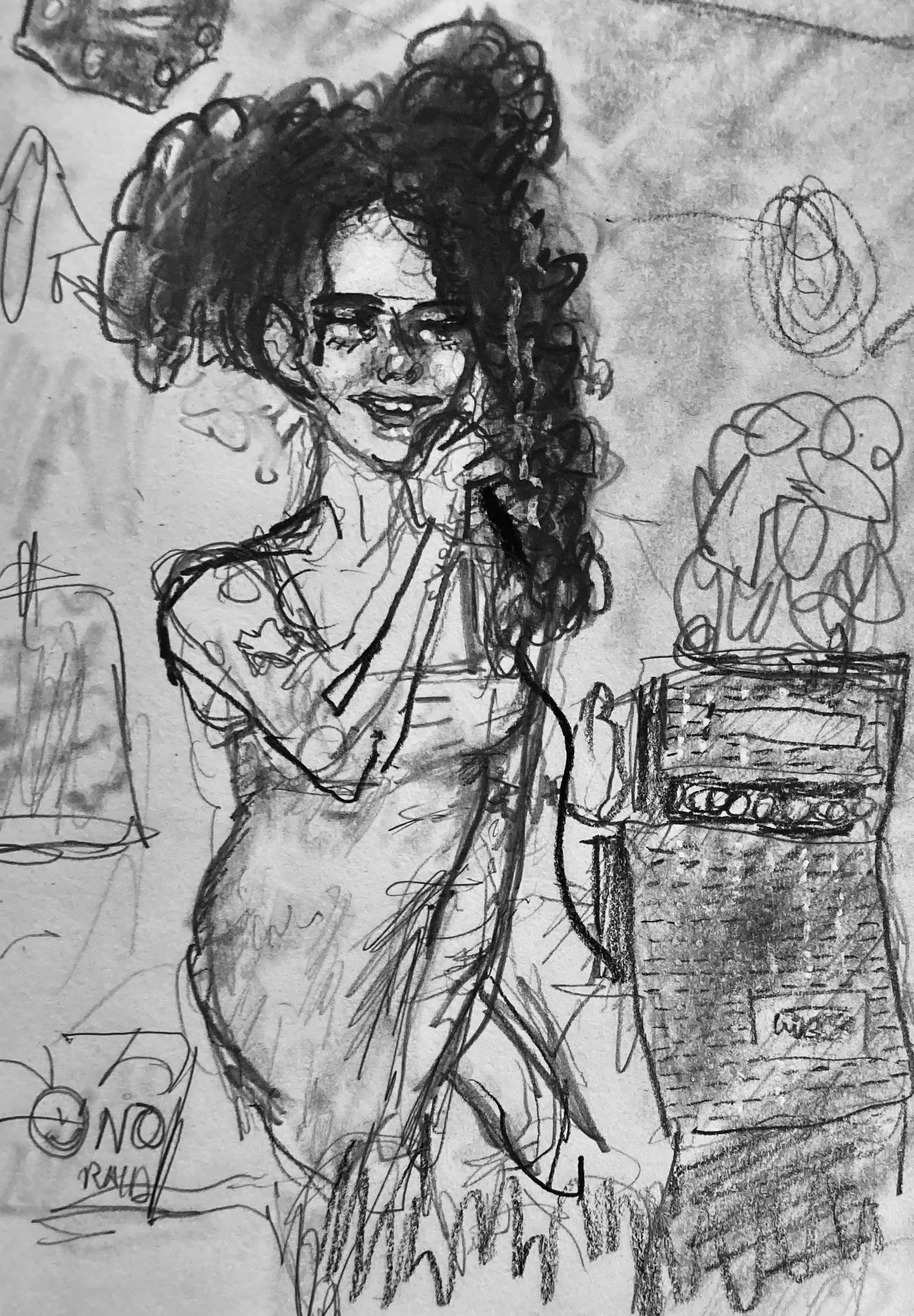
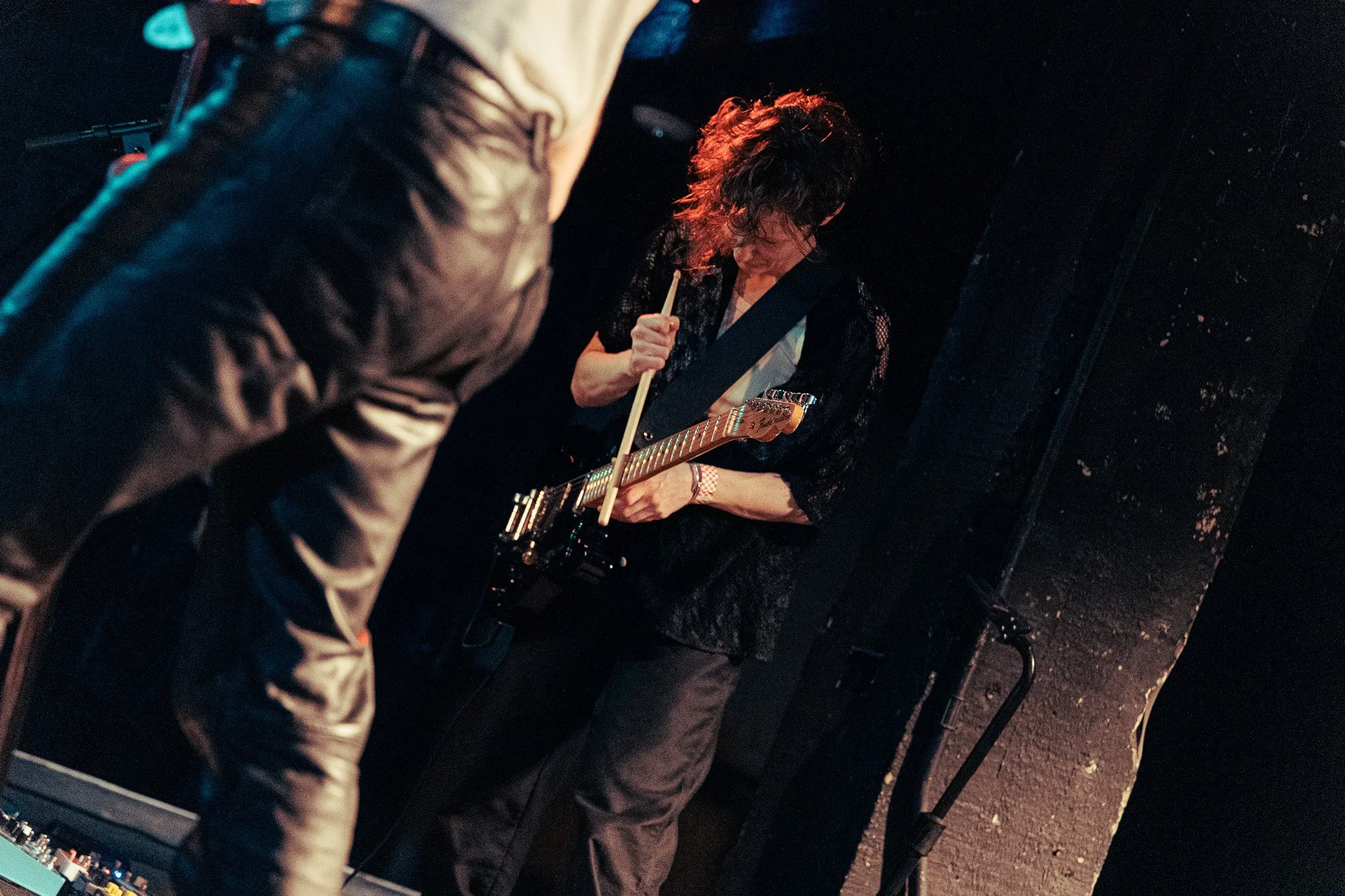
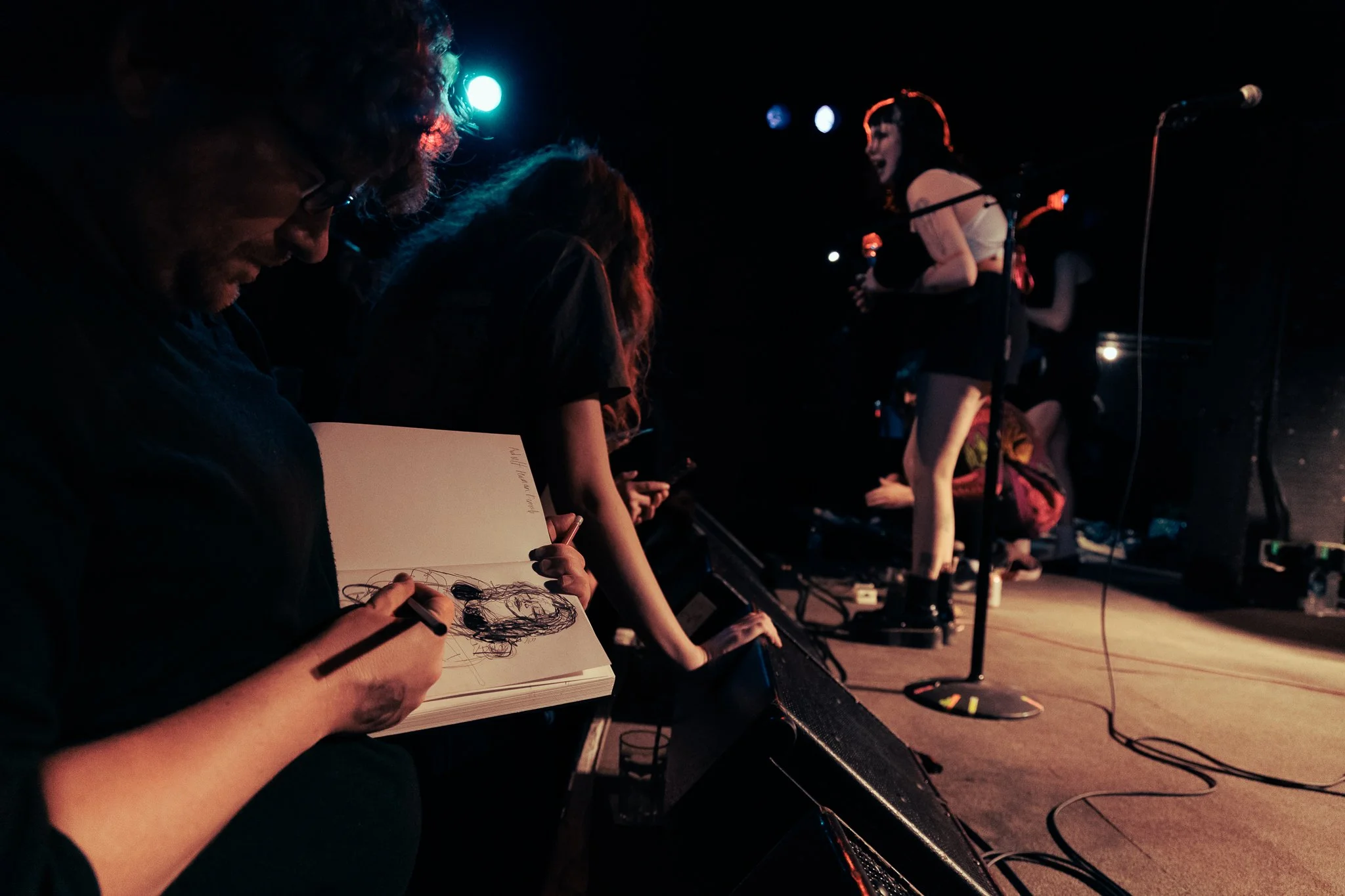
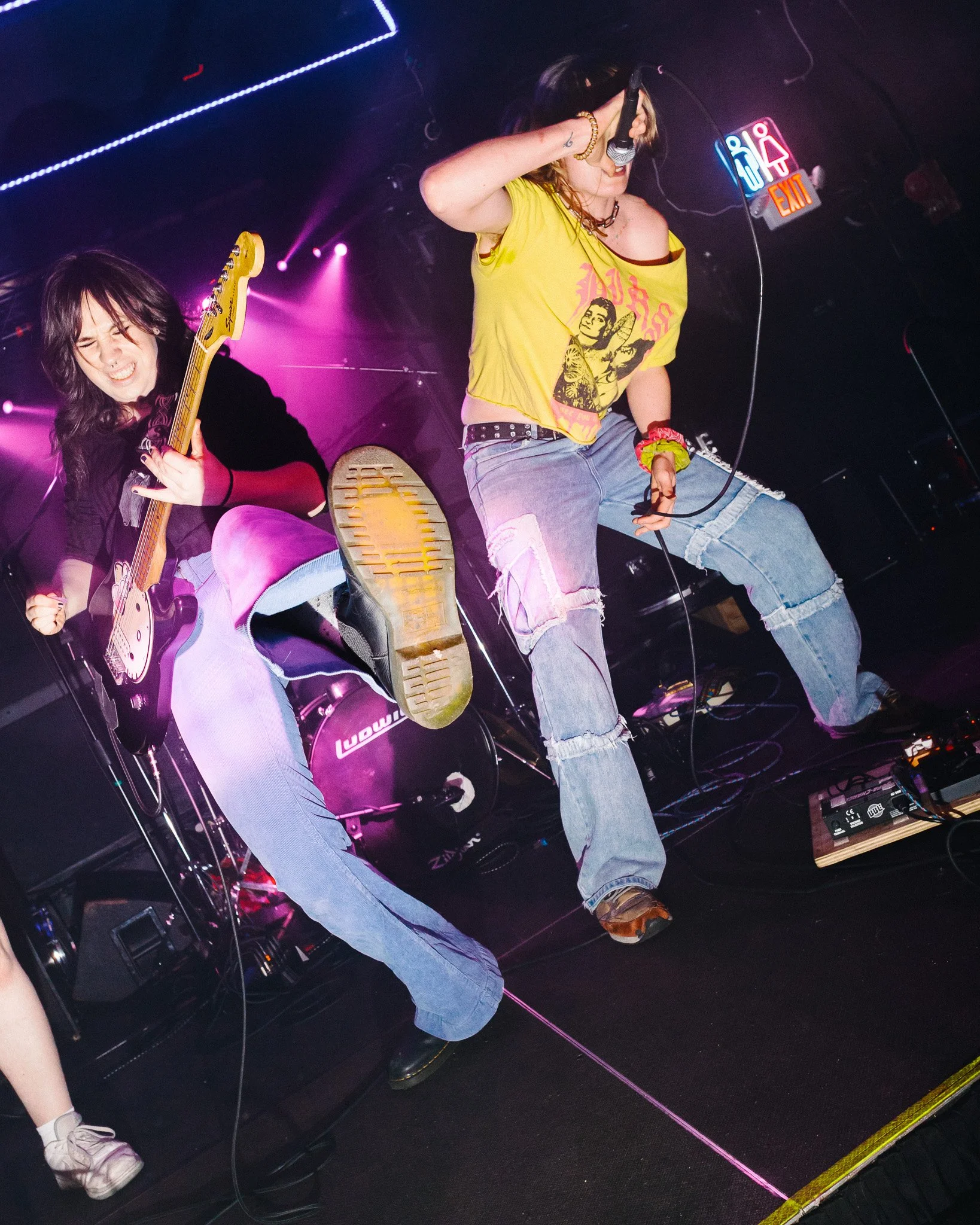
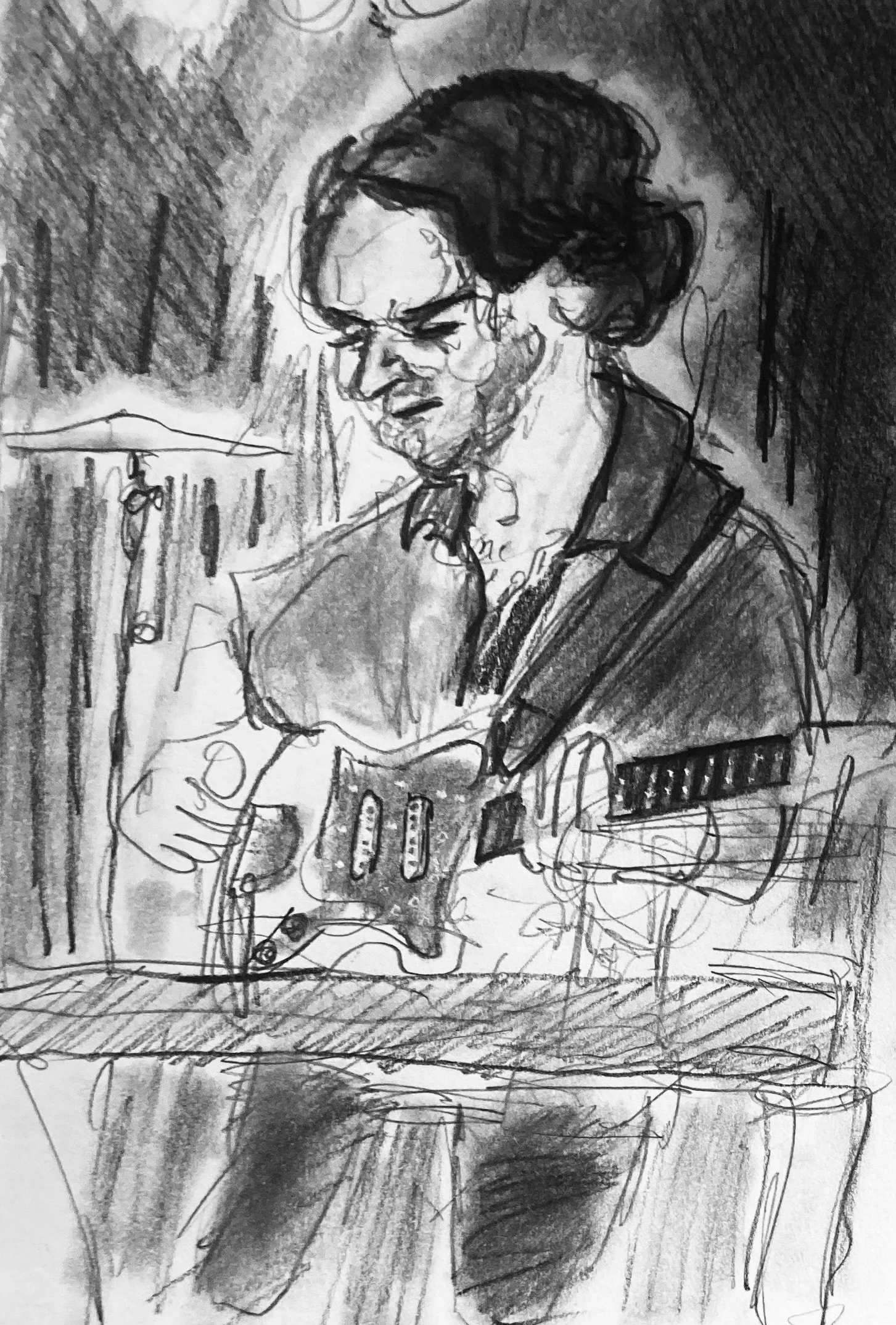
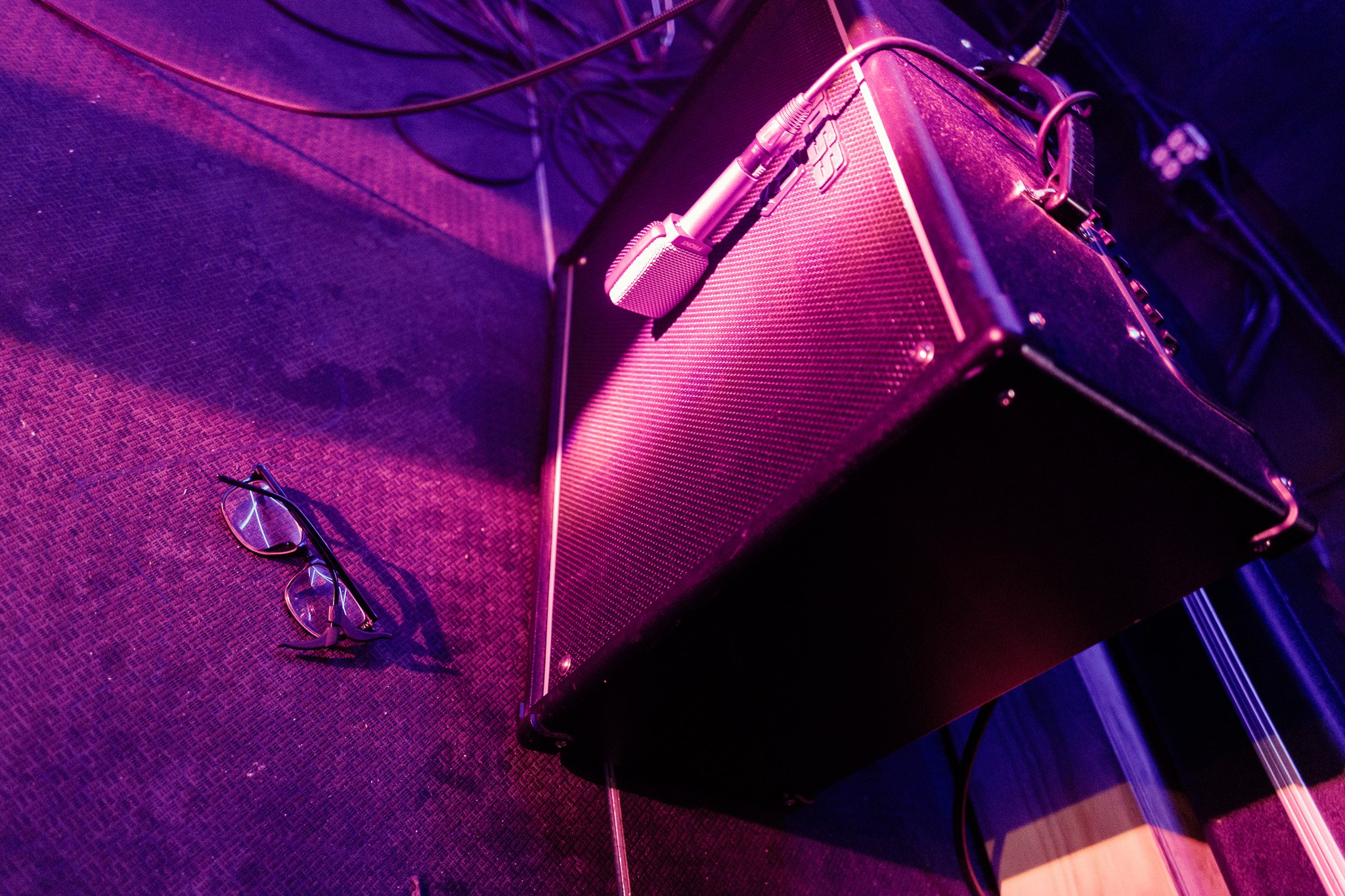
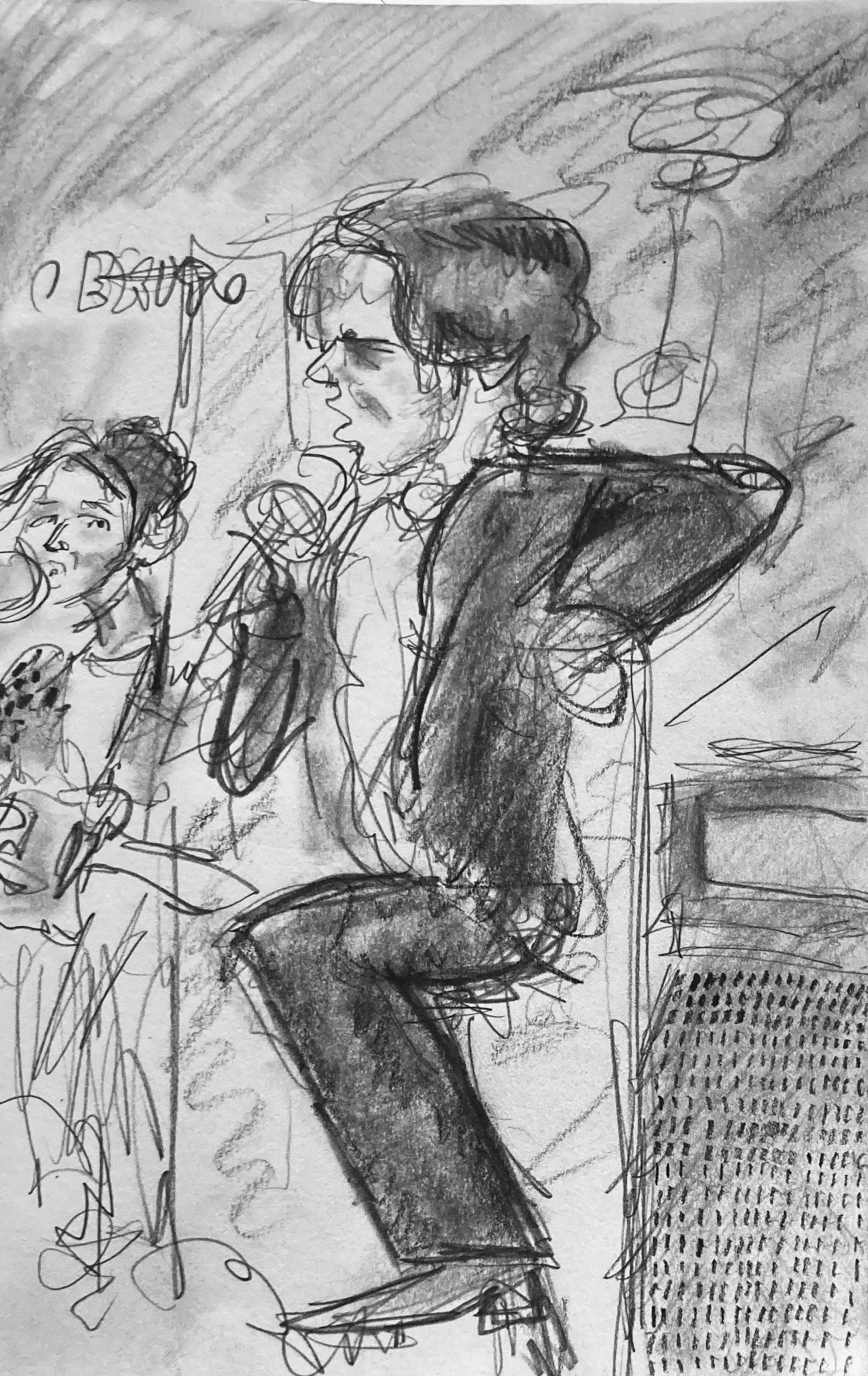
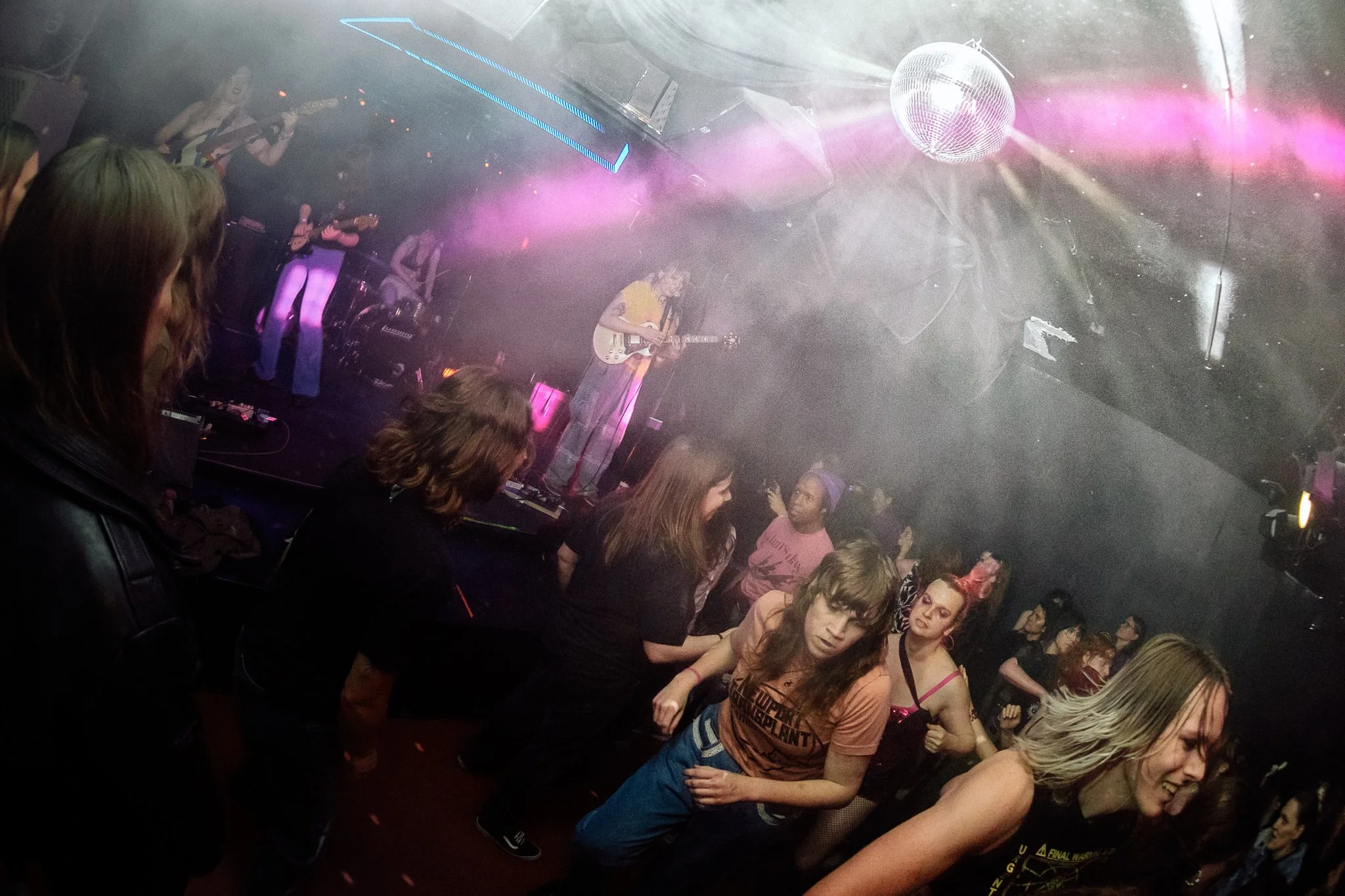
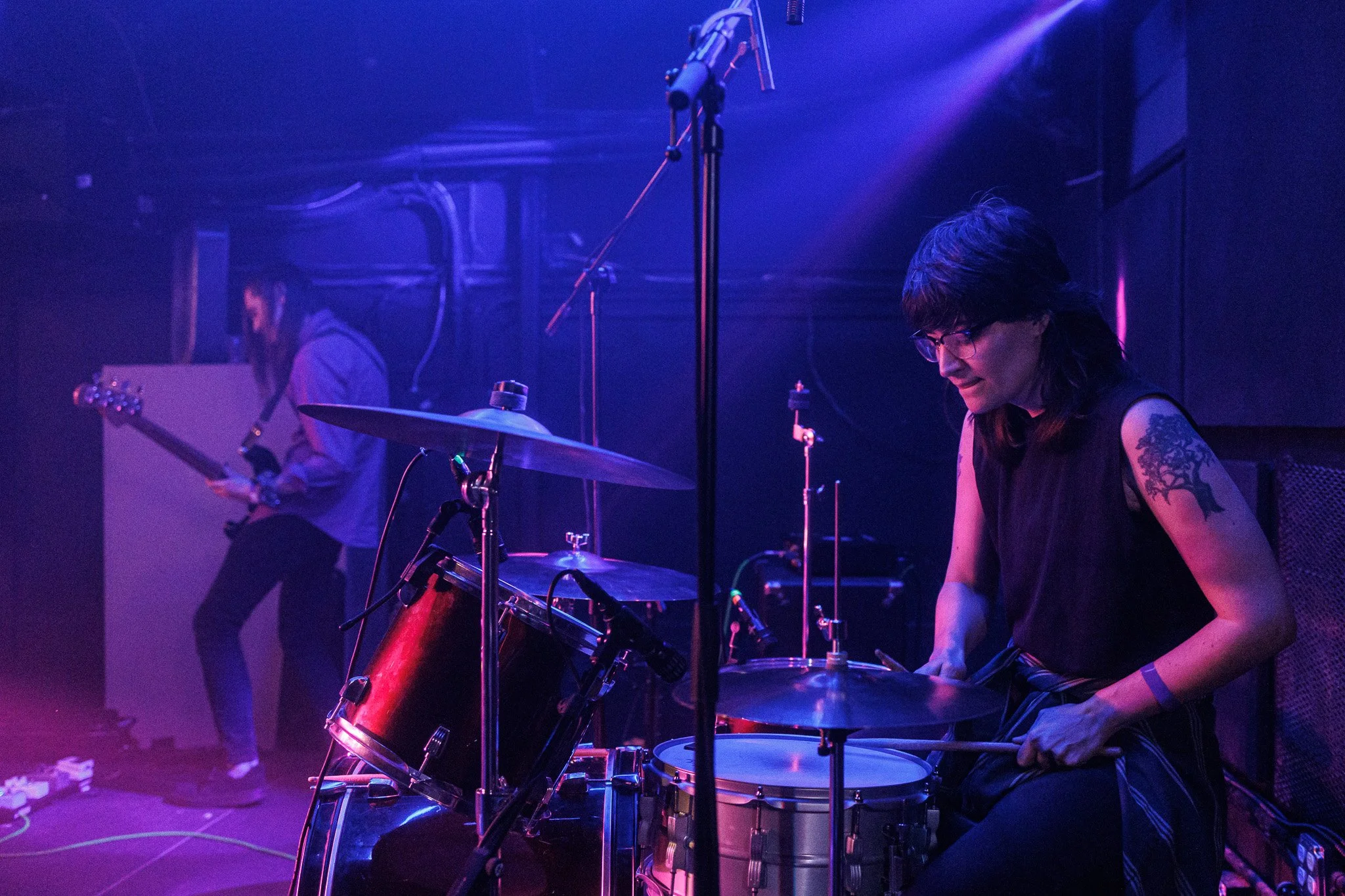
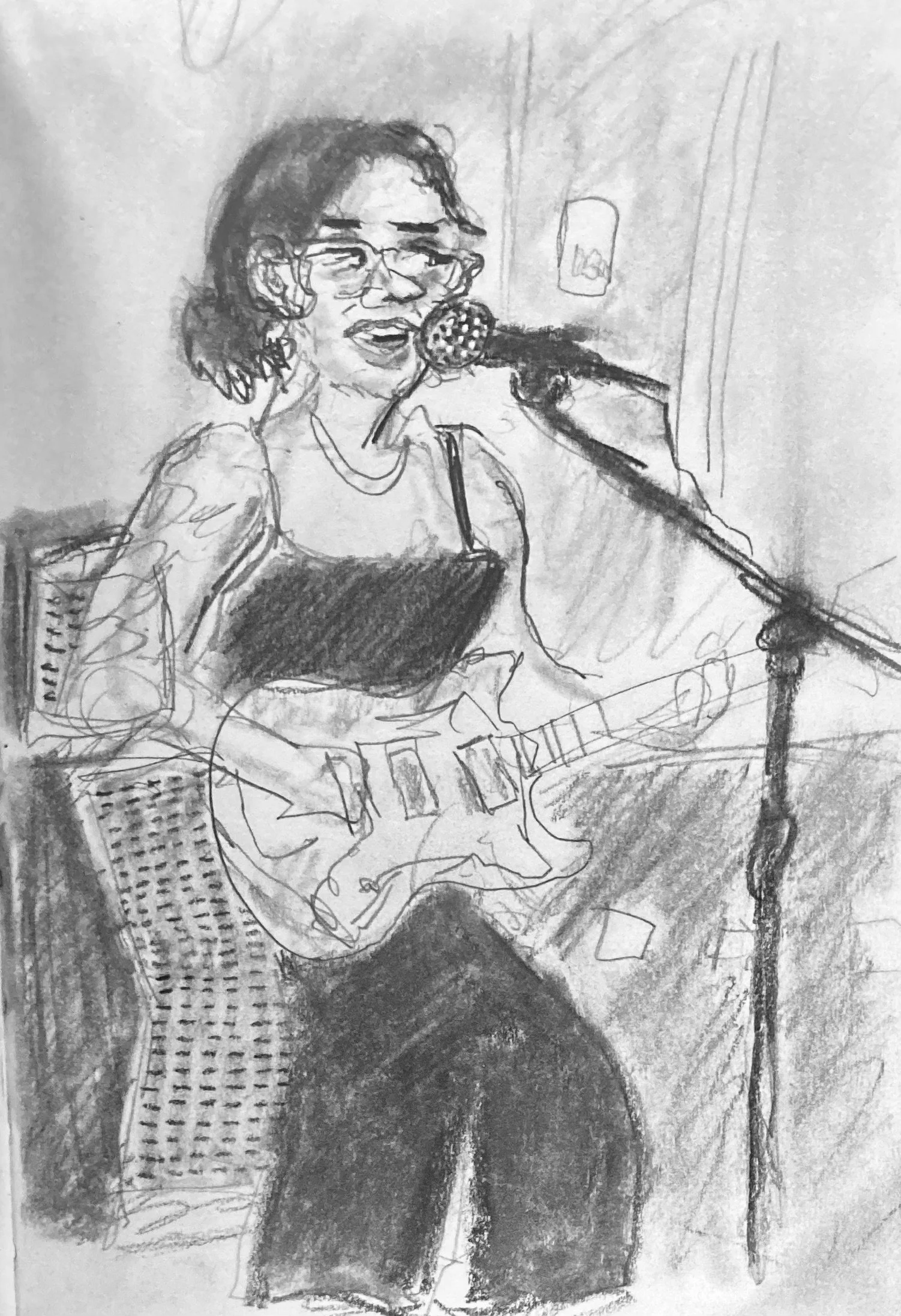
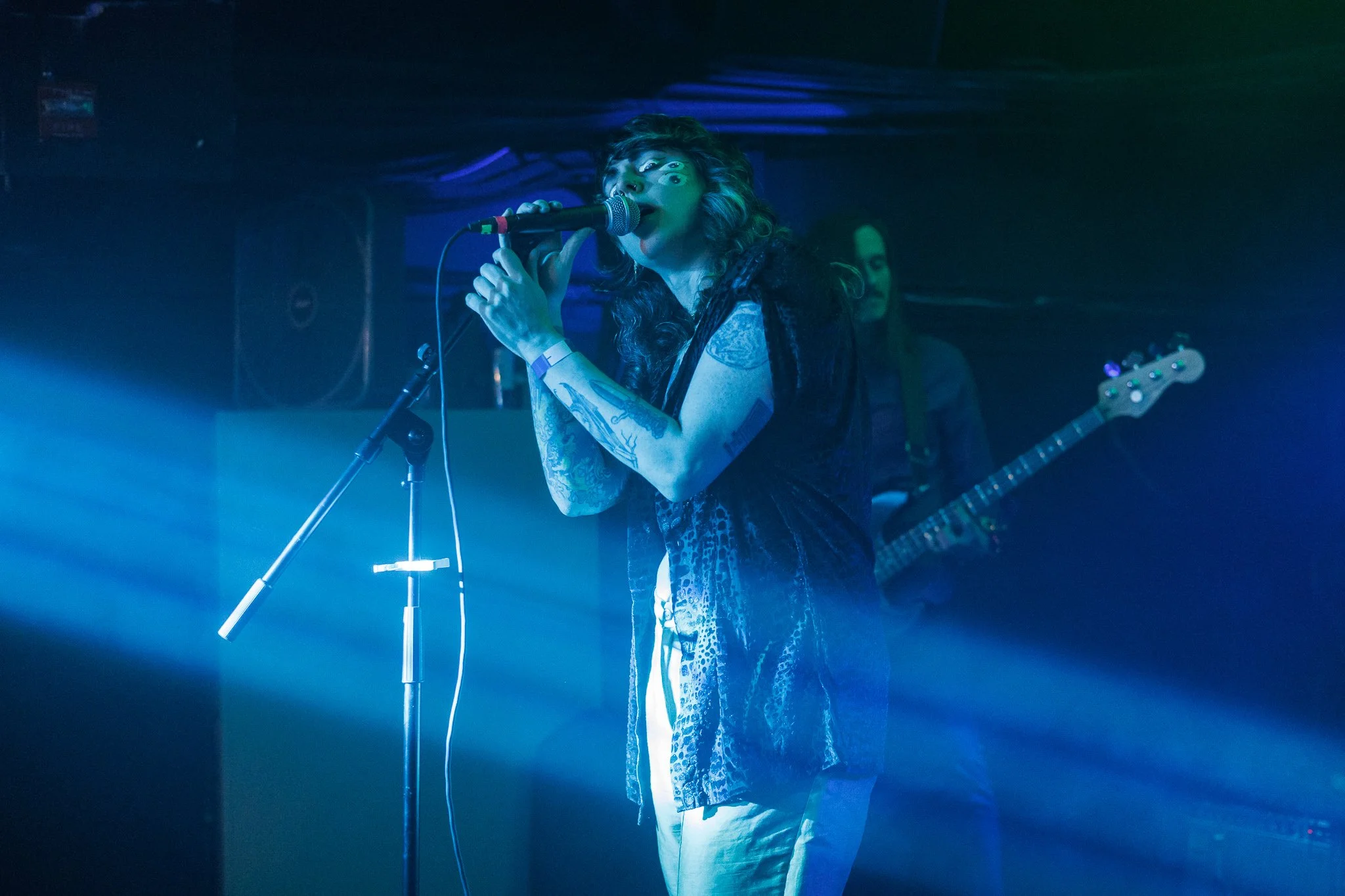
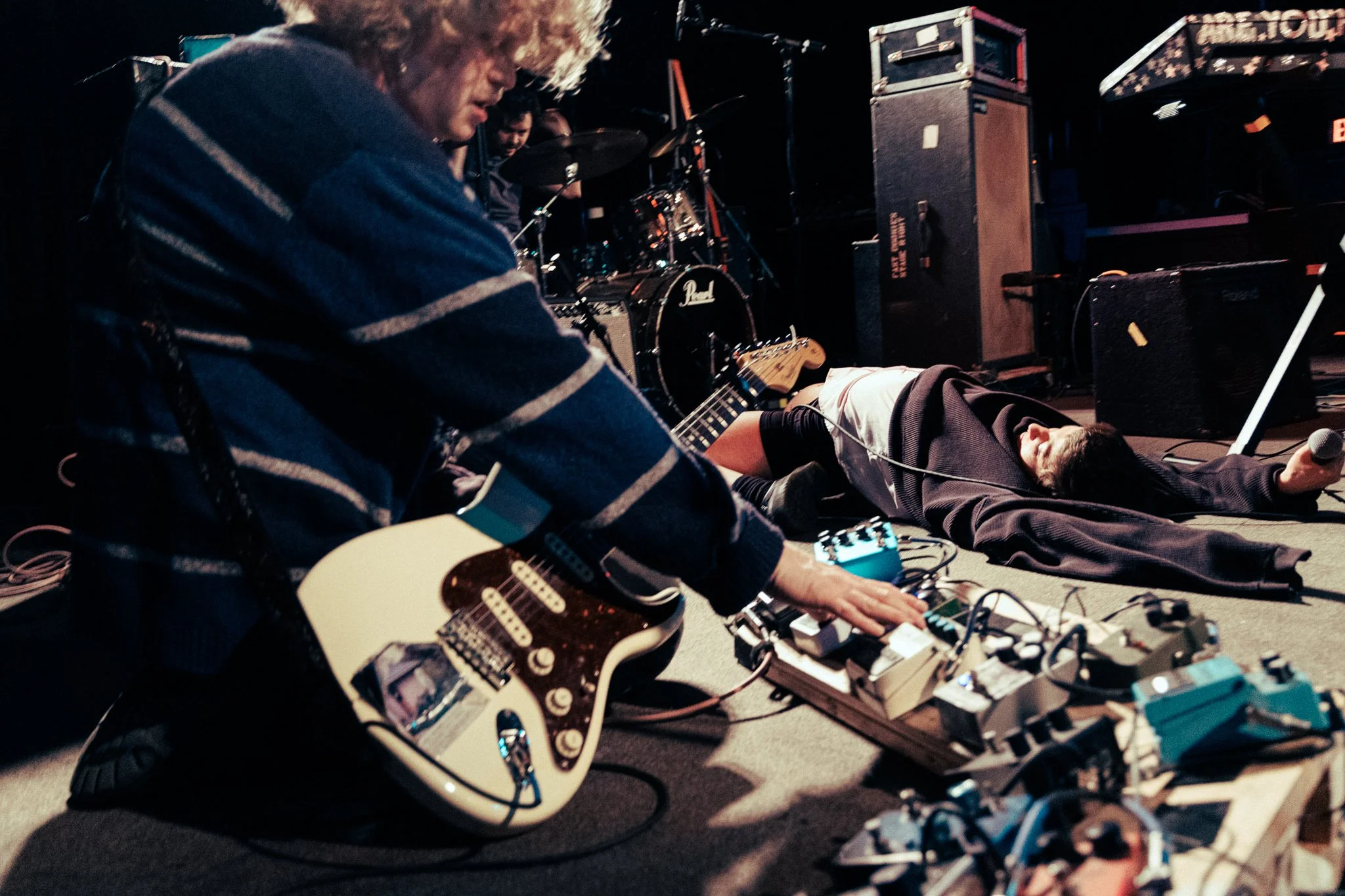
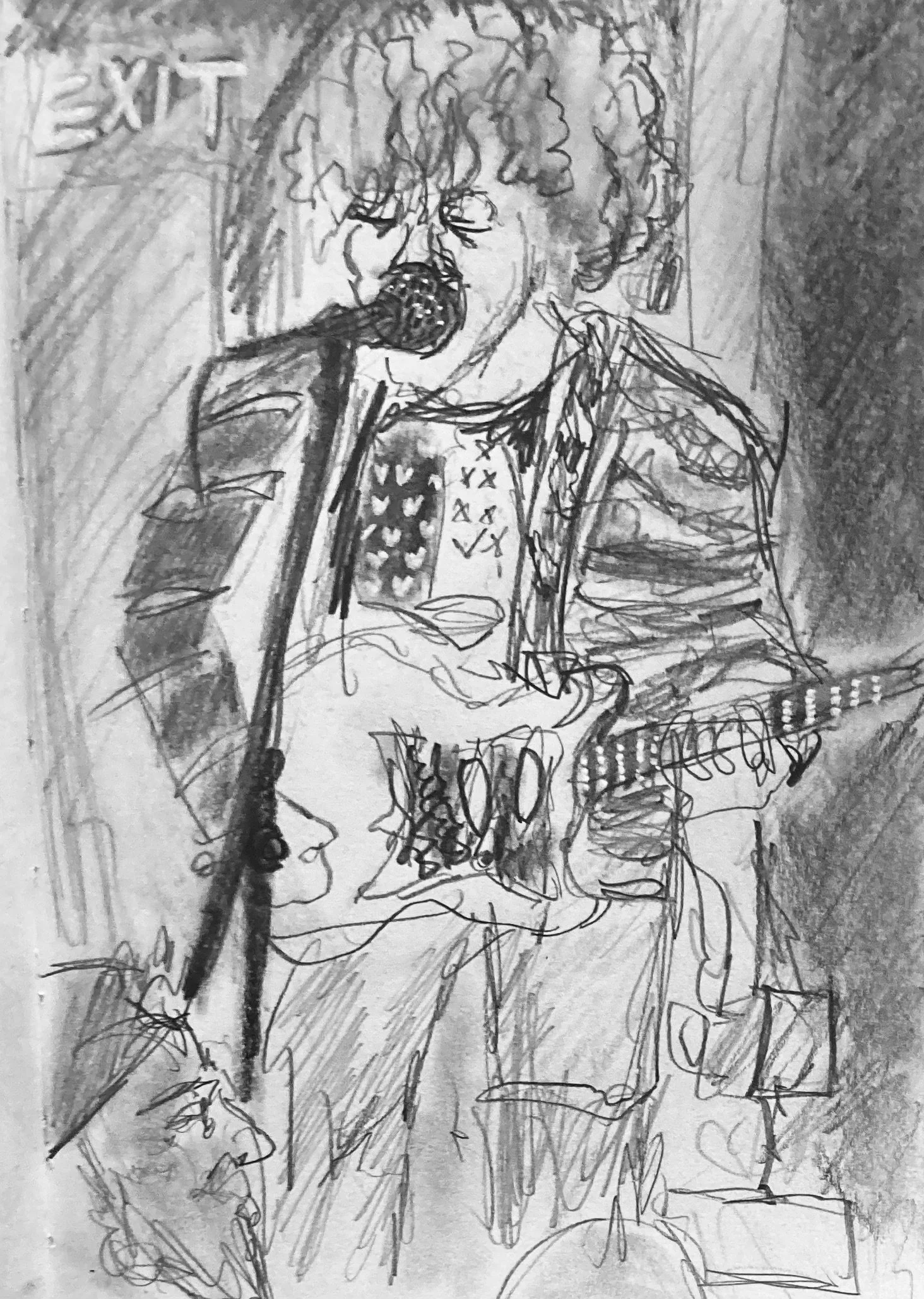
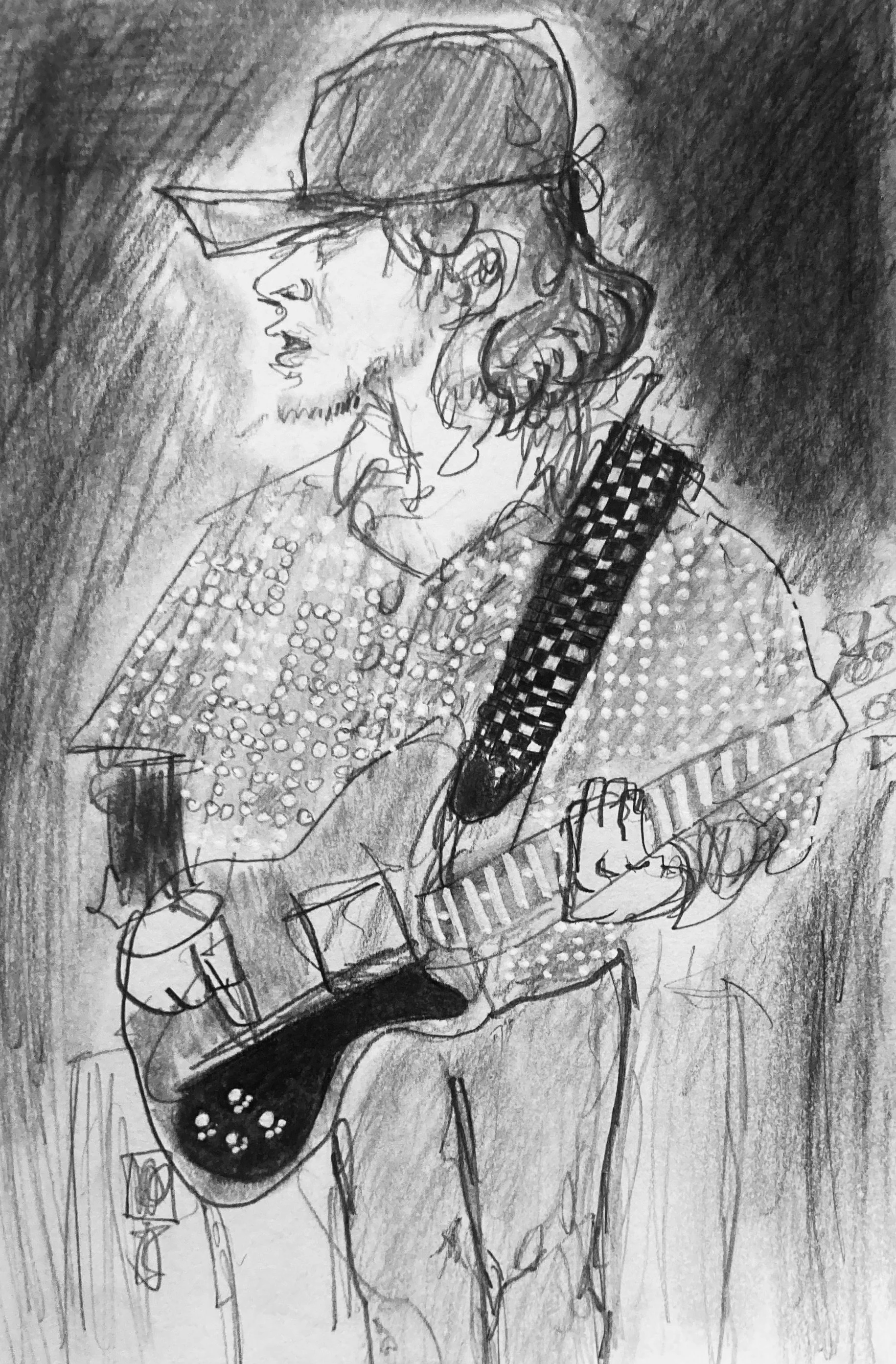
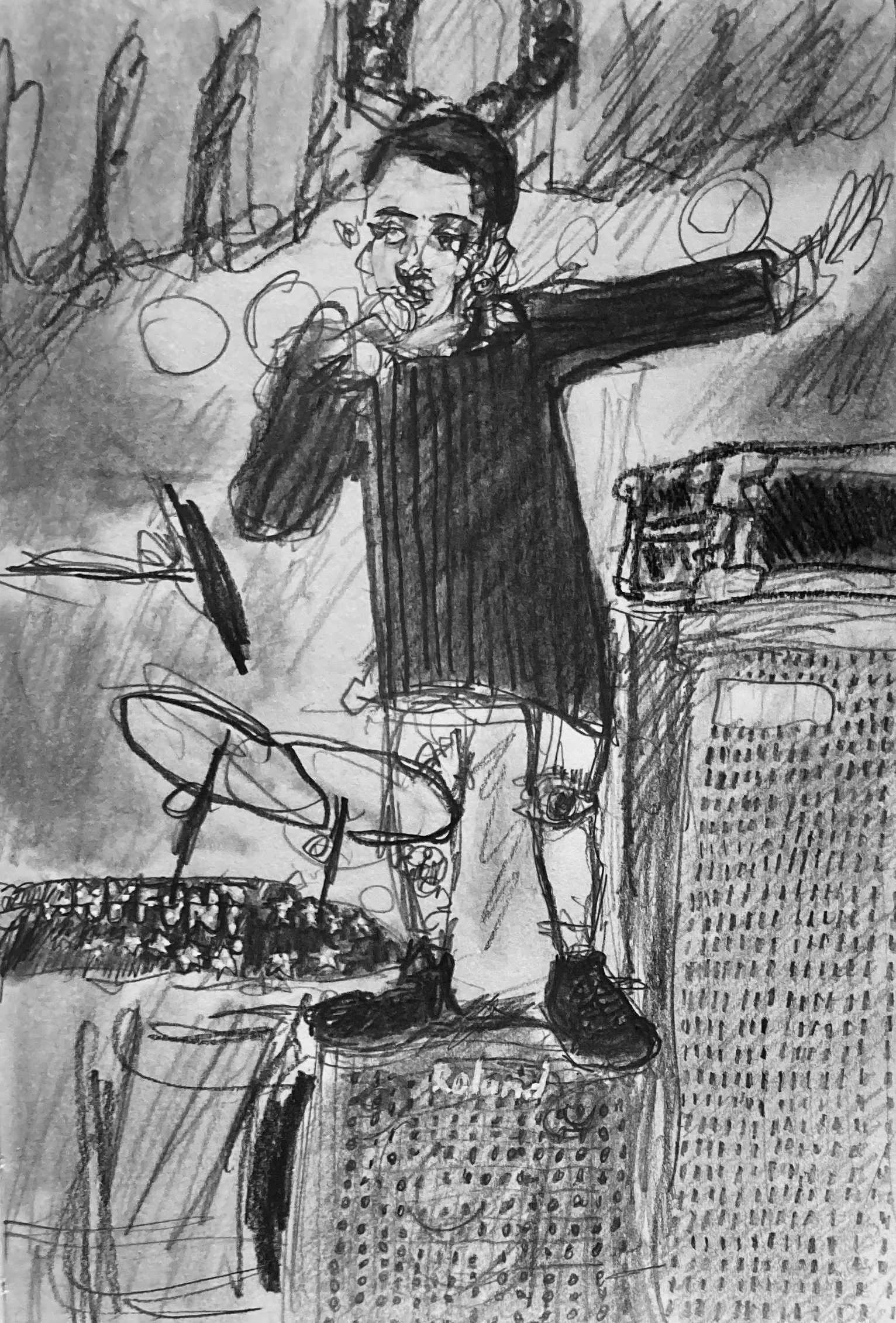
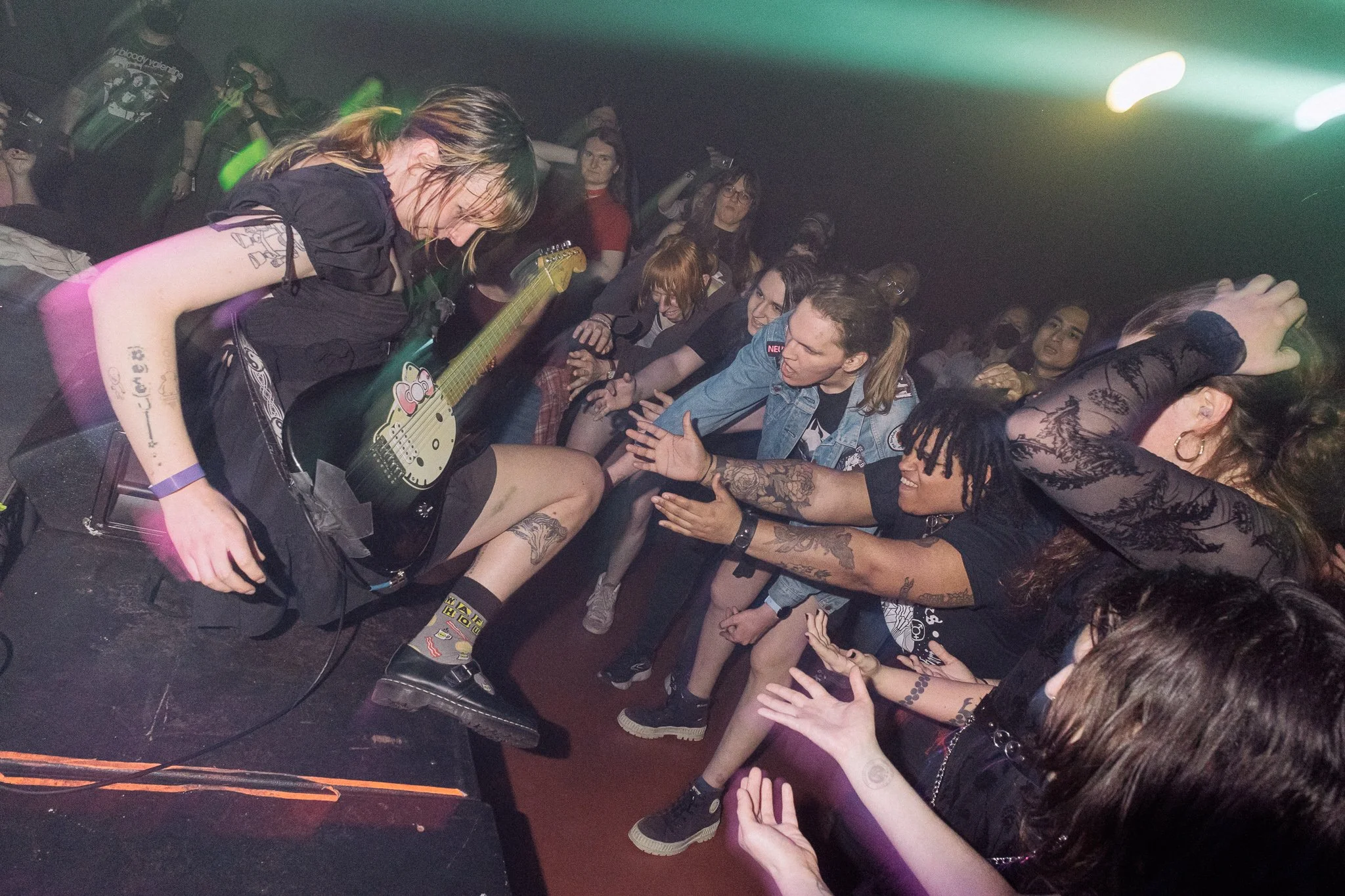
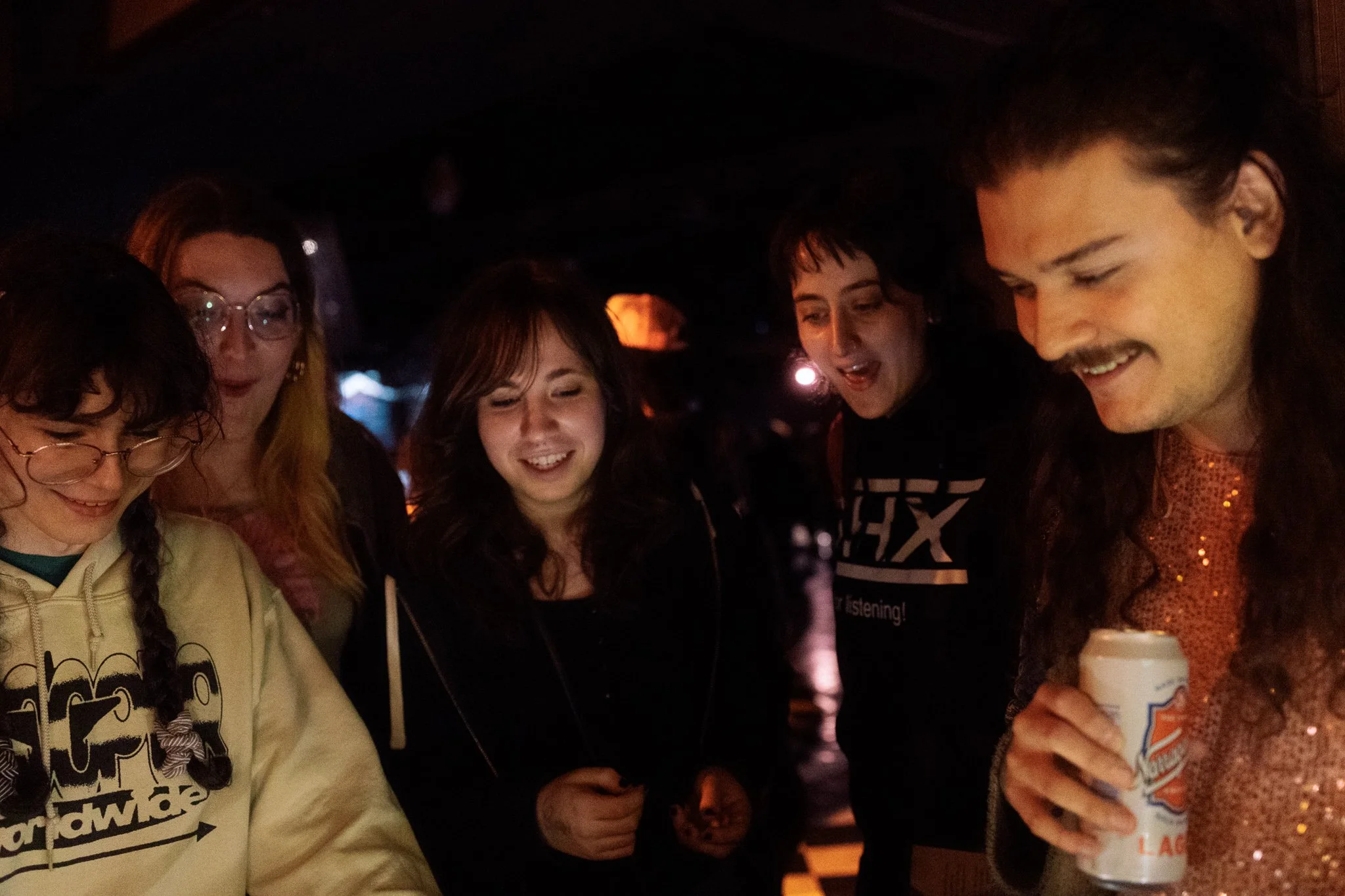
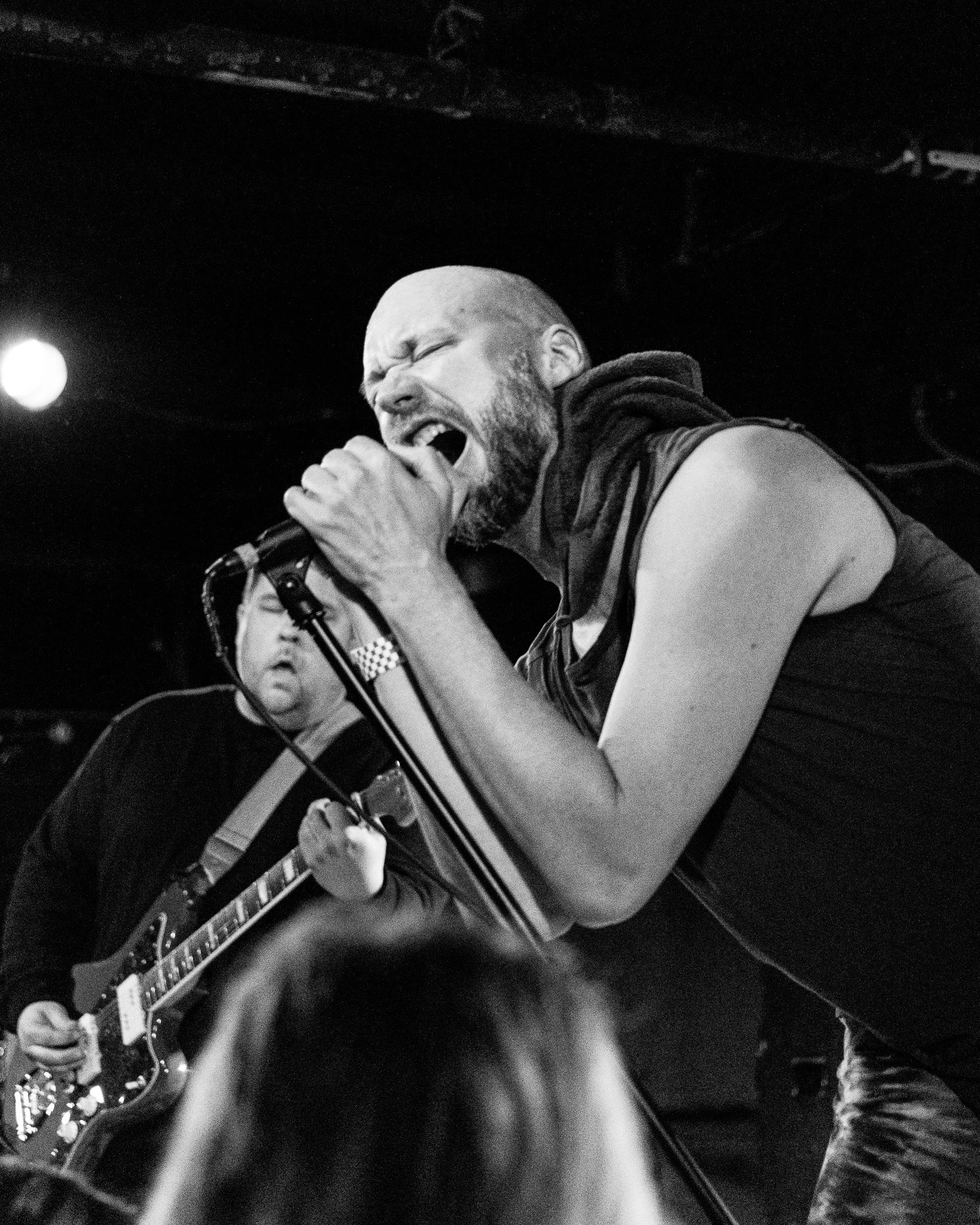
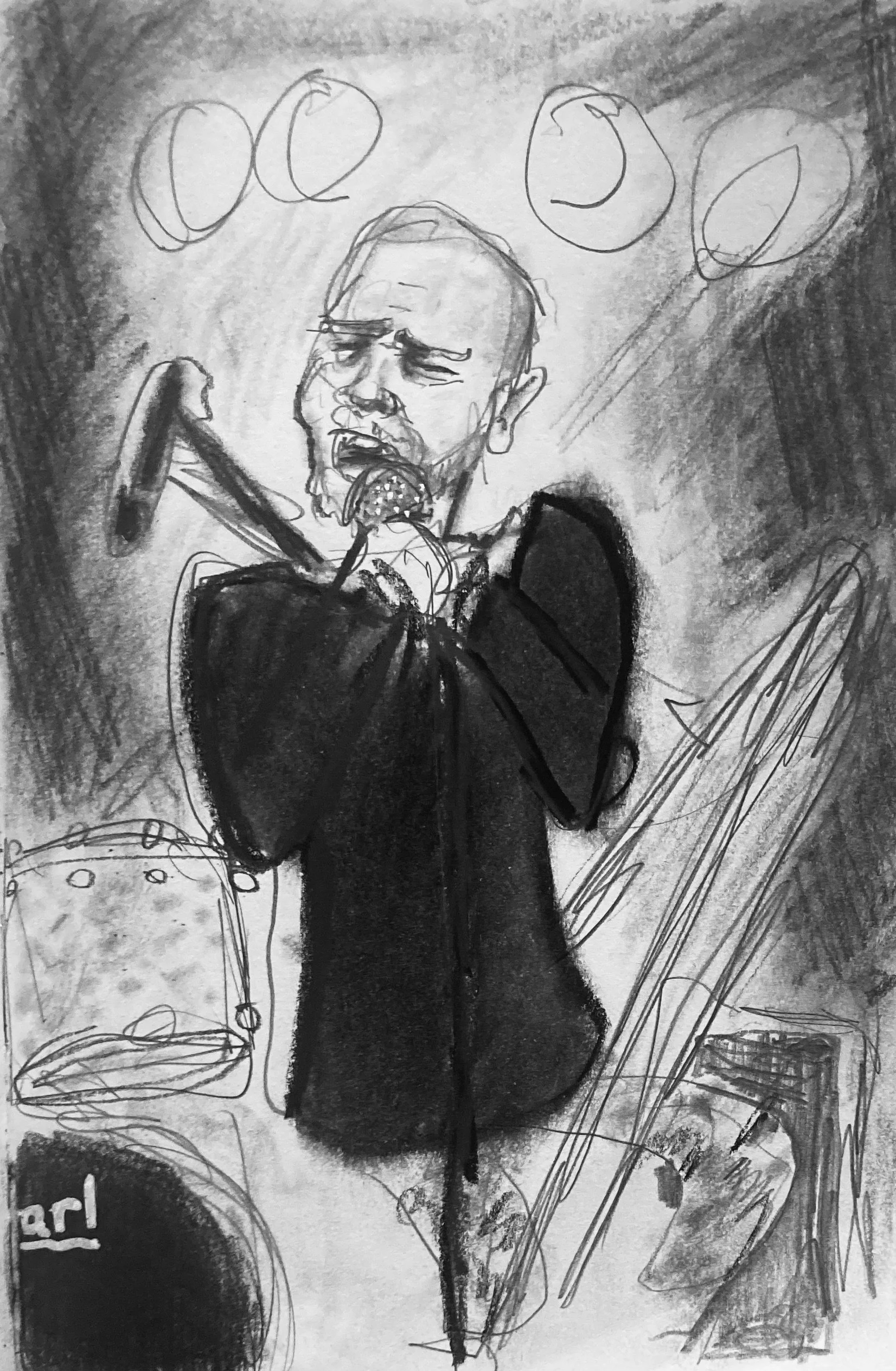
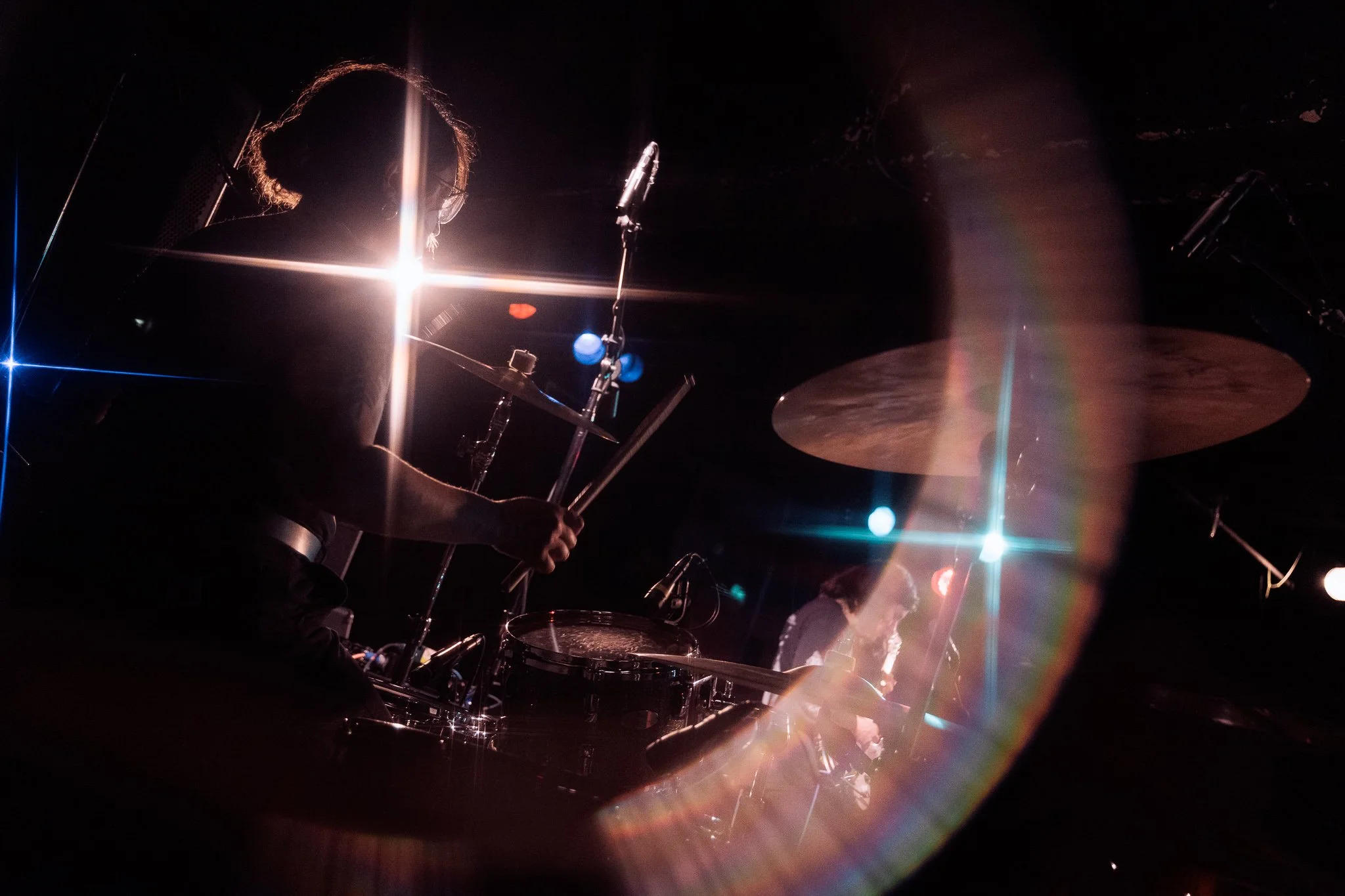
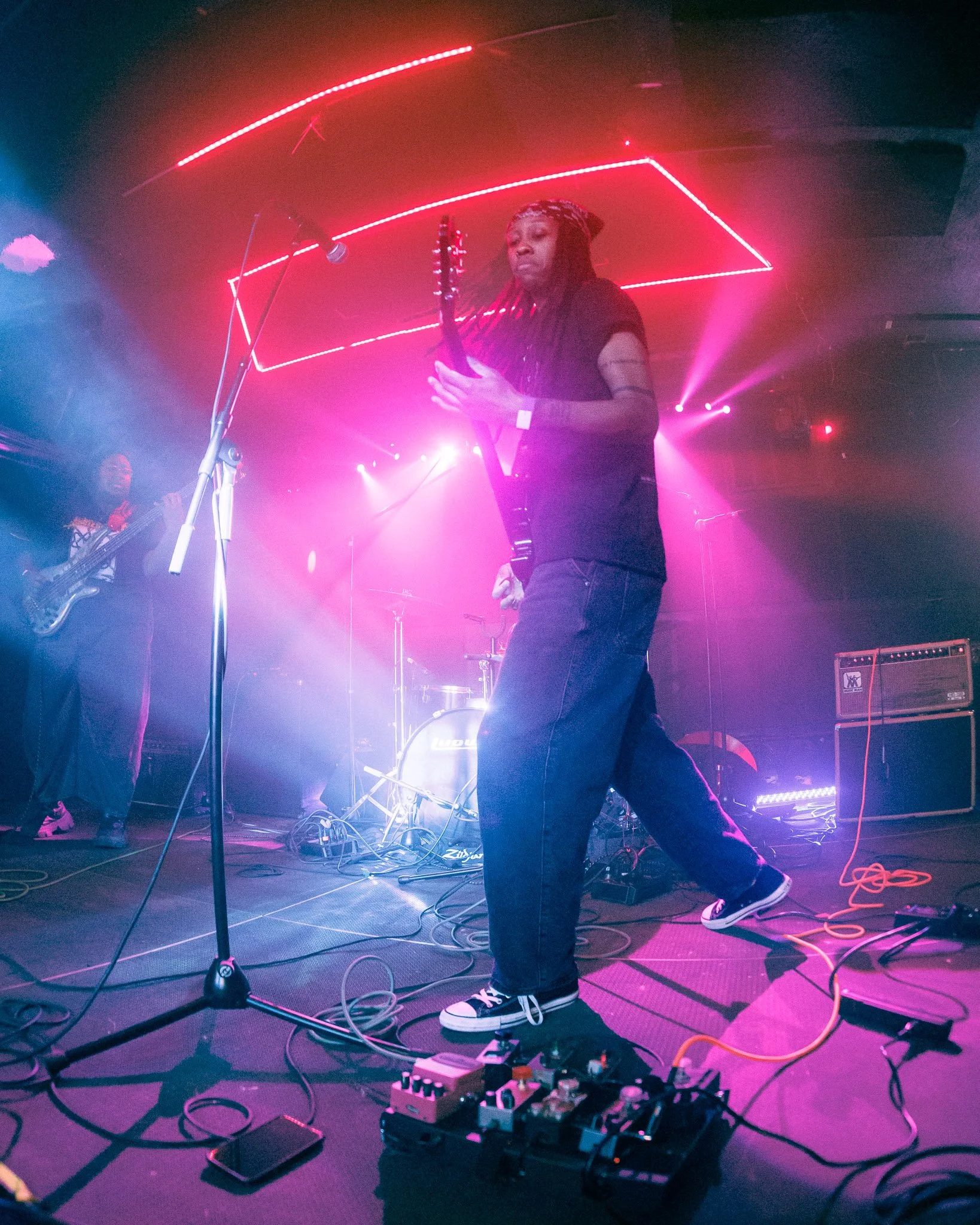
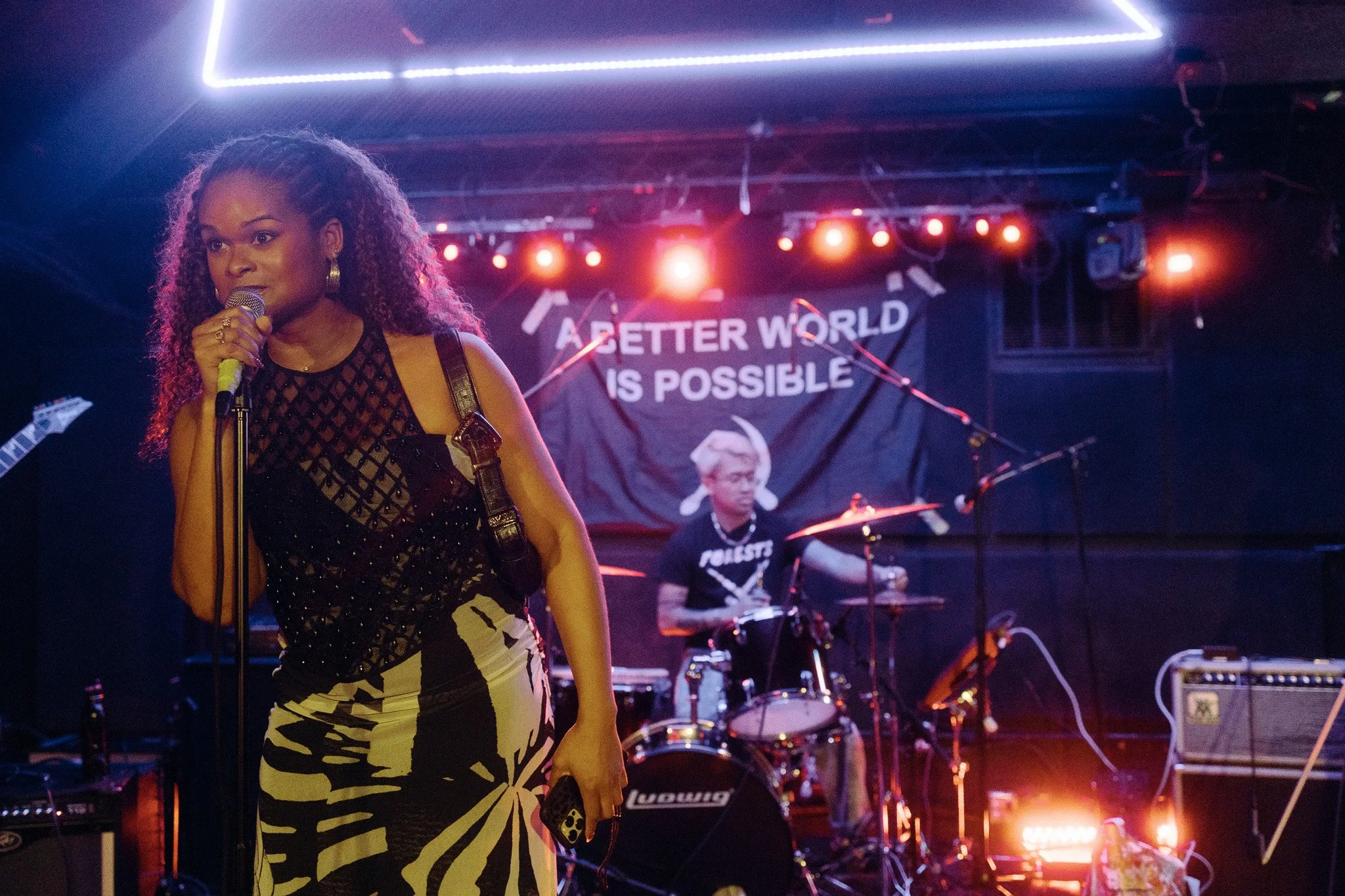
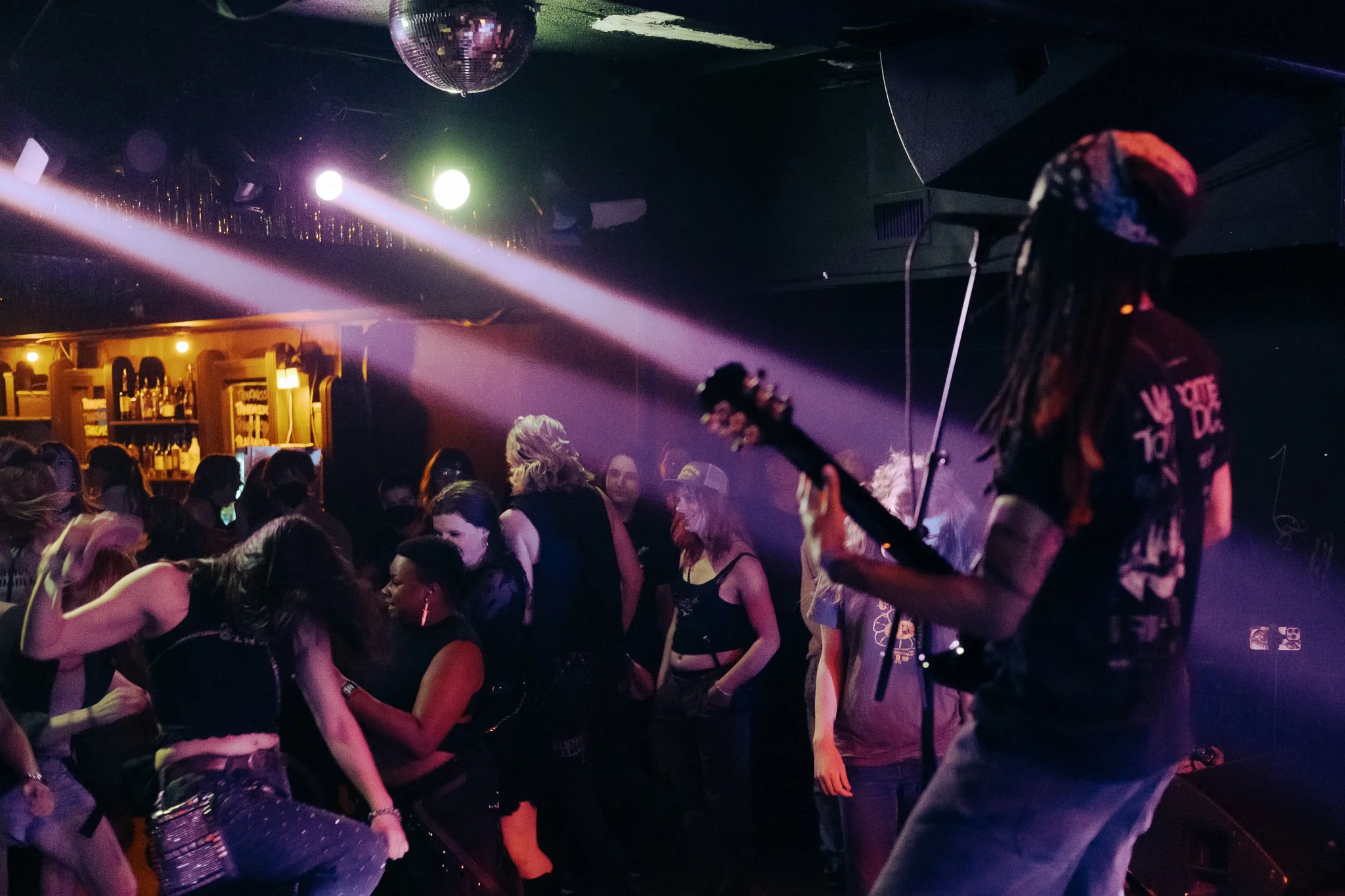
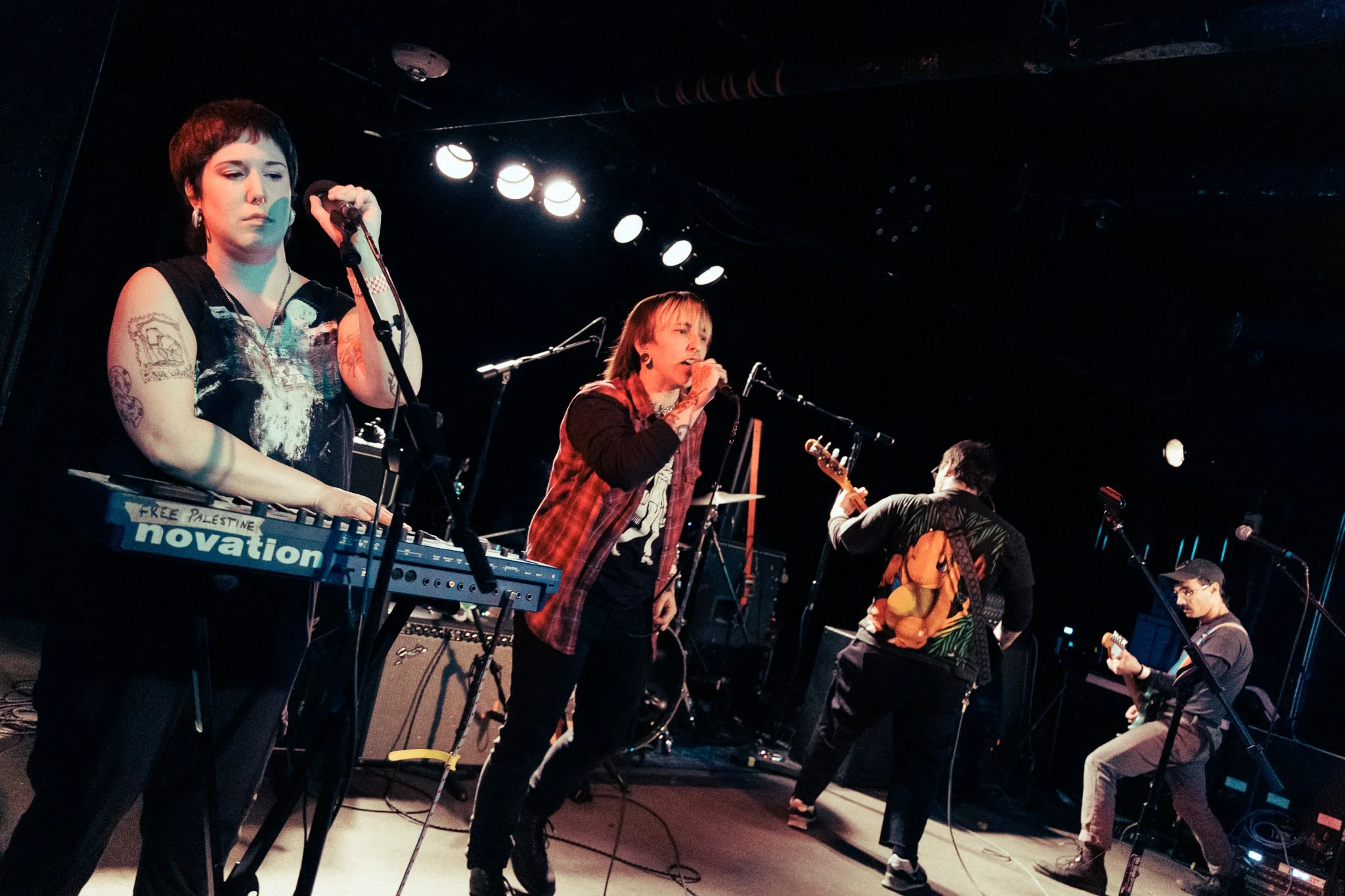
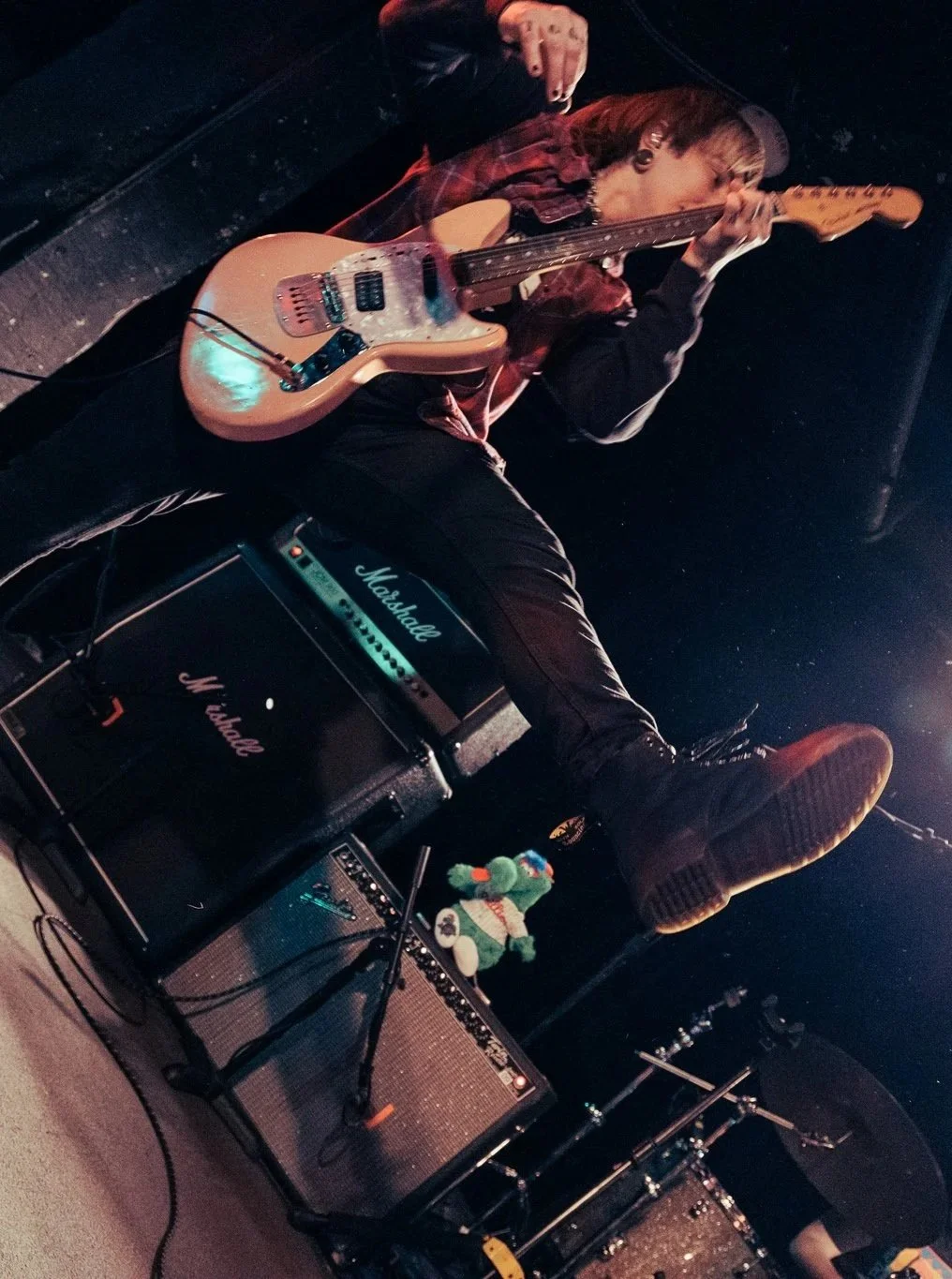
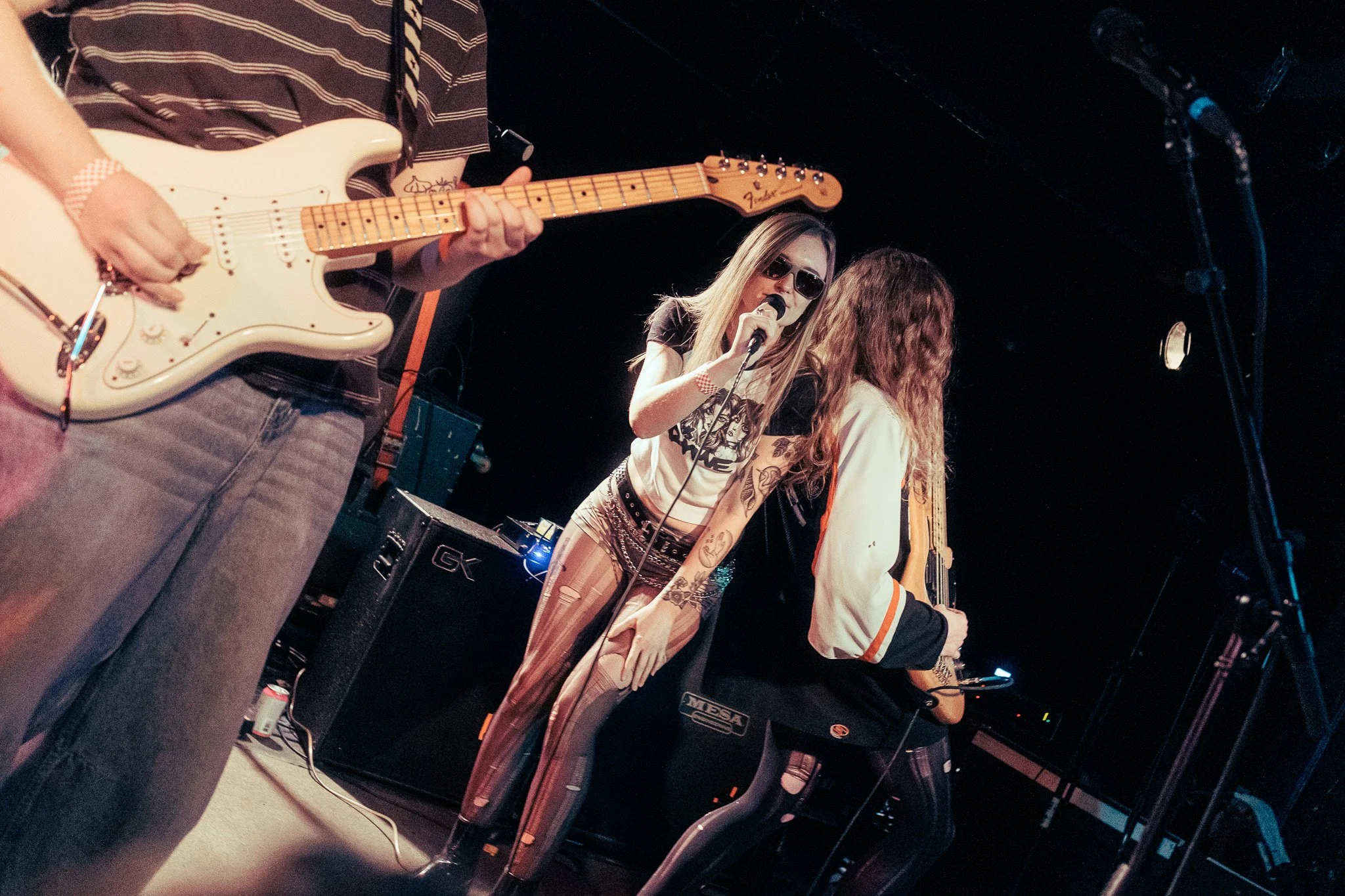
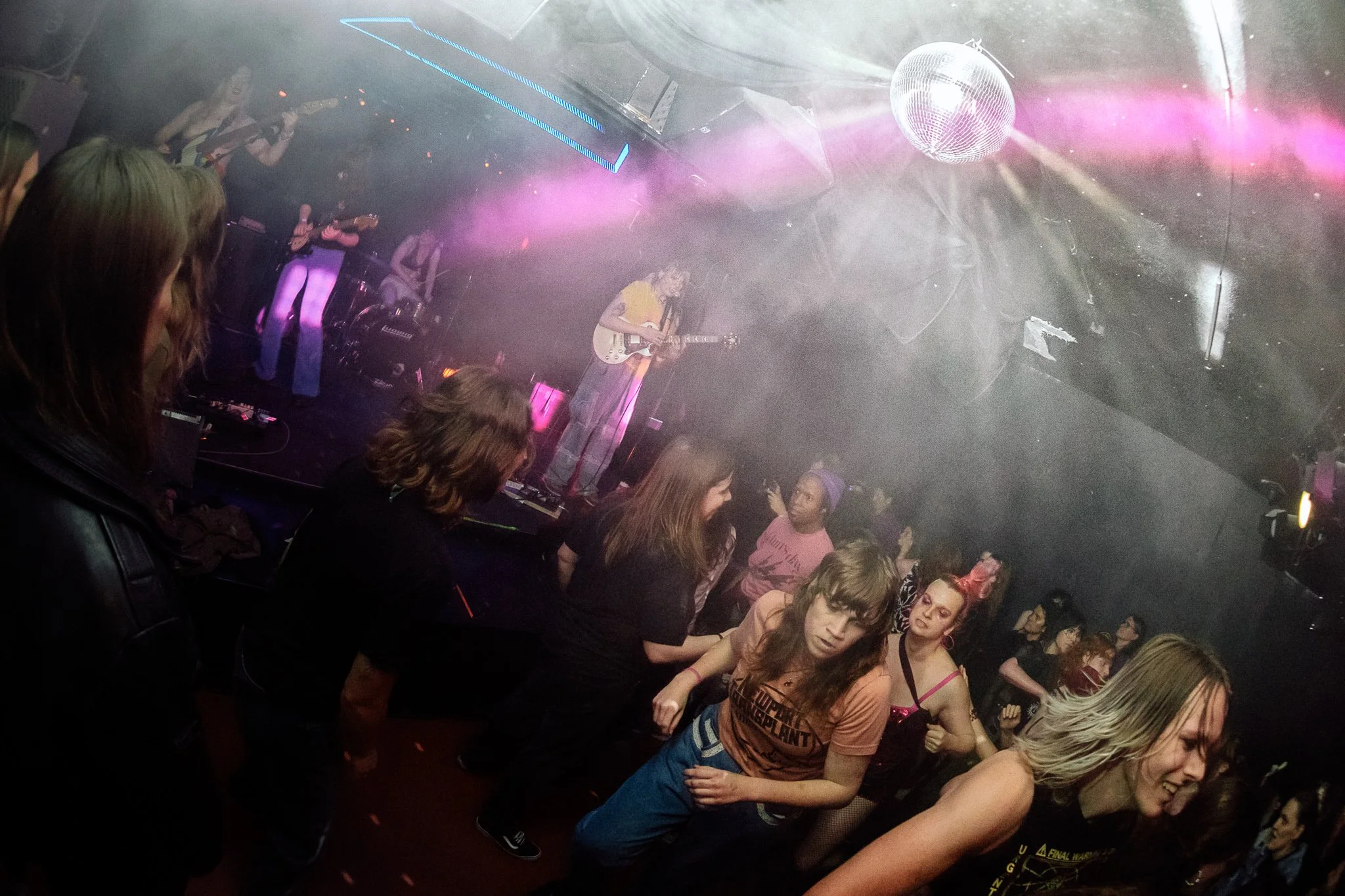
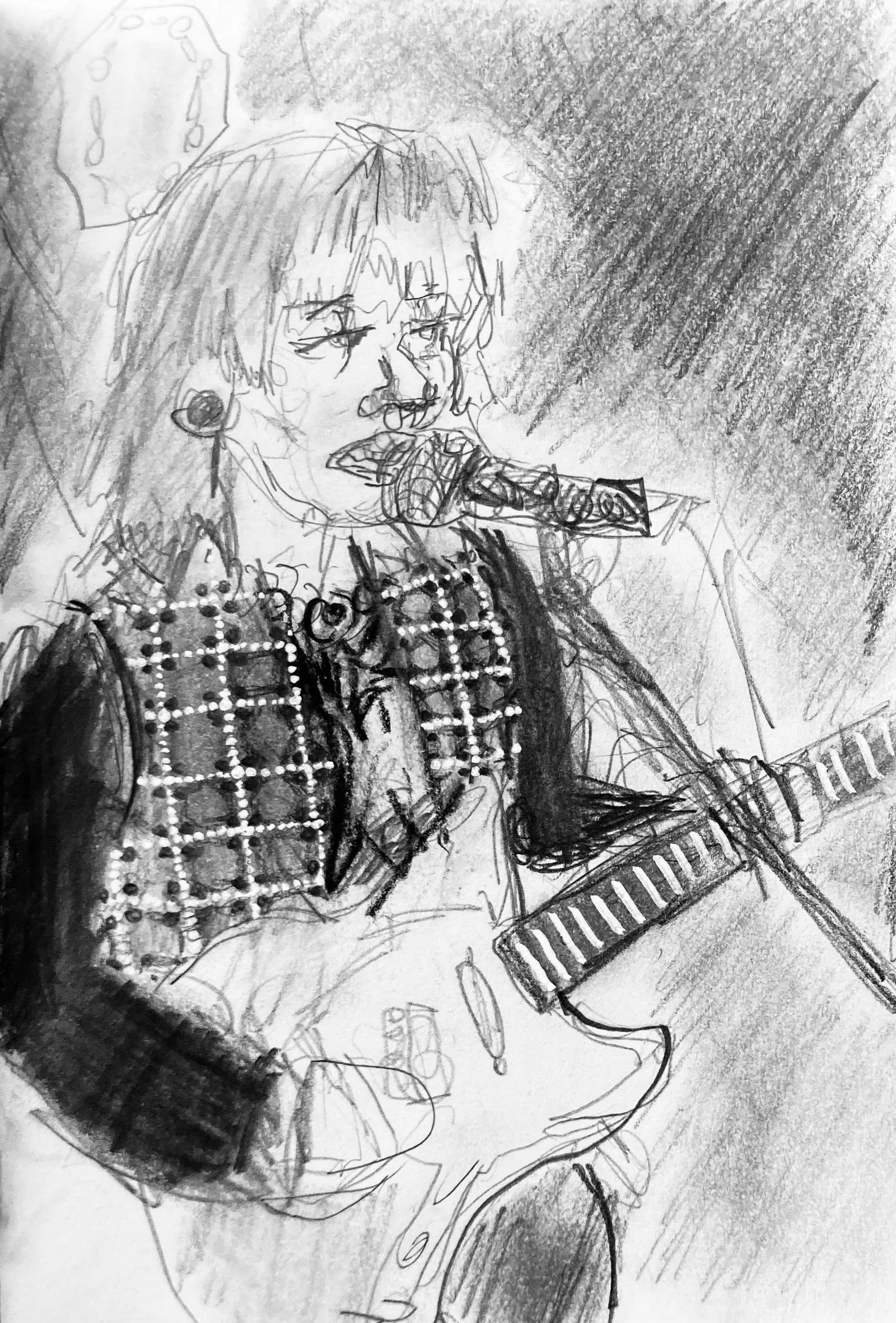
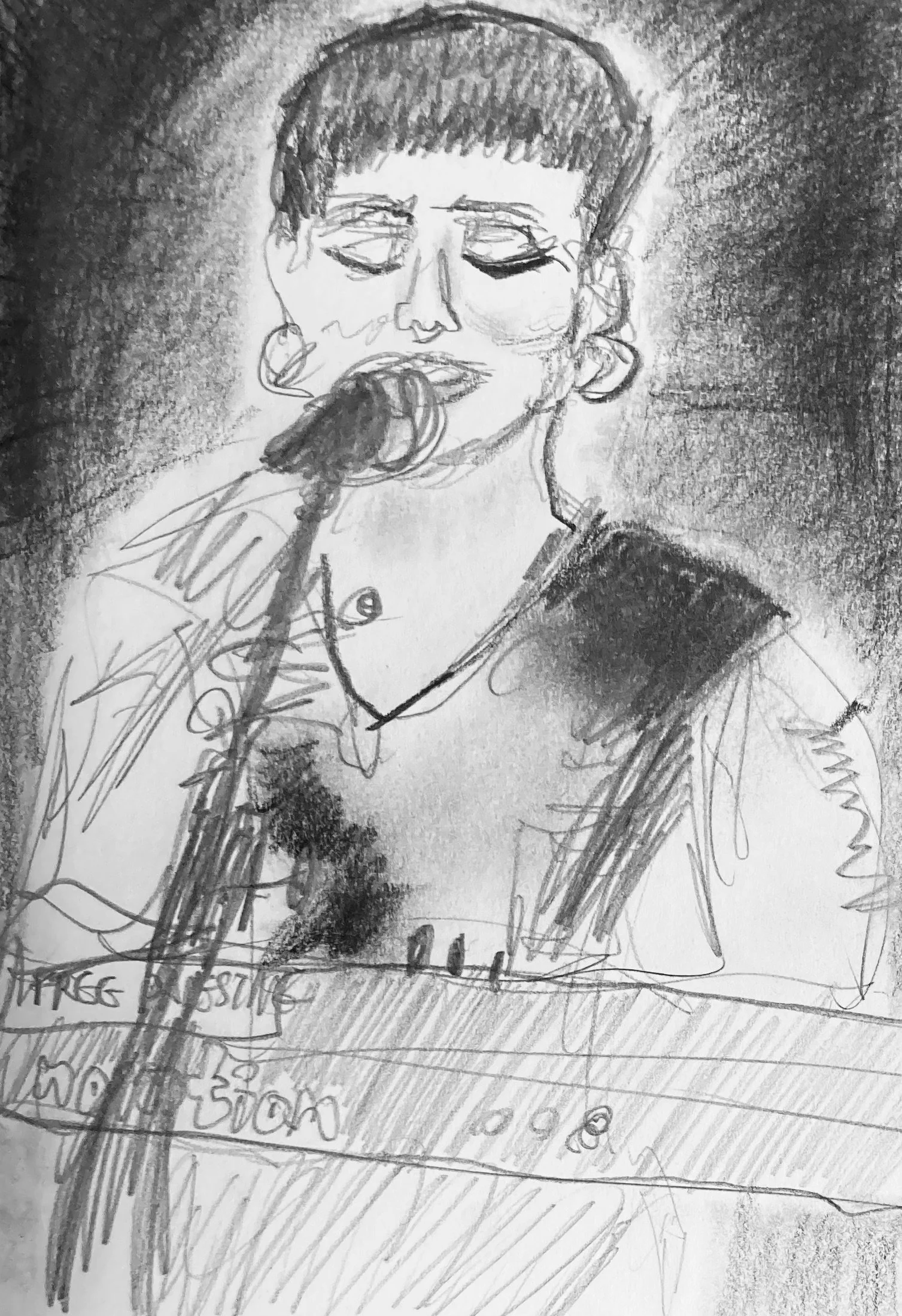
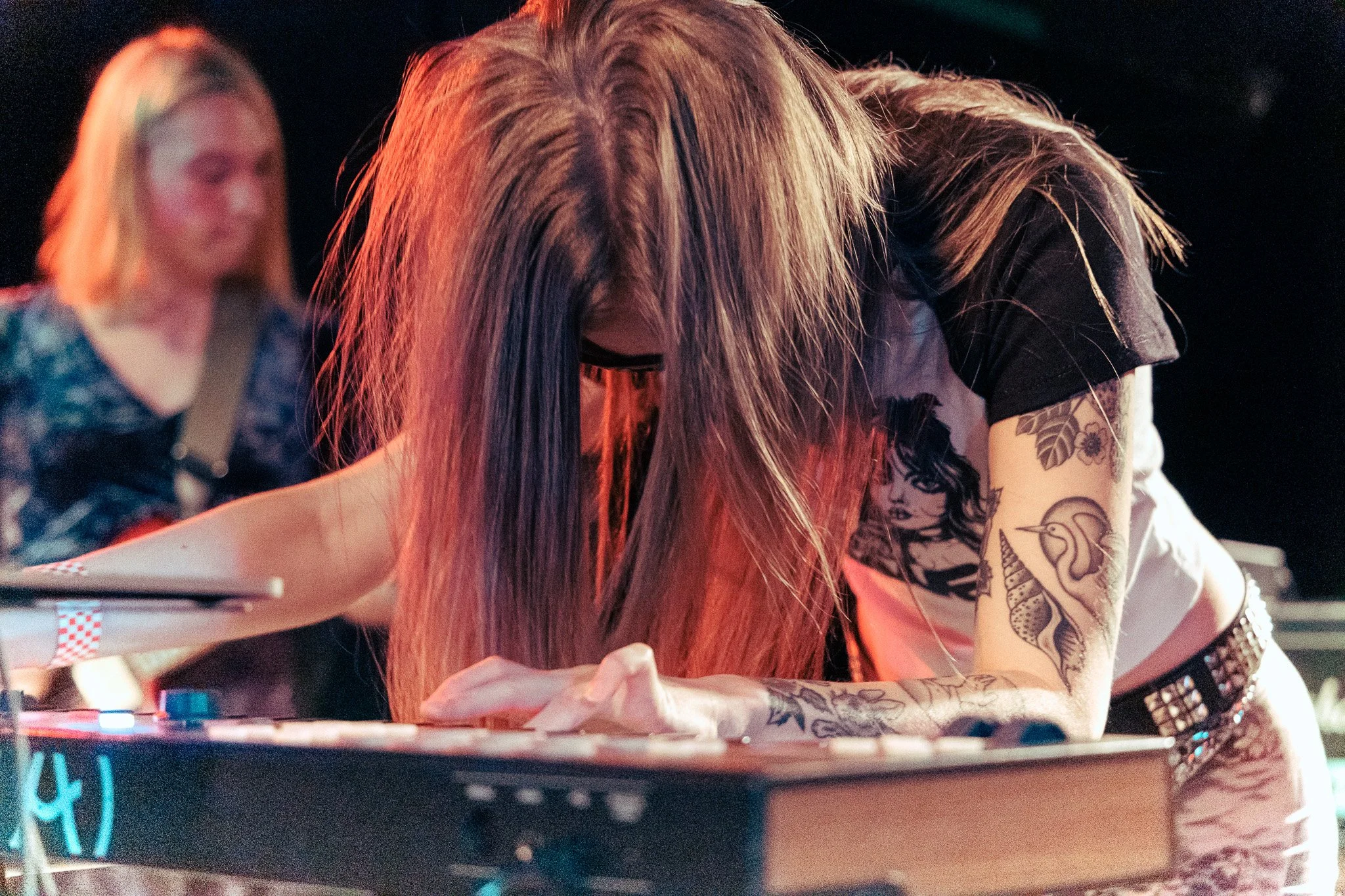
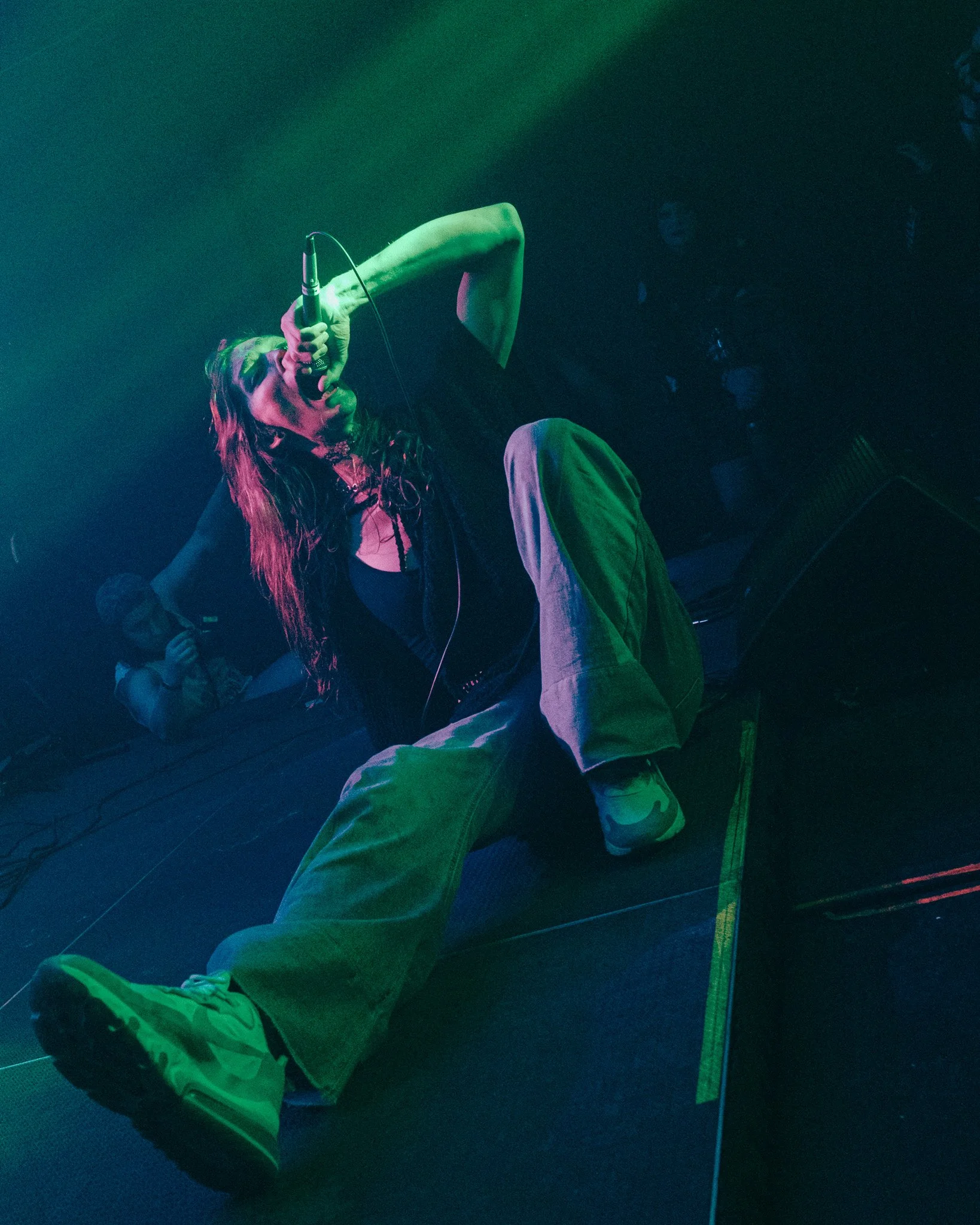
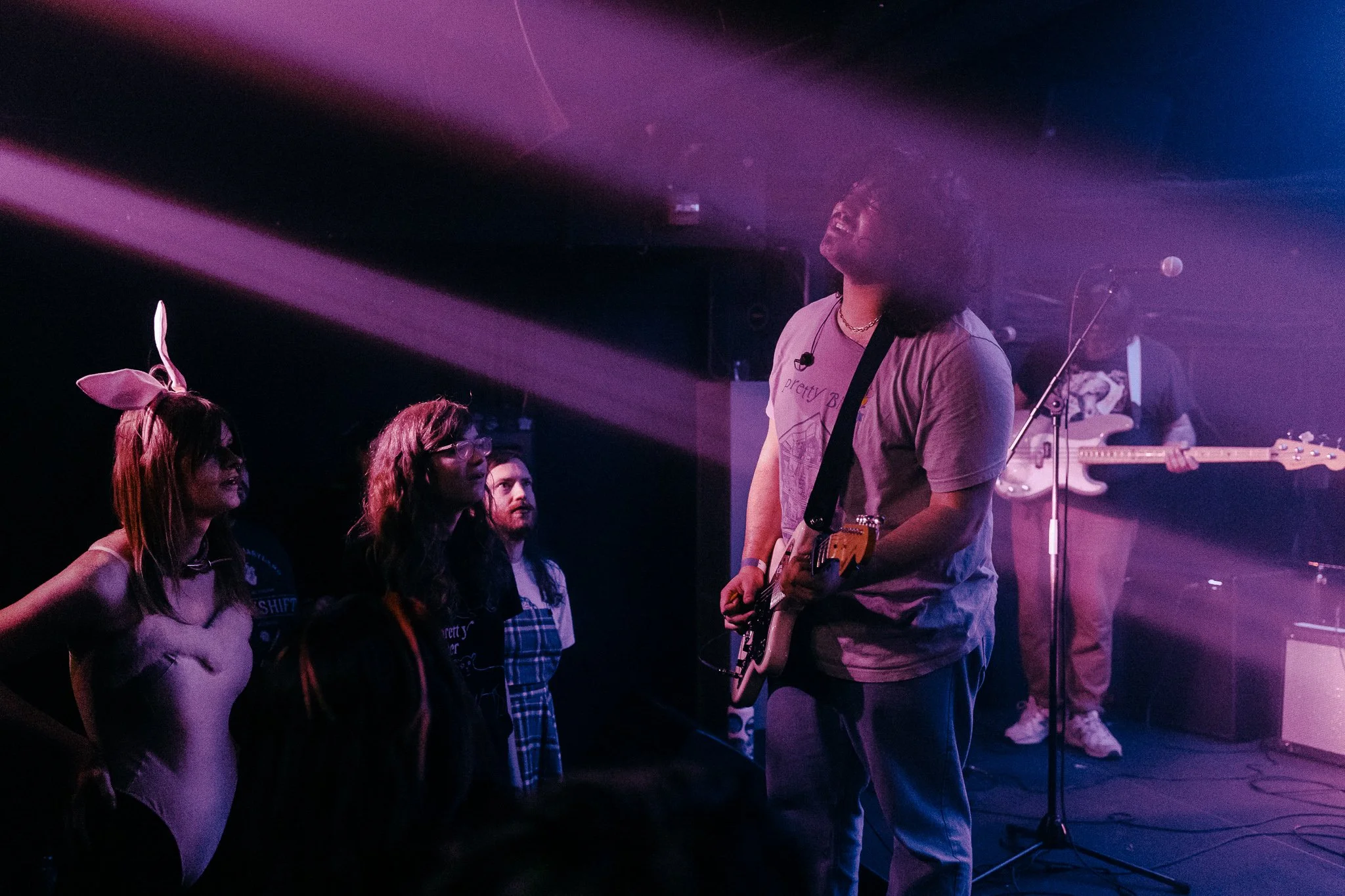
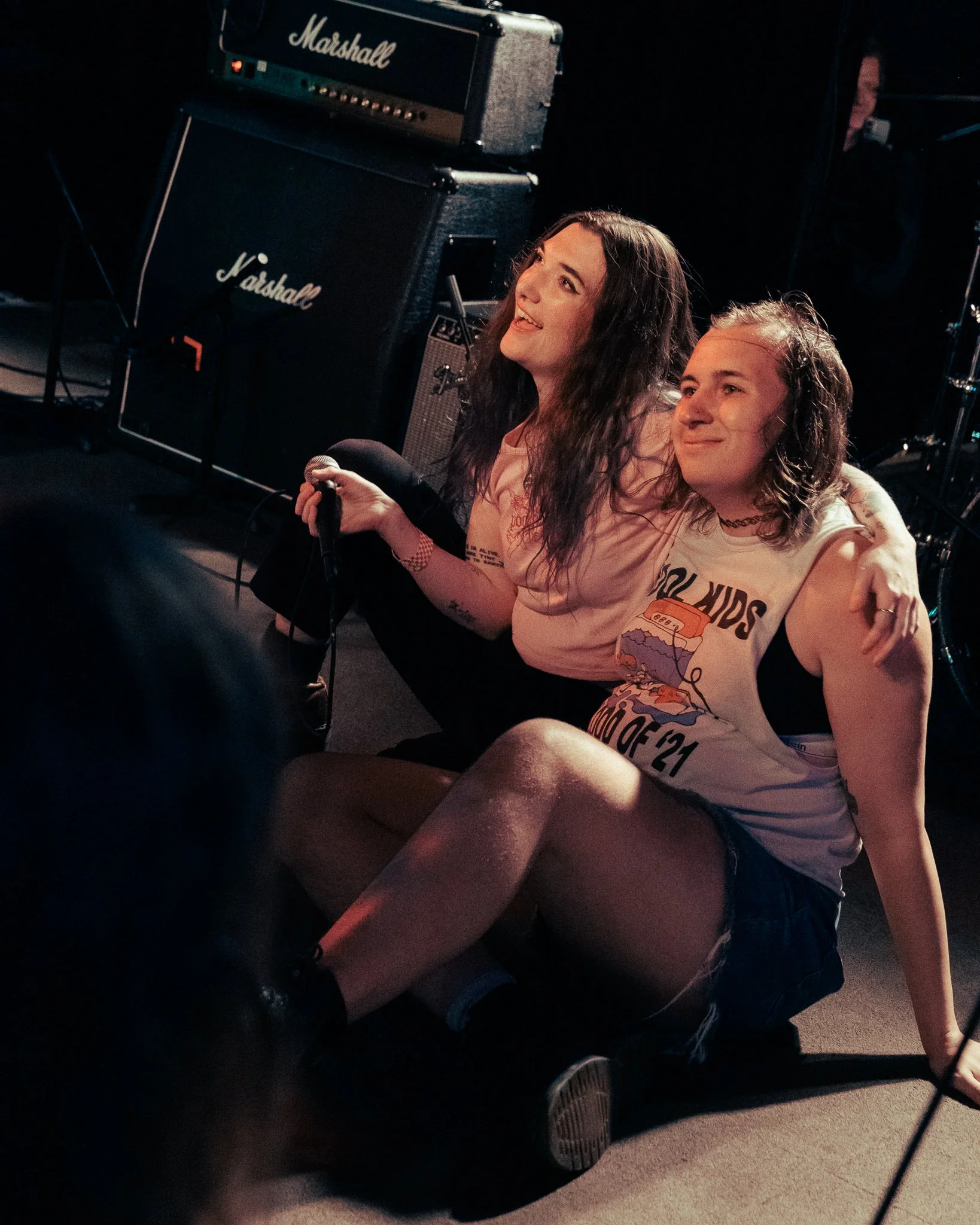
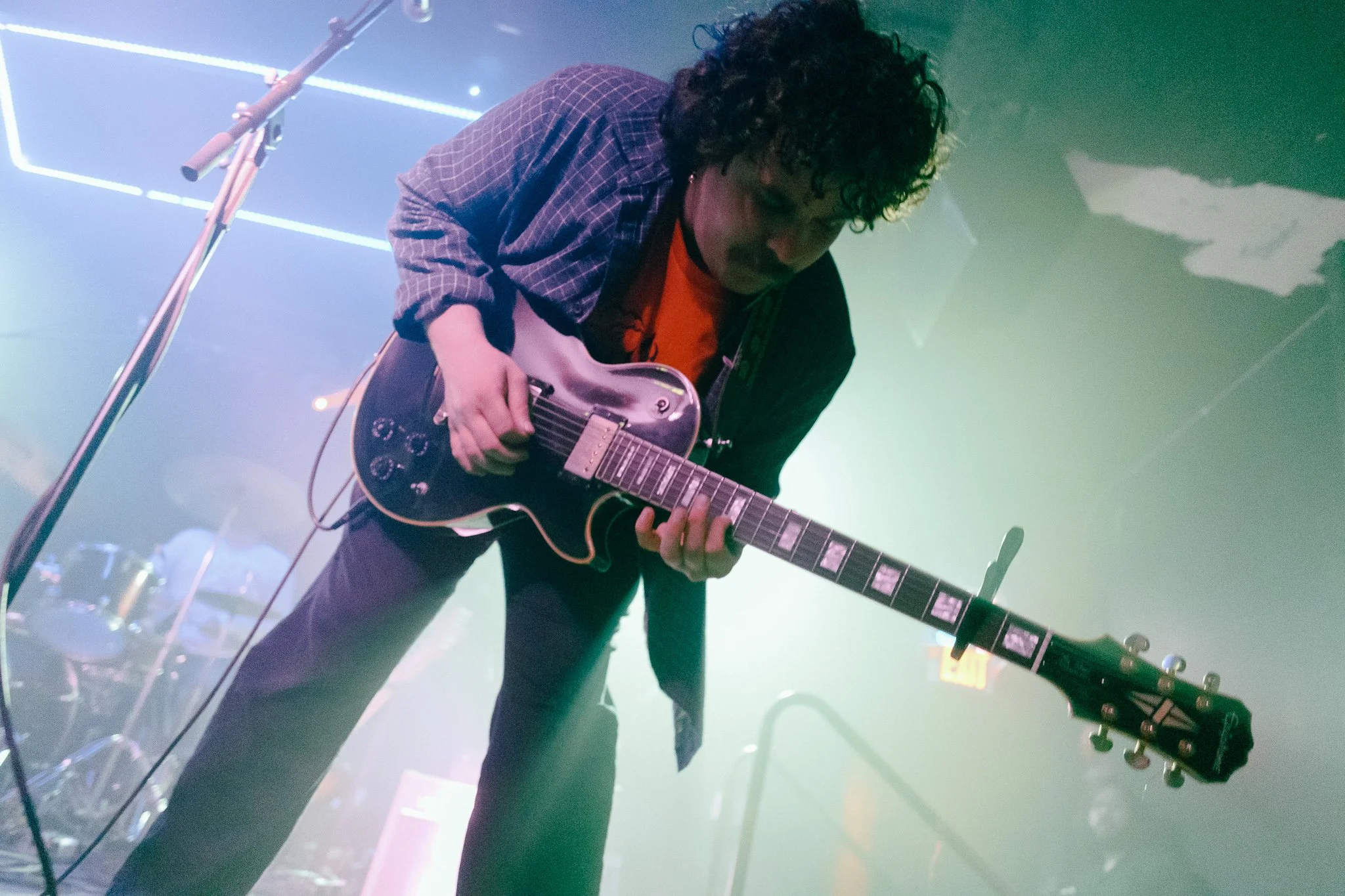
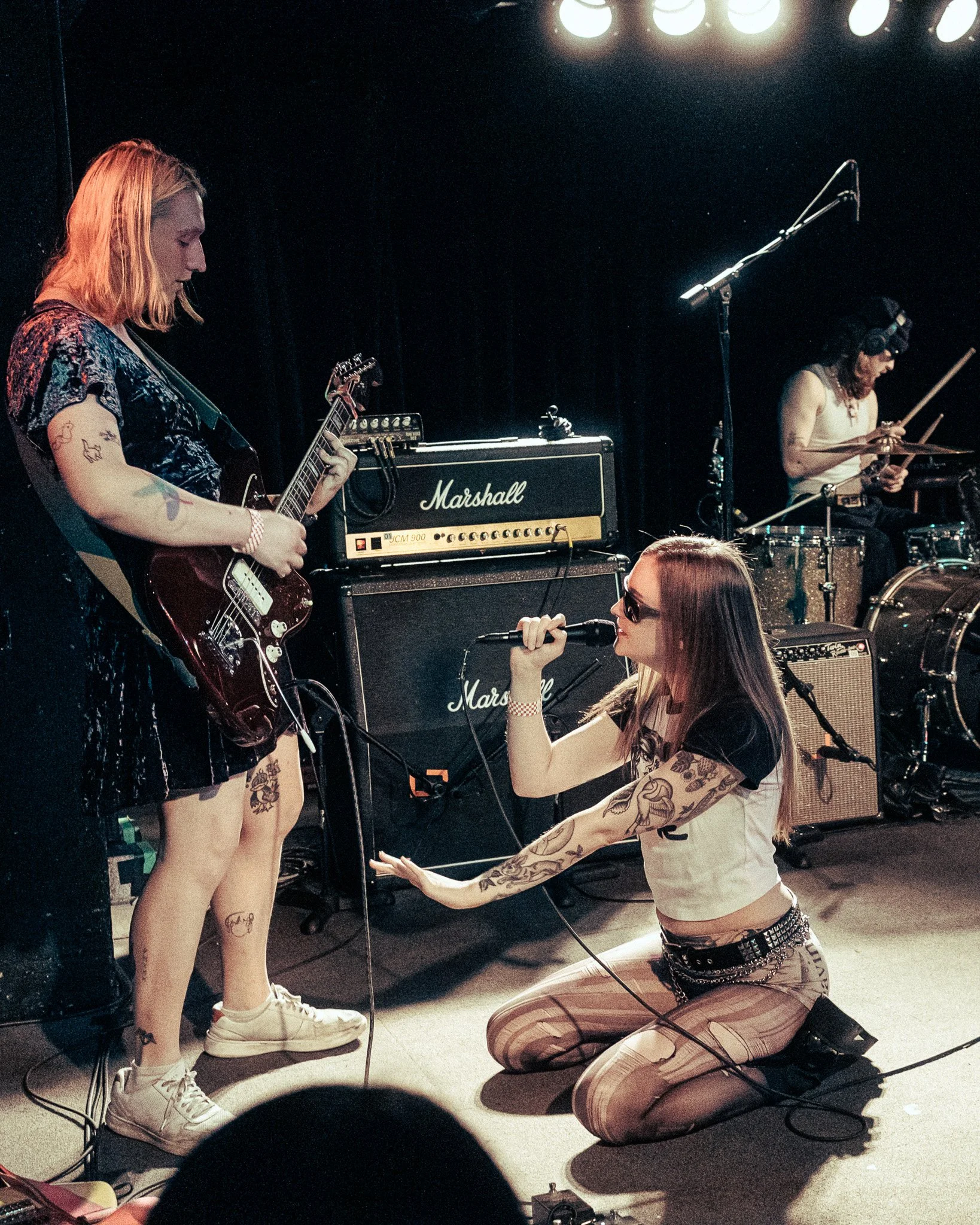
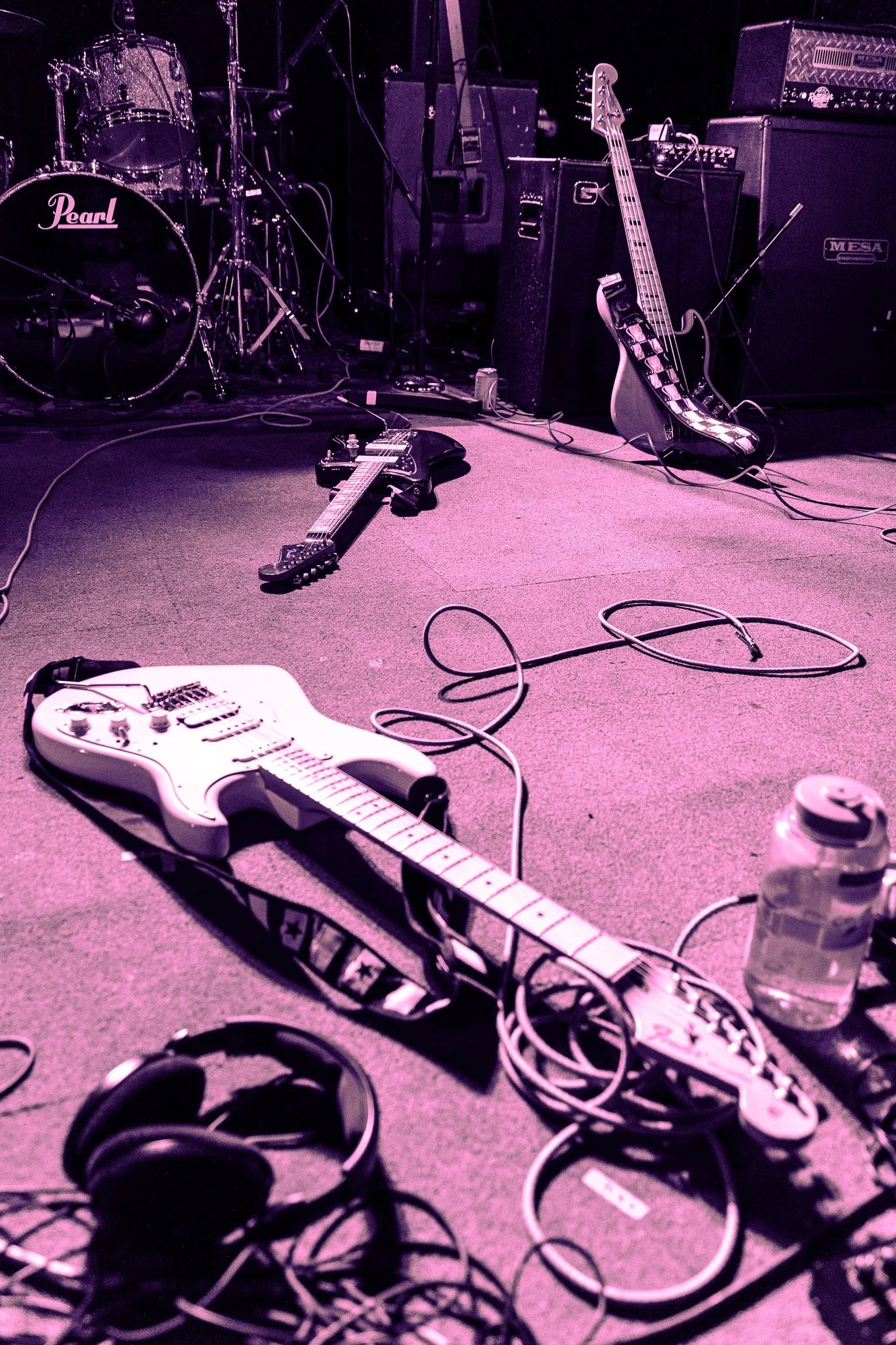
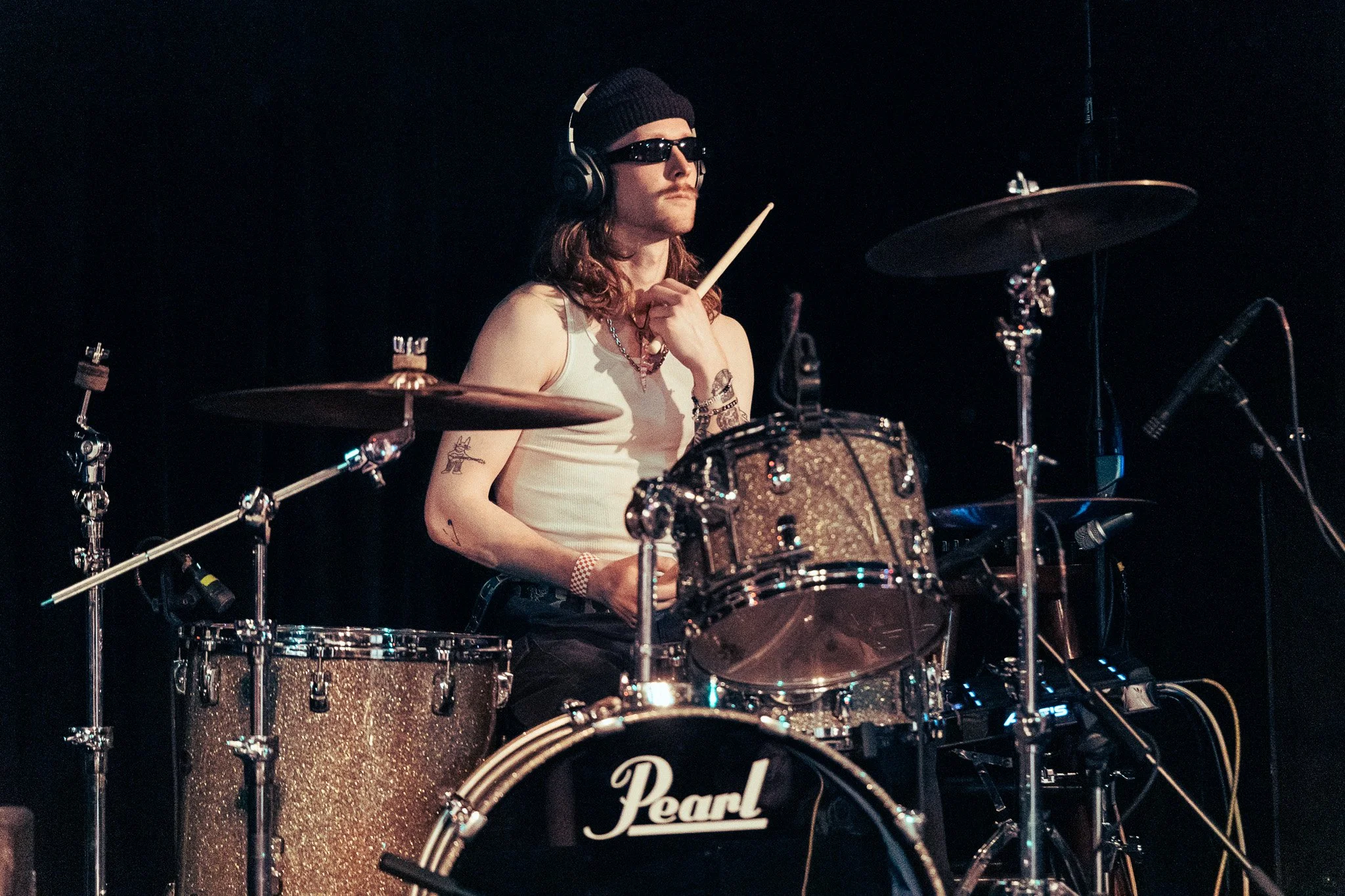
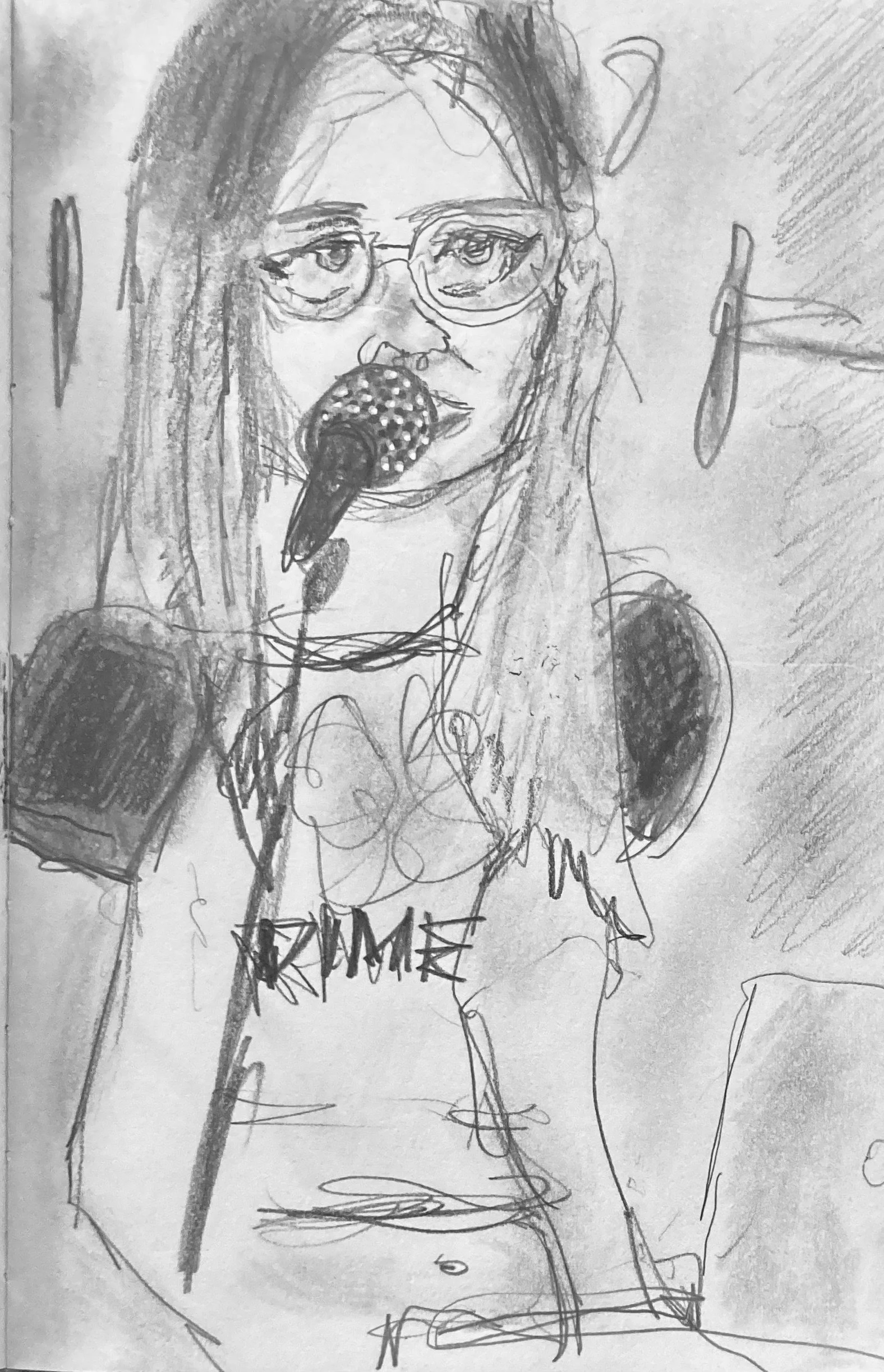
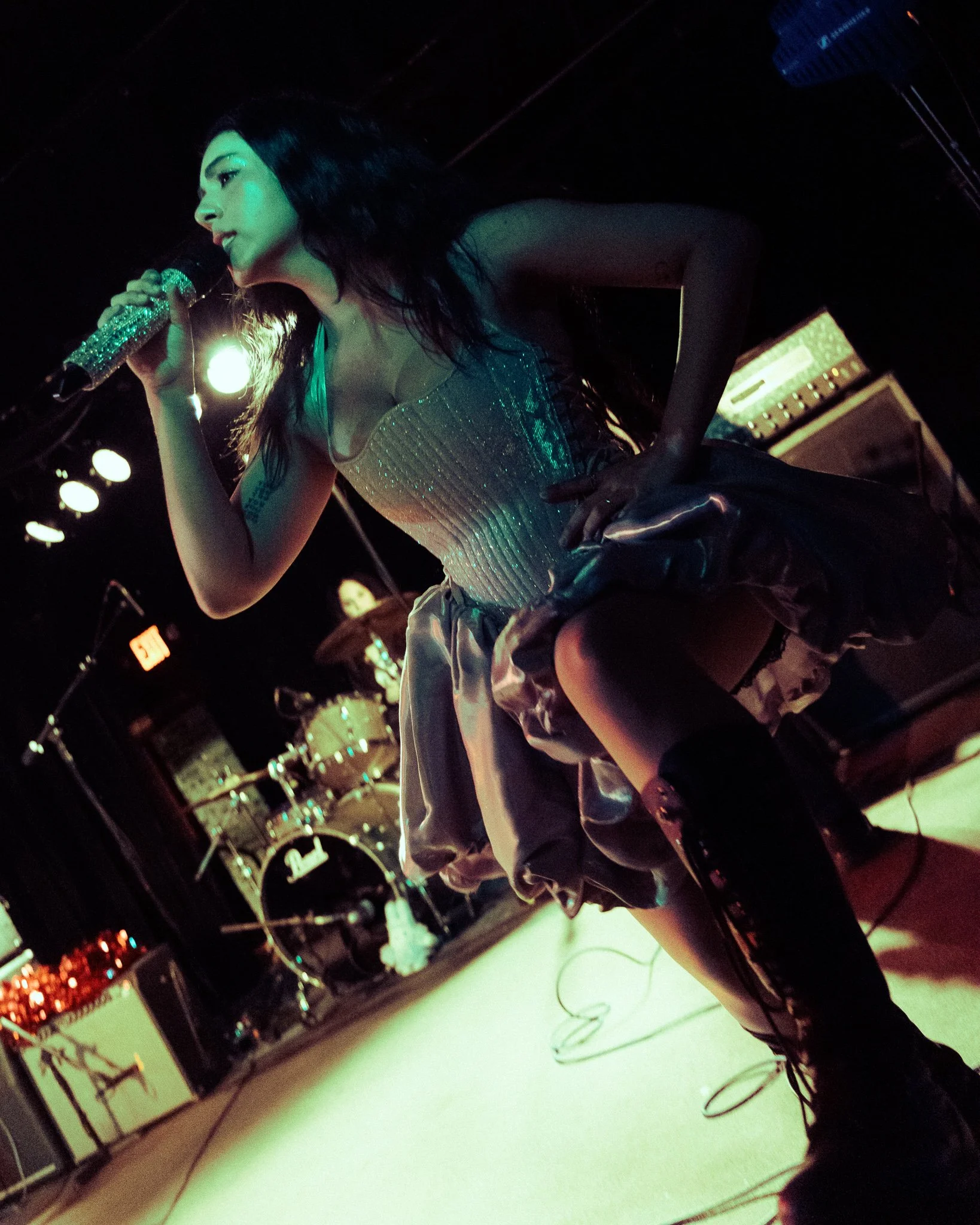
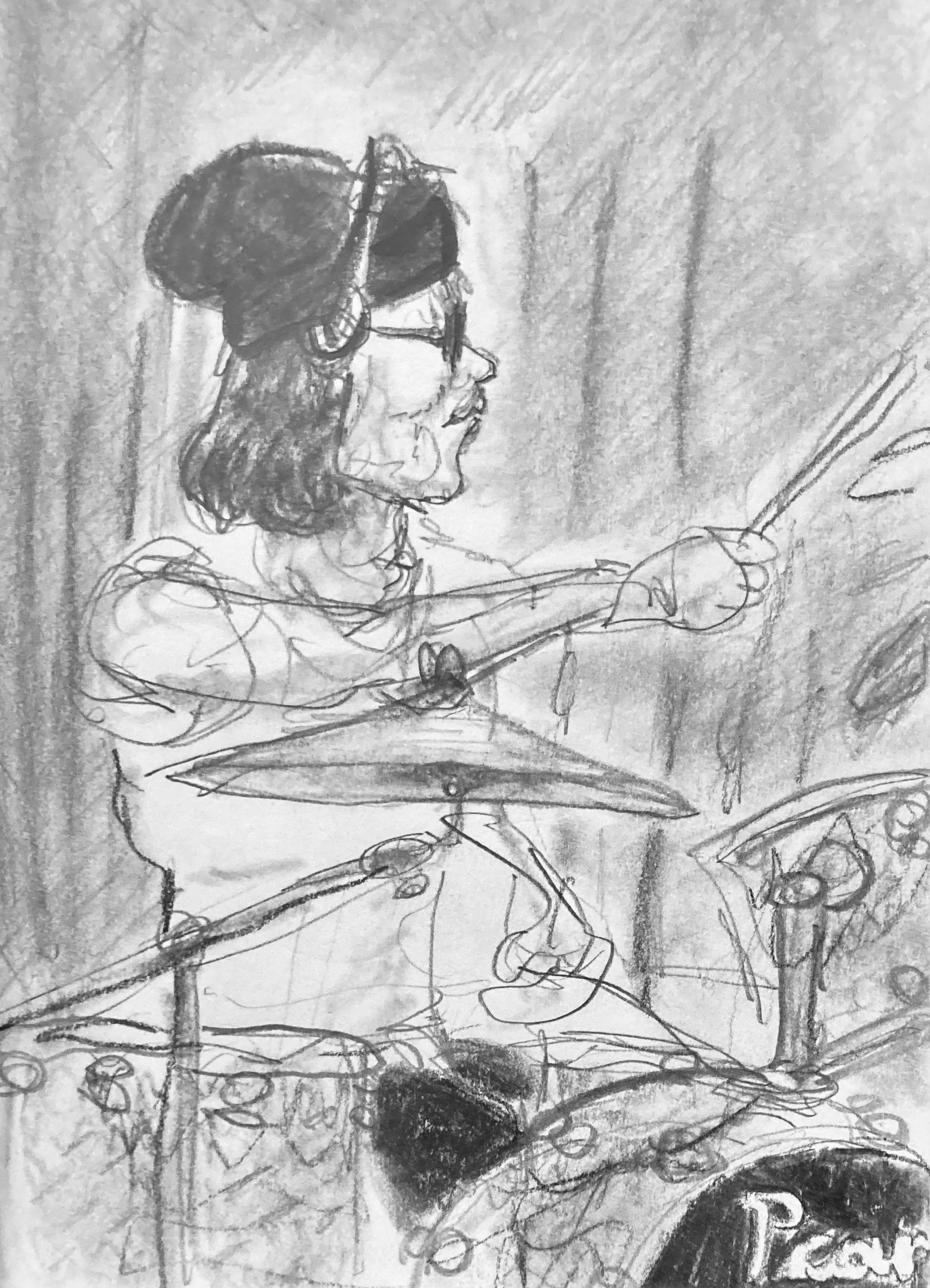
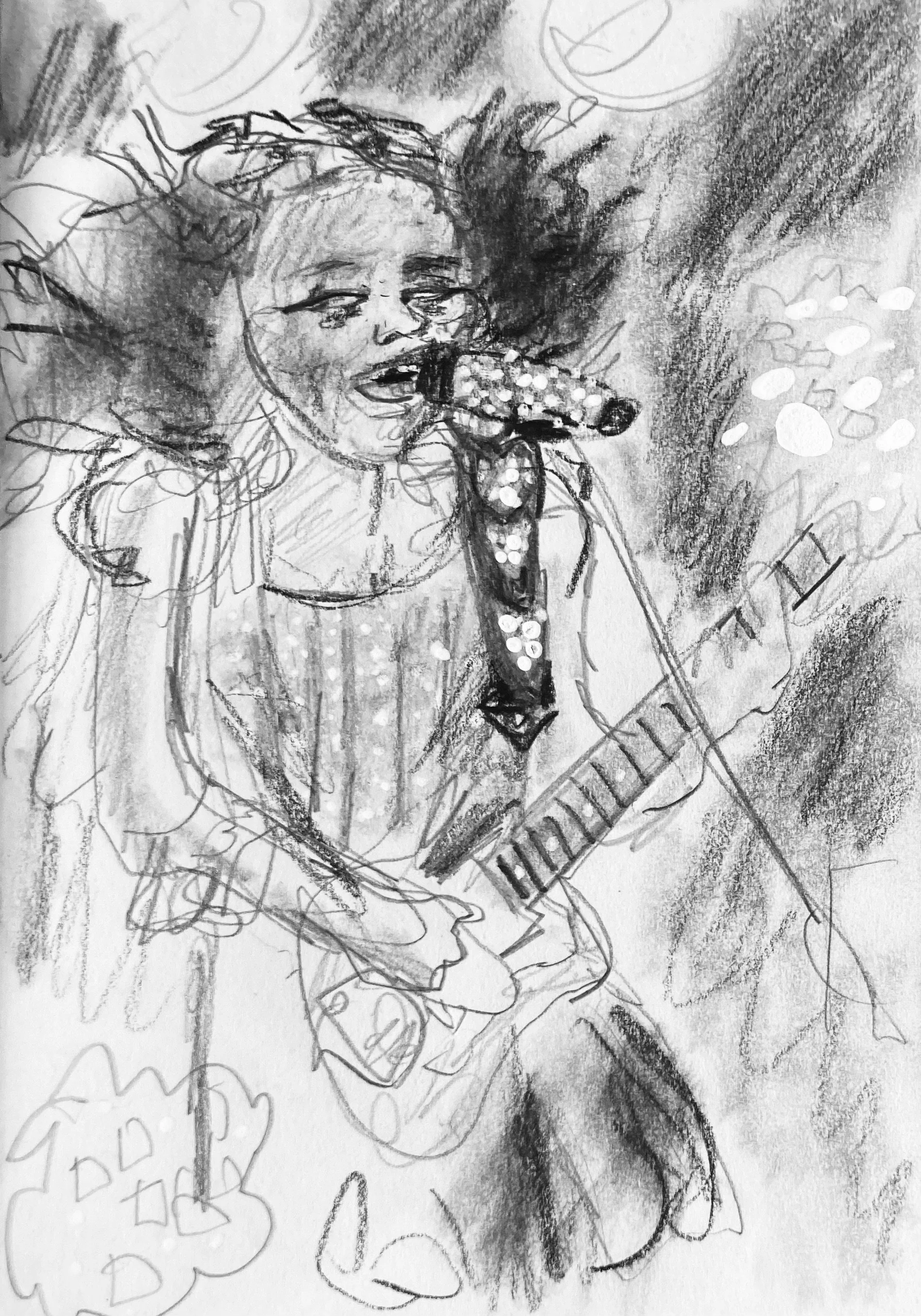
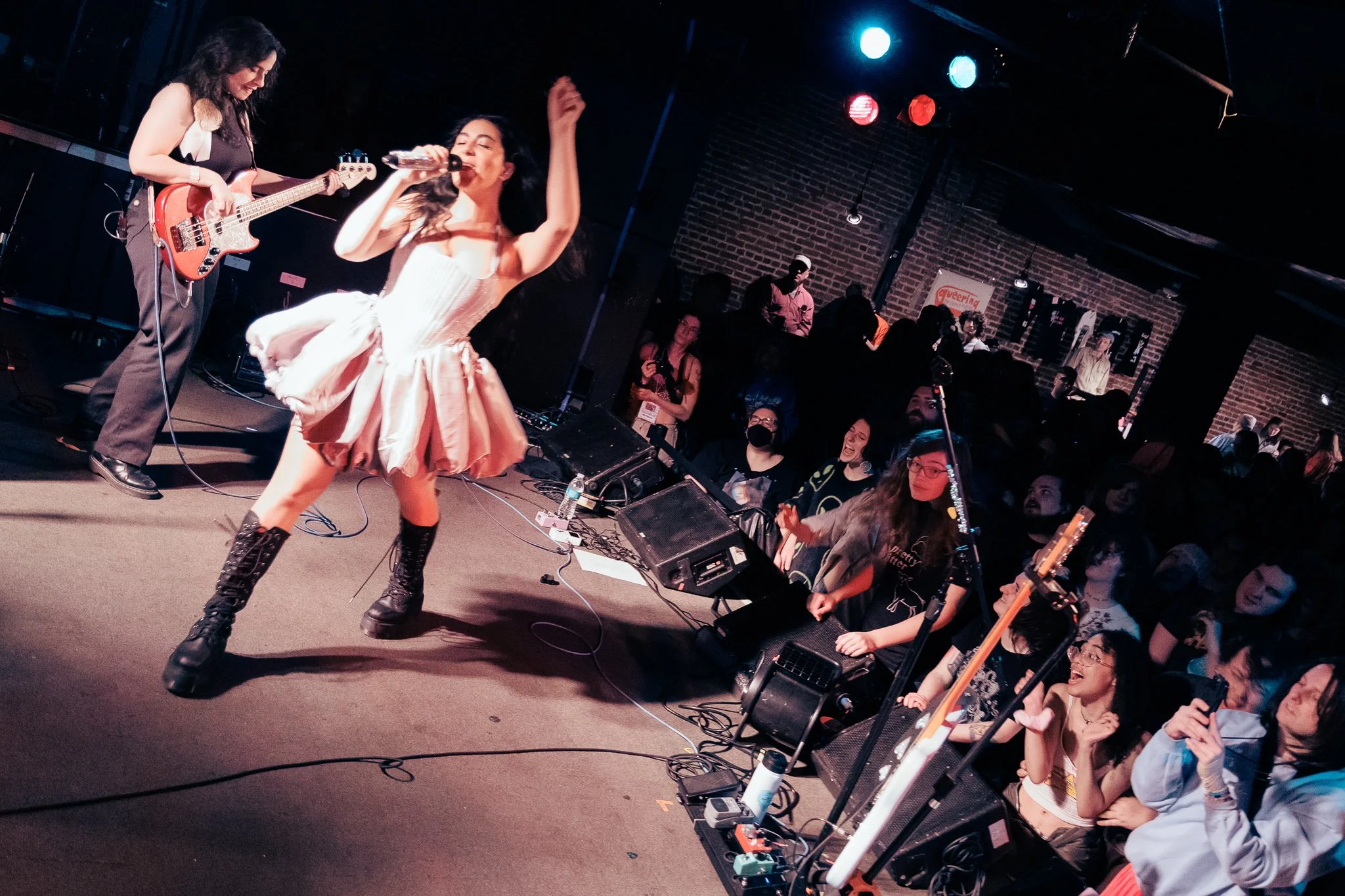
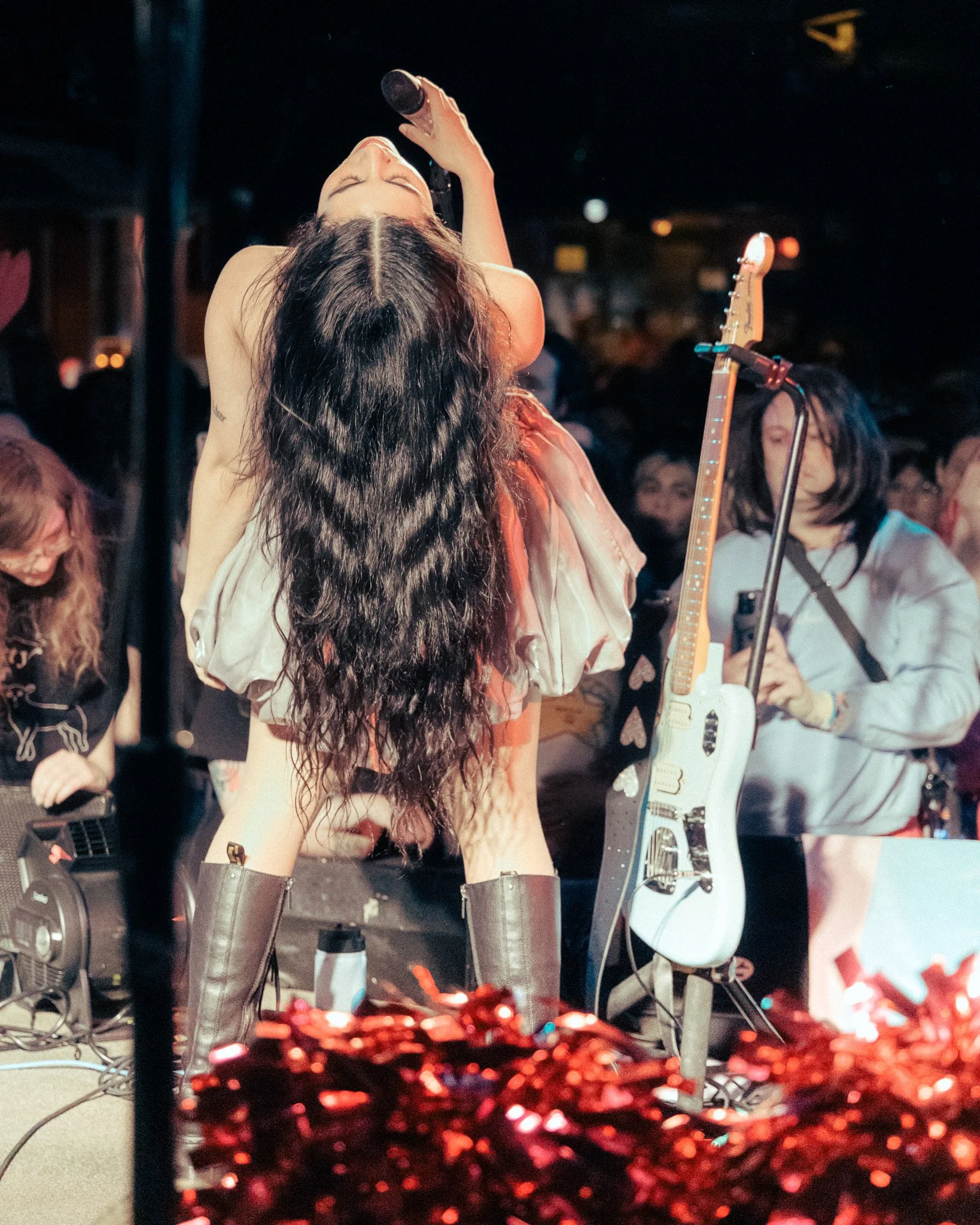
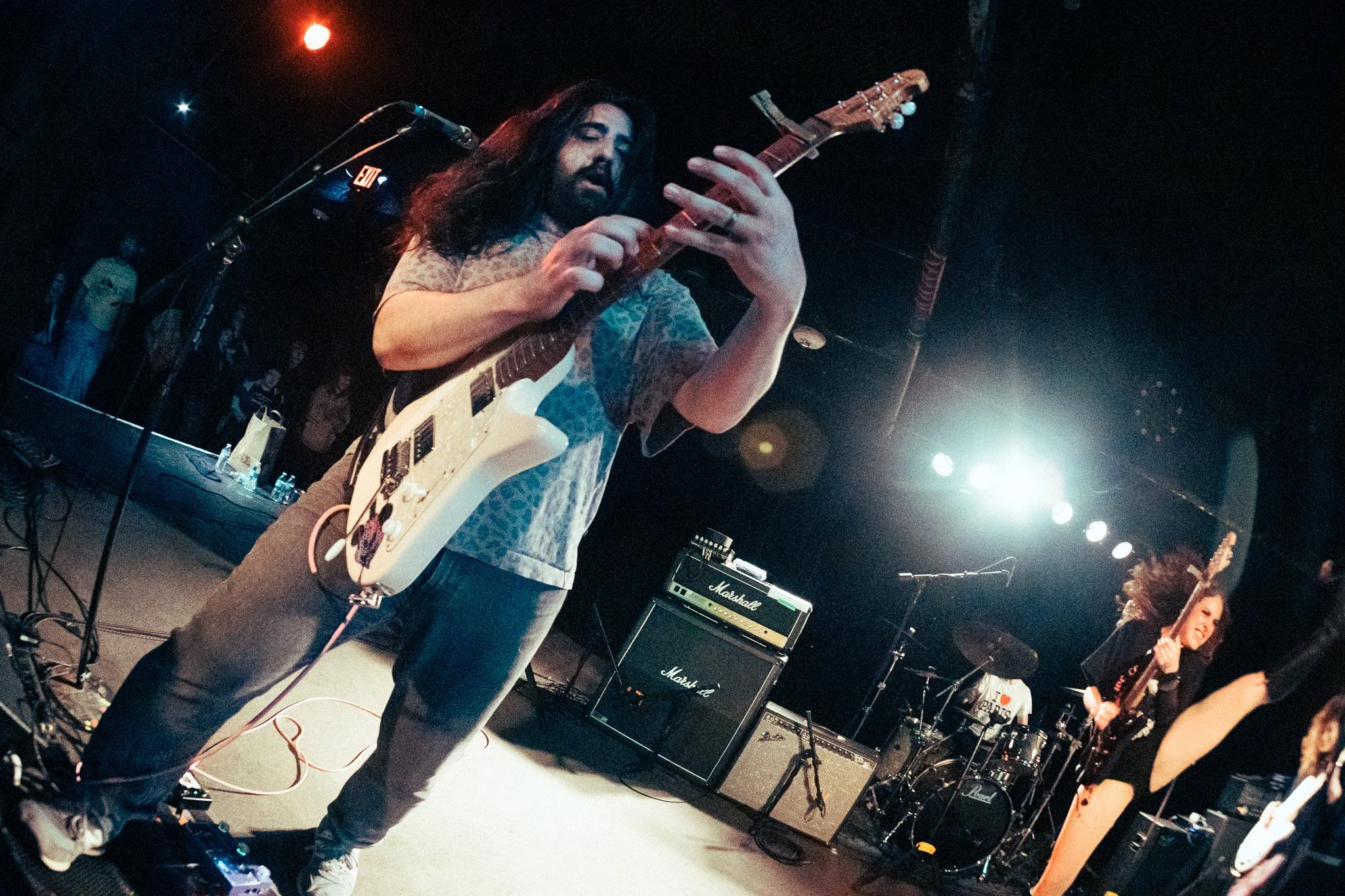
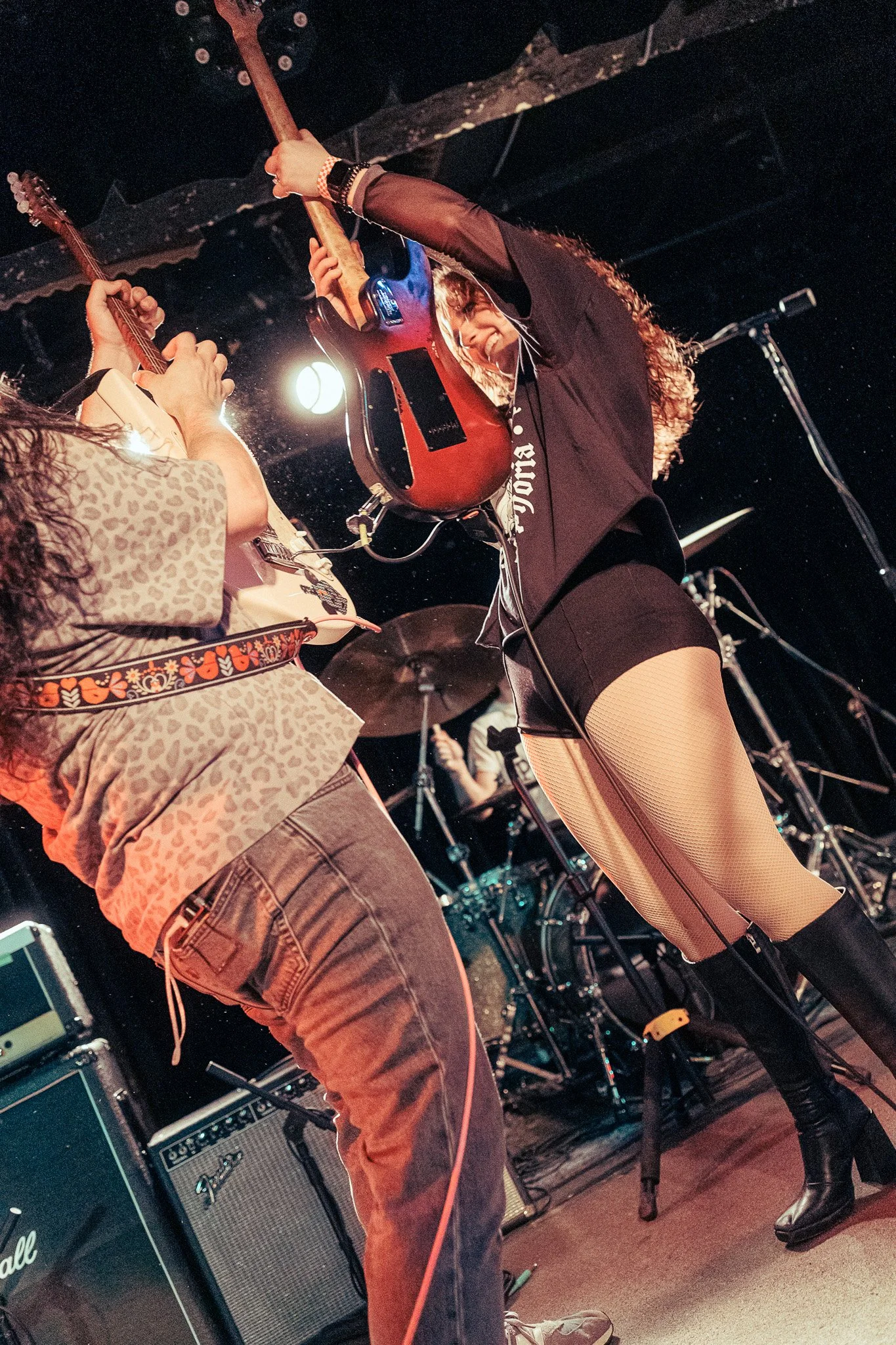
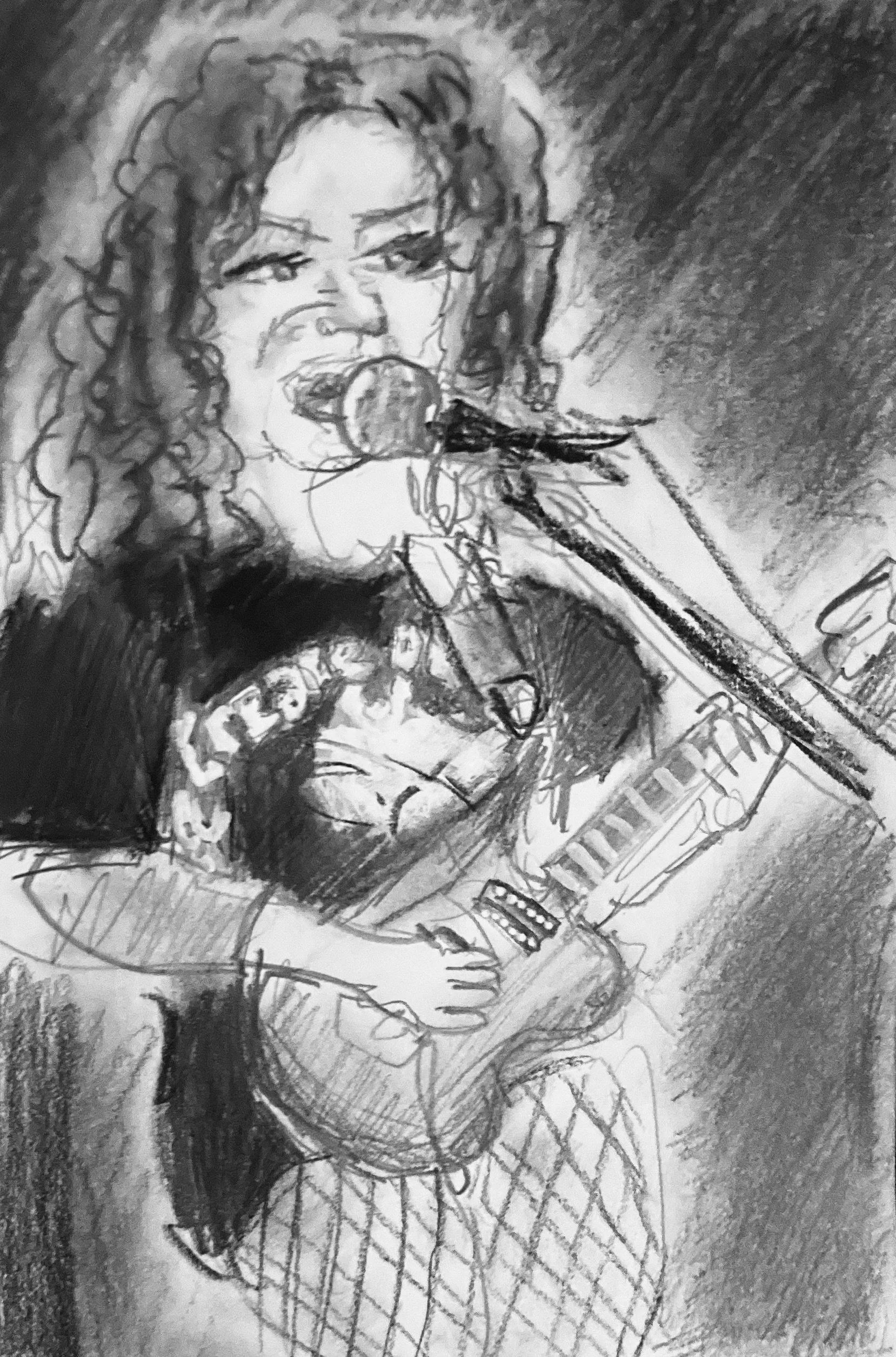
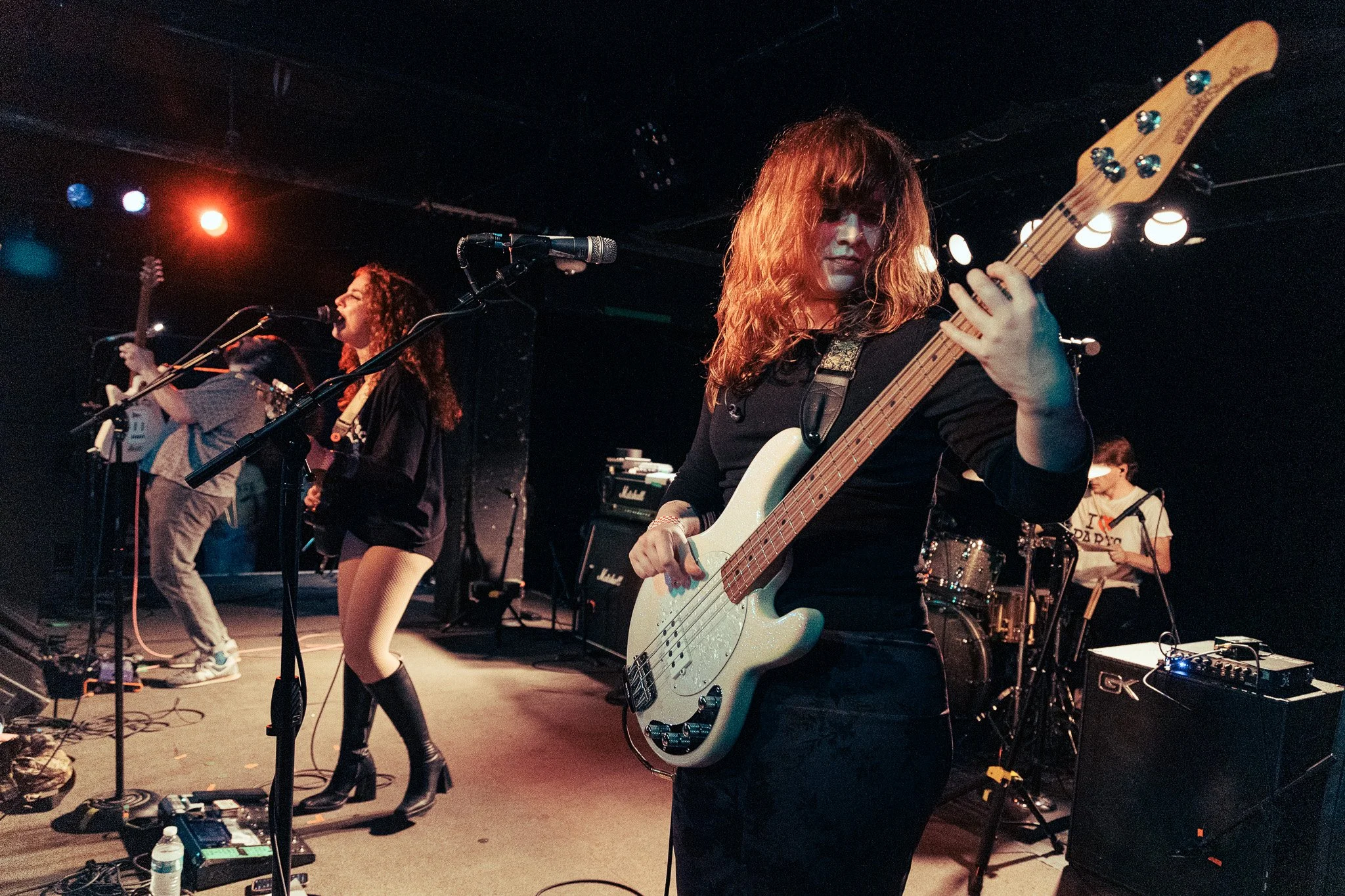
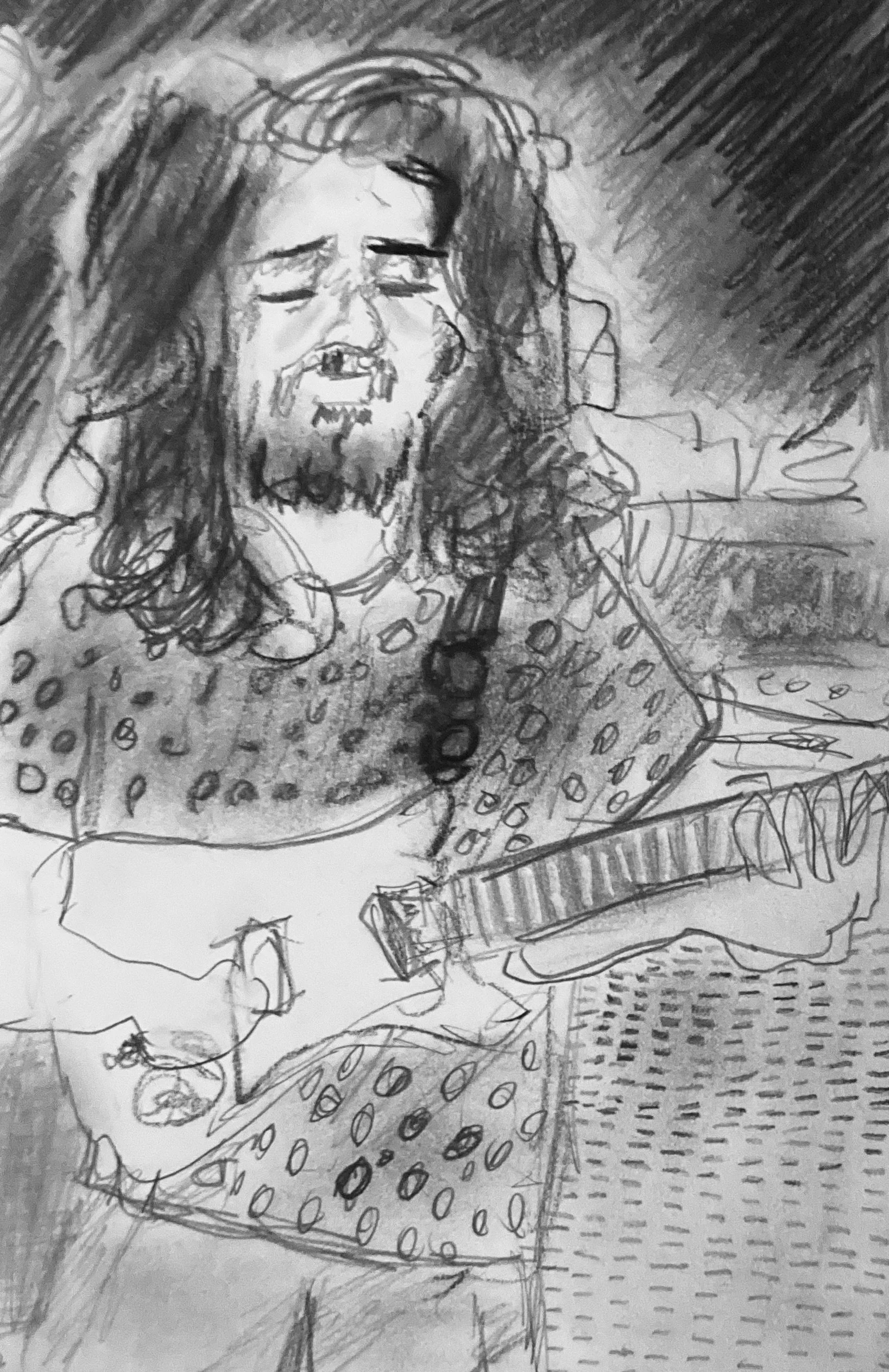
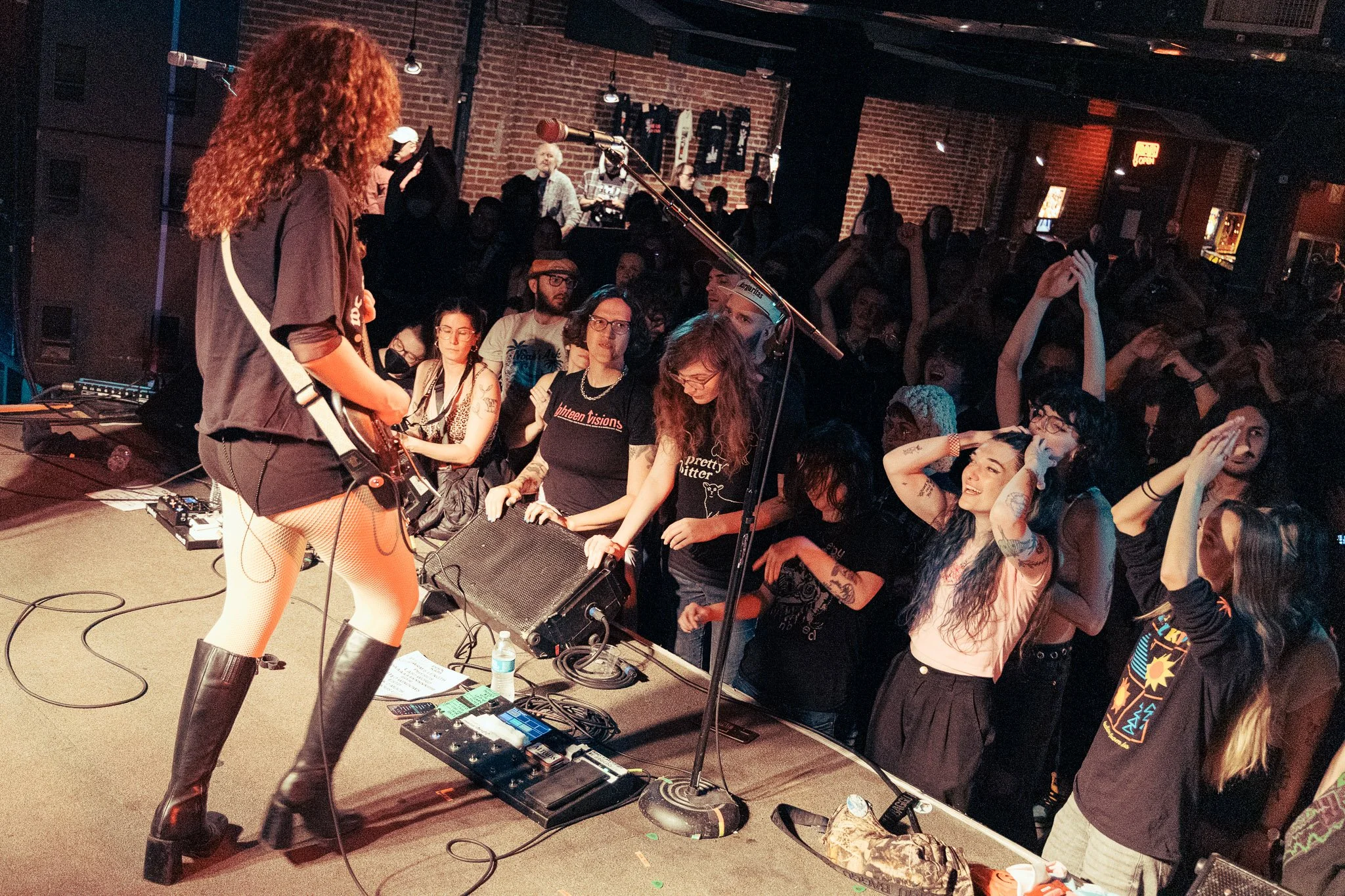
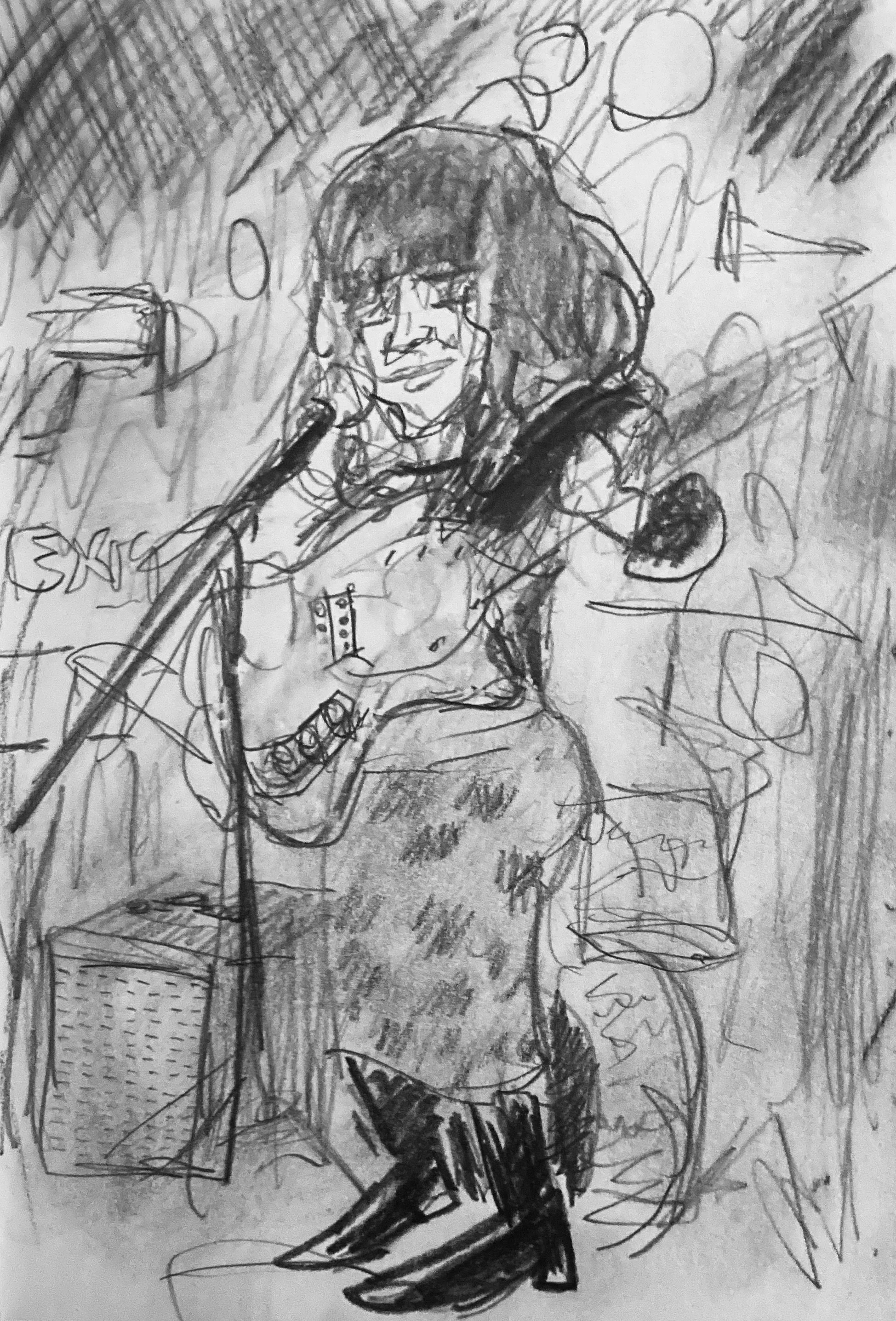
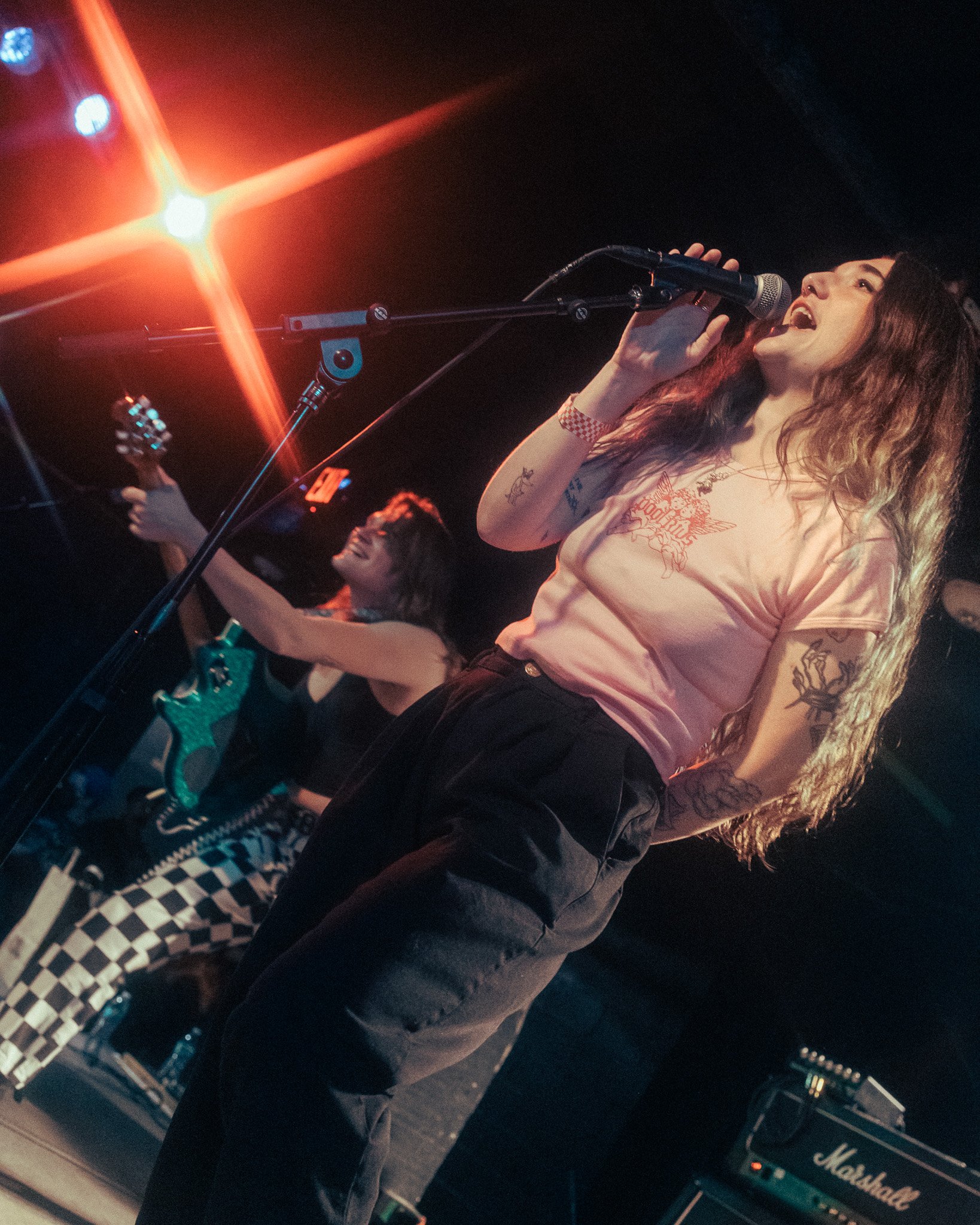
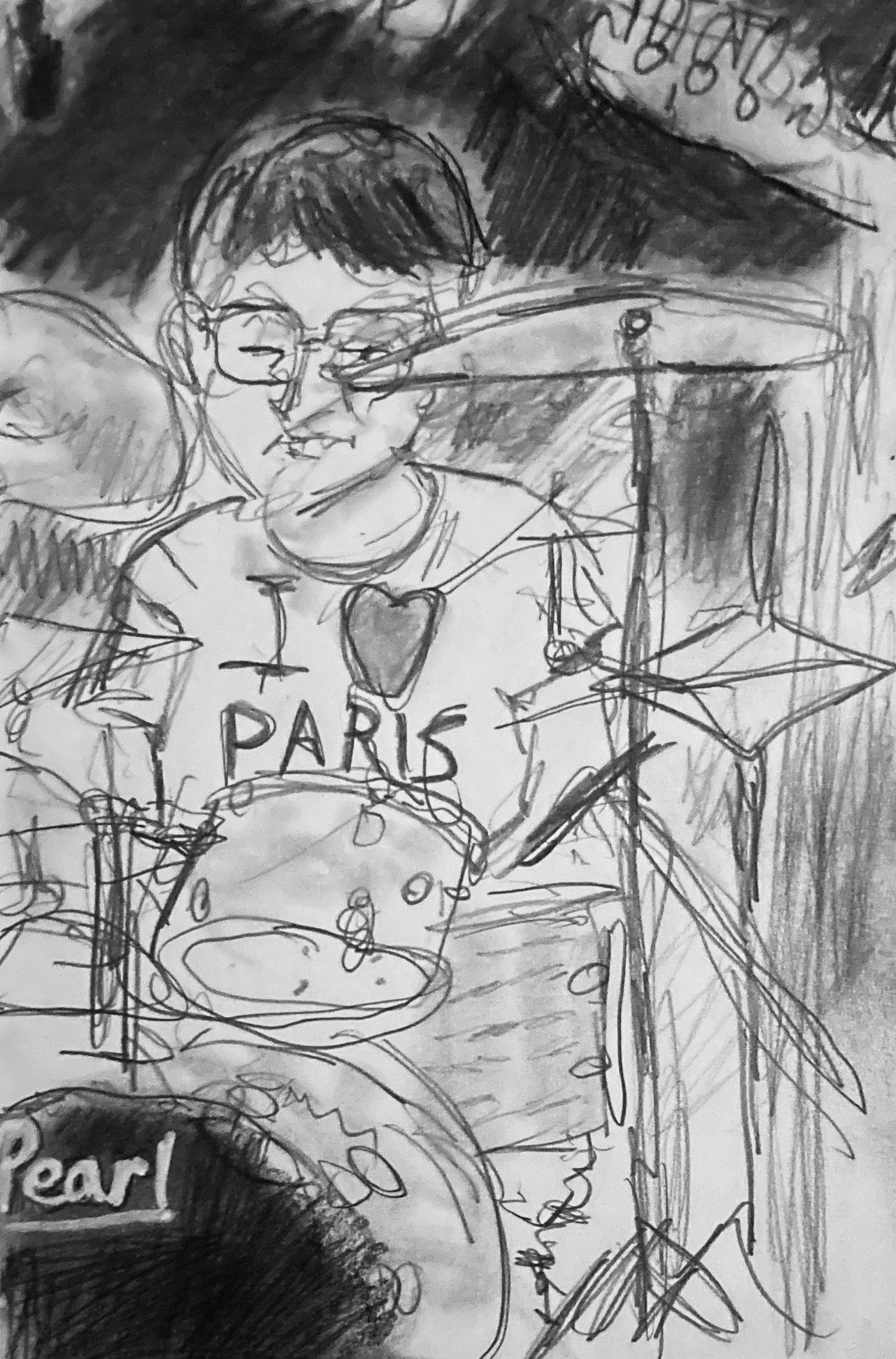
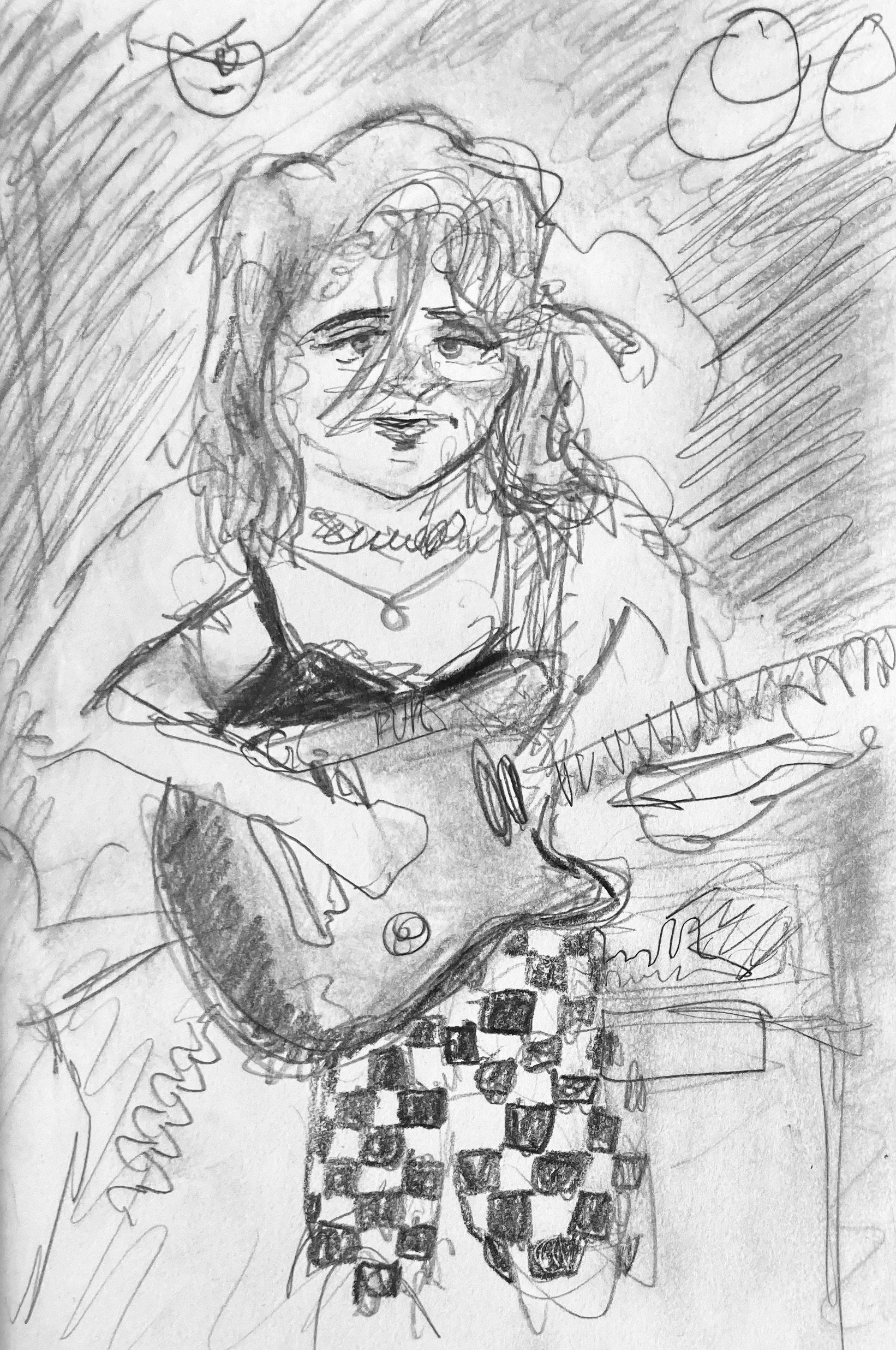
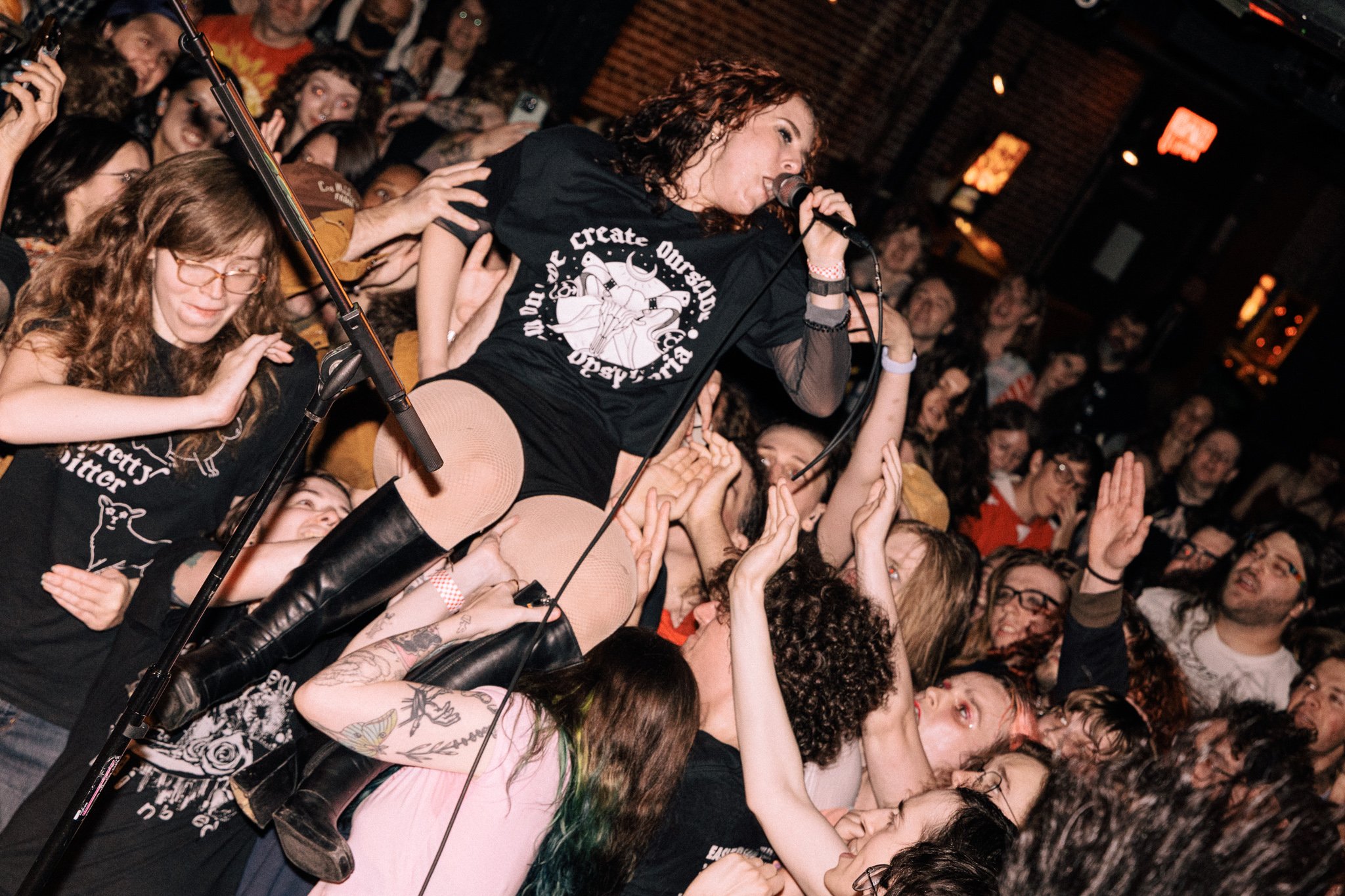
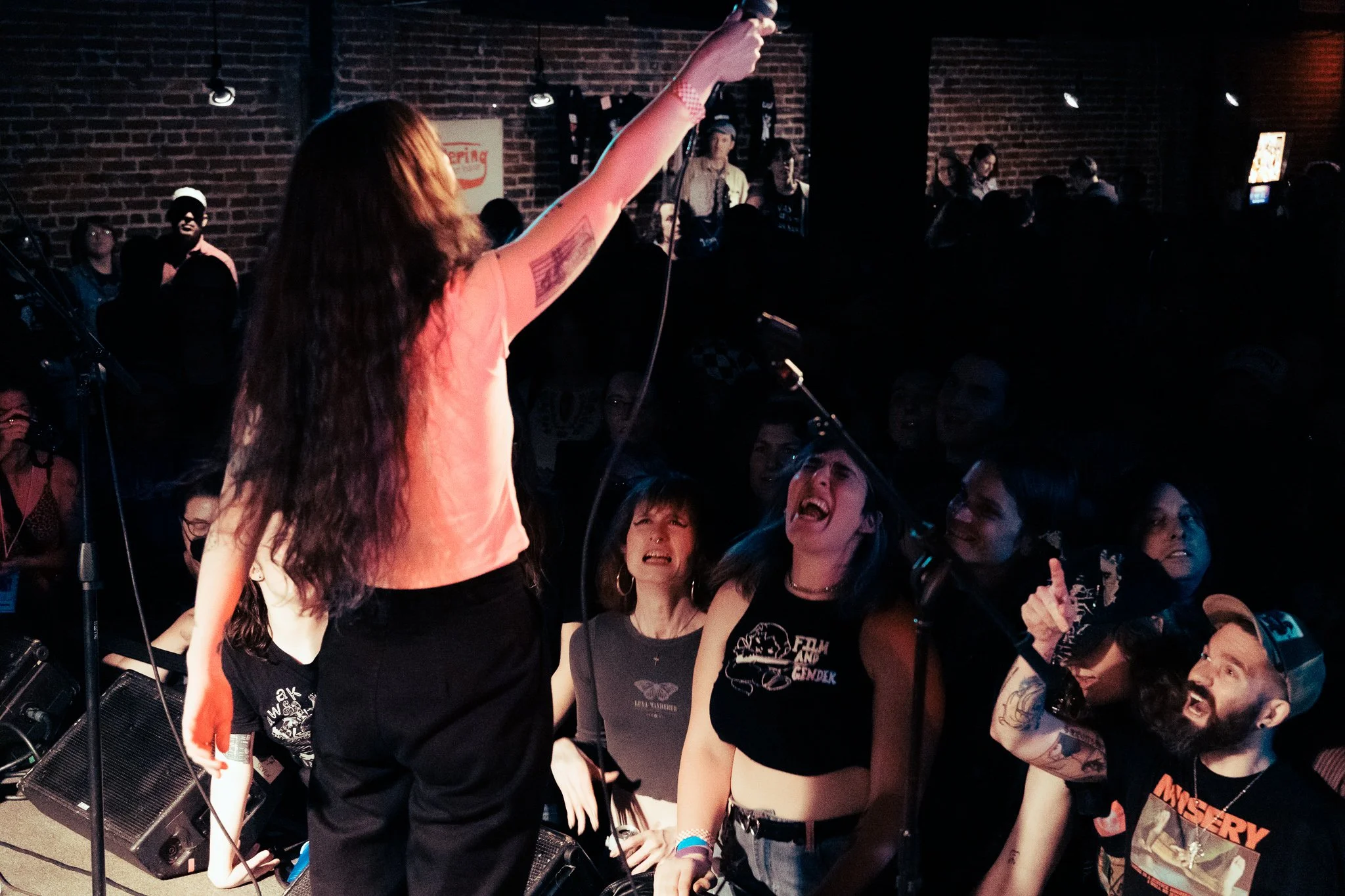
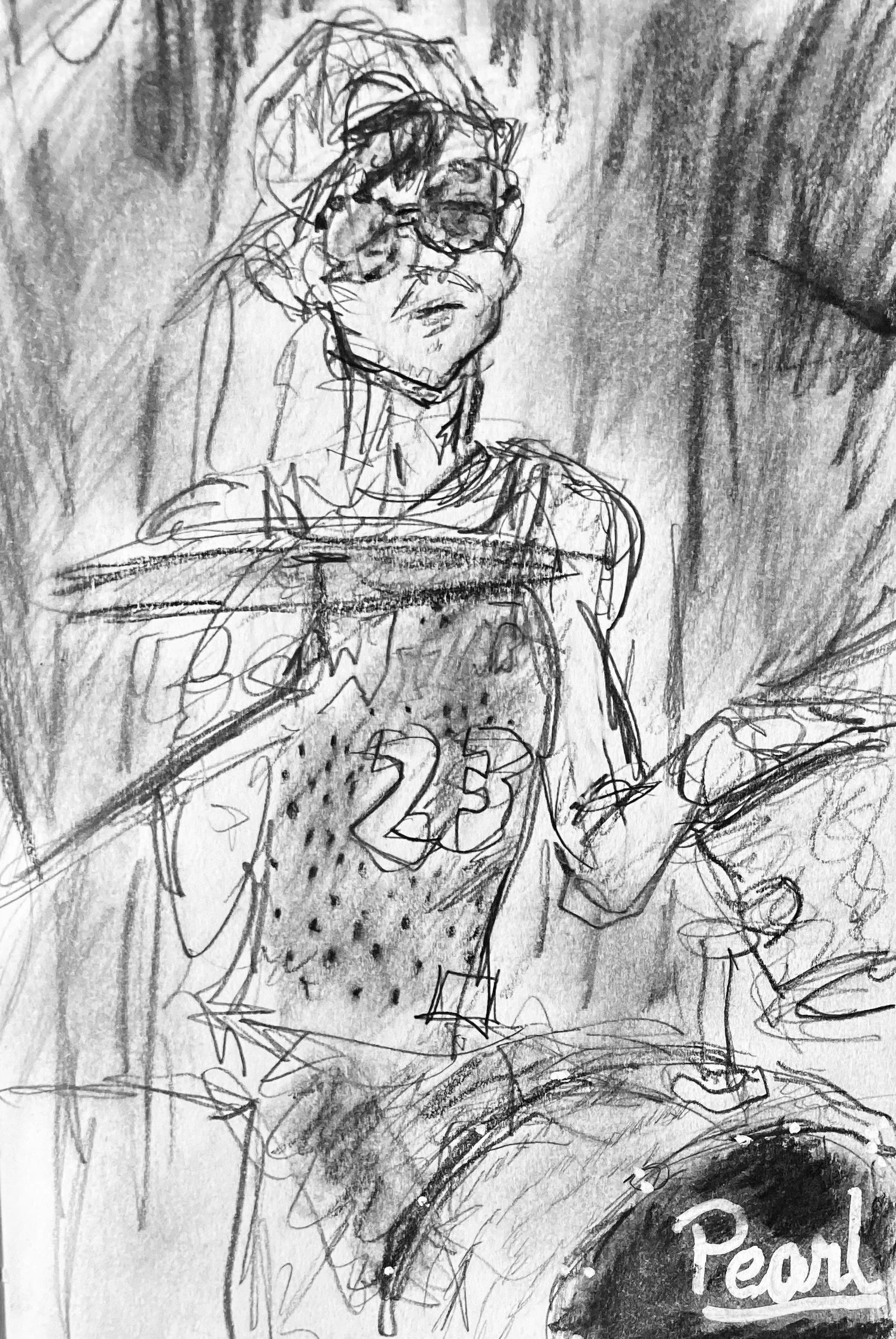
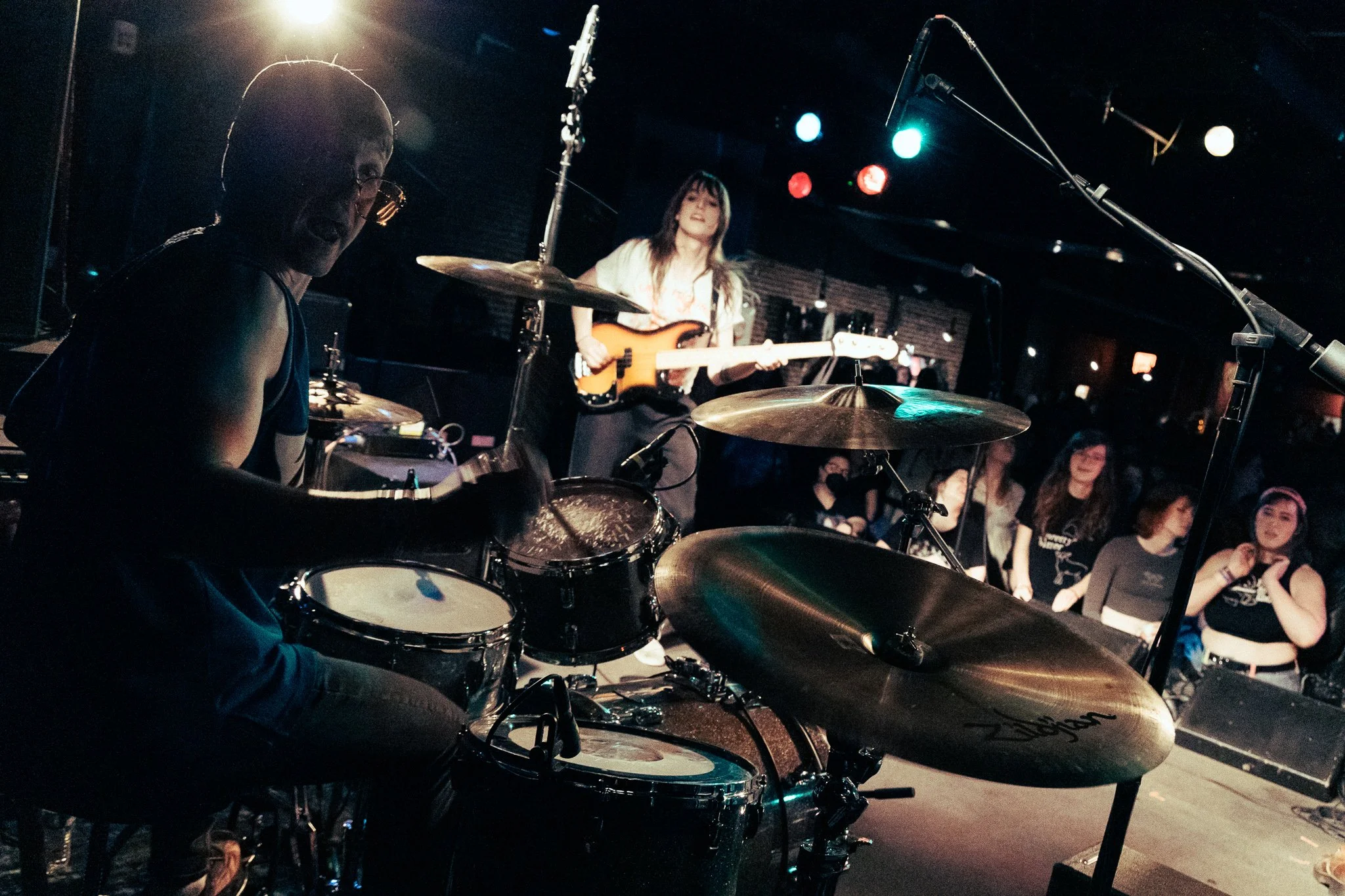
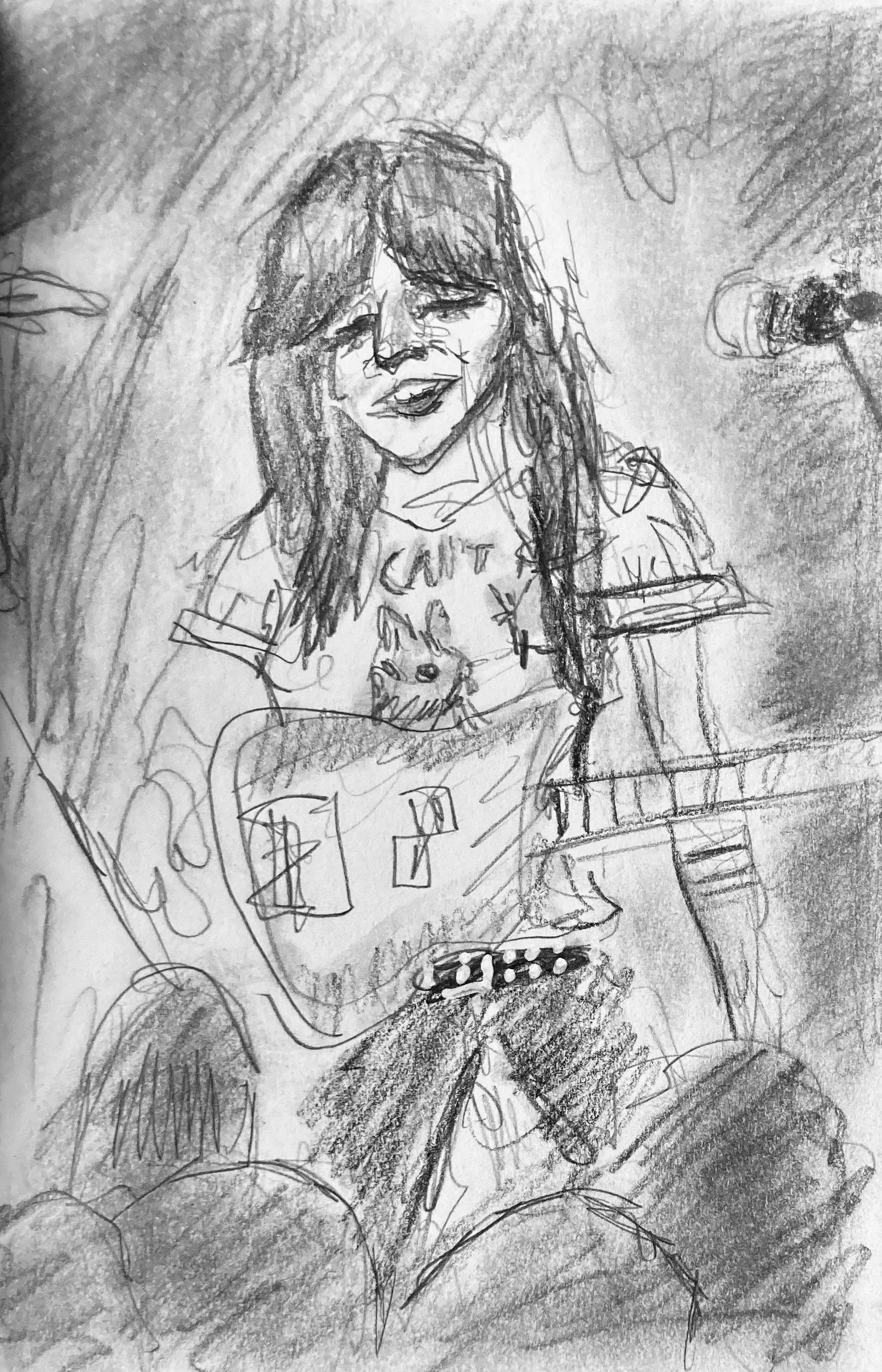
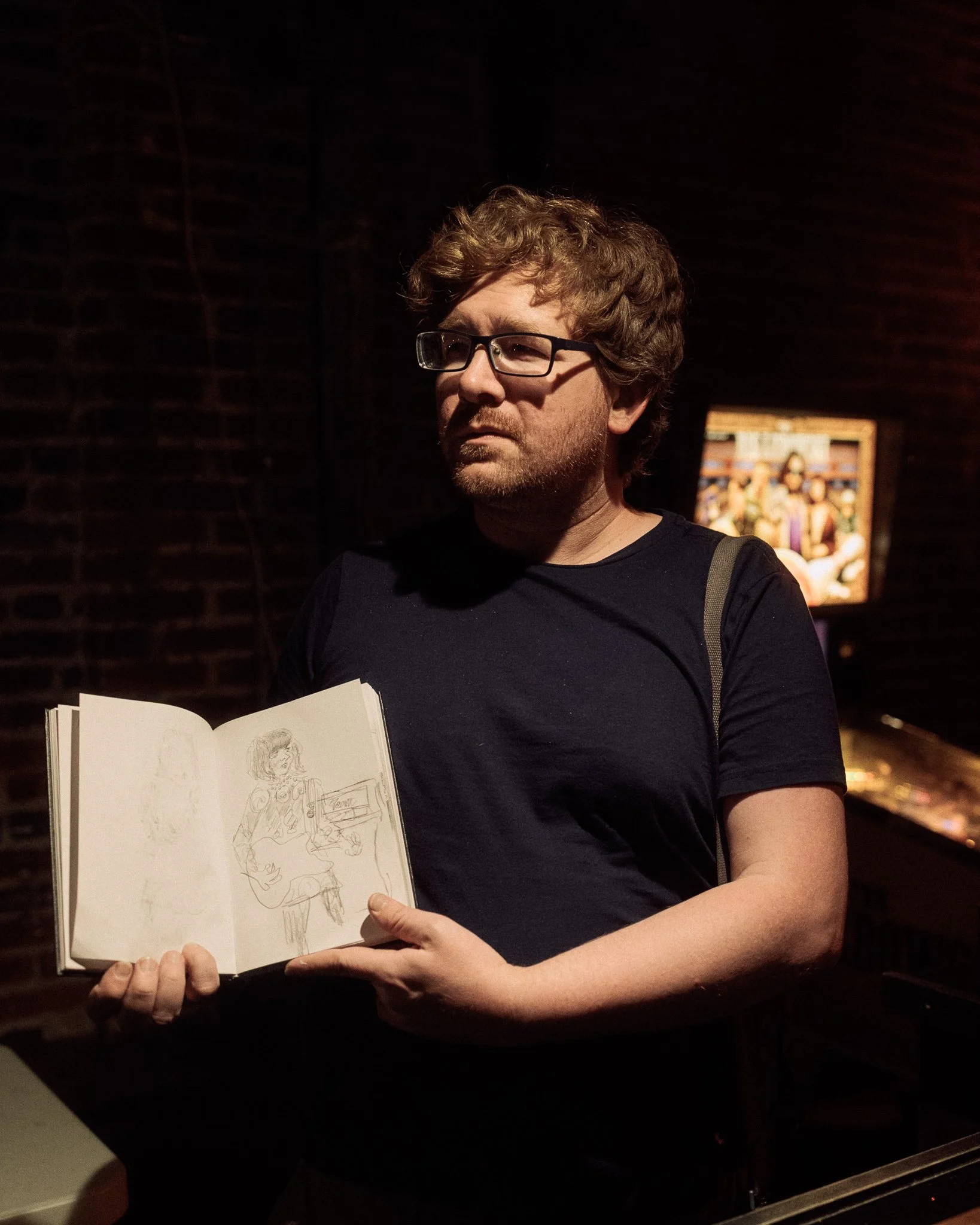
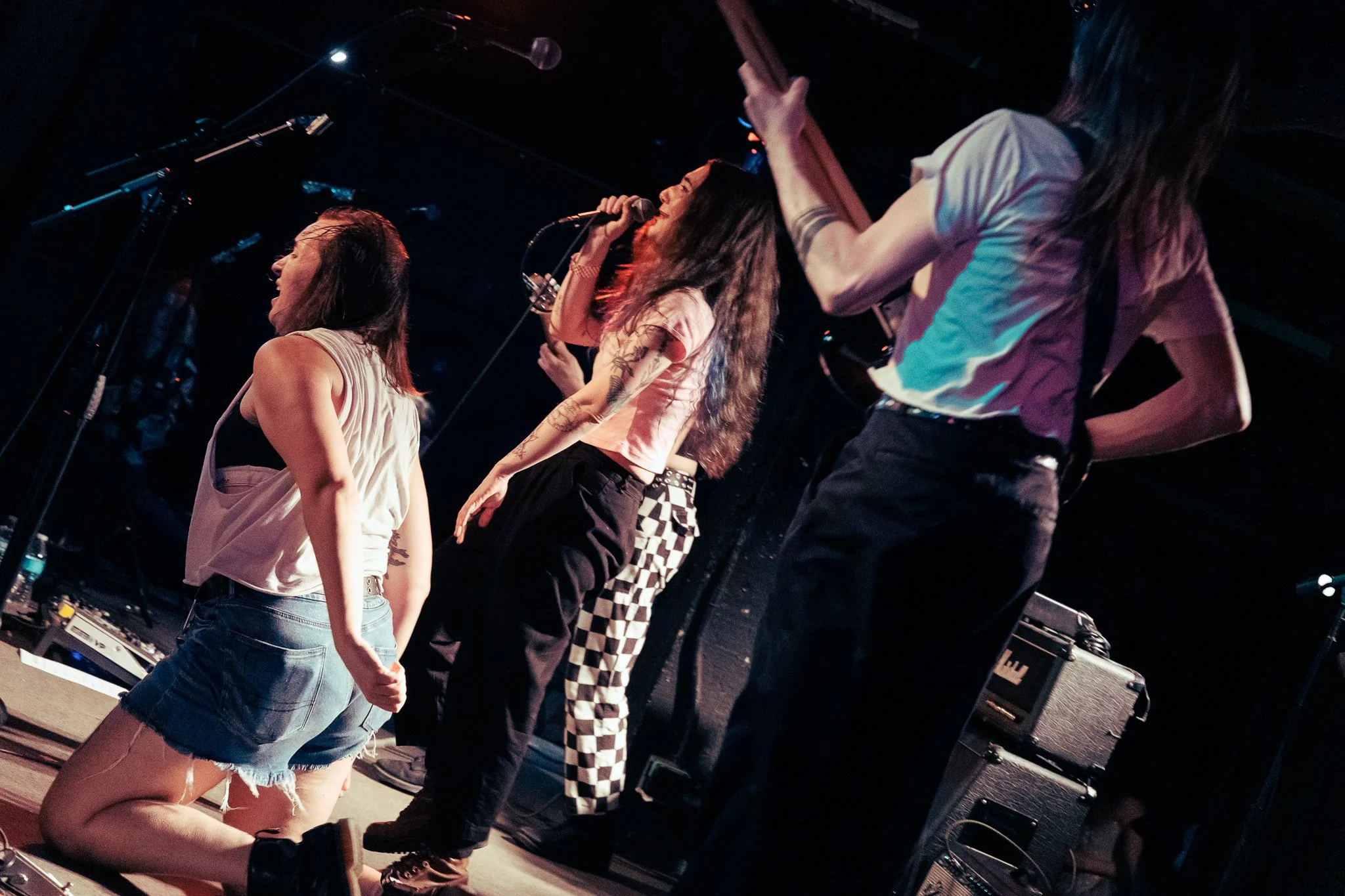
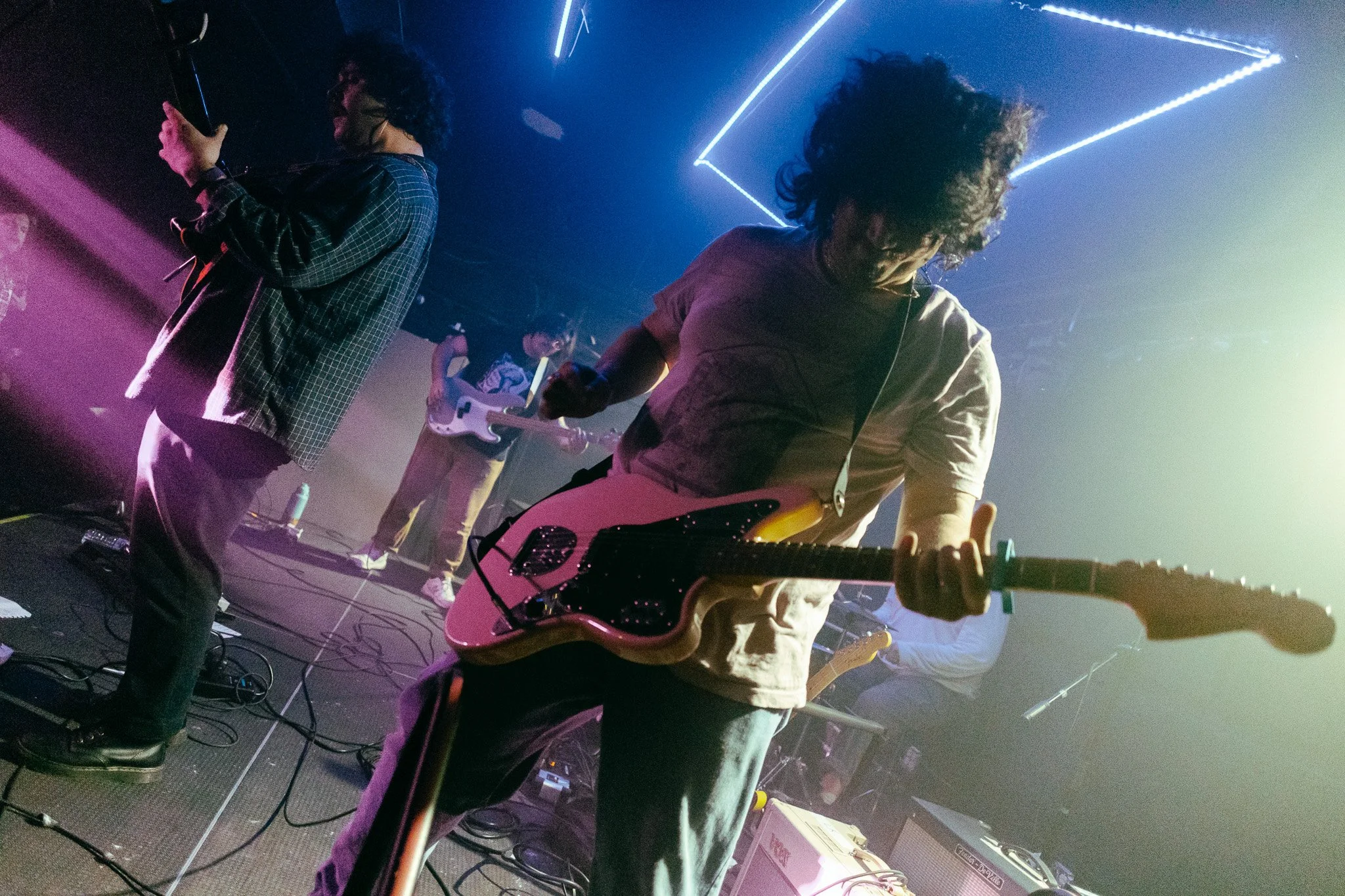
All photos by Kyle Meyers // All Sketches by Galen Summers

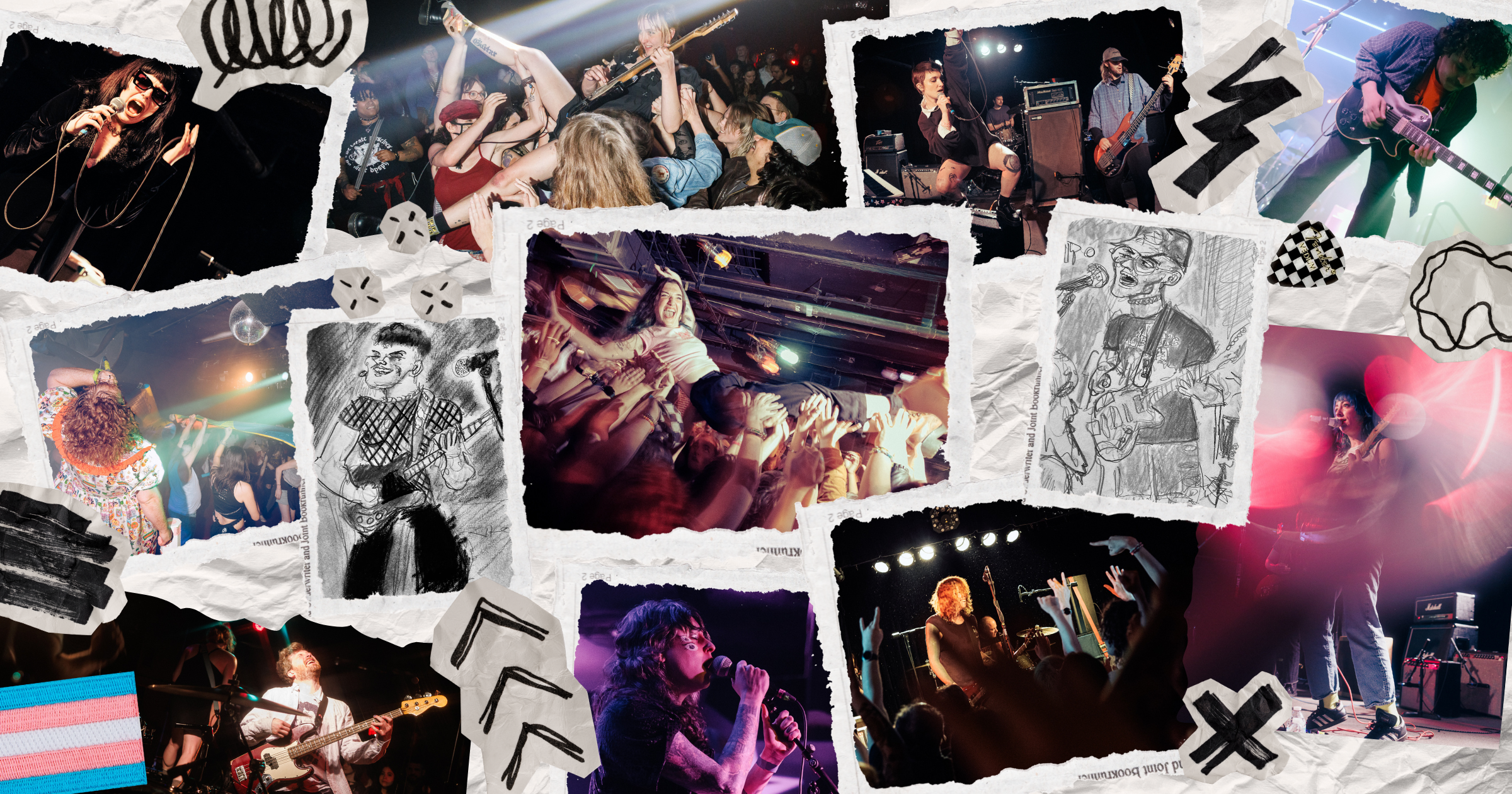
Naming a music festival Liberation Weekend takes some gumption. Liberation is a word I associate with only the most intense and daring of political movements, events that upend entire systems of power, carving a new path forward for a people. Not typically how I would describe a music festival. Yet Liberation Weekend, now in its second year, is willing to make this bold choice.

There is no need to recount Liberation Weekend 2025, as Swim Into The Sound had some brilliant coverage that does just the job, but there is a need to recount my Liberation Weekend 2025. A weekend where a young trans woman, hardly two months in on estrogen, not yet going by her chosen name, could be surrounded by other trans people. A weekend where she could watch other trans artists embrace themselves, their transness, and each other. 

This was, in a sense, liberatory for me. A world where I could embrace my transness seemed possible. In the ensuing months, I found my voice on-air as the host of DIY Not, became ingrained in the DC DIY music community, and started playing bass for a trans punk band called thisdogllhunt. And as I have changed, so has Liberation Weekend. 

In its second year, the festival has gotten bigger and (in this writer’s opinion) better. Now spanning three days instead of two, featuring late-night DJ sets and emo-centric day parties alike. The festival is split between two venues: Black Cat for the larger evening shows, and Transmission for the daytime sets and late-night after parties.

Just like last year, the festival is centered on raising money for trans people, with proceeds going to its partner orgs, Gender Liberation Movement and No More Dysphoria. Gender Liberation Movement is a non-profit group that brings together organizers, creatives, and community members to build power for gender liberation across culture, organizing, and policy. No More Dysphoria is a trans mutual aid non-profit, created to help transgender individuals pay for major aspects of their transition and necessities like housing and groceries. Early estimates from this year are looking to be around $20,000 going directly back to trans people, the people who care for them, and the people who fight for their rights. 

This year’s edition of the fest sadly feels even more prescient than last. Attacks on the rights of trans people are only increasing, with the US Government designating “radical pro-transgender ideology” as a terrorist ideology on the same level as narcoterrorism. Among many of my friends, there is a growing sense of unease about our future in this country. There is a desperate need not just for the funds that an event like this can provide, but the space as well – somewhere that trans people can let their guard down, if only for a moment. 

I spent the three days of Liberation Weekend looking for liberation. I searched for it in the artists on stage, the sweaty mosh pits of Transmission and Black Cat, and in the organizations fighting to make this world just a little easier for trans people. A year ago, I found it for myself. This year, I hope to find it again. 
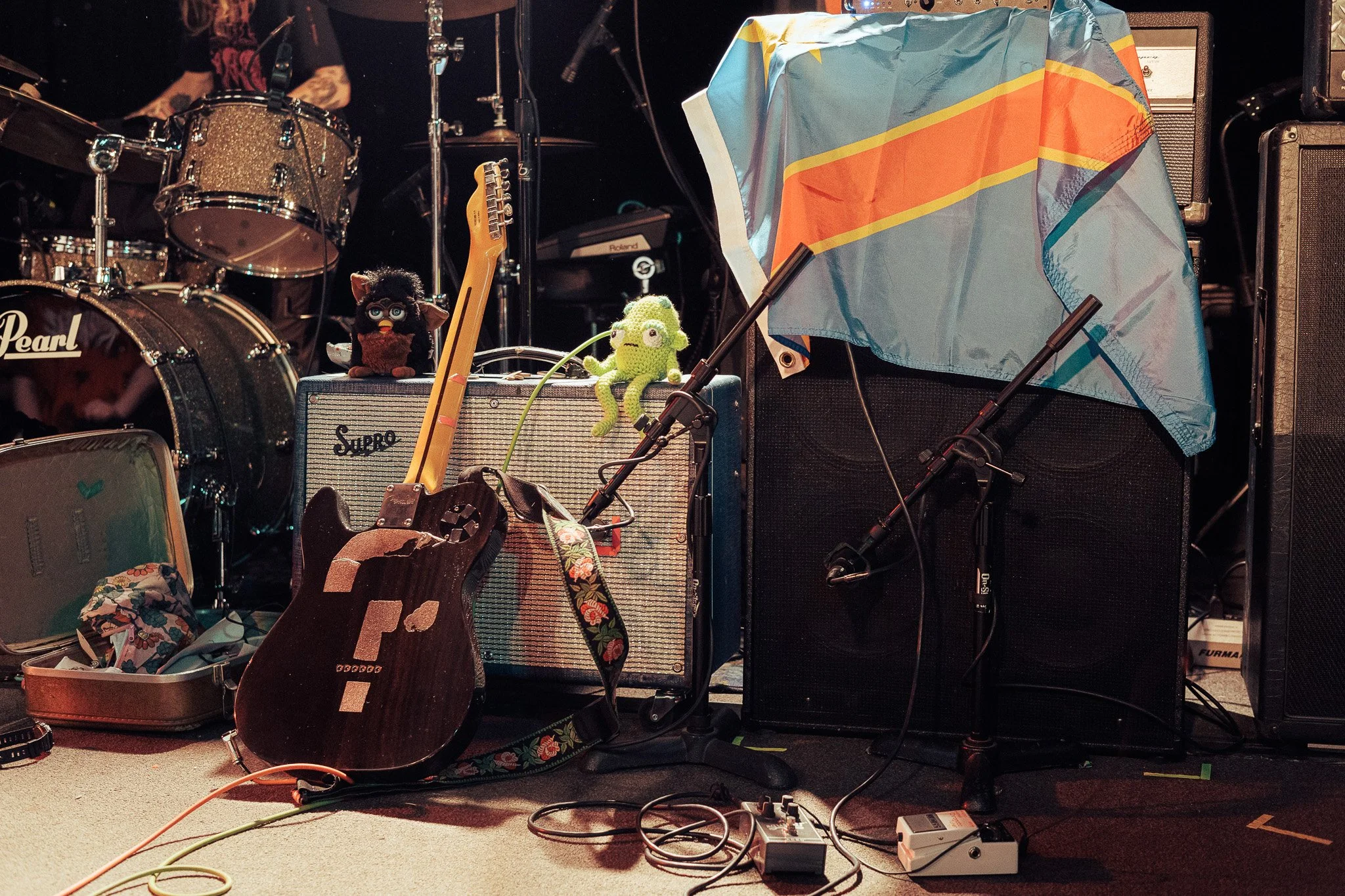
Photo by Kyle Meyers


April 23: The Unofficial Liberation Weekend preshow in which Caroline watches the trans girls of DC two step to folk music

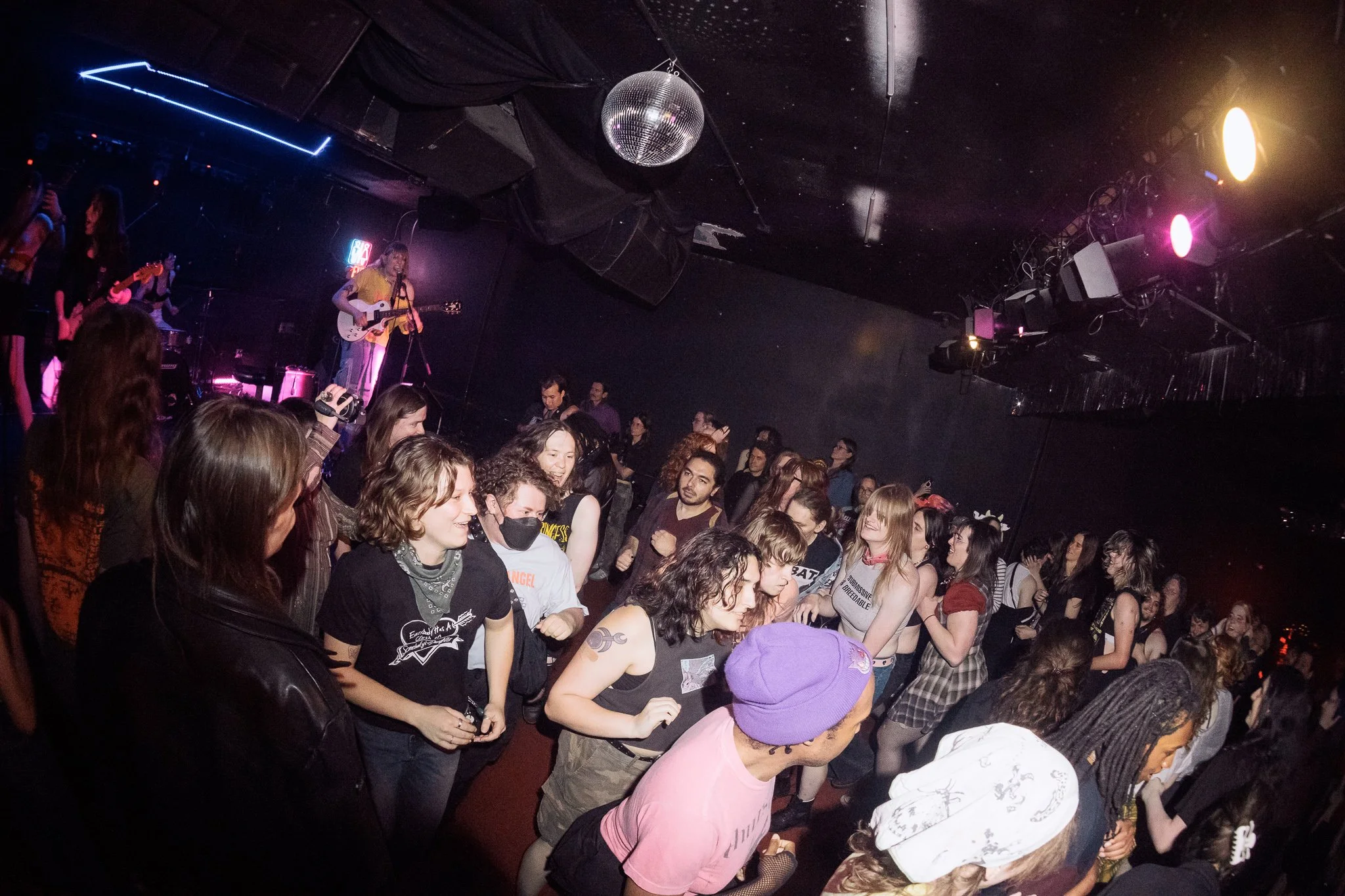
Liberation Weekend II began with what the DC trans community considered an unofficial preshow. On the night of Thursday, April 23rd, well over 100 people packed into a tiny warehouse art gallery called The Fridge, tucked in an alleyway near Capitol Hill. We came out for a night of somber folk, riotous country, and boot-stompin' Appalachian bluegrass, all played by trans women.

Beginning with a solo set of mostly covers from thisdogllhunt, AKA Bailey Payne, she brought her knowledge of country classics to us uneducated city slickers. She wore a Texas A&M football jersey – her hometown team and alma mater – but it had been lovingly modified, with the neckline cut out, a high crop, and sleeves nowhere to be seen. Transforming a symbol of Good Ol’ Boy culture into something just a little scandalous, maybe even a little sacrilegious, depending on which A&M fan you ask. 

As Payne closed out with a blistering cover of Charlie Daniels’ “Trudy,” she was so deeply at ease with the audience. She joked her way through the cover, shouting out to the crowd between verses. As she led into the second verse, she took a moment to pause and ask in her best southern drawl, “Now who here can tell me who Johnny Lee Walker is?” She let the silence hang still in the air amongst a bewildered and entranced crowd, as she launched into the verse, finally telling us who this mystery man is. Nearing the end of “Trudy,” she took a moment to hop on the soapbox while still cycling through the chords. Addressing the crowd directly, she said, “A real transition goal was to play this song and feel free. And we aren’t all the way there yet, but we’re getting there.” She talked about how all these old country songs are just stories, elaborating, “I collect these stories, and I’m happy you’re part of my story.”

As she said this, I looked around the warehouse. I was surrounded by the friendly faces of trans people from across the District. We always show up for one another; we are all helping write each other’s stories. 
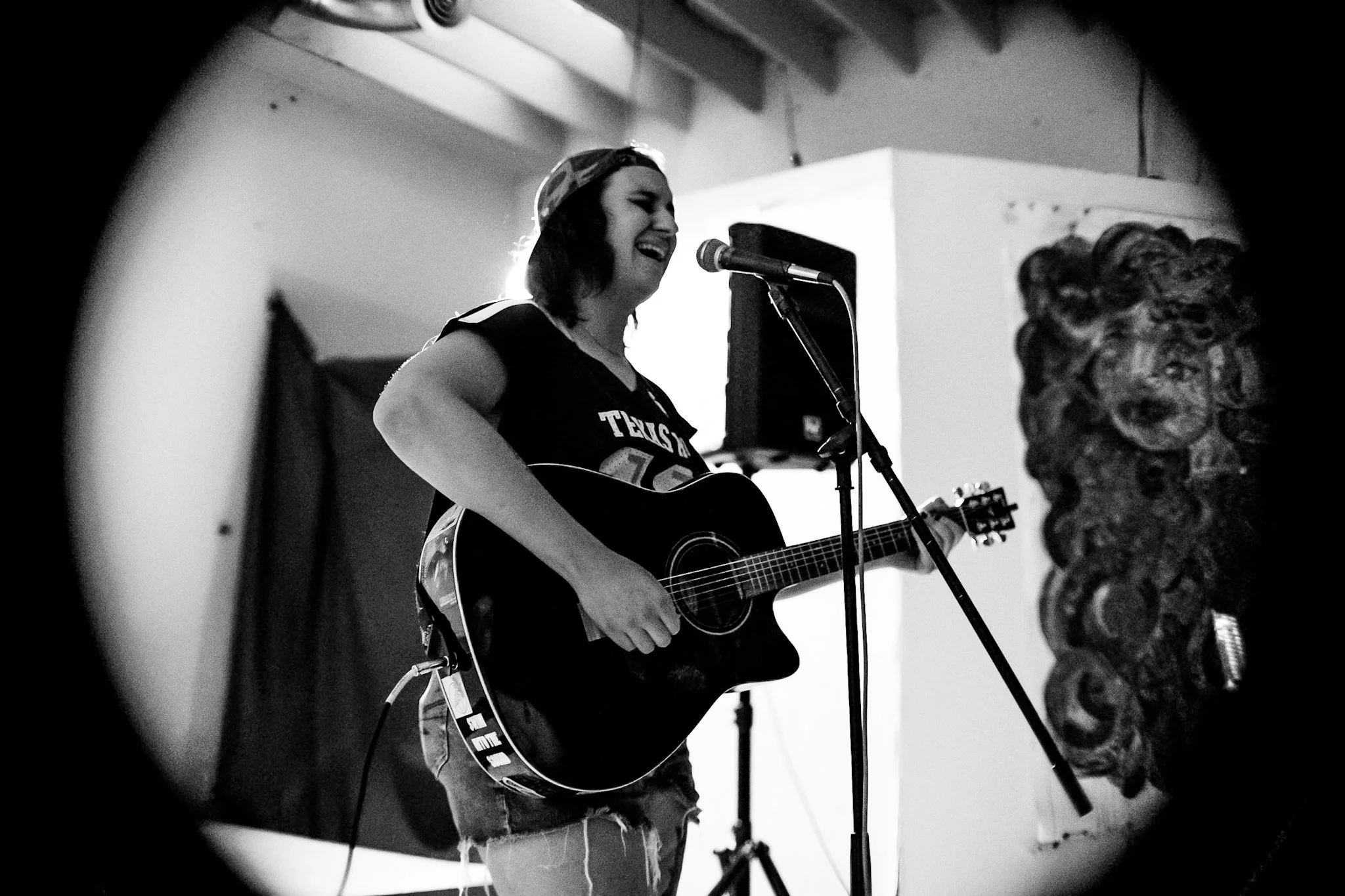
Photo by Maisy Hayne

Payne was followed by Rosslyn Station AKA Guinnivere Tully, who performed a slow and somber set of covers. Tully opted to take a seat on stage, drawing us in with intricate finger picking and delicate vocals. Her anti-folk came at the perfect time to give us all a breather following Payne’s high-energy country showcase and before what was sure to be an absolute barn burner of a set from Clover-Lynn. She is a dyke, an Appalachian folk musician, and a trans woman. And she would likely tell you it's in that order. She beams with a natural charisma, telling stories about family and acceptance with an accent so country you almost can’t believe it. Clover-Lynn’s music pulls from a deep tradition, discussing how one of her songs is meant for a traditional dance style called Appalachian flatfooting. Here in DC, we don’t know flatfooting, but we certainly know how to mosh. Trans people began running into each other, giving friendly shoves. There were even a few couples in the mix spinning each other around with the widest smiles on their faces. In this room, there was no shame and no judgment, just the joy of moving our bodies in ways that felt right. Maybe this is liberation. 


April 24th – Day 1: In which Caroline meets her heroes, has a cheerleading squad, and thinks about God
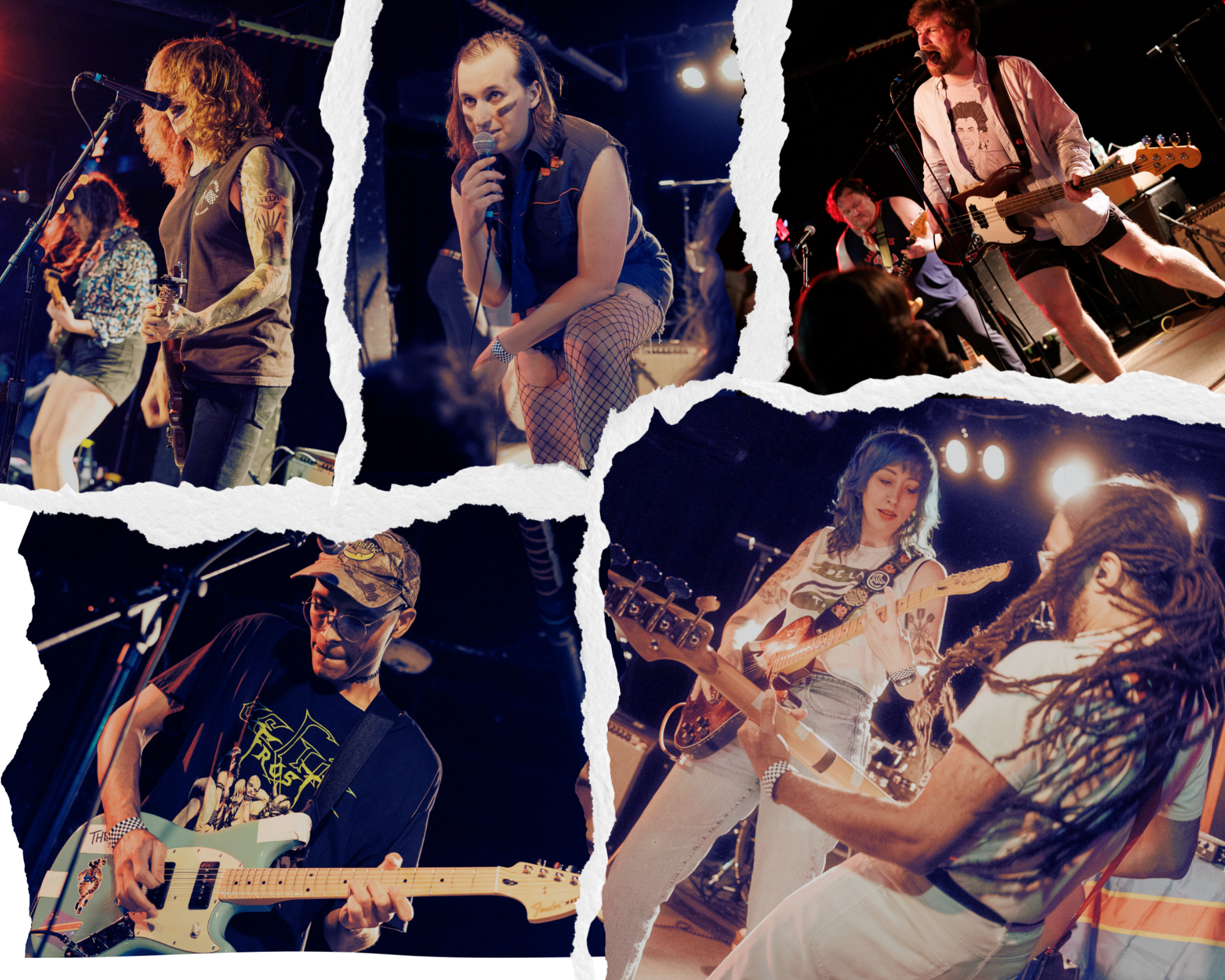
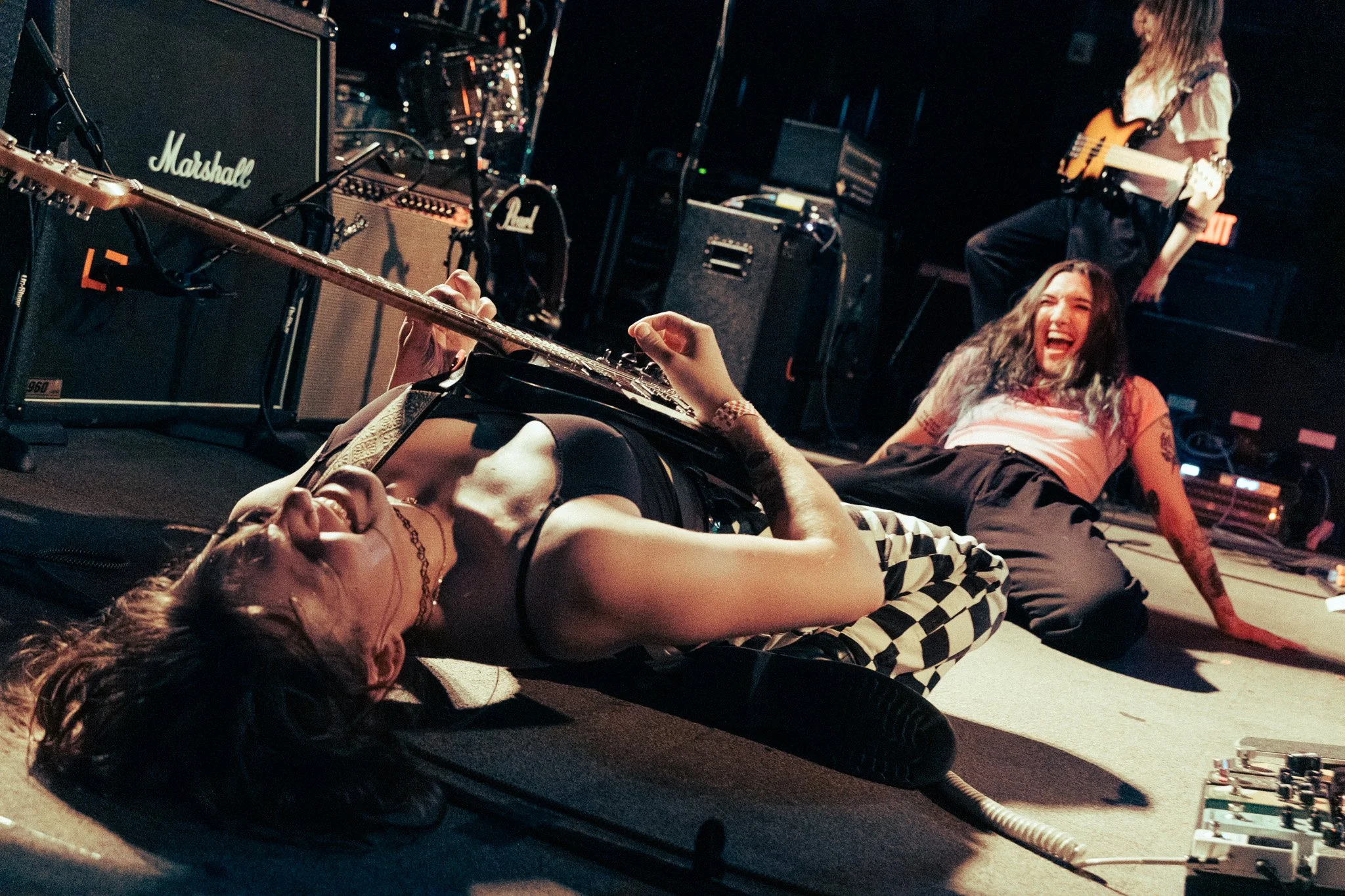
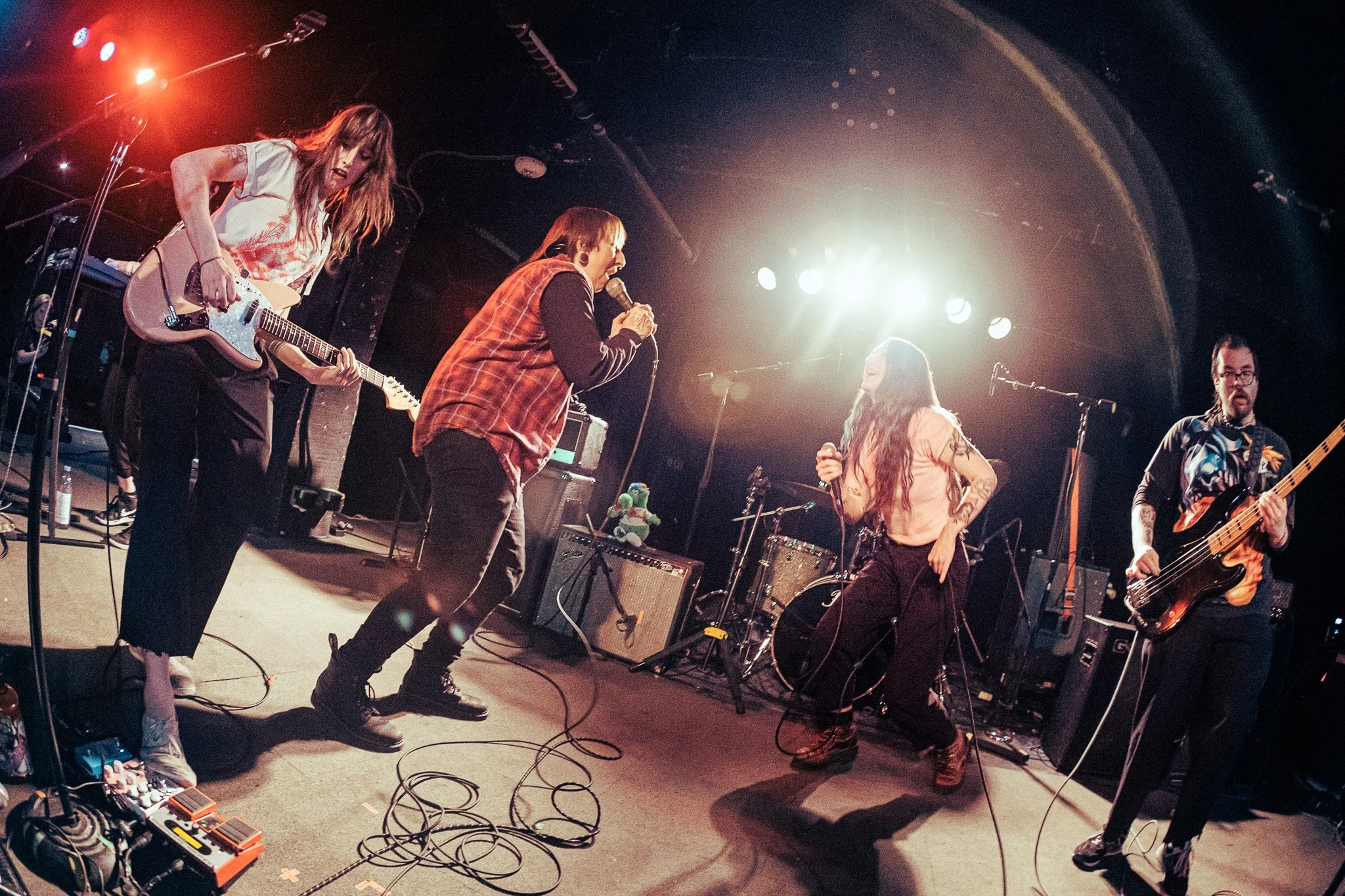
On the first day of Liberation Weekend, I pretended I was a rock star. Along with my journalistic duties, I was also playing bass for the DC-based cow-punk act, thisdogllhunt. We were slotted to play second on the first day of the festival, right after Brooklyn-based punk act Eevie Echoes & the Locations. 

Liberation Weekend gave me and a number of other small trans artists the opportunity to be part of the “big leagues.” With few exceptions (Laura Jane Grace, Ethel Cain, underscores), most trans musicians and artists exist on the DIY circuit, tracing paths from bars to basements to community centers along the endless highways of this country. Those spaces are home to me as a performer. 

Before this show, we had largely played DIY venues, so loading into Black Cat, my bandmates and I felt a little out of our element. Real catering, access to a shower, and having to try our absolute hardest to be normal about sharing our green room with Laura Jane Grace. We sat quietly and kept mostly to ourselves, staking out a claim on a single couch, too nervous to eat any of the various charcuterie prepared for us. 

With my stomach still churning and my nerves on edge, I found time in the early afternoon to sit down with Philly emo legends, Snowing. Born from the same scene that gave birth to acts like Algernon Cadwallader, Snowing had called it quits years ago, only recently reuniting to start playing shows again with the resurgence in popularity of fourth-wave emo. The four-piece was a hero to a younger Caroline as she first dipped her toe into emo and DIY music, and now here I was, sitting in a small green room with them, most of the band crammed onto a small love seat. This interview would not calm my nerves.
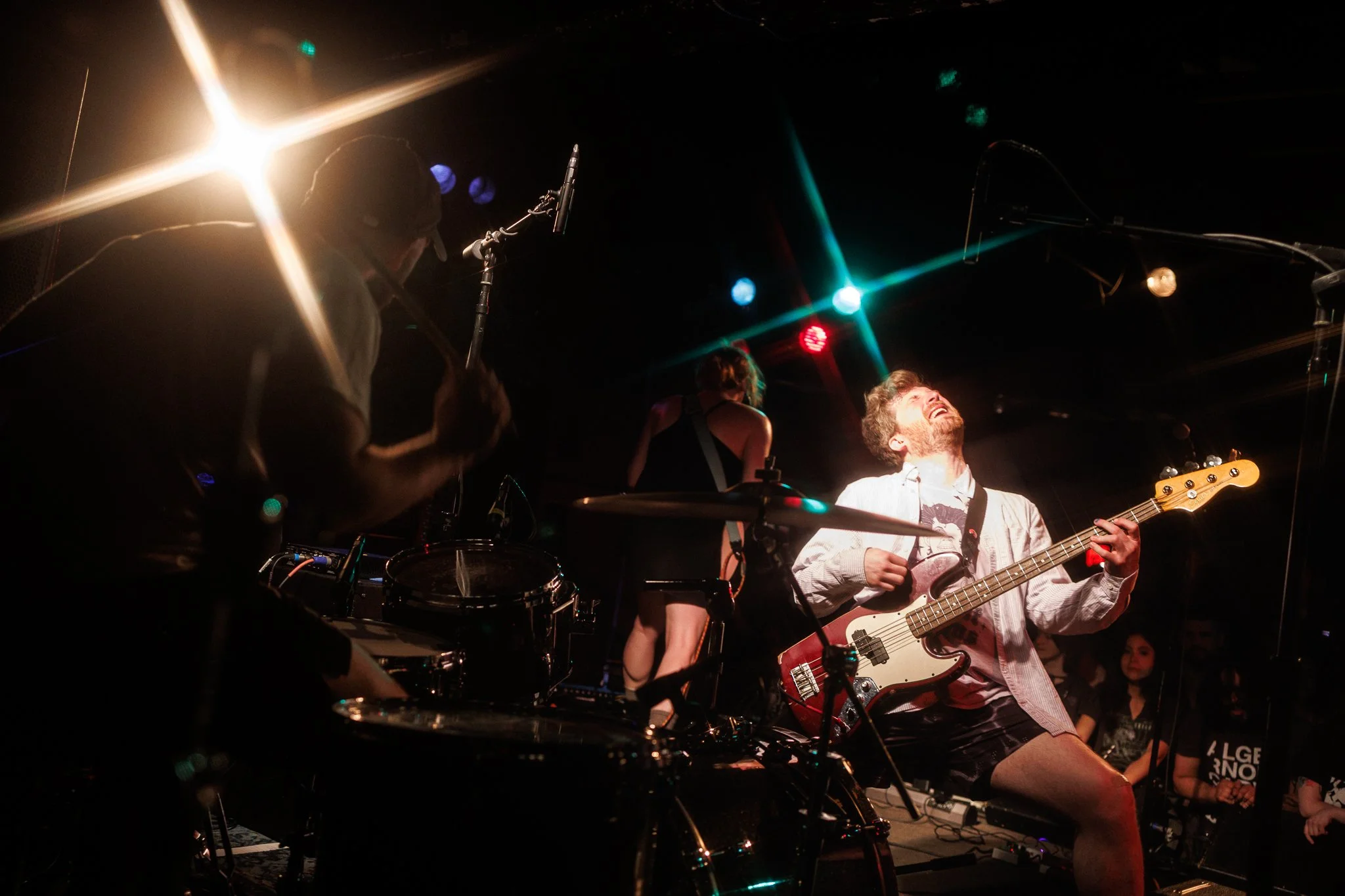
Photo by Kyle Meyers

I began by asking the band why they wanted to play Liberation Weekend. Guitarist Willow Brazuk gave me an incredibly straightforward answer. “I mean, it's a pretty important cause to me personally as a trans woman.” She continued, “We need it [money] right now. It's a pretty desperate, scary situation in the United States.”

Unsurprisingly, as a band born from a scene known for its tight-knit nature, Snowing is deeply committed to playing fundraiser and benefit shows as a “fundamental part of punk ideology for your community.” Explaining, “The only way that we win is to live in community and care for small communities that work and spread it.”

Sitting with Snowing, it is apparent how much this band loves each other. Over the course of our interview, someone would break out in laughter at some point during nearly every question. Breaking through this laughter, Willow offered perhaps the most workable definition of liberation I would receive all weekend:

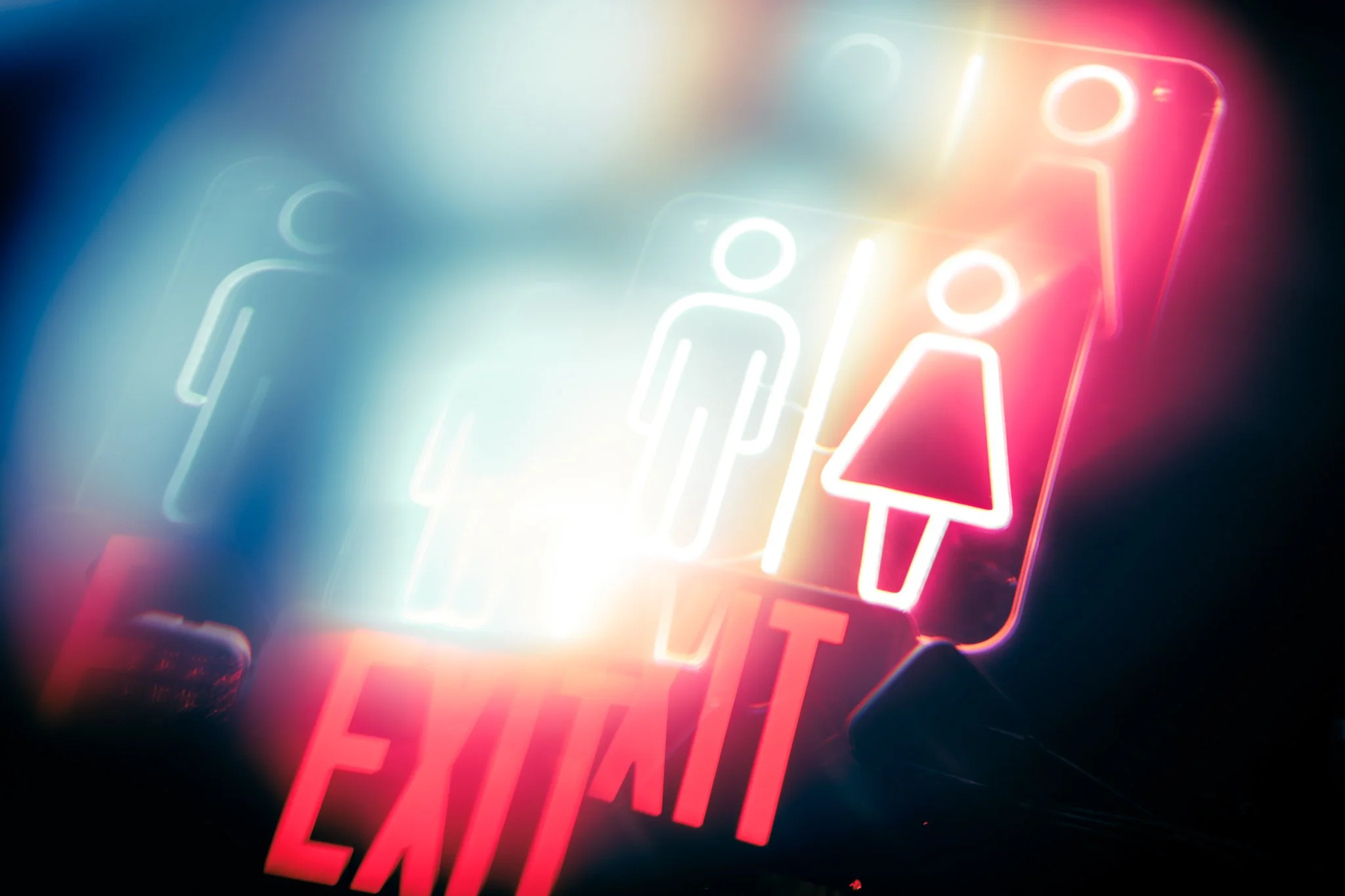
“To me, personally, I just want to live a normal-ass life. It doesn't need to be fancy. I don't need power. I would love to walk down the street and feel safe. I would love to be able to go to the bathroom in every state I go to. I would like to keep accessing my health care, whether it's transition-related or not. I would like to not be discriminated against in any area: employment, housing, et cetera. That's liberation. It's not a huge thing. It's just like… I want what everyone else has. It's not a lot to ask for. I think when people in marginalized groups ask for something, it feels like they're asking for the world. It's really just wanting what everyone else has. That's liberation to me.”

Liberation Weekend has the capacity to make that real, even if only for a weekend. Sometimes that can be enough, as Willow notes, “We're not going to stop legislation from being passed because we played a fucking show in DC I know that, but maybe some people could feel better because they got to go do this and be among people they like.”
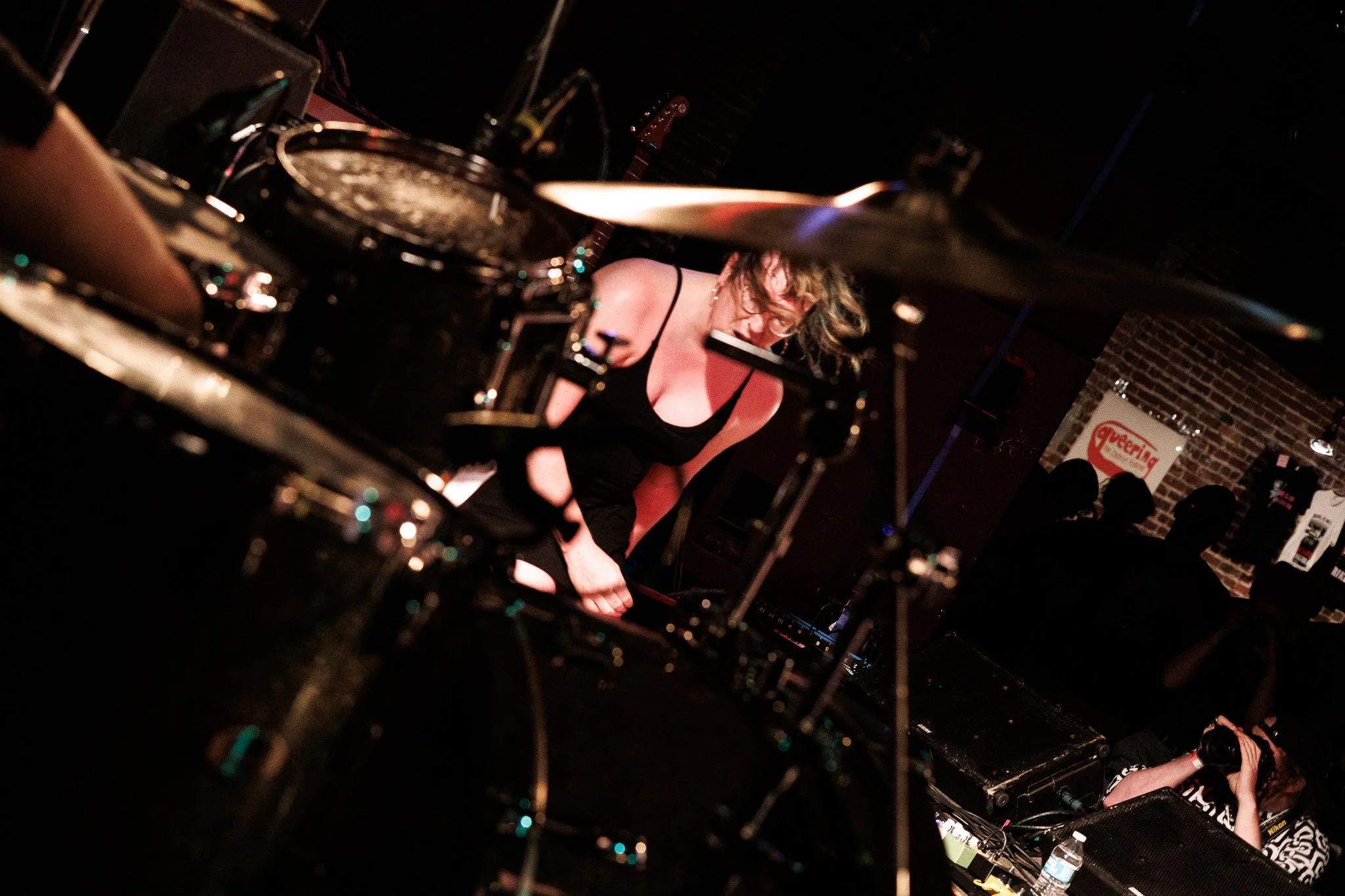
I just want to live a normal-ass life

– Willow Brazuk, Snowing

This comes to the central challenge of Liberation Weekend: how does a music festival move us towards liberation, in whatever sense of the word that means? There are small actions, like bands that make sure people know where they stand. A seemingly small gesture offered by lead singer John Galm at every show is “If you are at a Snowing show, and something makes you uncomfortable, you can come and find one of us at the merch table, and we will figure it out, because everyone that comes through these doors needs to be safe.” I appreciate that it’s something concrete, and the passion with which John delivers this tells me that it’s something he believes with his whole heart. 

As we began to wrap, Black Cat’s lovely audio engineer popped her head in, asking if we could sound check early. I lost my place a little bit. I’d been able to lose myself in Snowing’s love for one another and for music just enough to forget I actually had to get up on that stage. I told her five more minutes and proceeded to take ten to wrap up with Snowing.
Photo by Kyle Meyers

Soundcheck was professional, yet eerie. Standing on stage, looking out at a venue as large as Black Cat and its empty floor with enough space for 800 people. It is a venue steeped in history, having hosted local heroes like Fugazi and The Dismemberment Plan, as well as national acts like Weezer and Foo Fighters. It all weighs down on you, straining your shoulders. Every pluck of a string, every step, requires you to focus just a little more. Act with a little more intentionality. Find composure within yourself. 

We blazed through a song and a half, got the levels set, and suddenly found ourselves off stage just as quickly as we were whisked onto it. I now faced the prospect of sitting, waiting, and doing everything in my power to prevent my anxiety from growing like a festering algae bloom, sudden and suffocating. 

A couple of hours after soundcheck, the doors opened, and I ventured into the crowd. A trickle of people slowly began to fill the cavernous space. I was finding peace in this moment when suddenly I heard a group of voices screaming “Caroline!!” and felt arms thrown around my shoulders.

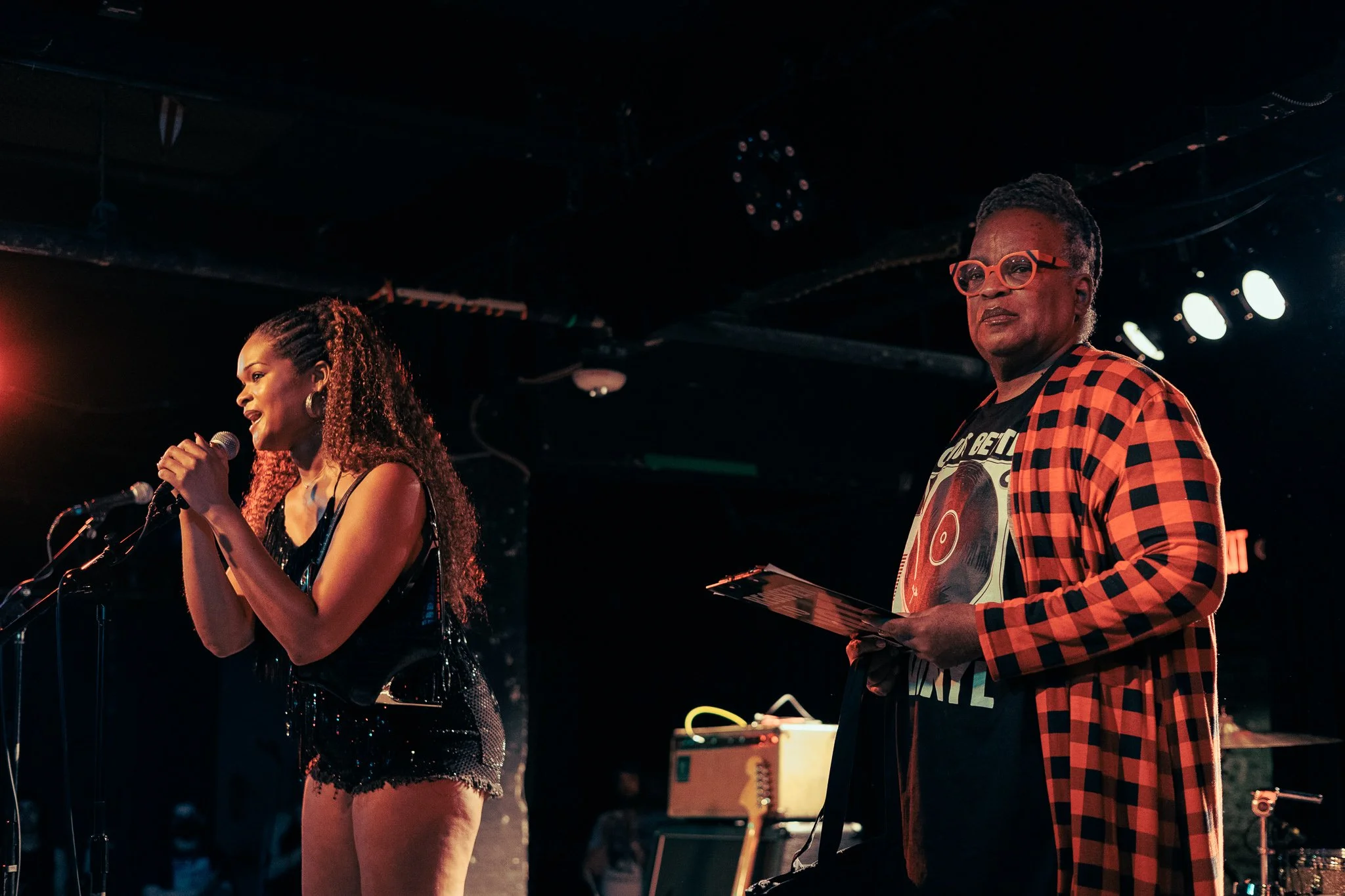
Before a single note was played, the first person to speak at Liberation Weekend was Rayceen Pendarvis. Rayceen is an icon of the DC queer community, and was respected as such the whole weekend. She was the host for the Black Cat shows, appearing between sets, talking about the organizations, complimenting the crowd, and constantly discussing which cities she had made, or lost, a lot of money in. She was charming, sweet, and endlessly entertaining. 
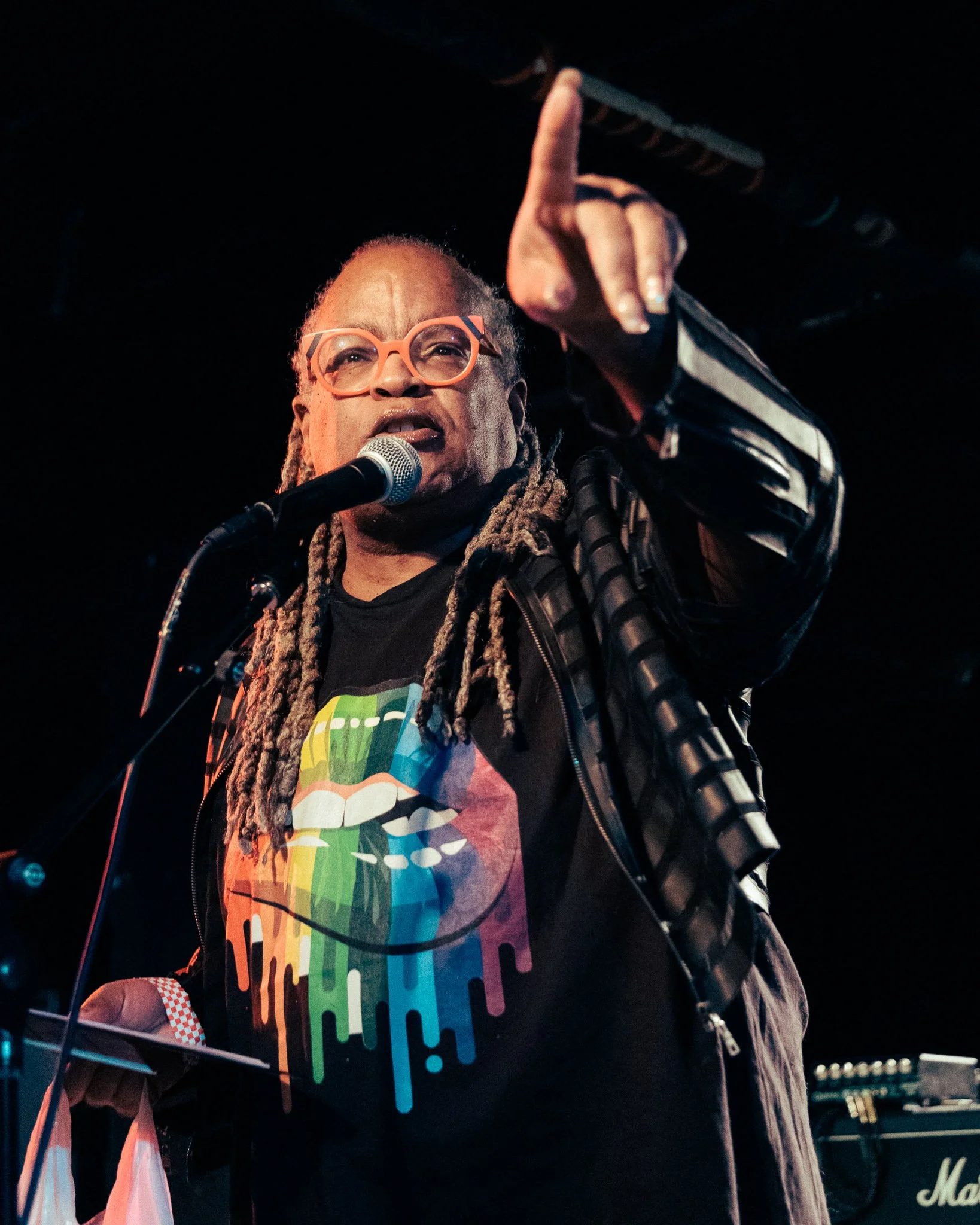
Photo By Kyle Meyers

Pendarvis introduced the first act of the night, Eevie Echoes & the Locations, who delivered a raucous set, with frontwoman Eevie venturing into the crowd to make sure a mosh pit got going.

Before heading on, we stood side stage to do our goofy thisdogllhunt chant. “Hands in, and on three, thisdogllhunt! One! Two! Three! This-dog-llhunt!” The syllables don’t match the count. We’re never quite in sync, and the rhythm is never quite right. I hope it never changes; this is sisterhood to me.

Climbing the four steps up to the stage of Black Cat, it didn’t take long to feel at home. Despite gazing out at a crowd of at least a hundred, suddenly a chorus of voices erupted right at the front, chanting my name. Amongst that endless sea of faces, some of my closest friends made sure they were seen and heard by me. It was hard not to feel like an embarrassed high school graduate, just trying to make her way across the stage while her family makes absolute fools of themselves, but having a personal section of trans girl cheerleaders can calm even the shakiest of nerves. I could tell you all about the set, but why do that when you can just watch the whole thing right here: 
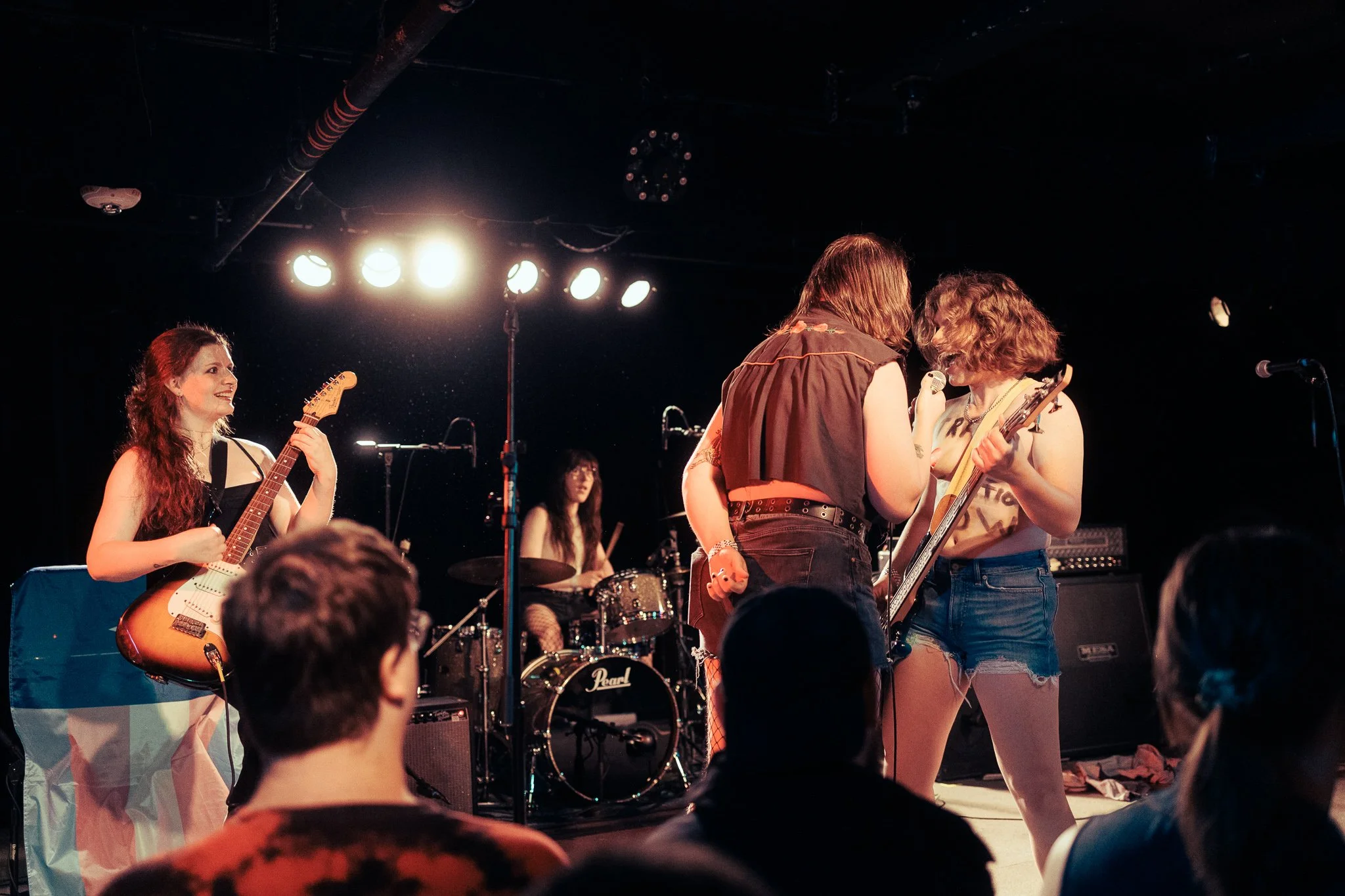
After our set, as I navigated my way down the stairs side stage, the first person to notice my frazzled state was Augusta Koch, the lead singer of Gladie, who had been watching just off stage. She looked me in the eyes and, with a calm, collected voice, simply asked, “How are you feeling?” I was forced to take in my surroundings and live in the moment.

At that point, I didn’t have words to describe the feeling. I do now. Fulfilled. Fulfilled by my community, by music, by trans love. This moment grounded me. I needed all of these little grounding moments – the type of moments that can only come from a community that is tight-knit and allied both locally and afar. I believe this is one facet of liberation: to have confidence in your community and their support. 

It also hit me that we were just the second set of the entire festival. I’d better find my grounding ASAP because there was a whole lot of festival left to go. 

After catching my breath in the green room, I popped out to catch the tail end of Spring Silver. K Nkanza’s indie emo project has been a mainstay of the DMV scene for years, and sounded right at home on Black Cat’s stage. 

The rest of the evening would be out-of-towners, with Gladie taking the stage. As the Philly-based indie rockers launched into their set with “Push Me Down,” I traced a path through the crowd like a snake in the prairie grass to make my way to the front of the stage and scream along. Gladie offers a unique brand of indie rock, with guitars swirling and unraveling behind Koch’s wonderfully sweet and gravely voice. Everything is just a little fuzzed-out, but still catchy and thoughtfully laden with a deeper meaning. After first helping me find grounding, Augusta helped me fall into the music, carried away and out of my body.
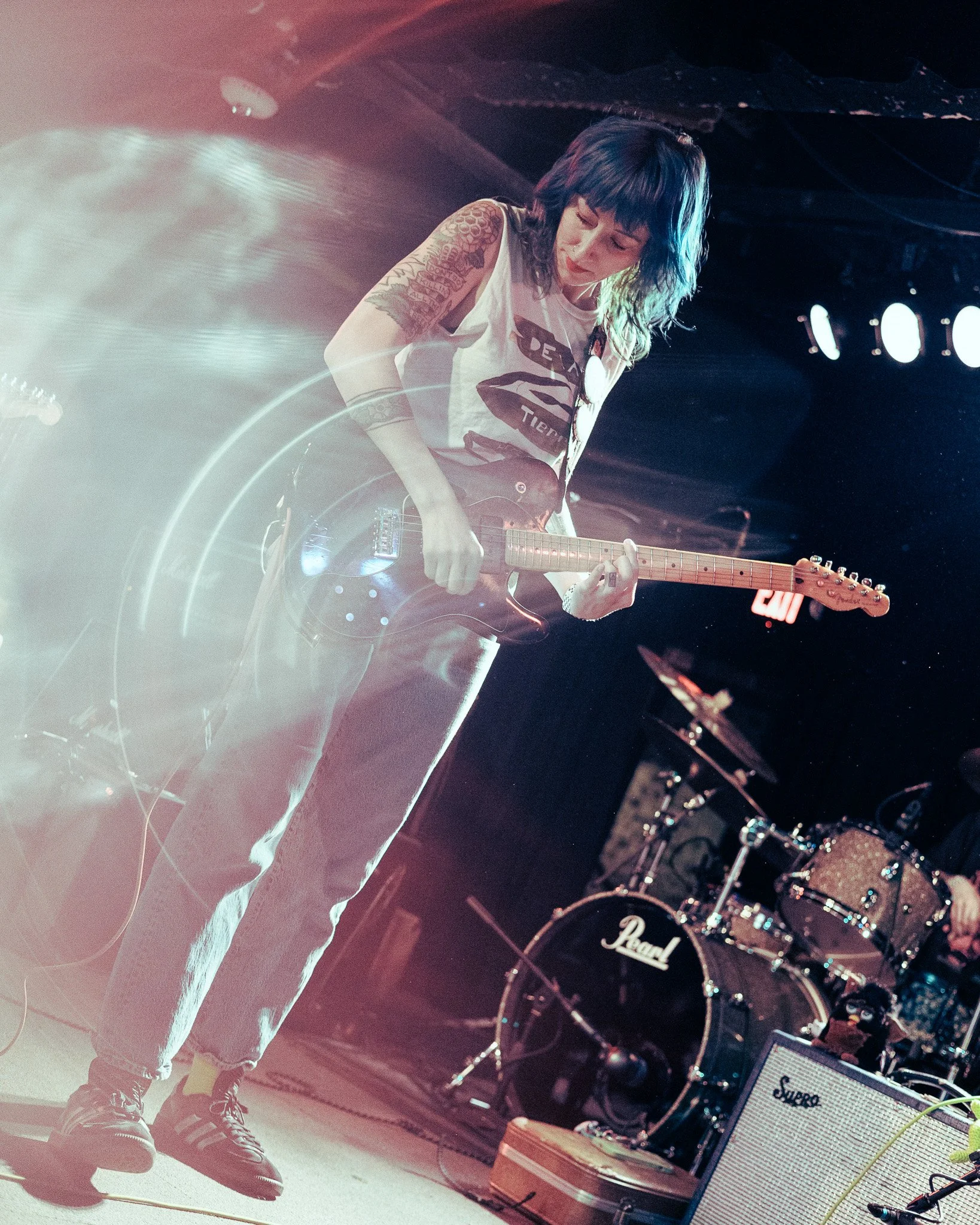
Photo by Kyle Meyers

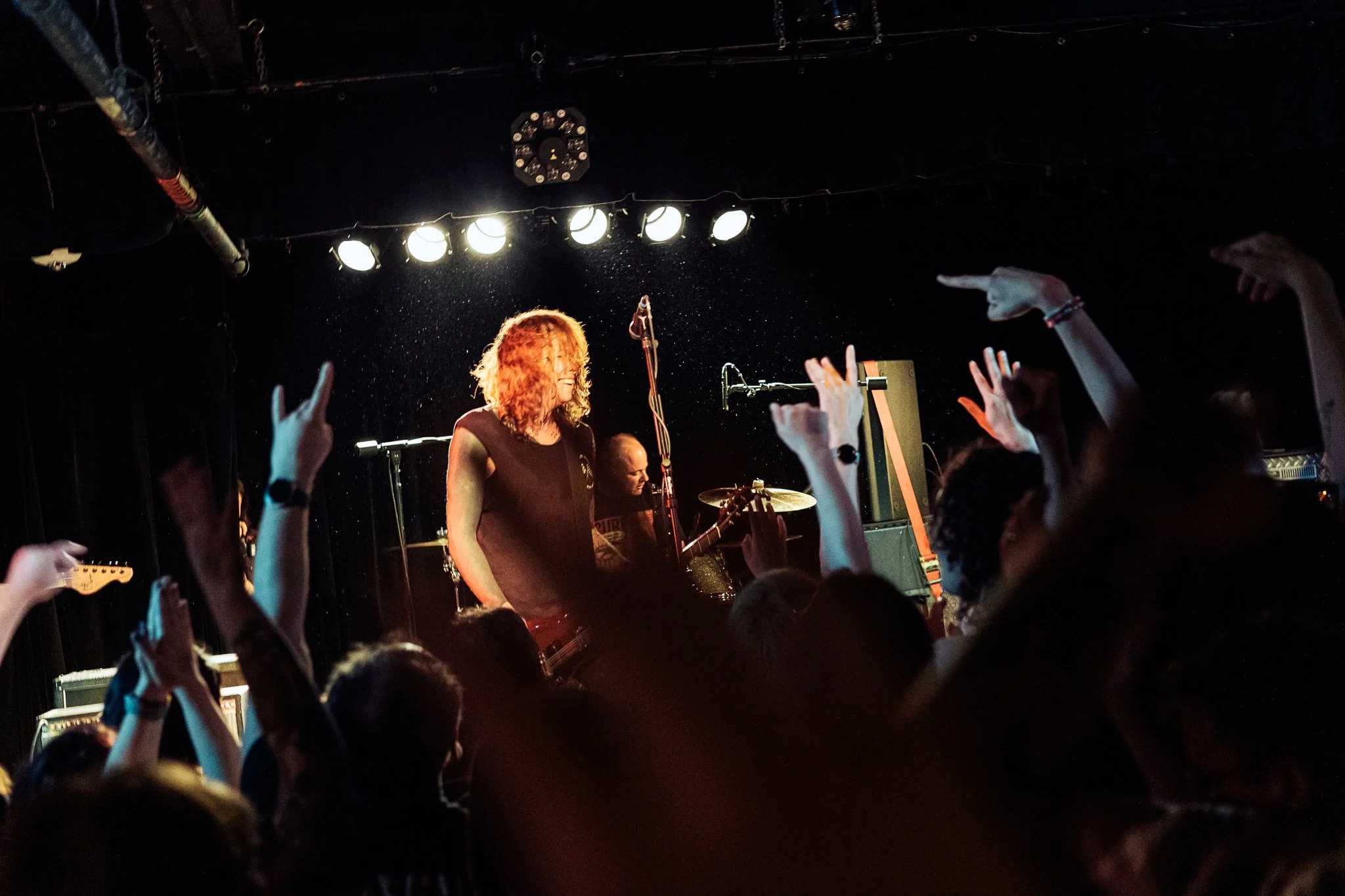
Shortly after Gladie was Snowing, who repeated many of the same beliefs they had shared with me during our interview. Lead singer John Galm explicitly asked audience members to find him if anything makes them feel uncomfortable. The set, of course, was excellent, as if you had any doubts in their abilities. I was transported back to the first time I saw them in the dust bowl that was the Second Annual DIY Superbowl in 2022. Eighteen years in, absolutely no one in Snowing has lost their edge, still able to get a crowd screaming their lungs out about drinking too much as a 20-something in Philly. Nothing is more cathartic than a good Midwest emo set. 

Nearing the end of their set, I ran into an old friend, a former partner who had seen me go from man to woman. We embraced. We were brought together by emo music nearly seven years ago, making the trek up to Philly together to see Snowing in 2022. After hugs and pleasantries, we briefly caught up before settling in together to watch the final set of the night, Laura Jane Grace

Photo by Kyle Meyers

Laura and her band delivered a rapid-fire set of hits, hits, and, dare I say it, more hits. The setlist spanned both her solo catalog and the Against Me! discography. As she ascended to the stage, the entirety of Black Cat came to life. Myself and many trans punks of my generation and a little older owe a great deal to Mrs. Jane Grace and her music. So many of us felt a strange attraction to her music for years before any of us had the realization or the confidence to live as ourselves. From my vantage point about halfway back in the venue, I could see a wave of hands rising up in front of the stage, bodies moving in tides, waves of people crashing into the stage as choruses of voices rose up, nearly drowning out Laura at times. Her set, and the night, fittingly closed on “True Trans Soul Rebel.” When she asks, “Does God bless your transsexual heart?” I don’t need to know the answer, because I am already blessed by my community. Blessed by the love I have for trans people and the love they have for me. Perhaps that is liberation: being blessed by one another. 

April 25th – Day 2: In which Caroline aids the downfall of capitalism, rediscovers her inner child, and guesses which band member has hemorrhoids 

Day 2 got off to a rough start. The night prior, my car got snowed in at the venue. (Snowing’s van was blocking us from leaving). My head did not hit my pillow until around 2 AM, two and a half hours later than I usually like it to. I was also still riding the high of the previous night.

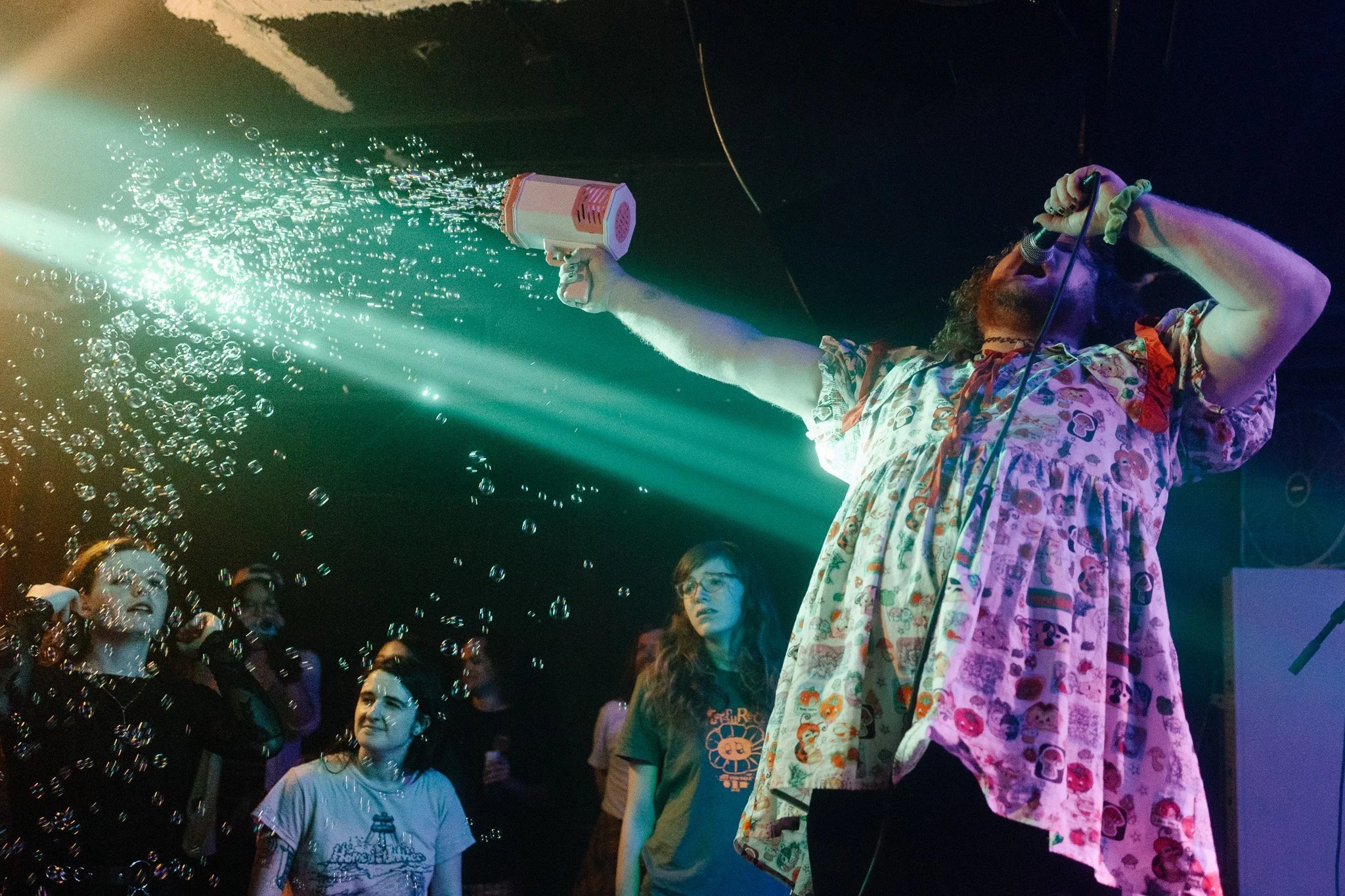
Upon waking up, I managed to race over to Transmission, where I met up with Max Narotzky from Ultra Deluxe in the alley behind the club to chat. She was sporting a cheery and busy dress covered in smiling tomatoes, waving ladybugs, and a lovely orange ruffle flowing along the shoulders. Her face was adorned with a bushy red beard and a blazing mess of curling hair atop her head. Despite being the frontperson of Ultra Deluxe, Narotzky is, in some DIY circles, known just as much for her posting around leftist organizing as she is for her music. Max is a self-avowed communist and Marxist-Leninist who believes liberation will be achieved through the organization of the working class and the eventual overthrow of capitalism. Her politics are radical but straightforward, and it’s refreshing to hear that.

For an event titled so boldly as “Liberation Weekend,” it takes a radical to truly articulate liberation and how to get there. At one point, Max prompts me, “What's affecting trans people the most? Access to medicine, that's a capitalist problem. That's not just for trans people, it's for everyone who is working class, because our medicine costs money. Housing costs money. I mean, we know homelessness rates in trans people are much higher than in cis people, right? So how do we help trans people? We have to destroy capitalism.”

Lofty goals certainly, but incredibly clear. Max sees the utility of events like Liberation Weekend for getting us there as the spoonful of sugar to make the medicine go down, “It's like kind of tricking people to go because obviously going to a punk show is more fun than going to a fucking communist meeting. I mean, even most communists would agree with that.” 

While I appreciated the matter-of-factness of Willow’s answer the day before, Max is precise and consistent in recognizing capitalism as the thing that holds us back from liberation. “Liberation means the things that are coercing us into work or coercing us into cis heteronormativity, those need to be abolished. Abolition of private property, the abolition of capitalism and imperialism.”

Photo by Kyle Meyers

As Day 2 went on, I came to appreciate Max’s radicalism more and more. Between sets, organizers from different groups would come on stage and share platitudes about the importance of voting and how our existence itself is resistance. That being here is in itself radical. I can appreciate the feel-good nature of this, but I think about what Max said, “music is important. But liberation is not going to be done through vibes alone.” Her words resonated with me throughout the rest of this weekend as I looked for the individuals and the movements that went beyond just asking for Instagram followers. A striking example was watching members of the DC Democratic Socialists of America Bodily Autonomy Working Group walking up to members of the audience and giving them Narcan, intent on getting as many people as possible to begin carrying the potentially life-saving drug.

The second day of Liberation Weekend began with my friends in Somebody’s Daughter, who are rising alt-punk stars in the DC scene. Up next was Ok Cuddle, fronted by Nicole Harwayne, who was at Liberation Weekend last year as a member of Pop Music Fever Dream. I don’t think anyone this weekend was having more fun on stage than her as she orchestrated a wall of death and told the crowd, “Transmission, it is 2 PM, I want to see some goddamn blood in this building!” DC riot grrrl rockers RenRiot took the stage next, where they embodied the spirit of Rage Against The Machine if they were black queer 20-somethings instead of middle-aged white guys.

“Music is important, but liberation is not going to be done through vibes alone.”

– Max Narotzky, Ultra Deluxe

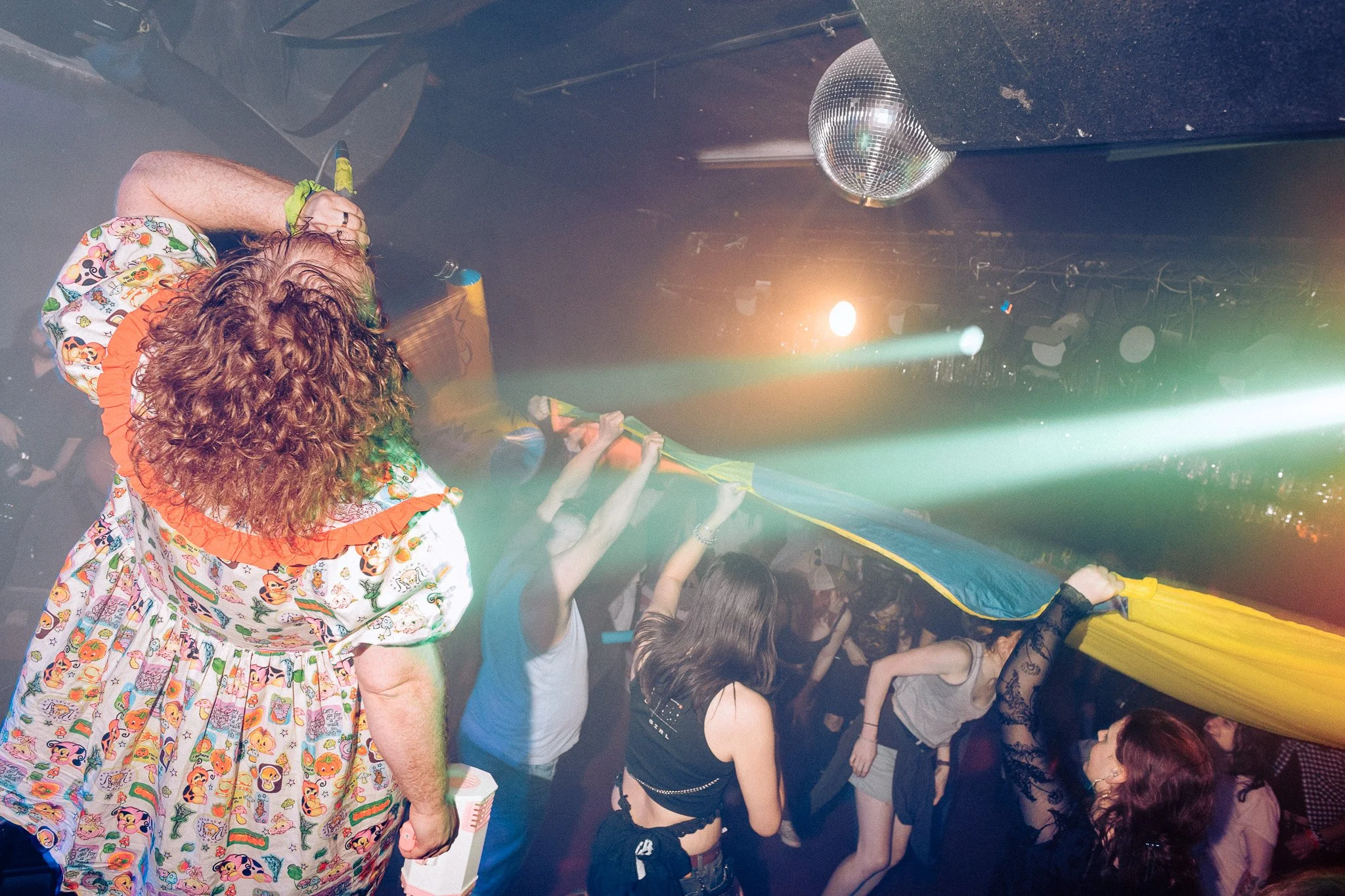
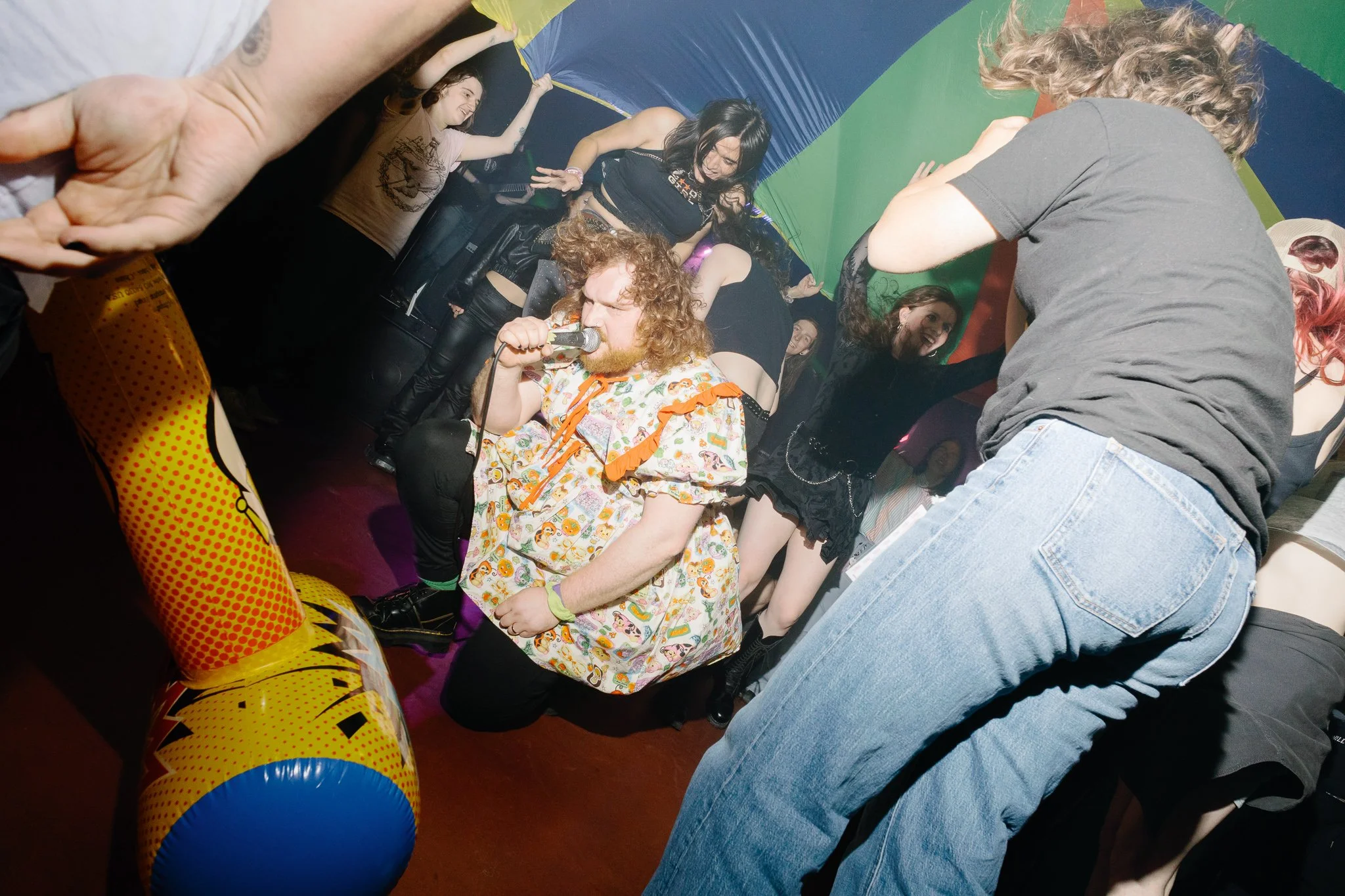
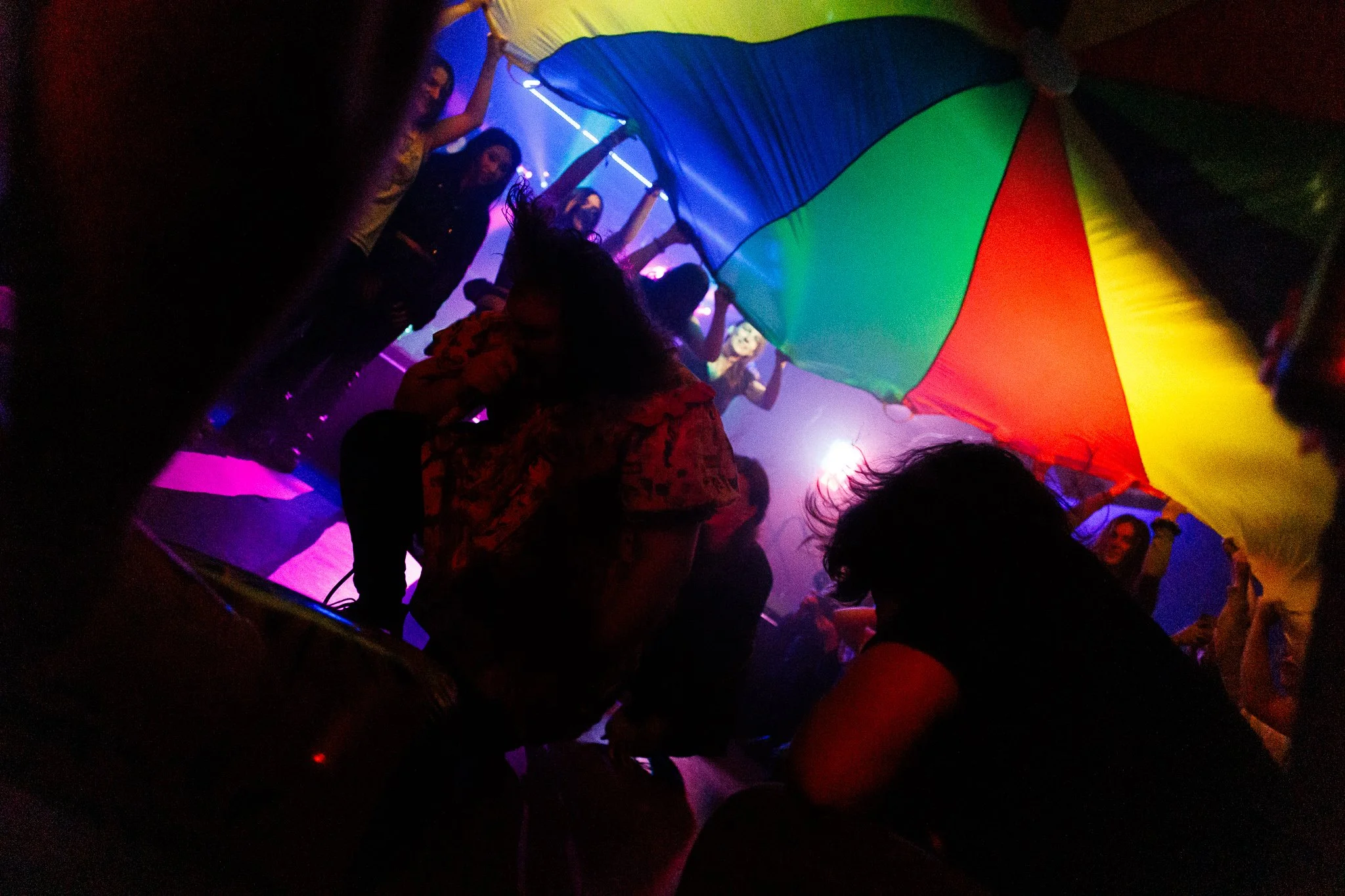
As Ultra Deluxe took the stage, I was curious how Max’s beliefs would translate to the stage. Turns out the answer was, simply put, by providing the most batshit concert experience I have ever seen. I am no stranger to inflatables being tossed into the crowd (see literally any DRAIN show), but there is a certain whimsy when those inflatables are brightly colored inflatable hammers, letting you feel like Mario running through the pit, whacking one another on the head. But then, during “Manufacturing Medicine,” she got the parachute out, as in one of those parachutes you’d use during elementary gym class. Most of us found an edge to grab and started rhythmically waving it up and down in time with the pounding bass. While the parachute pulsed up and down, Max unveiled her greatest weapon, a giant bubble gun, which rained whimsy down on to the crowd.  

Truly, nothing is more freeing, more liberating, than a mosh pit underneath a parachute while hitting each other with blow-up hammers. Suddenly, I was seven years old all over again. I had insisted I was too tired to mosh, but none of this mattered; how could it? She offered all of us the chance to let go of our current world and just be kids again. I couldn’t turn her down. 

Photo by Kyle Meyers

Following the batshit fun of Ultra Deluxe, Local DC indie rockers Cryptid Summer took the stage, and their lead singer, L Mazer, had the most striking look I’d seen all weekend. She had painted three eyes on each cheekbone, creating perhaps the most ominous vibe of any act in the lineup. 

Headlining Transmission that afternoon was none other than NYC dance-punk darlings Crush Fund. Late last year, I had them on my radio show; check out that interview here. The Crush Fund girls are gearing up for the release of their first LP, and they are sounding as incredible as ever. Their sound is massive and abrasive. At any moment during their set, it felt like the roof was about to be blown clear off Transmission. Instead, I witnessed them make this little room feel claustrophobic as ever, bodies crashing into each other, climbing on top of one another as the band ripped through their set. Especially of note was a three-song run of “Shooting 2,” “FFS,” and “Shooting 1,” the first and last of which are as yet unreleased. Crush Fund shows off their hardcore chops on those tracks, delivering absolutely punishing vocals over instrumentals that are not dissimilar to someone taking a real (not inflatable) hammer and repeatedly (yet rhythmically) beating you into a semiconscious state. Even as their set slowed for a moment at the end with their unreleased track “Go,” people still managed to mosh. I watched a pit form where two trans girls pirouetted into a crowd functioning like human pinball bumpers, sending them careening back and forth across the venue.

Photo by Kyler Meyers

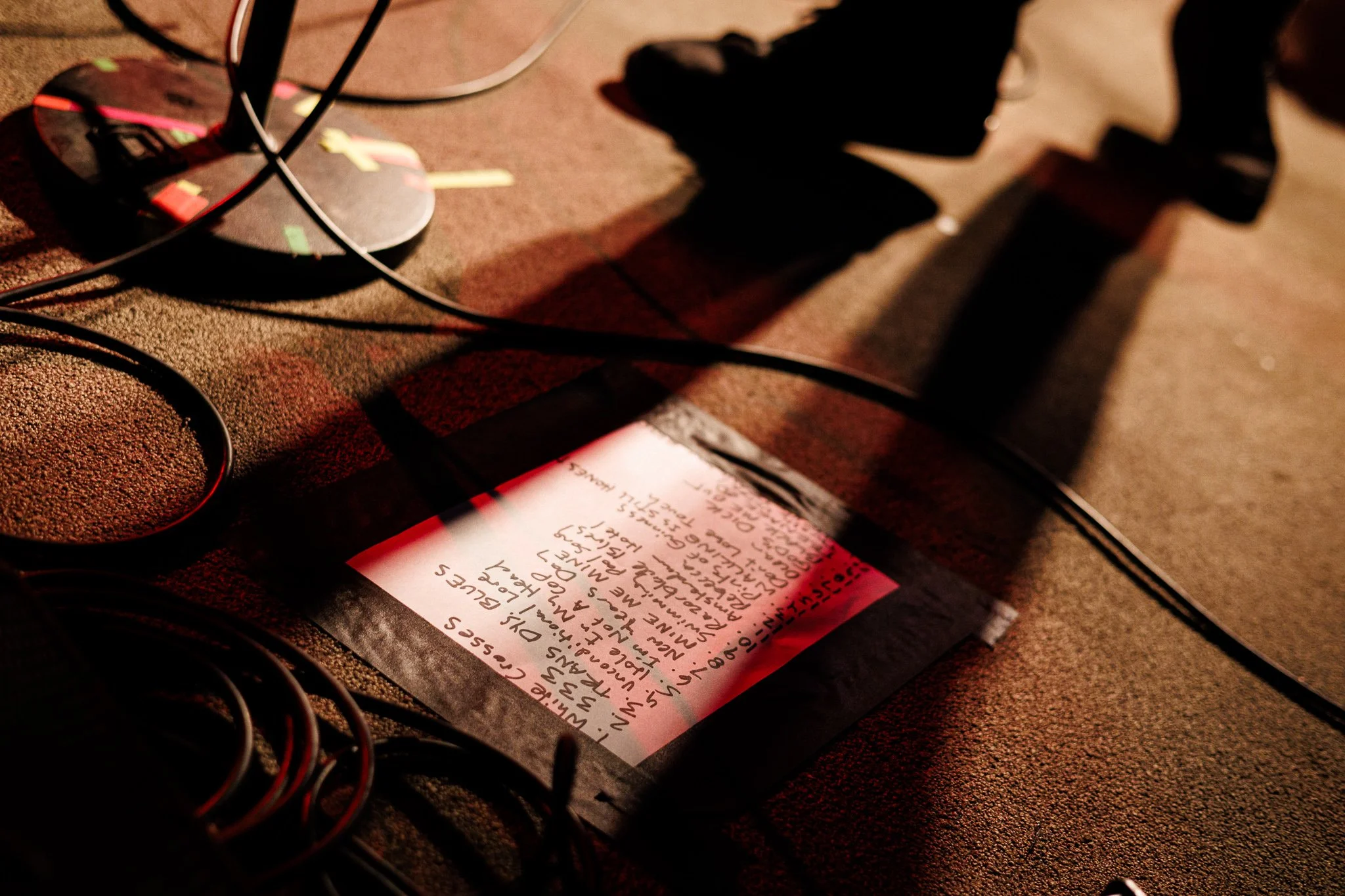
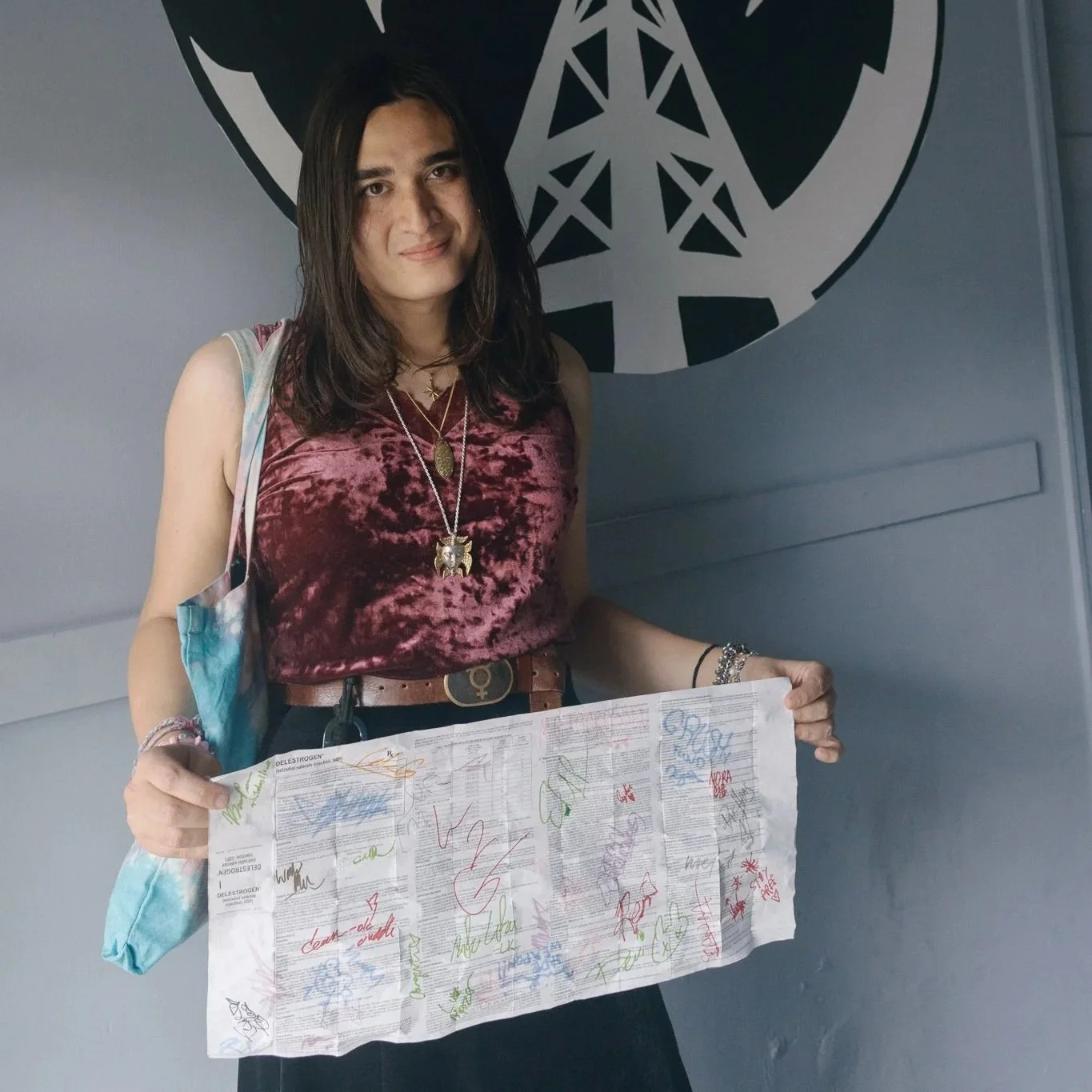
I was starting to crash as I arrived at Black Cat for the evening shows. But within me, the journalistic flame burned bright, giving me just enough energy to survive this night. As I prepared for the evening shows, I found myself thinking about those around me and what their Liberation looked like. I have stories of two people that I’d love to share. The first is a trans woman named Tommi Parashos. She flew in from San Diego to be a part of this weekend. Over the course of the festival, she became the talk of the town for her attempt to get every artist to sign the instructions for her estrogen injections. Tommi told me that it “started as an idea for a cool keepsake, but it’s also a fun way for me to interact with the bands and force myself to be social and make friends.

She continued saying, “Liberation Weekend was the first time I felt like a girl. Before Liberation Weekend, I literally didn’t think that I was pretty enough or confident enough to call myself a doll; I guess dysphoria does that to you. Being surrounded by a festival’s worth of wonderful trans people all complementing me and wanting to be my friend made me feel like, yeah, I can call myself a doll. It was so liberating being in a space where I didn't need to flag the fact that I was trans or do the cotton candy barf look to be seen as a woman. Initially, I came out to Liberation Weekend to have a fun trip with my friend, who’s also a big fan of the DC scene, but I left wanting to build a trans community back home in San Diego.”

The other is a trans woman named Lizzie Rose from Fayetteville, Arkansas, who made her way up to DC for the festival. For her, Liberation Weekend was a rare opportunity to be surrounded by other trans people. She told me how “growing up queer in the south, you spend your life trying to prove you belong, prove that your existence has worth. I’ve always struggled when creating music because of this, because I felt the need to prove my worth as a person through art. But at Liberation Weekend, watching people who were just like me perform songs about experiences just like mine, surrounded by people who celebrated and cherished me for existing, I realized that my music didn’t have to do that. Anything I create matters because it is an extension of my life, a life that, despite the pain and anguish I’ve experienced, is beautiful.” In the weeks since Liberation Weekend, she told me she has started writing music and rededicated herself to learning both the guitar and drums. 

Photo by Kyle Meyers

Kicking things off for the evening session back at Black Cat was Adult Human Females. Their track “Tuck Tuck Goose” has the most sardonic approach to the realities of trans life in this country, with the line “Hiding in the bathroom / Creeping on the playground / It’s a drive-by grooming.” Sometimes we need to laugh through the oppression. 

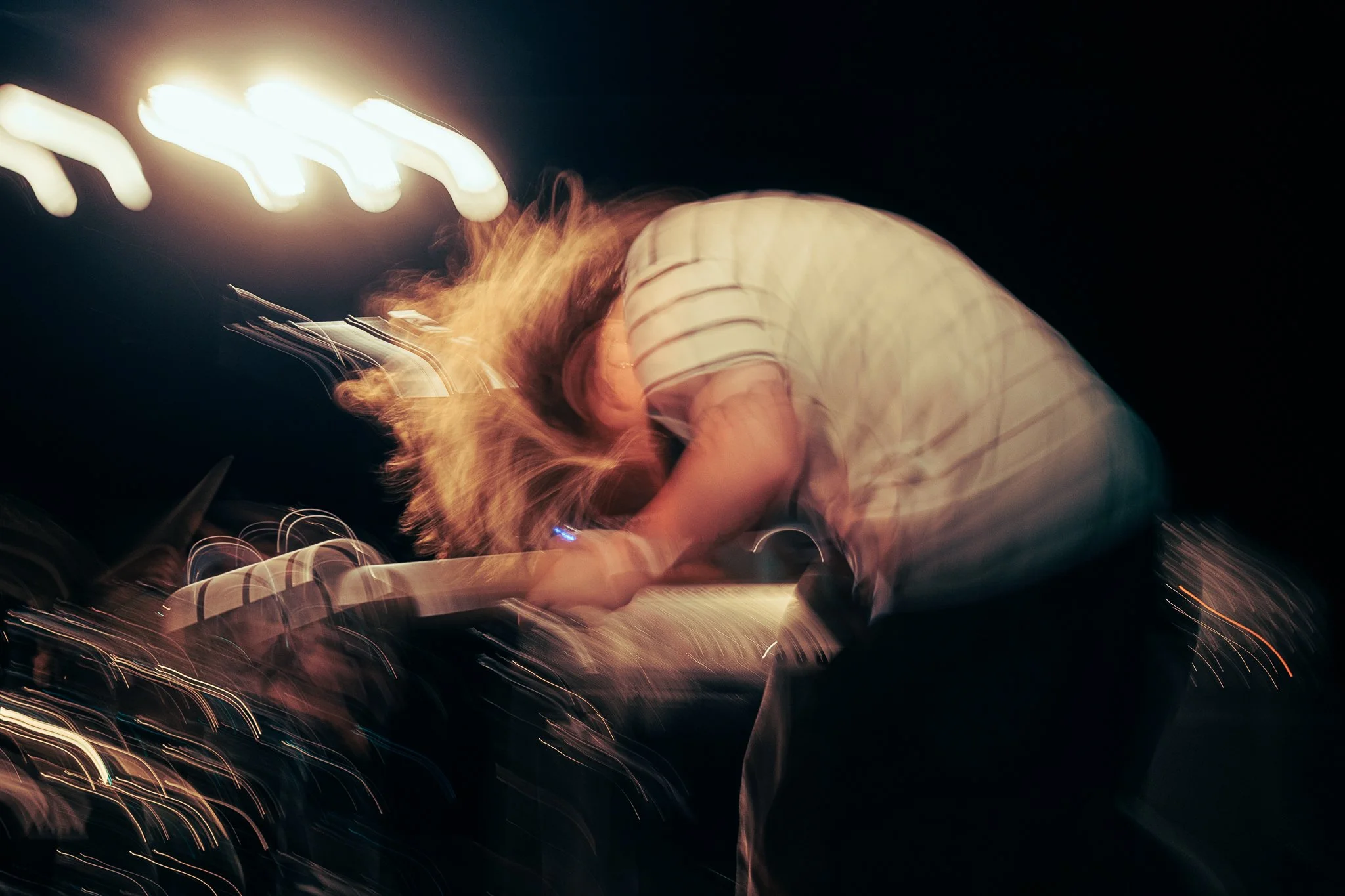
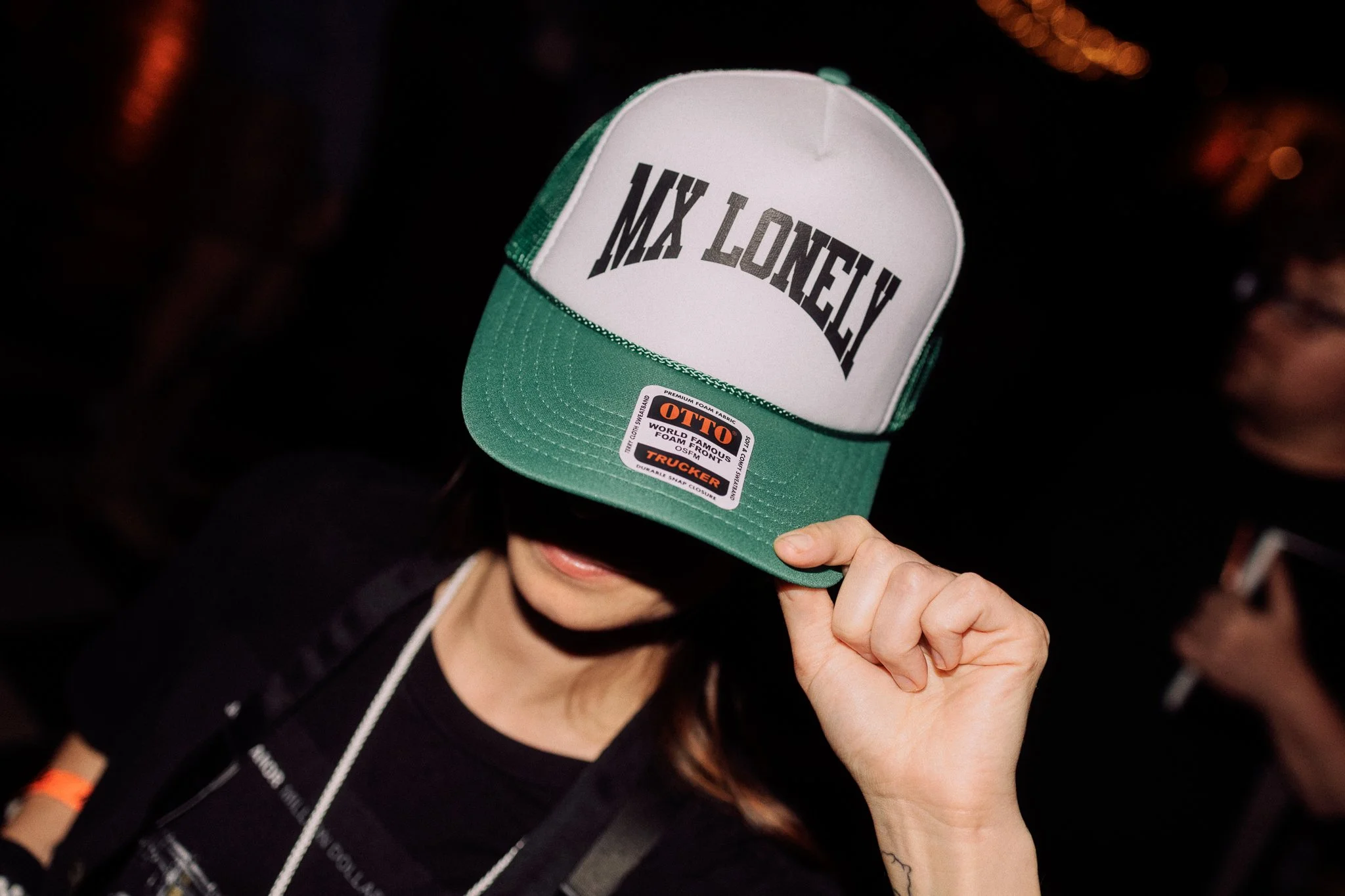
The standout set of Day 2 belonged to Brooklyn’s MX LONELY. Admittedly, this was mostly due to lead singer Rae Haas and their tendency to jump on top of large objects. What can I say? I’m a sucker for someone looking big and giant on stage. While performing “Big Hips,” they ascended to the top of their amp again as every member of this very Brooklyn-looking band would headbang in unison, long hair and mustaches flying everywhere, kind of like a Gen Z version of whatever the hell they were doing in that one Attack Attack! music video. 

Photo by Kyle Meyers

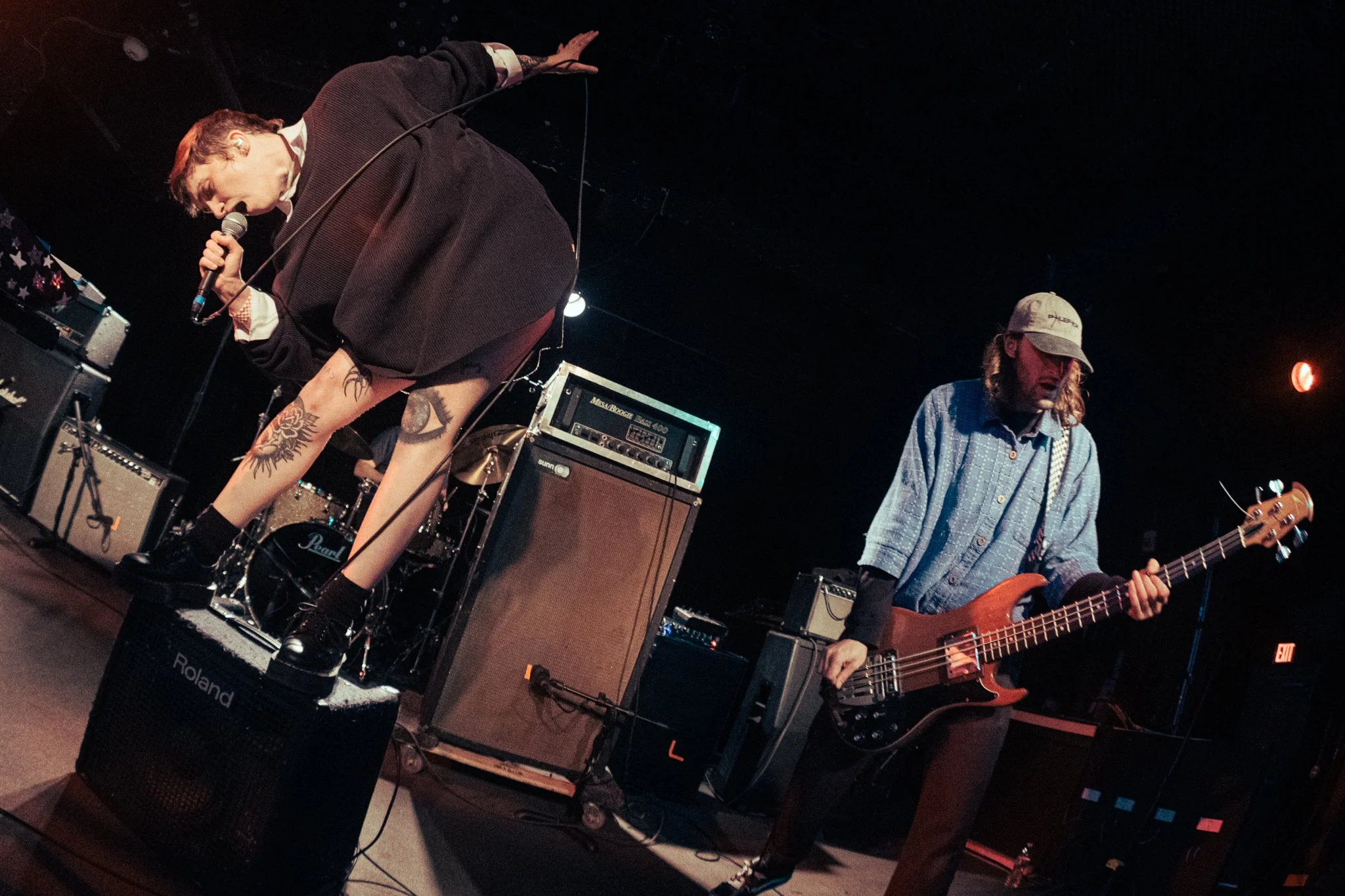
Following them was the Pacific Northwest dark and ethereal metal duo Ragana. They were loud and all-encompassing, which is deeply impressive to accomplish with just a guitar and drums. New York post-punkers Bambara took the stage after, providing some of the most oddly danceable post-punk I’ve heard in quite a while. Pissed Jeans followed, fronted by Matt Korvette, who was one of the most energetic frontmen I had ever seen. He began the set dressed in a too-big black long-sleeve that I suspect he wore just to flail the sleeves around wildly. Eventually, he’d lose the shirt as he careened back and forth across the stage. In one of the few moments of calm during a tuning break, he treated us to perhaps the most bizarre stage banter I’ve ever heard as Korvette began pointing at his fellow band members, asking us to guess which two had hemorrhoids. I don’t know if this is liberation, but it was funny as hell. 

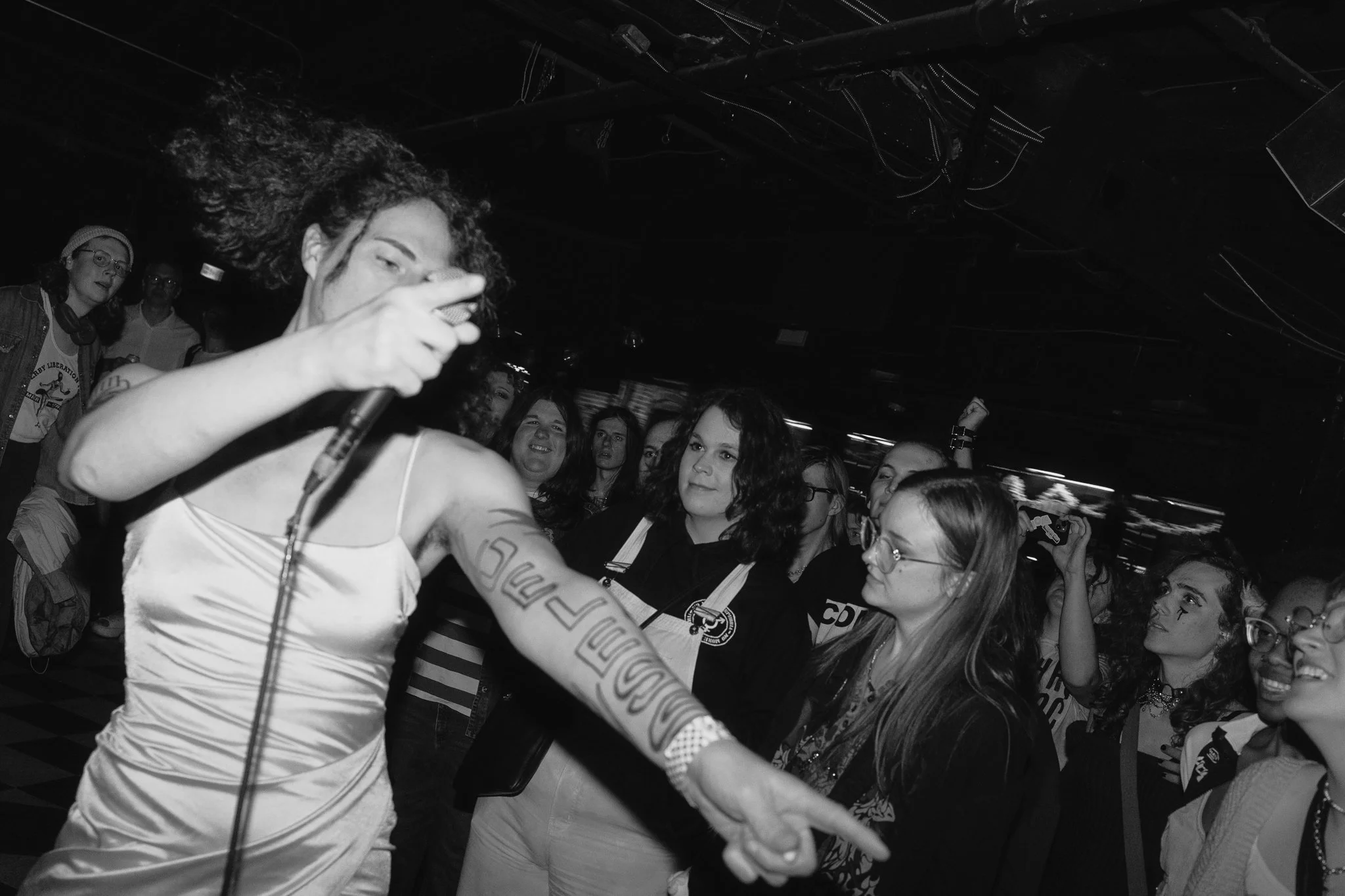
Closing out the evening was a solo performance by Devi McCallion, who commanded the space, using the entire room as her stage. McCallion stepped directly off the stage of Black Cat and into the crowd, imploring audience members to circle close around her. She began her set saying, “This song is dedicated to Charlie Kirk.” It was sadly not a cover of “We Are Charlie Kirk.” 


April 26th – Day 3: In which Caroline learns about the South, wishes she could dodge parking tickets, and takes flight

I rolled up on my bike outside a small Ethiopian coffee shop just in time to catch Peach Rings as they were headed in to meet me. They hail from North Carolina, and I mean this in the nicest way possible… what a North-Carolina-ass-looking band. We’re talking Realtree hats, long, ratty punk hair, a rugged coolness to every single one of them. And here they are, talking to Caroline, the city slicker, in her Sydney Sweeney x Ford x Dickies collab khakis (listen, my friend gave them to me for free, and they look great). Despite this, they still think I’m cool, and lead singer Ramona Barton agrees to an interview on the back patio of the coffee shop. Peach Rings got started by making emo music about being trans. At least that’s what Ramona did back when this was a solo project by a 19-year-old girl. “With a song like ‘dream girl,’ which we're playing tonight, I wrote that at a time when I wanted nothing more than to not be trans. I've 180'd on that, but we still play it because I think it's a beautiful song and it captures a feeling. That was me at one point. It feels special to touch on that, and it also resonates with a lot of people who might be in that part of transition.”

Peach Rings, like Snowing, is yet another artist whose music has shaped my life in some small way. Her music helped me discover my own gender identity, with songs like “i'm going to be a girl for halloween” serving as a safe outlet for my confusing feelings about gender in college. Her music was liberating to me, and she is aware of how important it has been to people. She describes how “being a teenager and hearing a song that speaks to you is extremely important. We're not, like, a super successful band by any means, but having moms come to shows and say, ‘My 13-year-old daughter just came out, and your music means so much to her’ is extremely touching. It just makes me cry. To me, that is liberatory for someone younger than me.” Maybe liberation is loving yourself. 

Photo by Bailey Payne

For Ramona, someone who is about six years into transition, liberation is “to just be able to live freely without bigotry around us. I shouldn't have to worry about going to the bathroom.” As harsher and harsher anti-trans laws are passed around the country (see Idaho’s bathroom ban law, which could result in life sentences for violators), trans people have simple requests. “We're just trying to hang out and exist, and they want us eradicated.”

Many of these laws are being passed in Southern and red states, but despite this Ramona is “very proud of being from the South and being a southerner,” explaining, “I think that there are obviously difficulties, and there are a lot of prejudiced people, but I also have had experiences back home with old conservative religious people who treat me as more of a woman than people in, say, New York have… All of our friends back home are trans people. There are lots of trans people in the South, and I think that is just overlooked because it's a red state.”

I appreciate having the influence and perspective of trans people outside of the Washington-Philly-New York core that largely makes up this festival. Especially after learning that Peach Rings just today released some new music with banjo on it, which this author welcomes with open arms. Peach Rings isn’t even the only southern trans band here, as they brought their friends in Motocrossed, who also hail from North Carolina. While this lineup is over-representative of Philly, NYC, and DC, trans musicians being able to thrive and create in places outside the traditional blue cities points towards a potential of what liberation could look like for trans people. A reality where, from the biggest metropolis to the smallest hamlets, there are thriving communities of trans and queer artists and musicians able to live in peace.

Photo by Kyle Meyers

I was only able to catch a couple of sets at Transmission before needing to depart for my interview with Pool Kids, but this sampling did not disappoint. First was DC emogaze act Emotional World, whose delicately layered sound was enough to warm the frozen heart of this staunch shoegaze skeptic. 

DC punk band Soul Meets Body were outstanding, delivering a ripping set of grungey punky tracks. Frontwoman Genevieve Moore controlled the stage as well as anyone at Black Cat or Transmission all weekend long with an undeniable swagger. They closed with “No Youth No Future,” suddenly turning into a seasoned hardcore band, making me dearly wish I had the energy to crowdkill my fellow dolls. 

I don’t want to forget about the acts that closed things out at Transmission, Motocrossed, Latchkey Kids, Jade Weapon, and Peach Rings. Though I know every single one of those bands can, and did, put on an amazing show while I raced back over to Black Cat.

Photo by Kyle Meyers

Hailing from Tallahassee, Florida, Pool Kids have been rising stars in the emo scene ever since releasing their cult classic debut, Music to Practice Safe Sex to. Their self-titled sophomore record began to add a more refined touch, cleaning up the rough edges of the first record and rounding out the two-piece into a full four-person setup. With the recent release of their third LP, Easier Said Than Done, Pool Kids has been leaning further into the poppy songwriting that we only heard glimpses of on their second album. Lead singer and guitarist Christine Goodwyne told me that “we sort of just keep trying to sound like Pool Kids without repeating ourselves.”

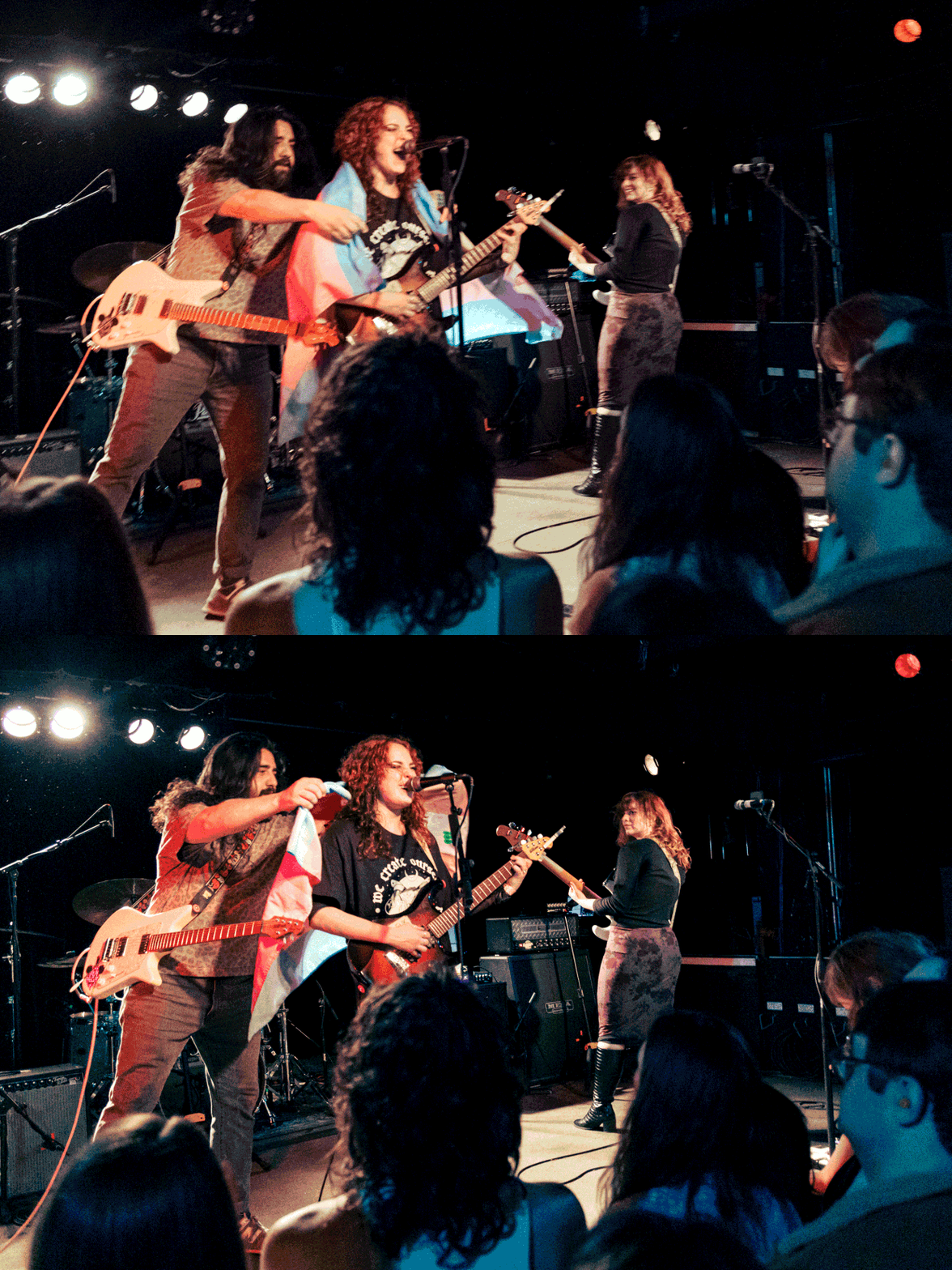
As their sound has changed, their philosophy has not, as bassist Nicolette Alvarez highlights how it’s “important to show up to things and be there as allies. Now more than ever, it's important to stand up and loudly and proudly say that we're here. We stand with trans people.” Christine shares how “If you don't clarify where you stand on that stuff, people who you don't agree with might be thinking that you actually are on their side.” Later that evening, when Pool Kids played, guitarist Andy Anaya would drape Christine in a trans pride flag, much to the delight of a raucous, almost out of breath crowd. I think it's clear where they stand. 

Photos by Kyle Meyers

Throughout the weekend, Pool Kids were the only band I interviewed, and one of the few bands on the entire bill, without an openly transgender member. Despite this, they still have a compelling vision of what liberation could look like. Drummer Caden Clinton provided the perfect white guy perspective on this. “Everybody gets to live the same life that I do. I'm a blonde-haired, blue-eyed, cis male. I will never get a speeding ticket, but it's not fair that all my other friends have to struggle with that.” Pool Kids are a perfect example of what allyship actually looks like.

I was lucky enough to catch Nicole Maroulis from Hit Like A Girl immediately after talking to Pool Kids. Much like me, Nicole was also pulling double duty at this weekend’s festival. Outside of their frontperson duties singing and playing guitar in Hit Like A Girl, Nicole is also executive director and one of the co-founders of No More Dysphoria – one of the two main beneficiaries of Liberation Weekend, along with Gender Liberation Movement. 

When asked how they describe the organization, Maroulis explains that No More Dysphoria is ​​”a punk rock, mutual aid effort, where we essentially just directly give financial resources, aid, or assistance to people in the transgender, gender nonconforming communities.”

Photo by Kyle Meyers

As I ushered them into the spare green room, grateful I could fit a quick chat in their busy schedule, I noticed that Nicole has the DIY punk look down to a T: an oversized septum piercing, tattoos spilling out of a long-sleeve flannel, and a mullet with the bangs dyed a bleach blonde. Nicole is DIY through and through, and the ethos of being a DIY musician has bled into their work at No More Dysphoria. “So the way a band normally starts is like you get a little group of friends. You write some songs. You make some T-shirts. You play some basement shows. The organization started kind of similarly with a group of friends. We made some T-shirts and sold them at my friend's basement shows in New Brunswick.”

After starting Hit Like a Girl, Nicole was able to “bring a mutual aid effort with us on tour in all these different cities and all these different communities, getting the word out there.”

This work can genuinely be life-saving, helping trans people secure housing, medication, and necessary medical care that they otherwise couldn’t get. I wanted to hear from Nicole exactly why this work matters, and they explained, “It is important to give money to trans people because we are so fucking at a disadvantage. The moment we were born, we were ahead of goddamn disadvantage because, unfortunately, everyone is actively working their hardest to fucking erase us and dismember our existence.” As they answered, I visibly saw them building with rage at the system. Nicole is a rare breed, someone who so genuinely, with every fiber of their body, wants to help their community, wants to give and help build a cycle that will support everyone. “Helping people is like such a crazy, radical idea, right? Because it's not directly servicing yourself or being selfish. I think that's like what a lot of society wants us to think you're supposed to do. ‘Just be selfish and only worry about yourself.’ But like that's just not at all how the world works, you know? I think of mutual aid as kind of like a cycle, so you need to give in order to get.”

I think of mutual aid as kind of like a cycle, so you need to give in order to get”

– Nicole Maroulis, Hit Like A Girl

The way Nicole sees it, Liberation Weekend is helping provide money directly to this mutual aid cycle and also “creates a safe space for queer people to gather and to have this common ground. You're in a room with like-minded people, and you can relax your shoulders a little bit. That is such a small thing that a lot of cis people don't really think about. That is huge because you know you're gonna go to work tomorrow and probably get misgendered the next day. At least tonight I can be myself and, you know, the people around me are gonna respect me, and I know it.”

No More Dysphoria has become essential to who Nicole is, as they described how “mutual aid is really important to me because I really love helping people. It's a privilege that I have the resources and the capability to help people. It's important to me that, if you can, you should.”

Along with Max, there was no one else I wanted to hear more from about the actions we can take to help move us towards Liberation. Nicole shared that, “I think a good step that people can take, whether you're a musician or not, is just to keep the conversation going. How many bands in the middle of their set say 'fuck ICE' and 'free Palestine'? I hope a lot of them. The importance of it is that we bring it up and keep it fresh in our minds. There are probably going to be kids who are going to get inspired to go to protests because they watched you play and heard you speak. Those are kids that are going to go tell their conservative parents to fuck off because they were inspired by whatever you said to them.”

Photo by Kyle Meyers

After wrapping up with Nicole, I made my way into the audience to catch the first act of the night, Pinky Lemon. Hailing from DC and Philly, they have long been stalwarts of the scene. Every chance I get to see them is a treat, and this occasion was no different.

One set later, Hit Like A Girl took the stage, and Nicole spoke with more passion and care than anyone else I met this weekend. It came out in their set, and it came out through the way they so fiercely advocated for the work No More Dysphoria is doing. They invited Miri Tyler and Mel Bleker from Pretty Bitter on stage to join the band for “Are You In Love.” Their set wrapped with “Dismay” from their hardcore EP Becoming, marking the second time today a group suddenly became a hardcore band right before my eyes. Nicole threw themselves into the crowd as the crowdkilling switch in my head was suddenly flipped. Before I knew it, my arms and limbs were flying around me in a whirlwind with no care for who may be near me. Maybe this is liberation. 

Photo by Kyle Meyers

Pretty Bitter took the stage shortly after Hit Like a Girl for what promised to be a triumphal performance. As was shared by one of the front people, Miri, in an interview shortly after, “this is our last DC show for a little bit. We are moving to Chicago in early July. And it is really, really powerful how much love and energy exists in the city and exists in this very, very special scene.”

The energy in the crowd made it apparent that Pretty Bitter are truly hometown heroes, and heroes to trans people across the entire East Coast. During their final song, “The Damn Thing Is Cursed,” I found myself next to July Brown from Crush Fund, screaming the words at each other. Mel and Miri simply radiate energy from the stage, while guitarist Kira Campbell and drummer Jason Hayes are two of the most effortlessly cool and talented people I have ever seen. Pretty Bitter exuded confidence, but they were feeling much more than just confidence. As Mel shared, “I started the set in tears. By the end of it, I was feeling so much love and joy that it was still tears, but it wasn't sad tears.”

Photo by Kyle Meyers

Punctuating the set was a moment at the end of “The Damn Thing is Cursed” when Mel announced a special guest was coming on stage. I saw peering out of the corner of my eye, none other than Bailey “thisdogllhunt” Payne. On bringing up Bailey, Mel shared, “If there is anyone that we could pass the proverbial torch to, it is this woman. We got to meet her through the scene. We snuck her into a show we were playing in Baltimore because she wanted to take photos and didn't have a ticket, so we snuck her in the back of a church, and then we just became best friends. She became one of the most important people in my life, but also she is so infinitely important to this city and to the scene, so when we were talking about who to bring up, it was no question.”

As Mel announced their special guest, Bailey stormed onto the stage, wrapping Mel in the warmest of embraces before Mel leaped into the crowd to finish singing the final chorus, Bailey dancing around, eventually welcoming Mel back with a warm embrace, both in tears. I always tell people that DC's scene is tight-knit, that we always love each other and show up for one another. I don’t think there is clearer evidence than this. 
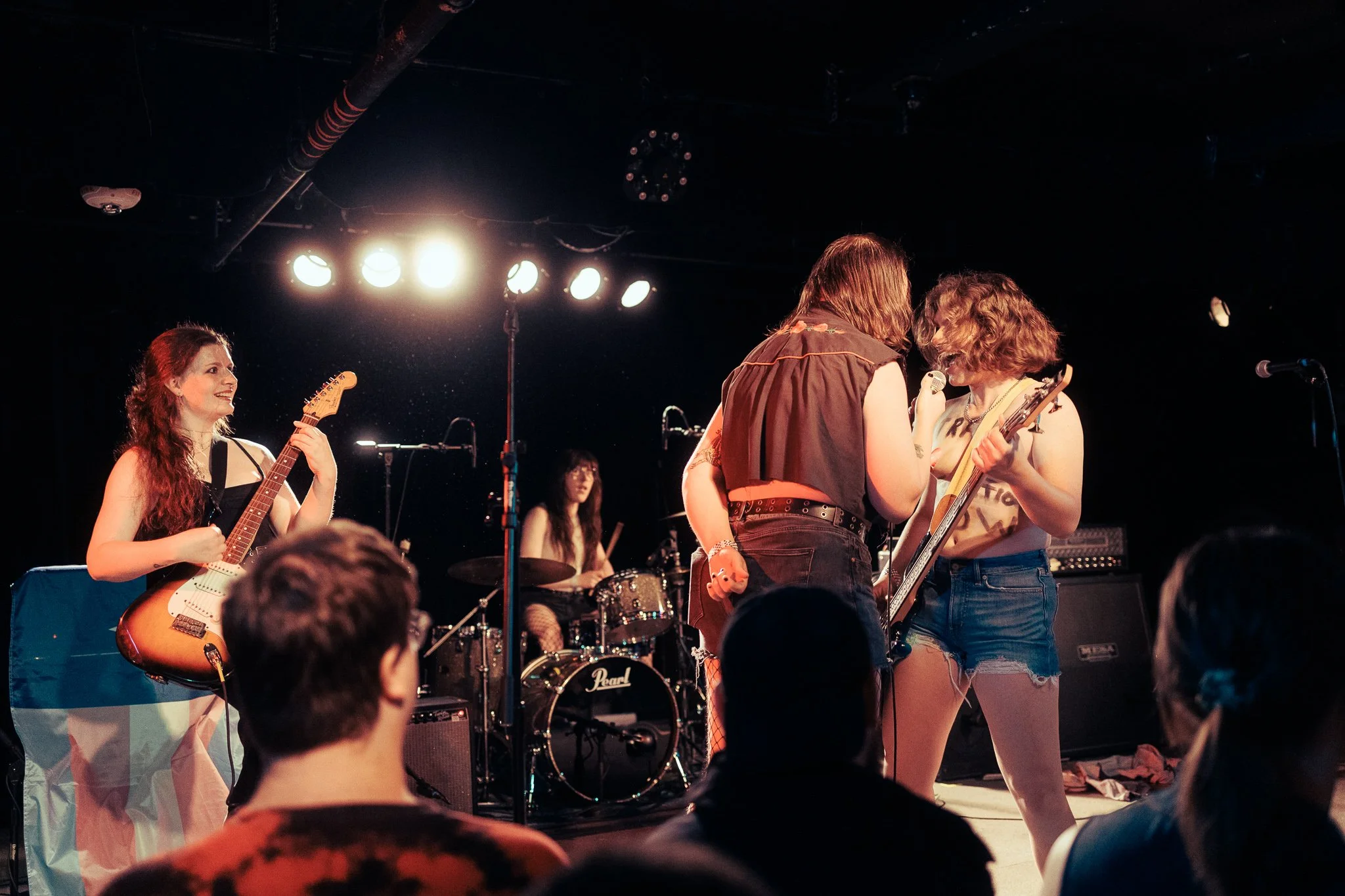
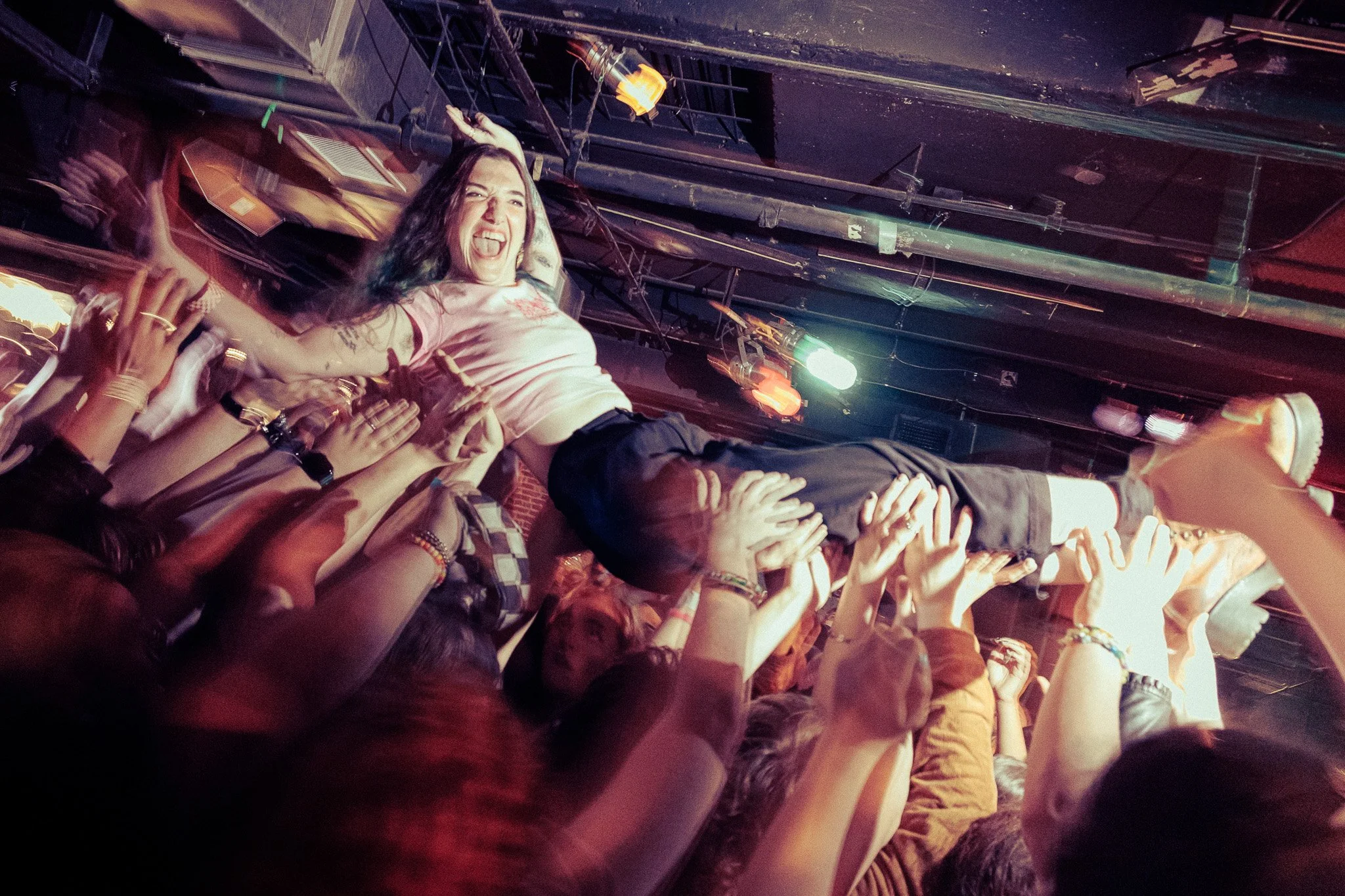
Photo by Kyle Meyers

I asked Miri what the DC scene can do for bands, and she shared, “I think that this scene lifts up its members and shares resources. All the things we are able to do, it's all because bands were nice to us when we first started out, and bands gave us invaluable information about how to do this thing.”

No set during the weekend felt more “liberatory” to me than the firestorm that Pretty Bitter unleashed that Sunday night. The pure love displayed on stage made me truly proud to be a Washingtonian, to be a musician, and to be a trans woman. They also used their time to share genuinely radical positions on liberation, proclaiming, “Material aid makes our lives better. It lets us be safe. Talk about trans people in rooms that trans people aren’t in. Money doesn’t fix everything, but it does fix a lot of things.” 

After their set, Mel and Miri would share with me that they have “been in situations where we have used No More Dysphoria to make sure that we did not lose our housing.” It can be sobering remembering how many of us are constantly living on the razor’s edge. We are often in unsafe situations financially, physically, and emotionally. It’s why Mel believes liberation is “Safety. Trans liberation means that all of my friends, all of my family, are safe, supported, and not in distress.” Miri added, “It's the safety to just exist as who you are and not having to explain yourself and not having to feel like you're going to be ridiculed for it on the street, in any public space, or even private space. All those things are the groundwork for happiness.”

Echoing sentiments shared by Max on Saturday, Miri continued, adding, “trans liberation doesn't happen without black liberation. It doesn't happen without Palestinian liberation. It doesn't happen without the liberation of all working-class people. It's all tied in because the fascists only want one thing, and that's all of us dead.”

To get to this liberation, Mel believes that if “you bring people into a room, I think that you associate liberation with freedom and with happiness, and you act like you're already there because here you are. It's a good way to collectively imagine the world that we could all share together in the future. Miri added, “In a much more sort of material way, it introduces people to organizations and mutual aid funds and efforts that are happening in their community that they might not have known about.”
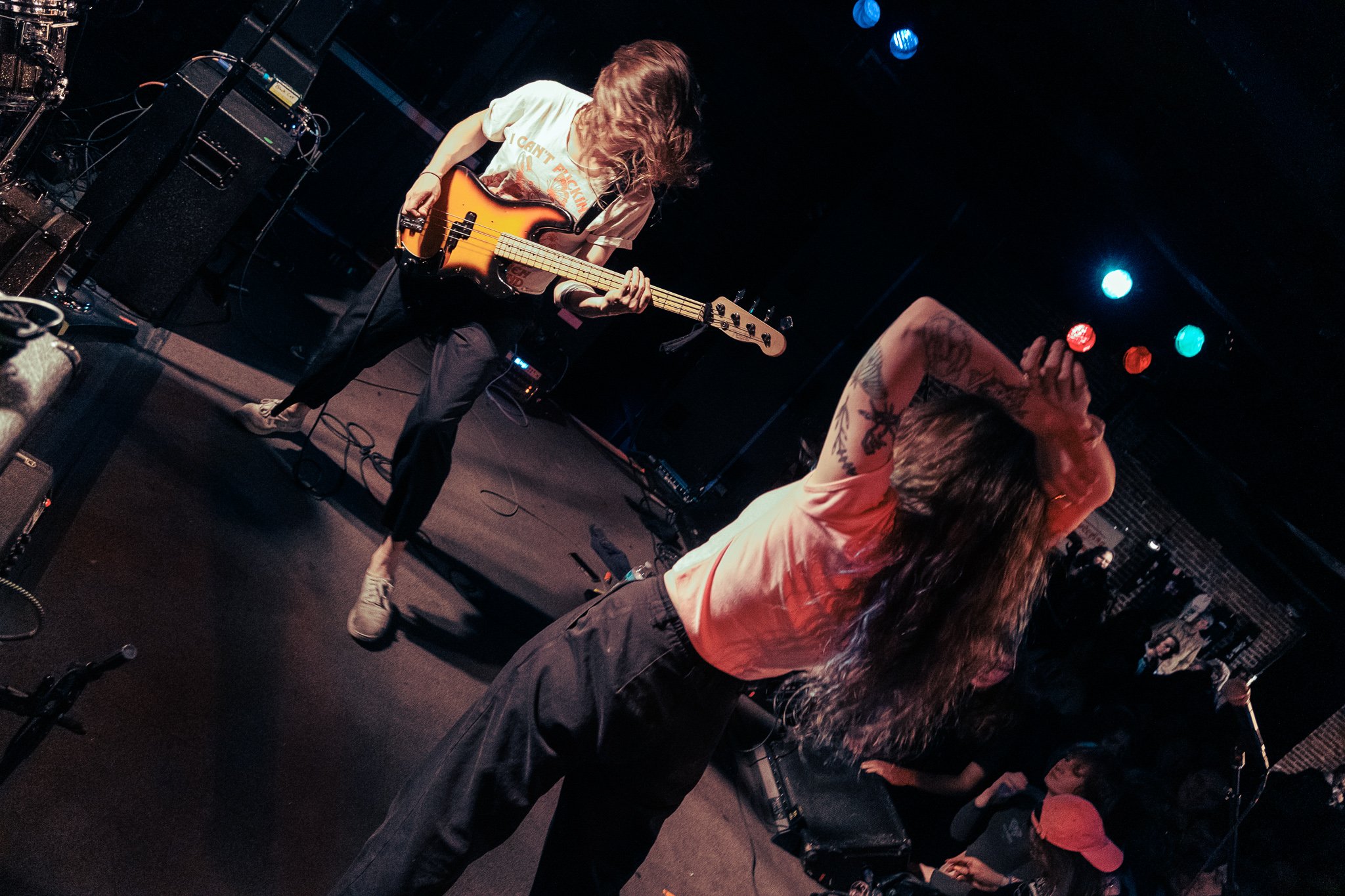
“Trans liberation doesn't happen without black liberation. It doesn't happen without Palestinian liberation. It doesn't happen without the liberation of all working-class people”

– Miri Tyler

With this being their final hometown show for the foreseeable future, I wanted to know if these hometown heroes have any lessons to leave for the scene. “Be excellent to each other.” Perfectly put, Mel. “If you have a chance to share and lift someone else up, you should take every single opportunity that you have, because you might meet some of your best friends by doing that.”

As for Miri’s lesson, “I think the thing that makes this scene so cool is that a lot of these bands in this city don't feel like we're in competition with each other – we're in collaboration with each other. I think just keep that in mind, don't feel like you have to compete, you know? Just be collaborative.”
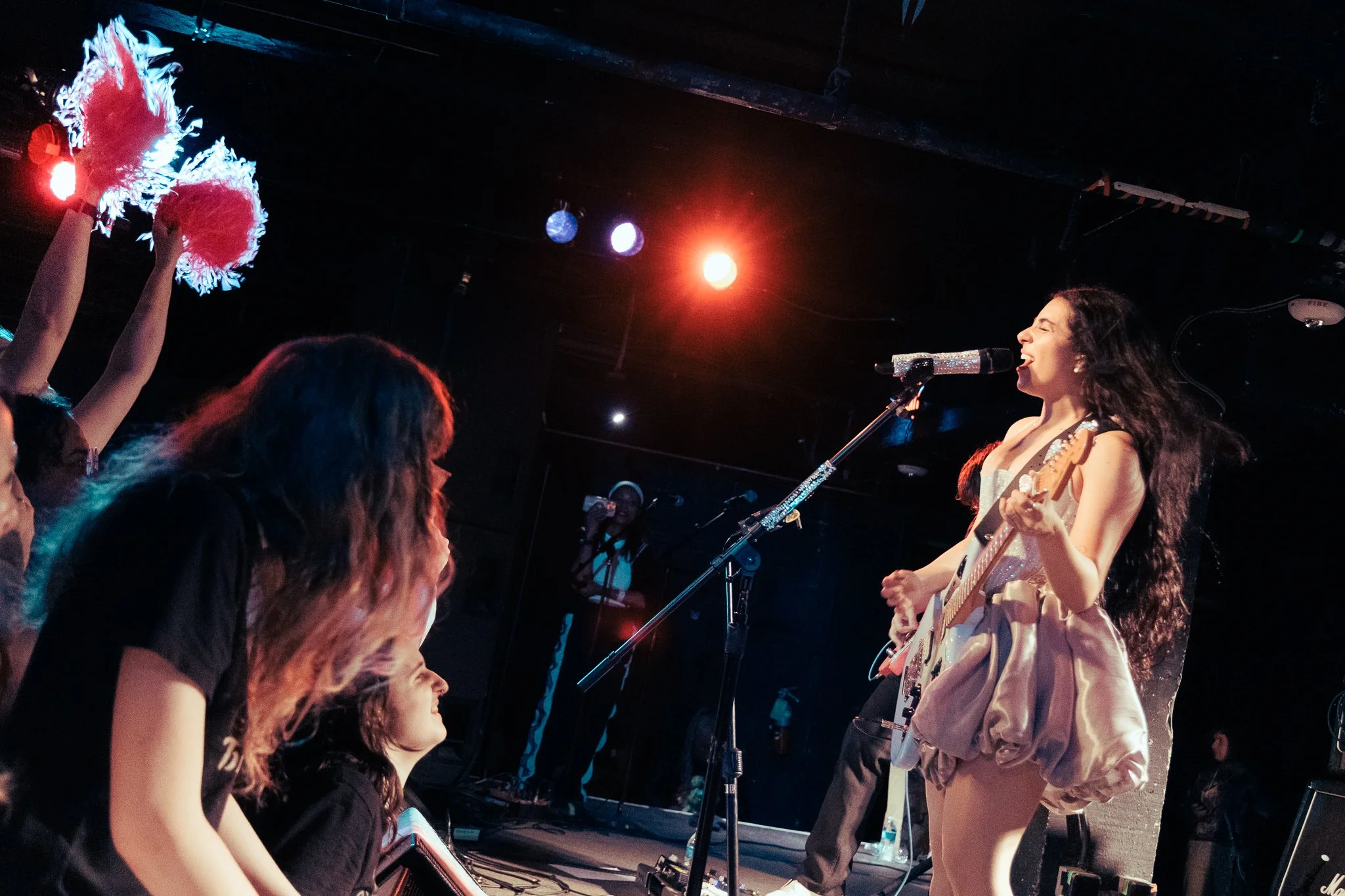
Photo by Kyle Meyers

Following Pretty Bitter was the brilliant Pom Pom Squad, who vacillated between sweet bubble-punk and delicate ballads. One moment, front woman Mia Berrin would be dancing with cheerleader pom poms, and the next be on her knees, screaming to the heavens. 

Ezra Furman took the stage next, and while I sadly missed most of the set while talking to Miri and Mel, what I caught was excellent. Her soft touch transforms the pain of transness into something romantic and grandiose. She closed with the song “Book of Our Names,” which she has described as a protest song against an empire that wants us dead. It is triumphant and defiant, calling for trans people to be known and remembered by our chosen names. She demonstrates that power and righteousness don’t necessarily have to be accompanied by overdriven guitars and pounding drums. 
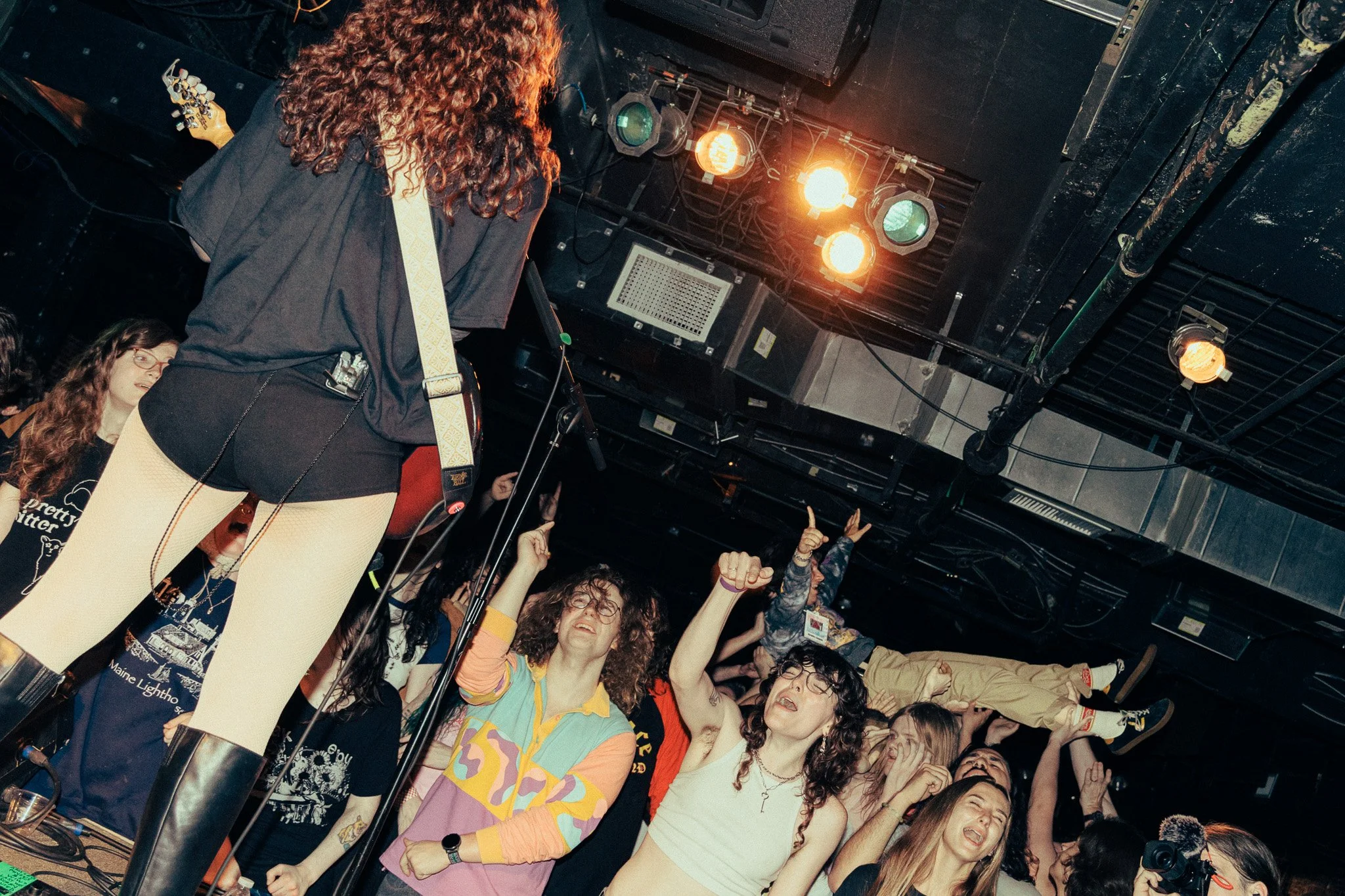
Photo by Kyle Meyers

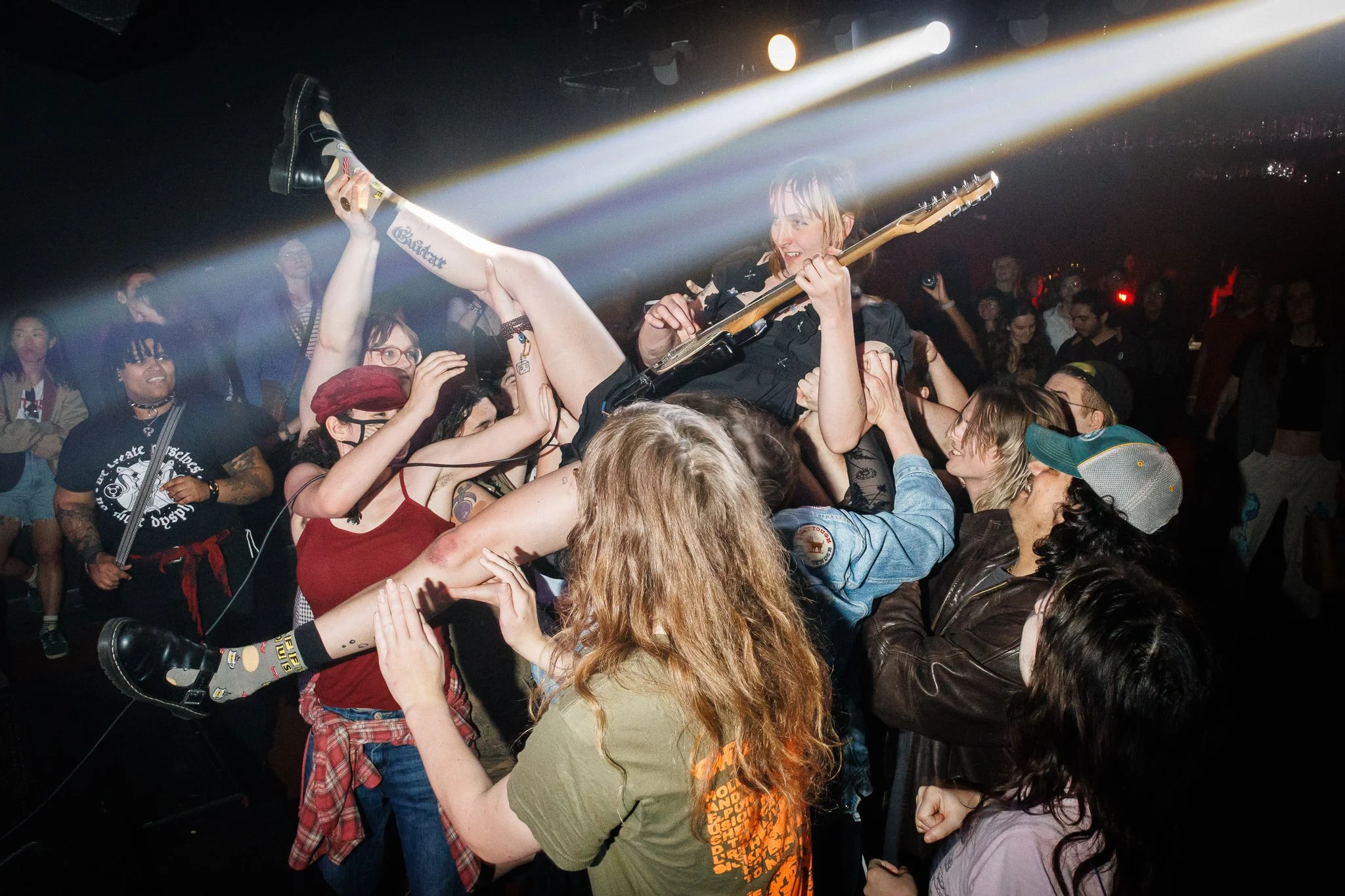
Finally, it was time for Pool Kids with the last set of the night. They closed out the festival with “Conscious Uncoupling,” the raucous opener from their 2022 self-titled. I started cutting through the crowd, a speeding car weaving through traffic as I made my way to the front of the stage. I locked eyes with Mel from Pretty Bitter as we screamed the lyrics with each other. The signs at Black Cat might have said no stage diving or crowd surfing, but I had no interest in listening to this sign during the final song of the festival. Neither Mel nor Nicole had respected it, so why should I? So I swung my leg up onto the stage, launching myself first up, then out into the awaiting crowd. 

I was floating. Screaming my head off, held aloft by my trans brothers and sisters. An eternity passed. By the time I finally hit the ground, my legs were vibrating, adrenaline coursing through my veins, my heart a redlining engine. I felt invincible. I believe I was. If that wasn’t liberation, I don’t know what is. 

Caroline Liaupsin is a DC area radio host and musician. She’s live every other Tuesday from 2–4 PM EST on WOWD-LP bringing you the hottest new DIY tracks, interviews with artists, show previews, and features on the world of DIY in DC and beyond. When she’s not too busy she writes biweekly DIY show previews and other things on her substack. She also plays bass for a trans cowpunk band called thisdogllhunt.

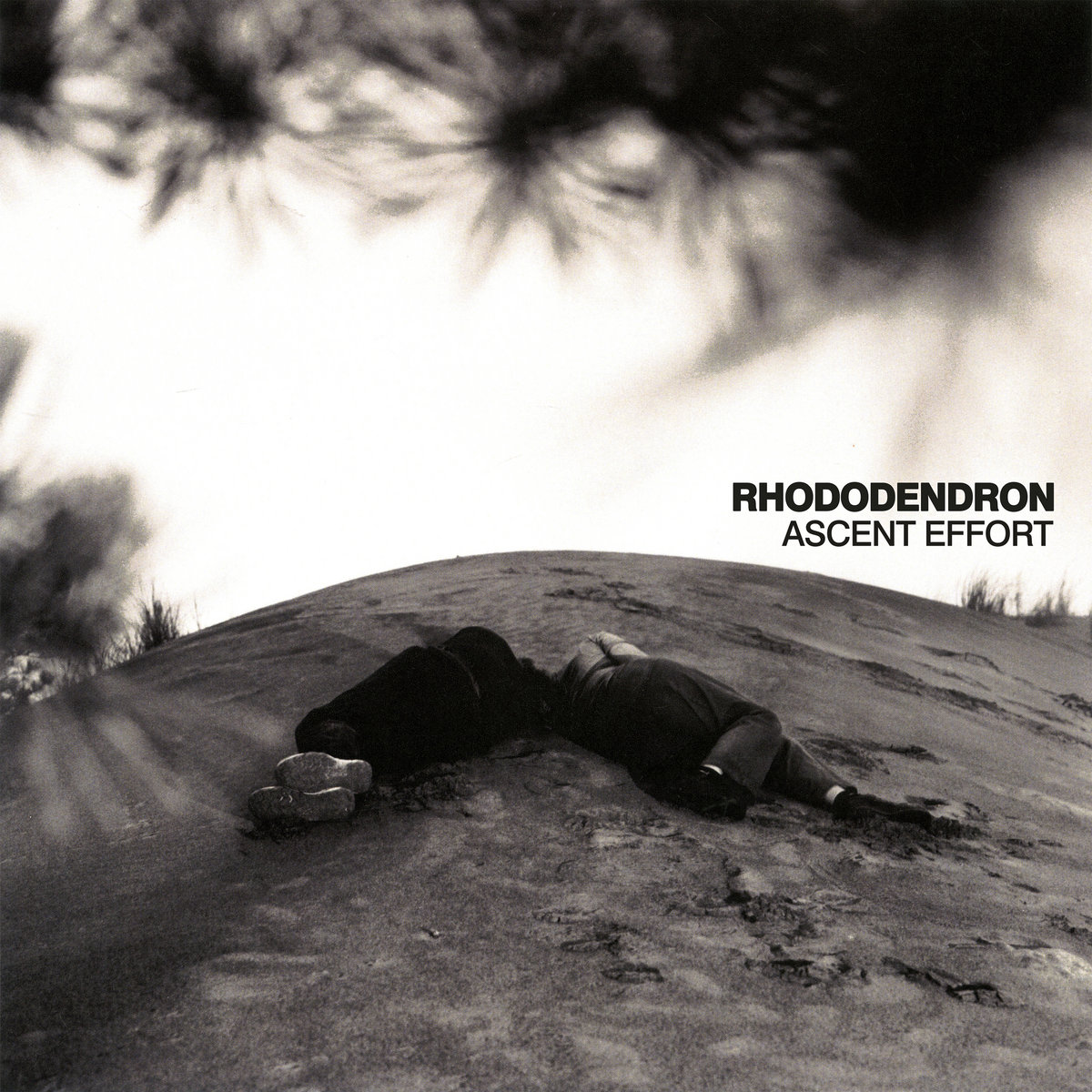
Rhododendron – Ascent Effort | Album Review

The Flenser

Now, I could be wrong, but I think that something’s going down on the intergalactic genre interstate. If so, it might have something to do with these juiced, plinky jazz runs and chugging riffs that have been singing off my eyebrows.

Anyone who’s been on the alternative side of the music-inclined internet long enough knows the inundation, in the last few years, of every variety of “gaze” and “core”—enough to frazzle even the most dedicated RateYourMusic bro. Part and parcel of this collision of genres is an air of musical discovery; perhaps the mere idea of a “blackened twinkle digi-core” implies a new frontier being paved by hungry DIY-ers. Maybe it's the renewed sense that already trodden roads still have new, unexplored trails that can reignite and revitalize an audience’s attention. This could certainly be said for dominant musical institutions as well, such as the popularization of hyperpop or the commercial stabilization of alt-country “nuGrass,” but it’s not hard to see how this snowballs in the annals of subcultural musical movements.

Portland trio Rhododendron’s sophomore LP, Ascent Effort, arrives to push the conversation over the proverbial edge.

Ascent Effort organizes itself as a radiant mirage of genres and the great soup of musical influences one reminisces about while listening; simultaneously genre-full and genre-less. A lesser band would buckle under these contradictions, but these Portlanders are playing their fucking asses off—perfect additions to The Flenser’s ever-undulating cohort of badass savants and freaks.

The album’s kickstarter, “Firmament,” introduces us to a kind of ethereal death-ambient à la Blood Incantation or Opeth at their most massive. Noah Mortola’s drums invent and surprise, the bass keeps everything in line, and the guitar tone somehow straddles groove and grit. The song finishes with a percussive assault and leads into the inquisitive, angular “Like Spitting Out Copper.” Rhododendron definitely play their jazziest for the greater part of the track before picking the pace back up with the album’s first vocals. Guitarist-vocalist Ezra Chong’s screams are cutting and dripping with personality, especially on the following track, “Stow,” where the album’s influences thus far coalesce into a sometimes pounding, sometimes slinking saga that consistently highlights the rhythm section’s uncanny unity. 

None of this is to suggest that Ascent Effort ever broaches the usual pitfalls of post-hardcore or progressive trios, namely becoming too “mathy,” endlessly “jammy,” or otherwise unfocused. Rhododendron maintain a sense of integrity that’s hard to pin down; through each exploration, they prove yet again that they know how to take their ideas from initial kernels to kaleidoscopic sagas. No better example exists than the penultimate “Family Photo,” which sees a delightful, if spare, return of vocals and a perfect showcase of Gage Walker’s driving bass that I can’t get out of my head. The record concludes with “Within Crippling Light,” an epic in the truest sense of the word—a ceaselessly technical and progressive mixture of form and content to mostly delightful ends. I found my mind drifting throughout the piece’s 13-minute runtime and, upon relistens, couldn’t find the same urgency from that first spin. Of course, the same has often been said of the equally tempestuous compositions of Godspeed You! Black Emperor or Sunn O))), so this is all to taste.

In the same vein, Ascent Effort’s blazes many paths toward its ultimate, emotional absolution, and there are moments where I wonder whether the band lingers on a musical motif for just a tad too long. But whether or not that’s the case couldn’t dream of overshadowing just how enjoyable the whole album is to listen to, nor the manifold pleasures of hearing constantly evolving ideas play out over the 40-minute runtime. Part of me also wonders how Ascent Effort would sound with Chong’s vocals across the entire mix, bringing screamo further into the fold, but that would compromise the extreme tact with which vocals are presented. Nothing about the vocal delivery is boilerplate, nor do they feel like a checked-off box; the band brilliantly uproots traditional expectations of what vox signal in the modern western tradition. They are a gateway bridging ideas—combining them to become more than the sum of their parts. This is why such criticisms hit a significant barrier when specifically applied to Rhododendron, and I believe the key lies in the album’s title itself.

I can’t remember a recent time I thought of a band, “wow, these folks are rocking my fucking world right now.” In this way, Ascent Effort reminds me of some of the genre make-or-break classics—to name a few: Loveless, Aja, Burnin’, Bitches Brew, or whatever wizards like John Zorn and Keiji Haino have been cooking up for decades. This record, in name and in function, really does feel like a concerted effort to ascend, as though in tireless search of fresh views formerly obscured by one’s first effort. Returning to their 2021 release, Protozoan Battle Hymns, it’s quite rewarding to see where and what the trio decided to expand upon. So many thematic elements of “Moloch Whose Eyes are a Thousand Blind Windows”—sometimes prog, sometimes post-rockian onslaught—make a cameo, but never in such a way that I thought, “oh, this is like that other thing.” It’s a difficult alchemy to master—blending what was and what was good with what wants to be—but I think Rhododendron really pull it off here. 

Listening to Ascent Effort is, at turns, a test, a revelation, an unanswerable problem, and too much fun. And that’s where I leave off: this album is a ton of fun. That’s a treat these days—to be able to sit, listen, smile, and say “hell yeah.” I really don’t know where the gang goes from here, but without question, this is only the (new) beginning.


Poppy Bishop Sinclaire is a southern writer, educator, and literary theorist. You can follow their pug, Dimple, on Instagram @disco_christ.

Palette Knife – Keyframe Walkthrough

Palette Knife are a band who recognize that the real world isn't actually too far removed from the fantasy one. The Ohio-based trio have an inherent understanding of the way our chosen form of escapism reflects the conditions and struggles we face.

Across three full-length records, the band has honed an energetic blend of pop-punk, math rock, and emo, sprinkling their lyrics with ultra-nerdy pop culture references that point to something much more profound. Soaring guitar riffs, delicious bass slides, and cascading drumming firmly root their discography as a catchy, melodic, and infectious extremity of the genre.

On their latest album, Keyframe, Palette Knife further expand into all of these territories, this time showcasing their knack for magical realism and worldbuilding. Through different anime, gaming, and techno-fantasy landscapes, the band conveys moments of longing, excitement, danger, anger, suffering, delusion, insecurity, and feeling absolutely lost in an ever-expanding world that seems to be constantly shifting.

To navigate the frantic pace and technical wizardry of Keyframe, we've created this walkthrough to help you advance through each level with ease. We've even got some tips and tricks from one of Keyframe's creators, Alec Licata, who sings and plays guitar throughout the record. For more help, get tips from the pros by calling 1-900-288-0707. Rates of $1.50 per minute apply. Help line not guaranteed to improve your gameplay, solve your problems, or make you happier.

-~-~-~-~-~-~-~-~-~-~-~-~-~-~-~-~-~-
        
---- STAGE 1: PHOENIX DOWN ----
        
-~-~-~-~-~-~-~-~-~-~-~-~-~-~-~-~-~-
        

Ok, so the first thing you want to do is crank your sound system as high as it will go, then do some light stretching so you can air-guitar effectively. It can feel a bit challenging at first, but once vocalist Alec Licata begins singing his incantations, you'll want to spam dodge rolls as the rapid-fire riffs start hitting you hard and fast.

SWIM INTO THE SOUND: The RPG imagery is rife throughout your entire discography, and there are more than a few references to different classic series found on the album, my favorite being this opening track. Who is your favorite Final Fantasy character, and how closely do you feel you resemble them?

PALETTE KNIFE: This is so hard. I have a soft spot for Lightning because FFXIII was the first one in the series I played. I also love Noctis because telekinetic crystal swords are all I really want, but I don't think I'm emo enough. Honestly, I feel a little similar to Cloud in Crisis Core: in that game, he has a lot more spark and optimism before the horrors of war turn him into the stoic husk we see in Final Fantasy VII.

-~-~-~-~-~-~-~-~-~-~-~-~-~-~-~-~-~-
        
---- STAGE 2: FAULTSIPHON ----
        
-~-~-~-~-~-~-~-~-~-~-~-~-~-~-~-~-~-
        

Figuring out a proper setup is crucial to navigating the world of Keyframe, especially around the time you start hearing debuff / stagger / weakness /shatter. Learning how to avoid each of these status effects is key to assuring your ultimate victory.

SWIM: I've always liked the idea of instruments being reflective of character classes in TTRPG worlds. Which character class feels suited to guitar, vocals, bass, and drums, respectively?

KNIFE: Oh gosh, I might be biased because I love wizards, but I'm going wizard for guitar. Drums definitely tank: like either a paladin or something heavily armored with good damage. Bass is probably a barbarian or berserker. And vocals might be healer or bard; the lyrics are inspiring or buffing the audience.

-~-~-~-~-~-~-~-~-~-~-~-~-~-~-~-~-~-
        
---- STAGE 3: PROTOTYPE V.2 ----
        
-~-~-~-~-~-~-~-~-~-~-~-~-~-~-~-~-~-
        

Nothing can prepare you for the iterative, emotional, psychic damage of this level. Crossing the Rubicon is no simple feat, but our next hint reveals the upgrades, armor, and stats you'll need to successfully configure your armored core to peak fighting form.

SWIM: If someone made a game out of Keyframe, what studio or director would you want to make it?

KNIFE: Ooooh, I would KILL for a FromSoftware game that's mech-themed like Armored Core but plays like a Dark Souls game. I realize that's sorta been done already with The Surge, but man, FromSoftware just does everything so right!

✧✦✧✦✧✦✧✦✧✦✧✦✧✦✧✦✧✦✧✦✧✦✧✦✧✦✧✦✧✦✧✦✧✦
        
---- SECRET LEVEL ----
        
✧✦✧✦✧✦✧✦✧✦✧✦✧✦✧✦✧✦✧✦✧✦✧✦✧✦✧✦✧✦✧✦✧✦
        

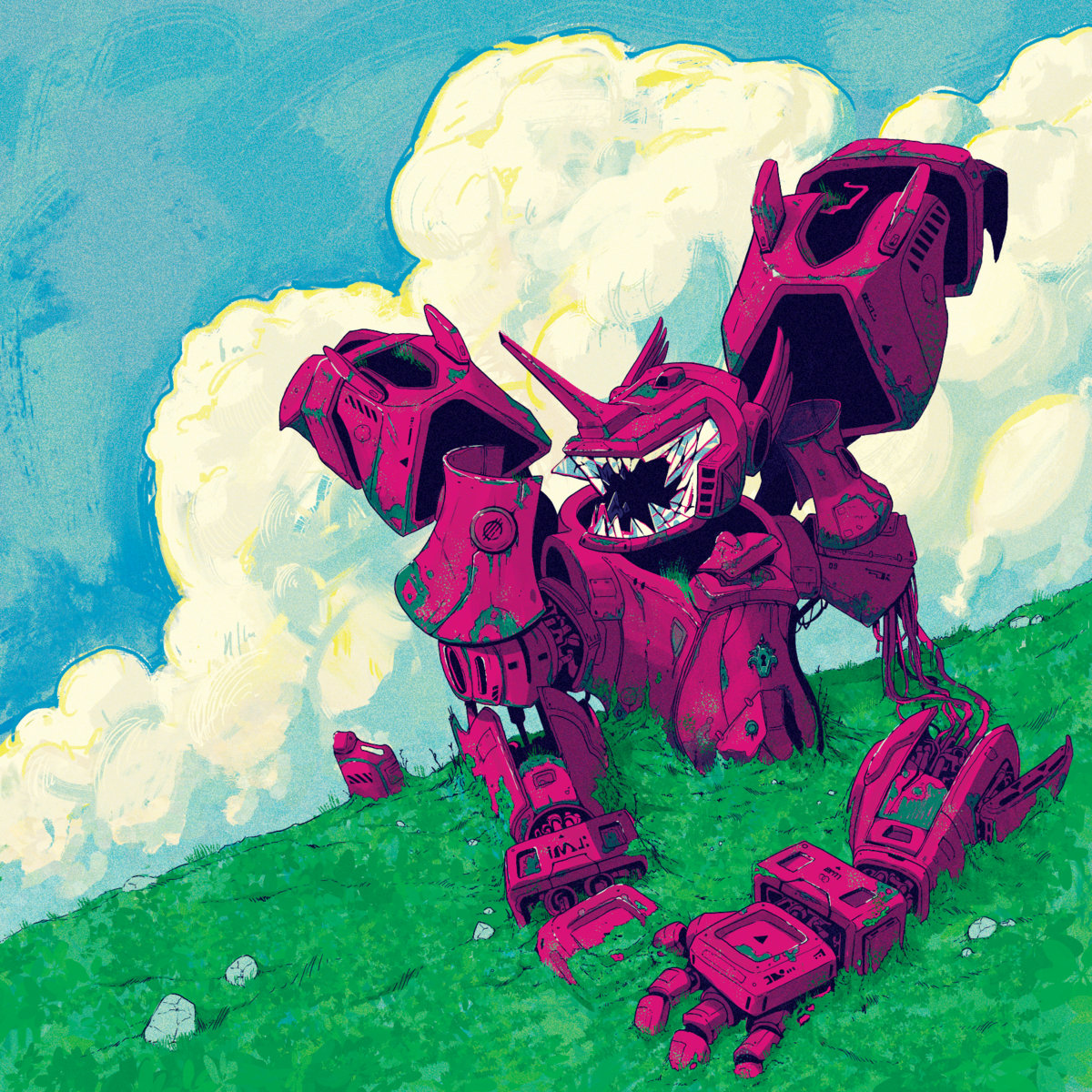
Blink and you may miss it, an easter egg left for the savvy player to find, a marriage of Gundam, Zoids, and Robotech, this secret monument to a forgotten war is a special nugget of lore that most players wind up missing.

SWIM: The cover feels halfway between Zoids and Gundam. How did you wind up with this imagery?

KNIFE: I basically told Aaron [Queener, Palette Knife's drummer] I had a vision of the mech that we all pilot together, The Keyframe, embedded in the side of a studio, a thinking mountain, all post-apocalyptic and overgrown. We both got very into Gundam kits over the past few years and knew we wanted the record to be mech-themed. After many hours and revisions, this is the digital painting I made in Photoshop, and we thought it was mature and powerful enough to display without typography.

-~-~-~-~-~-~-~-~-~-~-~-~-~-~-~-~-~-
        
---- STAGE 5: LIMIT BREAK ----
        
-~-~-~-~-~-~-~-~-~-~-~-~-~-~-~-~-~-
        

By now, jamming out to the multiverse of tasty licks, massive drums, and ricocheting bass lines should have your Limit gauge completely maxed out. For that you just gotta hit ↘ + → + X and you'll be tearing through to the final stage with ease.

SWIM: The album title is actually referenced only once on the entire record on “Limit Break,” where you sing: “It always takes so long for me to reframe / The mannequin I pose behind the keyframe.” Could you expand on this line and the meaning behind the album title?

KNIFE: Totally! I find myself caught in these paradigms and frameworks of thought where I base my whole world on a job, relationship, identity, or interest. So there's inevitable trouble in what happens when one of these paradigms is uprooted, and I'm forced to reframe my view of how I thought my life was going versus how it is. I'm basically saying it can take a while to heal from big changes—both good and bad ones—and, to an extent, I'm often frustrated by how long it can take me to adjust to change.
✧✦✧✦✧✦✧✦✧✦✧✦✧✦✧✦✧✦✧✦✧✦✧✦✧✦✧✦✧✦✧✦✧✦
        
---- FINAL LEVEL ----
        
✧✦✧✦✧✦✧✦✧✦✧✦✧✦✧✦✧✦✧✦✧✦✧✦✧✦✧✦✧✦✧✦✧✦
        

You've done it! Everything you've learned, the band, the songs, the moves, has prepared you for the wandering expanse of “ISS.” As the final cutscene plays and your fighter drifts off in their damaged Veritech, swallowed by the infinite dark glow of space, the gentle glow of the Keyframe title card is the last thing we see before the end credits roll.

Through healing, through struggle, through glory and through hope, Keyframe builds its loose narrative web into a multiverse of very real themes. It can be a difficult world to make your way through these days, and the band has a firm understanding of this. From the barreling opening of “Phoenix Down” to the calm and serene acoustic closer “ISS,” Palette Knife has built entire realms to explore and exist in, ones that we hope this walkthrough made more navigable for you, weary traveler.

Elias can often be found at the local gig or online advocating for some forgotten band from who knows how long ago. They currently live in the greatest city in the world Los Angeles, California and can be found online on Instagram and Twitter @listentohyakkei.

Elephant Jake – ‘98 / Swiss Army Wife – Emergency Contact | Double Single Review

Three years ago, Swim Into The Sound shook the music blog industrial complex to its core when we introduced the world's first-ever Double Single Review. That’s right; two bands, two songs, one post. While some cautioned that this invention would be too innovative, disruptive, or even dangerous, we proceeded anyway. Now that the dust has cleared from that initial fanfare, enough time has passed that it seems safe to revisit the format, and today is the perfect excuse, cause we’ve got another pair of bangers to talk about from emo bands Elephant Jake and Swiss Army Wife.

One weird side effect of COVID is that some bands feel fake. I don’t mean fake in an AI way, quite the opposite. I mean a band that feels so up my alley that it’s hard to believe that they actually walk among us. Their instrumentals are too tight, their smoke too tough, their press photos too swaggy. Until I see these types of bands with my own two eyes, they might as well be a figment of my caffeine-addled imagination.
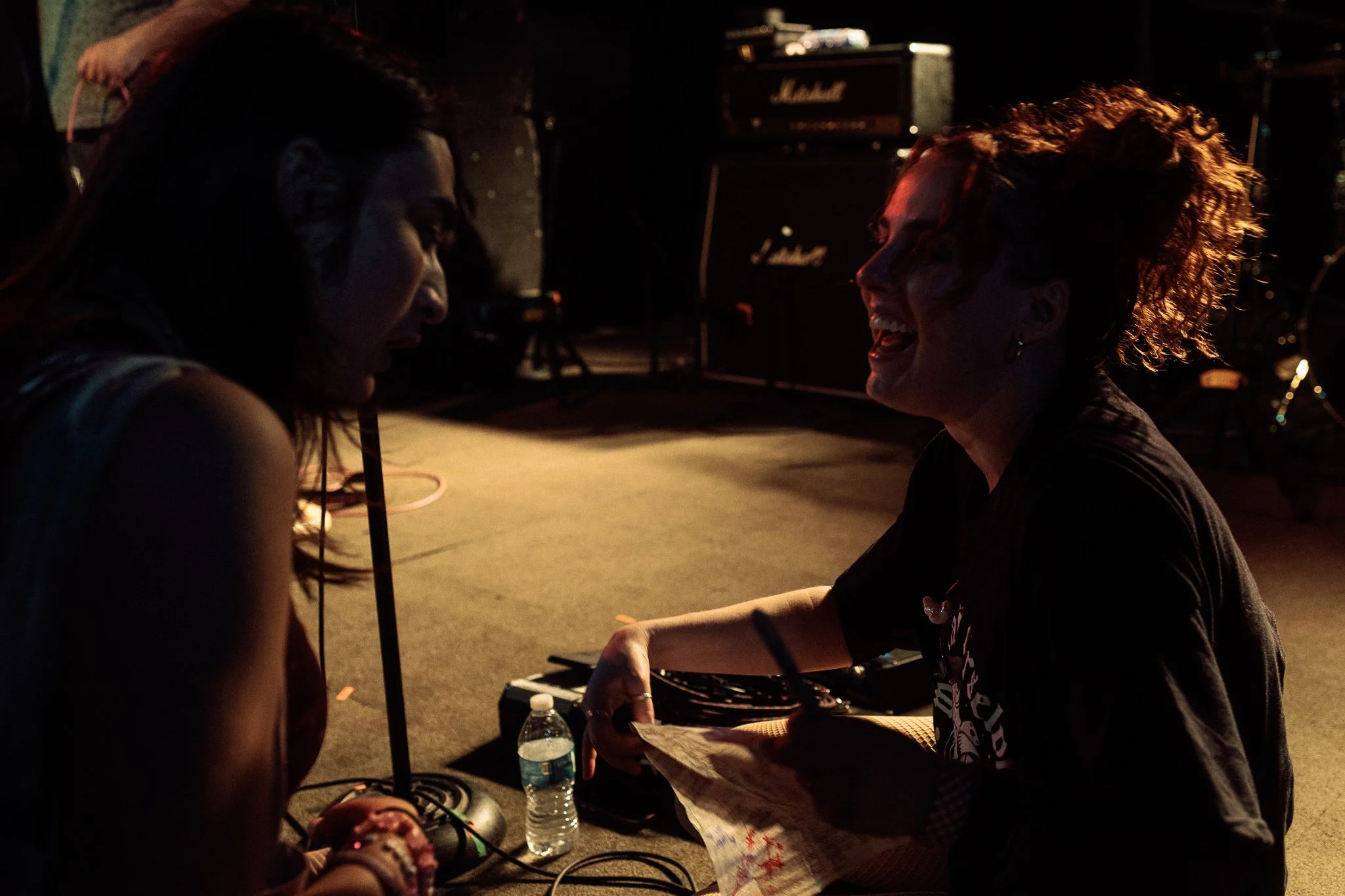
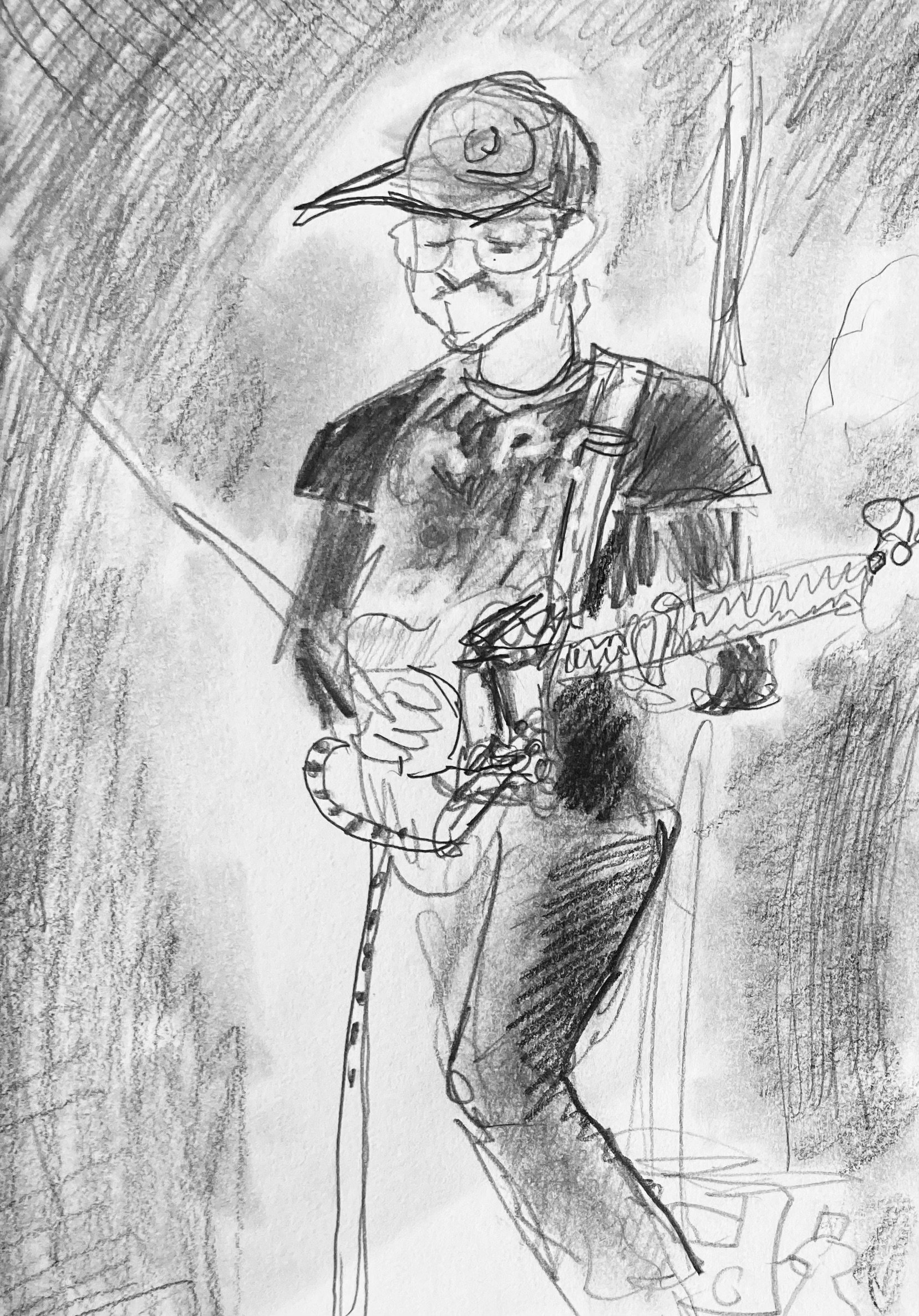
Elephant Jake is one such group. I’ve been aware of the Philly emo band peripherally for years, even interacted with them online on multiple occasions, but was never able to catch them live due to a combination of small potatoes touring logistics and bad timing. Here was a group I’d listened to and enjoyed, but never laid eyes upon until they materialized on a random Friday night at Ortlieb's opening for the y'allternative emo band Innerlove. I showed up a couple of songs into their set, but by the time I walked in, the band was already tearing shit up, jumping, shouting, and sweating as they cranked out a 30-some-minute set of raucous emo music. 

Today, the group released “'98,” the latest in a line of singles they’ve been dropping throughout the year. The song kicks off with a funky-as-fuck bassline and reserved guitar jangle. Lead vocalist Sal Fratto sashays in with a gentle croon that gradually builds to an anthemic passage as he sings, “While I was fucking it up, you were holding it down / I’m never feeling alive, I’m only losing you now.” Soon, the instrumental bursts into a forward stride as the lyrics continue to wax poetic about the passage of time, eventually leading to a jazzy outro that’s more jam band than Midwest emo. This track, combined with singles “Give Flight” and “Sustain,” seems to indicate that a banger of a full-length is on the way soon. 

Another example of this fake-until-proven-otherwise phenomenon is Swiss Army Wife. I discovered Portland’s tallest emo band sometime in the early days of 2023 with the release of their knockout debut, Medium Gnarly. I’ll admit I was simply excited to have some honest-to-god DIY emo emerging from my hometown, but the group’s live show affirmed that this was, in fact, a real band. I’ve caught the group almost every time I ventured back home to visit my family, including three times in the space of a month this past fall. 

Each time I saw the band, they ran through the hits off their album, their split with Kerosene Heights, and The Ultimate Emo Album, but what excited me most were the songs that hadn’t been released yet. One of them, it turns out, was “Emergency Contact,” also releasing today and arriving courtesy of We’re Trying Records. The track bears the group’s usual jagged and lanky emo instrumentals, prompting fist-balling frustration and offering an outlet to let it out. Things peak about 40 seconds in when the group drops into the chorus with a four-count beat as they shout, “Let’s get married!!!” then proceed to spill their guts in an embarrassing, relatable, and public display of affection. 

Every time the band drops into this chorus, I’m elated. I’ve found it’s the perfect tempo to jump up and down to, already having seen a handful of hometown shows where the crowd shouts each word back, erupting into a jubilant dance floor of carefree emo groves. I’m so glad I can hear this song whenever I want now, and it appears there’s more Swissy to come, which is always a good thing. Portland emo is real, and it’s Swiss Army Wife. 

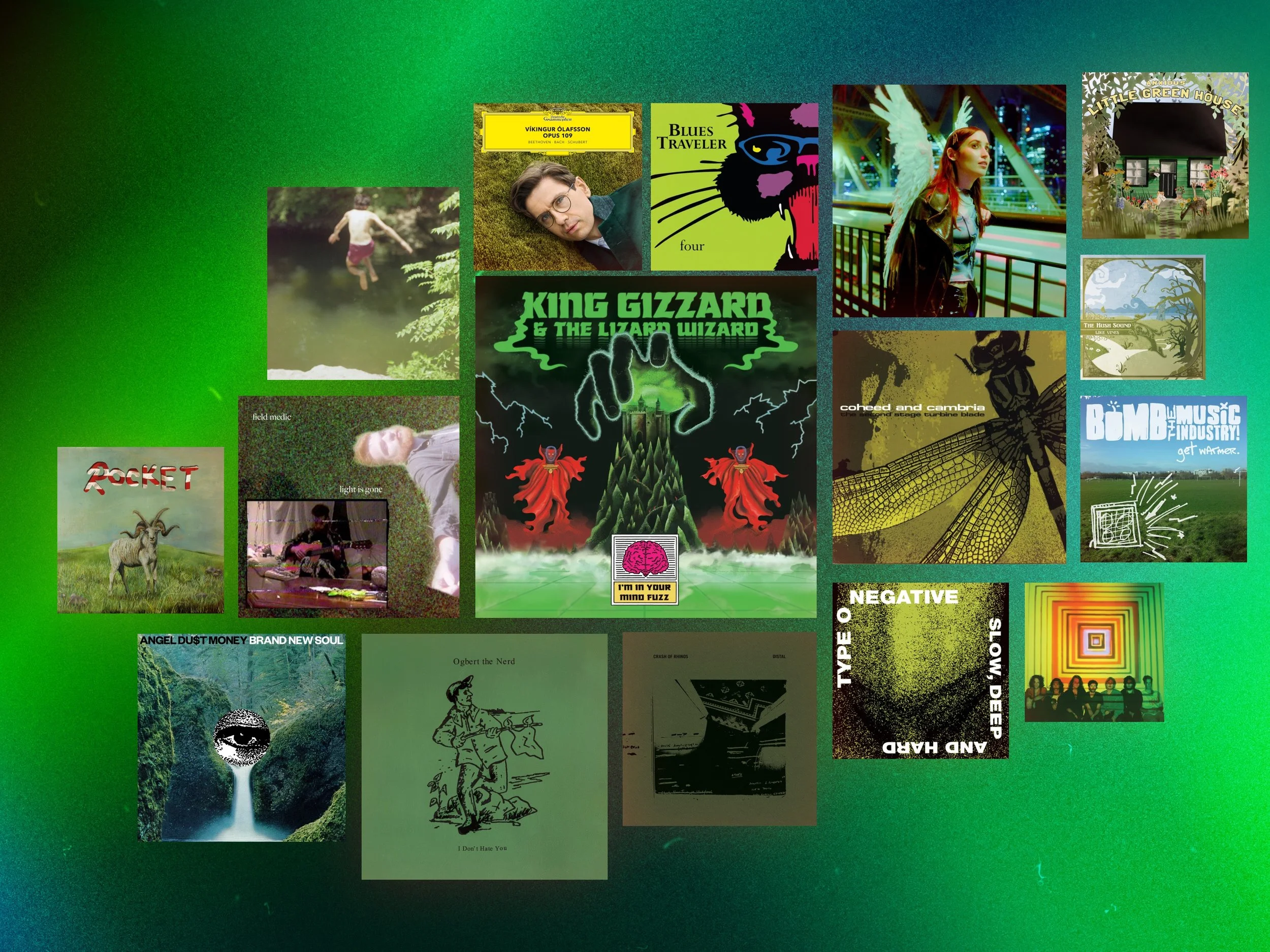
Cover Collector – April Greens

Design by Ryan Morrissey

I don’t know about you guys, but I love a good album collage. One of the first things I do every Friday is head over to tapmusic.net and render a 4x4 chart of the albums I listened to most over the past week. At the end of each month, I do the same thing with a 5x5 that recaps my previous 30 days of listening. By the time December rolls around, I look forward to recapping the last twelve months with a gigantic 10x10 grid in an unwieldy encapsulation of the 100 albums that defined my year. 

Is it a little self-aggrandizing? Sure, but it’s also a fun way to see a quick snapshot of what my last week, month, or year has sounded like. At its best, this practice has led to fun conversations and solid recommendations going back and forth with friends as we bond over specific albums. Sometimes it’s that shared love over a deep pull from years gone by, other times it’s just noticing trends with a recent fave that seems like an unshakable presence week in and week out. At the very least, I suppose it’s satisfying to see a bunch of records that I feel an affinity toward lined up and embodying a specific stretch of my life. 

At some point near the tail end of last year, I conceived of a more communal way to bring this love of album collage to life. Because, sure, getting a live readout of your listening history is cool, but this is also about album art, an essential part of the experience and something us nerds can fixate on just as much as the songs that sit beneath the cover. As such, I’m excited to welcome you to the fourth edition of Cover Collector: a monthly installation where the Swim Team discusses some of our favorite albums based on album color. For April, we’re writing about gorgeous greens


The World is a Beautiful Place and I am No Longer Afraid to Die – Whenever, If Ever

Topshelf Records

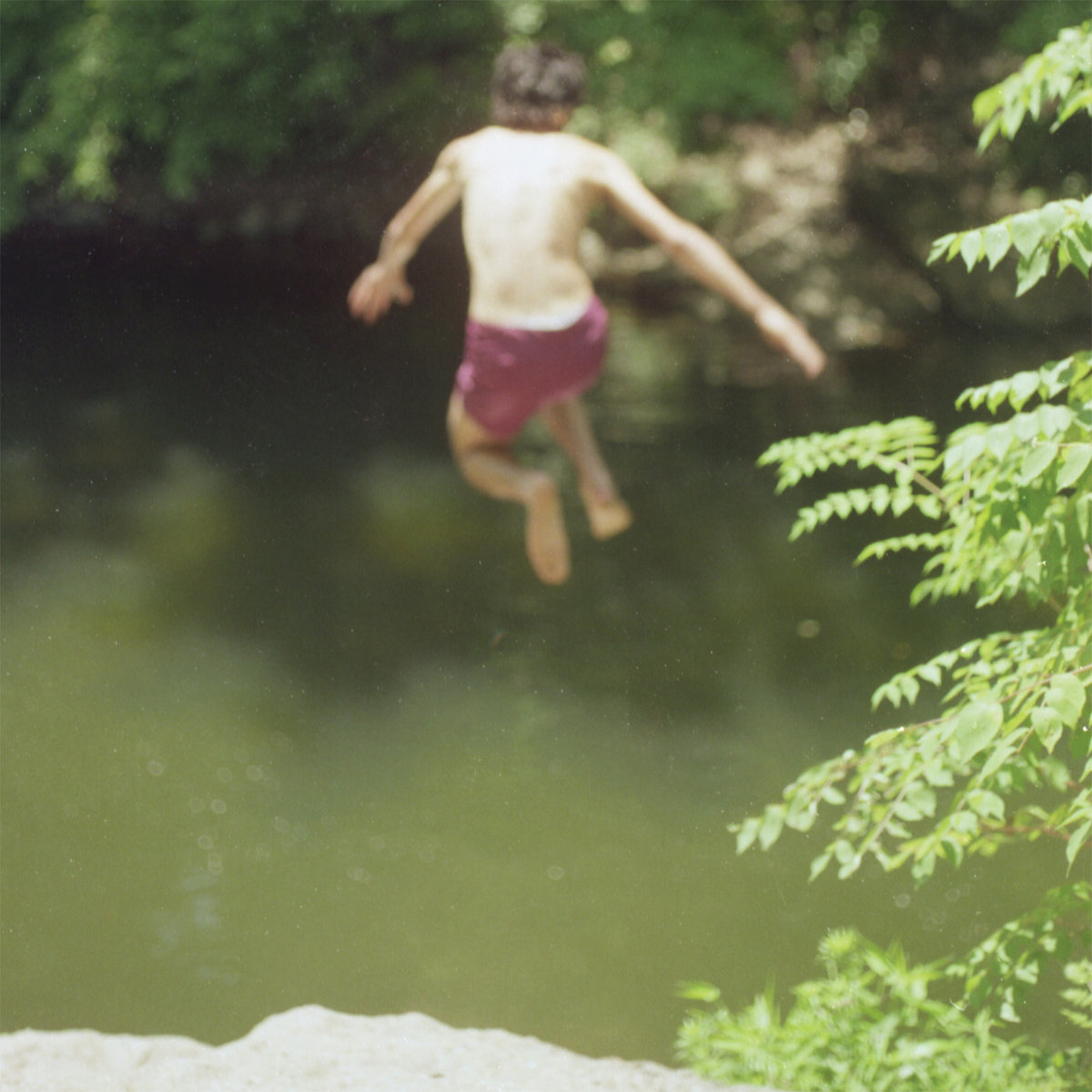
Much like the color blue, I think there’s something primordially calming about green. It’s everywhere in our natural world, from the grass of the field to the leaves on the trees that tower above us. It’s calming, pastoral, and speaks to something deep within our brains that seems to signal pause and restoration. It’s no big surprise then that the cover for Whenever, If Ever, the debut studio album from the foundational emo act The World is a Beautiful Place & I am No Longer Afraid to Die, evokes a sense of fuzzy nostalgia before you even hit play. The slightly out-of-focus photograph shows someone jumping off a high rock into a cool body of water below, everything framed by foliage and warmed by the bright sunbeams above. The album’s two-minute instrumental welcomes you into this world before whisking the listener away into the brilliant splendor of “Heartbeat in the Brain.” Not only is Whenever, If Ever a defining emo album, it operates from this mystical point of undying adventure and youthful adoration that every nostalgic teenager and wistful 20-something understands as soon as they realize that the world will never quite be the same again. The band rouses and rises to the occasion. There’s a collectivist sense of powering through with each other, despite it all. The band said it best themselves in the knockout seven-minute closer “Getting Sodas,” when they sang “The world is a beautiful place, but we have to make it that way.”

– Taylor Grimes


Blues Traveler – Four

A&M

In my journey as one who writes about music, I often return to my origins: MTV2, VH1, and my Mom’s big purple CD binder. My earliest music memories involve sitting at the foot of our wooden entertainment center, next to the six-CD changer-stereo combo, beneath a blue curtain with that classic ‘90s gold-moons-and-suns astrology pattern, leafing through this CD binder that must have held 300 CDs.

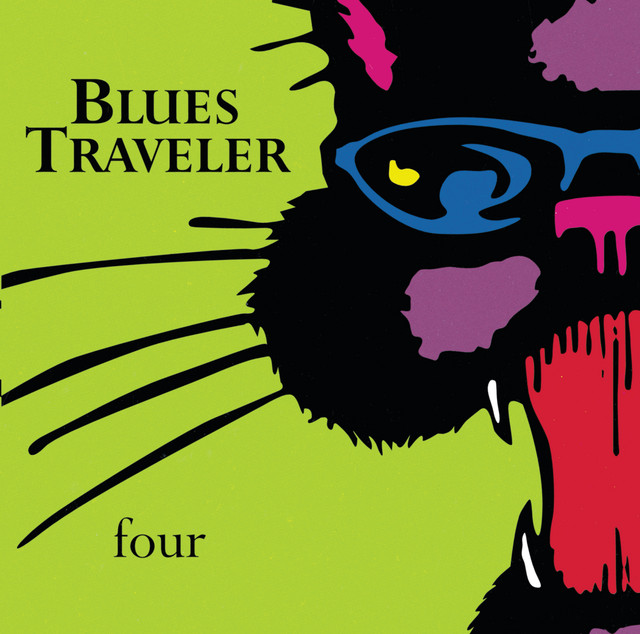
Among the Dave Matthews Band, Aerosmith, and Sheryl Crow CDs, two discs always caught my eye. The first was Kid Rock’s Cocky, because the image on the disc featured Mr. Rock flipping the double bird. The other was Blues Traveler’s Four. Not only because the disc was bright green, in great contrast to other CDs at the time, but because of the cartoon cat smoking a joint at the top. What can I say? I was like seven years old and titillated by things I knew were naughty! And yes, I’m sorry for airing out my Mom just now and admitting she owned a copy of Kid Rock’s Cocky, though it’s entirely possible that one belonged to my stepdad, and this was after the “Great CD Co-Mingling of the Early 2000s.” That’s where his Ludacris Chicken and Beer CD touched faces with her copy of Madonna’s Ray of Light, and they found happiness.

Four became one of my favorite albums over my childhood and adolescence, and it still reminds me of car rides with my Mom to this day. Blue Traveler has picked up a sort of “Nickelback Factor” where people love to talk shit but refuse to admit that they had some real joints. The singles from Four (“Run-Around,” “Hook,” and “The Mountains Win Again”) can come off a bit hokey now, but that’s because they’re devoid of context. Four was released in September of 1994. Grunge was in the rearview mirror, and labels were clamoring to catch the next rising star. Blues Traveler arose as something different with drawing power. In a crowded field of jammy, blues-inspired acts from the Northeast and Southeast (along with Spin Doctors, Phish, Widespread Panic, God Street Wine, Dave Matthews Band, and Medeski Martin and Wood), they innovated an entire new genre in a couple of years, playing thousands of live shows at colleges all over the Eastern United States. There’s a really great book about this mid-90’s jam scene, Mike Ayers’ Sharing In The Groove.

There’s really not a skip on Four, and it’s an outstanding document of a band at the tippy-top of a scene doing what they do best. For my money though, their first live CD, Live From The Fall, is the best way to hear what those A&R guys heard in 1992. John Popper is one of the greatest frontmen of all time, and Live From The Fall is the proof.

– Caleb Doyle


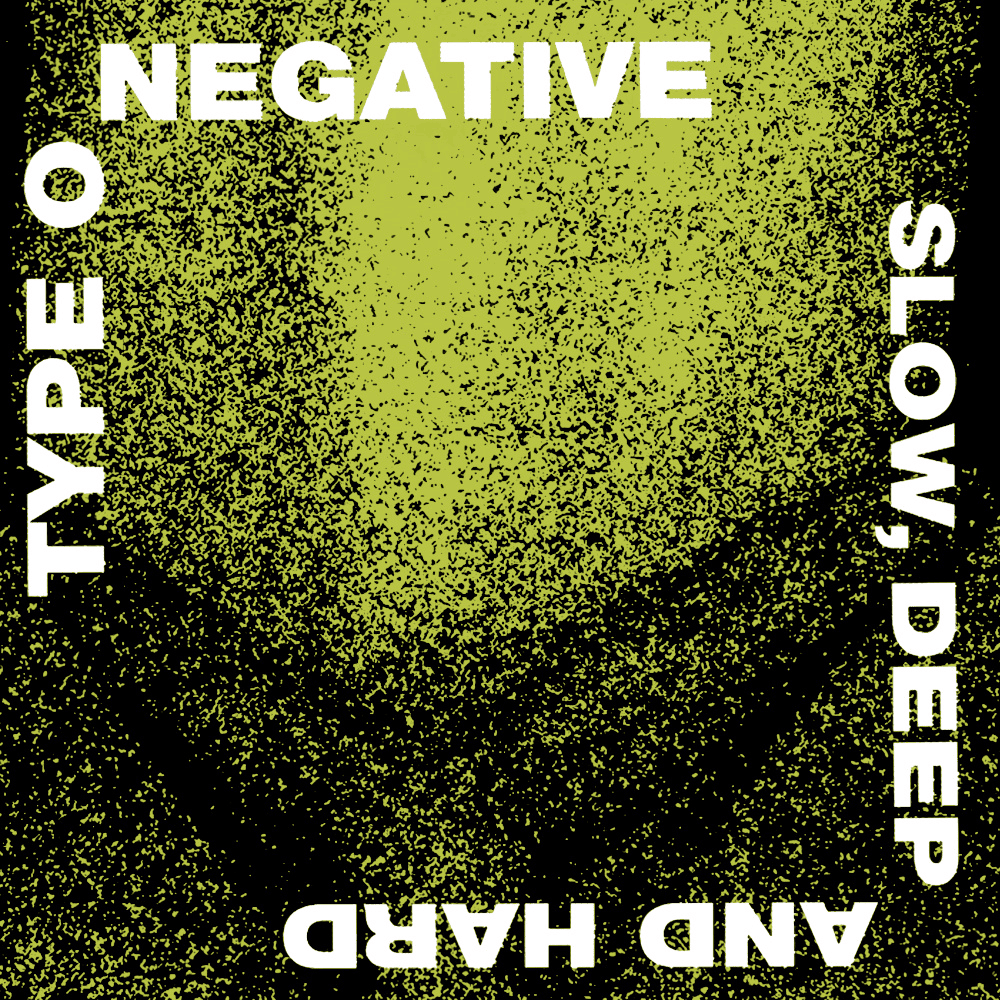
Type O Negative – Slow, Deep And Hard

Roadrunner

There may not be a more obvious, entry-level, green-coded band than Type O Negative. Few bands have held their identity with just one or two colors, but from 1991 to 2007, the Brooklyn “drab four” created an entire discography of iconic green-and-black imagery. My favorite Type O album is 1996’s October Rust, although that cover art is the least directly green of them all, so let’s dive into their penetrative debut, 1991’s Slow, Deep And Hard. Lead vocalist, lyricist, bassist, and 1995 Playgirl centerfold Peter Steele was beginning his next musical chapter after the end of his previous band Carnivore, and he was not in a good mood. Slow, Deep And Hard may be the first and only thrash metal breakup album, bridging the gap from Carnivore’s direct East Coast fury to the introduction of Type O Negative’s (anti-)romantic doom. It doesn’t sound much like what the band would become afterward, nor does it line up with any other metal album before or since. The twelve-and-a-half-minute opener “Unsuccessfully Coping With The Natural Beauty Of Infidelity” is a signature moment of Steele’s tongue-in-bleak attitude that he would carry throughout the rest of his career, even with it being a completely raw and unfiltered reflection of his feelings. “Xero Tolerance” moves back and forth between dissonant sludge and major-key punk rock, with a “kill you tonight” shouted refrain that’s as nasty as it is ridiculous.

Of the album’s seven songs, two of them are back-to-back entries in Type O’s list of album pranks: “Glass Walls Of Limbo (Dance Mix)” is nothing but a dark ambient/martial industrial interlude, and “The Misinterpretation Of Silence And Its Disastrous Consequences” is… well, you’ll have to listen to get it. The five core, multi-movement songs end with “Gravitational Constant: G = 6.67 × 10⁻⁸ cm−3 gm−1 sec−2,” simply one of the finest, physics-inspired, relationship-dissolving, gothic thrash album finales in Type O Negative’s history. Slow, Deep And Hard is something all its own, not for everyone, but should be heard by everyone.

– Logan Archer Mounts


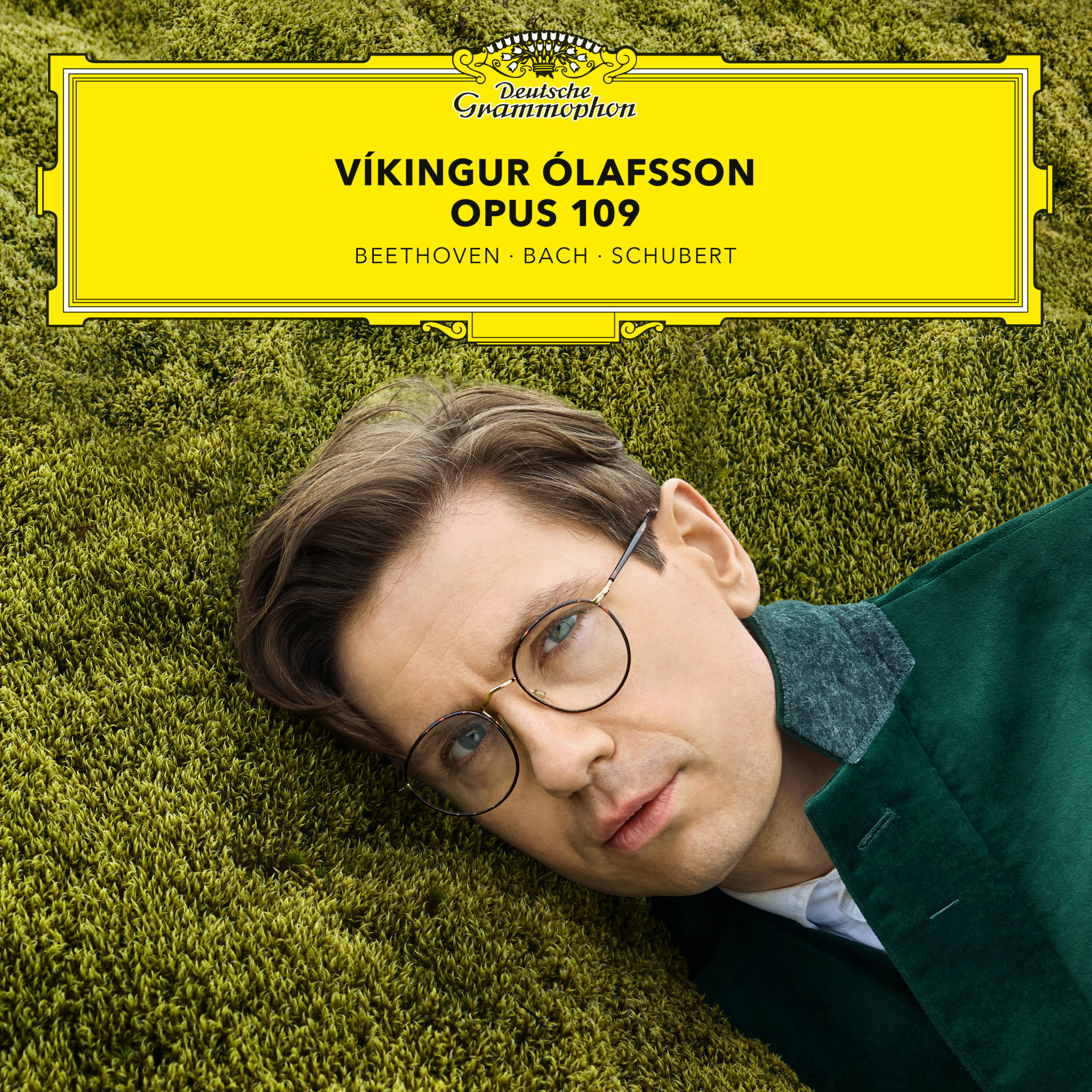
Víkingur Ólafsson – Opus 109 (Beethoven | Bach | Schubert)

Deutsche Grammophon

It’s challenging to break through the noise in any genre of music, but I would argue that it’s particularly difficult to do so in classical music. The genre is overshadowed by great performers and ruled by strict, historically accurate performance demands. And yet Vikingur Olafsson has done the impossible and cut into the surface of this realm with clear, precise intent. I am an avid fan of Olafsson’s interpretations and claim him as my favorite performer of classical piano music - his 2017 album of various Philip Glass selections is a treasure, and he made waves with his fresh, sparkling recordings of the Goldberg Variations in 2023. 

In Olafsson’s latest recording, Opus 109, he explores the throughline that runs so clearly through Bach to Beethoven to Schubert. You can hear the pull of emotion in every note of Olafsson’s interpretation, indicative of the new era that music was hurtling towards. Programming Schubert alongside two giants of classical music may seem an unusual choice at first glance, but upon closer inspection, we can trace a theme from Beethoven to Schubert: both composers defied traditional compositional structure in their later works. Schubert’s two-movement sonata, widely considered incomplete, is argued to be the opposite by Vikingur. Schubert would be utterly pleased to see his name alongside Beethoven’s on this cleverly planned album.

Vikingur Olafsson’s renditions of the works on this album are resonant, warm, and thoughtfully prepared. The album exterior reflects an equal amount of care: it’s impossible to ignore the mesmerizing cover photo. Vikingur has always leaned into his artistic sensibilities for the covers of his releases, and this portrait of him is no exception. Lush, sensual, and surreal, the artist invites the listener into his world with a direct gaze that breaks the fourth wall. You are beckoned to experience the beauty of these works alongside him. The performer is nothing without someone to play to, for what is music without anyone to hear it?

– Britta Joseph


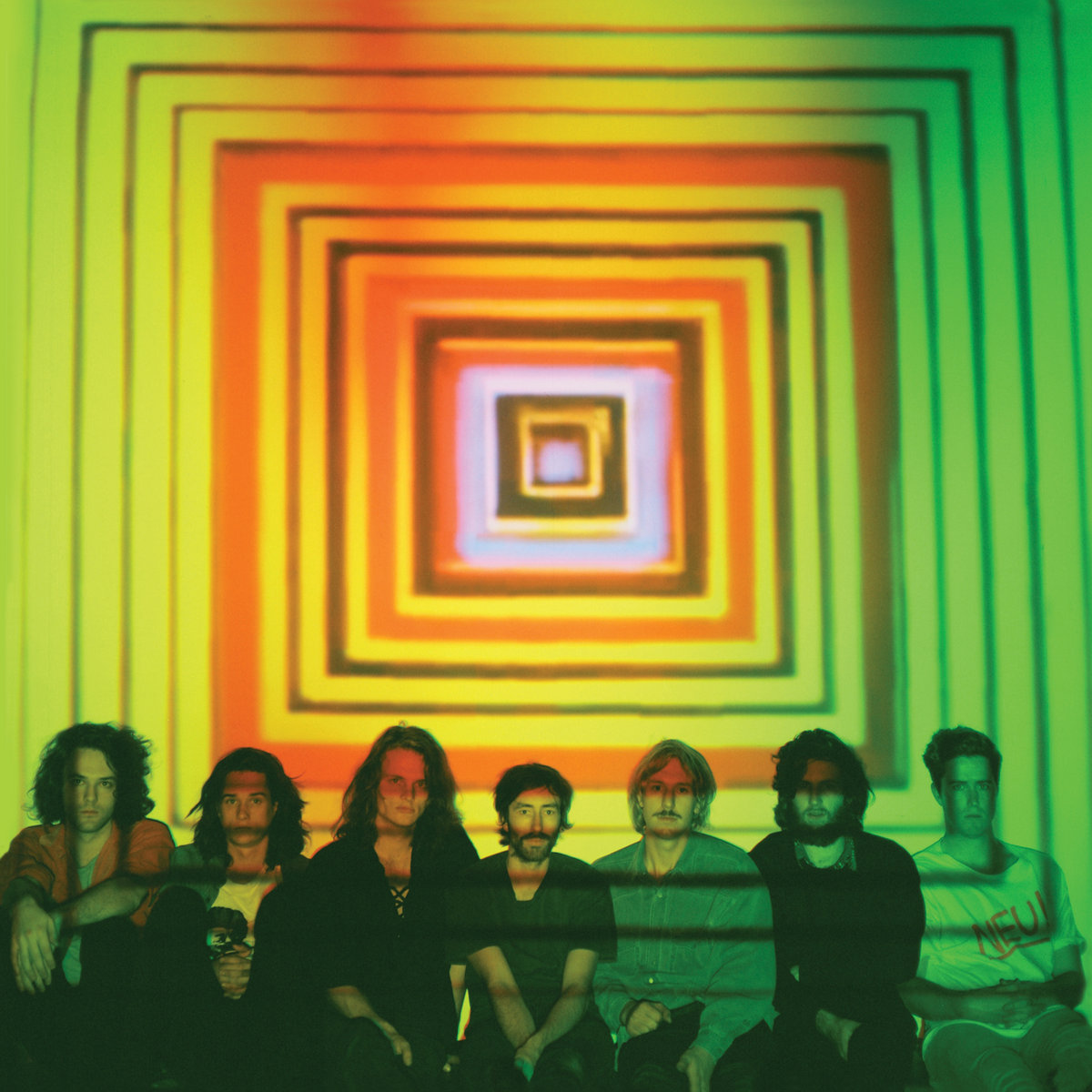
King Gizzard & The Lizard Wizard – Float Along - Fill Your Lungs

Flightless

Back when I was a green Gizz listener, I prided myself on holding the niche take that Float Along - Fill Your Lungs was the Australian psych-rock genre-be-damned mega-unit at their very best. And, even as “good ole days,” I still stand by it. Hearing “Head On/Pill” for the first time rewired what I thought a long song could be. (People joke about riffs or melodies being able to lift them from comas, but the “Head On” riff really does summon my Gizz geeker self from the depths of my psyche.) The opening guitar echoes and wobbles on “Head On/Pill” felt like a green, slimy, sticky, swampy flare shot straight into the night sky. (As Stu wrote in the liner notes: “It was short at first, but it just kept fucking growing like pond scum.”) And I realize now that I used to think it was the best Gizz album because it was the first Gizz album where the minds were truly meeting, the Gizzards letting their improvisational freak flags billow until they broke. It was also the de facto double-drummer album, a return to form that became a focal point of Gizz's live presence in the mid-2010s. With a ripping, wandering opener and a theme-song-esque title-track closer, the middle of the album is oft overlooked, but not in my world. Not in the world I’m living in. That’s where the Gizzards sneak their droning (“30 Past 7”), their fuzzy (“Pop In My Step”), their overmodulated (“God Is Calling Me Back Home”), and their funky (“I’m Not a Man Unless I Have a Woman”)—a great, big green journey into the outer reaches of it all. 

– Cassidy Sollazzo


The Hush Sound – Like Vines

Decaydance Records

When I was around 11 years old and burning the midnight oil on World of Warcraft in the family computer room, there was a good chance I was usually either listening to Billy Talent’s second LP or Like Vines by The Hush Sound. Released in 2006 on Pete Wentz’s Decaydance Records, this no-skip banger of an album is a masterclass in imaginative poetry and use of playful textures. Despite this release dancing in the same circles as Fall Out Boy and Panic! At the Disco, Like Vines stands strongly on its own feet outside the shadow of its contemporaries. This record’s unabashedly twee nature and jaunty rhythms, combined with its melancholic lyricism, feel very much at home in a time period where Hot Topic and the global village coffeehouse existed simultaneously. 

Like Vines gives you such a strong impression of what it’s about within seconds of starting with the charismatic, almost showtune-esque “We Intertwined” while tracks like “Lighthouse” and “You Are the Moon” display the group’s more heartstring-tugging, piano-forward qualities. It’s the effortless versatility, this shifting between full-band tracks with the more subtle breaks consisting of a single vocalist and a piano, that help this album stand the test of time. 

While I believe every track on this album is its own perfect, self-contained world to explore, the song “Wine Red” alone is reason enough for everyone to experience Like Vines at least once in their time on this earth. Of course, I’m also going to give a special shoutout to the Patrick Stump feature in “Don’t Wake Me Up” that I admittedly did not clock as him until many years into listening to the album.  

– Ciara Rhiannon


Hatchie – Giving The World Away

Secretly Canadian

If you’ve been looking for something to listen to while walking in a dusky city on a cool, spring night, look no further. Hatchie’s 2022 breakout album has the whimsical reverb that perfectly parallels Giving The World Away’s dreamy album cover, with beams of light and a glow reminiscent of a still frame from a futuristic Wong Kar-wai movie. The standout “Quicksand” was on my playlist for the entirety of 2022, making its way into my personal library when I would take the green-bullet G train and get a glimpse of the downtown skyline before heading back into the tunnels underneath Brooklyn. That bass during the chorus envelops me in such a beautiful way. Outside of Hatchie’s pop masterpiece, songs like “This Enchanted” explode with sound and color, while “The Rhythm” feels equipped for your dancing shoes. There’s a deep cut on this record called “The Key,” which is simply shoegaze perfection, with a chorus that slams with levels of distortion like nothing you’ve ever heard. There’s RANGE on this one! 

– Samuel Leon


Alex G – Rocket

Domino Recording Co

They say you never forget your first, and when it comes to Alex G albums, that’s certainly true for me. I distinctly remember trying to “get into” Alex G back in 2017; he was fresh off his contributions on Frank Ocean’s Blonde, and I was eager to learn more. First, I tried DSU since that seemed to be a consensus fan favorite at the time, but that record didn’t do much for me. This was still during his “(Sandy) Alex G” era, and I remember deciding to give him another shot early on in the summer when he released Rocket. I threw the album on while out for a walk, and the whole thing soundtracked my walk perfectly, seeping into the grooves of my shoes and flinging the hot air past me. I was walking through neighborhoods and fields that looked eerily similar to the one on the cover of Rocket: lush, waving, and full of motion off toward an indistinguishable horizon. There was no Jacob Sheep staring me down, sure, but I will tell you the first time I heard the dog bark on “Poison Root,” I took out my earbuds because I thought it was coming from a nearby backyard. That moment turned out to be transportive in the best way, making me laugh as I slipped my headphones back on and hit play again. The rest of the record is super laid-back and breezy, barring the off-kilter three-song suite from “Witch” through “Brick,” but even that I love as a sort of mid-album bridge into “Sportstar” and the remainder of Side B. Rocket is just a really special record that helped me unlock the rest of Alex G’s discography. I feel lucky to have fallen into it.

– Taylor Grimes


If we’re talking solid-color album art, there’s one band that stands above the rest, and that’s Weezer. Across fifteen studio albums, more than a third of their discography is made up of self-titled albums that fans simply refer to by their color. Each features the band members lined up staring down the barrel of the camera against a solid-colored background. In this recurring section, we’ll address the elephant in the room that is Weezer’s discography.

Alright folks, big Weezer fan Lillian Weber talking here. And by that I mean up until today, April 25th, 2026, I have only listened to Weezer, Pinkerton, Everything Will Be Alright in the End, and Weezer in full. No, those are not in chronological order, and which colored Weezer albums I am referring to is for you to decide. Weezer (The Green Album) was not one of them. Beyond those four albums, I knew the singles, and no one could convince me I really needed to listen to anything more from further Weezer albums. With Green, I knew one song that wasn’t a single, and it’s this live performance of “Don’t Let Go.” This is much better than the version on the record because River’s sings like this song actually has a target, like there is actually a love he is desperate to keep in his life. But I’m getting too close to my issues with this record, and we have singles to talk about. 

What do I think of the singles? “Hash Pipe” is obviously a perfect song, and “Island in the Sun” is just that: a pleasant idea. Listening to this record today, what I’m most struck by is how pleasantly this record goes down. You can’t call it bad, per se, because the melodies are good, the lyrics are inoffensive (except “crab at the booty”), and the instrumentals are the perfect bridge between the emotive alt-rock of The Blue Album and the fluff Weezer would continue to pump out until EWBAITE (but which immediately returned on White). The band went to the studio with the intention of resetting to what fans liked about Blue after the EVERYTHING of Pinkerton. But what makes The Blue Album so good to this day is how it melds the emotional anguish with hooks. The Green Album is just hooks for the sake of hooks, and hey, I’m not above the platonic ideal of a hook, but this is WEEZER we’re talking about. But now that I think about it, this is Weezer we’re talking about

The cover is okay. River’s looks a little surprised by the camera, and that’s about all the emotion we get out of him on this record…. I’m sorry he really sings “crab at the booty.” WHAT ARE WE DOING HERE? 

– Lillian Weber


Crash of Rhinos – Distal

Triste 

If you have an opinion on the term “midwest emo revival,” then you probably know this album already. Released in 2011, Distal is a brooding work of dueling guitars and uncertain trajectories, inhabiting the intricate space between emo and math rock. The reason I call this period “revival” is because bands like Crash of Rhinos, Algernon Cadwallader, and Sport brought back a sound from the mid-to-late nineties. The sound they breathed new life into was originally concocted by Cap’n Jazz and Braid, who crafted fast, chaotic, and thoughtful tunes for as long as they could manage. The cost of their energy and intensity was an all-too-brief lifespan. This was similarly borne out by Crash of Rhinos, whose original run as a band lasted from 2009 to 2014.

Despite knowing about this album and listening to it for the better part of five years, this is the first time I’ve looked intently at the cover. It appears to be a picture of a threshold into another room, with a dark green filter applied on top of some building notes. The cover is maybe even referenced in “Lifewood” with the line, “Take back these ideas / These words and notes and papers and plans.” 

It would seem to me we are living through another revival, but this time it might stick. Emo is approaching mainstream “cool” in a way it never has before, long-defunct bands are reuniting for huge festivals, and the internet has made it possible for anyone with enough free time and DIY grit to achieve global listenership. Luckily for us, Crash of Rhinos is one of these reuniting bands, with a full album releasing on May 22nd. If you can’t wait, you can already listen to two new badass singles on Bandcamp, released just last month.

– Braden Allmond


King Gizzard & The Lizard Wizard – I’m In Your Mind Fuzz

Flightless

Am I in Heaven? No, I’m just listening to King Gizzard’s fifth studio album: I’m In Your Mind Fuzz. Often called a psych rock or garage rock record, this album transcends both genres to do something bigger, opening with a four-song suite, the first of many that Gizz would go on to do, becoming a staple of the band’s sound. This album is much more than its ripping first four tracks, however, as Side B gives us something else we’ve never seen before from this band: slow jams. Throw away your spring reverb, fuzz pedals, and turn down the gain on your amp, cause it’s time to slow things down and talk about saving the earth.

Of course, it’s hard to talk about this album without talking about the album art. Visual artist (and essentially the bonus member of Gizz) Jason Galea designs nearly all the band's visuals, from album artwork and music videos to show posters and projections. Galea, in short, is the band’s visual identity, which is why it’s so weird that this time he just shamelessly ripped off the cover art for the 1983 Atari game Fortress. as the band begins to create The Gizzverse, an interconnected story that ties together many of their albums and songs.

The Gizzverse is only visually depicted on this record through the cover art, but in subsequent albums, we’ll get context for why the sea is green on the cover and why the castle is crumbling. Perhaps we even get answers as to where the lightning is coming from. Indeed, this record’s art sets up the story for at least the next eight records the band would release. Don’t call it psych rock. Vocalist Stu Mackenzie has tried to shed that label. Rather, think of it as a puzzle piece, a first look into what’s to come, and an invitation to put in some work on this angel of a planet we call home.

– Noëlle Midnight


Coheed and Cambria – The Second Stage Turbine Blade

Equal Vision Records

As a lifelong Coheed and Cambria fan, I would be remiss not to give a special collection of words to the green album that started it all. The Second Stage Turbine Blade is easily one of the most ambitious debut albums I have ever heard, and even 24 years after its release, I am continually impressed and inspired by it. Coheed’s firstborn originated many of the group’s staples – the eerie, instrumental opening track and outro, the handful of proggy tracks exceeding 10 minutes in length – while also birthing a discography-spanning, sci-fi epic centered around the two characters for whom the band is named. 

While Coheed’s third album, Good Apollo, I’m Burning Star IV, Volume One: From Fear Through the Eyes of Madness, is my indisputable favorite of the band’s catalog, The Second Stage Turbine Blade contains some of my top Coheed tracks, including the impossibility badass and sonically rich “Delirium Trigger” that I once transcribed by ear for classical guitar quarter in my final year of college. “Everything Evil” similarly ranks high in the pantheon of Coheed tracks and is probably their best live song to date, with its entrancing final “Dear Claudio-o” chant and typically present ripper of a guitar solo. It’s difficult not to list every track on this album as heavily influential, but “Junesong Provision” holds a special place for me, along with its acoustic demo featured in the deluxe version of the album, complete with an audio clip from the cult classic, Army of Darkness.

The Second State Turbine Blade is owed reverence not only in the history of great rock albums, but in my history as a music-lover, leading me down the paths I have been able to walk and the relationships I’ve been able to form through Coheed and Cambria. Fortunately, it remains a classic and a timeless masterpiece that I get to return to and enjoy to this day. 

– Ciara Rhiannon


Ogbert the Nerd – I Don’t Hate You

Sun Eater Records

My first show after the COVID-19 Pandemic was in July of 2021. It was called the DIY Super Bowl, featuring an absolutely stellar lineup: Guitar Fight from Fooly Cooly, Blue Deputy, Oolong, Carly Cosgrove, and Ogbert the Nerd—a veritable who’s who of the burgeoning community of fifth-wave emo bands. After over a year without shows, the DIY Super Bowl finally offered the catharsis we all so desperately needed. No one brought that catharsis on that sweaty July night quite like Ogbert the Nerd. 

Their debut LP, I Don’t Hate You, showcases their incredibly messy brand of emo perfectly. It is far from polished, even by the increasingly lo-fi, messy standards of fifth-wave emo. The guitars are frantic, constantly driving forward and nearly careening off course. On “Do It For Elio,” lead singer Madison James’ voice is constantly breaking and straining with pure emotion. Throughout its brisk 30-minute run time, their vocal cords always sound moments away from snapping in half while screaming about being a fuckup, being fucked up, and being fucking mad at your fuckup friends. “You Like the Raiders?” opens with genuinely one of the meanest opening lines of any song: “Hey fucker, nobody ever gave a shit about you.” For a 20-year-old whose life was just derailed by a global pandemic, who struggled with finding joy, who didn’t believe in herself, and who was harboring a great deal of frustration with the world, I Don’t Hate You felt like a bolt of lightning. An album that was the pure distillation of all the energy, anger, and anxiety I had bottled up inside of me.  

The moment from Ogbert’s set that will always stick with me is when I attempted my first-ever stage dive. Attempted is the keyword here, as it was much more accurately a belly flop. I fell directly into the first row, where somehow the perfect number of people both dodged and tried to catch me, leaving my feet pointing sky high, my face planting into what must rank as one of the top three grossest venue floors of my life. Despite this, the most vivid part of my memory is how I bounced right back to my feet, energized by the hectic, frantic music, ready to keep swinging, keep dancing, and keep embracing the pure catharsis that Ogbert the Nerd brought that evening.

– Caroline Liaupsin


Angel Du$t – Brand New Soul

Pop Wig Records

I am going to hop on my fucking soapbox and declare that Brand New Soul is the best record to drive to. Ever. Of all time. Don’t believe me? Okay, well, get in my Accord, baby, and we’ll go for a spin. “Brand New Soul” is the perfect song for trying to connect your phone to the Bluetooth thing. “Love Slam” is the perfect song for pulling out of your parking space and hitting the gas a bit too fast. “Don’t Stop” is a humble trucking song. “Racecar” is a song for sitting at the red light. “Space Jam” is for the light finally turning green. You get it? It’s a perfect LP, and I’m not just saying that because it has “Sippin’ Lysol” on it.

– Caro Alt


Anxious – Little Green House

Run For Cover Records

Anxious doesn’t waste time with sugarcoating difficult emotions in their debut album, Little Green House. Sitting at a tight 32-minute run time, this record approaches the bittersweet experience of growing up with honesty and wisdom beyond the band’s years at the time of writing. In the same way that life often demands that we balance many feelings at once, Little Green House simultaneously addresses themes of relationships, grief, change, and doubt. What better way to work through such heaviness than the tender, precise blend of melodic hardcore and emo that Anxious has been refining since high school?

Despite its subject matter, this record doesn’t lead me to dwell on things. Instead, it evokes grit, determination, and an intent to keep moving forward after reflecting on the past. The first three tracks are punchy – anthemic even – and they carry a momentum as if to suggest that the only way out of pain is by going through it. This energy is contrasted beautifully in the stripped-down moments of “Wayne” and the poignant closing track “You When You’re Gone.” Anxious stay true to the genre in their configuration, yet deliver an instantly recognizable sound through subtle vocal processing and unique instrumentals. This record feels like a raindrop-soaked memory in a rearview mirror; the perfect backdrop for leaving something behind before facing a new chapter. If you’re wrestling with confusion, gloom, or transformation in life, you very well may feel at home within the walls of Little Green House.

– Annie Watson


Bomb the Music Industry – Get Warmer

Quote Unquote Records

A bright, empty green field is a promise, a clean slate to build on. Jeff Rosenstock knew what he was doing when he picked a photo of a field for the cover of Get Warmer, a record about how you can get a clean slate by moving states, getting sober, and riding bikes, but things won’t really change unless you do. When Rosenstock sings, “It never seems to get warmer / no matter how far south you go,” he doesn’t just mean literally. The obvious double entendre implies that when you look outside yourself for the truth, you just get colder. It doesn’t matter what the Georgian summer brings when “problems are all I create.” For as goddamn fun as this album sounds — specifically how euphoric “I Don’t Love You Anymore” is to shout along with — this is a desperate record that can’t fulfill any promises you can’t do yourself. 

– Lillian Weber


Field Medic – Light Is Gone 

Self-released

I was pretty late to the Medic Nation. I jumped on board after seeing a tweet someone had posted about not being able to listen to Field Medic because of the way he looked. Usually I just scroll past that sort of online hate, but it was 2020 and I didn’t have anything better to do considering the world outside had stopped, so I decided to see what this person looked like that made someone so angry. Six years later, Kevin Patrick Sullivan, the man behind Field Medic, Paper Rose Haiku, and Protection Spell, remains one of my favorite artists. Debut album Light Is Gone is a homebrewed, lo-fi folk album that is somehow reminiscent of the old folk music my mom would play in the kitchen, yet also contemporary and fresh. Recorded live directly to cassette tape, the songs on Light Is Gone are sparse in their arrangements but dense in their lyrics of love lost and nights spent alone drinking. One of my highlights on the album is the closer “it’s still you,” where Patrick sings about a sketchy situation of some dudes getting him to cash a stolen check for them. I was genuinely shocked to hear something so transparent and vulnerable from an artist. That courage to put out a song that revealing inspires me to this day and always keeps me coming back to not only Light is Gone, but to Patrick’s work in its entirety. May we all be that true to ourselves in our lives.

– Nickolas Sackett


Honorable Mentions

Hey, we can’t write about every album with this color, so here’s a list of some more that we feel like we should mention.

  • American Football - American Football

  • The World is a Beautiful Place and I am No Longer Afraid to Die - Harmlessness

  • Prince Daddy & The Hyena - Adult Summers

  • Alien Boy - Don't Know What I Am

  • Minus The Bear - Menos El Oso

  • Anxious - Little Green House

  • Fleet Foxes - Fleet Foxes

  • Soup Dreams - Hellbender

  • Charli XCX - Brat

  • Band of Horses - Everything All the Time

  • Big Black - Songs About Fucking

  • The Beths - Expert in a Dying Field

  • Enter Shikari - Common Dreads

  • SZA - Ctrl

  • Wilco - Schmilco

  • Big Thief - Double Infinity

  • The Smashing Pumpkins - Pisces Iscariot

  • Alex G - DSU

  • Deftones - Private Music

  • Pool Kids - Easier Said Than Done

  • Tiberius - Troubadour

  • Gladie - No Need to Be Lonely

  • Ratboys - Singin’ To An Empty Chair

  • Origami Angel - Somewhere City

  • Fiddlehead - Between the Richness

  • Lucky Boys Confusion - Commitment

  • Opeth - Watershed

  • Type O Negative - The Origin Of The Feces

  • Type O Negative - Bloody Kisses

  • Type O Negative - World Coming Down

  • Type O Negative - The Least Worst Of

  • Type O Negative - Life Is Killing Me

  • Type O Negative - Dead Again

  • Alex G - Rules

  • MJ Lenderman - Manning Fireworks

  • bedbug - pack your bags the sun is growing


Collect some more Covers:

January Blues

February Reds

March Yellows