Swim Team Summer Bev Check 2026

Beverages are one of life’s simple pleasures. No matter how down bad you are, you can always get a 99¢ Arizona from the store around the corner. No matter how much you wanna bail on the gig tonight, there’s always a sugar-free Red Bull to pick you up and help you power through. There’s champagne to celebrate, whisky to make you woozy, and Gatorade to help you recover from it all. The right drink can make a long shift at work a little less shitty or be the cherry on top of an already perfect day. 

We here at Swim are big fans of hydration in all its forms. I personally keep my 32-oz Nalgene filled and within arm’s reach, basically 80–90% of the time. I keep multiple flavors of seltzer on-deck and in my fridge at all times, and I have needlessly strong opinions on the best flavors of Red Bull, Monster, and Rockstar. I’m lucky that most of The Swim Team share similarly strong beliefs and passions about the world of snack and bev, because we gotta talk about something in between complaining about Spotify and trading indie music recommendations back and forth. 

To that end, the illustrious Swim Team has come together to whip up a summer bev check, aka a list of a dozen or so different drink recipes for you to try this season. We’ve paired each drink with a song that you can listen to as you sip for the optimal summer experience. You can find all the songs in this playlist right here. Happy listening and happy sipping, I hope you have a beautiful summer.


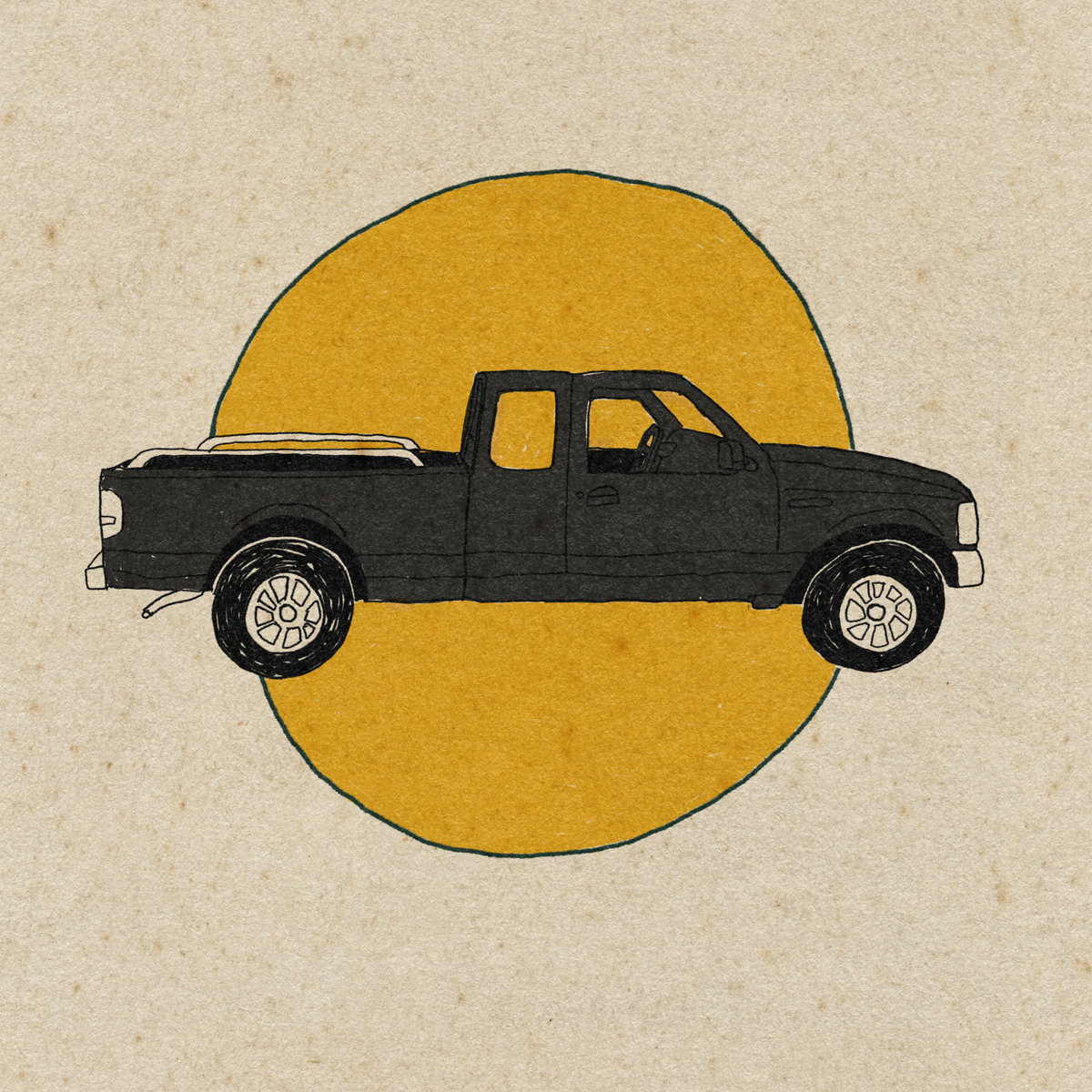
Cigarillo

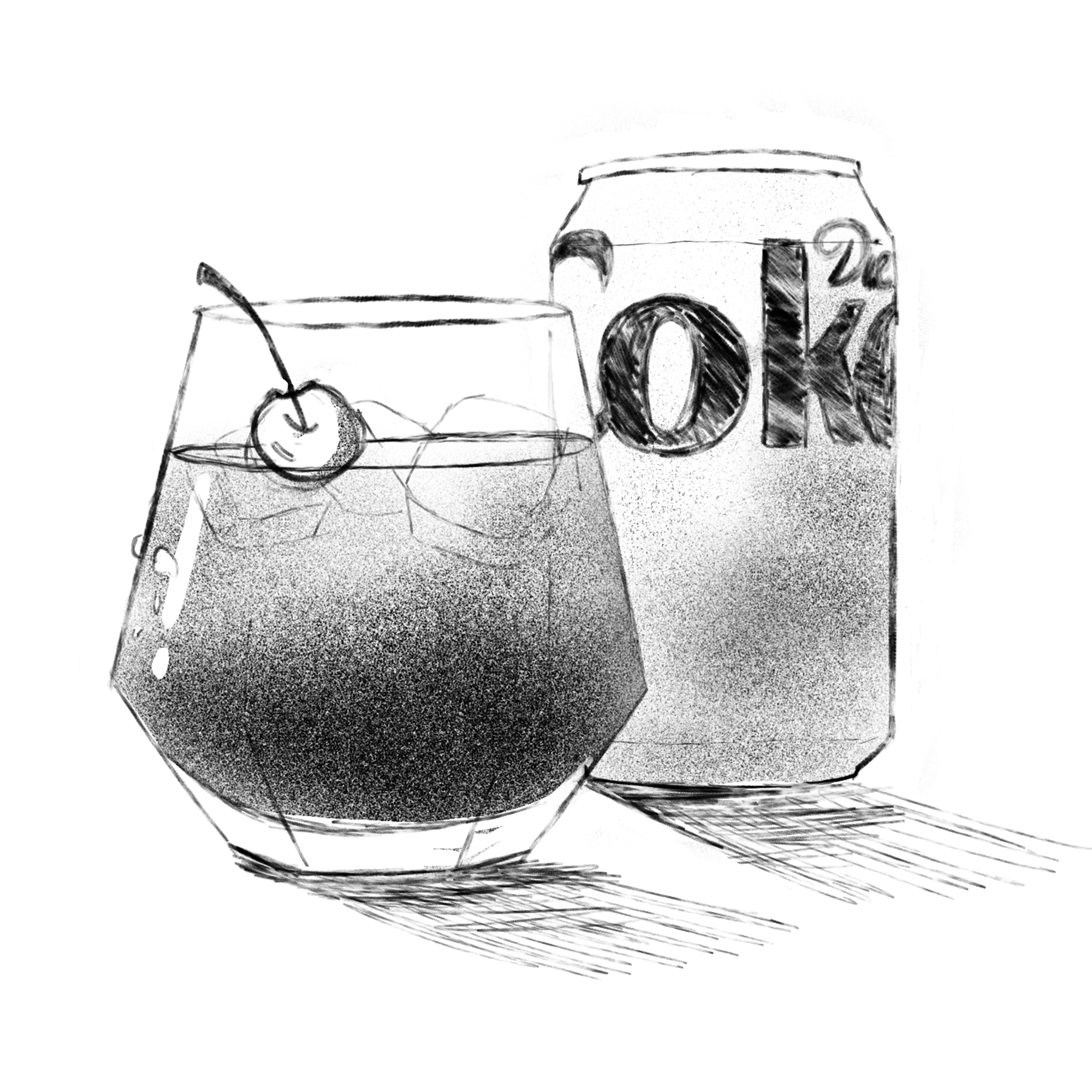
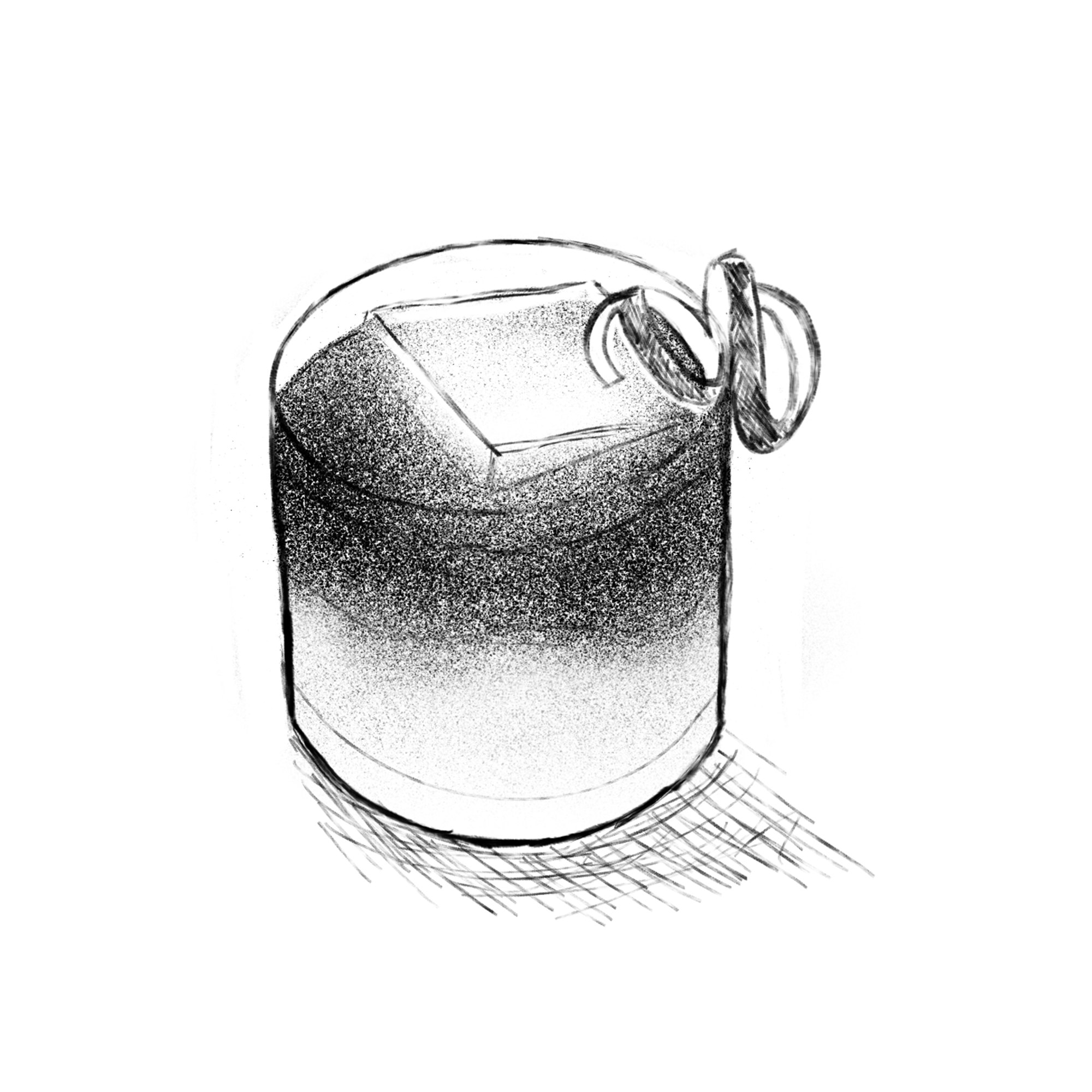
Illustration by Amanda Deering

I have to shout out my buddy Tim from Pop Music Fever Dream for coming up with the name of this delicious bev. The humble Diet Coke is one of our most versatile beverages, to the point of transcending its status as a beverage—I believe this is why it’s been nicknamed the “fridge cigarette.” Add a bit of grenadine for some sweetness, dirty it up with the tequila of your choice, and you’ve got yourself a cigarillo, my friend. 

Ingredients

  • Ice

  • 1 oz tequilla 

  • Diet Coke (approximately 1 mini-can’s worth)

  • A splash of grenadine

  • A maraschino cherry, if ya nasty

For best results, pair with “Bartender” by Lana Del Rey (or more likely, the entirety of Norman Fucking Rockwell!)

– Grace Robins-Somerville


In Shirley’s Eyes

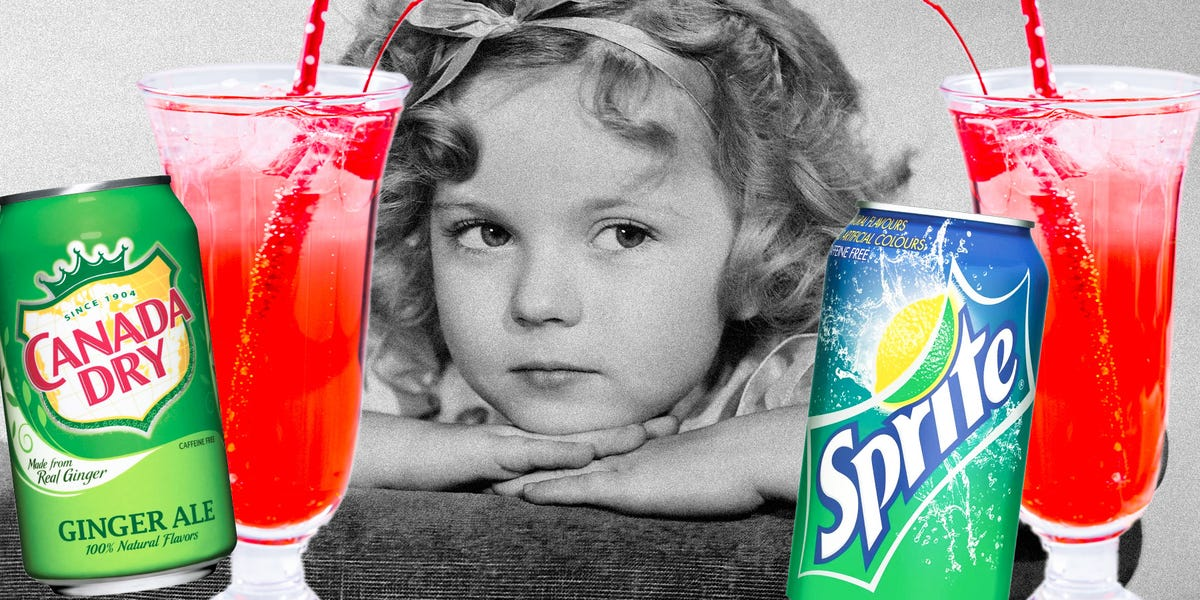
I stopped drinking a couple of years ago, and a Shirley Temple has become my drink I look forward to after a hot day in the sun. There is nothing better to sip while enjoying a hazy sunset with friends than this delightful syrupy concoction. 

Ingredients

  • Ice

  • Ginger ale

  • Grenadine 

  • As many cherries as you damn well please

For best results, pair with “Out of Step” by Minor Threat.

– Lillian Weber


The Uncle Tupelo

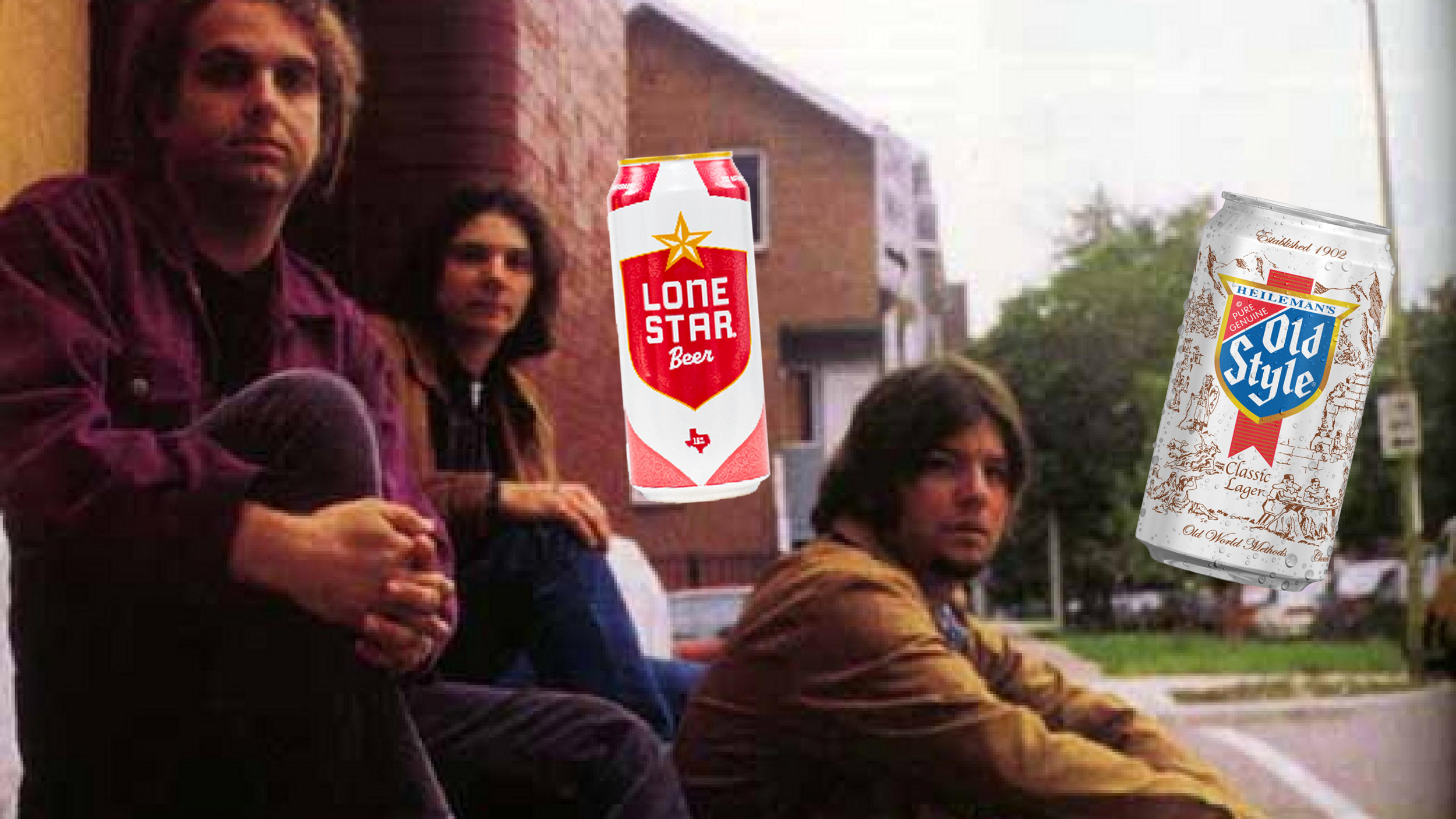
I’ve never been a smoker, but cigarettes legally do not count after four beers… Three if you’re petite. There’s something about bar-hopping in the summertime–feeling the stick of the air as you wade through a cloud of someone’s cigarette smoke on your way into your favorite dive. In four short beers, you’ll have a cloud of your own. A moment best shared with no more than two loved ones.

Ingredients

  • 1 whiff of someone smoking a cigarette on the patio as you enter the bar

  • 3–4 “Uncle” beers (Beers you see your uncle drink in the garage on Thanksgiving. Depending on your region, this could be Stag, Hamm’s, Old Style, or Lone Star. If necessary, PBR will do)

  • 1 Camel Blue (it has to be Camel Blue)

For best results, pair with “Chickamauga” by Uncle Tupelo.

– Caleb Doyle


Aunt Caroline’s Famous Down Home Old Fashioned Style Switchel

Well, gather ‘round y'all, and let Aunt Caroline pour you a nice tall glass of my world-famous switchel. Now, back before all you youngins drank lemonade, this is how us old timers would quench our thirst after bringing in the harvest on a sweltering summer day. I know I’m telling you to drink a beverage that contains a not-insignificant amount of vinegar and molasses, but I swear to god, it's delicious. Your great-aunt Caroline even made this for General Sherman and his men on their way down to Atlanta.

Ingredients

  • 2 tablespoons apple cider vinegar

  • 4 teaspoons sweetener (Aunt Caroline only uses genuine black strap molasses, but you city folk can use honey, maple syrup, or sugar)

  • 1/4 teaspoon ground ginger or 1 teaspoon grated fresh ginger

  • 1 cup water

Combine all ingredients in a jar or glass and refrigerate for at least two hours, or overnight if possible. Strain if using fresh ginger. Serve over ice. 

For best results, pair with “John Brown’s Body” by Pete Seeger. 

– Caroline Liaupsin

The Dirty Palmer

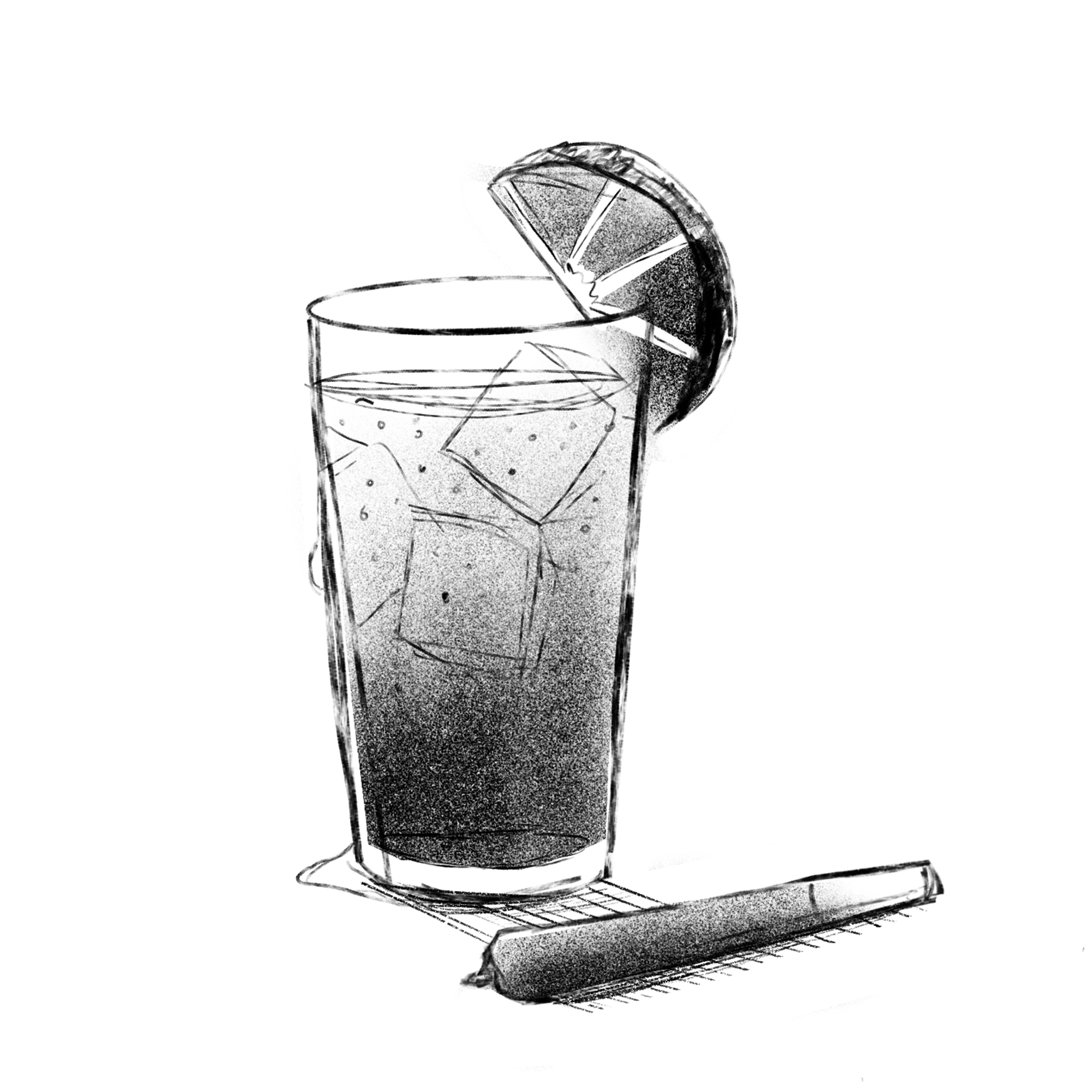
Illustration by Amanda Deering

I’ve been known to fuck up some mini golf, but I’m not a golfer. If anything, I’m anti-golf; it’s a rich guy sport that monopolizes land, hoards water, and acts as a conduit for the worst people in the world to conduct shady backdoor business deals. All that said, I still have mad respect for Arnold Palmer. He has an impressive list of career accolades, but perhaps his greatest achievement is his signature beverage, a blend of lemonade and iced tea. You can buy it at any convenience store in this great country for 99¢, and that’s beautiful. If you throw a little booze in there, you have a beautiful concoction that pairs with any sunny summer activity, whether you’re day drinking by the pool, lazing in a hammock, or heading out for a night out on the town. 

Ingredients

  • Ice

  • 1–2 shots of Tito’s Vodka

  • Half a bottle of JOE TEA Half Lemonade Half Lemon Tea

  • A splash of plain seltzer (preferably Polar Original)

  • A slice of lime

  • A sativa joint (optional)

For best results, pair with “Dozen Roses” by Thomas Dollbaum.

– Taylor Grimes


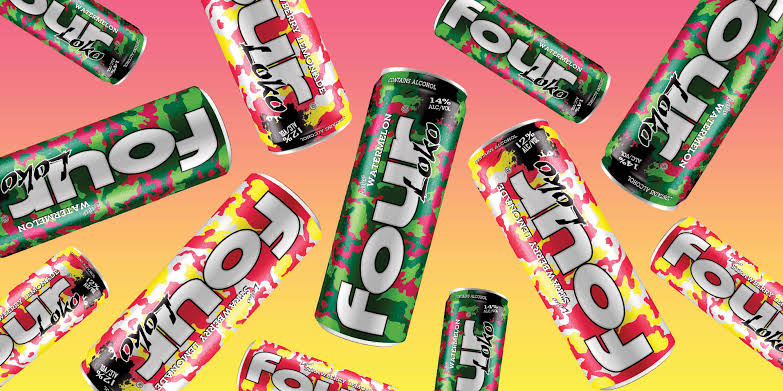
2009 Four Loko

This summer, if you want to know the feeling of high-voltage electricity pulsating through your entire body, there’s only one solution… the FDA-banned version of Four Loko from 2009. It’s a drink so powerful that in just one night of consuming this toxic beverage, you could experience the highest of highs, like levitating in the middle of a crowded street, but it could also lead to you being helped on a gurney headed to your nearest CPR machine. The only hindrance you might incur is the time travel part, but where there’s a will, there’s a way. I’m sure with the correct equipment, that won’t be a problem for you.

Ingredients

  • 1981 DeLorean DMC

  • Flux Capacitor

  • Liquid Nitrate

  • CPR Machine 

For best results, pair with “Sikamikanico” by Red Hot Chili Peppers.

– David Williams


The Nancy

The Little Apple – Manhattan, Kansas – is situated at the edge of the Flint Hills, has one of the top agricultural universities in the country, and provides (almost) all of the fixin’s of the big city with all of the charm of a small town. The best part of this little city is easily Aggieville, a short drag of college bars, where you can find the “Nancy” offered year-round at Rock-A Belly Deli, Taco Lucha, and So Long Saloon. Always available, always refreshing, and—most importantly—always cheap. 

Ingredients

  • 20 oz plastic diner cup

  • 50% cheap light beer (Old Milwaukee is traditional)

  • 50% canned pineapple juice

Variations include: Pirate Nancy (add 1 oz rum), Dirty Nancy (1 oz vodka), Whiskey Tango Nancy (1 oz whiskey), Fancy Nancy (1 oz Crown), or, if you dare, a Long Island Nancy.

For best results, pair with “Hey Jealousy” by The Gin Blossoms or this cover by The Ergs.

– Braden Allmond


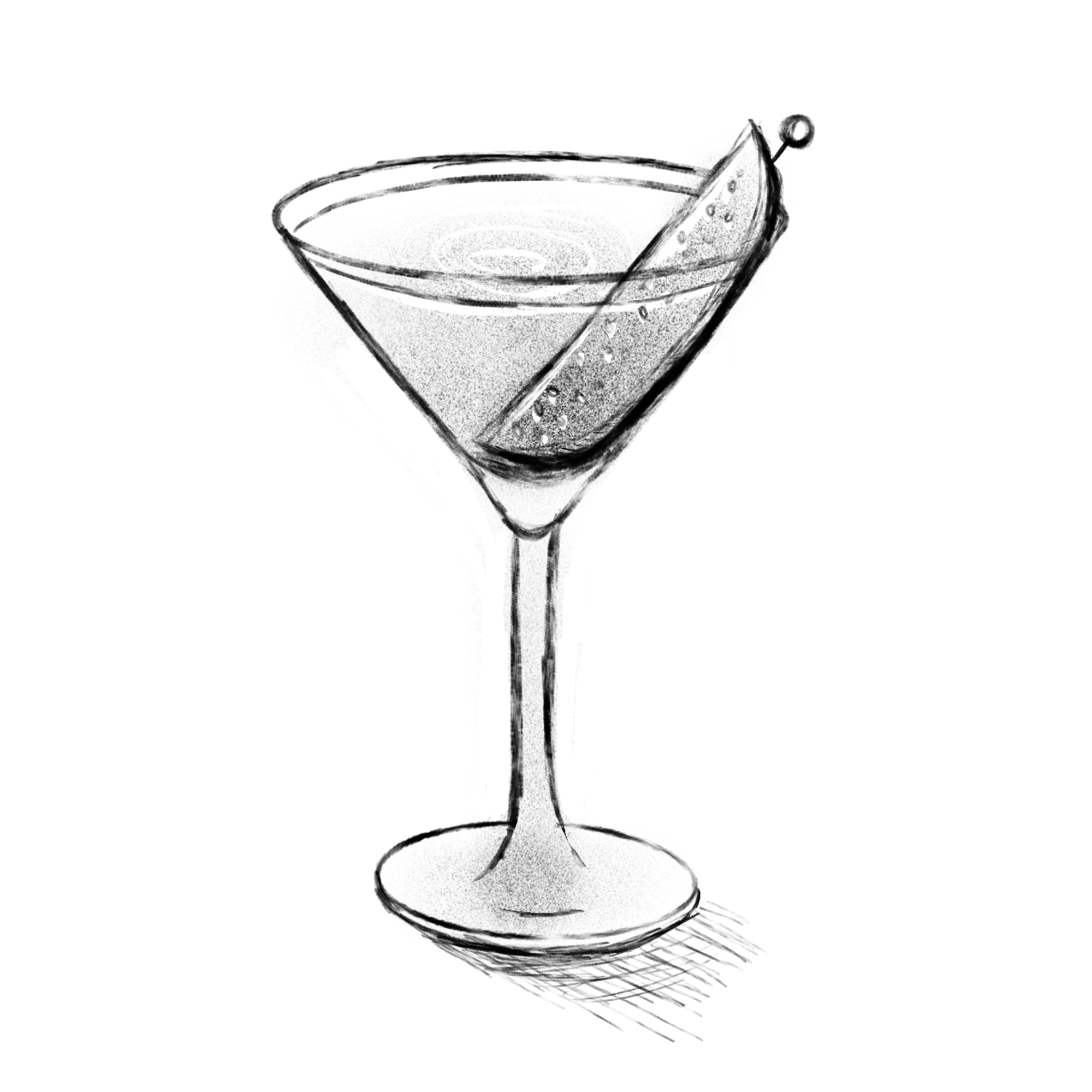
The (Extra) Dirty Beertini

Illustration by Amanda Deering

Much like the average yacht rock tune, a Beertini can be appropriately enjoyed at both your local dive bar or any country club wedding reception. This Midwestern concoction is what it feels like to indulge in simplicity. You can adjust the brine to your liking, but I prefer mine extra dirty. The adventurous yacht-rocker might even try subbing olive juice out for pickle juice. No matter your preference, there’s a beer-brine combination out there for everyone, so go experiment and then kick back this summer with your very own Beertini.

Ingredients

  • Your favorite light beer

  • A splash of olive brine

  • Garnish with olives or a pickle spear

For best results, pair with “What a Fool Believes” by The Doobie Brothers, or your yacht rock artist of choice.

– Annie Watson


Change of Address

Illustration by Amanda Deering

I am the lightest of lightweights and therefore appreciate a satisfying mocktail. The unusual and intriguingly delicious Change of Address is my favorite mocktail of all time; both simple and impressive. It’s a great twist on plain cola with a solid balance of sweet, spice, and umami. This specific recipe is by Eric Nelson, sourced from the wonderful cookbook Good Drinks by Julia Bainbridge.

Ingredients

  • 0.75 oz fresh lemon juice

  • 0.75 oz maple syrup

  • 1 tsp soy sauce

  • 3 oz Coca-Cola (or any cola really – I like the Vintage Cola Olipop)

  • Freshly grated cinnamon, for garnish

Combine the lemon juice, maple syrup, and soy sauce in a cocktail shaker. Fill with ice, seal the shaker, and shake for about 3 seconds to combine. Add the Coca-Cola, then double-strain into a Collins glass filled with crushed ice. To serve, grate cinnamon over the top.

For best results, pair with “What Is Left To Say (ft. The Lemon Twigs)” by Thundercat and a really good cheeseburger.

– Britta Joseph


Sun Tea 

Illustration by Amanda Deering

The one constant in my childhood was a huge glass jar on the porch, filled with Lipton tea bags and tap water, brewing in the afternoon sun. Sun tea (or porch tea, as my mom called it) is a Southern staple– easy to make and hits harder than a freight train on a hot summer day. 

Ingredients

  • 1–2 quart glass container with a tight lid (no plastic, I’ve seen it melt, I swear) 

  • 4–6 Lipton tea bags (you could probably use better tea here, but it’s rough out here)

  • Water

  • Ice

  • Sugar, honey, or a simple syrup, if you need a lil sweetness in your life 

For best results, let it steep for 3–5 hours, but no longer to avoid any bacteria growth. And refrigerate immediately! 

Pair it with some John Fahey, Bill Callahan, or whatever artist makes you feel like you and the sun are taking a well-deserved break together after a long, sunny day.  

– Nickolas Sackett 


Emerald Effervescence 

Illustration by Amanda Deering

Despite my affinity for the alcoholic libation, I’m tapping in to help round out the n/a squad for my summer refresher. I recently started working at a coffee shop again, and nothing is keeping me functional during my humid industry shifts like the matcha tonic. Matcha has had quite the uptick in popularity in recent years and, while mainly accompanying one’s milk of choice or dusting whatever the hot confectionery craze currently is, there’s something about the light, bubbly, sharp combination of matcha and tonic that I cannot get enough of whenever I’m looking to cool down while I caffeinate. 

Ingredients:

  • 3g matcha + 2 oz boiling water

  • 20–30 g syrup of your choice

  • Lemonade (optional) 

  • Tonic of choice (Fever-Tree or craft preferred)

  • Crushed or nugget ice

Add your syrup to your vessel of choice – I’ve been using the homemade grenadine we have at my coffee shop, and it’s next level. Fill your chosen vessel with ice and tonic (maybe a little lemonade if you’re looking to add even more depth), while making sure to give enough room for your matcha on top. Whisk your matcha and water together until light and frothy with the traditional bamboo whisk, automatic frother, or whatever gets the job done, then top off the concoction. Appreciate the layers you’ve created, take a couple pictures for posterity, and give the beverage a gentle, purposeful stir to incorporate the layers. 

Best enjoyed with “Quench (ft. pulses.)” by Cheem or any unapologetically fun and snappy song that makes you feel like a kid on a hot summer day again. 

– Ciara Rhiannon


Mai Tai

Here is the grand imposter of the cocktail world. A drink so simple, so perfect, that the trash tiki forces that be can’t help but add a whole host of fuck-it-up ingredients. If it’s blue, it ain’t a Mai Tai. If there’s pineapple juice, it ain’t a Mai Tai. If there’s grenadine, then pack it up and go home. Basically, it’s a rum margarita with orgeat, an almondish syrup that elevates this drink to the sublime. The initial concept behind tiki was to create a vacation experience for the post-war patrons of the 50s who couldn’t afford to fly to Fiji. For your purposes, ditch the queasy Polynesian exoticism and make this drink when you need a little escape. 

Ingredients

  • 2 oz rum (I prefer a funky & strong Jamaican rum like Smith & Cross)

  • ½ oz orange curacao

  • ¾ oz freshly-squeezed lime juice

  • ¼ oz orgeat (I will allow you to sub amaretto if you can’t find it)

  • ½ oz simple syrup

Shake with cubed ice, strain, and pour over crushed ice; garnish with mint. 

For best results, pair with “Miami - Live at Café Carlyle” by Hamilton Leithauser (covering Randy Newman)

– Joshua Sullivan


Something Similar

Illustration by Amanda Deering

A cocktail as prickly as the song it’s based on, Something Similar seeks to take the familiar tastes of the New York Sour and distort them until there’s something both unexpected and surprisingly familiar, much like the music of The Mercury Tree, who take the trappings of math rock, post-metal and progressive metal, mix them with microtonality, and spit them out as something a little weird, but undeniably delightful. The color of the Empress gin and red wine float reflect the colors of the album art for Self Similar, the record “Dreamwalking” is taken from.

Ingredients

  • 2 oz Empress gin

  • 1 oz lemon juice

  • ½ oz prickly pear syrup

  • ½ oz tamarind syrup

  • Shake with ice

  • Pour over a rock

  • Float dry red wine

For best results, pair with “Dreamwalking” by The Mercury Tree.

– Noëlle and Yael Midnight


The Breakfast Red Bull

Have a Red Bull for breakfast. Certainly you won’t regret drinking an entire Red Bull for breakfast.

Ingredients

  • 1 can of Red Bull (any size, any flavor)

  • Crippling debt

  • Planet Fitness Guest Pass

For best results, pair with “Fucking Hostile” by Pantera.

– Logan Archer Mounts


Aperol Spritz

Hey guys, I am pretty drunk in London right now and forgot about the deadline for this. Typing on my phone. So my drink is an Aperol Spritz. Ever heard of it? I have had three today, and they rock.  

Ingredients

  • ONE BIG GLASS

  • Ice

  • Fill half of that ice glass with Aperol. On the back of the Aperol bottle it tells you the recipe. That’s wrong, and I am right. 

  • Bad prosecco. It has to be bad. Fill like ¼ of the rest of the glass. 

  • Club soda. Fill the rest of the glass. I actually like Topo Chico the most here #hack. 

Listen to “Rock Music” by Charli xcx, the Queen of Aperol. Also, while I am on my soapbox, the drink of 2028 will be the Sarti Spritz. It’s coming to America, I promise. It’s hot pink. Okay, love you, bye.

– Caro Alt

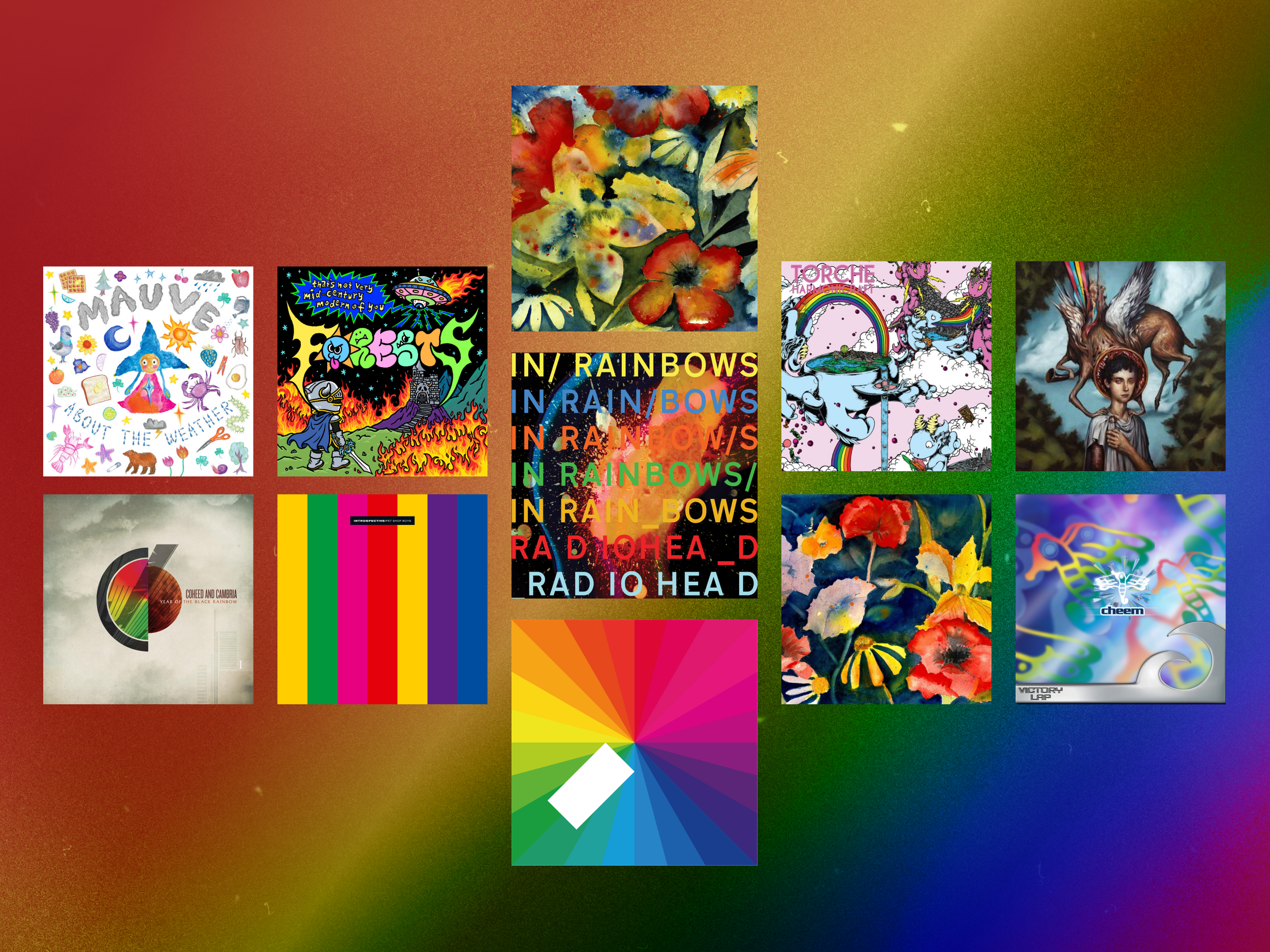
Cover Collector – May Purples

Design by Ryan Morrissey

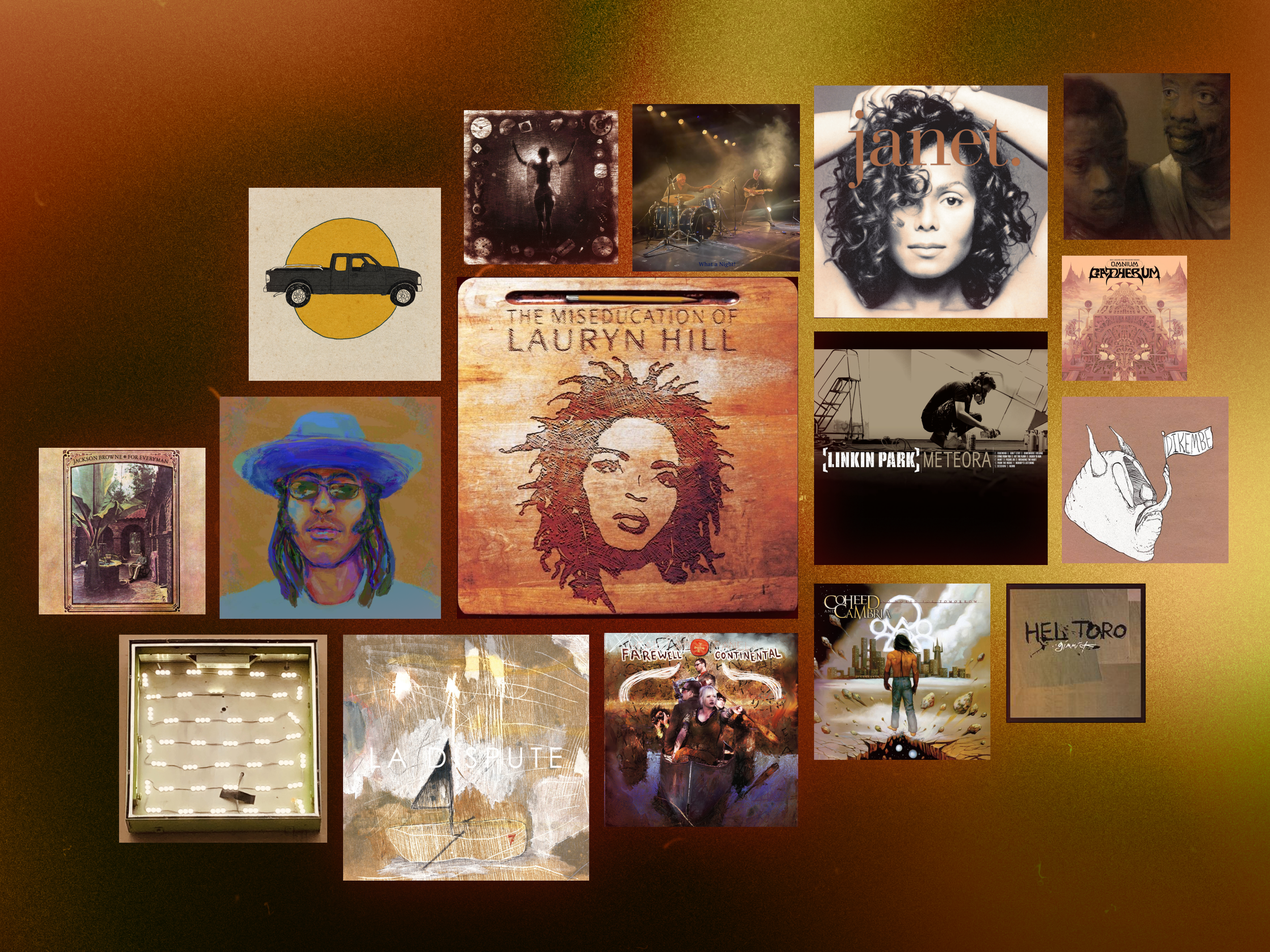
I don’t know about you guys, but I love a good album art collage. One of the first things I do every Friday is head over to tapmusic.net and render a 4x4 chart of the albums I listened to most over the past week. At the end of each month, I do the same thing with a 5x5 that recaps my previous 30 days of listening. By the time December rolls around, I look forward to recapping the last twelve months with a gigantic 10x10 grid in an unwieldy encapsulation of the 100 albums that defined my year. 

Is it a little self-aggrandizing? Sure, but it’s also a fun way to see a quick snapshot of what my last week, month, or year has sounded like. At its best, this practice has led to fun conversations and solid recommendations going back and forth with friends as we bond over specific albums. Sometimes it’s that shared love over a deep pull from years gone by, other times it’s just noticing trends with a recent fave that seems like an unshakable presence week in and week out. At the very least, I suppose it’s satisfying to see a bunch of records that I feel an affinity toward lined up and embodying a specific stretch of my life. 

At some point near the tail end of last year, I conceived of a more communal way to bring this love of album collage to life. Because, sure, getting a live readout of your listening history is cool, but this is also about album art, an essential part of the experience and something us music nerds can fixate on just as much as the songs that sit beneath the cover. As such, I’m excited to welcome you to the fifth edition of Cover Collector: a monthly installation where the Swim Team discusses some of our favorite albums based on album color. For May, we’re writing about posh purples


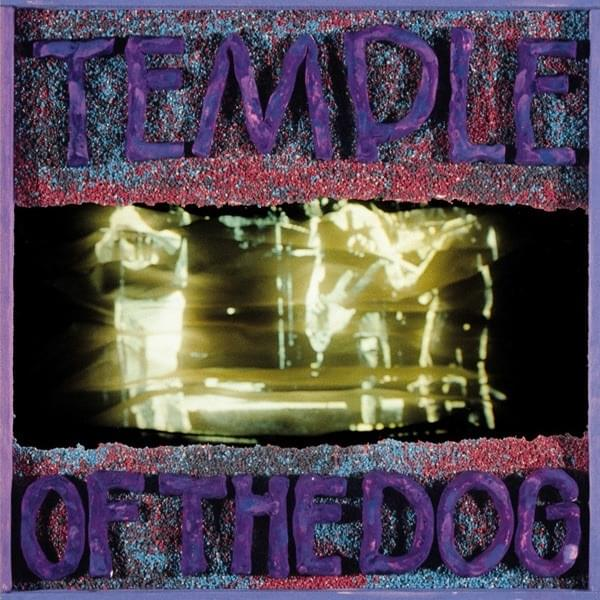
Temple of the Dog – Temple of the Dog

A&M

If, like me, you are a Second Generation Grunge Fan, an album like Temple of the Dog seems impossible the first time you hear it. All the members of Pearl Jam *before* Pearl Jam had formed? Soundgarden’s Chris Cornell on lead vocals and an Eddie Vedder cameo *before* any of those guys had really worked with Eddie before? It seems insane, and it is. Temple of the Dog existed for about 18 months, recorded one album, played fewer than a dozen live shows, and launched its members into 90’s Music Royalty.

Tragically, the band was formed as a tribute to Andrew Wood, lead singer of Mother Love Bone and roommate of Cornell, who died of a heroin overdose in March of 1990. Grieving and directionless, bassist Jeff Ament described the band as “a really good thing at the time” for him and guitarist Stone Gossard, which put them in a “band situation where we could play and make music.”

Cornell had written the first two tracks, “Say Hello 2 Heaven” and “Reach Down,” before Wood passed, and lyrically those songs became ever more prescient in the aftermath. The music is jammier, heavier, and more melodic than the music the guys of Mother Love Bone and Soundgarden were making at the time, but the darker vibe of the music served as a perfect platform for Cornell’s otherworldly rock vocals.

The centerpiece and most notable track from the album, “Hunger Strike,” features the first lead vocal performance of Eddie Vedder, who had flown in to Seattle to audition for the new iteration of Mother Love Bone. Vedder sang the lead in his now-trademark low register, perfectly fitting the space that Cornell was aiming to fill. In Cornell’s words, “He sang half of that song not even knowing that I'd wanted the part to be, and he sang it exactly the way I was thinking about doing it, just instinctively.”

Temple of the Dog remains a colossal work of art in the scope of 90’s Grunge music, a testament to the healing power of creating art in times of pain, and a remarkable jumping-off point for the most influential titans of the era.

When my high school/college friend Colby Dorf passed away in 2024, Temple of the Dog was a huge comfort to me. I listened to “Say Hello 2 Heaven” and “Hunger Strike” on repeat for a week, and I played them both as loudly as local statutes would allow. I suggest, even if you aren’t in pain, that you do the same. Your neighbors deserve to hear Chris Cornell and Eddie Vedder trading melodies over huge guitars.

– Caleb Doyle


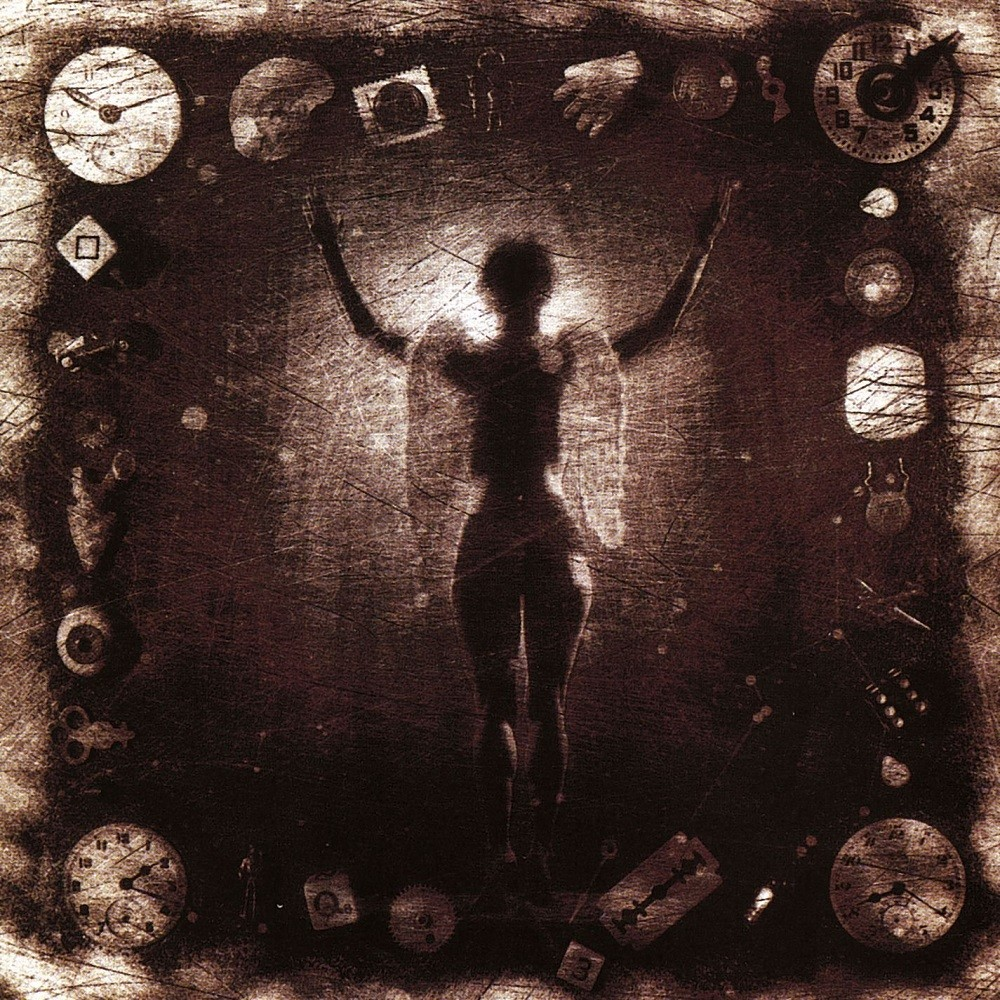
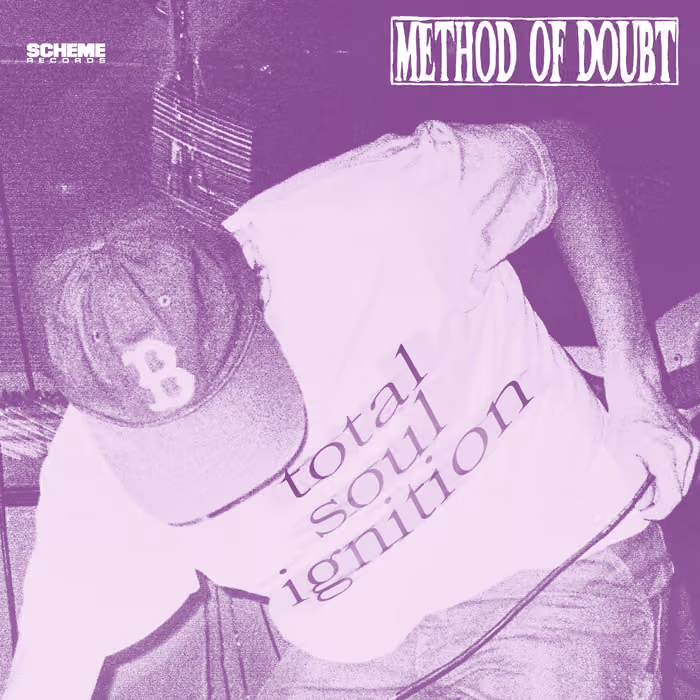
Method of Doubt – Total Soul Ignition

Scheme

2025 saw a lot of stellar releases in the underground music community, and one EP in particular was a major standout to me: Method of Doubt’s Total Soul Ignition was my favorite hardcore release of the year. The purple-tinted cover, depicting a figure mid-two-step wearing a shirt that has the title emblazoned across it, feels classic and timeless. Even the elongated serif font the band chose to display their name is reminiscent of the font commonly used by hardcore titans Earth Crisis. 

This EP spans four furious tracks, featuring guitars with just a hint of grit, snappy drumming, and urgent vocals that pack a punch without losing clarity. In a world that feels saturated with fuzz, excess reverb, and heavy compression, all of this caught my attention immediately. It’s a refreshingly crisp listen. The lyrics are a sharp stand against apathy, stating, “There’s got to be a different way, and I will live it out / Still in search of the quiet life / Still in search of the righteous life.” On the second track, the band follows this declaration with a snarling question directed at those in power: “Have you ever stopped to think, for once in your life, that you might not be right?” Method of Doubt offers up eight minutes of scintillating hardcore and doesn’t waste a single second.

– Britta Joseph


Olivia Rodrigo – SOUR

Geffen Records

Summer 2021 felt like it was covered by an ecstatic purple haze. A cloud had descended, and every breath brought pain and exaltation into your lungs in equal measure. Everyone felt it. Olivia Rodrigo’s debut album, SOUR, was just that fucking good. I’m not speaking hyperbolically when I describe Rodrigo’s music as ecstatic. What makes her songs so good is that while, yes, they hurt, each song feels so fucking good. She’s not content for “drivers license” to just wallow in the agony of romantic euphoria being upended that she describes on the verses and choruses; she knows the song needs that chanting bridge declaring how much she still feels love for him during the small moments of sitting at red lights to make it hurt so damn good. Sure, she can be childish, like who doesn’t know Billy Joel? But who hasn’t felt a little childish in a breakup? They broke your heart. Why should you be charitable? That’s the other thing about Rodrigo’s music and why adults respect her songwriting so much: she reminds us we’re all a little childish. 

– Lillian Weber


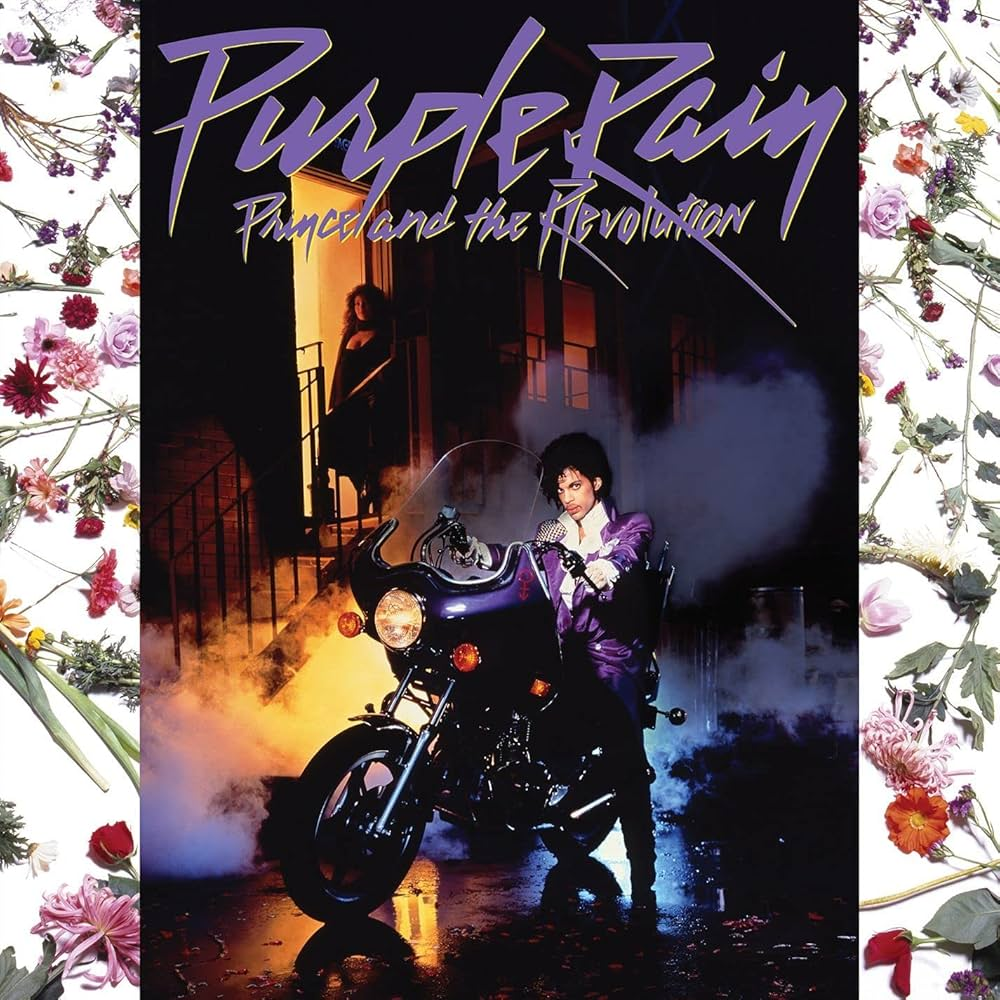
Prince – Purple Rain

NPG Records

Dearly beloved, we are gathered here today to talk about Purple Rain. Not only is this one of my favorite albums of all time, but it’s also easily the greatest soundtrack ever created. The film of the same title vaulted Prince from household name to international icon, a status he has held ever since. Prince’s star is a celestial one. Take, for instance, the vicious guitar solo on the ending of “Let’s Go Crazy,” or the monumental, career-defining ballad “Purple Rain.” The songs are transcendent, full stop. On Purple Rain, Prince kept climbing sky-high plateaus until he reached the very top of the mountain, something that only a select few artists ever reached.

My personal favorites, “I Would Die 4 U” and “Baby I’m Star,” bleed into one another back-to-back; the songs are jovial, glistening, and sound like a party I would never want to leave. Even the B-sides on the deluxe album that never made it to the official release, in the words of Martin Scorsese, are “pure cinema.” Tracks like “17 Days,” “Velvet Kitty Kat,” and “The Dance Electric” would be most pop artists’ best songs if we were being honest.

Since May is purple month over on Swim Into The Sound, it’s only right to write about “The Purple One.” No one, and I mean no one, has owned a color more than Prince. His Royal Badness has been the “Grand Poobah” growing strong for over forty years, steamrolling every other purple object in his path from lilacs to eggplants to Grimace. So, if the elevator tries to bring you down, put on Purple Rain. Game blouses.

– David Williams


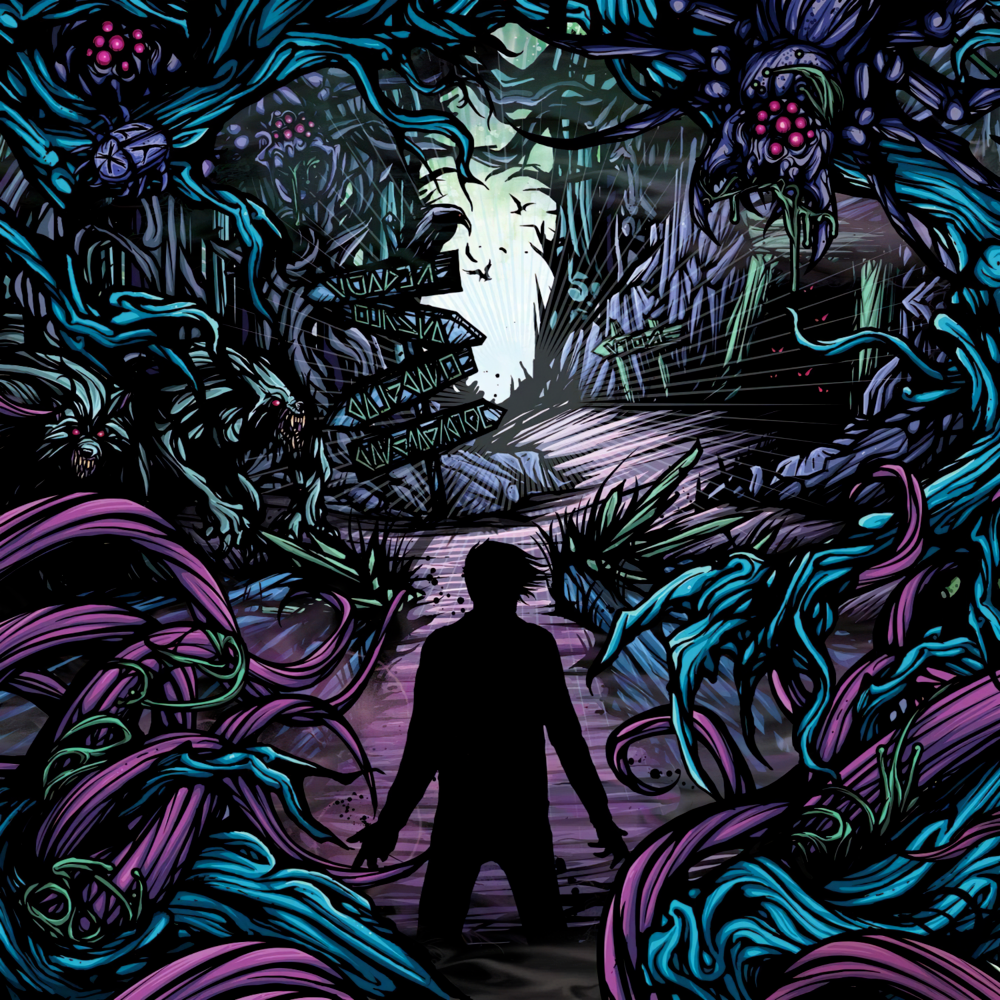
A Day to Remember – Homesick

Victory Records

A Day to Remember’s tenure in the pop-punk and metalcore scene goes largely unappreciated for the run that they’re on. A band, formed in 2003, that’s kept the same lineup (for the most part) while still kicking 23 years later can garner respect from even the snobbiest of scene gatekeepers. While their more recent albums leave little to write home about, the Florida-based group’s early run is one for the history books. When discussing the best pop-punk units of all time, I firmly believe that ADTR remains strongly in contention, particularly with Homesick

Homesick showcases ADTR’s patented seamless blend of infectious pop-punk choruses with crushing metalcore breakdowns at a time when the two genres were just beginning to converge. The band members find themselves at a thematic crossroads as well, as Homesick details their begrudging commitment to leave Ocala behind for a life on the road. The group’s range is on full display here, and it shines even in the sequencing of tracks where the circle-pit invoking “Mr. Highway's Thinking About The End” sits confidently before the arena-ready anthem “Have Faith In Me.” Ultimately, the record stands not only as an ode to the lives they left behind in Florida, but a vindictive lament to those who said they would never make it. 

– Brandon Cortez


The Reptilian – Full Health

Count Your Lucky Stars Records

In the grand scheme of things, an old adage holds true. I do not remember it word for word, but it’s something to the effect of: Proximity can breed fondness. I think. Either way, because my formative years were in the thick of DIY activity in the 2010s, it is with utter fondness that I remember records that fell out of the general looping zeitgeist. Whether they deserve it or not is to be argued elsewhere; my real point here is one of recollection. Full Health is a record hewn from a time when post-hardcore was about a raised brew in-hand, waved and spilled to mathy, noodley punk packed out in a small room where every word shouted was known, and falling down felt only half as good as getting back up. The Reptilian’s positing of up-and-down thrashy emo felt like it was at the center of all things, and Full Health certainly had its own center of gravity, existing as an eternal marker for the scene at the time, perfectly held and suspended in that indescribable feeling. As the band captures it on the album closer, “Aerosmith Kids,” when they sing: 

Now I'm living for myself / Varsity blues can't bring me down and stop me in my tracks / Don't bring me down / My best friends write the best riffs / Don't bring me down. / We'll stay to the end. 

– Elias Amini


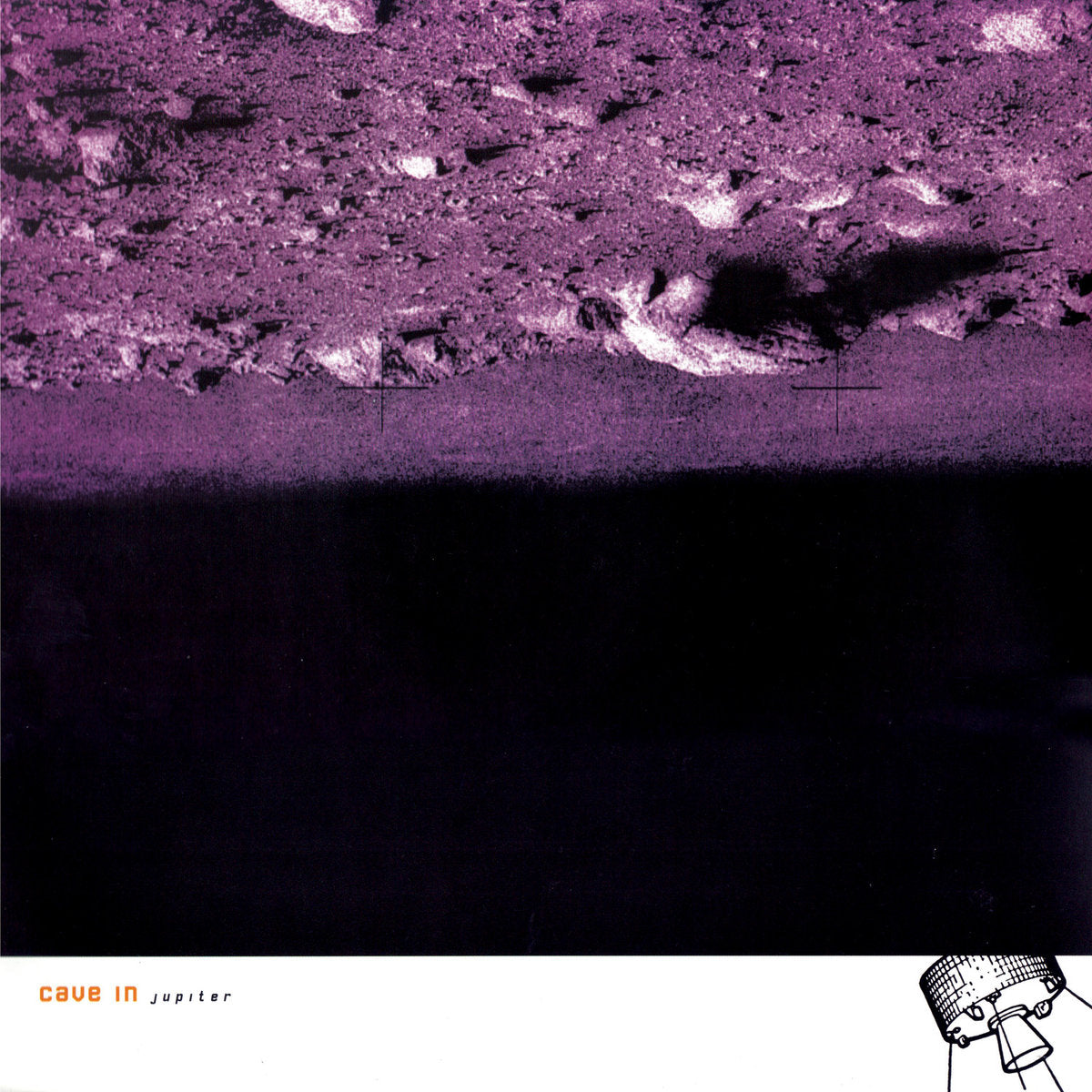
Cave In – Jupiter

Hydra Head

Part space rock, part post-hardcore, part metalcore, and all parts uniquely brilliant, Cave In’s second album, Jupiter, is a shining satellite that kicked off the new millennium in a way no other band could. It was originally released on the legendary heavy label Hydra Head with a number of different colored cover variations, but one of the initial two, and the one used for the 25th anniversary edition via Relapse Records last year, was the purple-tinted crater close-up that allows its entry into this list. Cave In remains a limitless band even through their latest album, 2022’s Heavy Pendulum, with Jupiter being a defining moment of their expansive artistic reach. Coming off the already ambitious Until Your Heart Stops just a couple of years earlier, Cave In dialed back the chaos and focused on more accessible (but just as proficient) metal music, straying from their original hardcore roots but laying the foundation for a new take on the nebulous post-hardcore genre. It’s an essential transmission sequence from top to bottom, but “Big Riff” is a standout moment of the band’s entire catalog, a piece of media more important than the moon landing broadcast. Jupiter widened the lens of what a band in a hardcore space could be capable of, and it still sounds cosmically enchanting today.

– Logan Archer Mounts


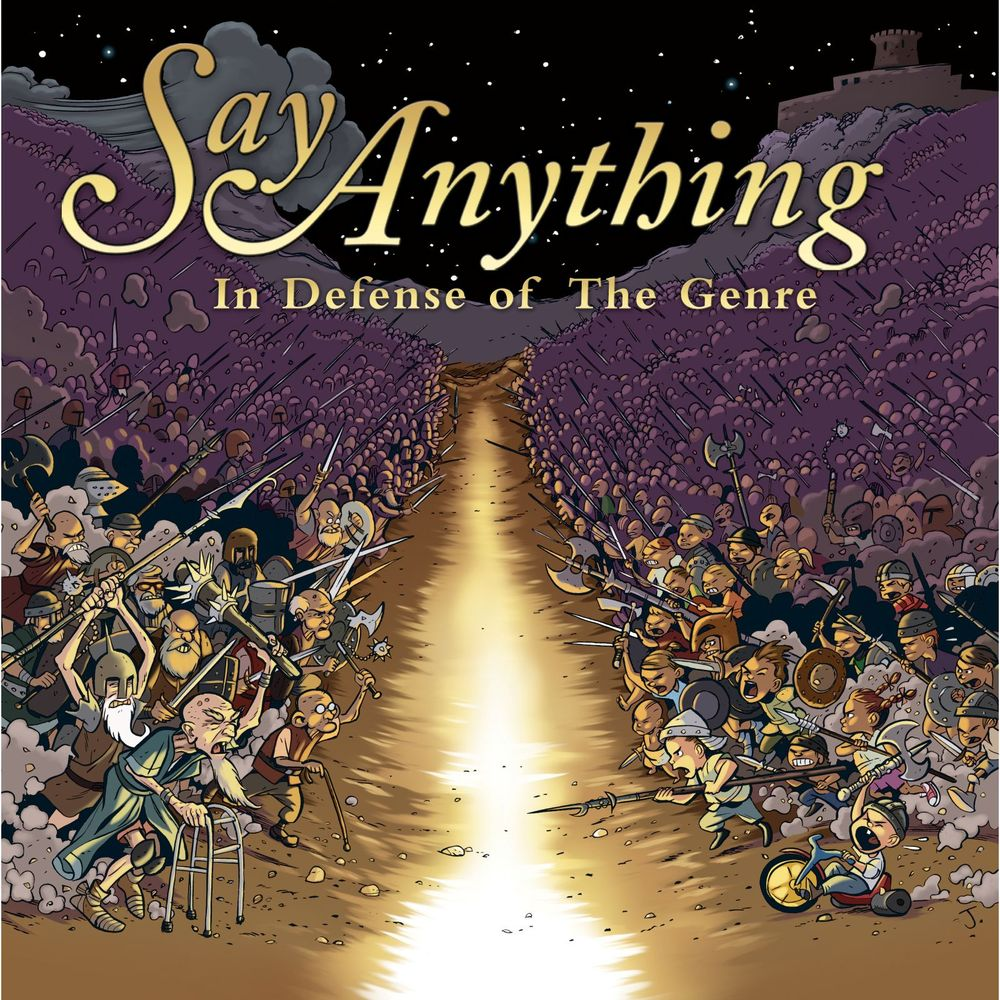
Say Anything – In Defense of the Genre

J Records

I have a love/hate relationship with the band Say Anything and their vocalist, Max Bemis. I’ve been listening to their music for over two decades, with my fandom reaching its peak during my teen years. The irreverent humor, inflammatory verbiage, and erratic song-writing, while feeling right at home in the ears of my teenage self, have somewhat soured and left me with complicated feelings towards the band and the man behind it in the years since. 

All that to say, I feel as though Say Anything’s third studio album, In Defense of the Genre, is the perfect capsule of everything the band has ever had to offer, both the good and the bad. In Defense holds many of my favorite Say Anything songs, from the R&B-inspired bops “Baby Girl, I’m A Blur” and “No Soul” to the musically chaotic “That Is Why” and the album’s grandiose title track. One of the album’s most glaring issues is its length. At a bloated 27 tracks (despite its 23 features from the era’s most iconic emo singers), it doesn’t always stick the landing, and the cringeworthy tracks like “Died A Jew” just leave me feeling puzzled and intensely rolling my eyes twenty years later. I don’t even feel comfortable dropping the title of one of my favorite tracks on the album in this space (yeah, that one). 

There’s a part of me that will always love Say Anything, always feel perplexed and challenged by Max Bemis as both a person and a songwriter, and come to the defense of the band’s second, third, and fourth LPs. I ultimately feel as though there's beauty in that kind of relationship. Clinging to the music we used to love and the people we used to be in our adolescence, both to the ends of comfort and of protecting a piece of ourselves we can no longer fully relate to, but identify with all the same. In Defense of the Genre, shortcomings and blemishes and all, will forever be a chapter of my life I will inevitably and intermittently again forever.

– Ciara Rhiannon


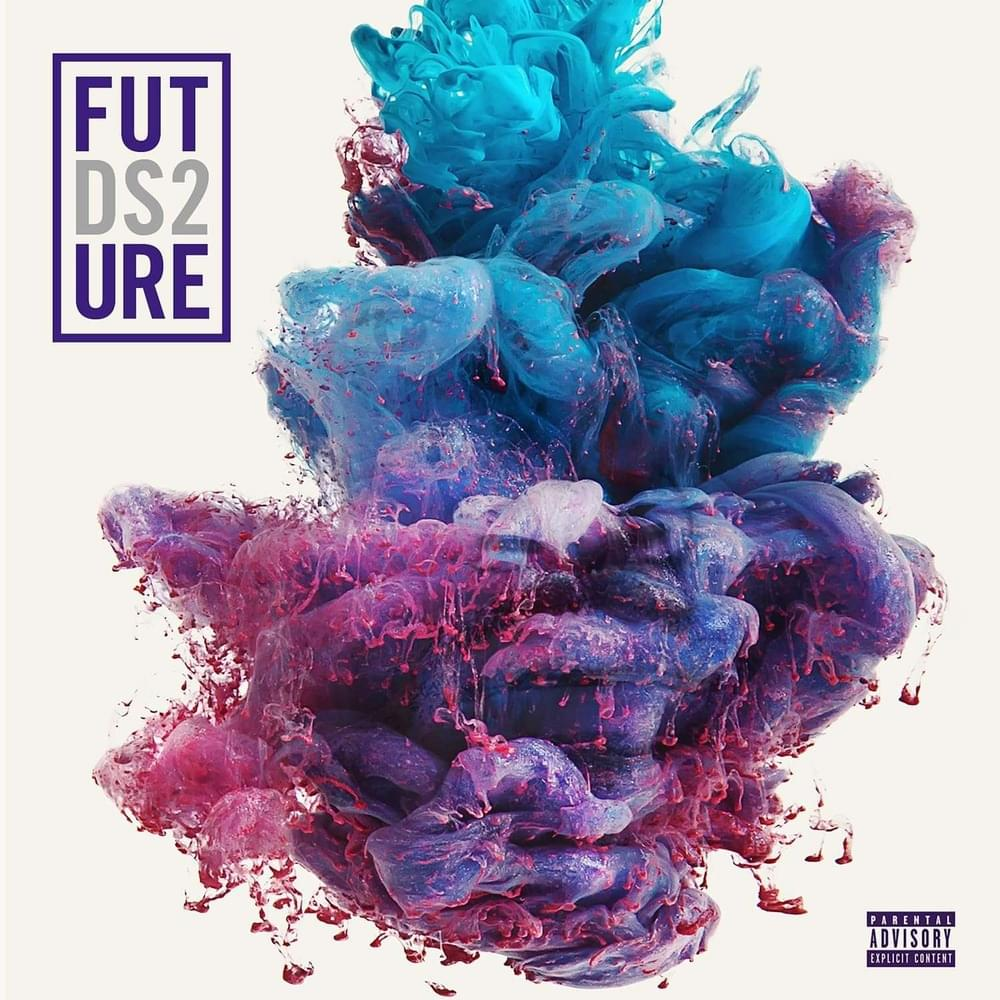
Future – DS2

Epic

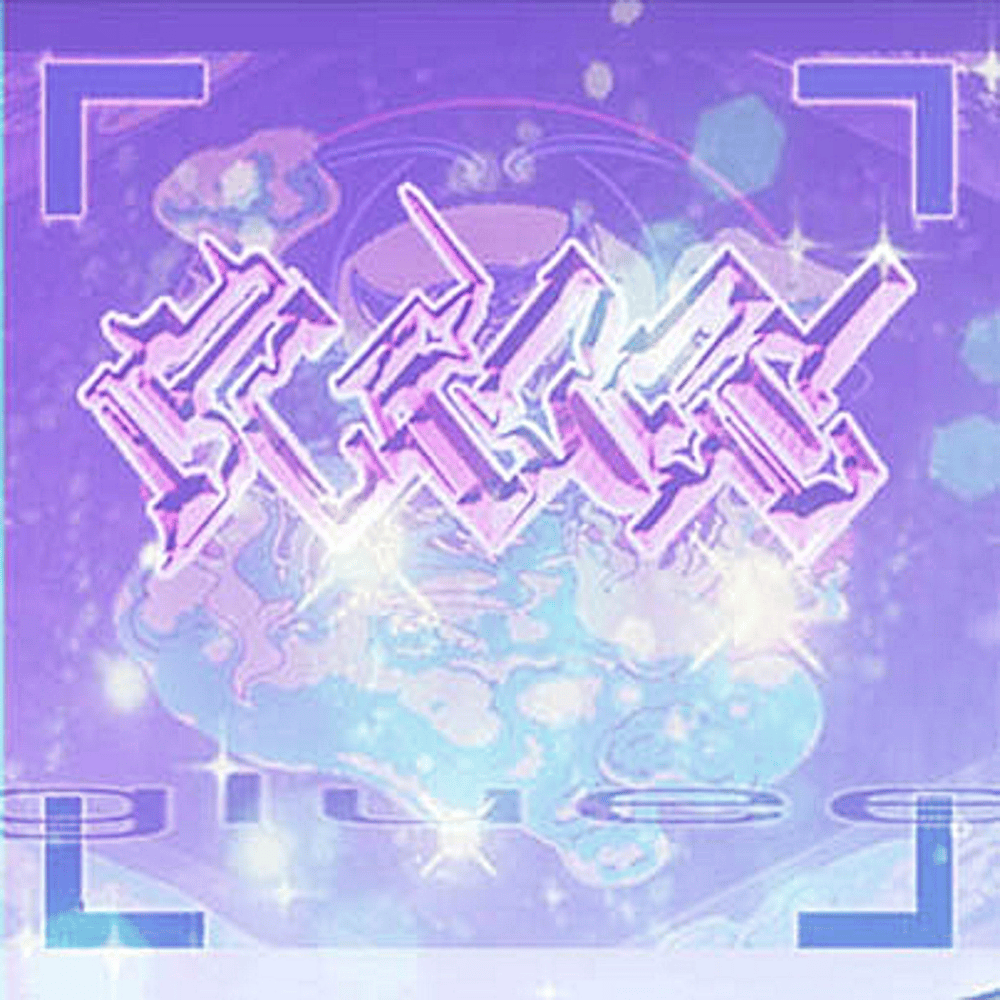
I don’t care if it’s not majority purple, this counts. Come on, that’s literally purple drink. Check out that crisp purple logo in the top right. Did you know that the CD version of this album is made from a reflective, holographic-type material and features a 9-panel foldout? Really adds to the overall effect. There’s also a face hidden in the blue swirl that I didn’t know about until researching this right now, almost eleven years later (squint and you’ll start to see an eye right by the bottom corner of the logo). There was also a rumored textbook cover that bears the same image, but there’s also a 13-minute YouTube video where a guy attempts to track it down and calls it “lost media”, so maybe that was just a meme all along. Cover aside, holy shit does this DS2 still hit hard as fuck over a decade later. “Stick Talk”? Come on. That beat on “I Serve the Base”? Unforgettable. “Blood on the Money”? Cold as ice. “Thought It Was a Drought”? Get the fuck outta here. I had the absolute best summer in 2015 riding around and listening to this record, and it’s genuinely surprising how consistent and fulfilling it remains this many years later. Peak Future.

– Taylor Grimes


Hum – Inlet

Earth Analog Records

It's a great feeling to know that your legends can still dunk. After years of wear and tear on the body, you'd expect a decline in hops because, as we say in the game, “Father Time comes for us all.” So when you see your OGs get up for one final slam that turns out to be an all-time posterization, you're forced to rethink everything you ever thought about life and existence. Well, that's what Hum did with 2020's Inlet. They emerged from a twenty-two-year hiatus with their best album. By the time Inlet was released, Hum-indebted heavy shoegaze and spacerock had really started to pick up steam, and this felt like a direct response as if to say, “I see what you kids are doing, but don't forget why you ever attempted this sound in the first place.” This is Hum and their tightest and most titanic. Their riffs have never been more pummeling, and Bryan St. Pere's drums have never been so thunderous. A perfect exclamation point to a career-long highlight reel. 

– Connor Fitzpatrick


My Chemical Romance – I Brought You My Bullets, You Brought Me Your Love 

Reprise

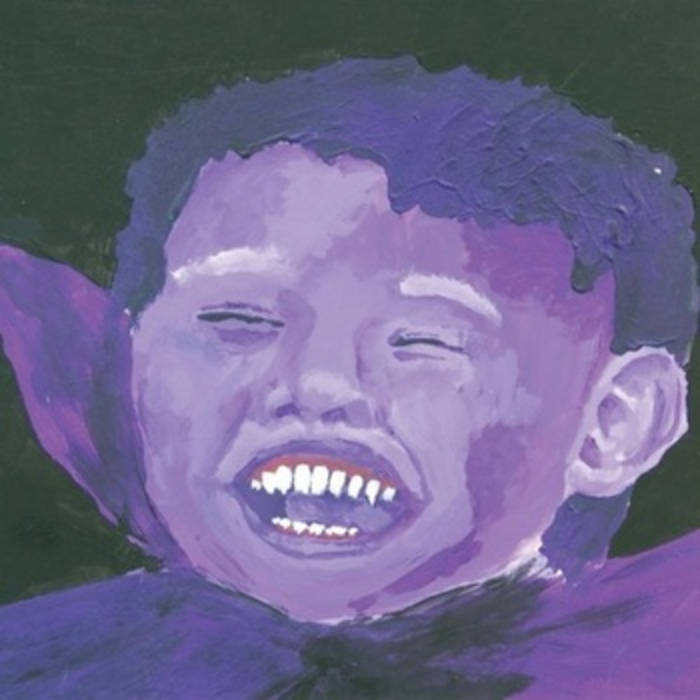
In Julio Torres’ new special, Color Theories, he declares that purple is the color of mystery and intrigue. I bring this up because I think this is the only My Chem album that actually embraced that feeling, and it’s the only one with a kinda purple cover. My Chem had to end up in this series for me somewhere, so it’s here. When I think of I Brought You My Bullets, You Brought Me Your Love, I think about how it’s kind of bad. It’s an absolutely sloppy album, too wordy, too vampiric (not like their later albums), the fan lore is a bit obnoxious, and it gets a bit into Metallica in a way that sucks. But I love it. 

Bullets has a real mythology around it. Gerard Way was in agonizing pain during the recording sessions. Mikey Way begged Geoff Rickly to listen to the songs at a house party, and Rickly essentially rolled his eyes. Ray Toro didn’t know the difference between lead guitar and rhythm guitar, so he rolled all of it into one. They almost poisoned themselves with spray paint fumes for a music video. Frank Iero got hold of a demo and couldn’t stop listening. The band stopped playing “Drowning Lessons” because they thought it was cursed. The CD declares that Gerard will suck your blood if you duplicate it. It’s messy and gross, and they eventually figured out how to do everything better on the next album, but that’s why it’s good. It’s a desperate project by desperate people. It’s their greatest trick. That’s why Houdini is on the cover. 

– Caro Alt


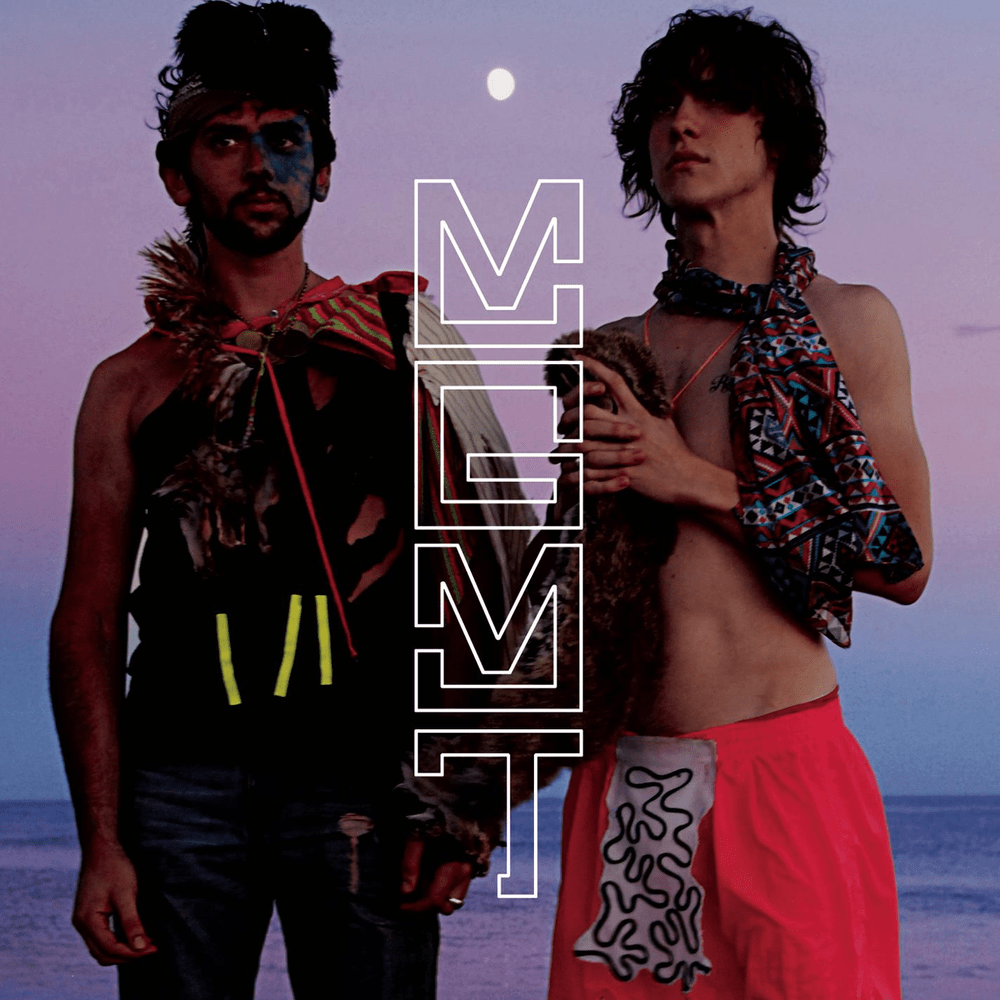
MGMT – Oracular Spectacular

Columbia Records

There are a handful of albums from each decade that now elicit pure, unadulterated nostalgia. For the late 2000s, MGMT’s debut album Oracular Spectacular fits the bill to a T. Work on the album initially began while the duo were still freshmen in college, before they signed to a label. Released in 2007, Oracular Spectacular remains instantly recognizable, with a sound that can immediately flood the listener with memories of a place, a feeling, or a very specific moment from 15-plus years ago.

Standout tracks are, of course, “Kids” and “Electric Feel,” which feel like decade-defining sounds of the late 2000’s, but the album still holds up beyond those nostalgia touchpoints. Some of the less synth-driven songs still sound great. A couple of my favorites are “Pieces of What” and “Of Moons, Birds & Monsters.” Turns out, if you want to encase 2007 in amber, it wouldn’t be yellow, but the purple-blue you see on the cover of Oracular Spectacular.

– Ryan Morrissey


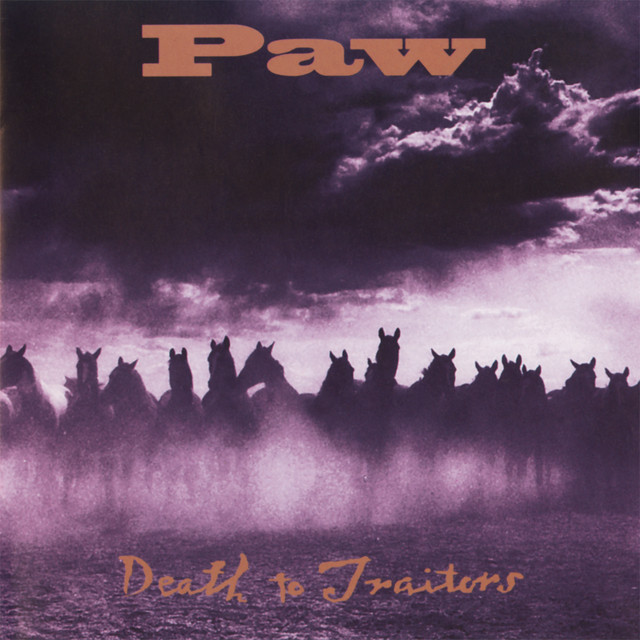
Paw – Death to Traitors

A&M Records

This is grunge with a capital G, from the early ‘90s in Lawrence, Kansas. I’ve written before that this is proto divorced-dad rock, with lyrics like “Everyone is bored and boring / Not me, I am drunk and roaring.” 

If the mainstream hadn’t had Nirvana, they would’ve had Paw. A&M picked them up on the strength of a demo recorded at Smart Sounds in 1992. With major label support, Paw released their debut album Dragline in 1993. Their sophomore release, Death to Traitors, came out two years later and treads similar territory, albeit with fewer off-genre intrusions. The record wasn’t significantly promoted due to internal difficulties at the label and never achieved major acclaim. This is surprising because every song in the hour-long album fucking rocks. Case in point, “Built Low” is a 6-minute cruiser, split perfectly into thirds with a 2-minute exposition, a 90-second breakdown, and a riff-filled instrumental outro. On first listen, you’d have no idea how long this song is. Like all really great bands, Paw broke up a few years later, with a smattering of reunion efforts afterward. 

This album is just over 30 years old, released when the marketing machine was pre-internet, pre-iTunes, pre-Spotify, and pre-analytics. Compared to now, labels were basically throwing darts at a wall, drunk, with their eyes closed. Albums that sailed under the radar like this also tend to be preserved poorly. For example, the cover on Spotify, YouTube, and Discogs is a purple haze of storm clouds over a stampeding herd of horses. The image on Wikipedia is inexplicably red-hued and is not another version of the album, just a poorly digitized image. It’s hard to say how or why a band this talented falls through the cracks, but it’s a great example of why exploring and developing personal taste matters. It’s the only way to know for yourself what groups are being overlooked.

– Braden Allmond


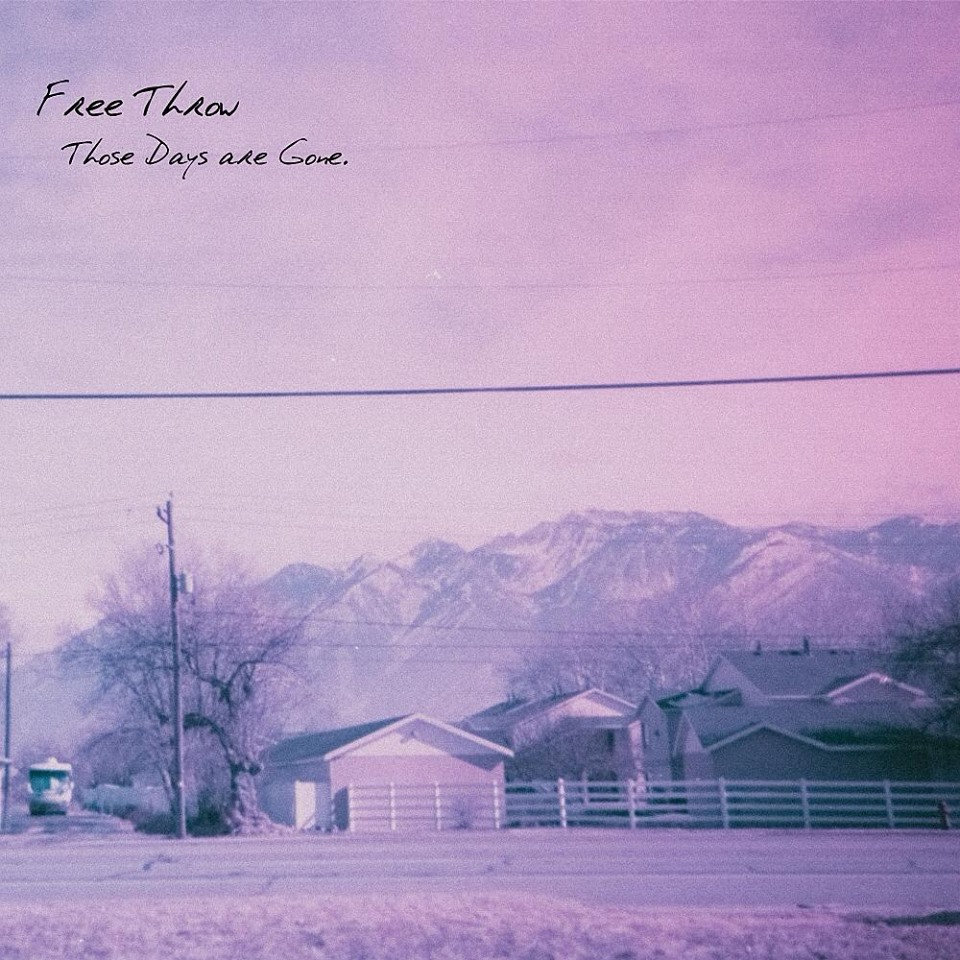
Free Throw — Those Days Are Gone

Count Your Lucky Stars Records

If the emo genre were to have its own equivalent to a drinking song, one that nobody in the room could resist singing along to, it would undoubtedly be “Two Beers In.” Whether in a cramped basement or on the stereo between sets at a show, this beloved song instantly brings people together. But it’s far from the only recognizable track off of Free Throw’s debut LP, Those Days Are Gone. The entire record has become something of a modern classic amongst the scene, and it isn’t hard to see why.

Those Days Are Gone dives deep into the anger and grief-stricken reality of a love that didn’t last–a nearly universal pain. The contemplative intro to “Such Luck” quickly gives way to the guttural heart of the record, signaling to the listener that things are about to get uncomfortably honest. 

Unlike earlier incarnations of emo that were steeped in figurative prose, Free Throw and their fourth wave counterparts tend to speak quite literally. Stories of heartbreak are sprinkled throughout the yelling and heaviness, and admissions of unhealthy coping mechanisms are sandwiched between twinkly guitar riffs. Nearly every song on the record makes space for both calmness and intensity, mimicking the whiplash one feels between anger and sadness. Those Days Are Gone feels like driving too fast, then slamming on the brakes, yelling at your phone, and staring into the distance. The final line of the record dwells on if things “could have stayed the same,” but deep down, we know that sometimes, it’s better to move on and begin healing.

– Annie Watson


Bladee – Gluee

YEAR0001

For better or worse, I discovered Bladee through a Twitter meme- a video of a kid sleeping, and someone pours water on him- as he wakes up, they slap him across the face. Instead of screaming, what else could come out of this poor kid’s mouth but the undeniable intro to “Be Nice 2 Me.” I tracked the song down through the comments on the tweet, and thus began my journey into Drain Gang.

Gluee is Bladee’s debut mixtape, and, as a whole, one of the lesser-loved works by the world’s AutoTune Angel. And I can see why- much of what Bladee is doing on Gluee is much better executed in his later work as he becomes not only more confident in his rapping and singing but also in dialing in his AutoTune parameters. But it’s hard to deny just how unique Gluee sounds, not just in Bladee’s discography, but just in general. It is truly a marvel that this album exists. Here, we have a white boy from Sweden, taking in copious amounts of American rap and pop music via the internet, creating a sound that somehow captures the emotional undercurrent of it all, no matter how disparate the starting influences were. You can hear the braggadocio of Chief Keef, the rhythmic flows of Lil B, the digital haze of James Ferraro, the emotional vulnerability of the Beach Boys, often all in just one Bladee song- it really is incredible how he makes it sound so easy, so fresh.

In fact, it’s hard to imagine the current musical landscape without Bladee. What seemed to be just another internet curiosity turned out to be an artist who changed what music could sound like. Gluee, as amateurish as it can seem at times, planted the seeds for the whole Drain sound. Although Bladee’s influence can now be heard in more and more artists across the world, Gluee has a special, spectral vibe to it that isn’t quite like anything else. I can’t promise you’ll like it the first time, but I will promise that it will elicit a visceral reaction from you.

– Nickolas Sackett


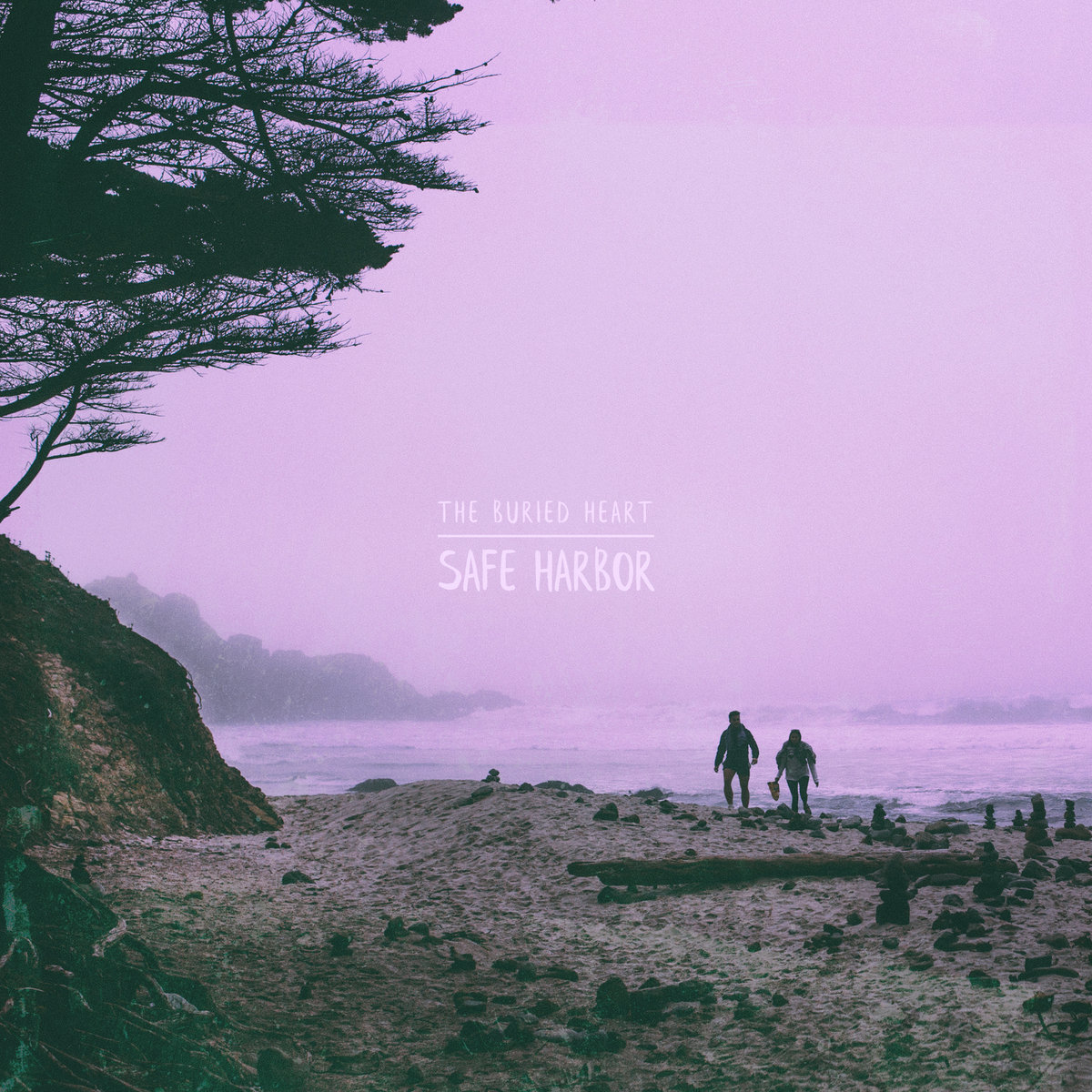
The Buried Heart – Safe Harbor

Self-Released

One of the greatest gifts in this life, and one that I never try to take for granted, is how fortunate I am to call some of my favorite musicians my friends. Next year will mark a decade since my buddy Jack Wittich released his first EP under the project The Buried Heart. I am truly not exaggerating when I say Jack is one of the best musicians I know, and revisiting his first EP, Safe Harbor, only reminds me of how his passion for the game and his abilities as a creator have not faltered over the past decade. 

The Buried Heart is a project that wears its influences on its sleeve; a cosmic amalgamation of emo, post-hardcore, Japanese video game music, and animated orchestration that has given this project such a unique feeling and scope. The five songs across Safe Harbor cover so much ground. While “Opia” has always been the standout track for me, “Veins,” “Dichotomy,” and “Flowers & Theft” can sling punches with the best of them in the hardcore scene and beyond. The heart of the EP, however, lies in the track “Garden,” a melancholic love letter to Jack’s younger brother, whom he lost far too young. Not only does this track cut deep as someone who has come to consider Jack a brother over the past several years, but its musicality is equal parts breathtaking and emotive on every listen. 

Each time I’m treated to new Buried Heart music, whether it's the 2020 self-titled LP or various WIP demos, I’m thoroughly blown away by how much Jack has improved as a musician over the years and how obviously the magic was there from the start. If you’re lucky enough to be friends with some of your favorite artists, you know it's both a privilege and a gift to see their growth and to cherish these kinds of earlier works.

– Ciara Rhiannon


Glitterer – erer

Purple Circle Records

While I think I’m still partial to the music and album art for Glitterer’s 2024 album Rationale, it’s hard to deny the striking design of erer. For this cover, the band embraced a prominent purple (hex code #992bd5 to be exact) stretched edge-to-edge that allows the red type band name and album title to pop out in a shocking contrast, smashed together, reading extra hypnotic and repetitive: “Glitterererer.” Below that, the album name is blown up to massive proportions, making it instantly recognizable from miles away. The band used this same color scheme to turn their name into a tricky little “face” logo and even gave them the namesake for their own “Purple Circle Records,” which they used to self-release this album. Beneath the cover, tracks like “Somebody” and “Stainless Steel” are instant career bests for Ned Russin & co. The tracks hit hard as fuck and sound great live, solidifying into a killer 25 minutes of punk music primed for shouting, sweating, and dancing along to. 

– Taylor Grimes


Honorable Mentions

Hey, we can’t write about every album with this color, so here’s a list of some more that we feel like we should mention.

  • Erykah Badu - New Amerykah Part Two (Return of the Ankh)

  • Ben Seretan, John Thayer - Sunbeam of No Illusion

  • Alex G - I Saw The TV Glow (Original Motion Picture Soundtrack)

  • Dehd - Poetry 

  • Paramore - After Laughter

  • Cassandra Jenkins - My Light, My Destroyer

  • Bam Bam - Free Fall from Space

  • Teethe - Magic of the Sale

  • Cory Hanson - Western Cum

  • Infant Island - Obsidian Wreath

  • Footballhead - Overthinking Everything

  • Great Grandpa - Patience, Moonbeam

  • Chat Pile - Remove Your Skin Please

  • Buggin - Concrete Cowboys

  • Take Care - Southtowne Lanes

  • Shudder To Think - Pony Express Record

  • Boris - Heavy Rocks 

  • Doomriders - Black Thunder

  • Paul Stanley - Paul Stanley

  • Fred - Fred

  • The Smiths - The Smiths

  • Edgar Froese - Aqua

  • Pallbearer - Sorrow And Extinction

  • Donovan - A Gift From A Flower To A Garden

  • Hot Mulligan - Why Would I Watch

  • Drug Church - Prude

  • Smashing Pumpkins - Gish

  • Cross My Heart - Cross My Heart

  • Fall Out Boy - MANIA


Collect some more Covers:

January Blues

February Reds

March Yellows

April Greens

Cover Collector – April Greens

Design by Ryan Morrissey

I don’t know about you guys, but I love a good album collage. One of the first things I do every Friday is head over to tapmusic.net and render a 4x4 chart of the albums I listened to most over the past week. At the end of each month, I do the same thing with a 5x5 that recaps my previous 30 days of listening. By the time December rolls around, I look forward to recapping the last twelve months with a gigantic 10x10 grid in an unwieldy encapsulation of the 100 albums that defined my year. 

Is it a little self-aggrandizing? Sure, but it’s also a fun way to see a quick snapshot of what my last week, month, or year has sounded like. At its best, this practice has led to fun conversations and solid recommendations going back and forth with friends as we bond over specific albums. Sometimes it’s that shared love over a deep pull from years gone by, other times it’s just noticing trends with a recent fave that seems like an unshakable presence week in and week out. At the very least, I suppose it’s satisfying to see a bunch of records that I feel an affinity toward lined up and embodying a specific stretch of my life. 

At some point near the tail end of last year, I conceived of a more communal way to bring this love of album collage to life. Because, sure, getting a live readout of your listening history is cool, but this is also about album art, an essential part of the experience and something us nerds can fixate on just as much as the songs that sit beneath the cover. As such, I’m excited to welcome you to the fourth edition of Cover Collector: a monthly installation where the Swim Team discusses some of our favorite albums based on album color. For April, we’re writing about gorgeous greens


The World is a Beautiful Place and I am No Longer Afraid to Die – Whenever, If Ever

Topshelf Records

Much like the color blue, I think there’s something primordially calming about green. It’s everywhere in our natural world, from the grass of the field to the leaves on the trees that tower above us. It’s calming, pastoral, and speaks to something deep within our brains that seems to signal pause and restoration. It’s no big surprise then that the cover for Whenever, If Ever, the debut studio album from the foundational emo act The World is a Beautiful Place & I am No Longer Afraid to Die, evokes a sense of fuzzy nostalgia before you even hit play. The slightly out-of-focus photograph shows someone jumping off a high rock into a cool body of water below, everything framed by foliage and warmed by the bright sunbeams above. The album’s two-minute instrumental welcomes you into this world before whisking the listener away into the brilliant splendor of “Heartbeat in the Brain.” Not only is Whenever, If Ever a defining emo album, it operates from this mystical point of undying adventure and youthful adoration that every nostalgic teenager and wistful 20-something understands as soon as they realize that the world will never quite be the same again. The band rouses and rises to the occasion. There’s a collectivist sense of powering through with each other, despite it all. The band said it best themselves in the knockout seven-minute closer “Getting Sodas,” when they sang “The world is a beautiful place, but we have to make it that way.”

– Taylor Grimes


Blues Traveler – Four

A&M

In my journey as one who writes about music, I often return to my origins: MTV2, VH1, and my Mom’s big purple CD binder. My earliest music memories involve sitting at the foot of our wooden entertainment center, next to the six-CD changer-stereo combo, beneath a blue curtain with that classic ‘90s gold-moons-and-suns astrology pattern, leafing through this CD binder that must have held 300 CDs.

Among the Dave Matthews Band, Aerosmith, and Sheryl Crow CDs, two discs always caught my eye. The first was Kid Rock’s Cocky, because the image on the disc featured Mr. Rock flipping the double bird. The other was Blues Traveler’s Four. Not only because the disc was bright green, in great contrast to other CDs at the time, but because of the cartoon cat smoking a joint at the top. What can I say? I was like seven years old and titillated by things I knew were naughty! And yes, I’m sorry for airing out my Mom just now and admitting she owned a copy of Kid Rock’s Cocky, though it’s entirely possible that one belonged to my stepdad, and this was after the “Great CD Co-Mingling of the Early 2000s.” That’s where his Ludacris Chicken and Beer CD touched faces with her copy of Madonna’s Ray of Light, and they found happiness.

Four became one of my favorite albums over my childhood and adolescence, and it still reminds me of car rides with my Mom to this day. Blue Traveler has picked up a sort of “Nickelback Factor” where people love to talk shit but refuse to admit that they had some real joints. The singles from Four (“Run-Around,” “Hook,” and “The Mountains Win Again”) can come off a bit hokey now, but that’s because they’re devoid of context. Four was released in September of 1994. Grunge was in the rearview mirror, and labels were clamoring to catch the next rising star. Blues Traveler arose as something different with drawing power. In a crowded field of jammy, blues-inspired acts from the Northeast and Southeast (along with Spin Doctors, Phish, Widespread Panic, God Street Wine, Dave Matthews Band, and Medeski Martin and Wood), they innovated an entire new genre in a couple of years, playing thousands of live shows at colleges all over the Eastern United States. There’s a really great book about this mid-90’s jam scene, Mike Ayers’ Sharing In The Groove.

There’s really not a skip on Four, and it’s an outstanding document of a band at the tippy-top of a scene doing what they do best. For my money though, their first live CD, Live From The Fall, is the best way to hear what those A&R guys heard in 1992. John Popper is one of the greatest frontmen of all time, and Live From The Fall is the proof.

– Caleb Doyle


Type O Negative – Slow, Deep And Hard

Roadrunner

There may not be a more obvious, entry-level, green-coded band than Type O Negative. Few bands have held their identity with just one or two colors, but from 1991 to 2007, the Brooklyn “drab four” created an entire discography of iconic green-and-black imagery. My favorite Type O album is 1996’s October Rust, although that cover art is the least directly green of them all, so let’s dive into their penetrative debut, 1991’s Slow, Deep And Hard. Lead vocalist, lyricist, bassist, and 1995 Playgirl centerfold Peter Steele was beginning his next musical chapter after the end of his previous band Carnivore, and he was not in a good mood. Slow, Deep And Hard may be the first and only thrash metal breakup album, bridging the gap from Carnivore’s direct East Coast fury to the introduction of Type O Negative’s (anti-)romantic doom. It doesn’t sound much like what the band would become afterward, nor does it line up with any other metal album before or since. The twelve-and-a-half-minute opener “Unsuccessfully Coping With The Natural Beauty Of Infidelity” is a signature moment of Steele’s tongue-in-bleak attitude that he would carry throughout the rest of his career, even with it being a completely raw and unfiltered reflection of his feelings. “Xero Tolerance” moves back and forth between dissonant sludge and major-key punk rock, with a “kill you tonight” shouted refrain that’s as nasty as it is ridiculous.

Of the album’s seven songs, two of them are back-to-back entries in Type O’s list of album pranks: “Glass Walls Of Limbo (Dance Mix)” is nothing but a dark ambient/martial industrial interlude, and “The Misinterpretation Of Silence And Its Disastrous Consequences” is… well, you’ll have to listen to get it. The five core, multi-movement songs end with “Gravitational Constant: G = 6.67 × 10⁻⁸ cm−3 gm−1 sec−2,” simply one of the finest, physics-inspired, relationship-dissolving, gothic thrash album finales in Type O Negative’s history. Slow, Deep And Hard is something all its own, not for everyone, but should be heard by everyone.

– Logan Archer Mounts


Víkingur Ólafsson – Opus 109 (Beethoven | Bach | Schubert)

Deutsche Grammophon

It’s challenging to break through the noise in any genre of music, but I would argue that it’s particularly difficult to do so in classical music. The genre is overshadowed by great performers and ruled by strict, historically accurate performance demands. And yet Vikingur Olafsson has done the impossible and cut into the surface of this realm with clear, precise intent. I am an avid fan of Olafsson’s interpretations and claim him as my favorite performer of classical piano music - his 2017 album of various Philip Glass selections is a treasure, and he made waves with his fresh, sparkling recordings of the Goldberg Variations in 2023. 
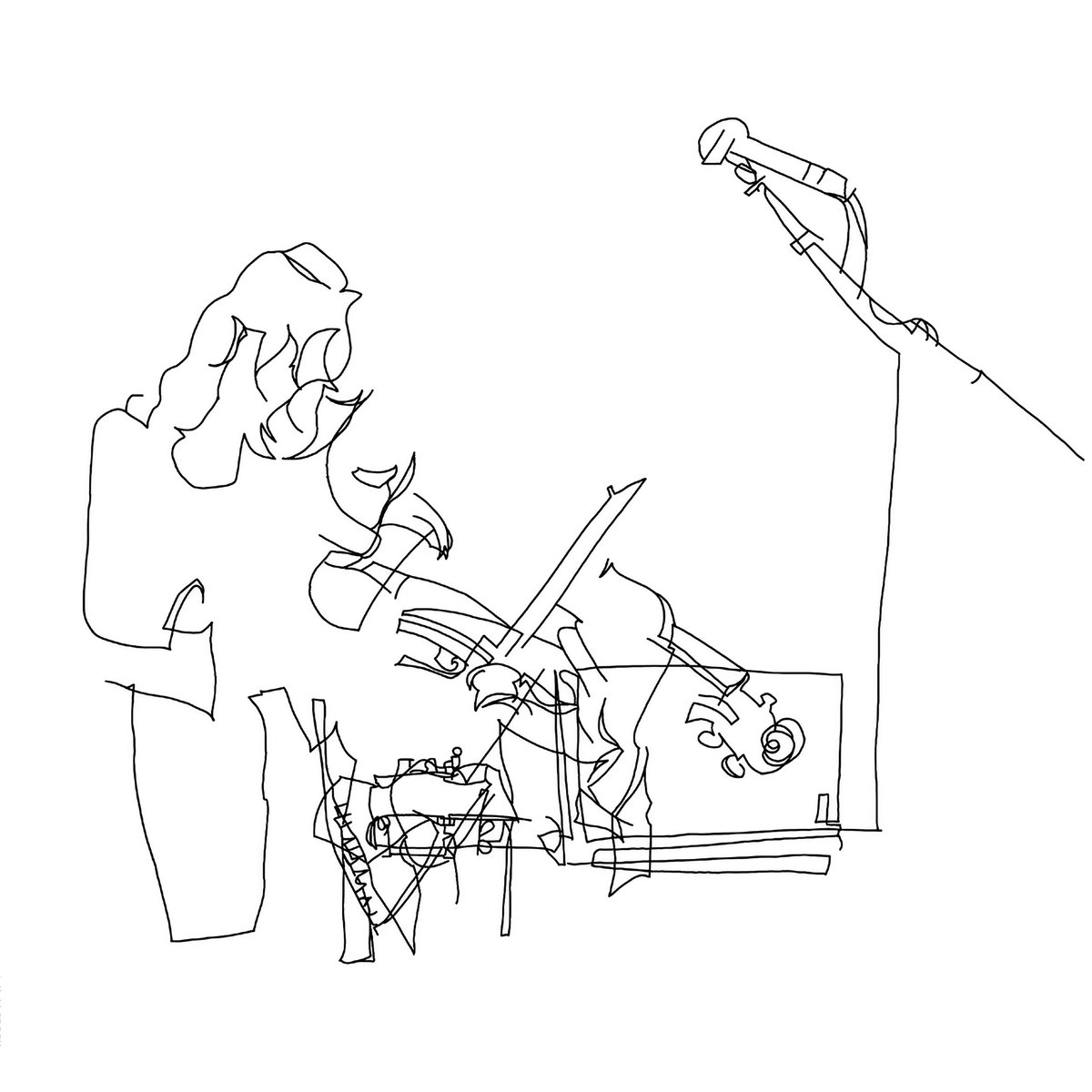
In Olafsson’s latest recording, Opus 109, he explores the throughline that runs so clearly through Bach to Beethoven to Schubert. You can hear the pull of emotion in every note of Olafsson’s interpretation, indicative of the new era that music was hurtling towards. Programming Schubert alongside two giants of classical music may seem an unusual choice at first glance, but upon closer inspection, we can trace a theme from Beethoven to Schubert: both composers defied traditional compositional structure in their later works. Schubert’s two-movement sonata, widely considered incomplete, is argued to be the opposite by Vikingur. Schubert would be utterly pleased to see his name alongside Beethoven’s on this cleverly planned album.

Vikingur Olafsson’s renditions of the works on this album are resonant, warm, and thoughtfully prepared. The album exterior reflects an equal amount of care: it’s impossible to ignore the mesmerizing cover photo. Vikingur has always leaned into his artistic sensibilities for the covers of his releases, and this portrait of him is no exception. Lush, sensual, and surreal, the artist invites the listener into his world with a direct gaze that breaks the fourth wall. You are beckoned to experience the beauty of these works alongside him. The performer is nothing without someone to play to, for what is music without anyone to hear it?

– Britta Joseph


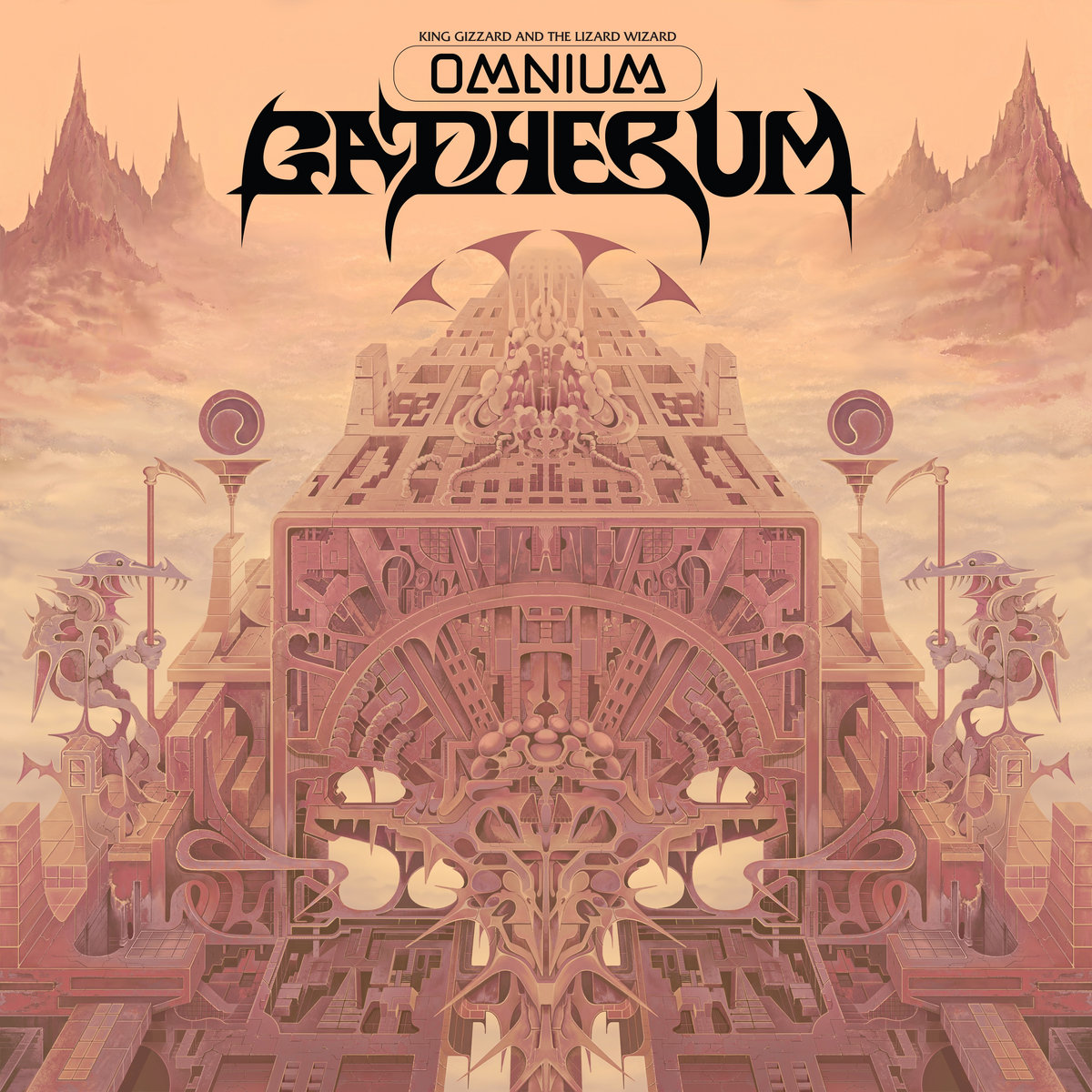
King Gizzard & The Lizard Wizard – Float Along - Fill Your Lungs

Flightless

Back when I was a green Gizz listener, I prided myself on holding the niche take that Float Along - Fill Your Lungs was the Australian psych-rock genre-be-damned mega-unit at their very best. And, even as “good ole days,” I still stand by it. Hearing “Head On/Pill” for the first time rewired what I thought a long song could be. (People joke about riffs or melodies being able to lift them from comas, but the “Head On” riff really does summon my Gizz geeker self from the depths of my psyche.) The opening guitar echoes and wobbles on “Head On/Pill” felt like a green, slimy, sticky, swampy flare shot straight into the night sky. (As Stu wrote in the liner notes: “It was short at first, but it just kept fucking growing like pond scum.”) And I realize now that I used to think it was the best Gizz album because it was the first Gizz album where the minds were truly meeting, the Gizzards letting their improvisational freak flags billow until they broke. It was also the de facto double-drummer album, a return to form that became a focal point of Gizz's live presence in the mid-2010s. With a ripping, wandering opener and a theme-song-esque title-track closer, the middle of the album is oft overlooked, but not in my world. Not in the world I’m living in. That’s where the Gizzards sneak their droning (“30 Past 7”), their fuzzy (“Pop In My Step”), their overmodulated (“God Is Calling Me Back Home”), and their funky (“I’m Not a Man Unless I Have a Woman”)—a great, big green journey into the outer reaches of it all. 

– Cassidy Sollazzo


The Hush Sound – Like Vines

Decaydance Records

When I was around 11 years old and burning the midnight oil on World of Warcraft in the family computer room, there was a good chance I was usually either listening to Billy Talent’s second LP or Like Vines by The Hush Sound. Released in 2006 on Pete Wentz’s Decaydance Records, this no-skip banger of an album is a masterclass in imaginative poetry and use of playful textures. Despite this release dancing in the same circles as Fall Out Boy and Panic! At the Disco, Like Vines stands strongly on its own feet outside the shadow of its contemporaries. This record’s unabashedly twee nature and jaunty rhythms, combined with its melancholic lyricism, feel very much at home in a time period where Hot Topic and the global village coffeehouse existed simultaneously. 

Like Vines gives you such a strong impression of what it’s about within seconds of starting with the charismatic, almost showtune-esque “We Intertwined” while tracks like “Lighthouse” and “You Are the Moon” display the group’s more heartstring-tugging, piano-forward qualities. It’s the effortless versatility, this shifting between full-band tracks with the more subtle breaks consisting of a single vocalist and a piano, that help this album stand the test of time. 

While I believe every track on this album is its own perfect, self-contained world to explore, the song “Wine Red” alone is reason enough for everyone to experience Like Vines at least once in their time on this earth. Of course, I’m also going to give a special shoutout to the Patrick Stump feature in “Don’t Wake Me Up” that I admittedly did not clock as him until many years into listening to the album.  

– Ciara Rhiannon


Hatchie – Giving The World Away

Secretly Canadian

If you’ve been looking for something to listen to while walking in a dusky city on a cool, spring night, look no further. Hatchie’s 2022 breakout album has the whimsical reverb that perfectly parallels Giving The World Away’s dreamy album cover, with beams of light and a glow reminiscent of a still frame from a futuristic Wong Kar-wai movie. The standout “Quicksand” was on my playlist for the entirety of 2022, making its way into my personal library when I would take the green-bullet G train and get a glimpse of the downtown skyline before heading back into the tunnels underneath Brooklyn. That bass during the chorus envelops me in such a beautiful way. Outside of Hatchie’s pop masterpiece, songs like “This Enchanted” explode with sound and color, while “The Rhythm” feels equipped for your dancing shoes. There’s a deep cut on this record called “The Key,” which is simply shoegaze perfection, with a chorus that slams with levels of distortion like nothing you’ve ever heard. There’s RANGE on this one! 

– Samuel Leon


Alex G – Rocket

Domino Recording Co

They say you never forget your first, and when it comes to Alex G albums, that’s certainly true for me. I distinctly remember trying to “get into” Alex G back in 2017; he was fresh off his contributions on Frank Ocean’s Blonde, and I was eager to learn more. First, I tried DSU since that seemed to be a consensus fan favorite at the time, but that record didn’t do much for me. This was still during his “(Sandy) Alex G” era, and I remember deciding to give him another shot early on in the summer when he released Rocket. I threw the album on while out for a walk, and the whole thing soundtracked my walk perfectly, seeping into the grooves of my shoes and flinging the hot air past me. I was walking through neighborhoods and fields that looked eerily similar to the one on the cover of Rocket: lush, waving, and full of motion off toward an indistinguishable horizon. There was no Jacob Sheep staring me down, sure, but I will tell you the first time I heard the dog bark on “Poison Root,” I took out my earbuds because I thought it was coming from a nearby backyard. That moment turned out to be transportive in the best way, making me laugh as I slipped my headphones back on and hit play again. The rest of the record is super laid-back and breezy, barring the off-kilter three-song suite from “Witch” through “Brick,” but even that I love as a sort of mid-album bridge into “Sportstar” and the remainder of Side B. Rocket is just a really special record that helped me unlock the rest of Alex G’s discography. I feel lucky to have fallen into it.

– Taylor Grimes


If we’re talking solid-color album art, there’s one band that stands above the rest, and that’s Weezer. Across fifteen studio albums, more than a third of their discography is made up of self-titled albums that fans simply refer to by their color. Each features the band members lined up staring down the barrel of the camera against a solid-colored background. In this recurring section, we’ll address the elephant in the room that is Weezer’s discography.

Alright folks, big Weezer fan Lillian Weber talking here. And by that I mean up until today, April 25th, 2026, I have only listened to Weezer, Pinkerton, Everything Will Be Alright in the End, and Weezer in full. No, those are not in chronological order, and which colored Weezer albums I am referring to is for you to decide. Weezer (The Green Album) was not one of them. Beyond those four albums, I knew the singles, and no one could convince me I really needed to listen to anything more from further Weezer albums. With Green, I knew one song that wasn’t a single, and it’s this live performance of “Don’t Let Go.” This is much better than the version on the record because River’s sings like this song actually has a target, like there is actually a love he is desperate to keep in his life. But I’m getting too close to my issues with this record, and we have singles to talk about. 

What do I think of the singles? “Hash Pipe” is obviously a perfect song, and “Island in the Sun” is just that: a pleasant idea. Listening to this record today, what I’m most struck by is how pleasantly this record goes down. You can’t call it bad, per se, because the melodies are good, the lyrics are inoffensive (except “crab at the booty”), and the instrumentals are the perfect bridge between the emotive alt-rock of The Blue Album and the fluff Weezer would continue to pump out until EWBAITE (but which immediately returned on White). The band went to the studio with the intention of resetting to what fans liked about Blue after the EVERYTHING of Pinkerton. But what makes The Blue Album so good to this day is how it melds the emotional anguish with hooks. The Green Album is just hooks for the sake of hooks, and hey, I’m not above the platonic ideal of a hook, but this is WEEZER we’re talking about. But now that I think about it, this is Weezer we’re talking about

The cover is okay. River’s looks a little surprised by the camera, and that’s about all the emotion we get out of him on this record…. I’m sorry he really sings “crab at the booty.” WHAT ARE WE DOING HERE? 

– Lillian Weber


Crash of Rhinos – Distal

Triste 

If you have an opinion on the term “midwest emo revival,” then you probably know this album already. Released in 2011, Distal is a brooding work of dueling guitars and uncertain trajectories, inhabiting the intricate space between emo and math rock. The reason I call this period “revival” is because bands like Crash of Rhinos, Algernon Cadwallader, and Sport brought back a sound from the mid-to-late nineties. The sound they breathed new life into was originally concocted by Cap’n Jazz and Braid, who crafted fast, chaotic, and thoughtful tunes for as long as they could manage. The cost of their energy and intensity was an all-too-brief lifespan. This was similarly borne out by Crash of Rhinos, whose original run as a band lasted from 2009 to 2014.

Despite knowing about this album and listening to it for the better part of five years, this is the first time I’ve looked intently at the cover. It appears to be a picture of a threshold into another room, with a dark green filter applied on top of some building notes. The cover is maybe even referenced in “Lifewood” with the line, “Take back these ideas / These words and notes and papers and plans.” 

It would seem to me we are living through another revival, but this time it might stick. Emo is approaching mainstream “cool” in a way it never has before, long-defunct bands are reuniting for huge festivals, and the internet has made it possible for anyone with enough free time and DIY grit to achieve global listenership. Luckily for us, Crash of Rhinos is one of these reuniting bands, with a full album releasing on May 22nd. If you can’t wait, you can already listen to two new badass singles on Bandcamp, released just last month.

– Braden Allmond


King Gizzard & The Lizard Wizard – I’m In Your Mind Fuzz

Flightless

Am I in Heaven? No, I’m just listening to King Gizzard’s fifth studio album: I’m In Your Mind Fuzz. Often called a psych rock or garage rock record, this album transcends both genres to do something bigger, opening with a four-song suite, the first of many that Gizz would go on to do, becoming a staple of the band’s sound. This album is much more than its ripping first four tracks, however, as Side B gives us something else we’ve never seen before from this band: slow jams. Throw away your spring reverb, fuzz pedals, and turn down the gain on your amp, cause it’s time to slow things down and talk about saving the earth.

Of course, it’s hard to talk about this album without talking about the album art. Visual artist (and essentially the bonus member of Gizz) Jason Galea designs nearly all the band's visuals, from album artwork and music videos to show posters and projections. Galea, in short, is the band’s visual identity, which is why it’s so weird that this time he just shamelessly ripped off the cover art for the 1983 Atari game Fortress. as the band begins to create The Gizzverse, an interconnected story that ties together many of their albums and songs.

The Gizzverse is only visually depicted on this record through the cover art, but in subsequent albums, we’ll get context for why the sea is green on the cover and why the castle is crumbling. Perhaps we even get answers as to where the lightning is coming from. Indeed, this record’s art sets up the story for at least the next eight records the band would release. Don’t call it psych rock. Vocalist Stu Mackenzie has tried to shed that label. Rather, think of it as a puzzle piece, a first look into what’s to come, and an invitation to put in some work on this angel of a planet we call home.

– Noëlle Midnight


Coheed and Cambria – The Second Stage Turbine Blade

Equal Vision Records

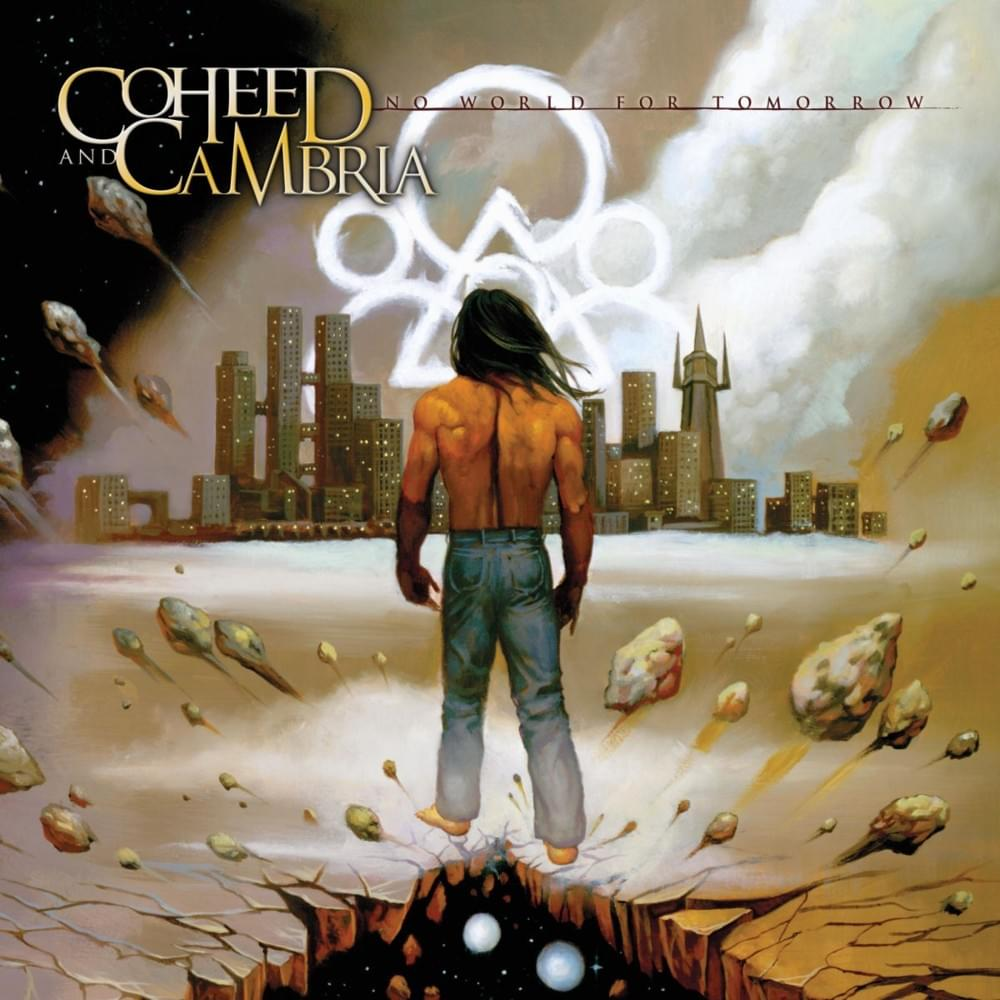
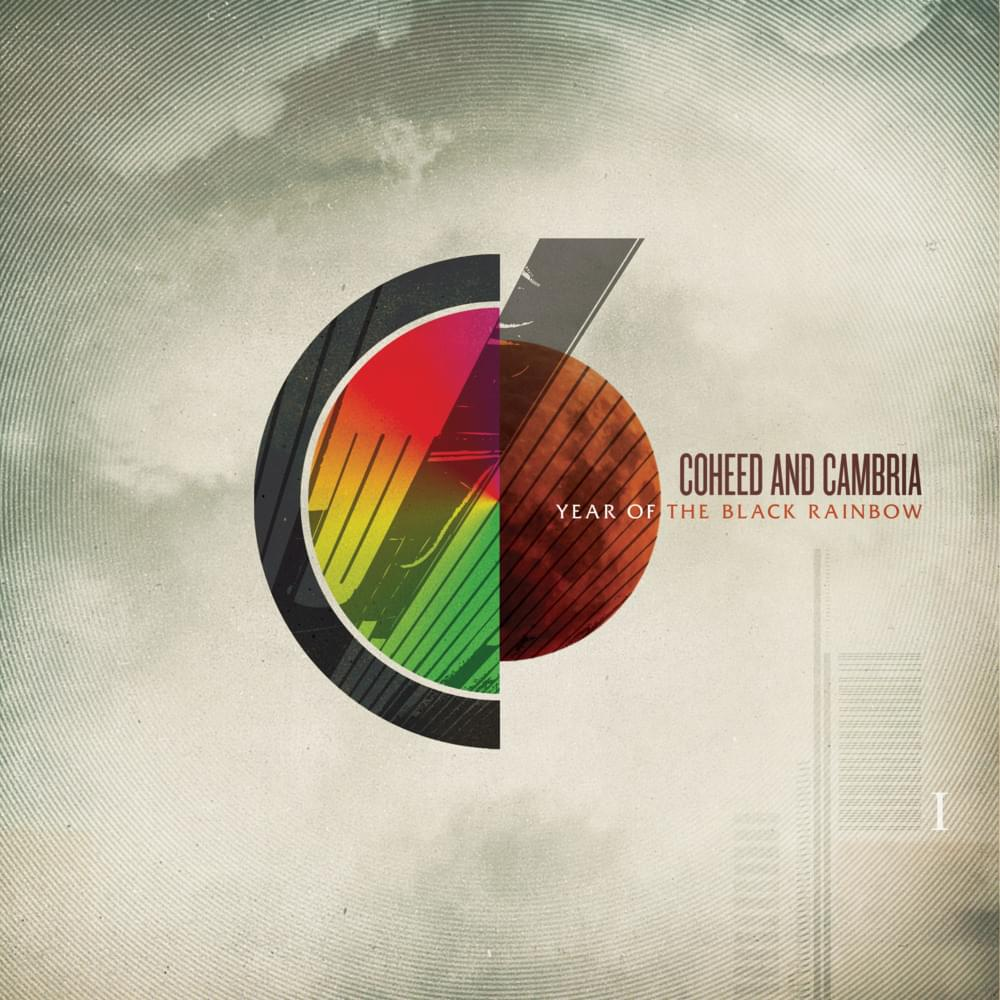
As a lifelong Coheed and Cambria fan, I would be remiss not to give a special collection of words to the green album that started it all. The Second Stage Turbine Blade is easily one of the most ambitious debut albums I have ever heard, and even 24 years after its release, I am continually impressed and inspired by it. Coheed’s firstborn originated many of the group’s staples – the eerie, instrumental opening track and outro, the handful of proggy tracks exceeding 10 minutes in length – while also birthing a discography-spanning, sci-fi epic centered around the two characters for whom the band is named. 

While Coheed’s third album, Good Apollo, I’m Burning Star IV, Volume One: From Fear Through the Eyes of Madness, is my indisputable favorite of the band’s catalog, The Second Stage Turbine Blade contains some of my top Coheed tracks, including the impossibility badass and sonically rich “Delirium Trigger” that I once transcribed by ear for classical guitar quarter in my final year of college. “Everything Evil” similarly ranks high in the pantheon of Coheed tracks and is probably their best live song to date, with its entrancing final “Dear Claudio-o” chant and typically present ripper of a guitar solo. It’s difficult not to list every track on this album as heavily influential, but “Junesong Provision” holds a special place for me, along with its acoustic demo featured in the deluxe version of the album, complete with an audio clip from the cult classic, Army of Darkness.

The Second State Turbine Blade is owed reverence not only in the history of great rock albums, but in my history as a music-lover, leading me down the paths I have been able to walk and the relationships I’ve been able to form through Coheed and Cambria. Fortunately, it remains a classic and a timeless masterpiece that I get to return to and enjoy to this day. 

– Ciara Rhiannon


Ogbert the Nerd – I Don’t Hate You

Sun Eater Records

My first show after the COVID-19 Pandemic was in July of 2021. It was called the DIY Super Bowl, featuring an absolutely stellar lineup: Guitar Fight from Fooly Cooly, Blue Deputy, Oolong, Carly Cosgrove, and Ogbert the Nerd—a veritable who’s who of the burgeoning community of fifth-wave emo bands. After over a year without shows, the DIY Super Bowl finally offered the catharsis we all so desperately needed. No one brought that catharsis on that sweaty July night quite like Ogbert the Nerd. 

Their debut LP, I Don’t Hate You, showcases their incredibly messy brand of emo perfectly. It is far from polished, even by the increasingly lo-fi, messy standards of fifth-wave emo. The guitars are frantic, constantly driving forward and nearly careening off course. On “Do It For Elio,” lead singer Madison James’ voice is constantly breaking and straining with pure emotion. Throughout its brisk 30-minute run time, their vocal cords always sound moments away from snapping in half while screaming about being a fuckup, being fucked up, and being fucking mad at your fuckup friends. “You Like the Raiders?” opens with genuinely one of the meanest opening lines of any song: “Hey fucker, nobody ever gave a shit about you.” For a 20-year-old whose life was just derailed by a global pandemic, who struggled with finding joy, who didn’t believe in herself, and who was harboring a great deal of frustration with the world, I Don’t Hate You felt like a bolt of lightning. An album that was the pure distillation of all the energy, anger, and anxiety I had bottled up inside of me.  

The moment from Ogbert’s set that will always stick with me is when I attempted my first-ever stage dive. Attempted is the keyword here, as it was much more accurately a belly flop. I fell directly into the first row, where somehow the perfect number of people both dodged and tried to catch me, leaving my feet pointing sky high, my face planting into what must rank as one of the top three grossest venue floors of my life. Despite this, the most vivid part of my memory is how I bounced right back to my feet, energized by the hectic, frantic music, ready to keep swinging, keep dancing, and keep embracing the pure catharsis that Ogbert the Nerd brought that evening.

– Caroline Liaupsin


Angel Du$t – Brand New Soul

Pop Wig Records

I am going to hop on my fucking soapbox and declare that Brand New Soul is the best record to drive to. Ever. Of all time. Don’t believe me? Okay, well, get in my Accord, baby, and we’ll go for a spin. “Brand New Soul” is the perfect song for trying to connect your phone to the Bluetooth thing. “Love Slam” is the perfect song for pulling out of your parking space and hitting the gas a bit too fast. “Don’t Stop” is a humble trucking song. “Racecar” is a song for sitting at the red light. “Space Jam” is for the light finally turning green. You get it? It’s a perfect LP, and I’m not just saying that because it has “Sippin’ Lysol” on it.

– Caro Alt


Anxious – Little Green House

Run For Cover Records

Anxious doesn’t waste time with sugarcoating difficult emotions in their debut album, Little Green House. Sitting at a tight 32-minute run time, this record approaches the bittersweet experience of growing up with honesty and wisdom beyond the band’s years at the time of writing. In the same way that life often demands that we balance many feelings at once, Little Green House simultaneously addresses themes of relationships, grief, change, and doubt. What better way to work through such heaviness than the tender, precise blend of melodic hardcore and emo that Anxious has been refining since high school?

Despite its subject matter, this record doesn’t lead me to dwell on things. Instead, it evokes grit, determination, and an intent to keep moving forward after reflecting on the past. The first three tracks are punchy – anthemic even – and they carry a momentum as if to suggest that the only way out of pain is by going through it. This energy is contrasted beautifully in the stripped-down moments of “Wayne” and the poignant closing track “You When You’re Gone.” Anxious stay true to the genre in their configuration, yet deliver an instantly recognizable sound through subtle vocal processing and unique instrumentals. This record feels like a raindrop-soaked memory in a rearview mirror; the perfect backdrop for leaving something behind before facing a new chapter. If you’re wrestling with confusion, gloom, or transformation in life, you very well may feel at home within the walls of Little Green House.

– Annie Watson


Bomb the Music Industry – Get Warmer

Quote Unquote Records

A bright, empty green field is a promise, a clean slate to build on. Jeff Rosenstock knew what he was doing when he picked a photo of a field for the cover of Get Warmer, a record about how you can get a clean slate by moving states, getting sober, and riding bikes, but things won’t really change unless you do. When Rosenstock sings, “It never seems to get warmer / no matter how far south you go,” he doesn’t just mean literally. The obvious double entendre implies that when you look outside yourself for the truth, you just get colder. It doesn’t matter what the Georgian summer brings when “problems are all I create.” For as goddamn fun as this album sounds — specifically how euphoric “I Don’t Love You Anymore” is to shout along with — this is a desperate record that can’t fulfill any promises you can’t do yourself. 

– Lillian Weber


Field Medic – Light Is Gone 

Self-released

I was pretty late to the Medic Nation. I jumped on board after seeing a tweet someone had posted about not being able to listen to Field Medic because of the way he looked. Usually I just scroll past that sort of online hate, but it was 2020 and I didn’t have anything better to do considering the world outside had stopped, so I decided to see what this person looked like that made someone so angry. Six years later, Kevin Patrick Sullivan, the man behind Field Medic, Paper Rose Haiku, and Protection Spell, remains one of my favorite artists. Debut album Light Is Gone is a homebrewed, lo-fi folk album that is somehow reminiscent of the old folk music my mom would play in the kitchen, yet also contemporary and fresh. Recorded live directly to cassette tape, the songs on Light Is Gone are sparse in their arrangements but dense in their lyrics of love lost and nights spent alone drinking. One of my highlights on the album is the closer “it’s still you,” where Patrick sings about a sketchy situation of some dudes getting him to cash a stolen check for them. I was genuinely shocked to hear something so transparent and vulnerable from an artist. That courage to put out a song that revealing inspires me to this day and always keeps me coming back to not only Light is Gone, but to Patrick’s work in its entirety. May we all be that true to ourselves in our lives.

– Nickolas Sackett


Honorable Mentions

Hey, we can’t write about every album with this color, so here’s a list of some more that we feel like we should mention.

  • American Football - American Football

  • The World is a Beautiful Place and I am No Longer Afraid to Die - Harmlessness

  • Prince Daddy & The Hyena - Adult Summers

  • Alien Boy - Don't Know What I Am

  • Minus The Bear - Menos El Oso

  • Anxious - Little Green House

  • Fleet Foxes - Fleet Foxes

  • Soup Dreams - Hellbender

  • Charli XCX - Brat

  • Band of Horses - Everything All the Time

  • Big Black - Songs About Fucking

  • The Beths - Expert in a Dying Field

  • Enter Shikari - Common Dreads

  • SZA - Ctrl

  • Wilco - Schmilco

  • Big Thief - Double Infinity

  • The Smashing Pumpkins - Pisces Iscariot

  • Alex G - DSU

  • Deftones - Private Music

  • Pool Kids - Easier Said Than Done

  • Tiberius - Troubadour

  • Gladie - No Need to Be Lonely

  • Ratboys - Singin’ To An Empty Chair

  • Origami Angel - Somewhere City

  • Fiddlehead - Between the Richness

  • Lucky Boys Confusion - Commitment

  • Opeth - Watershed

  • Type O Negative - The Origin Of The Feces

  • Type O Negative - Bloody Kisses

  • Type O Negative - World Coming Down

  • Type O Negative - The Least Worst Of

  • Type O Negative - Life Is Killing Me

  • Type O Negative - Dead Again

  • Alex G - Rules

  • MJ Lenderman - Manning Fireworks

  • bedbug - pack your bags the sun is growing


Collect some more Covers:

January Blues

February Reds

March Yellows

The Emo(Con) Diaries

Photo by Annie Watson

Earlier this month, I went to a first-of-its-kind, academic conference on emo music, called “A Conference…, but it’s Midwest Emo” aka EmoCon for short. If you’re getting déjà vu, it’s because I interviewed the organizers about a month ago, chatting about the conference’s inception and their goals.

Things kicked off on Friday, April 10th when Dr. Steve Lamos, drummer for American Football and professor of writing and rhetoric at University of Colorado Boulder, gave a fantastic opening keynote at the music building of Washington University in St. Louis. His talk was about writing with nostalgia, closely following an article he published in the Journal of Popular Music Studies earlier this year. After about 90 minutes of discussion, Q&A, and meeting other attendees, we headed to a beautiful bar called Blueberry Hill, where we retreaded old topics with new friends in the tiniest, oldest wooden booths in all of Missouri and geared up for a Saturday full of talks.

Saturday morning, after opening remarks and familiarizing ourselves with the exceedingly generous coffee and bagel spread, attendees split up to catch whichever talks interested them the most. At any given time, there were four panels running simultaneously, each featuring 20-minute talks and 10 minutes for questions. 

The panels ranged from discussions on archivism, the aesthetics of catastrophe, and kayfabe in MCR’s current tour. It was a whirlwind of people and ideas, and I wish I could have been at every single talk. There was an immense variety of presenters, not only in topic but also in discipline, methods, and personal backgrounds. I scribbled several pages of notes, shook a lot of hands, gave out many business cards, and did my best to keep up with everyone else. 

Photo by Dan Ozzi

After the last talk, we had two hours to ourselves before the concluding keynote and concert. One quick outfit change and a glass of wine later, we made it to Platypus with just enough time for dinner and a beer before Dan Ozzi’s talk. If you don’t pay attention to the names of journalists, you should. Ozzi is a long-time music journalist who wrote “SELLOUT: The Major Label Feeding Frenzy That Swept Punk, Emo, and Hardcore (1994-2007),” which is now a foundational text for researchers and enthusiasts of alternative music. His talk focused on aspects of selling out, gatekeeping, and poserdom, and how those words mean something different now than they did 20 or 30 years ago. The setup was notable as Dan talked at the front of the room for the better part of an hour, facing down a crowd of 40-ish two-beers-in academics with questions that could have lasted the entire evening. 

Eventually, Varun and Patrick broke up the Q&A and segued us into the concert, starting with Girl Gordon from Cincinnati, Ohio. This set alone convinced me that every conference should end with a concert. Not to mention, at least half the band members had also been presenters earlier in the day. They were followed by the cover group Silly Little Emo Band, which pulled a double set of all your cooler older sister’s favorite songs, including “Ohio is for Lovers,” “Twin Sized Mattress,” and “My Immortal.” In true emo fashion, the band revealed mid-set that this was a “farewell show of sorts,” and they were going on a “temporary hiatus” until all the members could finish up their degrees. 

By the end of the night, I had sweat out about three beers and was completely losing my voice. The night ended with a cover of “Welcome to the Black Parade” and about an hour's worth of goodbyes as people trickled out of the bar one by one, making last-minute exchanges, promising to keep in touch before heading back to their hotels, AirBnbs, and friends’ couches. 

There were many unforgettable memories made at EmoCon. Though at one of the archivism talks, we discussed how EmoCon itself wasn’t being recorded or archived very much beyond iPhone pictures and Instagram stories. To help hold onto a very special weekend, we put together a wall of diary entries from the attendees. 

— Braden Allmond


“It was hilarious to be in the same room as Steve Lamos when one of the panelists did a dramatic reading of the ‘real emo’ copypasta, which directly bashes American Football. A lot of laughter was shared throughout the whole weekend. ” — Annie Watson, Attendee


“The biggest memory I think I’ll have is how inclusive it felt, especially for someone who would otherwise consider herself an outsider to the emo world. I appreciated how accepting and welcoming everyone was.” — Lizzy Cook, Attendee


“When Patrick and I started planning EmoCon about a year ago, we never thought it would grow in the way it did. We hoped that the conference would be able to mix the welcoming realities of the DIY communities that built emo with the academic rigor that sustains educational life, believing that both could complement and improve the other. Everyone was so wonderful in every way, and it resulted in EmoCon being an effortlessly amazing event. It filled my heart with so much joy to see how welcoming, intellectually stimulating, and fun it was and to see what perhaps the best of academia (and emo) could end up being!” — Varun Chandrasekhar, Conference Organizer
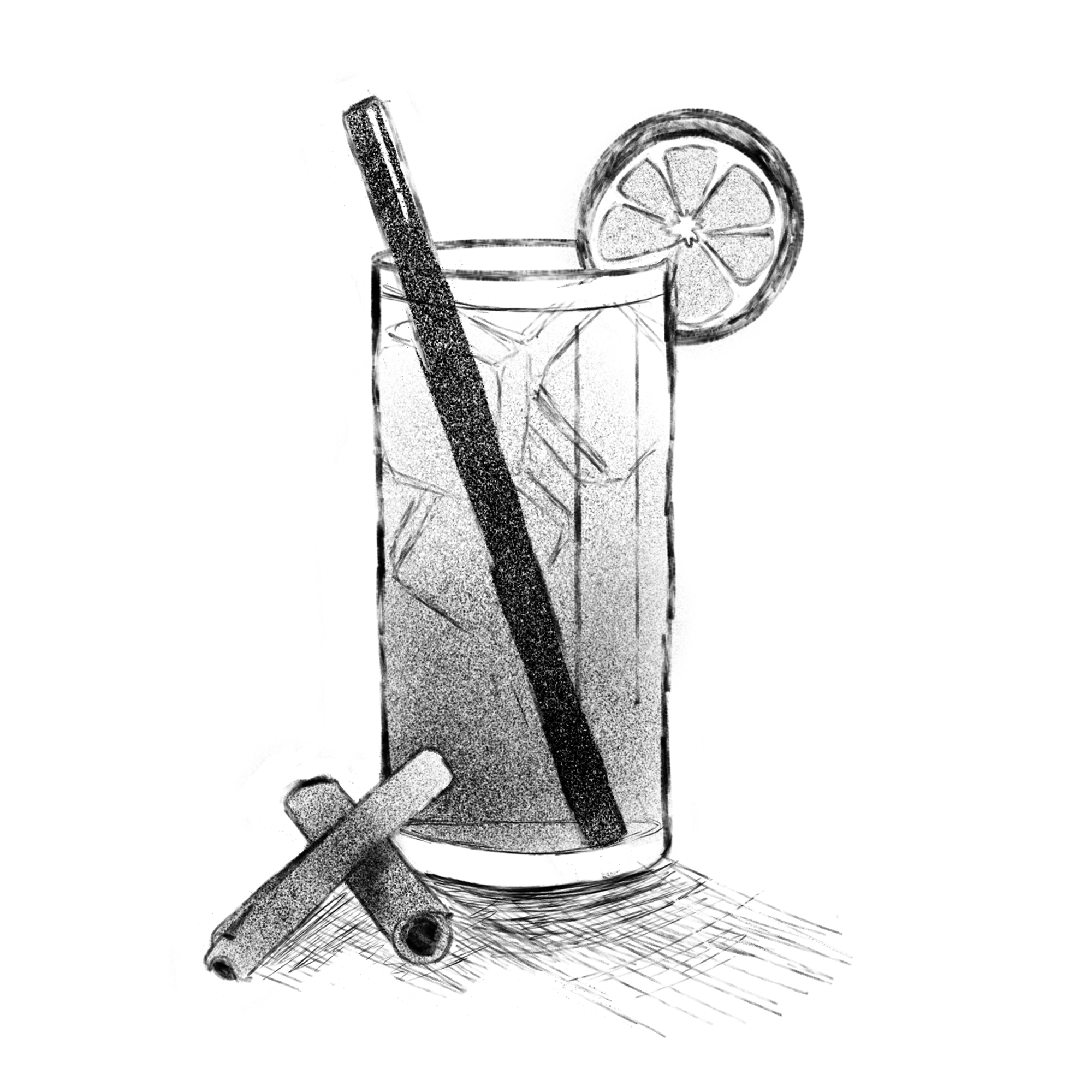

“I think of all the Gerard Way love. He and MCR make women, youth, and LGBTQ+ feel seen and safe during post-9/11. Also, Ella’s classic Gerard photos, the fashion, the laughs, the uplifting of BIPOC scholarship, and all forms of emo. An honorable mention to Blueberry Hill grilled cheese and gooey butter cake with my new friends.”— Kristy Martinez, Presenter 


“Love was on full display at EmoCon 2026. The love of music and community was palpable; I hope this is the first of many emo conferences to come. I believe I made lifelong friends and colleagues. A special thank you to Steve Lamos for being such a kind spirit. Eternal gratitude to everyone who made this possible! <3” — Victoria Smith, Presenter 
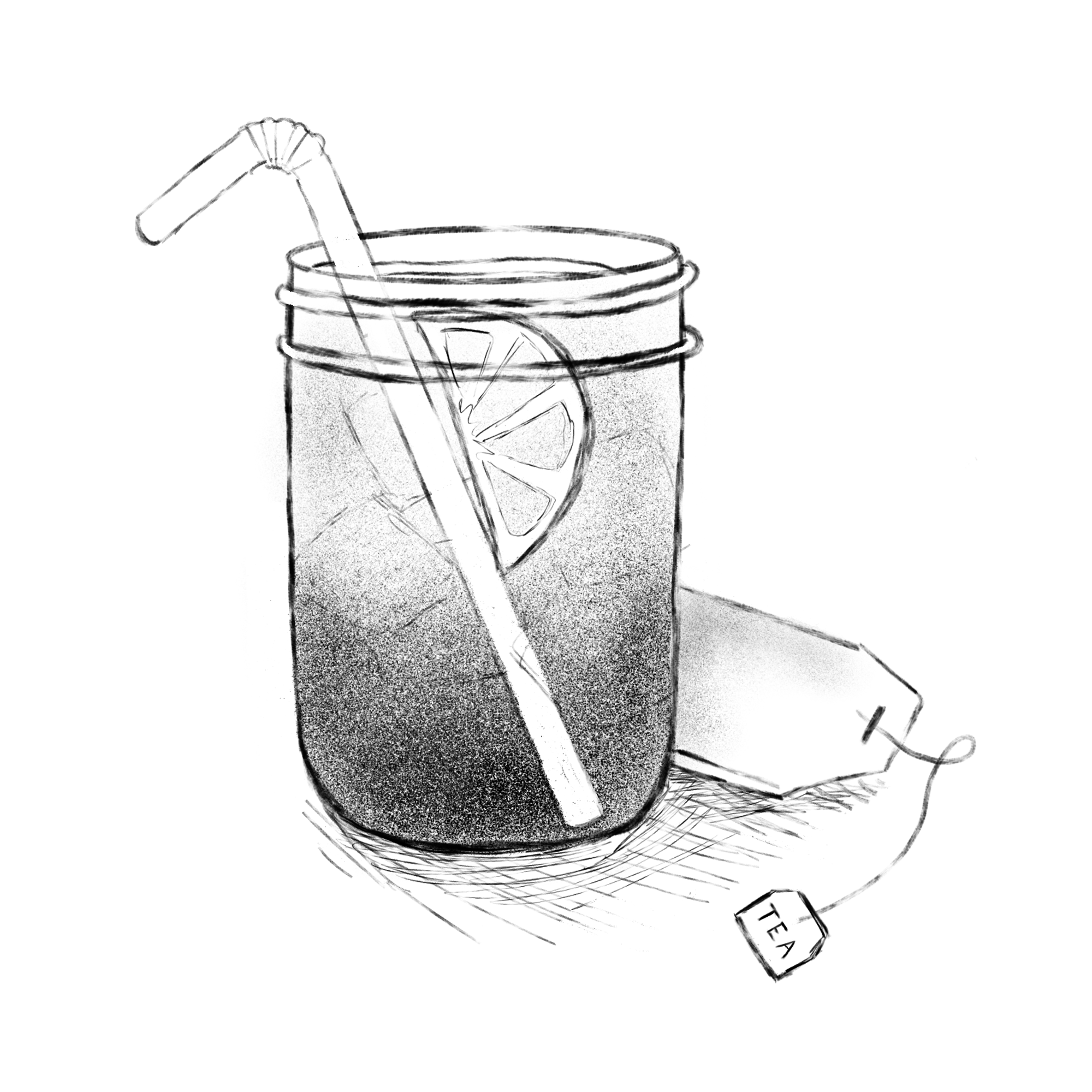

“I’m watching Free Throw and Macseal at Delmar Hall alone after the conference, feeling desperate to keep the magic alive. It’s been over a decade since Those Days are Gone came out. The kids in the middle are anxious to start a pit, and I realize they all look so young. So familiar. The openers, Wakelee, all look about the same age. The stage lights cast Cory Castro in long, wilting pink shadows across the far left wall, and I think of that Current Joys lyric, “all the punks are writing memoirs.” I don’t stand for the whole set, but I record Two Beers In on my voice note app before I walk to the hookah bar. I tell Luna and Braden over text the next day that it felt like walking into my own house party on the last song when everyone is giving it everything they can.” — Sarita “Rita” A. Deleon-Garza, Presenter
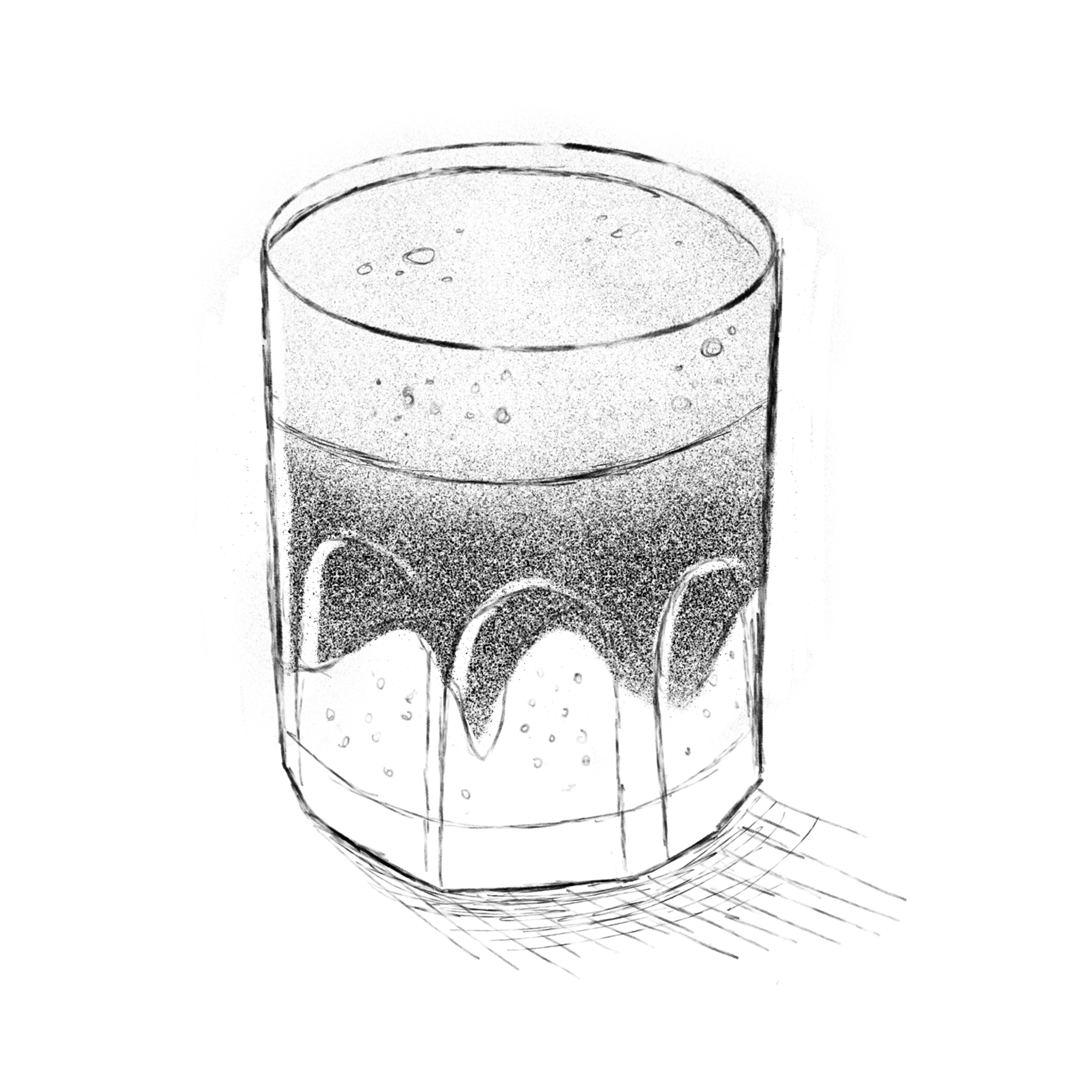

“It was so beautiful to be surrounded by fans and enthusiasts of a genre that literally saved my life. My favorite memory was Izzy yelling ‘Hello gay people!’ before the LGBTQ+ emo scholars’ working lunch and seeing an idea we had for ages take form in flesh and blood. Also, sorry Stars and Stripes, but the MCR Trans Flag is the only flag I’ll salute. It was an empowering experience to meet Mick and learn the stories behind this flag, especially as a queer person in Nashville, Tennessee, where Vanderbilt University has stopped doing gender-affirming healthcare.”— Logan Dalton, Attendee

Photo by Dan Ozzi


“Being a non-academic elder emo, I had no idea what to expect from this conference and was blown away by it all. Seeing people from so many life paths come together to talk about this lens of identity we all share, from their own points of view, expanded my mind (and heart) in the best way. The emo in me sees the emo in everyone who attended.”  — Amanda Brennan, Presenter


“I spent much of my beautiful Saturday tuning into various Zoom rooms from Philadelphia, PA, the emo capital of the world (to me). I got to learn about agency and individualism across three different waves of emo, see some cool maps on the genre’s locality, and delve deep into the Queer Worldmaking of My Chem. That evening, I walked to catch Ultra Deluxe and Boyclothes at a local pizza shop and felt overflowing with positivity about this genre that’s so easy to parody, skewer, and criticize. There’s cool stuff happening everywhere, you just have to know where to look, and I thank EmoCon for elevating such thoughtful discussions on this genre I love so dearly.” — Taylor Grimes, Digital Attendee


“It’s not very often you attend an academic conference, and then four hours later all those same attendees are jamming out to a live performance of “Catalina Fight Song” straight into “Constant Headache.” It was special and surreal. I blinked and it was over.”— Keno Catabay, Presenter


“Home is a feeling, or so the cliché goes. When you’re queer and Filipinx and maybe emo and coming up in the semi-rural exurbs of St. Louis, the feeling of home is always ambivalent, always asterisked, always with one or two or twelve caveats sticking in your ribcage, sharp and stubborn and raw. On top of this, emo is (or can be) a scene with rigid, sometimes violently policed borders and high barrier to entry. We all know the truism-turned-meme about “real emo.” So, it’s a tremendous testament to the organizers, participants, and community that EmoCon was wholly a space of welcome and refuge. What this gathering made clear is that if emos are antisocial, it’s because we’re busy facilitating different forms of the social. It felt radically open. It felt radically undisciplined. It felt intentional, exciting, and new. If home is a feeling, EmoCon felt like coming home.” — I.F. “izzy” Gonzales, Presenter

Collage by I.F. “izzy” Gonzales


“I think a lot about the words of the artist Corita Kent when it comes to art making: ‘Find a place you trust and try trusting it for a while.’ This applies to everything, though. How are we supposed to build new, beautiful worlds if we don’t trust each other? EmoCon gave me that place physically, and now I’ve brought it home as I continue to stay in contact with my new friends/colleagues! The work we are doing is important, and I want to hold everyone at the conference in my arms and tell them, ‘You matter! What we are doing is so fucking special that they’ll have to write about it in the history books!’ ” — Luna Maldonado-Velez, Presenter


“Emo has meant a lot to me since I was wee. Growing up as a Scottish, Nigerian, and Welsh kid in Edinburgh in the 90s/00s, I found my way to emo through blogs, zines, and friends. Being at EmoCon in St. Louis felt beautifully surreal, especially hearing and learning from many people who, too, have been at the fringes of emo and who embrace how it collides and communes with jazz, punk, post-hardcore, hip-hop, and rap. A very generous and insightful opening keynote by Steve Lamos set the tone for the heartening times that followed. The “Musickal Mattering” that he shared about was deeply felt throughout, including during the brilliant gig by Girl Gordon and Silly Little Emo Band. Big thanks to everyone who made this awesome, caring, and intergenerational space <3 I’m excited for all that’s ahead.” — Francesca Sobande, Presenter 


“EmoCon was nothing short of a delight. During lunchtime, many people clustered around the courtyard of the conference venue, talking to strangers, making new friends, and organizing new groups. A repeated comment I heard from both presenters and attendees was that this was the friendliest academic conference they had ever been to—and as someone who's only been to philosophy conferences, I have to agree. EmoCon hosted a broad range of disciplines spanning a wide intersection of generations, cultures, and identities. People were safe and welcome to be who they are, regardless of labels and appearance. The result was a turnout that boasted the most creativity and diversity I have ever seen at a conference—but none of that compromised the passion, quality, or rigor of the presentations. That's the beauty of it: People being their full selves, pouring love into their favorite art. It's what community is all about.” — Kierra Hammons, Attendee


“Everything about EmoCon was so ideal—from the presenters who provided the academic quality to the audience members who brought a warm, DIY energy to every panel. Not only was the positivity palpable, but our wonderful keynote speakers (Steve Lamos and Dan Ozzi) gave EmoCon a validity that matched the program’s impressive scholarship. There was also something poetic about ending the conference with a concert. Even after a long day of presentations, the venue was still packed with a bunch of emos, academics, and emo academics singing along to their favorite songs. Varun and I still can’t believe how beautiful EmoCon was. All of this leads me to believe that while EmoCon ‘26 was the first academic conference on emo, it will not be the last. We hope to see you soon <3” — Patrick Mitchell, Conference Organizer

Photo by Annie Watson


“In grad school, you're told to go to conferences to network, make introductions, sell your book. Real ones know the best conferences are the friends you make on the way. Three Cheers for Varun and Patrick for creating a welcoming place where innovative interdisciplinary scholarship can thrive within (and break down) the university walls. Also, never forget that the Daily Mail once described The Black Parade as ‘the place emos go when they die.’” — Alex Valin, Presenter


“This was truly one of the most enjoyable conferences in which I’ve ever participated.  Varun, Patrick, and everyone else involved in the event were just wonderful–and I truly hope that this is the first of many EmoCons to come!” — Steve Lamos, Keynote Presenter


“EmoCon was genuinely one of the most thoughtful and engaging conferences I have ever attended. It was amazing to meet and talk to people from so many different places and scenes and hear about their experiences. As an elder emo kid, it was so electric to hear from younger folks how they discovered these bands and what their scene is like. It was the best mixture of academic nerding out and meeting new (have I actually known you my whole life??) people. Emo Summer Camp vibes! The reception I received at EmoCon healed my deep academic trauma in so many tangible ways. Thanks, Varun and Patrick, for creating such an intellectually engaging space for us to come together!” — Alex Plante, Presenter


“I think so often in the academic world, we get caught up in our field and collect accolades to build up ‘cred’ with those peers. However, having an outlet for such a variety of people to come together in shared love and express themselves in authentic ways speaks to the power of this conference! I’ve never been a fan of ‘passion projects,’ but I feel like I found a real one. Sure, I love my job and the work I do, but to have a legitimate place to explore, learn, and play with people from all over gets me excited for the future with you all!” – Pete White, Presenter


“EmoCon was such a wonderful experience. It’s amazing to see so many people studying this music, and we’re grateful we could share our research with this community. Thanks to Varun and Patrick for putting it all together, and we look forward to the next one!” — Matt Chiu & Tyler Howie, Presenters


“EmoCon was all of the experiences I love about academia—connecting with others about the same interests, sharing my ideas and learning in return, and having deep and satisfying conversations about a topic that is important to all of us. I met so many insightful, passionate, and open-minded people from all sorts of places and fields that I would likely never have crossed paths with otherwise. I wish there had been more time to talk to everyone, but I can’t believe how many meaningful new friendships I was able to make in such a short time, and I am really looking forward to watching this community continue to grow!” — Lauren Posklensky, Presenter

Photo by Dr. Jenessa Williams

Cover Collector – March Yellows

Design by Ryan Morrissey

I don’t know about you guys, but I love a good album collage. One of the first things I do every Friday is head over to tapmusic.net and render a 4x4 chart of the albums I listened to most over the past week. At the end of each month, I do the same thing with a 5x5 that recaps my previous 30 days of listening. By the time December rolls around, I look forward to recapping the last twelve months with a gigantic 10x10 grid in an unwieldy encapsulation of the 100 albums that defined my year. 

Is it a little self-aggrandizing? Sure, but it’s also a fun way to see a quick snapshot of what my last week, month, or year has sounded like. At its best, this practice has led to fun conversations and solid recommendations going back and forth with friends as we bond over specific albums. Sometimes it’s that shared love over a deep pull from years gone by, other times it’s just noticing trends with a recent fave that seems like an unshakable presence week in and week out. At the very least, I suppose it’s satisfying to see a bunch of records that I feel an affinity toward lined up and embodying a specific stretch of my life. 

At some point near the tail end of last year, I conceived of a more communal way to bring this love of album collage to life. Because, sure, getting a live readout of your listening history is cool, but this is also about album art, an essential part of the experience and something us nerds can fixate on just as much as the songs that sit beneath the cover. As such, I’m excited to welcome you to the third edition of Cover Collector: a monthly installation where the Swim Team discusses some of our favorite albums based on album color. For March, we’re writing about yell-worthy yellows


Marietta – As It Were

Near Mint

Look, I’m not gonna pretend As It Were is better than Summer Death, I’m just saying one could make the argument. There’s a reason that Marietta’s debut is as revered and lauded as it is; songs like “Cinco De Mayo Shit Show” have become scene staples for a reason. Summer Death is evocative of a very specific period of concentrated Emo Revivalism that was overflowing from Philly in the early 2010s, but how does one follow that up? As It Were posits an artistically fulfilling path forward, chartered by these four individuals we see on this cover set against a modest mellow yellow wall. Songs like “Pony Up!!” and “United Away” still explode with anxious, youthful emo energy, while others like “Ilai, Eli, A Lie” and “Brains” articulate a clear desire to be making a different style of music entirely. 

For years and years, Summer Death was all I listened to when it came to Marietta. That record soundtracked entire seasons of my life, and I kinda figured that nothing else could stack up. At some point in the last handful of years, a friend recommended that I wait until the first really warm day of spring, then go for a walk and listen to As It Were, and that’s exactly what I did. Blue sky above, sun on my skin, I went on a jubilant stroll around the park near my Denver apartment and let the energy of this record carry me forward. As we emerge from the great thaw of winter, I’d like to pass that same suggestion forward to you, the reader. If you’re only familiar with Summer Death, you’ll hear lots of comforting sounds in this record, but you’ll also hear a band evolving and stretching to be something even more fulfilling and complex.

– Taylor Grimes


Pile – A Hairshirt of Purpose

Exploding in Sound

Anyone who knows me in even the vaguest capacity knows that Pile is my favorite band. It’s only because I’m exercising self-control that I haven’t submitted a Pile album for every iteration of Color Collector (yet). But I couldn’t say no to writing about this wonderful yellow album: A Hairshirt of Purpose is special, from the beautifully melancholic cover art – a simple marker illustration of a figure in a bathtub – to the vast emotional depths plumbed by Rick Maguire’s haunting voice. 

The mood of the album fits the title perfectly, as a hairshirt was traditionally used as a means of religious penance. The discomfort caused by the coarse, uncomfortable garment was a way to “mortify,” or purify, the person of their shortcomings. This release is a meandering, soggy, melancholic walk through a swamp of emotions that range from morose to frenetic, suggesting that feeling of self-purification. The delicate “Making Eyes” is subdued and weary, while “Texas” is a galvanized, heady track that is a clear nod to noise-rock legends The Jesus Lizard. My favorite of the album, “Milkshake,” falls somewhere in between these two songs. It’s a gorgeous track with a sinister undercurrent: repetitive piano and guitar lend an eerie drive that could soundtrack a thriller. “You lay down and try to rest / Try to breathe deep with that foot on your chest,” Rick hums, before delivering my favorite line of the album. “An old light threatens through the blinds.”

– Britta Joseph


Modern Baseball – Sports

Lame-O Records

Listening to Modern Baseball always felt like the music equivalent of watching films like Napoleon Dynamite or Juno. This is especially true for their debut album, Sports, where, after several smaller releases, the band rolled up their sleeves and rocked out a full-length at the recording studio in Drexel University. Sports encapsulate the awkward, quirky transitional years from high school to college in the best way possible. The band, fresh out of high school and onto the rugged Philly streets, was still green enough to sing largely about girls and the emotional tumult that ensues with them at that age. 

Released in 2012 – the same year as my freshman year of high school – this album holds a special place in my heart, having soundtracked many of the highs and lows of those years. Long will the memories last of many fall semesters set to the tune of “Hours Outside in the Snow,” “I Think You Were in My Profile Picture Once,” and “Coals.”

What the band created with Sports felt truly distinct within the pop-punk/emo scene in sound and lyricism, so much so that I’d go as far as to coin it “meta-emo.” Dropping references to social media like Twitter on the track “@chl03k” at that time felt mind-blowing. The owner of the aforementioned Twitter handle even appears on the album’s bright yellow cover, flexing their impressive fishing skills. 

– Brandon Cortez


Hyakkei – Okurimono

Neiro

Weather systems are fascinating things. They are such massive forces of nature, with orders of magnitude that range from 10 yards to entire swaths of the planet. Yet it’s the convergence of such systems that has created some of the most incredible landscapes on Earth. By water, thunder, or heat, more is hewn and born of the marriage between different systems than simply one note of an atmospheric change on its own. With Okurimono, the marriage of post-rock and math rock finds its eye of the storm, the touchdown point of emo, post-rock, and math rock all converging in a serene swirl of precision and technicality, an enduring canyon carved into the bedrock of instrumental rock music. Hyakkei sadly never quite took off while active — a storm cell broken over the Cascades of bad timing. Still, Okurimono is a near-perfect album, calming and melancholic with brilliant, impressive melodies; a true testament to what an absolute force of natural beauty the band could be. 

– Elias Amini


Amanaz – Africa

Now-Again Records

Of the many micro-genre rabbit holes one can fall into, Zamrock is one of the coolest and most rewarding. Zamrock represents a brief yet powerful period in Zambia's history, with its peak lasting from 1964 to about 1978. Zambia, like almost all African countries, had been colonized by Europe in the late 1800’s—in this case, Cecil Rhodes and the British South Africa Company (one of the most evil men in the history of the world, who is rotting in eternal torment now, god willing). In 1964, Zambia declared its independence and became a sovereign nation, led by President Kenneth Kauna (also a really bad guy, god damn these people cannot catch a break). Soon after, in an attempt to emphasize Zambian culture, Kauna decreed that 95% of all music played on the radio must be Zambian in origin. Kauna also negotiated control of the country’s copper mines, meaning Zambia would now benefit financially from its chief export. Basically, you have a nation with more time on its hands, more money, and huge record collections left behind by British Imperialists. Inspired by the music of Black Sabbath, Blue Cheer, the Rolling Stones, Deep Purple, and Cream, Zamrock took hold as a potent blend of psychedelic rock and African beat music.

The liberation of music came at a time of great social and political unrest. The price of copper fell quickly after Zambian independence was achieved, causing Zambia’s economy to crash. The AIDS epidemic took hold. Zambia was in armed conflict with almost all of its neighbors. The mid-20th Century in Zambian history was a literal perfect storm for potent rock and roll music.

Many of these bands only made one or two albums, some of them only a single and a B-side. They all have a similar sound with their own individual flair, but the signature sound of Zamrock—the fuzzed-out guitars, lo-fi drums and vocals, and baselines taking a walk—is unmistakable. Bands like WITCH (We Intend To Cause Havoc), the Ngozi Family, Ricky Danda, The Oscillations, and Amanaz carried the mantle of Zamrock and dedicated their artistry to putting their own spin on the Western music flooding into the country from South Africa and the colonizers.

In 2019 and 2020, Now-Again Records and Vinyl Me Please began repressing and distributing eight of the most prominent Zamrock albums from the 70’s. They also produced this really cool mini-documentary, that’s worth 15 minutes of your time.

My favorite album of this batch is Africa by Amanaz. It has the flavor of Zamrock, but it’s the dreamiest of the group. There’s a weightlessness and a headiness to Amanaz. Track 4, “Khala My Friend,” is the crowning achievement of the album. It’s a song I will never, ever get tired of. It’s a slower song than most Zamrock tracks. It has one of the coolest guitar solos I’ve ever heard. I have played it for all of my friends, and everyone comments how beautiful it is. It’s about friendship! How great is that? Friendship in the face of political unrest and economic uncertainty. We could learn something from Amanaz.

– Caleb Doyle


Le Tigre – Self-Titled

Mr. Lady Records

My love for Le Tigre is as bright and deep as its golden yellow cover. I’ll go to the ends of the earth to make sure everyone knows it. If Pitchfork ever decides to ask me for my Perfect 10, trust that Le Tigre’s self-titled is what I’ll be saying. The debut album from the grunge-electro-pop mega group is, to me, perfect. You can thrash and scream to “Deceptacon,” wallow and romanticize to “Eau D’ Bedroom Dancing,” and get real contemplative with it on “What’s Yr Take on Cassavetes?” (misogynist? genius?). It’s frenetic, brash, and unapologetic; the poppy, almost airy counter to Kathleen Hanna’s thicker, darker Bikini Kill roots. The intensity is countered by the levity, making Le Tigre a celebration of what is had rather than a lament on what’s missing. On “Hot Topic,” they take the time to call out all the women who inspire them (among them: Angela Davis, Cibo Matto, Sleater-Kinney, Yoko Ono), but still make space to shit on Rudy Giuliani a few songs later with “My My Metrocard.” Hanna is not only on my musical Mount Rushmore, but also the Mount Rushmore of both grunge and riot grrrl as a whole. Revolution Girl Style Now!

– Cassidy Sollazzo


You Blew It! – Keep Doing What You’re Doing

Topshelf Records

Simply one of the best emo records of all time. Fourth wave crystallized with a punchy Florida stank on it. Sweaty, jumpy, high-energy shit you can scream along to while pressed up against at least three or four other people. Keep Doing What You’re Doing is an album with a real arc; everything ignites like a powder keg with the appropriately named “Match & Tinder,” then ends on one of the most sweeping, hopeful epics as its closer. Just a bunch of untouchable riffs and immaculate choruses stacked up one after the other. Cathartic, fun, and endlessly replayable, what more could you ask for in an album?

– Taylor Grimes


City And Colour – Sometimes

Dine Alone Records

When I think back to the music of my early high school years, I can’t think of another album that washes over me like a warm wave of nostalgia quite like City and Colour’s debut album, Sometimes. Having not been an Alexisonfire fan before hearing Dallas Green's solo work, it came as a shock to me when I learned that he was formerly a hardcore frontman, as his voice just fits so perfectly with a more stripped-down atmosphere. His register-shifting, buttery vocals, along with crisp guitar production, meld gorgeously into this stunning collection of early works, where almost every track feels iconic. You’d be hard-pressed to find someone of the millennial generation unfamiliar with singles “Comin’ Home” or “Hello, I’m in Delaware,” while tracks like “Save Your Scissors” and “Day Old Hate” reward the more avid listener. I’ve remained a consistent fan of Green’s in the years since finding this album, and there may be albums of his I rank higher than Sometimes, but this album will always hold a special place in my heart. 

– Ciara Rhiannon

For the previous iterations of Cover Collector, we took a break halfway through to pay respects to the color-coordinated excellence that is Weezer’s discography. Unfortunately, there is no such equivalent for yellow (unless you count the fan-made Piss mockup), so instead we’ll focus on an equivalent entity: SpongeBob. 

There are a few downright excellent SpongeBob albums. First, you’ve got SpongeBob SquarePants: Original Theme Highlights, a 7-song 9-minute collection from 2001 including Pantera’s “Pre-Hibernation” instrumental and Ween’s shoe-tying instructional “Loop De Loop.” Despite its short stature, I ran this CD into the ground as a kid. A few years later, in 2005, we got The Yellow Album, a more traditional-length collection of everything from “Sweet Victory” to “Gary’s Song” and the unparalleled 30-second masterpiece “Sweater Song.” Weezer, eat your heart out. 

One final shoutout must be made for The SpongeBob SquarePants Movie: Music from the Movie and More… (official title) for bringing together Ween, Wilco, The Flaming Lips, and Motörhead all under one roof. Top that all off with “Goofy Goober Rock” and baby, you got a stew going. What a soundtrack. What a film. 


Baroness – Yellow & Green

Relapse

Is it yellow? Is it green? Is it both?? The answer here is an overarching yes, for Georgia metal institution Baroness’ third full-length album. After Weezer (whose only yellow-coded album, Raditude, I was lambasted from defending in this roundup), Baroness is certainly the next-most-notable band to name their albums after specific colors, beginning with Red Album in 2007. Frontman John Baizley is responsible for the gorgeous cover paintings for all of their color-coded albums, including a handful for other artists including Flight Of The Conchords and Gillian Welch. Yellow & Green is a sprawling double-disc collection that marks a stylistic shift for Baroness, with songs still rooted in their sludge and stoner metal background but now with a greater focus on hooks and melody. The “Yellow” disc features the riffy singles “Take My Bones Away” and “March To The Sea,” instant catalogue classics for the band, and its final track, “Eula,” is my favorite thing they’ve ever recorded. The “Green” disc follows with tracks like “Board Up The House” and “Stretchmarker” that help establish Baroness as one of the greatest melodic metal bands of the 2000s. Yellow & Green is not only my favorite Baroness album, but one of my favorite albums of all time since its release in 2012.

– Logan Archer Mounts


The Simpsons – The Yellow Album

Geffen Records

If you want to know how gigantic a cultural phenomenon The Simpsons was in the 90s, do yourself a favor and listen to The Yellow Album. This was the ultimate heat check, forty feet away from the basket. The Simpsons is my favorite animated show of all time. No one can touch them in my eyes, but no one in their right mind was asking for this album.

The Yellow Album was a cash grab so substantial even Krusty the Clown would blush. I imagine the corporate executives at Fox manically laughing while puffing cigars and lighting 100-dollar bills with a flamethrower when they decided to go ahead with this idea. Basically, they’re all Hank Scorpio. The Simpsons are known for their brilliant musical numbers, with standouts like “The Monorail Song” and Mr. Burns’ hilarious, non-PETA-compliant “See My Vest,” but everyone completely mailed in the ideas and performances on this record. Where were The Be Sharps? Where was Party Posse? Instead, we are left suffering with some of the worst-written songs this side of the Mississippi, coming mostly from a neutered Bart Simpson. Maybe if this were some kind of social experiment to see how far the company can thrust the Simpsons brand onto society, then I could see some method in the madness. Other than that, hunt down their best songs from the actual show on YouTube; I promise it’ll be better than the ten tracks on The Yellow Album

– David Williams


Bomb the Music Industry! – Vacation

Quote Unquote Records

It’s that hazy shade you only see at sunset in the middle of the summer. You only see it when you’re alone. You don’t really pay attention to the sunset when you’re with your friends, do you? This yellow, edged with pink, is the perfect color for Vacation, the final album by Jeff Rosenstock’s esteemed collective Bomb The Music Industry!, because Vacation is an album about mourning what isn’t even lost yet. Vacation is nostalgia for an occurrent past. Listening to Vacation is to be surrounded by everyone you love, and that loves you, and to be sad that these moments can’t last forever. Those moments that feel more like being in the real world than the daily grind, or as Rosenstock laments, “this vacation feels more like home.” Pay your rent tomorrow, grab your friends, and watch the sunset tonight. 

– Lillian Weber


Mil-Spec – Marathon

Lockin’ Out

You spend all winter waiting for the days to get longer again, then, all of a sudden, it’s still light out past 8 p.m., and the days just don’t end. That can be miserable too. Sometimes only a guitar solo can save you, at least that’s what Mil-Spec seems to prescribe. Marathon is an album full of agony and hope, of paralyzing grief and grasping at release. Not to be too earnest, but I can’t believe this album only came out in 2023. Three years and I am still moved by the question “could you trace the arc of the universe?” Three years and the “Belle Époque,” the almost six-minute synth monologue still makes me cry. The days, the days, the days don’t end.

– Caro Alt


The Thinking of the World Began Pounding in Our Ears the Moment We Hit Shore – The Thinking of the World Began Pounding in Our Ears the Moment We Hit Shore

Stroom

A fun fact about me is that I am awful at remembering the names of virtually anything or anyone, but I can probably tell you what color a given album cover is or what color shirt you were wearing that one nondescript night we spent at that shitty dive bar. So anytime a musical artist chooses to use a single color as the visual aspect of their work, it intrigues me. I’ve always thought that a pretty bold statement for an album, one that begs a very powerful question: how does this color specifically reflect the music within? The Thinking of the World Began Pounding in Our Ears the Moment We Hit Shore is a pretty good example. I, admittedly, know very little about this project. From what I can gather, The Thinking of the World Began Pounding in Our Ears the Moment We Hit Shore is not necessarily a band, in the traditional sense, but rather the project of artist Florian TM Zeisig and a whole crew of collaborators on various instruments and effects. It’s a nice little sonic-quilt of indie, jazz, ambient, Americana, shoegazey sounds, and autotuned vocals. I find myself drawn towards certain sounds depending on the context I’m listening in: the drum beats pulse with more weight in the car, the interlocking vocals and sparse guitars dance around each other more intimately on a late-night walk. Does it sound yellow? I think so. It reminds me of a hot day in the pool, sunlight bouncing off the water's surface, creating new shapes and shades as you look at it.  

– Nickolas Sackett


Metallica – 72 Seasons

Blackened Recordings

Coming almost 40 years to the date after their debut album, 72 Seasons showcases Metallica playing with more heart and purpose than they have in decades. Frontman James Hetfield described the concept as “The first 18 years of our lives that form our true or false selves. Much of our adult experience is reenactment or reaction to these childhood experiences.” It’s this constant inward reflection that separates Hetfield from his 80s thrash metal contemporaries. Long gone are the days where the ferocious guitar riffs need to be paired with themes of despair, fear, and hopelessness. The ability to recognize this and focus on more personal, relatable themes makes 72 Seasons the band’s best effort in over 25 years. 

On the final track, “Inamorata,” totaling 11 minutes and 10 seconds, Hetfield opens the first verse with an invitation, “Welcome, won’t you come inside? Meet the ghosts where I reside.” The song eventually reaches an extended bridge, with Trujillo laying down a pensive, slow-moving bass line. On top of this, Hetfield plays the only clean guitar found on the entire album. I interpret this moment as a breakthrough of clarity that comes from a person facing their traumas. Eventually, the song builds back up, and Hetfield exclaims, “Misery, she needs me. Oooh, but I need her more.” The realization that, as much as we can try to run from our woes and problems, those experiences shaped us into who we are, and that it’s best to face them all head-on. 

– Ryan Morrissey


Barenaked Ladies – Stunt

Rhino Entertainment Company

The Canadian alt-rockers may be best known for the smash hit “One Week,” which opens Stunt, but I promise this band, and even this album, are better than that already admittedly incredible song. A tour-de-force of harmonies, traded vocals, little synth stings, and acoustic guitar parts that are weirdly more complex than you’d expect, Stunt feels like a vision of radio-rock optimism. A sign that BNL is better than the few songs that have surfaced to the top of the charts and are capable of songs about introspection, longing, parenthood, sleep deprivation, and even recovering from addiction. The combination of vocalists Ed Robertson and Steven Page has always resulted in fun interplay between two incredible performers, and Stunt is no exception. When you need an album that just feels like the summer of 1998, you’ll never do better than running to your local record store’s Barenaked Ladies section and grabbing the yellow one.

– Noëlle Midnight


Parquet Courts – Light Up Gold

Rough Trade

The debut album from Parquet Courts was a way of life for me during college because, well, I was stoned… and I was starving. Light Up Gold came out during my sophomore year, and I was a slacker in need of direction. This album gave me direction, but only led me further down the path of slackerdom. Why would I give a shit about my future when I could hang out with my friends and shout the endless one-liners gifted to us by Andrew Savage and Austin Brown? It’s been thirteen years since then, and any time I listen to this album, it instantly conjures the taste of canned High Lifes and the stench of sweat that only occurs when you cram too many undergrads into a small apartment on a Saturday night. I don’t know if you know this, but SOCRATES DIED IN THE FUCKING GUTTER.

– Connor Fitzpatrick


Honorable Mentions

Hey, we can’t write about every album with this color, so here’s a list of some more that we feel like we should mention.

  • Palette Knife - New Game+

  • Hotline TNT - Cartwheel

  • Turnstile - Time & Space

  • Talking Kind - It Did Bring Me Down

  • Tigers Jaw - Tigers Jaw

  • Lower Definition - The Greatest Of All Lost Arts

  • Oso Oso - Basking in the Glow

  • Coldplay - Parachutes

  • Man Overboard - Real Talk

  • Wilco - Being There

  • Subsonic Eye - Singapore Dreaming

  • Stress Fractures - Stress Fractures

  • Cloakroom - Dissolution Wave

  • Bully - Lucky For You

  • Owen - No Good For No One Now

  • Cap’n Jazz - Analphabetapolothology

  • Garret T. Capps - Life Is Strange

  • A Day To Remember - Common Courtsey

  • Adrianne Lenker - Live at Revolution Hall

  • R.E.M. - Green

  • Wilco - Yankee Hotel Foxtrot

  • Yo La Tengo - I Can Hear The Heart Beating as One

  • Yeesh - Confirmation Bias

  • The Sidekicks - Happiness Hours

  • Greg Mendez - Greg Mendez

  • Pretty Rude - Ripe

  • Built to Spill - There's Nothing Wrong with Love

  • Deltron 3030 - Deltron 3030


Collect some more Covers

January Blues

February Reds