We Just Want to Live: Liberation Weekend II Recap
/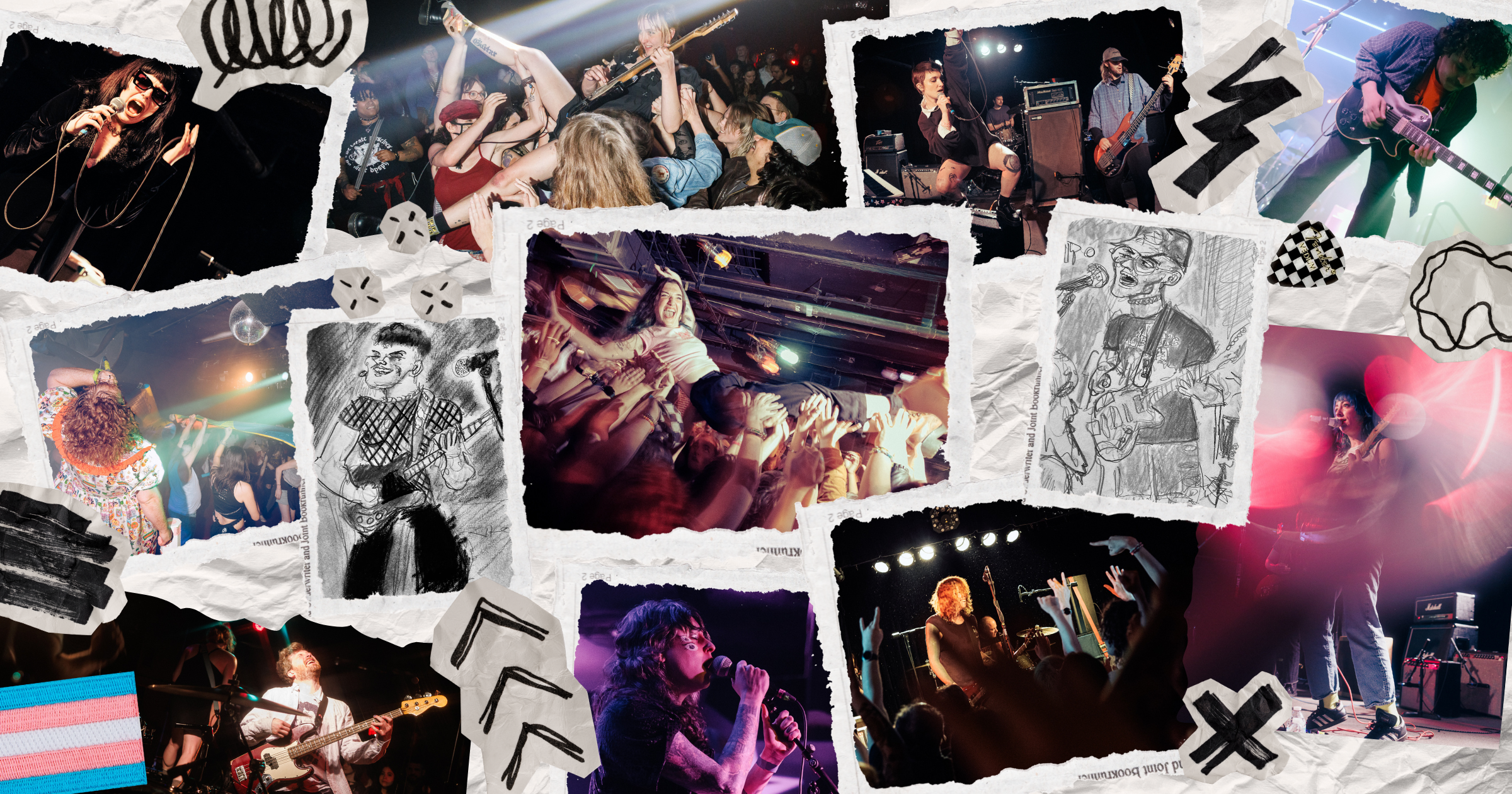
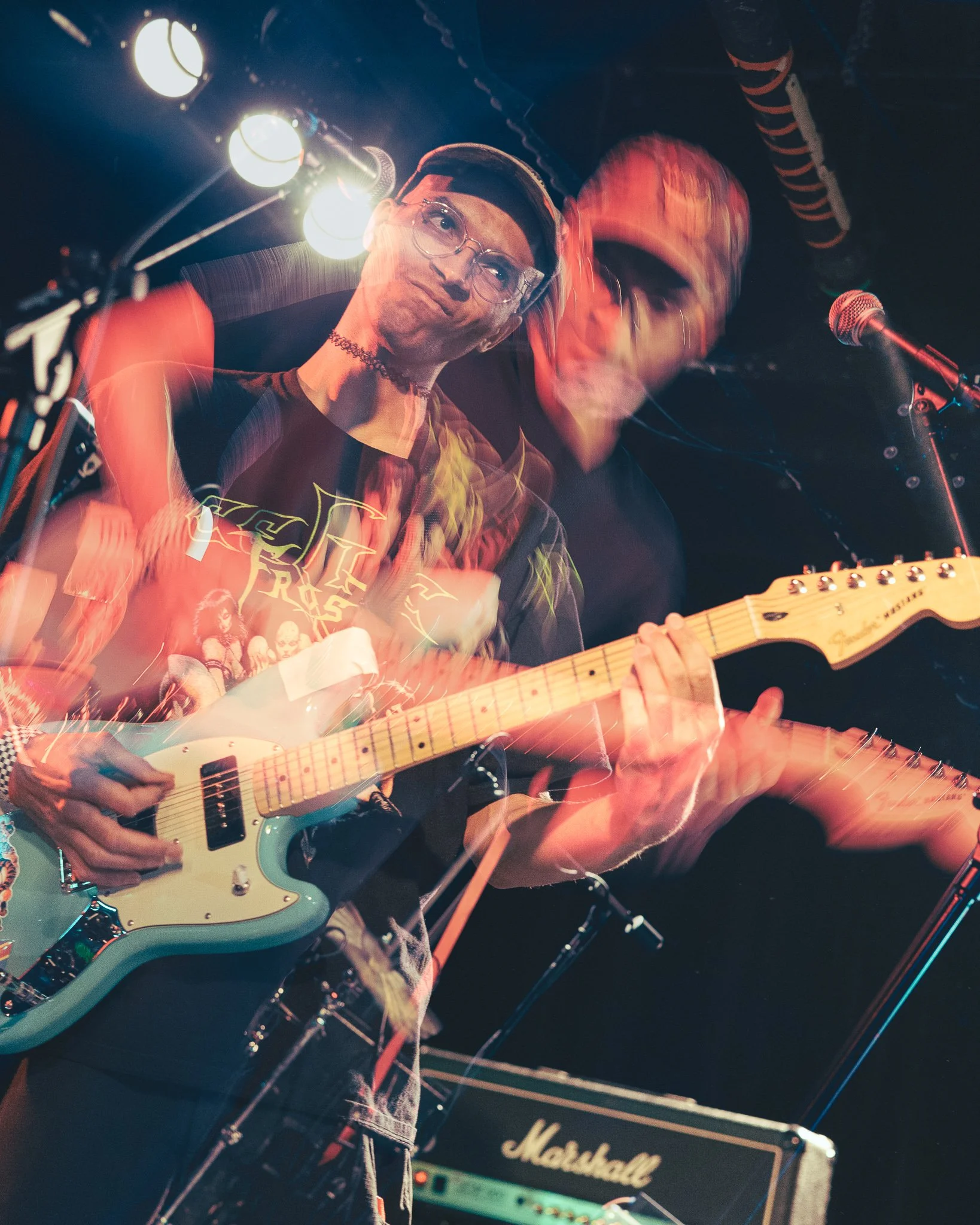
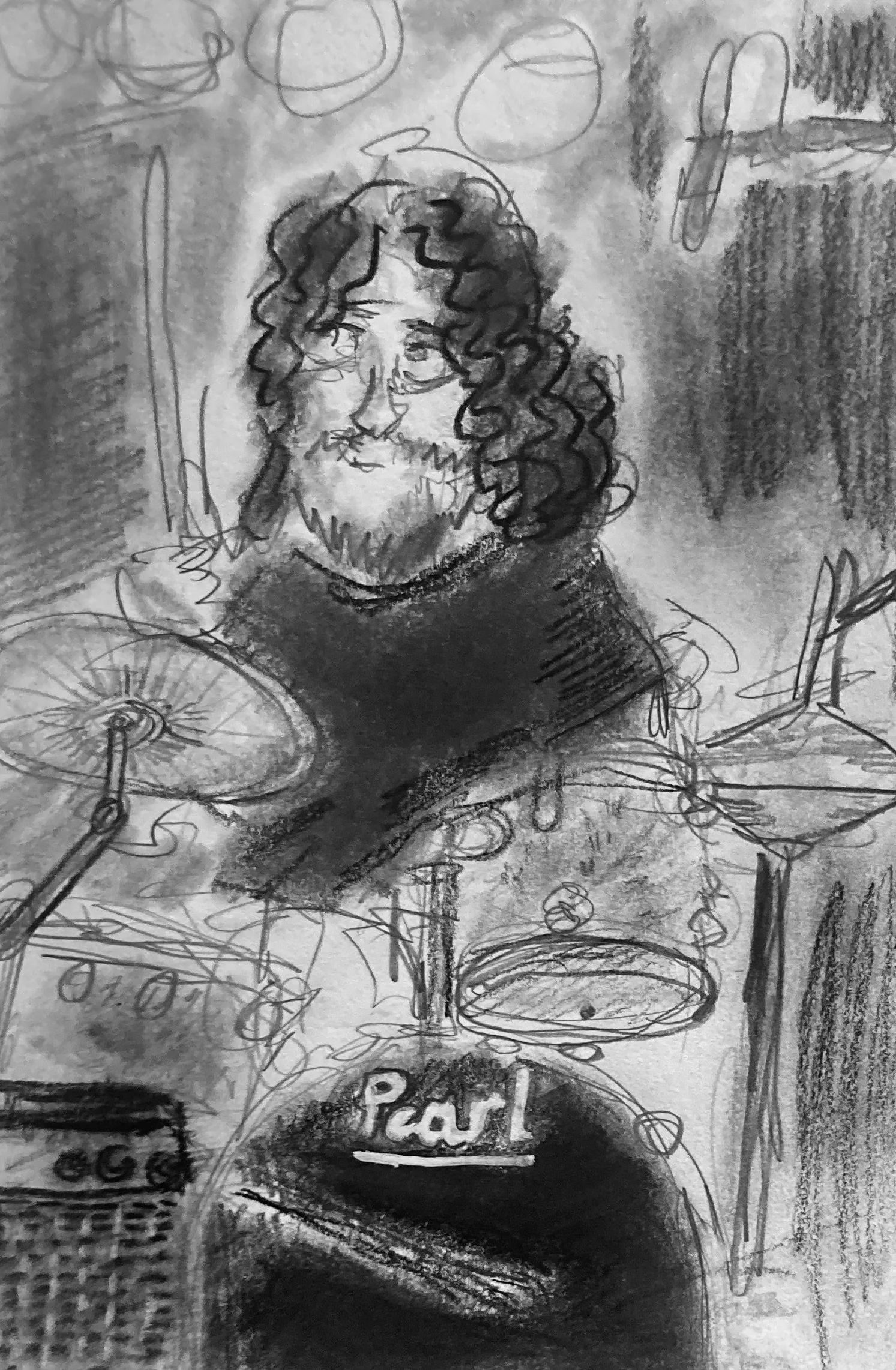
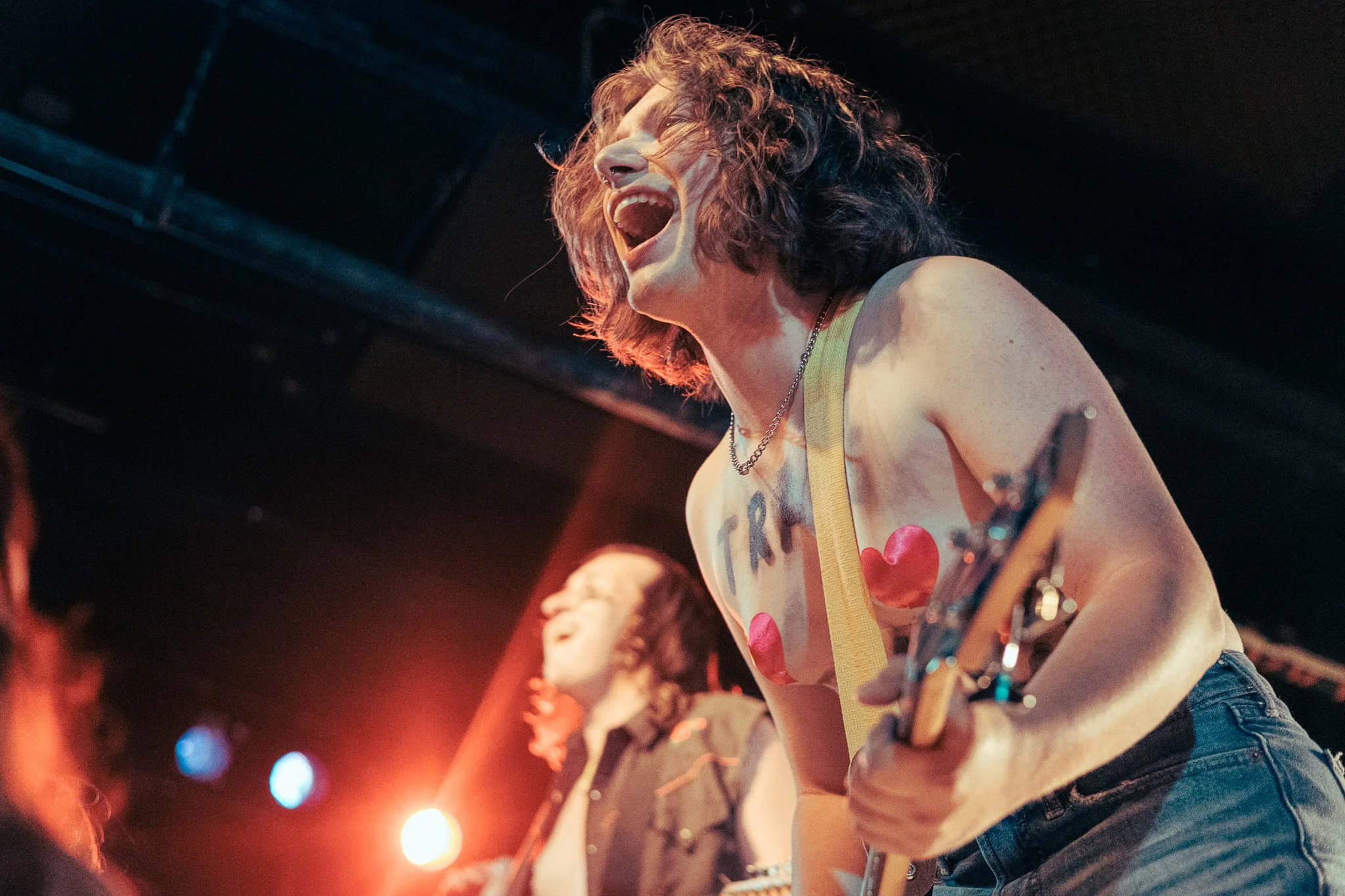
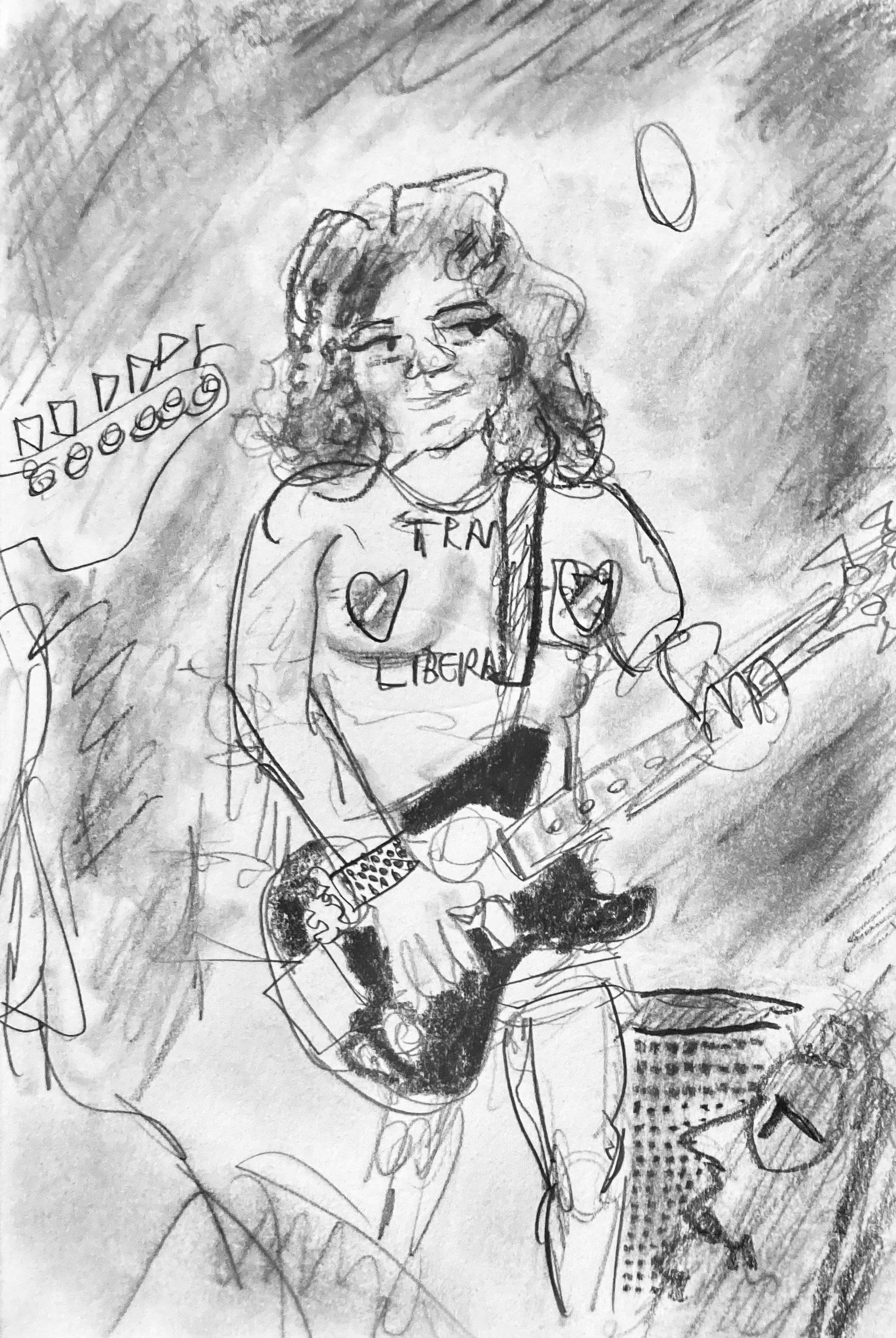
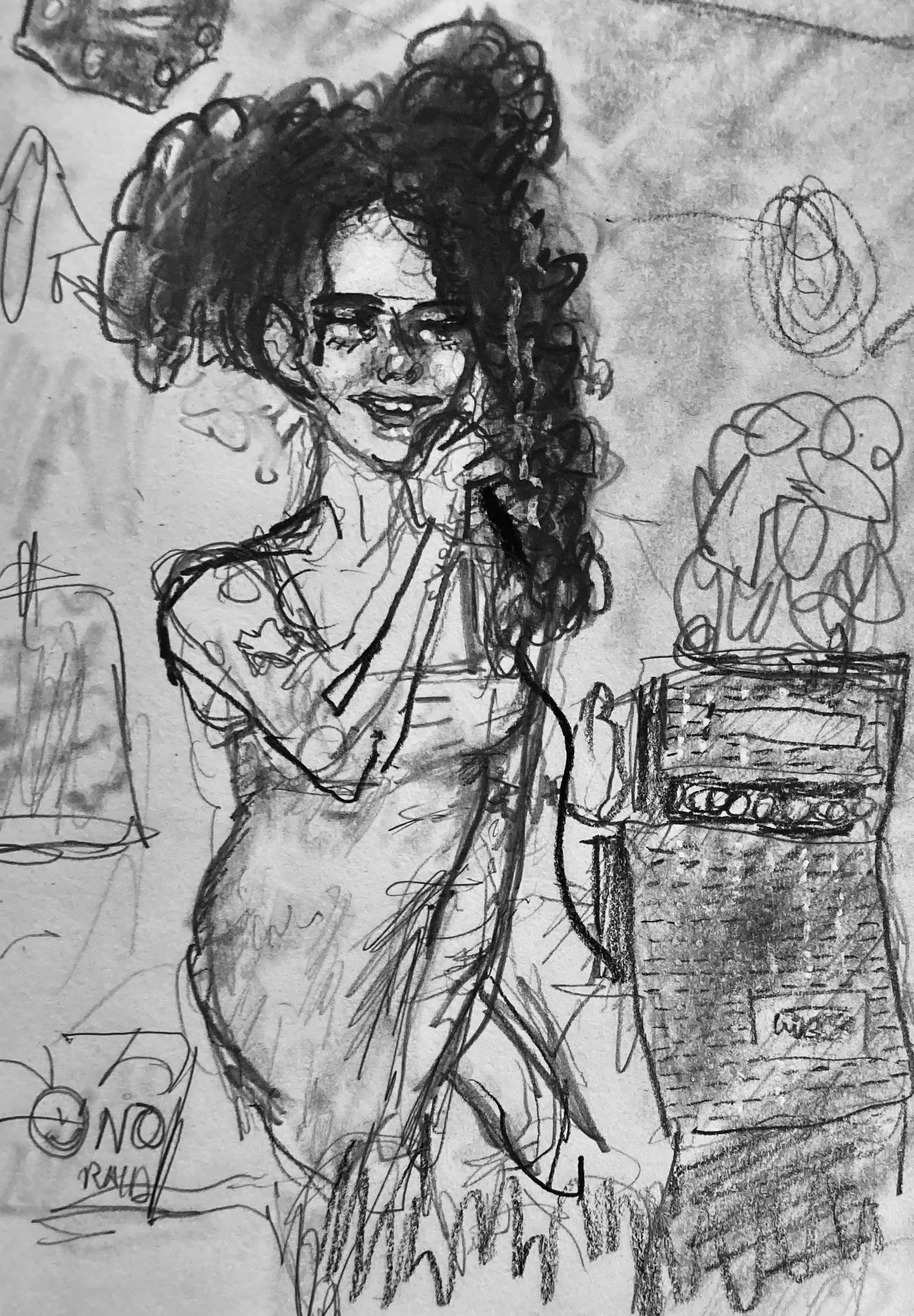
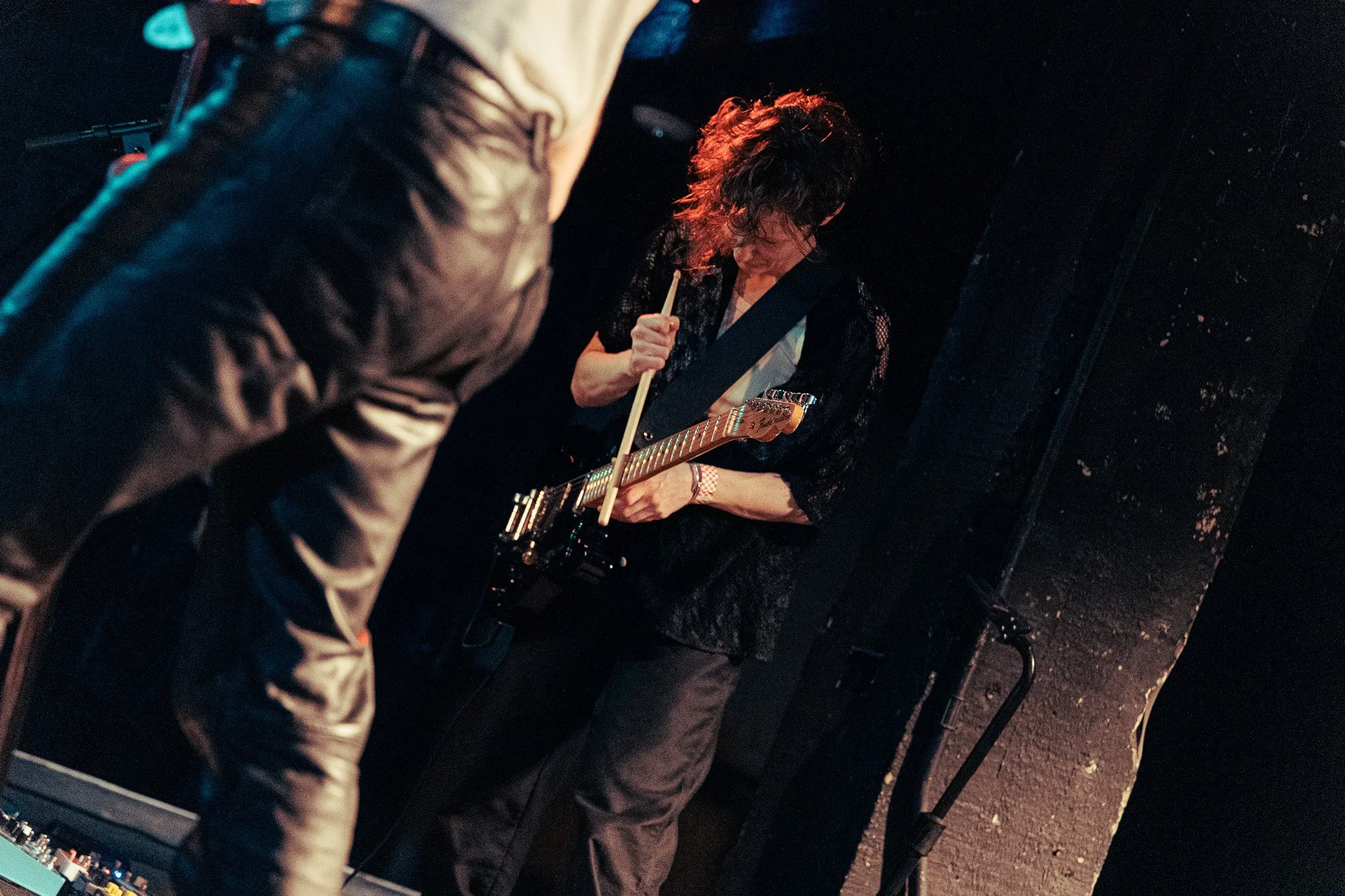
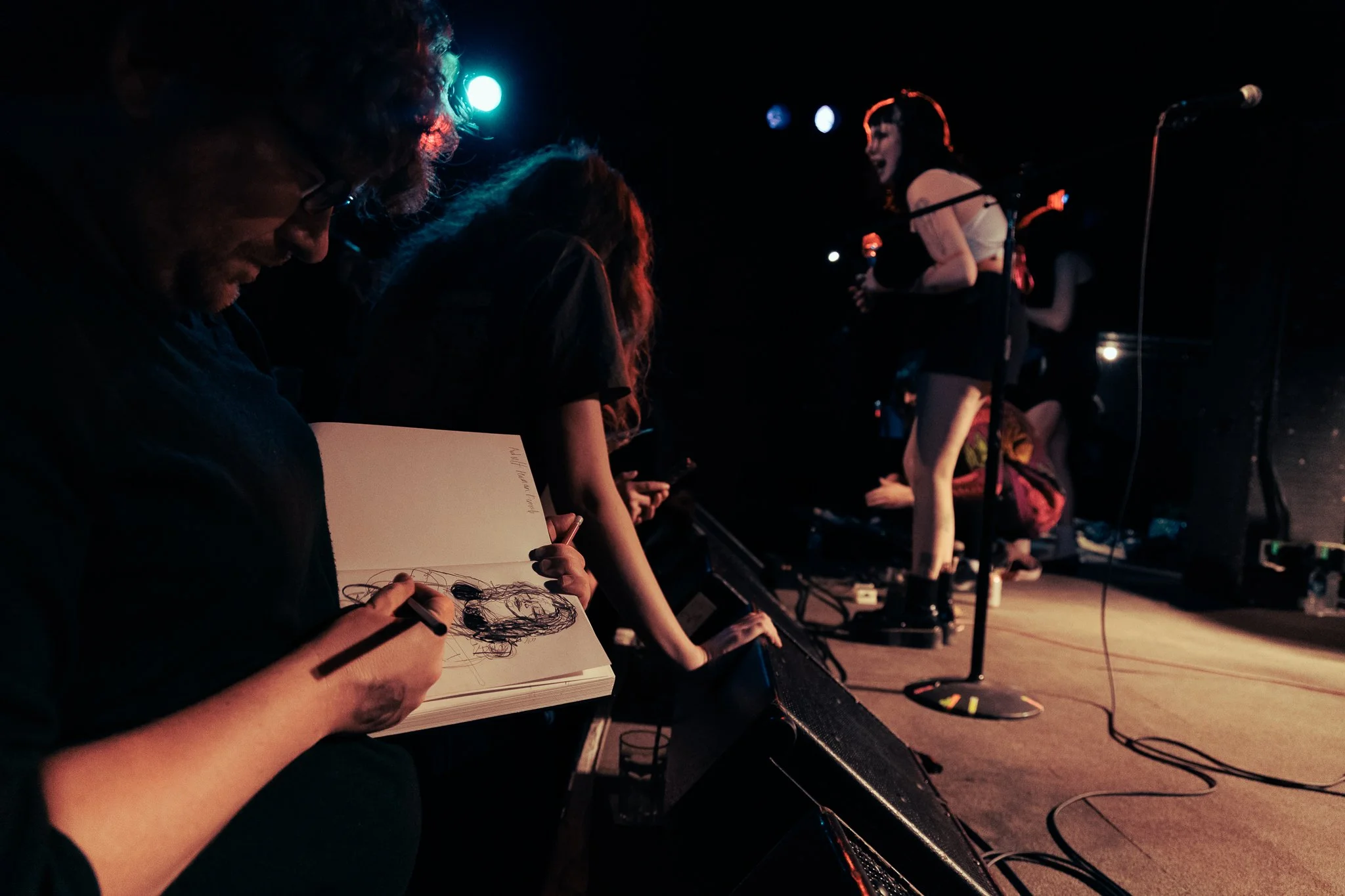
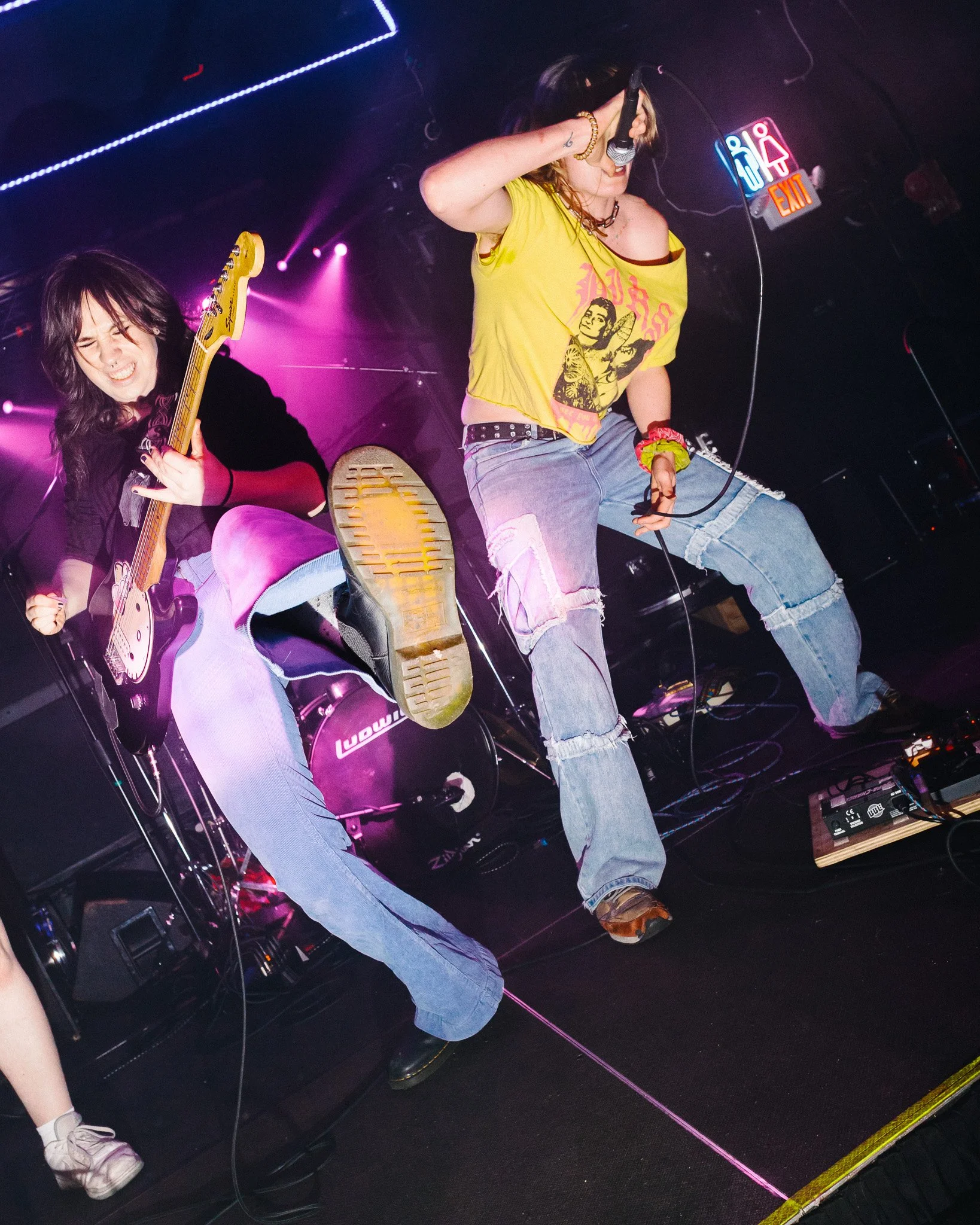
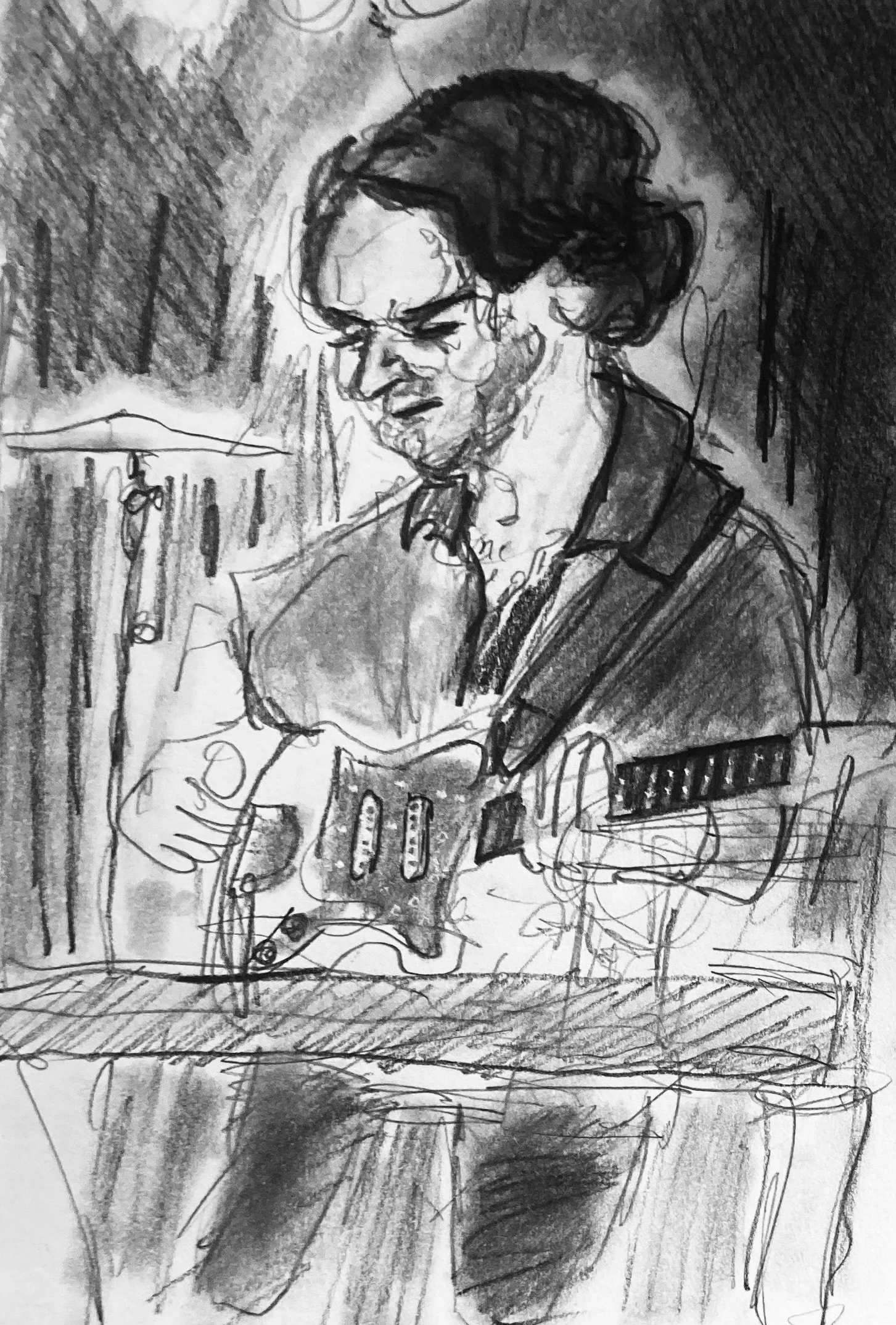
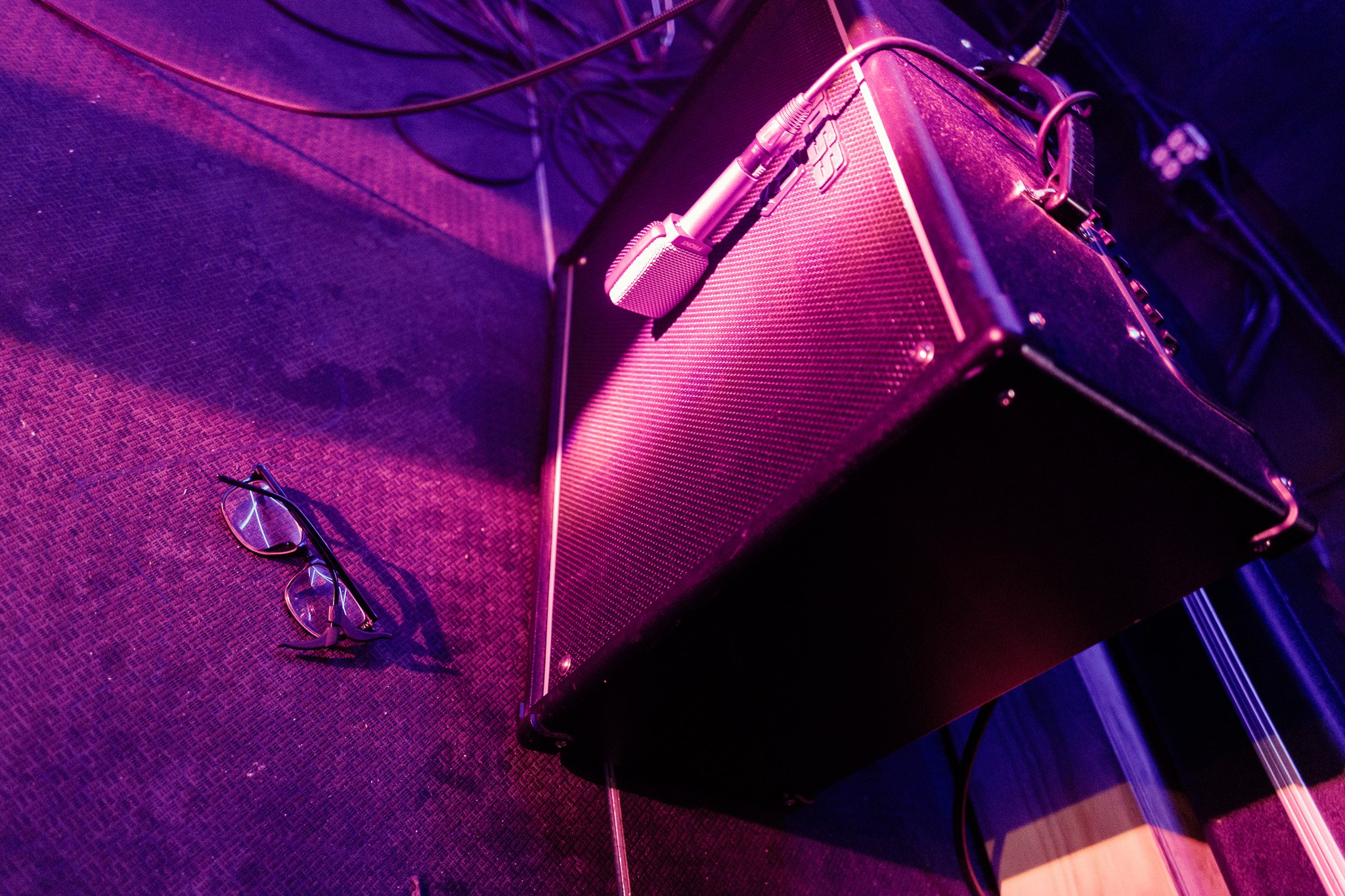
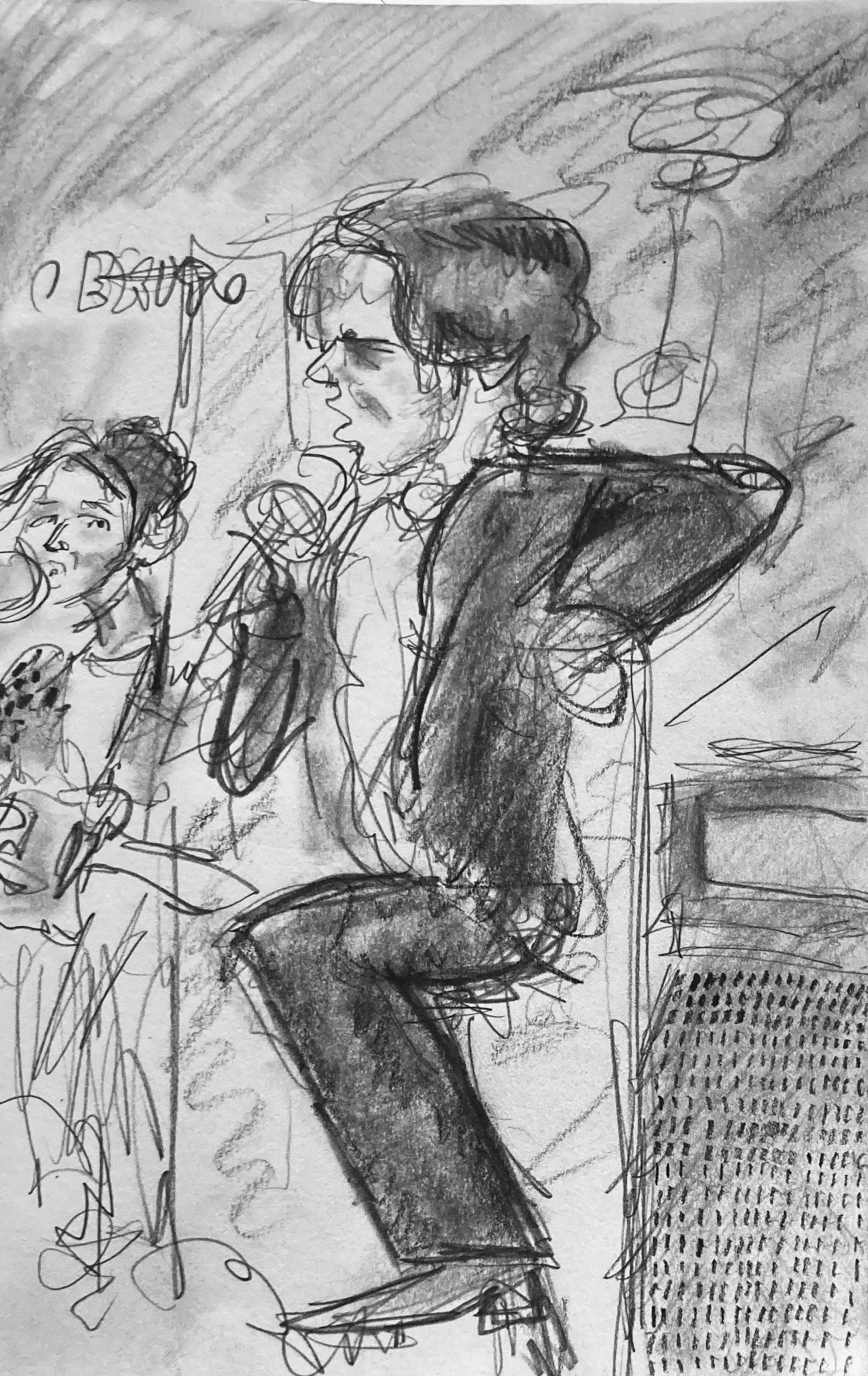
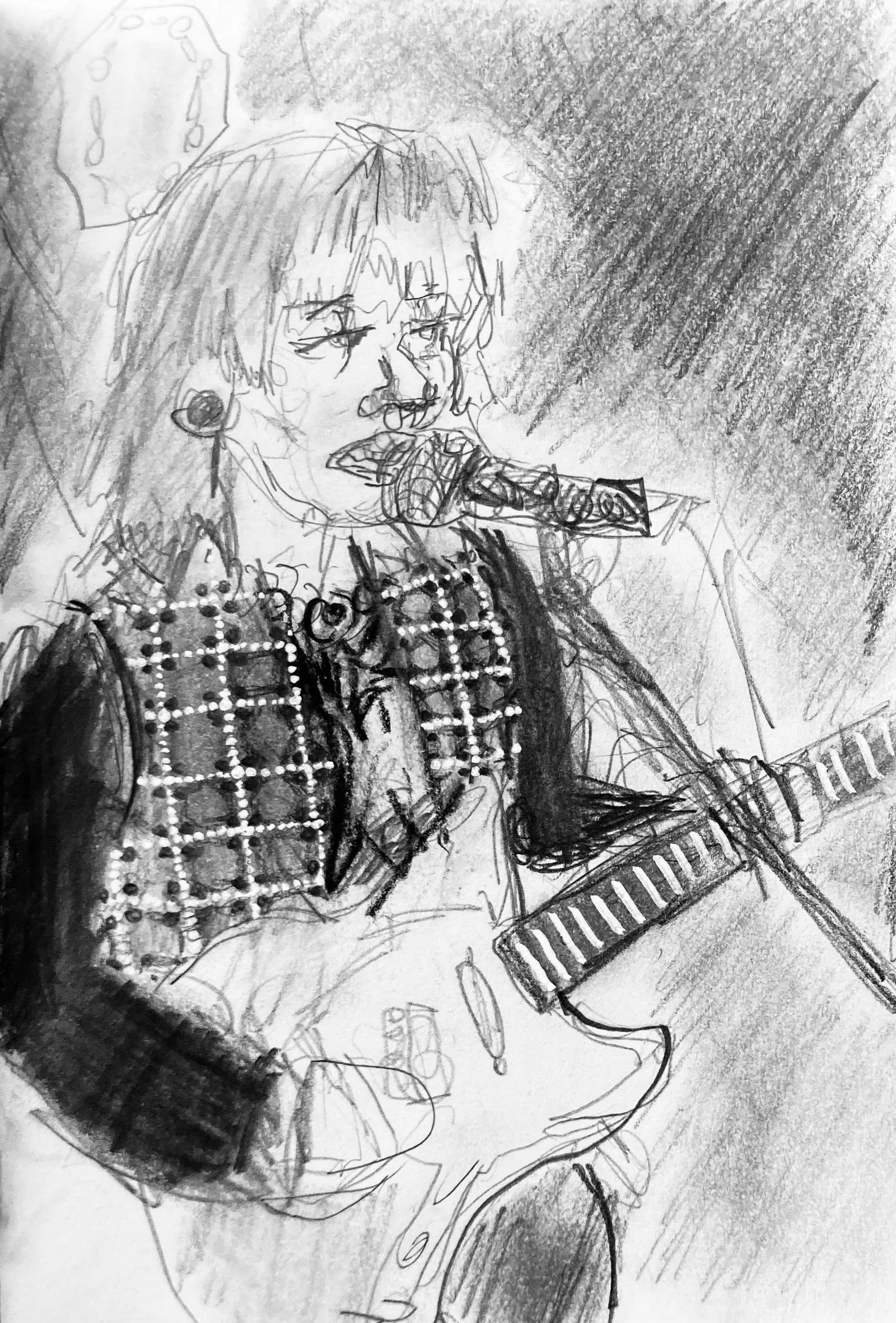
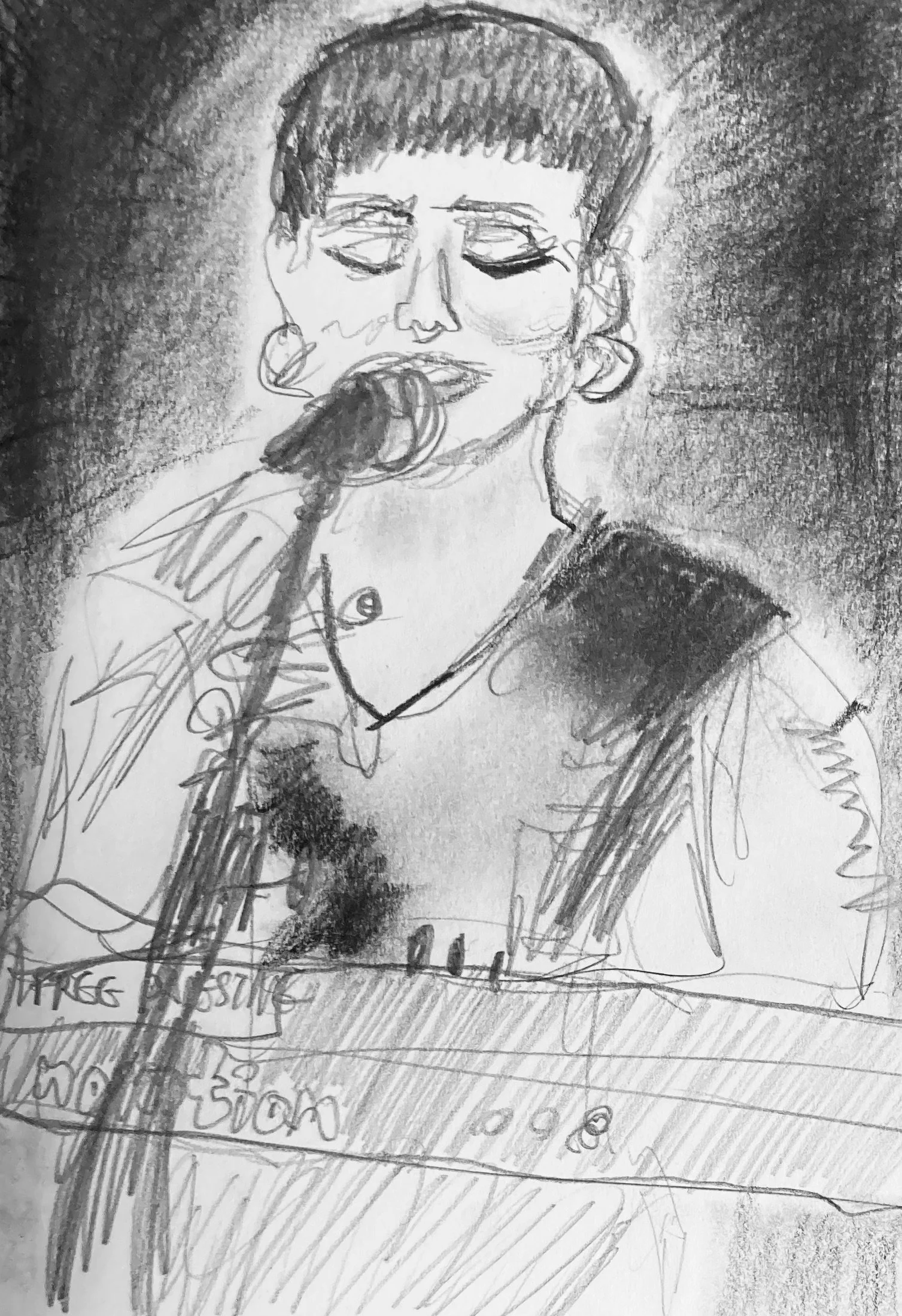
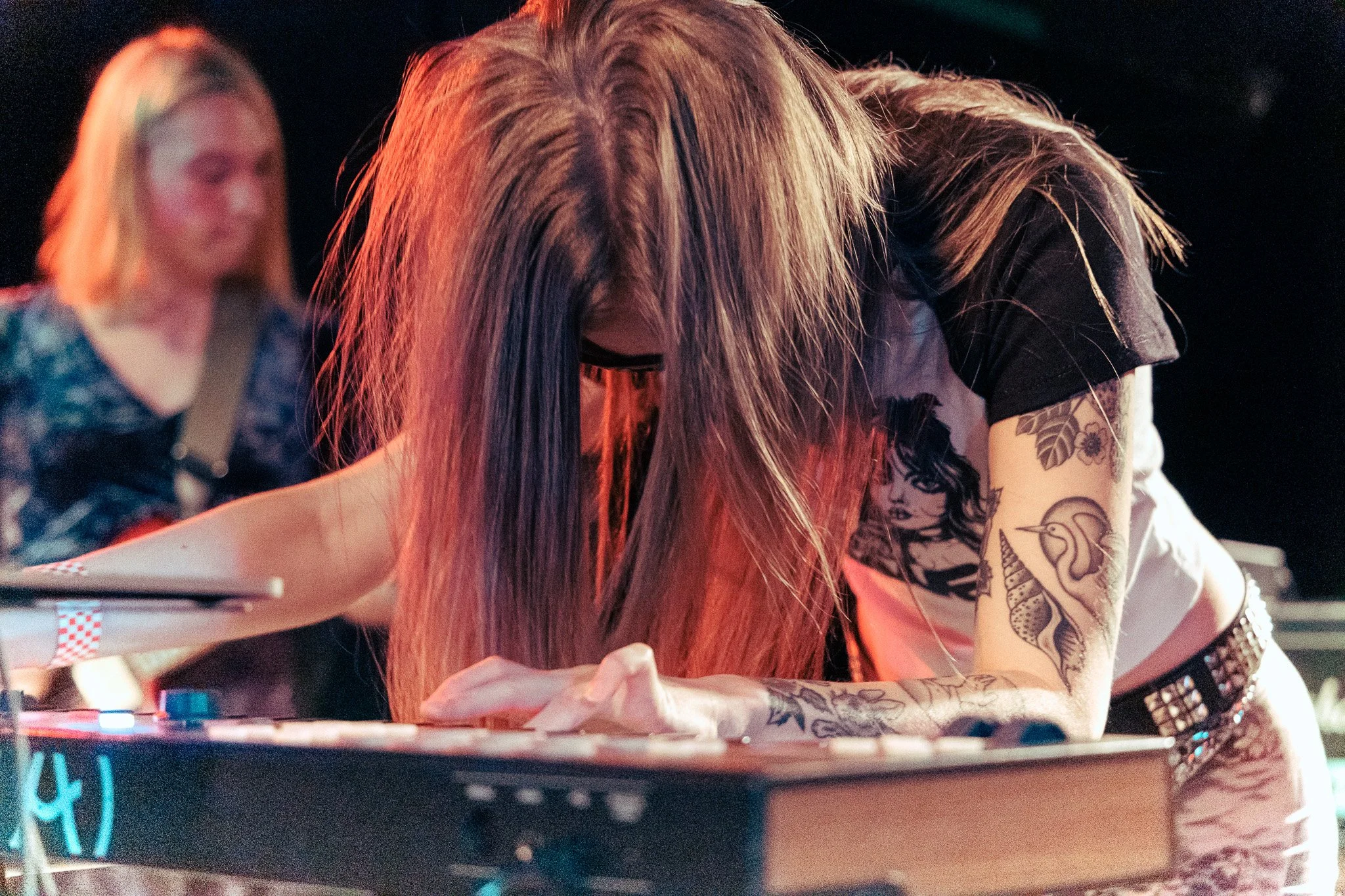
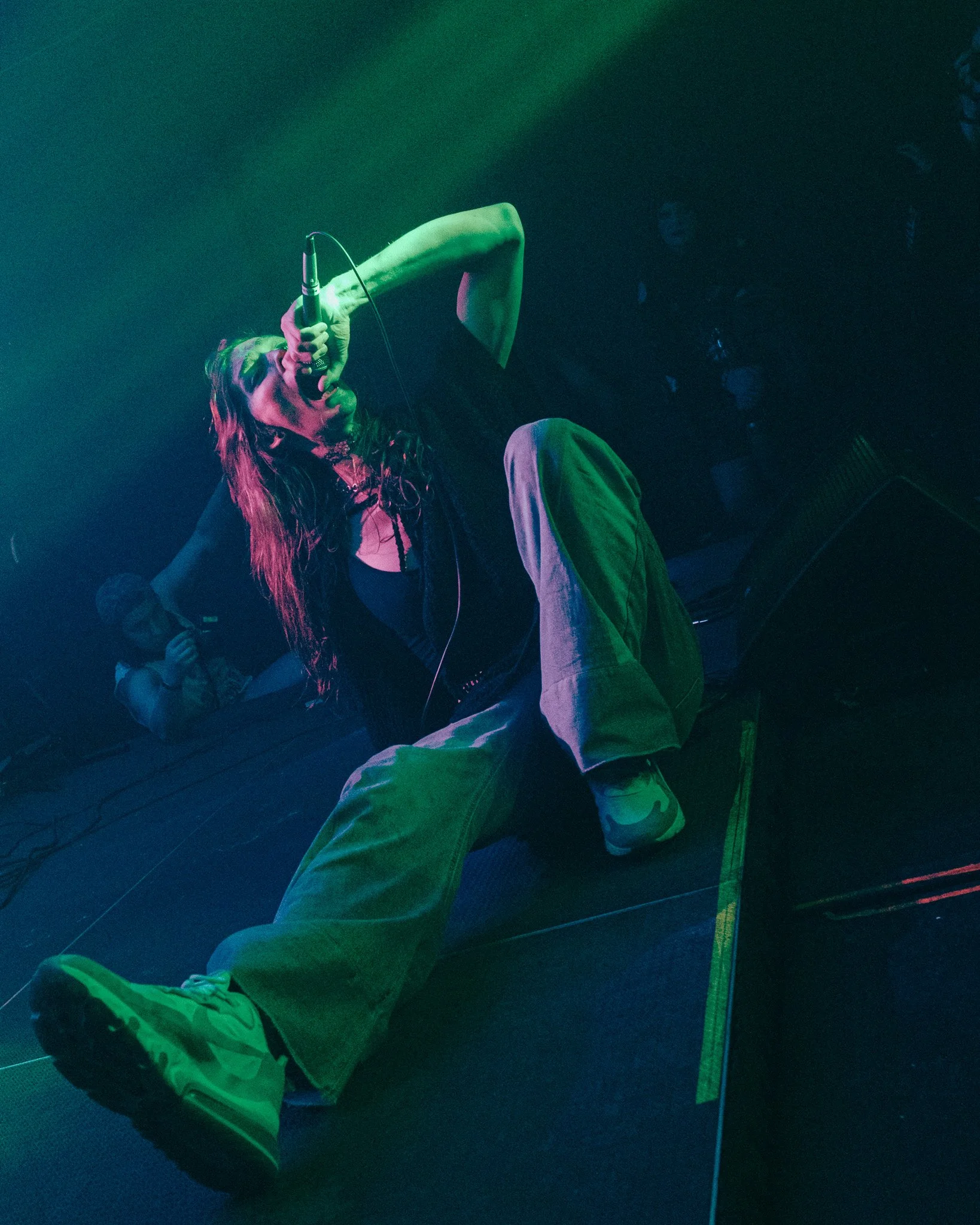
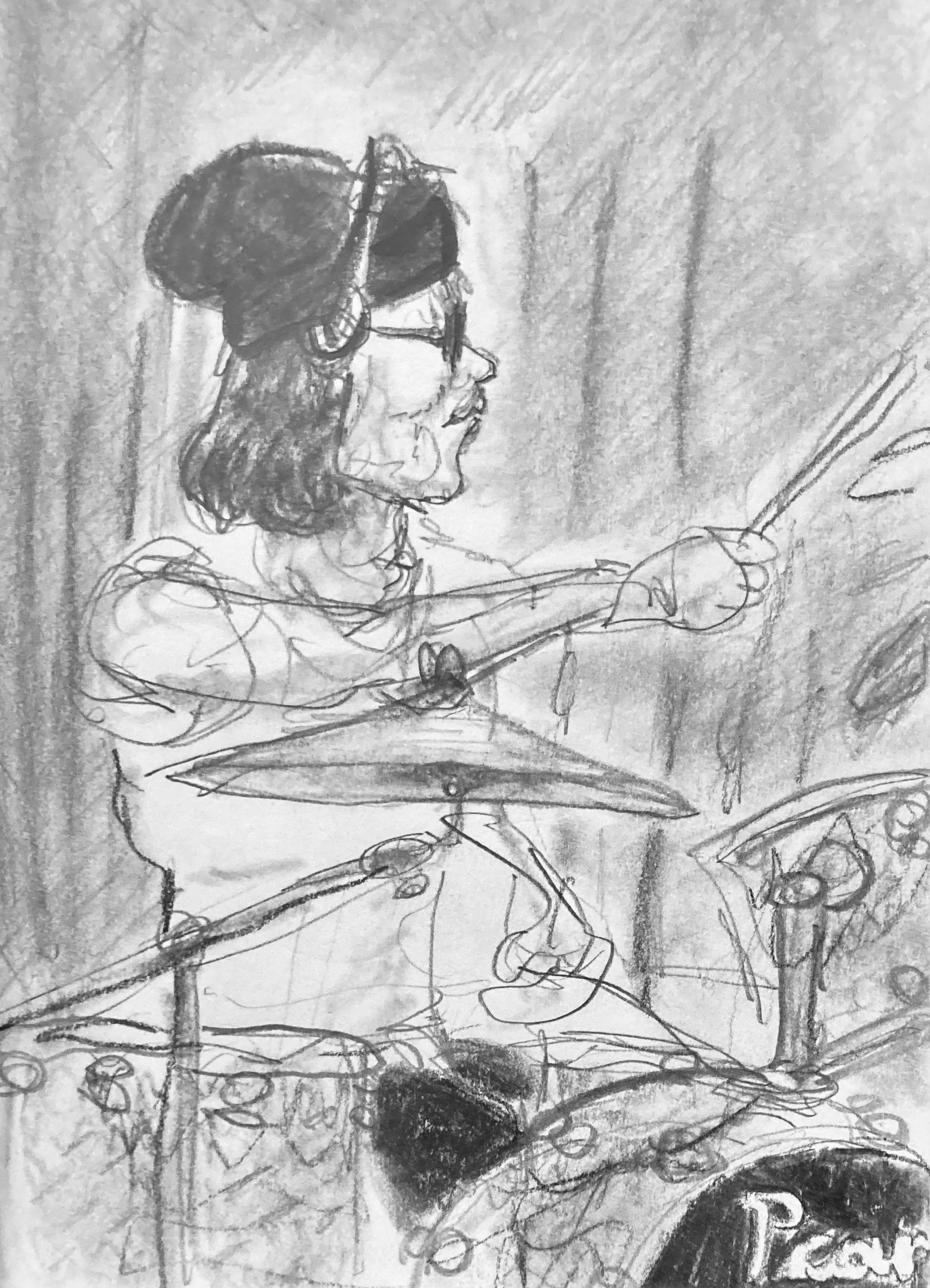
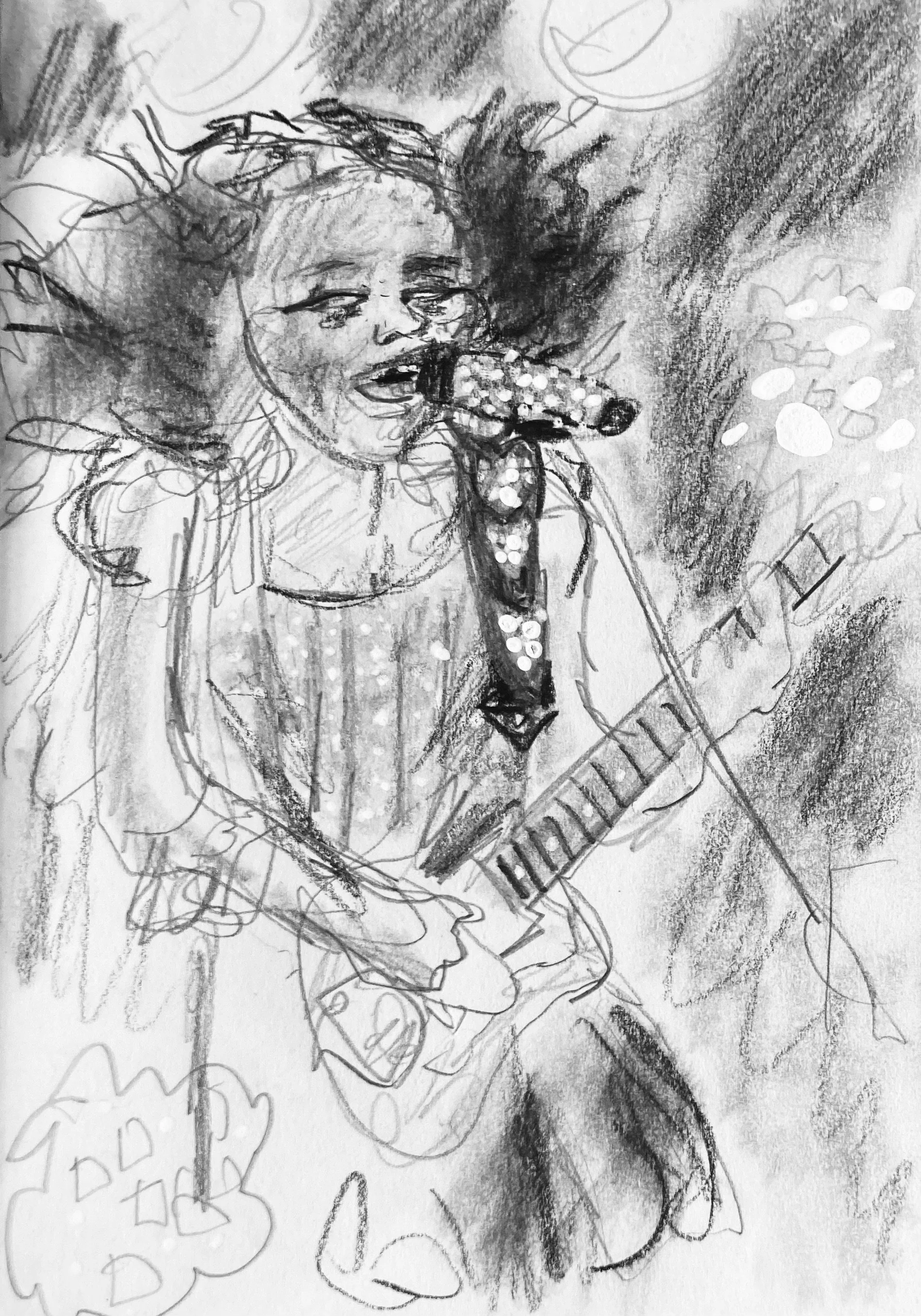
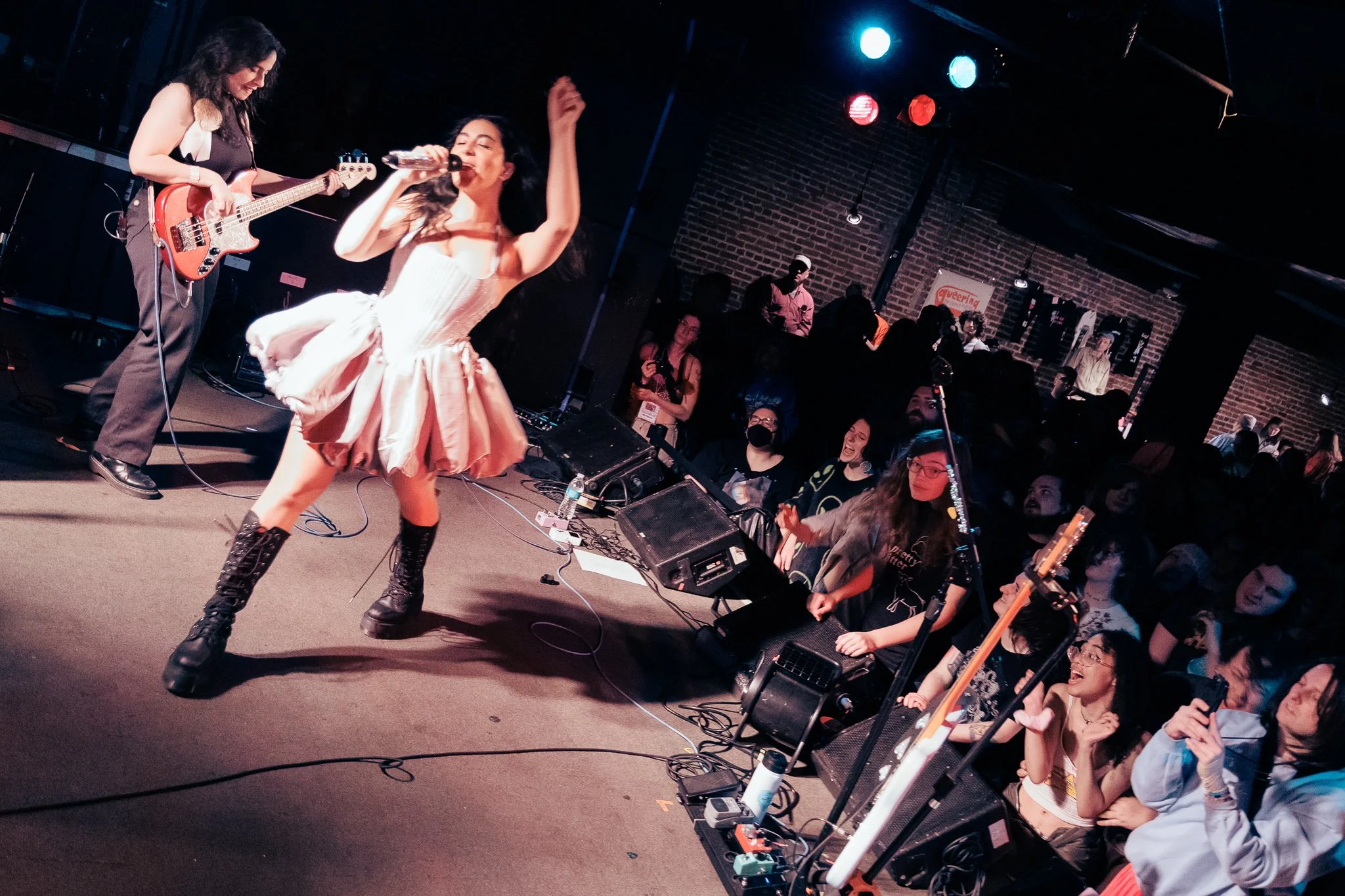
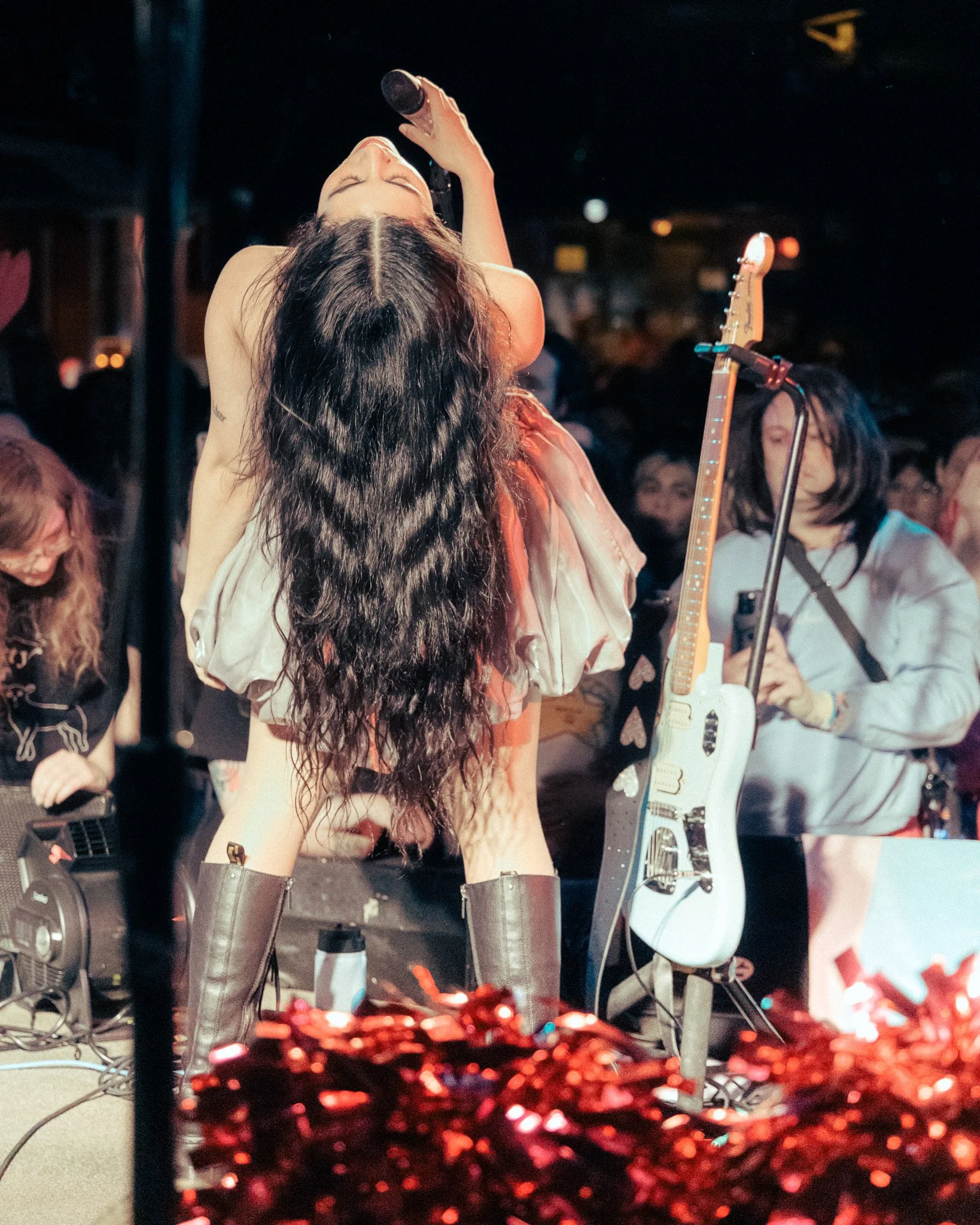
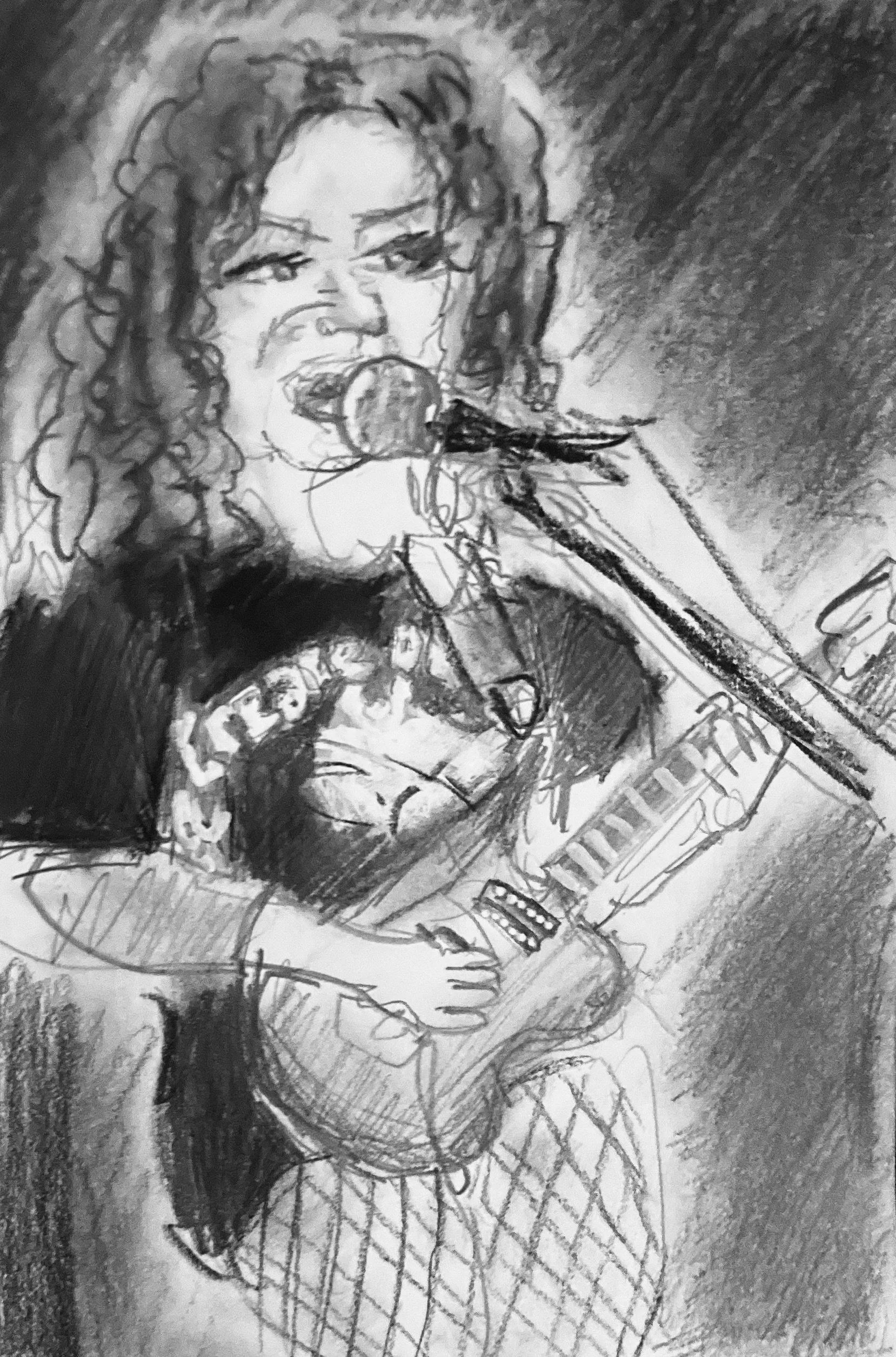
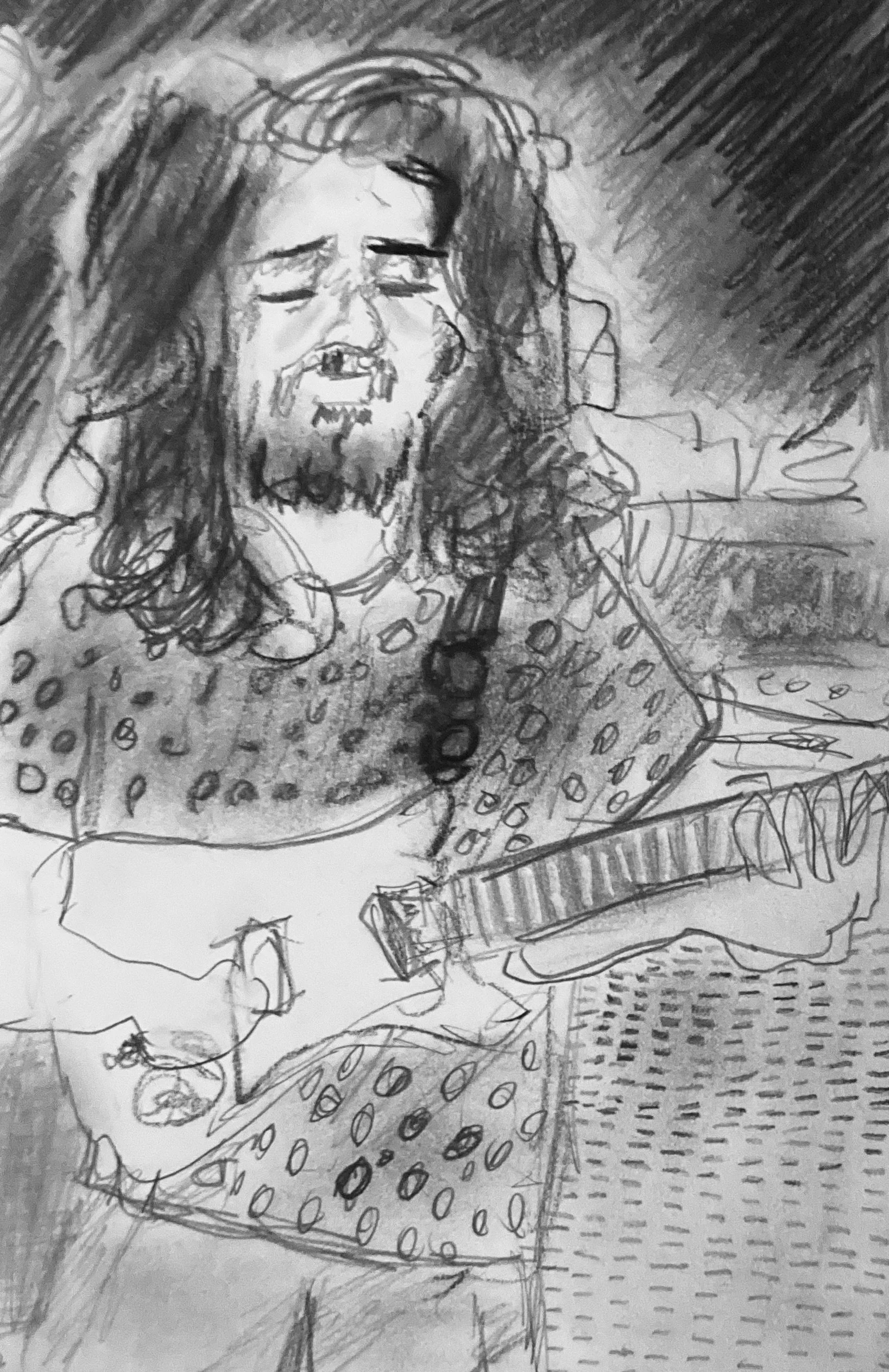
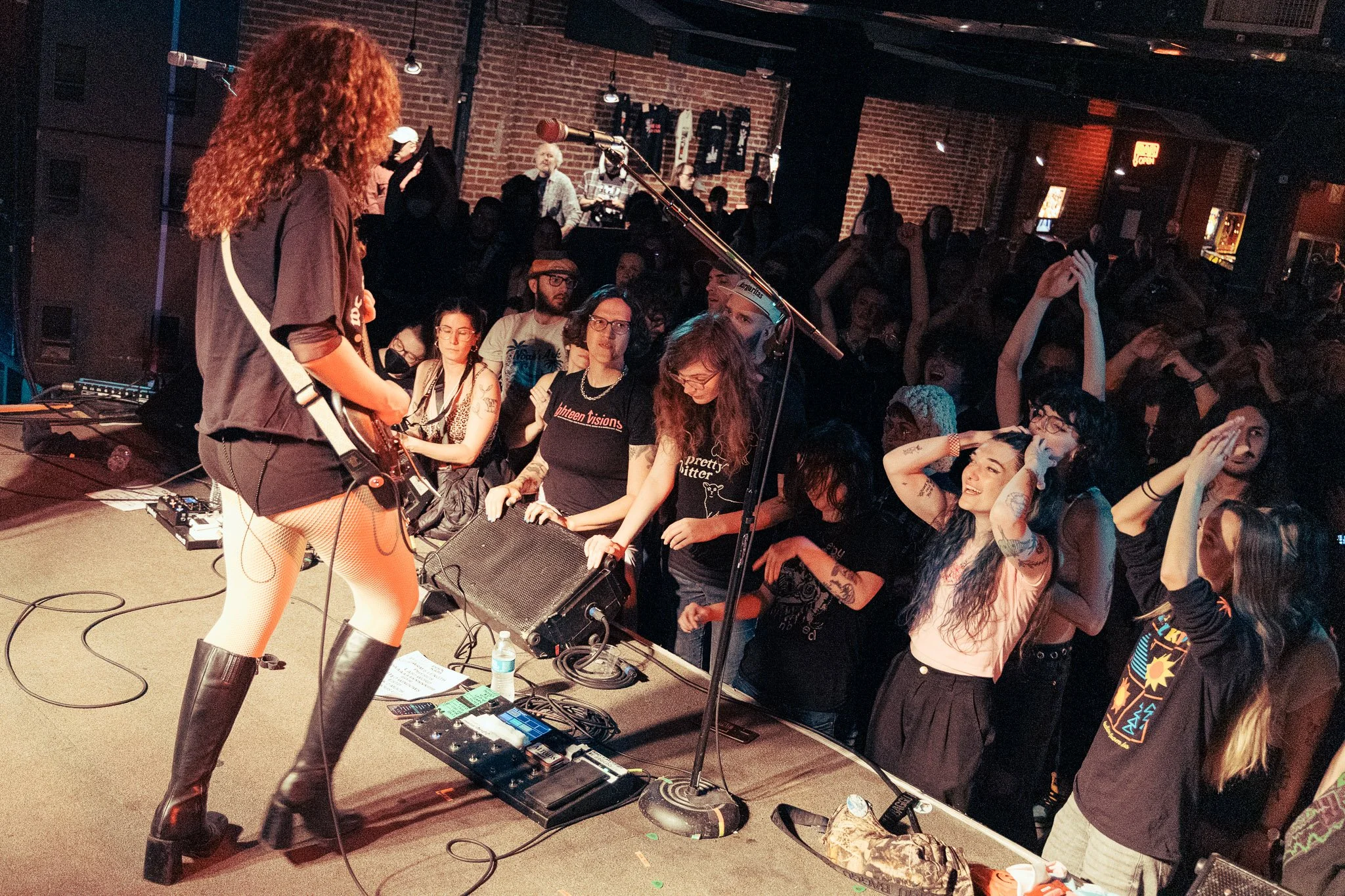
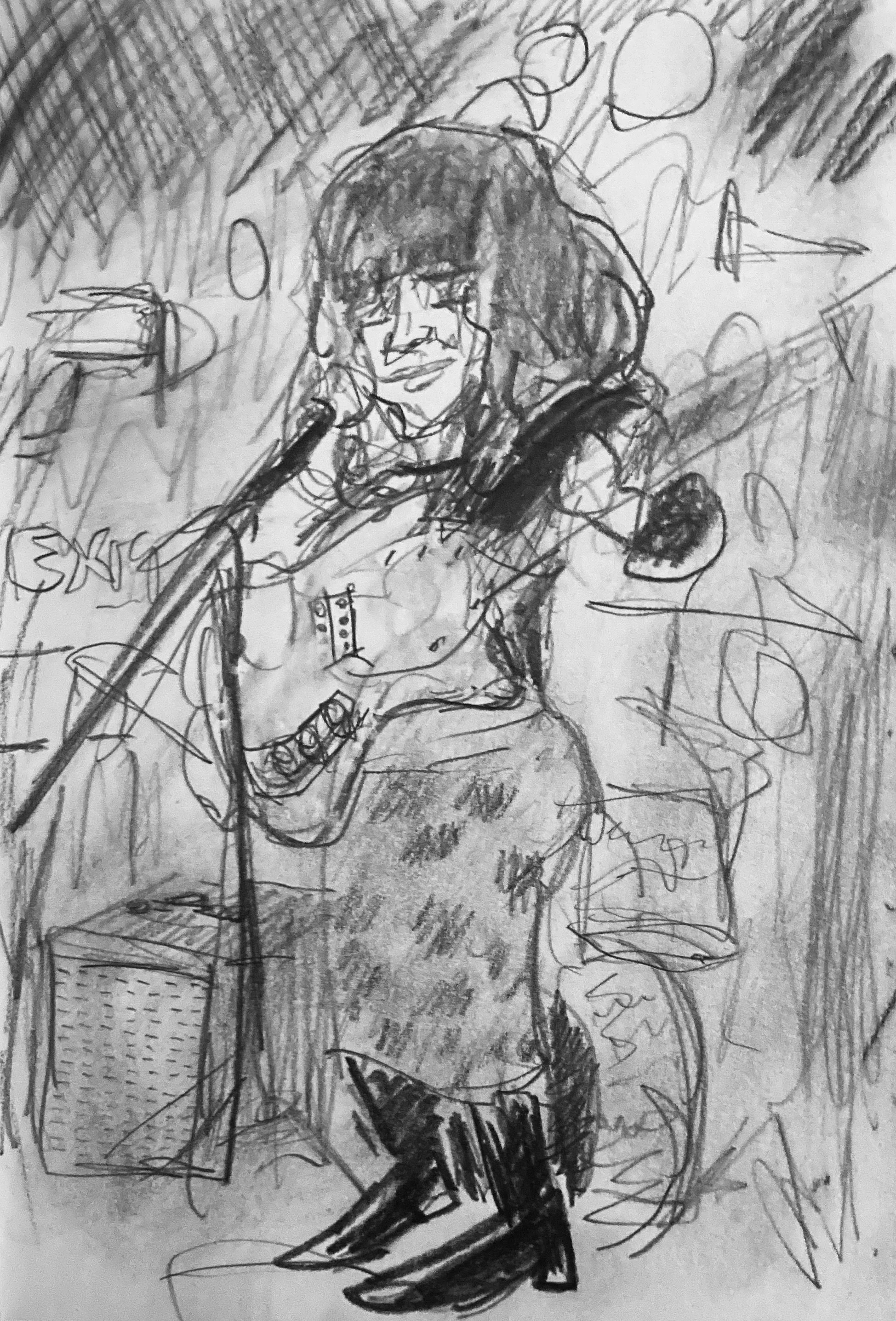
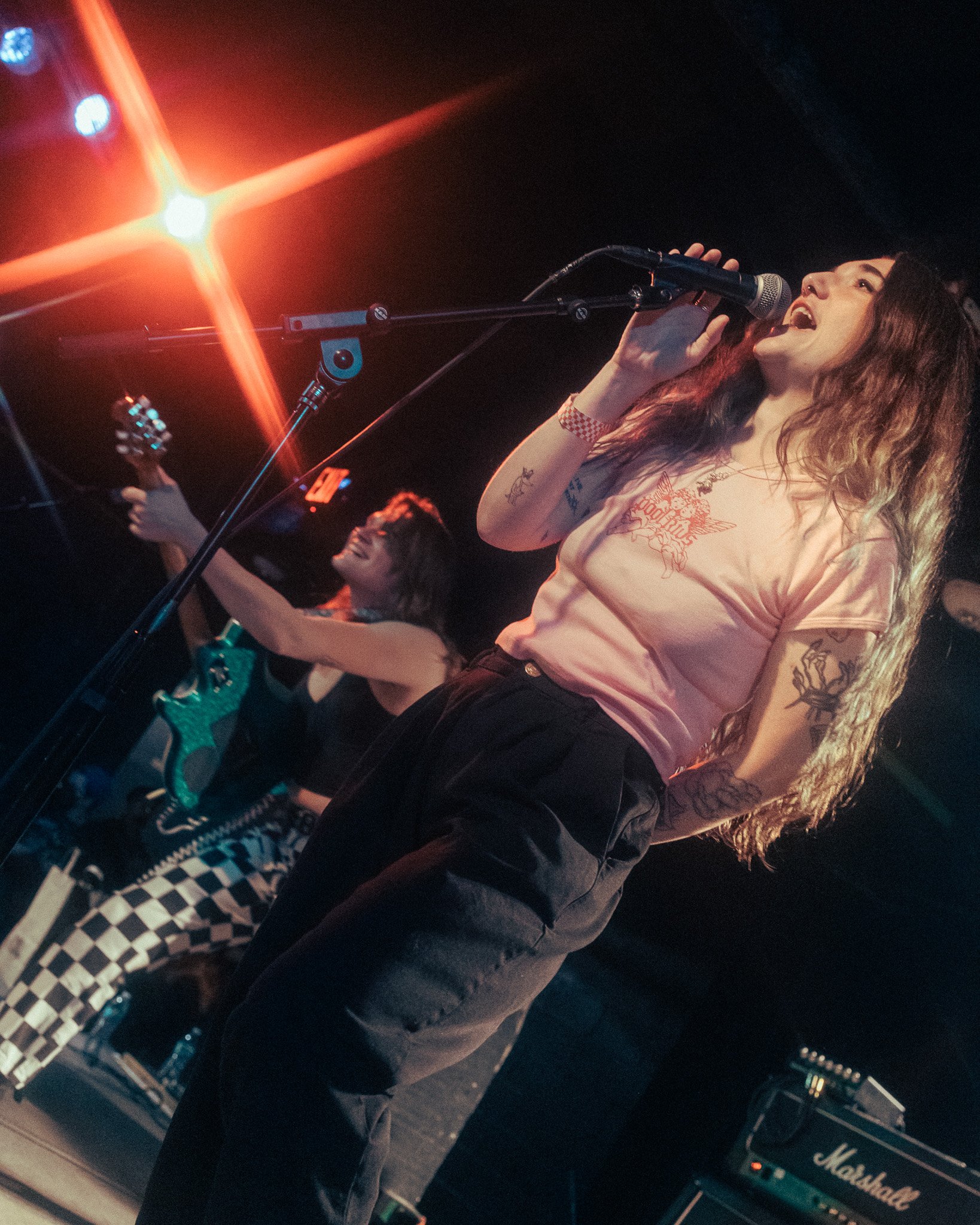
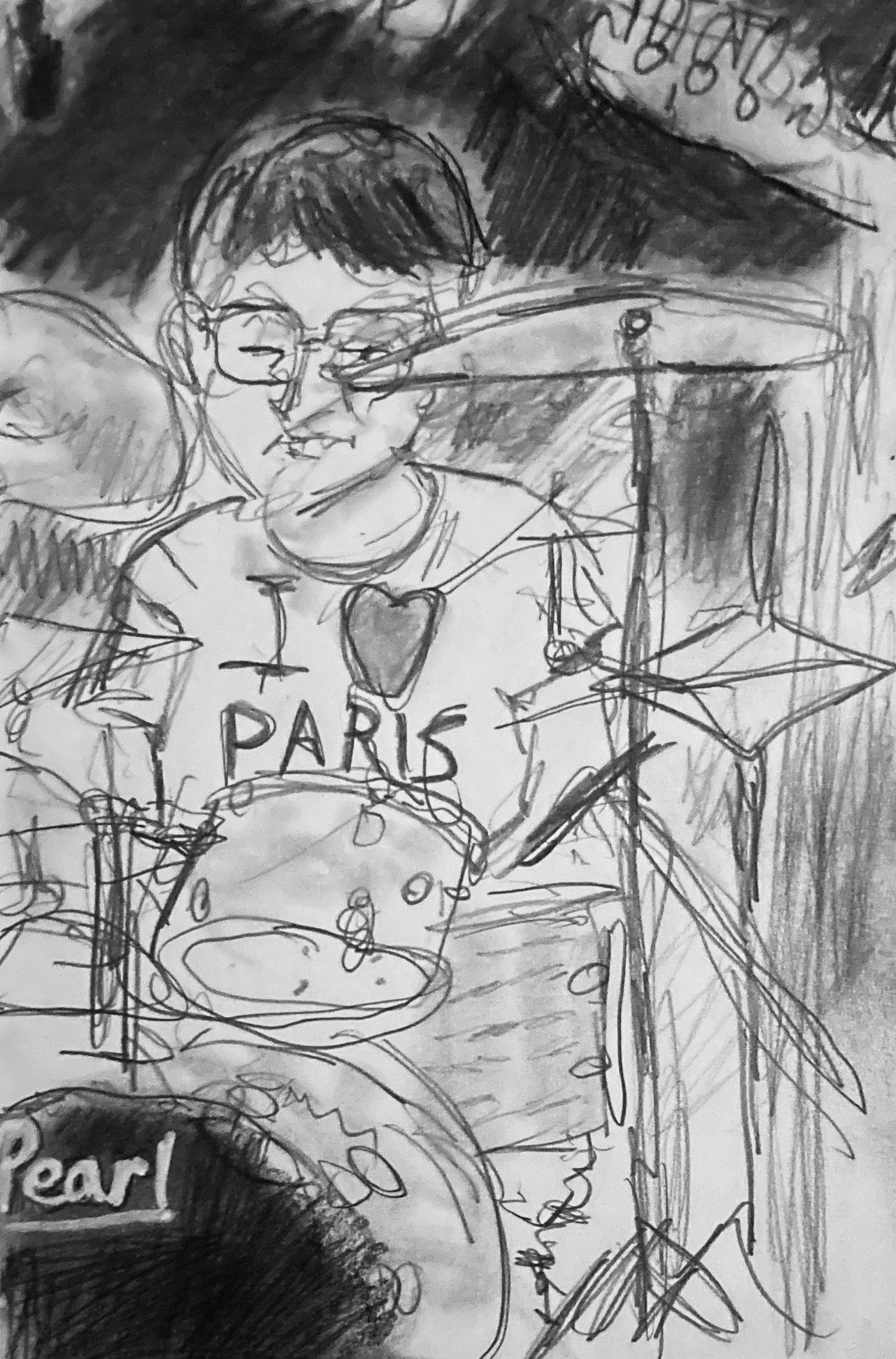
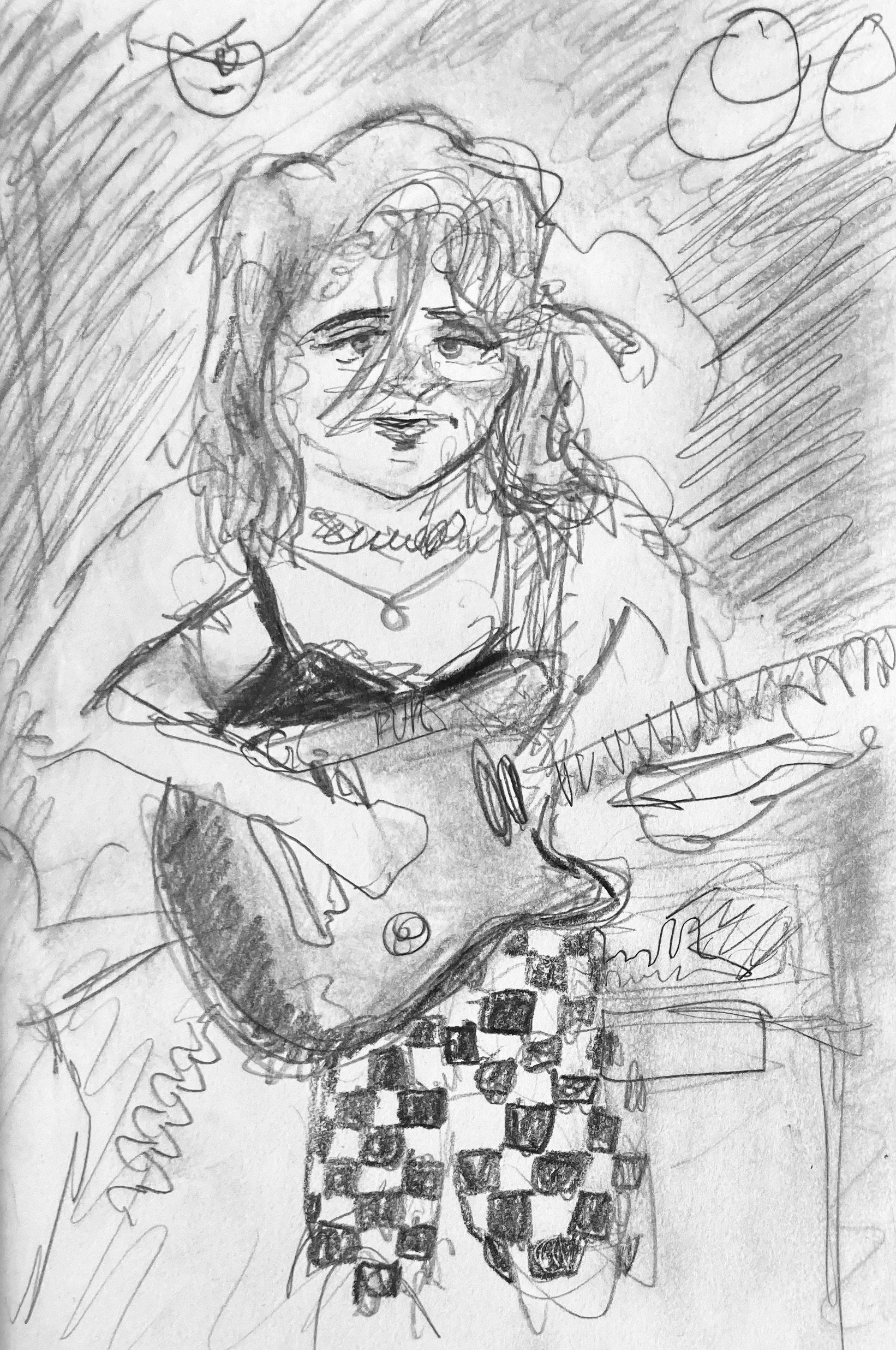
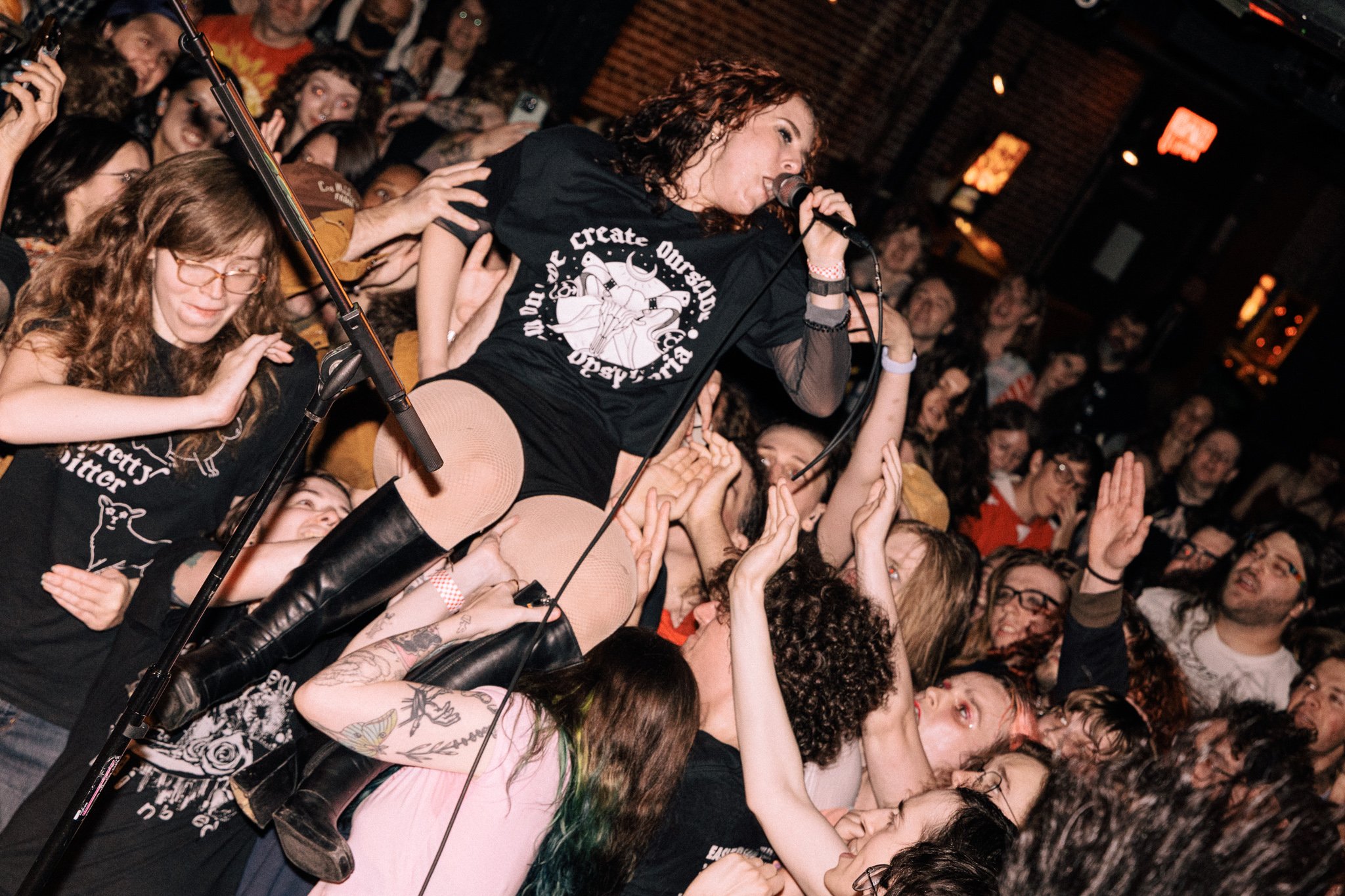
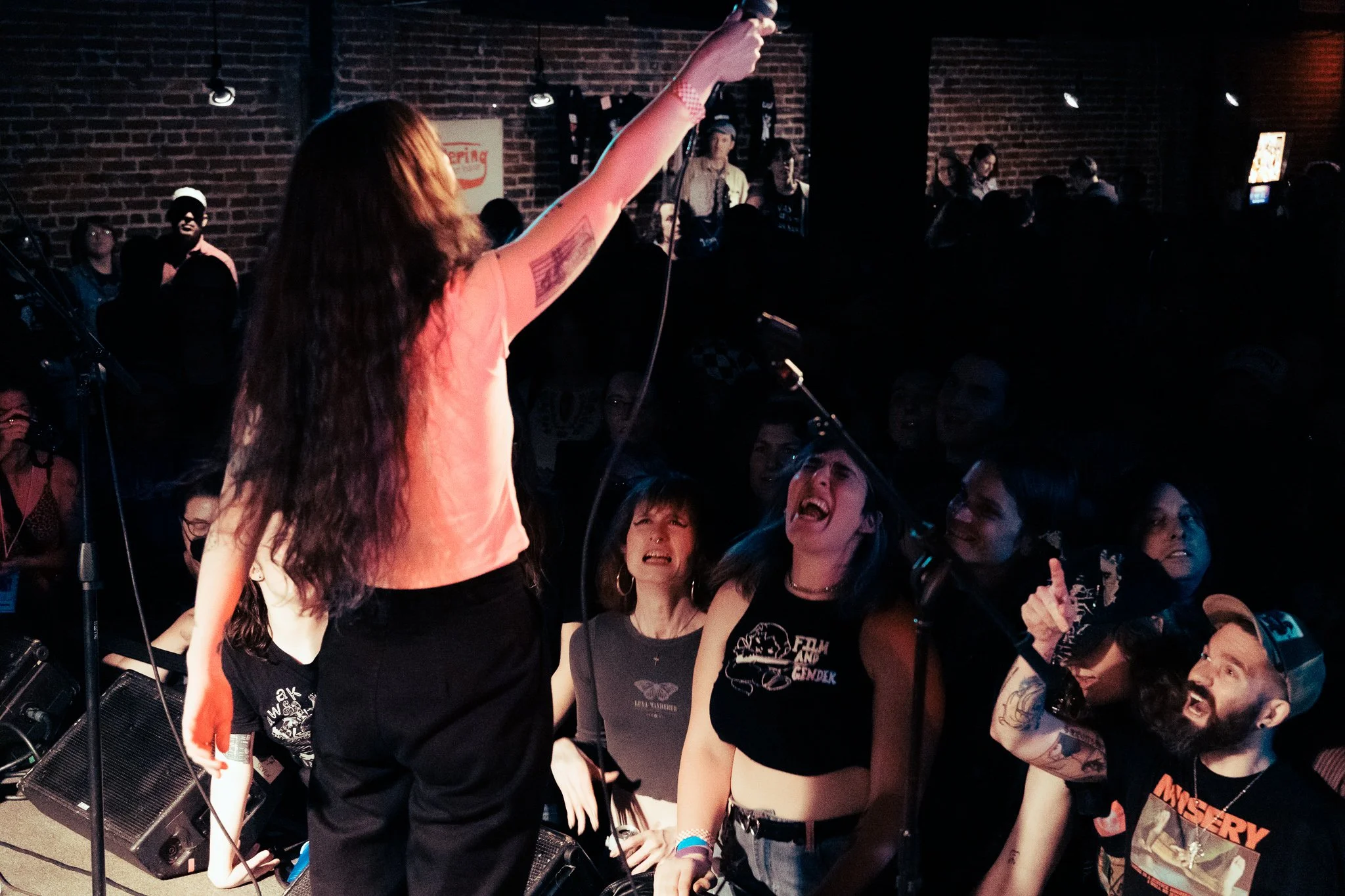
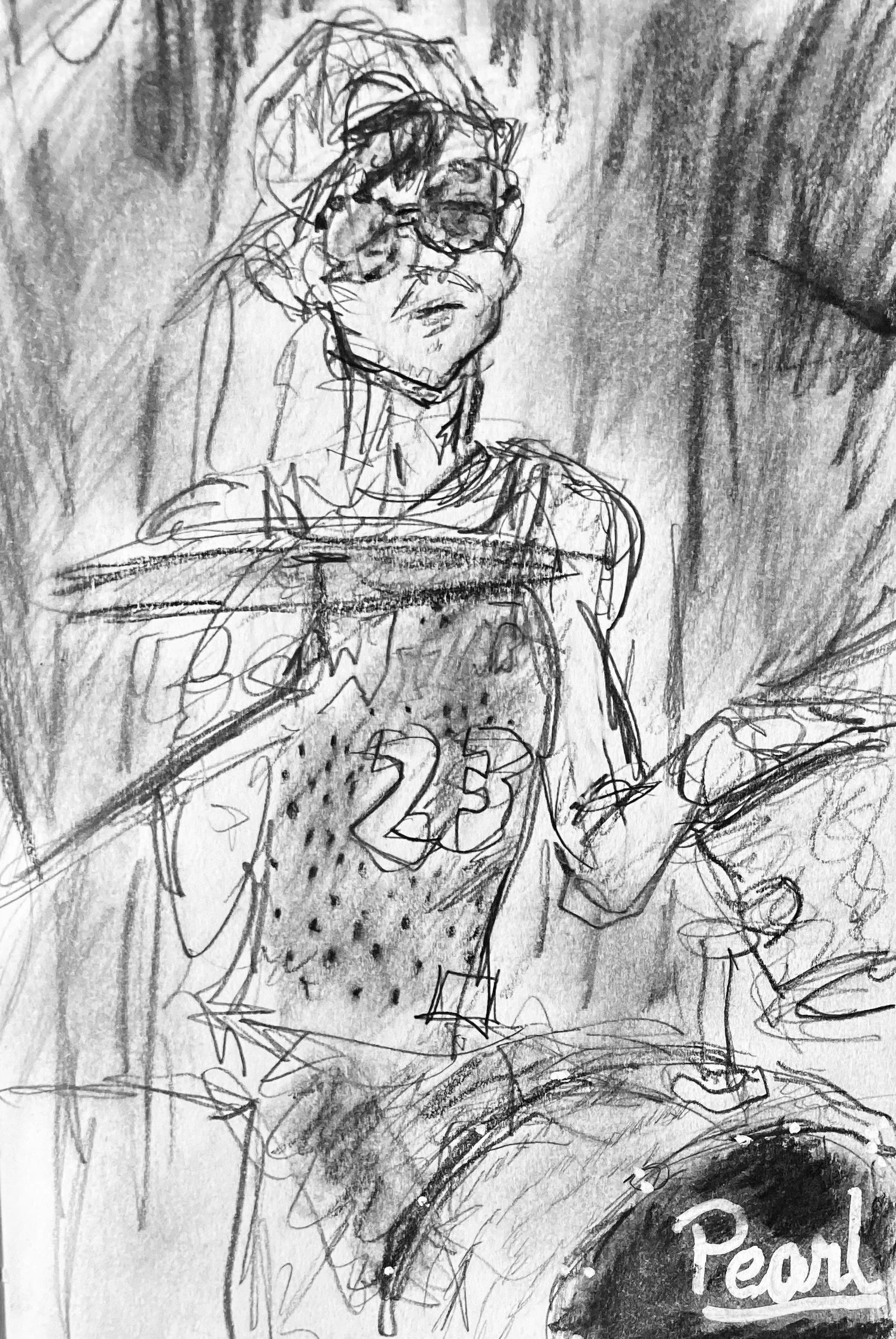
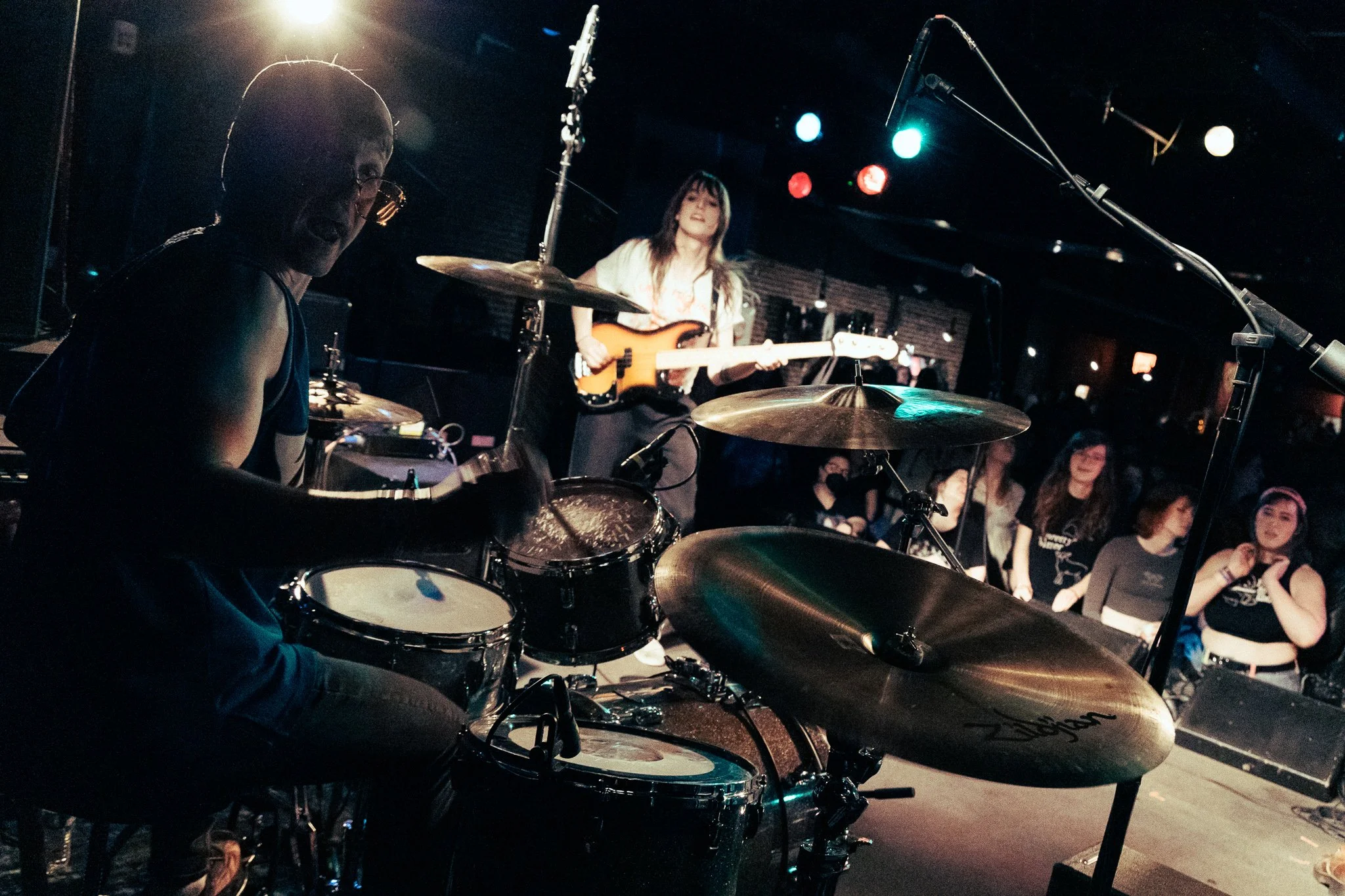
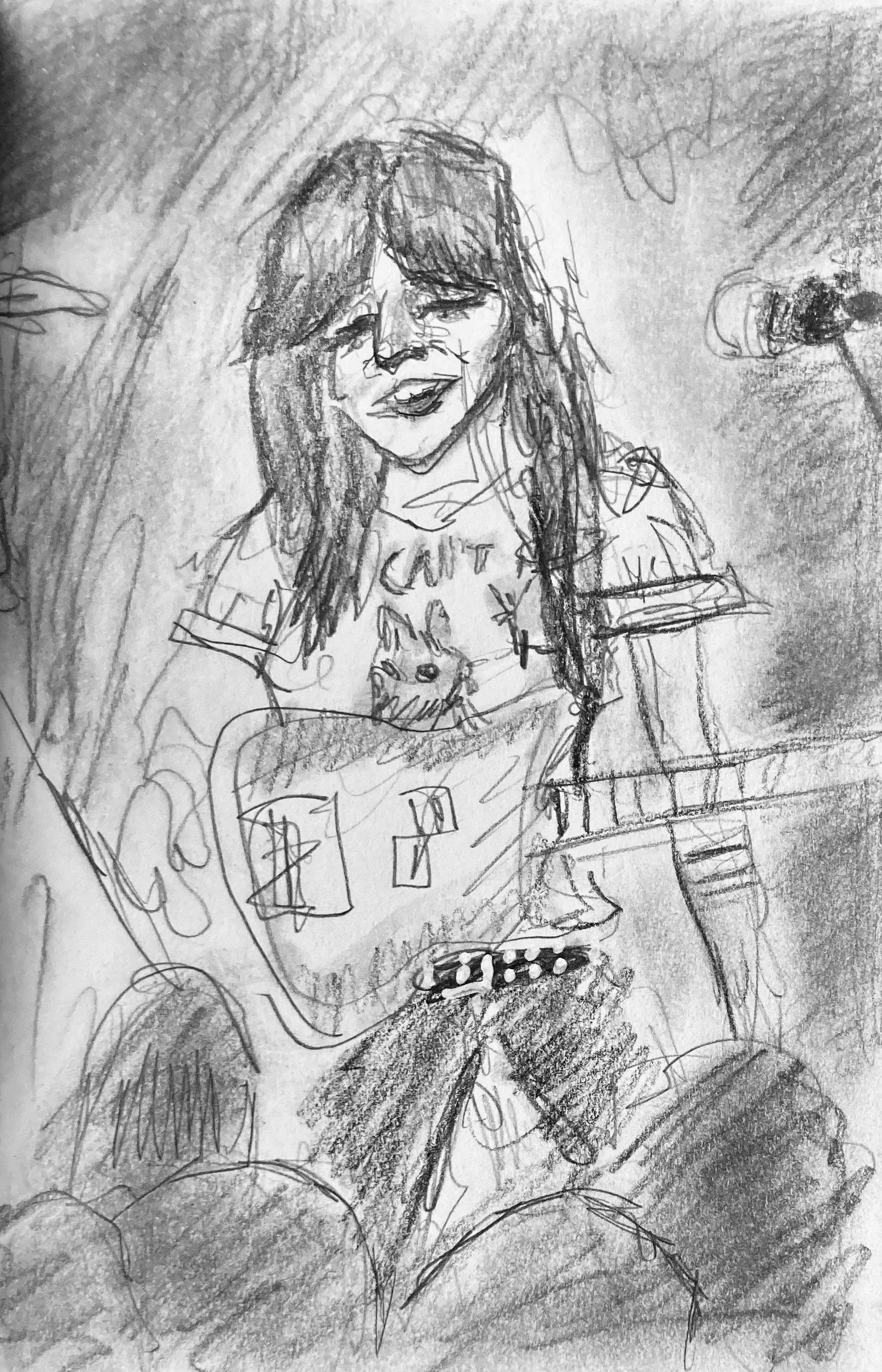
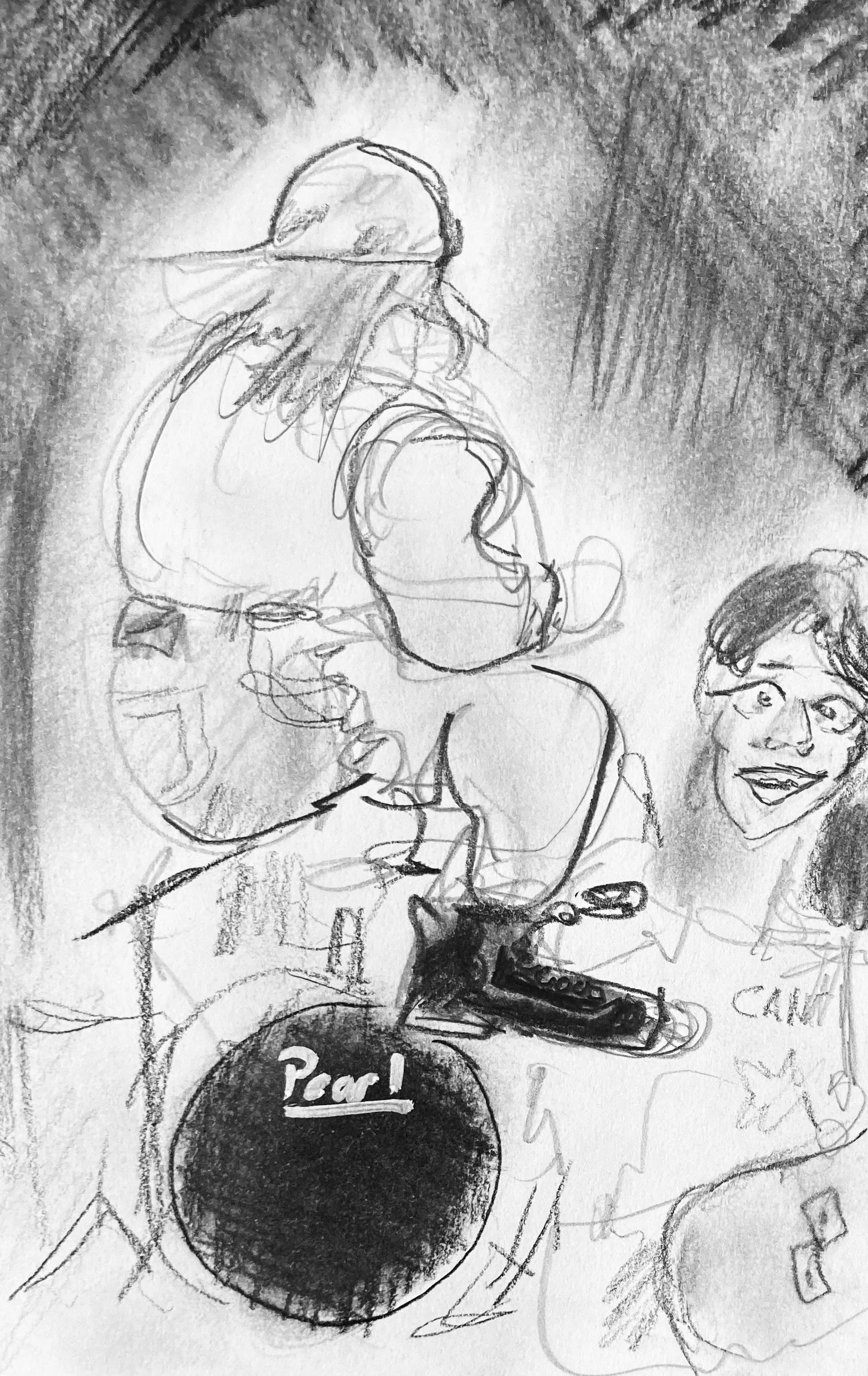
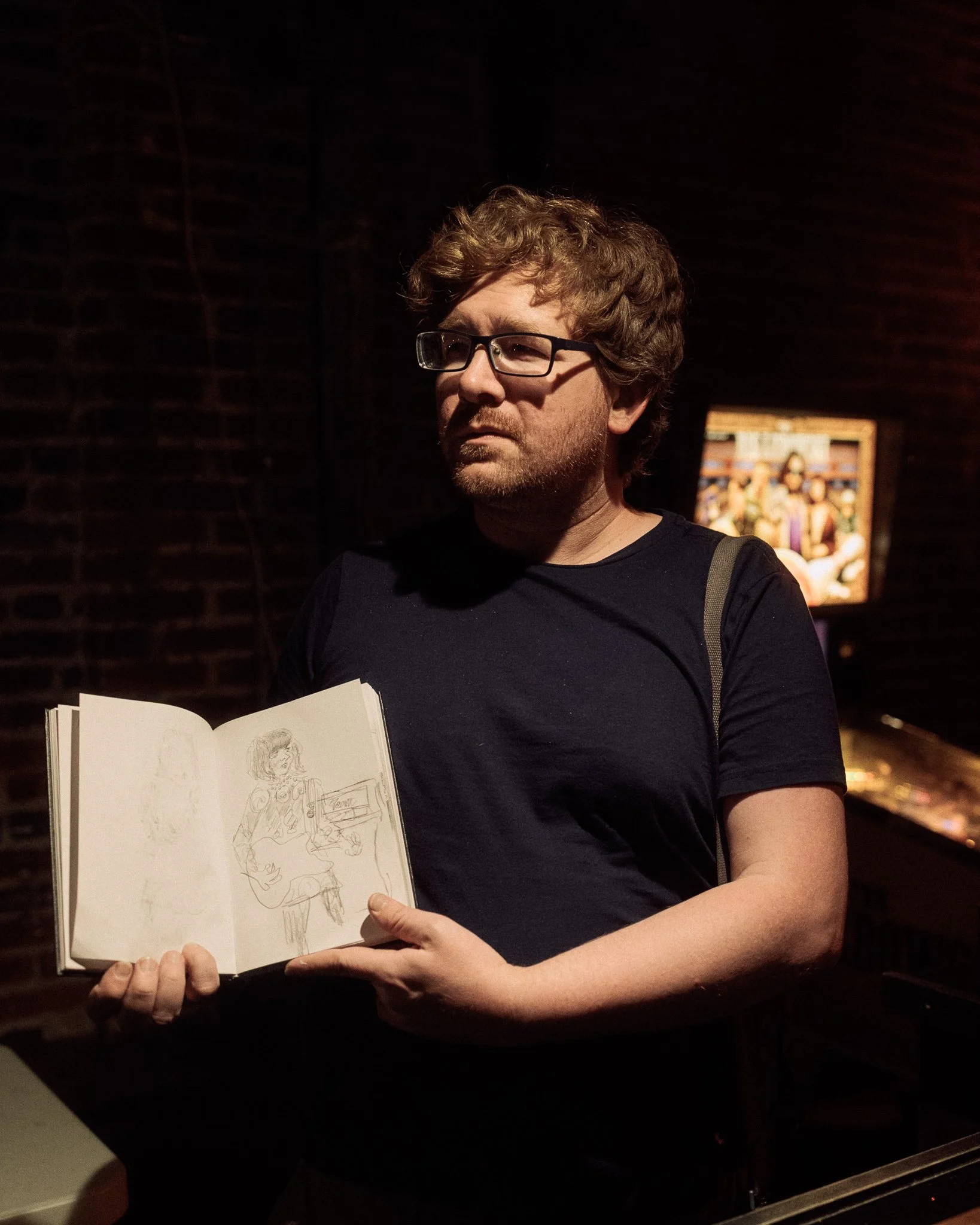
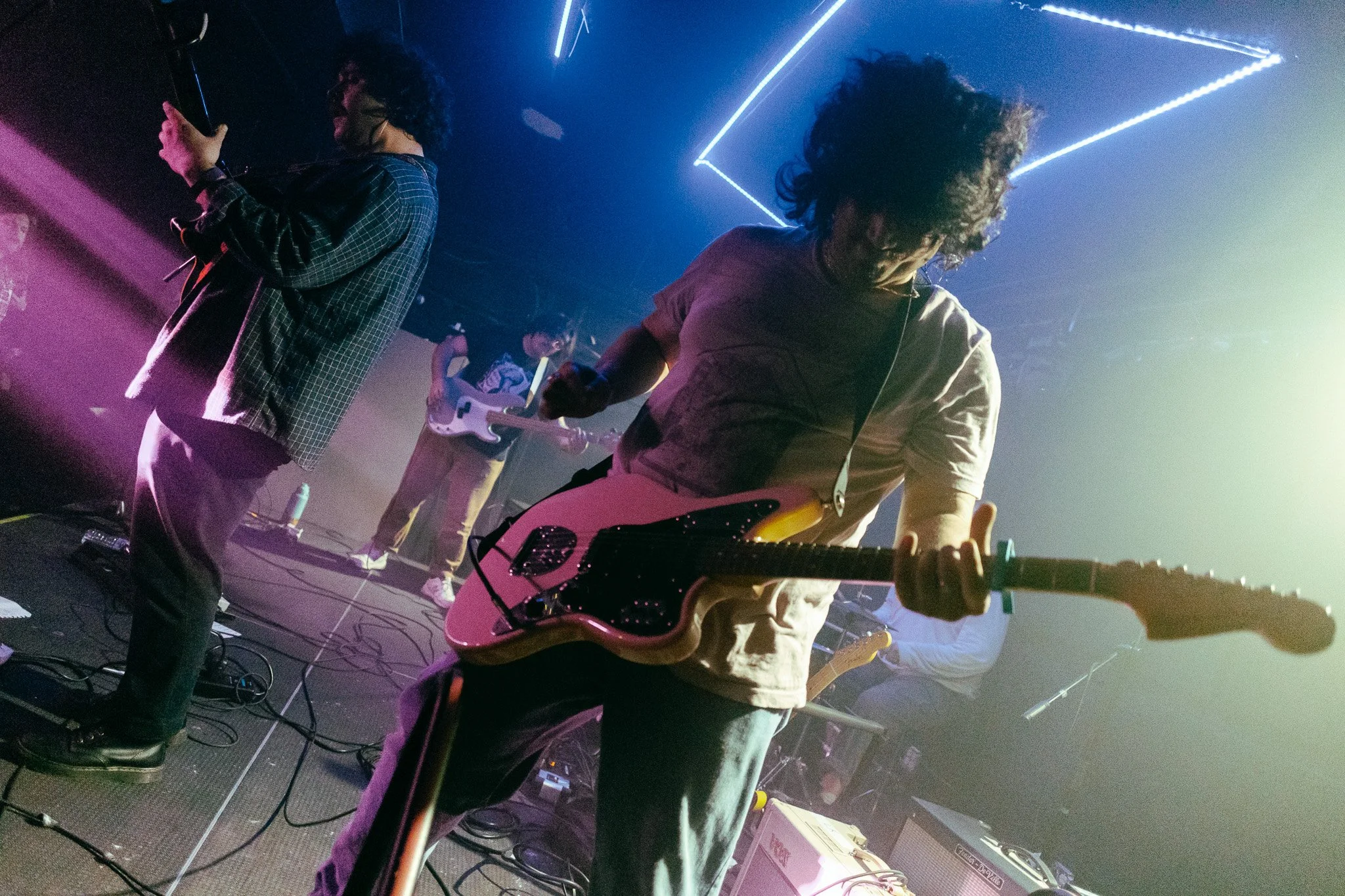
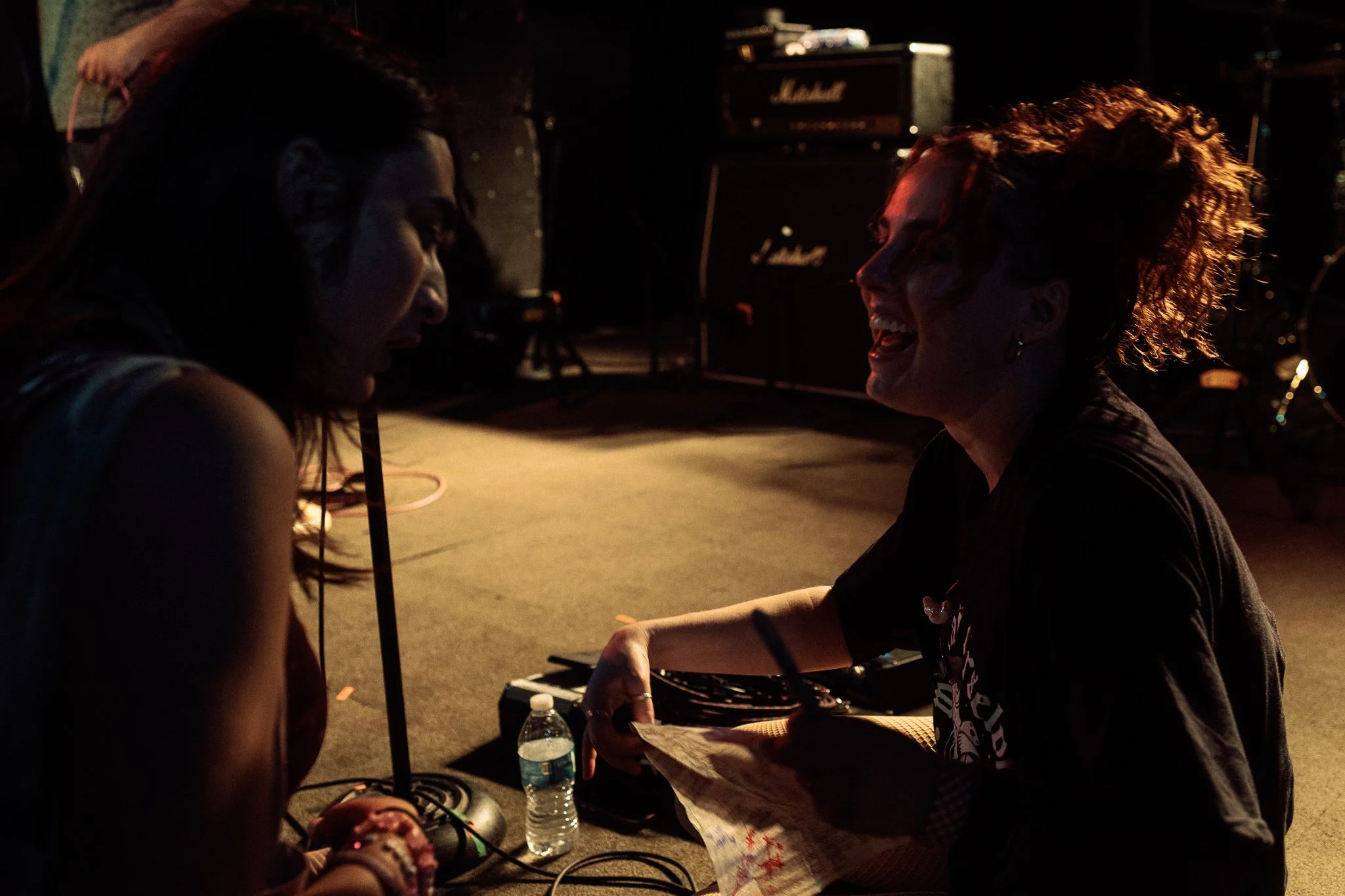
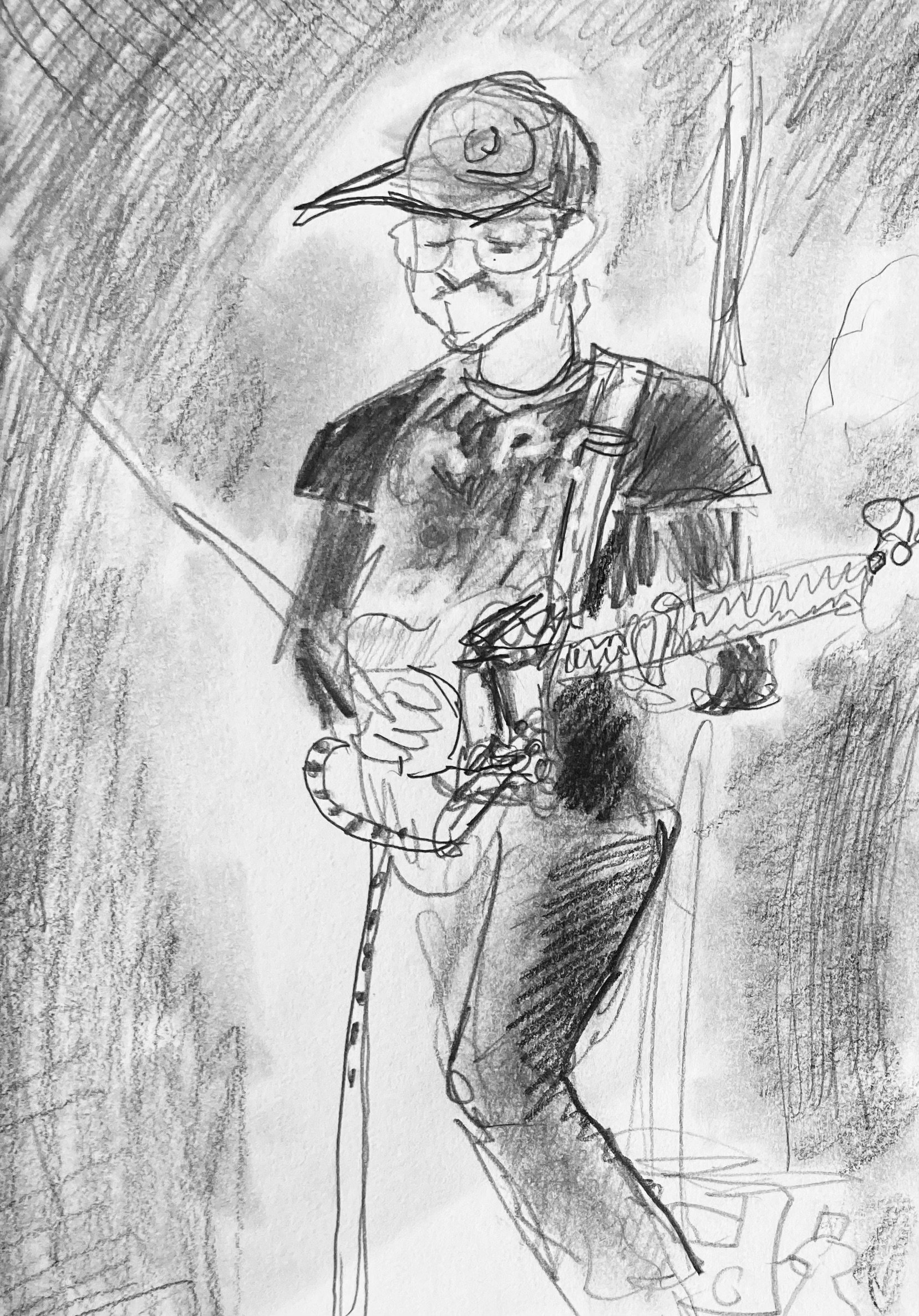
All photos by Kyle Meyers // All Sketches by Galen Summers
Naming a music festival Liberation Weekend takes some gumption. Liberation is a word I associate with only the most intense and daring of political movements, events that upend entire systems of power, carving a new path forward for a people. Not typically how I would describe a music festival. Yet Liberation Weekend, now in its second year, is willing to make this bold choice.
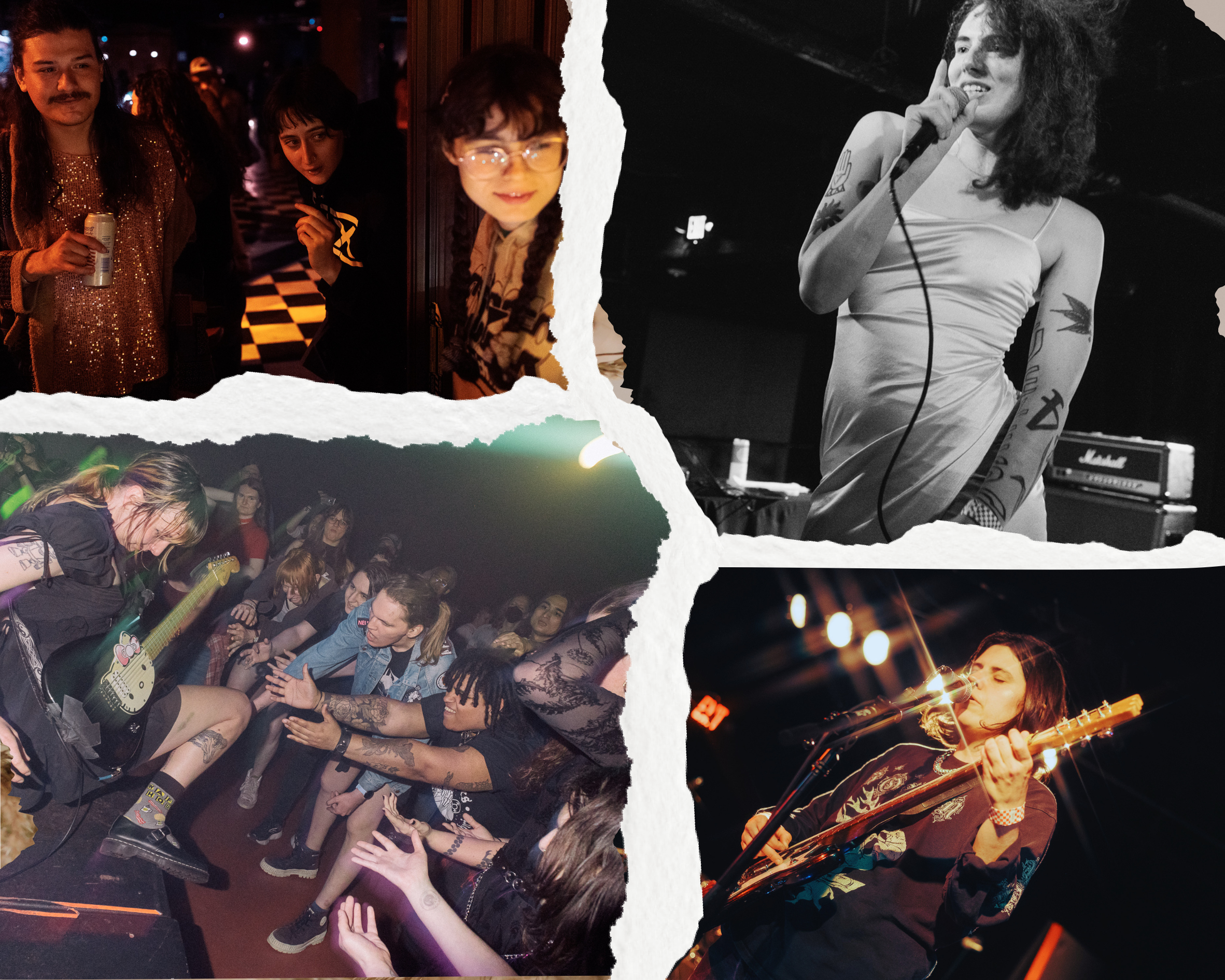
There is no need to recount Liberation Weekend 2025, as Swim Into The Sound had some brilliant coverage that does just the job, but there is a need to recount my Liberation Weekend 2025. A weekend where a young trans woman, hardly two months in on estrogen, not yet going by her chosen name, could be surrounded by other trans people. A weekend where she could watch other trans artists embrace themselves, their transness, and each other.
This was, in a sense, liberatory for me. A world where I could embrace my transness seemed possible. In the ensuing months, I found my voice on-air as the host of DIY Not, became ingrained in the DC DIY music community, and started playing bass for a trans punk band called thisdogllhunt. And as I have changed, so has Liberation Weekend.
In its second year, the festival has gotten bigger and (in this writer’s opinion) better. Now spanning three days instead of two, featuring late-night DJ sets and emo-centric day parties alike. The festival is split between two venues: Black Cat for the larger evening shows, and Transmission for the daytime sets and late-night after parties.
Just like last year, the festival is centered on raising money for trans people, with proceeds going to its partner orgs, Gender Liberation Movement and No More Dysphoria. Gender Liberation Movement is a non-profit group that brings together organizers, creatives, and community members to build power for gender liberation across culture, organizing, and policy. No More Dysphoria is a trans mutual aid non-profit, created to help transgender individuals pay for major aspects of their transition and necessities like housing and groceries. Early estimates from this year are looking to be around $20,000 going directly back to trans people, the people who care for them, and the people who fight for their rights.
This year’s edition of the fest sadly feels even more prescient than last. Attacks on the rights of trans people are only increasing, with the US Government designating “radical pro-transgender ideology” as a terrorist ideology on the same level as narcoterrorism. Among many of my friends, there is a growing sense of unease about our future in this country. There is a desperate need not just for the funds that an event like this can provide, but the space as well – somewhere that trans people can let their guard down, if only for a moment.
I spent the three days of Liberation Weekend looking for liberation. I searched for it in the artists on stage, the sweaty mosh pits of Transmission and Black Cat, and in the organizations fighting to make this world just a little easier for trans people. A year ago, I found it for myself. This year, I hope to find it again.
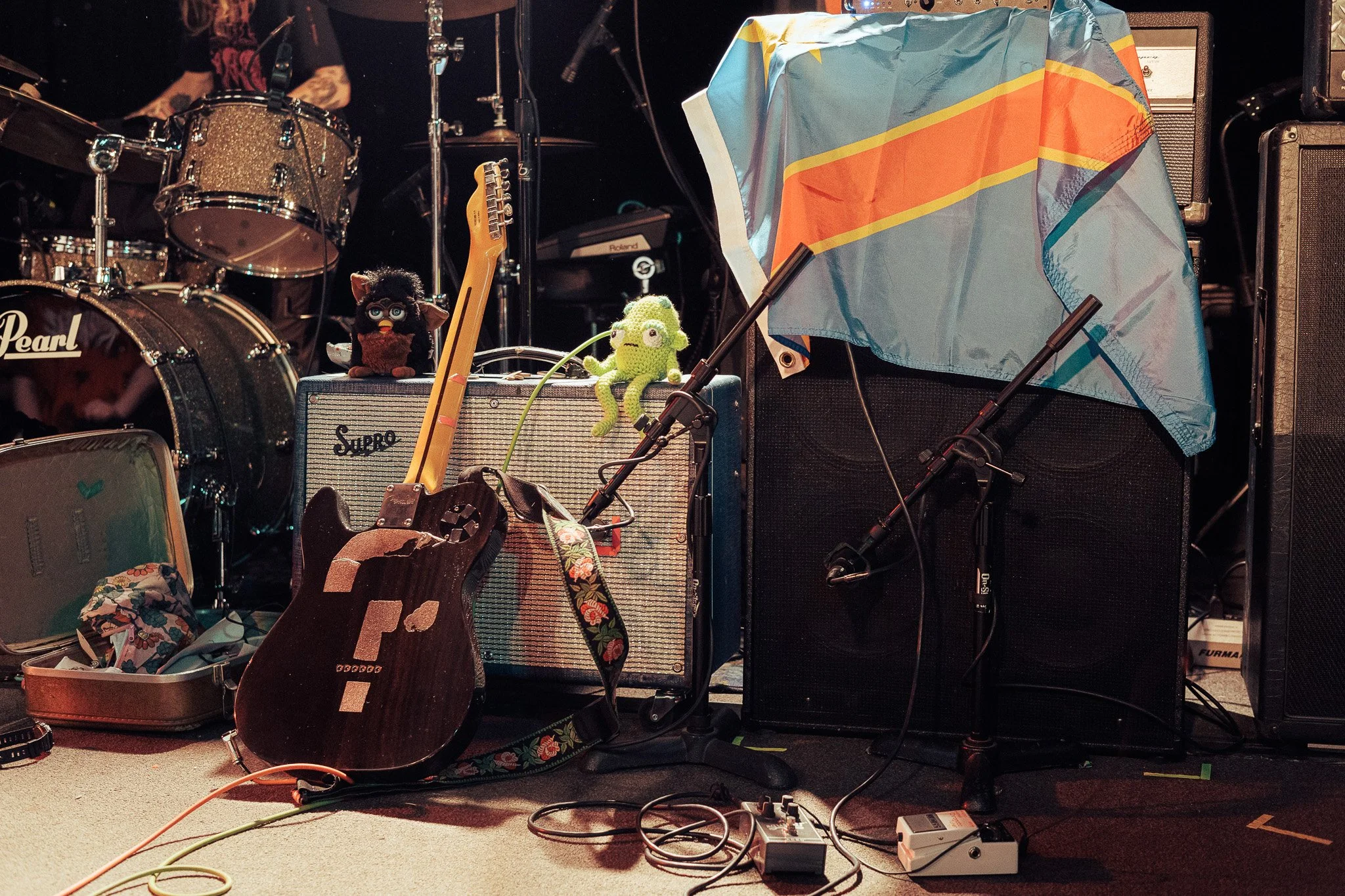
Photo by Kyle Meyers
April 23: The Unofficial Liberation Weekend preshow in which Caroline watches the trans girls of DC two step to folk music
Liberation Weekend II began with what the DC trans community considered an unofficial preshow. On the night of Thursday, April 23rd, well over 100 people packed into a tiny warehouse art gallery called The Fridge, tucked in an alleyway near Capitol Hill. We came out for a night of somber folk, riotous country, and boot-stompin' Appalachian bluegrass, all played by trans women.
Beginning with a solo set of mostly covers from thisdogllhunt, AKA Bailey Payne, she brought her knowledge of country classics to us uneducated city slickers. She wore a Texas A&M football jersey – her hometown team and alma mater – but it had been lovingly modified, with the neckline cut out, a high crop, and sleeves nowhere to be seen. Transforming a symbol of Good Ol’ Boy culture into something just a little scandalous, maybe even a little sacrilegious, depending on which A&M fan you ask.
As Payne closed out with a blistering cover of Charlie Daniels’ “Trudy,” she was so deeply at ease with the audience. She joked her way through the cover, shouting out to the crowd between verses. As she led into the second verse, she took a moment to pause and ask in her best southern drawl, “Now who here can tell me who Johnny Lee Walker is?” She let the silence hang still in the air amongst a bewildered and entranced crowd, as she launched into the verse, finally telling us who this mystery man is. Nearing the end of “Trudy,” she took a moment to hop on the soapbox while still cycling through the chords. Addressing the crowd directly, she said, “A real transition goal was to play this song and feel free. And we aren’t all the way there yet, but we’re getting there.” She talked about how all these old country songs are just stories, elaborating, “I collect these stories, and I’m happy you’re part of my story.”
As she said this, I looked around the warehouse. I was surrounded by the friendly faces of trans people from across the District. We always show up for one another; we are all helping write each other’s stories.
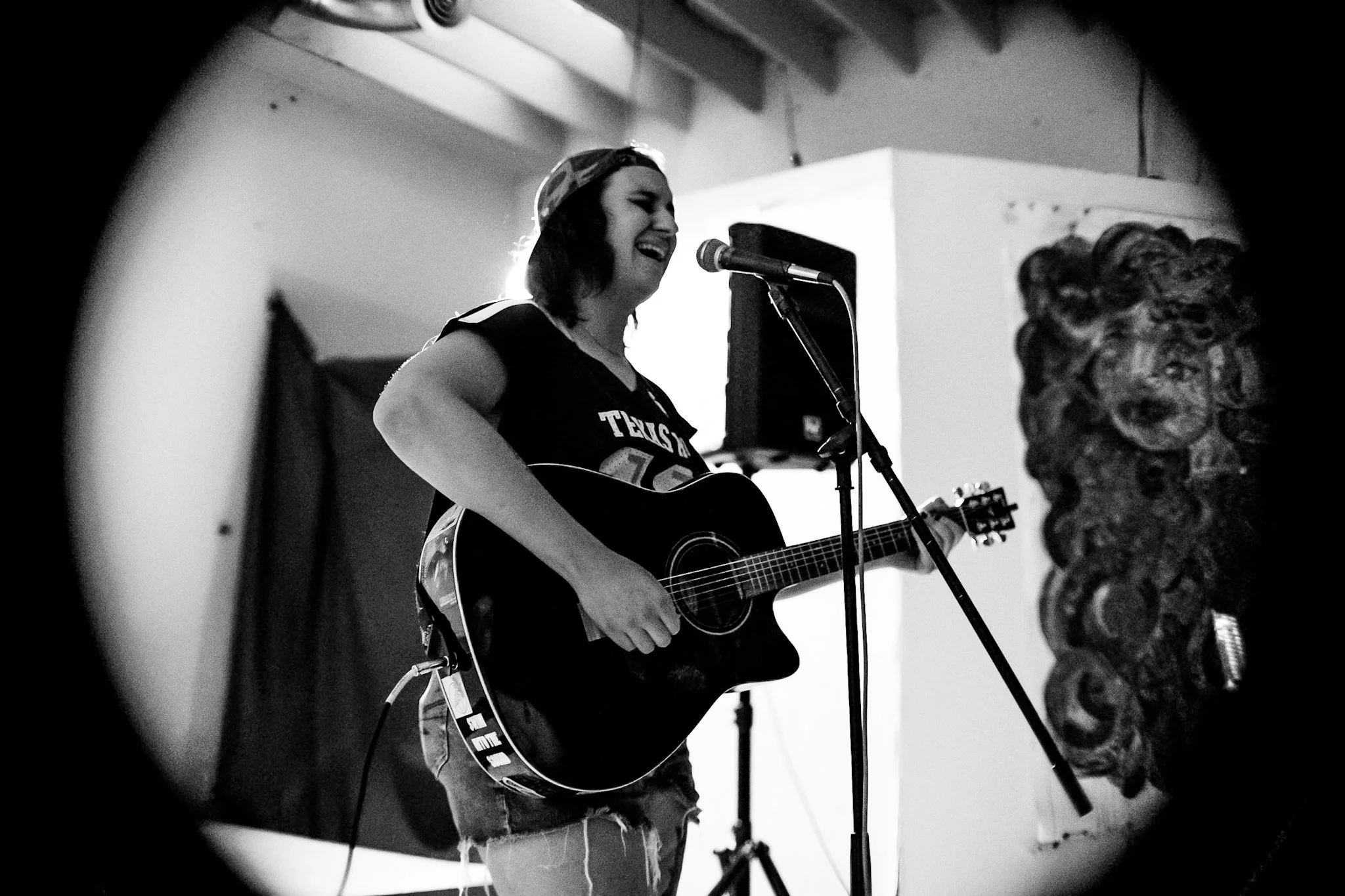
Photo by Maisy Hayne
Payne was followed by Rosslyn Station AKA Guinnivere Tully, who performed a slow and somber set of covers. Tully opted to take a seat on stage, drawing us in with intricate finger picking and delicate vocals. Her anti-folk came at the perfect time to give us all a breather following Payne’s high-energy country showcase and before what was sure to be an absolute barn burner of a set from Clover-Lynn. She is a dyke, an Appalachian folk musician, and a trans woman. And she would likely tell you it's in that order. She beams with a natural charisma, telling stories about family and acceptance with an accent so country you almost can’t believe it. Clover-Lynn’s music pulls from a deep tradition, discussing how one of her songs is meant for a traditional dance style called Appalachian flatfooting. Here in DC, we don’t know flatfooting, but we certainly know how to mosh. Trans people began running into each other, giving friendly shoves. There were even a few couples in the mix spinning each other around with the widest smiles on their faces. In this room, there was no shame and no judgment, just the joy of moving our bodies in ways that felt right. Maybe this is liberation.
April 24th – Day 1: In which Caroline meets her heroes, has a cheerleading squad, and thinks about God
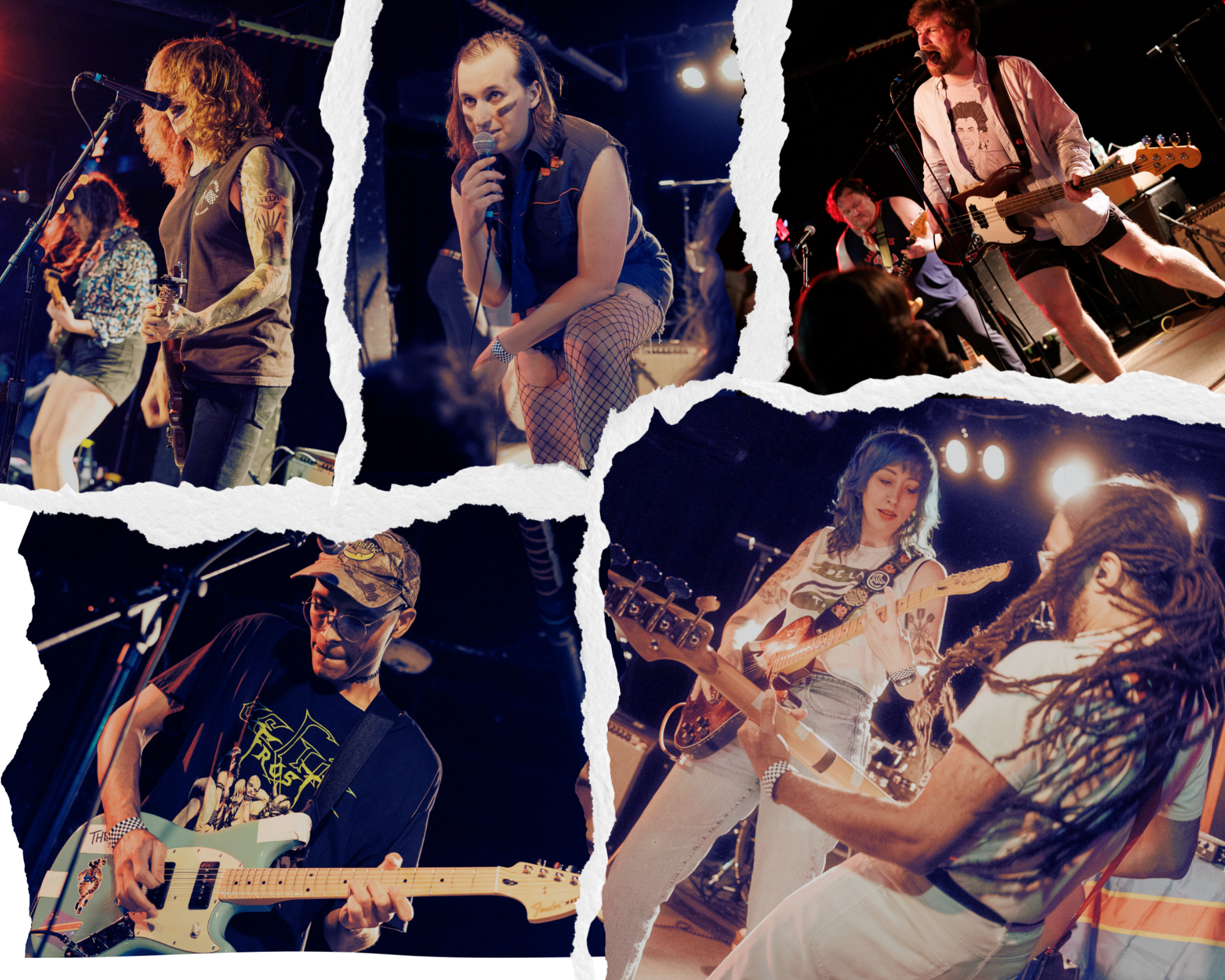
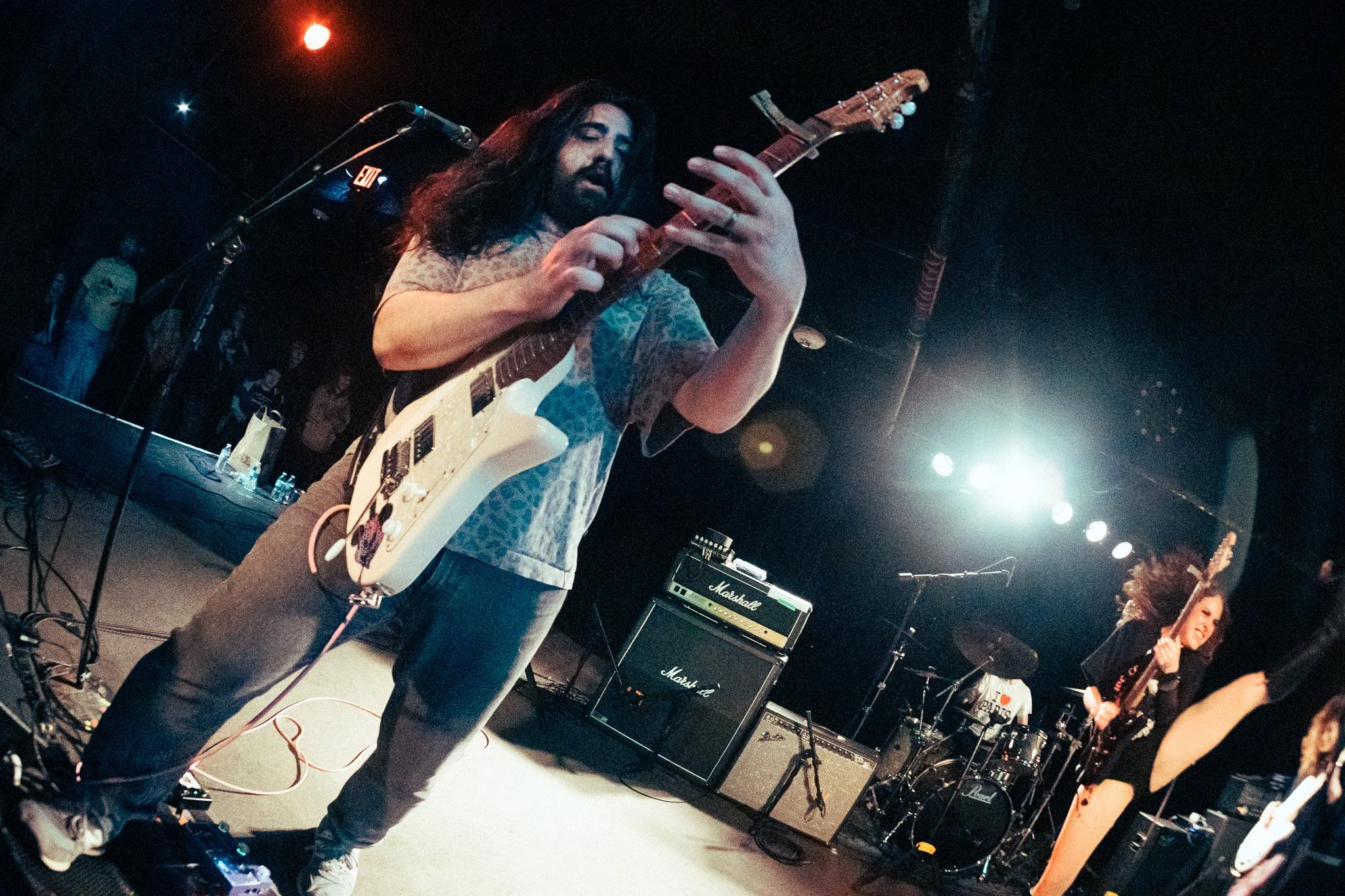
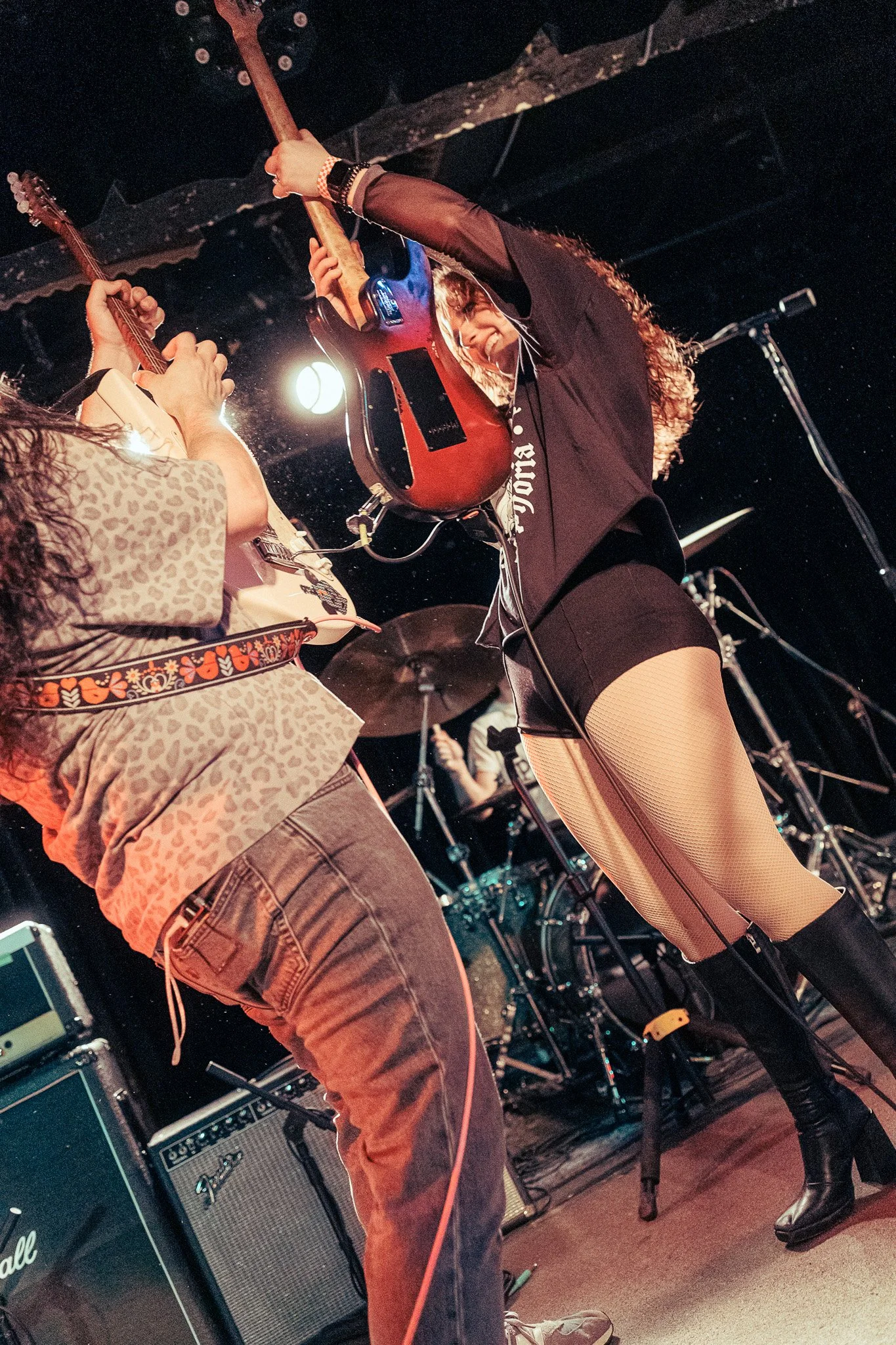
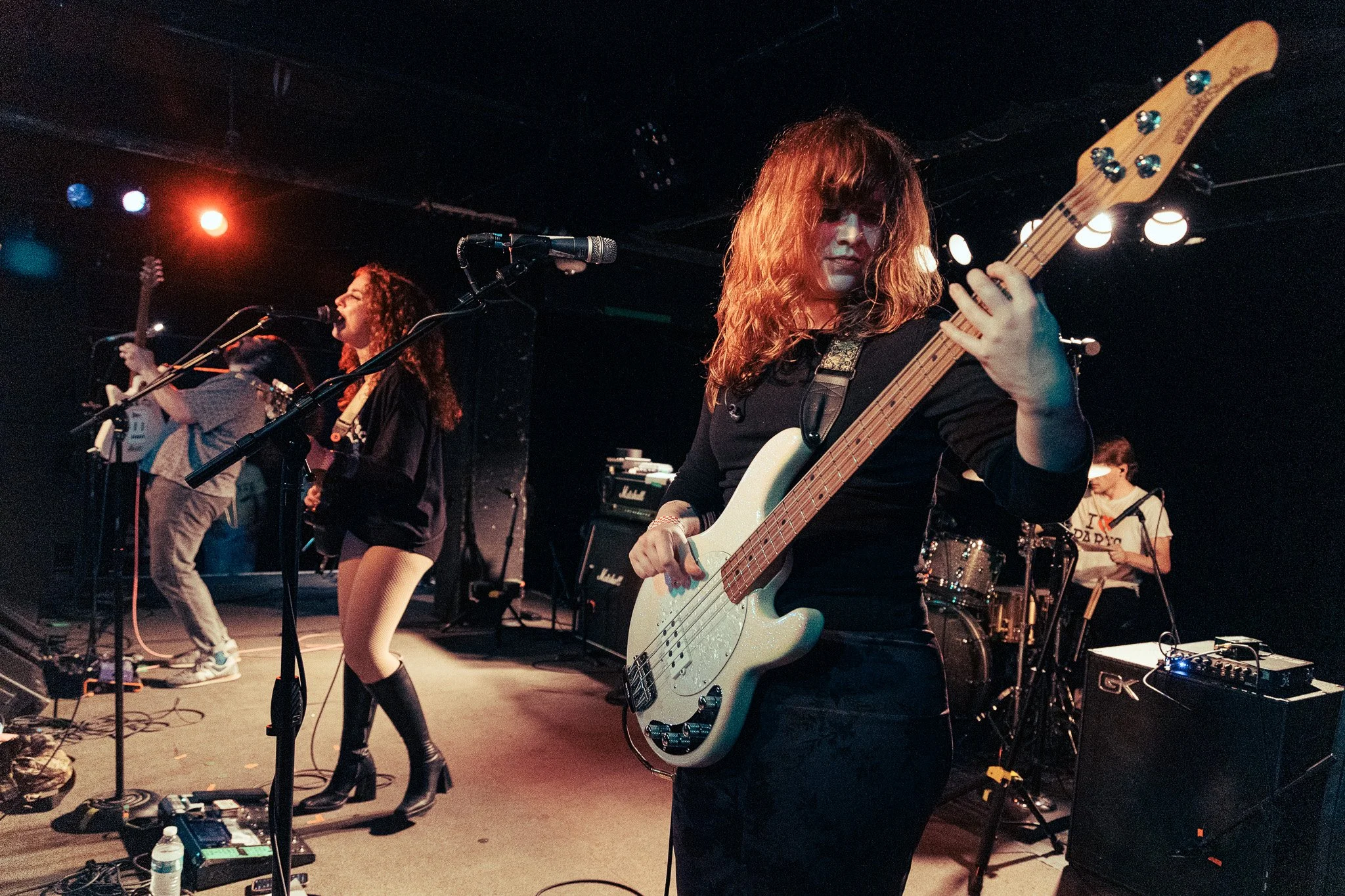
On the first day of Liberation Weekend, I pretended I was a rock star. Along with my journalistic duties, I was also playing bass for the DC-based cow-punk act, thisdogllhunt. We were slotted to play second on the first day of the festival, right after Brooklyn-based punk act Eevie Echoes & the Locations.
Liberation Weekend gave me and a number of other small trans artists the opportunity to be part of the “big leagues.” With few exceptions (Laura Jane Grace, Ethel Cain, underscores), most trans musicians and artists exist on the DIY circuit, tracing paths from bars to basements to community centers along the endless highways of this country. Those spaces are home to me as a performer.
Before this show, we had largely played DIY venues, so loading into Black Cat, my bandmates and I felt a little out of our element. Real catering, access to a shower, and having to try our absolute hardest to be normal about sharing our green room with Laura Jane Grace. We sat quietly and kept mostly to ourselves, staking out a claim on a single couch, too nervous to eat any of the various charcuterie prepared for us.
With my stomach still churning and my nerves on edge, I found time in the early afternoon to sit down with Philly emo legends, Snowing. Born from the same scene that gave birth to acts like Algernon Cadwallader, Snowing had called it quits years ago, only recently reuniting to start playing shows again with the resurgence in popularity of fourth-wave emo. The four-piece was a hero to a younger Caroline as she first dipped her toe into emo and DIY music, and now here I was, sitting in a small green room with them, most of the band crammed onto a small love seat. This interview would not calm my nerves.
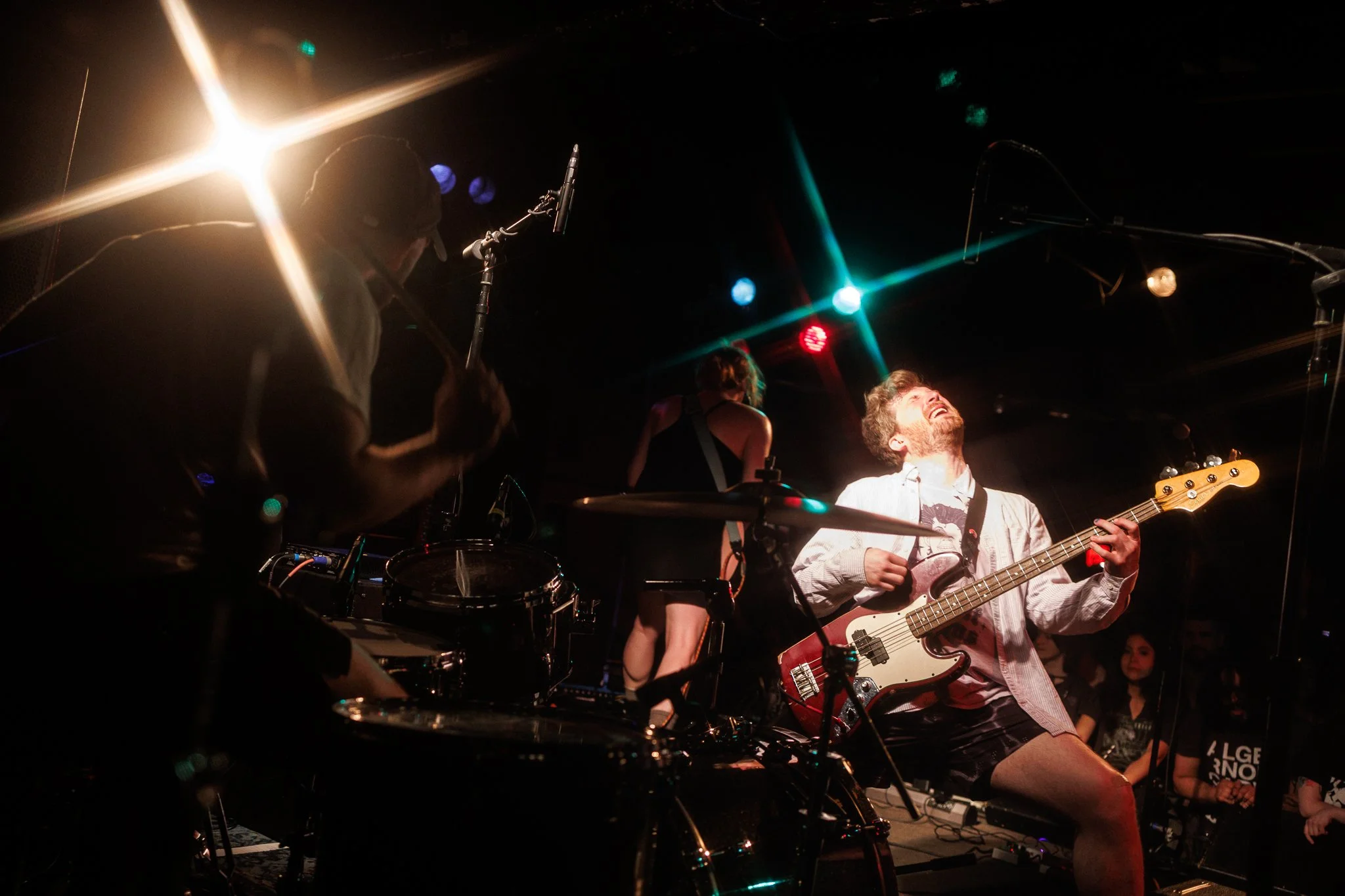
Photo by Kyle Meyers
I began by asking the band why they wanted to play Liberation Weekend. Guitarist Willow Brazuk gave me an incredibly straightforward answer. “I mean, it's a pretty important cause to me personally as a trans woman.” She continued, “We need it [money] right now. It's a pretty desperate, scary situation in the United States.”
Unsurprisingly, as a band born from a scene known for its tight-knit nature, Snowing is deeply committed to playing fundraiser and benefit shows as a “fundamental part of punk ideology for your community.” Explaining, “The only way that we win is to live in community and care for small communities that work and spread it.”
Sitting with Snowing, it is apparent how much this band loves each other. Over the course of our interview, someone would break out in laughter at some point during nearly every question. Breaking through this laughter, Willow offered perhaps the most workable definition of liberation I would receive all weekend:
“To me, personally, I just want to live a normal-ass life. It doesn't need to be fancy. I don't need power. I would love to walk down the street and feel safe. I would love to be able to go to the bathroom in every state I go to. I would like to keep accessing my health care, whether it's transition-related or not. I would like to not be discriminated against in any area: employment, housing, et cetera. That's liberation. It's not a huge thing. It's just like… I want what everyone else has. It's not a lot to ask for. I think when people in marginalized groups ask for something, it feels like they're asking for the world. It's really just wanting what everyone else has. That's liberation to me.”
Liberation Weekend has the capacity to make that real, even if only for a weekend. Sometimes that can be enough, as Willow notes, “We're not going to stop legislation from being passed because we played a fucking show in DC I know that, but maybe some people could feel better because they got to go do this and be among people they like.”
”I just want to live a normal-ass life”
– Willow Brazuk, Snowing
This comes to the central challenge of Liberation Weekend: how does a music festival move us towards liberation, in whatever sense of the word that means? There are small actions, like bands that make sure people know where they stand. A seemingly small gesture offered by lead singer John Galm at every show is “If you are at a Snowing show, and something makes you uncomfortable, you can come and find one of us at the merch table, and we will figure it out, because everyone that comes through these doors needs to be safe.” I appreciate that it’s something concrete, and the passion with which John delivers this tells me that it’s something he believes with his whole heart.
As we began to wrap, Black Cat’s lovely audio engineer popped her head in, asking if we could sound check early. I lost my place a little bit. I’d been able to lose myself in Snowing’s love for one another and for music just enough to forget I actually had to get up on that stage. I told her five more minutes and proceeded to take ten to wrap up with Snowing.
Photo by Kyle Meyers
Soundcheck was professional, yet eerie. Standing on stage, looking out at a venue as large as Black Cat and its empty floor with enough space for 800 people. It is a venue steeped in history, having hosted local heroes like Fugazi and The Dismemberment Plan, as well as national acts like Weezer and Foo Fighters. It all weighs down on you, straining your shoulders. Every pluck of a string, every step, requires you to focus just a little more. Act with a little more intentionality. Find composure within yourself.
We blazed through a song and a half, got the levels set, and suddenly found ourselves off stage just as quickly as we were whisked onto it. I now faced the prospect of sitting, waiting, and doing everything in my power to prevent my anxiety from growing like a festering algae bloom, sudden and suffocating.
A couple of hours after soundcheck, the doors opened, and I ventured into the crowd. A trickle of people slowly began to fill the cavernous space. I was finding peace in this moment when suddenly I heard a group of voices screaming “Caroline!!” and felt arms thrown around my shoulders.
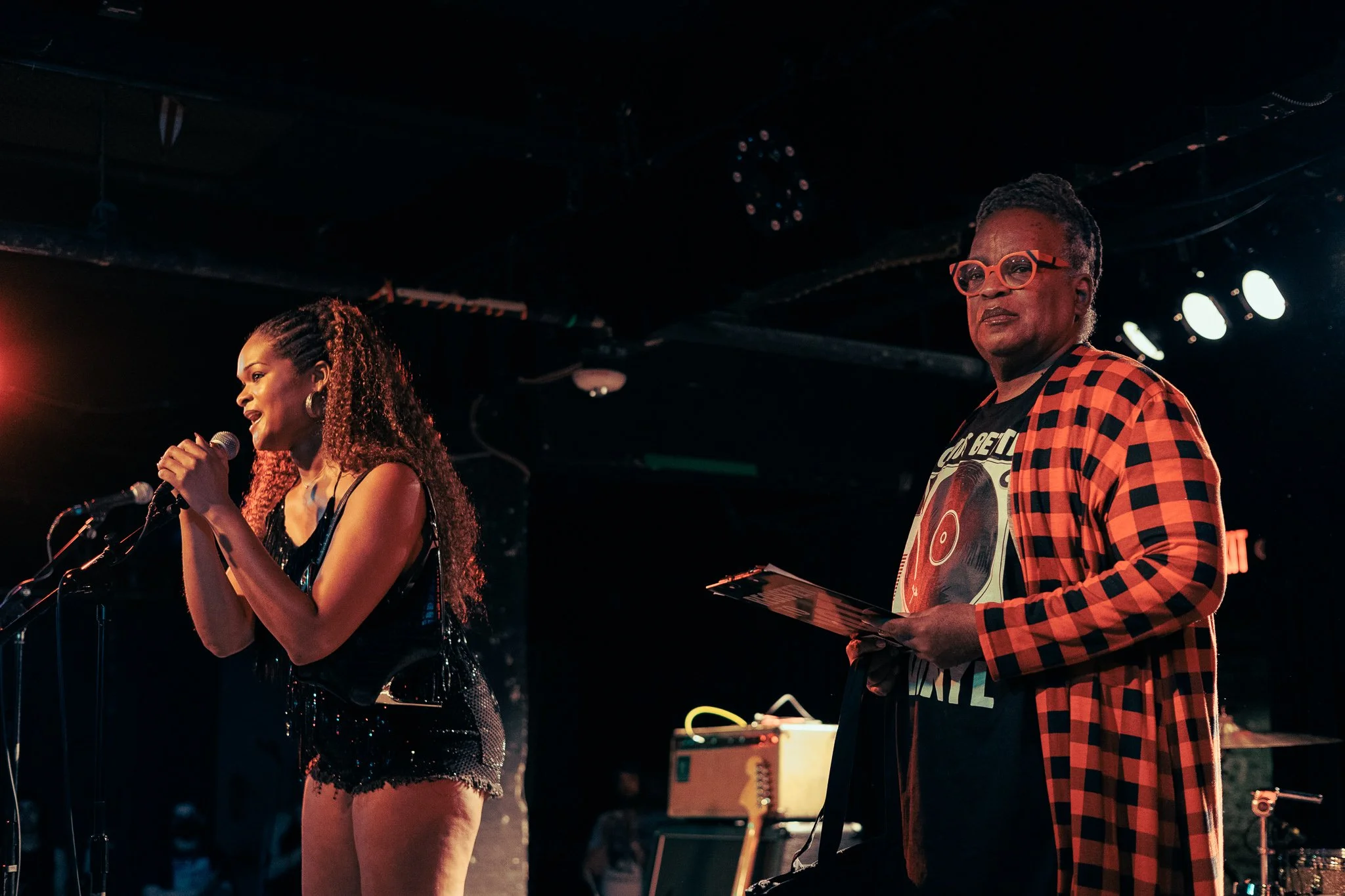
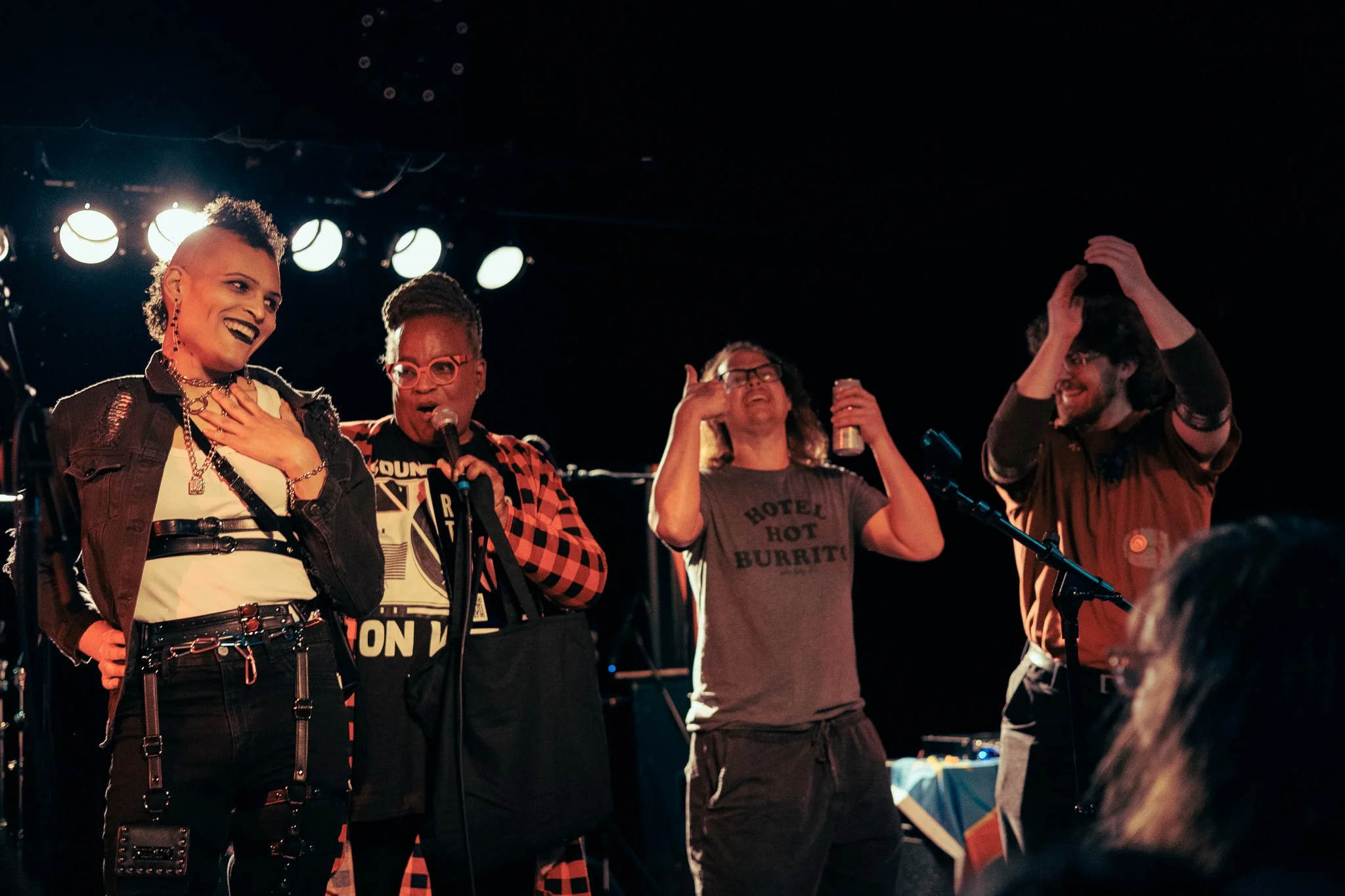
Before a single note was played, the first person to speak at Liberation Weekend was Rayceen Pendarvis. Rayceen is an icon of the DC queer community, and was respected as such the whole weekend. She was the host for the Black Cat shows, appearing between sets, talking about the organizations, complimenting the crowd, and constantly discussing which cities she had made, or lost, a lot of money in. She was charming, sweet, and endlessly entertaining.
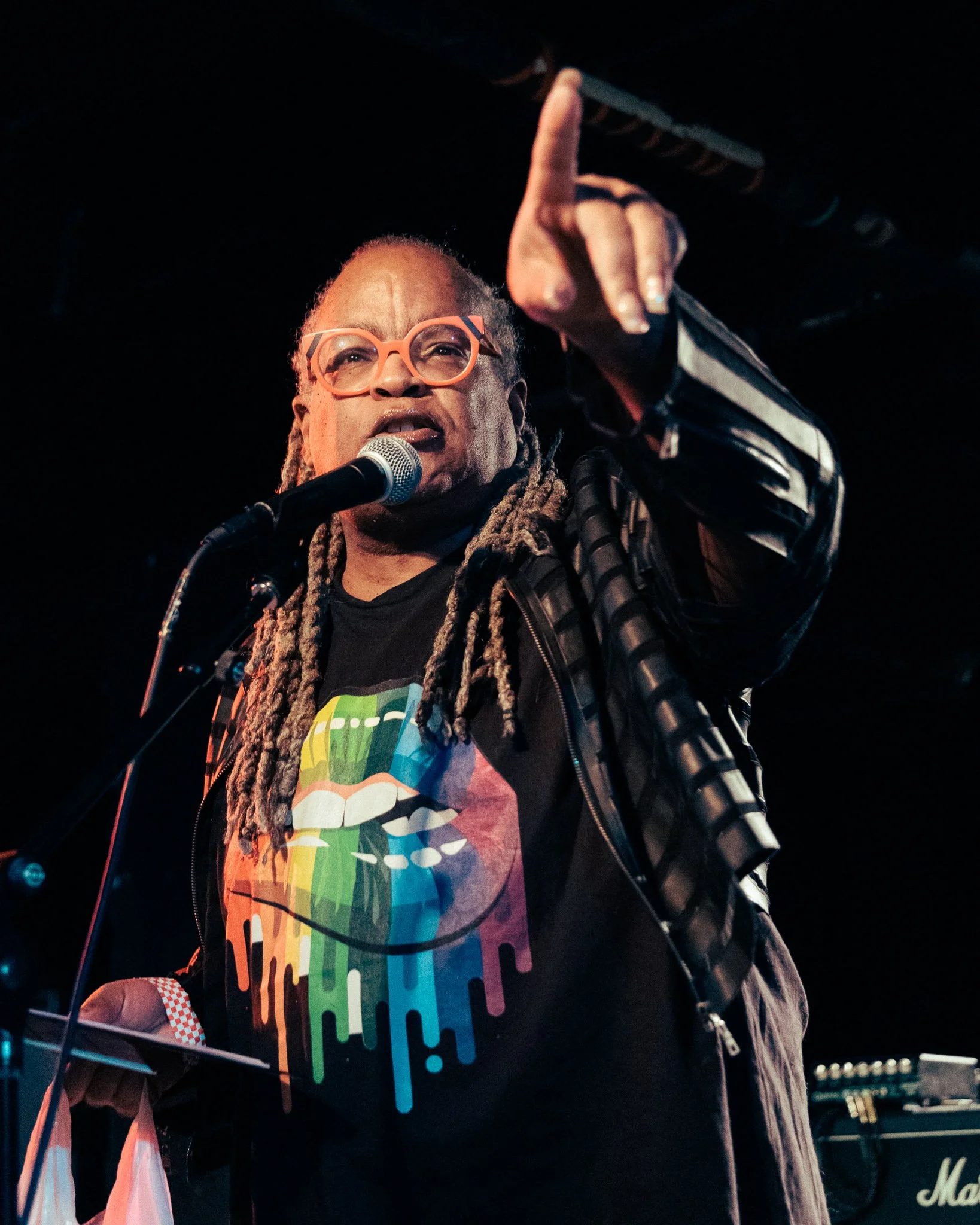
Photo By Kyle Meyers
Pendarvis introduced the first act of the night, Eevie Echoes & the Locations, who delivered a raucous set, with frontwoman Eevie venturing into the crowd to make sure a mosh pit got going.
Before heading on, we stood side stage to do our goofy thisdogllhunt chant. “Hands in, and on three, thisdogllhunt! One! Two! Three! This-dog-llhunt!” The syllables don’t match the count. We’re never quite in sync, and the rhythm is never quite right. I hope it never changes; this is sisterhood to me.
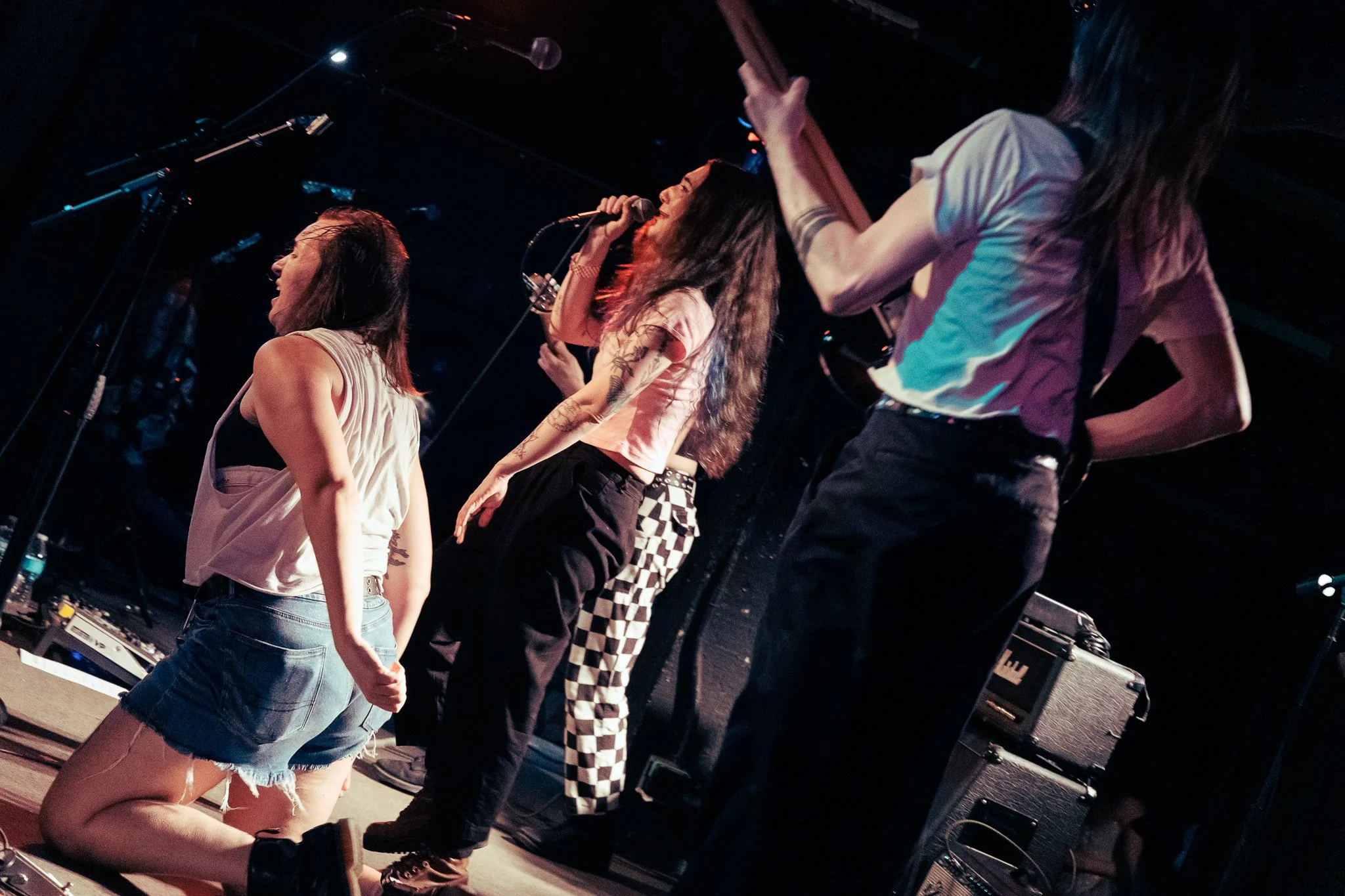
Climbing the four steps up to the stage of Black Cat, it didn’t take long to feel at home. Despite gazing out at a crowd of at least a hundred, suddenly a chorus of voices erupted right at the front, chanting my name. Amongst that endless sea of faces, some of my closest friends made sure they were seen and heard by me. It was hard not to feel like an embarrassed high school graduate, just trying to make her way across the stage while her family makes absolute fools of themselves, but having a personal section of trans girl cheerleaders can calm even the shakiest of nerves. I could tell you all about the set, but why do that when you can just watch the whole thing right here:
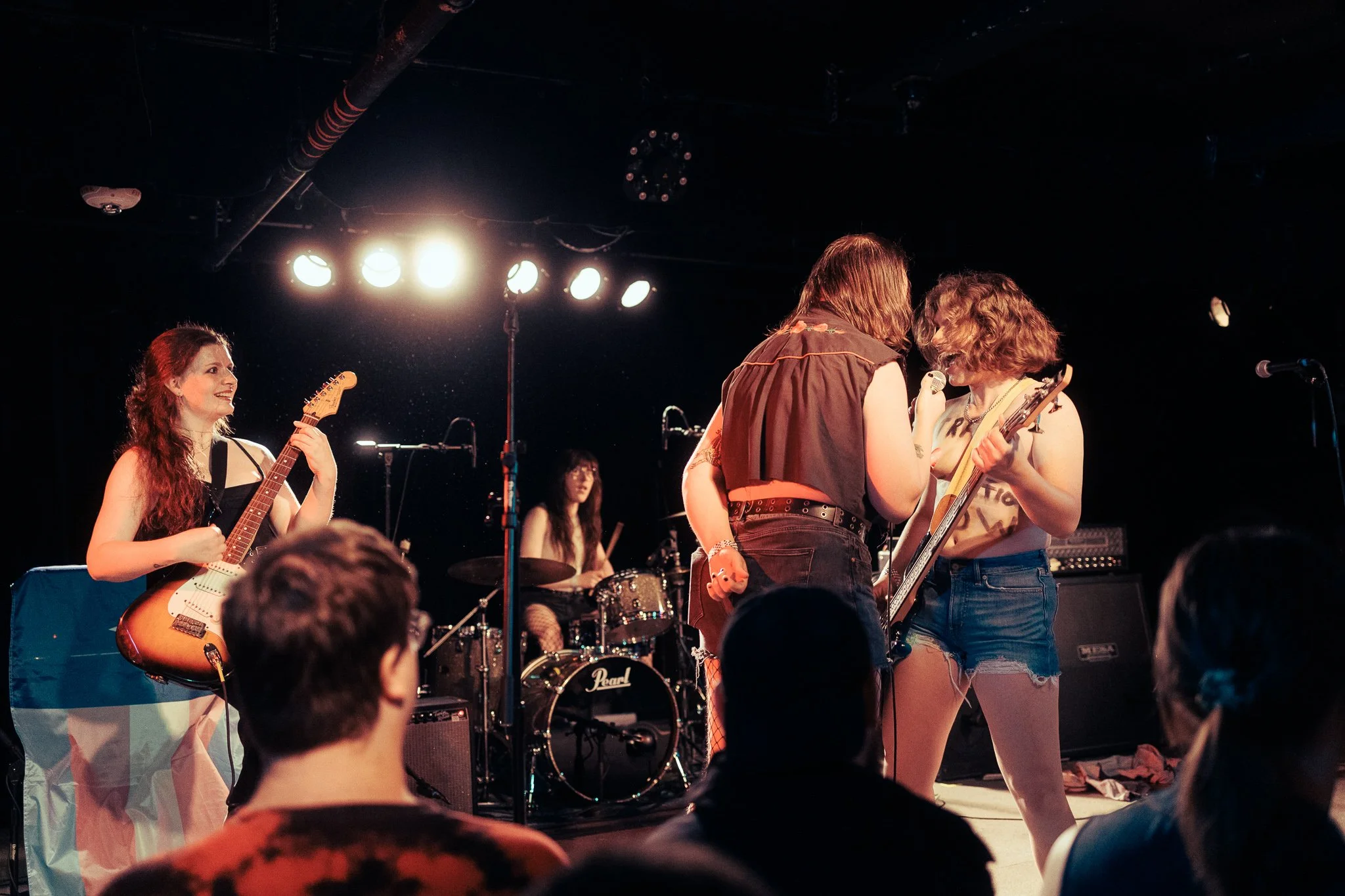
After our set, as I navigated my way down the stairs side stage, the first person to notice my frazzled state was Augusta Koch, the lead singer of Gladie, who had been watching just off stage. She looked me in the eyes and, with a calm, collected voice, simply asked, “How are you feeling?” I was forced to take in my surroundings and live in the moment.
At that point, I didn’t have words to describe the feeling. I do now. Fulfilled. Fulfilled by my community, by music, by trans love. This moment grounded me. I needed all of these little grounding moments – the type of moments that can only come from a community that is tight-knit and allied both locally and afar. I believe this is one facet of liberation: to have confidence in your community and their support.
It also hit me that we were just the second set of the entire festival. I’d better find my grounding ASAP because there was a whole lot of festival left to go.
After catching my breath in the green room, I popped out to catch the tail end of Spring Silver. K Nkanza’s indie emo project has been a mainstay of the DMV scene for years, and sounded right at home on Black Cat’s stage.
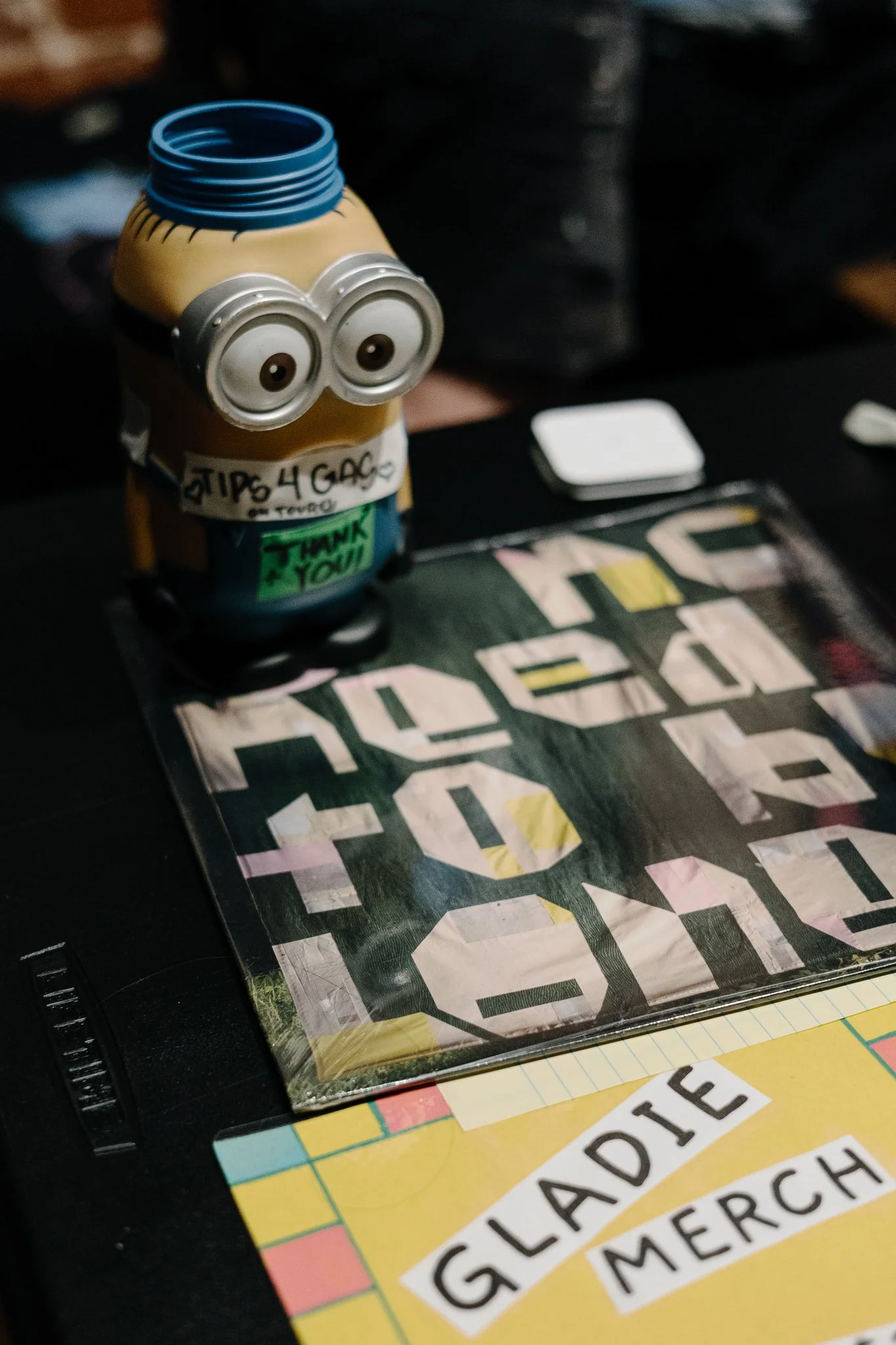
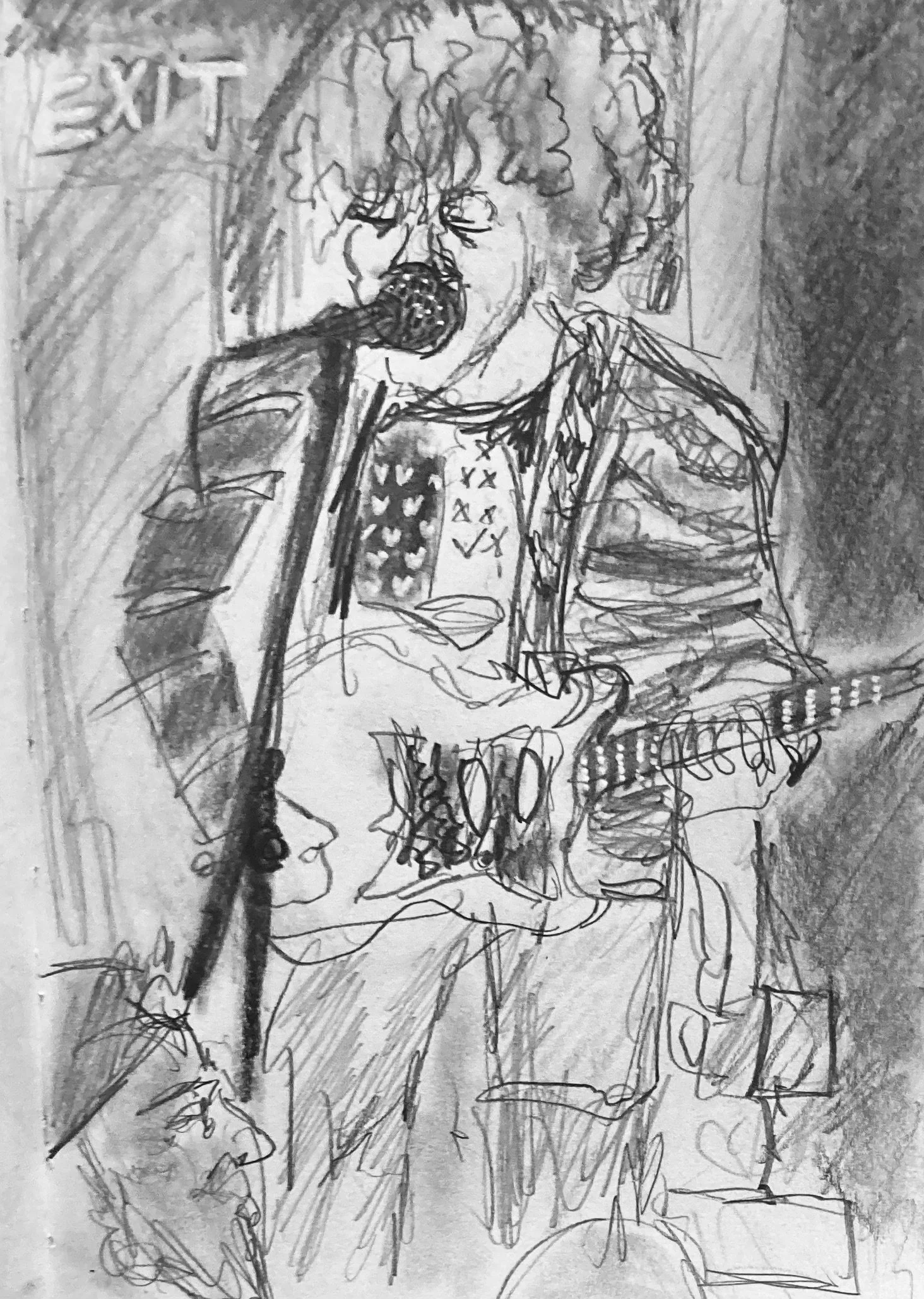
The rest of the evening would be out-of-towners, with Gladie taking the stage. As the Philly-based indie rockers launched into their set with “Push Me Down,” I traced a path through the crowd like a snake in the prairie grass to make my way to the front of the stage and scream along. Gladie offers a unique brand of indie rock, with guitars swirling and unraveling behind Koch’s wonderfully sweet and gravely voice. Everything is just a little fuzzed-out, but still catchy and thoughtfully laden with a deeper meaning. After first helping me find grounding, Augusta helped me fall into the music, carried away and out of my body.
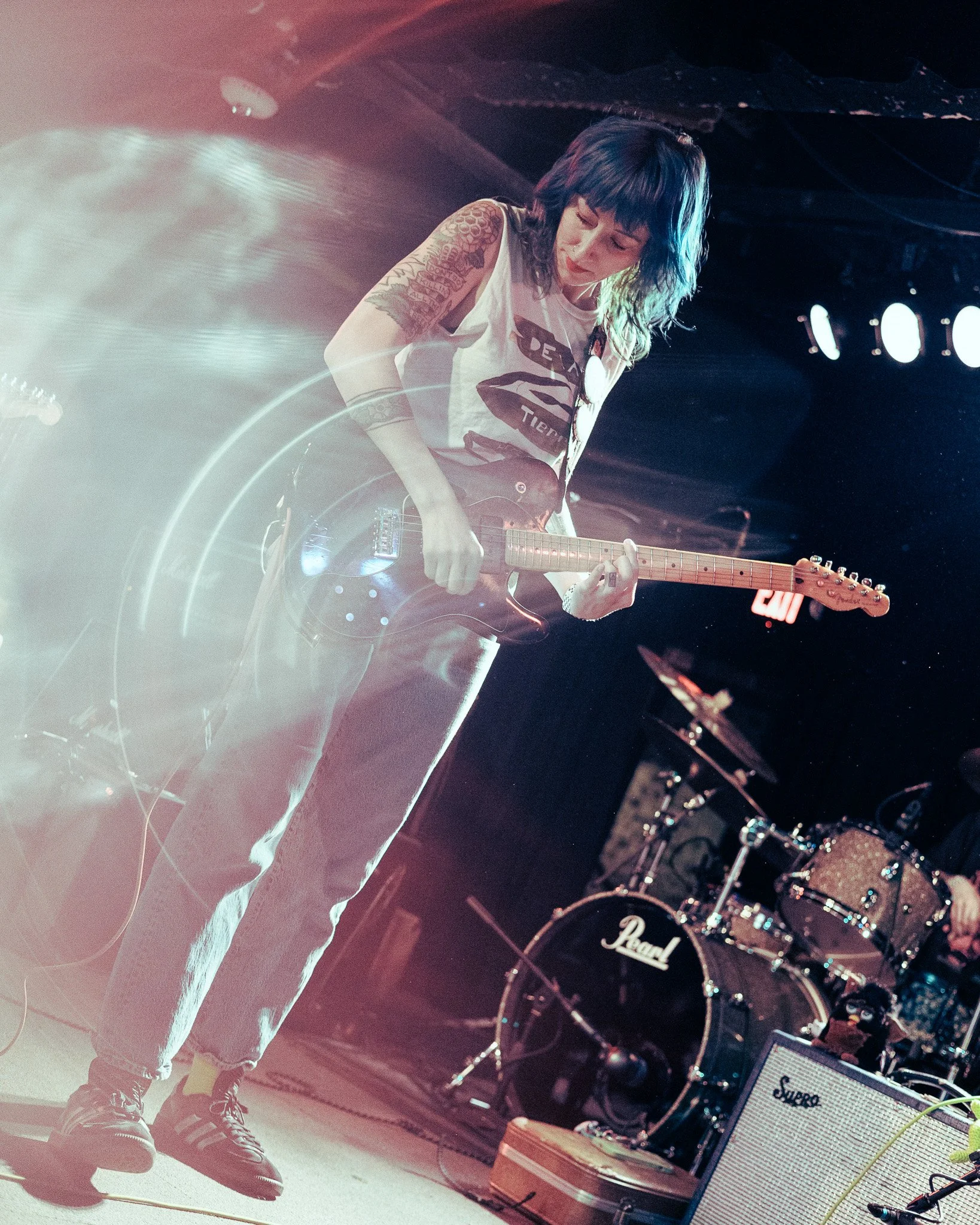
Photo by Kyle Meyers
Shortly after Gladie was Snowing, who repeated many of the same beliefs they had shared with me during our interview. Lead singer John Galm explicitly asked audience members to find him if anything makes them feel uncomfortable. The set, of course, was excellent, as if you had any doubts in their abilities. I was transported back to the first time I saw them in the dust bowl that was the Second Annual DIY Superbowl in 2022. Eighteen years in, absolutely no one in Snowing has lost their edge, still able to get a crowd screaming their lungs out about drinking too much as a 20-something in Philly. Nothing is more cathartic than a good Midwest emo set.
Nearing the end of their set, I ran into an old friend, a former partner who had seen me go from man to woman. We embraced. We were brought together by emo music nearly seven years ago, making the trek up to Philly together to see Snowing in 2022. After hugs and pleasantries, we briefly caught up before settling in together to watch the final set of the night, Laura Jane Grace.
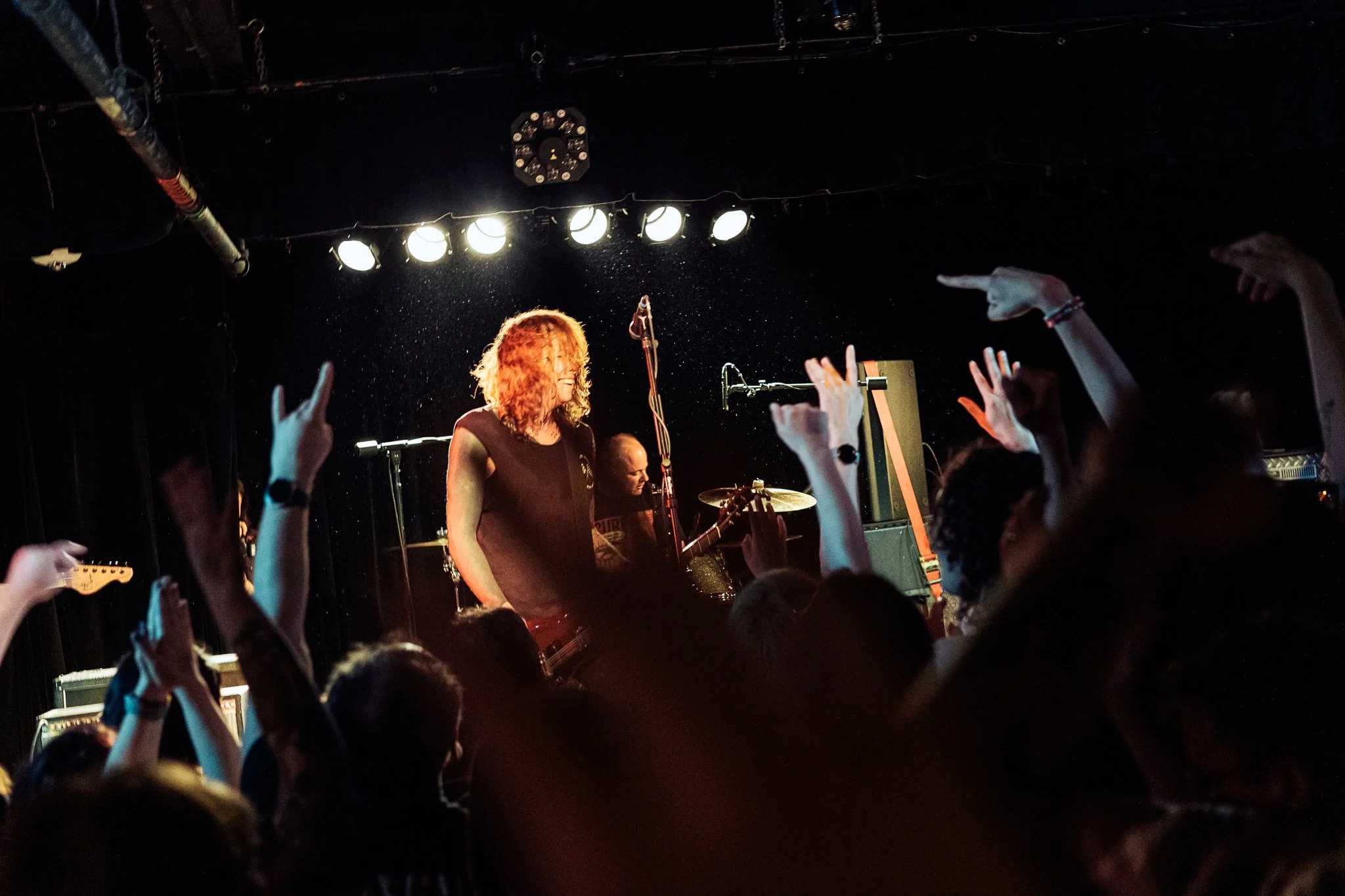
Photo by Kyle Meyers
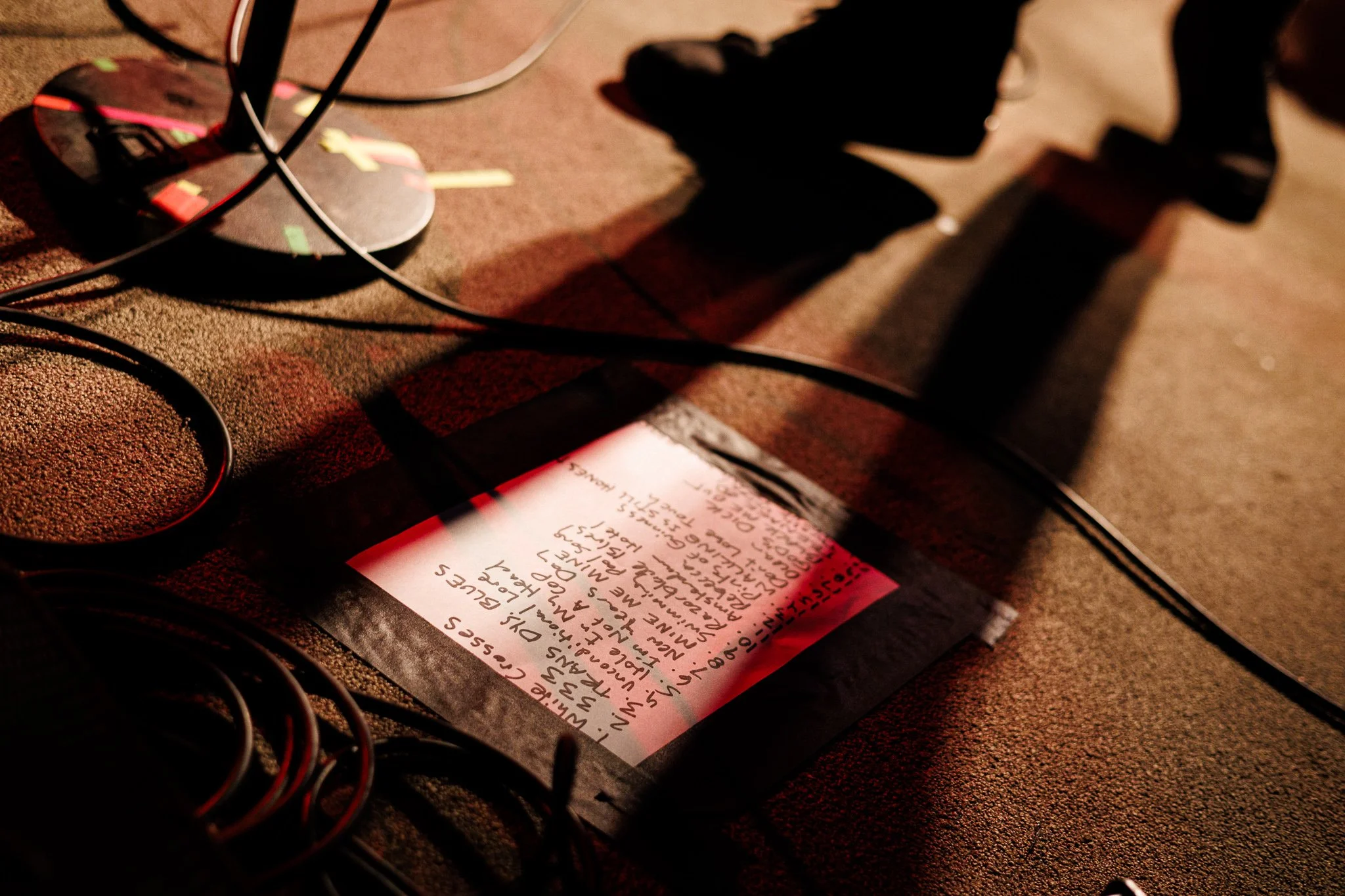
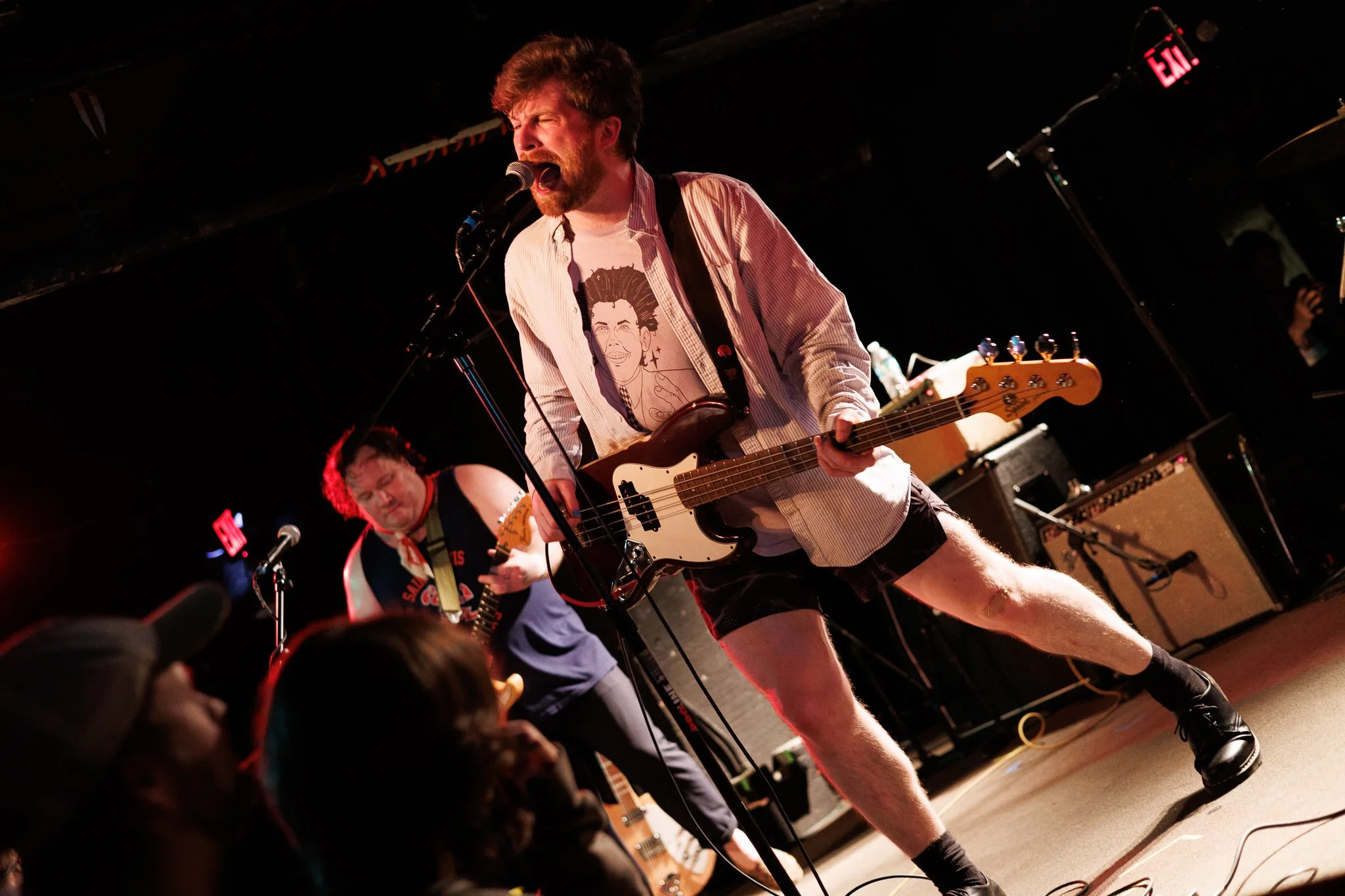
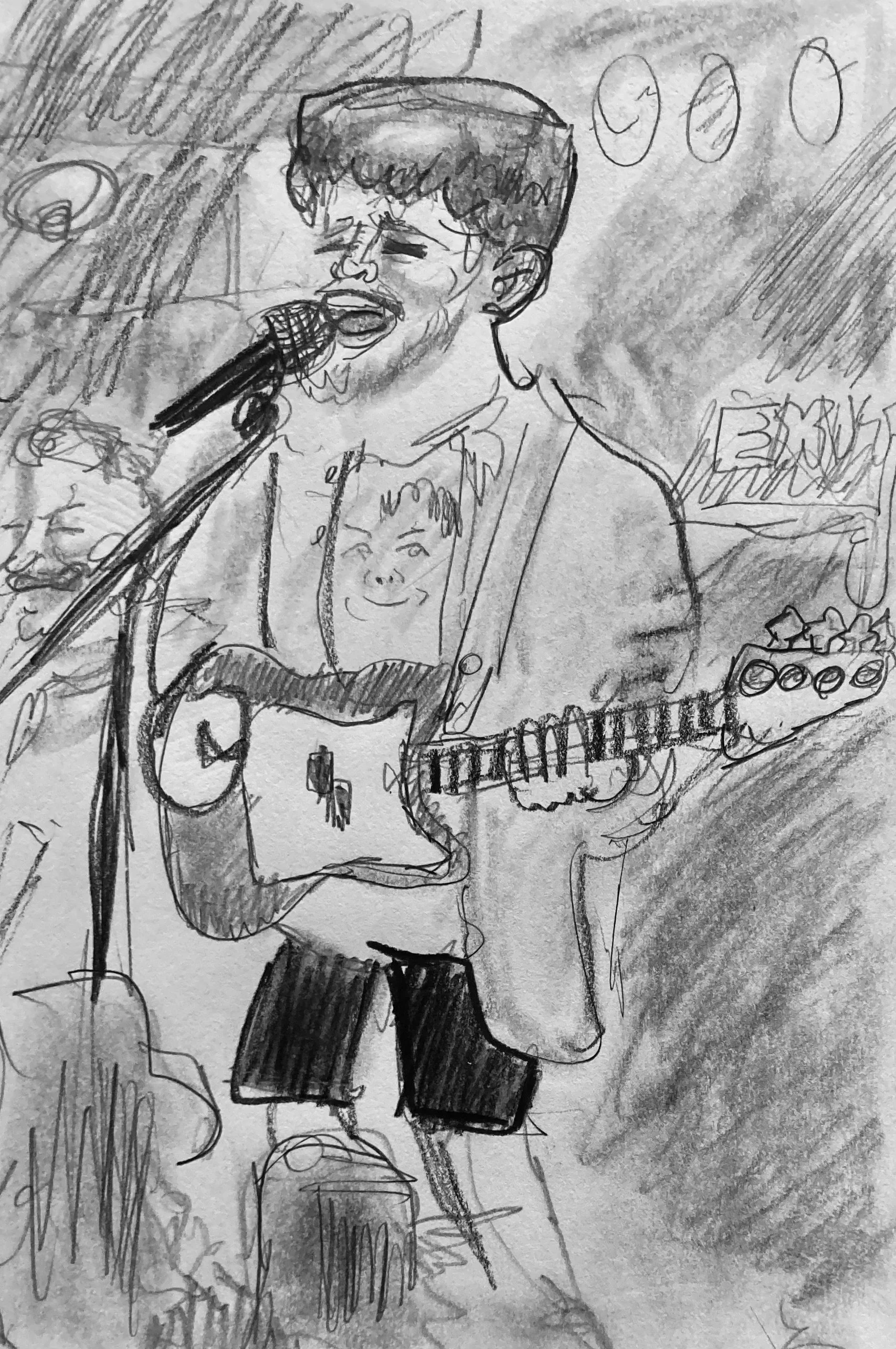
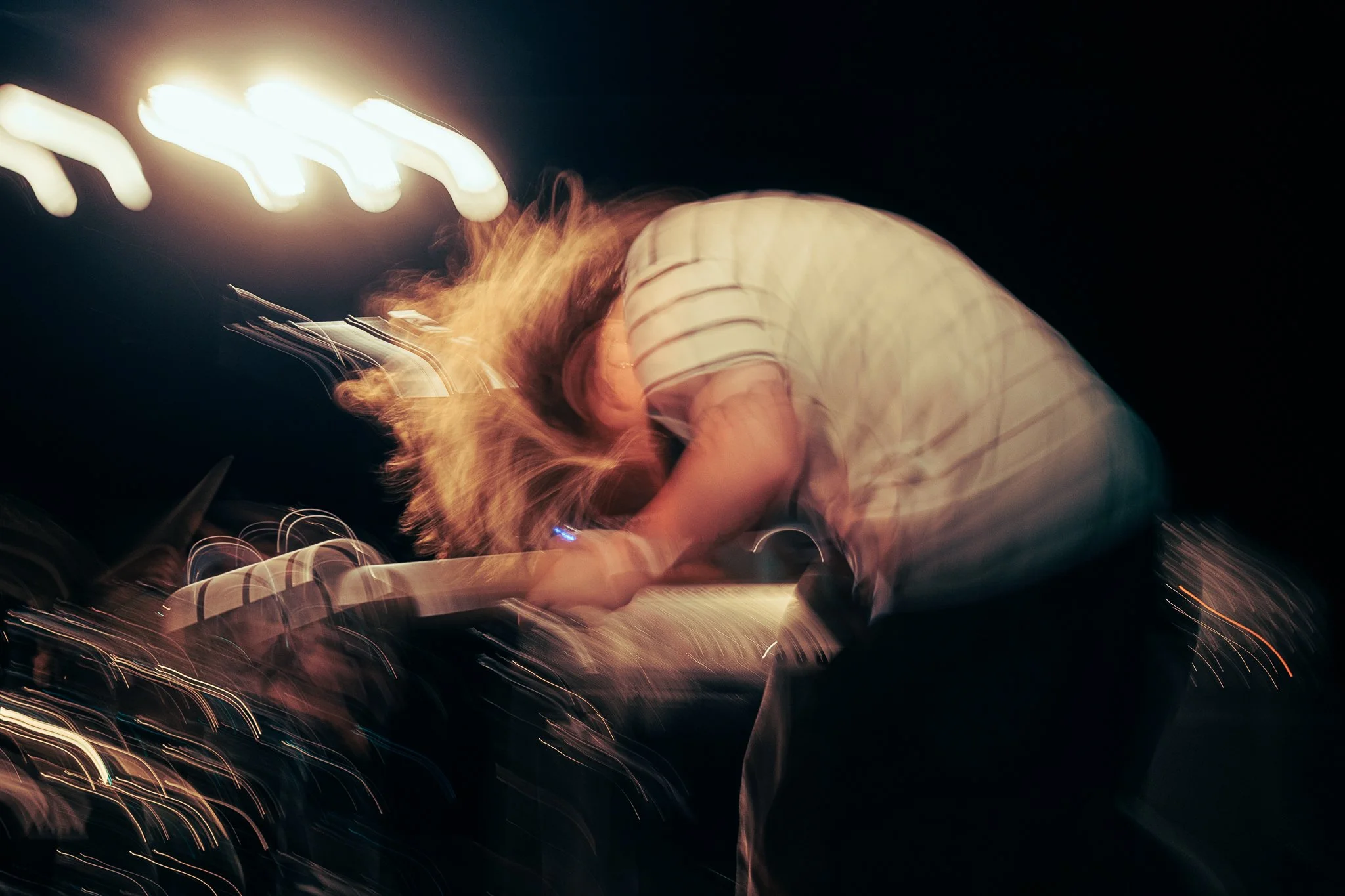
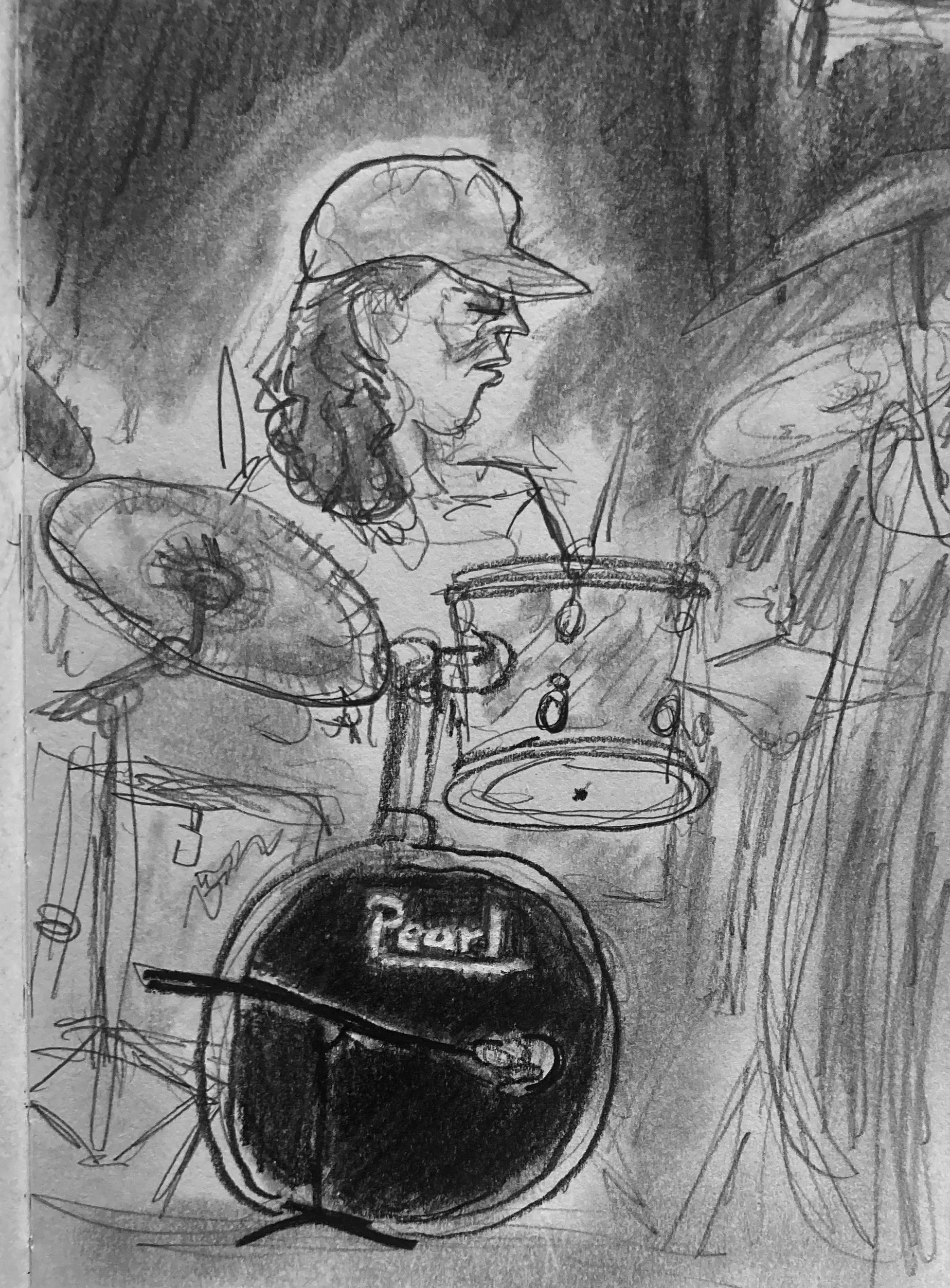
Laura and her band delivered a rapid-fire set of hits, hits, and, dare I say it, more hits. The setlist spanned both her solo catalog and the Against Me! discography. As she ascended to the stage, the entirety of Black Cat came to life. Myself and many trans punks of my generation and a little older owe a great deal to Mrs. Jane Grace and her music. So many of us felt a strange attraction to her music for years before any of us had the realization or the confidence to live as ourselves. From my vantage point about halfway back in the venue, I could see a wave of hands rising up in front of the stage, bodies moving in tides, waves of people crashing into the stage as choruses of voices rose up, nearly drowning out Laura at times. Her set, and the night, fittingly closed on “True Trans Soul Rebel.” When she asks, “Does God bless your transsexual heart?” I don’t need to know the answer, because I am already blessed by my community. Blessed by the love I have for trans people and the love they have for me. Perhaps that is liberation: being blessed by one another.
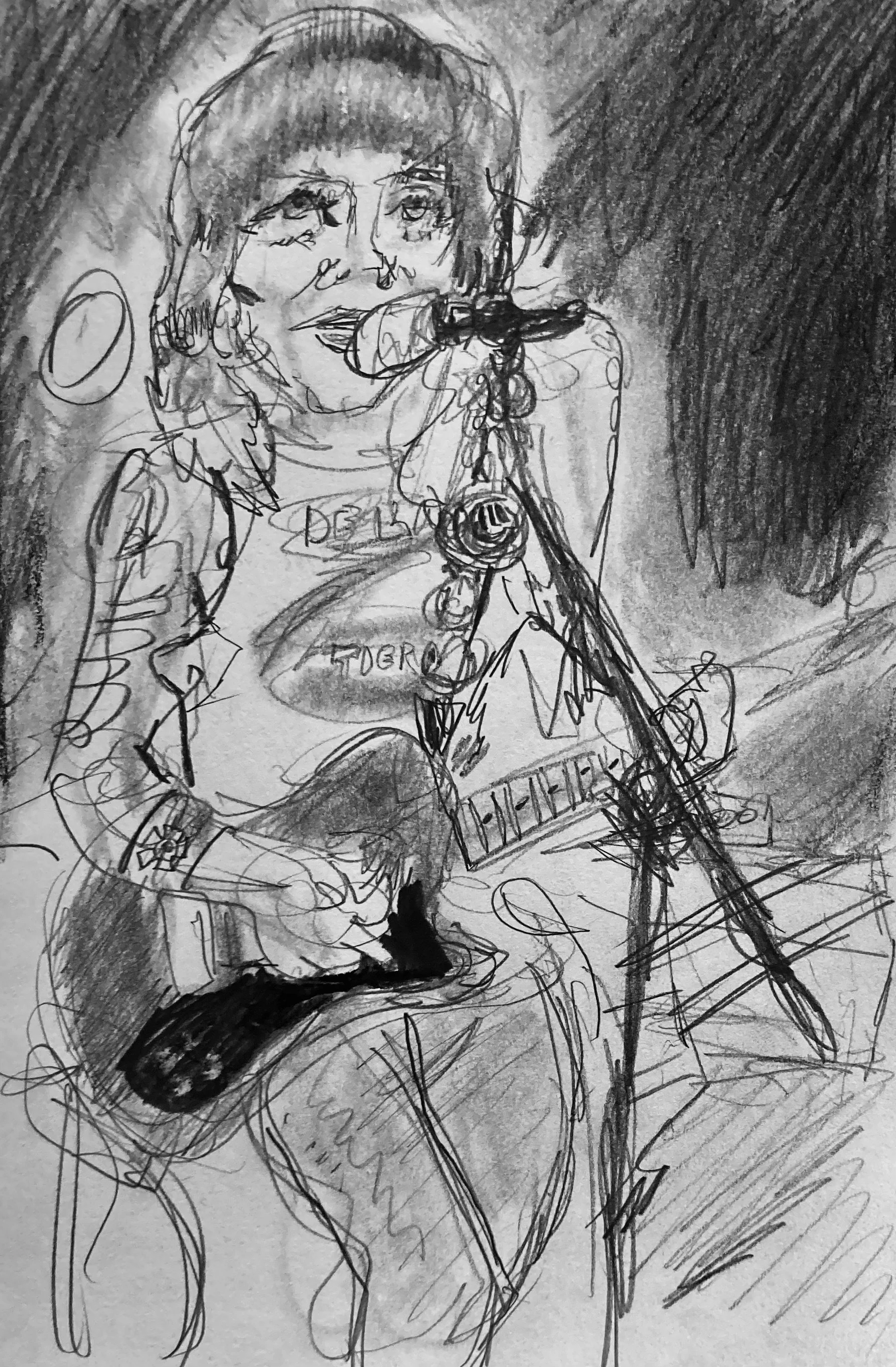
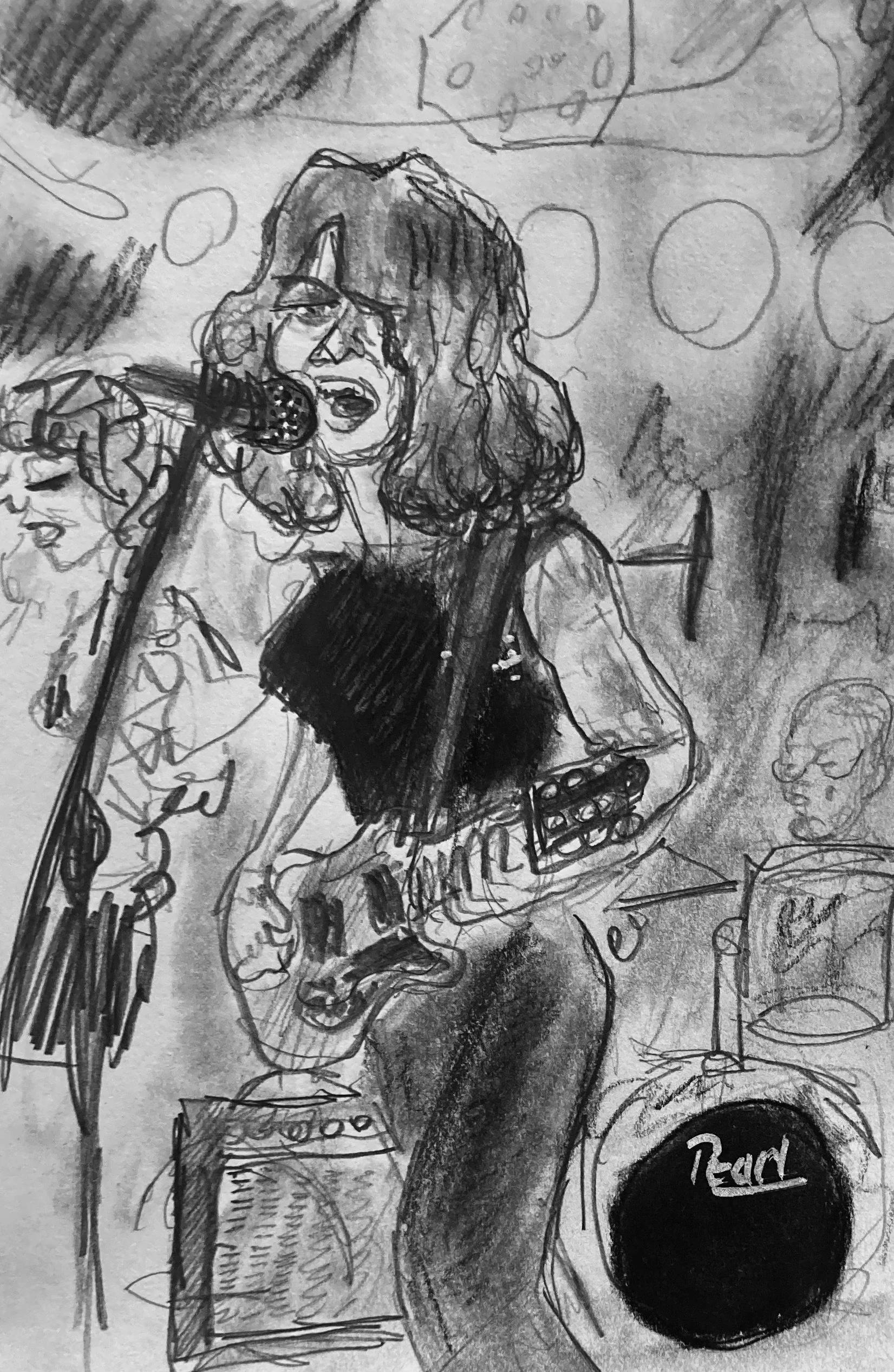
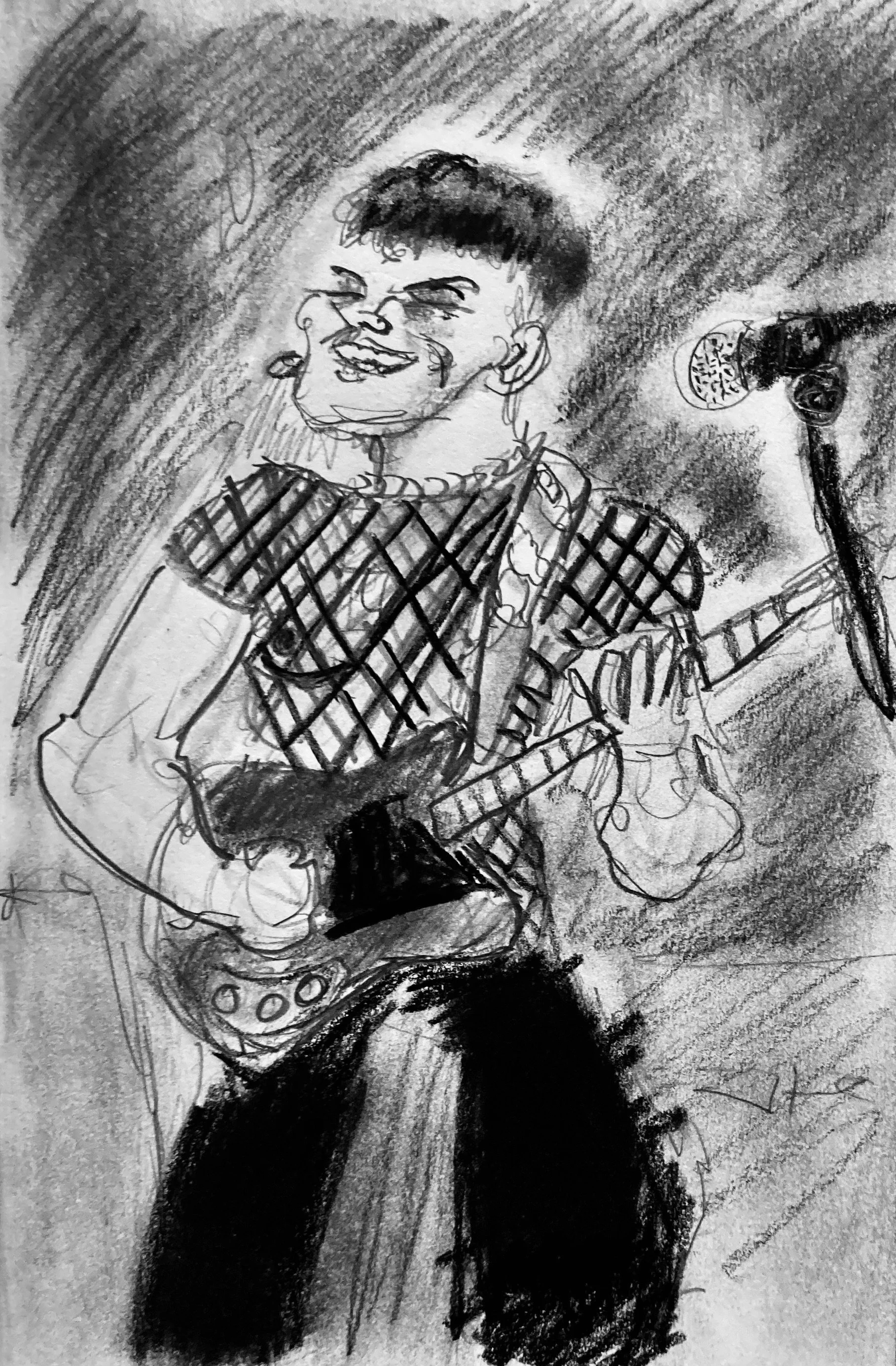
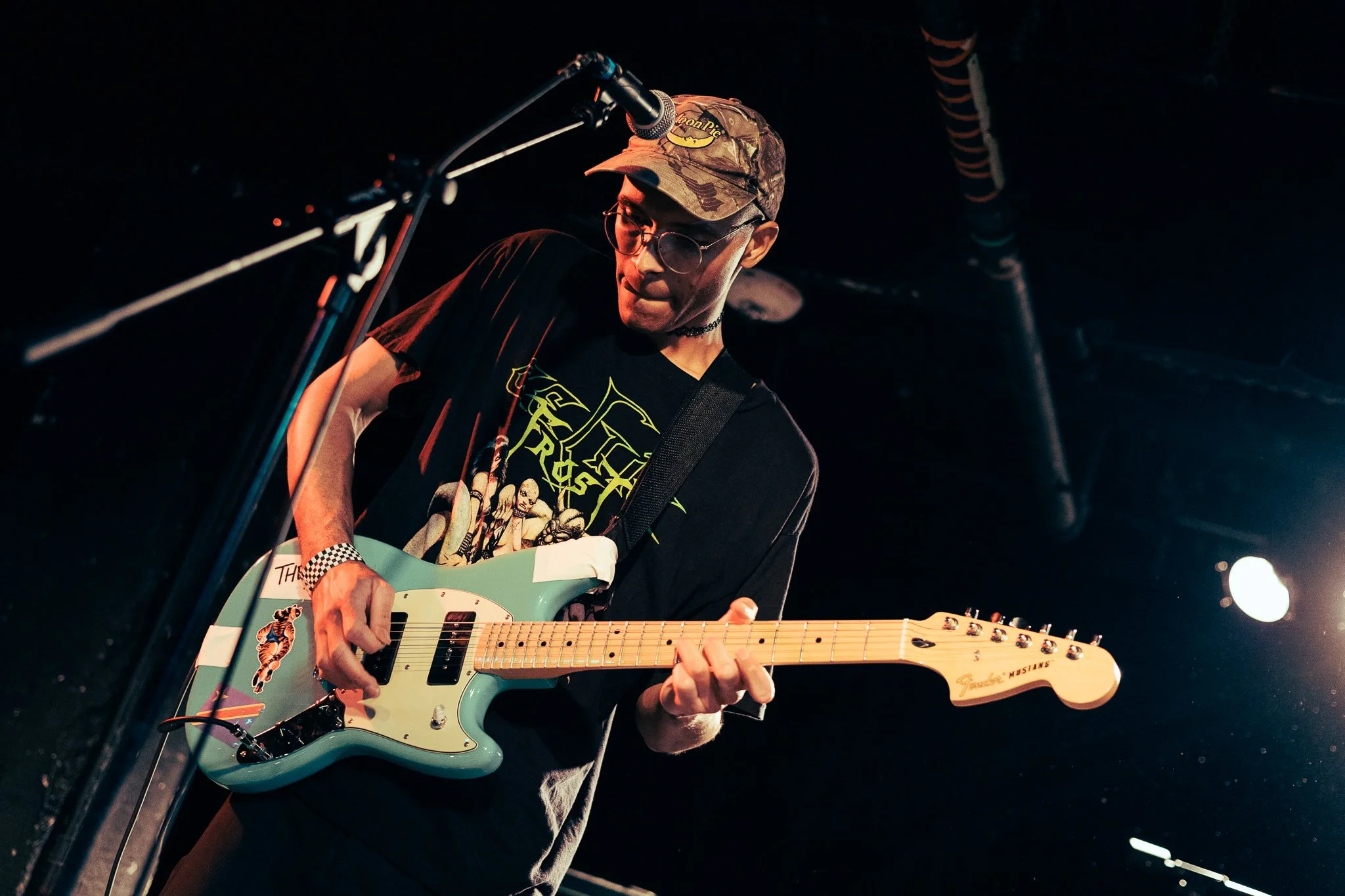
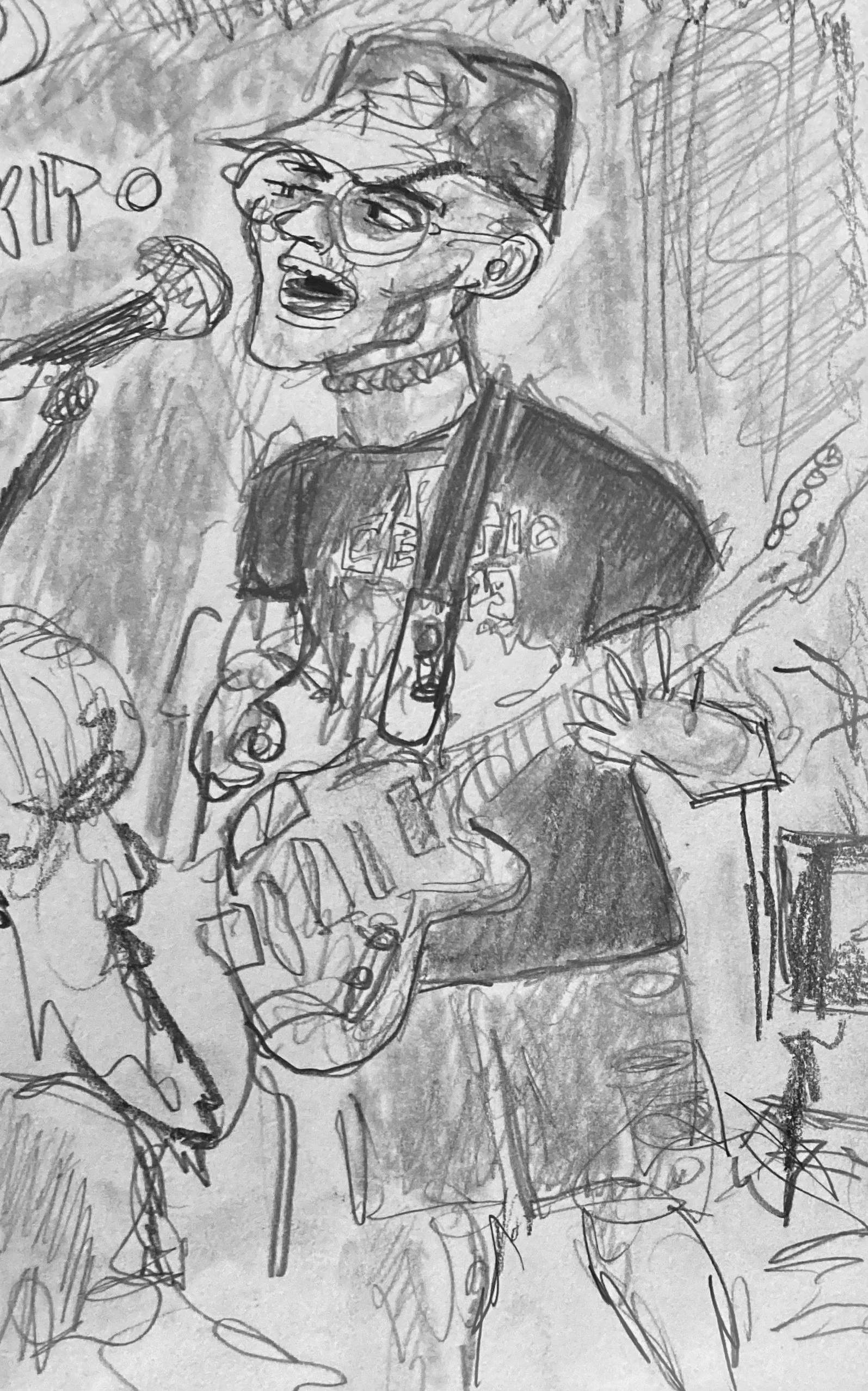
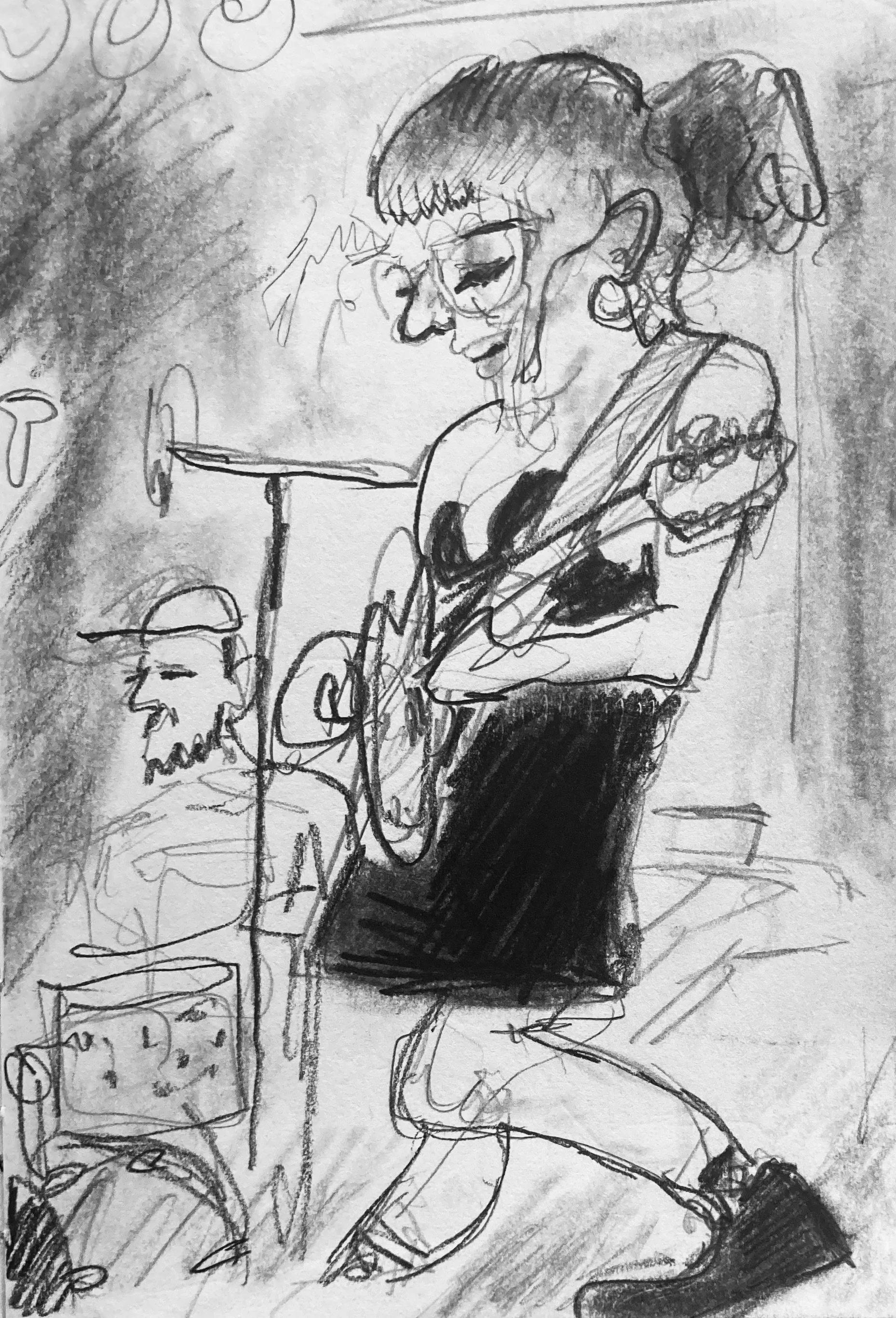
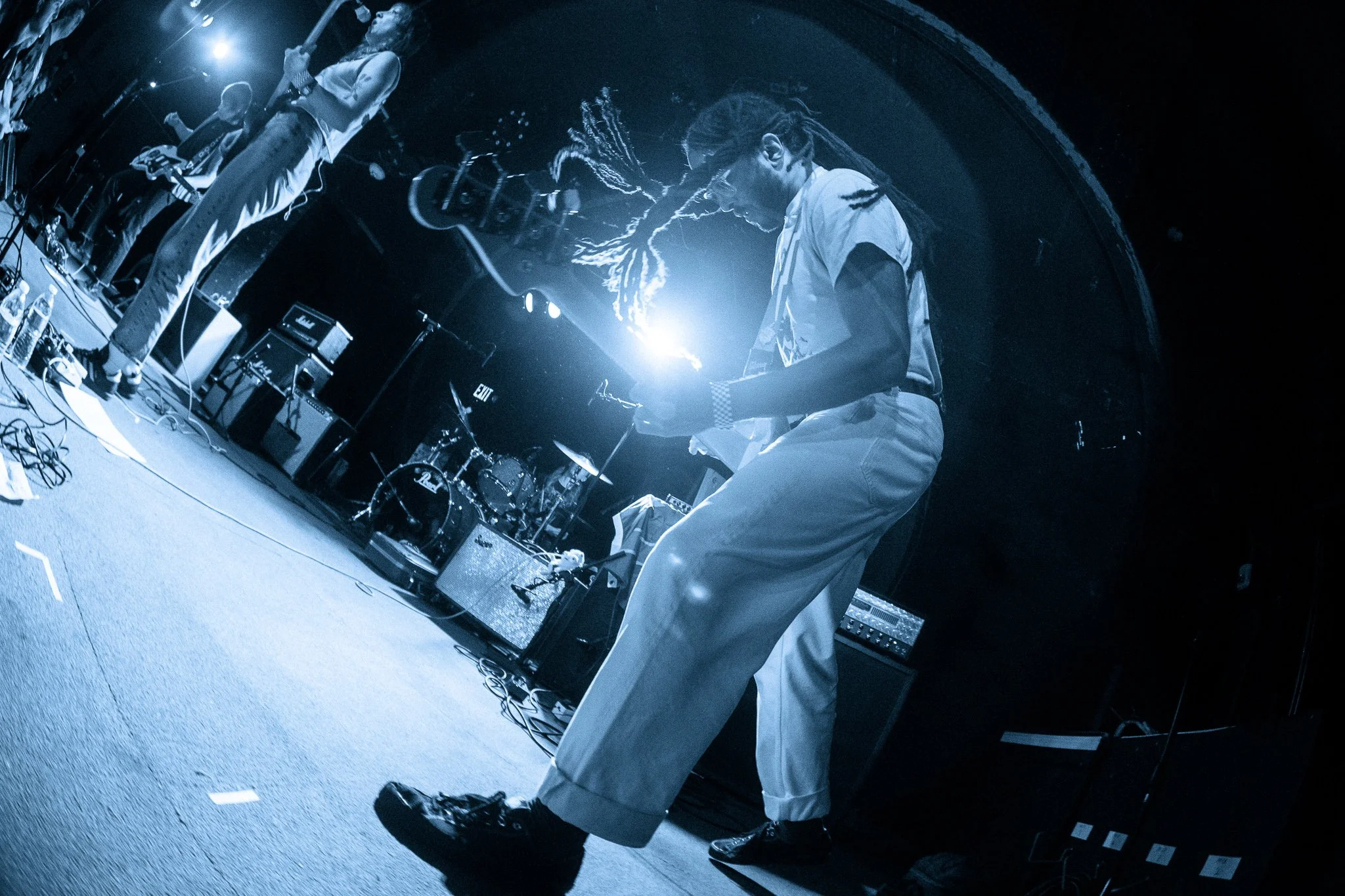
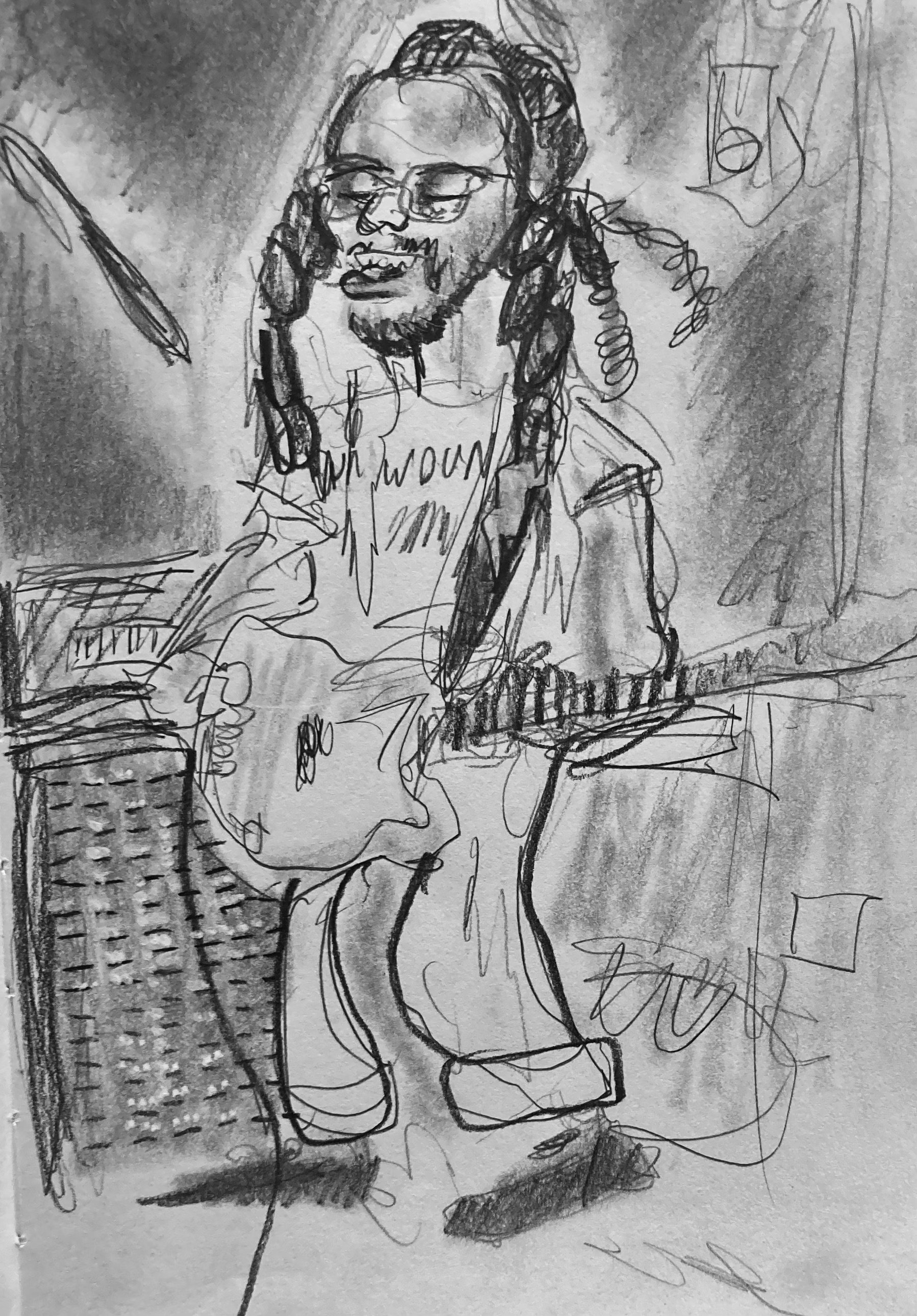
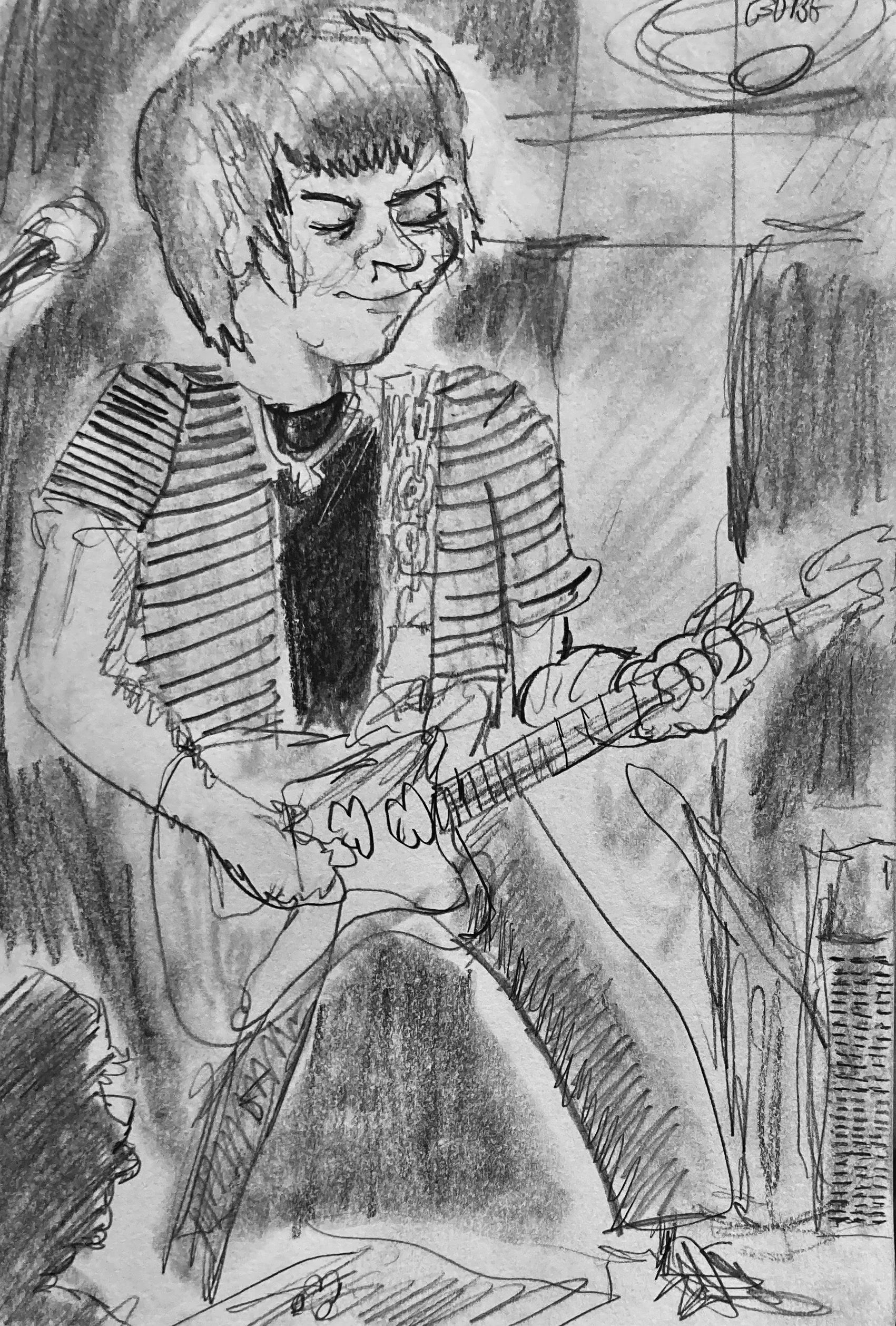
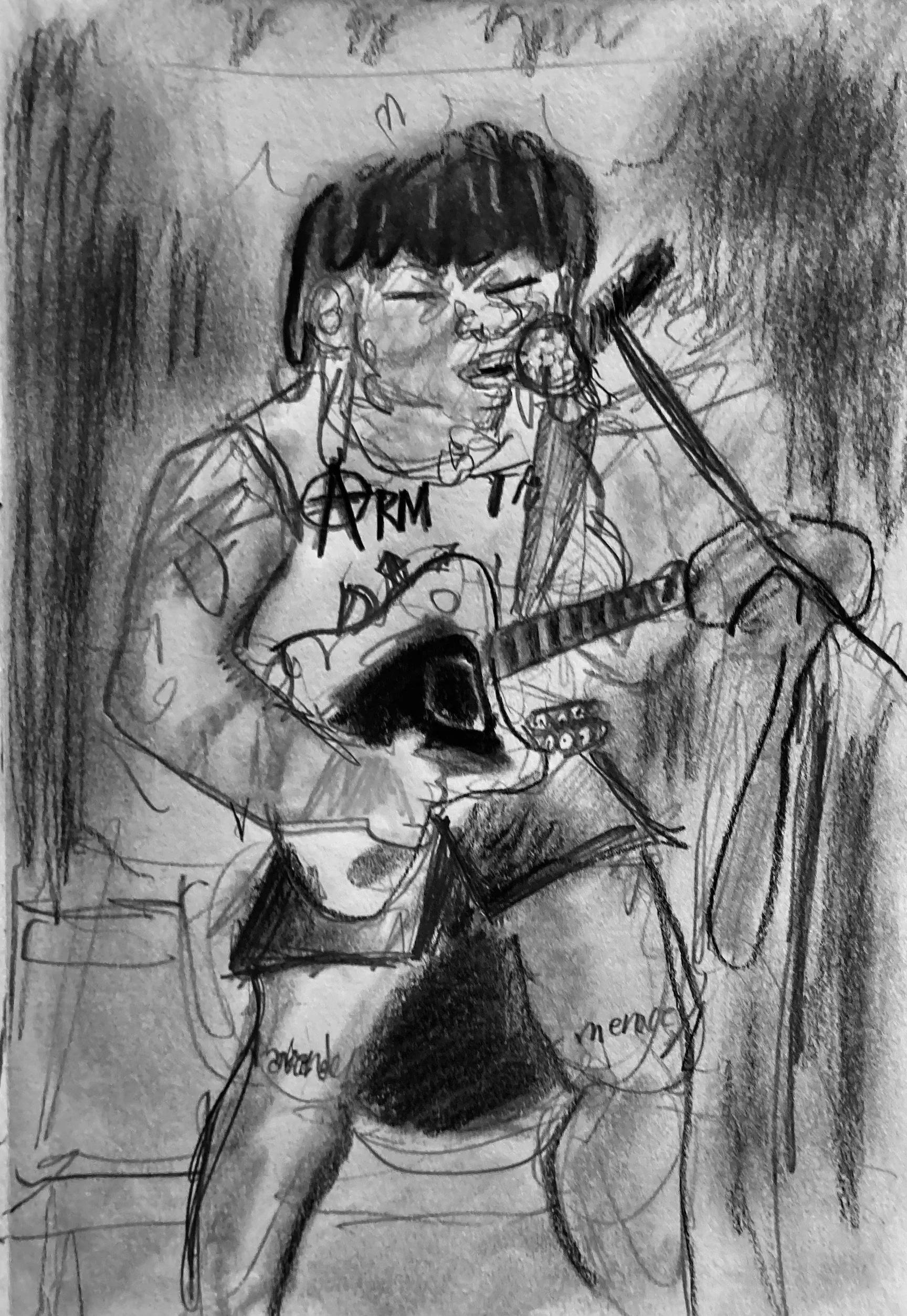
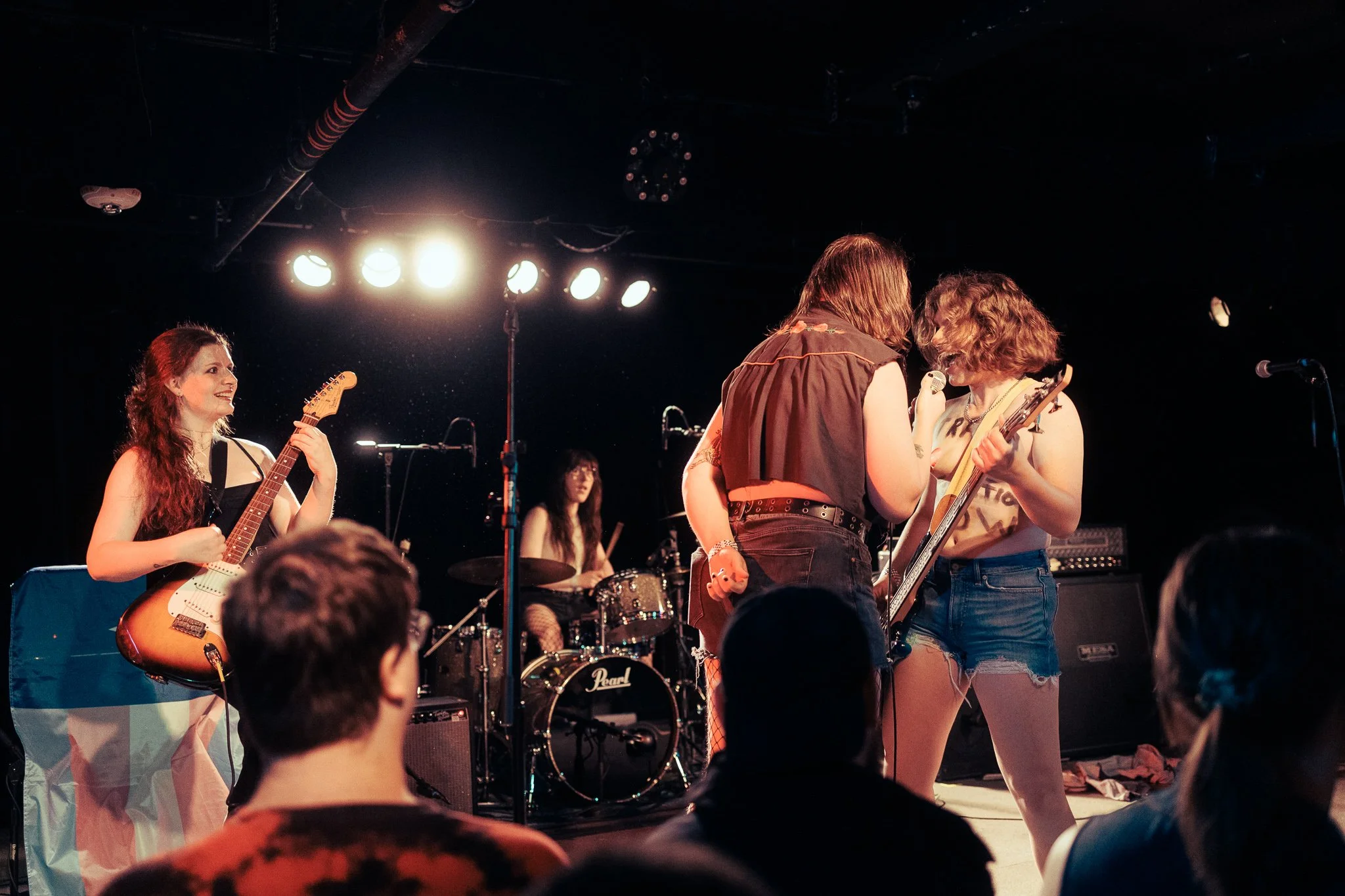
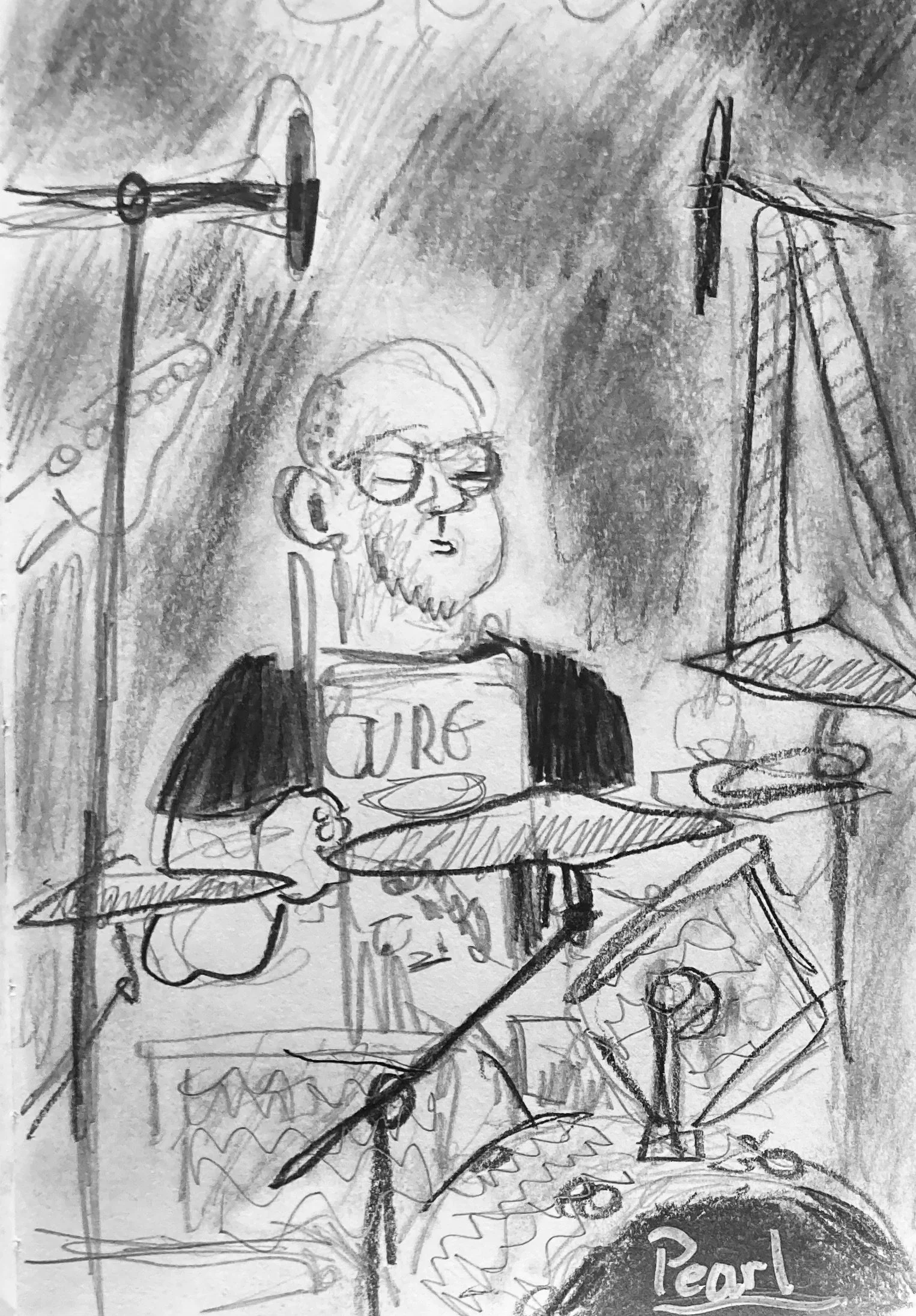
April 25th – Day 2: In which Caroline aids the downfall of capitalism, rediscovers her inner child, and guesses which band member has hemorrhoids
Day 2 got off to a rough start. The night prior, my car got snowed in at the venue. (Snowing’s van was blocking us from leaving). My head did not hit my pillow until around 2 AM, two and a half hours later than I usually like it to. I was also still riding the high of the previous night.
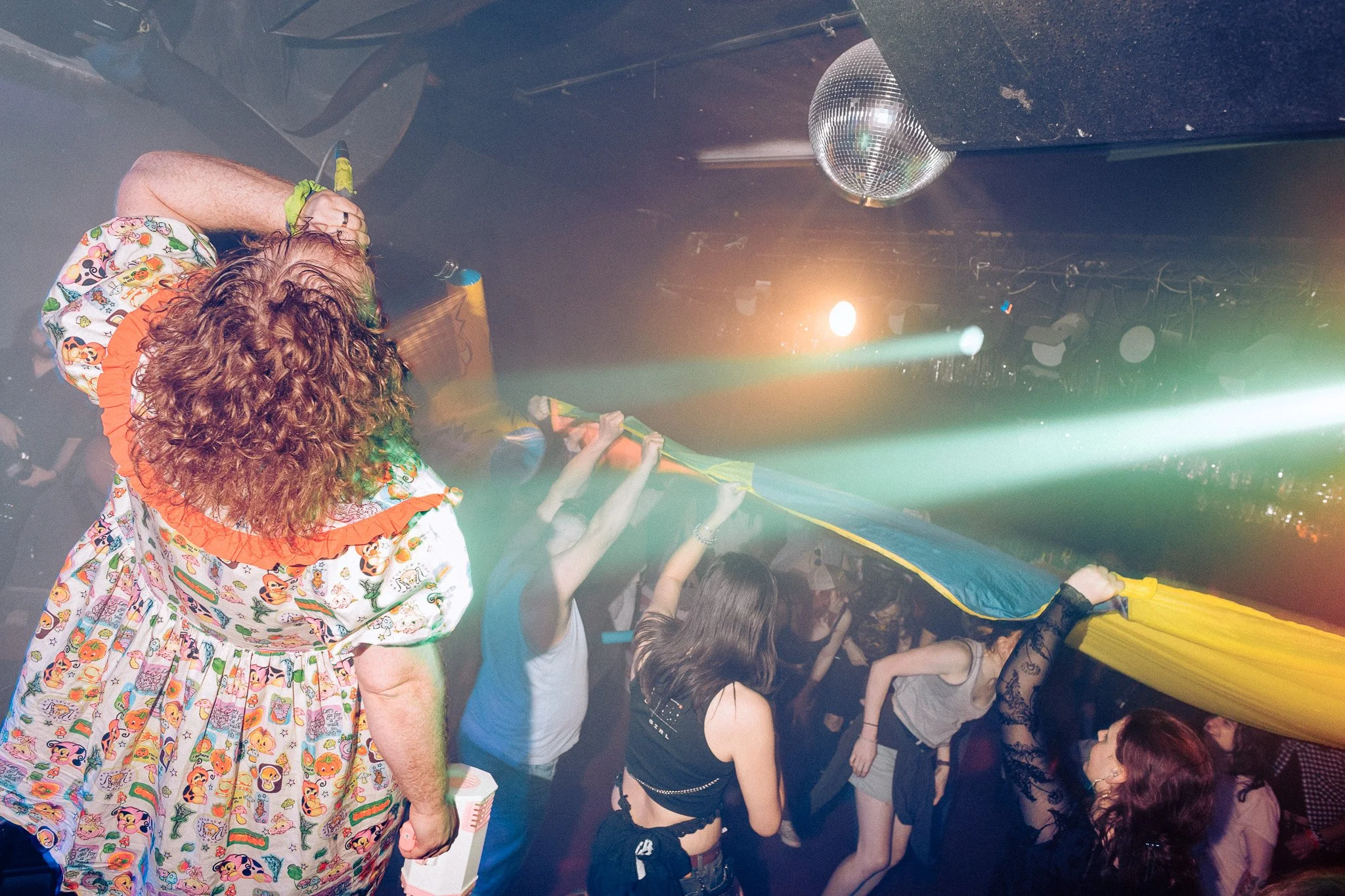
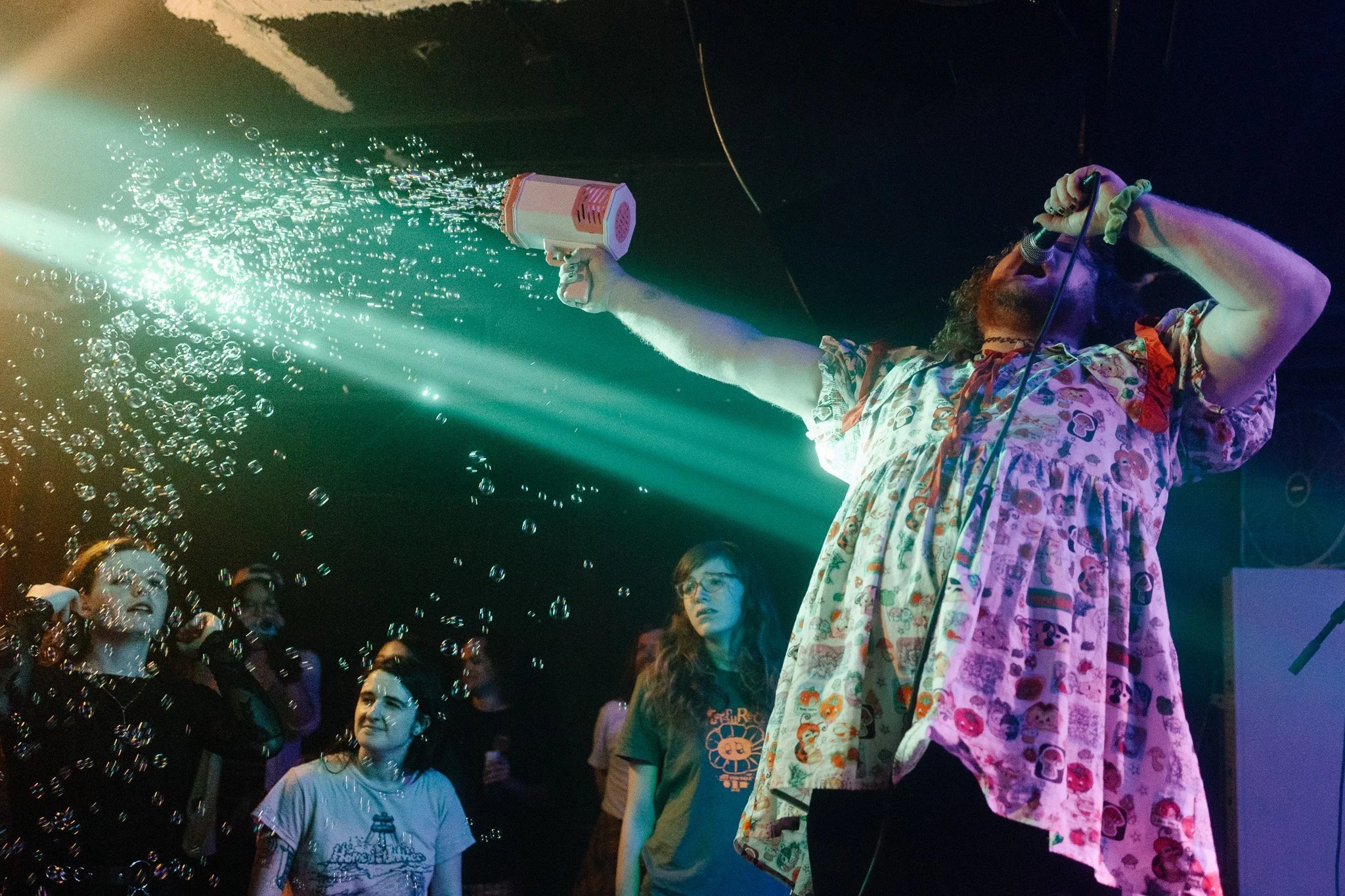
Upon waking up, I managed to race over to Transmission, where I met up with Max Narotzky from Ultra Deluxe in the alley behind the club to chat. She was sporting a cheery and busy dress covered in smiling tomatoes, waving ladybugs, and a lovely orange ruffle flowing along the shoulders. Her face was adorned with a bushy red beard and a blazing mess of curling hair atop her head. Despite being the frontperson of Ultra Deluxe, Narotzky is, in some DIY circles, known just as much for her posting around leftist organizing as she is for her music. Max is a self-avowed communist and Marxist-Leninist who believes liberation will be achieved through the organization of the working class and the eventual overthrow of capitalism. Her politics are radical but straightforward, and it’s refreshing to hear that.
For an event titled so boldly as “Liberation Weekend,” it takes a radical to truly articulate liberation and how to get there. At one point, Max prompts me, “What's affecting trans people the most? Access to medicine, that's a capitalist problem. That's not just for trans people, it's for everyone who is working class, because our medicine costs money. Housing costs money. I mean, we know homelessness rates in trans people are much higher than in cis people, right? So how do we help trans people? We have to destroy capitalism.”
Lofty goals certainly, but incredibly clear. Max sees the utility of events like Liberation Weekend for getting us there as the spoonful of sugar to make the medicine go down, “It's like kind of tricking people to go because obviously going to a punk show is more fun than going to a fucking communist meeting. I mean, even most communists would agree with that.”
While I appreciated the matter-of-factness of Willow’s answer the day before, Max is precise and consistent in recognizing capitalism as the thing that holds us back from liberation. “Liberation means the things that are coercing us into work or coercing us into cis heteronormativity, those need to be abolished. Abolition of private property, the abolition of capitalism and imperialism.”
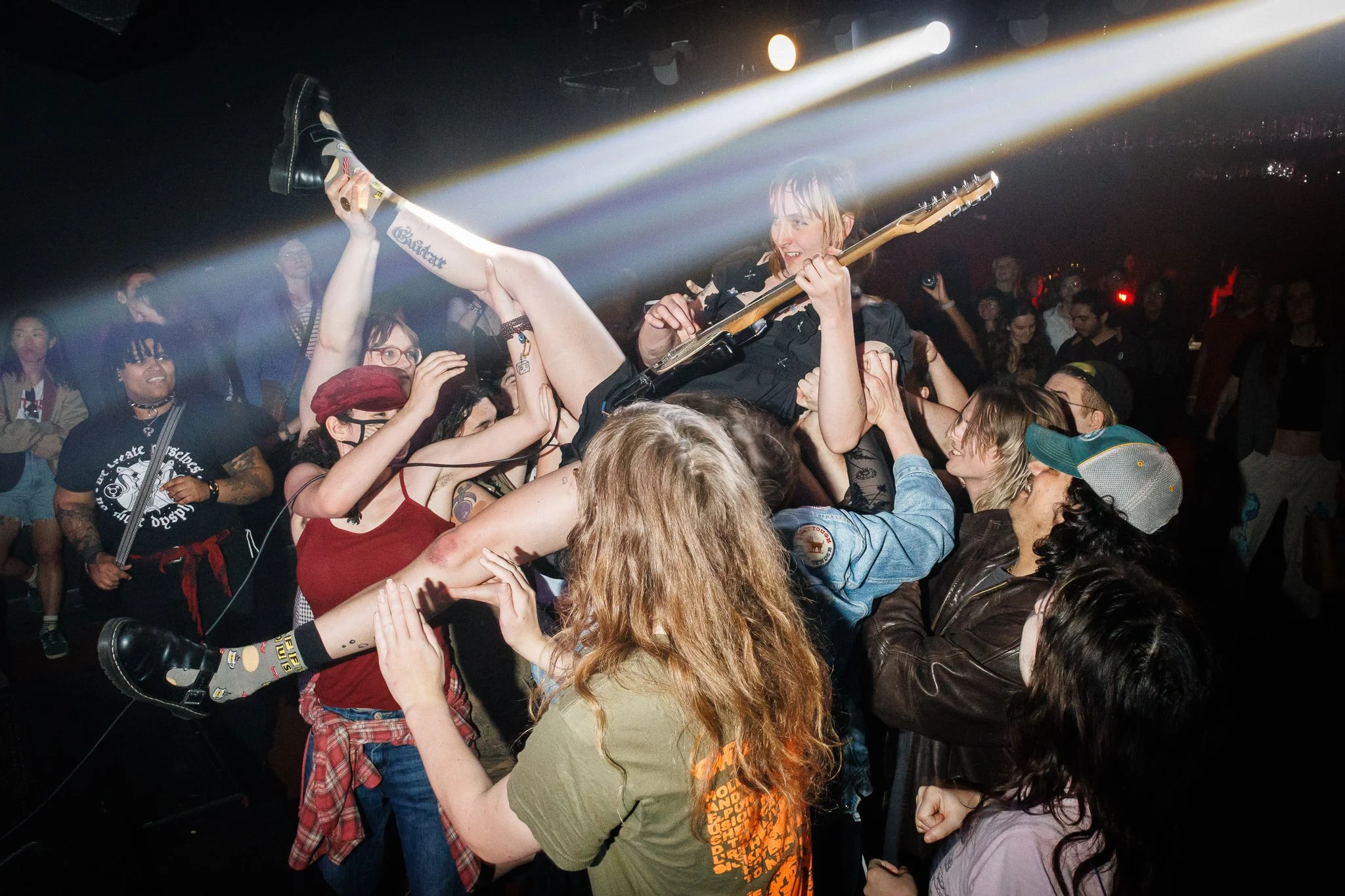
Photo by Kyle Meyers
As Day 2 went on, I came to appreciate Max’s radicalism more and more. Between sets, organizers from different groups would come on stage and share platitudes about the importance of voting and how our existence itself is resistance. That being here is in itself radical. I can appreciate the feel-good nature of this, but I think about what Max said, “music is important. But liberation is not going to be done through vibes alone.” Her words resonated with me throughout the rest of this weekend as I looked for the individuals and the movements that went beyond just asking for Instagram followers. A striking example was watching members of the DC Democratic Socialists of America Bodily Autonomy Working Group walking up to members of the audience and giving them Narcan, intent on getting as many people as possible to begin carrying the potentially life-saving drug.
The second day of Liberation Weekend began with my friends in Somebody’s Daughter, who are rising alt-punk stars in the DC scene. Up next was Ok Cuddle, fronted by Nicole Harwayne, who was at Liberation Weekend last year as a member of Pop Music Fever Dream. I don’t think anyone this weekend was having more fun on stage than her as she orchestrated a wall of death and told the crowd, “Transmission, it is 2 PM, I want to see some goddamn blood in this building!” DC riot grrrl rockers RenRiot took the stage next, where they embodied the spirit of Rage Against The Machine if they were black queer 20-somethings instead of middle-aged white guys.
“Music is important, but liberation is not going to be done through vibes alone.”
– Max Narotzky, Ultra Deluxe
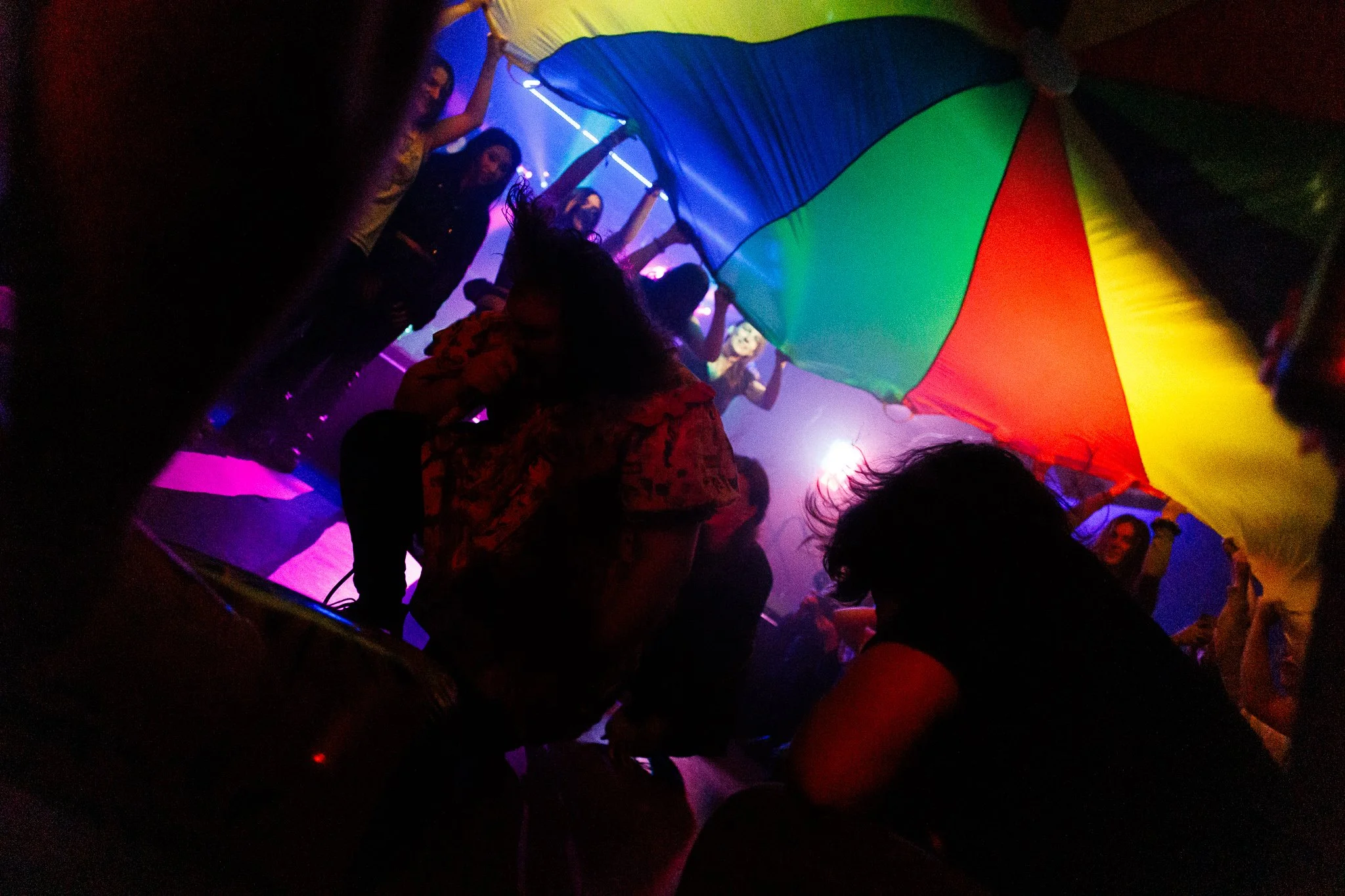
As Ultra Deluxe took the stage, I was curious how Max’s beliefs would translate to the stage. Turns out the answer was, simply put, by providing the most batshit concert experience I have ever seen. I am no stranger to inflatables being tossed into the crowd (see literally any DRAIN show), but there is a certain whimsy when those inflatables are brightly colored inflatable hammers, letting you feel like Mario running through the pit, whacking one another on the head. But then, during “Manufacturing Medicine,” she got the parachute out, as in one of those parachutes you’d use during elementary gym class. Most of us found an edge to grab and started rhythmically waving it up and down in time with the pounding bass. While the parachute pulsed up and down, Max unveiled her greatest weapon, a giant bubble gun, which rained whimsy down on to the crowd.
Truly, nothing is more freeing, more liberating, than a mosh pit underneath a parachute while hitting each other with blow-up hammers. Suddenly, I was seven years old all over again. I had insisted I was too tired to mosh, but none of this mattered; how could it? She offered all of us the chance to let go of our current world and just be kids again. I couldn’t turn her down.
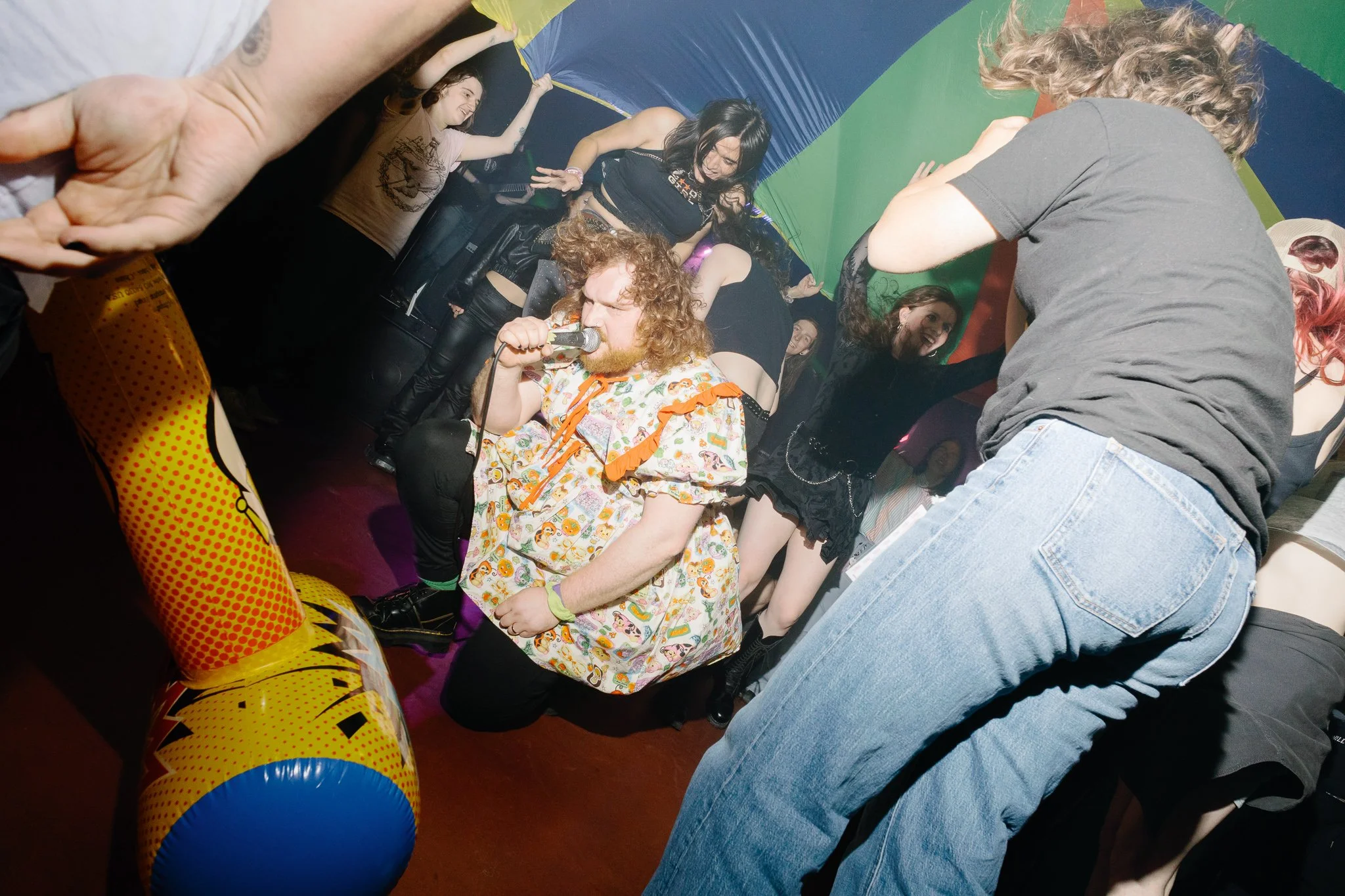
Photo by Kyle Meyers
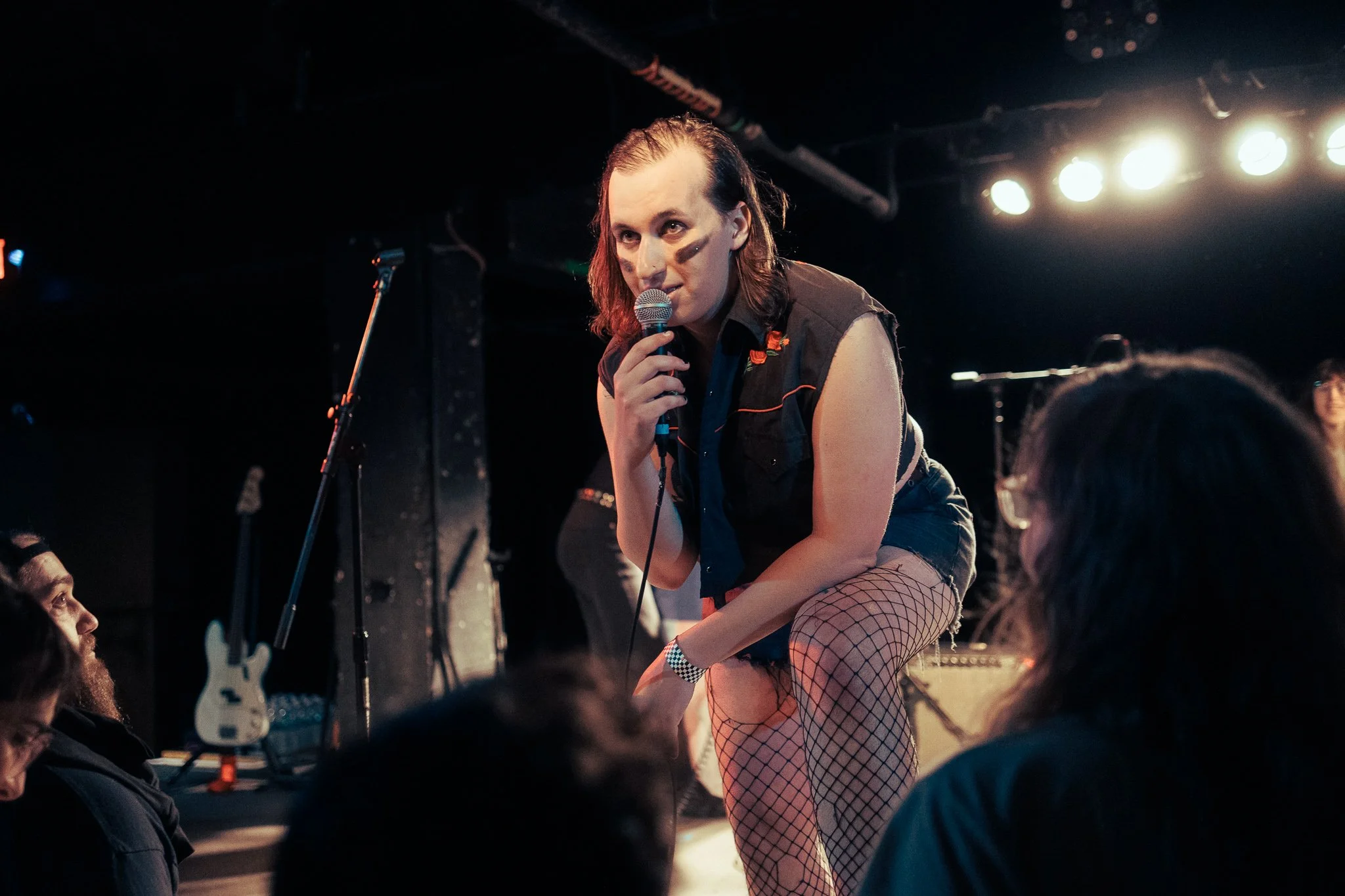
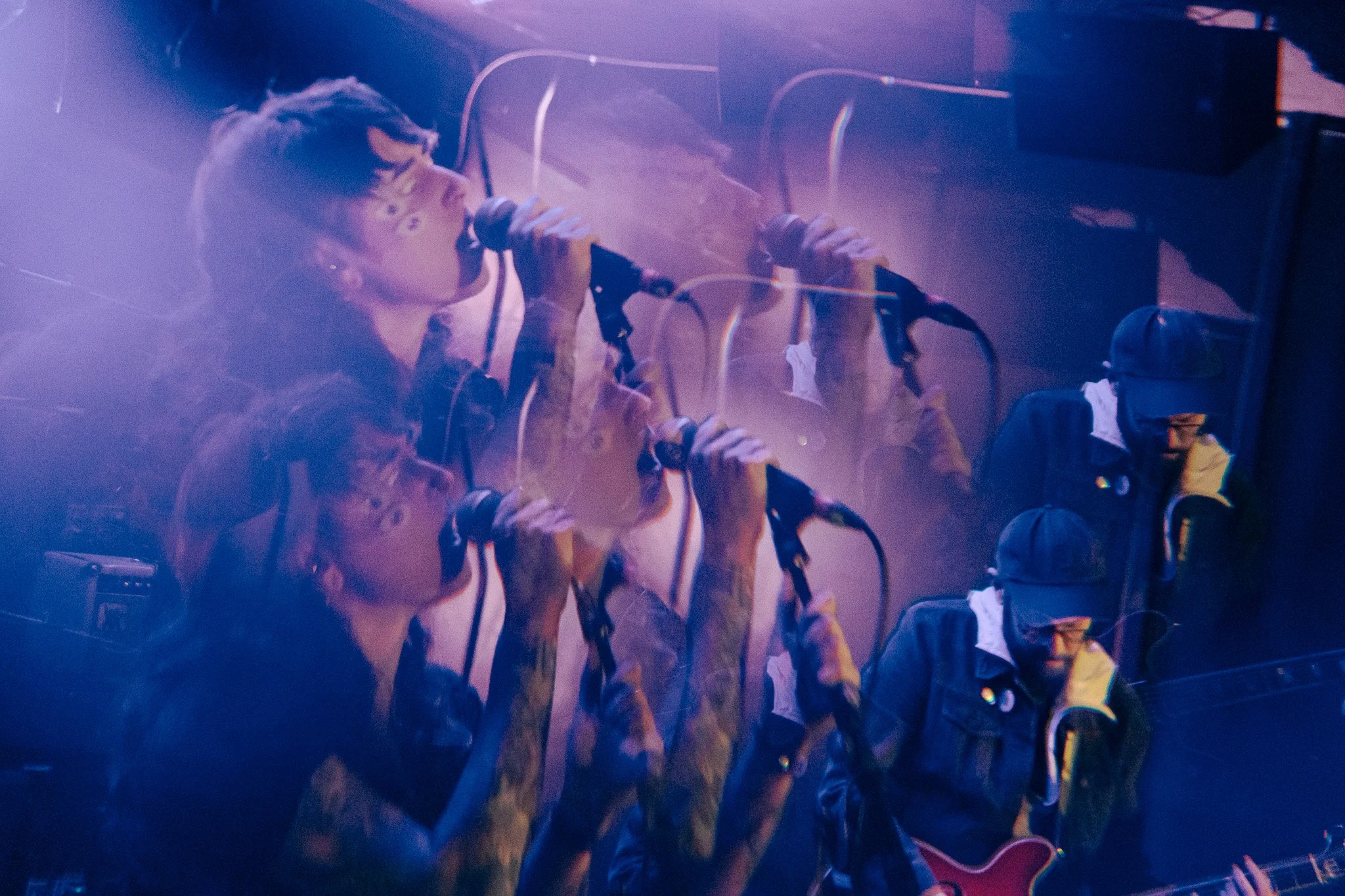
Following the batshit fun of Ultra Deluxe, Local DC indie rockers Cryptid Summer took the stage, and their lead singer, L Mazer, had the most striking look I’d seen all weekend. She had painted three eyes on each cheekbone, creating perhaps the most ominous vibe of any act in the lineup.
Headlining Transmission that afternoon was none other than NYC dance-punk darlings Crush Fund. Late last year, I had them on my radio show; check out that interview here. The Crush Fund girls are gearing up for the release of their first LP, and they are sounding as incredible as ever. Their sound is massive and abrasive. At any moment during their set, it felt like the roof was about to be blown clear off Transmission. Instead, I witnessed them make this little room feel claustrophobic as ever, bodies crashing into each other, climbing on top of one another as the band ripped through their set. Especially of note was a three-song run of “Shooting 2,” “FFS,” and “Shooting 1,” the first and last of which are as yet unreleased. Crush Fund shows off their hardcore chops on those tracks, delivering absolutely punishing vocals over instrumentals that are not dissimilar to someone taking a real (not inflatable) hammer and repeatedly (yet rhythmically) beating you into a semiconscious state. Even as their set slowed for a moment at the end with their unreleased track “Go,” people still managed to mosh. I watched a pit form where two trans girls pirouetted into a crowd functioning like human pinball bumpers, sending them careening back and forth across the venue.
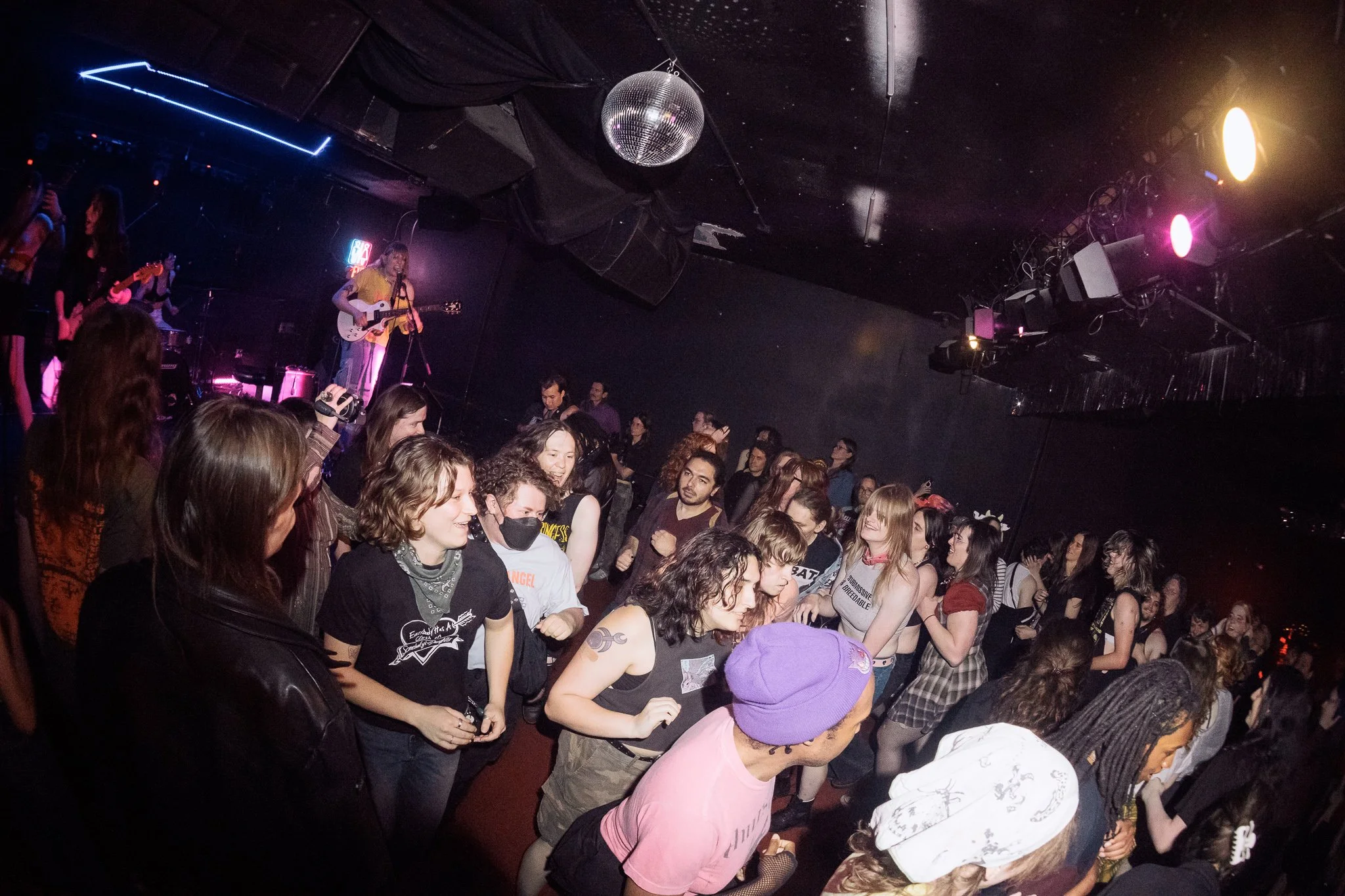
Photo by Kyler Meyers
I was starting to crash as I arrived at Black Cat for the evening shows. But within me, the journalistic flame burned bright, giving me just enough energy to survive this night. As I prepared for the evening shows, I found myself thinking about those around me and what their Liberation looked like. I have stories of two people that I’d love to share. The first is a trans woman named Tommi Parashos. She flew in from San Diego to be a part of this weekend. Over the course of the festival, she became the talk of the town for her attempt to get every artist to sign the instructions for her estrogen injections. Tommi told me that it “started as an idea for a cool keepsake, but it’s also a fun way for me to interact with the bands and force myself to be social and make friends.
She continued saying, “Liberation Weekend was the first time I felt like a girl. Before Liberation Weekend, I literally didn’t think that I was pretty enough or confident enough to call myself a doll; I guess dysphoria does that to you. Being surrounded by a festival’s worth of wonderful trans people all complementing me and wanting to be my friend made me feel like, yeah, I can call myself a doll. It was so liberating being in a space where I didn't need to flag the fact that I was trans or do the cotton candy barf look to be seen as a woman. Initially, I came out to Liberation Weekend to have a fun trip with my friend, who’s also a big fan of the DC scene, but I left wanting to build a trans community back home in San Diego.”
The other is a trans woman named Lizzie Rose from Fayetteville, Arkansas, who made her way up to DC for the festival. For her, Liberation Weekend was a rare opportunity to be surrounded by other trans people. She told me how “growing up queer in the south, you spend your life trying to prove you belong, prove that your existence has worth. I’ve always struggled when creating music because of this, because I felt the need to prove my worth as a person through art. But at Liberation Weekend, watching people who were just like me perform songs about experiences just like mine, surrounded by people who celebrated and cherished me for existing, I realized that my music didn’t have to do that. Anything I create matters because it is an extension of my life, a life that, despite the pain and anguish I’ve experienced, is beautiful.” In the weeks since Liberation Weekend, she told me she has started writing music and rededicated herself to learning both the guitar and drums.
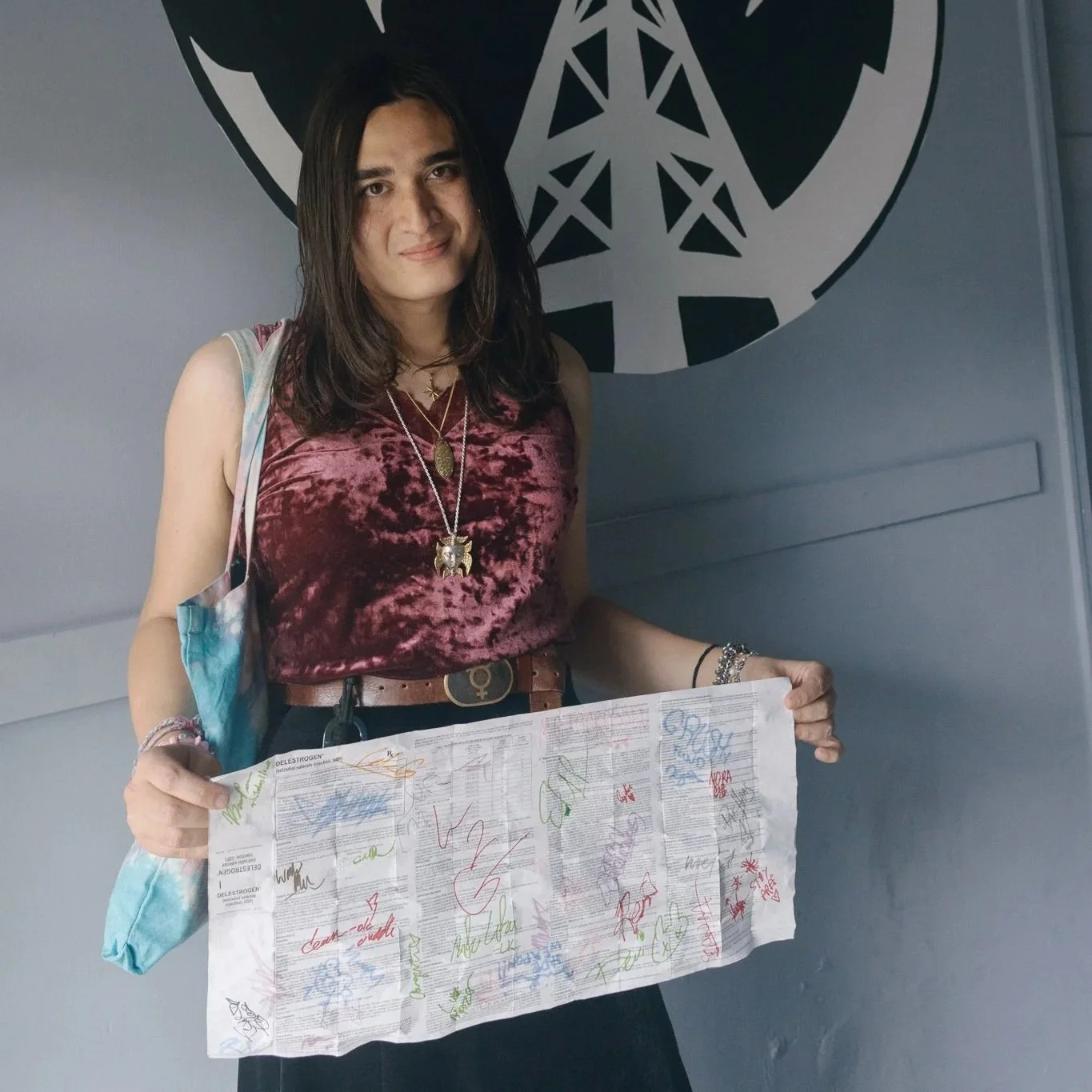
Photo by Kyle Meyers
Kicking things off for the evening session back at Black Cat was Adult Human Females. Their track “Tuck Tuck Goose” has the most sardonic approach to the realities of trans life in this country, with the line “Hiding in the bathroom / Creeping on the playground / It’s a drive-by grooming.” Sometimes we need to laugh through the oppression.
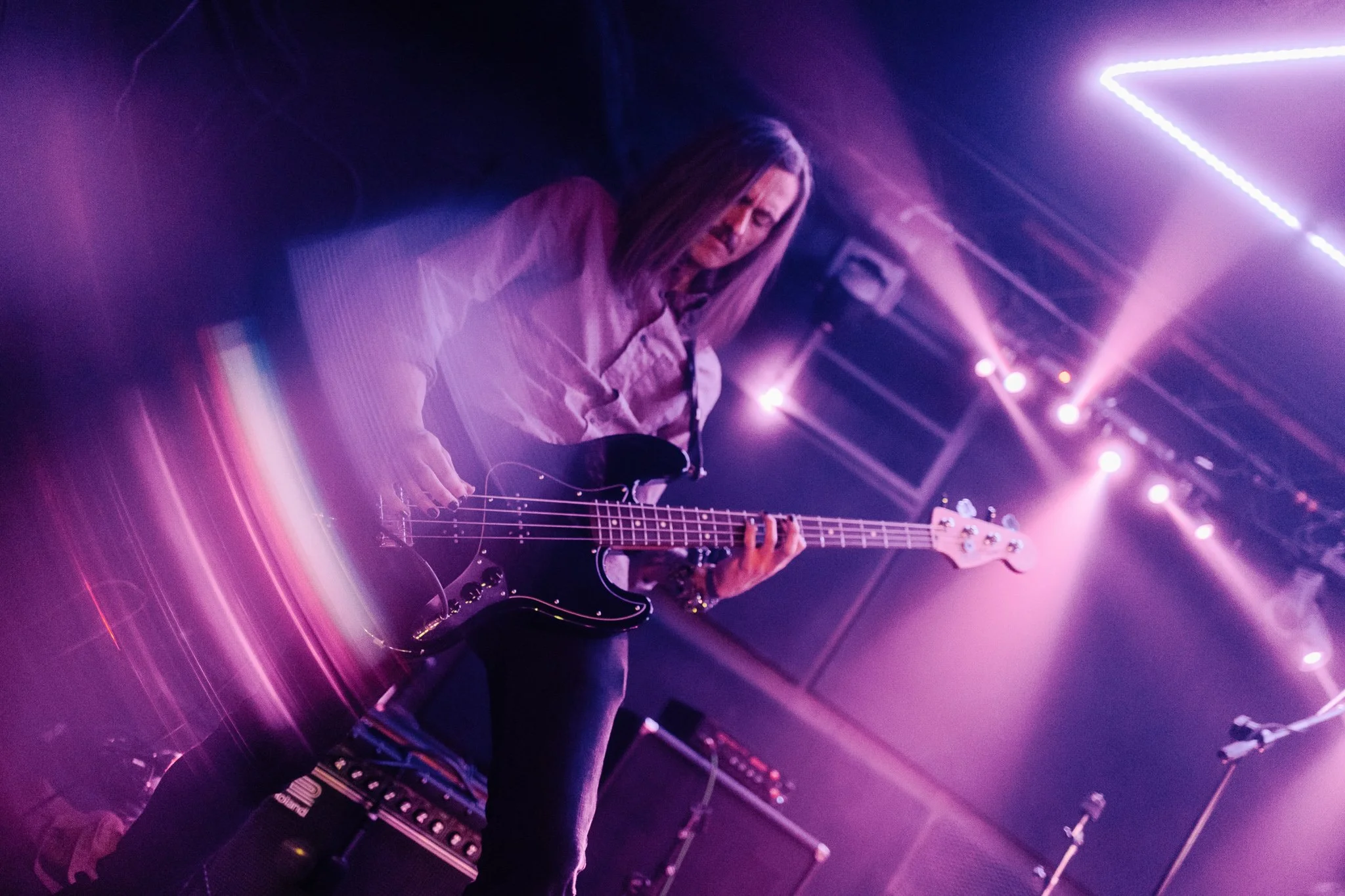
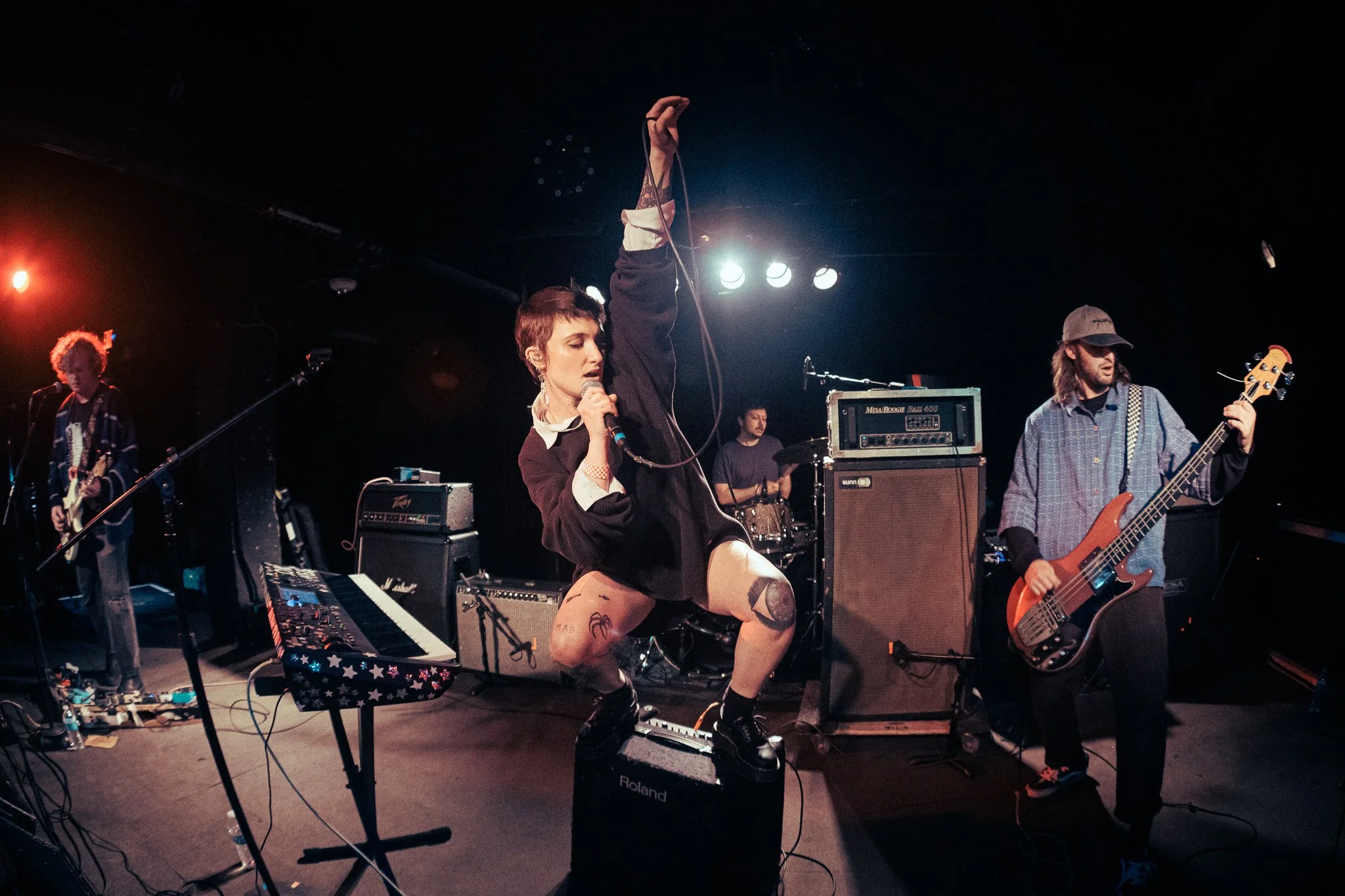
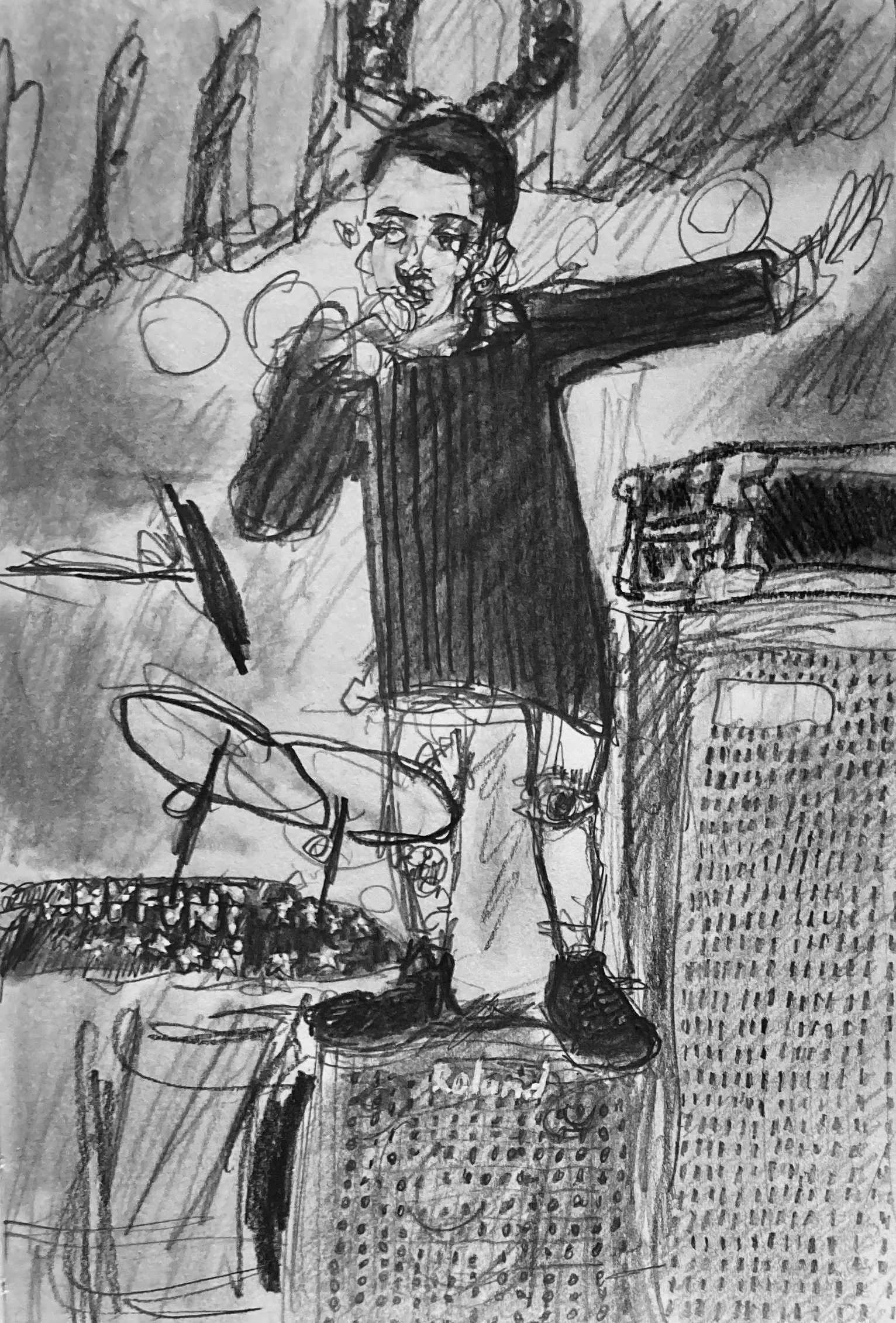
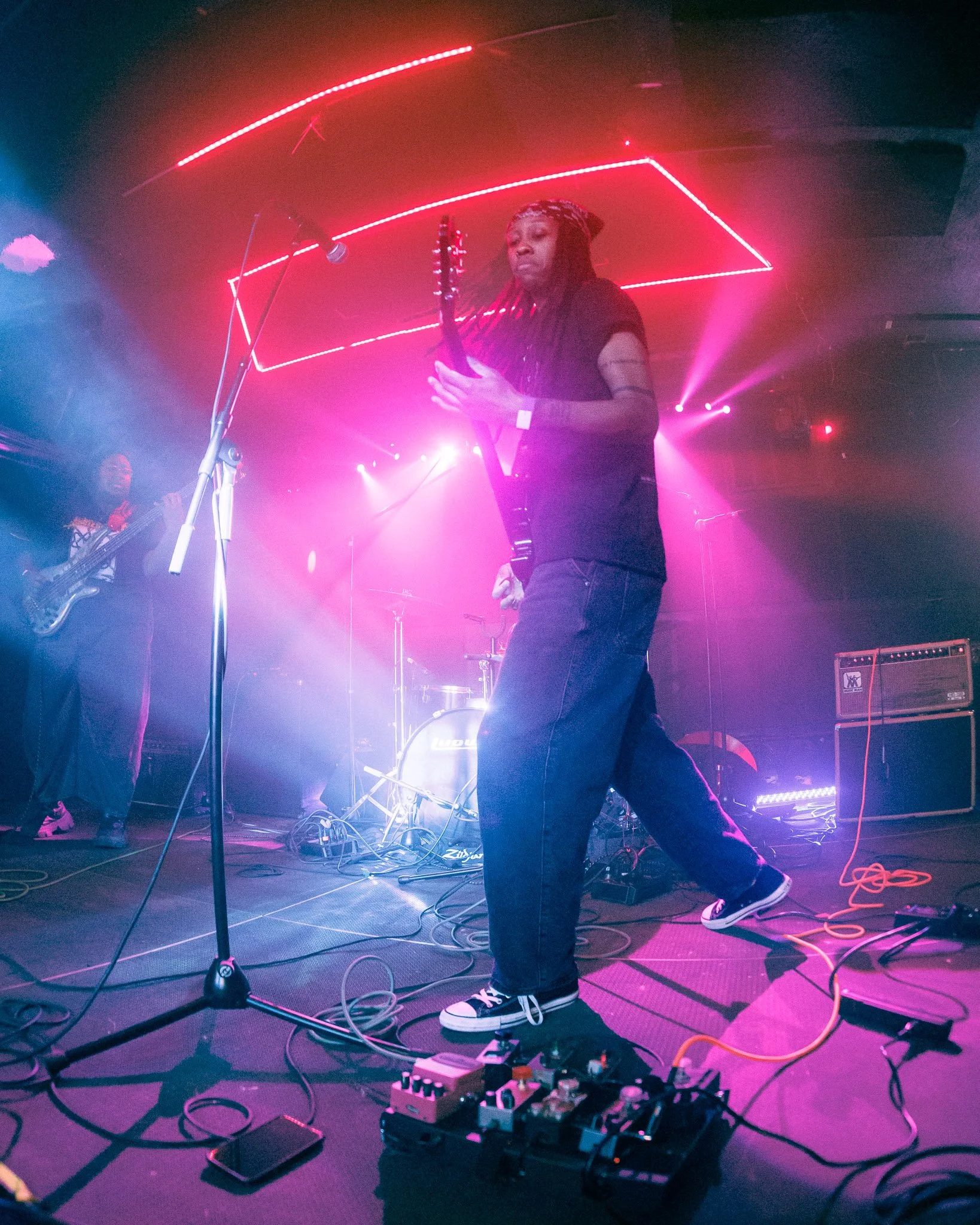
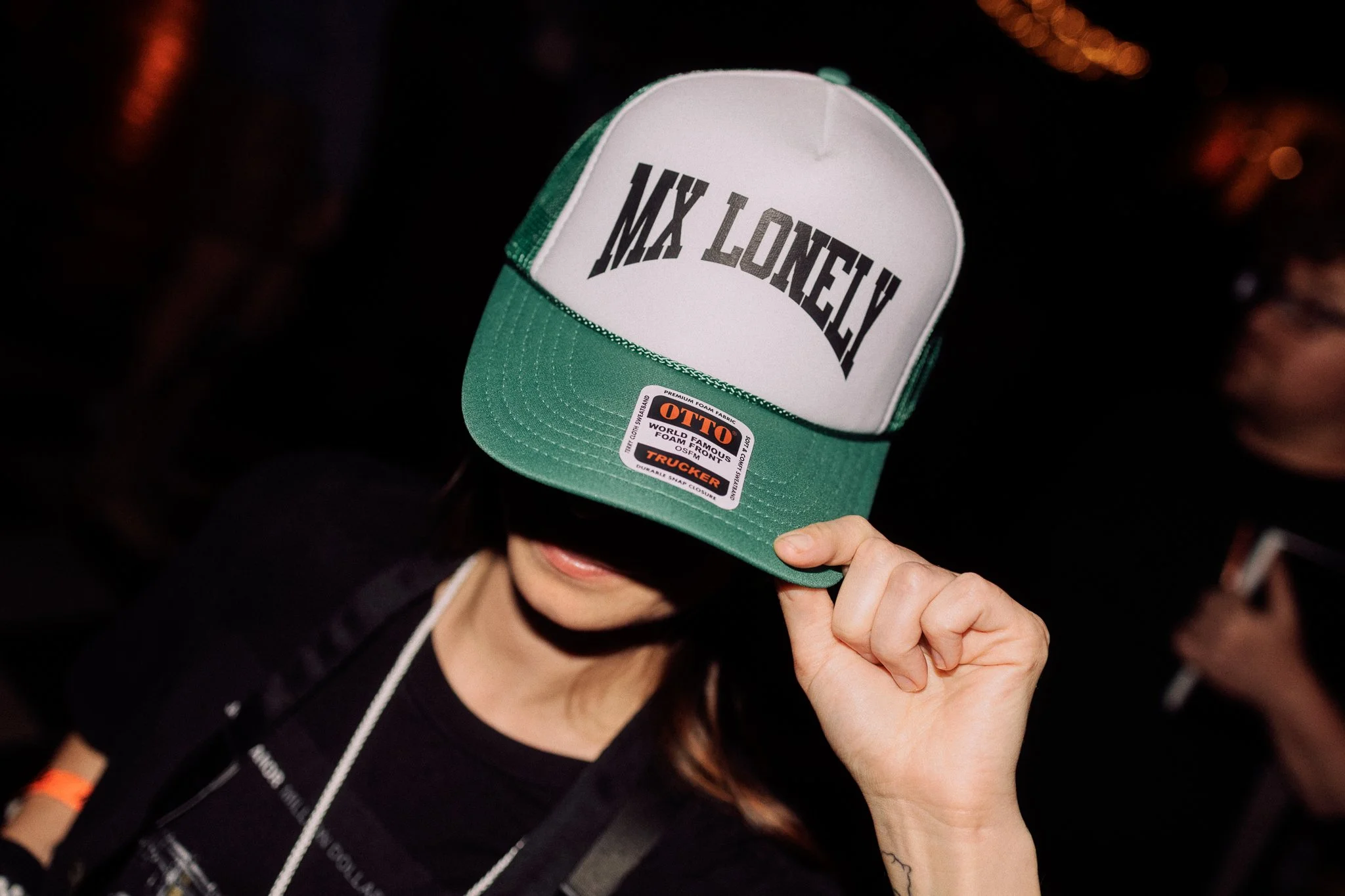
The standout set of Day 2 belonged to Brooklyn’s MX LONELY. Admittedly, this was mostly due to lead singer Rae Haas and their tendency to jump on top of large objects. What can I say? I’m a sucker for someone looking big and giant on stage. While performing “Big Hips,” they ascended to the top of their amp again as every member of this very Brooklyn-looking band would headbang in unison, long hair and mustaches flying everywhere, kind of like a Gen Z version of whatever the hell they were doing in that one Attack Attack! music video.
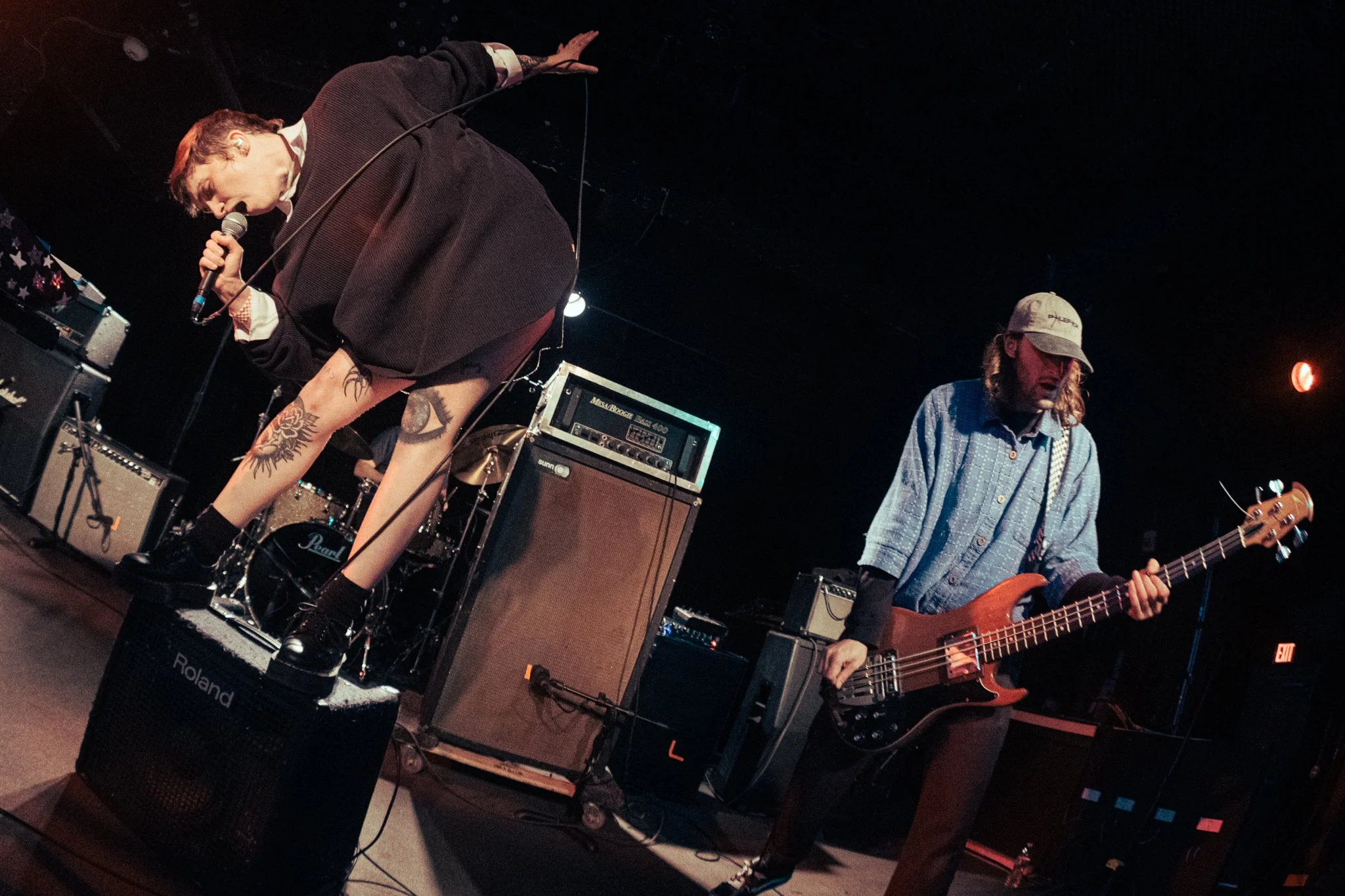
Photo by Kyle Meyers
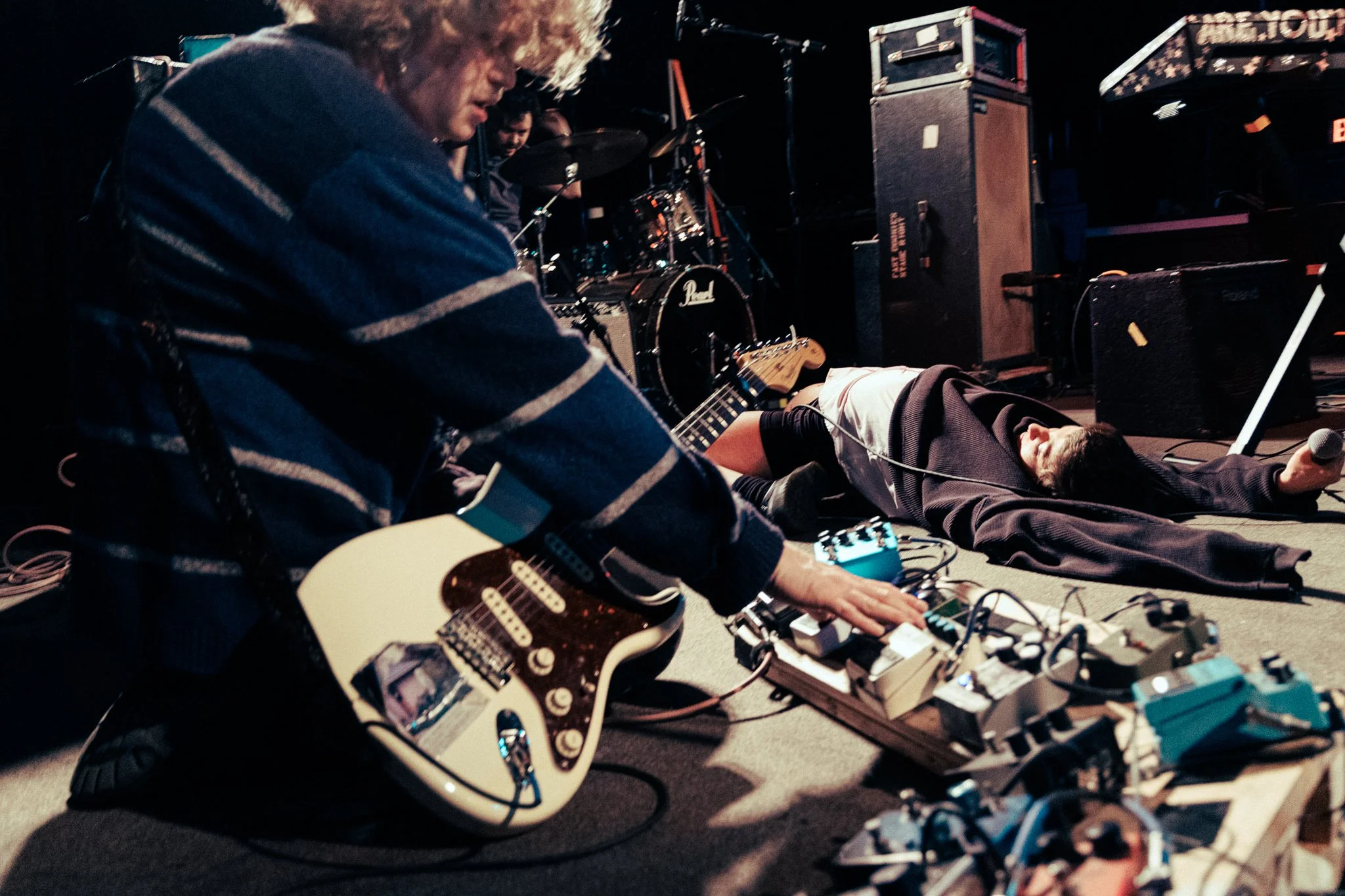
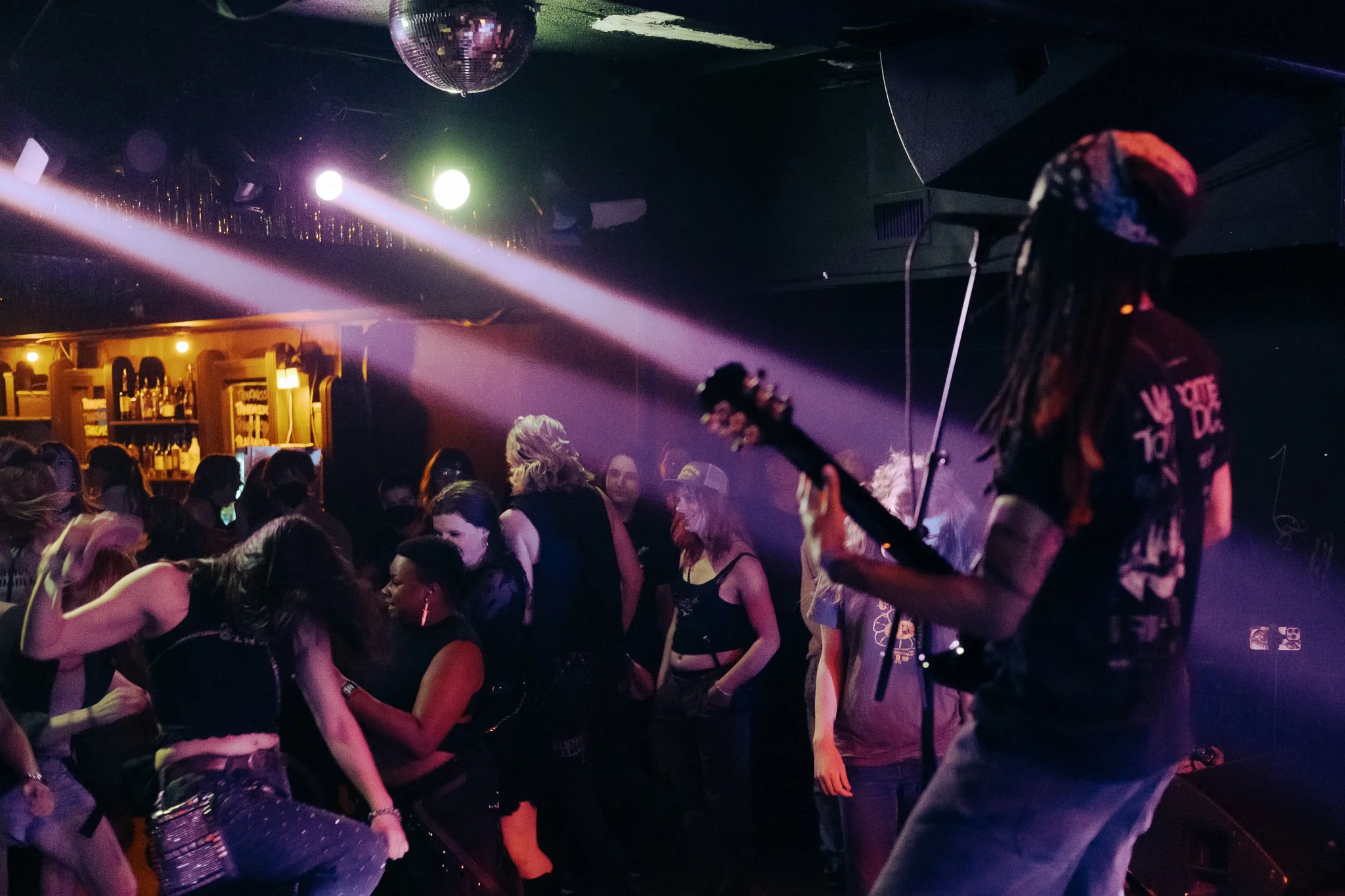
Following them was the Pacific Northwest dark and ethereal metal duo Ragana. They were loud and all-encompassing, which is deeply impressive to accomplish with just a guitar and drums. New York post-punkers Bambara took the stage after, providing some of the most oddly danceable post-punk I’ve heard in quite a while. Pissed Jeans followed, fronted by Matt Korvette, who was one of the most energetic frontmen I had ever seen. He began the set dressed in a too-big black long-sleeve that I suspect he wore just to flail the sleeves around wildly. Eventually, he’d lose the shirt as he careened back and forth across the stage. In one of the few moments of calm during a tuning break, he treated us to perhaps the most bizarre stage banter I’ve ever heard as Korvette began pointing at his fellow band members, asking us to guess which two had hemorrhoids. I don’t know if this is liberation, but it was funny as hell.
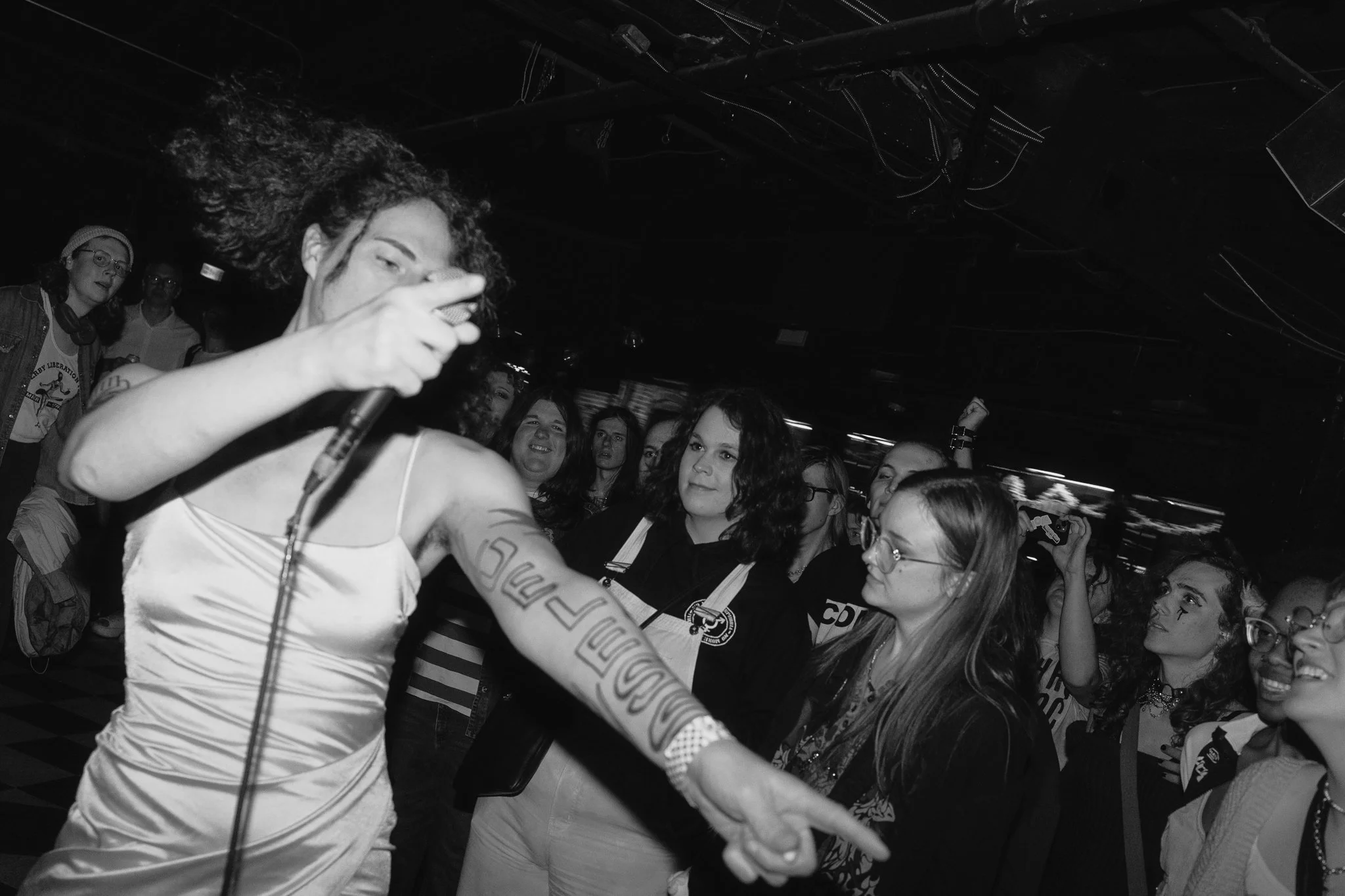
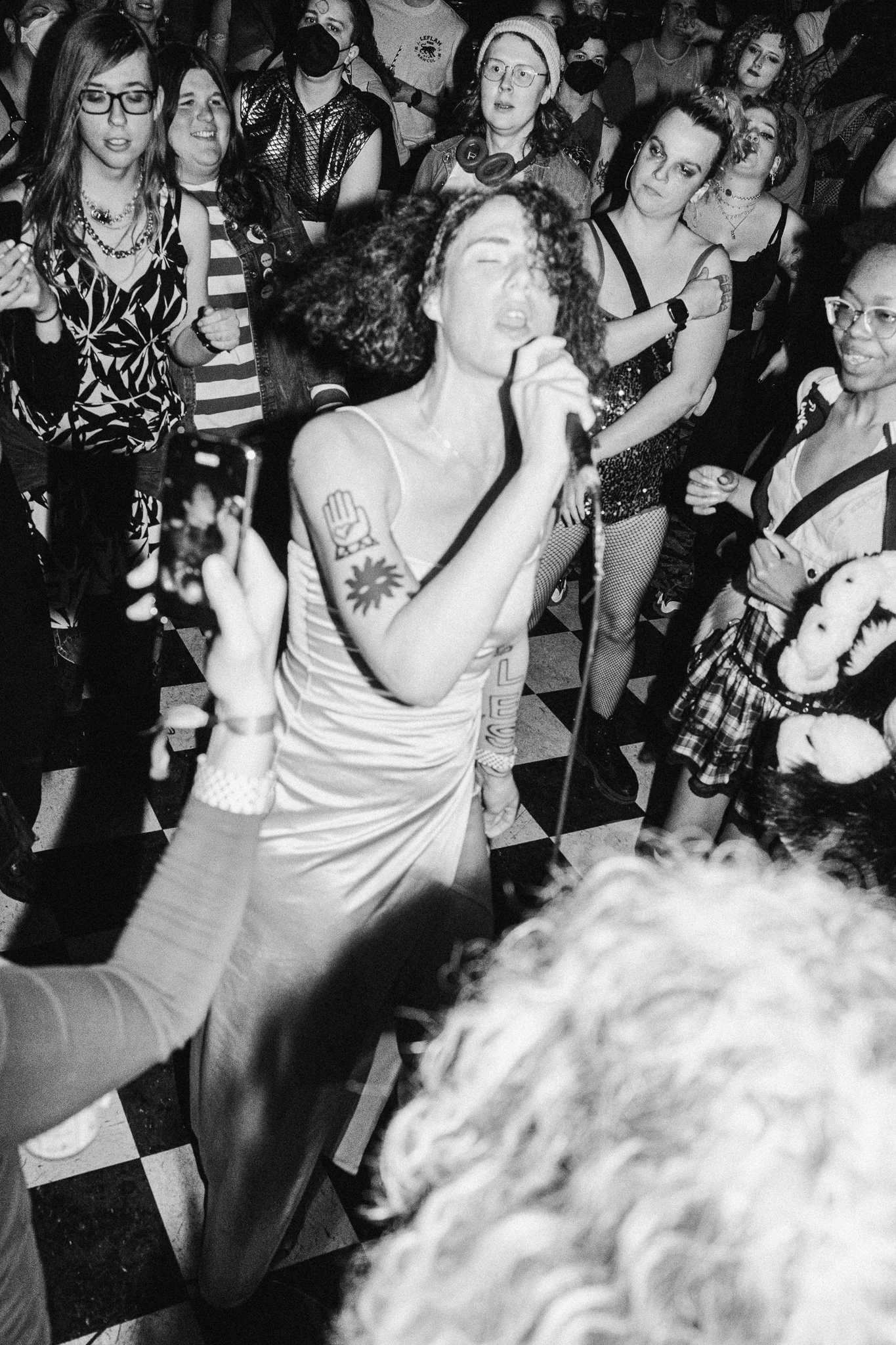
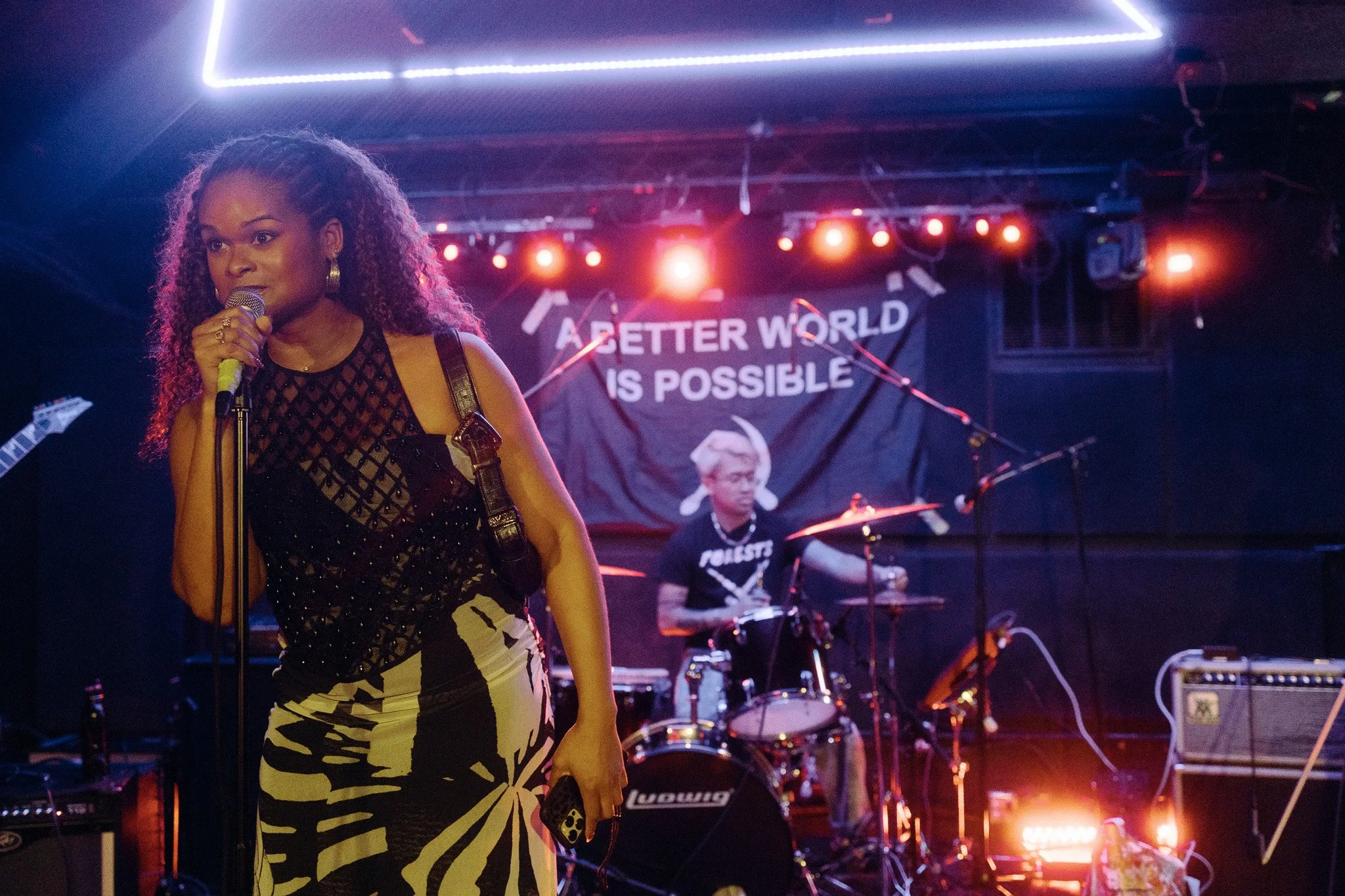
Closing out the evening was a solo performance by Devi McCallion, who commanded the space, using the entire room as her stage. McCallion stepped directly off the stage of Black Cat and into the crowd, imploring audience members to circle close around her. She began her set saying, “This song is dedicated to Charlie Kirk.” It was sadly not a cover of “We Are Charlie Kirk.”
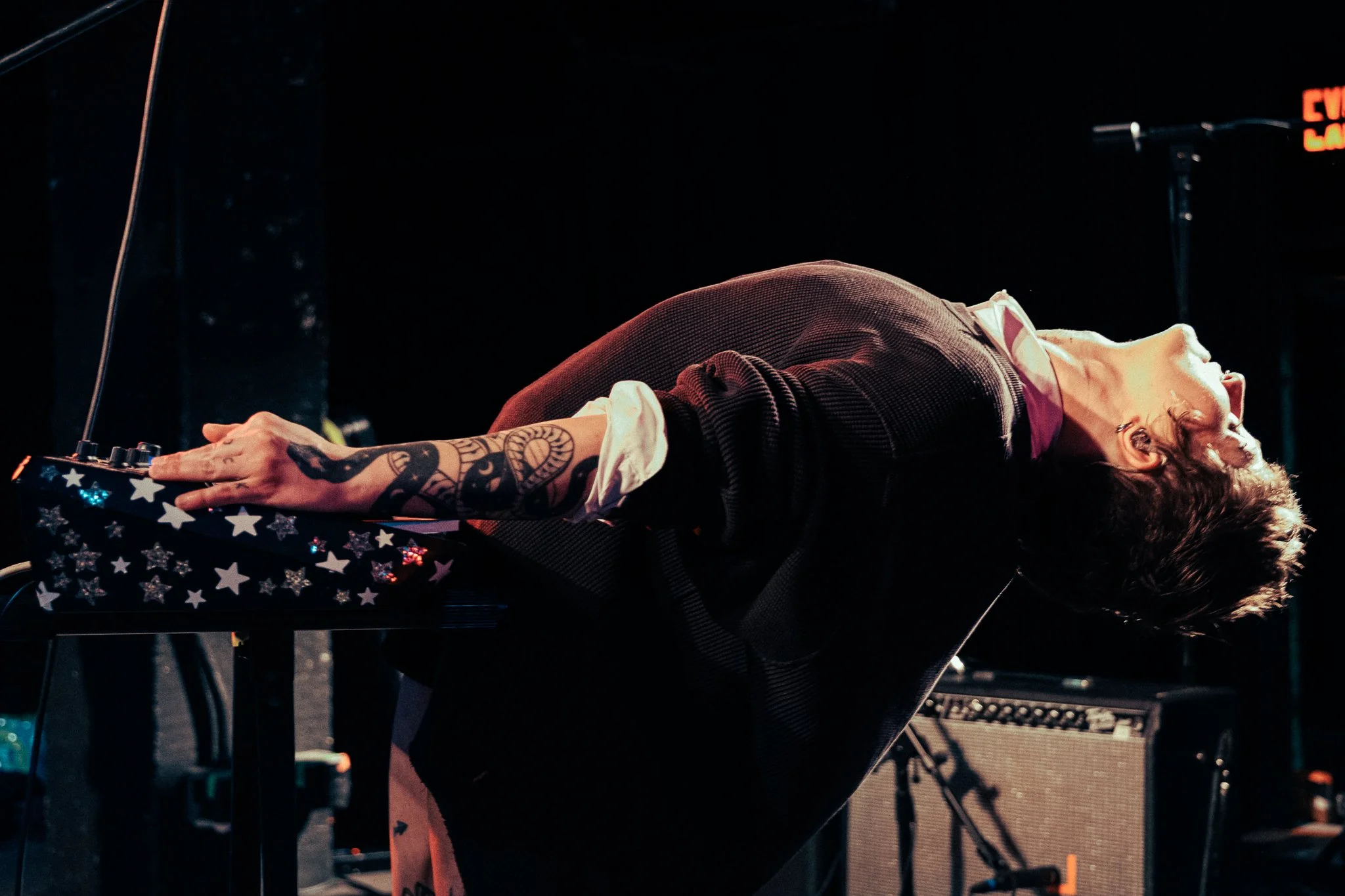
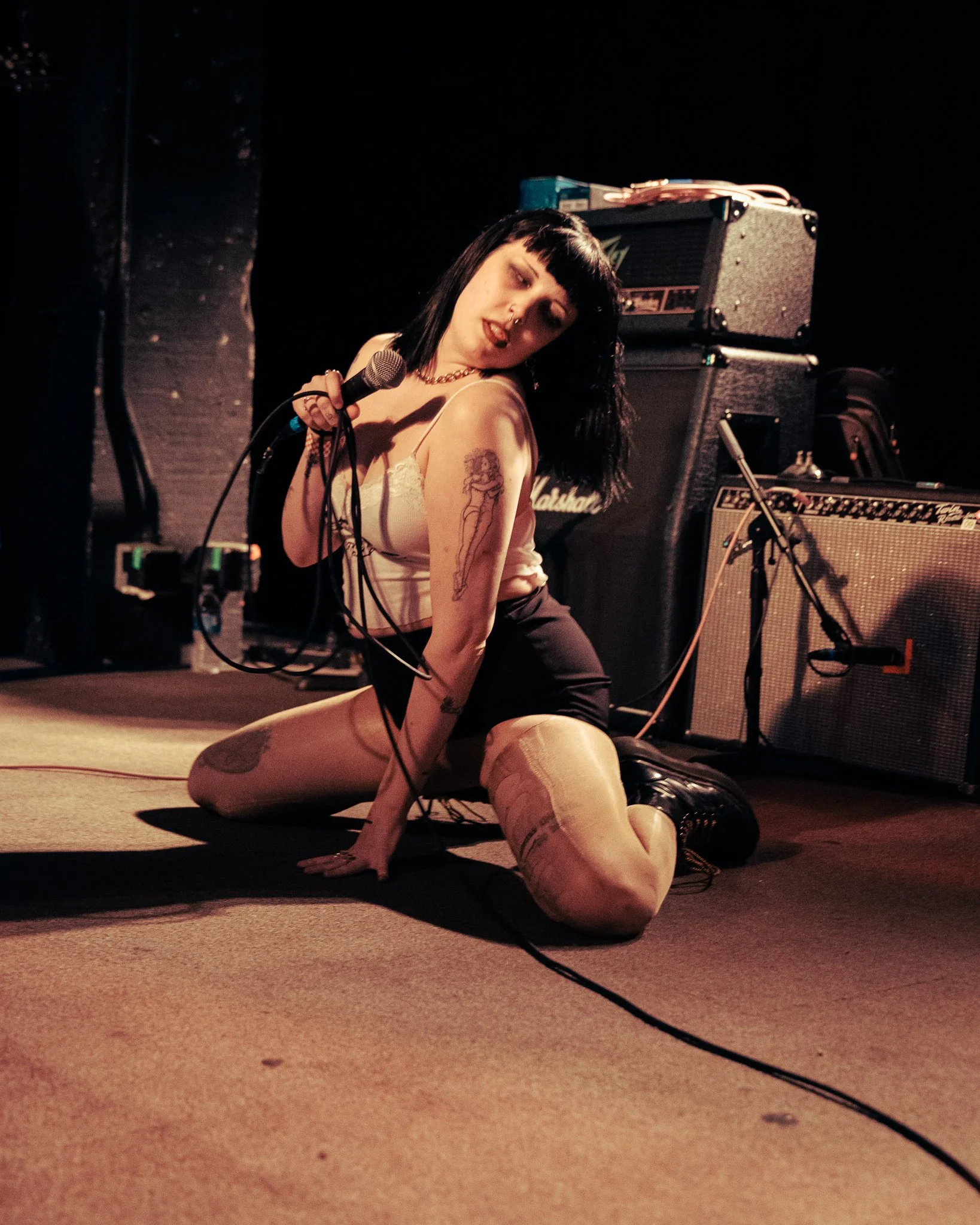
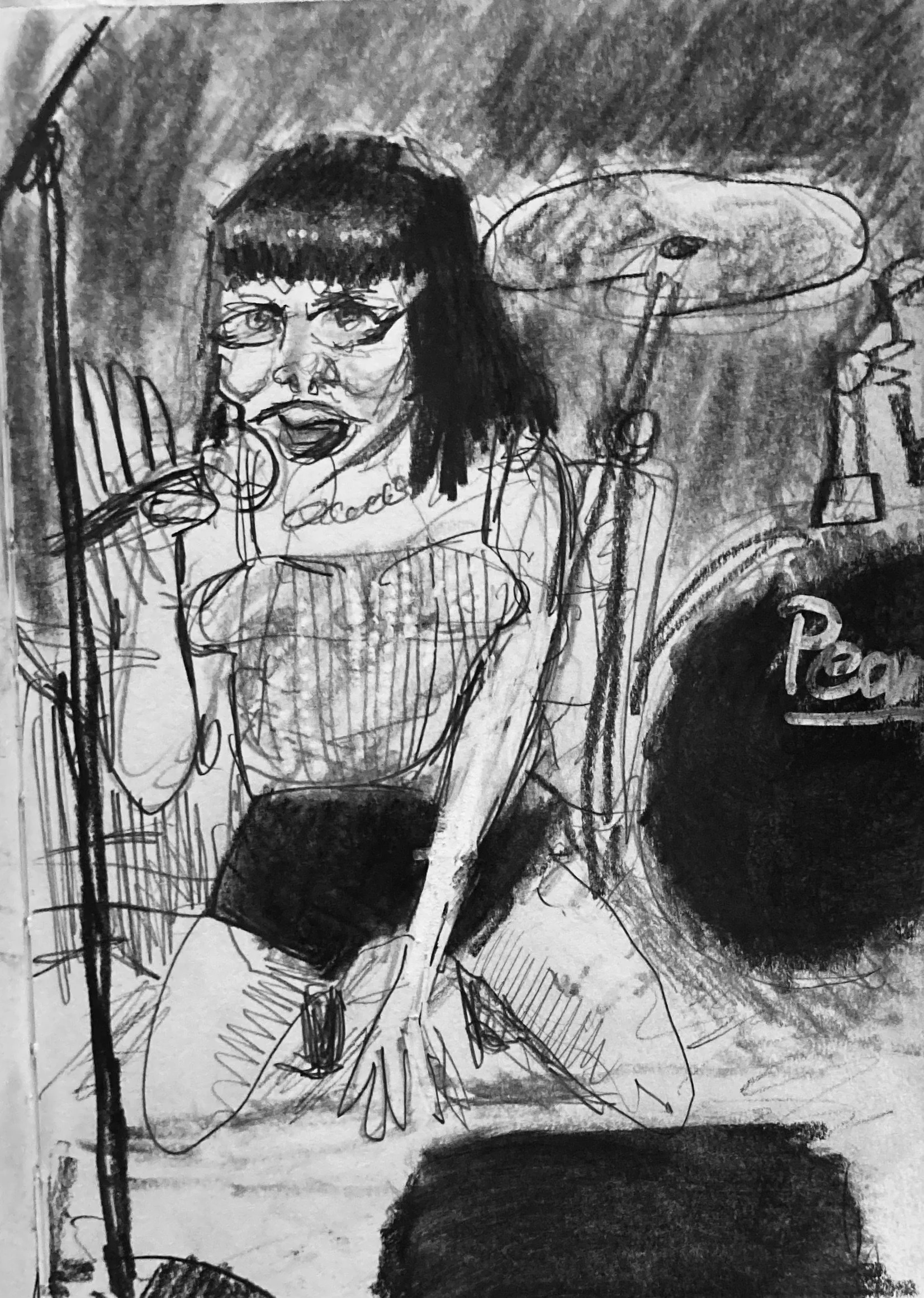
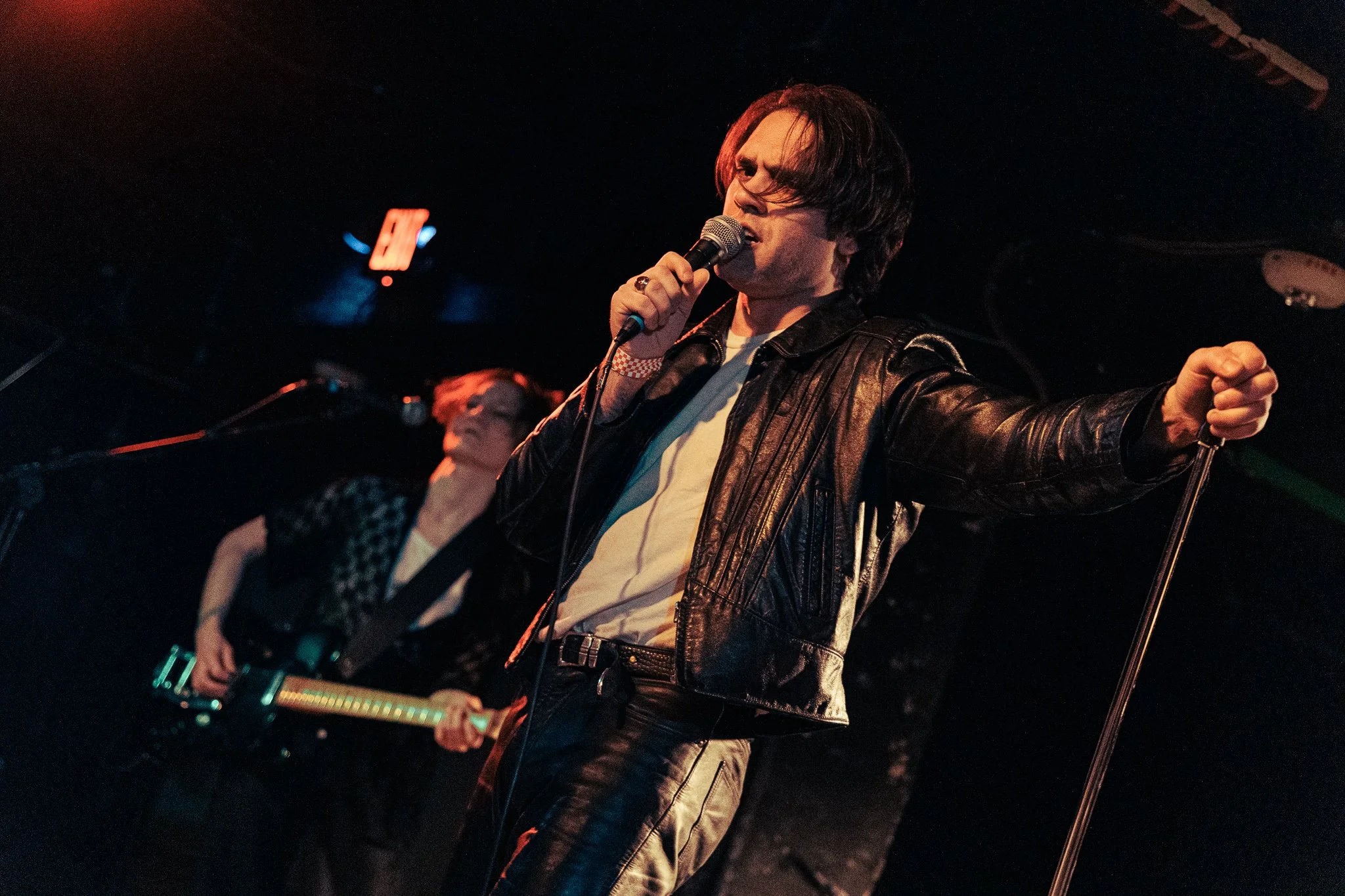
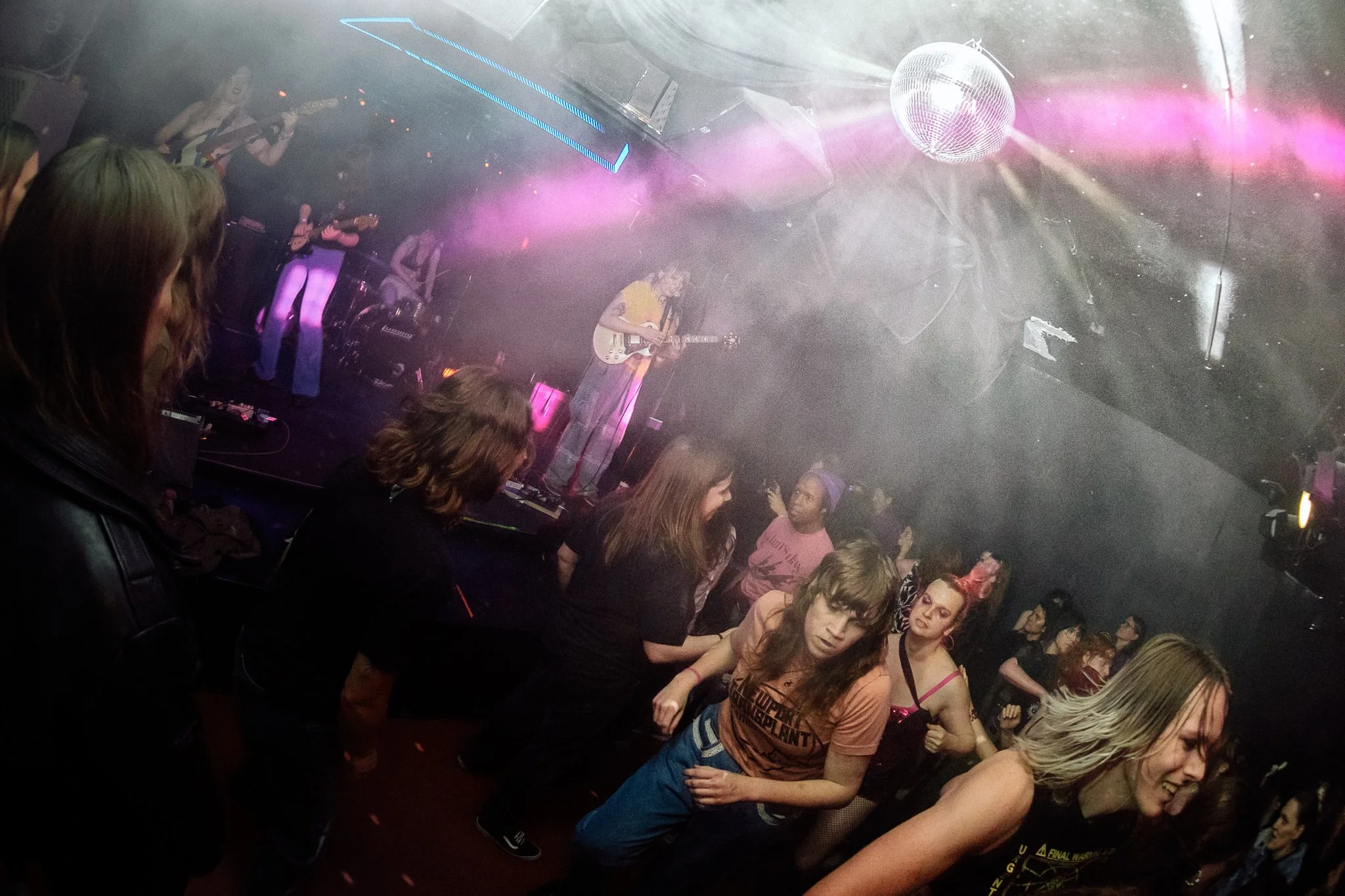
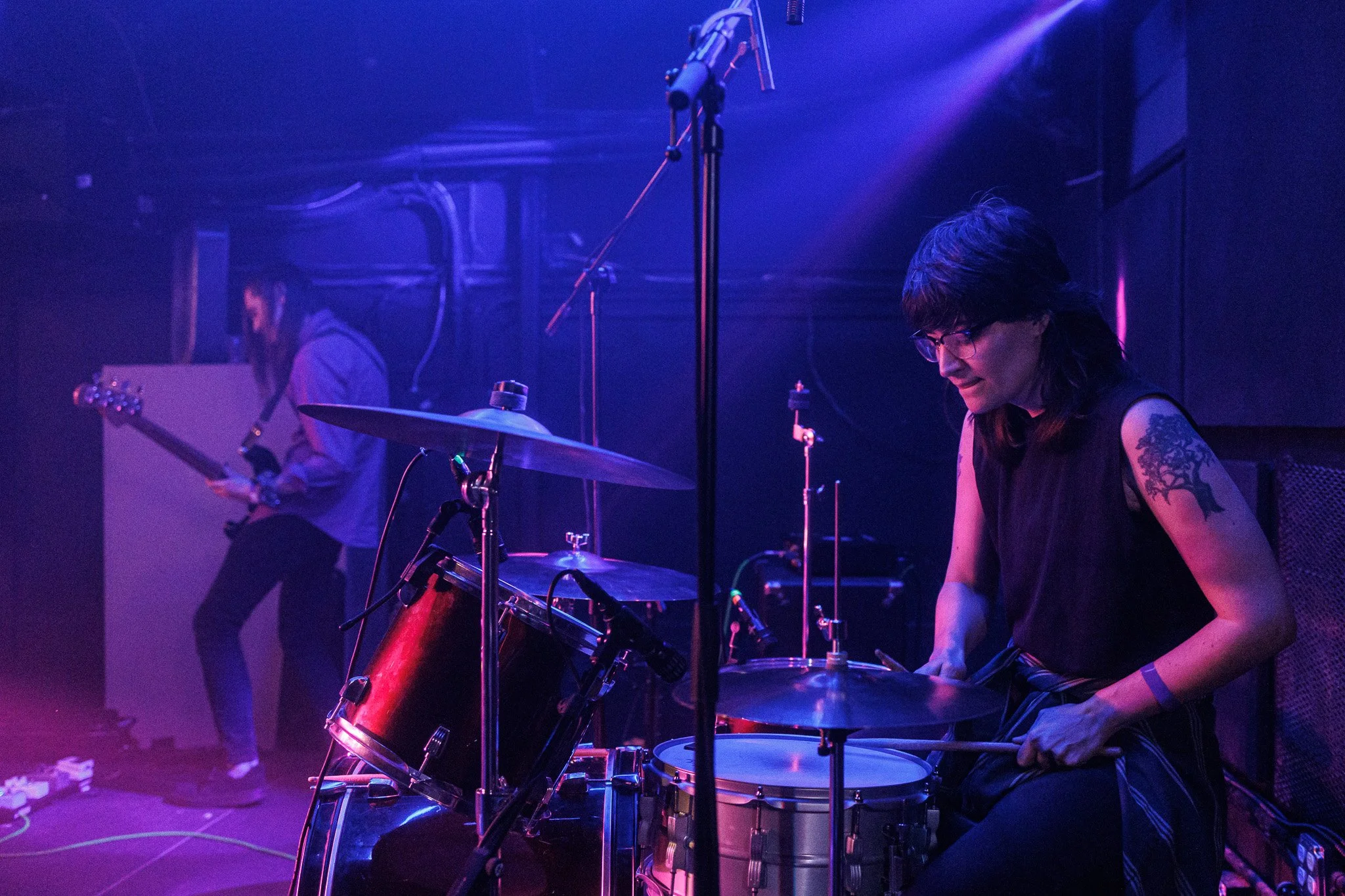
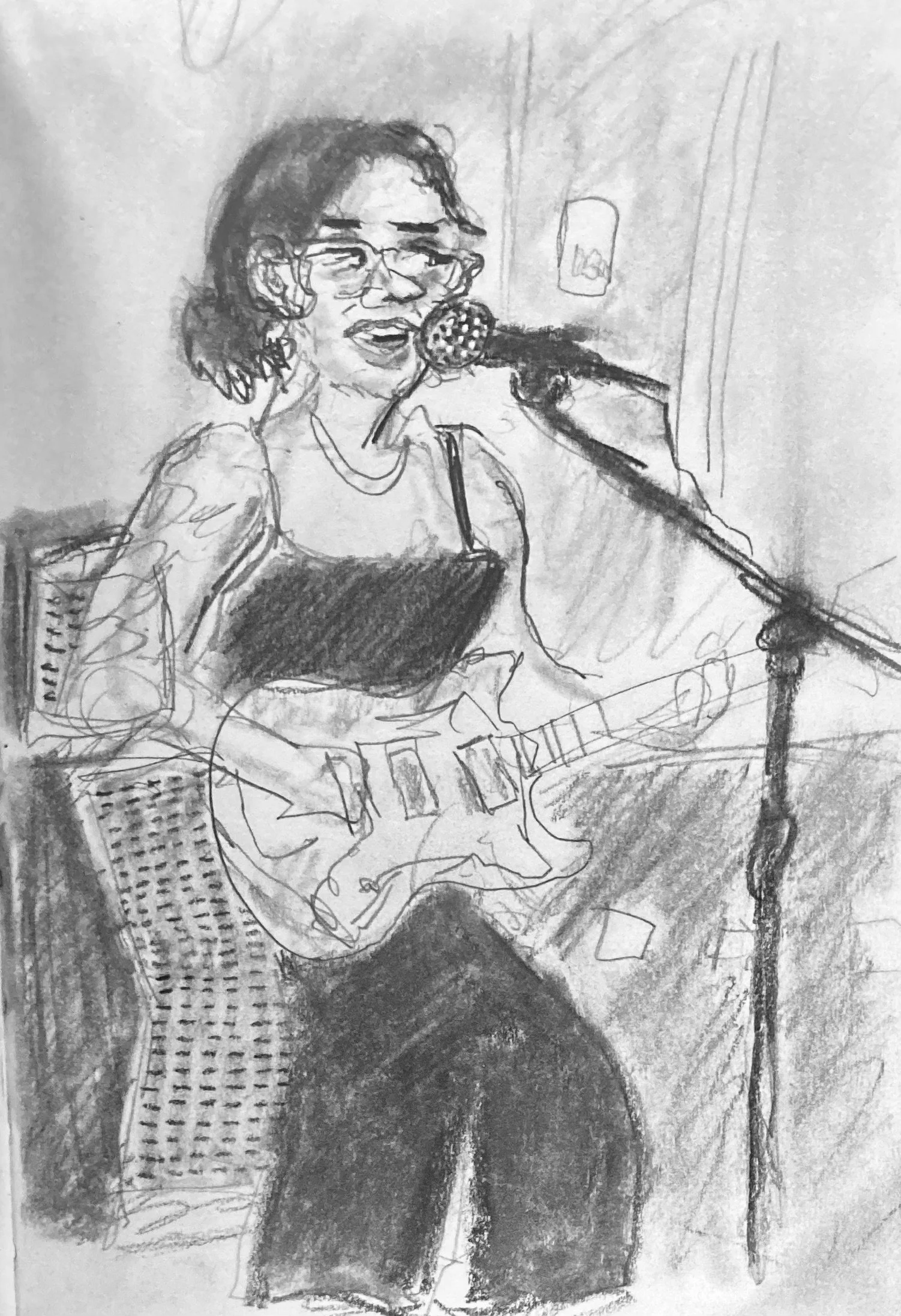
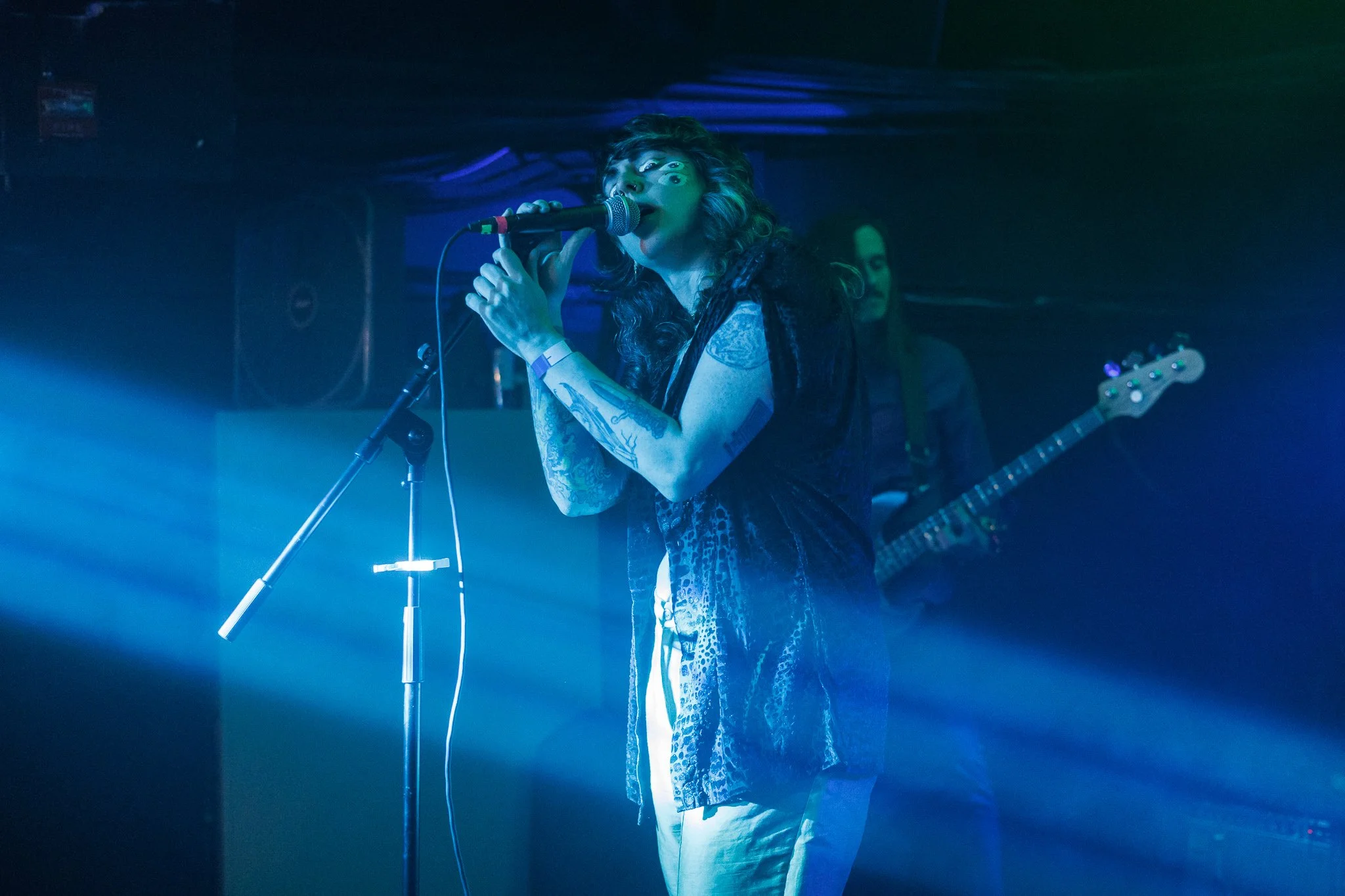
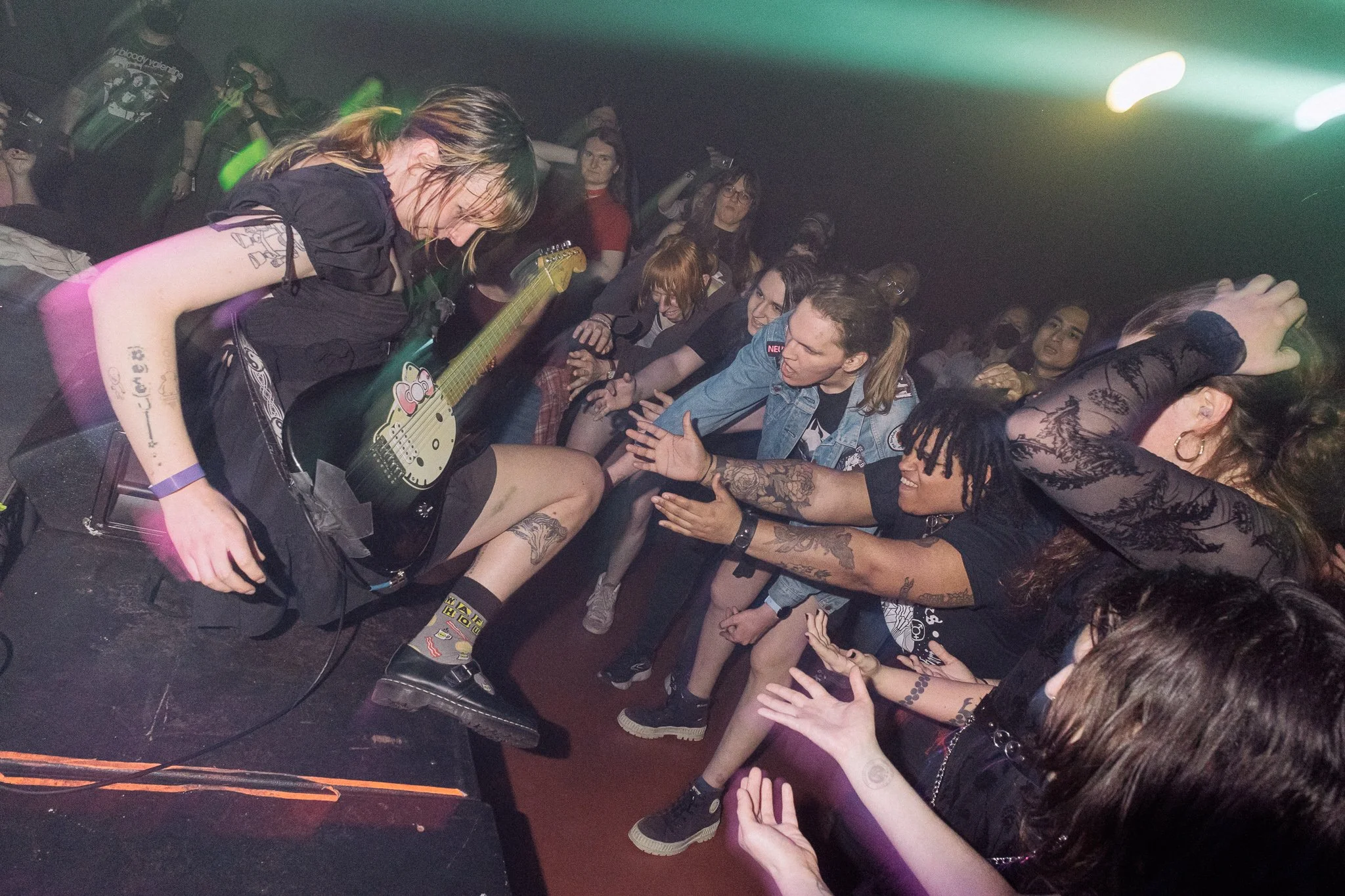
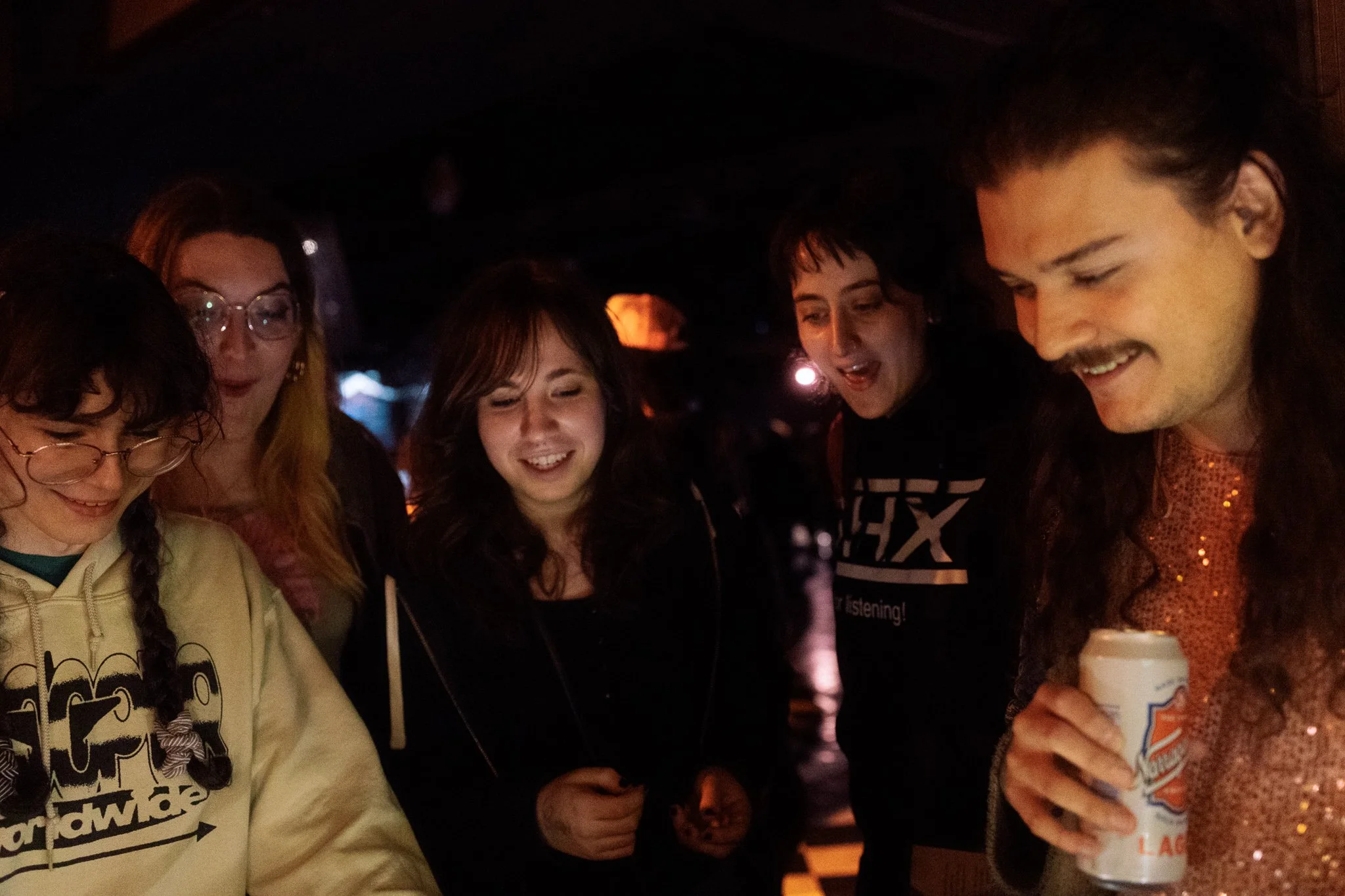
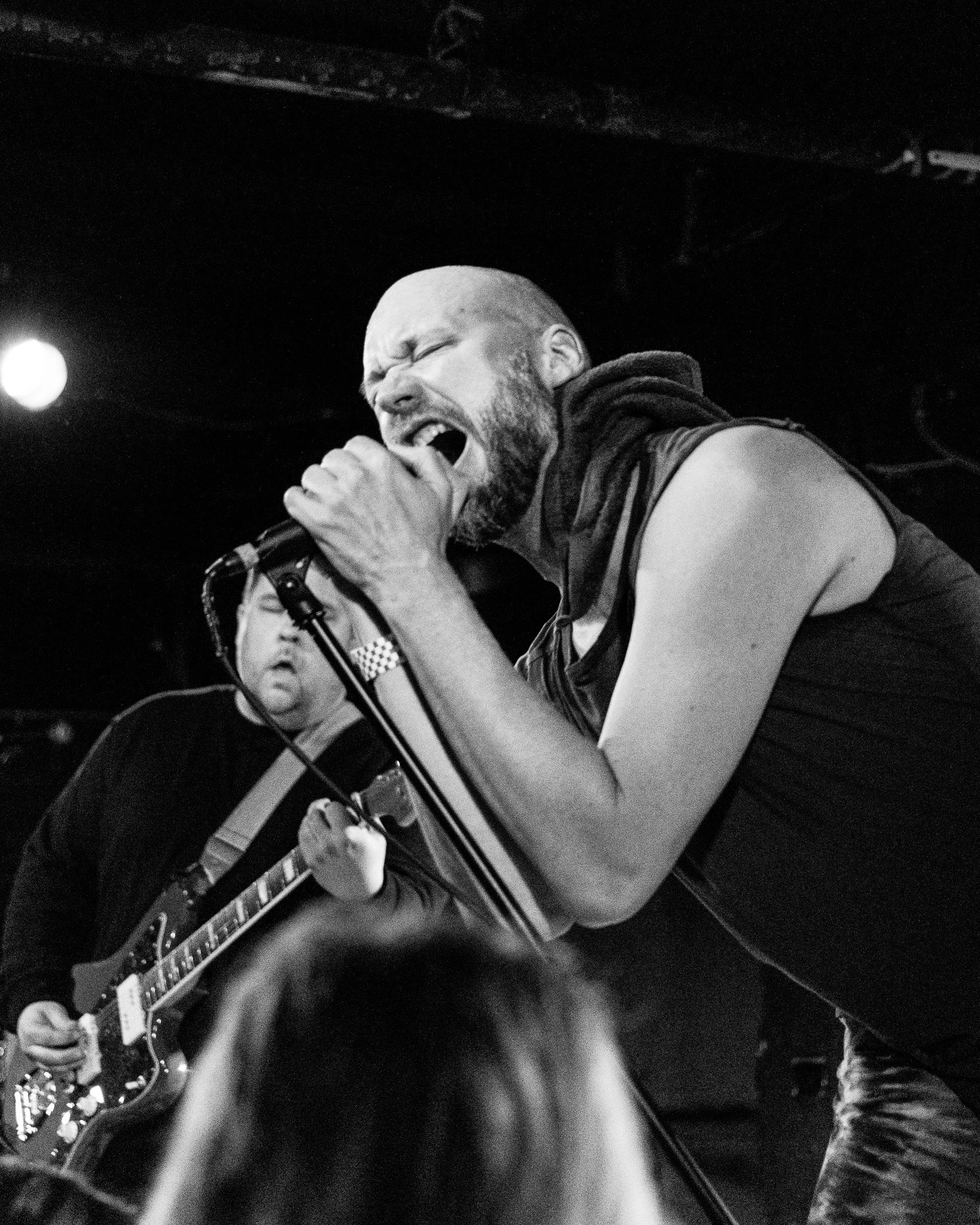
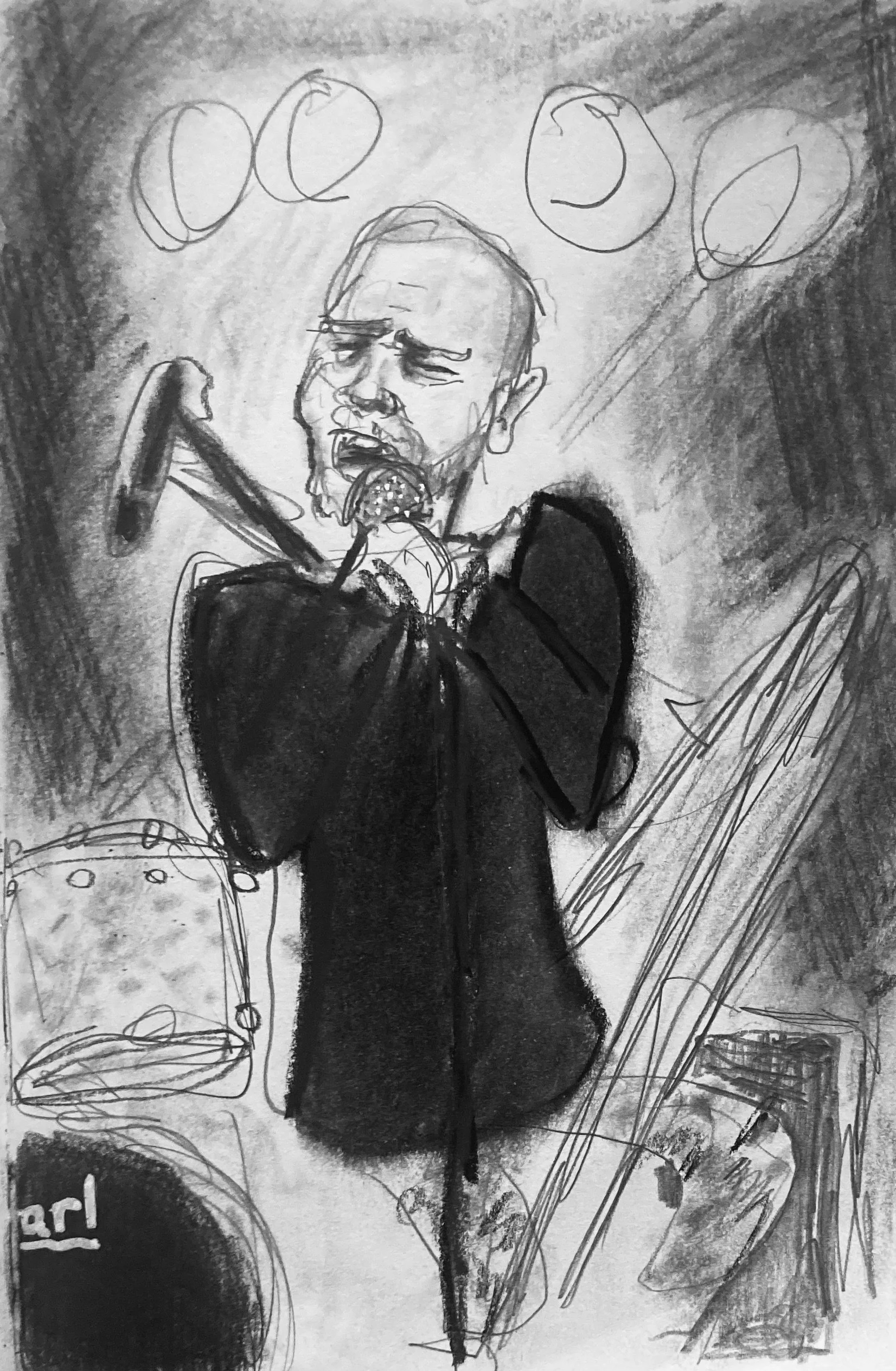
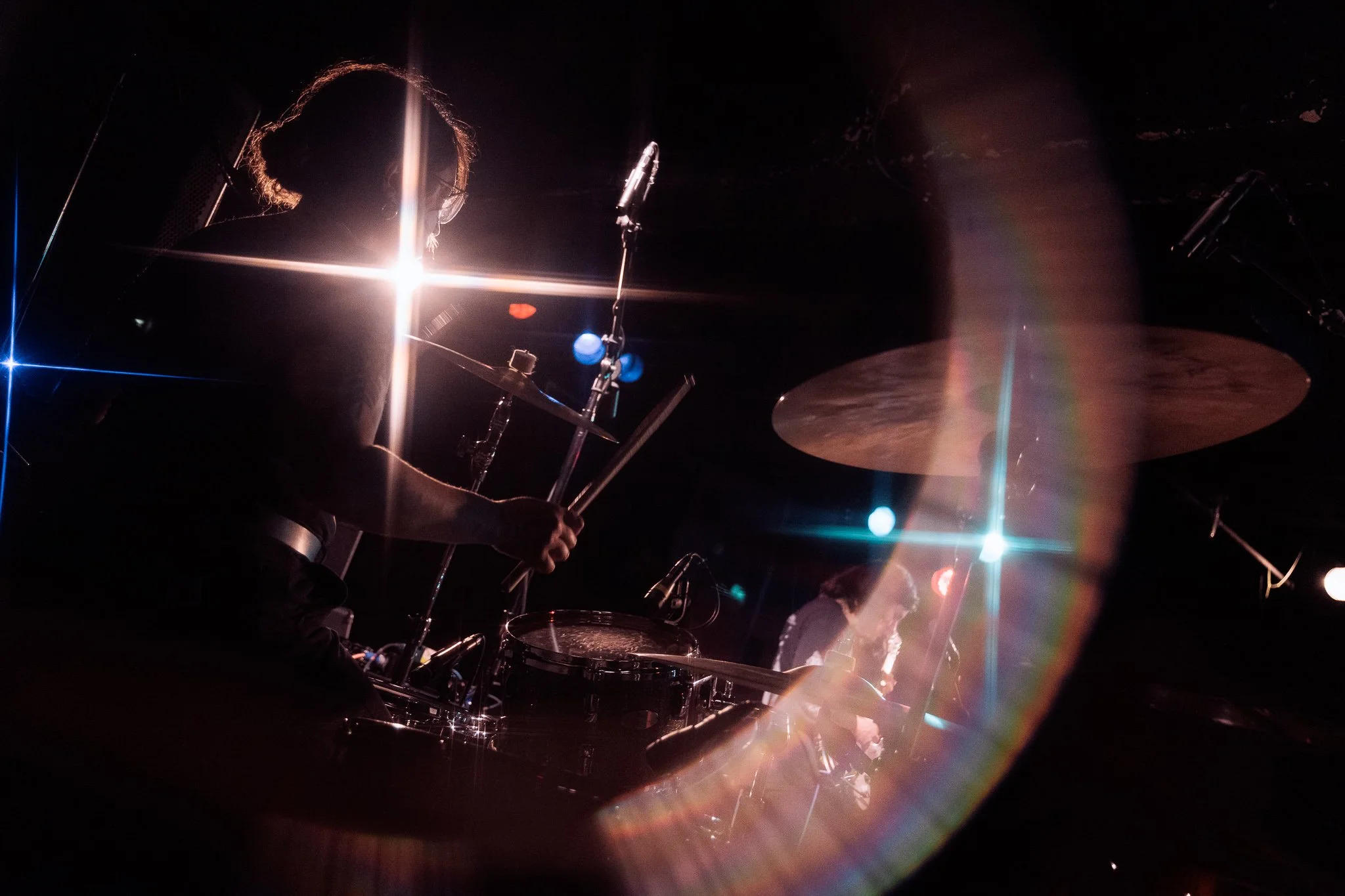
April 26th – Day 3: In which Caroline learns about the South, wishes she could dodge parking tickets, and takes flight
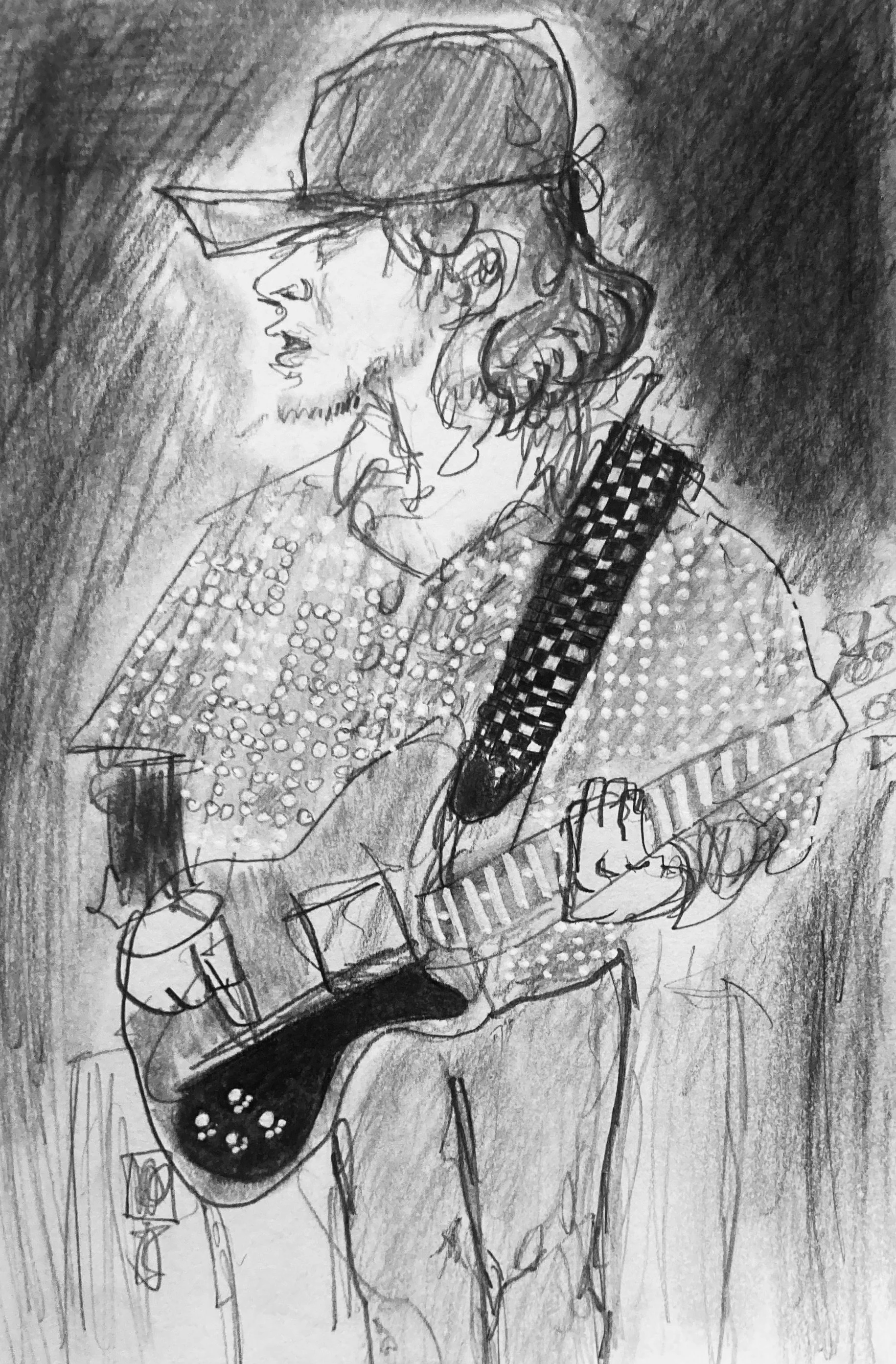
I rolled up on my bike outside a small Ethiopian coffee shop just in time to catch Peach Rings as they were headed in to meet me. They hail from North Carolina, and I mean this in the nicest way possible… what a North-Carolina-ass-looking band. We’re talking Realtree hats, long, ratty punk hair, a rugged coolness to every single one of them. And here they are, talking to Caroline, the city slicker, in her Sydney Sweeney x Ford x Dickies collab khakis (listen, my friend gave them to me for free, and they look great). Despite this, they still think I’m cool, and lead singer Ramona Barton agrees to an interview on the back patio of the coffee shop. Peach Rings got started by making emo music about being trans. At least that’s what Ramona did back when this was a solo project by a 19-year-old girl. “With a song like ‘dream girl,’ which we're playing tonight, I wrote that at a time when I wanted nothing more than to not be trans. I've 180'd on that, but we still play it because I think it's a beautiful song and it captures a feeling. That was me at one point. It feels special to touch on that, and it also resonates with a lot of people who might be in that part of transition.”
Peach Rings, like Snowing, is yet another artist whose music has shaped my life in some small way. Her music helped me discover my own gender identity, with songs like “i'm going to be a girl for halloween” serving as a safe outlet for my confusing feelings about gender in college. Her music was liberating to me, and she is aware of how important it has been to people. She describes how “being a teenager and hearing a song that speaks to you is extremely important. We're not, like, a super successful band by any means, but having moms come to shows and say, ‘My 13-year-old daughter just came out, and your music means so much to her’ is extremely touching. It just makes me cry. To me, that is liberatory for someone younger than me.” Maybe liberation is loving yourself.
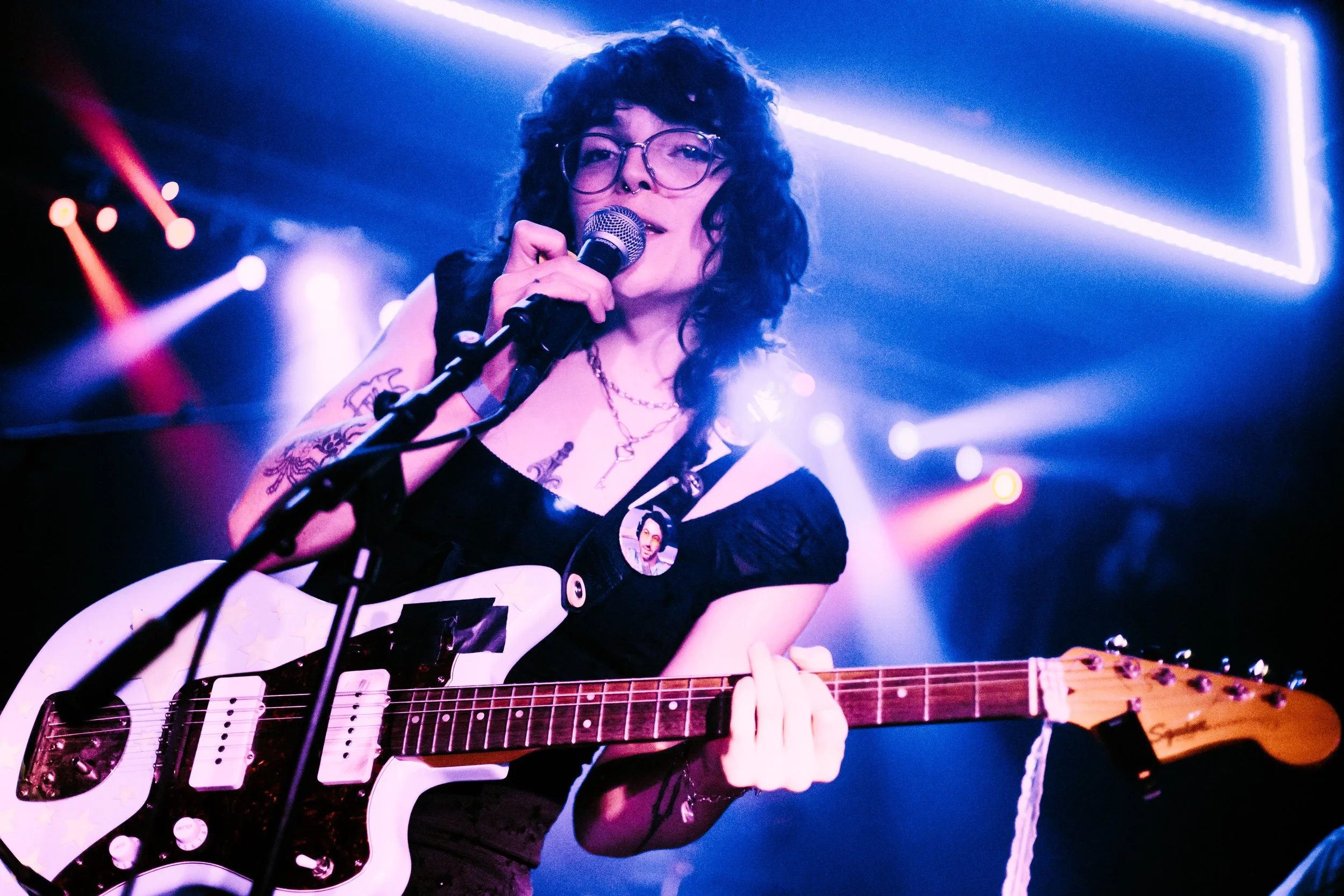
Photo by Bailey Payne
For Ramona, someone who is about six years into transition, liberation is “to just be able to live freely without bigotry around us. I shouldn't have to worry about going to the bathroom.” As harsher and harsher anti-trans laws are passed around the country (see Idaho’s bathroom ban law, which could result in life sentences for violators), trans people have simple requests. “We're just trying to hang out and exist, and they want us eradicated.”
Many of these laws are being passed in Southern and red states, but despite this Ramona is “very proud of being from the South and being a southerner,” explaining, “I think that there are obviously difficulties, and there are a lot of prejudiced people, but I also have had experiences back home with old conservative religious people who treat me as more of a woman than people in, say, New York have… All of our friends back home are trans people. There are lots of trans people in the South, and I think that is just overlooked because it's a red state.”
I appreciate having the influence and perspective of trans people outside of the Washington-Philly-New York core that largely makes up this festival. Especially after learning that Peach Rings just today released some new music with banjo on it, which this author welcomes with open arms. Peach Rings isn’t even the only southern trans band here, as they brought their friends in Motocrossed, who also hail from North Carolina. While this lineup is over-representative of Philly, NYC, and DC, trans musicians being able to thrive and create in places outside the traditional blue cities points towards a potential of what liberation could look like for trans people. A reality where, from the biggest metropolis to the smallest hamlets, there are thriving communities of trans and queer artists and musicians able to live in peace.
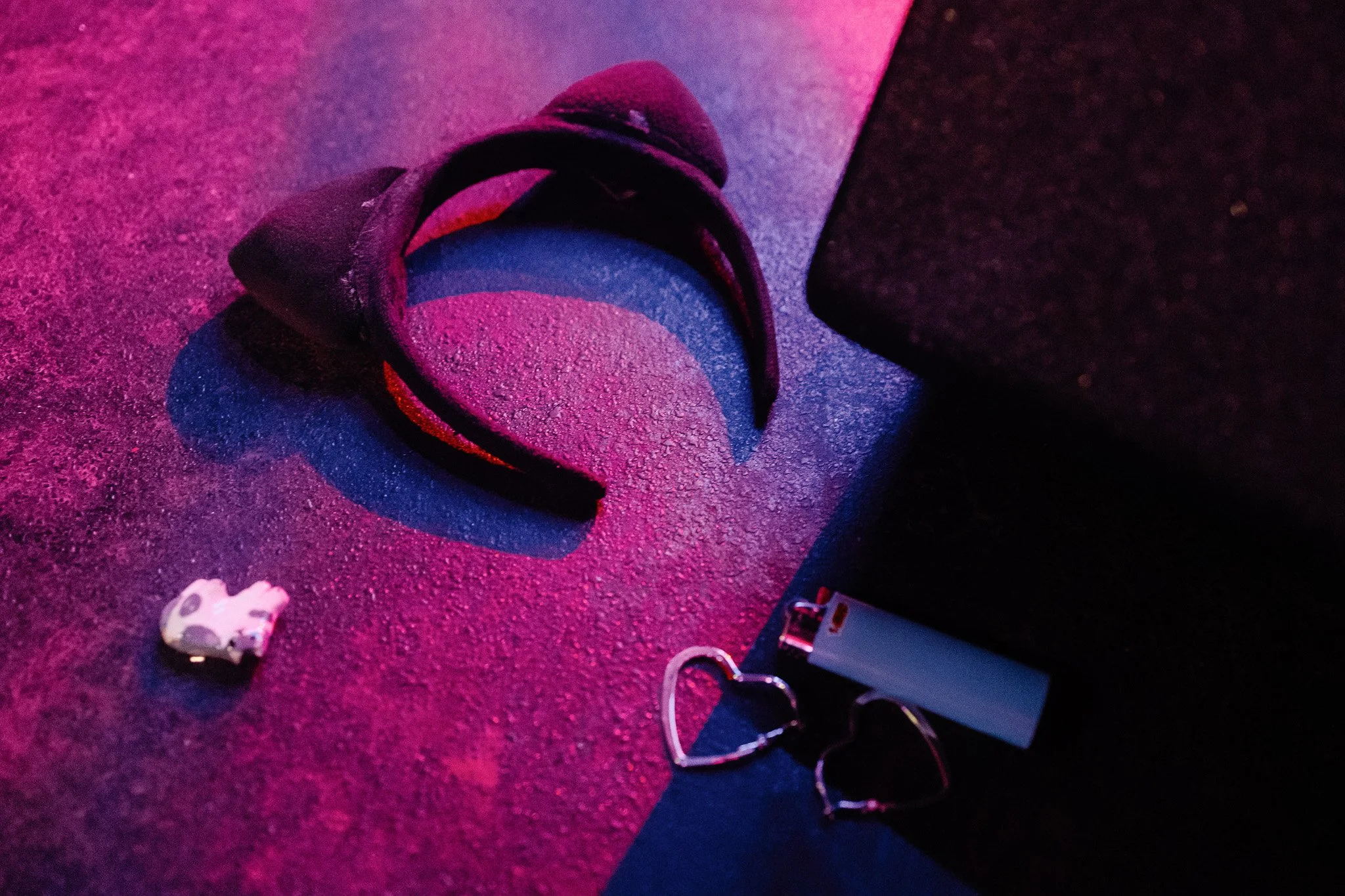
Photo by Kyle Meyers
I was only able to catch a couple of sets at Transmission before needing to depart for my interview with Pool Kids, but this sampling did not disappoint. First was DC emogaze act Emotional World, whose delicately layered sound was enough to warm the frozen heart of this staunch shoegaze skeptic.
DC punk band Soul Meets Body were outstanding, delivering a ripping set of grungey punky tracks. Frontwoman Genevieve Moore controlled the stage as well as anyone at Black Cat or Transmission all weekend long with an undeniable swagger. They closed with “No Youth No Future,” suddenly turning into a seasoned hardcore band, making me dearly wish I had the energy to crowdkill my fellow dolls.
I don’t want to forget about the acts that closed things out at Transmission, Motocrossed, Latchkey Kids, Jade Weapon, and Peach Rings. Though I know every single one of those bands can, and did, put on an amazing show while I raced back over to Black Cat.
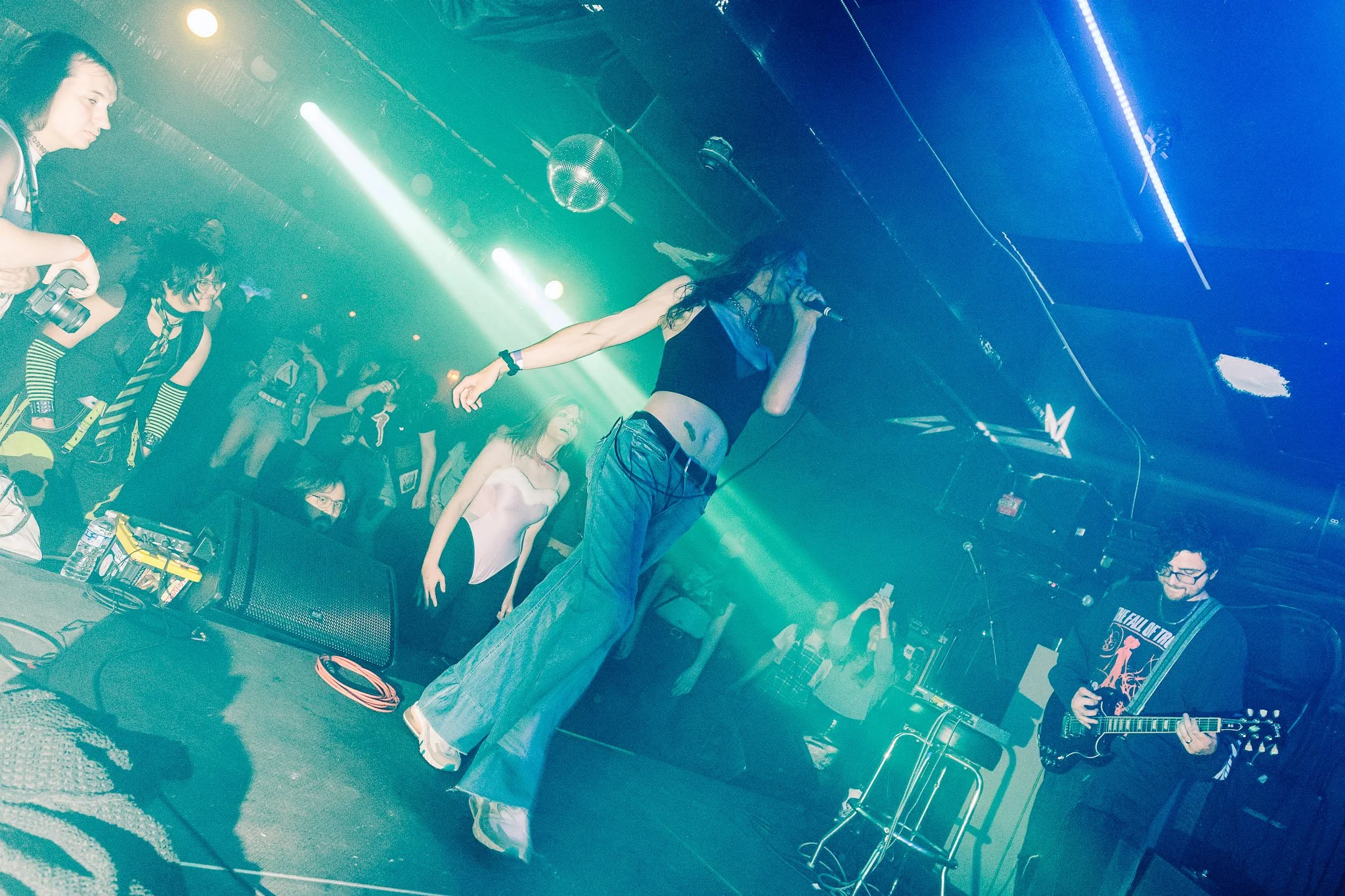
Photo by Kyle Meyers
Hailing from Tallahassee, Florida, Pool Kids have been rising stars in the emo scene ever since releasing their cult classic debut, Music to Practice Safe Sex to. Their self-titled sophomore record began to add a more refined touch, cleaning up the rough edges of the first record and rounding out the two-piece into a full four-person setup. With the recent release of their third LP, Easier Said Than Done, Pool Kids has been leaning further into the poppy songwriting that we only heard glimpses of on their second album. Lead singer and guitarist Christine Goodwyne told me that “we sort of just keep trying to sound like Pool Kids without repeating ourselves.”
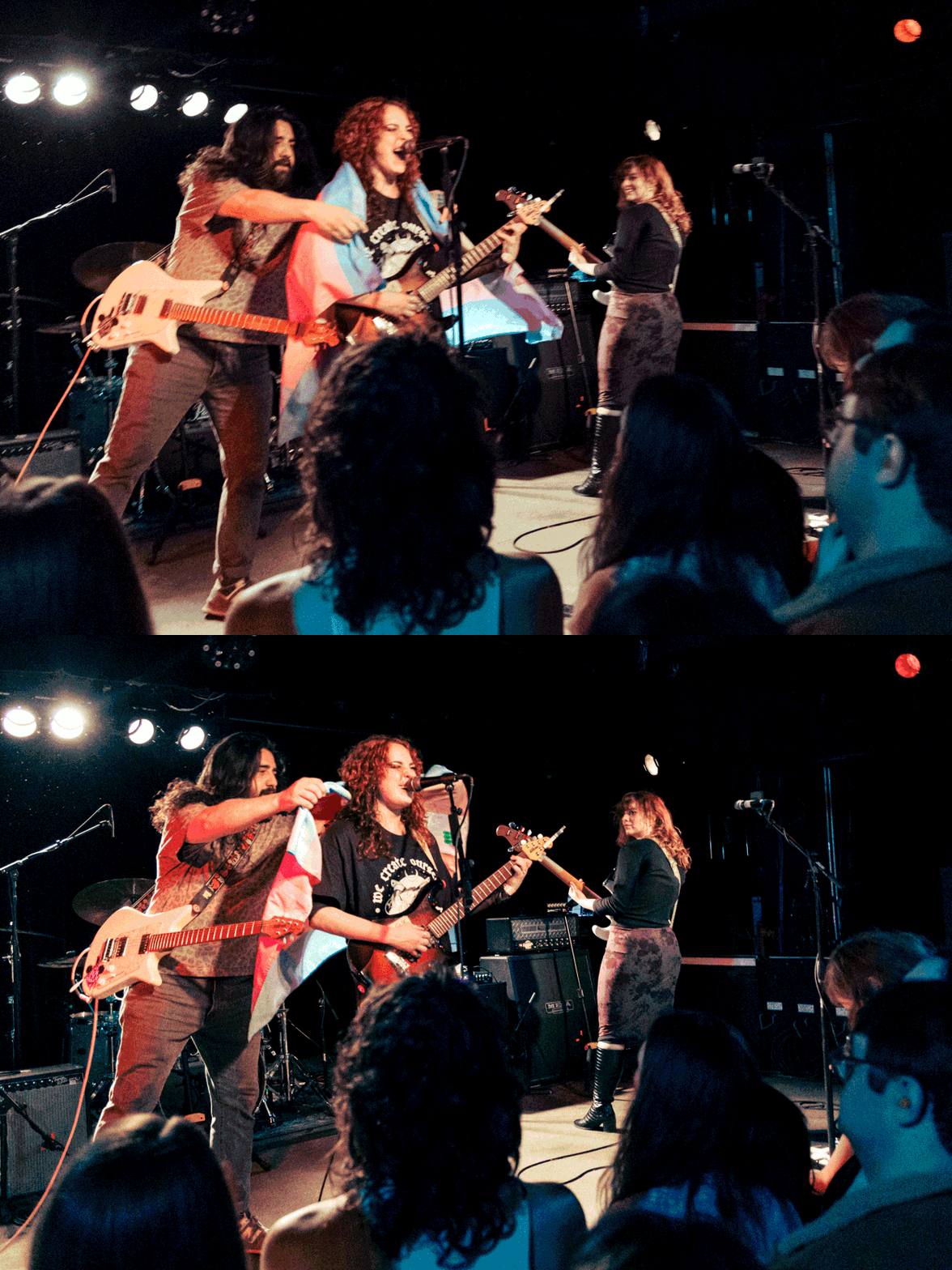
As their sound has changed, their philosophy has not, as bassist Nicolette Alvarez highlights how it’s “important to show up to things and be there as allies. Now more than ever, it's important to stand up and loudly and proudly say that we're here. We stand with trans people.” Christine shares how “If you don't clarify where you stand on that stuff, people who you don't agree with might be thinking that you actually are on their side.” Later that evening, when Pool Kids played, guitarist Andy Anaya would drape Christine in a trans pride flag, much to the delight of a raucous, almost out of breath crowd. I think it's clear where they stand.
Photos by Kyle Meyers
Throughout the weekend, Pool Kids were the only band I interviewed, and one of the few bands on the entire bill, without an openly transgender member. Despite this, they still have a compelling vision of what liberation could look like. Drummer Caden Clinton provided the perfect white guy perspective on this. “Everybody gets to live the same life that I do. I'm a blonde-haired, blue-eyed, cis male. I will never get a speeding ticket, but it's not fair that all my other friends have to struggle with that.” Pool Kids are a perfect example of what allyship actually looks like.
I was lucky enough to catch Nicole Maroulis from Hit Like A Girl immediately after talking to Pool Kids. Much like me, Nicole was also pulling double duty at this weekend’s festival. Outside of their frontperson duties singing and playing guitar in Hit Like A Girl, Nicole is also executive director and one of the co-founders of No More Dysphoria – one of the two main beneficiaries of Liberation Weekend, along with Gender Liberation Movement.
When asked how they describe the organization, Maroulis explains that No More Dysphoria is ”a punk rock, mutual aid effort, where we essentially just directly give financial resources, aid, or assistance to people in the transgender, gender nonconforming communities.”
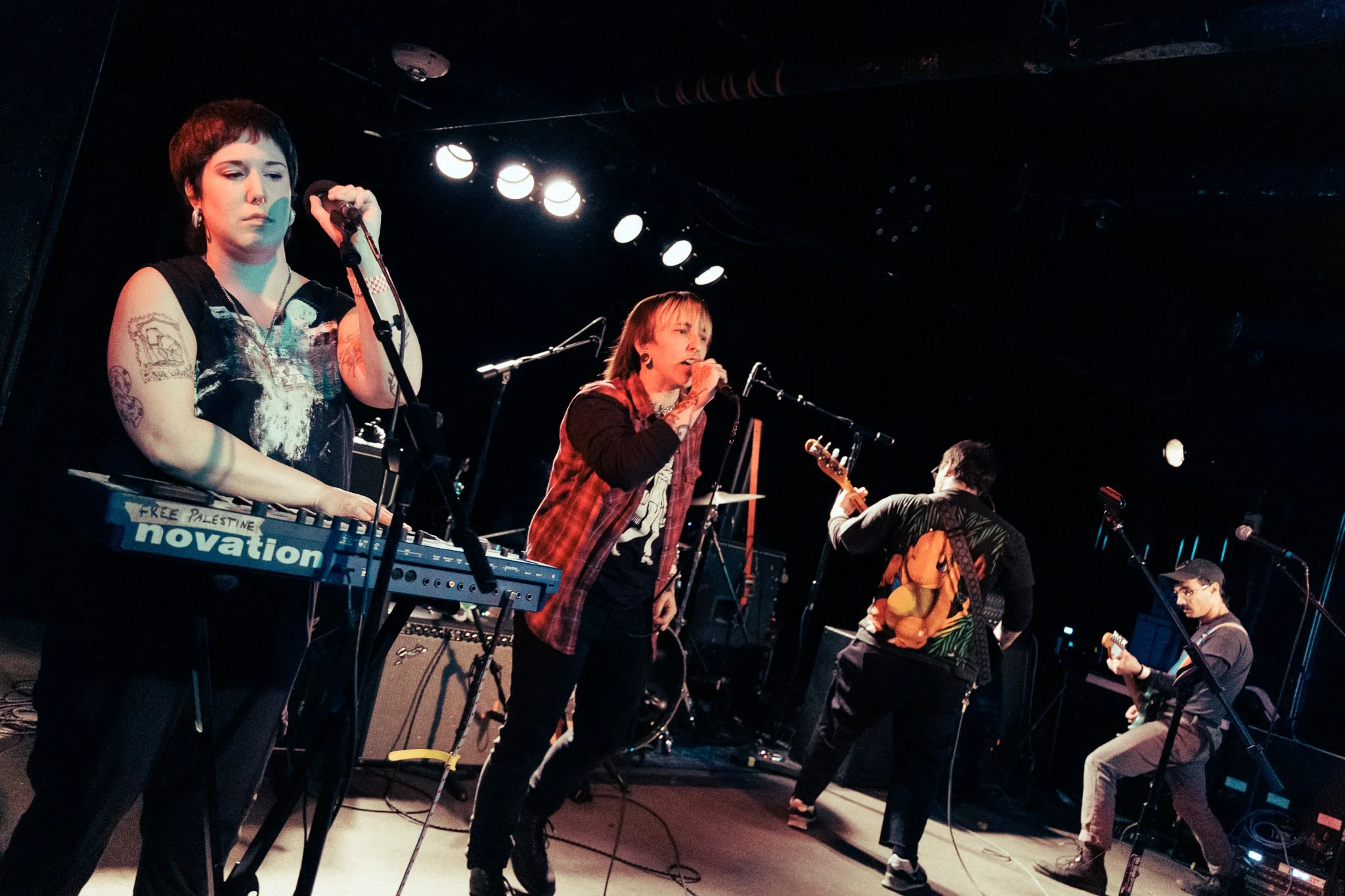
Photo by Kyle Meyers
As I ushered them into the spare green room, grateful I could fit a quick chat in their busy schedule, I noticed that Nicole has the DIY punk look down to a T: an oversized septum piercing, tattoos spilling out of a long-sleeve flannel, and a mullet with the bangs dyed a bleach blonde. Nicole is DIY through and through, and the ethos of being a DIY musician has bled into their work at No More Dysphoria. “So the way a band normally starts is like you get a little group of friends. You write some songs. You make some T-shirts. You play some basement shows. The organization started kind of similarly with a group of friends. We made some T-shirts and sold them at my friend's basement shows in New Brunswick.”
After starting Hit Like a Girl, Nicole was able to “bring a mutual aid effort with us on tour in all these different cities and all these different communities, getting the word out there.”
This work can genuinely be life-saving, helping trans people secure housing, medication, and necessary medical care that they otherwise couldn’t get. I wanted to hear from Nicole exactly why this work matters, and they explained, “It is important to give money to trans people because we are so fucking at a disadvantage. The moment we were born, we were ahead of goddamn disadvantage because, unfortunately, everyone is actively working their hardest to fucking erase us and dismember our existence.” As they answered, I visibly saw them building with rage at the system. Nicole is a rare breed, someone who so genuinely, with every fiber of their body, wants to help their community, wants to give and help build a cycle that will support everyone. “Helping people is like such a crazy, radical idea, right? Because it's not directly servicing yourself or being selfish. I think that's like what a lot of society wants us to think you're supposed to do. ‘Just be selfish and only worry about yourself.’ But like that's just not at all how the world works, you know? I think of mutual aid as kind of like a cycle, so you need to give in order to get.”
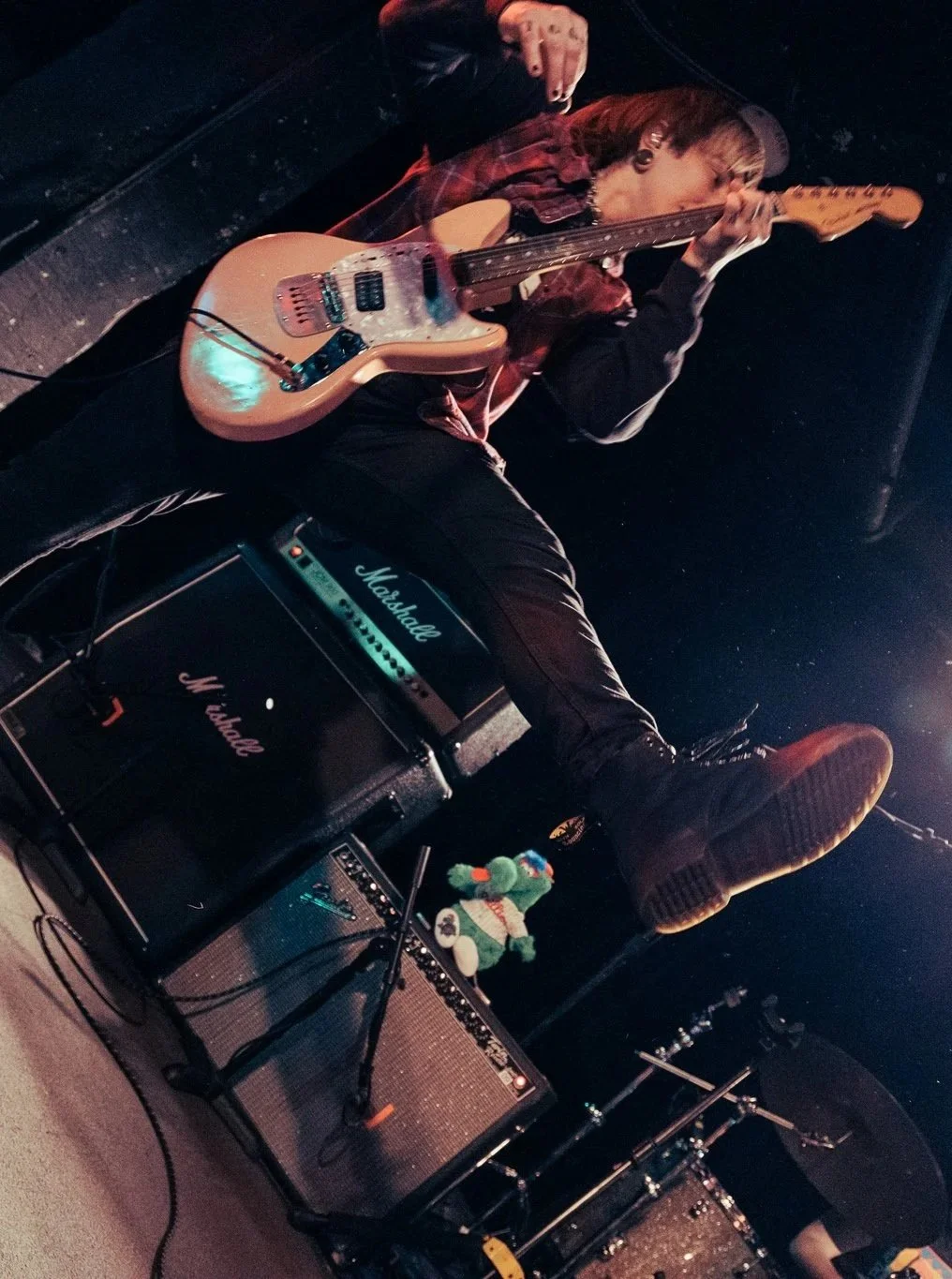
”I think of mutual aid as kind of like a cycle, so you need to give in order to get”
– Nicole Maroulis, Hit Like A Girl
The way Nicole sees it, Liberation Weekend is helping provide money directly to this mutual aid cycle and also “creates a safe space for queer people to gather and to have this common ground. You're in a room with like-minded people, and you can relax your shoulders a little bit. That is such a small thing that a lot of cis people don't really think about. That is huge because you know you're gonna go to work tomorrow and probably get misgendered the next day. At least tonight I can be myself and, you know, the people around me are gonna respect me, and I know it.”
No More Dysphoria has become essential to who Nicole is, as they described how “mutual aid is really important to me because I really love helping people. It's a privilege that I have the resources and the capability to help people. It's important to me that, if you can, you should.”
Along with Max, there was no one else I wanted to hear more from about the actions we can take to help move us towards Liberation. Nicole shared that, “I think a good step that people can take, whether you're a musician or not, is just to keep the conversation going. How many bands in the middle of their set say 'fuck ICE' and 'free Palestine'? I hope a lot of them. The importance of it is that we bring it up and keep it fresh in our minds. There are probably going to be kids who are going to get inspired to go to protests because they watched you play and heard you speak. Those are kids that are going to go tell their conservative parents to fuck off because they were inspired by whatever you said to them.”
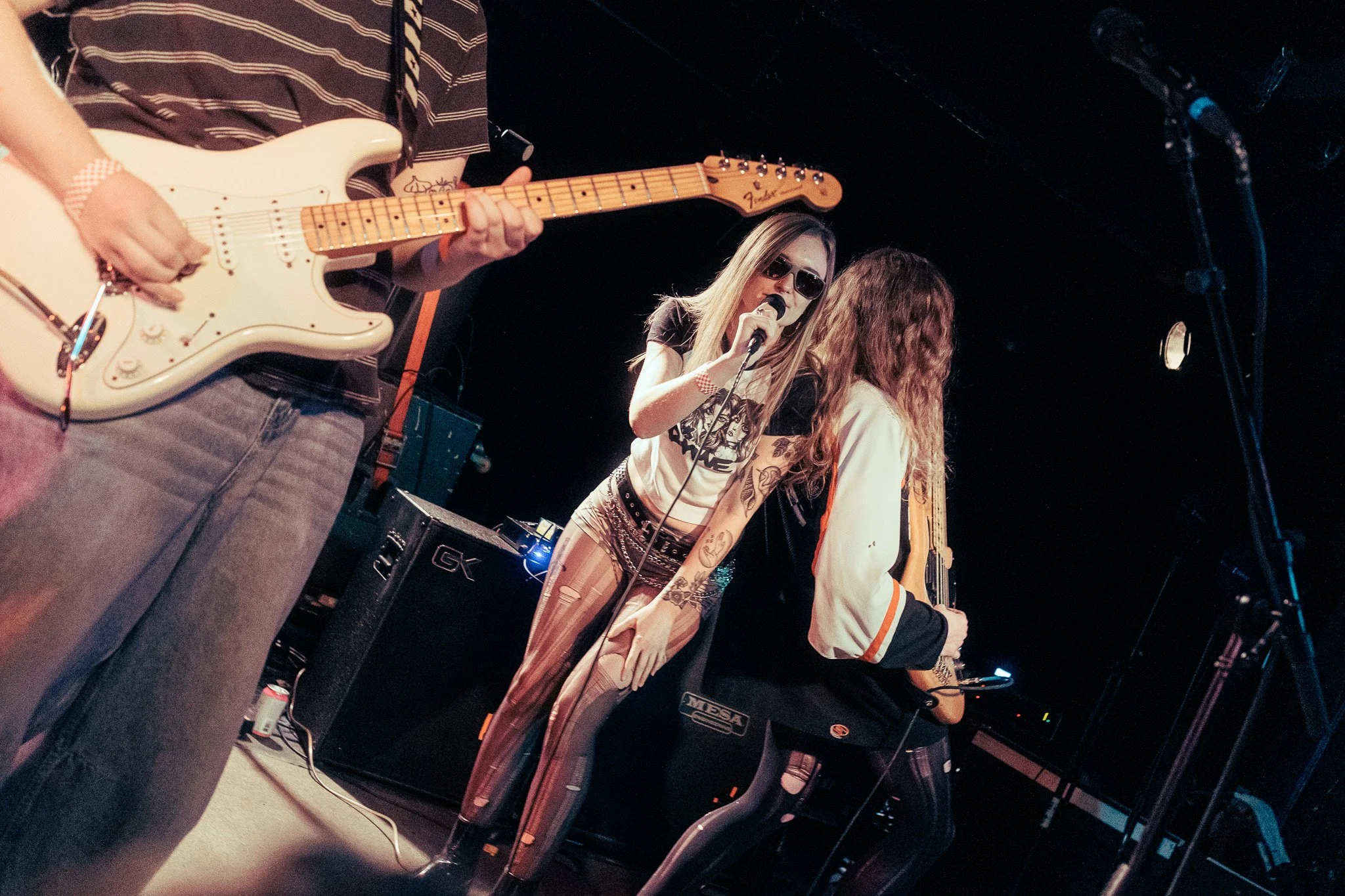
Photo by Kyle Meyers
After wrapping up with Nicole, I made my way into the audience to catch the first act of the night, Pinky Lemon. Hailing from DC and Philly, they have long been stalwarts of the scene. Every chance I get to see them is a treat, and this occasion was no different.
One set later, Hit Like A Girl took the stage, and Nicole spoke with more passion and care than anyone else I met this weekend. It came out in their set, and it came out through the way they so fiercely advocated for the work No More Dysphoria is doing. They invited Miri Tyler and Mel Bleker from Pretty Bitter on stage to join the band for “Are You In Love.” Their set wrapped with “Dismay” from their hardcore EP Becoming, marking the second time today a group suddenly became a hardcore band right before my eyes. Nicole threw themselves into the crowd as the crowdkilling switch in my head was suddenly flipped. Before I knew it, my arms and limbs were flying around me in a whirlwind with no care for who may be near me. Maybe this is liberation.
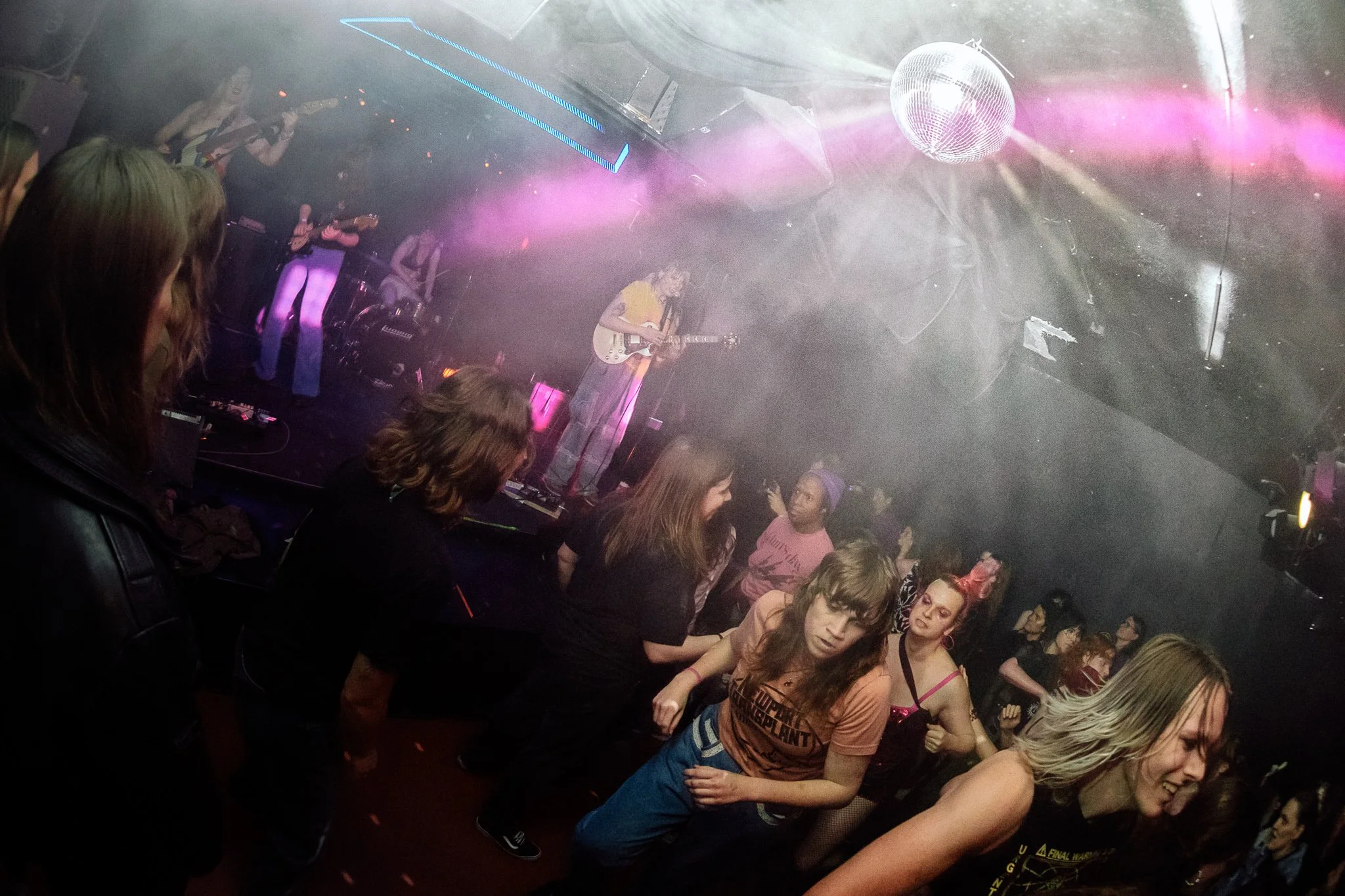
Photo by Kyle Meyers
Pretty Bitter took the stage shortly after Hit Like a Girl for what promised to be a triumphal performance. As was shared by one of the front people, Miri, in an interview shortly after, “this is our last DC show for a little bit. We are moving to Chicago in early July. And it is really, really powerful how much love and energy exists in the city and exists in this very, very special scene.”
The energy in the crowd made it apparent that Pretty Bitter are truly hometown heroes, and heroes to trans people across the entire East Coast. During their final song, “The Damn Thing Is Cursed,” I found myself next to July Brown from Crush Fund, screaming the words at each other. Mel and Miri simply radiate energy from the stage, while guitarist Kira Campbell and drummer Jason Hayes are two of the most effortlessly cool and talented people I have ever seen. Pretty Bitter exuded confidence, but they were feeling much more than just confidence. As Mel shared, “I started the set in tears. By the end of it, I was feeling so much love and joy that it was still tears, but it wasn't sad tears.”
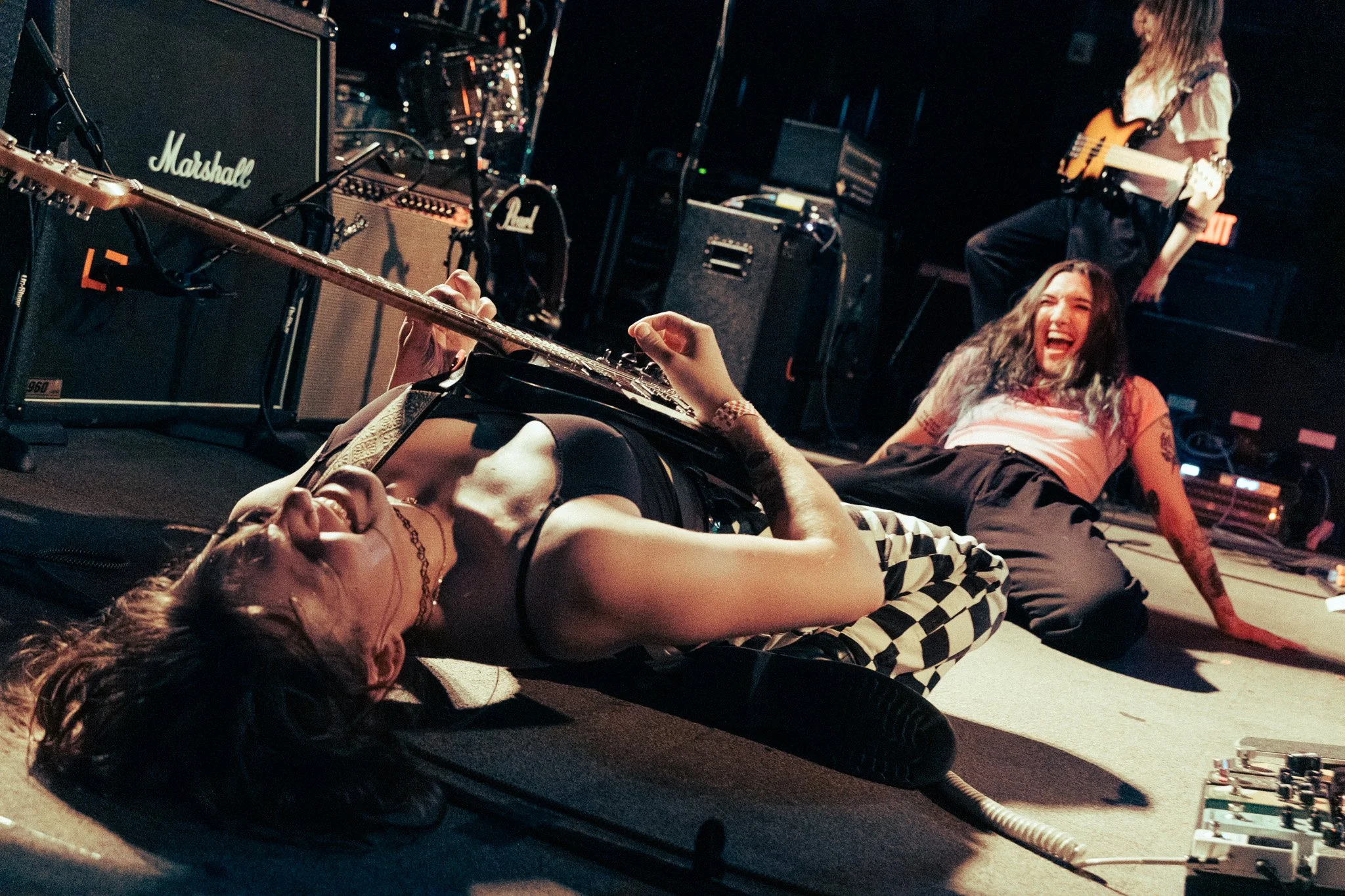
Photo by Kyle Meyers
Punctuating the set was a moment at the end of “The Damn Thing is Cursed” when Mel announced a special guest was coming on stage. I saw peering out of the corner of my eye, none other than Bailey “thisdogllhunt” Payne. On bringing up Bailey, Mel shared, “If there is anyone that we could pass the proverbial torch to, it is this woman. We got to meet her through the scene. We snuck her into a show we were playing in Baltimore because she wanted to take photos and didn't have a ticket, so we snuck her in the back of a church, and then we just became best friends. She became one of the most important people in my life, but also she is so infinitely important to this city and to the scene, so when we were talking about who to bring up, it was no question.”
As Mel announced their special guest, Bailey stormed onto the stage, wrapping Mel in the warmest of embraces before Mel leaped into the crowd to finish singing the final chorus, Bailey dancing around, eventually welcoming Mel back with a warm embrace, both in tears. I always tell people that DC's scene is tight-knit, that we always love each other and show up for one another. I don’t think there is clearer evidence than this.
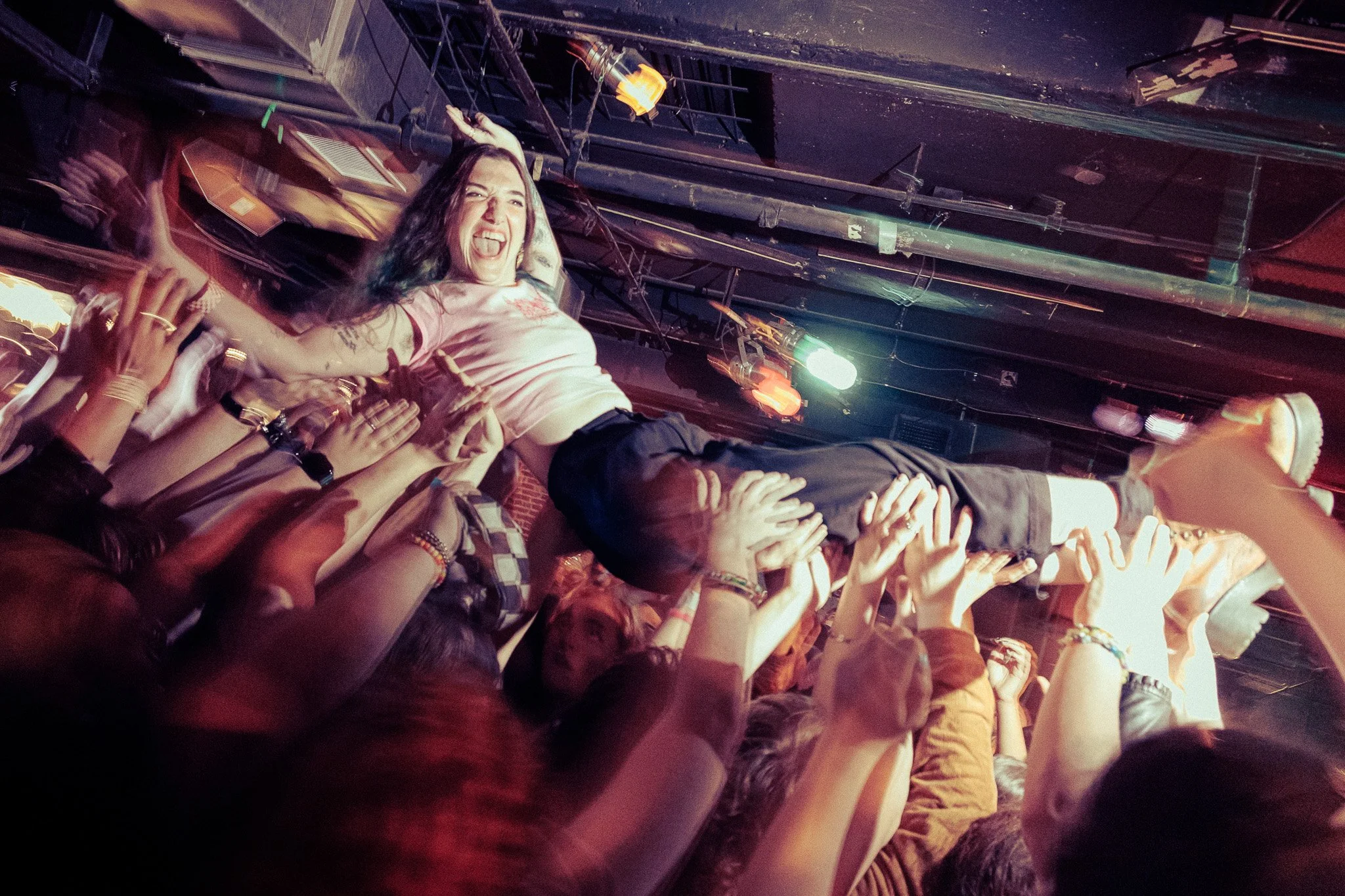
Photo by Kyle Meyers
I asked Miri what the DC scene can do for bands, and she shared, “I think that this scene lifts up its members and shares resources. All the things we are able to do, it's all because bands were nice to us when we first started out, and bands gave us invaluable information about how to do this thing.”
No set during the weekend felt more “liberatory” to me than the firestorm that Pretty Bitter unleashed that Sunday night. The pure love displayed on stage made me truly proud to be a Washingtonian, to be a musician, and to be a trans woman. They also used their time to share genuinely radical positions on liberation, proclaiming, “Material aid makes our lives better. It lets us be safe. Talk about trans people in rooms that trans people aren’t in. Money doesn’t fix everything, but it does fix a lot of things.”
After their set, Mel and Miri would share with me that they have “been in situations where we have used No More Dysphoria to make sure that we did not lose our housing.” It can be sobering remembering how many of us are constantly living on the razor’s edge. We are often in unsafe situations financially, physically, and emotionally. It’s why Mel believes liberation is “Safety. Trans liberation means that all of my friends, all of my family, are safe, supported, and not in distress.” Miri added, “It's the safety to just exist as who you are and not having to explain yourself and not having to feel like you're going to be ridiculed for it on the street, in any public space, or even private space. All those things are the groundwork for happiness.”
Echoing sentiments shared by Max on Saturday, Miri continued, adding, “trans liberation doesn't happen without black liberation. It doesn't happen without Palestinian liberation. It doesn't happen without the liberation of all working-class people. It's all tied in because the fascists only want one thing, and that's all of us dead.”
To get to this liberation, Mel believes that if “you bring people into a room, I think that you associate liberation with freedom and with happiness, and you act like you're already there because here you are. It's a good way to collectively imagine the world that we could all share together in the future. Miri added, “In a much more sort of material way, it introduces people to organizations and mutual aid funds and efforts that are happening in their community that they might not have known about.”
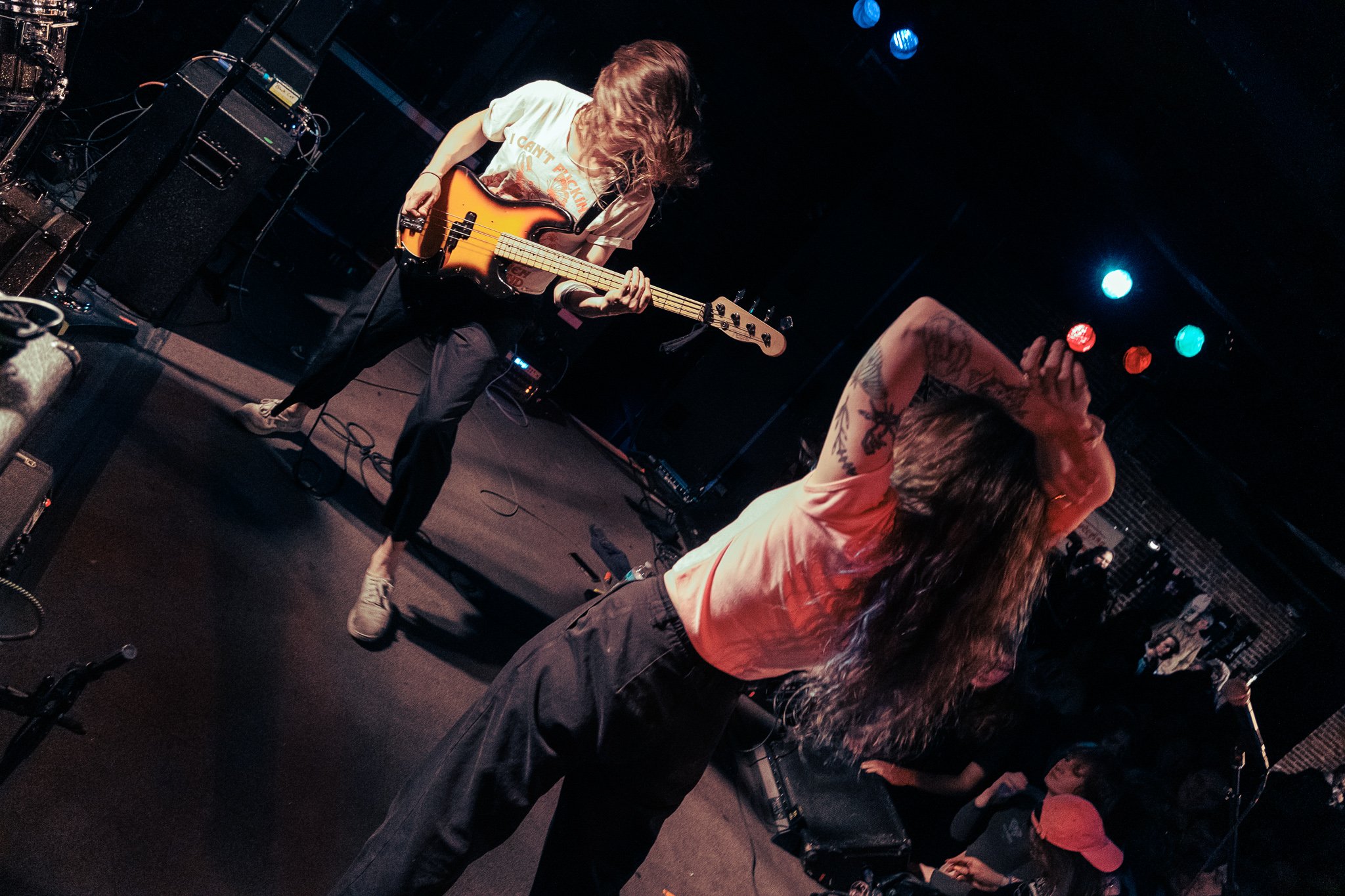
“Trans liberation doesn't happen without black liberation. It doesn't happen without Palestinian liberation. It doesn't happen without the liberation of all working-class people”
– Miri Tyler
With this being their final hometown show for the foreseeable future, I wanted to know if these hometown heroes have any lessons to leave for the scene. “Be excellent to each other.” Perfectly put, Mel. “If you have a chance to share and lift someone else up, you should take every single opportunity that you have, because you might meet some of your best friends by doing that.”
As for Miri’s lesson, “I think the thing that makes this scene so cool is that a lot of these bands in this city don't feel like we're in competition with each other – we're in collaboration with each other. I think just keep that in mind, don't feel like you have to compete, you know? Just be collaborative.”
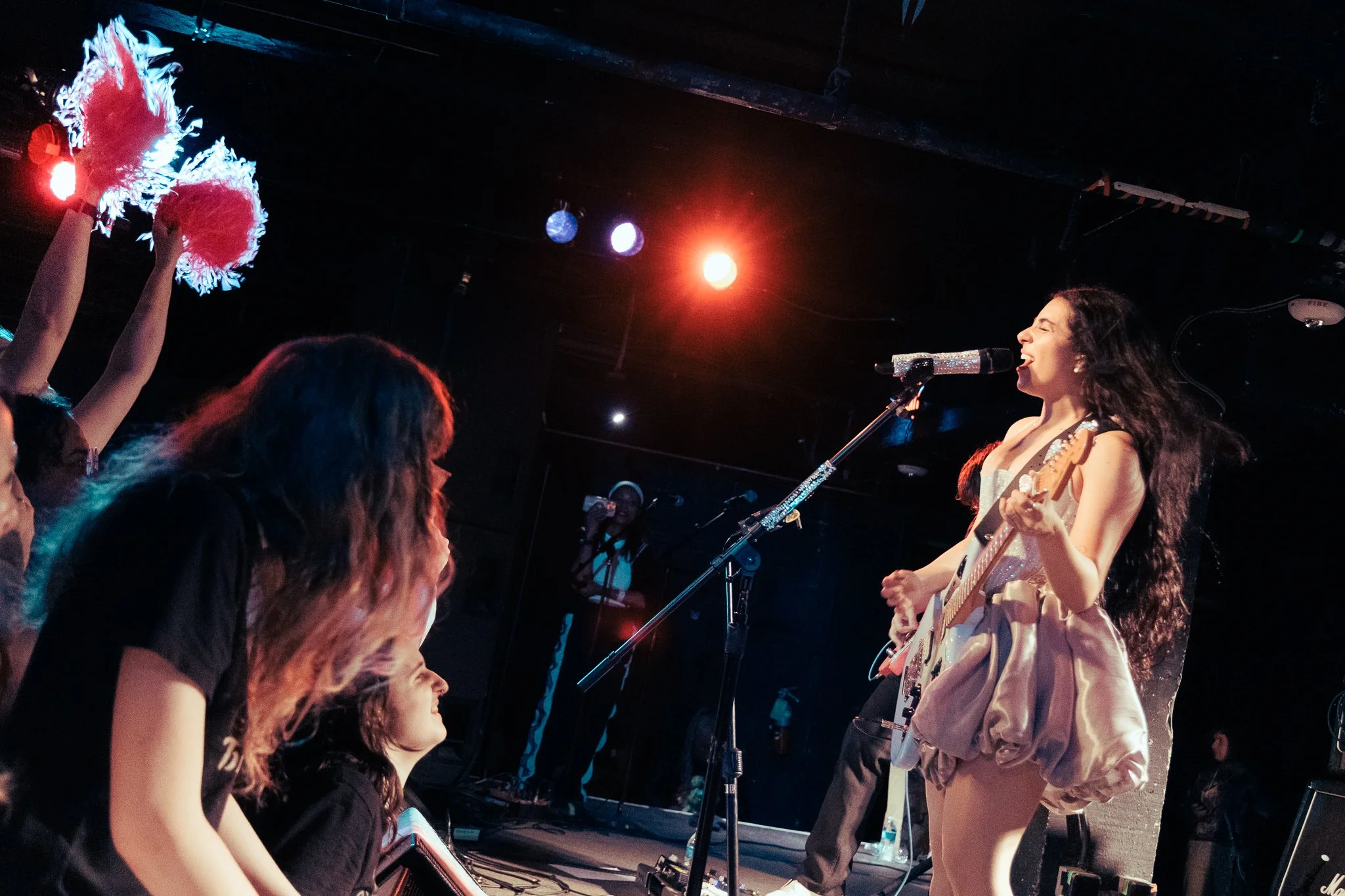
Photo by Kyle Meyers
Following Pretty Bitter was the brilliant Pom Pom Squad, who vacillated between sweet bubble-punk and delicate ballads. One moment, front woman Mia Berrin would be dancing with cheerleader pom poms, and the next be on her knees, screaming to the heavens.
Ezra Furman took the stage next, and while I sadly missed most of the set while talking to Miri and Mel, what I caught was excellent. Her soft touch transforms the pain of transness into something romantic and grandiose. She closed with the song “Book of Our Names,” which she has described as a protest song against an empire that wants us dead. It is triumphant and defiant, calling for trans people to be known and remembered by our chosen names. She demonstrates that power and righteousness don’t necessarily have to be accompanied by overdriven guitars and pounding drums.
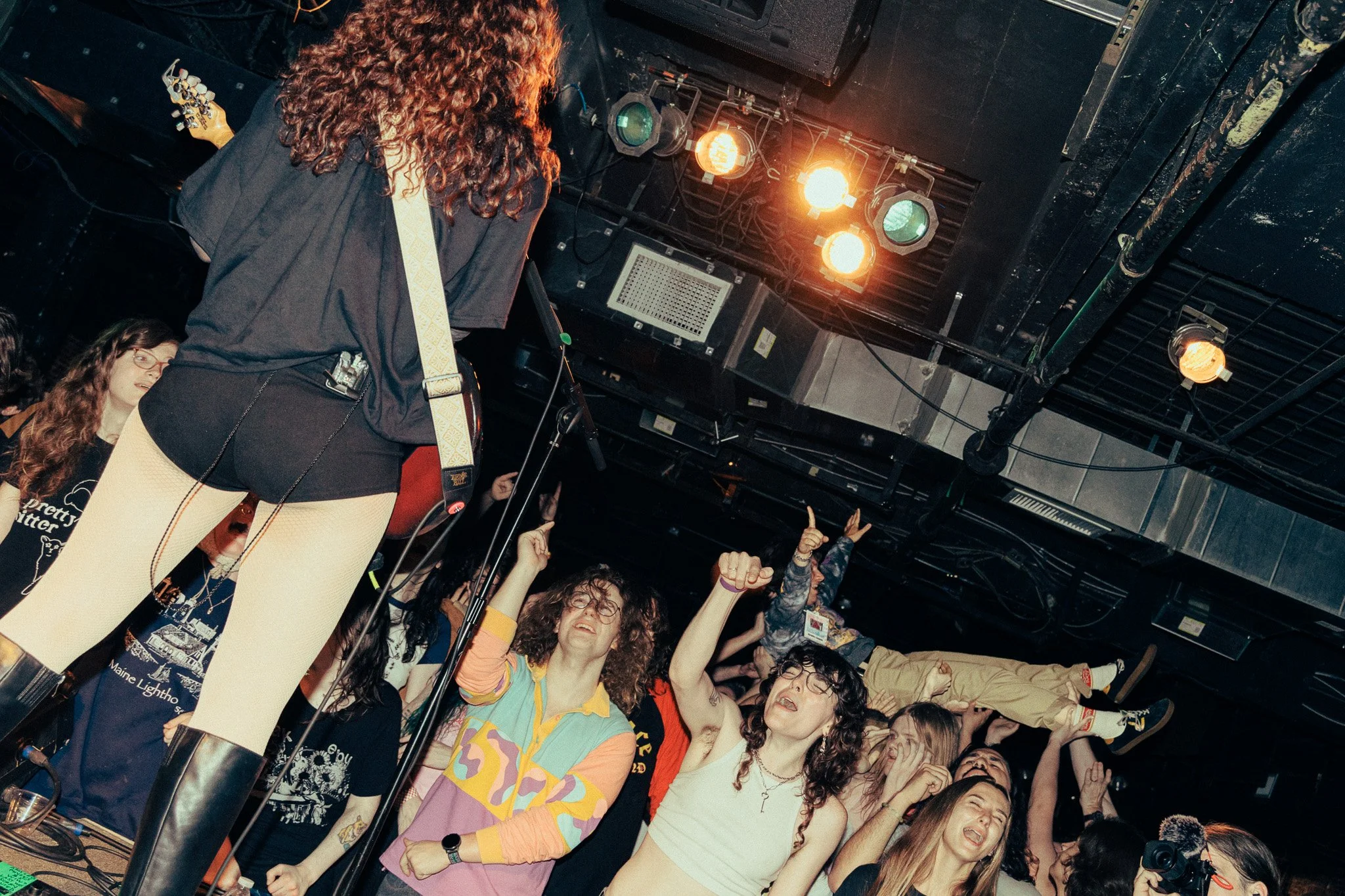
Photo by Kyle Meyers
Finally, it was time for Pool Kids with the last set of the night. They closed out the festival with “Conscious Uncoupling,” the raucous opener from their 2022 self-titled. I started cutting through the crowd, a speeding car weaving through traffic as I made my way to the front of the stage. I locked eyes with Mel from Pretty Bitter as we screamed the lyrics with each other. The signs at Black Cat might have said no stage diving or crowd surfing, but I had no interest in listening to this sign during the final song of the festival. Neither Mel nor Nicole had respected it, so why should I? So I swung my leg up onto the stage, launching myself first up, then out into the awaiting crowd.
I was floating. Screaming my head off, held aloft by my trans brothers and sisters. An eternity passed. By the time I finally hit the ground, my legs were vibrating, adrenaline coursing through my veins, my heart a redlining engine. I felt invincible. I believe I was. If that wasn’t liberation, I don’t know what is.
Caroline Liaupsin is a DC area radio host and musician. She’s live every other Tuesday from 2–4 PM EST on WOWD-LP bringing you the hottest new DIY tracks, interviews with artists, show previews, and features on the world of DIY in DC and beyond. When she’s not too busy she writes biweekly DIY show previews and other things on her substack. She also plays bass for a trans cowpunk band called thisdogllhunt.