Cover Collector – March Yellows

Design by Ryan Morrissey

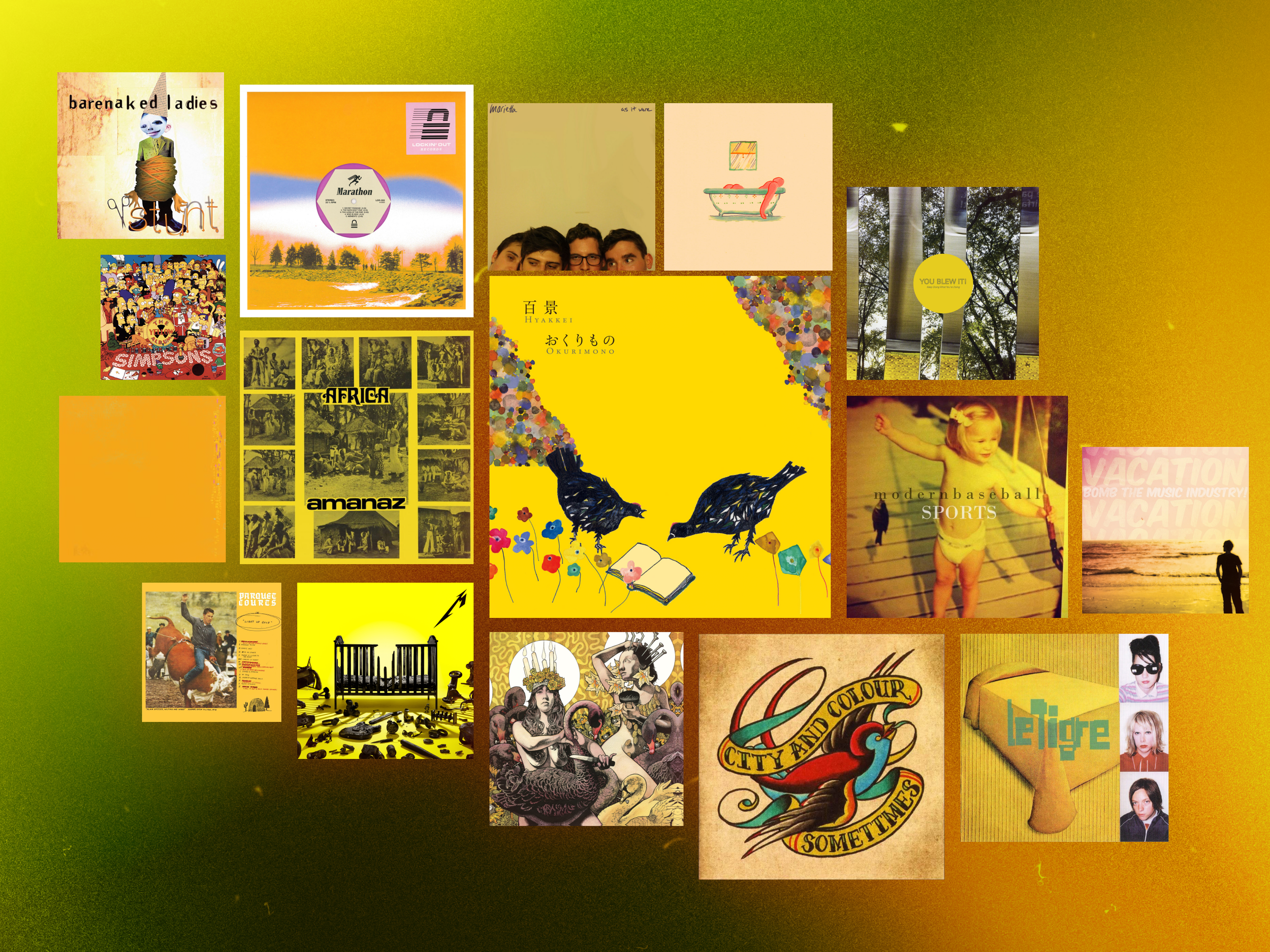
I don’t know about you guys, but I love a good album collage. One of the first things I do every Friday is head over to tapmusic.net and render a 4x4 chart of the albums I listened to most over the past week. At the end of each month, I do the same thing with a 5x5 that recaps my previous 30 days of listening. By the time December rolls around, I look forward to recapping the last twelve months with a gigantic 10x10 grid in an unwieldy encapsulation of the 100 albums that defined my year. 

Is it a little self-aggrandizing? Sure, but it’s also a fun way to see a quick snapshot of what my last week, month, or year has sounded like. At its best, this practice has led to fun conversations and solid recommendations going back and forth with friends as we bond over specific albums. Sometimes it’s that shared love over a deep pull from years gone by, other times it’s just noticing trends with a recent fave that seems like an unshakable presence week in and week out. At the very least, I suppose it’s satisfying to see a bunch of records that I feel an affinity toward lined up and embodying a specific stretch of my life. 

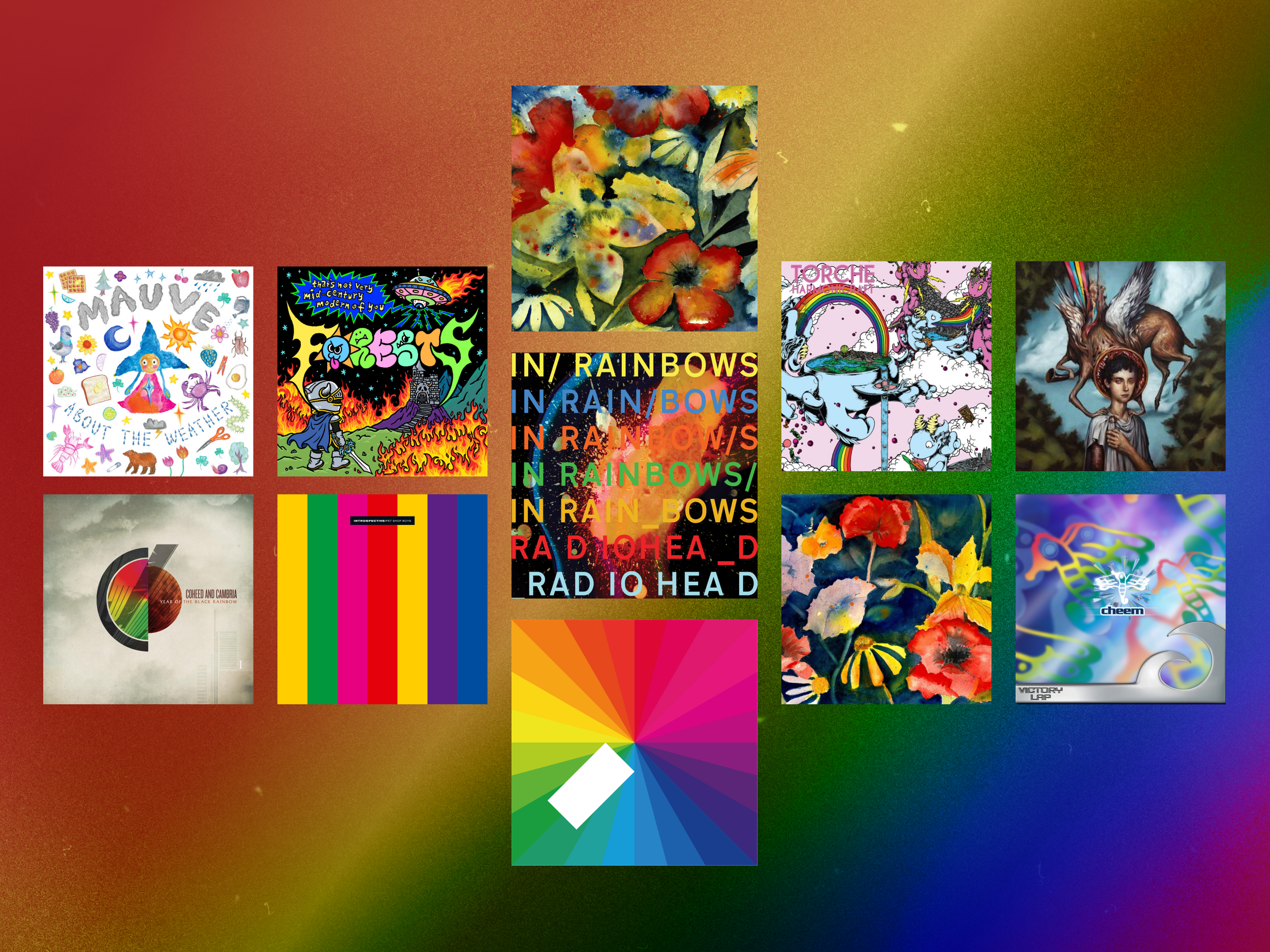
At some point near the tail end of last year, I conceived of a more communal way to bring this love of album collage to life. Because, sure, getting a live readout of your listening history is cool, but this is also about album art, an essential part of the experience and something us nerds can fixate on just as much as the songs that sit beneath the cover. As such, I’m excited to welcome you to the third edition of Cover Collector: a monthly installation where the Swim Team discusses some of our favorite albums based on album color. For March, we’re writing about yell-worthy yellows


Marietta – As It Were

Near Mint

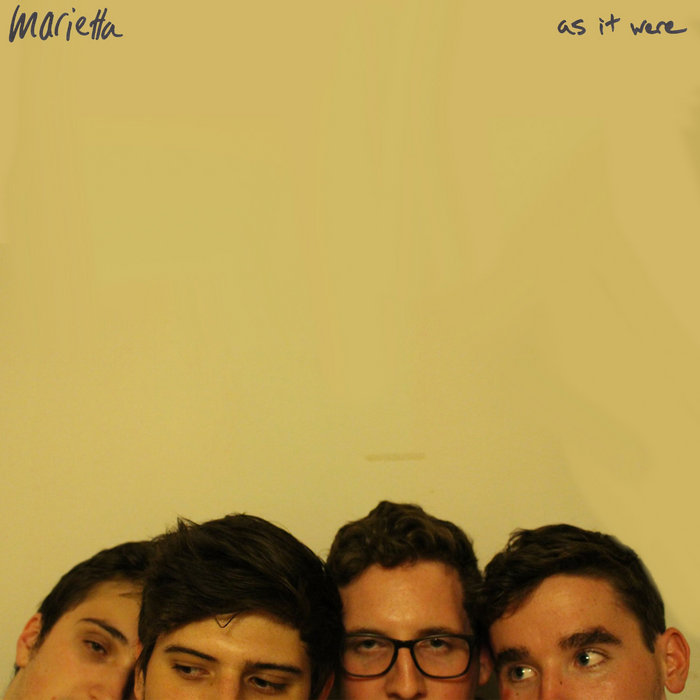
Look, I’m not gonna pretend As It Were is better than Summer Death, I’m just saying one could make the argument. There’s a reason that Marietta’s debut is as revered and lauded as it is; songs like “Cinco De Mayo Shit Show” have become scene staples for a reason. Summer Death is evocative of a very specific period of concentrated Emo Revivalism that was overflowing from Philly in the early 2010s, but how does one follow that up? As It Were posits an artistically fulfilling path forward, chartered by these four individuals we see on this cover set against a modest mellow yellow wall. Songs like “Pony Up!!” and “United Away” still explode with anxious, youthful emo energy, while others like “Ilai, Eli, A Lie” and “Brains” articulate a clear desire to be making a different style of music entirely. 

For years and years, Summer Death was all I listened to when it came to Marietta. That record soundtracked entire seasons of my life, and I kinda figured that nothing else could stack up. At some point in the last handful of years, a friend recommended that I wait until the first really warm day of spring, then go for a walk and listen to As It Were, and that’s exactly what I did. Blue sky above, sun on my skin, I went on a jubilant stroll around the park near my Denver apartment and let the energy of this record carry me forward. As we emerge from the great thaw of winter, I’d like to pass that same suggestion forward to you, the reader. If you’re only familiar with Summer Death, you’ll hear lots of comforting sounds in this record, but you’ll also hear a band evolving and stretching to be something even more fulfilling and complex.

– Taylor Grimes


Pile – A Hairshirt of Purpose

Exploding in Sound

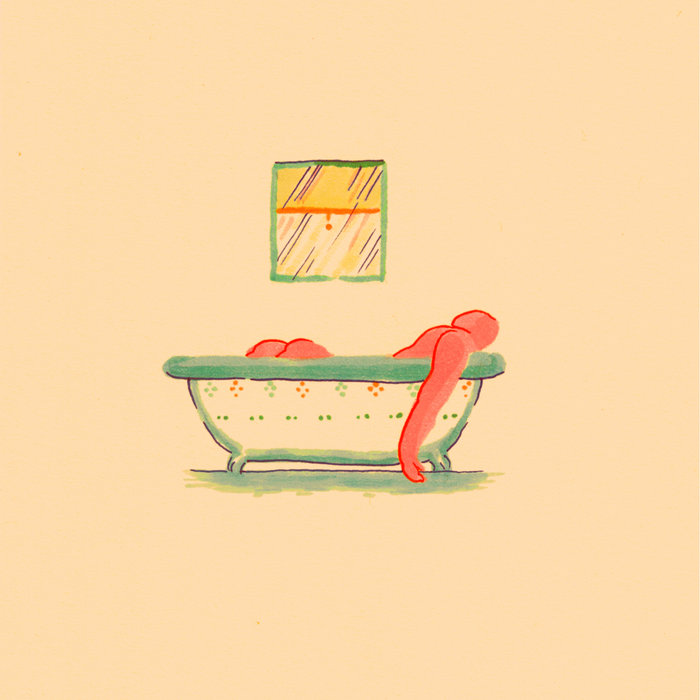
Anyone who knows me in even the vaguest capacity knows that Pile is my favorite band. It’s only because I’m exercising self-control that I haven’t submitted a Pile album for every iteration of Color Collector (yet). But I couldn’t say no to writing about this wonderful yellow album: A Hairshirt of Purpose is special, from the beautifully melancholic cover art – a simple marker illustration of a figure in a bathtub – to the vast emotional depths plumbed by Rick Maguire’s haunting voice. 

The mood of the album fits the title perfectly, as a hairshirt was traditionally used as a means of religious penance. The discomfort caused by the coarse, uncomfortable garment was a way to “mortify,” or purify, the person of their shortcomings. This release is a meandering, soggy, melancholic walk through a swamp of emotions that range from morose to frenetic, suggesting that feeling of self-purification. The delicate “Making Eyes” is subdued and weary, while “Texas” is a galvanized, heady track that is a clear nod to noise-rock legends The Jesus Lizard. My favorite of the album, “Milkshake,” falls somewhere in between these two songs. It’s a gorgeous track with a sinister undercurrent: repetitive piano and guitar lend an eerie drive that could soundtrack a thriller. “You lay down and try to rest / Try to breathe deep with that foot on your chest,” Rick hums, before delivering my favorite line of the album. “An old light threatens through the blinds.”

– Britta Joseph


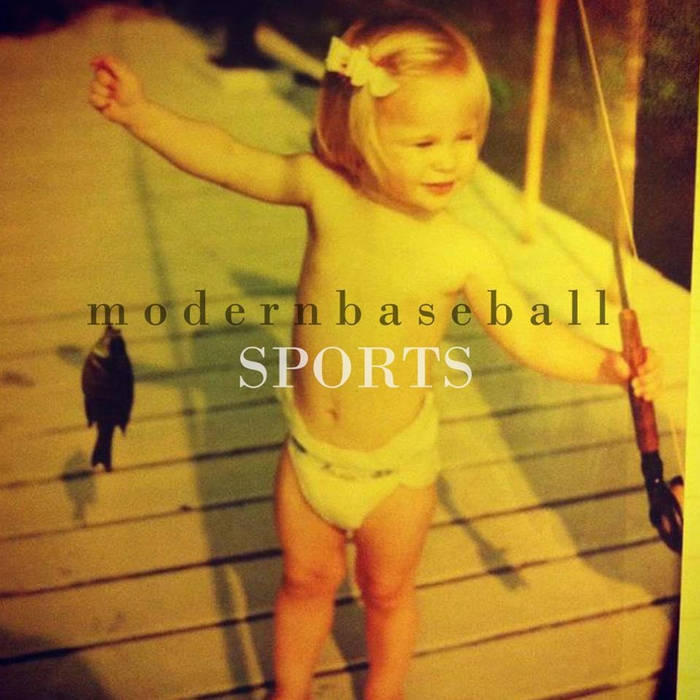
Modern Baseball – Sports

Lame-O Records

Listening to Modern Baseball always felt like the music equivalent of watching films like Napoleon Dynamite or Juno. This is especially true for their debut album, Sports, where, after several smaller releases, the band rolled up their sleeves and rocked out a full-length at the recording studio in Drexel University. Sports encapsulate the awkward, quirky transitional years from high school to college in the best way possible. The band, fresh out of high school and onto the rugged Philly streets, was still green enough to sing largely about girls and the emotional tumult that ensues with them at that age. 

Released in 2012 – the same year as my freshman year of high school – this album holds a special place in my heart, having soundtracked many of the highs and lows of those years. Long will the memories last of many fall semesters set to the tune of “Hours Outside in the Snow,” “I Think You Were in My Profile Picture Once,” and “Coals.”

What the band created with Sports felt truly distinct within the pop-punk/emo scene in sound and lyricism, so much so that I’d go as far as to coin it “meta-emo.” Dropping references to social media like Twitter on the track “@chl03k” at that time felt mind-blowing. The owner of the aforementioned Twitter handle even appears on the album’s bright yellow cover, flexing their impressive fishing skills. 

– Brandon Cortez


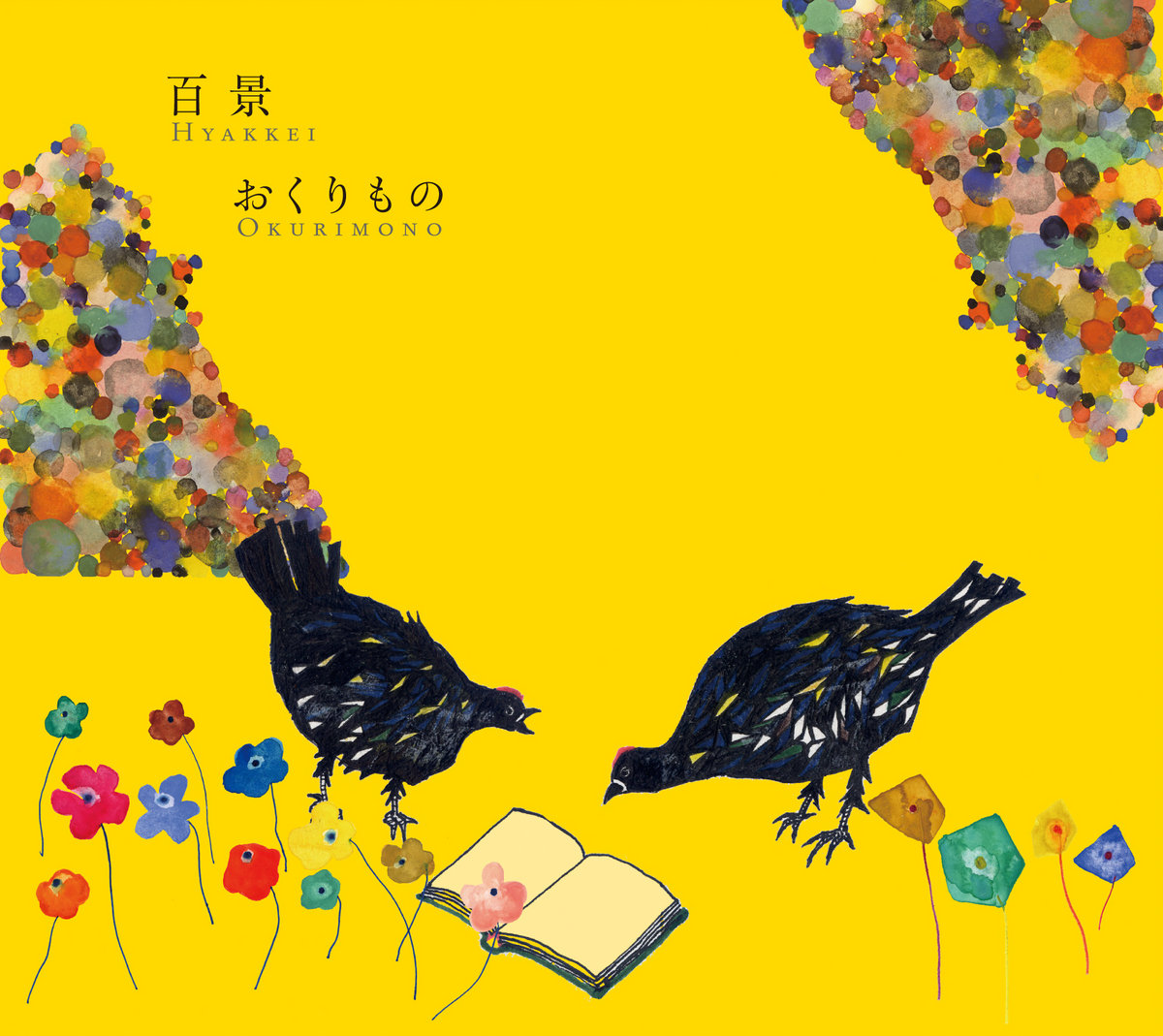
Hyakkei – Okurimono

Neiro

Weather systems are fascinating things. They are such massive forces of nature, with orders of magnitude that range from 10 yards to entire swaths of the planet. Yet it’s the convergence of such systems that has created some of the most incredible landscapes on Earth. By water, thunder, or heat, more is hewn and born of the marriage between different systems than simply one note of an atmospheric change on its own. With Okurimono, the marriage of post-rock and math rock finds its eye of the storm, the touchdown point of emo, post-rock, and math rock all converging in a serene swirl of precision and technicality, an enduring canyon carved into the bedrock of instrumental rock music. Hyakkei sadly never quite took off while active — a storm cell broken over the Cascades of bad timing. Still, Okurimono is a near-perfect album, calming and melancholic with brilliant, impressive melodies; a true testament to what an absolute force of natural beauty the band could be. 

– Elias Amini


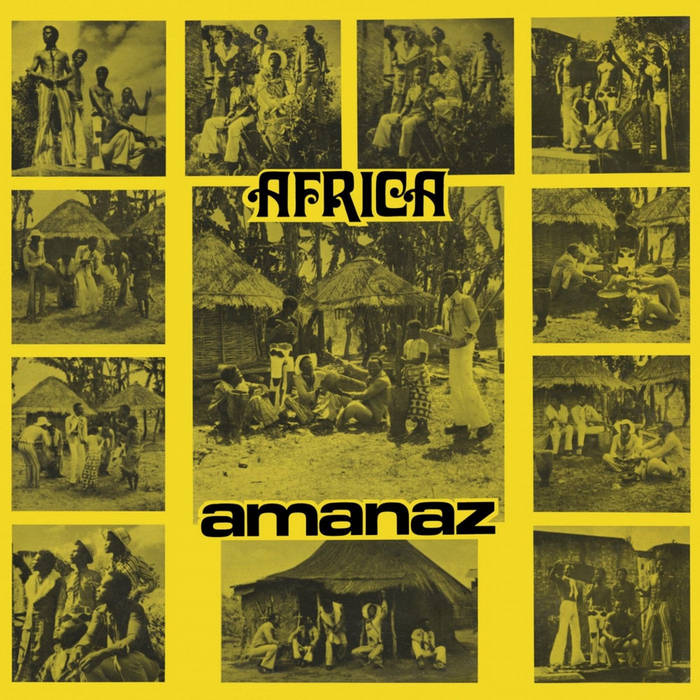
Amanaz – Africa

Now-Again Records

Of the many micro-genre rabbit holes one can fall into, Zamrock is one of the coolest and most rewarding. Zamrock represents a brief yet powerful period in Zambia's history, with its peak lasting from 1964 to about 1978. Zambia, like almost all African countries, had been colonized by Europe in the late 1800’s—in this case, Cecil Rhodes and the British South Africa Company (one of the most evil men in the history of the world, who is rotting in eternal torment now, god willing). In 1964, Zambia declared its independence and became a sovereign nation, led by President Kenneth Kauna (also a really bad guy, god damn these people cannot catch a break). Soon after, in an attempt to emphasize Zambian culture, Kauna decreed that 95% of all music played on the radio must be Zambian in origin. Kauna also negotiated control of the country’s copper mines, meaning Zambia would now benefit financially from its chief export. Basically, you have a nation with more time on its hands, more money, and huge record collections left behind by British Imperialists. Inspired by the music of Black Sabbath, Blue Cheer, the Rolling Stones, Deep Purple, and Cream, Zamrock took hold as a potent blend of psychedelic rock and African beat music.

The liberation of music came at a time of great social and political unrest. The price of copper fell quickly after Zambian independence was achieved, causing Zambia’s economy to crash. The AIDS epidemic took hold. Zambia was in armed conflict with almost all of its neighbors. The mid-20th Century in Zambian history was a literal perfect storm for potent rock and roll music.

Many of these bands only made one or two albums, some of them only a single and a B-side. They all have a similar sound with their own individual flair, but the signature sound of Zamrock—the fuzzed-out guitars, lo-fi drums and vocals, and baselines taking a walk—is unmistakable. Bands like WITCH (We Intend To Cause Havoc), the Ngozi Family, Ricky Danda, The Oscillations, and Amanaz carried the mantle of Zamrock and dedicated their artistry to putting their own spin on the Western music flooding into the country from South Africa and the colonizers.

In 2019 and 2020, Now-Again Records and Vinyl Me Please began repressing and distributing eight of the most prominent Zamrock albums from the 70’s. They also produced this really cool mini-documentary, that’s worth 15 minutes of your time.

My favorite album of this batch is Africa by Amanaz. It has the flavor of Zamrock, but it’s the dreamiest of the group. There’s a weightlessness and a headiness to Amanaz. Track 4, “Khala My Friend,” is the crowning achievement of the album. It’s a song I will never, ever get tired of. It’s a slower song than most Zamrock tracks. It has one of the coolest guitar solos I’ve ever heard. I have played it for all of my friends, and everyone comments how beautiful it is. It’s about friendship! How great is that? Friendship in the face of political unrest and economic uncertainty. We could learn something from Amanaz.

– Caleb Doyle


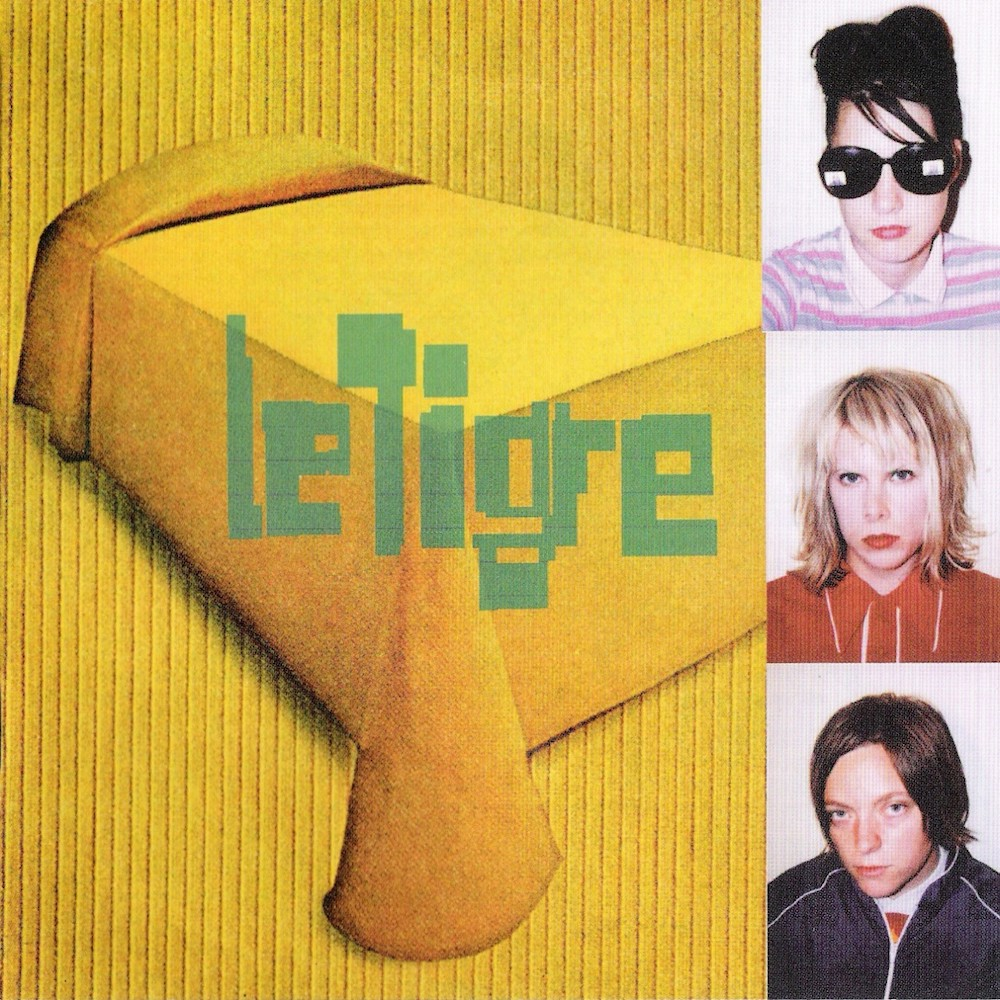
Le Tigre – Self-Titled

Mr. Lady Records

My love for Le Tigre is as bright and deep as its golden yellow cover. I’ll go to the ends of the earth to make sure everyone knows it. If Pitchfork ever decides to ask me for my Perfect 10, trust that Le Tigre’s self-titled is what I’ll be saying. The debut album from the grunge-electro-pop mega group is, to me, perfect. You can thrash and scream to “Deceptacon,” wallow and romanticize to “Eau D’ Bedroom Dancing,” and get real contemplative with it on “What’s Yr Take on Cassavetes?” (misogynist? genius?). It’s frenetic, brash, and unapologetic; the poppy, almost airy counter to Kathleen Hanna’s thicker, darker Bikini Kill roots. The intensity is countered by the levity, making Le Tigre a celebration of what is had rather than a lament on what’s missing. On “Hot Topic,” they take the time to call out all the women who inspire them (among them: Angela Davis, Cibo Matto, Sleater-Kinney, Yoko Ono), but still make space to shit on Rudy Giuliani a few songs later with “My My Metrocard.” Hanna is not only on my musical Mount Rushmore, but also the Mount Rushmore of both grunge and riot grrrl as a whole. Revolution Girl Style Now!

– Cassidy Sollazzo


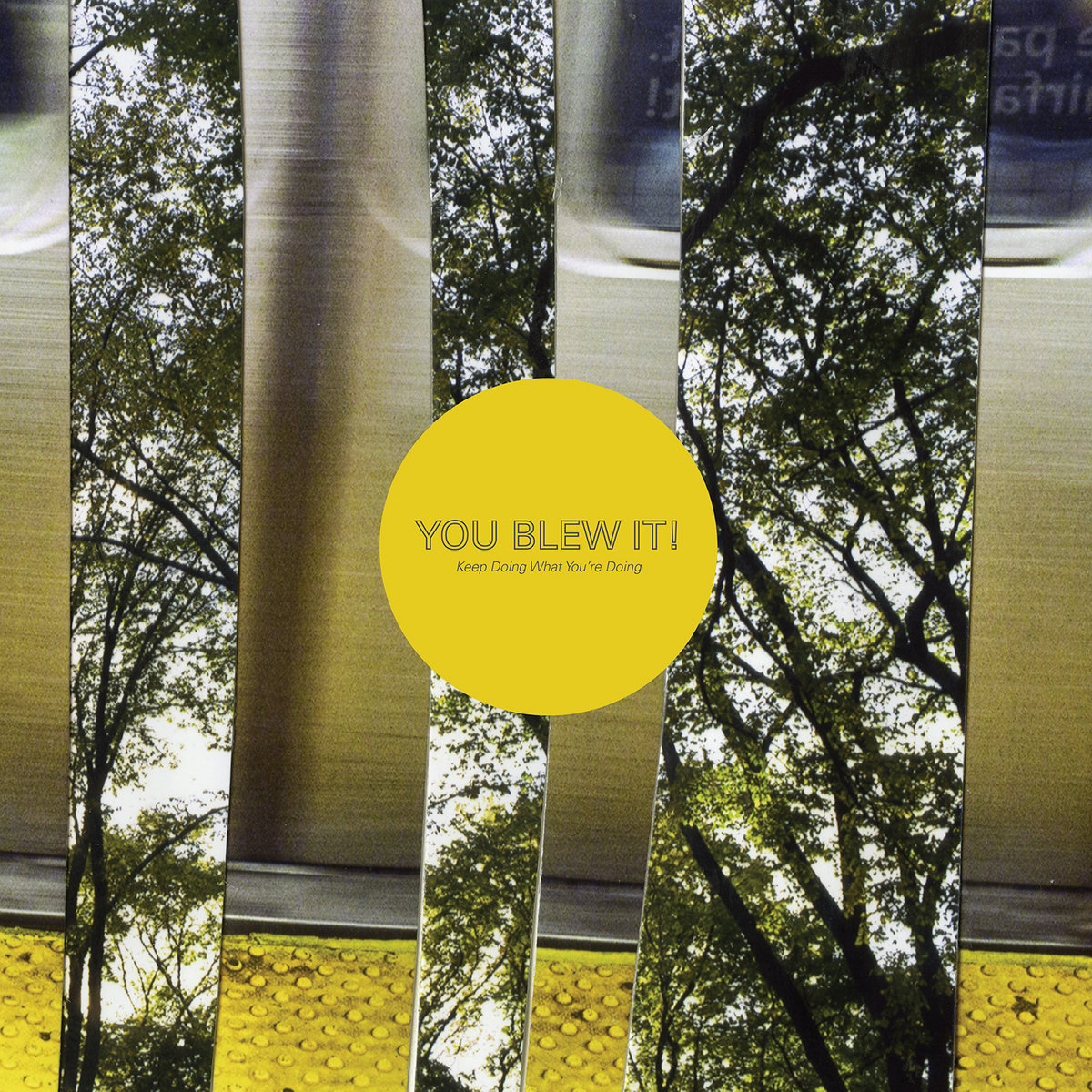
You Blew It! – Keep Doing What You’re Doing

Topshelf Records

Simply one of the best emo records of all time. Fourth wave crystallized with a punchy Florida stank on it. Sweaty, jumpy, high-energy shit you can scream along to while pressed up against at least three or four other people. Keep Doing What You’re Doing is an album with a real arc; everything ignites like a powder keg with the appropriately named “Match & Tinder,” then ends on one of the most sweeping, hopeful epics as its closer. Just a bunch of untouchable riffs and immaculate choruses stacked up one after the other. Cathartic, fun, and endlessly replayable, what more could you ask for in an album?

– Taylor Grimes


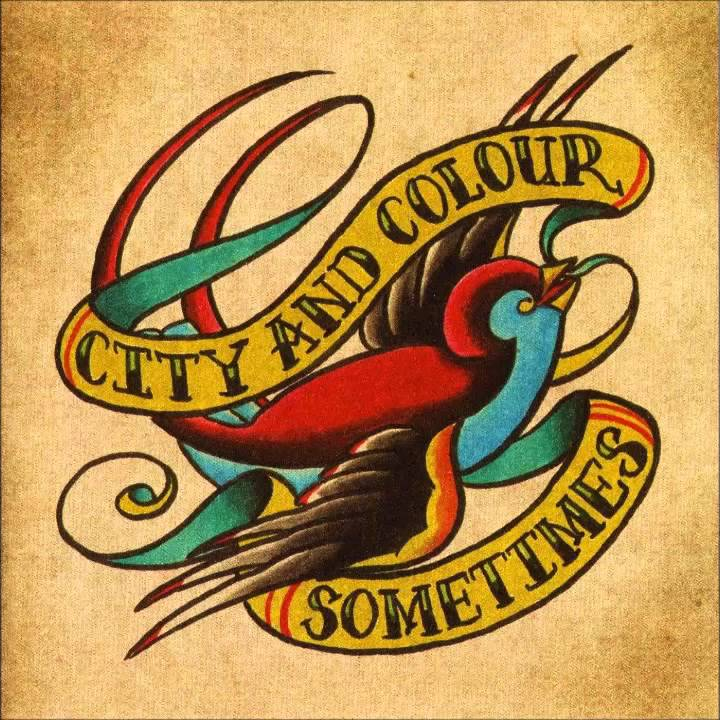
City And Colour – Sometimes

Dine Alone Records

When I think back to the music of my early high school years, I can’t think of another album that washes over me like a warm wave of nostalgia quite like City and Colour’s debut album, Sometimes. Having not been an Alexisonfire fan before hearing Dallas Green's solo work, it came as a shock to me when I learned that he was formerly a hardcore frontman, as his voice just fits so perfectly with a more stripped-down atmosphere. His register-shifting, buttery vocals, along with crisp guitar production, meld gorgeously into this stunning collection of early works, where almost every track feels iconic. You’d be hard-pressed to find someone of the millennial generation unfamiliar with singles “Comin’ Home” or “Hello, I’m in Delaware,” while tracks like “Save Your Scissors” and “Day Old Hate” reward the more avid listener. I’ve remained a consistent fan of Green’s in the years since finding this album, and there may be albums of his I rank higher than Sometimes, but this album will always hold a special place in my heart. 

– Ciara Rhiannon

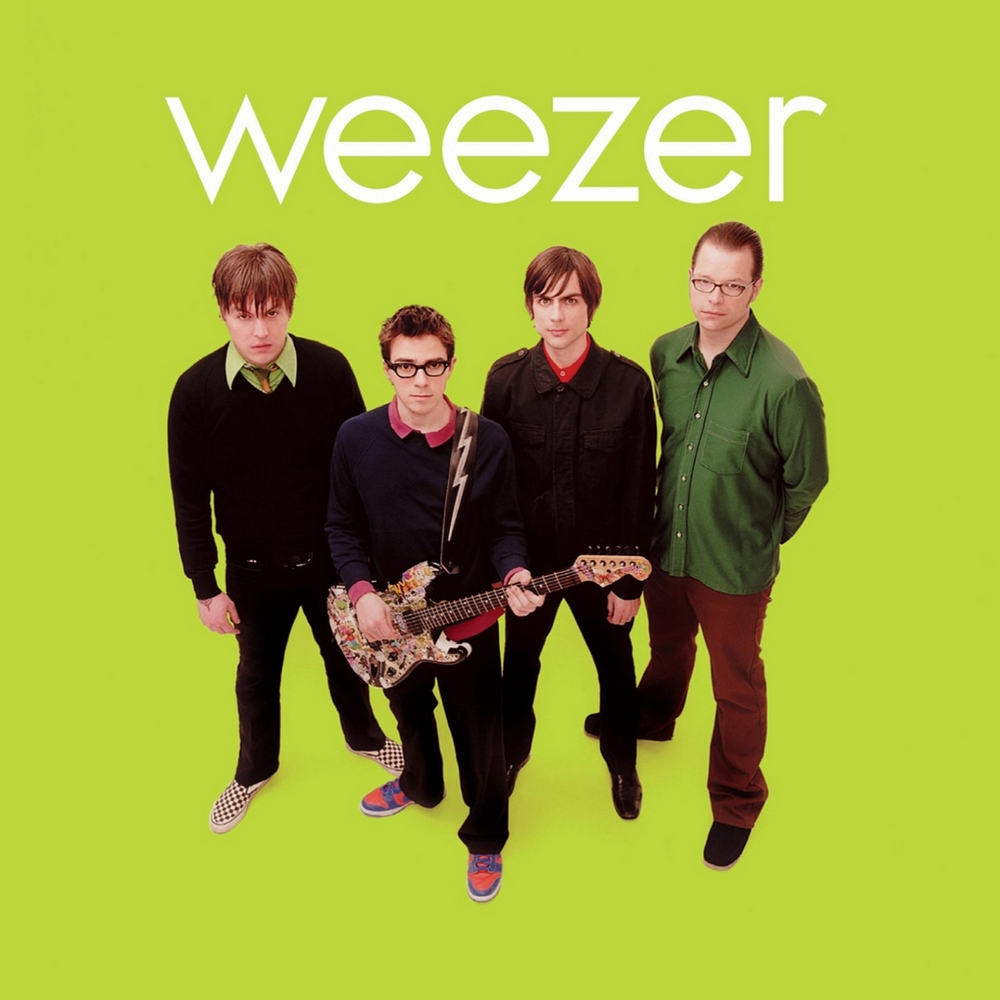
For the previous iterations of Cover Collector, we took a break halfway through to pay respects to the color-coordinated excellence that is Weezer’s discography. Unfortunately, there is no such equivalent for yellow (unless you count the fan-made Piss mockup), so instead we’ll focus on an equivalent entity: SpongeBob. 

There are a few downright excellent SpongeBob albums. First, you’ve got SpongeBob SquarePants: Original Theme Highlights, a 7-song 9-minute collection from 2001 including Pantera’s “Pre-Hibernation” instrumental and Ween’s shoe-tying instructional “Loop De Loop.” Despite its short stature, I ran this CD into the ground as a kid. A few years later, in 2005, we got The Yellow Album, a more traditional-length collection of everything from “Sweet Victory” to “Gary’s Song” and the unparalleled 30-second masterpiece “Sweater Song.” Weezer, eat your heart out. 

One final shoutout must be made for The SpongeBob SquarePants Movie: Music from the Movie and More… (official title) for bringing together Ween, Wilco, The Flaming Lips, and Motörhead all under one roof. Top that all off with “Goofy Goober Rock” and baby, you got a stew going. What a soundtrack. What a film. 


Baroness – Yellow & Green

Relapse

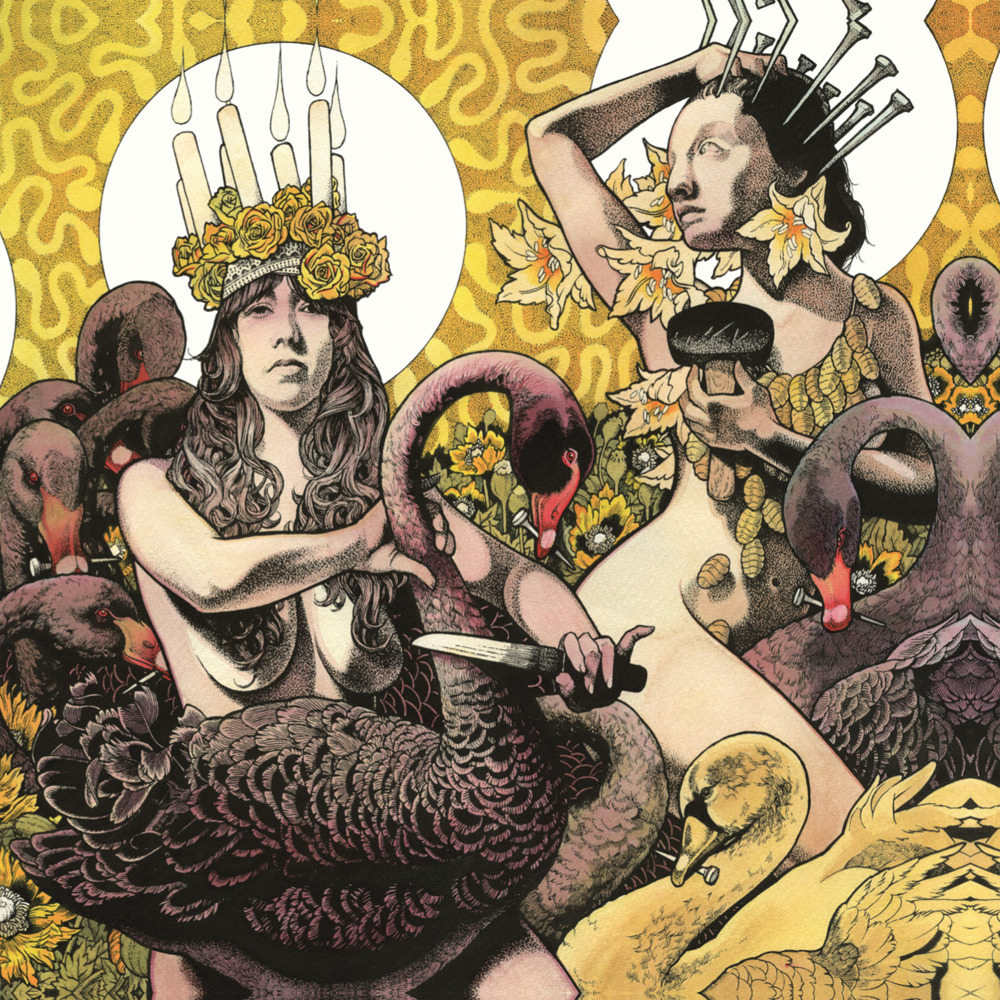
Is it yellow? Is it green? Is it both?? The answer here is an overarching yes, for Georgia metal institution Baroness’ third full-length album. After Weezer (whose only yellow-coded album, Raditude, I was lambasted from defending in this roundup), Baroness is certainly the next-most-notable band to name their albums after specific colors, beginning with Red Album in 2007. Frontman John Baizley is responsible for the gorgeous cover paintings for all of their color-coded albums, including a handful for other artists including Flight Of The Conchords and Gillian Welch. Yellow & Green is a sprawling double-disc collection that marks a stylistic shift for Baroness, with songs still rooted in their sludge and stoner metal background but now with a greater focus on hooks and melody. The “Yellow” disc features the riffy singles “Take My Bones Away” and “March To The Sea,” instant catalogue classics for the band, and its final track, “Eula,” is my favorite thing they’ve ever recorded. The “Green” disc follows with tracks like “Board Up The House” and “Stretchmarker” that help establish Baroness as one of the greatest melodic metal bands of the 2000s. Yellow & Green is not only my favorite Baroness album, but one of my favorite albums of all time since its release in 2012.

– Logan Archer Mounts


The Simpsons – The Yellow Album

Geffen Records

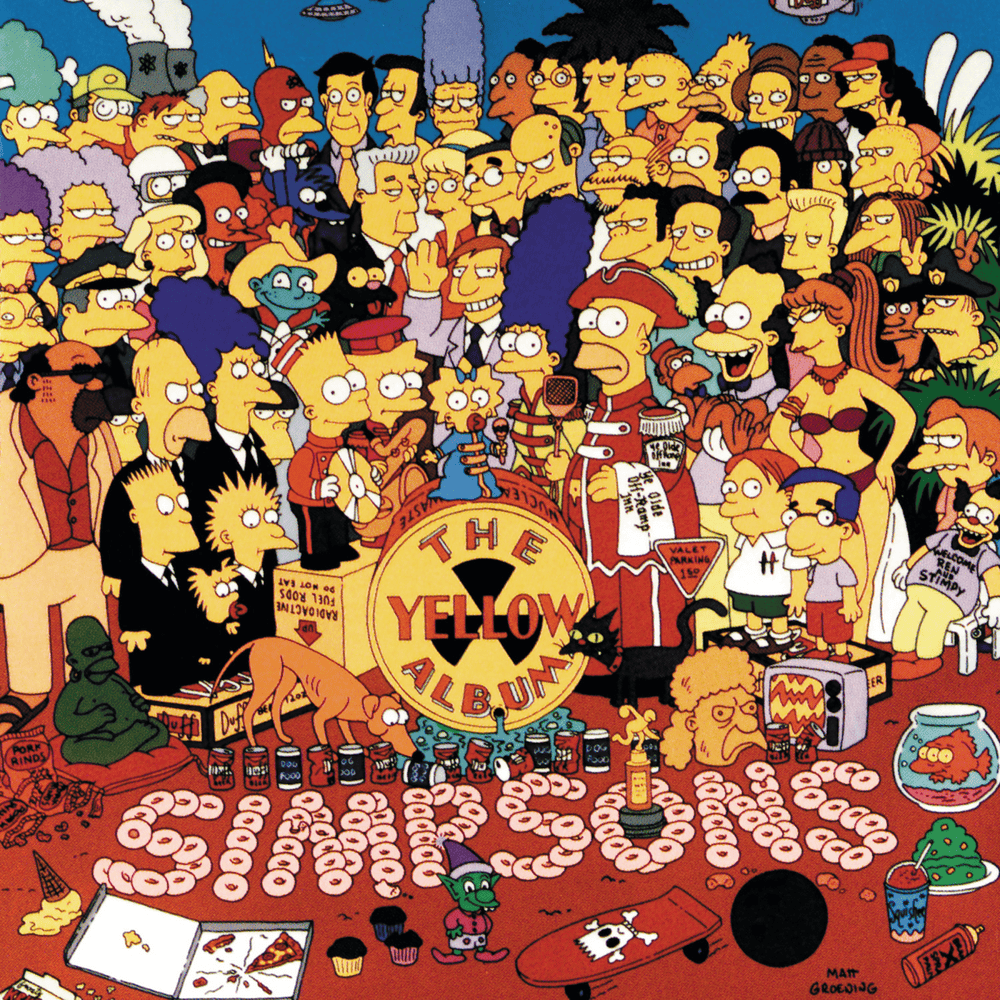
If you want to know how gigantic a cultural phenomenon The Simpsons was in the 90s, do yourself a favor and listen to The Yellow Album. This was the ultimate heat check, forty feet away from the basket. The Simpsons is my favorite animated show of all time. No one can touch them in my eyes, but no one in their right mind was asking for this album.

The Yellow Album was a cash grab so substantial even Krusty the Clown would blush. I imagine the corporate executives at Fox manically laughing while puffing cigars and lighting 100-dollar bills with a flamethrower when they decided to go ahead with this idea. Basically, they’re all Hank Scorpio. The Simpsons are known for their brilliant musical numbers, with standouts like “The Monorail Song” and Mr. Burns’ hilarious, non-PETA-compliant “See My Vest,” but everyone completely mailed in the ideas and performances on this record. Where were The Be Sharps? Where was Party Posse? Instead, we are left suffering with some of the worst-written songs this side of the Mississippi, coming mostly from a neutered Bart Simpson. Maybe if this were some kind of social experiment to see how far the company can thrust the Simpsons brand onto society, then I could see some method in the madness. Other than that, hunt down their best songs from the actual show on YouTube; I promise it’ll be better than the ten tracks on The Yellow Album

– David Williams


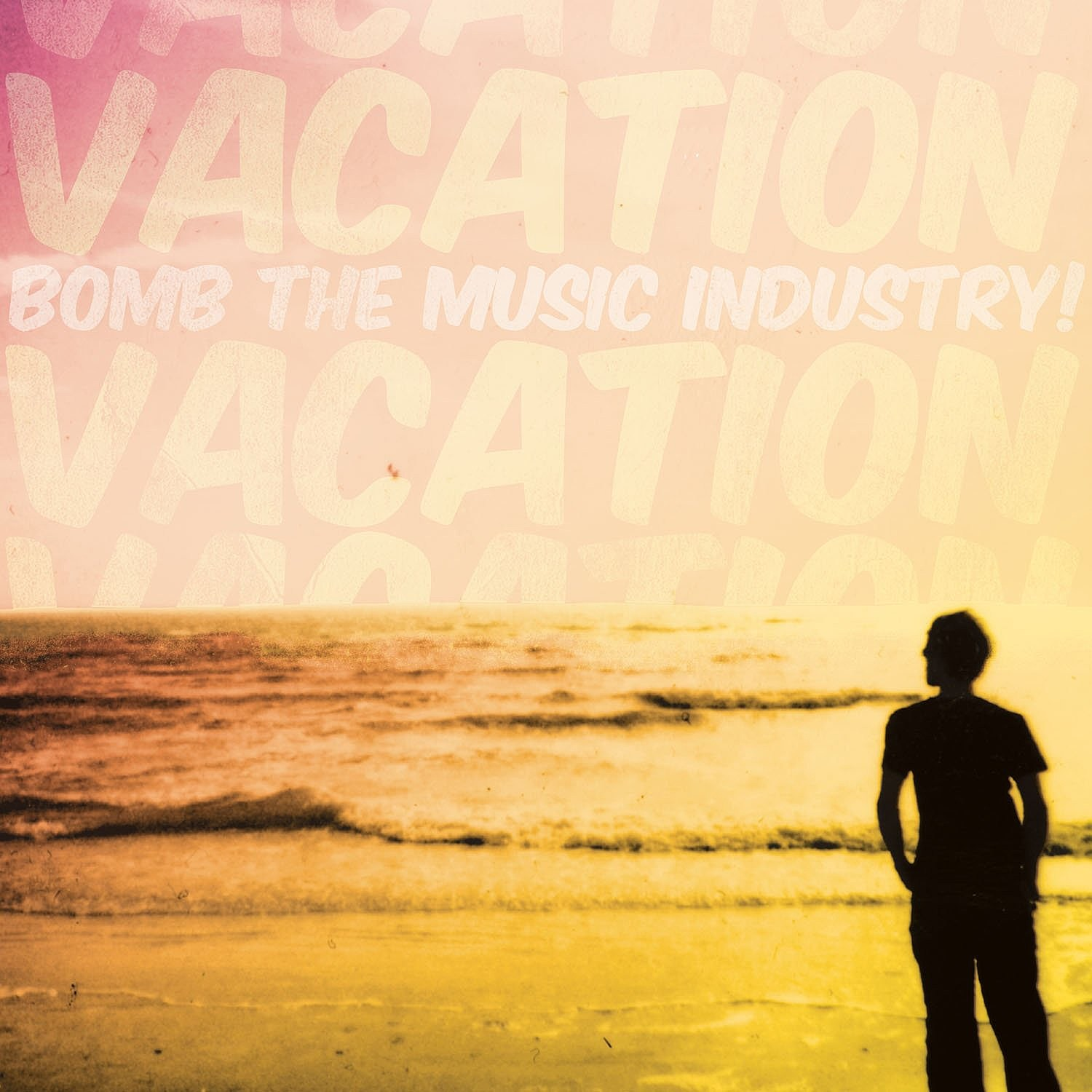
Bomb the Music Industry! – Vacation

Quote Unquote Records

It’s that hazy shade you only see at sunset in the middle of the summer. You only see it when you’re alone. You don’t really pay attention to the sunset when you’re with your friends, do you? This yellow, edged with pink, is the perfect color for Vacation, the final album by Jeff Rosenstock’s esteemed collective Bomb The Music Industry!, because Vacation is an album about mourning what isn’t even lost yet. Vacation is nostalgia for an occurrent past. Listening to Vacation is to be surrounded by everyone you love, and that loves you, and to be sad that these moments can’t last forever. Those moments that feel more like being in the real world than the daily grind, or as Rosenstock laments, “this vacation feels more like home.” Pay your rent tomorrow, grab your friends, and watch the sunset tonight. 

– Lillian Weber


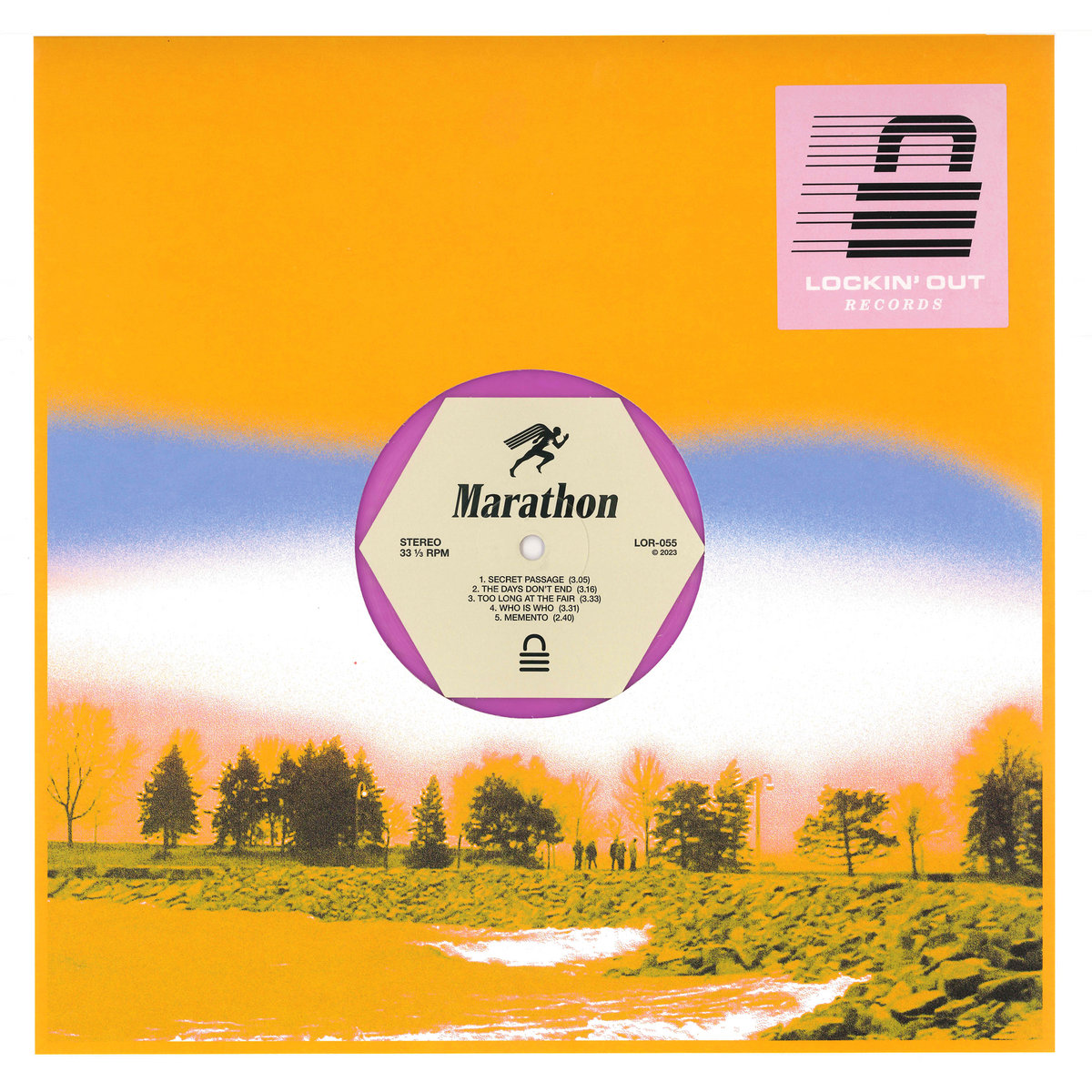
Mil-Spec – Marathon

Lockin’ Out

You spend all winter waiting for the days to get longer again, then, all of a sudden, it’s still light out past 8 p.m., and the days just don’t end. That can be miserable too. Sometimes only a guitar solo can save you, at least that’s what Mil-Spec seems to prescribe. Marathon is an album full of agony and hope, of paralyzing grief and grasping at release. Not to be too earnest, but I can’t believe this album only came out in 2023. Three years and I am still moved by the question “could you trace the arc of the universe?” Three years and the “Belle Époque,” the almost six-minute synth monologue still makes me cry. The days, the days, the days don’t end.

– Caro Alt


The Thinking of the World Began Pounding in Our Ears the Moment We Hit Shore – The Thinking of the World Began Pounding in Our Ears the Moment We Hit Shore

Stroom

A fun fact about me is that I am awful at remembering the names of virtually anything or anyone, but I can probably tell you what color a given album cover is or what color shirt you were wearing that one nondescript night we spent at that shitty dive bar. So anytime a musical artist chooses to use a single color as the visual aspect of their work, it intrigues me. I’ve always thought that a pretty bold statement for an album, one that begs a very powerful question: how does this color specifically reflect the music within? The Thinking of the World Began Pounding in Our Ears the Moment We Hit Shore is a pretty good example. I, admittedly, know very little about this project. From what I can gather, The Thinking of the World Began Pounding in Our Ears the Moment We Hit Shore is not necessarily a band, in the traditional sense, but rather the project of artist Florian TM Zeisig and a whole crew of collaborators on various instruments and effects. It’s a nice little sonic-quilt of indie, jazz, ambient, Americana, shoegazey sounds, and autotuned vocals. I find myself drawn towards certain sounds depending on the context I’m listening in: the drum beats pulse with more weight in the car, the interlocking vocals and sparse guitars dance around each other more intimately on a late-night walk. Does it sound yellow? I think so. It reminds me of a hot day in the pool, sunlight bouncing off the water's surface, creating new shapes and shades as you look at it.  

– Nickolas Sackett


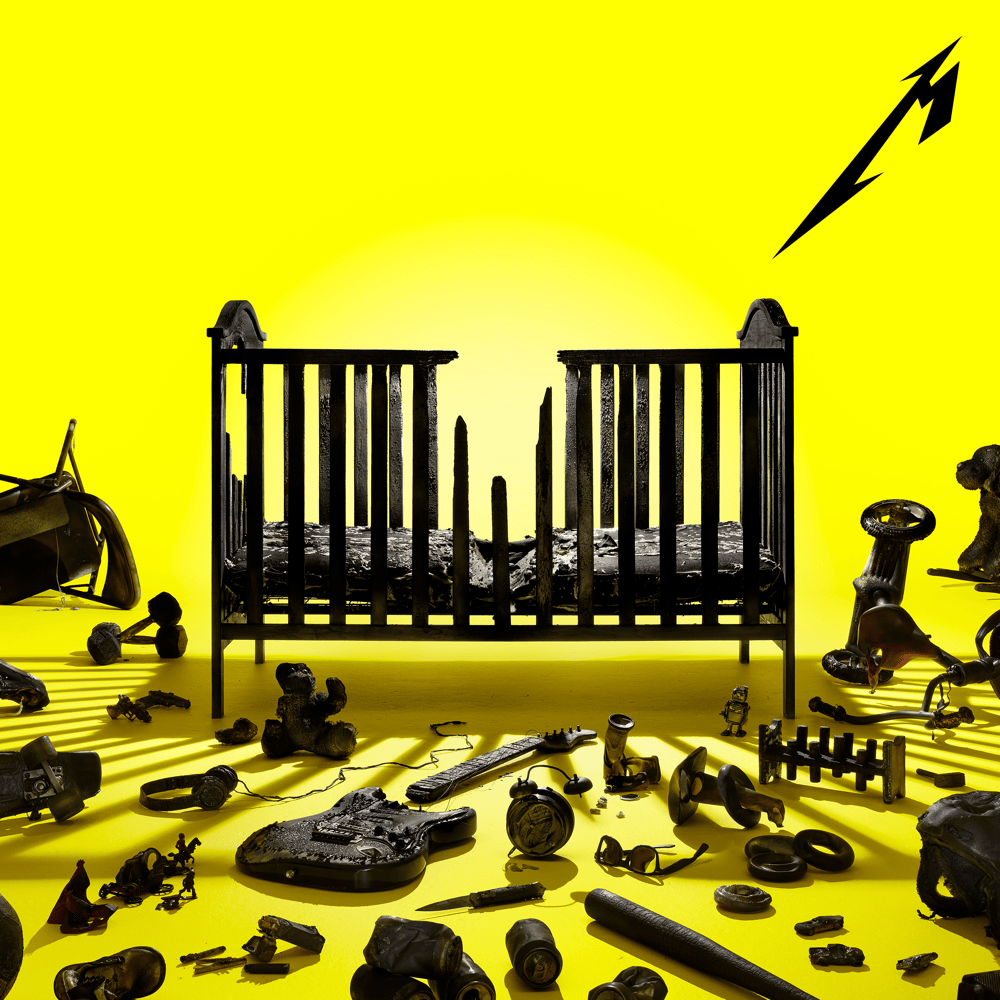
Metallica – 72 Seasons

Blackened Recordings

Coming almost 40 years to the date after their debut album, 72 Seasons showcases Metallica playing with more heart and purpose than they have in decades. Frontman James Hetfield described the concept as “The first 18 years of our lives that form our true or false selves. Much of our adult experience is reenactment or reaction to these childhood experiences.” It’s this constant inward reflection that separates Hetfield from his 80s thrash metal contemporaries. Long gone are the days where the ferocious guitar riffs need to be paired with themes of despair, fear, and hopelessness. The ability to recognize this and focus on more personal, relatable themes makes 72 Seasons the band’s best effort in over 25 years. 

On the final track, “Inamorata,” totaling 11 minutes and 10 seconds, Hetfield opens the first verse with an invitation, “Welcome, won’t you come inside? Meet the ghosts where I reside.” The song eventually reaches an extended bridge, with Trujillo laying down a pensive, slow-moving bass line. On top of this, Hetfield plays the only clean guitar found on the entire album. I interpret this moment as a breakthrough of clarity that comes from a person facing their traumas. Eventually, the song builds back up, and Hetfield exclaims, “Misery, she needs me. Oooh, but I need her more.” The realization that, as much as we can try to run from our woes and problems, those experiences shaped us into who we are, and that it’s best to face them all head-on. 

– Ryan Morrissey


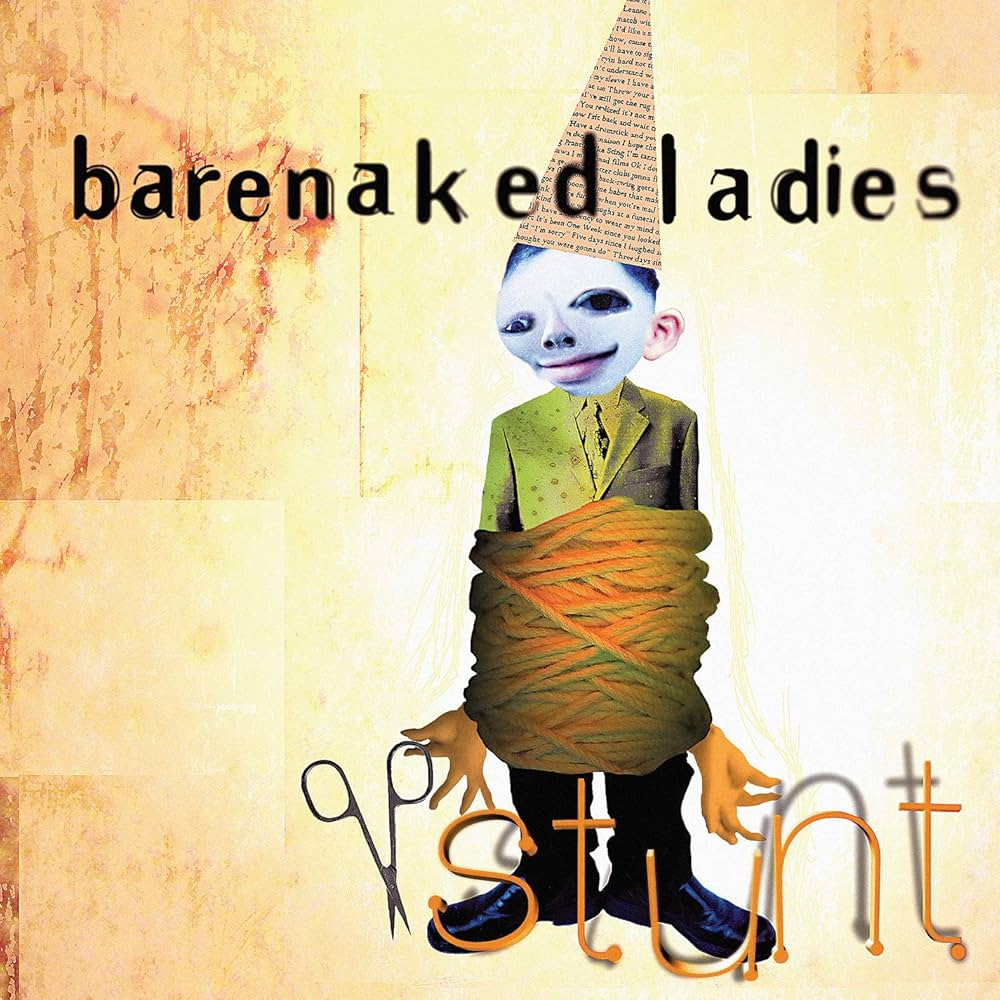
Barenaked Ladies – Stunt

Rhino Entertainment Company

The Canadian alt-rockers may be best known for the smash hit “One Week,” which opens Stunt, but I promise this band, and even this album, are better than that already admittedly incredible song. A tour-de-force of harmonies, traded vocals, little synth stings, and acoustic guitar parts that are weirdly more complex than you’d expect, Stunt feels like a vision of radio-rock optimism. A sign that BNL is better than the few songs that have surfaced to the top of the charts and are capable of songs about introspection, longing, parenthood, sleep deprivation, and even recovering from addiction. The combination of vocalists Ed Robertson and Steven Page has always resulted in fun interplay between two incredible performers, and Stunt is no exception. When you need an album that just feels like the summer of 1998, you’ll never do better than running to your local record store’s Barenaked Ladies section and grabbing the yellow one.

– Noëlle Midnight


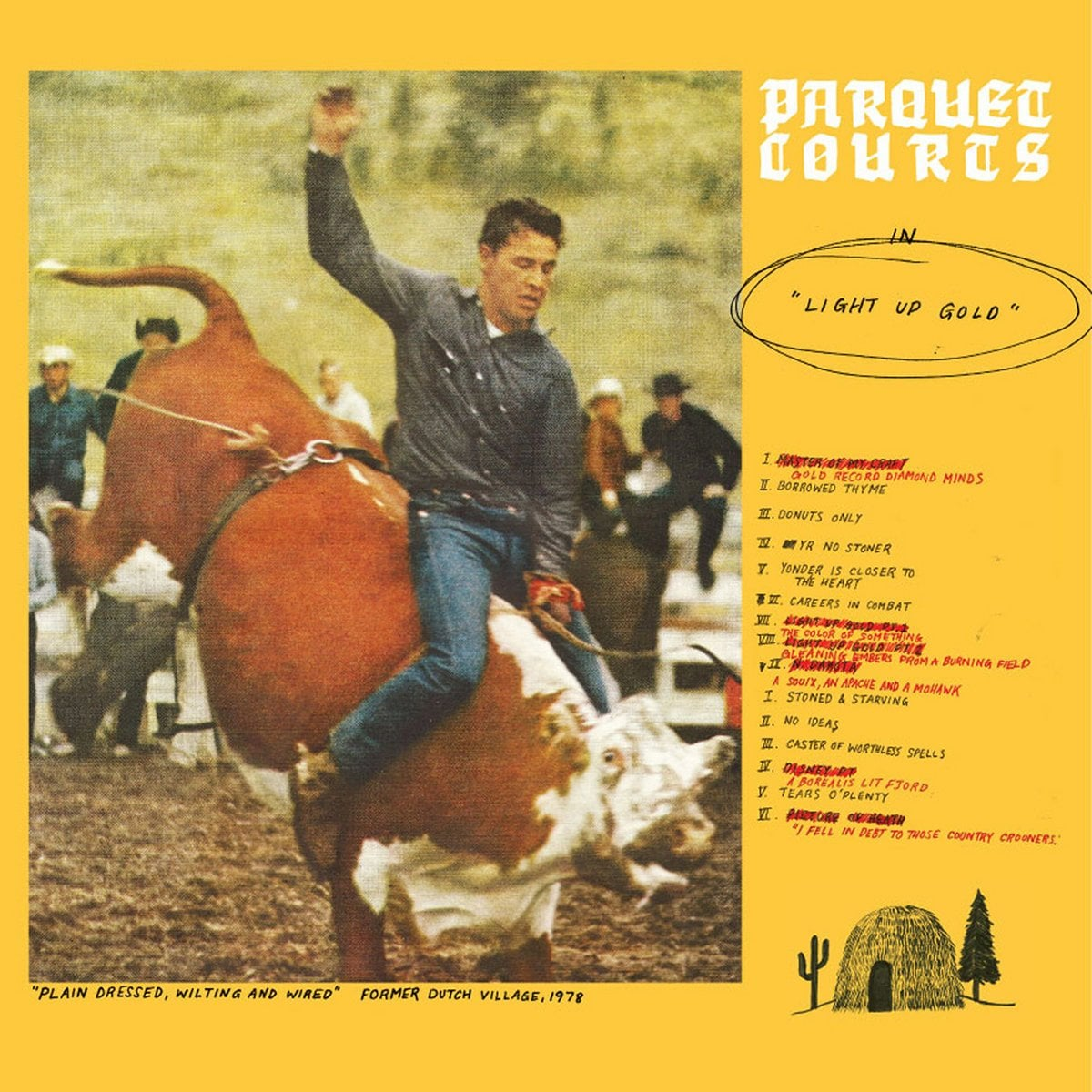
Parquet Courts – Light Up Gold

Rough Trade

The debut album from Parquet Courts was a way of life for me during college because, well, I was stoned… and I was starving. Light Up Gold came out during my sophomore year, and I was a slacker in need of direction. This album gave me direction, but only led me further down the path of slackerdom. Why would I give a shit about my future when I could hang out with my friends and shout the endless one-liners gifted to us by Andrew Savage and Austin Brown? It’s been thirteen years since then, and any time I listen to this album, it instantly conjures the taste of canned High Lifes and the stench of sweat that only occurs when you cram too many undergrads into a small apartment on a Saturday night. I don’t know if you know this, but SOCRATES DIED IN THE FUCKING GUTTER.

– Connor Fitzpatrick


Honorable Mentions

Hey, we can’t write about every album with this color, so here’s a list of some more that we feel like we should mention.

  • Palette Knife - New Game+

  • Hotline TNT - Cartwheel

  • Turnstile - Time & Space

  • Talking Kind - It Did Bring Me Down

  • Tigers Jaw - Tigers Jaw

  • Lower Definition - The Greatest Of All Lost Arts

  • Oso Oso - Basking in the Glow

  • Coldplay - Parachutes

  • Man Overboard - Real Talk

  • Wilco - Being There

  • Subsonic Eye - Singapore Dreaming

  • Stress Fractures - Stress Fractures

  • Cloakroom - Dissolution Wave

  • Bully - Lucky For You

  • Owen - No Good For No One Now

  • Cap’n Jazz - Analphabetapolothology

  • Garret T. Capps - Life Is Strange

  • A Day To Remember - Common Courtsey

  • Adrianne Lenker - Live at Revolution Hall

  • R.E.M. - Green

  • Wilco - Yankee Hotel Foxtrot

  • Yo La Tengo - I Can Hear The Heart Beating as One

  • Yeesh - Confirmation Bias

  • The Sidekicks - Happiness Hours

  • Greg Mendez - Greg Mendez

  • Pretty Rude - Ripe

  • Built to Spill - There's Nothing Wrong with Love

  • Deltron 3030 - Deltron 3030

Cover Collector – February Reds

Design by Ryan Morrissey

I don’t know about you guys, but I love a good album collage. One of the first things I do every Friday is head over to tapmusic.net and render a 4x4 chart of the albums I listened to most over the past week. At the end of each month, I do the same thing with a 5x5 that recaps my previous 30 days of listening. By the time December rolls around, I look forward to recapping the last twelve months with a gigantic 10x10 grid in an unwieldy encapsulation of the 100 albums that defined my year. 

Is it a little self-aggrandizing? Sure, but it’s also a fun way to see a quick snapshot of what my last week, month, or year has sounded like. At its best, this practice has led to fun conversations and solid recommendations going back and forth with friends as we bond over specific albums. Sometimes it’s that shared love over a deep pull from years gone by, other times it’s just noticing trends with a recent fave that seems like an unshakable presence week in and week out. At the very least, I suppose it’s satisfying to see a bunch of records that I feel an affinity toward lined up and embodying a specific stretch of my life. 

At some point near the tail end of last year, I conceived of a more communal way to bring this love of album collage to life. Because, sure, getting a live readout of your listening history is cool, but this is also about album art, an essential part of the experience and something us nerds can fixate on just as much as the songs that sit beneath the cover. As such, I’m excited to welcome you to the second edition of Cover Collector: a monthly installation where the Swim Team discusses some of our favorite albums based on album color. For February, we’re writing about amorous reds. 


Tinted Windows – Tinted Windows

S-Curve Records

We can stop making pop music. We already reached pop perfection in 2009. Oh, you don’t remember? That’s okay — do the names Adam Schlesinger and James Iha ring a bell? What about Taylor Hanson and Bun E. Carlos? Does Josh Lattanzi mean anything to you? Well, it all should. It’s 2026, and I am demanding a cultural re-evaluation of Tinted Windows by Tinted Windows. 

I would go so far as to say that this supergroup released the best pop album of the 21st century. This is the kind of confidence I have to maintain if I am fulfilling my duty to defend this forgotten band’s honor. But this is an easy task to maintain when I’m dealing with an album that has “Kind of a Girl,” “Can’t Get a Read on You,” “Doncha Wanna,” and “Take Me Back.” All of these songs are loud, goofy, tight, and perfect — a knockout Schlesinger combo uplifted by Hanson’s sheer excitement to Not Be A Hanson along with a litany of power pop veterans. The song nearest and dearest to my heart is “Messing With My Head,” which has been my favorite song for almost 20 years. It’s all about the guitars; the incessant riff chugging under the song, the squeal of the strings replying to Hanson’s pleas, the guitar solo before Hanson’s pronunciation of “you” in the bridge. Pitchfork unfairly gave this a 3.5, but with your help and a $5 subscription, we can get that reader score up to a 10. 

– Caro Alt


King Gizzard and the Lizard Wizard – Nonagon Infinity

Flightless

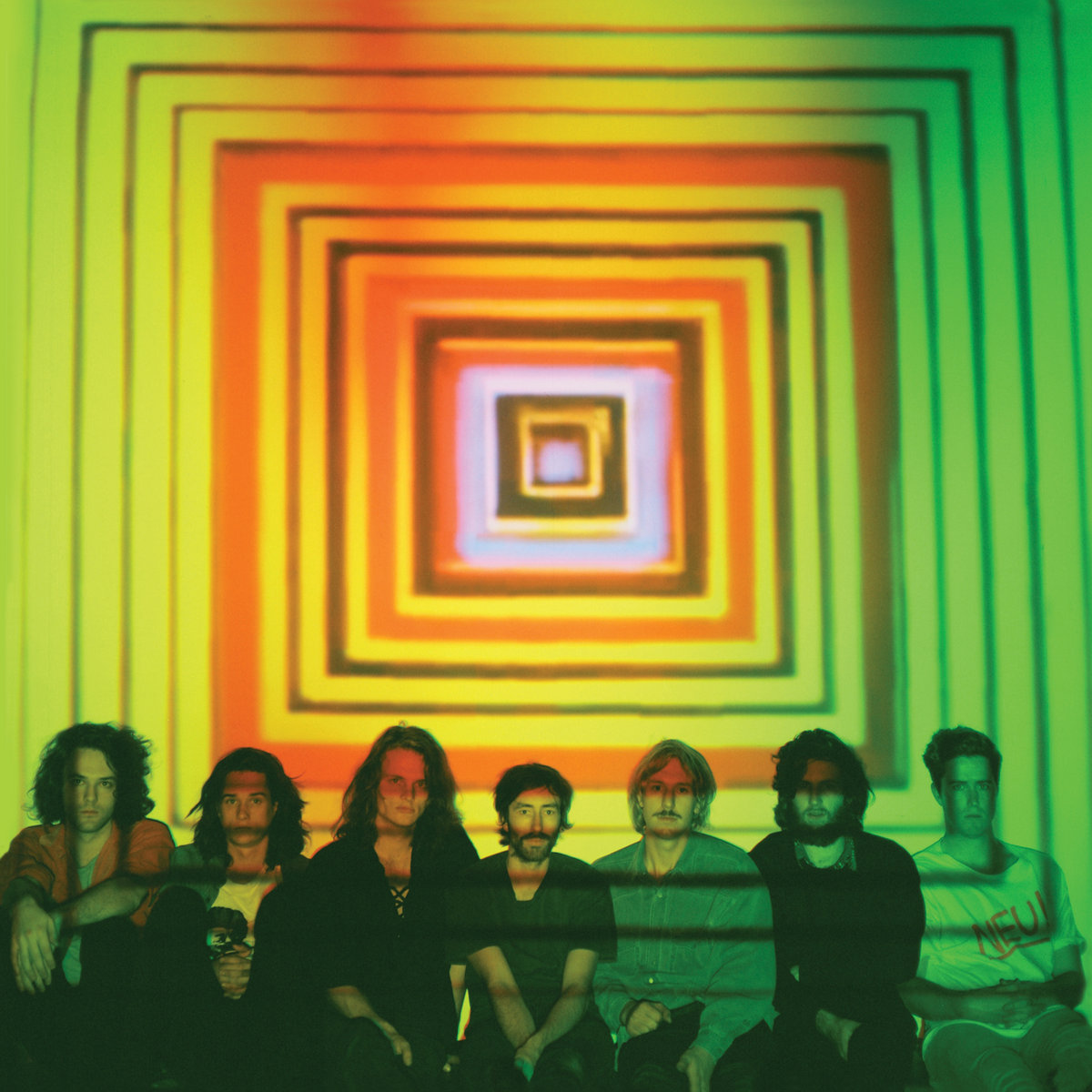
Nonagon Infinity is a rare album whose title and cover art mirror its structure. Nine songs, each represented by one vertex of the nonagon on the cover art, are designed to be looped infinitely, with the last track seamlessly connecting to the first. Each vertex of the nonagon connects to every other vertex of the nonagon, instructing the listener that you're supposed to view every song as being connected.

Nonagon Infinity marked a shift for the seven-piece Australian multi-genre experiment, as eight albums into their career they departed from the psych, jazz rock, raja rock, dream pop, and garage rock that they were known for, taking a mishmash of those elements that defined the albums prior to this and twisting them into something louder, darker, and more energetically exhausted than anything we’ve seen before.

This was the band's first experiment with heavier music, a theme we’d see expanded later in their career with the albums Infest the Rats Nest and PetroDragonic Apocalypse. From the first notes of “Robot Stop,” you hear the intensity come through, as vocalist and lead songwriter Stu Mackenzie opens with a chorus that recurs throughout the whole album, not just this song. It’s fast, it’s energetic, it’s designed to start a mosh pit, and it’s in 7/4.

As Stu opens the album singing “my body’s overworked” and “my coffin’s all I see lately,” we begin to get the feeling that the band is tired. They've spent the past four years releasing eight albums while touring, and they're ready to take a break, which, from the future, we know never comes. They follow this album with a five-album year, spanning microtonal music, narrative progressive metal, psychedelic pop, polymeters, and more.

Nonagon Infinity opens the door to the rest of King Gizzard's work and stands as a fantastic entry point if you love heavier music and want to start digging into this ultra-prolific band’s extensive discography.

– Noëlle Midnight


The The – Dusk

Sony Music

For years, I have spouted that the two most underrated bands of all time are Shriekback and The The, and I still wholeheartedly believe that. Both are British new wave-turned-alternative rock groups that started in the 80s, developed minor club play success in the States, but each only had two albums in the 90s. For The The, the brainchild of musician Matt Johnson, most people champion their first two albums: 1983’s Soul Mining, featuring classics like “This Is The Day” and “Uncertain Smile,” and 1986’s Infected, whose title track is easily one of the hardest rocking dance singles of the era. My favorite in their relatively compact catalogue has always been 1993’s Dusk, a more guitar- and singer/songwriter-based album that expertly helms the band’s transition into a new decade.

The record opens with one of my all-time favorite three-song runs: the dramatic, partially spoken-word “True Happiness This Way Lies,” the hopeful ballad “Love Is Stronger Than Death,” and the blues-influenced single “Dogs Of Lust.” Johnson’s reflections on the world and his place in it on tracks like “Slow Emotion Replay” and “Bluer Than Midnight” have always resonated with me, and the closing track “Lonely Planet” hits as hard in 2026 as it did whenever I first heard it: “If you can’t change the world, change yourself,” the refrain posits. The The would only be sporadically active after this album, including a 2024 comeback album, Ensoulment, and a tour to support it. While I appreciate everything Johnson does musically, Dusk will always be the high watermark.

– Logan Archer Mounts


Citizen – As You Please

Run For Cover Records

Everybody and their mother talks about Youth as the quintessential Citizen record, and for a second, I was going to write about that as well. However, I wondered what else needed to be said about Youth, considering their third record, As You Please, is sneakily just as well written and not as sneakily much more red. Citizen’s movement into hazier forms of alternative rock was encapsulated quite well in their first two records, but As You Please showcased the gravitas of their emotional outlook on the world in a more mature way than Youth, though not as crushing as Everybody Is Going To Heaven. Tracks like “Jet” and “Fever Days” get the heads bobbing, but the spacey tracks like “World” and “Control” feel more akin to a Sunday Drive tracklist than a typical Run For Cover record. There’s also the fan favorite “Flowerchild,” which caps the record off with an acoustic-turned-punk anti-Valentine’s Day song. It’s a great journey to dive headfirst into and an overlooked example of what makes Citizen such an interesting group.

– Samuel Leon


The Jimi Hendrix Experience – Electric Ladyland

Sony Music

When I was a mere toddler, my parents would play all kinds of records to help me develop my own distinct musical taste. There was one artist my mom chose that stood out amongst the rest for a fresh-out-the-box baby David: Jimi Hendrix. Every day I would dance away in my all-white Huggies to songs like “All Along the Watchtower” and “Foxey Lady.” My mom has recounted this story about me prancing around to some of the best psychedelic rock ever created about a zillion times to my family, friends, and even complete strangers at the local Jewel-Osco. Fun times! Present day, now as a fully grown adult, I hold Jimi Hendrix in a special place in my heart.

Electric Ladyland, being the final full-length studio album before Jimi Hendrix tragically passed away, is a clinical masterpiece in artistry. “Voodoo Child (Slight Return)” has my favorite guitar solo I’ve ever heard. There is a true rhythm to each stroke that I never know where it’s going to go, even though I heard it thousands of times. Jimi Hendrix is the Wilt Chamberlain of rock music. He changed how the game is played, holds damn near every record, and oozed pure charisma (do yourself a favor and look at that beautiful blue silk kimono he wore on The Dick Cavett Show).

Listening back to Electric Ladyland, you can hear how Hendrix's guitar skills were limitless. Songs like “Long Hot Summer Night,” “Gypsy Eyes,” and “Rainy Day, Dream Away” are iconic psychedelic jams from a man at the peak of his powers. This makes reliving all those stories dancing as an infant worth it.

Thank you, Mom! 

– David Williams


Third Eye Blind – Third Eye Blind

Elektra Records

I confess to being a silly guy for this one. I spent an entire subway commute scrolling through my library for my red album. When I happened upon Third Eye Blind’s eponymous 1997 debut, I felt ridiculous: it was always this one.

I saw 3EB at Jones Beach when I was nearing the end of my college career. I went with an on-again, off-again girlfriend; we’d had a complicated relationship due to our own traumas and the challenges of growing up. Now that I recall this memory, I feel the rain pouring on my skin, mixing with my tears as they played “Motorcycle Drive By” and “How’s It Going to Be.” In my mind’s peripheral vision, I recall her looking up at me with love and sadness. Only now do I realize that this night together and this concert we shared were the end of our relationship. It was beautiful, and now I look back on it fondly and with gratitude.

Only now, too, do I realize how meaningful and formative this album was and continues to be for me. Everyone sings along to “Semi-Charmed Life,” “Graduate,” and “Jumper,” but the singles are truly just the tip of the iceberg. “Losing a Whole Year” is an incredible opener, bookended by the equally gutting and somber “God of Wine.” “I Want You” translates lustful love into perfect pop rock—only for “The Background” to finish the story with the perfect break-up ballad right after it. How is a band’s debut this good? I remain flabbergasted by it.

As thankful as I am that this album soundtracked my growing up, I’m grateful to be able to listen to it now, sing along, and feel all the emotions without the pain of nostalgia. Instead, there is only awe.

– Joe Wasserman


Fiona Apple – When the Pawn…

Epic Records

When the pawn hits the conflicts he thinks like a king
What he knows throws the blows when he goes to the fight
And he'll win the whole thing 'fore he enters the ring
There's no body to batter when your mind is your might
So when you go solo, you hold your own hand
And remember that depth is the greatest of heights
And if you know where you stand, then you know where to land
And if you fall it won't matter, cuz you'll know that you're right

My love for Fiona Apple’s second album knows no bounds. It came to me at a very ~mental breakdown~ time in my life. I was 22, the same age Apple was when the record came out, and was equally masochistic and self-sabotaging. I felt like a floating head, watching my life unfold while I did nothing, unable to even consider having a positive thought. The saunteringly propulsive opener, “On The Bound,” became my favorite song to play on a loop while lying on my bedroom floor and staring at the ceiling. Any album with “Paper Bag” on it is going to be good (the line “He said ‘It’s all in your head’ / I said ‘So’s everything’ but he didn’t get it” alone should have gotten Apple a Pulitzer), but When the Pawn… is relentless from top to bottom. “Fast As You Can” makes me lose my breath with its urgency, kicking into overdrive after the looping drawl of “A Mistake.” Apple gets to the heart of both relational and internal toxicity, showing she’s fighting a battle with herself just as much as with the rest of the world. The smile she’s flashing on the blood-red cover masks the inner turmoil rumbling beneath.

– Cassidy Sollazzo


Kyuss – Blues for the Red Sun

Elektra/Asylum Records

When I think of red albums, my mind pretty quickly jumps to Songs For The Deaf by Queens of the Stone Age. It’s mainly because that record utterly blew my mind in middle school and continues to loom large in my life to this day, but it’s also because it’s pretty solidly red. While I entered this document fully prepared to write about one of the greatest records of 2002, I was met with a sudden flash to another Josh Homme project from a decade earlier, and that’s Blues for the Red Sun by Kyuss. On their sophomore record, the foundational stoner rock band tightened their screws in a stair-step discography where I truly view each record as a step above the last. On their debut, Wretch, the band arrived scuzzy, caked in beer and desert dust. One album later, they got druggier and spacier, dropping most of the thrashy elements in favor of chasing the almighty riff. From the opener, “Thumb,” it’s clear the band has honed in on the perfect tone and then proceed to spend the next 45 or so minutes slowing things down, stretching things out, and cranking their amps to earth-shattering levels. There’s still some chugginess like the iconic “Green Machine,” but tracks like “Freedom Run” and “Thong Song” show a surprising amount of restraint (shocking, especially given the latter’s title). Rather than throw every note at the listener in an attempt to whisk them off into heavy metal nirvana, Kyuss learned it’s much more gratifying to go the opposite way and descend into the smoky pits. A remarkable record that still sounds best played loud as fuck, nodding along, and flying down the highway. If you can manage all those things at once, all the power to ya. If you can’t, you’ll always have Blues for the Red Sun.

– Taylor Grimes

If we’re talking solid-color album art, there’s one band that stands above the rest, and that’s Weezer. Across fifteen studio albums, more than a third of their discography is made up of self-titled albums that fans simply refer to by their color. Each features the band members lined up staring down the barrel of the camera against a solid-colored background. In this recurring section, we’ll address the elephant in the room that is Weezer’s discography.

Cue the guy standing up in the courtroom meme: Side A of Red Album is the second-best Weezer material. Everyone knows the singles “Troublemaker” and “Pork And Beans,” which are very Weezery songs that fit perfectly in their rotation of hits. But “Heart Songs” has always been a crown jewel of the Rivers Cuomotolog (Rivers Cuomotic Universe?), a perfect song for music nerds like me, riddled with references to everyone from Judas Priest to Rick Astley. I’m pretty sure Red Album was the last CD I ever listened to on a Walkman, and boy, did I use the track repeat function a lot for that one.

Admittedly, I do think the album falls apart in the second half, save for the finale “The Angel & The One,” but then the deluxe version is full of incredible bonus tracks. If they had swapped in those songs, this would probably be a perfect 10 record for me. I think “King” has to be an all-timer non-album track for any band. And “Miss Sweeney” was on rotation for me years before a certain Sydney was making accidentally racist jeans commercials.

– Logan Archer Mounts


Drug Church – Cheer

Epitaph

I love heavy music. I especially love heavy music that channels pure, raging emotional catharsis. Drug Church, to me, is the ultimate raging-emotional-catharsis band, and Cheer is my favorite album of theirs. Every bitter lyric, sardonic riff, and sneering song title hits exactly how it should: a brutal uppercut to the slack, flaccid jaw of an apathetic and self-righteous society. Tracks like “Unlicensed Hall Monitor” unapologetically critique those who ignore the beam in their own eye so they can point out the dust in others’: “There’s a guy in a group chat with Klansmen telling you how to live / Just a matter of time before he’s the one twisting in the wind / A grown man who can’t handle his shit.” The preceding song, “Weed Pin,” is a scathing condemnation of career culture and the endless cycle of mediocrity it creates. “Pay shit rates, get shit labor / I should have started a chemical fire… / I should have burned this place to the ground.” Losers beget losers beget losers. History repeats itself, and a chemical fire burns Rome to ashes. 

The deep red cover of the album features a trio that are jarringly posed: they appear undead, naked save for grotesque body paint and an unsettling collection of harnesses and wire. If you dare to look closer, you’ll realize that they’re all the same man, triplicated in different positions. The crimson paint (blood?) splattered across the mask, obscuring each face, only adds to the general unease of the skillfully executed artwork. Even with their visages obscured, the figures seem to be leering at us, taut with rage. Because Cheer blatantly critiques society and condemns both the worst and the self-proclaimed “best” of us, it’s not difficult to imagine that the zombie-like figure adorning the cover is meant to be an Everyman. Painted, holstered, harnessed, and violent, we all know him: maybe we are him.

– Britta Joseph


Mowmow Lulu Gyaban — 野口、久津川で爆死  [Noguchi, kutsukawa de bakushi]

Lively Up 

I say this with the highest regard; I have no idea what’s going on in this album. Not just because it’s in a language I don’t speak, but because its alt-noise-funk sound is completely unique. The combination of manic lyricism, ripping basslines, and frenetic drumming results in a record that escapes easy description or conventional genre labels. Released in 2009, 野口、久津川で爆死 was Mowmow Lulu Gyaban’s first album on a label, followed by touring, several more albums, and well-deserved notoriety within their underground niche. Trying to figure out what makes this band work without knowing Japanese has been tough, but from live videos, I learned the drummer is also the main vocalist, explaining much of the energy charged in this 44-minute package. For me, the last track ties the whole album together and is a key reason I’ve kept it in rotation. It starts as a more subdued song, maybe hinting at a contemplative closing, but it slowly devolves into loosely constrained chaos, with two singers narrating the same lyrics of (if Google Translate can be trusted) a mostly mutual breakup. The track closes on speaker feedback and a call-and-response shout along from the audience, the perfect endcap to the entire experience.

– Braden Allmond


Kanye West – My Beautiful Dark Twisted Fantasy

UMG

Fuck Kanye West.

This is not a plea to “separate the art from the artist.” This is not an attempt to identify a threshold in the Kanye West timeline where he “went too far,” thus exonerating anything before that statement or behavior. Both of these efforts are futile.

I haven’t listened to Kanye West’s music in years. I never wanted it to show up on any Year In Review report. I didn’t want my neighbors or people on the street to hear me listening to it. Mostly, I didn’t even want the $0.0000000034 per stream to go to him. And it’s a real shame, because from 2004 to 2011 Kanye West had an absolutely immaculate 6-album run. GOOD Music and Yeezus and even The Life Of Pablo were great too, but by that time Kanye’s behavior had blown well past “provocateur” into “complete asshole.” What began as mostly just asinine complaints about being under-recognized at award shows (culminating in the now-infamous “Taylor Swift imma let you finish” moment) got more and more outrageous and indefensible. At one time, Kanye’s biggest beef was with Bill Hader (Hader, both an SNL cast member and a South Park writer, drew Kanye’s ire in MBDTF). Most recently, Kanye took out a full-page ad in The Wall Street Journal where he went long on his 2002 car accident, the damage it did to his frontal lobe, and his struggles with bipolar disorder. It’s a surprisingly lucid statement from Kanye that ends with a number of apologies and a plea for patience. Coming from a man who claimed “slavery was a choice,” expressed his “love for” Adolf Hitler, claimed to have “dominion” over his wife Bianca Censori, and put a swastika on the cover of his latest album, it feels like too little too late. It’s not only too late, it feels disingenuous and insincere, and to the skeptics is a pretty poor attempt at image rehab in the lead-up to what will likely be a new album.

I’m sympathetic to mental health issues! I’m sensitive to personality disorders! If Kanye West has issues severe enough to make him say even 20% of what he’s said in the last 10 years, his gobs of money should be able to get him the help he needs. And I hope he does!

Until then, it’s a damn shame Kanye’s aggressive attempts to make himself the main character of history have completely ruined an incomparable body of work–including his magnum opus, My Beautiful Dark Twisted Fantasy.

I’m sorry this piece wasn’t really about the album at all, but I wanted to say it’s really annoying that I can’t even listen to some of my favorite albums anymore because the guy who made them is a megalomaniacal asshole.

– Caleb Doyle


Against Me! – The Disco Before the Breakdown

No Idea Records

Bodies spilling over each other in a grainy photo, washed in red. Mouths shouting. Fingers pointing. People are reaching to lift up a fallen bass player. The cover of The Disco Before the Breakdown captures what listening to early Against Me! feels like: like you could fall apart at the end of this chorus, but you know everyone singing along will be there to pick you up. The music is this scrappy, ferocious beast that surges forward with abandon while Laura Jane Grace screams her confessions. Grace has never sounded more desperate for absolution than she does on “Tonight We’re Gonna Give It 35%” when she sings “it’s got me on my knees in a bathroom / praying to a god I don’t even believe in / ‘well, dear Jesus, are you listening?’” When I’ve been that desperate, The Disco Before the Breakdown has filled me with a sense of triumph in the sorrow.

– Lillian Weber


Best Witches – Jail

Self-released

Jail by Best Witches has probably the single strongest opening minute of any emo revival act I can think of. Leading off with the drumset, after two seconds of guitar whine, there’s immediately a wayward, forlorn, and simple lead melody. After a tight 40 seconds, this promising setup is abandoned and replaced by two bars of strumming that sound like the stretch before a wind sprint. By the 60-second mark, we’ve gotten some very righteous arpeggios and our first lyrics “I would go out tonight, but we’re stuck playing at the house. Shit, there’s a glow stick, let’s check this thing out.” After a small regathering, we’re rolling again, and at the 1:20 mark, we get the terrible realization that this song is a eulogy for a lost pet: “Raleigh’s foaming at the mouth.” By the end of the second minute, everything but guitar has pulled away, meandering through the opening lick. Slowly, the momentum is built back, and by 2:45 we’re close to full speed again, though this time with more restraint, and the lyrics “No more running around, no more barking about all our favorite toys we can’t live without.” The final 90 seconds are spent repeating the line, winding down the drums, and taking their feet off the gas, gently giving way to full atmosphere, and the start of the next song. This whole EP is great, but “Margot’s Song” is awesome.

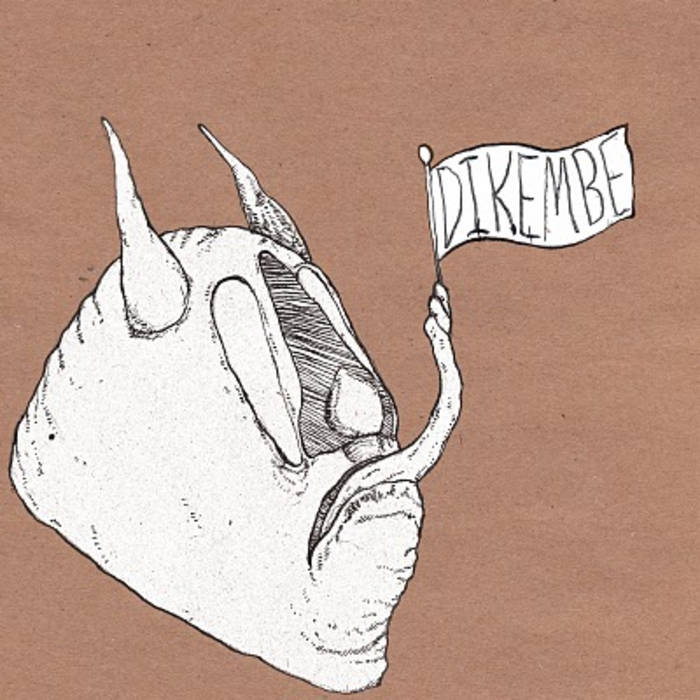
The energy this group brings to their art is infectious, and reminds of Olde Pine and Dikembe (still active!), two bands from around the same time. In classic emo band fashion, these guys made incredible music together for about a year, then called it quits for good. Shouts out to Trevor from Hays for showing me this EP like 7 years ago!

– Braden Allmond


Turnover – Peripheral Vision

Run For Cover

Turnover’s Peripheral Vision was a point of contention for longtime Turnover Heads such as myself. Today’s emo kids might find it hard to believe that the Virginia Beach unit was largely a pop-punk group before their hard pivot to dreamy indie soundscapes. These same kids are the ones confused as hell at the Turnover gig when thirty-somethings are screaming “play Sasha!” just to piss off Austin Getz. 

Peripheral Vision indeed altered the band's trajectory in ways unimaginable for a pop-punk/emo band at that time. The release sparked curiosity for newcomers and confusion from longtime fans. While I love PV and its hazy attitude, at the time I was more enamored by the band's first full-length, Magnolia, and felt a bit slighted that Turnover chose to ignore all their music before PV

It was a hot-as-heck spring day in El Paso when Turnover trekked in alongside acts like Citizen and Sorority Noise. I was ecstatic to finally catch a glimpse of my favorite band, and in my often-overlooked hometown no less. The show essentially ended up being a full playthrough of PV from start to finish, with little acknowledgement of any other music in their discography. I was bummed to say the least. Ten years later, the album has reached near-legendary status amongst many audiophiles. Fast forward a decade to a rainy spring day in Albuquerque, when my fiancée and I attended the tenth anniversary gig for PV, where the front-to-back playthrough of the album was entirely expected. Lots of things have changed in the ten years between those gigs, but what hasn’t changed are two things: PV remains an absolute banger in ways unfathomable, and I still love Magnolia more. 

The gig was euphoric, and ended with a few offshoots from random albums and EPs; however, the last song performed was arguably my favorite off Magnolia, “Most of the Time.” My high school self felt vindicated– in the sense that I was able to experience a pre-PV song live, and that the band chose to acknowledge who they used to be when I fell in love with them. 

– Brandon Cortez


my better half – mybetterhalf.

Trash King Records

This self-titled EP from Seattle emo band my better half is short and not-so-sweet. Instead, you can expect each of the five tracks to reach inside of you, rip open something unresolved, and then grant catharsis through raw vocals and distortion. Despite being a relatively recent addition to the scene, my better half has effortlessly garnered a following and embarked on a West Coast tour.

On mybetterhalf., vigorous drumming and heavy guitars take turns with somber, melodic moments of reflection. The vocals convey a desperation that’s timeless to the genre, with lyrics that could have been scribbled at any point in the past 30 years. In beloved emo fashion, my better half frequently layers spoken word and dialogue over melancholic instrumentals–opening the EP with an ominous twist on one of Agent Cooper’s notorious voice notes from the cult-classic TV show Twin Peaks

My better half is young, and their songs will take you back to the same point in your own life. Their most popular track, “Work and Progress,” begins once again with spoken word: “Yesterday I graduated / today, I’m alone.” This leads into a bittersweet commentary on the familiar experience of coping with, or rather, resisting change. Closing out the EP, “A Shipwreck I’ve Seen” hints at the ending of something more brutal than graduation and the crushing weight of uncertainty that comes with it. It’s a gritty, intense track with traces of both metal and hardcore, leaving room to breathe only during the brief, contemplative mid-section.

mybetterhalf. is the band’s only released work so far. In just five tracks, my better half has curated a heart-wrenching collection of life’s most difficult emotions and channeled them into an honest, authentic gem amongst the scene. 

– Annie Watson


The Chemical Brothers – Come With Us

Virgin

I was an AV club kid in high school, a pursuit driven 50% by my interest in audio equipment and 50% by my desire to skip out on class. On the day of events like the school talent show or battle of the bands, my friends and I would be given all-day hall passes to set things up in the auditorium; this all-day work window was something I insisted on, but I can admit now that it was, in most cases, not necessary. Sometimes the setup took less than an hour. This left us with a lot of time to screw around, and much of that screwing around involved playing Come With Us really, really loud over the PA system. In my head, I can still clearly hear the opening of “It Began In Afrika” bouncing off the walls of the empty auditorium as we sat in the light booth haphazardly messing with fresnels and avoiding chemistry class. “Star Guitar” is definitely a song best enjoyed at a late-night rave, but I’d argue that listening to it in the middle of the day when you’re supposed to be in AP English ranks a close second. Nostalgia aside, I still think Come With Us is a super enjoyable album, definitely the release from this era of electronic music that I return to the most. Great guest vocals from Beth Orton on “The State We’re In” and Richard Ashcroft on “The Test,” lots to sink your teeth into in general. Don’t think that I’ll ever get tired of it.      

– Josh Ejnes


Fall Out Boy – Folie à Deux

Island Records

My love for the band Fall Out Boy is deep and well-documented, beginning at an early age through rhythm games, as is often the case for me – whether it was “Dance, Dance” on Dance Dance Revolution or “The Take Over, The Breaks Over” on Guitar Hero: On Tour. Despite regularly watching the music videos for “I Don’t Care” and “America’s Suitehearts” on Xfinity On Demand in junior high, I did not become a vehement lover and defender of their fourth record, Folie à Deux, until a handful of years ago.

Fall Out Boy's final record before their five-year-long hiatus in 2009, Folie was a notable departure from many elements that fans came to expect from the band: a more collaborative writing approach, more worldly lyricisms, less emo songwriting and more focus on various genre influences, as well as lead singer Patrick Stump desire to move away as the focal point of their songs. It’s no wonder that Folie was received less positively than its monumental predecessor, Infinity On High. To this day, Folie remains the underdog of their catalog, even among the band members themselves, but I love an underdog.

Folie à Deux excels in every aspect of Fall Out Boy that I adore, and its multitude of features and collaborators only expand on that. Stump is firing on all cylinders vocally and delivering a performance of a lifetime on this album, a preview of the comparable vocal performance on his 2011 solo record, Soul Punk. Pete Wentz’s lyricisms are, to my estimation, the best of his career, focusing on American psychosis and commentaries rather than emo love songs. Joe Trohman, despite his struggles with drug abuse during the recording, complements the melodies and instrumentation with his virtuosic guitar playing. At the same time, Andy Hurley’s drum parts stand as the most iconic in the band’s history. 

Despite enjoying the albums that preceded it, I genuinely see Folie as Fall Out Boy’s magnum opus that they could have hung their collective hats on forever. Especially with “What A Catch, Donnie” acting as an emotive love note to the band’s most notable triumphs thus far. Folie à Deux is proof that it pays, at least artistically, to destroy your creative mold and see what masterpieces can be crafted from its pieces. 

– Ciara Rhiannon


My Sister’s Fugazi Shirt – Man Fears the Darkness, and So He Scrapes Away at the Edges of It With Fire

Self-Released

Although I have long since fallen out of the anime world, Neon Genesis Evangelion remains one of my favorite works of all time (so much so that I dragged my girlfriend, who has never even heard of the show, to watch the agonizing End of Evangelion at a theatre). In Man Fears the Darkness, and So He Scrapes Away at the Edges of It With Fire, My Sister’s Fugazi Shirt uses lo-fi hip hop, a genre often reduced to inoffensive background vibes, as a mirror to reflect the true essence of Neon Genesis, the characters, and their struggles in making sense of a broken world.

Virtually all of the samples on the album are lifted straight from the anime’s dialogue, with whole songs being dedicated to a specific character or scene from the show. Even though the instrumentals themselves are gentle enough, the sampling evokes some of the more emotional moments of the series, making it hard for the album to be thrown on as a ‘chill radio to relax and study to.’ Instead, the catharsis of the show bleeds into the album; Shinji literally endures the end of the world and finds a way to continue living. In that sense, Man Fears the Darkness is a strangely comforting album, despite the bleakness that blankets Neon Genesis Evangelion. It’s no surprise that people are so passionate about the show; these characters are reflections of us and the strength that each of us is capable of. Let this unsuspecting collection of songs remind you of that strength. 

– Nickolas Sackett


Honorable Mentions

Hey, we can’t write about every album with this color, so here’s a list of some more that we feel like we should mention.

  • Queens of the Stone Age - Songs for the Deaf

  • Pool Kids – Pool Kids // POOL

  • Andrew Bird - The Mysterious Production of Eggs

  • Antioch Arrow - In Love With Jetts 

  • The Fall of Troy - Doppleganger

  • Coheed and Cambria - The Father of Make Believe

  • Flycatcher - Wrench

  • Snail Mail - Habit

  • Cory Hanson - I Love People

  • World’s Worst - American Muscle

  • Young Thug - Barter 6

  • Man Overboard - The Human Highlight Reel

  • Interpol - Turn on the Bright Lights

  • Migos - Culture II

  • The White Stripes - Elephant

  • Beach House - Depression Cherry

  • St. Vincent - MASSEDUCTION

  • The White Stripes - White Blood Cells

  • ScHoolboy Q - Blank Face LP

  • Snail Mail - Lush

  • Heart Attack Man - Fake Blood

  • Wilco - Cruel Country

  • Lil' Wayne - Sorry 4 The Wait 2

  • Russian Circles - Empros

  • Queens of the Stone Age - ...Like Clockwork

  • The White Stripes - The White Stripes

Cover Collector – January Blues

I don’t know about you guys, but I love a good album collage. One of the first things I do every Friday is head over to tapmusic.net and render a 4x4 chart of the albums I listened to most over the past week. At the end of each month, I do the same thing with a 5x5 that recaps my previous 30 days of listening. By the time December rolls around, I look forward to recapping the last twelve months with a gigantic 10x10 grid in an unwieldy encapsulation of the 100 albums that defined my year. 

Is it a little self-aggrandizing? Sure, but it’s also a fun way to see a quick snapshot of what my last week, month, or year has sounded like. At its best, this practice has led to fun conversations and solid recommendations going back and forth with friends as we bond over specific albums. Sometimes it’s that shared love over a deep pull from years gone by, other times it’s just noticing trends with a recent fave that seems like an unshakable presence week in and week out. At the very least, I suppose it’s satisfying to see a bunch of records that I feel an affinity toward lined up and embodying a specific stretch of my life. 

An example of a cool chart

At some point near the tail end of 2025, I conceived of a more communal way to bring this love of album collage to life. Because, sure, getting a live readout of your listening history is cool, but this is also about album art, an essential part of the experience and something us nerds can fixate on just as much as the songs that sit beneath the cover. As such, I’m excited to introduce Cover Collector: a monthly installation where the Swim Team will discuss some of our favorite albums based on album color. For January, we’re leaning into wintery blues. 


Drive By Truckers – The Dirty South

New West Records

I think about the lanky blue demon on the cover of this album all the time. I wonder how he got in the middle of those Alabama pines, if he’s drinking bootlegged rye or bourbon out of that bottle, and what he’s thinking about alone in those woods. I wonder if he likes being mean, if he listens to The Band, and if he’s scared of his daddy. How long has he been sitting on that stump? 

The Dirty South is Drive By Truckers’ fifth album (I am forgoing the hyphen in the spelling of their band name here because former member Jason Isbell swears it wasn’t there when he was playing in it, and he is all over this album) and the conceptual sequel to Decoration Day. Like Decoration Day and most of their discography, the band uses the album to dissect the wrongness of the people in the South. However, what makes me like The Dirty South the most out of their Southern investigations is the consideration of familial myth and unstoppable tragedy as something crucial to understanding the region. It makes for a layered and haunting work. In an old website post, Patterson Hood said that “Tornadoes, Danko / Manuel and Carl Perkins' Cadillac all sound especially fine.” Unfortunately, he is wrong. Those songs do all sound fine, but what sounds best are “Where the Devil Don't Stay,” “The Day John Henry Died,” and “Puttin' People on the Moon.”

– Caro Alt


Grateful Dead – Dick’s Picks 15: Raceway Park, Englishtown NJ, 9/3/77

Grateful Dead Productions

A band like the Grateful Dead has such a seemingly high barrier to entry. For the uninitiated, you’ve seen the iconography your whole life—the dancing bears (they’re actually “marching” bears), the skull with the lightning bolt in it, the skull with the rose crown. You’ve seen the images of hippies twirling. Maybe the most you know of them is your high school friend’s older brother who reeked of patchouli. Of course, all these things are reductive. But it’s what sticks.

To actually get into the music of the Grateful Dead, where would one even start? Over a 30-year career, they played over 2,400 live shows, almost all of which were recorded and exist online in some way. 13 studio albums, multiple off-shoot bands and side projects. It’s like eating an elephant, and the method for tackling both is the same: one bite at a time.

Deadheads have argued for decades—and we like to argue about everything—which is the best show to give someone to introduce them to the Grateful Dead? Cornell ’77? Kind of a perfect one. Veneta ’72? Really great, but long and spacey. Buffalo ’89? A classic, but misses some of the “lore” of the 60’s and 70’s. In my time, I’ve put multiple people “on the bus,” as they say. While it’s maybe not the absolute best, and it doesn’t cover all necessary ground, I keep coming back to Englishtown ’77.

1977 was a banner year for the Grateful Dead. Maybe THE banner year. If you ask 100 Deadheads their favorite year, I would wager over half would say ’77. Everything was just kind of connecting for them. They had fully gotten back up to speed after their hiatus year in 1975, and Jerry Garcia was at one of his many peaks. Mickey Hart, the band’s second percussionist, had returned after resigning in disgrace when his father stole a bunch of money from the group. Mickey, with other drummer Bill Kreutzmann, had locked into a sort of dancey disco vibe, apropos of the late-70s. The crown jewel of 1977 is the month of May, boasting a dozen or so all-time great shows. But this one took place in September.

Raceway Park was a massive space, and this concert would become one of the largest crowds the Dead ever played to. Estimates range from 125k to 175k people, with the most conservative figures still over 100k. Two people died, and two babies were born. There are a hundred great stories about this show (like it had been over two years since they played “Truckin’,” so apparently they had to go backstage and relearn it together in the middle of the show?), but I don’t want to hog this piece. Suffice it to say, 09/03/1977 contains multiple all-time performances of some of the Dead’s most classic songs: Mississippi Half-Step Uptown Toodleoo, Looks Like Rain, Peggy-O, The Music Never Stopped, Eyes of the World.

Everybody take a step back!

– Caleb Doyle


Jay-Z – The Blueprint

UMG Recordings

The Blueprint is Jay-Z at his rap beef apex; he’s sitting on a throne of dominance in New York. The rollout for Jay’s sixth studio album contained some of the most memorable moments in the Y2K era for hip-hop. There was the infamous 2001 Summer Jam concert, where Jay-Z displayed a photo of Mobb Deep’s Prodigy wearing a ballet outfit, a moment that still lives in infamy to this day in rap beef history. The dichotomy of embarrassing an opponent dressed like Michael Jackson, then bringing out the real Michael Jackson at the same concert, needs to be studied by our top historians. It’s a stroke of hater genius by Jay-Z. “Takeover” was the equivalent of a figure-four leglock aimed at not only Mobb Deep but also another rap icon, Nas, which resulted in my favorite hip-hop tussle of all time.

Besides the juicy rivalry bits, on The Blueprint, Jay-Z curated a specific soulful vibe with innovative production from a young and hungry Kanye West, who mixed in his classic soul chops, resulting in hits like “Izzo (H.O.V.A.), “Heart of the City (Ain’t No Love),” and “Never Change.” Eminem is featured on “Renegade,” a feature that I still think back to almost twenty-five years later. Something about two hip-hop heavyweights trying to out-bar each other gets me going. This song is like a Tyson-Holyfield spectacle. The Blueprint is an all-time classic that solidified Jay-Z's place in another stratosphere of superstardom.  

– David Williams


Superheaven – Jar

Run for Cover Records

Two years ago, my girlfriend gifted me a tape player and Jar on cassette for our first Christmas together. For me, the title of this album might as well be “Now That’s What I Call Post-Post-Post-Hardcore!” With every listen, I feel like I hear a new influence or notice a new similarity to another song. Some albums break the mold, but this one was cast so perfectly in its own that it makes the entire genre shine brighter. So, it’s not surprising that when Jar was released in April of 2013, it actually charted. On the radio. In the context of other notable releases, Title Fight’s Floral Green came out just six months prior (in a city just 10 minutes away from Superheaven’s hometown of Wilkes-Barre, PA), Citizen’s Youth released two months later, and The Hotelier’s Home, Like Noplace is There followed in late 2014. My favorite track is “Hole In the Ground,” which somehow simultaneously reminds me of Mineral and makes me appreciate Daughtry just a bit more. Final fun fact: the album cover was originally red! It changed when the group changed their name from “Daylight” to “Superheaven.”

– Braden Allmond


Motion City Soundtrack – Even If It Kills Me

Epitaph Records

The first four Motion City Soundtrack albums are sacred artifacts – well, to me at least. MCS has always been a band that felt like my own; a rejection of my sheltered upbringing that existed outside the influence of friends and family. I discovered various early hits of theirs in high school, mainly through my Say Anything Pandora station, and there has always been this secret sauce drawing me back to those early days of their career, from I Am the Movie to My Dinosaur Life. As they all feel like children to me, it’s impossible to pick a favorite, but if I had to pick the black sheep of the family, it’s their third creation, Even If It Kills Me

It lacks the notable singles like “Everything Is Alright” and “My Favorite Accident,” you probably won’t find it collecting great accolades among top albums of all time, and it might not be considered a “no-skip” album (a term I have my own qualms with, but can’t fit into 300 words). No, Even If It Kills Me isn’t flashy and, as a whole, it’s actually a downright bummer of an album both in lyrical and musical content, but there’s a tender and often lighthearted sincerity to this particular entry in the band’s catalog that holds a special place in my heart. Songs like “Fell In Love Without You” and “Calling All Cops” offer more than enough fun and familiarity, while others, namely “Point of Extinction” and bonus track “The Worst Part…” exist purely as a reliable gut punch when I’m feeling the need for one.

Blue? Oh yes, Even If It Kills Me fits the descriptor in more ways than just its painfully 2000s album cover. 

– Ciara Rhiannon


Knocked Loose – A Different Shade Of Blue

Pure Noise Records

It’s been fascinating to watch A Different Shade Of Blue age since its release in 2019. In the scope of Knocked Loose’s songwriting structure, this is when the Oldham County group elevated their meat-and-potatoes approach to hardcore music and turned it into something downright scary. Every ring out and downtuned guitar passage sounds like it came straight out of hell, thanks to Isaac Hale’s obsession with creating the most unnerving guitar tones known to man and Will Putney’s complimentary production style. On the lyrical front, Bryan Garris screams of hiding someone in the walls and having a bone to pick with death, working together with video game voiceovers to further exemplify the horrifying atmosphere that Knocked Loose have wanted to build this entire time. This type of world-building would be further refined in their next record, You Won’t Go Before You’re Supposed To (a masterclass of 2020s heavy music associated with the color green, not blue), but A Different Shade Of Blue brought the group to the limelight for a lot of music listeners, myself included. My first proper hardcore show was their gig at Webster Hall, where I got spinkicked in the face within half an hour of getting inside. Good times.

– Samuel Leon


Ratboys – The Window

Topshelf Records

Ratboys are probably one of indie rock’s most perpetually underrated bands. Since self-releasing their self-titled EP as a duo in 2011, the band has expanded and solidified over five albums, tightening the screws each time and leaving a flawless batch of tunes in their wake. The group was sitting at the intersection of alt-country and indie rock before Pinegrove or Alex G, much less any of the bands currently chasing that sound down today. It should come as no surprise then that the Chicago band feel like such a singular and authentic voice—they’ve only ever known how to be themselves. Nowhere is that more clear than The Window, a record packed with vivacious rev-up songs, life-affirming melodies, and soul-searching epics that gradually melt into each ventricle of your heart upon repeated listen. I’d say that The Window is Ratboys’ most realized work yet, but based on the few singles released from Singin’ to an Empty Chair, it seems we might have an even better contender arriving in a matter of days. Ratboys are a rare band of consistency; a group that somehow manages to just keep getting better as they unlock new and exciting compartments of their own sound. While The Window stands as the most recent articulation of that exploration, it will be exciting to see how they continue to crank out these stirring indie rock songs with craftsman-like precision. 

– Taylor Grimes


Portishead – Dummy

Island Records

Nobody captured the ‘90s sense of “cool” quite like vocalist Beth Gibbons on Portishead’s Dummy. This seminal trip-hop album features her voice, breathy and sweet, over reverb-y minor chords and shifty cymbals. Like the midnight blue of the album cover, Dummy is so nighttime-coded it simply doesn’t make sense to listen to it while the sun’s out. Gibbons’ lines are flirty and at the same time deadly serious. Some speculate you shouldn’t look the blue Medusa in the eye, but I recommend turning up the bass volume.

– Katie Hayes

If we’re talking solid-color album art, there’s one band that stands above the rest, and that’s Weezer. Across fifteen studio albums, more than a third of their discography is made up of self-titled albums that fans simply refer to by their color. Each features the band members lined up staring down the barrel of the camera against a solid-colored background. In this recurring section, we’ll address the elephant in the room that is Weezer’s discography.

Weezer (1994), also known as “The Blue Album,” is simply an all-timer. Maybe I’m biased as someone who identifies with Rivers Cuomo’s nerdy tendencies and staggering unconfidence. Despite those leanings, these songs fucking rock and make for one of the best records of the 90s and alternative music as a whole. Ending the whole thing on a wandering, meditative, soul-affirming 8-minute song is just the cherry on top. 


Dire Straits – Love Over Gold

Vertigo

Love Over Gold is one of the best records that I’ve ever found in a bargain bin. Before picking this up a month or so back, I only really knew Dire Straits through their radio hits, so I wasn’t at all prepared for Love over Gold’s 14-minute-long opener “Telegraph Road.” A heartland rock track from a British band that’s as long as a prog song, you just can’t beat it. Front to back, this record is full of great moments, especially in the latter half of the title track, where you get some very cool lead interplay between vibraphones, marimbas, and a nylon string guitar. 

This has quickly become the album that I reach for when I’m not exactly sure what I want to listen to; it’s interesting without being heady, perfect for late-night listens while you stare at the ceiling. I know I’m late to the party here, but man, Mark Knopfler can really play. Beyond its own merits, I have an affinity for this record because it got me obsessed with Knopfler, which led to me watching a movie he scored called Local Hero. The movie had been on my watchlist for a while, but I’d been holding off because its premise made me fear it might be trite and predictable; the Knopfler connection was enough to push me over the edge to actually watch it. It turned out that I was totally wrong, hell of a movie. Thanks, Love over Gold.

– Josh Ejnes


Nine Inch Nails – With Teeth

Interscope Records

Sometimes I forget that Nine Inch Nails is one of my favorite bands. The last release of theirs I was really obsessed with was 2013’s Hesitation Marks, and I’m not enough of a cinephile to follow all of Trent Reznor & Atticus Ross’s soundtrack work. Plus, the last time I saw them was admittedly a bit underwhelming, considering the first time I saw them at Lollapalooza 2013 is still, to this day, the best live performance I’ve ever witnessed. That show had arrived after eight long years of build-up, when I heard the band for the very first time. With Teeth had just come out, their first album since 1999’s The Fragile, and their finest hour in my opinion. The album was blaring from my dad’s home office when I walked in there to ask him a likely asinine question, as I often did. I heard Trent screaming “DON’T YOU FUCKING KNOW WHO YOU ARE” over this chaotic electronic music, unlike anything I’d heard before. After that, I became a pre-teen NIN devotee, studying every CD my dad had in his collection, including the remix albums like Fixed and Further Down The Spiral, and of course, With Teeth.

In some ways, I think Teeth is the perfect NIN album. It’s a career-encapsulating collection of songs that range from aggressive radio singles like “The Hand That Feeds” and “Only,” to classic goth ballads like “Every Day Is Exactly The Same” and “Right Where It Belongs,” plus fan favorite deep cuts like “Getting Smaller” and “Sunspots.” The band’s next album, 2007’s Year Zero, with more fantastic blue artwork, would inspire me to write a 14-chapter fan fiction for my fifth-grade creative writing assignment. Trent and his rotating cast of bandmates have been a longtime influence of mine, even if their records aren’t as prevalent in my rotation as they once were. With Teeth will always be a cornerstone in my musical evolution that hasn’t lost a beat in the last 20 years.

– Logan Archer Mounts


12 Rods – If We Stayed Alive

Terrible Hands

12 Rods—a Minneapolis group sometimes remembered for earning one of Pitchfork’s very first “10s,” but maybe more commonly referred to as “the greatest band that nobody remembers.” After calling it quits in 2004, 12 Rods made a surprise comeback in 2023 with seven previously unreleased tracks and just one remaining member—frontman Ryan Olcott.

Despite a 20-year gap between records, If We Stayed Alive picks up seamlessly where Olcott and the former band left off. In true 12 Rods fashion, the album blends dreamy, dizzying textures with cryptic yet personal lyricism. While heavier moments of 12 Rods’ discography made use of synthesizers and occasional distortion, If We Stayed Alive opts for electric guitar with a timeless wash of reverb. The record’s haunting opening promptly transitions into a handful of more optimistic tracks, then just as quickly pivots to a cool, understated groove. Olcott’s nuance shines even in the final 20 seconds of the record when the listener is granted the slightest hint of a harmonic and emotional resolution after floating through the sonic ether. 

While the cover is a lively electric blue, If We Stayed Alive evokes the deep blue of a downtown on a foggy night. This record is ideal for the dreampop fan who yearns for the 90s, and is the perfect gateway into the bittersweet world of 12 Rods. 

– Annie Watson


Oklou – choke enough

True Panther Sounds 

I, admittedly, don’t know much about Oklou. I know that she is from France, is a classically trained musician (a pianist and cellist), and recently became a mother during the creation of choke enough. The ripples of motherhood flow throughout the album, especially in the blurry, domestic scene displayed on the cover; a group of kids hanging out in the living room, slightly out of focus, their attention drawn to something happening just outside the window. Oklou herself poses for a selfie in the foreground of the scene, perfectly depicting the conflict that is prevalent throughout the record: what does it mean to be Oklou now in such a strange era of accelerated surveillance technology, one where she not only has a new life to care for but has instant access to the beauty and (horror) of the world in a scrollable feed?

That dichotomy is explored beautifully through a gentle record that remains alluringly at arm’s length, despite its intimacy. Much of the music here resembles the transient experience of passing by a club at night and hearing the 808s pump through the walls; you can feel the party, but you're not exactly a part of it. You need that distance sometimes, that oddly comforting sense of proximity that allows the freedom to pause and make sense of it all without getting completely wrapped up in it. Oklou gives us a misty, ephemeral work, pushing towards the emotion found in trance and club music, yet constantly pulling back before the exuberant drop. But all rivers flow back to the self. Let the blue waters flow over you. You never know what can be floating underneath.

– Nickolas Sackett 


The Weepies – Hideaway

Nettwerk Productions

I hadn’t been driving for long. Freshly sixteen, I’d revel in my newfound mobility with jaunts just about anywhere. That particular day in 2008, I was on the move, hoping to stock my CD shelves with goods from CD Warehouse, a nook in my neighborhood’s strip center. Part of me felt shame determining a purchase based on album art, but the other part of me fell in love with the delicately drawn beluga whale on the cover of The Weepies’ Hideaway. I grabbed the plastic square and slapped it onto the counter. In the container of my car, the songs felt like lullabies, gently melancholy like the stars and the sea on the cover.

This album has never quite let me out of its orbit. The opening track, “Can’t Go Back Now,” is one of my playlist mainstays. The folky duo’s silky harmonies sail over soft, sparkling guitars and keys: “If you ever turn around, you’ll see me.” It’s an ode to a deep blue road that I still find myself driving, almost twenty years later.

– Katie Hayes


Lorde – Melodrama

Universal Music

I was first introduced to Lorde in 2013 when my college roommate played “Royals” for me through the tinny speaker of her iPhone 4. We would play the album on loop as the semesters flew by, cementing Lorde as one of the defining artists of my undergrad career. Fast-forward to 2017, and I’m heading into my second year of graduate school. This time, Lorde had freshly released her sophomore album, Melodrama, and my best friend and I loved to listen to “Liability” as we agonized over papers, research, and recital prep. The album artwork is one of my favorites: a moody, intimate painting of Lorde by Sam McKinniss. His treatment of light through the use of rich blue tones and contrasting coral accents is mesmerizing. The portrait is timeless, capturing both elegance and raw vulnerability through angular brushstrokes and saturated hues. I’ll always love it. Nostalgia lives on in every track, reminding me of evenings spent blasting this album with the windows down, breathing in the salted Gulf air, and screaming about the “fuckin’ melodrama” until our voices were nearly as raspy as Lorde’s. 

– Britta Joseph


The Avalanches – We Will Always Love You

Astralwerks Records

The Avalanches entered the cultural zeitgeist with their 2000 album, Since I Left You, and re-entered it again with their long-awaited 2016 follow-up, Wildflower. Both albums are beloved for good reason, but to me, nothing compares to the magnum opus that is We Will Always Love You. In some ways, this is a concept record, following the love story between Carl Sagan and Ann Druyan, the director of the Voyager Golden Record project, whose goal was to cement the existence of human life into the universe by placing two golden records upon the Voyager spacecrafts in 1977. Her face is on the cover, and the thesis of her project serves as a throughline of the album’s heart and soul.

There is no record that feels as all-encompassing or celebratory of the human experience and what it means to love each other. Throughout the album’s runtime, The Avalanches combine their signature plunderphonics and sample-based production with interpolations and features from musicians whose work spans countless genres and decades. From Johnny Marr and Blood Orange to Vashti Bunyan and Karen O, the album centers around the idea that everyone can come together and celebrate our shared humanity through music. The record’s hour-long runtime never feels bloated or weighted down by any of its inclusions; in fact, it’s an album that feels wrong to listen to unless it’s as a complete work. Despite the fact that each track can stand as its own composition, when listened to as a full album, every song continues to build on the last. It’s all one musical idea extrapolated on by many different voices and perspectives. 

Each time I think back on the tracks I love the most, like “Interstellar Love” with Leon Bridges, “Gold Sky” with Kurt Vile, or “Running Red Lights” with Rivers Cuomo and Pink Siifu, I remember the cathartic rush and emotion I feel throughout the journey, capped off by the closing track. The final song “Weightless” contains the Arecibo Message from 1974, a Morse code which was broadcast at the speed of light into the universe to beg the question of extraterrestrial existence. Though we may not have any concrete way to know who heard the Voyager Golden Record or the Arecibo Message, we know that music connects us to each other, no matter where in the world we are. 

– Helen Howard


Honorable Mentions

Hey, we can’t write about every album with this color, so here’s a list of some more that we feel like we should mention.

  • Joni Mitchell - Blue

  • Queens of the Stone Age - Rated R

  • The Killers - Hot Fuss

  • Explosions in the Sky - How Strange, Innocence

  • Nirvana - Nevermind

  • Turnstile - Never Enough

  • Momma - Welcome to My Blue Sky

  • First Day Back - Forward

  • Drunk Uncle - Look Up

  • Geese - Getting Killed

  • Sturgill Simpson - A Sailor’s Guide to Earth

  • Carpool - My Life in Subtitles

  • Combat - Stay Golden

  • Judge - Bringin’ It Down

  • Megadeth - Rust In Peace

  • Meat Loaf - Bat Out Of Hell II: Back Into Hell

  • Fall Out Boy - Take This To Your Grave

  • Oldsoul - Education on Earth

  • Death Cab For Cutie - Thank You For Today

  • Adventures - Supersonic Home

  • Kacey Musgraves - Golden Hour