Quippy in Queens: An Interview with Nick Zander of Equipment

All Photos by Samuel Leon

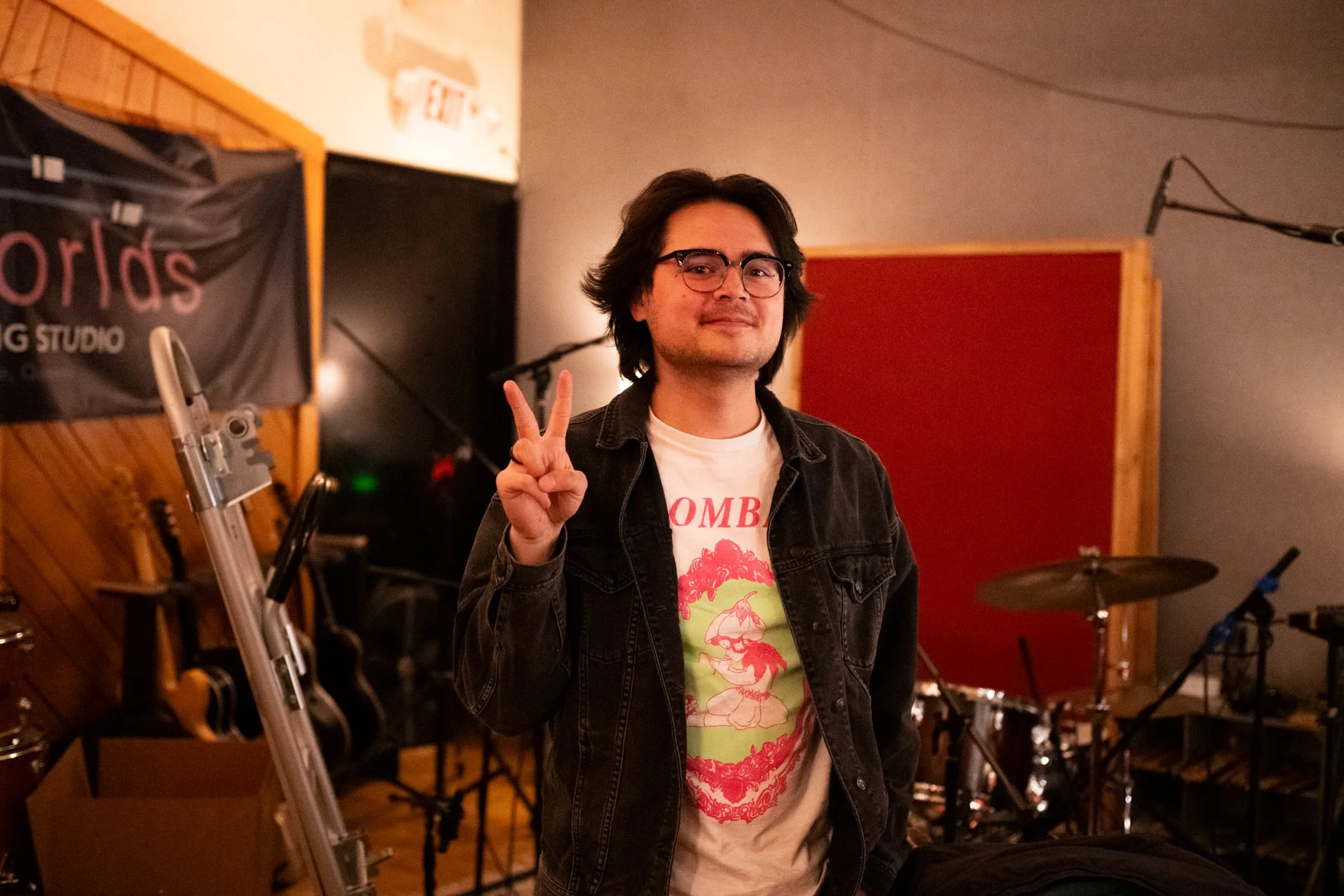
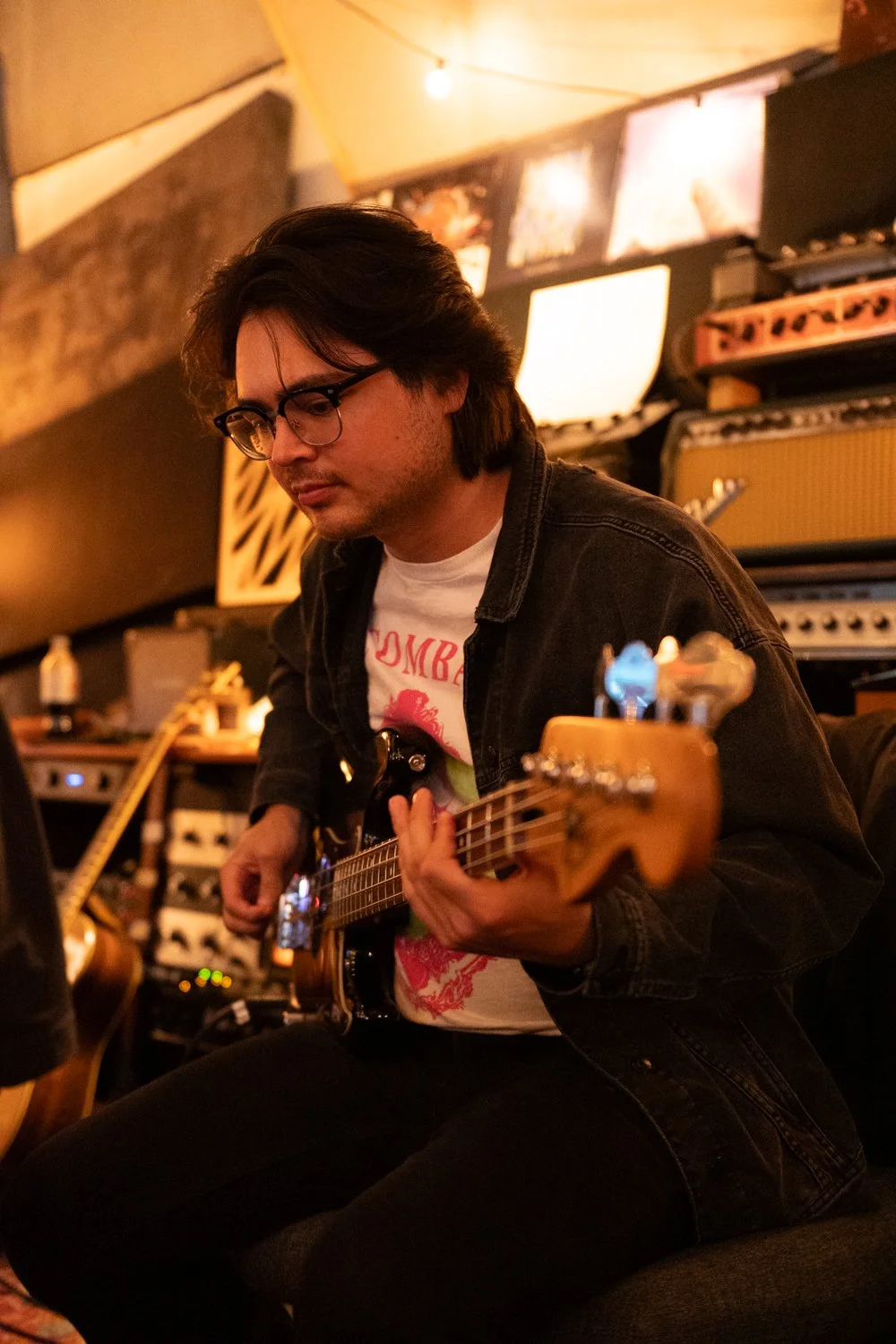
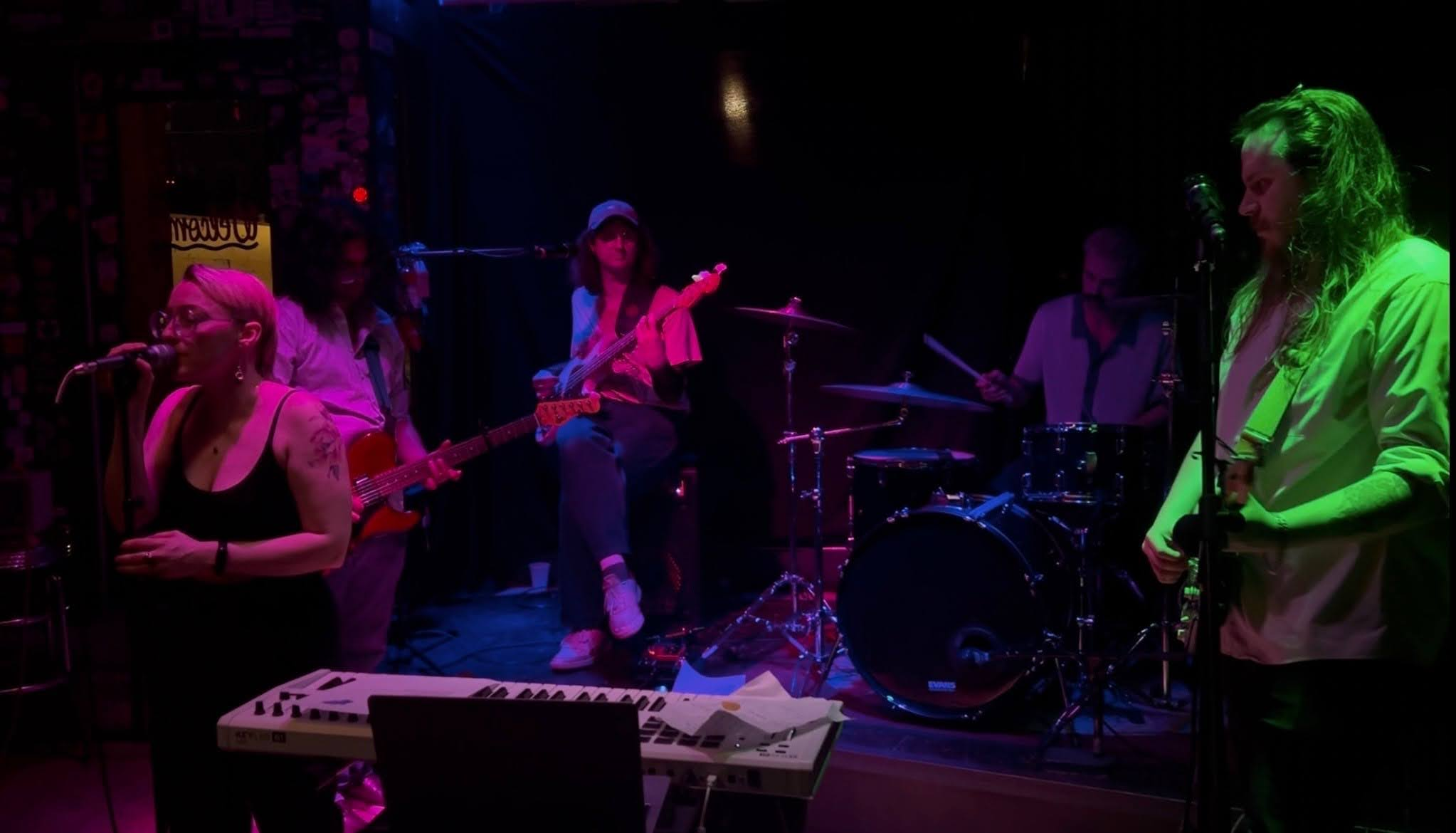
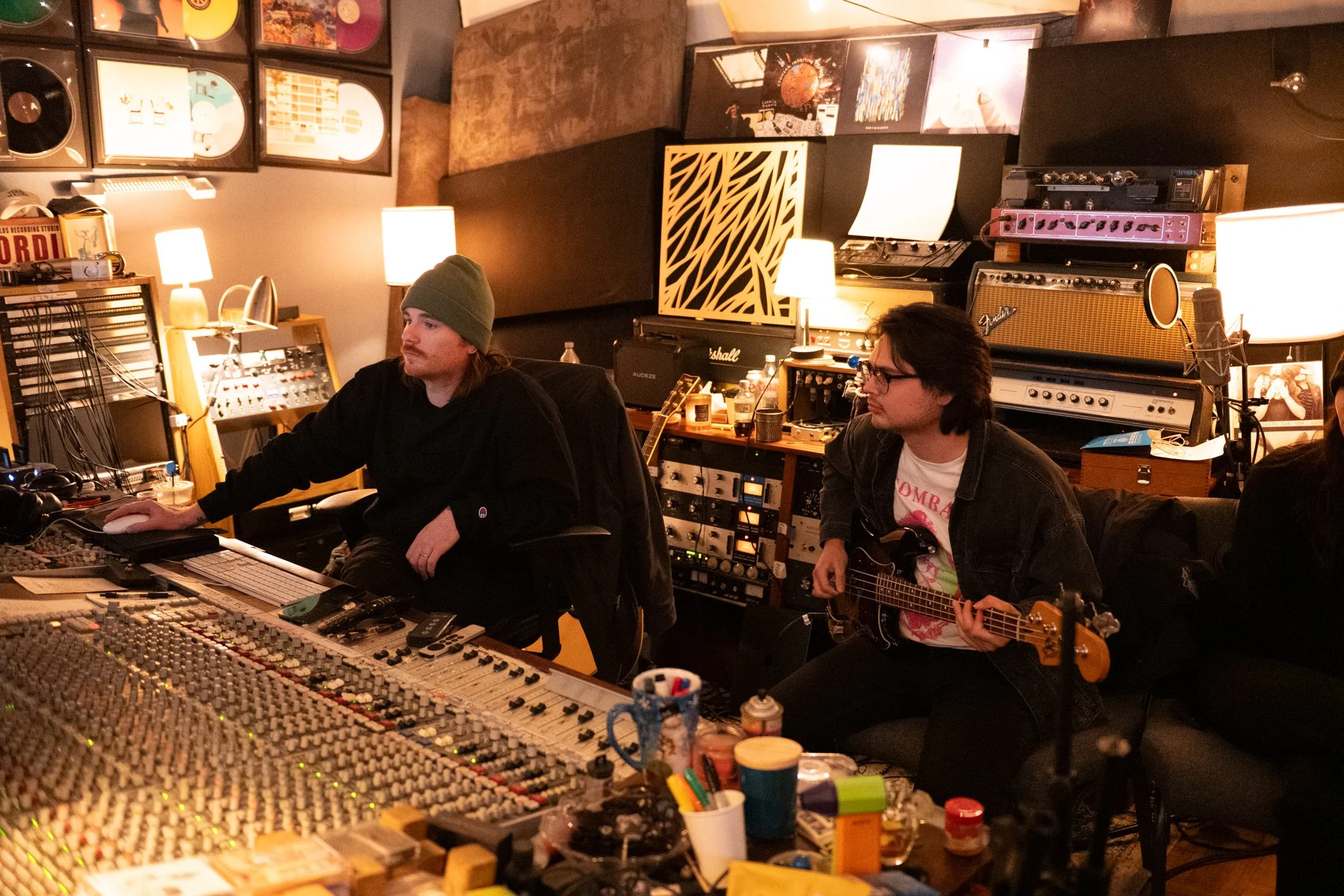
When Samuel and I show up at Two Worlds Recording Studio in Queens, New York, we happen to be approaching the front door right as studio owner Billy Mannino and Equipment frontman Nick Zander are stepping out to the street. The two of them were making a quick run to the market across the street for some toiletries, and the two of us were happy to tag along to get a further taste of the Whitestone neighborhood. This funny timing is the latest in a long series of serendipities that had to fall into place for this interview to happen. On my end, I happened to be in New York at the same time as the group, photographer Samuel Leon happened to be available to snap some pics, and the band was kind enough to let the two of us into the studio as they were putting together their forthcoming third LP. 

We joined the pair as they selected items from the store’s rear wall, where illuminated cooler shelves had been repurposed to house a wide array of cleaning supplies and laundry detergents. We shot the shit as they checked out and returned to Two Worlds, which sits at the end of a long, liminal hallway of similar studio spaces. 

If it wasn’t clear immediately upon entering, Two Worlds Studio is hallowed emo ground. Framed on the wall are vinyl LPs from local legends like Oso Oso and Macseal, as well as more recent additions to the Emo Canon like String Theory by TRSH and That’s What Friends Are For, the three-way split from saturdays at your place, Summerbruise, and SHOPLIFTER. On nearby shelves sit more yet-to-be-framed recent releases from Kerosene Heights and red sun. Equipment are already among these ranks; over the last couple of  years, they recorded their two Drink Singles “tequila redbull” and “espresso lemonade” with Mannino, as well as last year’s surprise EP First time using slang

Under the watchful eye of a crocheted Mr. Met figurine and surrounded by cases of Yerba Mate cans, I picked Nick’s brain about Equipment’s mindset going into this new record, how the last few years have treated them, and what it’s like scaling their touring operation from DIY spaces to larger rooms.

This interview has been edited for length and clarity.


SWIM: First off, thanks for having us in the studio. I’ve loved the Drink Singles and First time using slang. It seems like the response to those has been great. Has dropping those smaller one-offs helped shape this new album in any way?

NICK: I would say those are the two extremes. There’s poppy Equipment, I would say “tequila redbull” and “espresso lemonade” is that, and then it got pretty weird on our last EP. I think some people were like, ‘I don’t know about this version of Equipment,’ and I’m okay with that because I don’t think it’s representative of the band as a whole. All the pieces of Equipment’s past are gonna be in the next record. I do think it is the weirdest one so far, but hopefully should flow the best. 

SWIM: That’s awesome. I was curious if there were any genres that you’re hoping people start ascribing to the band with this new LP, or any new sounds that y’all are trying to pull through a little bit more? I mean, I don’t even think it’s fair to say Equipment has been “full emo” for the last few years. There’s pop-punk and indie stuff, but is there anything that you guys are consciously trying to pull in that feels new genre-wise or influence-wise? 

BILLY: There’s so little emo on this record. 

SWIM: I would say, as an arc, that you guys have been pointed that way for a while.

BILLY: Equipment is an indie rock band. 
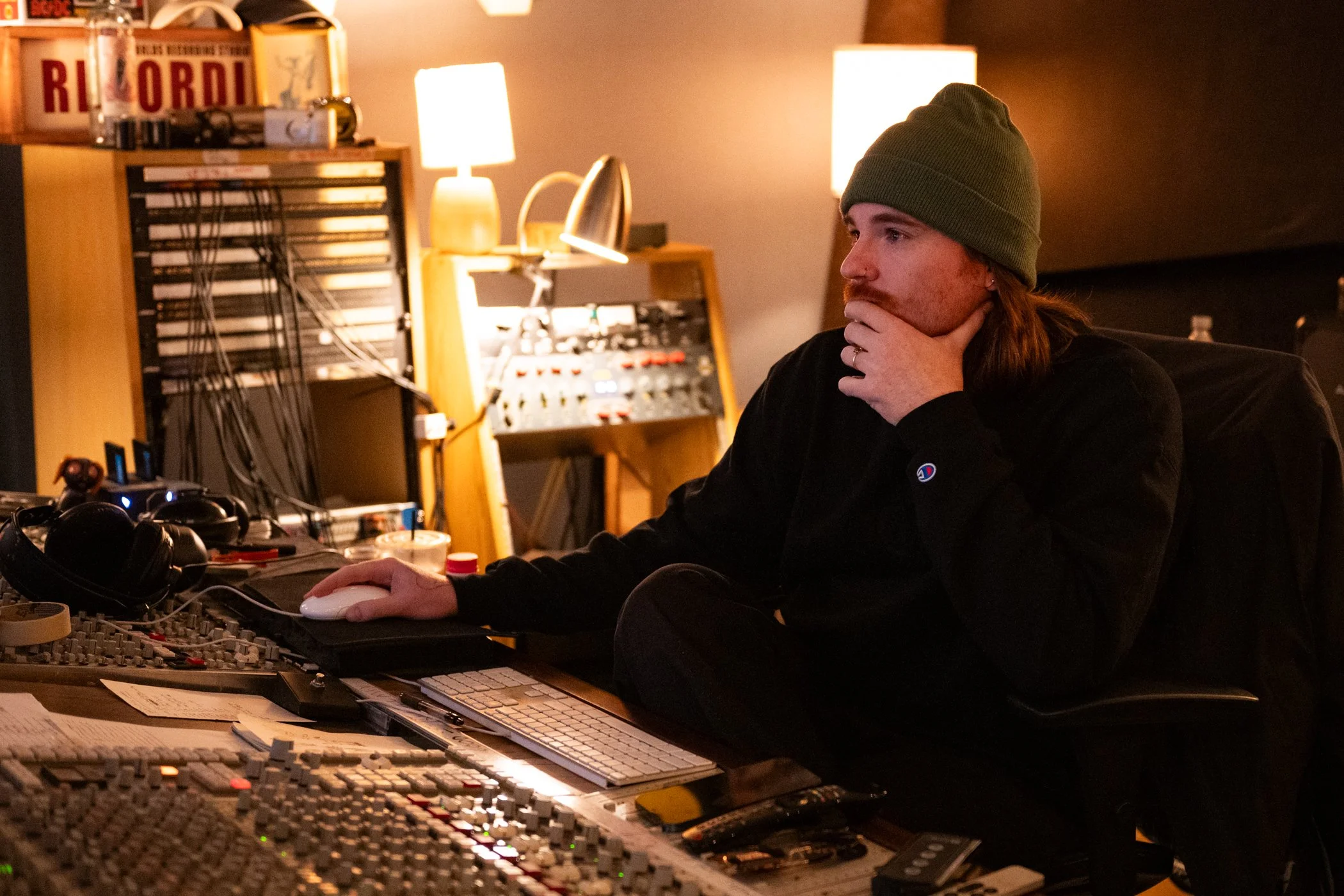
Photo by Samuel Leon

NICK: Yeah. I think it goes quite a few places on this album that are like… I dunno about “more emotional,” but the thing is, most music genres have emotion in them. If someone were to look up ‘Midwest emo playlist,’ I think there’s like one, maybe two songs on this record that would fit, and even then, it’d be fake emo. 

SWIM: As coined by Summerbruise. Yeah. No, that’s great. 

NICK: I’m trying to think of what songs they would even be. There are a few tap riffs here and there, but mainly, we were like, ‘How do we make guitars sound cool and have it be catchy?’ How do we trick people into thinking something is catchy when it’s written like brain vomit? 

This is maybe the worst news to certain people, but more like 2000s Indie. There’s even a song that’s like MGMT vibes a little bit, which is kind of crazy. There is more synth on this record, but it’s not like delving into actual pop music necessarily; it’s more like we’re trying to keep that catchy side that people who like Equipment like. 

SWIM: Who’s playing synth? 

NICK: We haven’t laid down any yet. There’s a scratch in there, but it’ll just be me on the record. We don’t know what we’re gonna do in concert yet.

SWIM: Okay. That’s exciting. 

NICK: Penny [Guarantee] is flying in on Friday, and we’ll be back-and-forth doing guitars. There aren’t defined lead or rhythm parts. It’s just like, ‘Penny, do you wanna do this part?’ or Penny will be like, ‘Nick, I don’t want to record this part, but here’s my idea.’ We’re sort of just like a committee of guitar.

SWIM: I feel like even live, y’all trade off pretty well. I think the last time I saw Equipment (other than the Swarmyard acoustic set) was at Fauxchella, and you were both locked in. It was a lot of fun to see the guitar trade-off, and Penny adds so much to the shredding and stage presence. I think that’s cool that comes through on the record too.

NICK: Yeah, and live who’s to say who’s actually gonna play what? There are many parts I recorded that Penny now plays and vice versa. Penny actually played bass on Alt. Account, ‘cause they were still the bassist at the time, but everything since “tequila redbull” has been full-band. 

Jake [Pachasa] is our drummer, who already recorded drums in July. He’s running sound for Mat Kerekes’ band right now on tour, so he’s doing his thing. It’s just a super busy time because we’re doing this record, Jake’s on tour, then we’re going on tour with Wonder Years, and then right after that we’re touring with Dear Maryanne. Then, after I get back from that tour, we are moving from Denver to Cleveland. 

SWIM: That’s awesome. Good for y’all. 

NICK: A lot of shit going on. Not a lot of money coming in at the moment, but that’s okay.

SWIM: Well, hopefully tour swings things back a little. Maybe the new album will help, but yeah, a lot of logistics and moving parts. That’s very cool, though. 
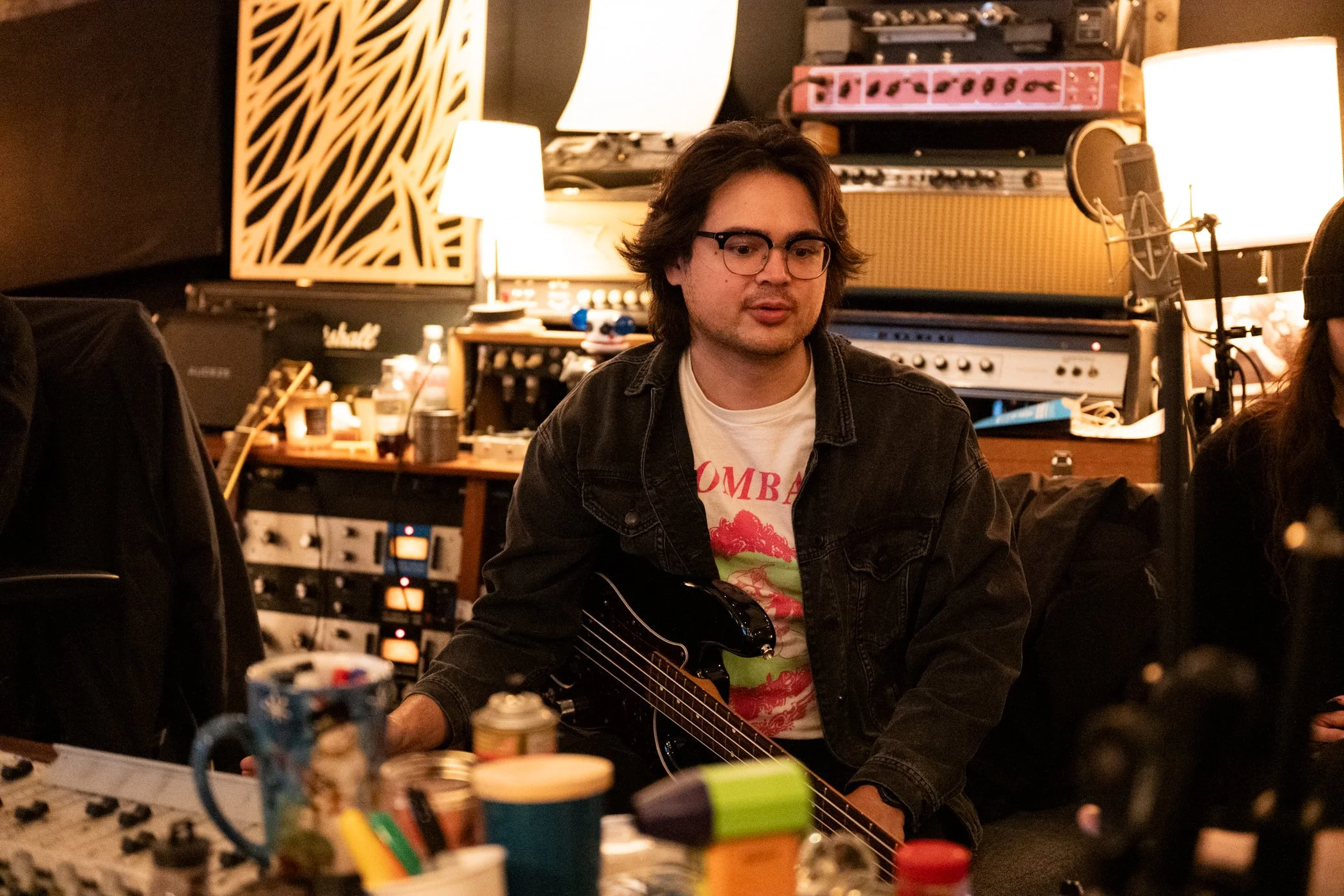
Photo by Samuel Leon

SWIM: What was on your mind most going into this record? I’m thinking about Alt. Account, and I feel like that was such a concerted effort to do “a record” in contrast to Ruthless Sun, so what would you say is the biggest thing that you’re keeping in your head?

NICK: I think we wanted to wait until we had enough energy to not half-ass it. I feel the same way about how the album is presented after it’s recorded, too. I think that is equally important to recording it and writing. I think a lot of what made Alt. Account special was our relationship with our listeners at that point, the album art, the singles we picked, the music videos, the whole concept. 

SWIM: Yeah. Very intentional. 

NICK: I think I was getting lost in the noise a little bit. I was thinking about what people might want or what might get us more listeners, and I’m glad I haven’t really compromised any of that. Instead of scratching Equipment and moving on to, not a different band necessarily, but like a different version of Equipment, I’ve just decided that we should take what we already have and let our weaknesses be our strengths, you know? Like people saying, “this isn’t emo!” Now I’m just sort of saying I don’t care anymore. 

You know, we’re in the emo scene, but I don’t feel like I need to be whinier in the songs. I don’t feel like I need to get better at guitar tapping; everyone’s already really good at guitar tapping. I feel like people like Equipment because of the lyrics and the choruses and the chemistry in the band and the spirit. I don’t think we need to conform; if anything, we should just keep going, and if it doesn’t work, then I guess it just doesn’t work, you know? 

SWIM: Yeah. I love that. 

NICK: But you know, it’s a risk. 

SWIM: Yeah, I’m picking up what you’re putting down. That’s cool.
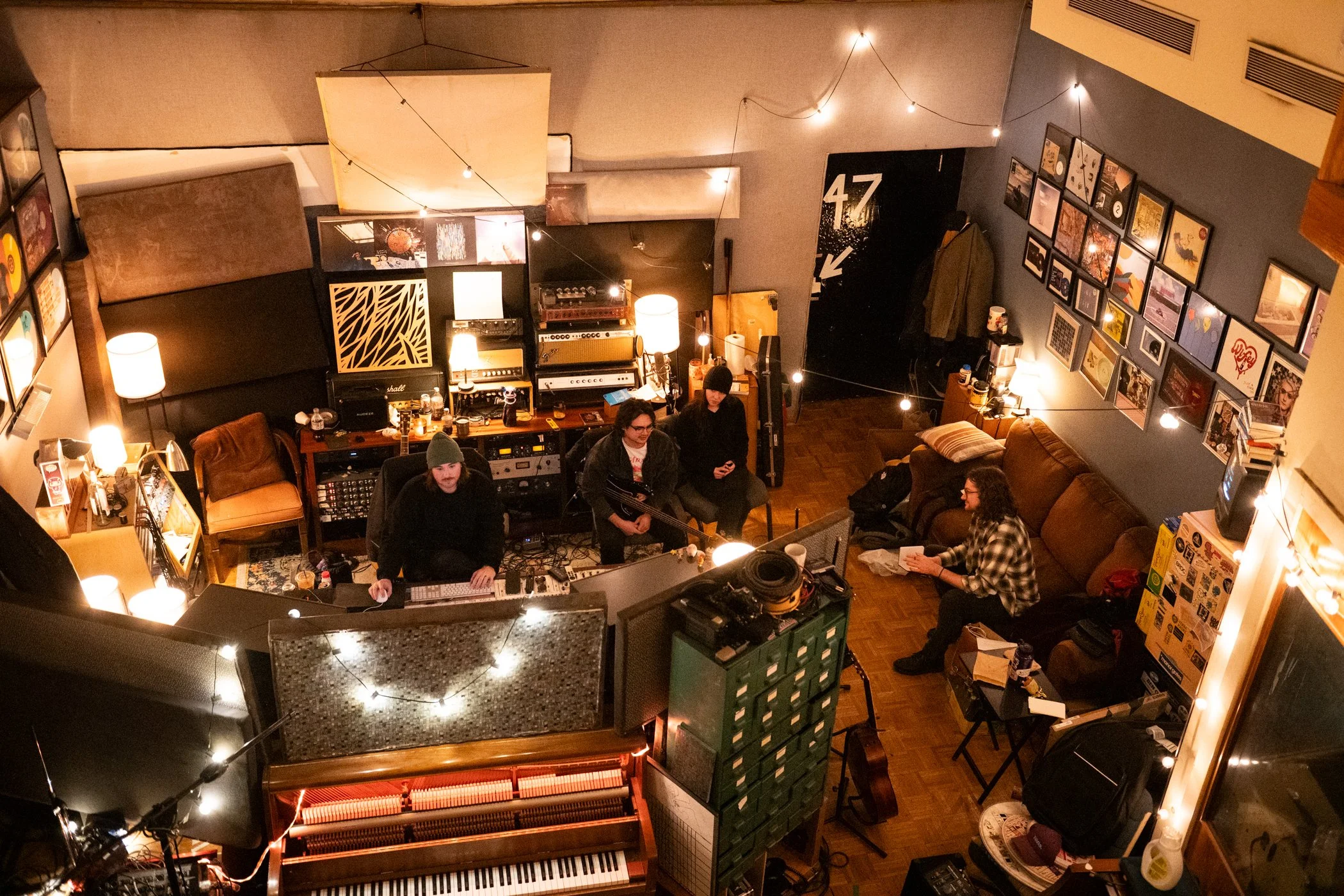
Photo by Samuel Leon

SWIM: Billy, I guess you'd better close your ears for this one. I view Equipment very much as existing on a spectrum. I have a playlist of y’all’s songs that remind me of Death Cab for one reason or another, including those covers, and, to me, there’s a spectrum for this band with blink-182 on one side and Death Cab on the other.

If you got the chance to do the next record or next EP or a one-off single with Chris Walla or someone from blink’s camp, who would you pick? 

NICK: Definitely not fucking Travis Barker. Are you kidding me? 

SWIM: [Laughs] You could do Mark Hoppus if you want, he does some production stuff. 

NICK: He did produce Motion City soundtrack…

SWIM: Yeah. So that’s kind of up Quippy’s alley. 

NICK: I don’t think either of them really know anything anymore. Which is okay, they did what they needed to do. 

SWIM: But if they reached out and were like, ‘I love your stuff. I wanna record something’ you’d just stick to what you’re doing, which is cool.

NICK: Well, that’s really tough, ‘cause obviously the dollar signs are working with blink-182. 

SWIM: Yeah, yeah. You could be opening for MGK next tour, for all you know… 

NICK: [Laughs] Ugh, true. I think MGK has more money than Ratboys, I would argue, so if I wanted more money… That’s tough, but actually it’s not really. 

SWIM: Well, it sounds like your answer would be neither, so that’s totally fair. 

NICK: No, I would work with Chris Walla for sure. 

BILLY: I bring that up more than anybody that you should bring Chris Walla into the studio.

NICK: Yeah, Billy wants a collab.

SWIM: Get him in here!

BILLY: I wanna do an Equipment co-production with Chris Walla so bad. 

SWIM: I think that would rock. 

NICK: That’s the one thing that would bring Billy to Seattle for five months. 

BILLY: No, I won’t. 

NICK: Just kidding. I dunno if that would get him off the East Coast. And bring Chris from, uh, Norway. 

No, I don’t think I would really like… Okay. Don’t– Travis Barker’s gonna see this now. Let me rephrase my answer… I think for our future music, I see Chris Walla as a more appropriate option.

SWIM: [Laughs] Okay. That’s a very, uh, political answer. 

NICK: [Laughs] That’s gonna be the most boring answer. 

SWIM: I swear I’m not doing this to make you look bad; this isn’t Gotcha DIY journalism.

NICK: It just came to mind how Travis Barker apparently sometimes does reach out to bands. 

SWIM: Really? 

NICK: Watch him see this and be like ‘fuck these people.’

SWIM: He does seem like he follows some stuff, but also he’s married to a Kardashian and busy and probably working on, like, a Vitaminwater collab, so I don’t think he’s fully with it like that. But you never know. 

NICK: That’s a good spectrum, though. We always talk about that in the studio. I think I would say the two ends are like… yeah, blink and Death Cab are great. Somewhere in the middle is like Weezer and Elliot Smith.

SWIM: Okay, yeah. We’ll get a full grid going by the end of this like a political spectrum.

BILLY: That’s honestly such a large part of the conversation here is trying to figure that out. 

SWIM: Well, I hear a ton of Death Cab, but I’m from Portland too, so I just feel like I’m drawn to that kind of cloudiness. I think that was all over the last EP, specifically. I could just hear that a ton, especially the last song, which I loved. Are you guys cooking up any more seven-minute tracks?

NICK: No, this is all pop music now. 

SWIM: [Laughs] Okay. All right. Cool, cool. 

NICK: Just kidding. But, yeah, I would say that this song that we’re about to record might be the most pop-punk on the record, but there’s absolutely more Death Cabby moments than ever throughout the whole album. 

SWIM: Cool. Love that.
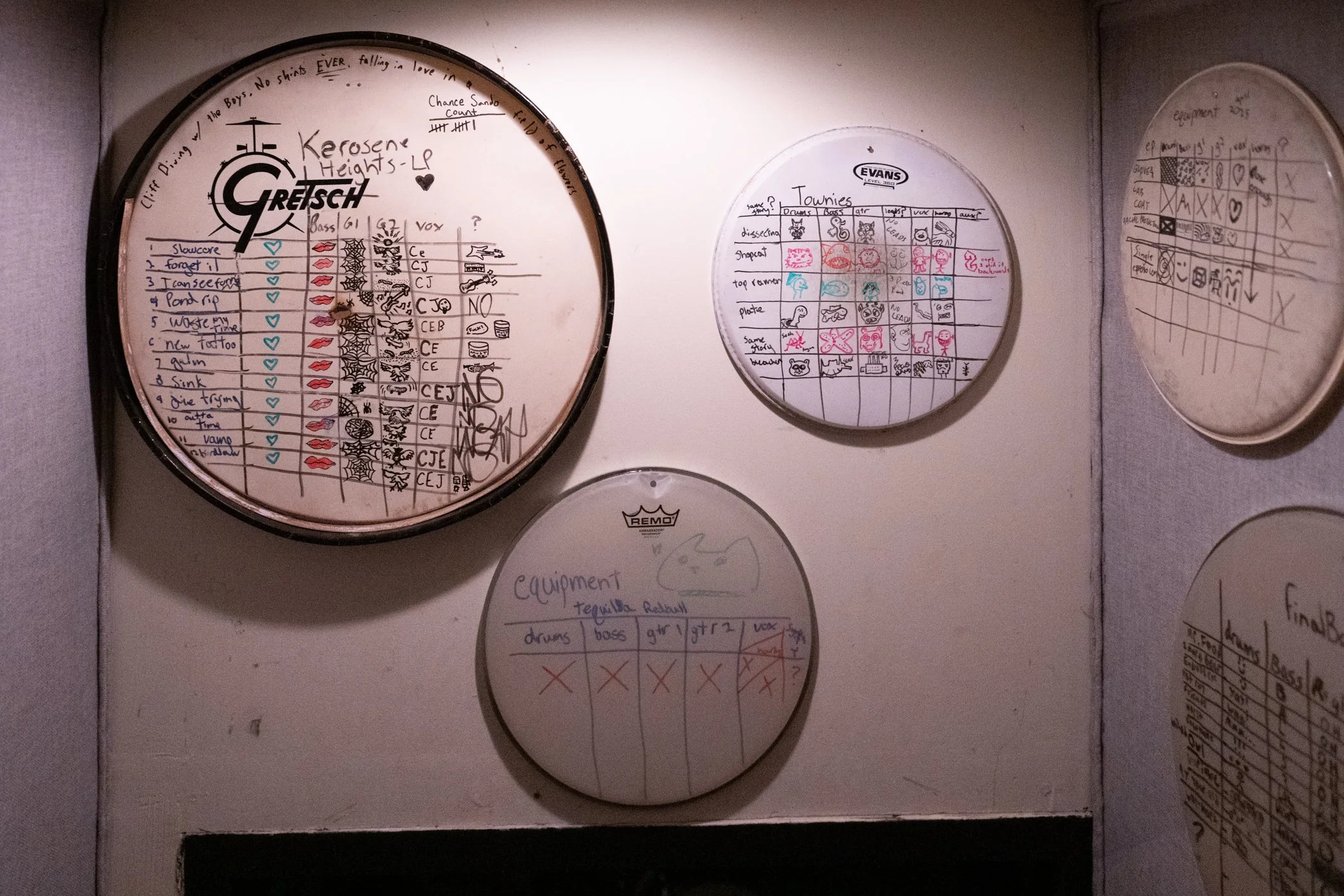
Photo by Samuel Leon

SWIM: Going back to the two Drink Singles, you have said that you just planned to do those two, but was there ever a third beverage concoction that you guys had in mind, or one that people had pitched to you? 

NICK: I’ve heard some good ones pitched. The funniest one I can’t even remember if we came up with or not, but I think it was “Malort root beer” or something. “Root beer reposado,” but that’s tequila as well. But no, we didn’t really have any plans to do another drink song.

BILLY: It was just those two, and then you’re done.

NICK: Within the band, I had thought about striking while the iron was hot, like I could write a full Blue Album vibe of drink songs, and we could just put it out. Then, within the band, I think Jake specifically was like, ‘You know, we got a record being written right now, we should probably just focus on that.’ But I’m always like, ‘oh, what if we did this type of album to transition into doing that kind of album.’

I mean, it’s still in the running that we could do just a power pop 30-minute banger that is like the drink songs, but I don’t think we have any plans to. In fact, “espresso lemonade” wasn’t even the plan; that kind of came in later. There was gonna be a B-side to “tequila redbull,” but that B-side is actually now gonna be on this record. 

SWIM: What city are you talking about in “espresso lemonade”? Was there a specific place in mind? It’s pretty visual, so I was just wondering what you’re tapping into.

NICK: There’s definitely vibes of New York, because, I mean…

SWIM: It’s expensive.

NICK: Recording here is kind of fun, just going into Manhattan and basically living that espresso lemonade lifestyle. We had moved to Denver shortly before. I had been living in Denver for a decent amount of time before that song was fully written, but it was pretty inspired by that. Denver’s such a cushy place; it’s expensive, but it’s very much that kind of vibe.

SWIM: Yeah. A little off-putting. 

NICK: With some of the lyrics, I was trying to reference specific parks or whatever, and the rhymes wouldn’t work out. I did find a coffee shop by a park called Eleanor Park in Houston, or something, and I almost said “spot by Eleanor,” but I feel like that wasn't as forward a lyric as “on Eleanor.”

Now it’s funny because, I won’t specify who, but there is an Eleanor [street] that a very close friend lives on, so I’m there often, and it’s funny because they’re the spot on Eleanor now. So it’s an amalgamation to answer your question.

SWIM: Cool. Yeah, that’s sick. 

NICK: I hope to give another three-page answer for the next question. 
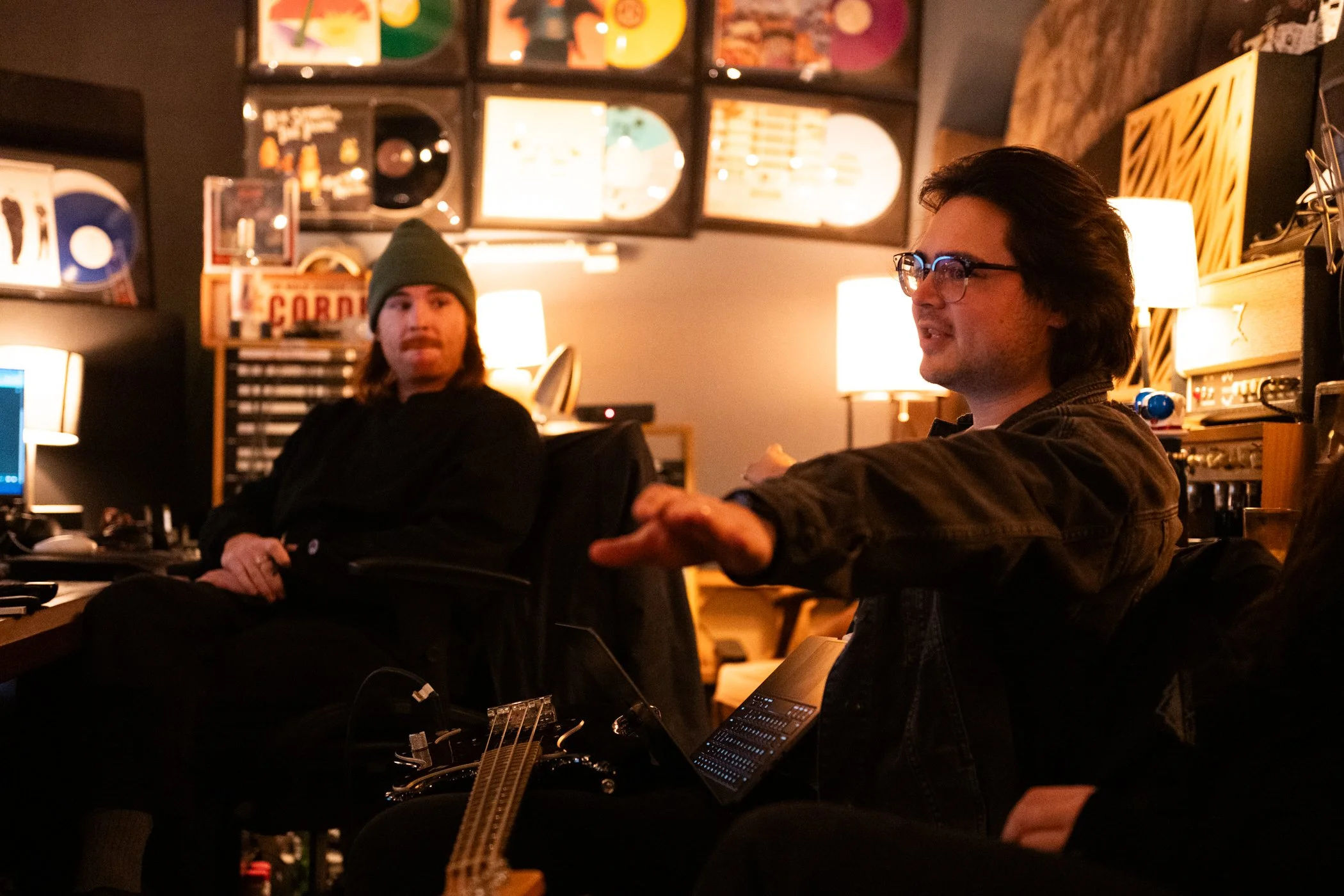
Photo by Samuel Leon

SWIM: For First time using slang, you had alluded to that EP essentially being a writing exercise based on the album art, which was originally just a picture someone just had sent you guys, but then you went and turned it into those three songs, including the three-act structure of that last one. How did that materialize? 

NICK: I’m a fan of people who fully embrace the fact that we live in a time where bands can interact with their fans instantly online. I think a lot of bands either pretend not to see it at all, or they do it too much, but I like doing it just enough. I think, considering Equipment’s sort of like, uh, cult… community? I don’t wanna say “following,” it’s community. But because of that, I’m able to post something, and people interact with it; there’s no mystery there, but it’s rarely intersected with the actual releases so far. Kind of on the same train, Death Grips has done stuff like that in their heyday, just subverting expectations. 

When we first saw that picture that became the cover art, we shared it and were just like “lol,” but we knew that no one was gonna expect us to write a whole EP about it, including the person who took the photo. I was like, ‘You know, I have all these random ideas in my head right now, and I kind of think that I just need somewhere for them to go while I’m writing this record.’ 

SWIM: Yeah. That’s cool.

NICK: And you know, I really like EPs in general, that’s how Equipment kind of got our footing. It’s fun approaching an EP as if it’s a record, ‘cause you can fully flesh it out. I would say First time using slang has its own vibe. Even though all the songs are a little bit different, you can kind of tell it’s us just trying stuff. 

SWIM: Yeah. It felt a little more spur-of-the-moment. That’s cool. 

NICK: And it was fun—just such a weird album cover, tracklist on the front. I always like that, I think it’s interesting when bands do that.

SWIM: Yeah. I’m sure the person who took that photo was geeked to be immortalized in that way. 

NICK: Yeah. They were pretty stoked. I don’t even know their name. I asked how to credit them, and they just told me the name of their band, which is little field

Photo by Samuel Leon

SWIM: Last year, I caught about two hours of your three-hour all-request acoustic set and thought that rocked. It was cool seeing you, Penny, and Ellie [Hart] reinterpret those songs. Would y’all ever do a full-on acoustic album, or is that too pop-punk to be doing acoustic renditions of stuff? 

NICK: This sounds so jaded, but I think it’s just realistic. If we were more popular by now, I would highly consider it, but I think it’s kind of bad to rest on your laurels when you’re still a growing band. 

I think of this tour we’re about to go on with The Wonder Years, and every single night we’re gonna be a new band to like a thousand people. So for them to go to your Spotify and the first thing they see is an acoustic album of old songs, which could be weird and bad for growing. 

However, I have toyed with doing an album tentatively titled “Versions For Grandma.” Because I think the core of Equipment songs is actually pretty palatable. Just making really pleasant Sufjan Stevens-esque versions of all the songs could be pretty fire, but I don’t know if that’d come out as Equipment or a Nick solo thing. I would probably just want to live in those arrangements and do it all… not myself, but I could see it as more of a solo endeavor, even if it would be like an Equipment release. Or we would do it all as a unit. We don’t really have any plans. I will say I have thought more and more about acoustic touring between bigger tours. 

SWIM: I mean, it’s cool to see those songs done that way, and that’s how the band started more or less too. But yeah, that makes sense, you don’t wanna return to the well that early.

NICK: I would love to eventually. 
SWIM: Equipment has been on some pretty mega tour lineups in the last few years: Free Throw, Cloud Nothings, The Wonder Years. What are some of the biggest lessons you’ve learned from touring at that scale? Are there any things you saw and balked at and affirmed your decision to keep things at a more DIY scale?

NICK: I’m grateful that, up until this point, we haven’t had to pay a merch cut. I think that’s about to change in less than a month, unfortunately, but hopefully, a lot of venues will look the other way for the support acts. 

I think one of the most intimidating tours was Cloud Nothings, not because there would be so many people there, they were all well-attended shows, but it wasn’t like, “oh my God, I’m nervous, all these people,” it’s more that they take the artistry of their music very seriously. I’m not saying any other band that we’ve toured with doesn’t do that, but one thing that the emo scene has going for it is a lack of pretentiousness. No one in Cloud Nothings is pretentious; they’re just writing the music they feel like at any given moment. It just so happens to be more indie-leaning than emo-leaning. It’s a little bit of a darker shade than if you go see a band like Equipment at Faux, where we are like making jokes on stage and leaning into that sort of blink-182 energy we talked about earlier. 

It’s hard to be the chameleon that tries to fit in with each sort of band that we’re opening for. I think a good example of synergy with that sort of silly energy was when we toured with Origami Angel because a lot of the ethos of their songs is more carefree, youthful, and nostalgic. Then on the flip side, when we toured the whole country with Mat Kerekes last year, we had a song or two in the setlist that, in hindsight, didn’t make that much sense considering the bill, and I think hurt us more than helped us. So it’s almost like deciding what side of yourself to show is the real puzzle when opening for bigger bands. 

SWIM: That was actually a perfect segue, ‘cause the last thing I was gonna ask is tied to what you mentioned earlier about this Wonder Years tour and thinking about how this is the first time all these people are seeing the band potentially. Safe to assume that’s most of the crowd, so how are y’all approaching the set list? It sounds like you’re pretty aware of your perception and the shades of indie rock and pop-punk. I think that Equipment fits into a lot of those buckets super nicely, so how do y’all play that up or decide what’s gonna be part of the set list?

NICK: I think, thankfully, with the Wonder Years, we won’t be punished for playing into our pop-punk side. We were considering cutting “Raptured Trax, pt. 2” from our set list relatively permanently just because we don’t know how representative it is of us going forward, but we figured this is a popular song, and this is probably the crowd that would like the song more than any other tour we’ve opened for, so that got added back in. 

I think it would be a mistake to treat our next tour as the promo tour for First time using slang because it is such a niche release in our catalog, so we’re actually just pulling what we view as the best songs from our whole discography. Just a good in-between of what’s popular, what we like to play, and what we think we sound best playing.

SWIM: I’m trying to think of a suitable way to end this that’s not just spilling the beans on the new album or just ‘come catch us on tour,’ but just a way to point towards the future a little bit and what y’all are gearing up for in 2026. 

NICK: We’re being pretty transparent about the album, or at least as much as we know. I can say that we’re gonna wait until it feels right to release it and, you know, the vision of the album, when all that stuff that explains everything is ready, that’s when it’ll come out. 

I really do understand people who think first time using slang or even “tequila red bull” are a downgrade from our other stuff. I think that’s subjective, but I think everything we’ve gone through as a band has led up to this record. For now, I can say that anyone who thinks that this album is worse than any of our old albums, I would say this will be the wrongest they’ve been about that opinion. 
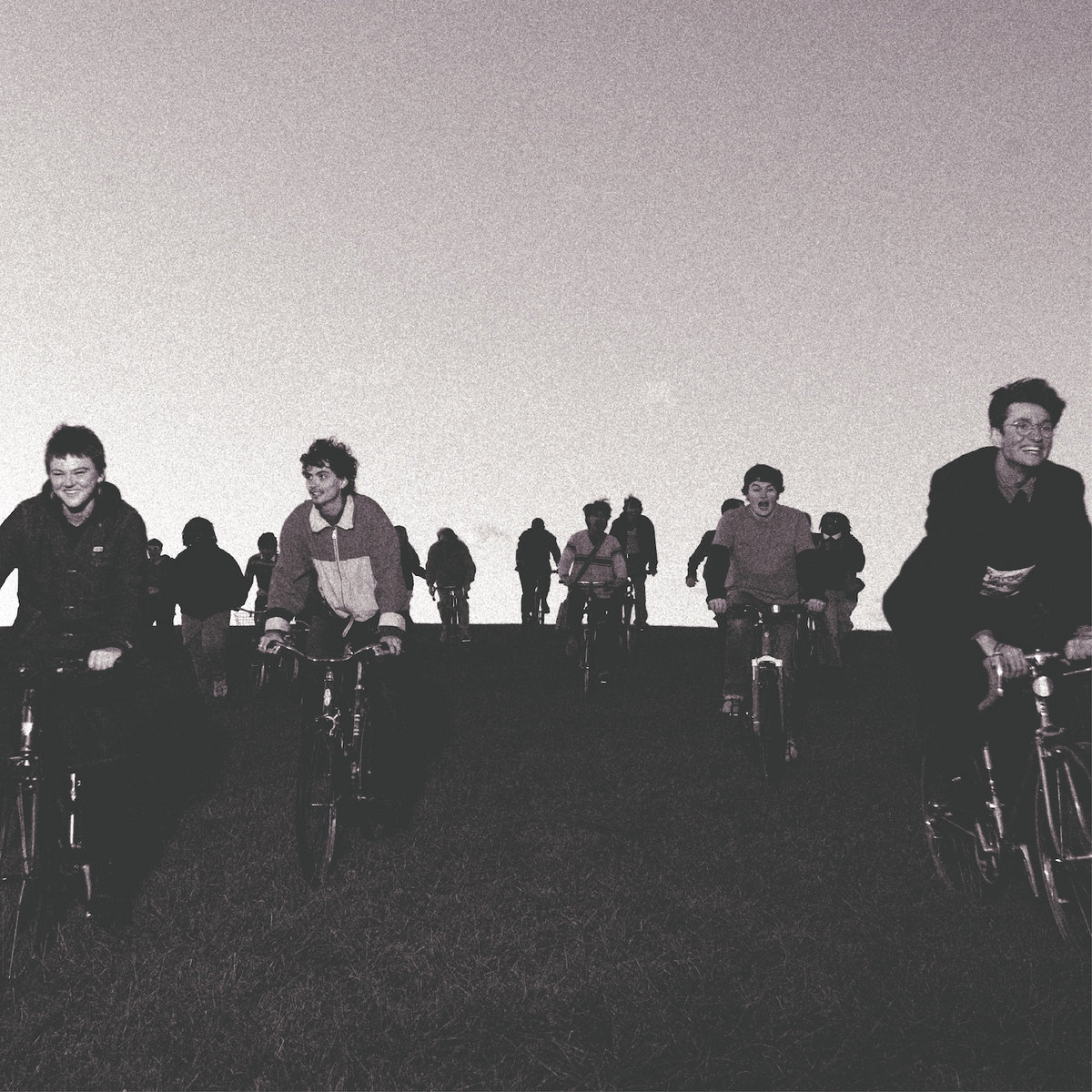
Friko – Something Worth Waiting For | Album Review

ATO Records

I sometimes fear that I’m nothing but a prisoner of suggestion. With so much stimuli out there, am I actually parsing things, or am I just letting them steer me?

Let’s take, for example, the band Friko. I was really into the group’s debut, Where We've Been, Where We Go from Here, when it was released back in the early days of 2024. While listening to it, I’d often find myself thinking of Radiohead, but I couldn’t fully put my finger on why. Then I realized that one of my intros to Friko was a video on Youtube of them covering “Weird Fishes/Arpeggi” at their record release show. Was that it? Was watching one video enough to put them into my brain’s Radiohead cabinet? Am I even driving this car? 

A few weeks after having this realization, I put the record on while hanging out with some friends, and one of them remarked that it reminded him of Radiohead. It was an interesting development, as I was positive that this guy knew nothing about the aforementioned cover. Then, months and months later, another friend turned to me during a Friko show at The Empty Bottle and said, “I’m going to tell my kids this is Radiohead!” He didn’t know they covered them either. The wheels began to turn again. Maybe my initial feeling was sound. Maybe I do have autonomy. 

I bring all of this up because, as I listened to Friko’s new record, Something Worth Waiting For, I often found myself thinking about the Flaming Lips, and that old paranoia returned. I began to wonder, did this connection form because the band toured with the Flaming Lips not so long ago? Is my brain just making haphazard connections of convenience? 

After some more thought, I’ve decided it doesn’t matter. Sure, maybe the connection first came to my mind because of that tour, but if we go a level deeper, isn’t it likely that creative threads linking the two bands are part of what led to Friko getting that support slot in the first place? Both groups certainly have an appreciation for the grander side of pop songwriting, something Friko really lean into on Something Worth Waiting For

This record is Friko’s first as a four-piece after the addition of bassist David Fuller and guitarist Korgan Robb (side note: be sure to check out Robb’s other band, the courts), and though “sparing” is never a word that I would have used to describe Friko in the past, you can really feel them working on a bigger scale here. This first really struck me on “Choo Choo,” where the background harmonies throughout the chorus and outro have a really satisfying added depth. I felt the same thing one song later on “Alice,” where things get almost choral as the track drives to a close.

The song that I’d say most bowls me over here, though, is “Hot Air Balloon.” I can’t get enough of it. The song’s arrangement is absolutely killer, featuring some of the best bass lines that I’ve heard this year, and the way the lead guitar follows the main melody during the song’s chorus massages your brain in a way that’s just divine. It’s also maybe the best synthesis we get of the old Friko and the new, with the first verse giving us dual harmonies between Niko Kapetan and Bailey Minzenberger before things grow and grow to a triumphant finale that reminds you this is a capital-B Band that we’re dealing with here. I’ve seen Friko several times, and my favorite parts of their shows have always been when all four members are going all out singing together. Having that replicated in the closing minutes of this track and other songs like “Alice” and “Seven Degrees” really elevates the record. 

Speaking of Friko live, I’ve been dying to get my ears on the studio version of “Guess” since I first heard it performed a year ago when the band opened for BC,NR at the Salt Shed. It’s such a perfect show-opening song, and I was curious to see if that would fully carry over on record. Well, in a perhaps unsurprising turn of events, it also works incredibly well as an album opener. I kind of don’t want to say much more about it because there are elements to it that shouldn’t be spoiled, but damn, what another great song. 

One thing that I came to appreciate more about Something Worth Waiting For through multiple listens was the interplay between themes of travel and stasis. On the one hand, you have all these songs about different modes of transportation — “Choo Choo,” “Hot Air Balloon,” and “Dear Bicycle” — then you have lines like “In the background I'll be there / Because some things never leave there” on “Certainty” and “Someday we'll lay statues on this dirt beneath our feet / we'll be running circles round it just you wait and see” on the title track. Sometimes these themes are in direct contrast, particularly with “Hot Air Balloon” and “Choo Choo,” which are about escape, but as the album closes on “Dear Bicycle,” there’s a convergence that brings everything home. 

Early on, the album’s closing track presents travel not as a means of getting away but as a means to explore, with Kapetan singing “Bicycle I'm waiting for you outside we've got things to do / there's alleys streets and avenues and gas stations we've yet to cruise / so stick around.” It’s a beautiful and relatable sentiment, this realization that exploration need not take you too far from home. As the track continues, we get a more bittersweet set of lines: “Bicycle your rust is showing, what has happened to your bones / You’re rusty now but have a drink, there’s kids around that want to play and you can’t let them down.” This is where I really came to understand how those themes of travel and stasis connect; the person who got so much from exploring is ready to move on. The bicycle and those gas station rides are not for them anymore, but the narrator still understands the power those moments held and recognizes that others might follow a similar path. 

At the same time, there’s this sadness that comes with watching places and things grow old around you, whether that’s realized through rust on a bicycle or the dilapidation of the town around it. At some point, you just want to move on, but in doing so, you don’t want to forget the good ways those experiences shaped you. Maybe you leave, but those moments tied to that place sustain. That’s where track two’s “Wish I took the train today / Wish I took it almost every day / I’ll take it far away” connects with track five’s “In the background I'll be there / Because some things never leave there.” It’s the perfect place to end. 

There’s something about the way Friko’s sound has changed from the first album to this one that’s tied up in this, too. They’ve definitely evolved and progressed, but through that, there are still these echoes and threads—in Niko’s yelps, in little piano passages, in the way that harmonies come together—reflecting who they were before. And not to be the Friko-Readiohead or Friko-Flaming Lips guy again, but I think that’s just another way that I see Friko fitting into the same lineage as those two bands. Radiohead somehow always sound like Radiohead, even when they put out an album that’s not in any way like the one that came before it. The Flaming Lips moved from noise rock to psych-pop while still maintaining a sense of theatrics that was core to their identity. The reason I think these types of bands are able to maintain a continuity is that their shifts are born of an organic desire to explore new things rather than a methodical “let’s change things up on the next one” approach. I’m not saying Friko LP1 to LP2 is The Bends to Kid A, but that’s the kind of range that seems to be building here. Who knows, maybe their next release will have me questioning my motivations for likening them to Unwound or Depeche Mode. Ultimately, all that really matters is that they sound like Friko. If they do, I’m always going to love it.    


Josh Ejnes is a writer and musician living in Chicago. He has a blog about cassette tapes called Tape Study that you can find here, and he also makes music under the name Cutaway Car.

The Emo(Con) Diaries

Photo by Annie Watson

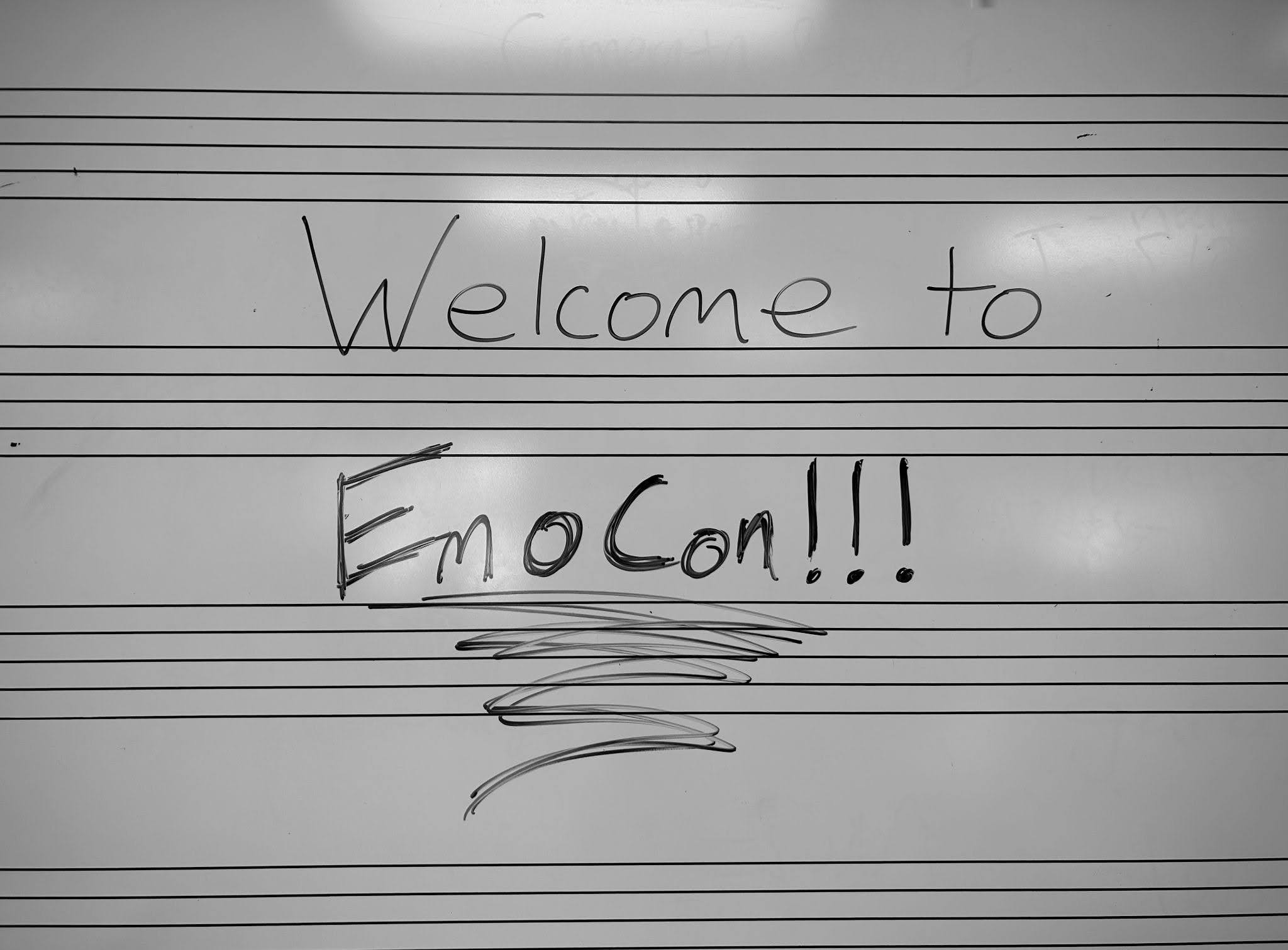
Earlier this month, I went to a first-of-its-kind, academic conference on emo music, called “A Conference…, but it’s Midwest Emo” aka EmoCon for short. If you’re getting déjà vu, it’s because I interviewed the organizers about a month ago, chatting about the conference’s inception and their goals.

Things kicked off on Friday, April 10th when Dr. Steve Lamos, drummer for American Football and professor of writing and rhetoric at University of Colorado Boulder, gave a fantastic opening keynote at the music building of Washington University in St. Louis. His talk was about writing with nostalgia, closely following an article he published in the Journal of Popular Music Studies earlier this year. After about 90 minutes of discussion, Q&A, and meeting other attendees, we headed to a beautiful bar called Blueberry Hill, where we retreaded old topics with new friends in the tiniest, oldest wooden booths in all of Missouri and geared up for a Saturday full of talks.

Saturday morning, after opening remarks and familiarizing ourselves with the exceedingly generous coffee and bagel spread, attendees split up to catch whichever talks interested them the most. At any given time, there were four panels running simultaneously, each featuring 20-minute talks and 10 minutes for questions. 

The panels ranged from discussions on archivism, the aesthetics of catastrophe, and kayfabe in MCR’s current tour. It was a whirlwind of people and ideas, and I wish I could have been at every single talk. There was an immense variety of presenters, not only in topic but also in discipline, methods, and personal backgrounds. I scribbled several pages of notes, shook a lot of hands, gave out many business cards, and did my best to keep up with everyone else. 

Photo by Dan Ozzi

After the last talk, we had two hours to ourselves before the concluding keynote and concert. One quick outfit change and a glass of wine later, we made it to Platypus with just enough time for dinner and a beer before Dan Ozzi’s talk. If you don’t pay attention to the names of journalists, you should. Ozzi is a long-time music journalist who wrote “SELLOUT: The Major Label Feeding Frenzy That Swept Punk, Emo, and Hardcore (1994-2007),” which is now a foundational text for researchers and enthusiasts of alternative music. His talk focused on aspects of selling out, gatekeeping, and poserdom, and how those words mean something different now than they did 20 or 30 years ago. The setup was notable as Dan talked at the front of the room for the better part of an hour, facing down a crowd of 40-ish two-beers-in academics with questions that could have lasted the entire evening. 

Eventually, Varun and Patrick broke up the Q&A and segued us into the concert, starting with Girl Gordon from Cincinnati, Ohio. This set alone convinced me that every conference should end with a concert. Not to mention, at least half the band members had also been presenters earlier in the day. They were followed by the cover group Silly Little Emo Band, which pulled a double set of all your cooler older sister’s favorite songs, including “Ohio is for Lovers,” “Twin Sized Mattress,” and “My Immortal.” In true emo fashion, the band revealed mid-set that this was a “farewell show of sorts,” and they were going on a “temporary hiatus” until all the members could finish up their degrees. 

By the end of the night, I had sweat out about three beers and was completely losing my voice. The night ended with a cover of “Welcome to the Black Parade” and about an hour's worth of goodbyes as people trickled out of the bar one by one, making last-minute exchanges, promising to keep in touch before heading back to their hotels, AirBnbs, and friends’ couches. 

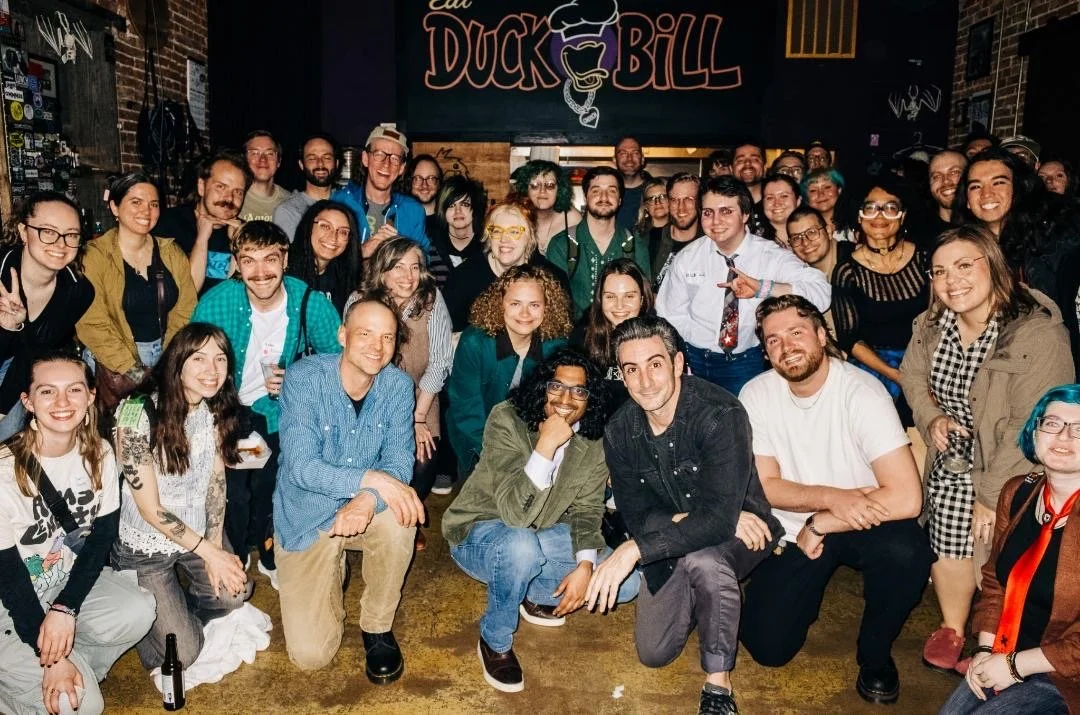
There were many unforgettable memories made at EmoCon. Though at one of the archivism talks, we discussed how EmoCon itself wasn’t being recorded or archived very much beyond iPhone pictures and Instagram stories. To help hold onto a very special weekend, we put together a wall of diary entries from the attendees. 

— Braden Allmond


“It was hilarious to be in the same room as Steve Lamos when one of the panelists did a dramatic reading of the ‘real emo’ copypasta, which directly bashes American Football. A lot of laughter was shared throughout the whole weekend. ” — Annie Watson, Attendee


“The biggest memory I think I’ll have is how inclusive it felt, especially for someone who would otherwise consider herself an outsider to the emo world. I appreciated how accepting and welcoming everyone was.” — Lizzy Cook, Attendee


“When Patrick and I started planning EmoCon about a year ago, we never thought it would grow in the way it did. We hoped that the conference would be able to mix the welcoming realities of the DIY communities that built emo with the academic rigor that sustains educational life, believing that both could complement and improve the other. Everyone was so wonderful in every way, and it resulted in EmoCon being an effortlessly amazing event. It filled my heart with so much joy to see how welcoming, intellectually stimulating, and fun it was and to see what perhaps the best of academia (and emo) could end up being!” — Varun Chandrasekhar, Conference Organizer


“I think of all the Gerard Way love. He and MCR make women, youth, and LGBTQ+ feel seen and safe during post-9/11. Also, Ella’s classic Gerard photos, the fashion, the laughs, the uplifting of BIPOC scholarship, and all forms of emo. An honorable mention to Blueberry Hill grilled cheese and gooey butter cake with my new friends.”— Kristy Martinez, Presenter 


“Love was on full display at EmoCon 2026. The love of music and community was palpable; I hope this is the first of many emo conferences to come. I believe I made lifelong friends and colleagues. A special thank you to Steve Lamos for being such a kind spirit. Eternal gratitude to everyone who made this possible! <3” — Victoria Smith, Presenter 


“I’m watching Free Throw and Macseal at Delmar Hall alone after the conference, feeling desperate to keep the magic alive. It’s been over a decade since Those Days are Gone came out. The kids in the middle are anxious to start a pit, and I realize they all look so young. So familiar. The openers, Wakelee, all look about the same age. The stage lights cast Cory Castro in long, wilting pink shadows across the far left wall, and I think of that Current Joys lyric, “all the punks are writing memoirs.” I don’t stand for the whole set, but I record Two Beers In on my voice note app before I walk to the hookah bar. I tell Luna and Braden over text the next day that it felt like walking into my own house party on the last song when everyone is giving it everything they can.” — Sarita “Rita” A. Deleon-Garza, Presenter


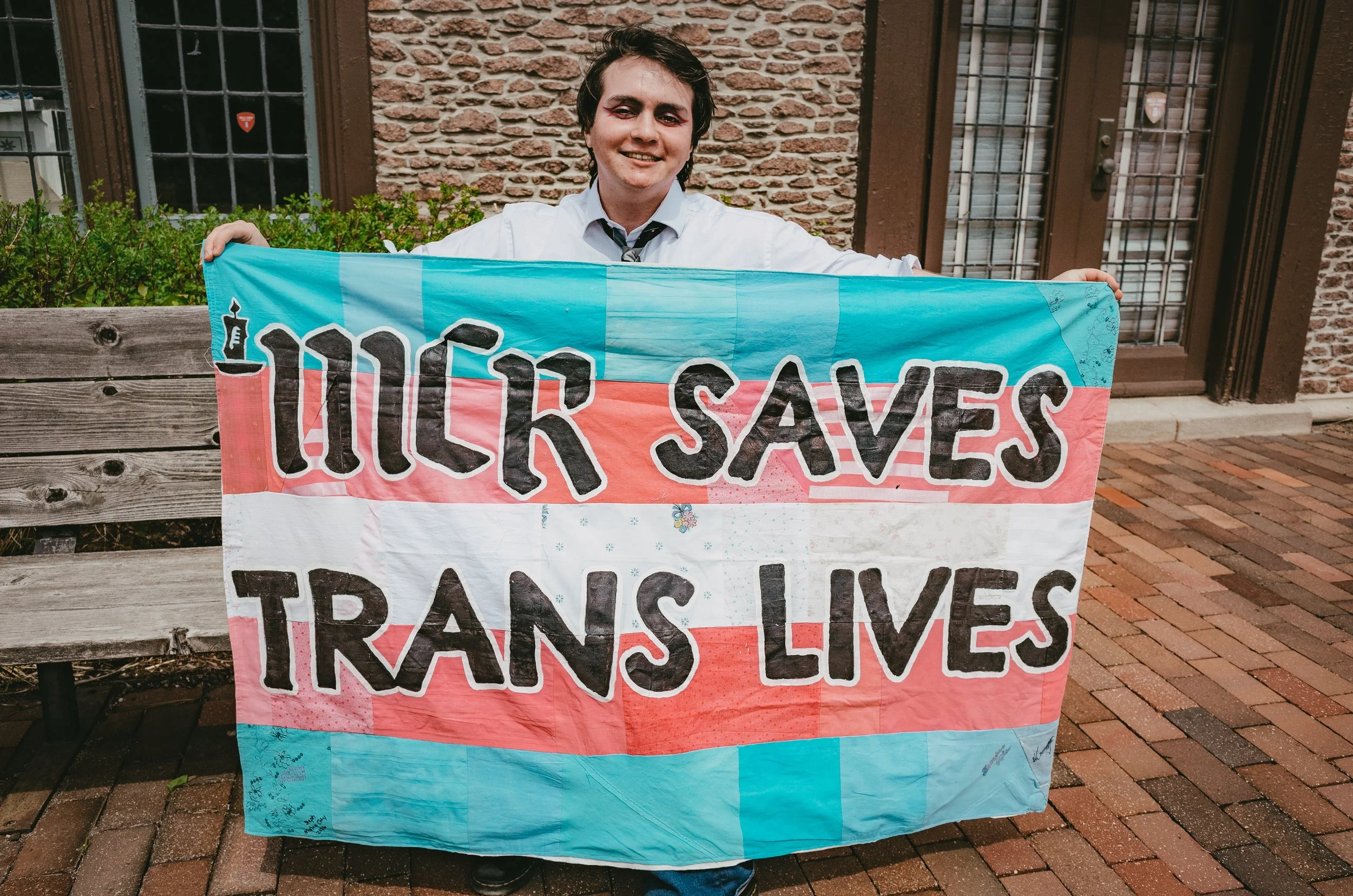
“It was so beautiful to be surrounded by fans and enthusiasts of a genre that literally saved my life. My favorite memory was Izzy yelling ‘Hello gay people!’ before the LGBTQ+ emo scholars’ working lunch and seeing an idea we had for ages take form in flesh and blood. Also, sorry Stars and Stripes, but the MCR Trans Flag is the only flag I’ll salute. It was an empowering experience to meet Mick and learn the stories behind this flag, especially as a queer person in Nashville, Tennessee, where Vanderbilt University has stopped doing gender-affirming healthcare.”— Logan Dalton, Attendee

Photo by Dan Ozzi


“Being a non-academic elder emo, I had no idea what to expect from this conference and was blown away by it all. Seeing people from so many life paths come together to talk about this lens of identity we all share, from their own points of view, expanded my mind (and heart) in the best way. The emo in me sees the emo in everyone who attended.”  — Amanda Brennan, Presenter


“I spent much of my beautiful Saturday tuning into various Zoom rooms from Philadelphia, PA, the emo capital of the world (to me). I got to learn about agency and individualism across three different waves of emo, see some cool maps on the genre’s locality, and delve deep into the Queer Worldmaking of My Chem. That evening, I walked to catch Ultra Deluxe and Boyclothes at a local pizza shop and felt overflowing with positivity about this genre that’s so easy to parody, skewer, and criticize. There’s cool stuff happening everywhere, you just have to know where to look, and I thank EmoCon for elevating such thoughtful discussions on this genre I love so dearly.” — Taylor Grimes, Digital Attendee


“It’s not very often you attend an academic conference, and then four hours later all those same attendees are jamming out to a live performance of “Catalina Fight Song” straight into “Constant Headache.” It was special and surreal. I blinked and it was over.”— Keno Catabay, Presenter


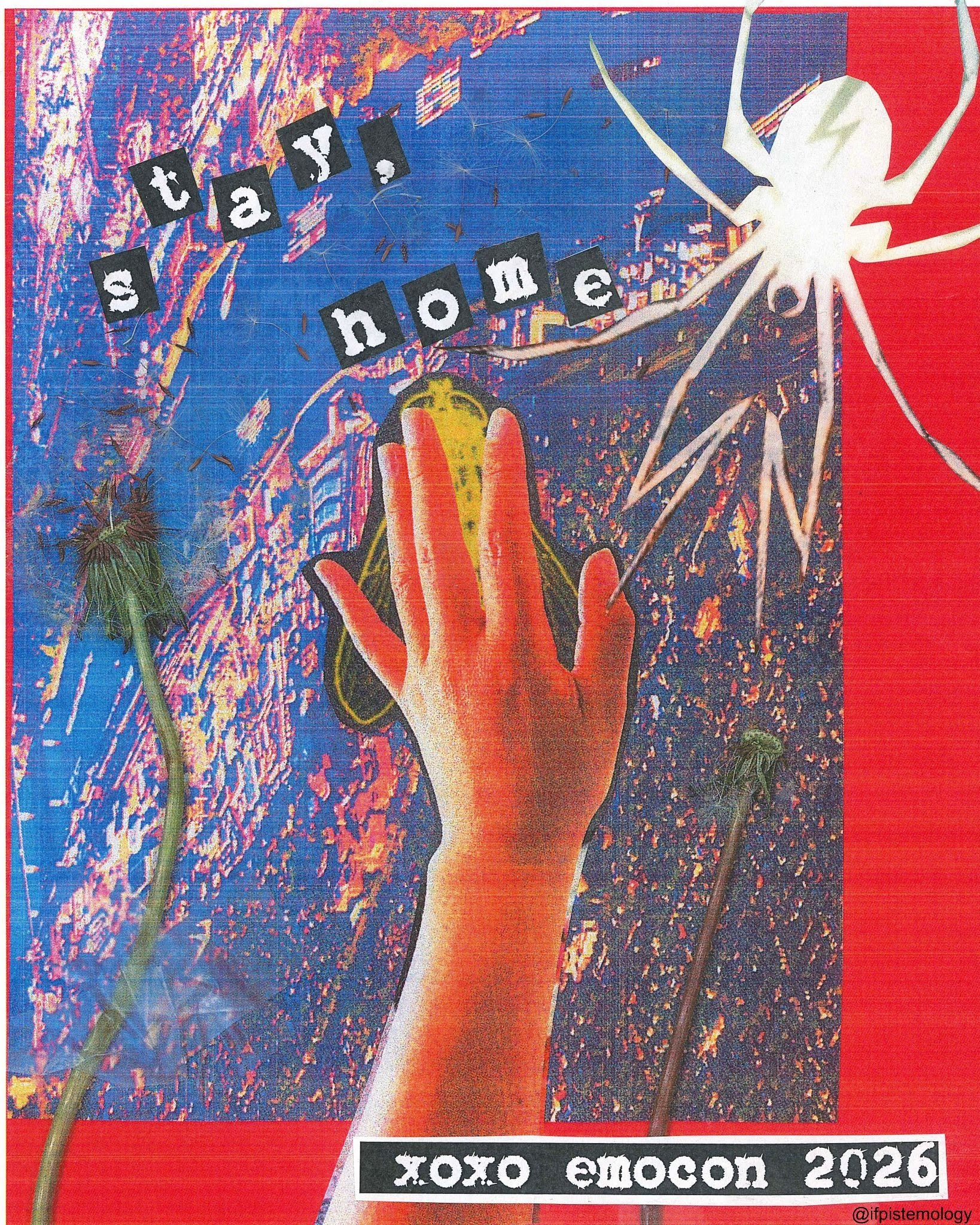
“Home is a feeling, or so the cliché goes. When you’re queer and Filipinx and maybe emo and coming up in the semi-rural exurbs of St. Louis, the feeling of home is always ambivalent, always asterisked, always with one or two or twelve caveats sticking in your ribcage, sharp and stubborn and raw. On top of this, emo is (or can be) a scene with rigid, sometimes violently policed borders and high barrier to entry. We all know the truism-turned-meme about “real emo.” So, it’s a tremendous testament to the organizers, participants, and community that EmoCon was wholly a space of welcome and refuge. What this gathering made clear is that if emos are antisocial, it’s because we’re busy facilitating different forms of the social. It felt radically open. It felt radically undisciplined. It felt intentional, exciting, and new. If home is a feeling, EmoCon felt like coming home.” — I.F. “izzy” Gonzales, Presenter

Collage by I.F. “izzy” Gonzales


“I think a lot about the words of the artist Corita Kent when it comes to art making: ‘Find a place you trust and try trusting it for a while.’ This applies to everything, though. How are we supposed to build new, beautiful worlds if we don’t trust each other? EmoCon gave me that place physically, and now I’ve brought it home as I continue to stay in contact with my new friends/colleagues! The work we are doing is important, and I want to hold everyone at the conference in my arms and tell them, ‘You matter! What we are doing is so fucking special that they’ll have to write about it in the history books!’ ” — Luna Maldonado-Velez, Presenter


“Emo has meant a lot to me since I was wee. Growing up as a Scottish, Nigerian, and Welsh kid in Edinburgh in the 90s/00s, I found my way to emo through blogs, zines, and friends. Being at EmoCon in St. Louis felt beautifully surreal, especially hearing and learning from many people who, too, have been at the fringes of emo and who embrace how it collides and communes with jazz, punk, post-hardcore, hip-hop, and rap. A very generous and insightful opening keynote by Steve Lamos set the tone for the heartening times that followed. The “Musickal Mattering” that he shared about was deeply felt throughout, including during the brilliant gig by Girl Gordon and Silly Little Emo Band. Big thanks to everyone who made this awesome, caring, and intergenerational space <3 I’m excited for all that’s ahead.” — Francesca Sobande, Presenter 


“EmoCon was nothing short of a delight. During lunchtime, many people clustered around the courtyard of the conference venue, talking to strangers, making new friends, and organizing new groups. A repeated comment I heard from both presenters and attendees was that this was the friendliest academic conference they had ever been to—and as someone who's only been to philosophy conferences, I have to agree. EmoCon hosted a broad range of disciplines spanning a wide intersection of generations, cultures, and identities. People were safe and welcome to be who they are, regardless of labels and appearance. The result was a turnout that boasted the most creativity and diversity I have ever seen at a conference—but none of that compromised the passion, quality, or rigor of the presentations. That's the beauty of it: People being their full selves, pouring love into their favorite art. It's what community is all about.” — Kierra Hammons, Attendee


“Everything about EmoCon was so ideal—from the presenters who provided the academic quality to the audience members who brought a warm, DIY energy to every panel. Not only was the positivity palpable, but our wonderful keynote speakers (Steve Lamos and Dan Ozzi) gave EmoCon a validity that matched the program’s impressive scholarship. There was also something poetic about ending the conference with a concert. Even after a long day of presentations, the venue was still packed with a bunch of emos, academics, and emo academics singing along to their favorite songs. Varun and I still can’t believe how beautiful EmoCon was. All of this leads me to believe that while EmoCon ‘26 was the first academic conference on emo, it will not be the last. We hope to see you soon <3” — Patrick Mitchell, Conference Organizer

Photo by Annie Watson


“In grad school, you're told to go to conferences to network, make introductions, sell your book. Real ones know the best conferences are the friends you make on the way. Three Cheers for Varun and Patrick for creating a welcoming place where innovative interdisciplinary scholarship can thrive within (and break down) the university walls. Also, never forget that the Daily Mail once described The Black Parade as ‘the place emos go when they die.’” — Alex Valin, Presenter


“This was truly one of the most enjoyable conferences in which I’ve ever participated.  Varun, Patrick, and everyone else involved in the event were just wonderful–and I truly hope that this is the first of many EmoCons to come!” — Steve Lamos, Keynote Presenter


“EmoCon was genuinely one of the most thoughtful and engaging conferences I have ever attended. It was amazing to meet and talk to people from so many different places and scenes and hear about their experiences. As an elder emo kid, it was so electric to hear from younger folks how they discovered these bands and what their scene is like. It was the best mixture of academic nerding out and meeting new (have I actually known you my whole life??) people. Emo Summer Camp vibes! The reception I received at EmoCon healed my deep academic trauma in so many tangible ways. Thanks, Varun and Patrick, for creating such an intellectually engaging space for us to come together!” — Alex Plante, Presenter


“I think so often in the academic world, we get caught up in our field and collect accolades to build up ‘cred’ with those peers. However, having an outlet for such a variety of people to come together in shared love and express themselves in authentic ways speaks to the power of this conference! I’ve never been a fan of ‘passion projects,’ but I feel like I found a real one. Sure, I love my job and the work I do, but to have a legitimate place to explore, learn, and play with people from all over gets me excited for the future with you all!” – Pete White, Presenter


“EmoCon was such a wonderful experience. It’s amazing to see so many people studying this music, and we’re grateful we could share our research with this community. Thanks to Varun and Patrick for putting it all together, and we look forward to the next one!” — Matt Chiu & Tyler Howie, Presenters


“EmoCon was all of the experiences I love about academia—connecting with others about the same interests, sharing my ideas and learning in return, and having deep and satisfying conversations about a topic that is important to all of us. I met so many insightful, passionate, and open-minded people from all sorts of places and fields that I would likely never have crossed paths with otherwise. I wish there had been more time to talk to everyone, but I can’t believe how many meaningful new friendships I was able to make in such a short time, and I am really looking forward to watching this community continue to grow!” — Lauren Posklensky, Presenter

Photo by Dr. Jenessa Williams

Prince Daddy & the Hyena – Hotwire Trip Switch | Album Review

Counter Intuitive Records

Is there anything more dreadful than waking up in the aftermath of a party you threw? Bottles everywhere, trash can overflowing, the social hum of your friends long gone. All that’s left is exhausted air and a pile of miscellaneous stuff that friends and acquaintances will have to stop by to pick up at some point. You’re probably hungover, your mouth is dry, and the last thing you want to do is trudge out to your living room to see what carnage awaits you. Then the panic sets in: Was the party fun? Why did that guy leave early? Do my friends hate me? But then you check your phone and look back at some IG Stories. Maybe it wasn’t all so bad… Well, except the puke in your kitchen sink. 

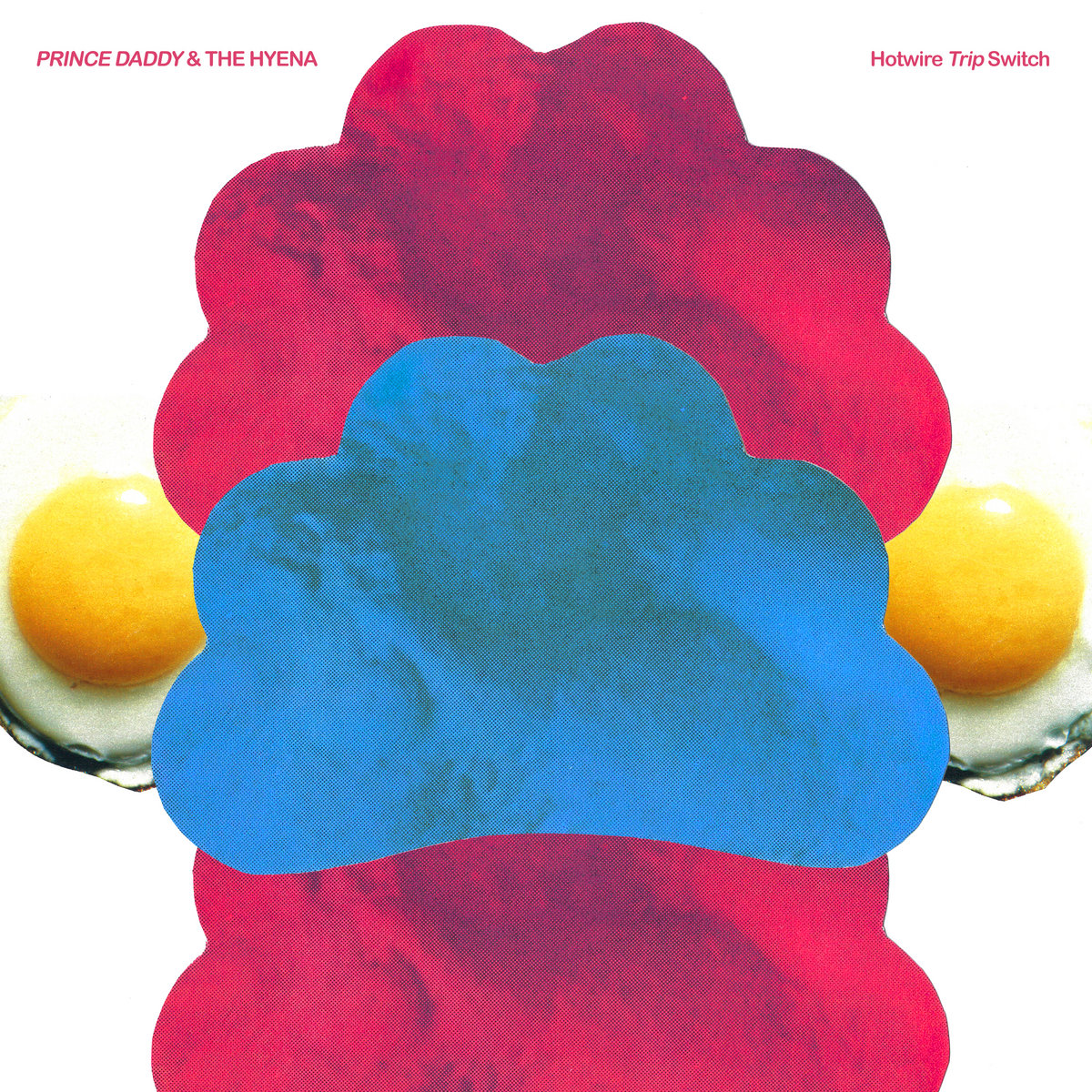
Prince Daddy & the Hyena are back with Hotwire Trip Switch. This album has been framed as a collection of singles, all mapping out years of feeling good and feeling bad in the raucous way only this band can capture. These rockers are rapidly approaching the tenth anniversary of their debut album, I Thought You Didn’t Even Like Leaving, and a decade later, maybe they're not forgetting to take their meds anymore, but they still seem to find themselves asking what’s the point.

It's been a while since Prince Daddy & the Hyena last released an album — their 2022 self-titled album on Pure Noise Records — quite a gap for the notorious road dogs. It’s not that they disappeared or anything. During this gap between albums, they embarked on multiple tours and contributed to several projects, like their double release God Complex / La Da Da, their cover of “You Get What You Give” on Pure Noise’s Dead Formats series, their cover of Foxing’s “Rory,” and their 2025 one-off “Mr. Transistor” to mark their return to Counter Intuitive Records. But it’s been a hot minute since we heard a full-length project from Albany’s rowdiest, so I think it’s fair to do a bit of a retrospective here.

I was first introduced to Kory Gregory’s iconic voice with his apology on a 2017 split with Mom Jeans and Pictures of Vernon called Now That's What I Call Music Vol. 420, specifically on a duet called “Thrashville 2/3” with Kississippi. His scratchy yelp melded with Kississippi’s croon as they yelled “Sorry in advance, I’m sorta bad at this,” before devolving into a song about feeling like a piece of shit and smoking too much weed. That’s a good example of a lot of Prince Daddy & the Hyena’s early songs: but there’s nuance to feeling like shit, and over multiple albums and EPs, they grappled with every angle of it — the hilarity, the misery, the apologies. 

From there, they took an intergalactic dive with Cosmic Thrill Seekers, a 2019 concept album crafted in the aftermath of a devastating acid trip. Their songs, once short and acerbic (as on their 2015 EP Adult Summers), suddenly enveloped listeners with longer studies on feelings of being trapped and frustrated. The band seemed to long for the friction they struggled against for years. Their barbs were no longer pointed outwards, but inwards too. They continued this thread into their 2022 self-titled LP, by far their most desperate and darkest work yet, but also their sunniest. That description is not meant to be taken literally, even though the opener is a harmonious song called “Adore the Sun.” Prince Daddy bounced between these two feelings throughout the album: believing in some kind of tangible hope after a horrific van accident while also coating their lyrics in an infestation of bugs, rats, and mold. This brings us to Hotwire Trip Switch, kind of an album, kind of a collection of songs, but definitely not like anything else they’ve released yet.

The album starts with a kick drum on “24-03-04_Birthday_B4,” immediately charting us on a synth-y sail, full speed ahead. They pick up even more velocity with the following song, “Big-Box Store Heart,” which has been stuck in my head since the second I heard it. Initially, this was a surprise. Prince Daddy’s last full release was moody, even grim at times, so to return with a refreshed, bouncing, pop-punk single was unexpected. But this is Prince Daddy & the Hyena, and by now I should have learned to expect the unexpected. One thing you can count on, however, is a hit, and "Big-Box Store Heart" is a crowd-pleaser just begging to be danced to, and by God, it will be.

Daniel Gorham’s drums surge through the band on “NQA,” but the heartbeat of the Hotwire Trip Switch thumps in “Crash Taylor,” somewhere in the center of the project, but more like the close of the first half. This is a quote-unquote “singles record,” and I definitely get what Prince Daddy means by that; it’s about the individual stories within songs themselves rather than the larger landscapes they create, but there is still a clear throughline connecting these songs. There are insurmountable feelings of frustration, constraint, and the glimpses of joy you get despite that. When Kory jokingly sings, “what goes up / must come down / and boy it comes down whenever I’m underneath,” it is clear that this sentiment is the crux of the album and maybe even Prince Daddy's discography as a whole.

Hotwire Trip Switch picks back up with “30days30days30days,” a blistering plea for help cutting through the most materialistic aspects of society. Over a Scooby Doo chase scene-esque melody, Gregory mutters to himself about trying to medicate with alcohol and pills before picturing a sedentary, unactualized dream of isolation. The song revs into overdrive, Kory’s voice becoming supersonic as he lists a kind of unattainable cottagecore fantasy: “move to the mountains / cancel the subscriptions / maybe start a juice cleanse.” While Kory states that this is done to “repair what’s malfunctioning,” it's clear, even as he says it, that this isn't happening. It almost seems to mock punk songs, encouraging the opposite: instead of learning guitar, getting in the van, and playing shows, Gregory humors himself with the suggestion that maybe the cure for all his problems is escape.

The debaucherous pleas riddled through “30days30days30days” leads into “SHITSHOW or Boulevard of Soaking Dreams,” which is also probably the best song title on the album — it’s between that and “Sure Could (A Random Exercise In Life-Altering Party Fouls).” Prince Daddy & the Hyena has always been funny, not haha funny, more like funny because if I don’t make a joke out of [whatever thing] I’ll cry. While they may have changed several aspects of their sound — Joe Reinhart, producer of artists like Hop Along and Joyce Manor, cleared up Cameron Handford’s guitar tones, focused on Kory’s more reserved vocals, and cranked Jordan Chmielowski’s bass to eleven — they have never lost their humor. This is a revelation I made after Gregory closes the song with “The water's running out / I don't know why it turns me on / But it turns me on.”

If “Crash Taylor” was the heart of Hotwire Trip Switch, then the penultimate track “Something’s Gotta Give” is the brain. Unexpectedly chuggy compared to the pop-punk fury Prince Daddy deliver throughout the rest of the album. It’s not quite a self-titled B-side; “Something’s Gotta Give” is introspective and earthy like that record, sure, but it’s a fresh wound. Rather, it’s a wound that keeps getting reinfected. The song seems to come from a place of internalized doubt; it’s been over ten years of Prince Daddy, and what do they have to show for it? Gregory takes a morose, lamenting tone at the end, singing “five albums of this / everyone is concerned / something’s gotta give/ you’re scaring off the kids / they’ll probably turn it off before the end.”

Over a decade of music can’t end there, so distraught, so regretful. So, ever the mighty party band they are, Prince Daddy & the Hyena rally one last time to close the album out with “Pinch Me.” While the lyrical content doesn't change significantly (things suck, you don’t think you deserve all this, and you plead that one day you’ll feel like you do), the song is ultimately jovial. Prince Daddy messes around with chiptune in a cartoon-like vortex of sound; their songs always seem to sound on the verge of collapse, and here they finally do collapse. It’s the perfect place for the party to end. That moment when you crash into your bed in the early hours of the morning, only to wake up when the sun peeks through the blinds or the neighbor starts vacuuming. 


Caro Alt (she/her) is from New Orleans, Louisiana, and if she could be anyone in The Simpsons, she would be Milhouse.

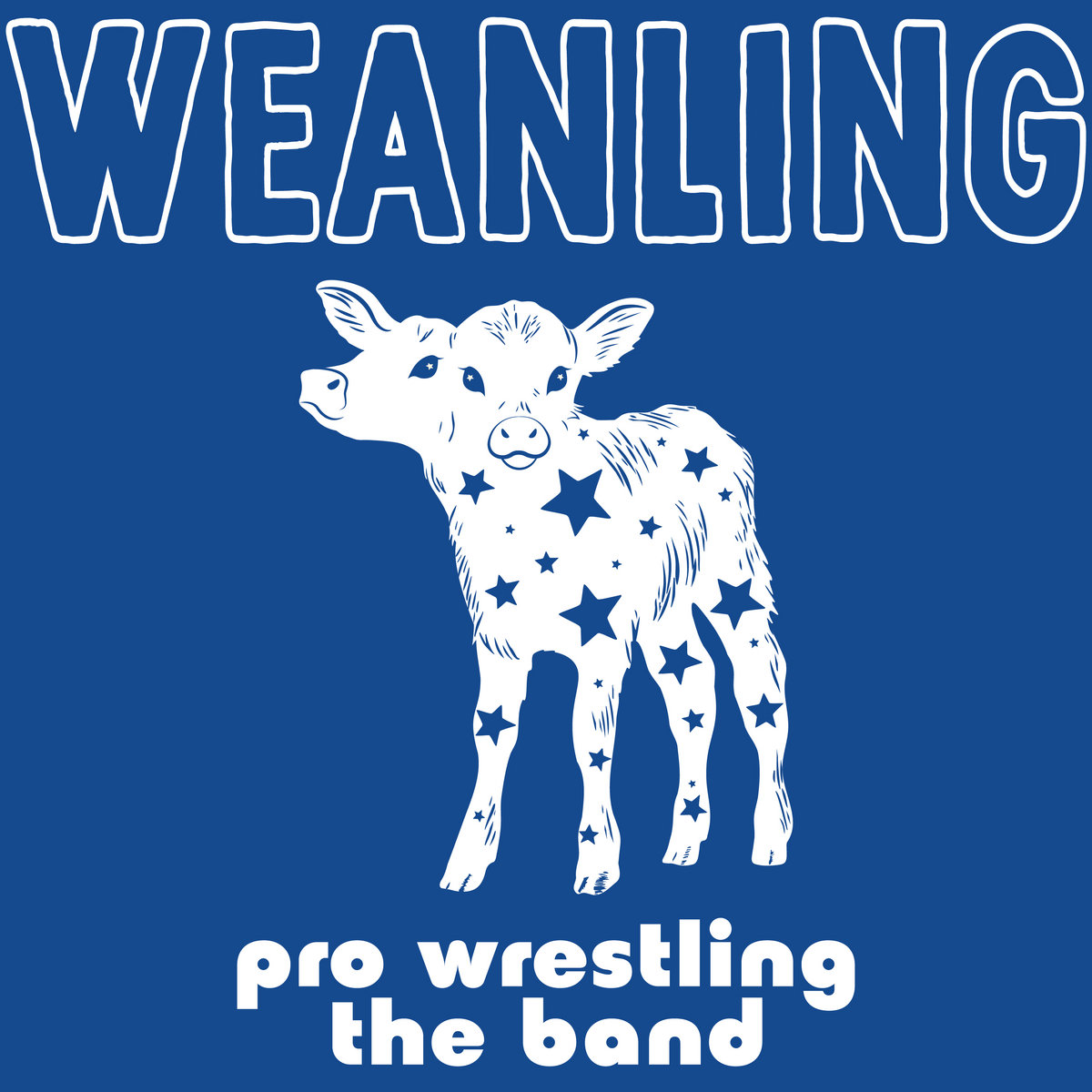
Pro Wrestling The Band – Weanling | EP Review

Thick Freakness

Coming down the aisle, hailing from London, Ontario, is Pro Wrestling The Band. Like any wrestling superstar, the group has a flair for the dramatic; they know how to play to the back of the room with over-the-top rock that’s fast, loud, and pumped-up. The four-man stable is led by frontman Danny Kidd, whose voice is so deadly that it can wrestle any crowd into submission. Behind him, you have Nitro Nathan Stock, known for his explosive drumming behind the sticks. Of course, we can’t forget the intercontinental champion of the bass, Bobby “Don’t Call Me” Calwell, and the most electrifying man in all of indie rock, Craig Gignac, giving the people what they want with magnetic guitar solos. In the words of WWE Hall of Fame wrestling announcer Jim Ross, “Bah Gawd, that’s Pro Wrestling the Band music.” 

The group’s new EP, Weanling, is a continuation of their jaw-droppingly fun Falling In Love With Pro Wrestling The Band, which bound together their first two EPs into one full-length. While Falling In Love With has some power pop tucked in, it’s impressively diverse, with a lot of punk influence, especially in the vocals, plus some twangy elements throughout for good measure. Weanling finds the four-piece fully leaning into their power pop ethos with contagious choruses and guitar chords struck to the max, all executed with sharp-shooter precision.

Opening track “Irish Goodbyes” is one of those songs that would melt the summer radio airwaves in the mid-90s. The track has everything people would want, laced with revving high-energy guitars, thudding drums, and an infectious stadium-level chorus. Kidd’s vocals on the chorus fly above the guitars like a Macho Man Randy Savage elbow drop. When he sings at the top of his lungs, “Was looking for something painless / But Irish goodbyes got so weighted / Left me breathless,” it’s one of those moments that feels mega.

I could have seen “Tarps” on the soundtrack for the Brendan Fraser-starring rom-com Blast from the Past, nestled right in between R.E.M.’s classic “It’s the End of the World as We Know It” and Squirrel Nut Zippers’ “Trou Macacq.” The chorus is sentimental, yet also feels like it was meant to be yelled from a rooftop. Pro Wrestling The Band is firing on all cylinders with these two lead singles, proving that their ear for pop-centric hooks is up there with the best of them going today.

This EP is only five songs, but the music flies free and fast at a suitably explosive breakneck speed. “Replacements” has the shortest runtime, but it’s just pure muscular intensity between the drums and guitars from the word go. There’s a real swagger with Kidd’s vocals on “Space,” giving the kind of flair and edginess that reminds me of Liam Gallagher in his heyday. Really enjoyable to hear that level of confidence being brought out in a song. I need more of that. 

At the tail end of the release, “Don’t Mind Me” kicks off with a triumphant classic rock guitar solo which soon gives way to soaring vocals that are nothing short of world-conquering. With a slower tempo that feels like last call at the bar, “Don’t Mind Me” feels like the bright, blaring lights were just turned on and it’s time for everyone to find their jackets and stumble on home.

Weanling is the best 1996 album made in 2026. The boys from up north seem to go about their music in an old-school wrestling kind of way, with vivid storytelling, technical proficiency, and respect for the artists who came before them. While the songs themselves aren’t strictly wrestling-themed, the four-man stable has a knack for memorable, anthem-level choruses that would fit pouring out of stadium speakers. Pro Wrestling the Band’s songs are filled with steel chair shots to the head, full of guitar solos, flying off the top rope power pop, and crowd-pleasing choruses that can beat any opponent for the 1, 2, 3 count. 


David is a content mercenary based in Chicago. He’s also a freelance writer specializing in music, movies, and culture. His hidden talents are his mid-range jump shot and the ability to always be able to tell when someone is uncomfortable at a party. You can find him scrolling away on Instagram@davidmwill89, Twitter@Cobretti24, or Medium@davidmwms.