An Interview… But it’s Midwest Emo: A Conversation with the Founders of Emocon
/I’m always a little embarrassed to tell people I listen to emo music. Normally, I just prefer to say a few band names that I’ve been listening to lately and bury the lead until I know I can start saying things like “midwest emo revival,” “twinkledaddies,” or “Senff-Core.” Outside of college campuses, emo is often flattened into a 2000s genre primarily meant for tweens who wear black jeans, which seems pretty silly to obsess about.
Since its inception in the mid-80s, emo has had a bit of a credibility issue. As a relatively new genre with an ever-broadening sound, people seem to prefer to treat emo music and its surrounding culture as a flavor of punk or alternative. This fails to acknowledge unique aspects of the genre and prevents deeper cultural understanding and scholarship.
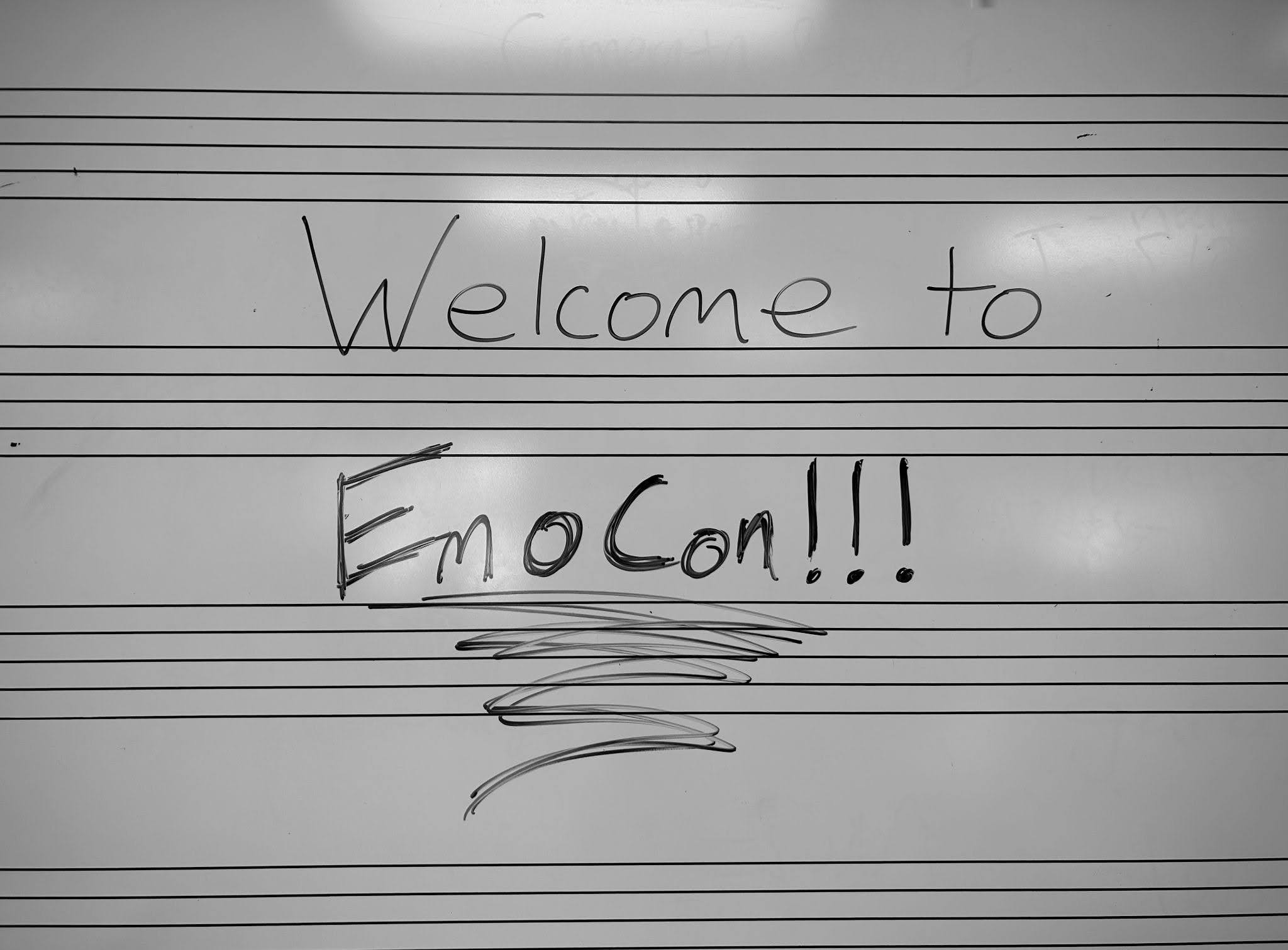
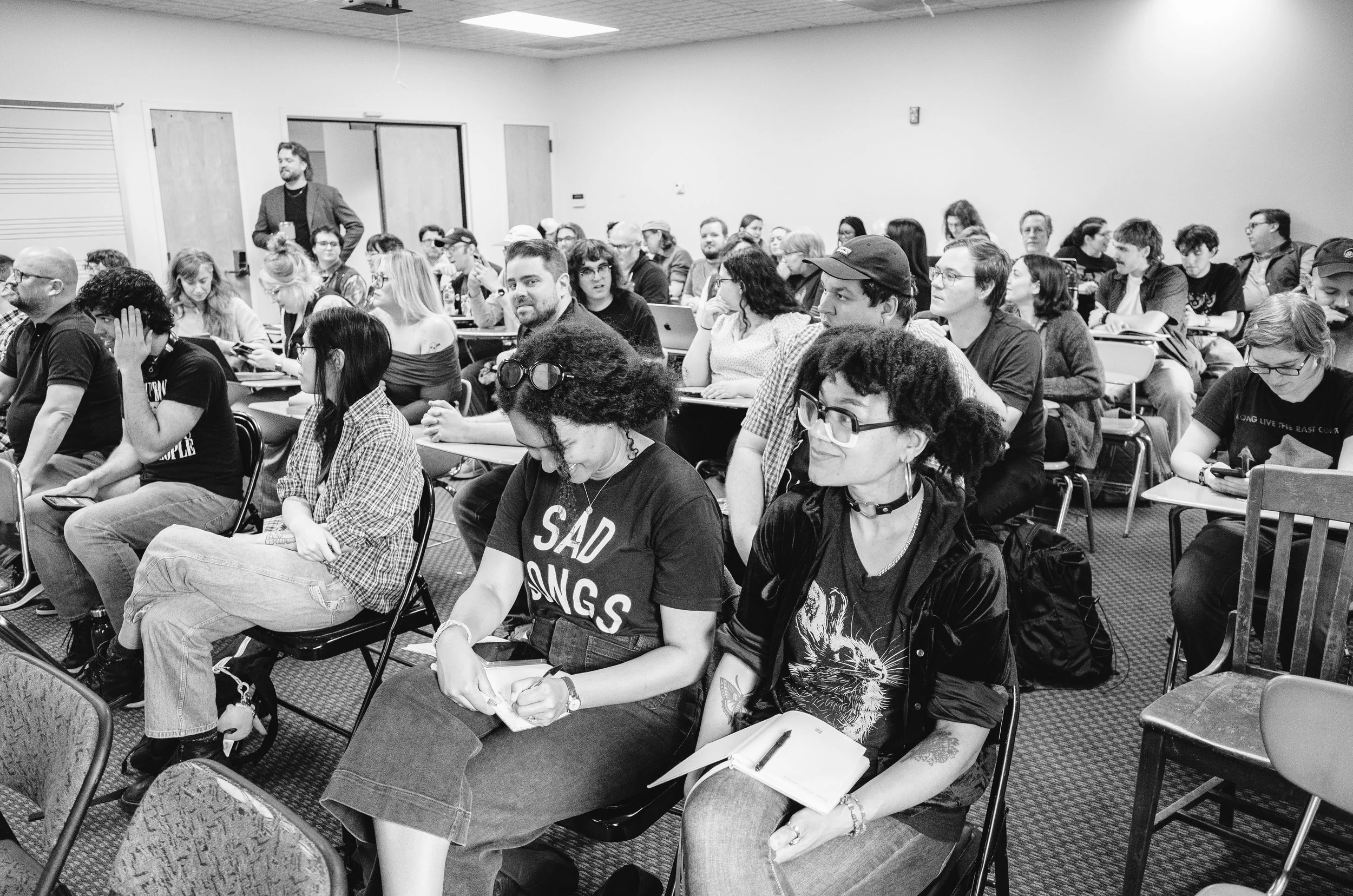
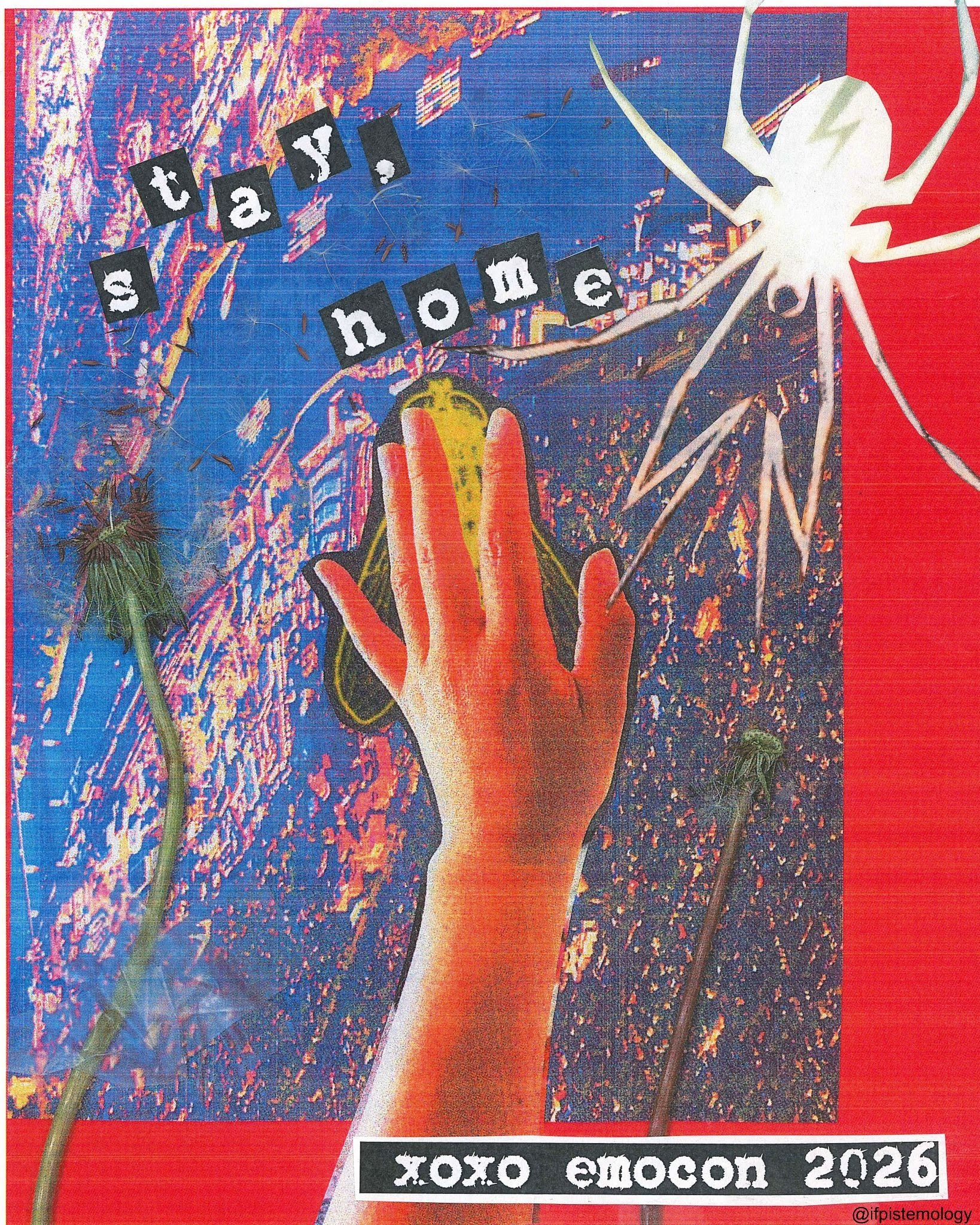
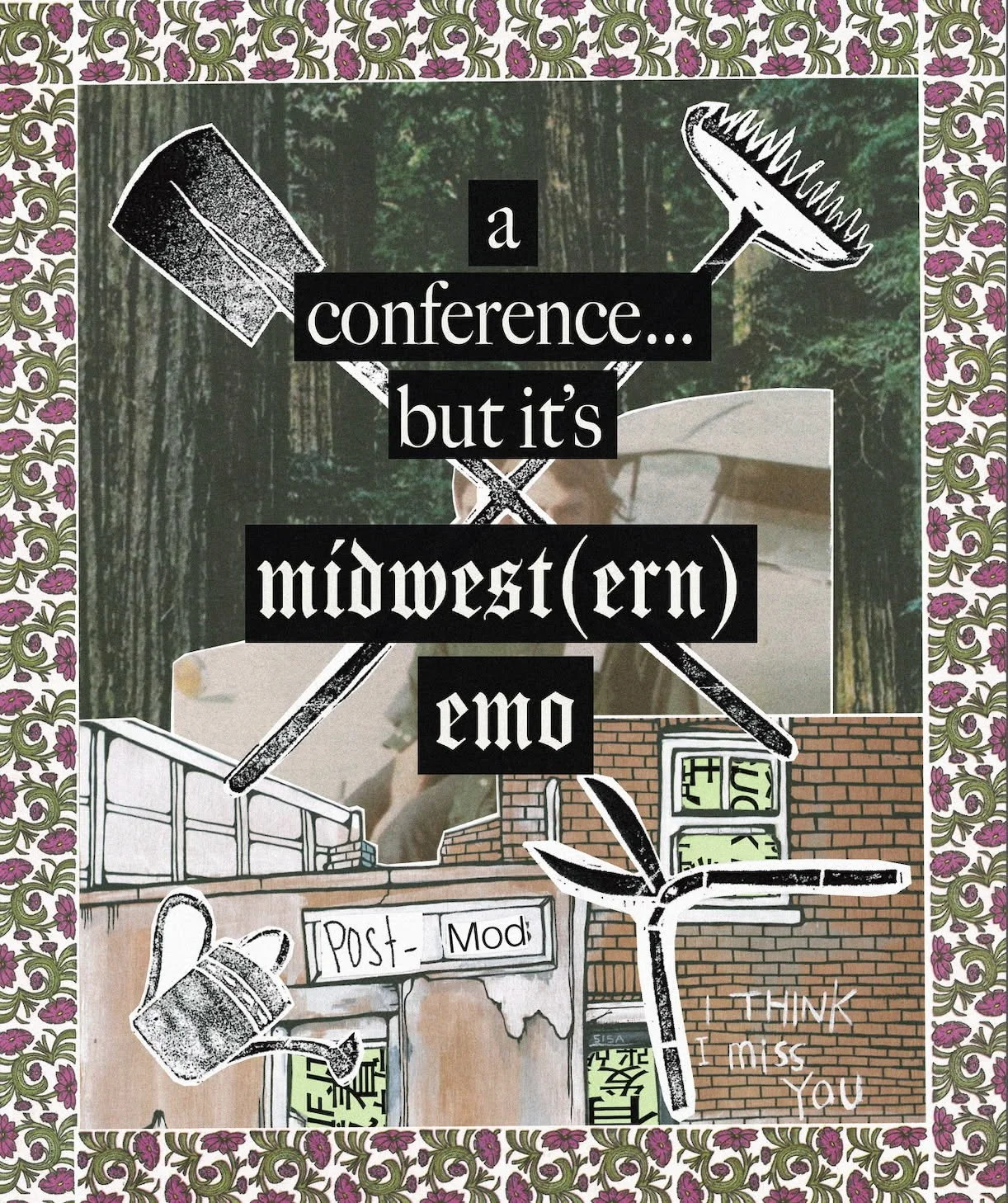
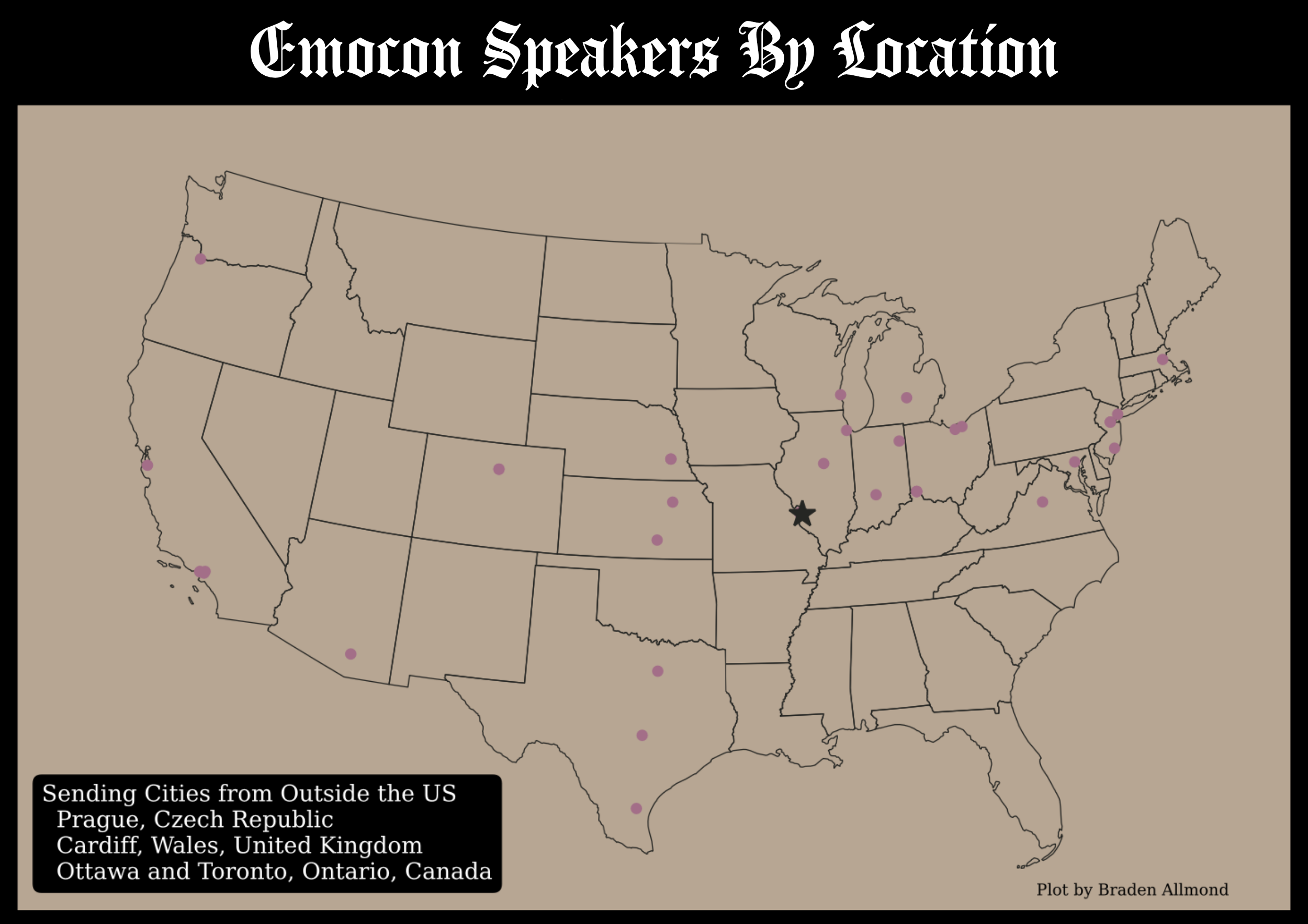
This year, Varun Chandrasekhar (Washington University in St. Louis) and Patrick Mitchell (University of Cincinnati) are changing that. Together, they masterminded a first-of-its-kind conference at WashU in St. Louis, Missouri, on April 10th and 11th, dubbed “A Conference… but It’s Midwest(ern) Emo” or Emocon for short. With the help of nearly 40 researchers from across the US, Canada, the United Kingdom, and the Czech Republic, they are changing the game for emo scholarship in academia. They’ve also secured two incredible keynote speakers for the conference: Dan Ozzi, author of SELLOUT: The Major-Label Feeding Frenzy That Swept Punk, Emo, and Hardcore (1994-2007), and Steve Lamos, the drummer and trumpet player for American Football, who is also an associate professor of writing and rhetoric at the University of Colorado-Boulder.
I was lucky enough to chat with Varun and Patrick to learn how they met, what they think emo is—beyond music—and how they put this conference together. We also touch on topics in academia, such as topical timeliness, overcoming credibility gaps, dealing with missing data, and removing barriers to access.
The full interview is provided below, edited down for length and clarity.
SWIM: Thank you both so much for agreeing to sit down to talk about this upcoming conference. To get started, could you each say a little bit about yourselves and how the two of you met?
PATRICK: I’ve been doing graduate work at the University of Cincinnati for five years. I did my master’s work here at UC, and I’m currently a PhD candidate at CCM [College-Conservatory of Music at UC].
VARUN: I’m a fifth-year PhD candidate in music theory at Washington University in St. Louis, [Missouri], where the conference will be hosted.
PATRICK: I knew Varun as like a micro-celebrity in the pop music scholarship world on Twitter before I knew him in person. Back when Twitter was still hanging on to any threads of relevance. But yeah, I met Varun at a Q&A for one of my papers at a conference in Minneapolis. We just hit it off, and it was at that conference that we jokingly pitched the idea of Emocon.
VARUN: Yeah, we met each other at the International Association for the Study of Popular Music Conference (IASPM). What we were talking about then was this generation of people who grew up with bands like Fall Out Boy, Dashboard Confessional, Paramore—or emo revival and fourth wave to some extent—now sort of being the age to have a PhD or be writing a dissertation.
This is something that really means a lot to me and I think is really important, so we had just been trying to plant a seed to get this conference to happen, and then a couple of grants came back favorably, and, uh, here we are.
SWIM: When was this conference that you’re talking about in Minneapolis?
PATRICK: Summer of ’23, I believe.
SWIM: Wow, okay. So this idea has been in the works.
VARUN: We had been thinking about it for a while. IASPM, the US chapter, had a couple of calls for funding ideas, and we had tried them, and we struck out twice. Then WashU had what they call a “Redefining Doctoral Education” grant that was provided on behalf of the Mellon Foundation, and we were very fortunate to get that.
SWIM: That’s amazing. Thank you guys for continuing to try at it. Can you say the name of your conference? I’m going to ask you to elaborate on the title for those of us who might not be so online.
VARUN: So the conference is called “A Conference… but It’s Midwest(ern) Emo.” If you’re not familiar—well, first off, in the Midwestern emo tradition especially, often what you will get is a band taking a clip from a show and then playing what people often refer to as a “twinkle riff” underneath it. A really foundational one is the Mom Jeans one with Bob’s Burgers. What people do on the internet then is, they’ll take these clips, often of very sad moments from TV shows or movies, and they’ll play a twinkly Midwest emo riff underneath it. It’s sort of this comedic mismatch and context collapse. They’re very funny, they’re on the internet, and there are a million of ’em you can find.
SWIM: Nice. And you thought naming the conference in this format would be… good? [laughing] for its reach?
VARUN: We thought it would get the people who we wanted to come, to come.
SWIM: Oh, definitely, I think it hits the right audience. So, you’re both music researchers. Can I ask what your working dissertation titles are—if you have one—and how does emo specifically fit into them?
PATRICK: Sooo, working dissertation title… [laughs] My dissertation is on emo, and—this is not a unique stance at all but—I’m looking at third-wave emo in the context of post-9/11 US. But what I’m really interested in are the contradictions and displays of counterculture in a post-subcultural music industry.
SWIM: [confused eyebrows]
PATRICK: So, you know, counterculture and mainstream culture are essentially the same after the ’90s. So, I am looking at how third-wave emo used its mainstream platform to speak back to the status quo, but also at how it used the status quo for its own corporate and commercial gains.
SWIM: I gotcha. So this conference slots right in there.
PATRICK: Oh yeah. And we’re so lucky to have so many papers that talk about emo and 9/11. I think this is a great opportunity for music studies to get into post-9/11 studies, which is a really, really robust academic field that is now 25 years after the attacks. We can now really treat this time period with the academic vigor that it needs.
I don’t necessarily remember 9/11, just my age, I thought it was a tornado drill. So I didn’t necessarily understand the cultural significance at the time, but I lived in that world afterwards, and I think emo is a great avenue to study this really consequential decade, which not only had a paradigm shift in the US, but a global paradigm shift that just completely rewrote the way we interact with the rest of the world.
SWIM: Yeah, absolutely. And, Varun, what about you? What’s your thesis title?
VARUN: My thesis title is Being in Jazz: An Existential Analysis of Charles Mingus. So, that reads the life and music of Charles Mingus through the lens of Sartre and existentialism to discuss the way that the often racialized, commercialized, and urbanized gaze of jazz bands on jazz musicians limited their freedoms, and how that speaks to discourses of freedom in a post-World-War-II America. So, very little to do with emo. [Laughter]
Although I do maintain Charles Mingus would like emo, and I’m happy to talk about why that is the case. But, yeah, I’d also been pursuing this idea of, what can I say about emo music in my other projects, class essays, and doing some conference presentations about it, so it’s sort of morphed into these two scholarly fields that I was pursuing.
SWIM: I gotcha. Really interesting. Since we’re talking about emo a lot and since a lot of people have different definitions, even for the same genre, can I ask each of you to just give a quick boilerplate definition of emo and any bands you might point to as an example?
VARUN: … you’re gonna get people mad at us.
PATRICK: Well, what I think is fascinating about emo is that it’s difficult to define sonically because the waves are so disparate. You know… [exasperated sigh]
SWIM: What I’m asking is really like a positionality statement. I think the issue with emo discourse is that a lot of people don’t say what they think emo is, and then they argue with other people, and they don’t even have a baseline that they agree on. So I’m asking, what is your baseline definition of emo? And you’re right, sonically, it’s really difficult to say anything, but I imagine there are some other interesting things.
VARUN: I would say Matthew Carillo-Vincent provides probably the best understanding of it in his article “Wallflower Masculinities and the Peripheral Politics of Emo” (2013) where he says emo is defined as a normative critique of normativity that uses performances of non-hegemonic masculinity to challenge hegemonic masculinity, but while still embracing hegemonic identities—you know, your sort of straight, upper-middle-class white man. It often reflects as a critique of sub-hegemonic cultures, such as hardcore cultures.
And so I think that is probably the social position of emo, and why a lot of people will say things like, “Everything is emo now; your grandmother’s emo.” That’s one category of it. I think there are some roots in the hardcore tradition that have to be present. I would say there is a certain vocal styling: the sort of whiny, nasally, upper register. And then a certain alt-rock, loud-soft dynamic. I think those are probably getting most everything there. I don’t know, Patrick, what would you say?
PATRICK: Yeah, I think you’re spot on with the voice. And—not that blink-182 is necessarily emo—but when people make a caricature of the emo voice, they often think of Tom DeLonge’s voice. And I think especially of vocal drawls, like the over-pronunciation of certain words or the under-pronunciation of certain words, is really a clear indicator of the genre. If that vocal drawl isn’t necessarily present in a song that could go either way, you lean towards emo, so I think the voice is a huge, huge part of that.
VARUN: And to that, Patrick—I’ve thought about this, and Braden, you might have an opinion too—what band do you think if you asked everyone who self-identified as an emo fan, “is this band emo?” would get the most votes, assuming that person knows the band.
SWIM: Yeah, this is a really tricky thing with selection bias because—I mean, MCR, Fall Out Boy, Paramore, the big three—obviously everyone knows those are “emo.” But part of the aesthetic and actual social impact of emo bands is that they’re countercultural. They’re undercurrents. They’re DIY. They’re not played on the radio. It’s not something your mom has ever heard.
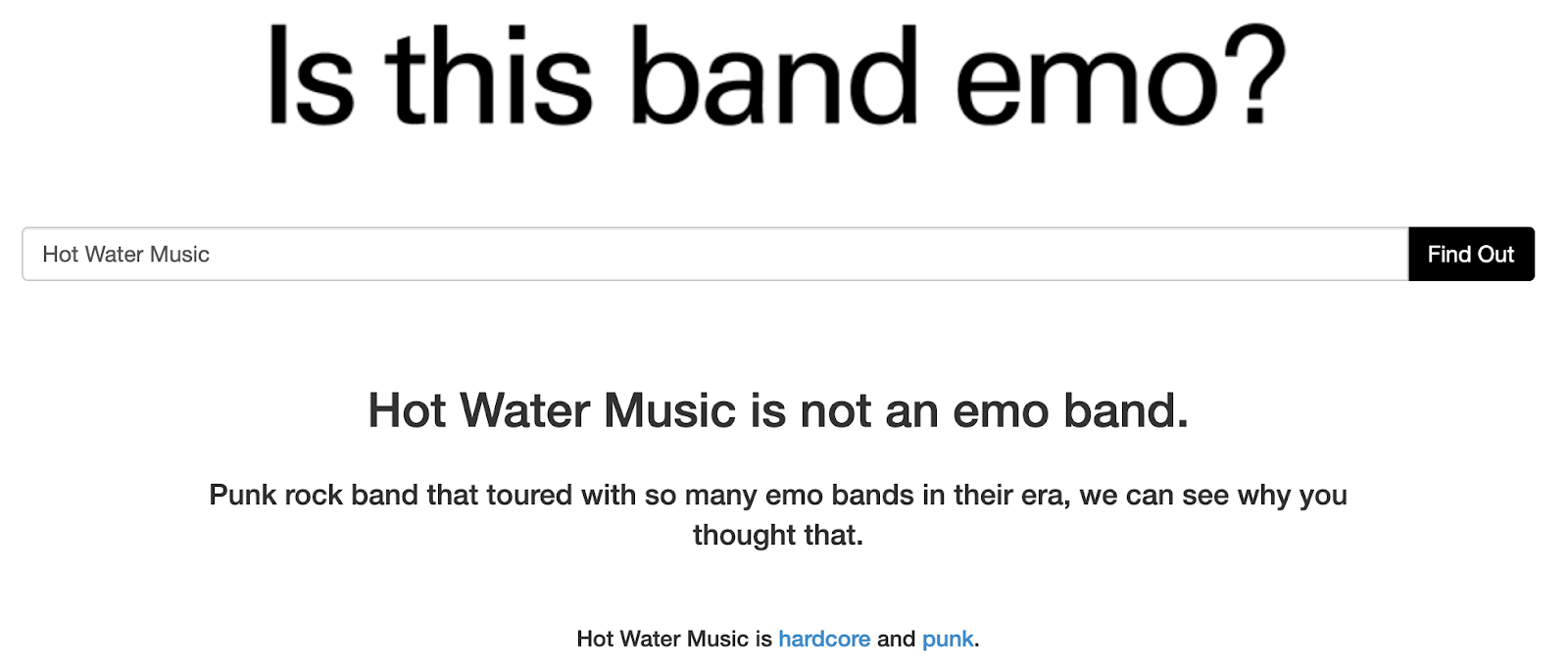
So, this metric of “what is emo? Oh, it’s the thing that everyone calls emo.” That’s not the most stable because emo is scene-specific. I think that’s also how you get waves and amazing things like Florida-specific emo bands. Like, Hot Water Music was doing its own little thing for years, and eventually it rose up into the rest of the United States. I don’t know if I want to say that Hot Water Music is emo, but they’re influential within the emo scene.
FROM TOM MULLEN’S WEBSITE “IS THIS BAND EMO?”
VARUN: Well, that’s the interesting thing, ‘cause—speaking of Florida bands—Dashboard Confessional might be the most [emo]. If you liked that music in the early two thousands, you probably knew “Hands Down” or “Vindicated.” If you’re really into the hardcore scene and like the emo outgrowth of it, you probably respect Chris Carrabba having at least some tie sonically to that scene. But also saying “Dashboard Confessional is the quintessential emo band,” I don’t know if that sits right with me—and I love Dashboard Confessional.
PATRICK: Reading through early music critics, when it was really clear to them that emo was not just a flash in the pan but was going to be a lasting youth subcultural phenomena, the two quintessential emo bands they identified were Dashboard Confessional and The Get Up Kids.
VARUN: Really?
PATRICK: When we think of these “genre-defining” groups [like MCR, FOB, Paramore], they really hadn’t burst onto the scene yet. In the early 2000s, when you thought about emo, you thought about Dashboard Confessional and The Get Up Kids.
The Get Up Kids were a band that I didn’t really know when I was an emo fan growing up. It was one of those that I feel was submerged underneath the mainstream craze of third-wave emo. That could also be a time period thing; at the turn of the century, you have the lingering effects of Midwest emo and the beginnings of third-wave as well.
VARUN: It’s interesting ‘cause I thought you were going to say Jimmy Eat World, but that’s also somewhat of a reconstruction because, from what I understand of the late 90s/early-2000 scenes, people weren’t really considering Jimmy Eat World an emo band, and now I don’t know if anyone contests that.
SWIM: Yeah, and Jimmy Eat World is also an interesting example because their two chart-toppers are hits that my mom does actually know. And that album is also a 9/11 thing—it was going to be titled Bleed American, but then it was titled Jimmy Eat World, and then they changed the title back several months later.
And a lot of emo people that I talk to are like “yeah, that album’s great, but you should really listen to Clarity,” which came out several years before. That album has a foot in the door of second wave, whereas their thing that brought them to the mainstream is actually closer to third wave. Not necessarily vocally, but just its proximity. It’s more related to those bands that you hear playing in the mall or you would’ve heard in 2008.
VARUN: The production is so crisp. The first time you listen to Clarity, you’re like, “Wow, this is just a little rough around the edges, but these are great songs.” Then Bleed American is peak loudness wars and has really pristine guitar production. Although the best Jimmy Eat World record, in my opinion, is Futures, and no one agrees with me on that, but it’s peak Jimmy Eat World for me.
SWIM: Yeah, I’ve honestly never heard Futures, so I’ll have to look into it right after this. I’m so glad for all this discourse, which makes this next question a lot easier to answer. Why take the effort to organize a conference and engage more researchers on emo in particular?
PATRICK: I can think of a few reasons, but one I really like and might punt to Varun. The papers about third-wave emo mostly wanted to talk about “emo,” the cultural phenomenon, but Varun brought something up when we were reviewing the abstracts, which is that emo is affect, with the second-wave emo bands. We weren’t expecting the intellectual diversity that we have [with Emocon], it’s not just, “Okay, well here are 40 papers on MCR, 9/11, and masculinity.” We certainly have some papers that touch on that, but the amount of creativity that some of our presenters have brought to the table has been astounding, and that was an unexpected result of hosting this conference.
VARUN: Yeah. And, to maybe go towards the cultural side, if Kurt Cobain is sort of the figurehead of Gen X—or at least like the underground of Gen X—I don’t think you can make any claim about that with Patrick Stump or someone similar. This idea that if you aren’t represented by Drake or Taylor Swift or Beyonce—and I don’t say that to demean those artists in any way—but like the countercultural identity of the millennial generation really did coalesce around this emo identity.
When we think about the people who are showing their young kids the music of their youth or the definition of what it meant to be against the grain in 2005 and 2008, it’s very much tied to pop-punk and emo. There were definitely people who are more about the DIY scene, or a little more hardcore or whatever, but I think the thing that most crystallized in the popular imagination really is emo, and that’s what comes through in the conference really clearly.
We are talking about 9/11, and we’re talking about queerness and finding a queer identity. We’re talking about gender, affect, and all of these things that are so central to understanding this. The thing that we are really proud of is that, even if you aren’t really concerned about emo that much, you would still get a lot out of this conference just because it demonstrates a very vivid picture of what the cultural terrain was like in the mid- to late-2000s, and up to our current moment.
PATRICK: Exactly. I hate to be hyperbolic—but again, going back to the old music criticism of the 2000’s—the amount of times I’ve read emo critics concede that although they criticized this genre initially for being a flash in the pan, that it had become the voice—I hate to say—the voice of a generation for a lot of suburban white kids and a lot of suburban kids in general.
Varun hit the nail right on the head. We have enough historical distance from it now, where this is almost like the ideal time to be diving into this because it’s hardest to historicize the present. I think, especially with emo revival bands, we can see what it is about this subculture that has made it have such a lasting impact on adults and new fans, too.
A MAP SHOWING US CITIES SENDING A PRESENTER TO EMOCON
SWIM: So I’ve read quite a few of the abstracts that are already on the site. I’m trying to make it through all of them before the conference. You said you were surprised about some of the ones you received, so I have two questions. How many abstracts did you receive? And how did the paneling procedure go where you’re grouping these things together? Was that difficult, or were there a bunch of topics that neatly worked out?
VARUN: Yeah, I think we got 55 or 56 abstracts in total, somewhere a little under 60. The selection was just courtesy of me and Patrick, so if you want to send some hate mail, we are the two people to send it to. But we found it actually just fell into place pretty naturally. There are 12 total panels, and maybe 9 of them were pretty obvious. I don’t think we really even had to stretch that much to add more. I think that just speaks to the equally distributed care that people have for this genre.
You know, one of the stereotypes of emo is that it is a place for a very specific type of white man to voice their complaints about women. And these panels are something that really shows that’s not the case, man. One of the abstracts was about finding queer identity in Modern Baseball. And as someone who loves Modern Baseball, but who’s not queer, I was like, “Wow, you know, I’m kind of surprised about that.” Then I was talking to a queer friend of mine, and they said, “Oh yeah, that makes sense, and I think like actually a lot of MoBo fans would agree.” It’s exposing us to this diversity of thought about emo that exists even beyond the realms of someone who’s very immersed in these discourses.
PATRICK: And Varun, to his credit, was a mastermind at looking at the large picture. It took a very short amount of time because I feel like he could zoom out and see the conference, and it was just a matter of putting all the abstracts together. It was really, really incredible. I think we had graded the abstracts and also put together the panels that evening.
So it was really like a matter of puzzle pieces, which is not always the case. As pop music scholars—unless it’s a pop music panel—you are oftentimes shoved into a session that has nothing to do with your topic. You’re trying to find some methodological correlations or some theoretical similarities there, and there’s nothing. But—not to toot our own horn—I think we did a great job with putting like-minded or similar-focused talks in the same sessions, but not necessarily much overlap on topic or content, if that makes sense.
I feel like there are focused sessions, but also a good amount of diversity within them.
SWIM: Yeah, reading through them, I absolutely agree. And two things—the one thing that bums me out about the conference is I won’t be able to go to every single talk. All of them seem so interesting to be at. The other thing is, you two are students. I am a student myself, and I would be terrified to organize a conference. So, it’s just that much more incredible that you’ve pulled this off and you have this thing that’s going ahead, and I think it’s going to be a real big hit for the genre, the audience attending, and probably all the scholarship after.
There will be “before Emocon” and “after,” that’s what I think. And this gets into my next question. We’ve sort of talked before about emo having a credibility problem and there being a bit of a chicken-and-egg problem with the research itself. People don’t do the research because it’s not taken seriously as a genre, and because of that, there’s very little scholarship to even pursue further research. Do you think that’s been a problem with other genres in the past? Is that unique to emo, and do you think a conference—just one—can change that?
PATRICK: I have a very short answer. I think it’s unique to emo in the fact that it has a subcultural complexion to it. Most subcultures, especially musical subcultures, academics really love to get into it. Like, one of the most famous academic studies on punk, Dick Hebdige’s Subcultures, was published a few months after the Sex Pistols broke up in 1979.
So that just shows you that most subcultures get immediate academic attention and immediate robust academic attention. They still have their own fights for credibility, but even amongst scholars who study subcultural music, I got the sense that emo wasn’t necessarily taken seriously.
I’m trying to think of other genres that have that difficulty; a few come to mind, but not necessarily genres. Taylor Swift studies are picking up quite a bit, and I have heard significant pushback, though I would say quietly, behind closed doors. I’ve not heard anyone go to Taylor Swift panels and talk about how “this is trashy music,” but I don’t know if they’re struggling for validity, because there are a number of books coming out–both monographs and edited collections.
VARUN: Shouts out to Paula Harper and Kate Galloway. I think what Patrick is touching on a bit is that this is a longstanding issue. To give a very quick gloss of it, mass culture became a thing around 1900, and by even the 1920s, 1930s, what you have is the Frankfurt School saying, “this is actually a sign of cultural decay. This is all bad. This is just reproducing capitalist hegemony. Yada, yada, yada.” But then what happened in England in the 50s and 60s—what’s termed the Birmingham School with people like Stuart Hall—are saying “Well, regardless of what you think about these sorts of youth cultures and subcultures, they do reflect important things about society.”
A lot of those authors were saying things like, “The Beatles do have to be taken seriously.” So these are calls going up in the 60s and 70s, and it’s this sort of constant terrain because you don’t want to be writing about the Harlem Shake two years after it happened, waiting another year for your article to get published, and everyone going, “what is that?” You don’t want to be saying something about the meaning of something that’s changed pretty significantly recently.
I just taught Drake in a class, and I can imagine the way my students would’ve responded to Drake four years ago versus the way they responded to Drake post-Kendrick Lamar beef is very different. You want to have an accurate, full picture of it, and yet at the same time, there is no time like the present, you know?
We have a couple of these panels about emo in the archive, and how do you preserve cultural memory, and how do you preserve things like zines and whatever. So you’re always fighting this tension. The people who do it really well are the people who can speak the language of an established scholarship, convincing them why these things are going to matter, both in the moment and in the long term, as a critical reflection. I think that’s an age-old problem that has existed as long as the modern view of academia has.
PATRICK: You bring up emo in the archive—I wonder if digitization has anything to do with preservation as well. Low-hanging fruit—punk has historically received a lot of academic attention, and so these zines are almost seen as preservations of cultural artifacts. I’m thinking of the punk archive at UCLA. But with emo, were there necessarily people with hard drives full of show videos, or grassroots interviews with scene bands? I don’t think so.
We’re seeing now that it’s incredibly difficult to navigate the popularity of the genre, but also the local significance of it, too. And the local significance: because of digitization, either there haven’t been effective modes of categorizing it, or a lot of these things just don’t exist, or it’s on someone’s camcorder in their mom’s basement, just waiting to be plugged in and downloaded. So I think there’s a little bit of dismissal of it, but also a lot of the artifacts themselves were not necessarily physical.
VARUN: And to that point, the digital side introduces this view of temporality that can really reconfigure things. I think there’s a very real timeline where “Never Meant” doesn’t take off on the internet around 2015, and Steve Lamos then is a professor who tries to tell his kids, “No, trust me, we were this big deal,” versus the world now, where we are so honored to have this living legend.
Which is not to dismiss American Football, but I mean the internet really grabbed a hold of this thing that was so important as not just a touchstone of what was happening in Urbana-Champaign at the turn of the century, but as a thing that really spoke to people across areas and generations, and a thing that the internet demonstrates its power and its ability to construct that.
SWIM: Absolutely. These keynotes that you two got for this conference are both incredible, Steve Lamos and Dan Ozzi. How did you make that happen? Were you just cold emailing and crossing your fingers? What was it like getting them on board?
PATRICK: Hail Mary.
VARUN: Hail Mary. Having a fair amount of funding doesn’t hurt either. We hope we’ve set them up at a nice hotel and they’re leaving with a bit of pocket cash. But, also, I think—I don’t want to speak for Steve—but I saw recently a clip of a guy saying, “I was just talking with Steve and he was talking about how they had made this thing that matters to so many people, and he felt like it was his duty to sort of preserve and care for that fact.” And I imagine Dan feels similarly. Again, this is all conjecture on my end, but I hope, to some extent, they feel that this conference is, in many ways, a high point in demonstrating what caring for the genre looks like.
PATRICK: Yeah, and to their credit, it was such an honor to receive those responses. I think Varun texted me, and he was like, “Oh my God, did you see the Gmail?” Because both of them were so immediately down and so excited. I think Steve said, “This is a great idea. I can’t wait to do it. Let’s talk details immediately.” And likewise with Dan.
That was also validation on our part as well. Some of my colleagues were like, “You’re doing a conference on emo? That’s crazy. All right, man. Good luck.” Then, to get these keynotes was a validation of the conference, but also just an incredible, incredible honor. And yeah, we hope that they view it as an honor as well, because we’re so incredibly excited to have them both.
SWIM: Yeah, I’m super excited to see the keynotes, and it’s a great example of how a good idea sometimes takes a couple of years. I’m glad you two persevered with this thing, got the funding, and you got these awesome keynotes.
You mentioned earlier that emo doesn't necessarily have icons the same way other genres do. I think of the Kinsellas as second wave icons, but even then I would break it up by wave. I don’t know what the layperson thinks, if they have an idea of an icon in emo. But yeah, it’s incredible that these people are on board.
PATRICK: Yeah, they’re the closest to icons, actually. Yeah, that’s a great point.
VARUN: Maybe, Soupy [Dan Campbell] from the Wonder Years? I feel like he’s kind of got that aura. Gerard Way, maybe. [DEFINITELY]
SWIM: Yeah, emo has a huge multiplicity of people. Which is something that—I’m not so into other genres, this is kind of my life—but I don’t get the sense that it’s the same in other spaces. There’s just a ton of people you have to know in emo, and they all know each other, and they all are inspired by each other.
VARUN: And that’s part of the DIY thing. Like, my favorite band recorded one and a half albums, and they came to my town four times and they hung out with me. That’s not happening with Mick Jagger. If you want to idolize Mick Jagger, you’ve got to know like 70 records, and if he sees you, he’d probably spit on you. [Laughter]
PATRICK: But I think that speaks to the scene origins of the genre, too. A lot of these guys are used to just shooting the shit, bumming cigs behind a venue, and just talking it out while sweating after a show at a shitty dive bar. I think that it speaks to the origins of the community that you feel in a local scene. And when those artists get bigger, some of them don’t maintain those same origins, but many do.
They’re just regular old people. I know Real Friends used to go to my friend’s Starbucks in Illinois, and they’re just guys. They’re really cool, and most people didn’t recognize ’em, so it was like doubly fun.
SWIM: Yeah. So our conversations, like we’re having here, there are specific questions I’m asking, but also we’re going a little off script, and just talking because it’s so much fun to talk about emo. Are these the types of things you expect to be doing at the conference in between panels? Are there people you really want to meet with and ask specific questions about your research? What are you hoping to get out of the conference, if anything specific?
PATRICK: I’m personally looking forward to a lot of the autoethnographic presentations. Like, a scholar’s experience, that’s their framing methodology. That’s what I’m most excited about, the post-paper chats.
SWIM: And is that something that you think will be relevant to your research and dissertation, or is it more just personally interesting?
PATRICK: I mean, no information’s bad information, but it’s a type of scholarship that I am always really taken by. I think that it takes a lot of courage to not only put yourself out there and give a conference presentation, but it’s also framed by your own experience. And a lot of these topics you have to have a great deal of sensitivity to deal with, too. So, it almost speaks to the emo-ness maybe of the methodology. It’s mostly just of interest, and shows what Varun was talking about, the diversity of impact, too.
VARUN: Yeah, and like for me personally, I think these hangs are so important. In the same way that in order to build a scene, you really do have to work, making community a thing is work. Academia can sometimes be a little hostile to community building. On one hand, because everyone’s fighting for a really small slice of a really small pie. On the other hand, it’s like, “I need to go up into my room, and I need to read 300 books, and I need to do that to write two sentences. Please don’t bother me.”
We all live across the country, and there are only so many people really committed to the academic life. To whatever degree being an emo scholar means doing justice to emo as a concept, that means taking those ethoses of DIY and community building and bringing them to the academy as much as we can. So much of this was about, like, who are the people who are actually writing and thinking about this? And what are the things that they care about? And how can we position them so we know each other’s work and support it?
So, Janessa Williams, Francesca Sobande, Isabel Felix Gonzales, Steve [Lamos] himself, and I have all published essays about emo or pop-punk. Patrick is writing a dissertation. Our friend Peter wrote a dissertation on emo, and at least three or four other people coming to the conference are currently writing dissertations about emo, and I didn’t know about these publications. I didn’t really know about these dissertations [before], and how am I supposed to show up for these people if I don’t even know that they exist?
That’s really the thing that I want to come out of this, is that feeling like we’ve got each other’s backs and we can really support each other growing to make this a viable academic study. So no one’s advisor says, “I don’t know. Should you write an emo dissertation? What’s that going to do for you?”
SWIM: Yeah, building a network is 100% necessary to real scholarship. Maybe 200 years ago you could have been the first person to think about something and write it down, but nowadays, with how connected the entire world is, if you have an idea, someone else has already had it, and they might have even already written about it. You shouldn’t view that as meaning your idea and your thoughts about it aren’t worthwhile; you need to view that as a source that you can use to inform and interrogate whatever it is you’re trying to get out on paper.
And yeah, 100% agree: a huge thing that should happen at this conference is that people should all exchange information, try to support each other, and read each other’s stuff. Just since learning about this conference, I’ve been more engaged, trying to read rigorous research, buying books, and going through them with a more serious, formal approach to the genre. As opposed to just scrolling through Spotify playlists and thinking, “Oh, this person doesn’t actually know what Midwest emo is.” [Laughter]
That’s really informal. I think that’s still important, but it’s also really important to read entire books and cite them.
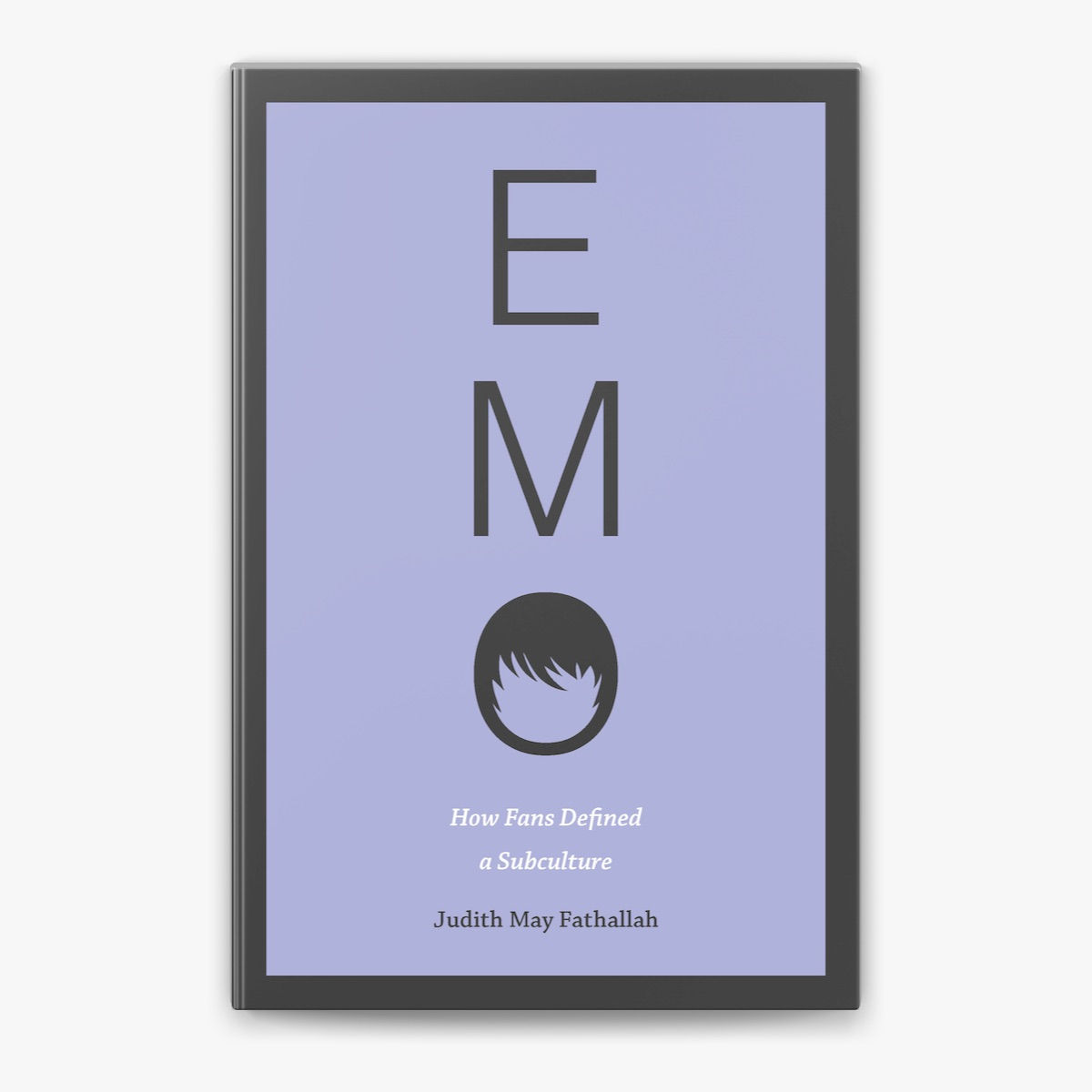
VARUN: Yeah. Shout out to Judith Fathallah, Emo: How Fans Defined a Subculture… A subculture, or a genre?
PATRICK: [pulls out a copy of the book and holds it up to the screen] “Emo: How Fans Defined a Subculture.”
SWIM: To this point of community and accessibility, whose idea was the livestream? I’ve been to livestreamed conferences, but I thought that was kind of normal for really big international events. Is that the standard in music things? Was that something you guys wanted to do specifically for this?
PATRICK: Varun, I think that was your initial idea.
VARUN: Yeah, part of it is, I think we’re only dipping our toes into the livestream water because Zoom introduces infinite complexities. But I’m pretty committed to being a public intellectual. I think scholarship should be available and open to as many people who want to engage with it as possible.
And at WashU, these rooms are already set up. Setting up the Zoom call requires clicking a couple of links, hitting a few buttons, and then giving people some mics. If that’s all it takes and someone wants to spend their Saturday afternoon watching these talks, I certainly don’t want to keep them from that. In fact, I want them to come here because I think the things we are saying about emo as a collective matter to people’s lives and help elucidate the individual’s relationship to society at large.
If we can make that happen with a little bit of work, I think that’s our responsibility to do it.
PATRICK: Exactly. What Varun said—especially dealing with a genre that has such popular significance—it really is. And Varun’s position, I’m sure you know, Braden, is not a widely taken position in the academy. I still run into faculty who say, “Well, the whole point of scholarship is so it’s inaccessible.” And they love the idea of the—I don’t want to use the word echo chamber, but for lack of a better word—echo chamber. When Varun posted the conference to r/emo, that was like the epitome of reaching out to the broader fan base beyond scholarship.
We hope to get some of those folks in the Zoom rooms. And also, it’s not that Dan Ozzi is just a really famous author; it’s also a public event, the final keynote. We should probably make a plug about that at some point.
VARUN: Dan Ozzi will not be livestreamed, though, because that was one where it’s like at a venue, and so that just introduces other problems… But Steve [Lamos] is, you know, how many people love American Football? And we’re getting people in from the community. If you’re in the St. Louis metro area or like surrounding it, and you wanna come down, parking’s free on the weekend.
SWIM: I super appreciate that you two both feel so strongly about the responsibility to open these academic barriers. I come from a different side of this. On the science/STEM side of things, as soon as you submit to a journal—if you do an analysis, you make a new detector or whatever—and you submit that to a journal, what’s common in science is also to submit that to a site called arXiv. Where the pre-print you submitted to the journal, that exact same paper, is just completely free and accessible on the internet to the public, and literally anyone can go on arXiv and send you comments.
Of course, people aren’t obligated to respond, but if it’s someone from a neighboring collaboration, it’s a great way to get additional feedback and to break down these echo chambers, and to really say in a public way, “We’re doing this scholarship openly. We invite everyone to take a look at this.” That way, there isn’t even the possible perception that it’s happening behind closed doors, because it’s not. It’s so public-facing, and that’s how it is in a lot of science, and I appreciate that you guys are doing the legwork to make it a similar thing in this realm of scholarship.
PATRICK: The Rock and Roll Hall of Fame does that as well. They invite academics to speak at public talks. There are some folks that knock it out of the park and others that, you know, maybe get a little too nitty-gritty. But that’s something I’ve always been incredibly moved by, that public-facing work, especially with popular music.
VARUN: And part of that is humanities has a bit more of—you’ve got to have the secret code to get access to it. But, it’s a thing that we should [do], because when we speak in this time of a decaying trust in academia and science and medicine and things that I personally don’t think are good for society, even if some of those critiques may have a certain kernel of truth to them. I think the solution is really just to say, “Wait, we’re a bunch of academic nerds. Trust me, we don’t have anything up our sleeves. I would kind of just like a publication, please.”
PATRICK: Exactly. Exactly. And especially when the academy has just come under incredible scrutiny from both the public and from elected officials. And that’s like what Varun said. Although there might be a kernel of truth to it, what we shouldn’t do is retreat back into the ivory tower. You know what I’m saying? To show a sense of earnestness with our work. Not that I think that inspired the livestream, but it speaks to a broader conversation.
SWIM: Yeah, no, any way to make scholarship publicly available, and maybe an emphasis on communication as well. Because sometimes people use words that are jargon for whatever topic, but a really good educator and a really good communicator takes the time to say, “This is jargon. This is something I’m going to be using a lot, so I’m going to explain it this way.” And that doesn’t just make the scholarship better, it makes people better. It makes conversations better, it makes it more fun to be friends with these people. And it helps you go further, not just in the field but honestly in life, just to be a better communicator. So, yeah, I’m really glad the livestream is happening.
We kind of mentioned it, but at the end of the conference, there’s actually a post-conference show, which is amazing. It’s great for an emo conference to have some emo bands playing at the end. Would either of you be able to talk about the set list? Is that something you’d want to reveal at this time? And, if it’s possible, how do I get “Catalina Fight Song” added to the set list?
VARUN: Well, we do “Catalina,” and then we go straight into “Constant Headache.”
SWIM: That’s beautiful.
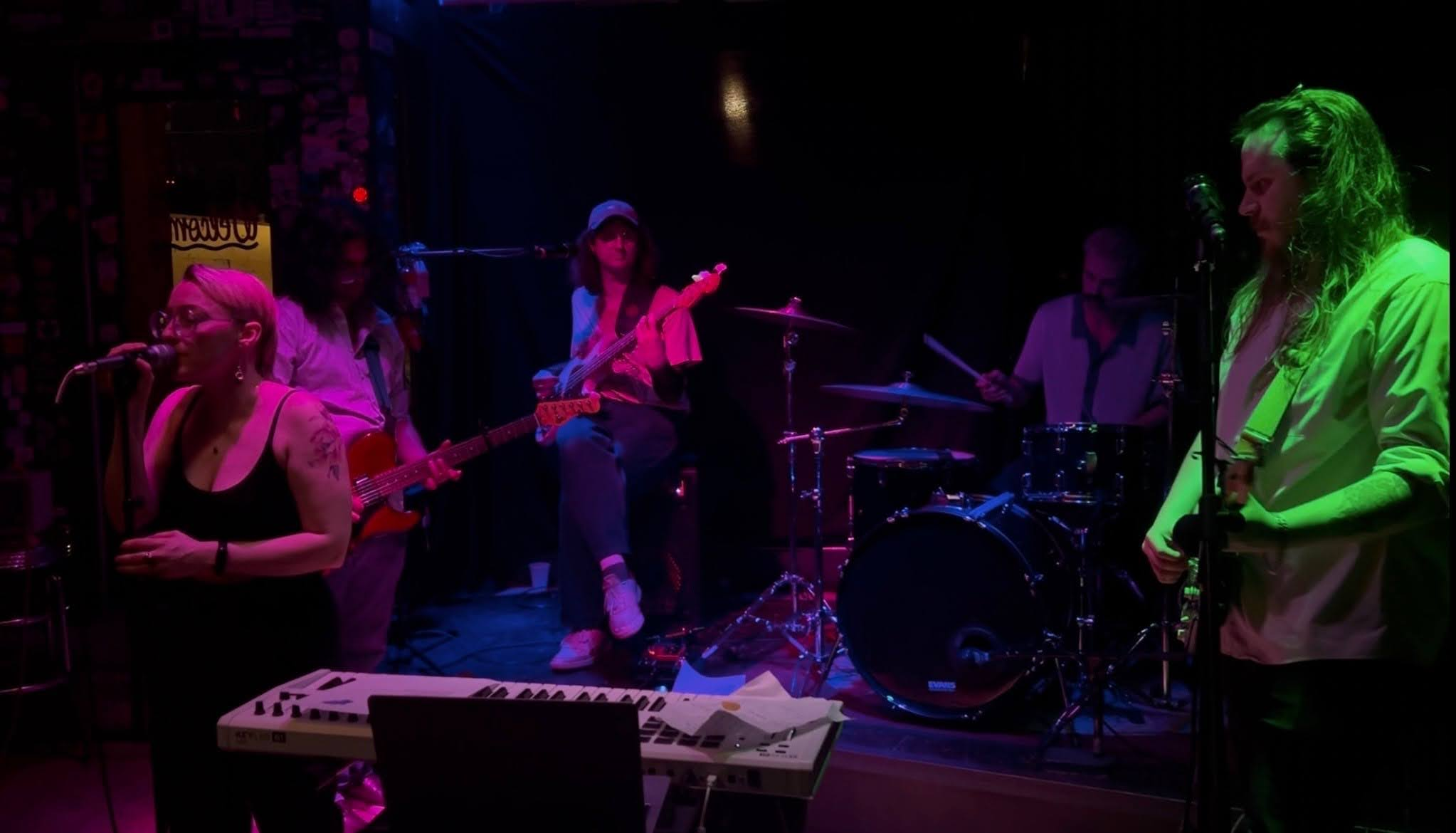
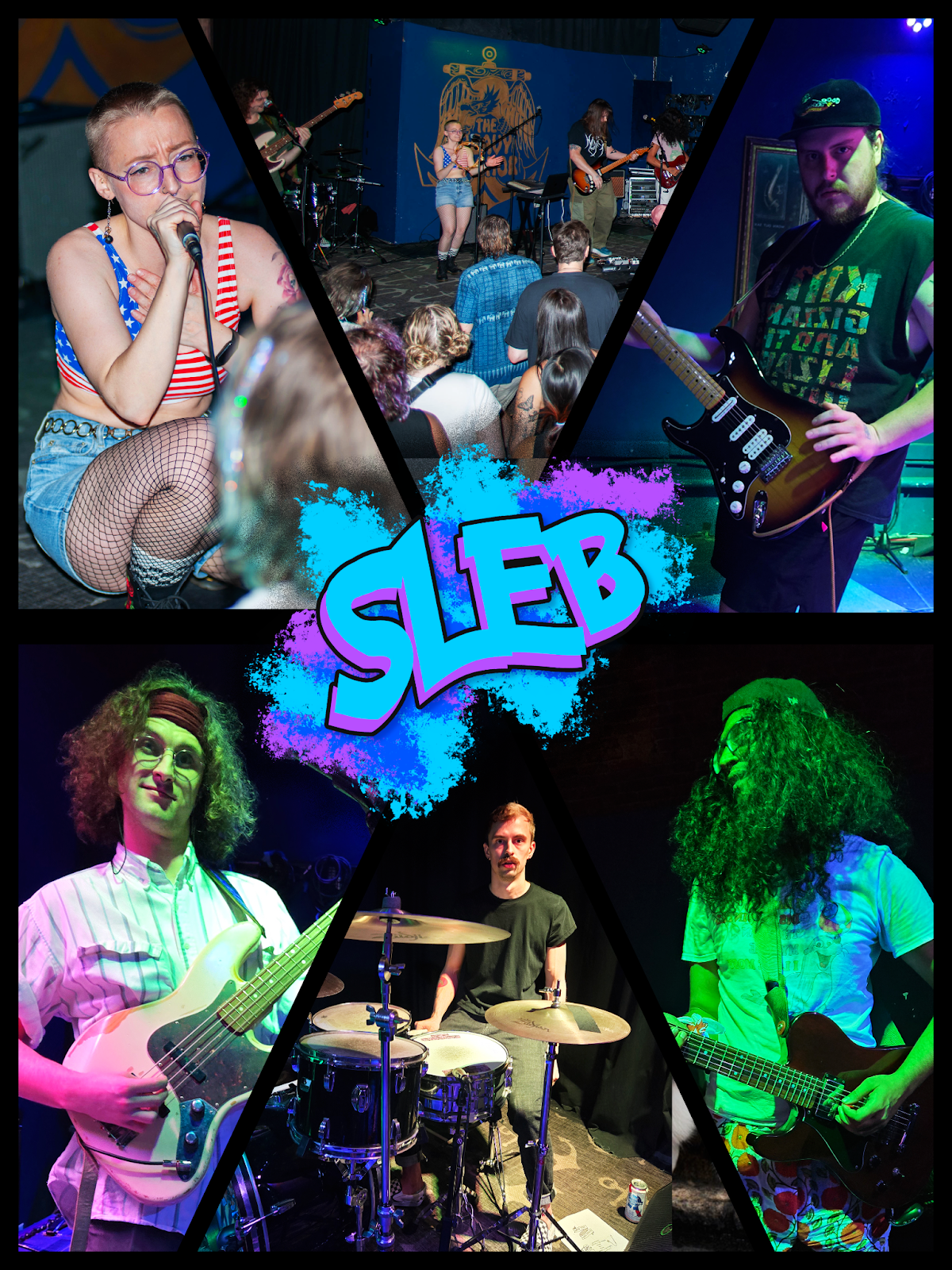
VARUN: For those who don’t know, Patrick’s group, Girl Gordon, will be playing; they’ll be doing about 40 minutes of originals. Then my group, the “Silly Little Emo Band,” which does emo and pop-punk covers, will close out the night, and we will be sucking titty by the ocean.
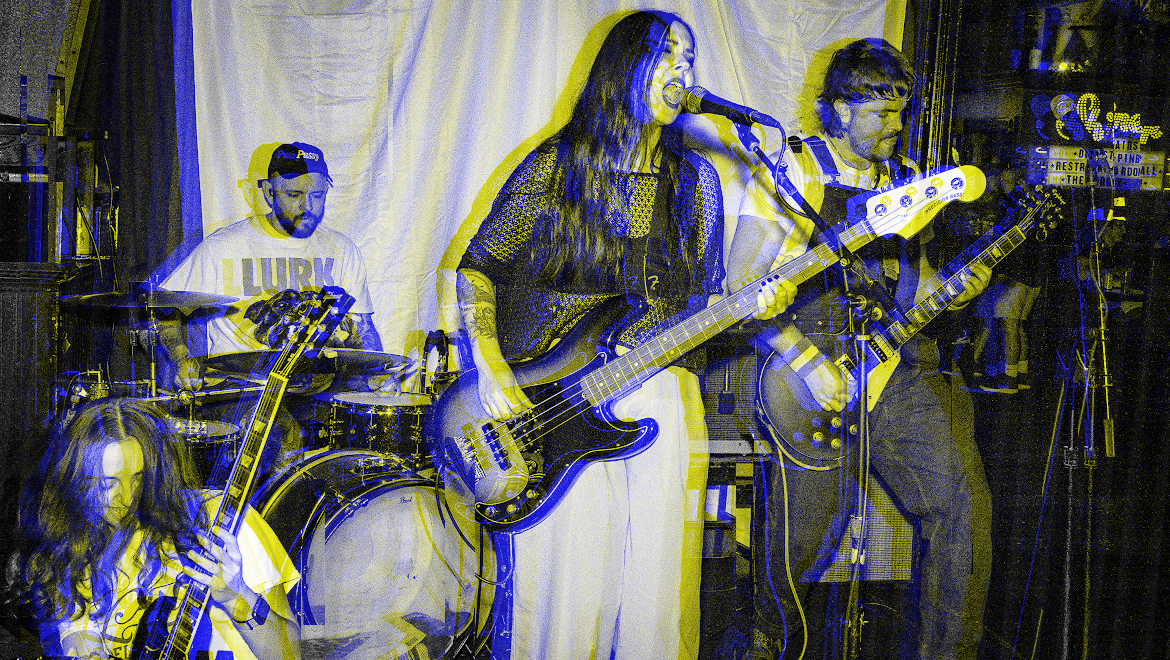
Girl Gordon
At MOTR Cincinnati.
Silly Little Emo Band
(AKA SLEB)
SWIM: Nice. Did you two have any closing thoughts you wanted on the record before we conclude? We’ve covered a lot of ground. We’ve been talking for about an hour, so no worries if not.
PATRICK: I’m trying to think. We did cover a lot of ground. I’m not coming up with anything. Varun?
VARUN: Reiterating, go to www.emocon2026.com if you would like to sign up to attend either virtually or in person. If you follow us @emocon2026 on Instagram, we’re there. And we’re really thankful for this opportunity from Swim to come here and talk about it. We’re really grateful that this conference is happening. There’s just been overwhelming support from the emo community, to whatever extent we are known in the emo community, and that’s something that we really appreciate and honor, and we don’t take lightly.
PATRICK: Exactly. Yeah.
SWIM: Awesome. Well, yeah, thank you both so much for this opportunity to talk and put some things down on the record. And also for putting this whole thing together. I think it’s gonna be a smash hit, and I’m really looking forward to the impending explosion of emo scholarship.
VARUN: Trust me, those damn walls are breaking soon.
~
For more information about Emocon, you can look up abstracts and panel times at the official site. If you liked that, you should also check out this previous interview Varun did on Dan Dipiero’s podcast Cry Baby, where he talks about his forthcoming article dissecting Hot Mulligan’s “BKYRD” through the lens of neoliberal politics.
Braden Allmond is a particle physicist and emo music enthusiast. He anticipates graduating from KSU in August with his PhD in experimental high energy physics. When he isn’t writing his thesis, he’s data-scraping articles and books about emo music, making tables and graphs to interrogate and understand the genre.