Good Things Are Happening Fest Recap

Good things are happening. A daring proclamation to make in 2026 when it feels like every glimpse into your phone reveals a new horror. At the end of a summer choked by wildfire smoke, mounds of recalled food, authoritarian surveillance creep, data center “debates,” and one regressive repeal after another, we hardly need a reminder of all the ways our leaders are failing us. America’s profit-minded individualist approach has led to a degraded, distrustful society, and its death rattles have never felt as evident as they have this year. Even still, despairing gets us nowhere. In fact, this might even be something to celebrate; the faster we get away from the circumstances that got us here, the better. 

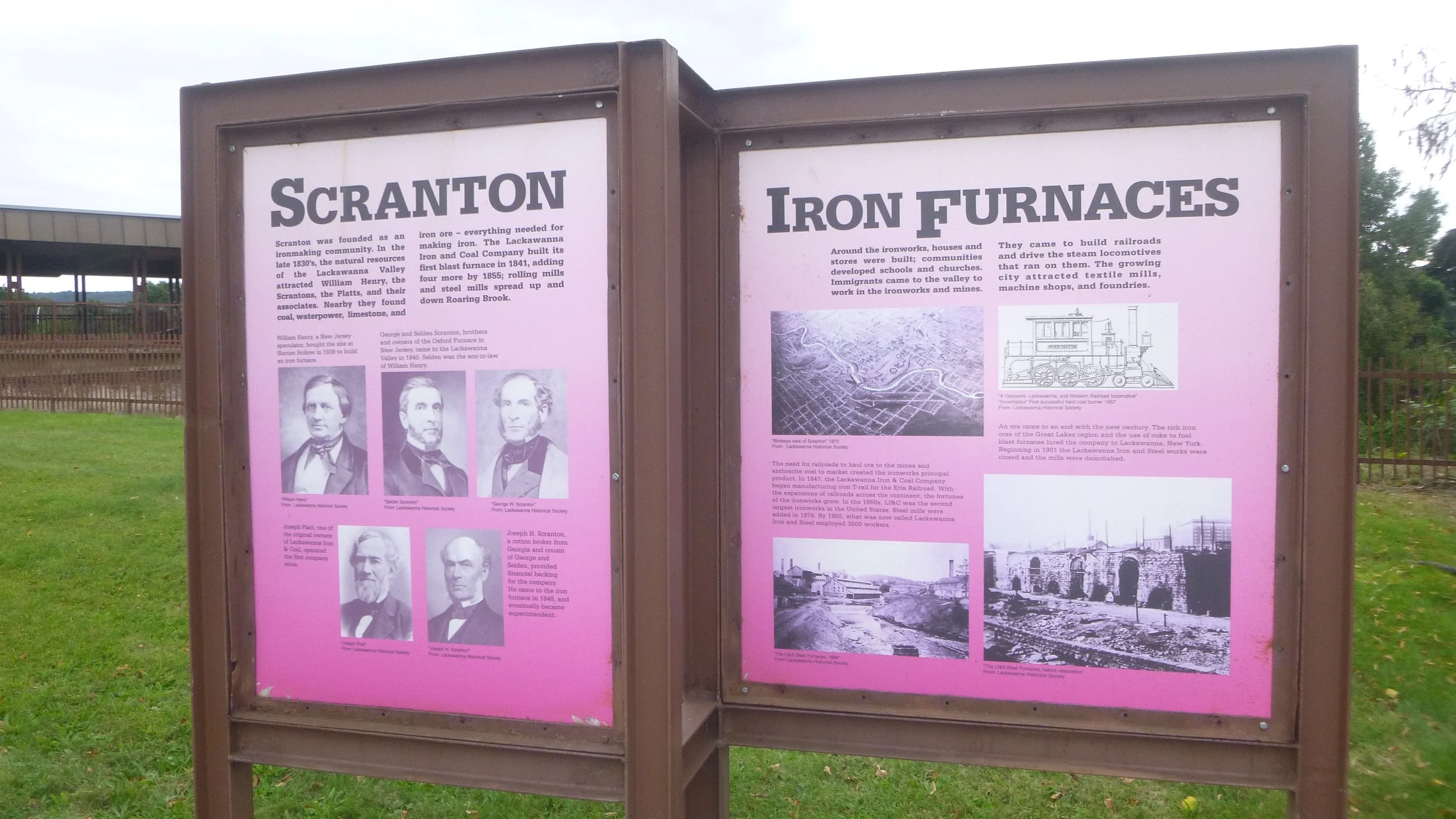
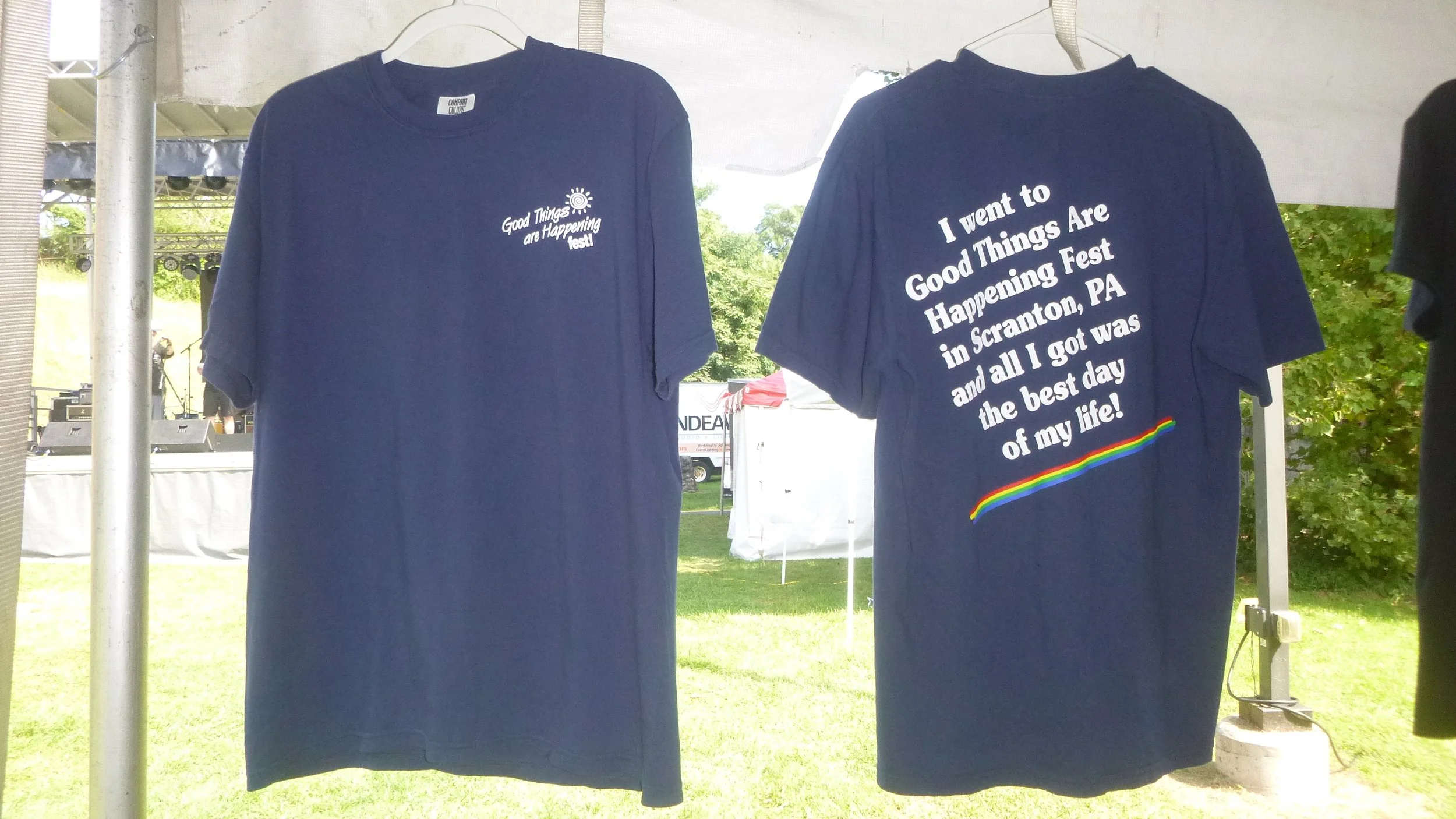
One solution I’ve found is to get out and get away. Walk out my front door, breathe the air (when it’s safe to do so), and say hi to my neighbors. Pet a dog. Kiss a lover. Hug a friend. Eat some food. Watch some music. Sweat on a stranger. Experience the world. When you do this, you realize not all is lost. Not all is evil. In fact, most people are good and filled with the same love and worries as you are. This reminder is one reason why it’s so important to get out and be around your fellow man. It’s no coincidence that this is also a list of things you can do at Good Things Are Happening, a music and arts festival held at the Scranton Iron Furnaces in the heart of Scranton, Pennsylvania. 
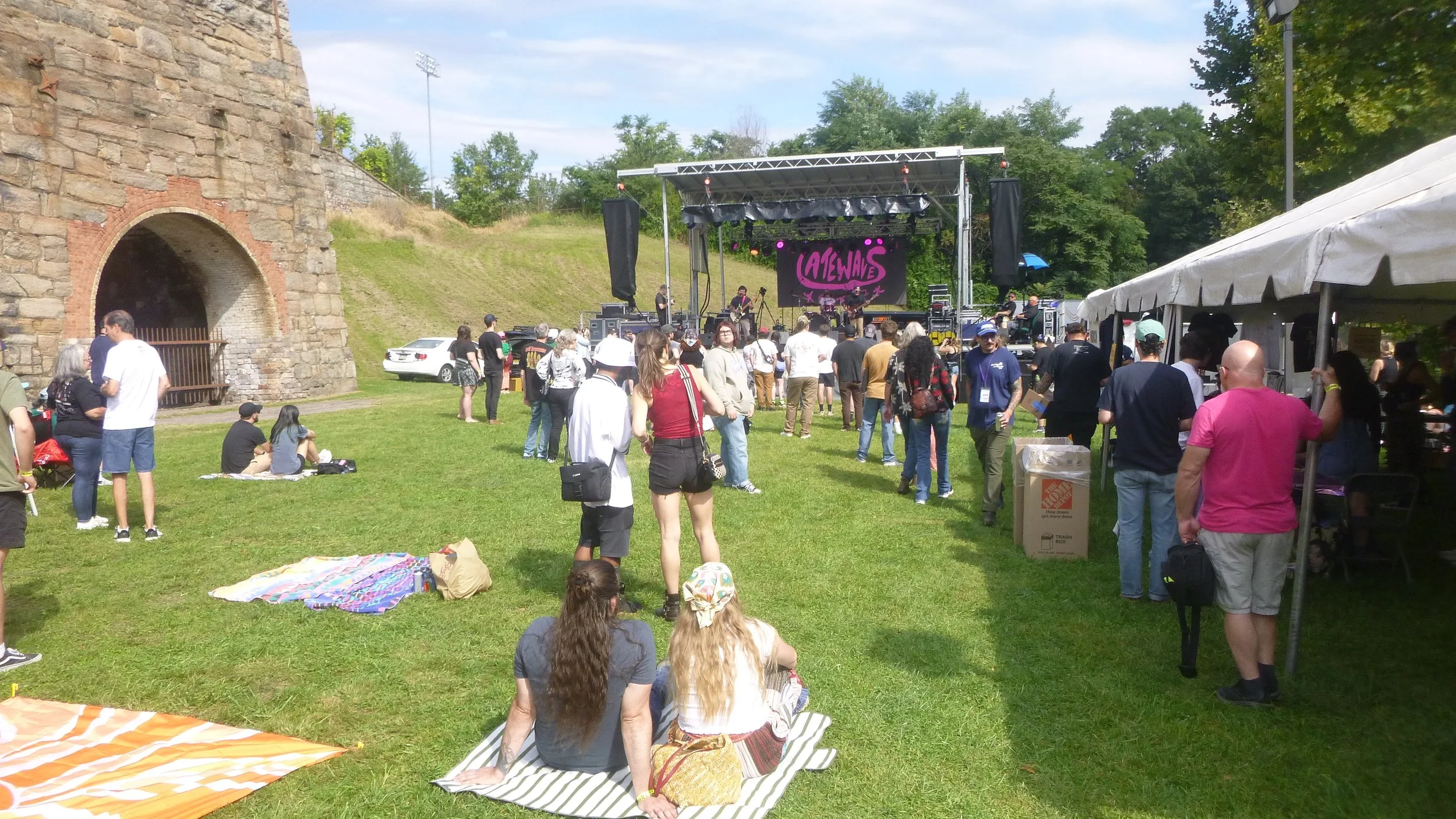
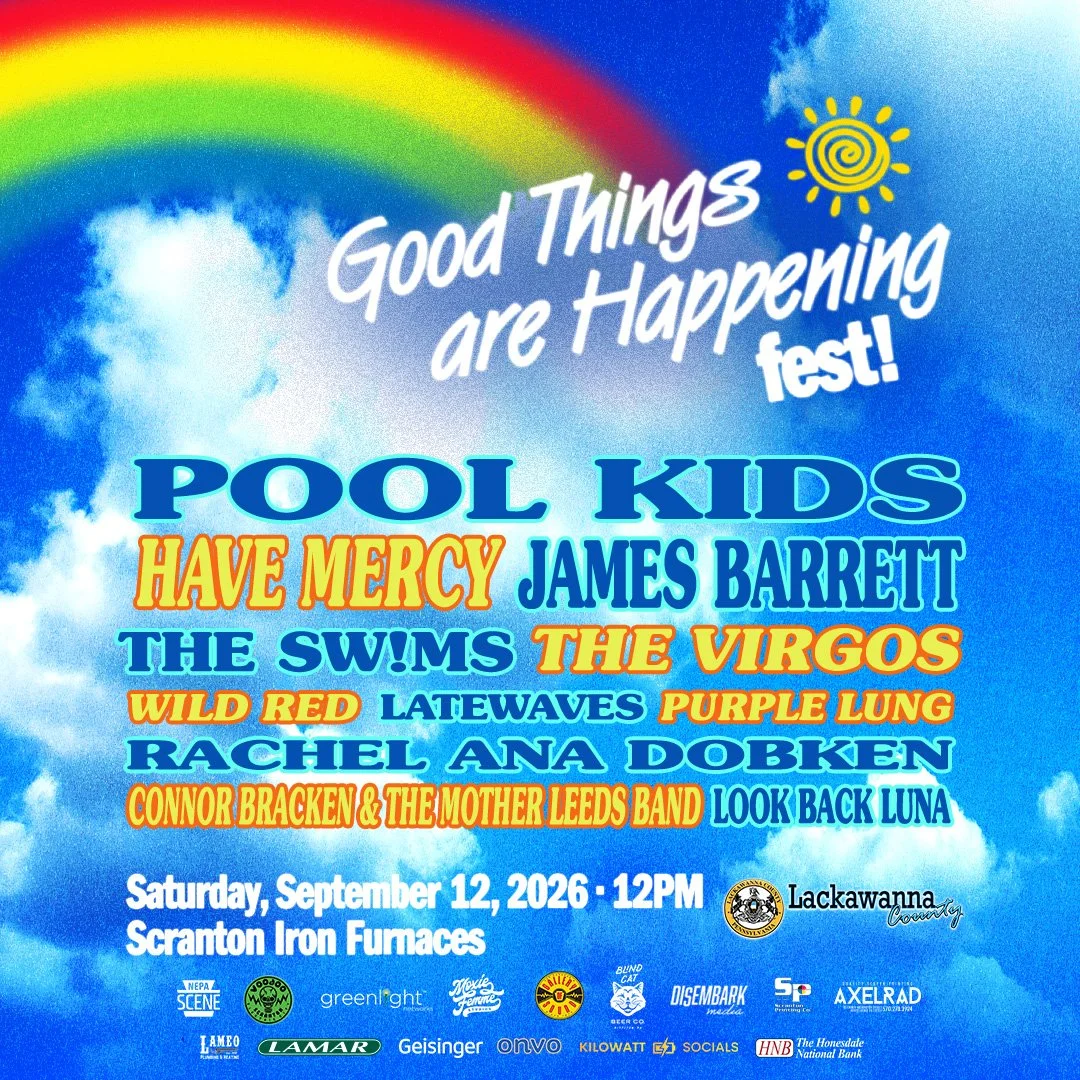
Now in its fifth iteration, the festival was founded by Scranton-based singer-songwriter James Barrett in 2022 when he posted, and I quote, “I'd like to set up a music festival in Scranton because it could be really cool and I simply enjoy making my life difficult for the benefit of others.” Of course, a festival like this with a dozen music acts, 30+ vendors, and hundreds of attendees cannot run on one man’s willpower alone. Alongside James, Erin Kosisky and Harry Eric Rockower helped organize fundraising, logistics, and all the behind-the-scenes magic that makes something like this happen. These three were backed by a hearty network of 15 volunteers, plus security and sound people who all worked together to ensure that the day ran smoothly. 

Previous iterations of the fest have been headlined by local legends such as The Menzingers, Petal, and Wicca Phase Springs Eternal, but have also included perennial Swim Favorites like Wild Pink, Oldsoul, and Caracara in the undercard. This year, I made the three-hour drive up from Philly on Saturday, September 12th, to see what Good Things Fest was all about. I was excited to watch headlining eternal emo faves Pool Kids, but was also looking forward to finally catching The Virgos, Latewaves, and, like any good festival, discovering a slew of new bands live in the moment once I got there. 


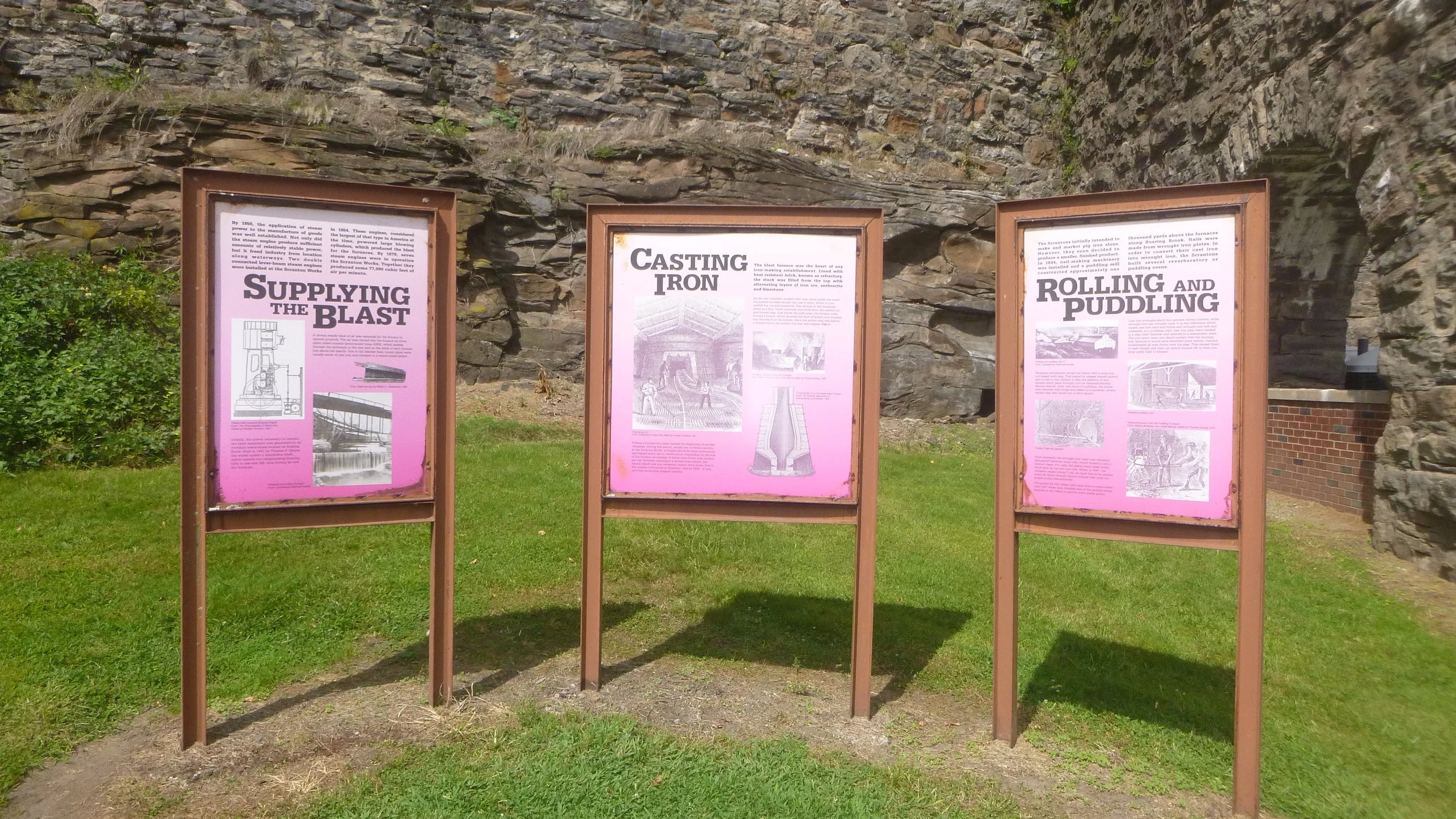
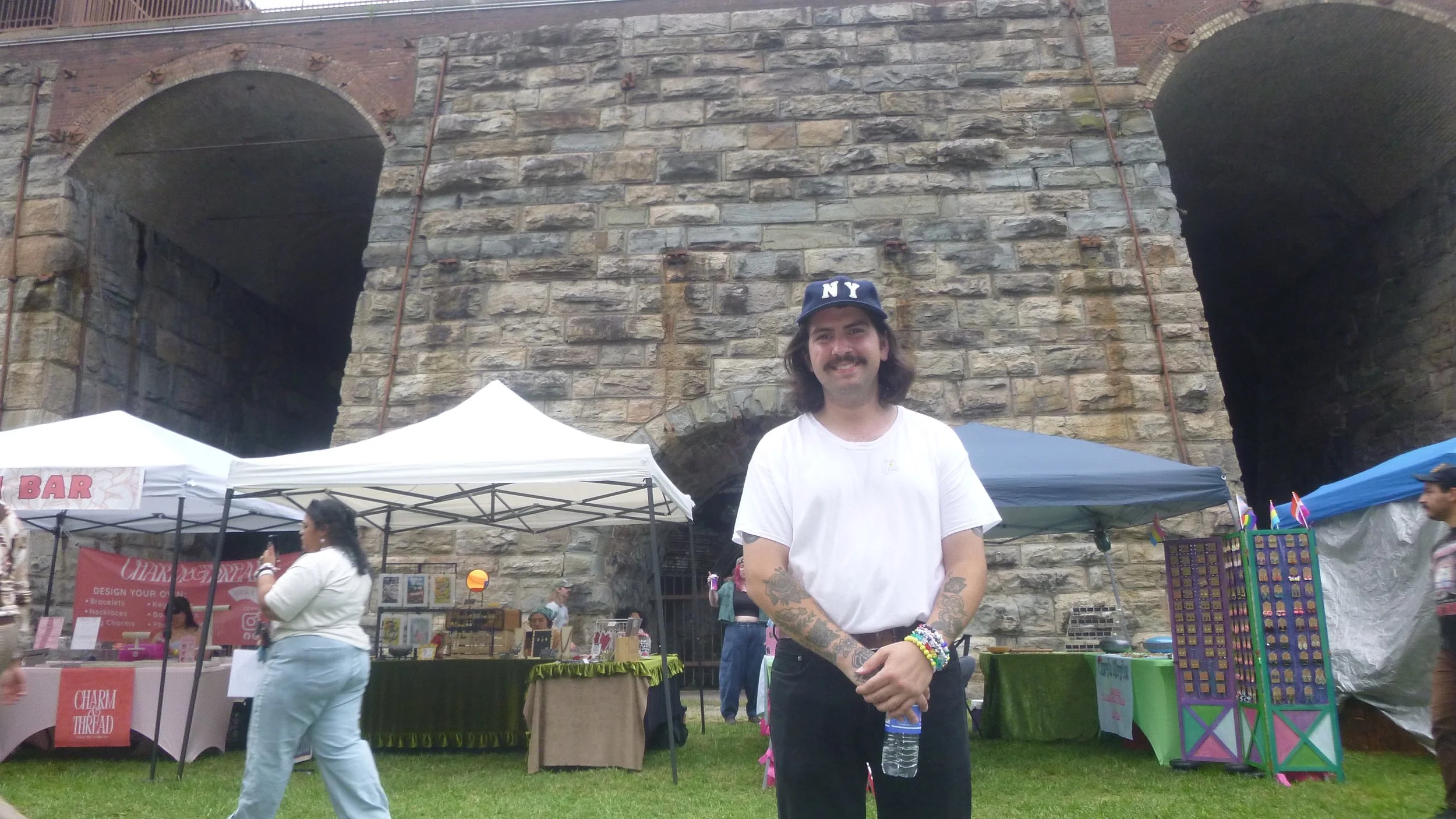
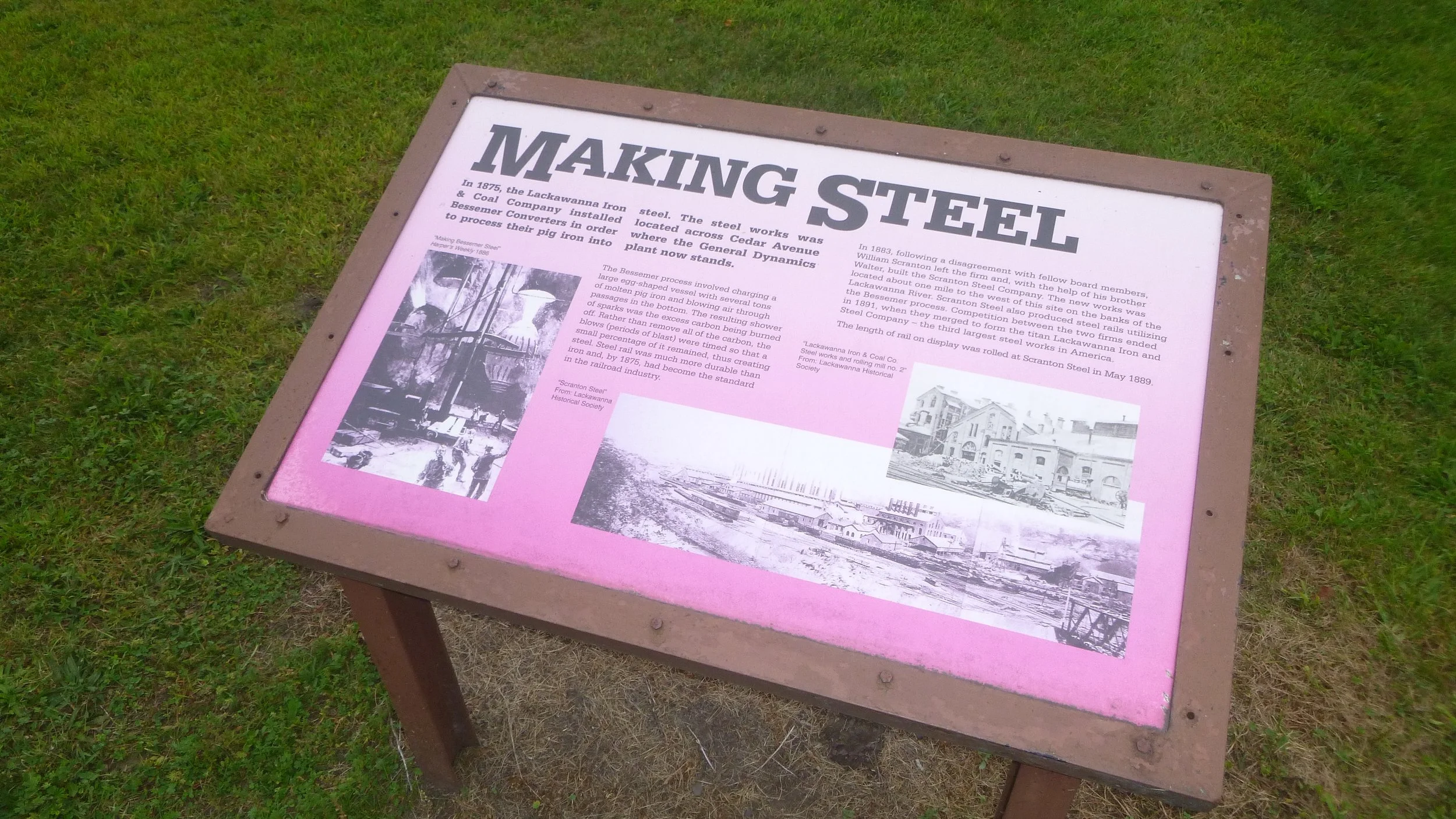
I arrived at Good Things by 1 pm, guided in by the sounds of an electronic remix of AC/DC’s “Thunderstruck” as I followed groups of tattoo-clad locals down a hill to the Iron Furnaces. The festival grounds were small but easy to navigate. One underrated benefit of this landscape is that you get a great overview of the whole thing upon entry, with the towering furnace wall to the left and a flowing tributary named “Roaring Brook” to the right. Between these two landmarks were rows of vendor tents, a pavilion with tables and seating, and the stage situated at the far end.

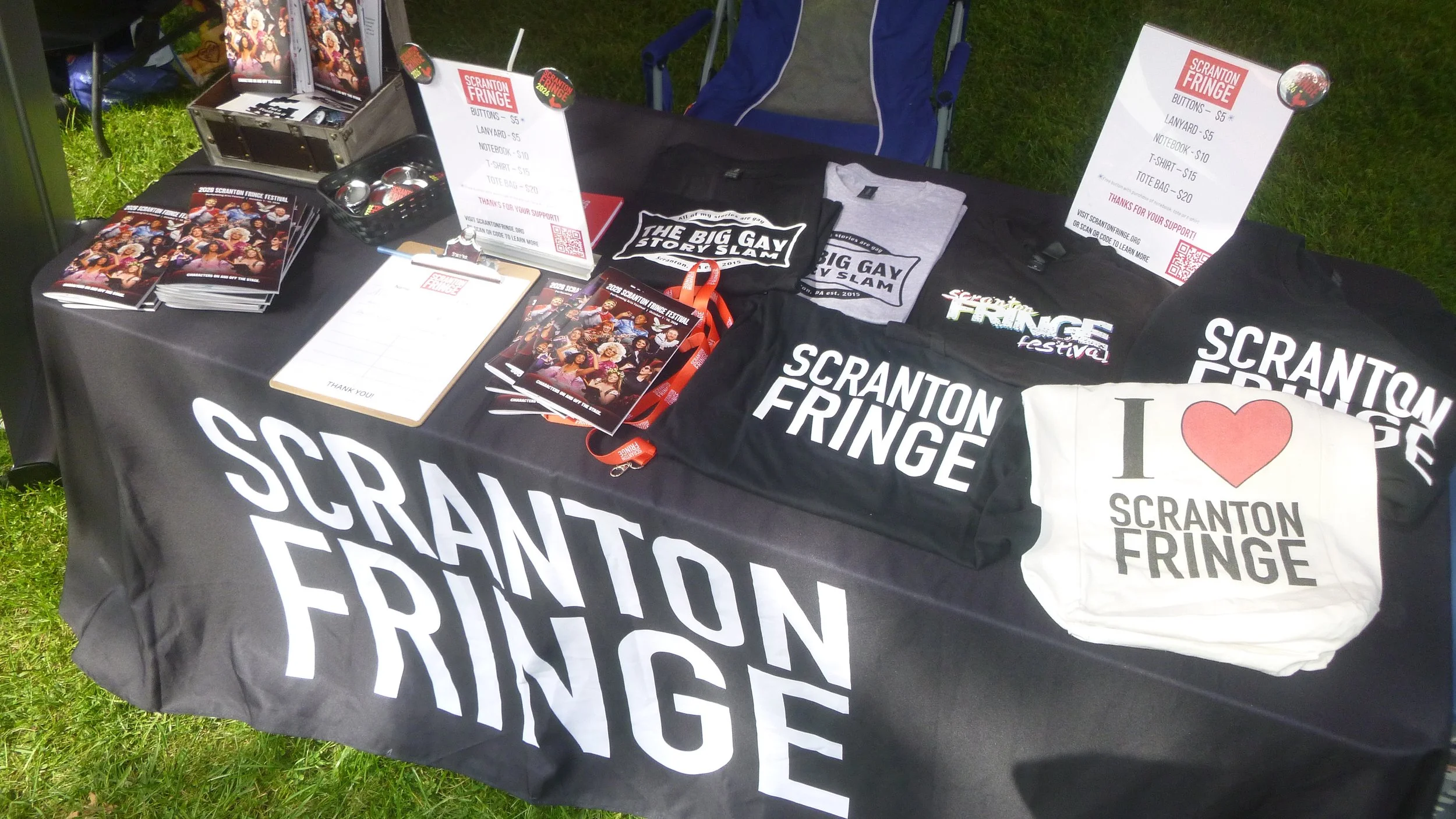
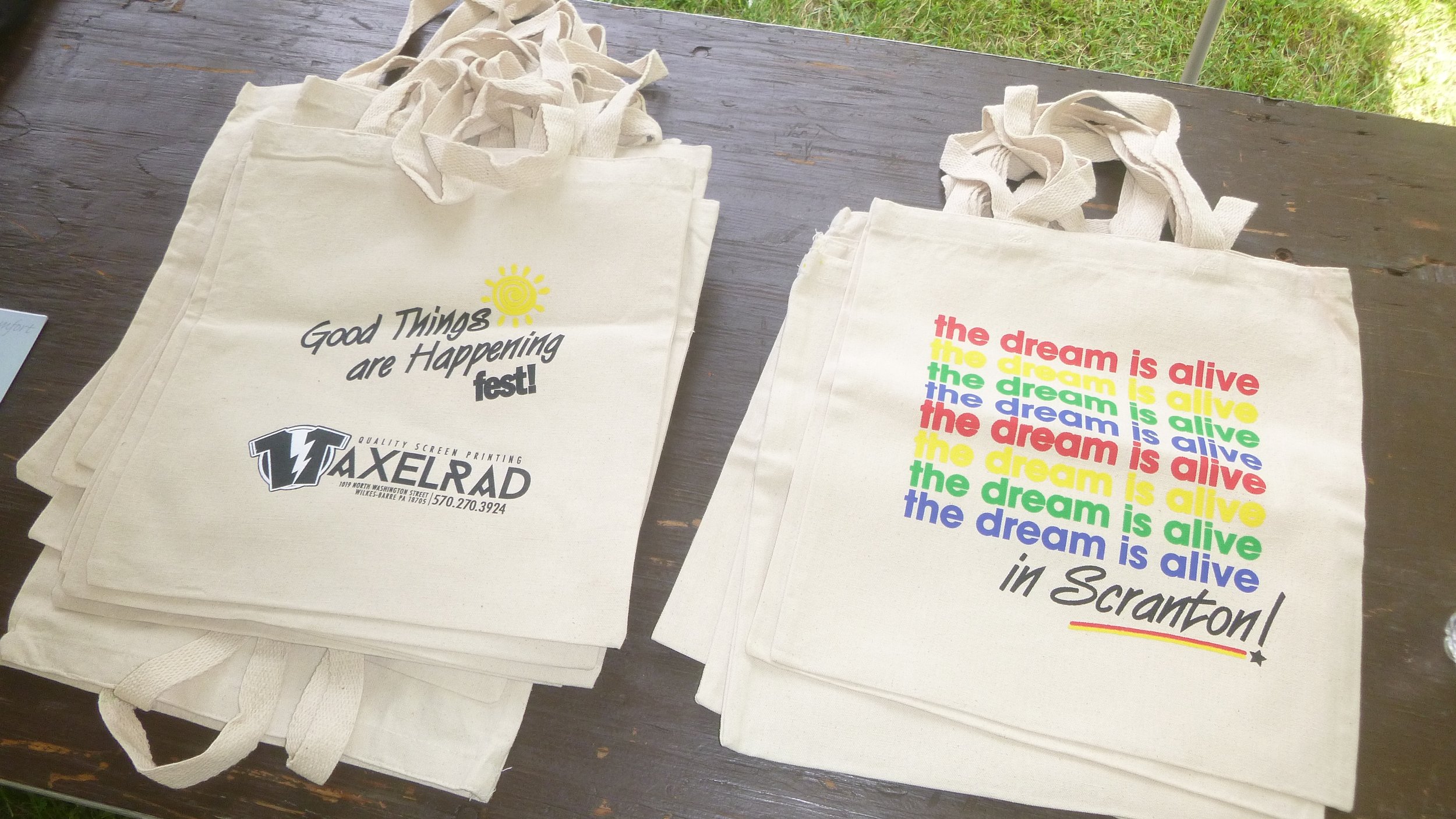
Within minutes, I saw a dog wearing a festival wristband, met James, and got situated with a media badge that gave me access to the area behind the stage. Full disclosure, I received half a sandwich, a scoop of pasta, and a free tote bag for my efforts. 
Upon entry, James introduced me to his friend Justin Troutman, a volunteer who has helped with every previous iteration of the fest and also plays in a local band called Sunblush. Together, Justin and I talked about the festival’s history, as well as the Scranton music scene at large. Perhaps because Andrew Sacher’s Emo Revival book was fresh on my mind, but I was determined to take on Scranton and Wilkes-Barre with an open heart. The two of us discussed local legends like Tigers Jaw, Menzingers, and Wicca Phase Springs Eternal, as well as some of the scene’s vital forebears like the Bob and the Sagets. This all reinforced what I’ve come to learn time and time again, which is that good music scenes can truly happen anywhere; all it takes is a dedicated and passionate few to get the ball rolling. Even here in Scranton, a city once defined by its railways (and more recently as a sitcom backdrop), was a music festival happening beneath the relics of an 1800s iron plant. Here were hundreds of people making art, music, food, and being in community with each other, which, at the end of the day, is what this is all about. 

Good Things For The Kids, Good Things For The World

One thing I praise Good Things for is the family-friendly approach that the organizers took. Kids under 10 get in free, and there was no shortage of wholesome activities for families to keep occupied outside the music on stage. Some of the good things I saw immediately upon entry were a barrage of outdoor games like mini golf courses, Giant Jenga, and Connect Four. There was also a face-painting station, a balloon-animal guy, and literal piles of candy scattered across various tables and vendor booths. If a kid was organizing a music festival, these are probably many of the same decisions that they would make. 
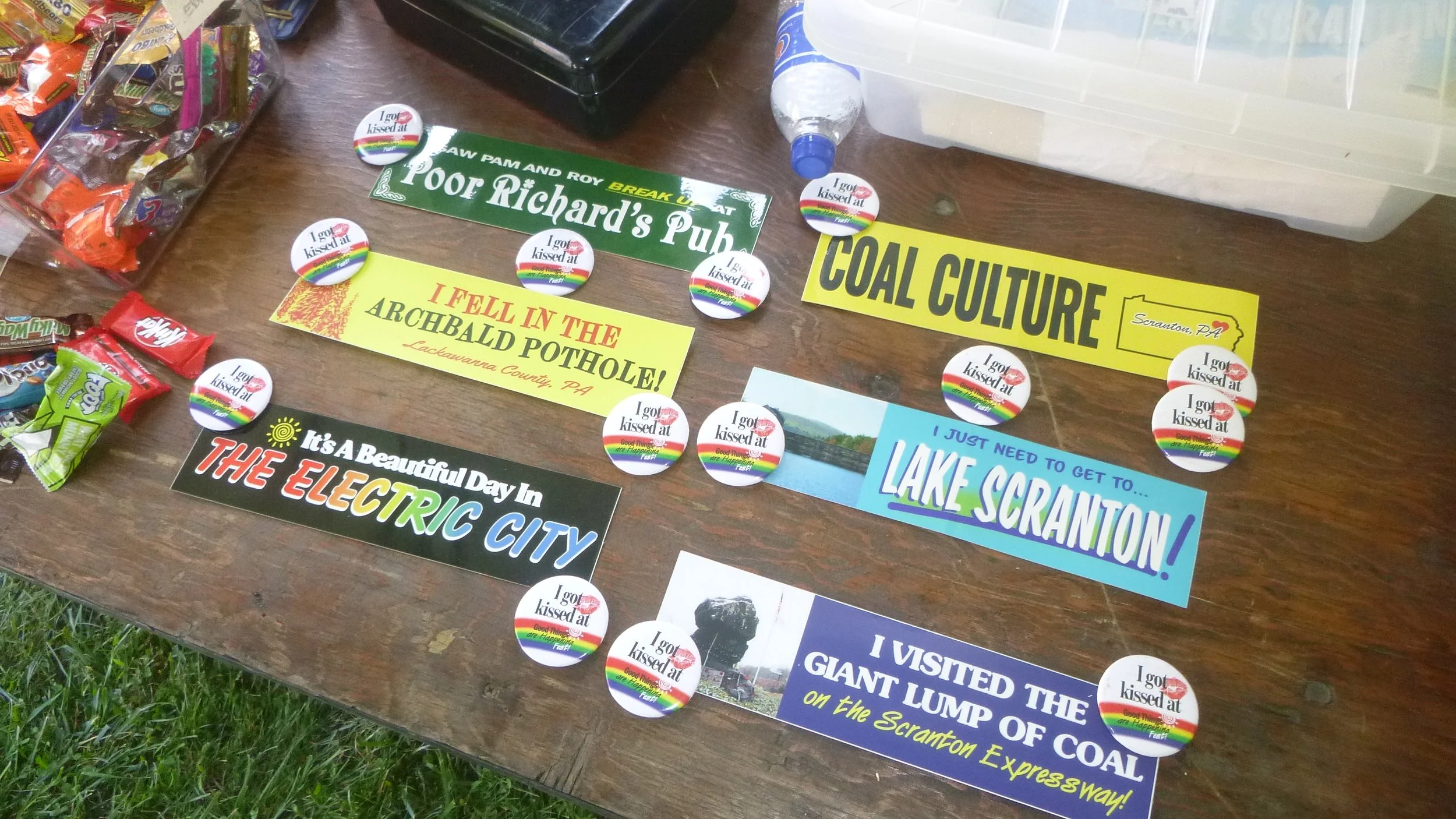
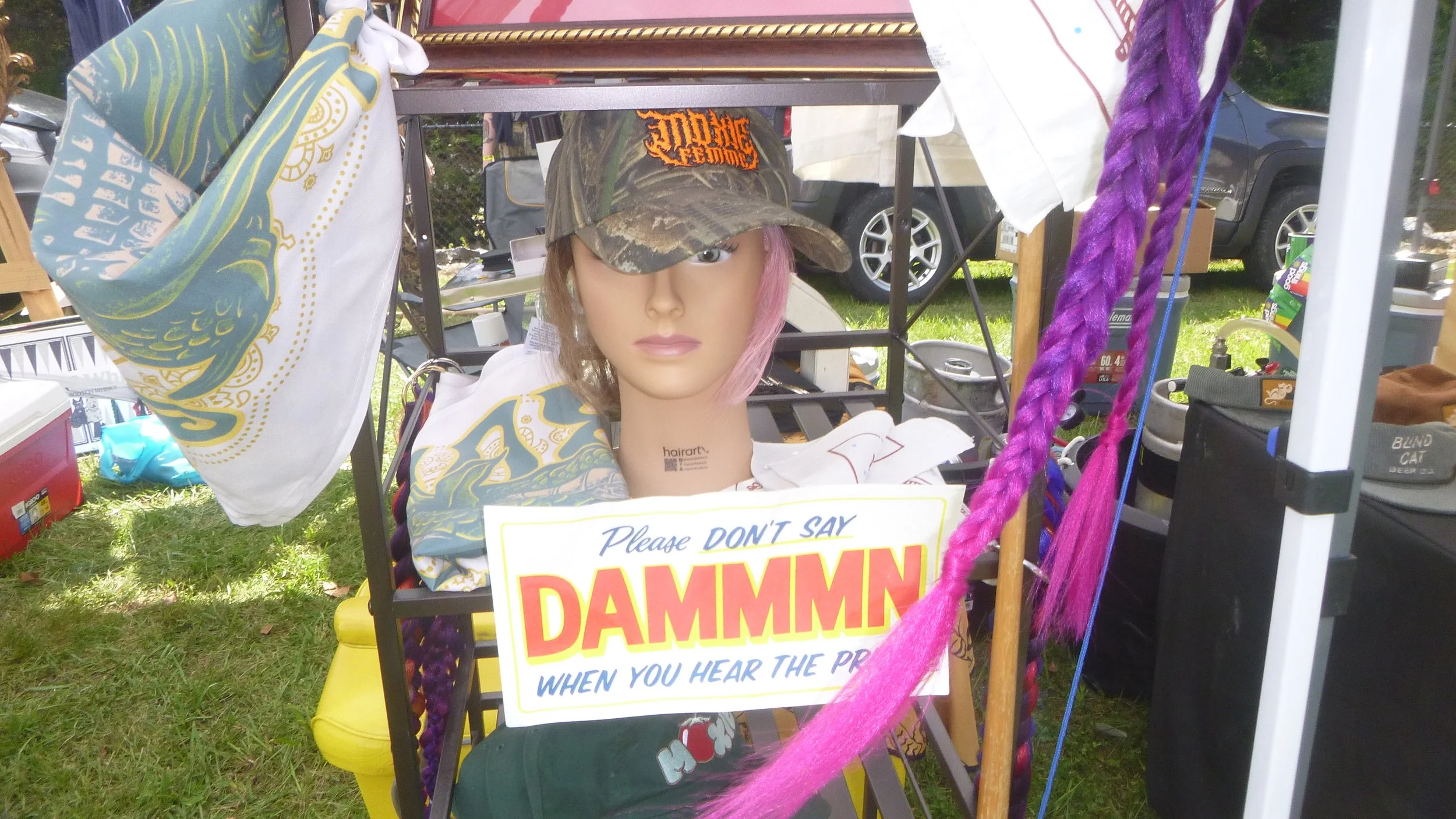
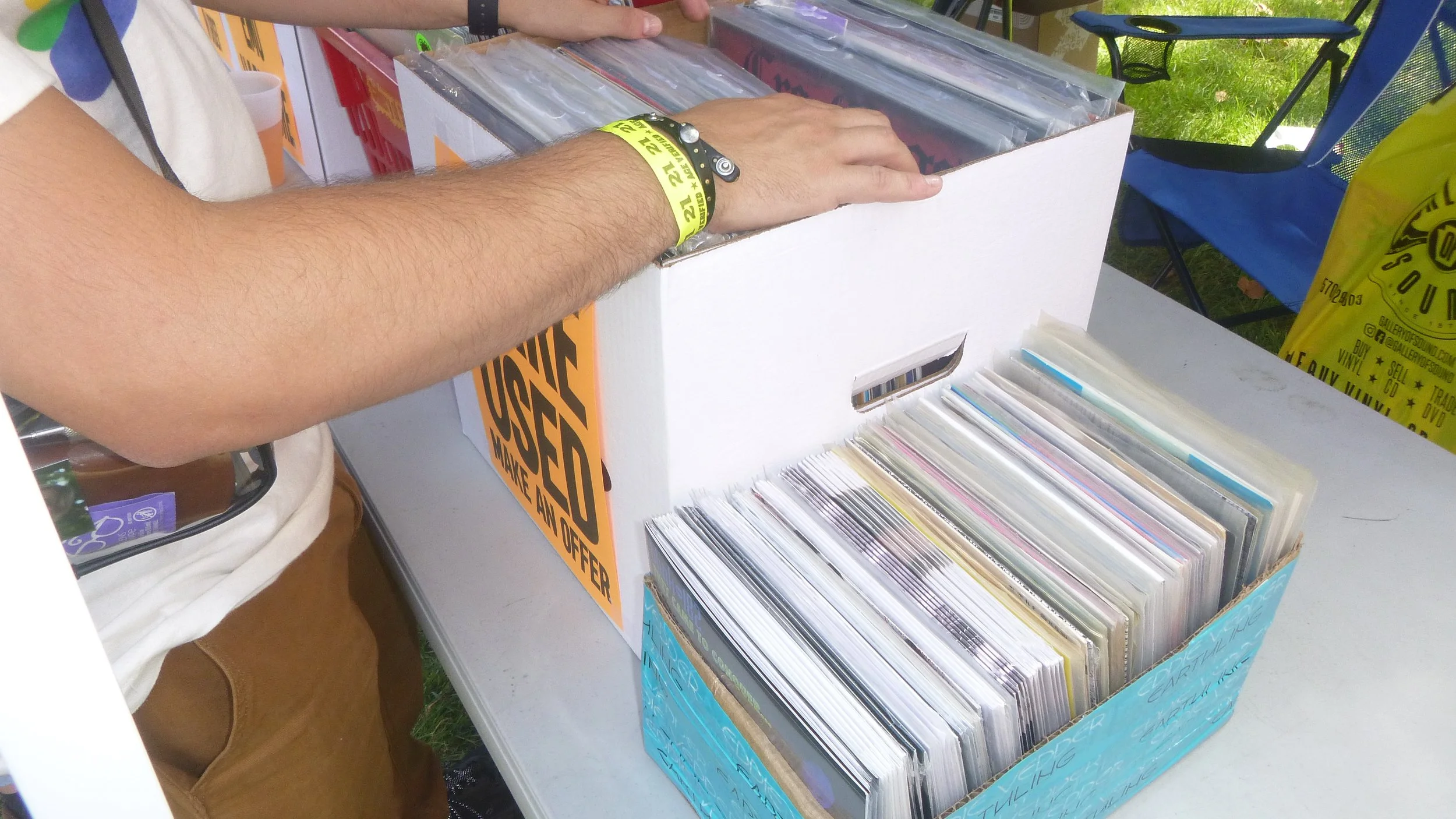
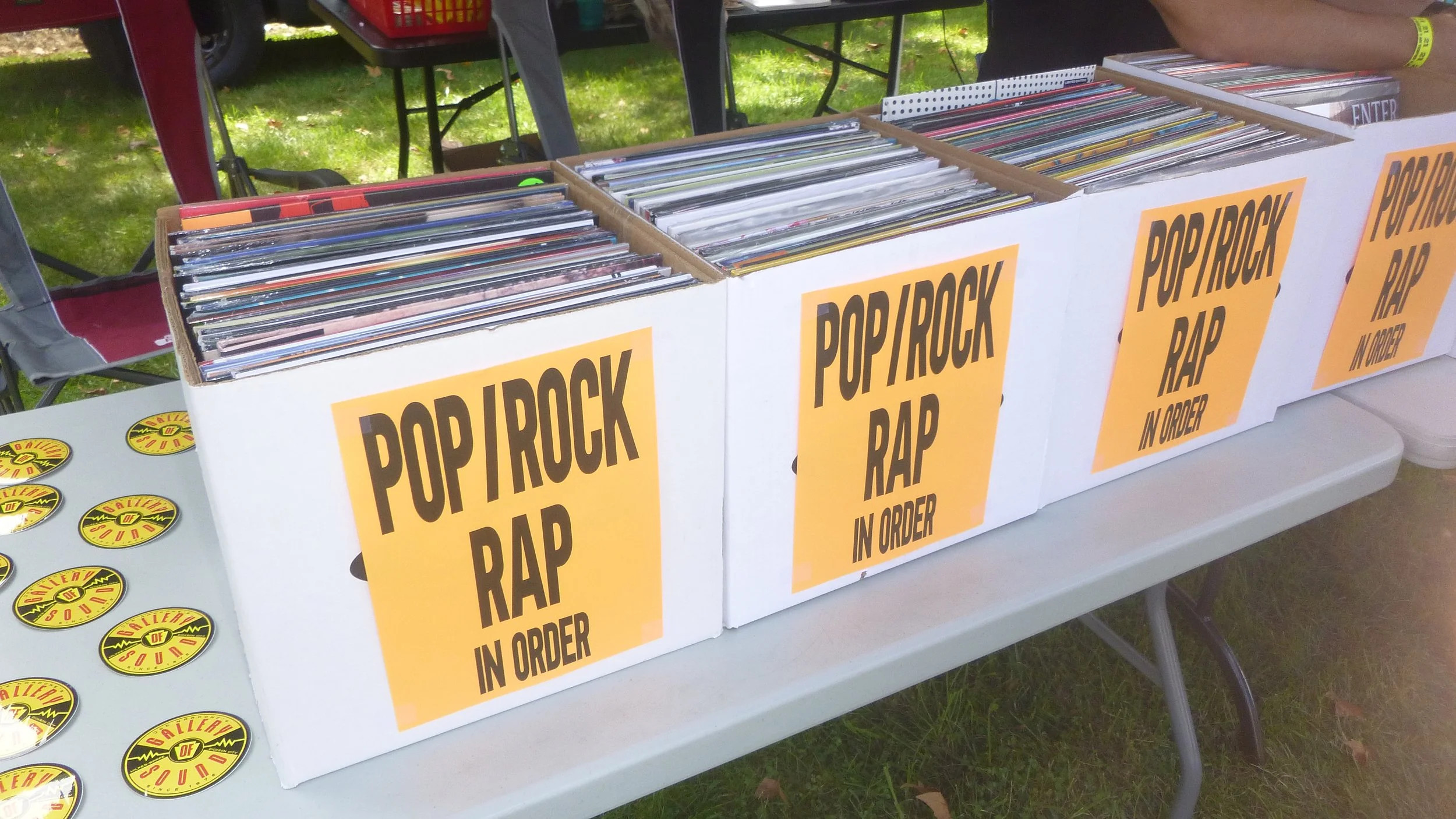
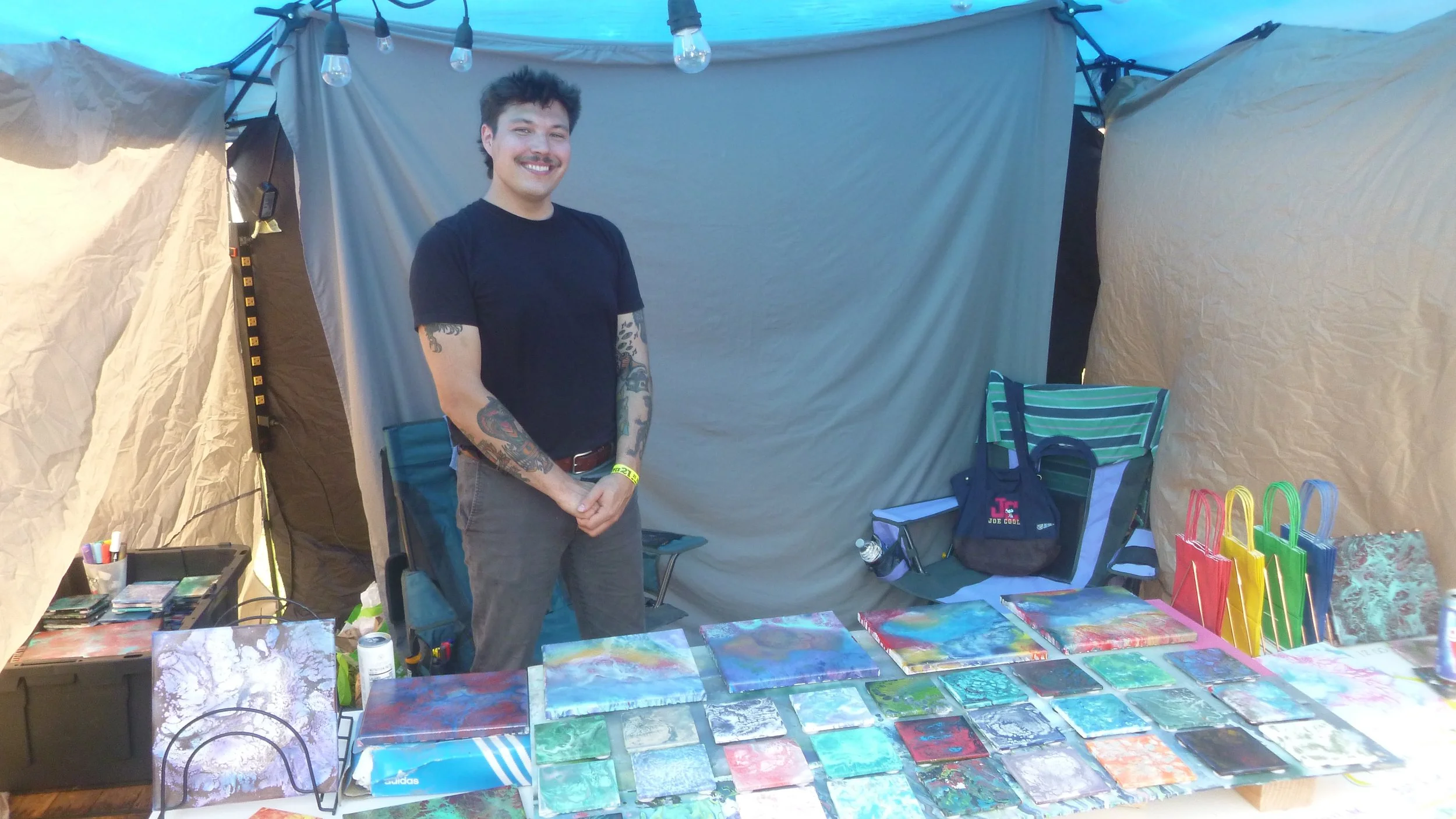
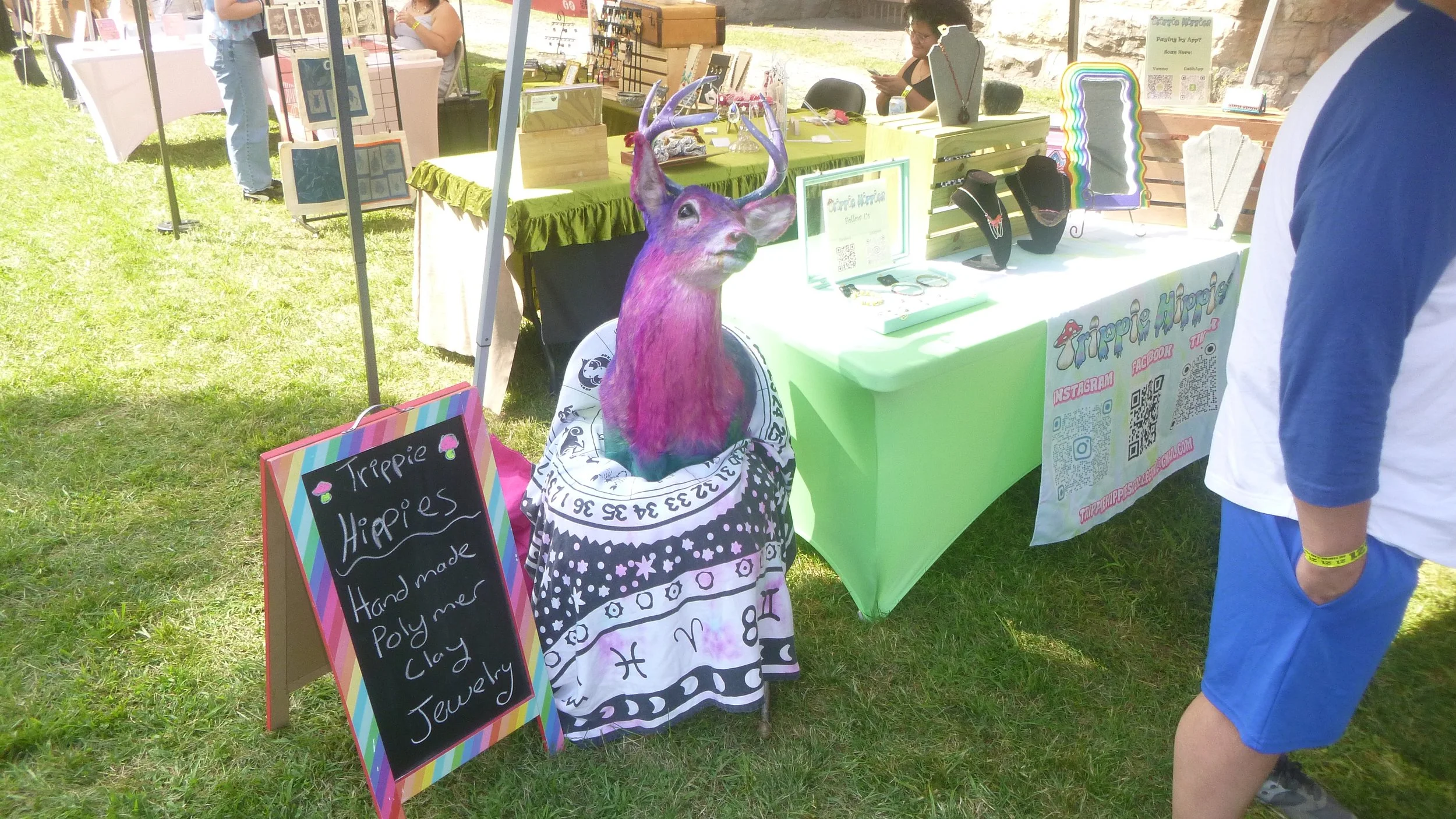
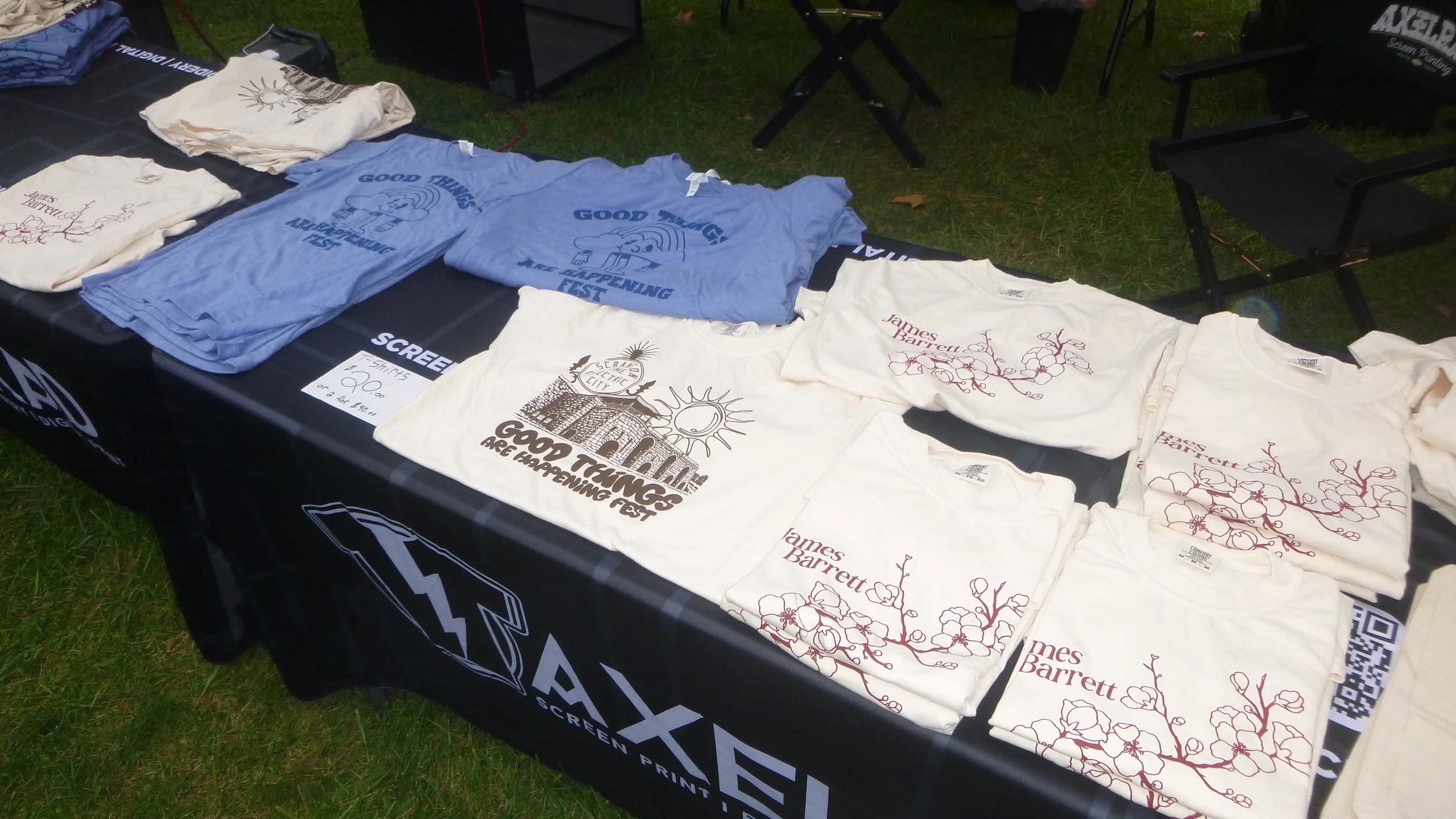
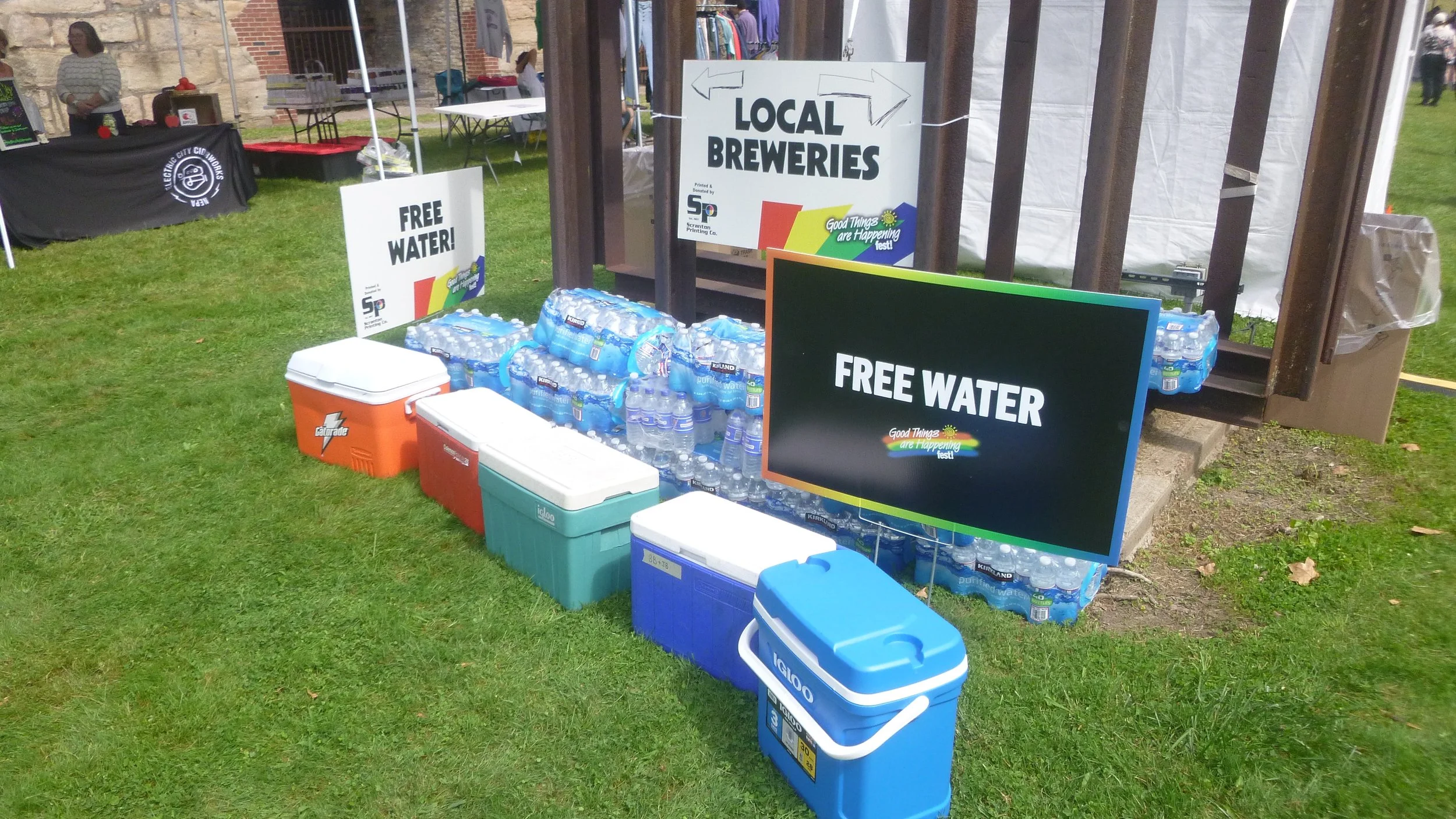
This family-centric approach, combined with other smaller decisions like re-entry and free water, makes Good Things feel welcoming and easy-going – a distinct contrast from other festivals and street fairs that might try to charge a few dollars for a bottle of water just because they know they can. Speaking of vendors, there were over 30 in attendance, ranging from local restaurants, breweries, coffee shops, and record stores to artists selling pottery, jewelry, and live screen-printed T-shirts. 

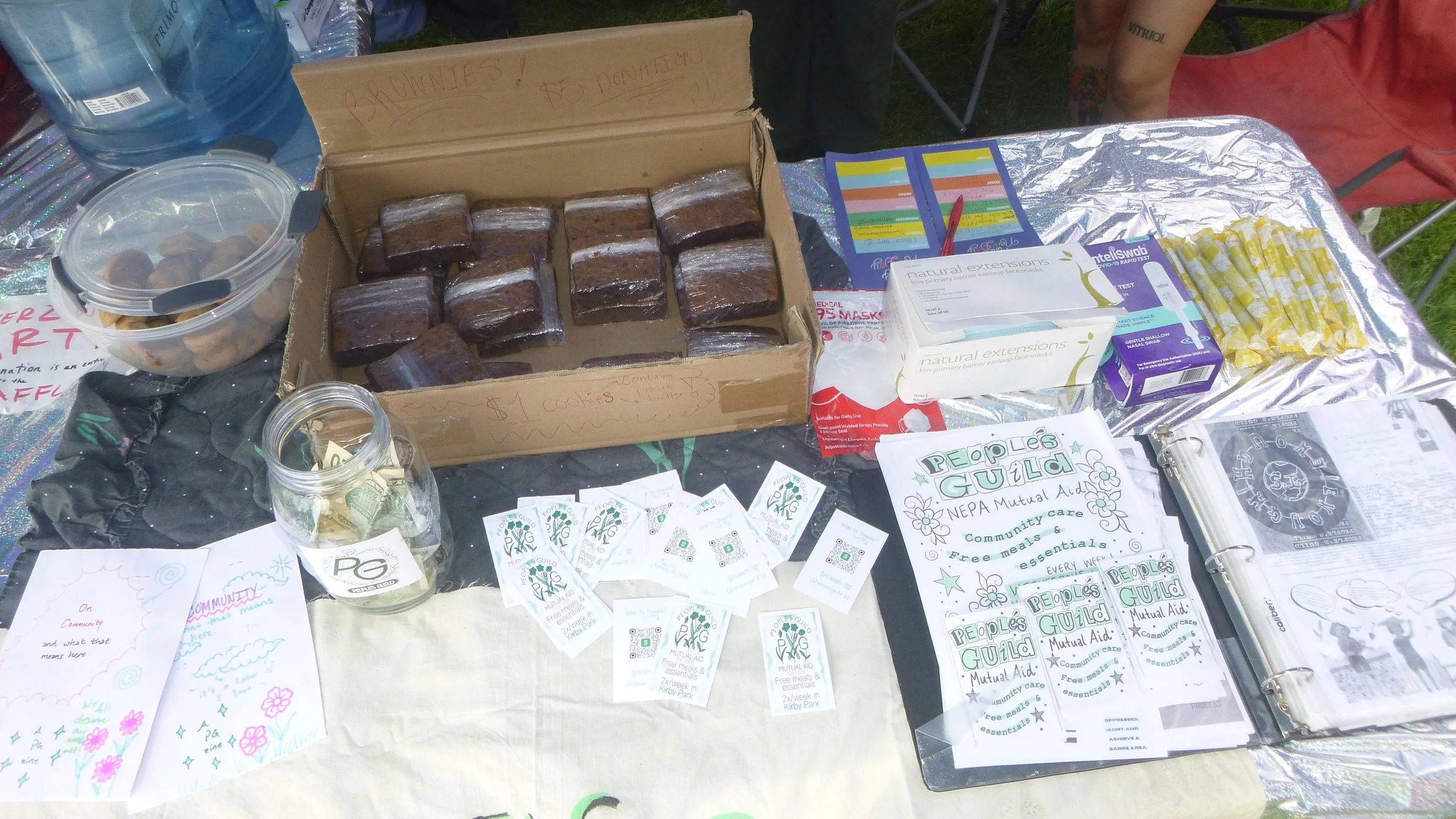
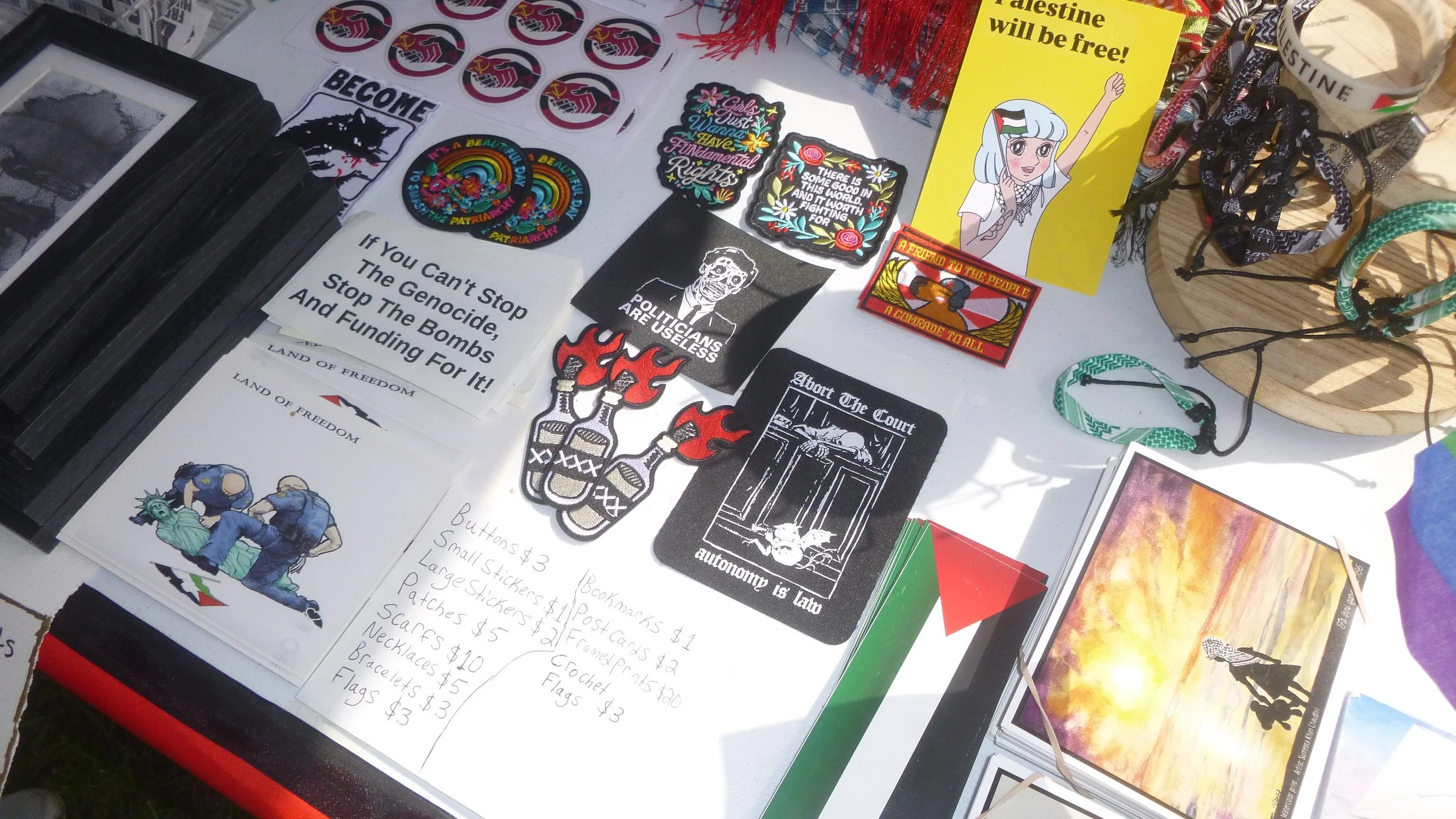
One of the most heartening things I found was that two of the booths placed closest to the entry were Binghamton Solidarity for Palestine, a coalition of students and community members fighting for divestment from Israel, and People’s Guild, a mutual aid and meal delivery program based out of Wilkes-Barre. Getting the members of your community out for a day of music is all well and good, but getting them involved (or even just aware) of local orgs like this is an actionable way to fight against the objectively not good things happening in our world. While the festival didn’t have an overt political bent, I found it reassuring to see people like this spreading a vital message and fighting hopelessness. Plus, I was able to buy a pin of Snoopy holding a Palestinian flag for my girlfriend, so that was cool. 

The Bands Part One: Jersey Takes Scranton
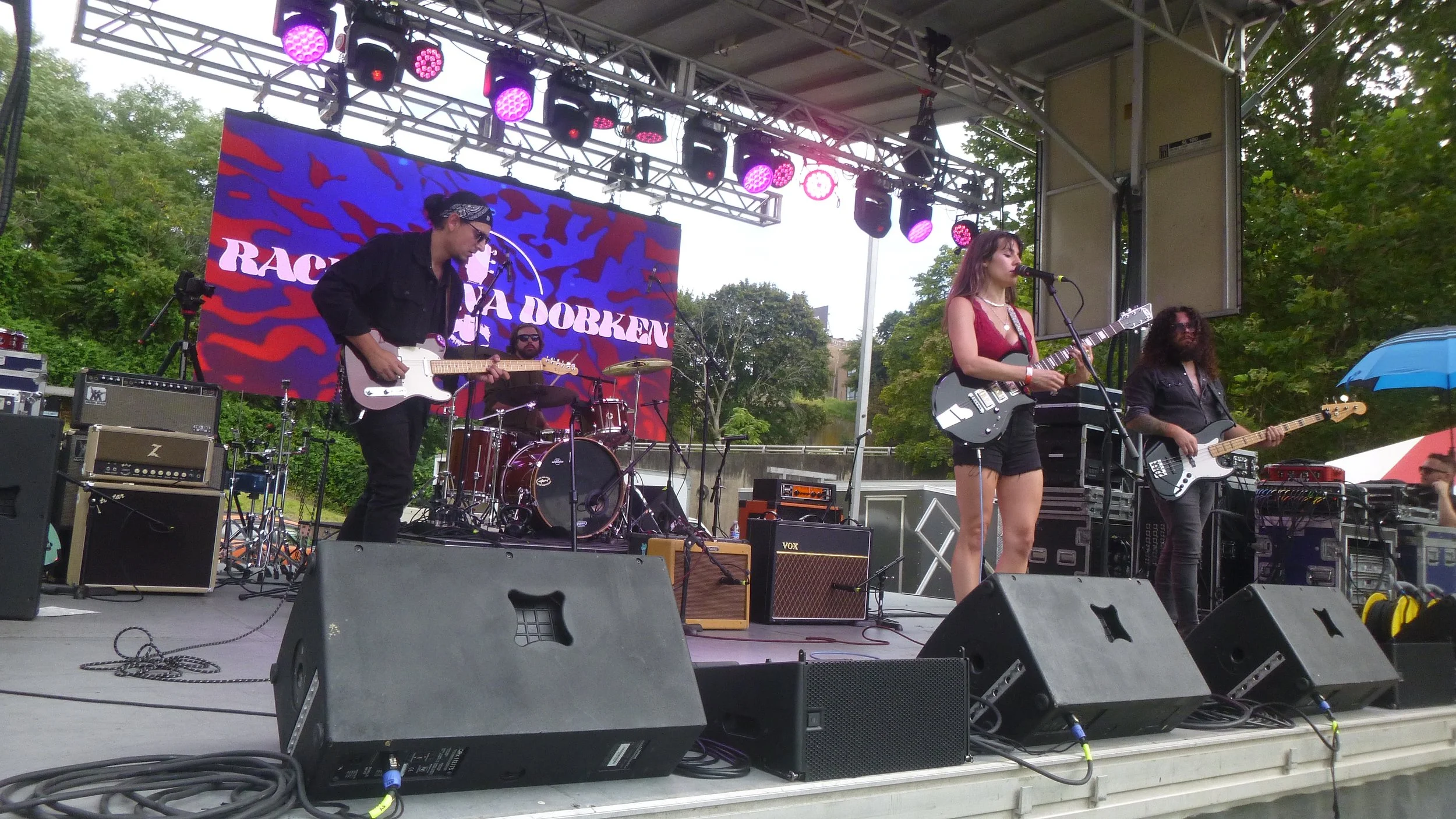
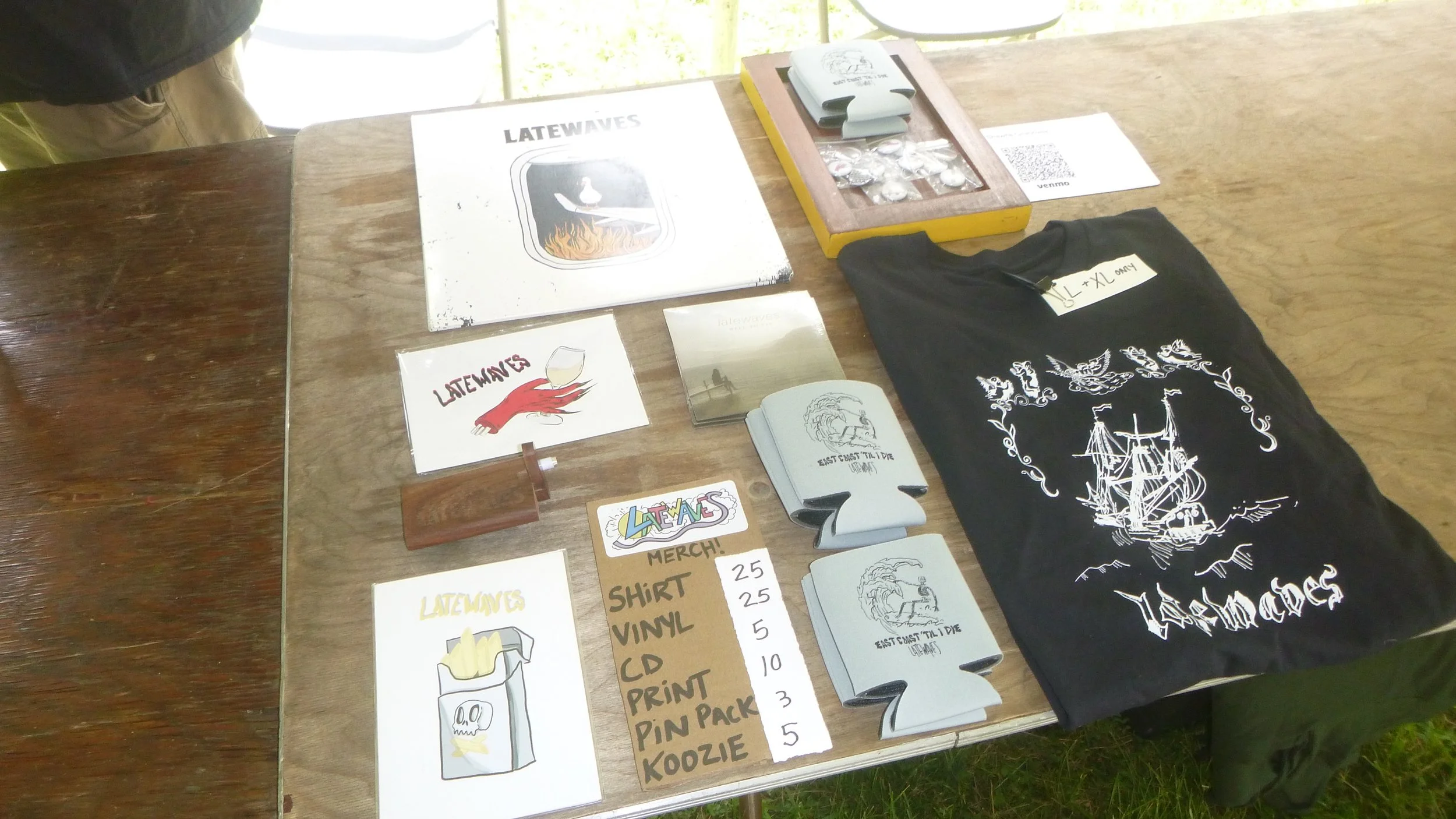
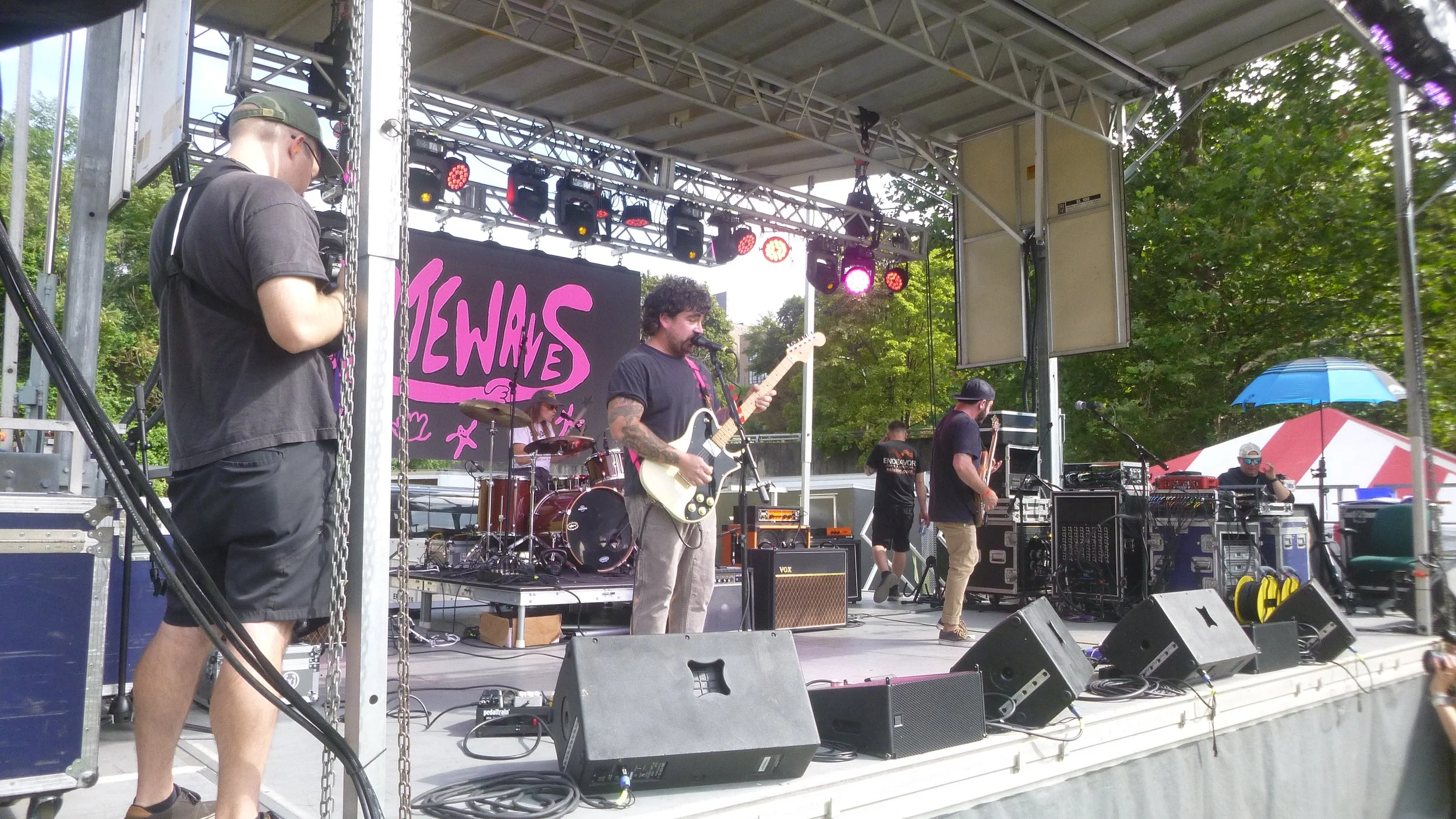
Since I showed up an hour after doors, I sadly missed the opening band Look Back Luna, a fact that immediately made me regretful when I got to the merch booth and saw how cool the album cover for We’re Leaving This Place looked. Instead, the band that kicked off the day for me was Connor Bracken and the Mother Leeds Band, who brought their classic rock-and-roll vibes from Asbury Park as the sun poured down and attendees trickled in. Immediately following was Rachel Ana Dobken, who stunned with a sort of 70s space-rock vibe, complete with tons of solid-ass riffs and sick guitar solos. The high point of her set came during the song “Always,” when Rachel strung up her guitar and seamlessly took over the drum kit to play (and sing) into the following song. It was a true feat of coordination, and all without missing a beat, a true sight to behold. The third and final Jersey band of this opening stretch was none other than Latewaves, who brought the emo-punk energy with hard-hitting drums and absolutely rippin’ guitar work. I had initially met Latewaves lead singer Mike Pelligrino when I was on the road with Carpool back in 2024, so it was nice to reconnect with him here and finally see his band live and in the flesh. 


Rain Break, Caffeine Break

Up to this point, the day had been mostly perfect mid-70s, alternating sunny blue skies and some slight overcast that offered a nice reprieve from the direct sunlight. Since it was already mid-afternoon, this seemed like a great time to step away and check into my hotel, the nearby Hilton with a beautiful-ish seventh-story view of downtown Scranton and an impressively clogged bathroom sink. After some check-in delays, I stepped back outside and noticed a light sprinkle coming down. It felt good. I hustled my ass back to the festival grounds with a Red Bull in hand, hoping it would power me through the rest of the day. When I returned, I was sad to learn I missed the entirety of Purple Lung’s set, but hotel fuckery tends not to care about festival schedules or set times.  

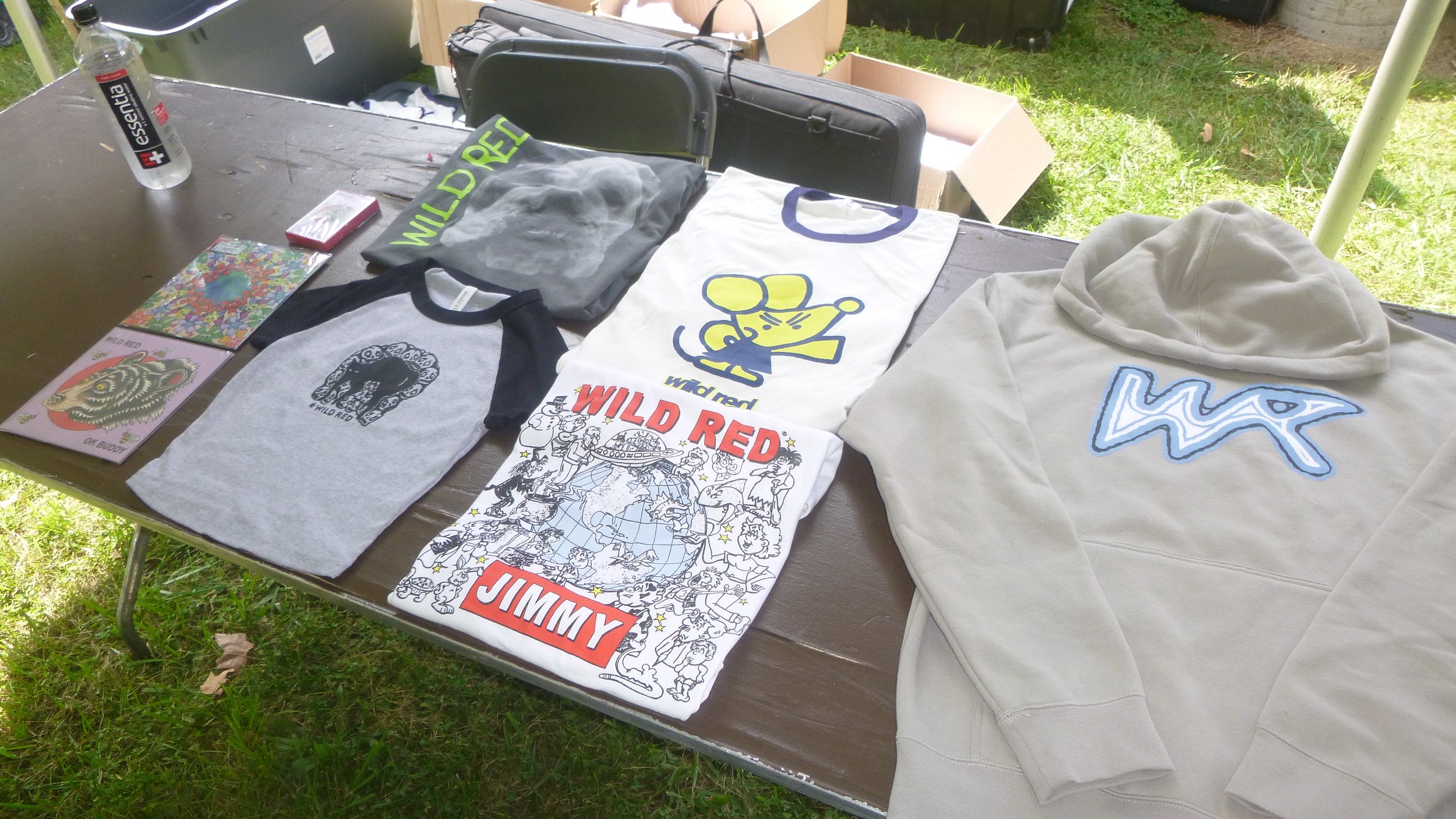
Once the music resumed, I found that my Red Bull paired perfectly with Wild Red, whose infectious easycore energy got the crowd finger-pointing and shouting along. Once again, I found myself ruminating on the influence of bands from this exact slab of the state, like Title Fight, who were clear forebears of Wild Red’s hopped-up pop-punk stylings. 
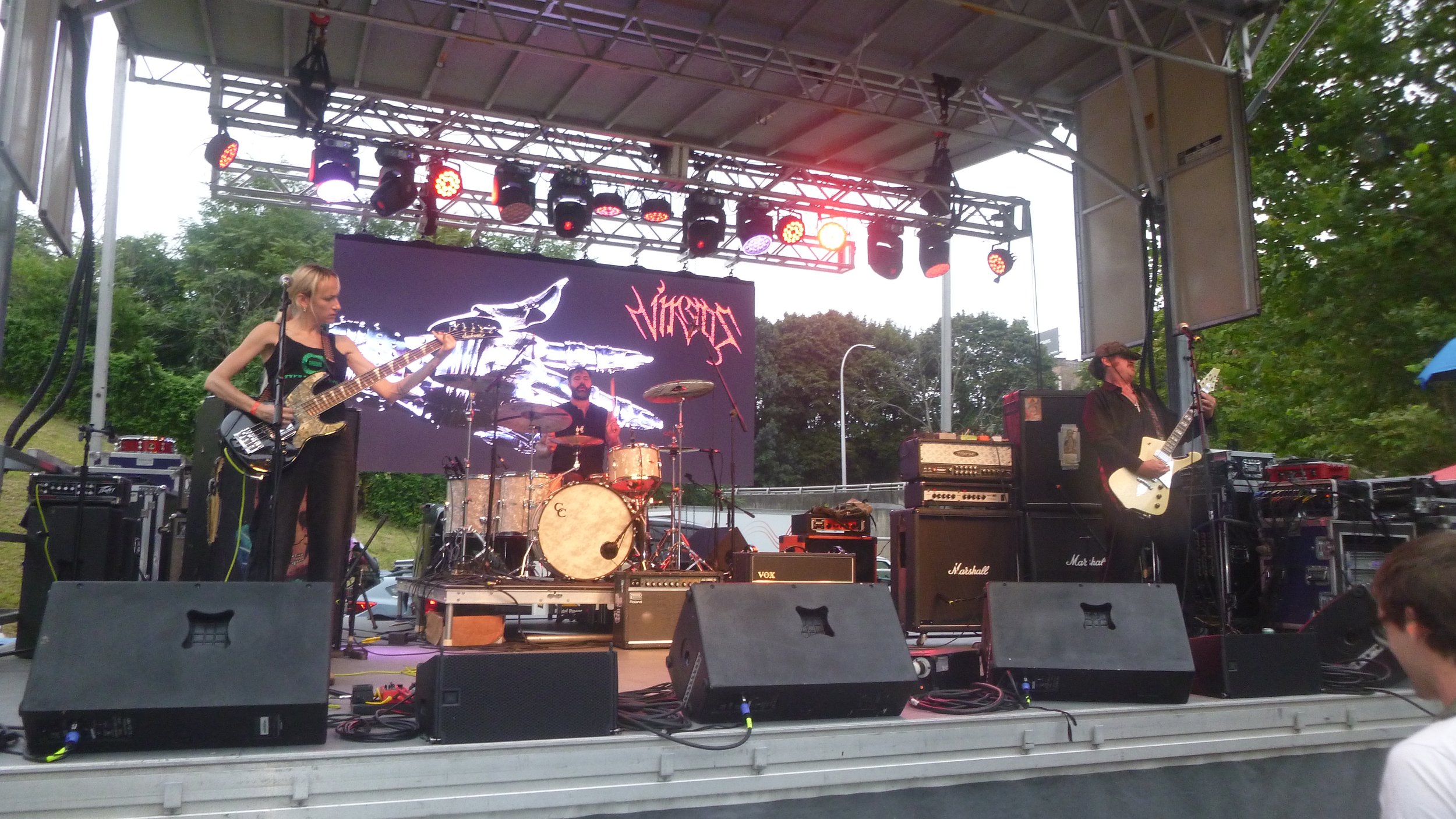
After a short changeover, “Pennsylvania’s Heaviest Band” The Virgos took the stage, and the mood shifted in the best way. First off, the band was loud as shit, hauling their own cabs onstage, making their already-loud approach to heavy metal even louder. At one point between songs, while encouraging the crowd to pack in, lead singer Andy Saba exclaimed: “The closer you are, the louder it is, the better it sounds.” Couldn’t have said it better myself. 

On my way to get a better view of the trio, I navigated past two children having a balloon sword fight to the band’s music, forming their own little pit at the edge of the field as their parents watched on. Something about that struck me, reminiscent of how my younger brothers and I would run around and roughhouse any time we were in a similar situation, emboldened by the lawless feeling of live music in an outdoor setting. The Virgos’ blend of stoner-metal-horror-punk seemed perfectly fitted to score their battle and mark the midpoint of the day. Other highlights in the band’s set included a one-chorus interpolation of “Beautiful” by Christina Aguilera and a full cover of “Snowblind” by Black Sabbath, which they dedicated to Ozzy. Indeed, they might have been the heaviest band that played that day, and I was glad to have my trusty WXPN earplugs protecting me from the booming bass and thunderous drums. 


A Tale of Two Beers

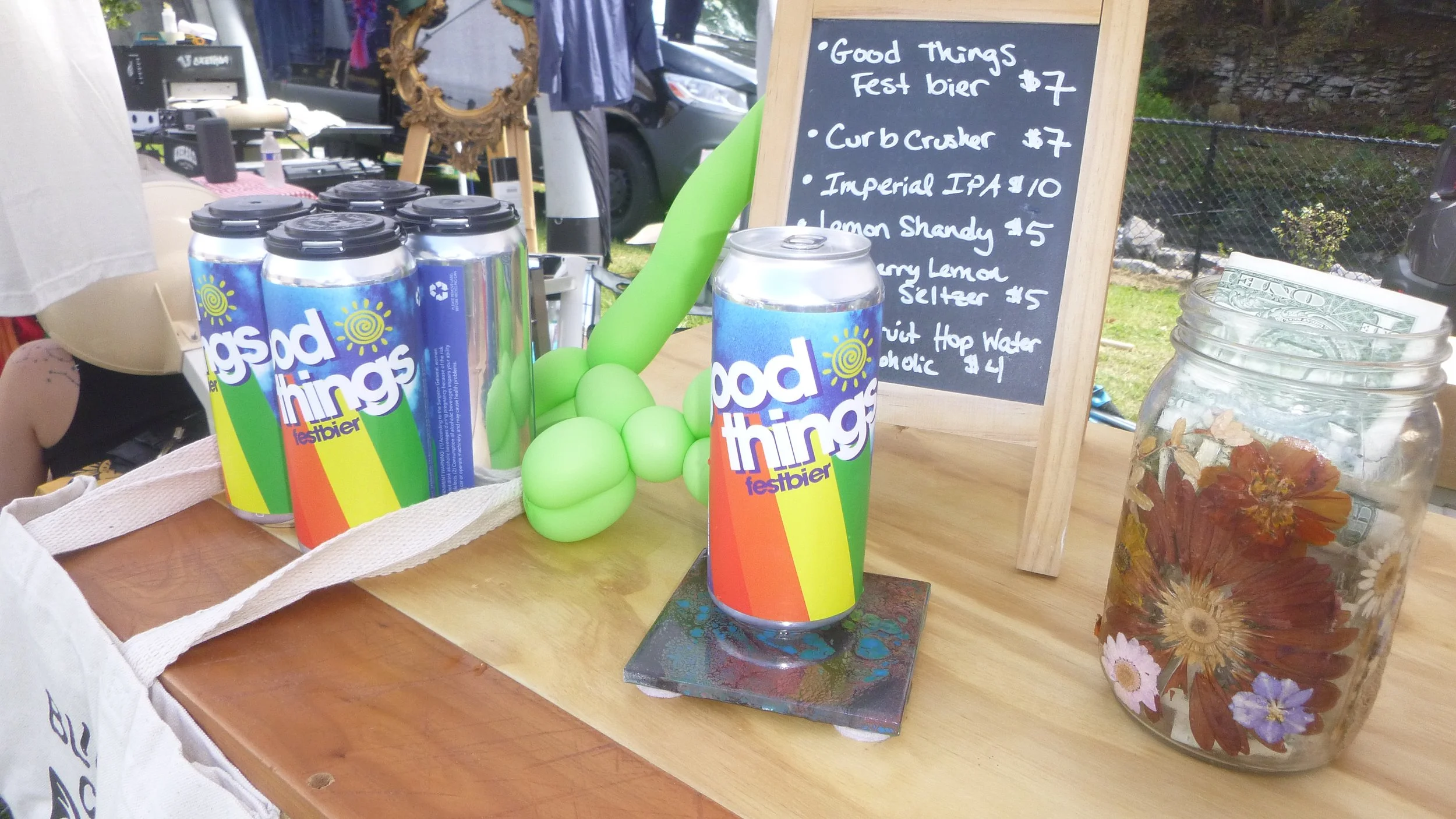
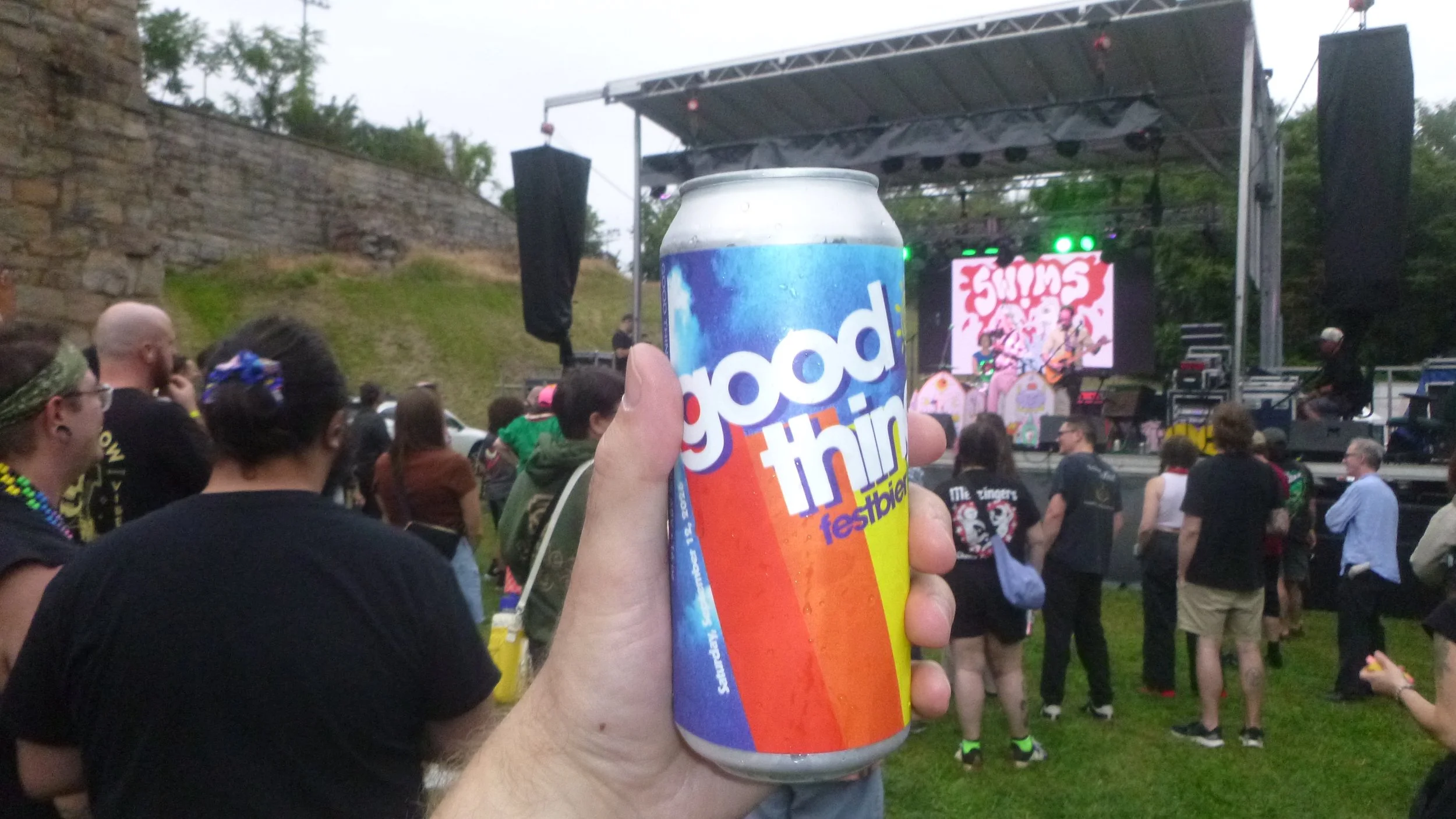
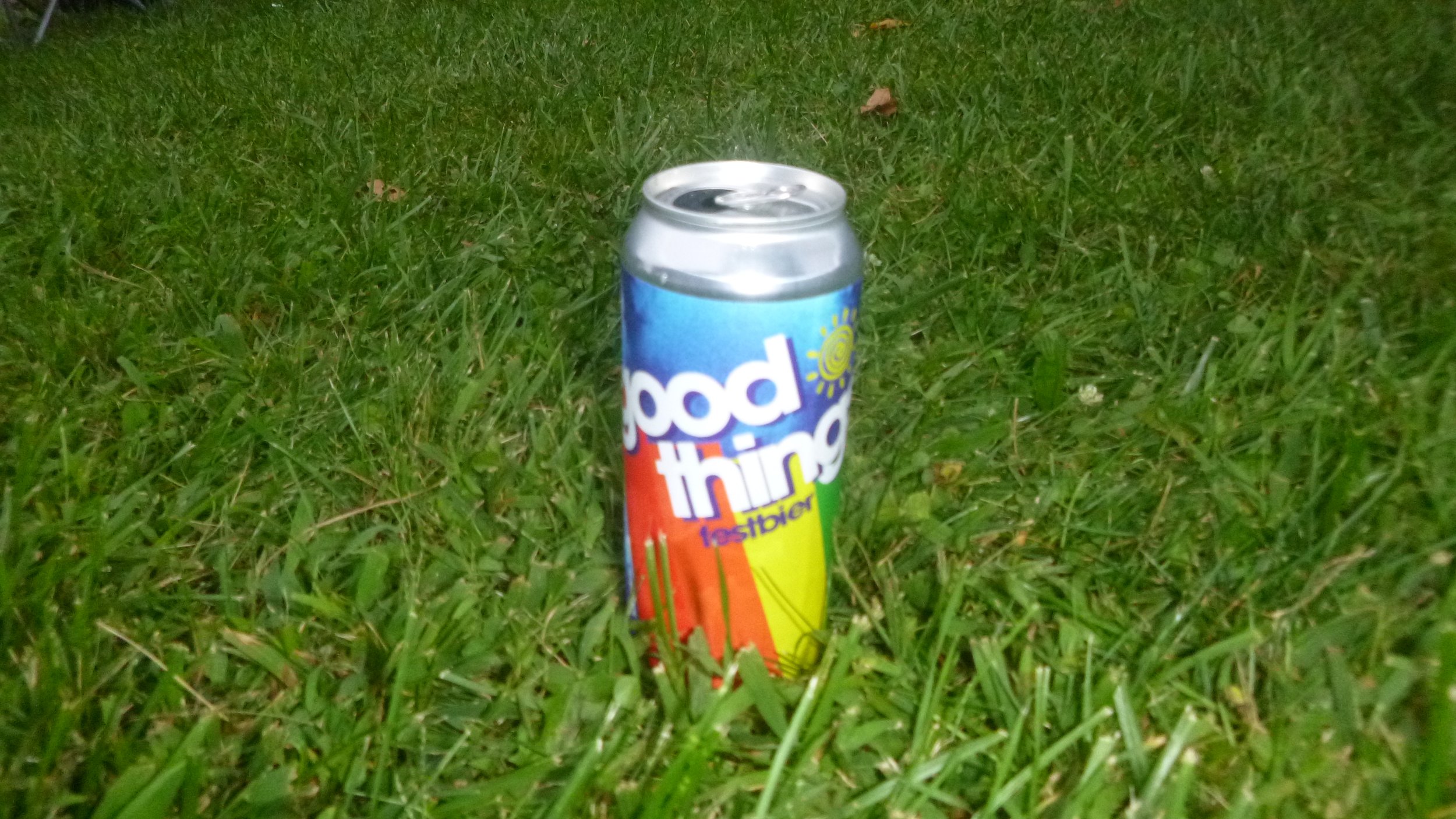
I was doing my best to pace myself throughout the day, so after a quick bite, I decided it was time to try one of the two Good Things-branded beers made specifically for the festival. First up was the Good Things Festbier brewed by Blind Cat Beer Co., a 5% German-style festbier that was fairly tart and bitter, but still refreshing. The can is wrapped in a cool-as-fuck rainbow logo that was incredibly striking and beautifully designed. 
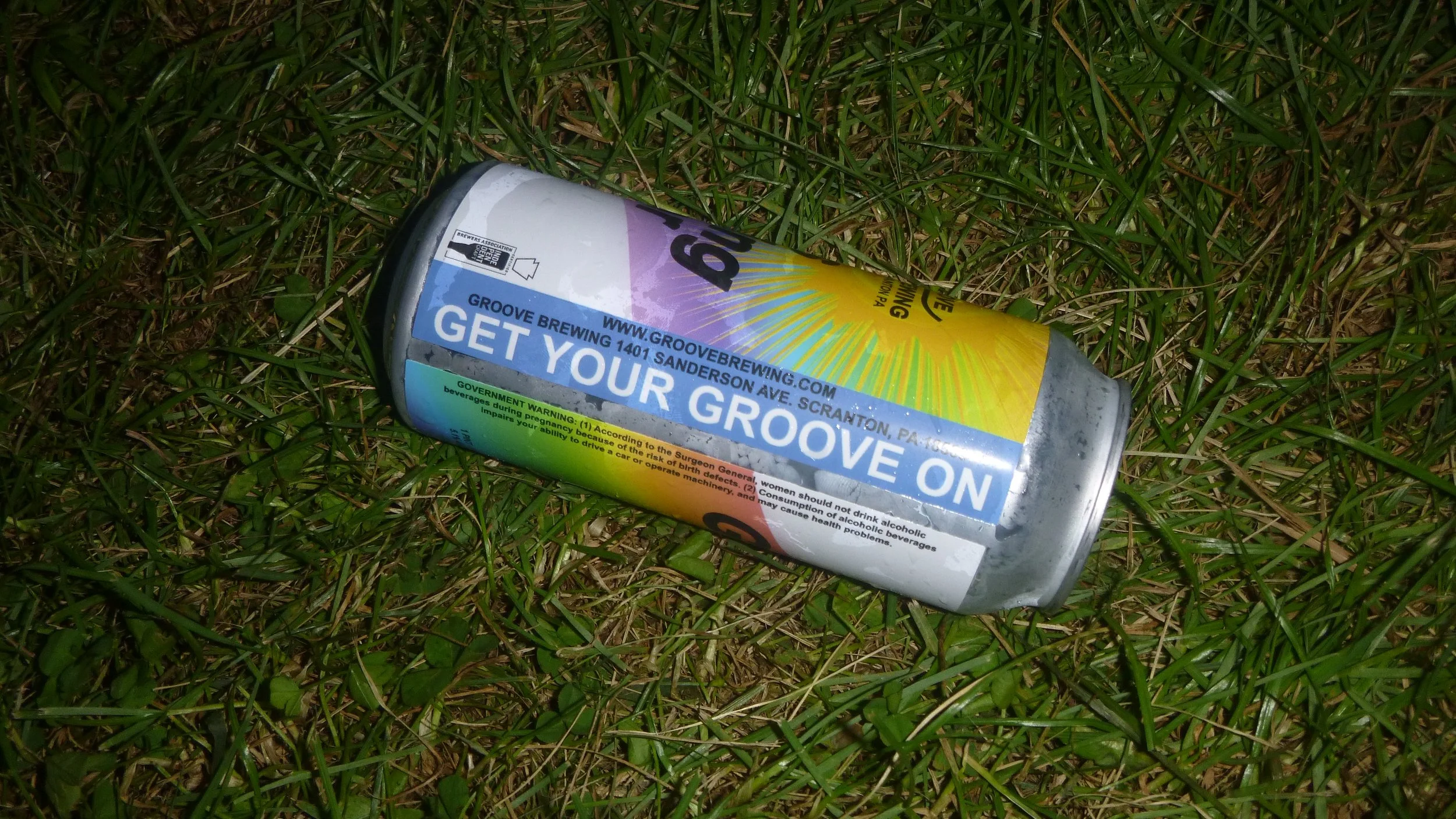
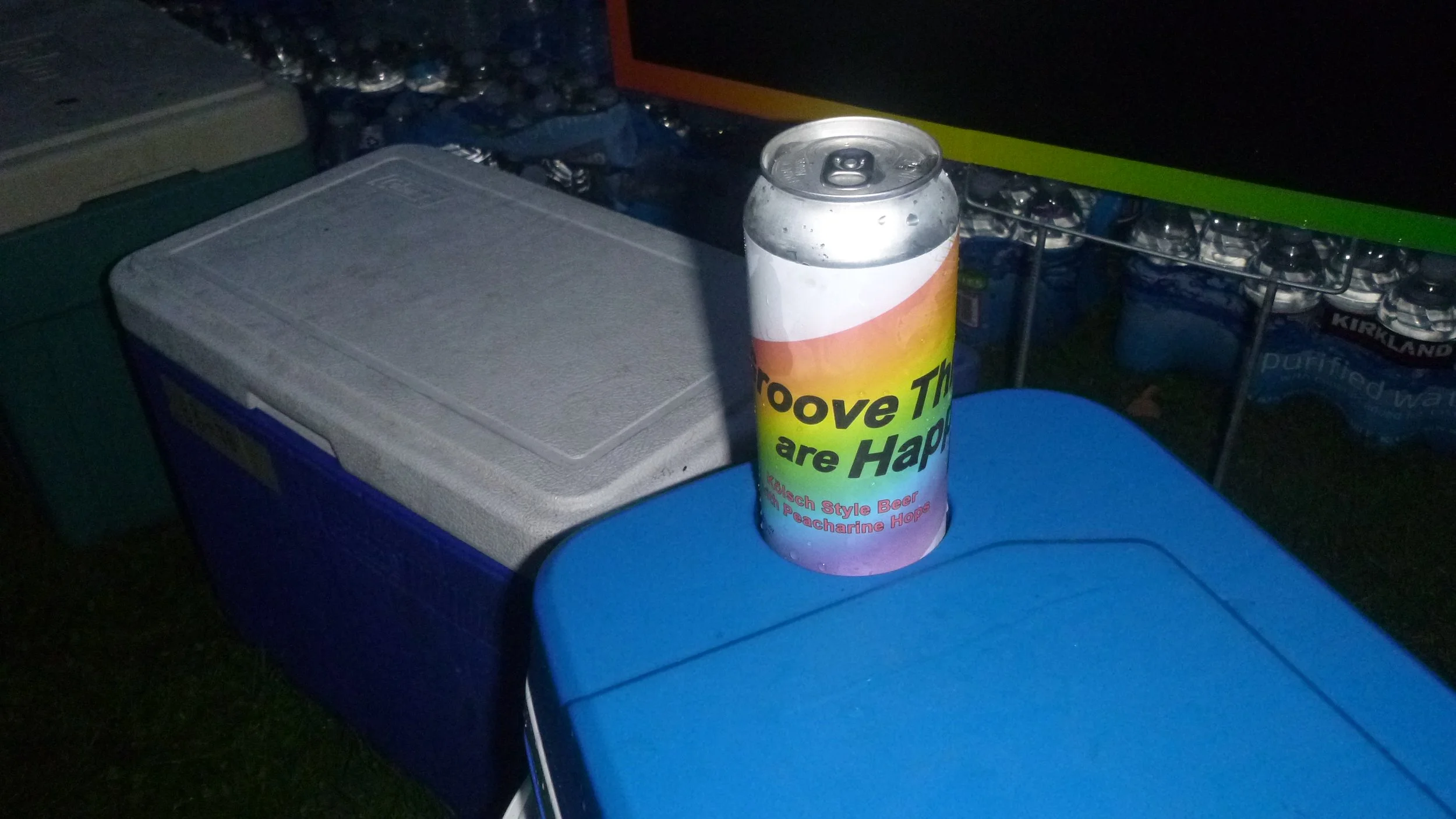
The second beer brewed in collaboration with the fest was Groove Things Are Happening from Groove Brewing, a 5.1% Kölsch that immediately won me over on the first sip. To me, this beer tasted much lighter and felt easier to drink than the festbier, although that drinkability could be because it was my second beer of the night, and the second drink always hits different. 

If I had to pick a winner between these two pretty great beers, I’d probably opt for Groove Things Are Happening, but the Festbier comes through with a better design and presentation. Regardless of the winner, it’s cool to be at a music festival that has its own beer, let alone two! Ever since we lost Pitchfork Fest (and their final year skipped it entirely), I’ve missed that special one-off beverage experience you can only find right then and there at a festival. 

Back to The Bands

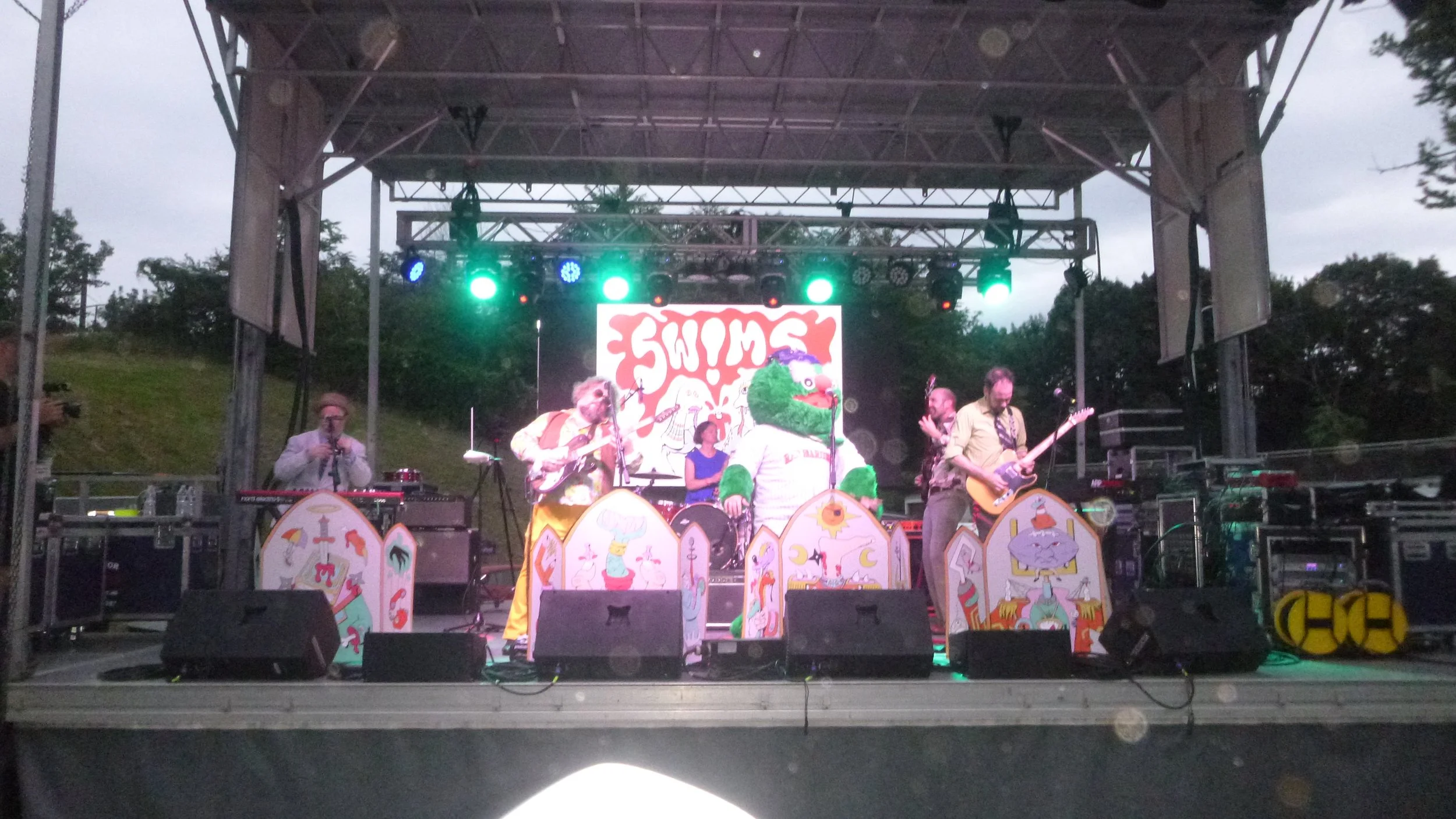
After the crushing heaviness of The Virgos came the psychedelic brightness of The Sw!ms. Easily the most colorful band on the day’s lineup, the group’s five members were decked out in either suits and ties or psychedelic 70s button-ups with big-ass lapels. At the front of the stage sat a series of illustrated tri-fold standees that gave the stage a cartoon-church feel. The set itself was just as vibrant as the Scranton natives ripped through a jubilant set of music complete with organ, vocal harmonies, and even a damn theremin! One of the biggest surprise “guest spots” of the weekend came when The Grump, mascot of the defunct AAA baseball team the Scranton/Wilkes-Barre Red Barons, hopped on-stage to gesticulate and rock out for a song. While The Grump has his own sordid history, which I didn’t know until researching for this piece, I’m glad the town was willing to recontextualize him in this more positive environment.
Before going deeper into the lineup of bands, I feel like it’s a good point in this journey to talk about Cowgirlpills, the DJ duo who spun tunes between every set, playing from noon till 10 pm. These remixes often took the form of vocals from a popular song pumped out over an electronic beat, woven in and out with other tracks. The peak of this might have been when they took “Bodies” by Drowning Pool and seamlessly segued it into “Who Let the Dogs Out” by Baha Men. Another combination that I had to write down later was when Ram Jam’s rendition of “Black Betty” played off Dababy’s recent mega-hit “POP DAT THANG.” You never knew what was coming next, and the electronic bed kept everything feeling seamless as Cowgirlpills guided us through the entire day. Props to both of them for the endurance and the wide swath of pop culture they so readily pulled from.

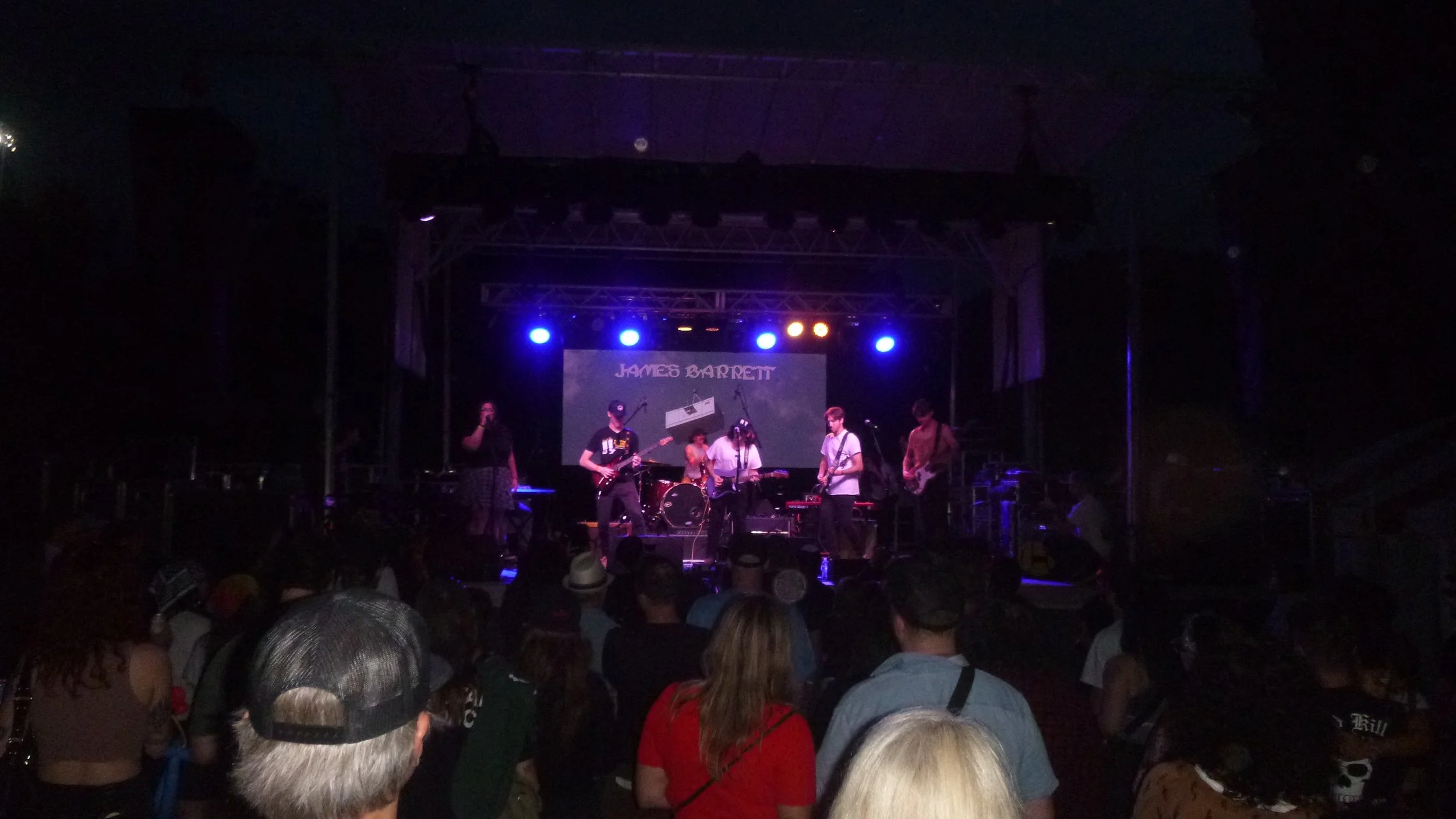
As the sun was setting, it was finally time for James Barrett to take the stage. His set was preceded and punctuated by chants and screams of “JB!!!!” as friends and family cheered on the man who was, for all intents and purposes, the reason for the season. Despite playing under his name, the James Barrett band materialized as a six-person lineup with three guitarists, a bassist, keyboardist, drummer, and an occasional seventh spot that opened up for guest vocals from Amanda Rogan. To my ear, the music felt like a firm middle ground between two fellow Pennsylvania bands: The War On Drugs and The Menzingers. The six-piece often defaulted to a heartland indie rock thrum, but occasionally exploded into livelier peaks that got the crowd plenty riled up. My one wish is that the guitars could have been cranked a little louder; maybe it was just the mix from where I was standing, but the bass overpowered a lot of the other instruments, and when you’re playing with that many guitars there’s a huge opportunity to sound expansive and textured, but the set often sounded more compact and tight.
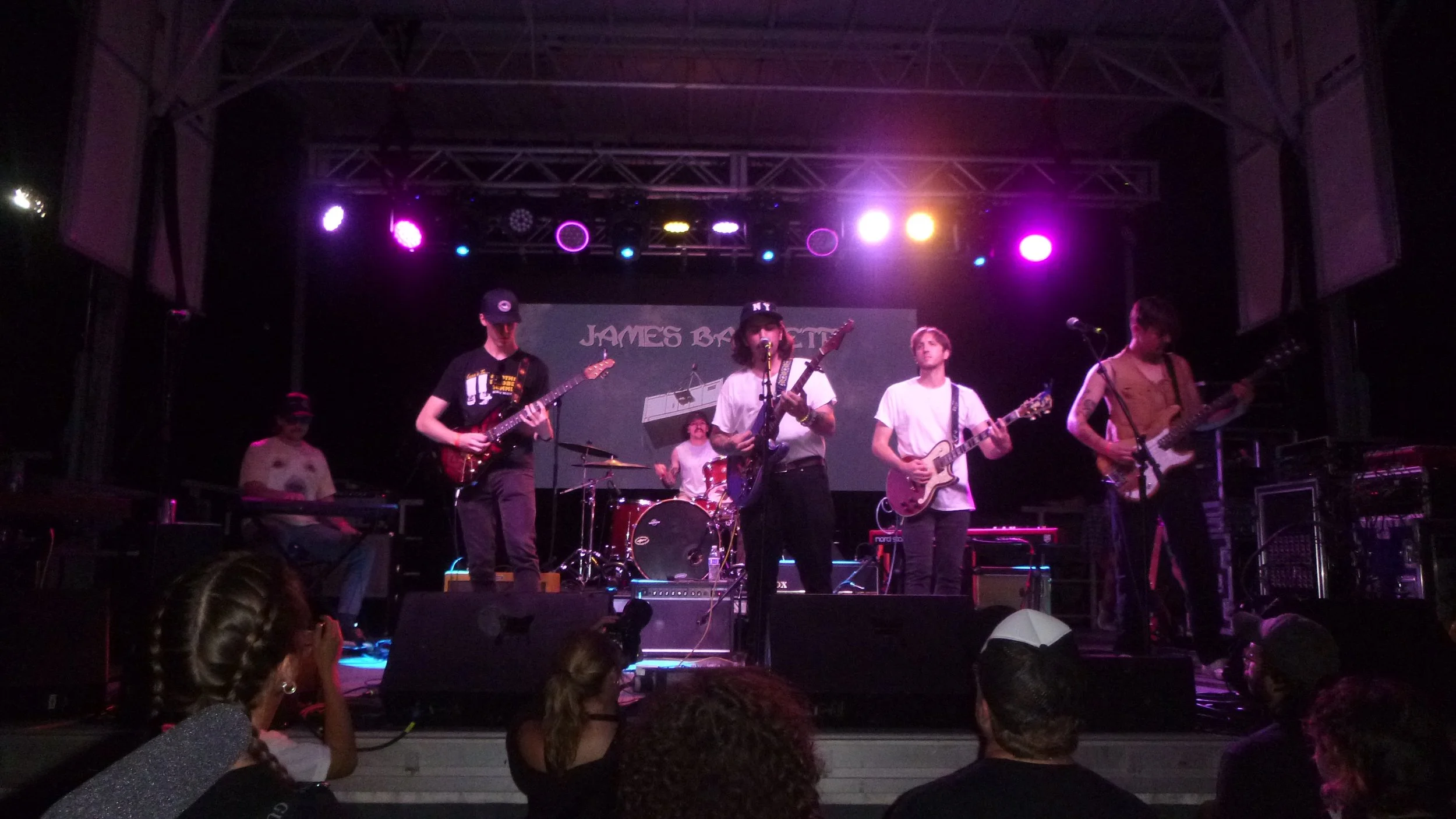
I’ve been lucky enough to hear an advance of Barrett’s new album, Now That I’ve Seen The Light, which hadn’t even been announced at the time of the festival, so it was cool to hear some of those songs performed live here. I found it poetic that, when alluding to the upcoming LP, James said it took five years to come together, which felt fitting given that this was the fifth iteration of Good Things Are Happening. These two things running in parallel feels like a distinct chapter beginning, unfurling, and coming to a close all at once. 

Midway through the set, Barrett took over the piano and invited Mariah Hawley Williams (aka Francie) to the stage to perform one of the record’s singles, a ballad fittingly called “All I Need (Something Good),” which wound up coming off like a thesis for the entire day. It wasn’t just the “goodness” of it all, but it truly felt like the entire crowd, band, and the Iron Furnaces themselves were held in suspension as the track played out. Something good indeed. 

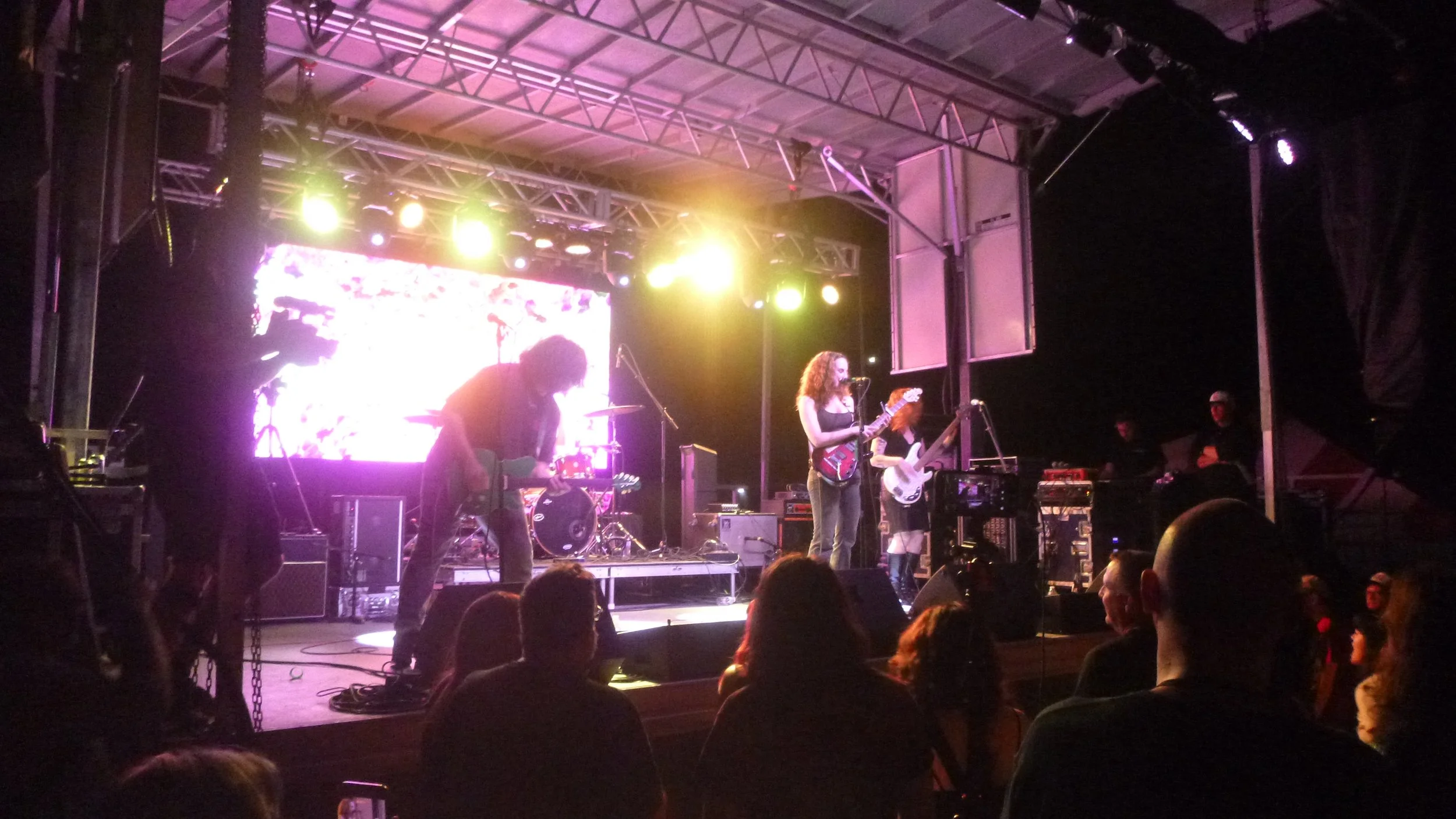
After the standout set from Mr. Barrett (aka “The Prince,” as Sw!ms vocalist Brian Langan called him), Have Mercy took the stage and rocked reliably, scaling their Warped Tour-level pop-punk theatrics down only a smidge for the Scranton stage. The track “Two Years” was an undeniable standout, with big, fence-swinging vocals and moments for every instrument to shine.

One more changeover and Pool Kids were up on stage blasting through a set of their mathy, anthemic brand of emo. The group opened with “Arms Length,” which helped me summon the last bit of energy I had to bang my head while singing and flailing along. The set included other classics from their self-titled record like “That’s Physics, Baby,” as well as newer tracks like “Easier Said Than Done” and “Dani.” I left with the exact same feeling I came into their set with: Pool Kids are four of the most talented musicians in this scene or any other. It’s always a blast to see them, and they did an amazing job capping off a pretty incredible day.


Good Things End
After the final notes had been played, James Barrett took the stage once more to sign off and thank everyone for coming. During his set, between songs, Barrett had said, “This year has sucked, but today has not,” and echoed a similar sentiment in closing, saying that “If you’re here, you give a shit.” While part of me wishes the fest had more of a political bent or direct tie to a local organization, it was also clear that the sense of community and camaraderie went a long way. 

Ultimately, James, Erin, and Harry facilitated a day where good things were abundant, and attendees were free to pluck their own positives like flowers. For some, that was candy and balloon animals; for others, a one-of-a-kind beer crafted just for that day or a delicious pulled-pork sandwich from Backyard Ale House. For some, it was learning about local efforts to make the world better; for others, it was just a bunch of good music from across the Northeast. These are all good things to someone, and the rainbow-clad presentation of so many spirit-boosting options, condensed into one field in downtown Scranton, was easily worth the three-hour drive up from the city. 

I had a blast reveling in the good things that Scranton had to offer and left Good Things Are Happening Fest feeling energized to not just remain observant of the good happening around me, but to actively contribute my own positive energy back to the world wherever I could. I am someone who believes that when you put good things out, good things come back to you, and the five years of this festival seem to have proven that to be true. 

The thing about goodness is that it’s achievable. It’s not perfection; it’s not even something you have to work particularly hard to attain. Goodness is simple gestures and invitations. It’s opening things up and being kind. It’s making a conscious decision to treat your fellow man with love and not skepticism. Goodness doesn’t have to be a whole-day music festival, but I’m certainly glad that’s how Barrett and company chose to manifest theirs.

Crate Digging with STL Riot Grrrl Revival Quartet The Pink Tax

All photos by Chance Russell

On a day that I foolishly hoped would be the end of the Midwestern summer’s final heatwave, I found myself driving nearly the full length of Gravois Ave in St. Louis, Missouri. This stretch of road has increasingly become a connective artery between the bars, parks, art galleries, indie theaters, and house venues that comprise the city’s alternative music and art scenes on the south side. 

What stands out on this drive is the way it quietly narrates a textured history of St. Louis, with hard shifts between buildings that are occupied and ones that are vacant, between neighborhoods where schools are back in session and ones where former school buildings have been adapted for other purposes, between buildings built of red clay bricks that earned the city its nickname and those where the same materials illustrate the planned institutional abandonment and post-industrial downturn you find throughout the Midwest. In other words, it makes sense why the punks gather in pockets around here. The class politics that catalyzed the subculture are visible in the landscape.

Were we not living in such an unwaveringly car-pilled place, I wonder if it all would have come together differently: not an array of scattered intersections and three-block stretches separated by short drives but, instead, as something more interwoven. But also maybe there is joy in the process of discovery, the way that the hidden parts of the city become known parts of the city as the years of shows, openings, screenings, and general nightlife goings-on show you somewhere new.

My destination on this day lay just past the city line: a punk shop known simply as The Record Space, which sells all forms of physical media and serves as home base for the also matter-of-factly named The Record Label. Since making his Discogs hustle a proper brick-and-mortar storefront in late 2018, owner Don Bastard (who also fronts STL’s Bastard Squad) has continued to scale up the collection he started in his teens. 

He also opens the store’s backlot for local shows. An early post-COVID-era bill brought me out originally, but that lineup I’ve unfortunately memoryholed. What I recall of The Record Space as a venue is that it offers a classic pan-Midwestern DIY music experience: chance an illegal parking spot in the adjacent Domino’s back lot, stand for a few hours on hot concrete with only a PBR to cool you down (or Stag, if you’re local), and maybe mosh a bit if you’re young or brave enough to risk it.

As a record store, I remember feeling like I had only cracked its surface in brief changeovers between sets. Amidst the racks of VHS tapes and poster-lined walls, The Record Space seemed to offer both a walk through canonical hardcore eras past and a window into the current musical subculture one must drive by in order to get to it. And sure, I suppose it can be a nostalgia trip in the way that all in-person places you buy things are now: intoxicatingly romanticized, commodity fetishistic, and all that, but there’s something unique about a space managed by someone who’s stayed with St. Louis punk continuously since 1992. Someone’s first Misfits record might be one bin over from a local 7-inch split that the clerk brought in from her own collection.

With these possibilities in mind, I reached out to STL’s The Pink Tax to join me here for a crate-digging session, anticipating the release of their debut EP BIG MOUTH. The all-femme four piece – composed of vocalist Trin, guitarist Jo, bassist Nina, and drummer Bowie – is on the other side of their twenties from me. They caught my eye this February with a cover of Mannequin Pussy’s “I Got Heaven,” which they documented on TikTok against the familiar backdrop of a St. Louis house show basement. Since then, the band has made rounds through the south side scene and recently kicked an incredible set for the twentieth anniversary of All Punks Meet Under The Arch. Less an attempt to demonstrate their punk ball knowledge, our dig documented their shared love for the music, film, and TV that brought them together.

In a section marked ALT & NEW WAVE, the members of The Pink Tax comb through a series of names and titles they respect, but hold at a distance. They shout out Smashing Pumpkins’ Gish as they thumb over it, then nod to a few softer acts like Simple Minds and Mac Demarco. Despite the shifting names we give to this sound in each historical moment, they tell me that what they make stands apart from it. To call The Pink Tax ‘indie’ is a non-engagement with their music, as well as the riot grrrl tradition to which both are indebted.

TRIN: A lot of people try to compare us to indie because they don’t wanna call us punk. They don’t consider riot grrrl to be punk enough. 

JO: Because it’s not heavily masculine – and they automatically associate punk with being masculine – they try to group us somewhere else, instead of just being like, “oh, they’re a punk band.”

BOWIE: These are good artists; it’s just not us. It’s almost a backhanded thing. Like, “you’re not good enough to be what I think of as punk, so I’m just gonna bring you down to the umbrella of indie.”

The band’s riot grrrl classicism is apparent in their love for canonical acts like Bratmobile, Mommy Long Legs, and Bikini Kill, as well as contemporary ones like Destroy Boys and Dazey and the Scouts. If the distorted power chords, screamed vocals, and propulsive drum grooves of punk still serve as a soundtrack to a countercultural white masculinity, then to harness the same sounds while being anyone but a white man also still remains a useful tactic for women to affirm a politics that prioritizes their needs. 

TRIN: People don’t think “punk” and “unapologetically feminine” in the same sentence. I personally am a pretty feminine person. I know it pisses some people off or makes some people uncomfortable because they’re used to very masculine performers in punk, so I like to amplify that part of myself when I perform. I think we all do that, to be honest.

At the same time, being riot grrrls in this moment of revival also necessitates a broader understanding of gendered performance scripts. Blending the ‘feminized’ tropes of earlier indie waves with riot grrrl energy and aggression opens up a uniquely queer space to center the feminine excess of big feelings, however those might emerge. Thus, by taking songwriting cues from heavy-but-still-hybrid acts like Die Spitz and Mannequin Pussy, The Pink Tax explores new avenues within the riot-grrrl sound, offering political valences that build on the movement's history.

JO: All we do is think, eat, sleep, and fuckin’ breathe Mannequin Pussy.

BOWIE: Maybe also, like, Die Spitz? Because they just look so cutesy when they perform but also so intense.

NINA: They’re so heavy; their music is so heavy.

TRIN: Bands that have that juxtaposition. That’s what I’d say we’re similar to. 

NINA: I feel like that influence comes through most in songwriting because our verses and choruses are very different. A lot of our verses are yelling, then a lot of our choruses are very melodic, or the opposite. Or, like, instrumentally, too: we have a song called “PMS” where the verse is really chuggy and so is the melody, kinda, then the chorus switches up.

While Dazey and the Scouts’ Maggot was the formative listening experience that brought the band together, each member’s path to riot grrrl revival also reflects political and musical maturation as women in the scene.

BOWIE: I think I found riot grrrl when I was in my second or third emo phase. When I did School of Rock, I was in a riot grrrl band, and at first I thought, “this is stupid; it’s just sound!” And then I learned one Sonic Youth song, and this is what I live and breathe now.

Coming of age while My Chemical Romance, Fall Out Boy, and Panic! at the Disco were synonymous with “alternative” – at least as imagined in the mainstream – allowed for diffuse explorations of masculinity, especially when those masculinities failed to meet a hegemonic middle-class ideal. But to be socialized as a woman in the same era remained comparatively narrow and contextualized with the often understated misogyny of emo masculinity. 

BOWIE: Your eyes really open, especially the more music you listen to, you begin to realize what they’re talking about. Men hate me, and they want me dead, and life sucks because the world is built to tear us down. You’re angry, and you find another set of music that speaks to that more directly.

But the nature of fandom is contradictory. The band seems to have a take-the-good, leave-the-bad attitude when it comes to this. For instance, Nina cites her love for brutal tech death as the basis for her chops as a composer and multi-instrumentalist, but shrugs a stereotypical metal highmindedness when it comes to how that collides with the others’ tastes. Likewise, Jo, Trin, and Bowie reject emo’s misogyny, but nevertheless still find things to celebrate in records like A Fever You Can’t Sweat Out.

TRIN: We’re really theatrical. Even at our shows, we like costume themes. We always do concepts, and I know that I write mostly through that. 

BOWIE: I don’t think we sound like Panic!, especially on that album, but we’re definitely theatrical in that way. We don’t make circus music, but if you thought of a local band that could be called “circus freaks” in that way, that’s us.

TRIN: [Laughing] Yeah, that’s exactly how I’d describe us.

BOWIE: They have a creep aspect to them. I don’t know how else to say it, but they’re two percent off putting, and we’re like ten percent. 

En route to the FILM & TV section, we pass by soundtrack vinyl, and Trin picks up a Record Store Day release compiling music from Jem and the Holograms, a three-season Toei Animation cartoon about a girl leading a double life while fronting a holographically generated glam rock band. It’s easy to see how the show planted seeds for Trin’s self-proclaimed theatricality, but it also speaks to a penchant the band shares more generally. As visual performers, they wear their taste in television – especially late nineties and early aughts Cartoon Network series – on their sleeves.

TRIN: We’re big on DIY. Things like our merch, our outfits—

BOWIE: Yeah, I make all of our shirts!

JO: If you see us with something on, eight times out of ten, we’ve sewn it.

TRIN: Or thrifted it!

JO: Or did something new to it. Before shows, Trin and I are like, [mimics running back over every outfit through a sewing machine] all the time.

This affinity for the homemade and cobbled-together speaks to another tenet of the band’s shared sensibility: a love for DIY filmmaking, especially horror. The extent to which the visual informs their taste becomes clear as we move to The Record Space’s backroom shrine to horror memorabilia, VHS tapes, and DVDs, all while chatting about our moviegoing experiences at the summer’s blockbusters, micro-budget horror projects, and indie auteur cinema.

TRIN: We’re all big movie fans, but I think we all like horror the most.

BOWIE: I’m generally a big film nerd; I was supposed to major in it, and I wanted to write for sitcoms. But yeah, horror especially.

JO: And I think everybody has their own special subgenre of horror they like. I’m a zombie girlie. [To Trin] I feel like you kinda touch on the slasher a lot.

TRIN: Yeah, slashers, but also supernatural horror. A gothic supernatural is more my vibe. [Laughing] I’m specific. Frankenstein is my number one favorite – the book especially – but I also love del Toro’s adaptation from last year, and he makes some of my favorite movies generally. The Shape of Water is my favorite movie ever; it’s the most romantic movie to me.

These tastes translate to The Pink Tax’s sound as something beyond pastiche. Though none of us had seen Jane Schoenbrun’s Teenage Sex and Death at Camp Miasma at the time, it’s hard not to retroactively read the film’s ideas about the queerly subversive gender potential of the slasher into the band’s horror-inspired songwriting. There is a deep-seated power (and maybe also a pleasure) in the interplay between being the killer and being the killed, between being simultaneously the object of deep desire and deep hatred, and especially between retaining and relinquishing control of that narrative.

TRIN: I would say our song “Pillow Fight” shows how into horror we are. That was heavily inspired by the Psycho soundtrack—sixties horror and suspense type sounds. 

JO: Before we started writing the song, we were having conversations about trying to capture the feeling of the slasher: that type of storytelling, killing someone, but kinda campy with it.

One quintessentially punk trait the bandmates share is a disregard for what others deem high- or low-brow. The Pink Tax Criterion Collection collates the lauded (David Lynch’s Eraserhead) with the derided (Marc Forster’s World War Z), the original (John Waters’ Hairspray) with the remake (Tim Burton’s Dark Shadows). Pop culture can eat itself both self-consciously, like the Scream franchise, and self-indulgently, like Stranger Things; what matters most to the band is these viewing experiences bring them together as musicians. 

BOWIE: I feel like that’s what we bond over. We may not always watch movies and TV shows together, but we do always end up in the basement talking “movie, movie, movie,” or “TV show, TV show, TV show.” [Sing-songy, to herself] Ooh, Beetlejuice! 

Back in the PUNK & HARDCORE section, the conversation turns to an important question: what will the Big Mouth cover look like? While the stills from the cover shoot have already been banked, the matter of presentation remains an open question. The band digs for a few points of inspiration, and eventually Bowie pulls Amyl and the Sniffers’ 2019 self-titled record.

BOWIE: You know what, this is my inspo, I think.

JO: Yes! Wow, that’s really good. I just wanna be Amy. [singing] “Stuck on you! Just like a chewing gum”—

TRIN: That’s my fave. I love “Guided By Angels”—

JO: [singing] “Guided!”

ALL [together]: “by angels!”

JO: [singing] “But they’re not heavenly!”

TRIN: “Hertz,” “Freaks to the Front,” we were at a concert; we were up front!

JO: That lowkey actually changed my entire life, seeing her live.

TRIN: I crowdsurfed, it was great!

JO: She did! And then you came right back. I didn’t expect to see you again after that.

TRIN: During the first two songs, my feet were off the ground – I got completely lost from her. She was on the other side of the room from me. Crazy.

Other picks for cover art inspiration start to establish a pattern. Along with a number of punk-inspired collage covers, the band points out a few more reference points: notably, The Cramps’ film photography and poster-like edits and the pop art-y cover for AFI’s Dork 7-inch. Cover shopping crystalizes a difficult task: how do you capture ephemeral things like musical influence and style strictly in the domain of the visual?

TRIN: We like a kind of sixties vibe, but also the collage aesthetic – so I think we’re aiming for a marriage of the two.

NINA: Collage feels very OG riot grrrl to me.

BOWIE: Yeah, there’s something about it that just works. You know someone made it. And it always looks cool.

TRIN: [with a copy of the AFI record] The cover on this one is pretty cool. It’s got a comic book, or graphic art thing about it, something in that territory.

Ultimately, the matter of cover art remains unsettled and recursively leads back to the conversation of influence. Maybe a result of talking about album covers, Trin recalls X-Ray Spex, whose first single “Oh Bondage Up Yours!” features a closely framed headshot of their Black femme lead, Poly Styrene, encircled by flashy text designs. (This recollection sparks another rendition of the song, again led by Jo.)

TRIN: It’s still hard to find people of color in the scene—

JO: Especially performing in the scene.

TRIN: Let alone, girls performing in the scene who are people of color. And also very… extra? Like us. Not even just in the scene though: you don’t see us often. I mean, we got into this by going to shows, yes, but it was kind of hard.

JO: Feeling welcomed in the scene is definitely an issue, especially when it is still so white male dominated. And so when we go to shows, it’s like, “Oh, shit, I don’t even know if I wanna mosh; it’s super big dudes in there; I don’t really see many girls in there.”

TRIN: Even though they’re punk people, and they’re alternative, that doesn’t mean that they aren’t racist or that they understand a version of punk, or riot grrrl, that had anything to do with us. Personally, I didn’t really think we were “in the scene” when we were just going to shows.

JO: Yeah, not really until we started playing them. It kinda brought out all the people who are like us, which made me feel more comfortable.

TRIN: Not to give us too much credit, but our shows definitely definitely breed space for people of color, more queer people, more people who feel like they can mosh, like actually.

Trin and Jo’s experiences show the nuances between feeling like you belong to a subculture rather than simply taking up space in it, in a way that the particular intersection of being Black, femme, and alternative uniquely brings to the fore. While the problems that come with being rendered both hypervisible and invisible are unique to each generation, I have also started to observe a cyclicality to these issues. At the same time that some generations of Black and femme alternative music fans are reflecting on how we litigate representation on national festival stages, others are eking out space for themselves at the all-ages DIY venue for the first time. To focus solely on the matter of representation risks tokenizing The Pink Tax, I think, but my hope is that – like their sound and style overall – on this front they represent something both new and familiar. Certainly, that’s how I meet them on the other side of the record bin.


J. P. Cupps is a St. Louis based music theorist and PhD candidate studying race, regionalism, and recording process in musical subcultures across the US, spanning interregional hip-hop, punk, and electronic music scenes. Alongside STL’s 18andcounting and Superman Damn Fool, they also help organize Modular Mobb, a local meetup for hardware synth producers that streams every last Wednesday of the month on YouTube.

A Bunch of Emo Nerds Talk About “Emo Revival” by Andrew Sacher

CLASH Books

I never dog-ear books. I think people who fold a crease in a page to mark their progress are perverse. Maybe I’m just a nerd, but it feels like I’m defacing something that doesn’t belong to me. Don’t get me wrong, sometimes I’ll highlight stuff or make an underline depending on the book, but I never dog-ear. All that said, there’s a page in Andrew Sacher’s Emo Revival: Community, DIY, and Rebirth in Post-Hardcore and Emo (2008-2018) that struck me so directly that I put a fold into it almost without thinking.

On page 115, there’s a story from Joyce Manor’s Barry Johnson talking about how he wrote “Constant Headache,” and how effortlessly the words came to him. The passage is invigorating, inspiring, and illuminating – incredibly easy to get swept up in as the lyrics play out in the back of your head. One page later, when talking about the production on the band’s self-titled record, Johnson evokes both Weezer’s Blue Album and Pinkerton as barometers on two opposite ends of a spectrum. It felt like a stretch of words and band names that was so specifically my shit, I couldn’t help but fold the page in recognition – what a condensed batch of cool emo minutiae! 

That’s how a lot of Emo Revival reads. It’s a thorough and specific recounting of the circumstances from 2008 to 2018 that led a crop of bands and labels to fortify a scene that became known as the Midwest Emo Revival. It’s a lot of names, locations, and nitty-gritty details about some of the most impactful bands and records of my high school and college years. For anyone else paying attention to music at this time, the book offers a blast from the past, but also a sort of zoomed-out contextualizing showing many artists working in parallel.
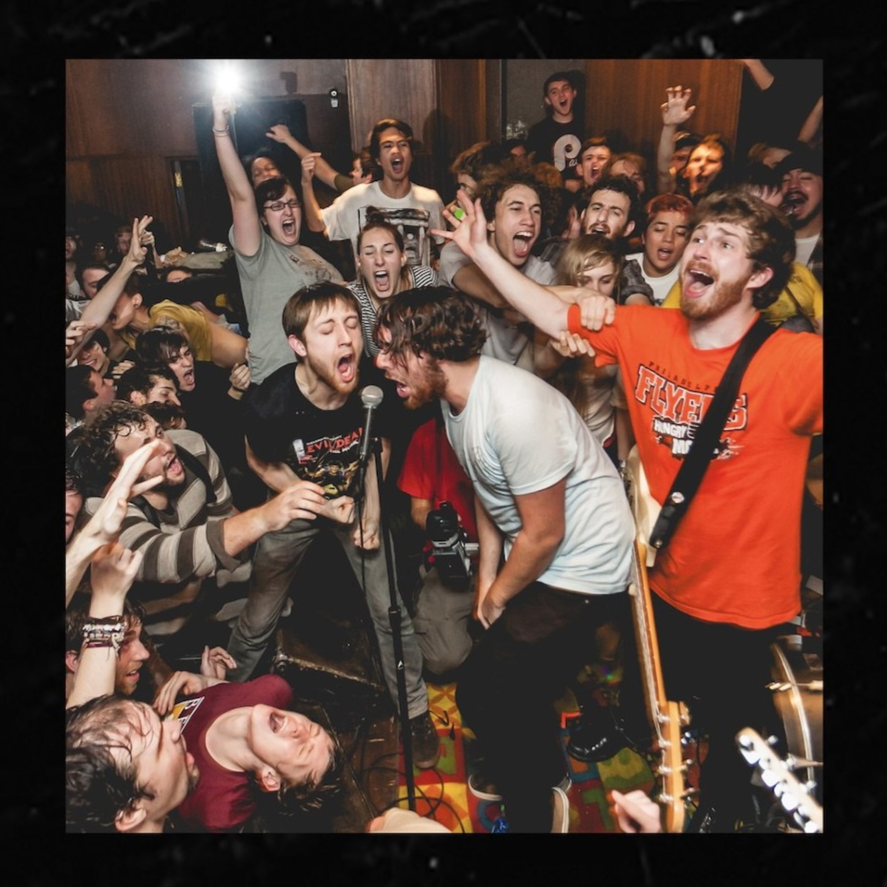
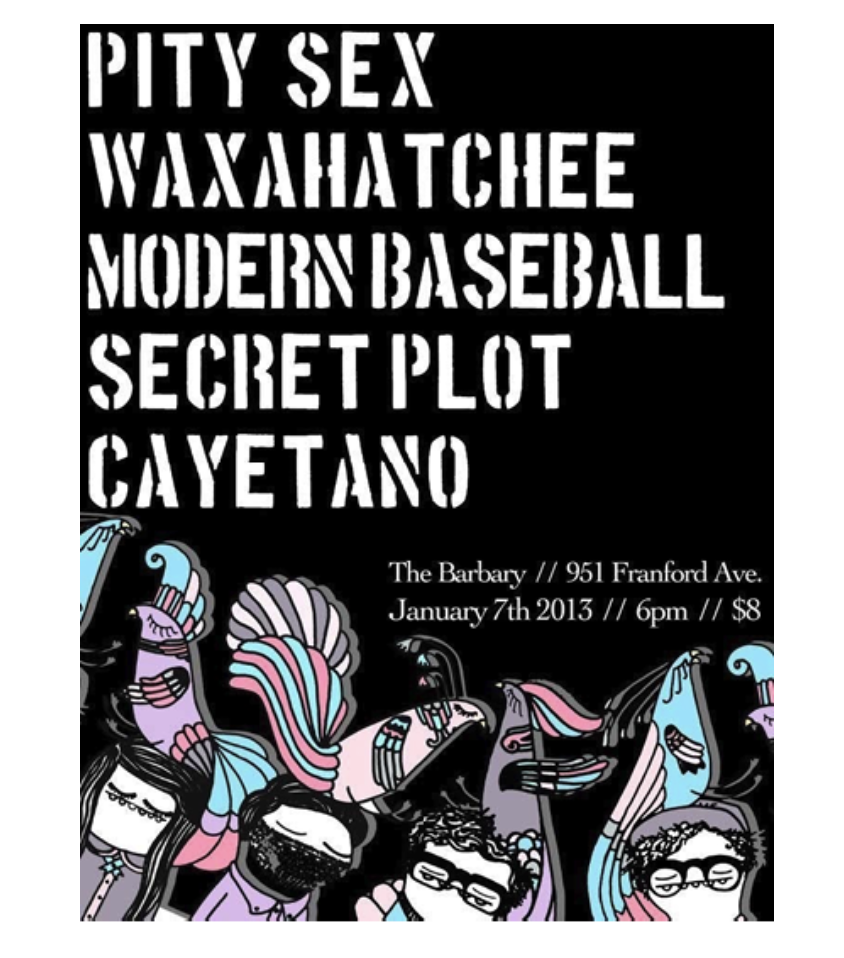
The book initially grounds this in Philadelphia and Jersey, where a crop of bands like Snowing and Algernon Cadwallader started playing shows, touring, and recording together, building fruitful creative partnerships that created a snowball effect as they connected with other like-minded bands. This paved the way for groups like Title Fight, Tigers Jaw, Balance and Composure, Modern Baseball, and Marietta. 
Elsewhere, parallel scenes started to pop up: Touché Amore, La Dispute and Pianos Become the Teeth. Connecticut. Chicago. California. Across the country (in a pre-Facebook, pre-Twitter, pre-Instagram world), a network established itself, allowing these bands to tour the country and eventually the world, playing barns, VFW halls, and sweaty basements to increasingly impassioned crowds. By the time labels like Run For Cover, Topshelf, and No Sleep started getting involved, things just amplified. 

Sacher uses loose and casual language to work everything along. Paragraphs are packed with the names of band members and long-closed DIY spots. Interview quotes from the artists and individuals involved in the scene offer first-person recounting that gives the reader never before heard perspectives. Sacher puts the pieces together nicely, laying out a chronology of tours, collaborations, and relationships that feels easy to get strung up in, especially if you were involved or listening to any of this music at the time. 

Reading the book feels like a 500-page domino effect where one band begets another, one tour spreads the gospel to another thousand people, and the whole thing grows into its own ecosystem. The book is a reminder of the seeds one individual can plant. The chance meetings, circumstances, and connections that can result in so many meaningful records, electrifying tour packages, and self-sustaining creative communities. 

When Andrew reached out with advances of the book earlier this year, it felt like a no-brainer for The Swim Team to have our second-ever book club. Last year, we all read The Dad Rock That Made Me a Woman by Niko Stratis and had a blast. Below you’ll find a smattering of our takeaways and thoughts on Andrew’s emo tome. 


You Blew It! By Not Being At a Title Fight Show in ‘08

The summer before my junior year of high school, I attended a You Blew It! house show. Not many emo revival era bands passed through El Paso during those years, and it was hardly an opportunity I was going to pass up. During YBI!’s set, Tanner Jones encouraged someone in the concerningly packed living room to crowd-surf all the way to the back to dunk a basketball in the hoop that was plastered to the wall. No one had the courage to do it. Later, the band sold merch out of their van, and I stood there with a vinyl copy of Keep Doing What You’re Doing in hand. The band’s bass player approached me and asked if I could hold his instrument while he plopped open the roadie case. At that time, it was the coolest thing that had ever happened to me. I had a minuscule hand in the emo revival– helping YBI!’s bass player put his bass away after a house show. 

Andrew Sacher’s Emo Revival appropriately captures all eras of emo in roughly 400 pages. What has traditionally been known only as nebulous “waves,” Sacher is somehow able to pin down into form-fitting eras. Along with this, the novel explores behind-the-scenes tensions between bands that fans would otherwise have no clue about. For instance, The Hotelier, TWIABP, and Foxing competing in an “arms race” to create not the most popular work, but “the most artistically forward thing.”

The novel contextualizes how impactful the Wilkes Barre/Scranton scene was in kicking this thing into motion. Specifically, it highlights the monumental role of Pennsylvania legends Title Fight in sparking the emo revival. Not only did they pioneer a sound that many bands chase to this day, but they crafted a scene that invoked community above all. On page 91, Alex Henery of Basement describes the “single most important video of this whole scene” as this one of Title Fight performing in a Sellersville barn. While I was not in Sellersville, PA, in ‘08, I was at a YBI! house show in 2014, and the two are nevertheless intertwined. 

– Brandon Cortez


Honestly? Let’s Have Another Emo Revival

My first, second, and third shows ever were The Front Bottoms (2015), Joyce Manor opening for Modern Baseball (2016), and awakebutstillinbed opening for Mom Jeans (2018). At the time, I was in college, loved American Football, and was dying to talk about these bands with anyone who would listen. Today, not much has really changed for me, except now Andrew Sacher’s book has clued me into the history of an extremely productive period in the genre. Reading this book made me feel like I was a fly on the wall in a green room, every page littered with name drops, unlikely connections, and shout-outs to bands I’ve never heard of before. A favorite moment was seeing the comparison of Turnover’s first album to Title Fight’s early work, validating an apparently not-all-that fringe opinion I’ve had since 2016.

Emo was Never Meant to be marketable or successful, but the success of the emo revival is that bands didn't do it for money or notoriety; they did it so they could have a band, so they could share music, so they could try to sound like their heroes. For many, this included Cap’n Jazz, Braid, The Get Up Kids, and dozens of others. As the world changed and social media grew, local communities of bands grew up together, traded tours, ideas, and audiences, collectively forming the Midwest Emo Revival. This book tells the story of the basements, the DIY attitudes, and the community that gave us Algernon Cadwallader, The Hotelier, Foxing, and so many more. 

That said, some of your favorites might be missing. Sacher, in this interview from The Fringe, points to one passage about Basement that wasn’t in the final version. A few of my favorite extremely Midwest emo bands—The Brave Little Abacus, Olde Pine, and Charmer—weren’t anywhere to be seen either. And that’s completely fine. The best part of this genre is discovering and rediscovering it. However we rehash the history a decade from now, I’m sure Emo Revival will remain firmly at its foundation.

– Braden Allmond


Hey Ken, Somebody Methodically Gave a History of Emo Revival

Andrew Sacher’s Emo Revival is a highly compelling description of post-2008 emo. Sacher’s interviews are informative, his knowledge of various scenes encyclopedic, and his love of the genre evident. More than anything else, Sacher’s writing makes you feel like you were part of the movement, as if you were a fan in a podunk little town in the Midwest that maybe only had one venue but suddenly saw this mass influx of bands constantly streaming in, with each one being even better than the last. This is a history book, but you feel like there is a protagonist, with each band slowly scraping out something a little bigger and becoming a symbol of the scene's overall growth. Sacher deserves praise for the exhaustive reproduction of promotional materials, the inside stories that can only come from the people involved, and a carefully constructed timeline that neatly places all of these bands into one (semi)coherent movement. 

However, at times, the book loses the forest to the trees. I (and I am an academic, and that shades my reading of the book) would have preferred a little more contextualization, discussion of the music itself, and interpretation. Any history of 2008 to 2018 should discuss the financial crash of 08, the rise of tech companies, Trump’s first presidency, and a host of other notable events. The book almost seems detached from any grander cultural narrative, not asking how these cultural changes are or are not reflected in emo cultures. For instance, while there is a short discussion of the #metoo movement and emo, it is so quick that it gets lost in the shuffle. A broader focus would likely have led to a deeper analysis of the genre.

Regardless, if you are a fan of emo revival, this is a must-read that I imagine will quickly become an authoritative history of the 4th-wave (whatever that is).

– Varun Chandrasekhar

We Owe blink-182 the World

In the year 2010, I attended two important shows that would alter the trajectory of my life. The first was seeing My Heart to Joy, then fresh off the release of Seasons In Verse at the 12th & G warehouse in Chino Hills, CA. Having played a Beauty Shop in Los Angeles the night before, the show was abysmally attended; in fact, I was the only person there besides the bands playing and some people running the venue. After I witnessed what was effectively a private MHtJ show, I spoke with the people running the space and found out about subsequent shows. I would spend some of the best nights of my life there. 

The second show that changed my life was when a new online friend invited me to their buddy’s house to see some touring bands: 1994! From Philadelphia and Big Kids from Oakland. Opening that show was the local darlings, Joyce Manor. I arrived at the spot, a condo in Laguna Woods, and watched each band play in a tiny-ass garage, with the people attending high-fiving and shouting along to every word. From there, I would see Joyce Manor every time they played SoCal for the next eight months. 

Andrew Sacher's Emo Revival touches on these bands and so many others, discusses places like these where I first fell in love with DIY punk rock, and does a masterful job connecting everything and everyone, weaving the strands of each individual scene into one unified movement. On a map, I was a blip, a barely perceivable dot going to shows in a singular experience. Sacher's crafting of the revival’s narrative turned my blip into an oozing swathe, a coloring of the map that covered not just all of California but the country and beyond. 

In the scene at large, I've always invoked the idea of “our shared history,” one that reaches back before I ever pressed play on any album and that continues to stretch forward down roads we can see, and plenty more we could never predict. Even now, there's some band who will enter the catalog of emo legends someday, playing a gig on tour to five people and wondering if it's even worth driving to their next stop. Thankfully, for all of us, they most likely will.

– Elias Amini


Any Book Where Minus The Bear Is Mentioned In the First 25 Pages Is Alright By Me

I think one of the coolest things about Emo Revival is that it offers a wide runway of context that practically any music fan can tap into. I would say my first brushes with the emo genre in its modern incarnation came through Run For Cover Records and their slate of bands in the early 2010s. When you’re a fan like that, starting from square one, it’s in your best interest to download samplers, follow Mediafire rabbit holes, and check out the whole tour package. Through that, I discovered a vast network of new bands to obsess over, and this book does a great job of explaining how the groundwork for that landscape came to be. It’s cool to hear the origins of a bunch of your favorite bands and albums, but it’s also just something that makes so much sense when you see it all placed in chronological order. It really highlights how much cool shit was happening at once, and watching it all compound and grow over the course of the book is a blast. 

This is my golden age of emo, and it’s an affirming reflection of my own experience becoming aware of the larger mechanism of “The Scene.” In an era where algorithmic recommendations threaten to flatten our experience of music and most bands are never more than a search away, it’s important to hold on to “old school” ways of doing things and consider what ways we can work outside the system as it currently exists. There has to be a better way, and Emo Revival offers a few reminders that doing things honestly and with difficulty oftentimes pays off in ways you can’t even imagine. 

– Taylor Grimes

Revival feels good in a book like this.

While I’ll always be a little bitter that I wasn’t born on the East Coast so I could avail myself of the burgeoning emo scene of the early aughts, reading Emo Revival offered me a taste of what my adolescence could have been like if I had. Though I wasn’t allowed access in my teenage years to the music I now cherish, Andrew Sacher paints such a vivid picture of this era of emo history that I feel like I got to experience a little bit of it after all. Sure, I never got to see Title Fight, but now I know what it was like to watch their rise and consequent explosion into the scene. And even though I’ve been a fan of Touché Amore for years, it was special to read new details about their history. Emo Revival weaves the vibrant, variegated threads of band lore, cornerstone venues, and milestone releases into a wonderfully cohesive tapestry. As a music history lover and devotee of the scene, I consider this book essential to any fan’s knowledge of alternative music and emo. 

– Britta Joseph


The Avengers, But Make It Emo

In Emo Revival, Andrew Sacher is answering the big question, “What if you could get that blockbuster, screen-pointing feeling of seeing your favorite character or origin story reveal, but about a relatively niche topic like the emo revival of the 2010s?”

This is a tome that rewards doing your research and knowing your shit, with some much-needed groundwork laid and preamble sprinkled in here and there. The layering and setup pays off mainly for the biggest of emo heads and those who know the who's who of small-town music scenes. I personally loved the moments of reading about some random, small ska band in rural PA, only to turn the page and exclaim, “Oh hey, that's The Menzingers!”

Even if you're someone like me who was listening to a lot more Coheed and blink-182 in the 2010s and discovered bands like Tigers Jaw later in life, Andrew does his due diligence to inform and expand on a topic that needs all the historical documentation it can get. If this topic is even remotely in your wheelhouse, I recommend grabbing a copy of Emo Revival and prepare to feel like an angsty teen again. Class is in session.

– Ciara Rhiannon


MILBAEM

Man I Love Books About Emo Music. 

– Caro Alt

Harrison Gordon – BLISS | Album Review

Hopeless Records

Harrison Gordon (the band) nearly died on a California highway en route to Santa Cruz. The control arm of their van had been steadily grinding away at one of their tires, suddenly bringing the Normal, Illinois natives within inches of death. Writing purely in hypotheticals– Harrison Gordon (the man) does not appear to be all that deterred by the idea of dying a tragic, grotesque death. After all, monotonous transit rides often elicit passing thoughts about our own mortality: the way in which we’ll die, when it’ll happen, who will care when we’re gone, etc. After a recent brush with death of my own, I have often caught myself wondering what others would attempt to say about me at my funeral. It’s something I have wracked my brain over for the past year or so, to no avail.

It’s difficult to imagine that anyone would stand before my casket and wax poetic about how affable I was or how much I’d be missed. A similar perspective seems to be held by Harrison Gordon (the man), given that a majority of his lyrical content is “punching himself in the face” relentlessly. It’s sort of the crux of Harrison Gordon’s debut LP, The Yuppies are Winning, in which heinous rent and healthcare prices, hating yourself, and selling your childhood Wii for $30 are the overriding themes. Frankly, these are the band’s overriding themes, who, in classic Midwest emo fashion, built their wealth via DIY-nomics, with a little assistance from viral TikToks as well. Those self-loathing, politically charged lyrics are littered all throughout Yuppies. By the penultimate track, even Gordon himself has run out of ways to address the situation, resigning, “I want to stop talking about how much I hate myself, but I don't have anything else to say.” 

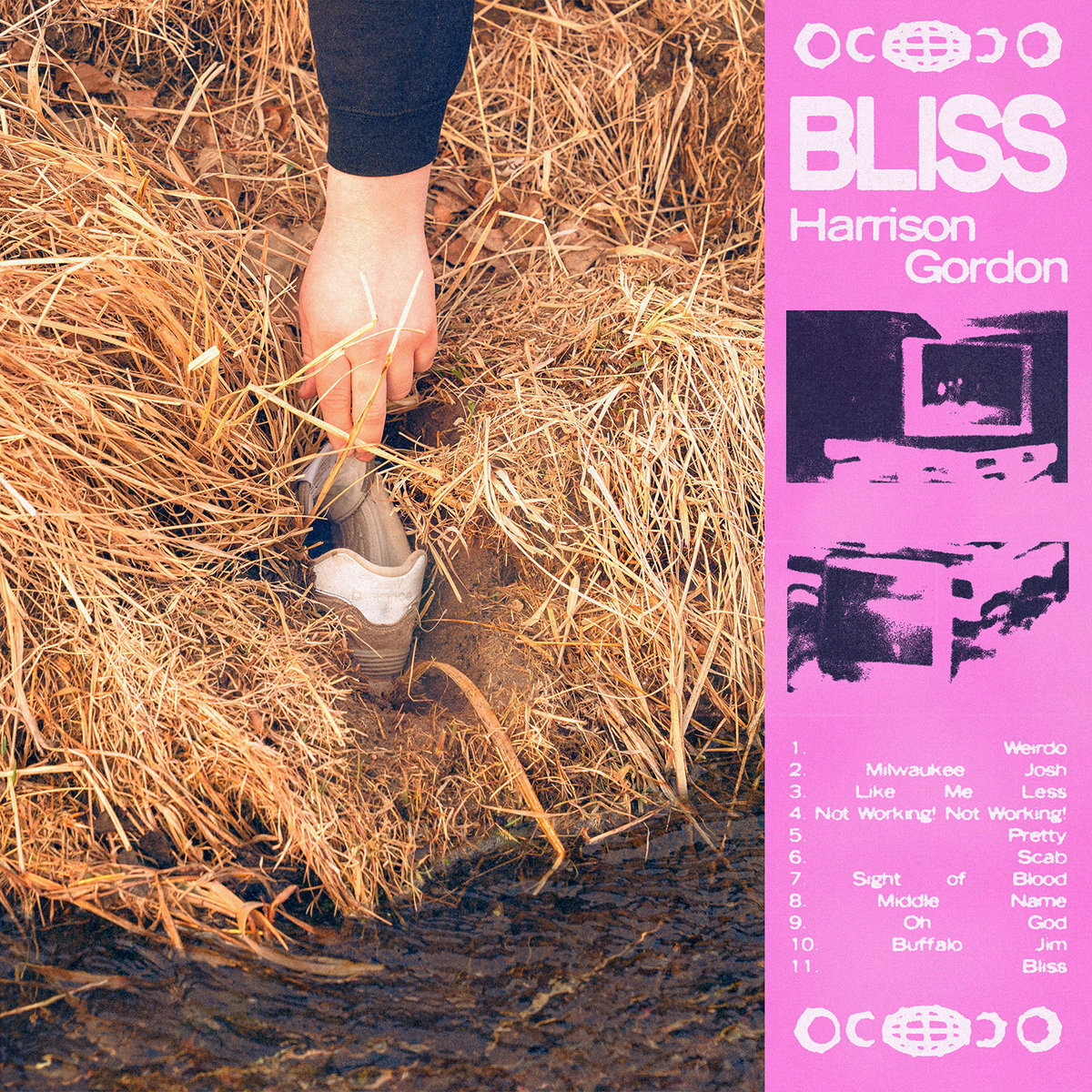
After a string of self-released music, Harrison Gordon (the band) has found themselves as newcomers to Hopeless Records, delivering their sophomore album, BLISS. Mastered by Grammy Award-winning producer and scene legend Will Yip, the 11-track, 30-ish minute LP finds the band more abrasive in tone, both musically and in terms of their self-deprecating lyrics. Album single, “Like Me Less,” holds the flag for this as, four seconds in, Gordon admits, “I think I went up another waist size / Convinced you like me now a little less” before a barrage of cymbals and down-tuned strings. The music video for this track, co-directed by Hot Mulligan’s Tades Sanville, depicts Gordon hesitantly signing away his rights in order to receive botched-ass plastic surgery in hopes of improving his already distorted self-image. Undeniably a heavy-handed metaphor for Gordon’s desperate lack of self-confidence, but a funny and twisted video for a song track that will have sweaty basements piling on top of each other as they grab for the mic.

Characterized by severe reclusion and distress, BLISS wears its theatrics on its sleeve. Opening track, “Weirdo,” sees Gordon justifying his lack of reaching out: “No one thinks the way that you do / No one else has thoughts so sad / And it makes you a fucking weirdo / To talk about yourself like that.” Harrison Gordon is no stranger to commenting on twisted social norms, especially the lack of a shoulder to cry on when attempting to confess your insecurities. It’s a harrowing truth that is hard to swallow; no one really cares about what you’re going through because everyone else is a little worse off. Additional suck-it-ups can be found on “Not Working! Not Working!” where Gordon’s disdain for the feckless, middle manager office drone shines through.

Production-wise, BLISS evolves the gritty, raw imperfection found throughout the rest of the band's catalog. The downtuned, chunky bass hits listeners like a pit in your stomach after being delivered bad news. Such gut punches can be heard on “Pretty,” which sees the band leaning heavily into their influences. Hefty traces of PUP, Prince Daddy & The Hyena, and Jeff Rosenstock are chewed on from start to finish of the LP. 

Photo by Chris Malchow 

Gordon has a knack for ungrandiose and relatable lyrics that hit just as hard as any traditionally ornate poet. Take, for instance, “Discard the garbage that you didn’t want / Pick at your old friends like scabs / Don’t have to treat me like royalty / But you don’t have to treat me like that” from the aptly titled “Scab,” which details the messy aftermath of a fractured friendship. A couple of songs later, the blisteringly fast “Middle Name” flies by listeners before they have the opportunity to digest: “I’ve known you way too long / To ask you ‘bout your middle name or how / You always notice when I cry / Even if I haven’t cried in days.” Gordon pens lyrics like street photography: mundane but immensely meaningful when pondered. 

If, in the five stages of grief, Yuppies served to represent depression, then BLISS surely depicts acceptance. Harrison Gordon’s first LP is littered with self-deprecating lyrics, fast guitars, and college regrets. Now, three years later, BLISS has all the same features; just drop-tuned some, crafted a bit more tightly, and with a narrator even more aware of his ineptitudes. The sophomore release also features Harrison Gordon as a full-band effort, whereas the first was essentially crafted as a solo venture, with Gordon tracking everything on his own. 

It’s on the crowd-surf-ready closing title track, “Bliss,” where Gordon delivers the following lines like repeated jabs to the face: 

I’ve learned happiness is something
You just have to strive for
Seems like such a chore
Bliss is good as I can get
Shallow as paper cuts
And hollowed out like bedsores
I want something more
But I don’t wanna chase it
  

As seen above, Harrison Gordon’s honest-to-the-point-of-hurting perspective truly is what separates this band from their scene counterparts. This group consistently finds ways to inject their own style into rote emo conventions, creating a refreshing take on the genre’s sound. As Harrison Gordon put it himself: “Not slow enough for shoegaze. Not mathy enough for Midwest emo. Not fast enough for hardcore. Not catchy enough for pop-punk. And not smart enough for indie rock. Just 100% Gordon.” BLISS is the band absolutely crushing the infamous second-LP glass ceiling; they didn't simply copy and paste the formula that found them success with Yuppies; they clearly mulled over these 11 new tracks and delivered album-of-the-year-esque material. 

Maintaining a perpetual state of bliss sincerely eases the blow of the proximity of death. This is likely why Gordon so irreverently admitted that the band very nearly met their demise on the road. BLISS, as described by Harrison Gordon, is largely about the uncomplicated gratification of “pissing your life away” and the trepidation that comes with actually trying to get your shit together in a world that is consistently working against you. Gordon builds off of this sentiment: “I took stock of my life and realized it was passing me by.” The world as it stands is intended to beat the shit out of us until we’re too tired, anxious, and complacent to do anything about it. What BLISS appropriately conveys is that we’re not alone in destructively masking our modern anxieties. The question then becomes: what are you going to do about it?


Brandon Cortez is a coffee, football, and music nerd from Texas. He’s on Twitter @numetalrev.

Cover Collector – August Browns

Design by Ryan Morrissey

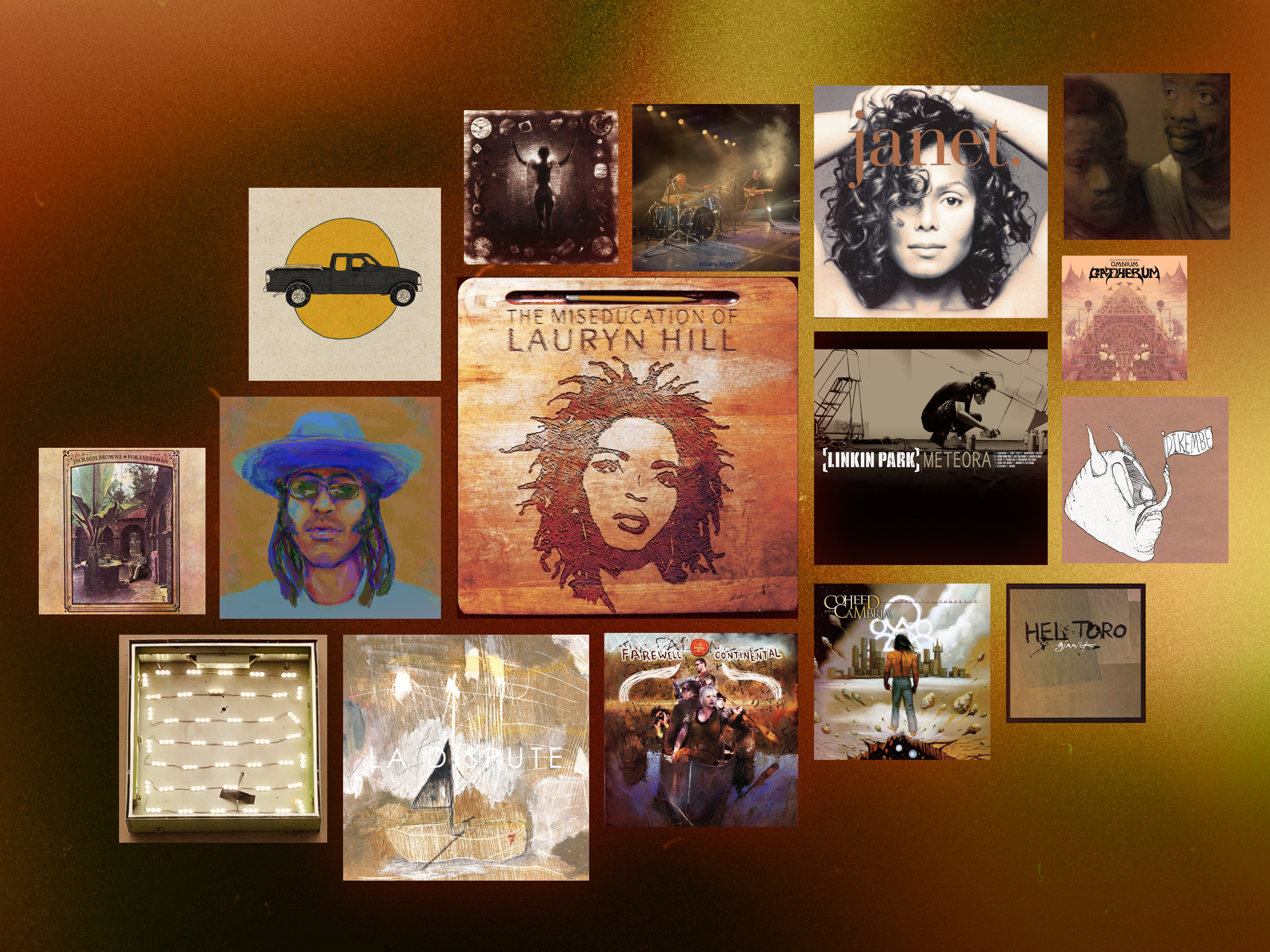
I don’t know about you guys, but I love a good album art collage. One of the first things I do every Friday is head over to tapmusic.net and render a 4x4 chart of the albums I listened to most over the past week. At the end of each month, I do the same thing with a 5x5 that recaps my previous 30 days of listening. By the time December rolls around, I look forward to recapping the last twelve months with a gigantic 10x10 grid in an unwieldy encapsulation of the 100 albums that defined my year. 

Is it a little self-aggrandizing? Sure, but it’s also a fun way to see a quick snapshot of what my last week, month, or year has sounded like. At its best, this practice has led to fun conversations and solid recommendations going back and forth with friends as we bond over specific albums. Sometimes it’s that shared love over a deep pull from years gone by, other times it’s just noticing trends with a recent fave that seems like an unshakable presence week in and week out. At the very least, I suppose it’s satisfying to see a bunch of records that I feel an affinity toward lined up and embodying a specific stretch of my life. 

At some point near the tail end of last year, I conceived of a more communal way to bring this love of album collage to life. Because, sure, getting a live readout of your listening history is cool, but this is also about album art, an essential part of the experience and something us music nerds can fixate on just as much as the songs that sit beneath the cover. As such, I’m excited to welcome you to the seventh edition of Cover Collector: a monthly installation where the Swim Team discusses some of our favorite albums based on album color. For August, we’re writing about beautiful browns.


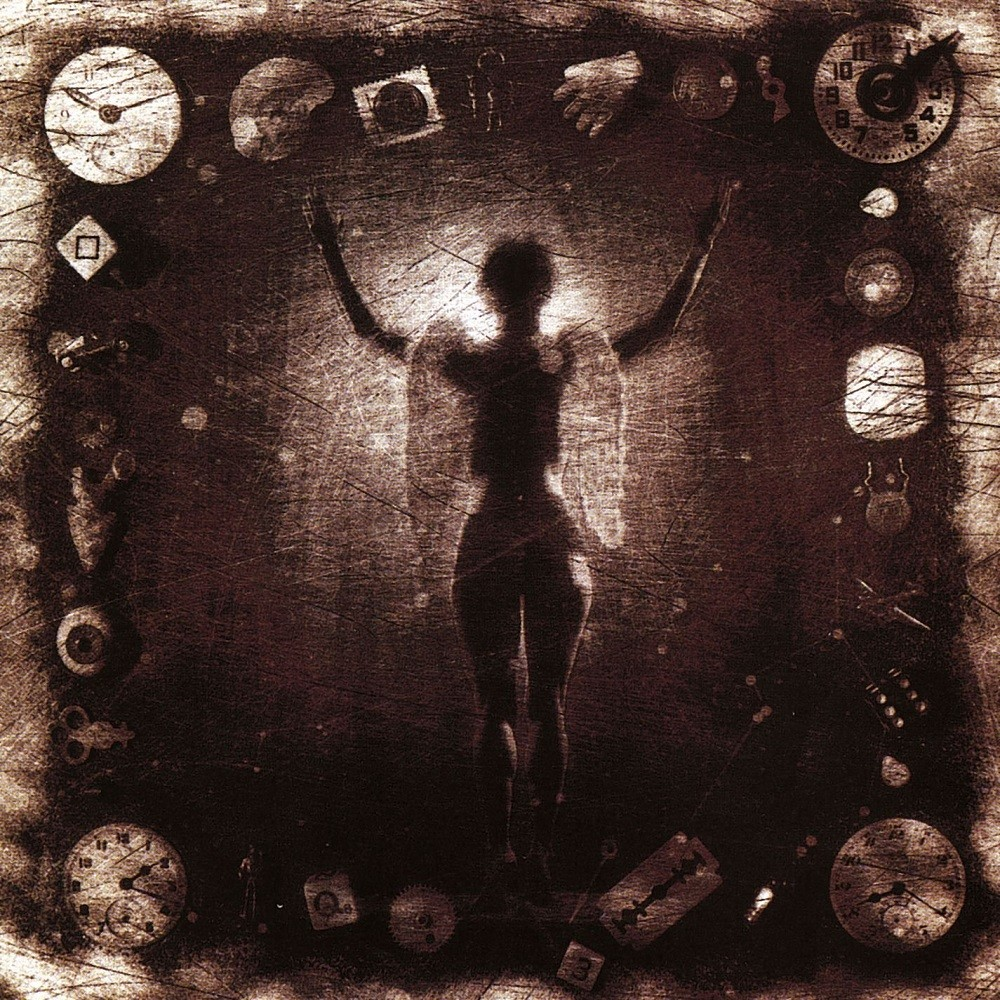
Ministry – ΚΕΦΑΛΗΞΘ

Sire Records

Ministry’s fifth studio album, alternatively titled Psalm 69 so you don’t have to decode or pronounce the original Crowleyan scribe, is the last in the band’s foundational trilogy of industrial metalworks and miraculously granted them mainstream success. Following 1988’s The Land Of Rape And Honey and 1989’s The Mind Is A Terrible Thing To Taste (aka the heaviest album of all time), Al Jourgensen continued to push the envelope for rock and electronic music with this 1992 release that spawned timeless genre anthems like “N.W.O.” and “Just One Fix.” The record landed just four days before the band spent the rest of the Summer on the second-ever Lollapalooza tour, where they utterly crumbled stages across America, highlighting many of the unrelenting and aurally taxing compositions they had just unleashed upon the public. Its crown jewel, “Jesus Built My Hotrod,” has always been my favorite Ministry song, from the intro featuring Gibby Haynes of Butthole Surfers to the real-hotrod-speed thrashing throughout. Ministry’s return for 1996’s Filth Pig was long-awaited after the mania of Psalm 69, and while I love it for its specific harshness, it was a clear departure point from the classic records that preceded it. Psalm 69 is necessary listening from the nineties, a time when even the most extreme music on the planet could end up on a major label.

— Logan Archer Mounts


Hel Toro – Gimmick

Self-released

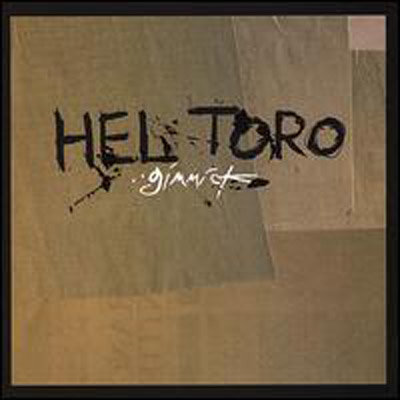
If you’re surprised I’m not writing about Pile, don’t worry, I sort of still am. Hel Toro is Rick Maguire’s early-aughts project, released just before Pile. It’s noisy rock and roll, lyrically cutting, with pentatonic glimmers throughout that hint at the distinct style already present in Rick’s writing. Released in 2007, Gimmick is the band’s second album, coming four years after their debut, Tabula Rasa. Ragey and brash, I consider Gimmick the perfect soundtrack to watch the zenith of late summer slowly wilt and sag towards the ochre-tinged earth. The opening track “Holes Up” grabs the listener by the collar and yanks them in, screaming lyrics straight to their face: “I don’t wanna watch you draw it out, cause I’m not that good of an artist!” Brown paper album artwork and a splatter of scribbled handwriting across the front perfectly relay the grimily textural undercurrents of this sophomore release. 

– Britta Joseph


billy woods – Aethiopes

Backwoodz Studioz

Since its April 2022 release, billy woods’ Aethiopes has been a cold comfort to my summers, especially my Augusts. I can’t pinpoint why, exactly. Maybe the timbral palette of Preservation’s beats provides the right soundtrack to the month’s sense memories: the brassy, aberrant synths of “No Hard Feelings” pierce the ear like a noon sun hits the eye, the pinging rides and dusty acoustic strings of “The Doldrums” sizzle like heat haze above pavement. Or maybe the seamless, live-mix style transitions throughout the LP mimic how days blend together in the thick fog of a late-summer malaise. 

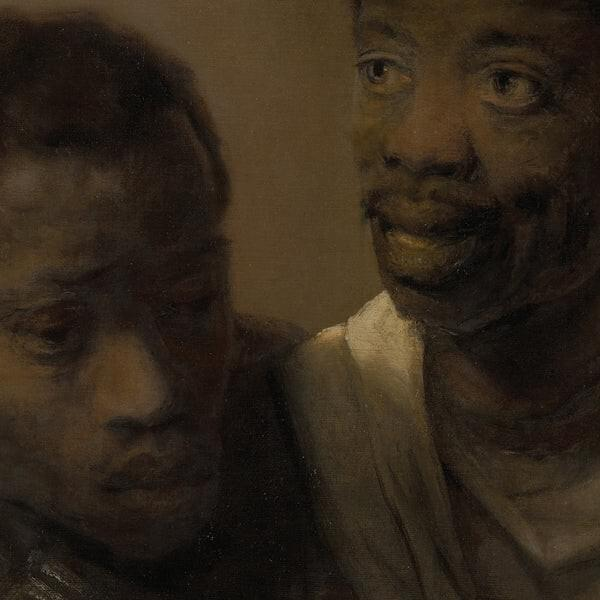
But in revisiting the record this August for Cover Collector, another possibility stands out as I run back woods’ verse on “Christine,” in particular. Here, the producer’s sparse, eerie production also lends fitting support to the MC’s lyrical vignettes, which connect a series of haunted narratives around and in cars as weird, liminal spaces. What I find to be a more fitting image than the 1957 Plymouth Fury nodded to in the track title, though, emerges with the vocal reuse of The Wailers’ “Mr. Brown.” In the source track, a Lee Perry plate that was passed over as the instrumental for “Duppy Conqueror,” Bob Marley recounts a folktale where a ghost driving a three-wheeled coffin rides around Jamaica in search of a ‘Mr. Brown,’ unnerving folks from Mandeville to Sligoville. woods repeats the borrowed line thrice, like an incantation: but is this a curse or protection charm? I can hear it both ways, and that emotional ambivalence reads like an echo of the close-cropped Rembrandt painting that serves as the album cover.

– J. P. Cupps


Bill Callahan – What a Night!

Self-Released

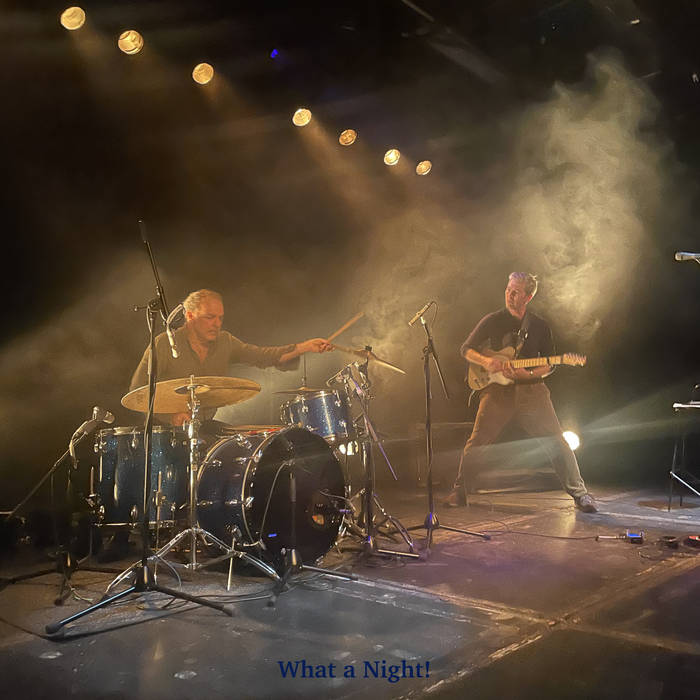
Outside of Yo La Tengo, Bill Callahan might be the ideal model for a career in indie rock. The dude has been making music for almost four decades, documenting phases of his life through his plainspoken baritone voice and poetic lyrics, first as Smog and then under his own name. What a Night! is a 90-minute live album that sees an artist at the peak of his powers. The lineup features just Callahan on guitar and vocals, with his compatriot Jim White on drums. Together, these two craft entire worlds, whether it’s the 11-minute odyssey of “Riding for the Feeling,” the swaggering, chunky groove of “Cowboy,” or the rendition of “Coyotes” that spills out to nine minutes. It’s like witchcraft the way these two are able to conjure massive swells of emotion from such simple ingredients. It’s modest and cosmic, but just feels like a staggering achievement to take in. The setlist is a no-miss greatest hits that shows exactly why Callahan has been able to cultivate such a long and illustrious career. He’s a craftsman, and this record is like a finely furnished piece of upholstery – an oak armchair you can sink into that doesn’t creak or shift an iota. A sturdy entity that justifies its own existence in the most self-evident way. 

– Taylor Grimes


Oso Oso – basking in the glow

Triple Crown Records

As per a Billboard interview with Oso Oso’s founder and frontman, Jade Lilitri, the thesis of basking in the glow is, “taking in the good things, just accepting what comes with life.” Operating in an unabashed laissez-faire manner has always been the Long Island unit’s cut– all while effortlessly creating the kind of music that many bands spend their entire careers chasing. basking in the glow, released two years after the acclaimed sophomore LP, the yunahon mixtape, had immense shoes to fill. Lilitri, obviously undeterred by this, managed to level up with his 2019 release, which was also the project’s first on legendary label Triple Crown Records. 

At a time when emo as a genre had entered a definitive lull, basking in the glow proved that some bands in this scene were not condemned to the lightning-in-a-bottle effect of their first or second LP releases. While Oso Oso’s music toes the line between emo, pop-punk, and indie, it blends seamlessly to create infectious hooks where every song could legitimately be a single. basking in the glow is undoubtedly a love record at its core, with what could be interpreted as religious undertones woven throughout. This is probably most evident on “a morning song,” where Lilitri flippantly admits, “living on my knees, praying blessings crashed into me.” 

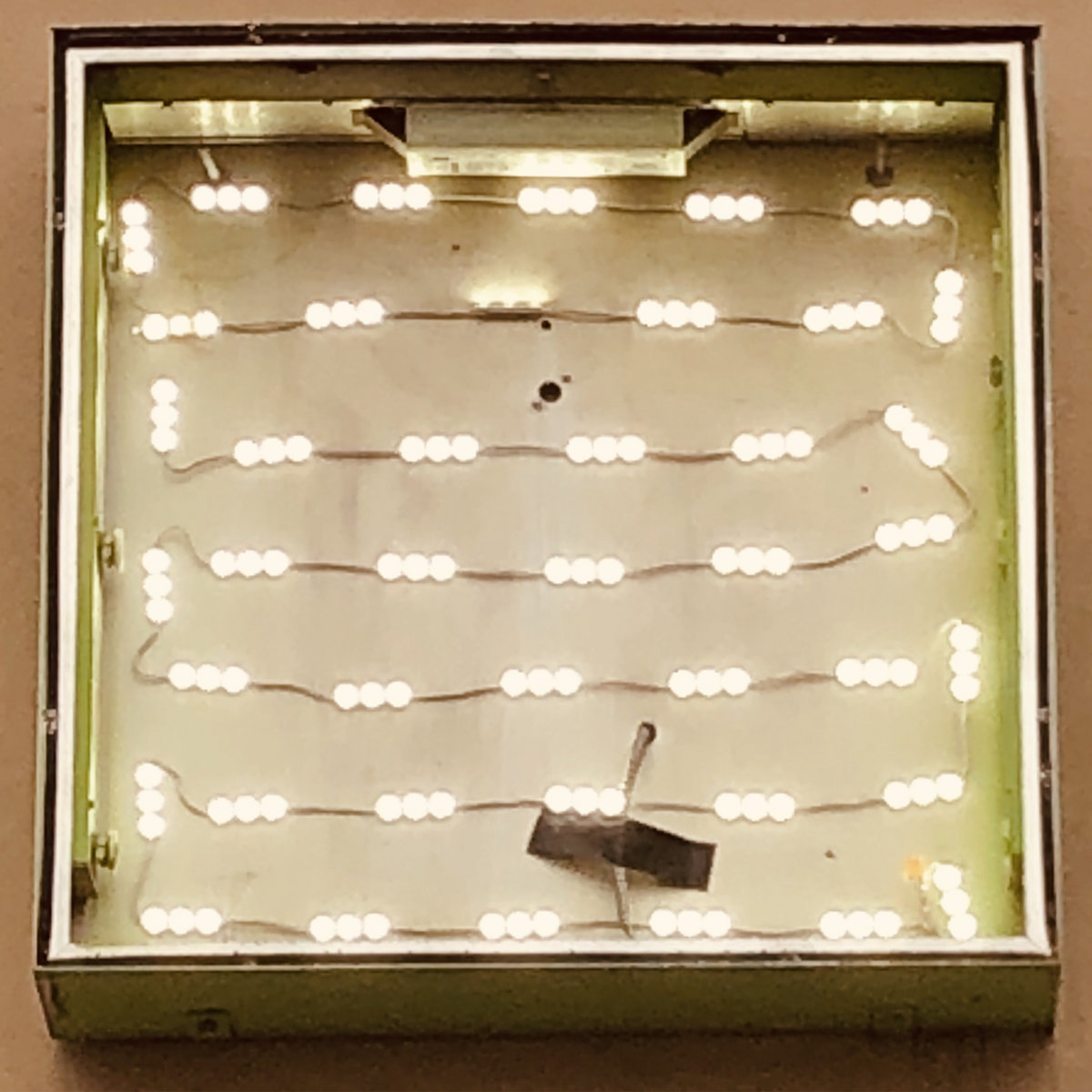
Whether it’s basking in the glow of faith, a thriving relationship, or the incandescent bulbs of a busted H&R Block marquee, Oso Oso confirms there is meaning to be found in whatever life throws at you.

– Brandon Cortez


Dikembe – Chicago Bowls 

Death Protector Collective

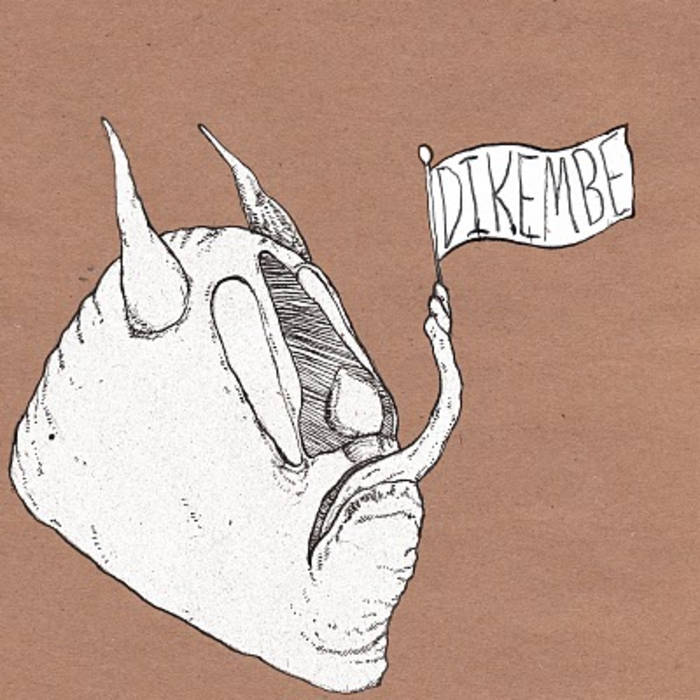
If you don’t already know, Chicago Bowls is an emo-DIY classic. In 2011, Dikembe made their debut with a digital-only EP, featuring song titles spoofing player names from the ‘95-’96 Chicago Bulls, one of the strongest NBA Finals teams in the history of the league. The track names are “Scottie Spliffen,” “Luc Bongley,” “Michael Jordank,” and “Tony Kukush.” Making your song titles portmanteaus of weed and sports celebrities is a strong choice, but one perfectly suited for such a strong EP. It opens and closes with a conversation from the coming-of-age sitcom Freaks and Geeks in which Jason Segel’s character is showing off his ornate drum set to the show’s main character, Lindsay Weir. He ends by imploring her to “find her [own] big, gigantic drum kit.” I’m writing this about a decade and a half removed from the EP’s release, and I feel like the world is much more complicated now. The fact that two primary components of the album look backward suggests Dikembe knows that feeling too.

About a year after the EP, the band released their first full-length album, Broad Shoulders. To give you an idea of what they were up against in 2012, here are a few other albums that came out that year: Floral Green by Title Fight, Sports by Modern Baseball, American Radass by Dads, Colourmeinkindness by Basement, Just Married by Glocca Morra, Colors by Sports, and Grow Up, Dude by You Blew It! In a year of heavy hitters, Dikembe not only holds their own but stands out as a band that was ahead of the curve, putting together an all-star lineup of tracks that epitomize the genre in under ten minutes.

– Braden Allmond

Janet Jackson – janet.

Virgin Records

In 1993, there was a case to be made that Janet Jackson would be the most talented Jackson from then on. This wouldn’t even have been a hot take at the time. Janet’s big brother Michael was entering a turbulent point in his career. The King of Pop was being dethroned as his personal life was brought under a fiery, scorching-hot microscope, combined with the public perception that his 1991 album Dangerous didn’t live up to the standard of his previous work. (Let me go on record that I personally love Dangerous – the New Jack Swing first half of that record still hits like Mike Tyson in his prime.) But you have to give credit where credit is due; little sis Janet proved to the entire world she’s a bona fide star, and the music she made on janet. is the exact reason why. If you said Janet is the most talented Jackson, you wouldn’t even have sounded like an ESPN talking head blowhard just saying things for clickbait. 

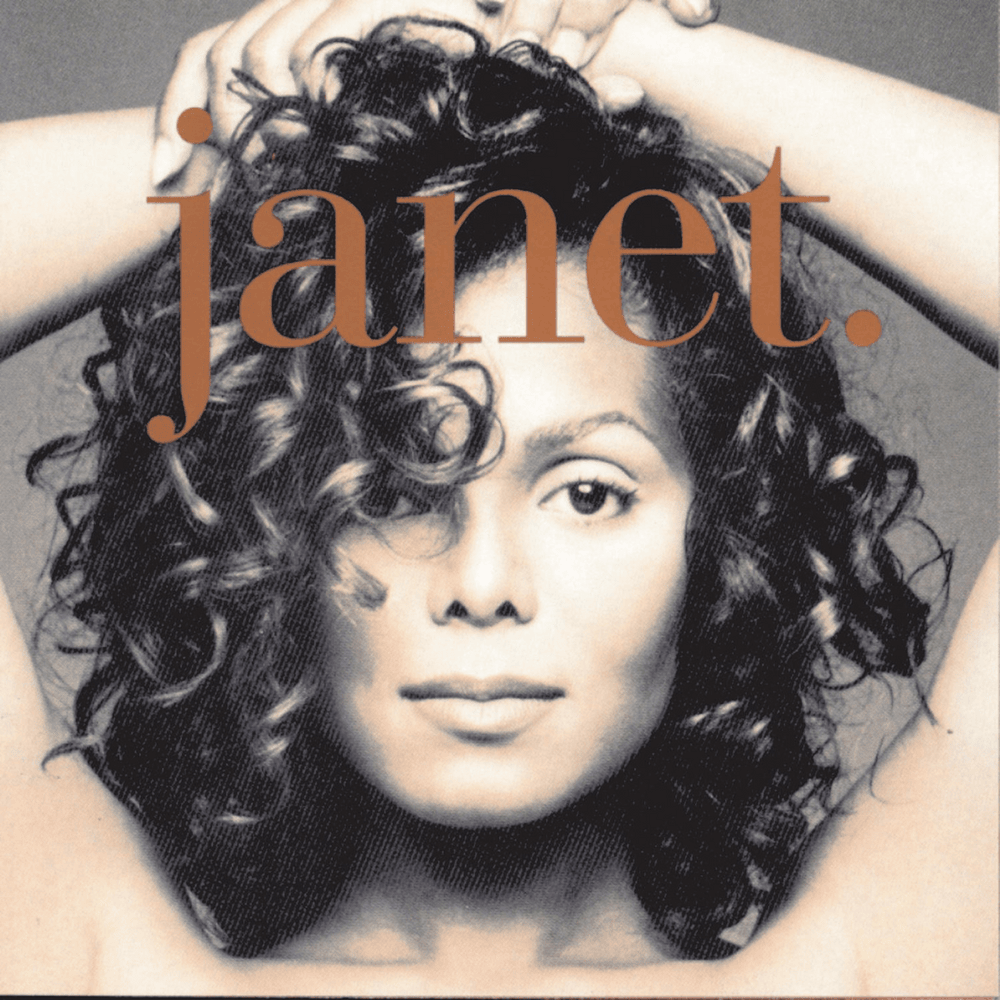
The early nineties were the time when Janet leaped out of the ginormous shadow left by her big brother. The music on janet. is a career-defining blend of neo-soul mixed with a touch of new jack swing, and just the right amount of house music. This was groundbreaking, superbly done, and incredibly horny. From the provocative album cover, steamy lyrics, and sensual music videos, Janet was taking the reins of her sexuality and entering adulthood. Looking past the horniness of it all, the album had mega hits: “That’s the Way Love Goes” was a chart-topping banger; “Any Time, Any Place” was an instant classic that hip-hop artists have sampled out the wazoo; “Because of Love” will have your body doing moves you didn’t even know you were capable of. This record not only set her apart from her own blood, but established Janet as the mood board for future generations of R&B artists. 

– David Williams


King Gizzard & the Lizard Wizard – Omnium Gatherum

KGLW

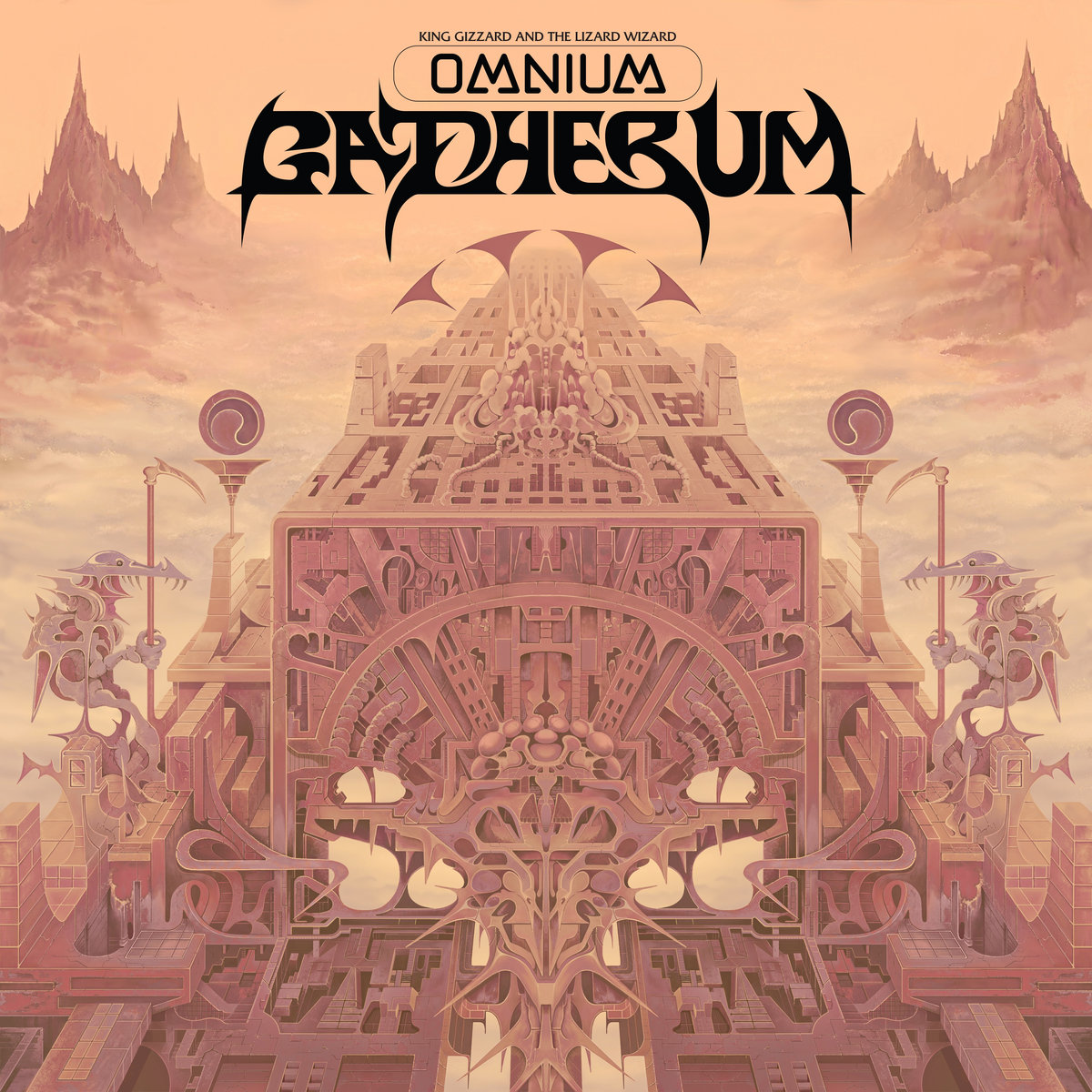
Omnium Gatherum is an odd bird. It's the kind of album that opens with a 20-minute sprawling environmentalist jam session before moving into… synth-pop? hip-hop? thrash metal? krautrock? bossa nova? Yeah, it's a lot to fit into one album, which is part of why this ends up being Gizz's longest album to date. Not designed as a cohesive album, it’s meant to be heard as a collection of ideas that didn't fit anywhere else. Omnium Gatherum challenges and excites by constantly taking turns that feel exciting and novel without ever slipping into being disorienting or off-putting. 

As is common for King Gizzard, the lyrics are about environmentalism, though there are some detours into less dour fare, such as in the Beastie Boys-inspired “Sadie Sorceress,” where multi-instrumentalist and singer Ambrose Kenny-Smith dons his alter ego, The Shrimpomaniac, and raps about an elderly witch. Or the easy-going “Persistence,” where frontman Stu Mackenzie uses the language of cars and motorsports to coyly talk about sex. Of course, it wouldn't be a true King Gizzard & the Lizard Wizard record without at least one song about some horror with a thirst for blood, and we get that in “Predator X,” a thrash metal ripper that pays homage to Meshuggah as we see the band fully leaning into palm-muted chugging guitars in complex time signatures.

Ultimately, Omnium Gatherum comes across as a sampler platter that any newcomer to Gizz's work can approach, giving them a smorgasbord of options as they decide what flavor of Gizz they want more of. The fact that it’s also the source of many of the band’s most popular tracks is just proof of the power of Gizz.

– Noëlle Midnight


Farewell Continental – ¡Hey, Hey Pioneers!

Paper + Plastick

There’s nothing quite like the surprise and elation when you find out one of your favorite bands has a side project you knew nothing about. Whether you’re a fan of alternative side projects such as The Postal Service (Ben Gibbard of Death Cab for Cutie), The Prize Fighter Inferno (Claudio Sanchez of Coheed and Cambria), or City and Colour (Dallas Green of Alexisonfire), learning about your favorite artists’ expanded universes always felt like a reward in the fledgling days of the internet. My love for Motion City Soundtrack is deep and well-documented at this point, but I spend significantly less time singing the praises of singer Justin Courtney Pierre’s short-lived second band, Farewell Continental.

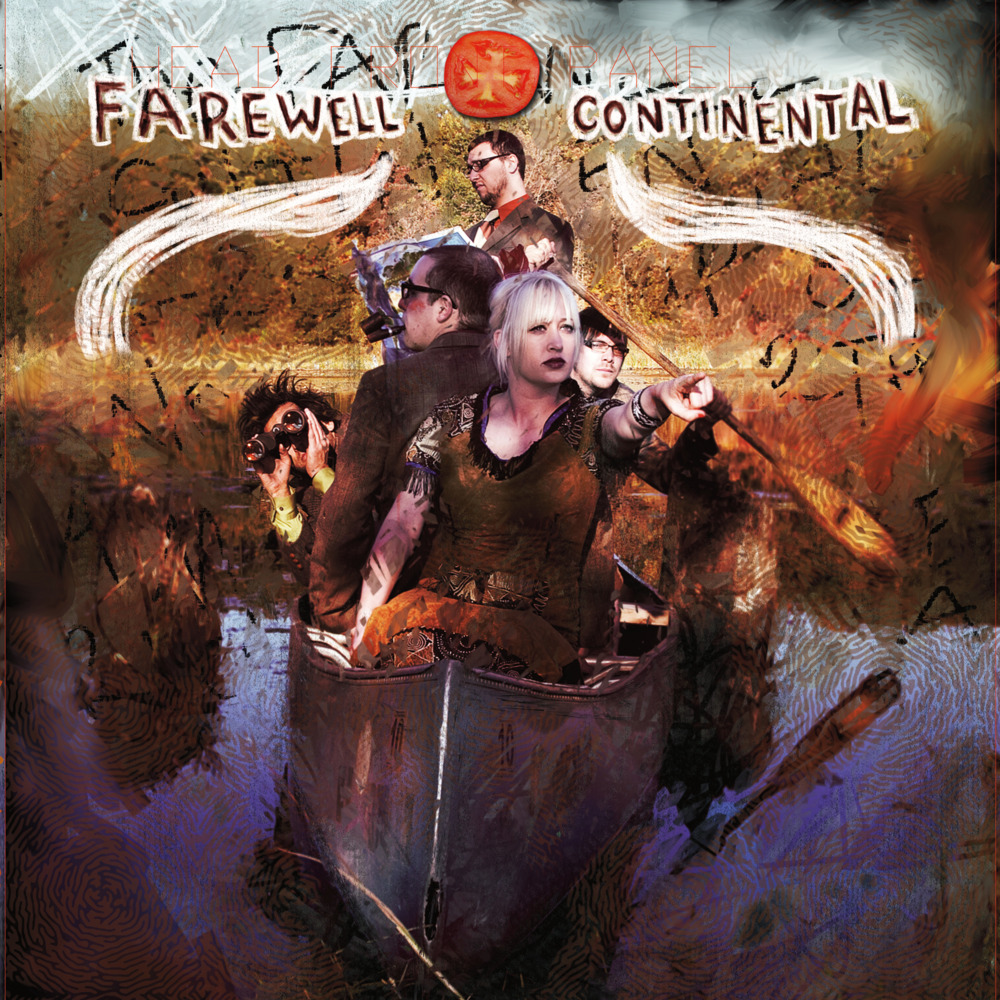
JCP put together ¡Hey, Hey Pioneers! in between the release of Motion City Soundtrack’s fourth and fifth albums, and his desire to create something different really shines across this oddball one-off. Back-to-back tracks “The Greatest of All Time (How You Feelin’ Now?)” and “Dagger, Dagger: Terror, Terror” are my go-to pulls from this album and succinctly showcase everything I love about the unfortunately standalone LP. You still get JCP’s unmistakable vocals and inherent knack for pop rock, but the addition of Kari Gray’s vocals, grittier textures, and experimental melodies creates this seductively unique quality that I love to revisit every now and again, particularly as we shift into the “-ber months.” 

– Ciara Rhiannon


Jackson Browne – For Everyman

Asylum

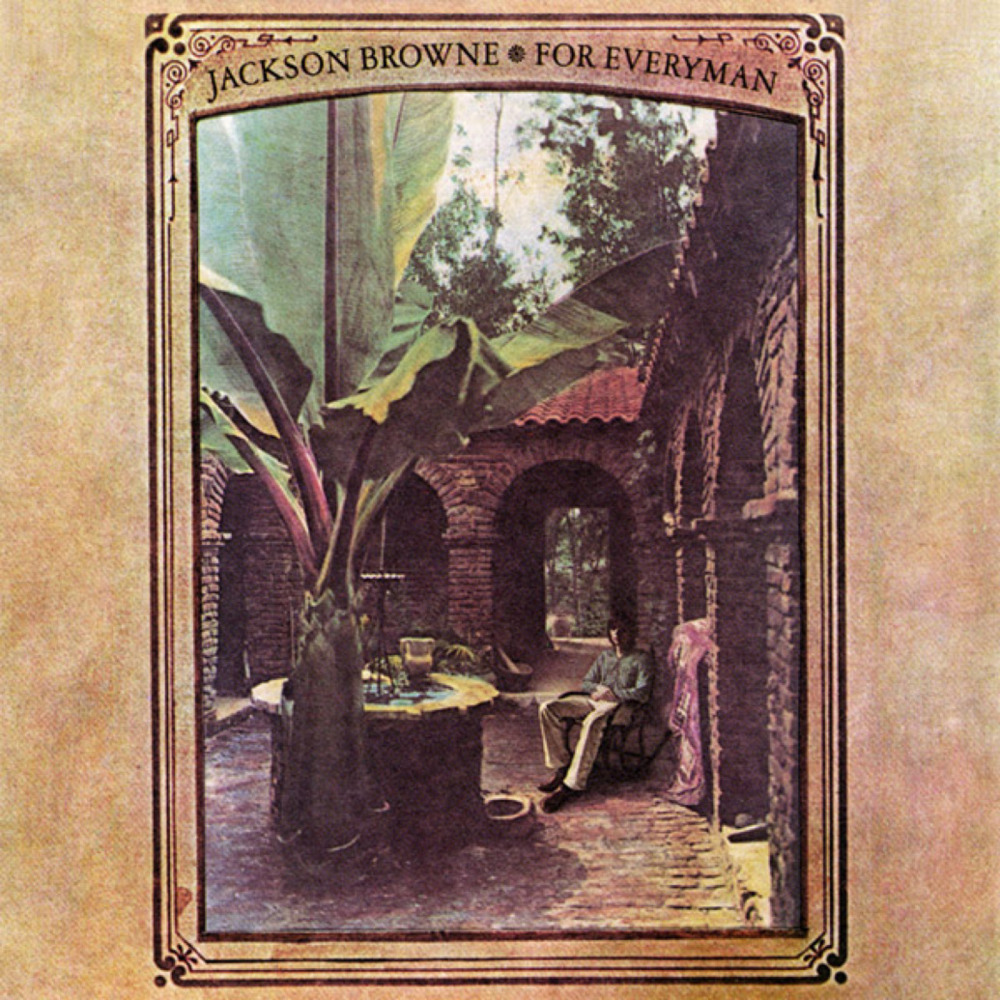
Taking this one literally and writing about a Brown(e) album. Widely speaking, Jackson Browne is an underrated figure in the 70s music lexicon, and one of the greatest singer-songwriters of all time. Though he started by writing hit songs for others, he quickly carved himself a niche in the Laurel Canyon folk rock scene. Browne wrote the Eagles’ “Take It Easy” and Nico’s “These Days,” among others, both of which appear on his second album For Everyman.

Browne had barely graduated high school in the late 1960s when he joined the Nitty Gritty Dirt Band, left to live and make music in Greenwich Village, and then returned to Laurel Canyon, all in the span of a few years. His youth never impeded his acumen as a songwriter, and For Everyman is perhaps his songwriter-iest. His self-titled debut album contains one of his biggest hits, and his fifth album, Running On Empty, is his most famous, but For Everyman contains his most breathtaking lyrics.

Many successful musicians get to write their own lore—to the victor go the spoils, etc. Some of it may be true, some of it may be artificially enhanced. The way Jackson Browne always tells it, he wrote “These Days” when he was 15 years old. I refuse to be skeptical of that, because it actually greatly enhances my appreciation of the song to think a 15-year-old boy wrote the lyrics “don’t confront me with my failures, I had not forgotten them.”

He may not have had the flash of Don Henley, or the mystique of Nico, but Jackson Browne’s For Everyman proves he could always write any of them under the table.

– Caleb Doyle


Ms. Lauryn Hill – The Miseducation of Lauryn Hill

Ruffhouse Records

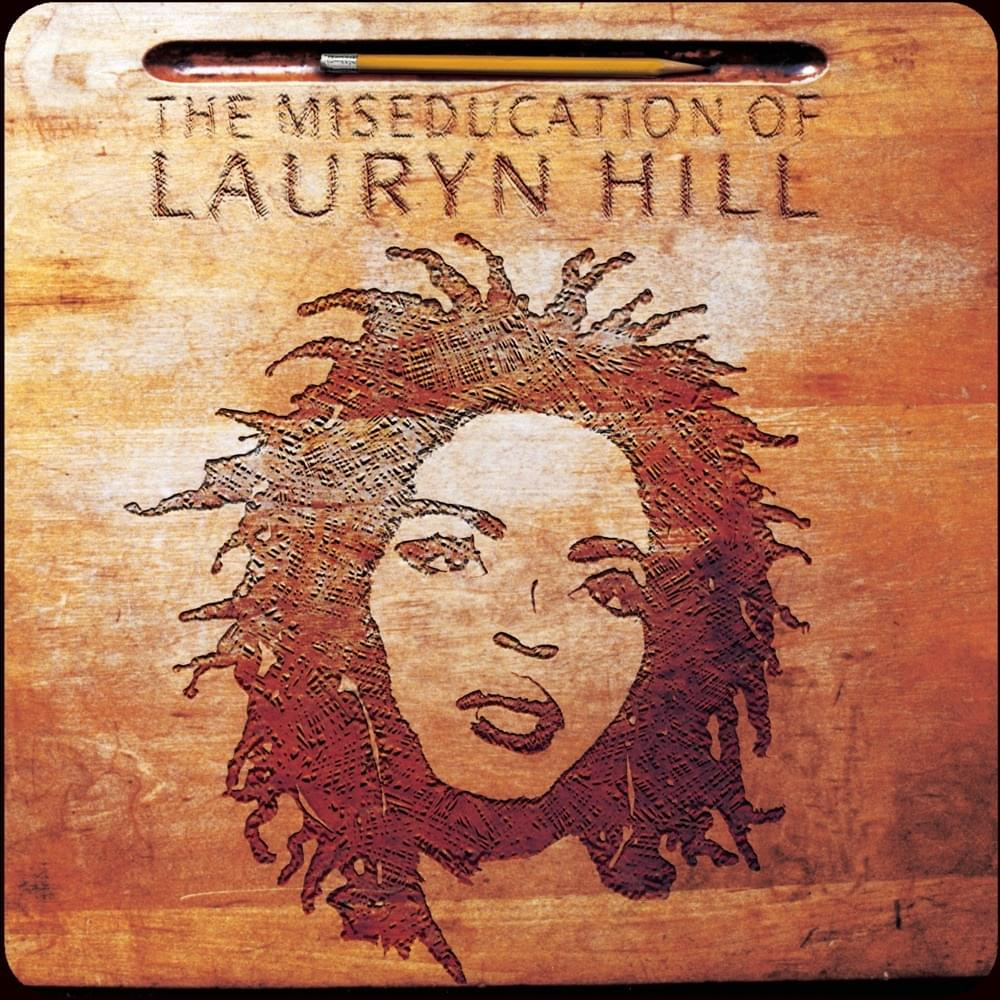
Brown is the worn surface of a classroom desk; brown is back-to-school autumn; brown is the backdrop for a student who sits down and realizes how much they still have yet to learn. Thematically, it’s where The Miseducation of Lauryn Hill begins: the iconic album art shows Ms. Lauryn Hill’s face etched into a wooden desk, and the first track is a teacher’s roll call. What follows is a generational run of songs making melodic and emotional sense of life’s headiest lessons.

Miseducation weaves a cohesive, but far from tidy, narrative about a young woman baring her soul to lovers, navigating fame, choosing motherhood, and reconciling her roots. If any of the above sounds trite, it’s only because of the countless imitators Hill herself spawned with the release of this fundamental work. Set to timeless grooves, inimitable rap/vocal interchanges, and impossibly catchy choruses, Ms. Lauryn Hill’s songs remain the blueprint for the everywoman-philosopher journey.

Hit play on this revered record and school is in session.

– Katie Hayes


R.A.P Ferreira – bob's son: R.A.P. Ferreira in the garden level cafe of the scallops hotel

Ruby Yacht

It’s impossible to talk about Bob’s Son without specifying who the whole album was written about in the first place. The “Bob” in question is Bob Kaufman, a significant Black poet commonly associated with the Beat Generation (and, depending on who you ask, the person who came up with the name) as well as a style of art known as Afro-Surrealism. His poetry, like a lot of his Beat peers, was heavily informed by the jazz that coated the streets of the United States in the 20th century- so much so that he practiced the jazz concept of spontaneous composition for his own work, often scribbling poems on napkins and the margins of the day’s paper and leaving them there for others to discover. 

R.A.P Ferreira, formerly known as Milo and occasionally as scallops hotel, continues the tradition of Afro-Surrealism in his own music. Although he started in the nerdcore subgenre early on, Ferreira has reinvented himself artistically. Long gone are the references to niche internet communities, video games, and the feeling of being an outsider in hobbies that are predominantly white. Bob’s Son, like the man who inspired it, is instead full of knotted flows and rhymes packed with references to jazz, poetry, and the Black experience. The last song is the most direct nod to Bob one could do– it’s not a song at all, but rather a reading of one of Kaufman’s most famous poems of all time, the “Abomunist Manifesto,” a surreal, tongue-in-cheek series of declarations of a fictional belief system that mocks both capitalist and communist philosophy. 

If the admiration for Bob Kaufman doesn’t come through enough on the album, perhaps the whole reveal of the album back in 2021 will. To roll out the release, Ferreira created a virtual reality cafe (which, unfortunately, the web link has died) that is not far off from the old-school spots that Kaufman frequented in his day, shouting poetry from atop tables and scribbling spontaneous poems on whatever he had at hand. Bob’s Son plays softly in its entirety from the speakers of a boombox in the cafe. It’s a wonderful love letter not only to the man himself, but also to the affirmation in his poem “Dolorous Echo” that was true all along:

“When I die / I won’t stay / Dead.”

– Nick Sackett


Coheed and Cambria – Good Apollo, I'm Burning Star IV, Volume Two: No World for Tomorrow

Columbia Records

Sequels are difficult to pull off, regardless of what medium you’re talking about, but landing a great follow-up to a perfect album is absolutely a rarity in the music industry. Sequels always seem to be plagued by personnel shake-ups, unsuccessful risks, and downright bad luck, but fortunately Coheed and Cambria were still able to make something special with the sequel to their third album, No World For Tomorrow. “Sequel to the third album” sounds like a weird way to say their fourth album, but in the sci-fi opera world of Coheed, believe me, it makes sense. Despite the name consistently being shortened, No World For Tomorrow thematically and musically serves as the second volume of the band’s Good Apollo, I’m Burning Star IV series, making for a connected pair of records.

No World For Tomorrow follows much of Coheed’s typical formula – the foreboding and melancholic intro track, the genre-hopping singles, the epic ending suite – yet feels like such a special beast even amongst their first four iconic albums. Taylor Hawkins of Foo Fighters filled in on drums after the original (and now current) Coheed drummer, Josh Eppard, was booted from the band, making for a unique lineup. The band really leaned into their 80s rock influences in tracks like “The Hound (of Blood and Rank)” and “The End Complete V: On The Brink” as well. Conceptually, No World For Tomorrow depicts the literal end of the world and, given the personnel changes and the band’s overall approach to the songs, that ethereal, foreign atmosphere continues to earn its place in Coheed’s discography. 

– Ciara Rhiannon


Linkin Park – Meteora

Warner Records Inc.

Linkin Park’s Meteora is the most #BionicleCore album ever. What is #BionicleCore? It’s anything I was listening to during my peak “playing with Bionicles years,” duh. This also includes bands like P.O.D., Hoobastank, and Incubus. Now that I've given you a frame of reference for what ten-year-old me was up to when Meteora came out, let’s dig in. This was a big album for me. I’m pretty sure this is the first time in my life I was ever waiting on bated breath for a new band’s second album. I had no idea what a “sophomore slump” was, and evidently neither did Linkin Park, because Meteora fucking whips. I mean, c’mon, “Faint,” “Somewhere I Belong,” “Breaking The Habit,” and “Numb” are on this thing. Most bands would kill to have four songs like that in their entire career, let alone a single record. I don’t play with Bionicles anymore, which admittedly sucks, and I still love this album, but I’ll never be able to love it the way that little boy did.

RIP Chester

– Connor Fitzpatrick


Talking Kind – It Did Bring Me Down

Lauren Records

Look, I’m gonna have to level with ya: I’ve written about It Did Bring Me Down before. The first (and so far only) solo album from Pat Graham was my favorite record of 2023, but I’ll take any excuse to extol its virtues, even if just for its brownish-yellow truck-adorned album cover. This LP came out at an absolutely pivotal time in my life, and my love affair with it started simply enough. One listen through, and a song like “Damn Shame” immediately leaps out with a melody so timeless that I often find myself humming it absentmindedly. There are fast, fun tracks like “Brand New Face” and the goofy automotive love song “My Truck,” which butt up against absolute gut-wrenchers like “Trader” and “Small.” Just masterful sequencing, incredibly funny and earnest songwriting, and the whole thing ends with a song-length ode to folk musician Greg Mendez. 

I still listen to this album a few times a month; it’s guaranteed to put me in a good mood and take me back to that important point in my life when I made a massive leap for someone I love. To have that bottled up in 27 minutes of music is nothing short of a miracle, and if you give this album a chance, I hope you find even a fraction of the spark that it's given me. 

– Taylor Grimes


Honorable Mentions

Hey, we can’t write about every album with this color, so here’s a list of some more that we feel like we should mention.

  • Autopsy - Shitfun

  • Godspeed You! Black Emperor - Lift Yr. Skinny Fists Like Antennas to Heaven

  • Nine Inch Nails - The Downward Spiral

  • Ethel Cain - Willoughby Tucker, I'll Always Love You

  • Primus - Brown Album

  • Shift - Spacesuit

  • Bruce Springsteen - Darkness On the Edge Of Town

  • Weedeater - God Luck And Good Speed

  • Downhaul - How to Begin

  • Pedro The Lion - Control

  • Soccer Mommy - Clean

  • Remember Sports - The Refrigerator

  • Joyce Manor - I Used To Go To This Bar

  • Wilco - Being There

  • Alex G - Trick

  • Sluice - Companion

  • Ween - 12 Golden Country Greats

  • Ethel Cain - Peacher’s Daughter

  • Van Morrison - Moondance

  • Oso Oso - The Yunahon Mixtape

  • Foo Fighters - Foo Fighters

  • Led Zeppelin - Zeppelin III 

  • Crosby, Stills, Nash, and Young - Deja Vu


Collect some more Covers:

January Blues

February Reds

March Yellows

April Greens

May Purples

July Rainbows