Cover Collector – August Browns
/
Design by Ryan Morrissey
I don’t know about you guys, but I love a good album art collage. One of the first things I do every Friday is head over to tapmusic.net and render a 4x4 chart of the albums I listened to most over the past week. At the end of each month, I do the same thing with a 5x5 that recaps my previous 30 days of listening. By the time December rolls around, I look forward to recapping the last twelve months with a gigantic 10x10 grid in an unwieldy encapsulation of the 100 albums that defined my year.
Is it a little self-aggrandizing? Sure, but it’s also a fun way to see a quick snapshot of what my last week, month, or year has sounded like. At its best, this practice has led to fun conversations and solid recommendations going back and forth with friends as we bond over specific albums. Sometimes it’s that shared love over a deep pull from years gone by, other times it’s just noticing trends with a recent fave that seems like an unshakable presence week in and week out. At the very least, I suppose it’s satisfying to see a bunch of records that I feel an affinity toward lined up and embodying a specific stretch of my life.
At some point near the tail end of last year, I conceived of a more communal way to bring this love of album collage to life. Because, sure, getting a live readout of your listening history is cool, but this is also about album art, an essential part of the experience and something us music nerds can fixate on just as much as the songs that sit beneath the cover. As such, I’m excited to welcome you to the seventh edition of Cover Collector: a monthly installation where the Swim Team discusses some of our favorite albums based on album color. For August, we’re writing about beautiful browns.
Ministry – ΚΕΦΑΛΗΞΘ
Sire Records
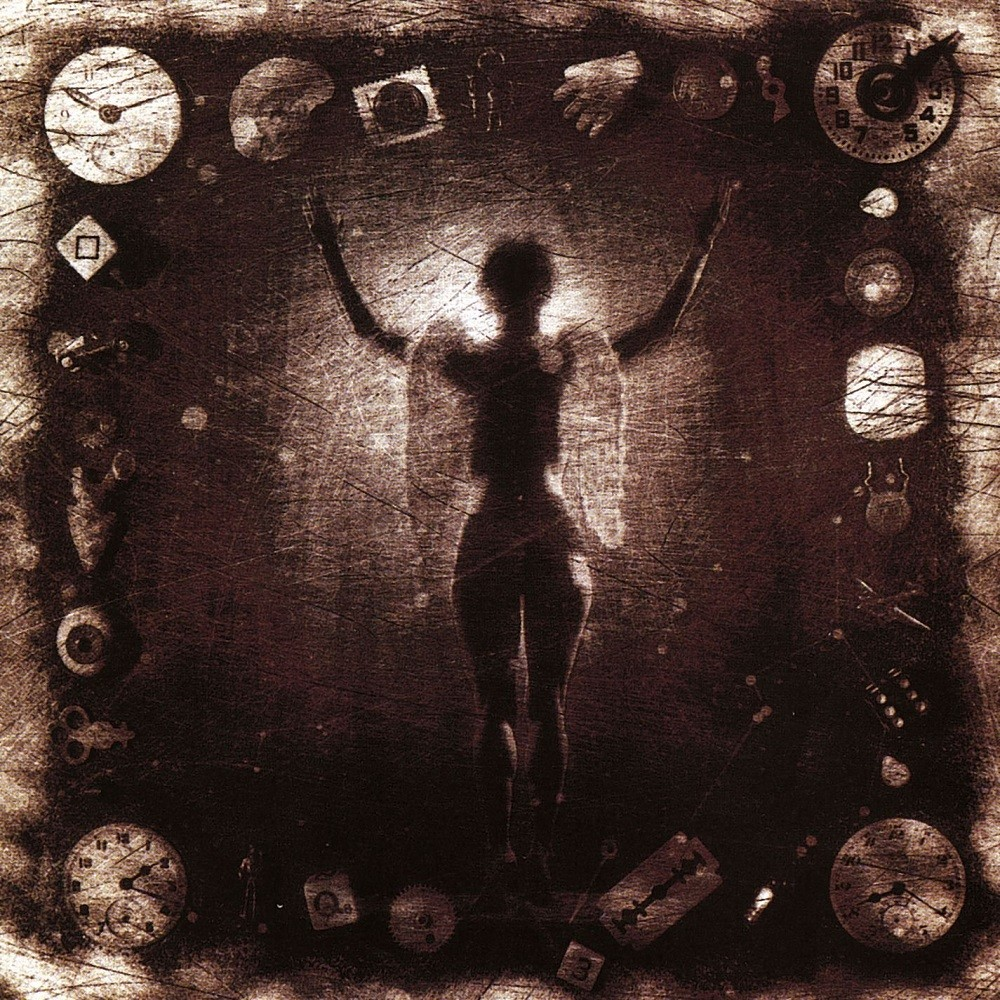
Ministry’s fifth studio album, alternatively titled Psalm 69 so you don’t have to decode or pronounce the original Crowleyan scribe, is the last in the band’s foundational trilogy of industrial metalworks and miraculously granted them mainstream success. Following 1988’s The Land Of Rape And Honey and 1989’s The Mind Is A Terrible Thing To Taste (aka the heaviest album of all time), Al Jourgensen continued to push the envelope for rock and electronic music with this 1992 release that spawned timeless genre anthems like “N.W.O.” and “Just One Fix.” The record landed just four days before the band spent the rest of the Summer on the second-ever Lollapalooza tour, where they utterly crumbled stages across America, highlighting many of the unrelenting and aurally taxing compositions they had just unleashed upon the public. Its crown jewel, “Jesus Built My Hotrod,” has always been my favorite Ministry song, from the intro featuring Gibby Haynes of Butthole Surfers to the real-hotrod-speed thrashing throughout. Ministry’s return for 1996’s Filth Pig was long-awaited after the mania of Psalm 69, and while I love it for its specific harshness, it was a clear departure point from the classic records that preceded it. Psalm 69 is necessary listening from the nineties, a time when even the most extreme music on the planet could end up on a major label.
— Logan Archer Mounts
Hel Toro – Gimmick
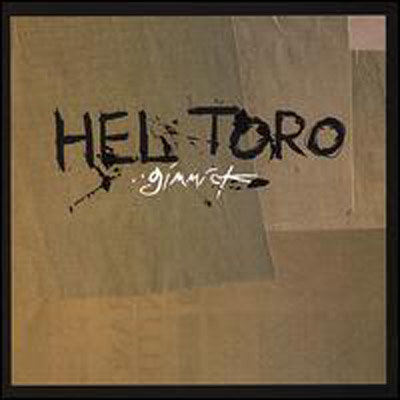
Self-released
If you’re surprised I’m not writing about Pile, don’t worry, I sort of still am. Hel Toro is Rick Maguire’s early-aughts project, released just before Pile. It’s noisy rock and roll, lyrically cutting, with pentatonic glimmers throughout that hint at the distinct style already present in Rick’s writing. Released in 2007, Gimmick is the band’s second album, coming four years after their debut, Tabula Rasa. Ragey and brash, I consider Gimmick the perfect soundtrack to watch the zenith of late summer slowly wilt and sag towards the ochre-tinged earth. The opening track “Holes Up” grabs the listener by the collar and yanks them in, screaming lyrics straight to their face: “I don’t wanna watch you draw it out, cause I’m not that good of an artist!” Brown paper album artwork and a splatter of scribbled handwriting across the front perfectly relay the grimily textural undercurrents of this sophomore release.
– Britta Joseph
billy woods – Aethiopes
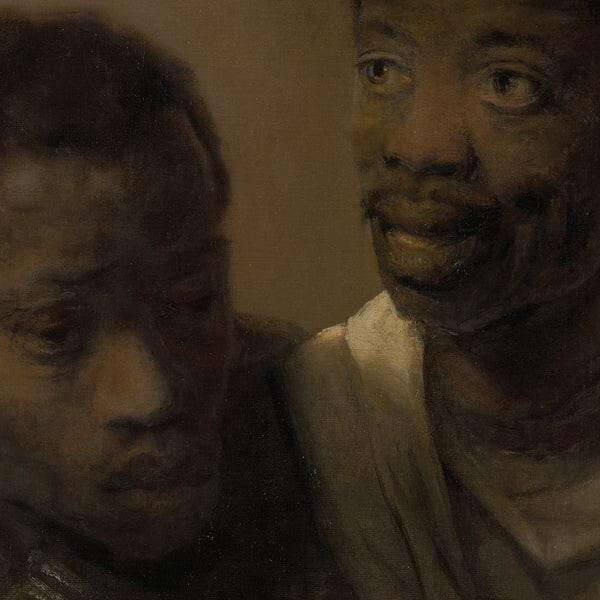
Backwoodz Studioz
Since its April 2022 release, billy woods’ Aethiopes has been a cold comfort to my summers, especially my Augusts. I can’t pinpoint why, exactly. Maybe the timbral palette of Preservation’s beats provides the right soundtrack to the month’s sense memories: the brassy, aberrant synths of “No Hard Feelings” pierce the ear like a noon sun hits the eye, the pinging rides and dusty acoustic strings of “The Doldrums” sizzle like heat haze above pavement. Or maybe the seamless, live-mix style transitions throughout the LP mimic how days blend together in the thick fog of a late-summer malaise.
But in revisiting the record this August for Cover Collector, another possibility stands out as I run back woods’ verse on “Christine,” in particular. Here, the producer’s sparse, eerie production also lends fitting support to the MC’s lyrical vignettes, which connect a series of haunted narratives around and in cars as weird, liminal spaces. What I find to be a more fitting image than the 1957 Plymouth Fury nodded to in the track title, though, emerges with the vocal reuse of The Wailers’ “Mr. Brown.” In the source track, a Lee Perry plate that was passed over as the instrumental for “Duppy Conqueror,” Bob Marley recounts a folktale where a ghost driving a three-wheeled coffin rides around Jamaica in search of a ‘Mr. Brown,’ unnerving folks from Mandeville to Sligoville. woods repeats the borrowed line thrice, like an incantation: but is this a curse or protection charm? I can hear it both ways, and that emotional ambivalence reads like an echo of the close-cropped Rembrandt painting that serves as the album cover.
– J. P. Cupps
Bill Callahan – What a Night!

Self-Released
Outside of Yo La Tengo, Bill Callahan might be the ideal model for a career in indie rock. The dude has been making music for almost four decades, documenting phases of his life through his plainspoken baritone voice and poetic lyrics, first as Smog and then under his own name. What a Night! is a 90-minute live album that sees an artist at the peak of his powers. The lineup features just Callahan on guitar and vocals, with his compatriot Jim White on drums. Together, these two craft entire worlds, whether it’s the 11-minute odyssey of “Riding for the Feeling,” the swaggering, chunky groove of “Cowboy,” or the rendition of “Coyotes” that spills out to nine minutes. It’s like witchcraft the way these two are able to conjure massive swells of emotion from such simple ingredients. It’s modest and cosmic, but just feels like a staggering achievement to take in. The setlist is a no-miss greatest hits that shows exactly why Callahan has been able to cultivate such a long and illustrious career. He’s a craftsman, and this record is like a finely furnished piece of upholstery – an oak armchair you can sink into that doesn’t creak or shift an iota. A sturdy entity that justifies its own existence in the most self-evident way.
– Taylor Grimes
Oso Oso – basking in the glow

Triple Crown Records
As per a Billboard interview with Oso Oso’s founder and frontman, Jade Lilitri, the thesis of basking in the glow is, “taking in the good things, just accepting what comes with life.” Operating in an unabashed laissez-faire manner has always been the Long Island unit’s cut– all while effortlessly creating the kind of music that many bands spend their entire careers chasing. basking in the glow, released two years after the acclaimed sophomore LP, the yunahon mixtape, had immense shoes to fill. Lilitri, obviously undeterred by this, managed to level up with his 2019 release, which was also the project’s first on legendary label Triple Crown Records.
At a time when emo as a genre had entered a definitive lull, basking in the glow proved that some bands in this scene were not condemned to the lightning-in-a-bottle effect of their first or second LP releases. While Oso Oso’s music toes the line between emo, pop-punk, and indie, it blends seamlessly to create infectious hooks where every song could legitimately be a single. basking in the glow is undoubtedly a love record at its core, with what could be interpreted as religious undertones woven throughout. This is probably most evident on “a morning song,” where Lilitri flippantly admits, “living on my knees, praying blessings crashed into me.”
Whether it’s basking in the glow of faith, a thriving relationship, or the incandescent bulbs of a busted H&R Block marquee, Oso Oso confirms there is meaning to be found in whatever life throws at you.
– Brandon Cortez
Dikembe – Chicago Bowls
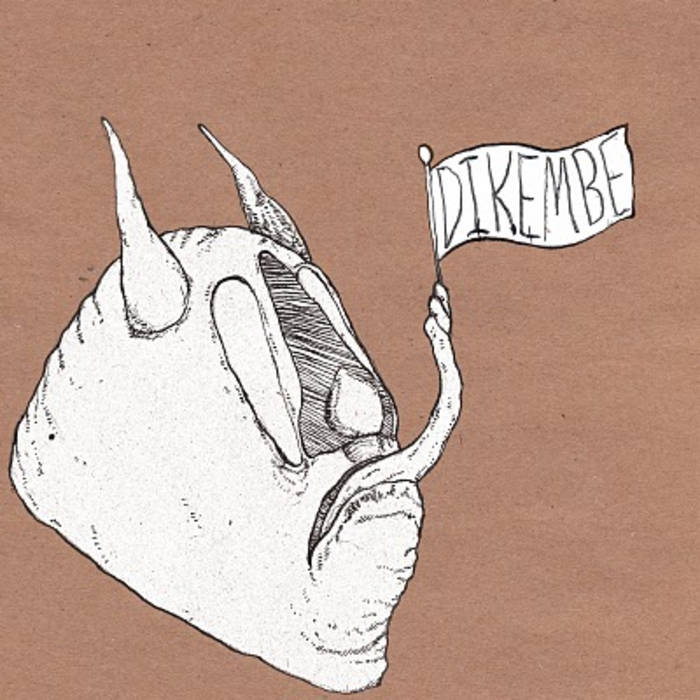
Death Protector Collective
If you don’t already know, Chicago Bowls is an emo-DIY classic. In 2011, Dikembe made their debut with a digital-only EP, featuring song titles spoofing player names from the ‘95-’96 Chicago Bulls, one of the strongest NBA Finals teams in the history of the league. The track names are “Scottie Spliffen,” “Luc Bongley,” “Michael Jordank,” and “Tony Kukush.” Making your song titles portmanteaus of weed and sports celebrities is a strong choice, but one perfectly suited for such a strong EP. It opens and closes with a conversation from the coming-of-age sitcom Freaks and Geeks in which Jason Segel’s character is showing off his ornate drum set to the show’s main character, Lindsay Weir. He ends by imploring her to “find her [own] big, gigantic drum kit.” I’m writing this about a decade and a half removed from the EP’s release, and I feel like the world is much more complicated now. The fact that two primary components of the album look backward suggests Dikembe knows that feeling too.
About a year after the EP, the band released their first full-length album, Broad Shoulders. To give you an idea of what they were up against in 2012, here are a few other albums that came out that year: Floral Green by Title Fight, Sports by Modern Baseball, American Radass by Dads, Colourmeinkindness by Basement, Just Married by Glocca Morra, Colors by Sports, and Grow Up, Dude by You Blew It! In a year of heavy hitters, Dikembe not only holds their own but stands out as a band that was ahead of the curve, putting together an all-star lineup of tracks that epitomize the genre in under ten minutes.
– Braden Allmond
Janet Jackson – janet.
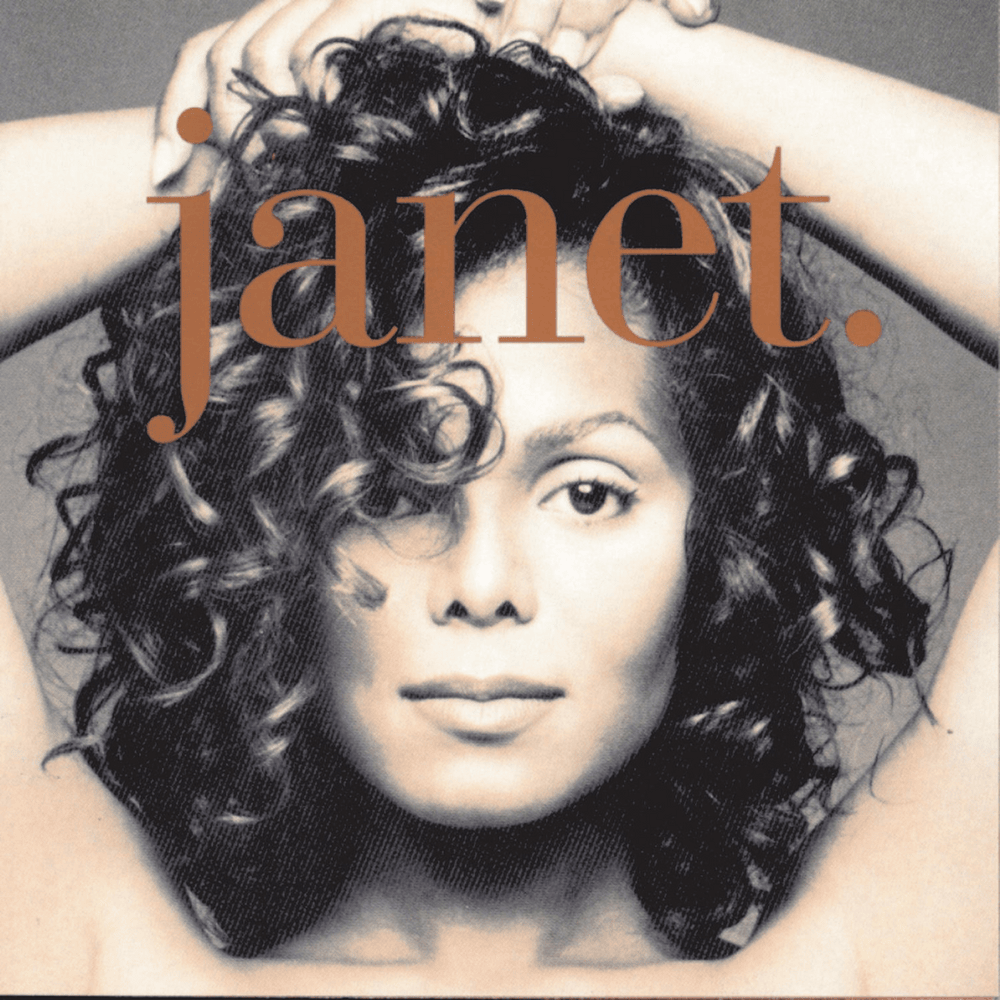
Virgin Records
In 1993, there was a case to be made that Janet Jackson would be the most talented Jackson from then on. This wouldn’t even have been a hot take at the time. Janet’s big brother Michael was entering a turbulent point in his career. The King of Pop was being dethroned as his personal life was brought under a fiery, scorching-hot microscope, combined with the public perception that his 1991 album Dangerous didn’t live up to the standard of his previous work. (Let me go on record that I personally love Dangerous – the New Jack Swing first half of that record still hits like Mike Tyson in his prime.) But you have to give credit where credit is due; little sis Janet proved to the entire world she’s a bona fide star, and the music she made on janet. is the exact reason why. If you said Janet is the most talented Jackson, you wouldn’t even have sounded like an ESPN talking head blowhard just saying things for clickbait.
The early nineties were the time when Janet leaped out of the ginormous shadow left by her big brother. The music on janet. is a career-defining blend of neo-soul mixed with a touch of new jack swing, and just the right amount of house music. This was groundbreaking, superbly done, and incredibly horny. From the provocative album cover, steamy lyrics, and sensual music videos, Janet was taking the reins of her sexuality and entering adulthood. Looking past the horniness of it all, the album had mega hits: “That’s the Way Love Goes” was a chart-topping banger; “Any Time, Any Place” was an instant classic that hip-hop artists have sampled out the wazoo; “Because of Love” will have your body doing moves you didn’t even know you were capable of. This record not only set her apart from her own blood, but established Janet as the mood board for future generations of R&B artists.
– David Williams
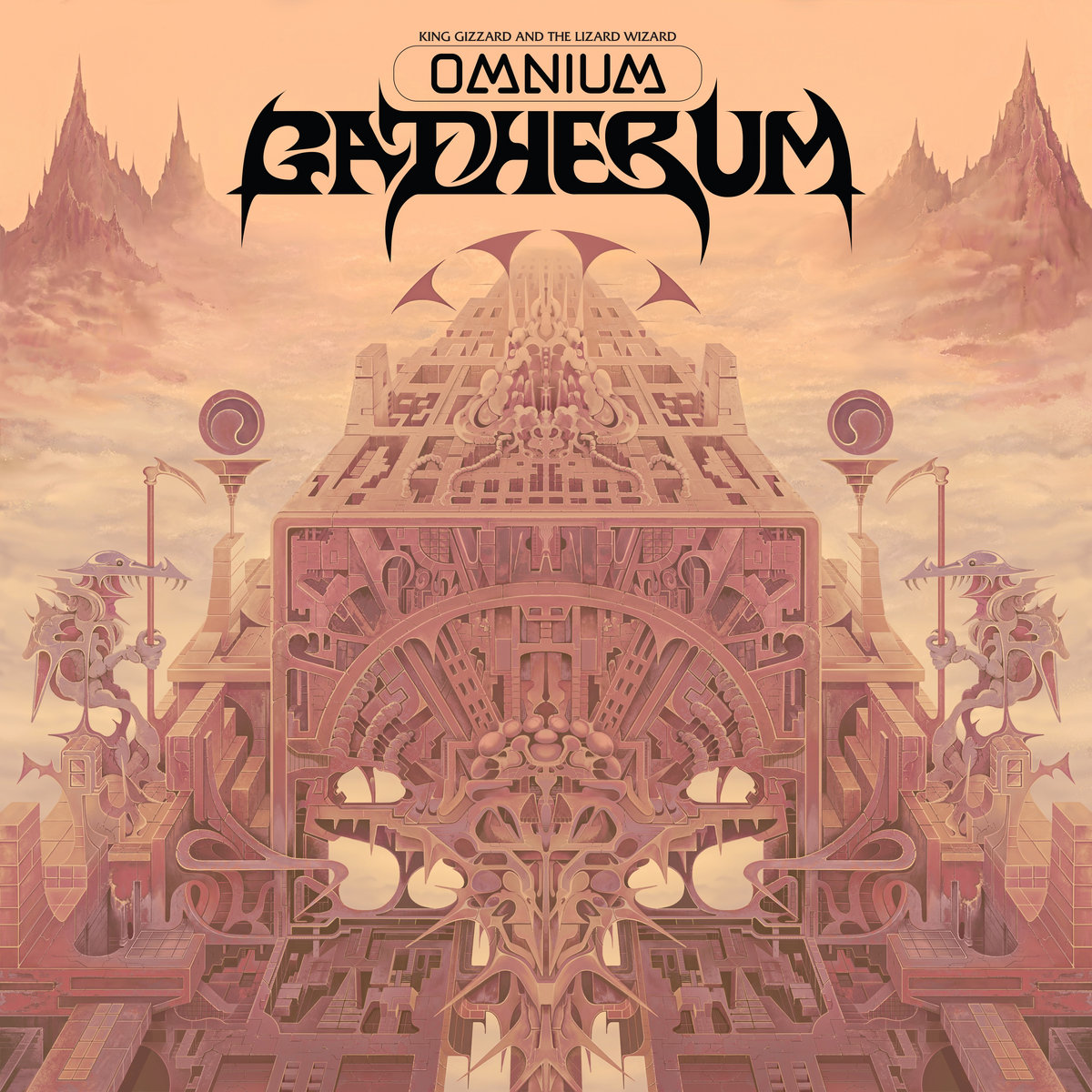
King Gizzard & the Lizard Wizard – Omnium Gatherum
KGLW
Omnium Gatherum is an odd bird. It's the kind of album that opens with a 20-minute sprawling environmentalist jam session before moving into… synth-pop? hip-hop? thrash metal? krautrock? bossa nova? Yeah, it's a lot to fit into one album, which is part of why this ends up being Gizz's longest album to date. Not designed as a cohesive album, it’s meant to be heard as a collection of ideas that didn't fit anywhere else. Omnium Gatherum challenges and excites by constantly taking turns that feel exciting and novel without ever slipping into being disorienting or off-putting.
As is common for King Gizzard, the lyrics are about environmentalism, though there are some detours into less dour fare, such as in the Beastie Boys-inspired “Sadie Sorceress,” where multi-instrumentalist and singer Ambrose Kenny-Smith dons his alter ego, The Shrimpomaniac, and raps about an elderly witch. Or the easy-going “Persistence,” where frontman Stu Mackenzie uses the language of cars and motorsports to coyly talk about sex. Of course, it wouldn't be a true King Gizzard & the Lizard Wizard record without at least one song about some horror with a thirst for blood, and we get that in “Predator X,” a thrash metal ripper that pays homage to Meshuggah as we see the band fully leaning into palm-muted chugging guitars in complex time signatures.
Ultimately, Omnium Gatherum comes across as a sampler platter that any newcomer to Gizz's work can approach, giving them a smorgasbord of options as they decide what flavor of Gizz they want more of. The fact that it’s also the source of many of the band’s most popular tracks is just proof of the power of Gizz.
– Noëlle Midnight
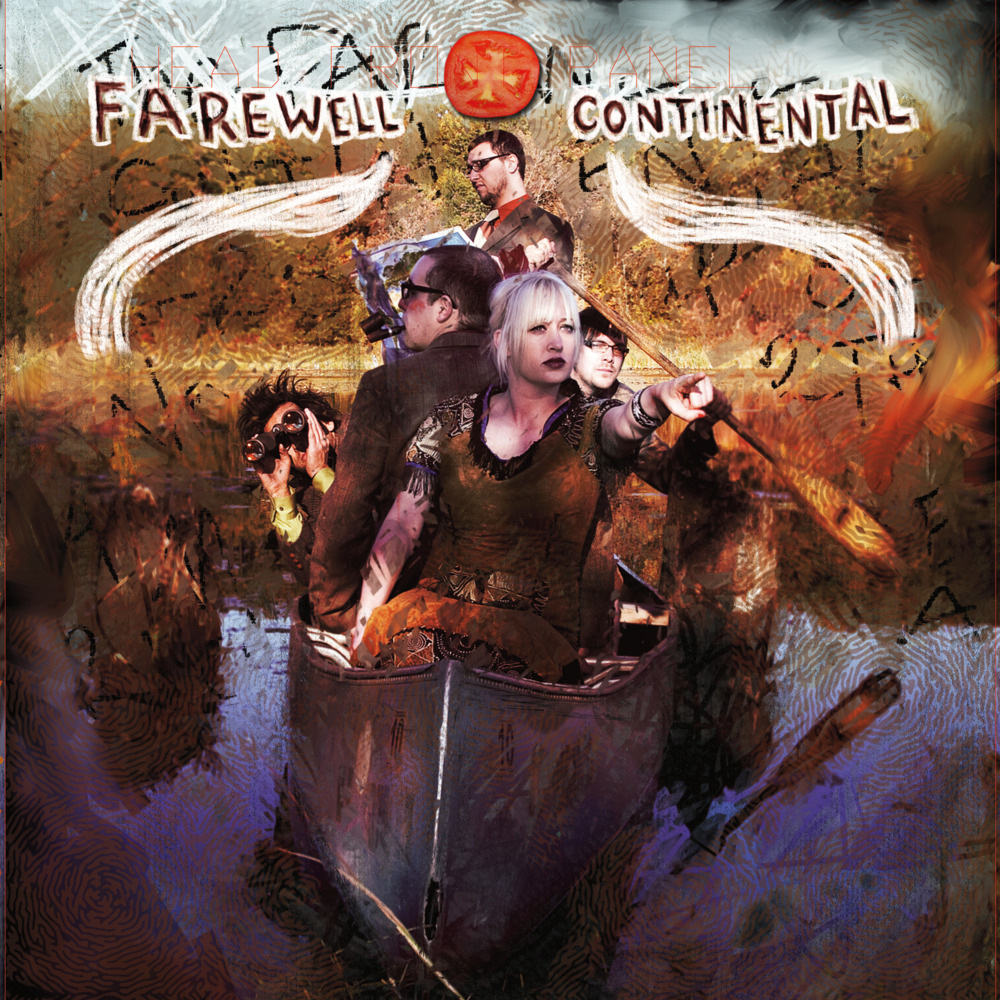
Farewell Continental – ¡Hey, Hey Pioneers!
Paper + Plastick
There’s nothing quite like the surprise and elation when you find out one of your favorite bands has a side project you knew nothing about. Whether you’re a fan of alternative side projects such as The Postal Service (Ben Gibbard of Death Cab for Cutie), The Prize Fighter Inferno (Claudio Sanchez of Coheed and Cambria), or City and Colour (Dallas Green of Alexisonfire), learning about your favorite artists’ expanded universes always felt like a reward in the fledgling days of the internet. My love for Motion City Soundtrack is deep and well-documented at this point, but I spend significantly less time singing the praises of singer Justin Courtney Pierre’s short-lived second band, Farewell Continental.
JCP put together ¡Hey, Hey Pioneers! in between the release of Motion City Soundtrack’s fourth and fifth albums, and his desire to create something different really shines across this oddball one-off. Back-to-back tracks “The Greatest of All Time (How You Feelin’ Now?)” and “Dagger, Dagger: Terror, Terror” are my go-to pulls from this album and succinctly showcase everything I love about the unfortunately standalone LP. You still get JCP’s unmistakable vocals and inherent knack for pop rock, but the addition of Kari Gray’s vocals, grittier textures, and experimental melodies creates this seductively unique quality that I love to revisit every now and again, particularly as we shift into the “-ber months.”
– Ciara Rhiannon
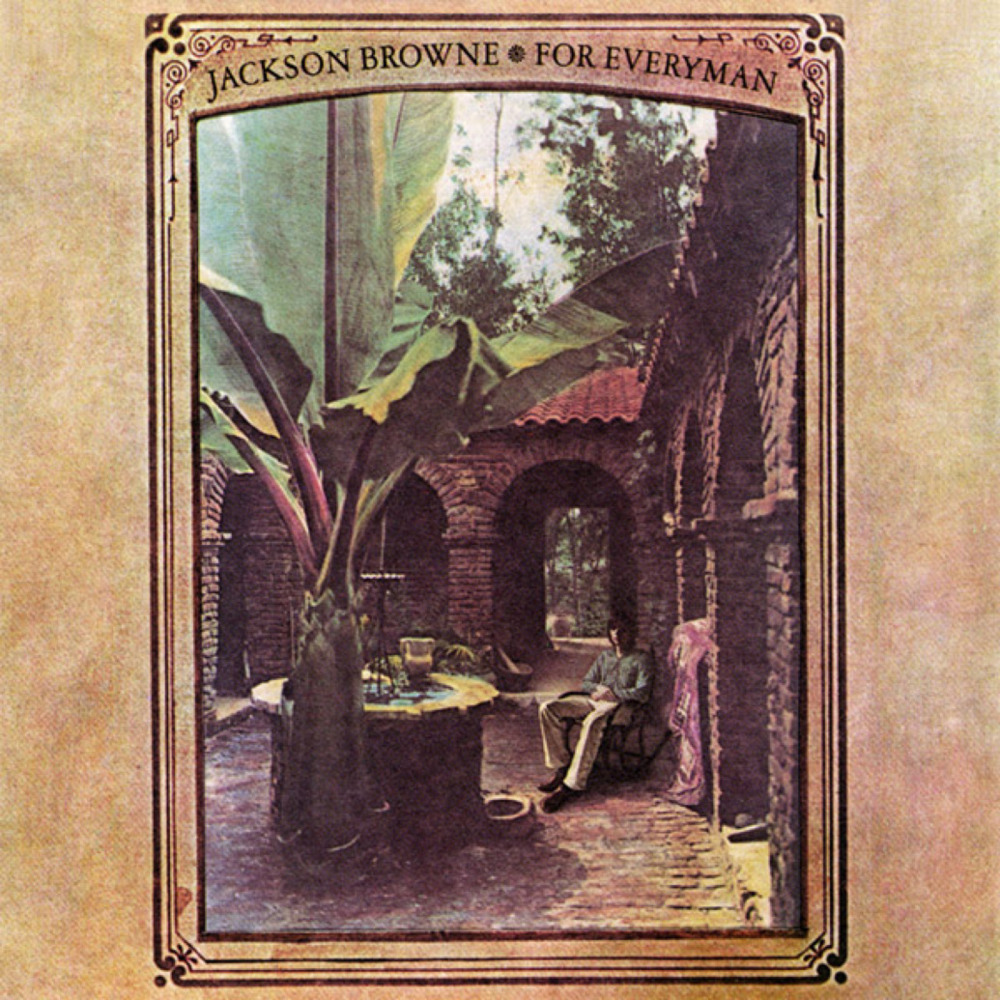
Jackson Browne – For Everyman
Asylum
Taking this one literally and writing about a Brown(e) album. Widely speaking, Jackson Browne is an underrated figure in the 70s music lexicon, and one of the greatest singer-songwriters of all time. Though he started by writing hit songs for others, he quickly carved himself a niche in the Laurel Canyon folk rock scene. Browne wrote the Eagles’ “Take It Easy” and Nico’s “These Days,” among others, both of which appear on his second album For Everyman.
Browne had barely graduated high school in the late 1960s when he joined the Nitty Gritty Dirt Band, left to live and make music in Greenwich Village, and then returned to Laurel Canyon, all in the span of a few years. His youth never impeded his acumen as a songwriter, and For Everyman is perhaps his songwriter-iest. His self-titled debut album contains one of his biggest hits, and his fifth album, Running On Empty, is his most famous, but For Everyman contains his most breathtaking lyrics.
Many successful musicians get to write their own lore—to the victor go the spoils, etc. Some of it may be true, some of it may be artificially enhanced. The way Jackson Browne always tells it, he wrote “These Days” when he was 15 years old. I refuse to be skeptical of that, because it actually greatly enhances my appreciation of the song to think a 15-year-old boy wrote the lyrics “don’t confront me with my failures, I had not forgotten them.”
He may not have had the flash of Don Henley, or the mystique of Nico, but Jackson Browne’s For Everyman proves he could always write any of them under the table.
– Caleb Doyle
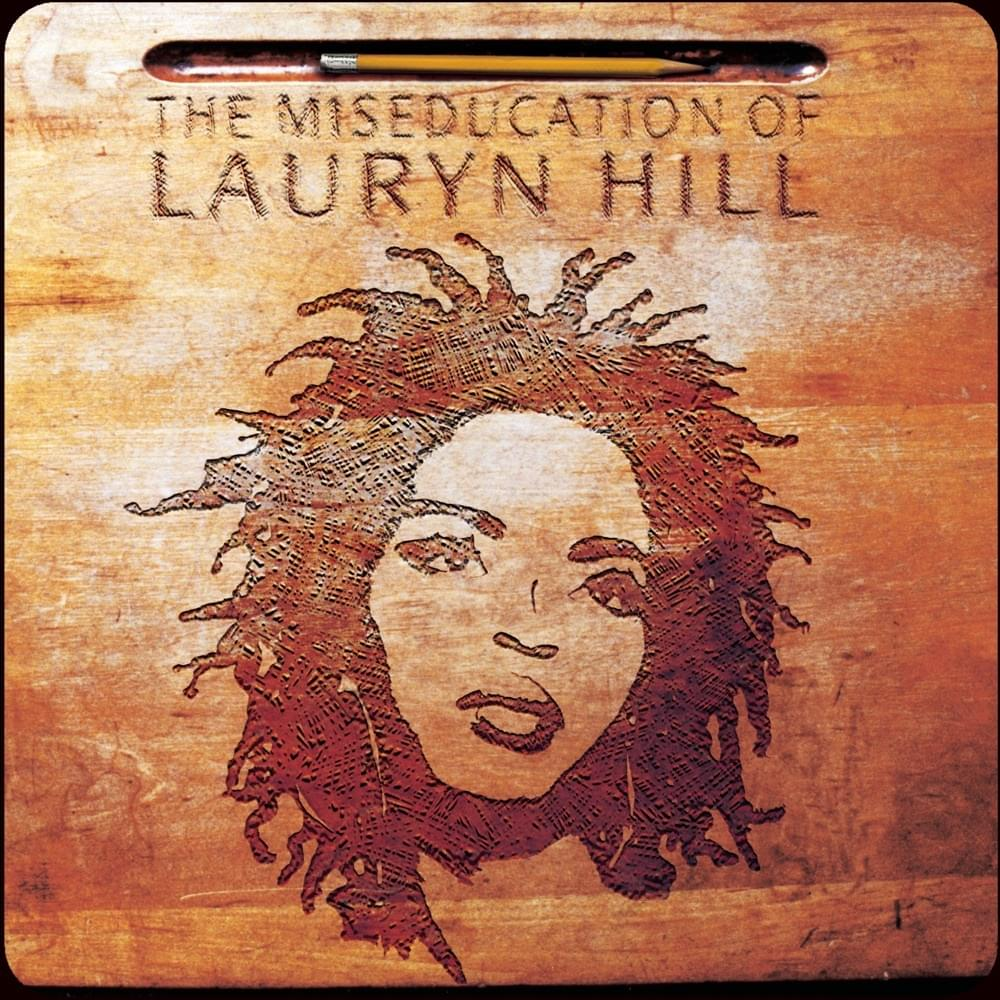
Ms. Lauryn Hill – The Miseducation of Lauryn Hill
Ruffhouse Records
Brown is the worn surface of a classroom desk; brown is back-to-school autumn; brown is the backdrop for a student who sits down and realizes how much they still have yet to learn. Thematically, it’s where The Miseducation of Lauryn Hill begins: the iconic album art shows Ms. Lauryn Hill’s face etched into a wooden desk, and the first track is a teacher’s roll call. What follows is a generational run of songs making melodic and emotional sense of life’s headiest lessons.
Miseducation weaves a cohesive, but far from tidy, narrative about a young woman baring her soul to lovers, navigating fame, choosing motherhood, and reconciling her roots. If any of the above sounds trite, it’s only because of the countless imitators Hill herself spawned with the release of this fundamental work. Set to timeless grooves, inimitable rap/vocal interchanges, and impossibly catchy choruses, Ms. Lauryn Hill’s songs remain the blueprint for the everywoman-philosopher journey.
Hit play on this revered record and school is in session.
– Katie Hayes
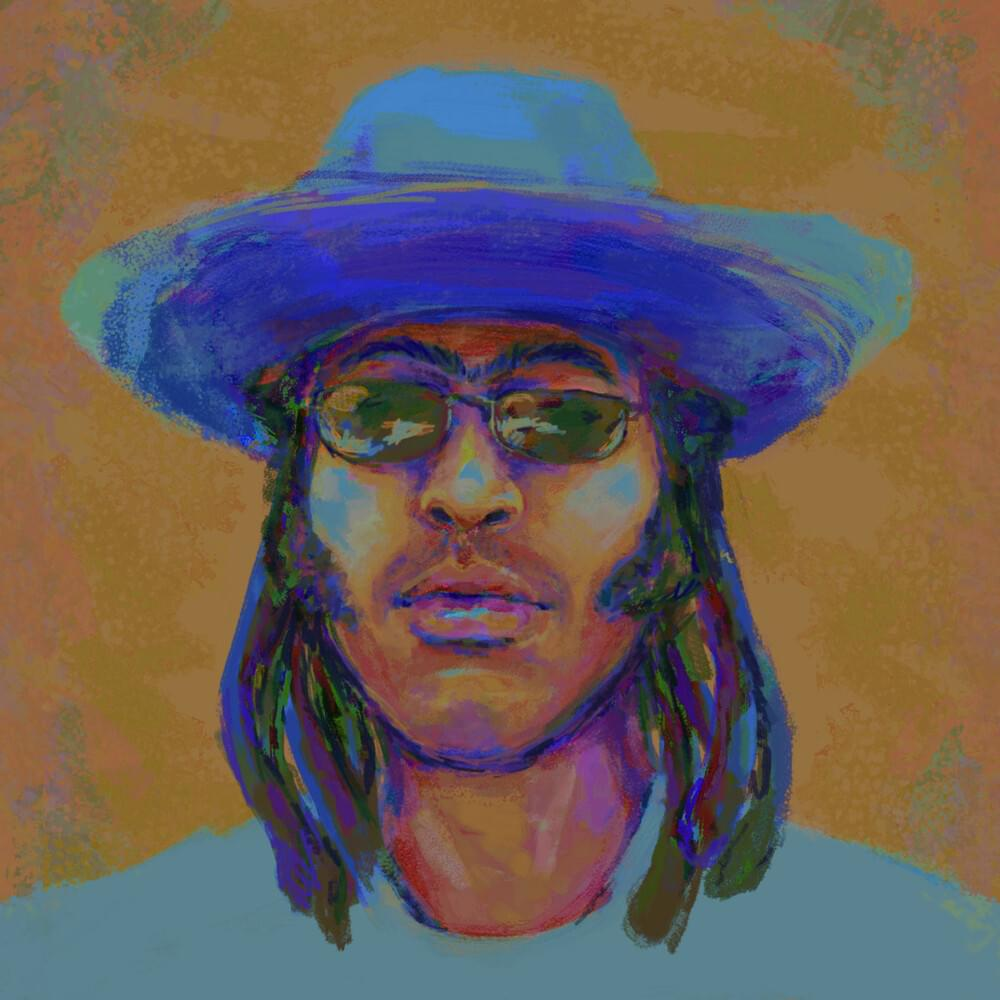
R.A.P Ferreira – bob's son: R.A.P. Ferreira in the garden level cafe of the scallops hotel
Ruby Yacht
It’s impossible to talk about Bob’s Son without specifying who the whole album was written about in the first place. The “Bob” in question is Bob Kaufman, a significant Black poet commonly associated with the Beat Generation (and, depending on who you ask, the person who came up with the name) as well as a style of art known as Afro-Surrealism. His poetry, like a lot of his Beat peers, was heavily informed by the jazz that coated the streets of the United States in the 20th century- so much so that he practiced the jazz concept of spontaneous composition for his own work, often scribbling poems on napkins and the margins of the day’s paper and leaving them there for others to discover.
R.A.P Ferreira, formerly known as Milo and occasionally as scallops hotel, continues the tradition of Afro-Surrealism in his own music. Although he started in the nerdcore subgenre early on, Ferreira has reinvented himself artistically. Long gone are the references to niche internet communities, video games, and the feeling of being an outsider in hobbies that are predominantly white. Bob’s Son, like the man who inspired it, is instead full of knotted flows and rhymes packed with references to jazz, poetry, and the Black experience. The last song is the most direct nod to Bob one could do– it’s not a song at all, but rather a reading of one of Kaufman’s most famous poems of all time, the “Abomunist Manifesto,” a surreal, tongue-in-cheek series of declarations of a fictional belief system that mocks both capitalist and communist philosophy.
If the admiration for Bob Kaufman doesn’t come through enough on the album, perhaps the whole reveal of the album back in 2021 will. To roll out the release, Ferreira created a virtual reality cafe (which, unfortunately, the web link has died) that is not far off from the old-school spots that Kaufman frequented in his day, shouting poetry from atop tables and scribbling spontaneous poems on whatever he had at hand. Bob’s Son plays softly in its entirety from the speakers of a boombox in the cafe. It’s a wonderful love letter not only to the man himself, but also to the affirmation in his poem “Dolorous Echo” that was true all along:
“When I die / I won’t stay / Dead.”
– Nick Sackett
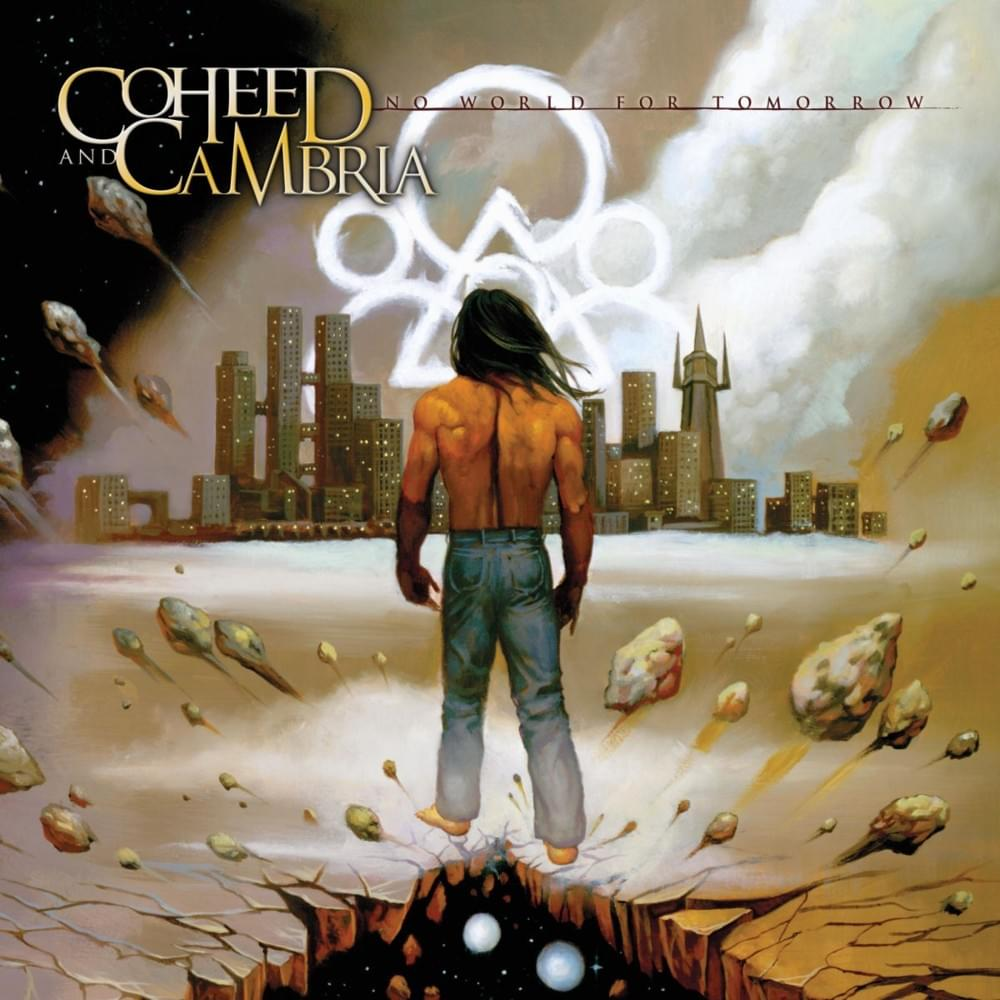
Coheed and Cambria – Good Apollo, I'm Burning Star IV, Volume Two: No World for Tomorrow
Columbia Records
Sequels are difficult to pull off, regardless of what medium you’re talking about, but landing a great follow-up to a perfect album is absolutely a rarity in the music industry. Sequels always seem to be plagued by personnel shake-ups, unsuccessful risks, and downright bad luck, but fortunately Coheed and Cambria were still able to make something special with the sequel to their third album, No World For Tomorrow. “Sequel to the third album” sounds like a weird way to say their fourth album, but in the sci-fi opera world of Coheed, believe me, it makes sense. Despite the name consistently being shortened, No World For Tomorrow thematically and musically serves as the second volume of the band’s Good Apollo, I’m Burning Star IV series, making for a connected pair of records.
No World For Tomorrow follows much of Coheed’s typical formula – the foreboding and melancholic intro track, the genre-hopping singles, the epic ending suite – yet feels like such a special beast even amongst their first four iconic albums. Taylor Hawkins of Foo Fighters filled in on drums after the original (and now current) Coheed drummer, Josh Eppard, was booted from the band, making for a unique lineup. The band really leaned into their 80s rock influences in tracks like “The Hound (of Blood and Rank)” and “The End Complete V: On The Brink” as well. Conceptually, No World For Tomorrow depicts the literal end of the world and, given the personnel changes and the band’s overall approach to the songs, that ethereal, foreign atmosphere continues to earn its place in Coheed’s discography.
– Ciara Rhiannon
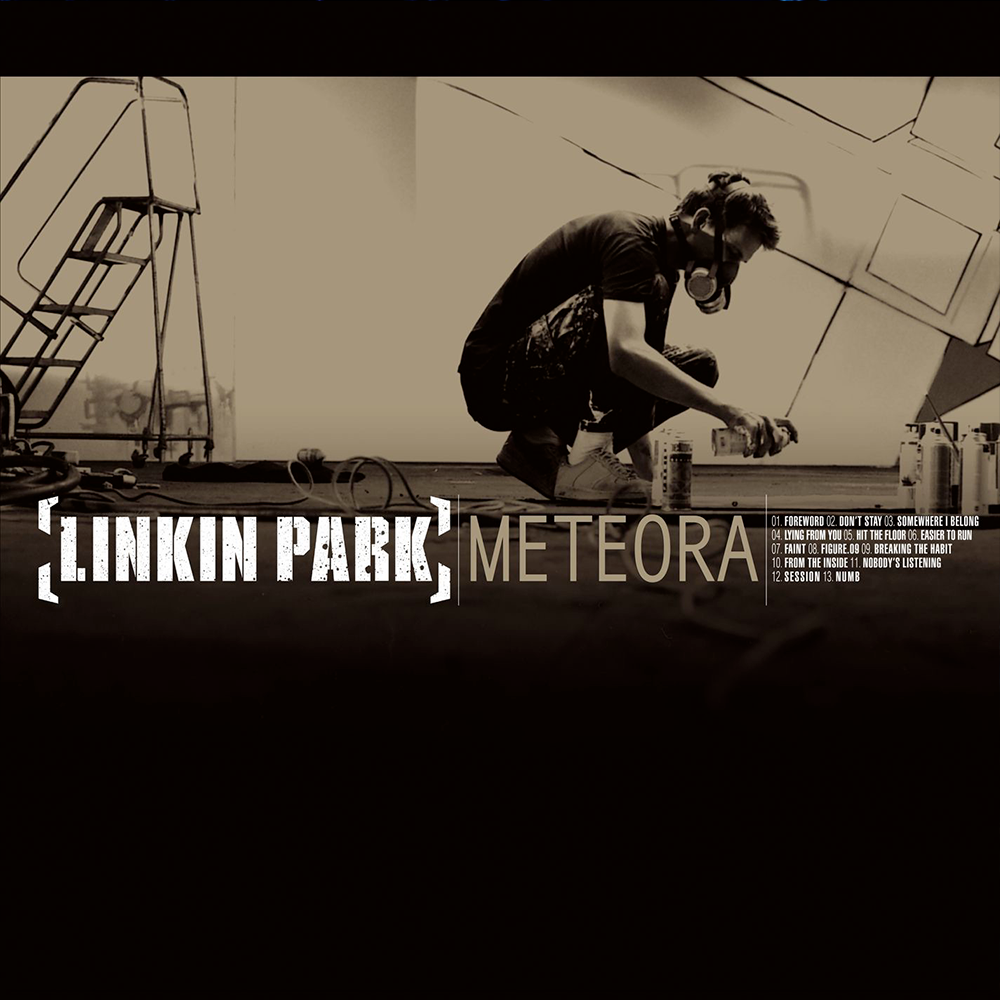
Linkin Park – Meteora
Warner Records Inc.
Linkin Park’s Meteora is the most #BionicleCore album ever. What is #BionicleCore? It’s anything I was listening to during my peak “playing with Bionicles years,” duh. This also includes bands like P.O.D., Hoobastank, and Incubus. Now that I've given you a frame of reference for what ten-year-old me was up to when Meteora came out, let’s dig in. This was a big album for me. I’m pretty sure this is the first time in my life I was ever waiting on bated breath for a new band’s second album. I had no idea what a “sophomore slump” was, and evidently neither did Linkin Park, because Meteora fucking whips. I mean, c’mon, “Faint,” “Somewhere I Belong,” “Breaking The Habit,” and “Numb” are on this thing. Most bands would kill to have four songs like that in their entire career, let alone a single record. I don’t play with Bionicles anymore, which admittedly sucks, and I still love this album, but I’ll never be able to love it the way that little boy did.
RIP Chester
– Connor Fitzpatrick
Talking Kind – It Did Bring Me Down

Lauren Records
Look, I’m gonna have to level with ya: I’ve written about It Did Bring Me Down before. The first (and so far only) solo album from Pat Graham was my favorite record of 2023, but I’ll take any excuse to extol its virtues, even if just for its brownish-yellow truck-adorned album cover. This LP came out at an absolutely pivotal time in my life, and my love affair with it started simply enough. One listen through, and a song like “Damn Shame” immediately leaps out with a melody so timeless that I often find myself humming it absentmindedly. There are fast, fun tracks like “Brand New Face” and the goofy automotive love song “My Truck,” which butt up against absolute gut-wrenchers like “Trader” and “Small.” Just masterful sequencing, incredibly funny and earnest songwriting, and the whole thing ends with a song-length ode to folk musician Greg Mendez.
I still listen to this album a few times a month; it’s guaranteed to put me in a good mood and take me back to that important point in my life when I made a massive leap for someone I love. To have that bottled up in 27 minutes of music is nothing short of a miracle, and if you give this album a chance, I hope you find even a fraction of the spark that it's given me.
– Taylor Grimes
Honorable Mentions
Hey, we can’t write about every album with this color, so here’s a list of some more that we feel like we should mention.
Autopsy - Shitfun
Godspeed You! Black Emperor - Lift Yr. Skinny Fists Like Antennas to Heaven
Nine Inch Nails - The Downward Spiral
Ethel Cain - Willoughby Tucker, I'll Always Love You
Primus - Brown Album
Shift - Spacesuit
Bruce Springsteen - Darkness On the Edge Of Town
Weedeater - God Luck And Good Speed
Downhaul - How to Begin
Pedro The Lion - Control
Soccer Mommy - Clean
Remember Sports - The Refrigerator
Joyce Manor - I Used To Go To This Bar
Wilco - Being There
Alex G - Trick
Sluice - Companion
Ween - 12 Golden Country Greats
Ethel Cain - Peacher’s Daughter
Van Morrison - Moondance
Oso Oso - The Yunahon Mixtape
Foo Fighters - Foo Fighters
Led Zeppelin - Zeppelin III
Crosby, Stills, Nash, and Young - Deja Vu