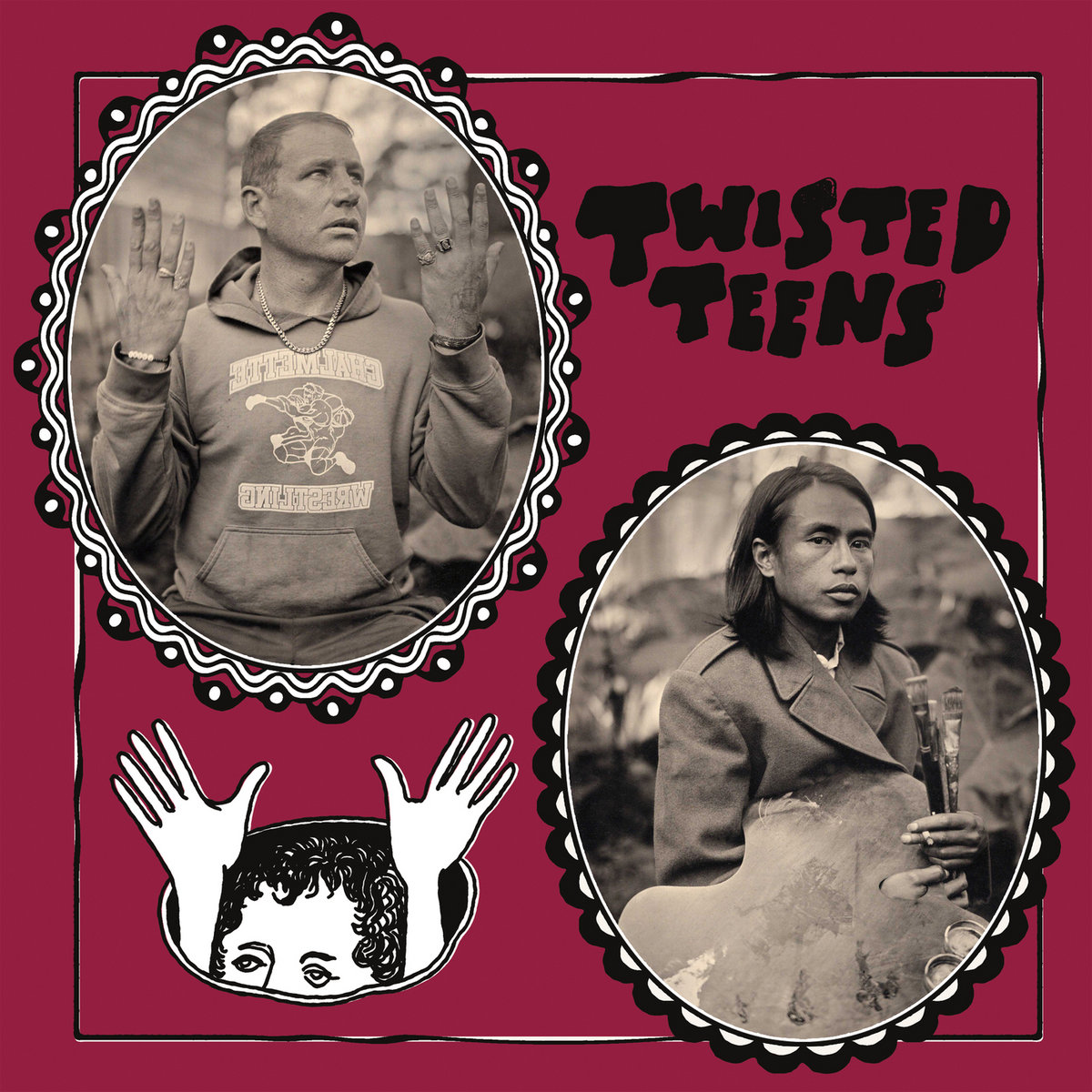
A Bunch of Emo Nerds Talk About “Emo Revival” by Andrew Sacher

CLASH Books

I never dog-ear books. I think people who fold a crease in a page to mark their progress are perverse. Maybe I’m just a nerd, but it feels like I’m defacing something that doesn’t belong to me. Don’t get me wrong, sometimes I’ll highlight stuff or make an underline depending on the book, but I never dog-ear. All that said, there’s a page in Andrew Sacher’s Emo Revival: Community, DIY, and Rebirth in Post-Hardcore and Emo (2008-2018) that struck me so directly that I put a fold into it almost without thinking.

On page 115, there’s a story from Joyce Manor’s Barry Johnson talking about how he wrote “Constant Headache,” and how effortlessly the words came to him. The passage is invigorating, inspiring, and illuminating – incredibly easy to get swept up in as the lyrics play out in the back of your head. One page later, when talking about the production on the band’s self-titled record, Johnson evokes both Weezer’s Blue Album and Pinkerton as barometers on two opposite ends of a spectrum. It felt like a stretch of words and band names that was so specifically my shit, I couldn’t help but fold the page in recognition – what a condensed batch of cool emo minutiae! 

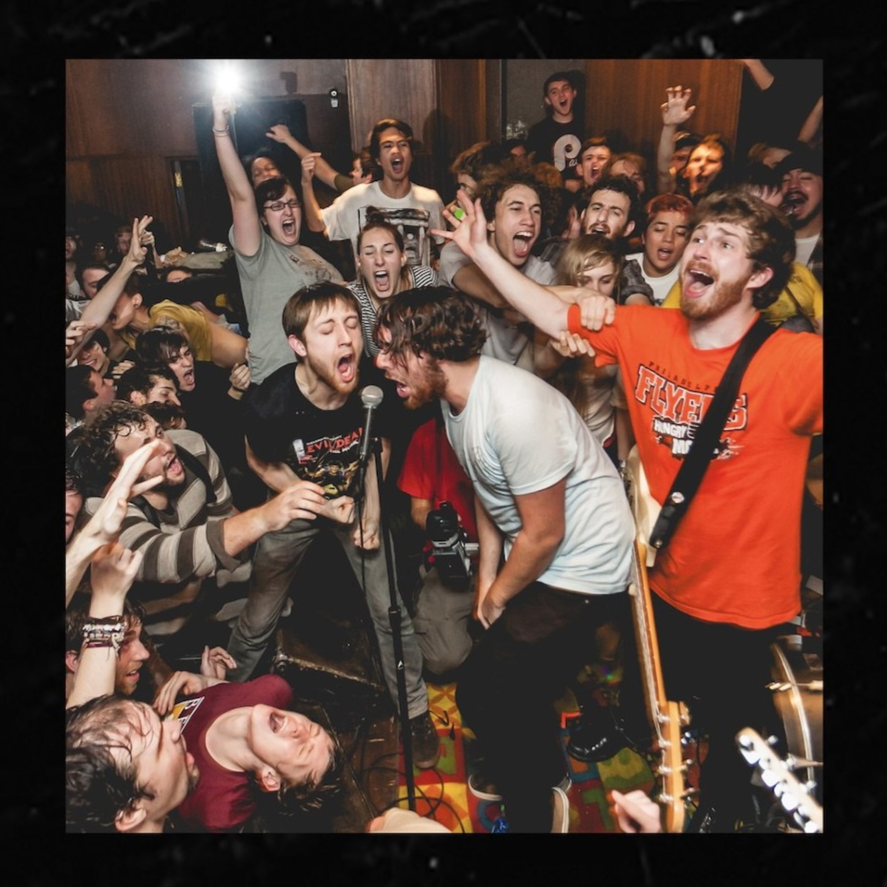
That’s how a lot of Emo Revival reads. It’s a thorough and specific recounting of the circumstances from 2008 to 2018 that led a crop of bands and labels to fortify a scene that became known as the Midwest Emo Revival. It’s a lot of names, locations, and nitty-gritty details about some of the most impactful bands and records of my high school and college years. For anyone else paying attention to music at this time, the book offers a blast from the past, but also a sort of zoomed-out contextualizing showing many artists working in parallel.

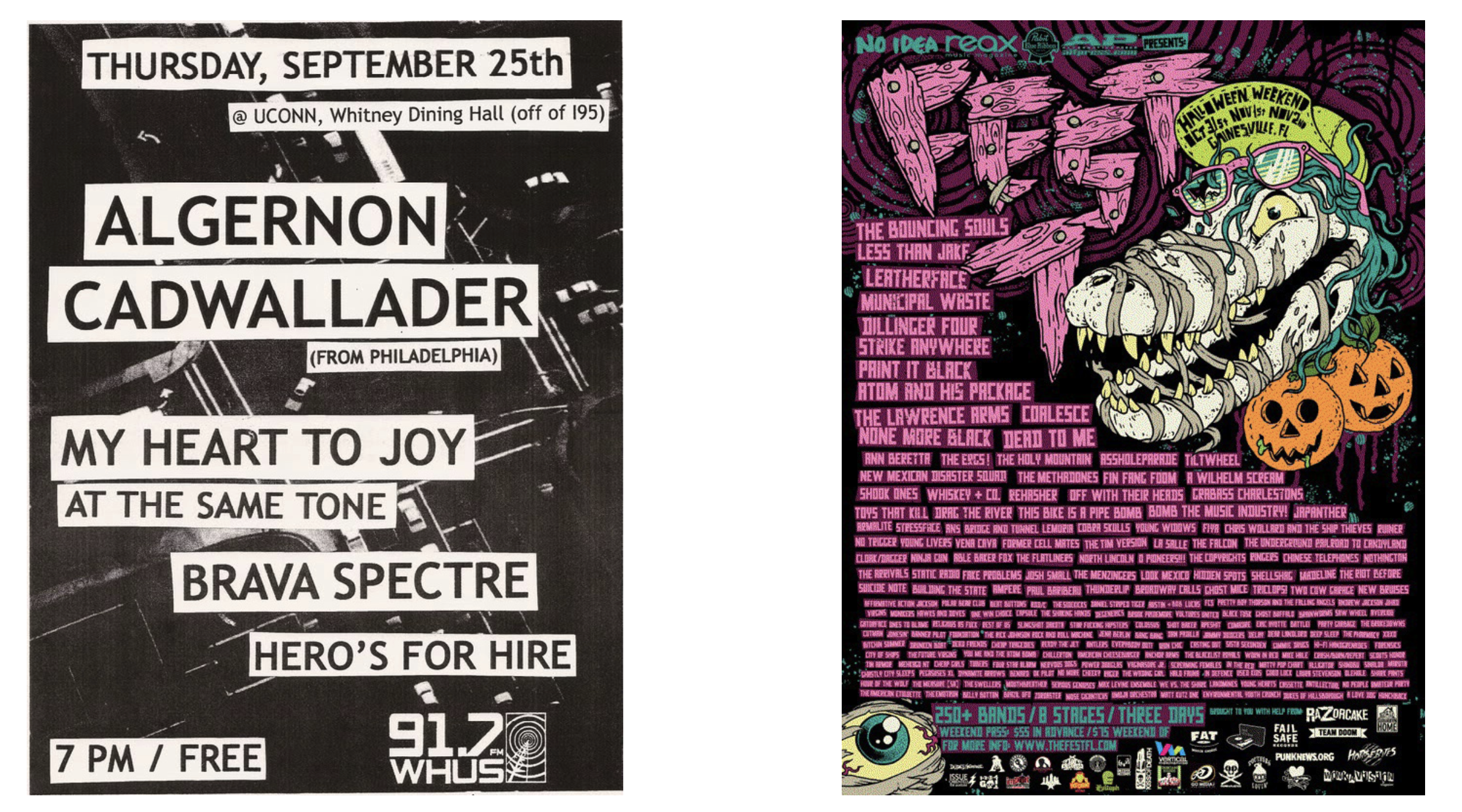
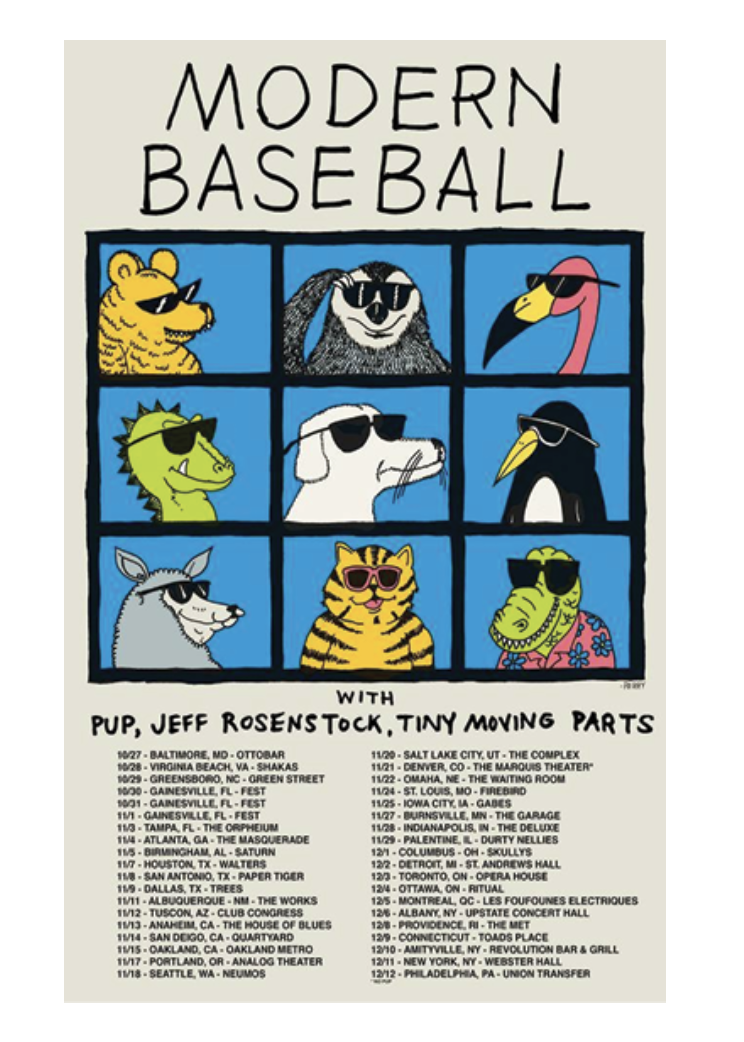
The book initially grounds this in Philadelphia and Jersey, where a crop of bands like Snowing and Algernon Cadwallader started playing shows, touring, and recording together, building fruitful creative partnerships that created a snowball effect as they connected with other like-minded bands. This paved the way for groups like Title Fight, Tigers Jaw, Balance and Composure, Modern Baseball, and Marietta. 

Elsewhere, parallel scenes started to pop up: Touché Amore, La Dispute and Pianos Become the Teeth. Connecticut. Chicago. California. Across the country (in a pre-Facebook, pre-Twitter, pre-Instagram world), a network established itself, allowing these bands to tour the country and eventually the world, playing barns, VFW halls, and sweaty basements to increasingly impassioned crowds. By the time labels like Run For Cover, Topshelf, and No Sleep started getting involved, things just amplified. 

Sacher uses loose and casual language to work everything along. Paragraphs are packed with the names of band members and long-closed DIY spots. Interview quotes from the artists and individuals involved in the scene offer first-person recounting that gives the reader never before heard perspectives. Sacher puts the pieces together nicely, laying out a chronology of tours, collaborations, and relationships that feels easy to get strung up in, especially if you were involved or listening to any of this music at the time. 

Reading the book feels like a 500-page domino effect where one band begets another, one tour spreads the gospel to another thousand people, and the whole thing grows into its own ecosystem. The book is a reminder of the seeds one individual can plant. The chance meetings, circumstances, and connections that can result in so many meaningful records, electrifying tour packages, and self-sustaining creative communities. 

When Andrew reached out with advances of the book earlier this year, it felt like a no-brainer for The Swim Team to have our second-ever book club. Last year, we all read The Dad Rock That Made Me a Woman by Niko Stratis and had a blast. Below you’ll find a smattering of our takeaways and thoughts on Andrew’s emo tome. 


You Blew It! By Not Being At a Title Fight Show in ‘08

The summer before my junior year of high school, I attended a You Blew It! house show. Not many emo revival era bands passed through El Paso during those years, and it was hardly an opportunity I was going to pass up. During YBI!’s set, Tanner Jones encouraged someone in the concerningly packed living room to crowd-surf all the way to the back to dunk a basketball in the hoop that was plastered to the wall. No one had the courage to do it. Later, the band sold merch out of their van, and I stood there with a vinyl copy of Keep Doing What You’re Doing in hand. The band’s bass player approached me and asked if I could hold his instrument while he plopped open the roadie case. At that time, it was the coolest thing that had ever happened to me. I had a minuscule hand in the emo revival– helping YBI!’s bass player put his bass away after a house show. 

Andrew Sacher’s Emo Revival appropriately captures all eras of emo in roughly 400 pages. What has traditionally been known only as nebulous “waves,” Sacher is somehow able to pin down into form-fitting eras. Along with this, the novel explores behind-the-scenes tensions between bands that fans would otherwise have no clue about. For instance, The Hotelier, TWIABP, and Foxing competing in an “arms race” to create not the most popular work, but “the most artistically forward thing.”

The novel contextualizes how impactful the Wilkes Barre/Scranton scene was in kicking this thing into motion. Specifically, it highlights the monumental role of Pennsylvania legends Title Fight in sparking the emo revival. Not only did they pioneer a sound that many bands chase to this day, but they crafted a scene that invoked community above all. On page 91, Alex Henery of Basement describes the “single most important video of this whole scene” as this one of Title Fight performing in a Sellersville barn. While I was not in Sellersville, PA, in ‘08, I was at a YBI! house show in 2014, and the two are nevertheless intertwined. 

– Brandon Cortez


Honestly? Let’s Have Another Emo Revival

My first, second, and third shows ever were The Front Bottoms (2015), Joyce Manor opening for Modern Baseball (2016), and awakebutstillinbed opening for Mom Jeans (2018). At the time, I was in college, loved American Football, and was dying to talk about these bands with anyone who would listen. Today, not much has really changed for me, except now Andrew Sacher’s book has clued me into the history of an extremely productive period in the genre. Reading this book made me feel like I was a fly on the wall in a green room, every page littered with name drops, unlikely connections, and shout-outs to bands I’ve never heard of before. A favorite moment was seeing the comparison of Turnover’s first album to Title Fight’s early work, validating an apparently not-all-that fringe opinion I’ve had since 2016.

Emo was Never Meant to be marketable or successful, but the success of the emo revival is that bands didn't do it for money or notoriety; they did it so they could have a band, so they could share music, so they could try to sound like their heroes. For many, this included Cap’n Jazz, Braid, The Get Up Kids, and dozens of others. As the world changed and social media grew, local communities of bands grew up together, traded tours, ideas, and audiences, collectively forming the Midwest Emo Revival. This book tells the story of the basements, the DIY attitudes, and the community that gave us Algernon Cadwallader, The Hotelier, Foxing, and so many more. 

That said, some of your favorites might be missing. Sacher, in this interview from The Fringe, points to one passage about Basement that wasn’t in the final version. A few of my favorite extremely Midwest emo bands—The Brave Little Abacus, Olde Pine, and Charmer—weren’t anywhere to be seen either. And that’s completely fine. The best part of this genre is discovering and rediscovering it. However we rehash the history a decade from now, I’m sure Emo Revival will remain firmly at its foundation.

– Braden Allmond


Hey Ken, Somebody Methodically Gave a History of Emo Revival

Andrew Sacher’s Emo Revival is a highly compelling description of post-2008 emo. Sacher’s interviews are informative, his knowledge of various scenes encyclopedic, and his love of the genre evident. More than anything else, Sacher’s writing makes you feel like you were part of the movement, as if you were a fan in a podunk little town in the Midwest that maybe only had one venue but suddenly saw this mass influx of bands constantly streaming in, with each one being even better than the last. This is a history book, but you feel like there is a protagonist, with each band slowly scraping out something a little bigger and becoming a symbol of the scene's overall growth. Sacher deserves praise for the exhaustive reproduction of promotional materials, the inside stories that can only come from the people involved, and a carefully constructed timeline that neatly places all of these bands into one (semi)coherent movement. 

However, at times, the book loses the forest to the trees. I (and I am an academic, and that shades my reading of the book) would have preferred a little more contextualization, discussion of the music itself, and interpretation. Any history of 2008 to 2018 should discuss the financial crash of 08, the rise of tech companies, Trump’s first presidency, and a host of other notable events. The book almost seems detached from any grander cultural narrative, not asking how these cultural changes are or are not reflected in emo cultures. For instance, while there is a short discussion of the #metoo movement and emo, it is so quick that it gets lost in the shuffle. A broader focus would likely have led to a deeper analysis of the genre.

Regardless, if you are a fan of emo revival, this is a must-read that I imagine will quickly become an authoritative history of the 4th-wave (whatever that is).

– Varun Chandrasekhar
We Owe blink-182 the World

In the year 2010, I attended two important shows that would alter the trajectory of my life. The first was seeing My Heart to Joy, then fresh off the release of Seasons In Verse at the 12th & G warehouse in Chino Hills, CA. Having played a Beauty Shop in Los Angeles the night before, the show was abysmally attended; in fact, I was the only person there besides the bands playing and some people running the venue. After I witnessed what was effectively a private MHtJ show, I spoke with the people running the space and found out about subsequent shows. I would spend some of the best nights of my life there. 

The second show that changed my life was when a new online friend invited me to their buddy’s house to see some touring bands: 1994! From Philadelphia and Big Kids from Oakland. Opening that show was the local darlings, Joyce Manor. I arrived at the spot, a condo in Laguna Woods, and watched each band play in a tiny-ass garage, with the people attending high-fiving and shouting along to every word. From there, I would see Joyce Manor every time they played SoCal for the next eight months. 

Andrew Sacher's Emo Revival touches on these bands and so many others, discusses places like these where I first fell in love with DIY punk rock, and does a masterful job connecting everything and everyone, weaving the strands of each individual scene into one unified movement. On a map, I was a blip, a barely perceivable dot going to shows in a singular experience. Sacher's crafting of the revival’s narrative turned my blip into an oozing swathe, a coloring of the map that covered not just all of California but the country and beyond. 

In the scene at large, I've always invoked the idea of “our shared history,” one that reaches back before I ever pressed play on any album and that continues to stretch forward down roads we can see, and plenty more we could never predict. Even now, there's some band who will enter the catalog of emo legends someday, playing a gig on tour to five people and wondering if it's even worth driving to their next stop. Thankfully, for all of us, they most likely will.

– Elias Amini


Any Book Where Minus The Bear Is Mentioned In the First 25 Pages Is Alright By Me

I think one of the coolest things about Emo Revival is that it offers a wide runway of context that practically any music fan can tap into. I would say my first brushes with the emo genre in its modern incarnation came through Run For Cover Records and their slate of bands in the early 2010s. When you’re a fan like that, starting from square one, it’s in your best interest to download samplers, follow Mediafire rabbit holes, and check out the whole tour package. Through that, I discovered a vast network of new bands to obsess over, and this book does a great job of explaining how the groundwork for that landscape came to be. It’s cool to hear the origins of a bunch of your favorite bands and albums, but it’s also just something that makes so much sense when you see it all placed in chronological order. It really highlights how much cool shit was happening at once, and watching it all compound and grow over the course of the book is a blast. 

This is my golden age of emo, and it’s an affirming reflection of my own experience becoming aware of the larger mechanism of “The Scene.” In an era where algorithmic recommendations threaten to flatten our experience of music and most bands are never more than a search away, it’s important to hold on to “old school” ways of doing things and consider what ways we can work outside the system as it currently exists. There has to be a better way, and Emo Revival offers a few reminders that doing things honestly and with difficulty oftentimes pays off in ways you can’t even imagine. 

– Taylor Grimes
Revival feels good in a book like this.

While I’ll always be a little bitter that I wasn’t born on the East Coast so I could avail myself of the burgeoning emo scene of the early aughts, reading Emo Revival offered me a taste of what my adolescence could have been like if I had. Though I wasn’t allowed access in my teenage years to the music I now cherish, Andrew Sacher paints such a vivid picture of this era of emo history that I feel like I got to experience a little bit of it after all. Sure, I never got to see Title Fight, but now I know what it was like to watch their rise and consequent explosion into the scene. And even though I’ve been a fan of Touché Amore for years, it was special to read new details about their history. Emo Revival weaves the vibrant, variegated threads of band lore, cornerstone venues, and milestone releases into a wonderfully cohesive tapestry. As a music history lover and devotee of the scene, I consider this book essential to any fan’s knowledge of alternative music and emo. 

– Britta Joseph


The Avengers, But Make It Emo

In Emo Revival, Andrew Sacher is answering the big question, “What if you could get that blockbuster, screen-pointing feeling of seeing your favorite character or origin story reveal, but about a relatively niche topic like the emo revival of the 2010s?”

This is a tome that rewards doing your research and knowing your shit, with some much-needed groundwork laid and preamble sprinkled in here and there. The layering and setup pays off mainly for the biggest of emo heads and those who know the who's who of small-town music scenes. I personally loved the moments of reading about some random, small ska band in rural PA, only to turn the page and exclaim, “Oh hey, that's The Menzingers!”

Even if you're someone like me who was listening to a lot more Coheed and blink-182 in the 2010s and discovered bands like Tigers Jaw later in life, Andrew does his due diligence to inform and expand on a topic that needs all the historical documentation it can get. If this topic is even remotely in your wheelhouse, I recommend grabbing a copy of Emo Revival and prepare to feel like an angsty teen again. Class is in session.

– Ciara Rhiannon


MILBAEM

Man I Love Books About Emo Music. 

– Caro Alt
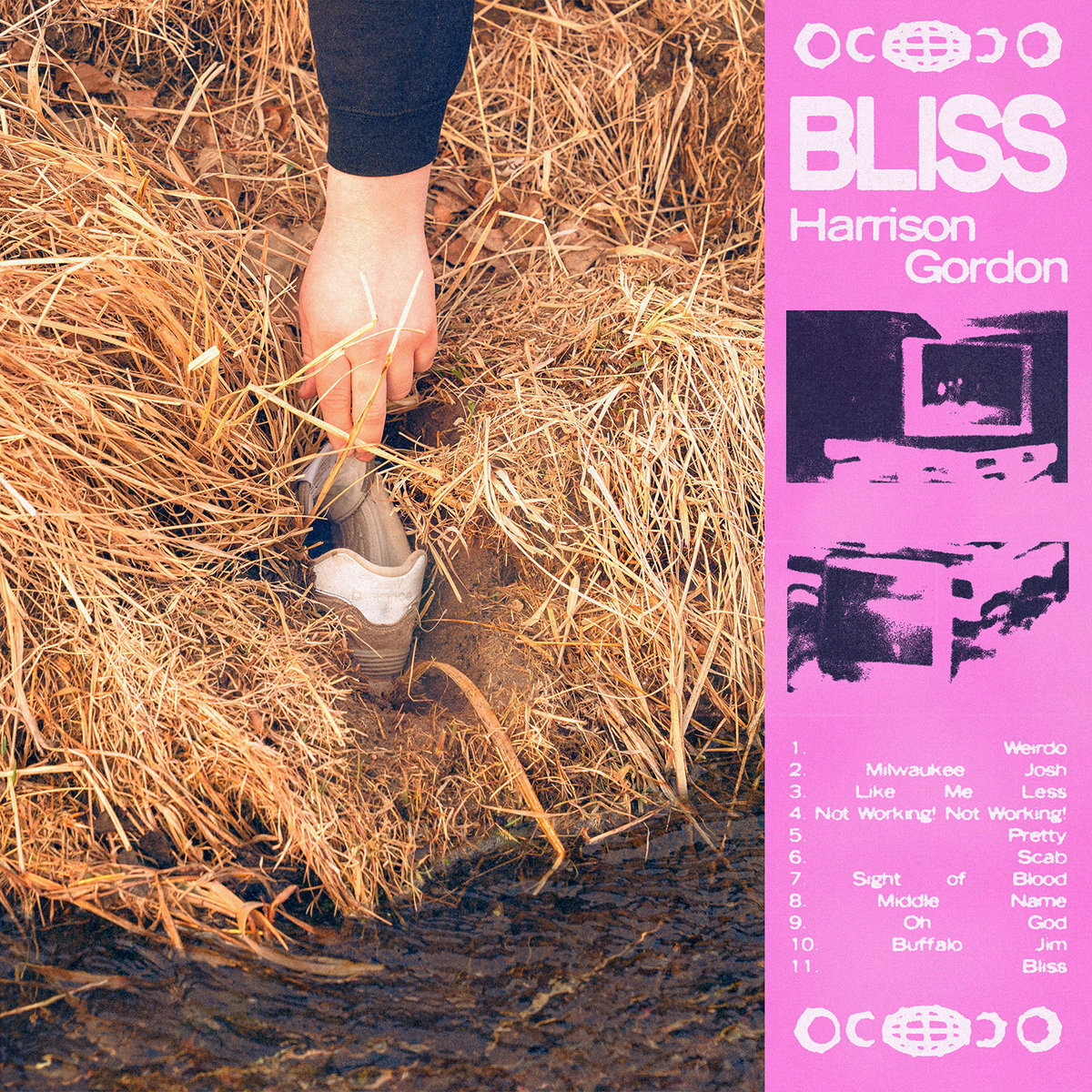
Harrison Gordon – BLISS | Album Review

Hopeless Records

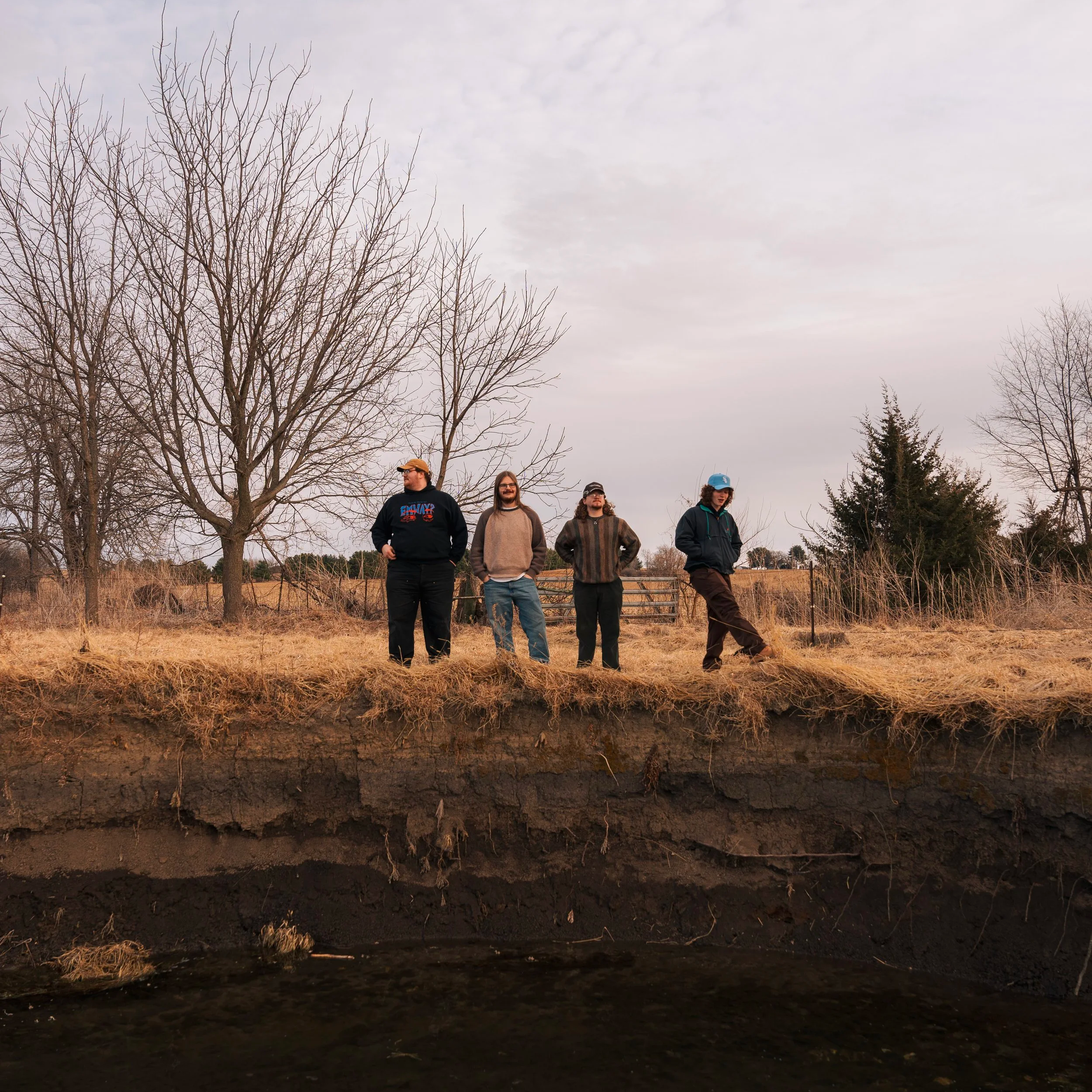
Harrison Gordon (the band) nearly died on a California highway en route to Santa Cruz. The control arm of their van had been steadily grinding away at one of their tires, suddenly bringing the Normal, Illinois natives within inches of death. Writing purely in hypotheticals– Harrison Gordon (the man) does not appear to be all that deterred by the idea of dying a tragic, grotesque death. After all, monotonous transit rides often elicit passing thoughts about our own mortality: the way in which we’ll die, when it’ll happen, who will care when we’re gone, etc. After a recent brush with death of my own, I have often caught myself wondering what others would attempt to say about me at my funeral. It’s something I have wracked my brain over for the past year or so, to no avail.

It’s difficult to imagine that anyone would stand before my casket and wax poetic about how affable I was or how much I’d be missed. A similar perspective seems to be held by Harrison Gordon (the man), given that a majority of his lyrical content is “punching himself in the face” relentlessly. It’s sort of the crux of Harrison Gordon’s debut LP, The Yuppies are Winning, in which heinous rent and healthcare prices, hating yourself, and selling your childhood Wii for $30 are the overriding themes. Frankly, these are the band’s overriding themes, who, in classic Midwest emo fashion, built their wealth via DIY-nomics, with a little assistance from viral TikToks as well. Those self-loathing, politically charged lyrics are littered all throughout Yuppies. By the penultimate track, even Gordon himself has run out of ways to address the situation, resigning, “I want to stop talking about how much I hate myself, but I don't have anything else to say.” 

After a string of self-released music, Harrison Gordon (the band) has found themselves as newcomers to Hopeless Records, delivering their sophomore album, BLISS. Mastered by Grammy Award-winning producer and scene legend Will Yip, the 11-track, 30-ish minute LP finds the band more abrasive in tone, both musically and in terms of their self-deprecating lyrics. Album single, “Like Me Less,” holds the flag for this as, four seconds in, Gordon admits, “I think I went up another waist size / Convinced you like me now a little less” before a barrage of cymbals and down-tuned strings. The music video for this track, co-directed by Hot Mulligan’s Tades Sanville, depicts Gordon hesitantly signing away his rights in order to receive botched-ass plastic surgery in hopes of improving his already distorted self-image. Undeniably a heavy-handed metaphor for Gordon’s desperate lack of self-confidence, but a funny and twisted video for a song track that will have sweaty basements piling on top of each other as they grab for the mic.

Characterized by severe reclusion and distress, BLISS wears its theatrics on its sleeve. Opening track, “Weirdo,” sees Gordon justifying his lack of reaching out: “No one thinks the way that you do / No one else has thoughts so sad / And it makes you a fucking weirdo / To talk about yourself like that.” Harrison Gordon is no stranger to commenting on twisted social norms, especially the lack of a shoulder to cry on when attempting to confess your insecurities. It’s a harrowing truth that is hard to swallow; no one really cares about what you’re going through because everyone else is a little worse off. Additional suck-it-ups can be found on “Not Working! Not Working!” where Gordon’s disdain for the feckless, middle manager office drone shines through.

Production-wise, BLISS evolves the gritty, raw imperfection found throughout the rest of the band's catalog. The downtuned, chunky bass hits listeners like a pit in your stomach after being delivered bad news. Such gut punches can be heard on “Pretty,” which sees the band leaning heavily into their influences. Hefty traces of PUP, Prince Daddy & The Hyena, and Jeff Rosenstock are chewed on from start to finish of the LP. 

Photo by Chris Malchow 

Gordon has a knack for ungrandiose and relatable lyrics that hit just as hard as any traditionally ornate poet. Take, for instance, “Discard the garbage that you didn’t want / Pick at your old friends like scabs / Don’t have to treat me like royalty / But you don’t have to treat me like that” from the aptly titled “Scab,” which details the messy aftermath of a fractured friendship. A couple of songs later, the blisteringly fast “Middle Name” flies by listeners before they have the opportunity to digest: “I’ve known you way too long / To ask you ‘bout your middle name or how / You always notice when I cry / Even if I haven’t cried in days.” Gordon pens lyrics like street photography: mundane but immensely meaningful when pondered. 

If, in the five stages of grief, Yuppies served to represent depression, then BLISS surely depicts acceptance. Harrison Gordon’s first LP is littered with self-deprecating lyrics, fast guitars, and college regrets. Now, three years later, BLISS has all the same features; just drop-tuned some, crafted a bit more tightly, and with a narrator even more aware of his ineptitudes. The sophomore release also features Harrison Gordon as a full-band effort, whereas the first was essentially crafted as a solo venture, with Gordon tracking everything on his own. 

It’s on the crowd-surf-ready closing title track, “Bliss,” where Gordon delivers the following lines like repeated jabs to the face: 

I’ve learned happiness is something
You just have to strive for
Seems like such a chore
Bliss is good as I can get
Shallow as paper cuts
And hollowed out like bedsores
I want something more
But I don’t wanna chase it
  

As seen above, Harrison Gordon’s honest-to-the-point-of-hurting perspective truly is what separates this band from their scene counterparts. This group consistently finds ways to inject their own style into rote emo conventions, creating a refreshing take on the genre’s sound. As Harrison Gordon put it himself: “Not slow enough for shoegaze. Not mathy enough for Midwest emo. Not fast enough for hardcore. Not catchy enough for pop-punk. And not smart enough for indie rock. Just 100% Gordon.” BLISS is the band absolutely crushing the infamous second-LP glass ceiling; they didn't simply copy and paste the formula that found them success with Yuppies; they clearly mulled over these 11 new tracks and delivered album-of-the-year-esque material. 

Maintaining a perpetual state of bliss sincerely eases the blow of the proximity of death. This is likely why Gordon so irreverently admitted that the band very nearly met their demise on the road. BLISS, as described by Harrison Gordon, is largely about the uncomplicated gratification of “pissing your life away” and the trepidation that comes with actually trying to get your shit together in a world that is consistently working against you. Gordon builds off of this sentiment: “I took stock of my life and realized it was passing me by.” The world as it stands is intended to beat the shit out of us until we’re too tired, anxious, and complacent to do anything about it. What BLISS appropriately conveys is that we’re not alone in destructively masking our modern anxieties. The question then becomes: what are you going to do about it?


Brandon Cortez is a coffee, football, and music nerd from Texas. He’s on Twitter @numetalrev.

Cover Collector – August Browns

Design by Ryan Morrissey

I don’t know about you guys, but I love a good album art collage. One of the first things I do every Friday is head over to tapmusic.net and render a 4x4 chart of the albums I listened to most over the past week. At the end of each month, I do the same thing with a 5x5 that recaps my previous 30 days of listening. By the time December rolls around, I look forward to recapping the last twelve months with a gigantic 10x10 grid in an unwieldy encapsulation of the 100 albums that defined my year. 

Is it a little self-aggrandizing? Sure, but it’s also a fun way to see a quick snapshot of what my last week, month, or year has sounded like. At its best, this practice has led to fun conversations and solid recommendations going back and forth with friends as we bond over specific albums. Sometimes it’s that shared love over a deep pull from years gone by, other times it’s just noticing trends with a recent fave that seems like an unshakable presence week in and week out. At the very least, I suppose it’s satisfying to see a bunch of records that I feel an affinity toward lined up and embodying a specific stretch of my life. 

At some point near the tail end of last year, I conceived of a more communal way to bring this love of album collage to life. Because, sure, getting a live readout of your listening history is cool, but this is also about album art, an essential part of the experience and something us music nerds can fixate on just as much as the songs that sit beneath the cover. As such, I’m excited to welcome you to the seventh edition of Cover Collector: a monthly installation where the Swim Team discusses some of our favorite albums based on album color. For August, we’re writing about beautiful browns.


Ministry – ΚΕΦΑΛΗΞΘ

Sire Records

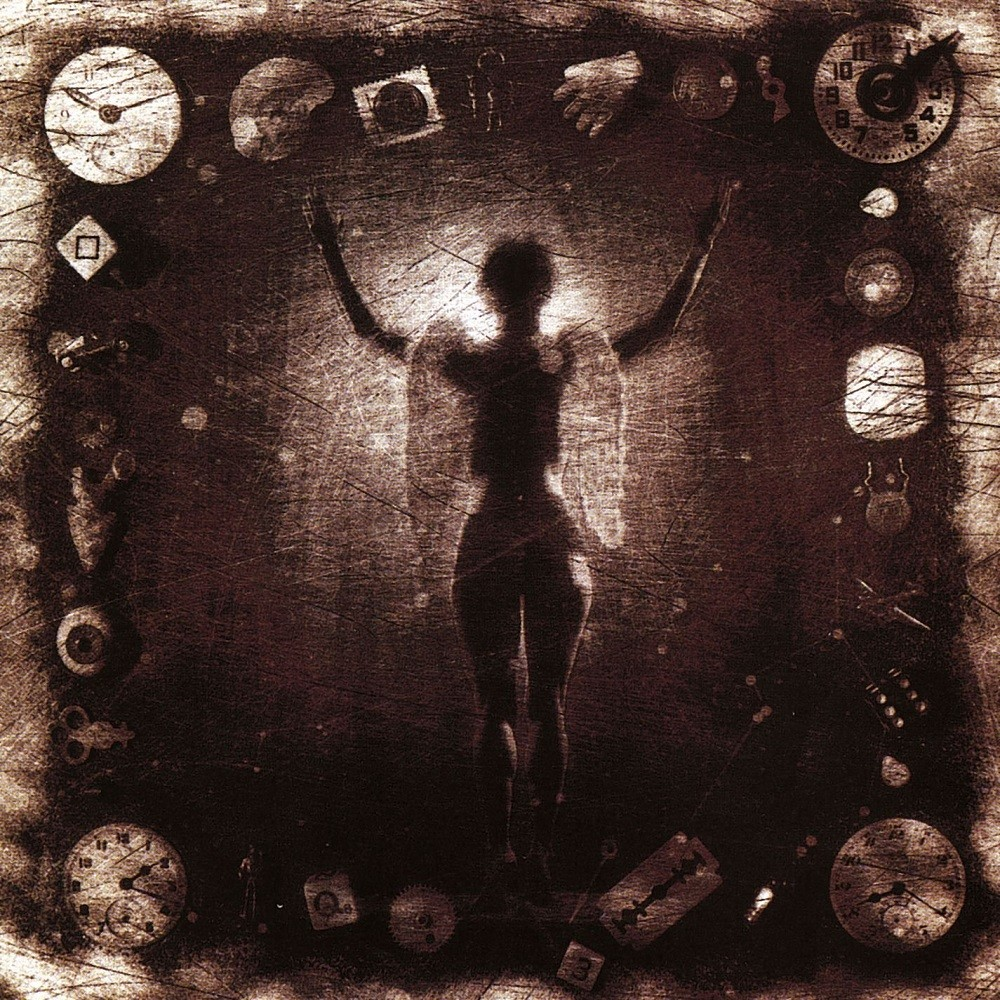
Ministry’s fifth studio album, alternatively titled Psalm 69 so you don’t have to decode or pronounce the original Crowleyan scribe, is the last in the band’s foundational trilogy of industrial metalworks and miraculously granted them mainstream success. Following 1988’s The Land Of Rape And Honey and 1989’s The Mind Is A Terrible Thing To Taste (aka the heaviest album of all time), Al Jourgensen continued to push the envelope for rock and electronic music with this 1992 release that spawned timeless genre anthems like “N.W.O.” and “Just One Fix.” The record landed just four days before the band spent the rest of the Summer on the second-ever Lollapalooza tour, where they utterly crumbled stages across America, highlighting many of the unrelenting and aurally taxing compositions they had just unleashed upon the public. Its crown jewel, “Jesus Built My Hotrod,” has always been my favorite Ministry song, from the intro featuring Gibby Haynes of Butthole Surfers to the real-hotrod-speed thrashing throughout. Ministry’s return for 1996’s Filth Pig was long-awaited after the mania of Psalm 69, and while I love it for its specific harshness, it was a clear departure point from the classic records that preceded it. Psalm 69 is necessary listening from the nineties, a time when even the most extreme music on the planet could end up on a major label.

— Logan Archer Mounts


Hel Toro – Gimmick

Self-released

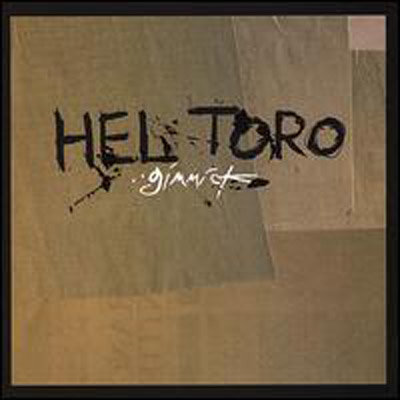
If you’re surprised I’m not writing about Pile, don’t worry, I sort of still am. Hel Toro is Rick Maguire’s early-aughts project, released just before Pile. It’s noisy rock and roll, lyrically cutting, with pentatonic glimmers throughout that hint at the distinct style already present in Rick’s writing. Released in 2007, Gimmick is the band’s second album, coming four years after their debut, Tabula Rasa. Ragey and brash, I consider Gimmick the perfect soundtrack to watch the zenith of late summer slowly wilt and sag towards the ochre-tinged earth. The opening track “Holes Up” grabs the listener by the collar and yanks them in, screaming lyrics straight to their face: “I don’t wanna watch you draw it out, cause I’m not that good of an artist!” Brown paper album artwork and a splatter of scribbled handwriting across the front perfectly relay the grimily textural undercurrents of this sophomore release. 

– Britta Joseph


billy woods – Aethiopes

Backwoodz Studioz

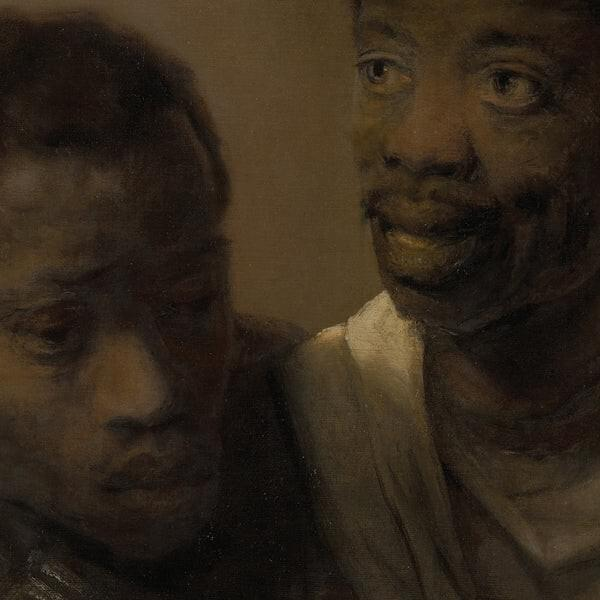
Since its April 2022 release, billy woods’ Aethiopes has been a cold comfort to my summers, especially my Augusts. I can’t pinpoint why, exactly. Maybe the timbral palette of Preservation’s beats provides the right soundtrack to the month’s sense memories: the brassy, aberrant synths of “No Hard Feelings” pierce the ear like a noon sun hits the eye, the pinging rides and dusty acoustic strings of “The Doldrums” sizzle like heat haze above pavement. Or maybe the seamless, live-mix style transitions throughout the LP mimic how days blend together in the thick fog of a late-summer malaise. 

But in revisiting the record this August for Cover Collector, another possibility stands out as I run back woods’ verse on “Christine,” in particular. Here, the producer’s sparse, eerie production also lends fitting support to the MC’s lyrical vignettes, which connect a series of haunted narratives around and in cars as weird, liminal spaces. What I find to be a more fitting image than the 1957 Plymouth Fury nodded to in the track title, though, emerges with the vocal reuse of The Wailers’ “Mr. Brown.” In the source track, a Lee Perry plate that was passed over as the instrumental for “Duppy Conqueror,” Bob Marley recounts a folktale where a ghost driving a three-wheeled coffin rides around Jamaica in search of a ‘Mr. Brown,’ unnerving folks from Mandeville to Sligoville. woods repeats the borrowed line thrice, like an incantation: but is this a curse or protection charm? I can hear it both ways, and that emotional ambivalence reads like an echo of the close-cropped Rembrandt painting that serves as the album cover.

– J. P. Cupps


Bill Callahan – What a Night!

Self-Released

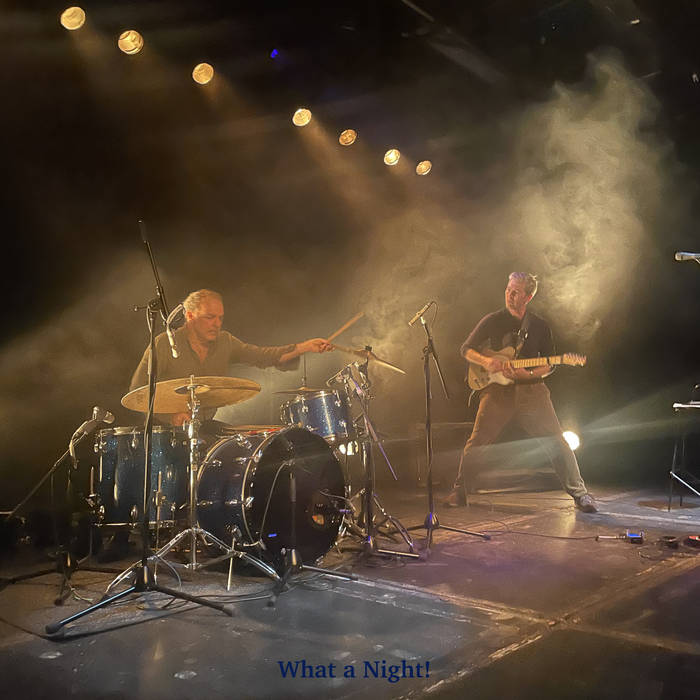
Outside of Yo La Tengo, Bill Callahan might be the ideal model for a career in indie rock. The dude has been making music for almost four decades, documenting phases of his life through his plainspoken baritone voice and poetic lyrics, first as Smog and then under his own name. What a Night! is a 90-minute live album that sees an artist at the peak of his powers. The lineup features just Callahan on guitar and vocals, with his compatriot Jim White on drums. Together, these two craft entire worlds, whether it’s the 11-minute odyssey of “Riding for the Feeling,” the swaggering, chunky groove of “Cowboy,” or the rendition of “Coyotes” that spills out to nine minutes. It’s like witchcraft the way these two are able to conjure massive swells of emotion from such simple ingredients. It’s modest and cosmic, but just feels like a staggering achievement to take in. The setlist is a no-miss greatest hits that shows exactly why Callahan has been able to cultivate such a long and illustrious career. He’s a craftsman, and this record is like a finely furnished piece of upholstery – an oak armchair you can sink into that doesn’t creak or shift an iota. A sturdy entity that justifies its own existence in the most self-evident way. 

– Taylor Grimes


Oso Oso – basking in the glow

Triple Crown Records

As per a Billboard interview with Oso Oso’s founder and frontman, Jade Lilitri, the thesis of basking in the glow is, “taking in the good things, just accepting what comes with life.” Operating in an unabashed laissez-faire manner has always been the Long Island unit’s cut– all while effortlessly creating the kind of music that many bands spend their entire careers chasing. basking in the glow, released two years after the acclaimed sophomore LP, the yunahon mixtape, had immense shoes to fill. Lilitri, obviously undeterred by this, managed to level up with his 2019 release, which was also the project’s first on legendary label Triple Crown Records. 

At a time when emo as a genre had entered a definitive lull, basking in the glow proved that some bands in this scene were not condemned to the lightning-in-a-bottle effect of their first or second LP releases. While Oso Oso’s music toes the line between emo, pop-punk, and indie, it blends seamlessly to create infectious hooks where every song could legitimately be a single. basking in the glow is undoubtedly a love record at its core, with what could be interpreted as religious undertones woven throughout. This is probably most evident on “a morning song,” where Lilitri flippantly admits, “living on my knees, praying blessings crashed into me.” 

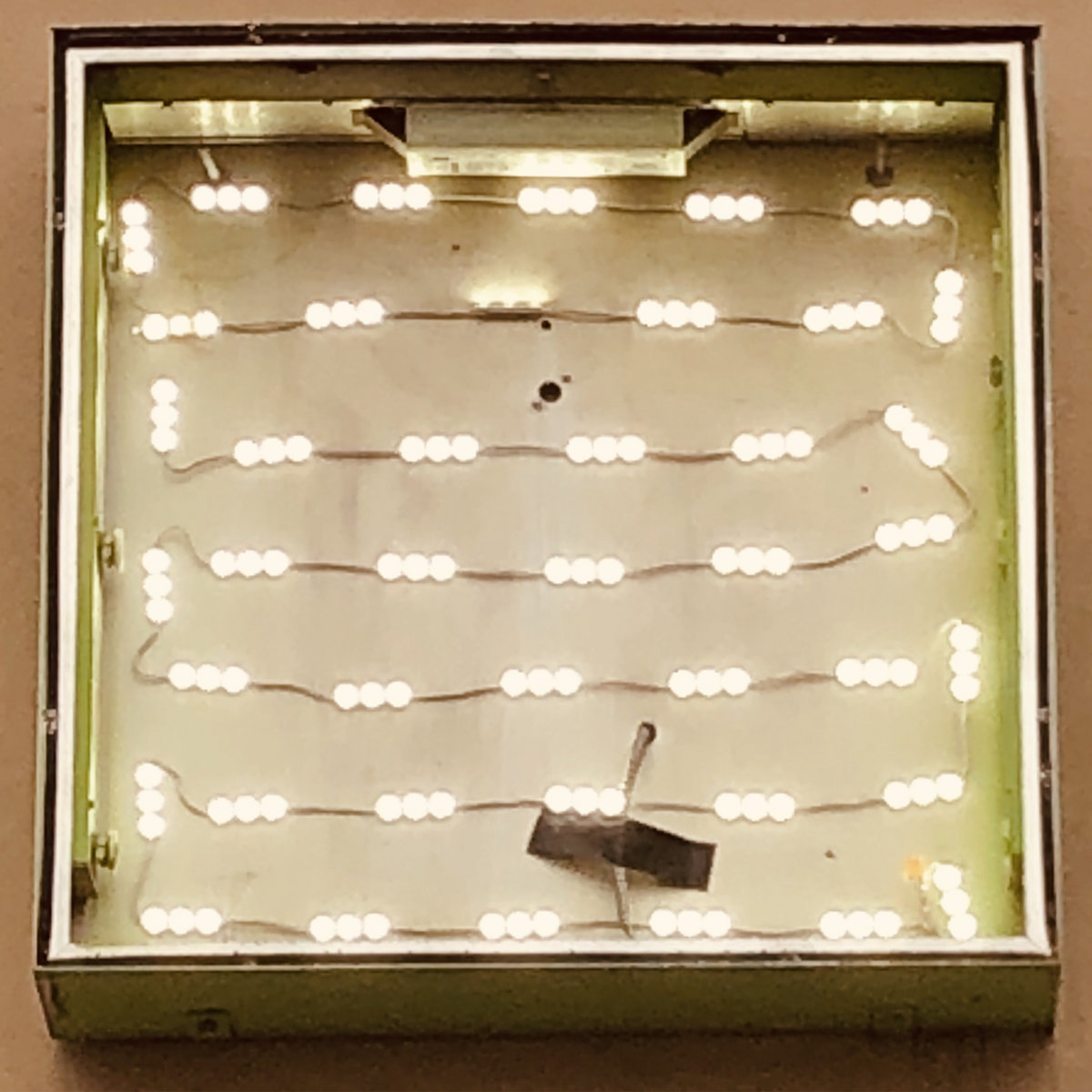
Whether it’s basking in the glow of faith, a thriving relationship, or the incandescent bulbs of a busted H&R Block marquee, Oso Oso confirms there is meaning to be found in whatever life throws at you.

– Brandon Cortez


Dikembe – Chicago Bowls 

Death Protector Collective

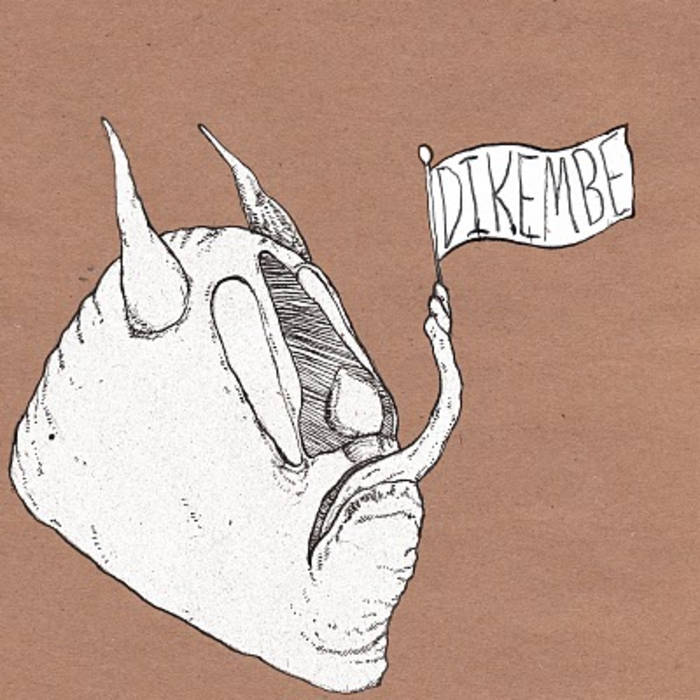
If you don’t already know, Chicago Bowls is an emo-DIY classic. In 2011, Dikembe made their debut with a digital-only EP, featuring song titles spoofing player names from the ‘95-’96 Chicago Bulls, one of the strongest NBA Finals teams in the history of the league. The track names are “Scottie Spliffen,” “Luc Bongley,” “Michael Jordank,” and “Tony Kukush.” Making your song titles portmanteaus of weed and sports celebrities is a strong choice, but one perfectly suited for such a strong EP. It opens and closes with a conversation from the coming-of-age sitcom Freaks and Geeks in which Jason Segel’s character is showing off his ornate drum set to the show’s main character, Lindsay Weir. He ends by imploring her to “find her [own] big, gigantic drum kit.” I’m writing this about a decade and a half removed from the EP’s release, and I feel like the world is much more complicated now. The fact that two primary components of the album look backward suggests Dikembe knows that feeling too.

About a year after the EP, the band released their first full-length album, Broad Shoulders. To give you an idea of what they were up against in 2012, here are a few other albums that came out that year: Floral Green by Title Fight, Sports by Modern Baseball, American Radass by Dads, Colourmeinkindness by Basement, Just Married by Glocca Morra, Colors by Sports, and Grow Up, Dude by You Blew It! In a year of heavy hitters, Dikembe not only holds their own but stands out as a band that was ahead of the curve, putting together an all-star lineup of tracks that epitomize the genre in under ten minutes.

– Braden Allmond

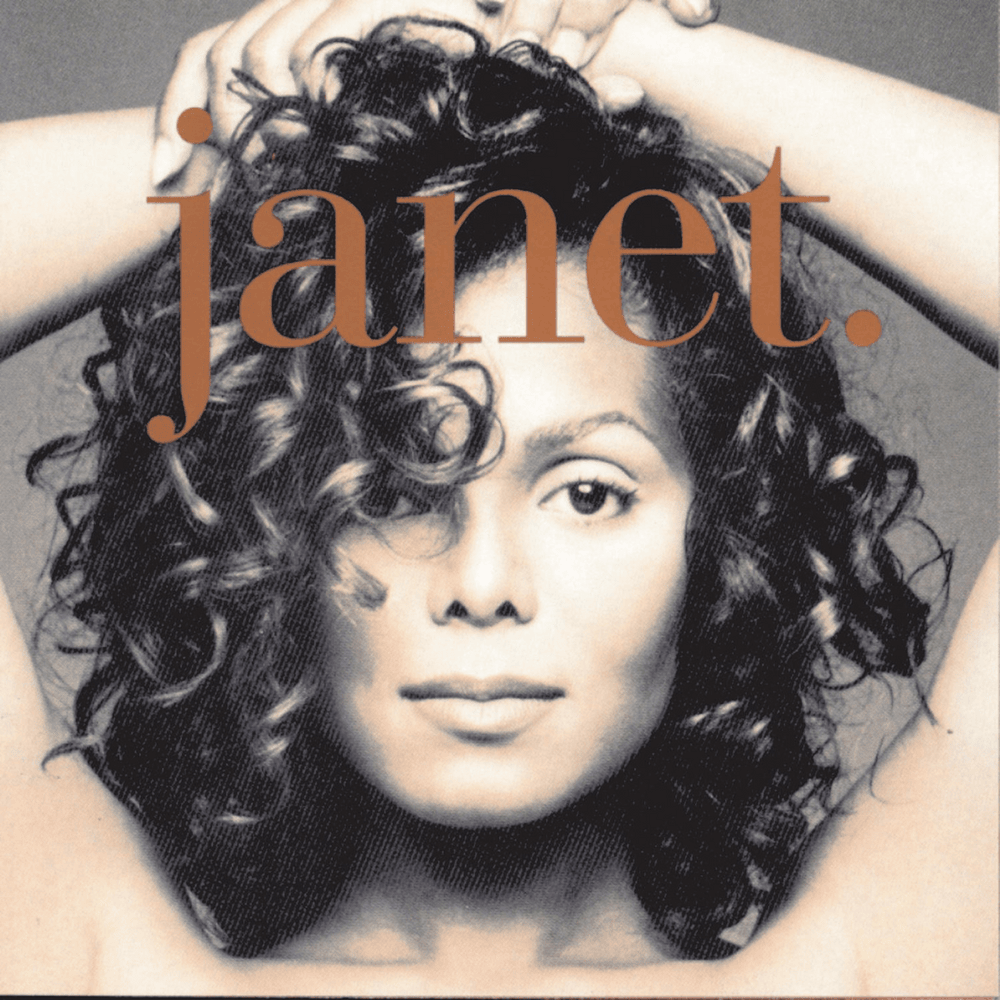
Janet Jackson – janet.

Virgin Records

In 1993, there was a case to be made that Janet Jackson would be the most talented Jackson from then on. This wouldn’t even have been a hot take at the time. Janet’s big brother Michael was entering a turbulent point in his career. The King of Pop was being dethroned as his personal life was brought under a fiery, scorching-hot microscope, combined with the public perception that his 1991 album Dangerous didn’t live up to the standard of his previous work. (Let me go on record that I personally love Dangerous – the New Jack Swing first half of that record still hits like Mike Tyson in his prime.) But you have to give credit where credit is due; little sis Janet proved to the entire world she’s a bona fide star, and the music she made on janet. is the exact reason why. If you said Janet is the most talented Jackson, you wouldn’t even have sounded like an ESPN talking head blowhard just saying things for clickbait. 

The early nineties were the time when Janet leaped out of the ginormous shadow left by her big brother. The music on janet. is a career-defining blend of neo-soul mixed with a touch of new jack swing, and just the right amount of house music. This was groundbreaking, superbly done, and incredibly horny. From the provocative album cover, steamy lyrics, and sensual music videos, Janet was taking the reins of her sexuality and entering adulthood. Looking past the horniness of it all, the album had mega hits: “That’s the Way Love Goes” was a chart-topping banger; “Any Time, Any Place” was an instant classic that hip-hop artists have sampled out the wazoo; “Because of Love” will have your body doing moves you didn’t even know you were capable of. This record not only set her apart from her own blood, but established Janet as the mood board for future generations of R&B artists. 

– David Williams


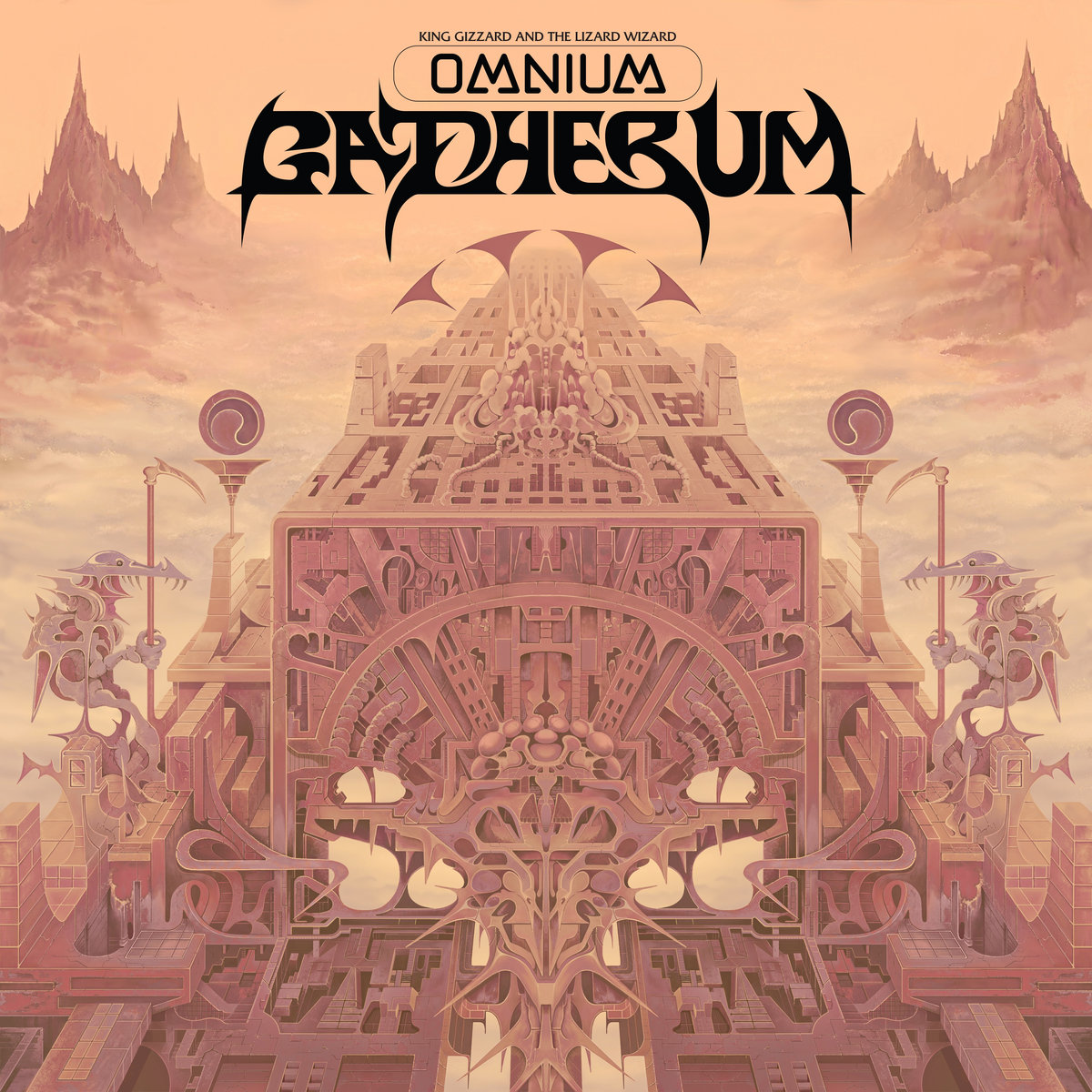
King Gizzard & the Lizard Wizard – Omnium Gatherum

KGLW

Omnium Gatherum is an odd bird. It's the kind of album that opens with a 20-minute sprawling environmentalist jam session before moving into… synth-pop? hip-hop? thrash metal? krautrock? bossa nova? Yeah, it's a lot to fit into one album, which is part of why this ends up being Gizz's longest album to date. Not designed as a cohesive album, it’s meant to be heard as a collection of ideas that didn't fit anywhere else. Omnium Gatherum challenges and excites by constantly taking turns that feel exciting and novel without ever slipping into being disorienting or off-putting. 

As is common for King Gizzard, the lyrics are about environmentalism, though there are some detours into less dour fare, such as in the Beastie Boys-inspired “Sadie Sorceress,” where multi-instrumentalist and singer Ambrose Kenny-Smith dons his alter ego, The Shrimpomaniac, and raps about an elderly witch. Or the easy-going “Persistence,” where frontman Stu Mackenzie uses the language of cars and motorsports to coyly talk about sex. Of course, it wouldn't be a true King Gizzard & the Lizard Wizard record without at least one song about some horror with a thirst for blood, and we get that in “Predator X,” a thrash metal ripper that pays homage to Meshuggah as we see the band fully leaning into palm-muted chugging guitars in complex time signatures.

Ultimately, Omnium Gatherum comes across as a sampler platter that any newcomer to Gizz's work can approach, giving them a smorgasbord of options as they decide what flavor of Gizz they want more of. The fact that it’s also the source of many of the band’s most popular tracks is just proof of the power of Gizz.

– Noëlle Midnight


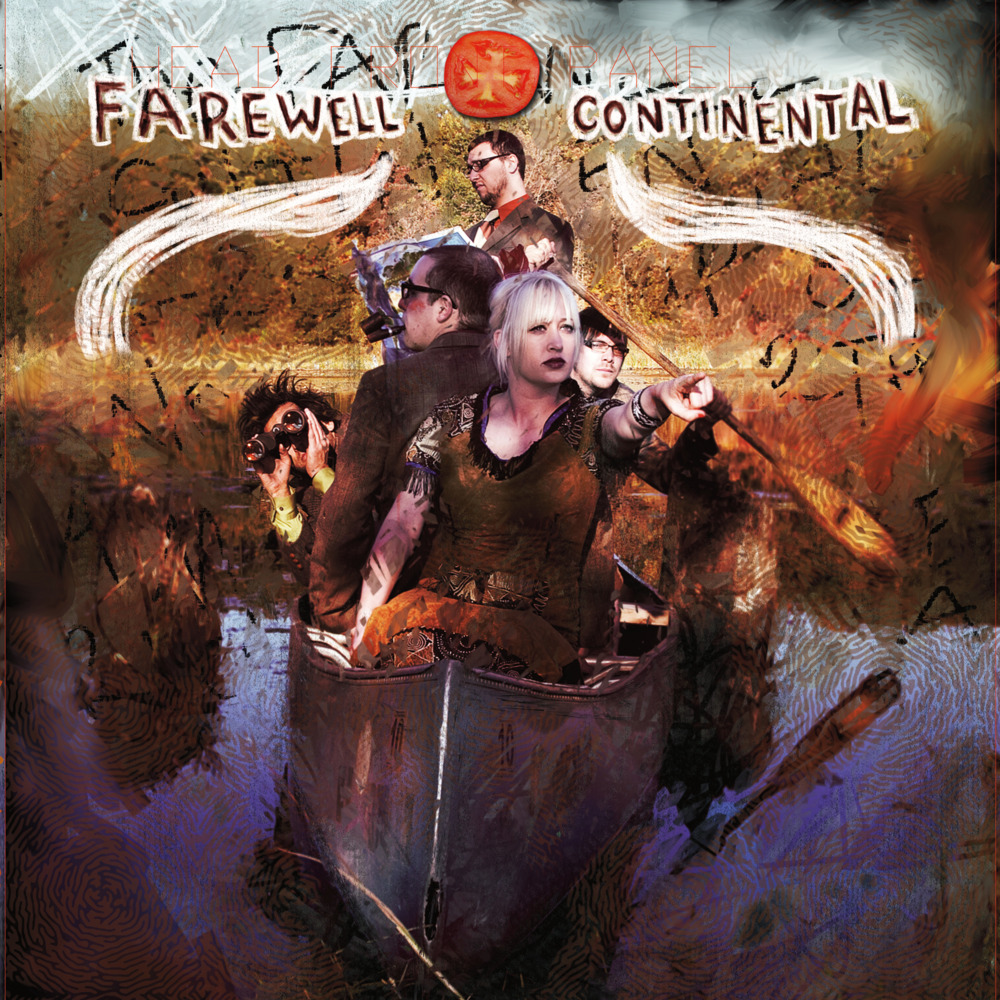
Farewell Continental – ¡Hey, Hey Pioneers!

Paper + Plastick

There’s nothing quite like the surprise and elation when you find out one of your favorite bands has a side project you knew nothing about. Whether you’re a fan of alternative side projects such as The Postal Service (Ben Gibbard of Death Cab for Cutie), The Prize Fighter Inferno (Claudio Sanchez of Coheed and Cambria), or City and Colour (Dallas Green of Alexisonfire), learning about your favorite artists’ expanded universes always felt like a reward in the fledgling days of the internet. My love for Motion City Soundtrack is deep and well-documented at this point, but I spend significantly less time singing the praises of singer Justin Courtney Pierre’s short-lived second band, Farewell Continental.

JCP put together ¡Hey, Hey Pioneers! in between the release of Motion City Soundtrack’s fourth and fifth albums, and his desire to create something different really shines across this oddball one-off. Back-to-back tracks “The Greatest of All Time (How You Feelin’ Now?)” and “Dagger, Dagger: Terror, Terror” are my go-to pulls from this album and succinctly showcase everything I love about the unfortunately standalone LP. You still get JCP’s unmistakable vocals and inherent knack for pop rock, but the addition of Kari Gray’s vocals, grittier textures, and experimental melodies creates this seductively unique quality that I love to revisit every now and again, particularly as we shift into the “-ber months.” 

– Ciara Rhiannon


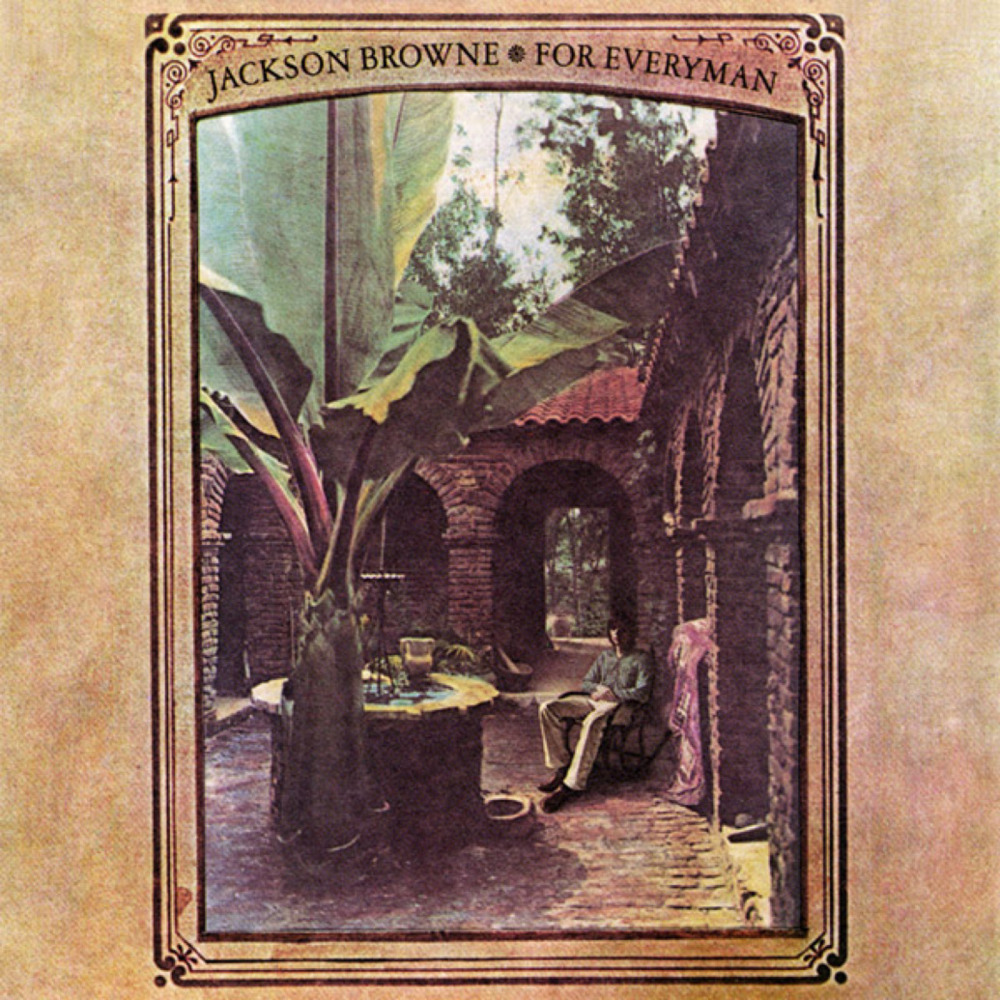
Jackson Browne – For Everyman

Asylum

Taking this one literally and writing about a Brown(e) album. Widely speaking, Jackson Browne is an underrated figure in the 70s music lexicon, and one of the greatest singer-songwriters of all time. Though he started by writing hit songs for others, he quickly carved himself a niche in the Laurel Canyon folk rock scene. Browne wrote the Eagles’ “Take It Easy” and Nico’s “These Days,” among others, both of which appear on his second album For Everyman.

Browne had barely graduated high school in the late 1960s when he joined the Nitty Gritty Dirt Band, left to live and make music in Greenwich Village, and then returned to Laurel Canyon, all in the span of a few years. His youth never impeded his acumen as a songwriter, and For Everyman is perhaps his songwriter-iest. His self-titled debut album contains one of his biggest hits, and his fifth album, Running On Empty, is his most famous, but For Everyman contains his most breathtaking lyrics.

Many successful musicians get to write their own lore—to the victor go the spoils, etc. Some of it may be true, some of it may be artificially enhanced. The way Jackson Browne always tells it, he wrote “These Days” when he was 15 years old. I refuse to be skeptical of that, because it actually greatly enhances my appreciation of the song to think a 15-year-old boy wrote the lyrics “don’t confront me with my failures, I had not forgotten them.”

He may not have had the flash of Don Henley, or the mystique of Nico, but Jackson Browne’s For Everyman proves he could always write any of them under the table.

– Caleb Doyle


Ms. Lauryn Hill – The Miseducation of Lauryn Hill

Ruffhouse Records

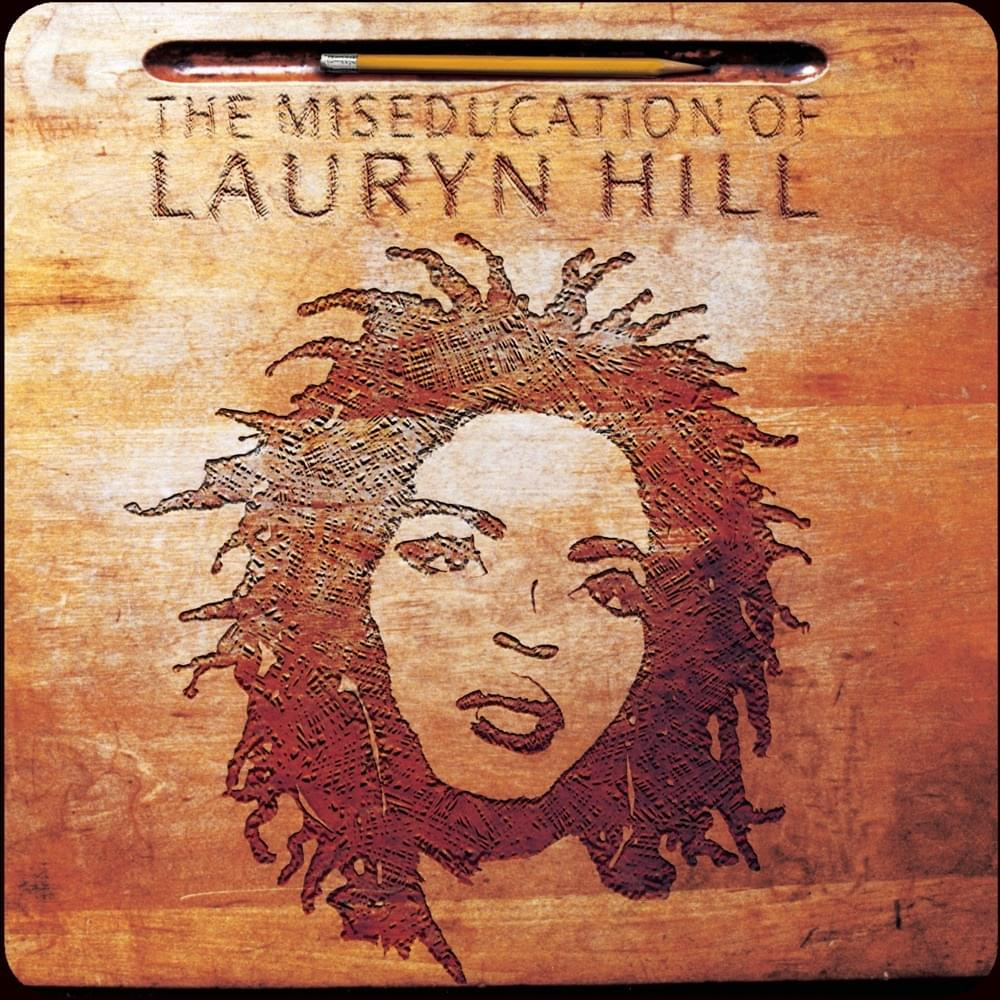
Brown is the worn surface of a classroom desk; brown is back-to-school autumn; brown is the backdrop for a student who sits down and realizes how much they still have yet to learn. Thematically, it’s where The Miseducation of Lauryn Hill begins: the iconic album art shows Ms. Lauryn Hill’s face etched into a wooden desk, and the first track is a teacher’s roll call. What follows is a generational run of songs making melodic and emotional sense of life’s headiest lessons.

Miseducation weaves a cohesive, but far from tidy, narrative about a young woman baring her soul to lovers, navigating fame, choosing motherhood, and reconciling her roots. If any of the above sounds trite, it’s only because of the countless imitators Hill herself spawned with the release of this fundamental work. Set to timeless grooves, inimitable rap/vocal interchanges, and impossibly catchy choruses, Ms. Lauryn Hill’s songs remain the blueprint for the everywoman-philosopher journey.

Hit play on this revered record and school is in session.

– Katie Hayes


R.A.P Ferreira – bob's son: R.A.P. Ferreira in the garden level cafe of the scallops hotel

Ruby Yacht

It’s impossible to talk about Bob’s Son without specifying who the whole album was written about in the first place. The “Bob” in question is Bob Kaufman, a significant Black poet commonly associated with the Beat Generation (and, depending on who you ask, the person who came up with the name) as well as a style of art known as Afro-Surrealism. His poetry, like a lot of his Beat peers, was heavily informed by the jazz that coated the streets of the United States in the 20th century- so much so that he practiced the jazz concept of spontaneous composition for his own work, often scribbling poems on napkins and the margins of the day’s paper and leaving them there for others to discover. 

R.A.P Ferreira, formerly known as Milo and occasionally as scallops hotel, continues the tradition of Afro-Surrealism in his own music. Although he started in the nerdcore subgenre early on, Ferreira has reinvented himself artistically. Long gone are the references to niche internet communities, video games, and the feeling of being an outsider in hobbies that are predominantly white. Bob’s Son, like the man who inspired it, is instead full of knotted flows and rhymes packed with references to jazz, poetry, and the Black experience. The last song is the most direct nod to Bob one could do– it’s not a song at all, but rather a reading of one of Kaufman’s most famous poems of all time, the “Abomunist Manifesto,” a surreal, tongue-in-cheek series of declarations of a fictional belief system that mocks both capitalist and communist philosophy. 

If the admiration for Bob Kaufman doesn’t come through enough on the album, perhaps the whole reveal of the album back in 2021 will. To roll out the release, Ferreira created a virtual reality cafe (which, unfortunately, the web link has died) that is not far off from the old-school spots that Kaufman frequented in his day, shouting poetry from atop tables and scribbling spontaneous poems on whatever he had at hand. Bob’s Son plays softly in its entirety from the speakers of a boombox in the cafe. It’s a wonderful love letter not only to the man himself, but also to the affirmation in his poem “Dolorous Echo” that was true all along:

“When I die / I won’t stay / Dead.”

– Nick Sackett


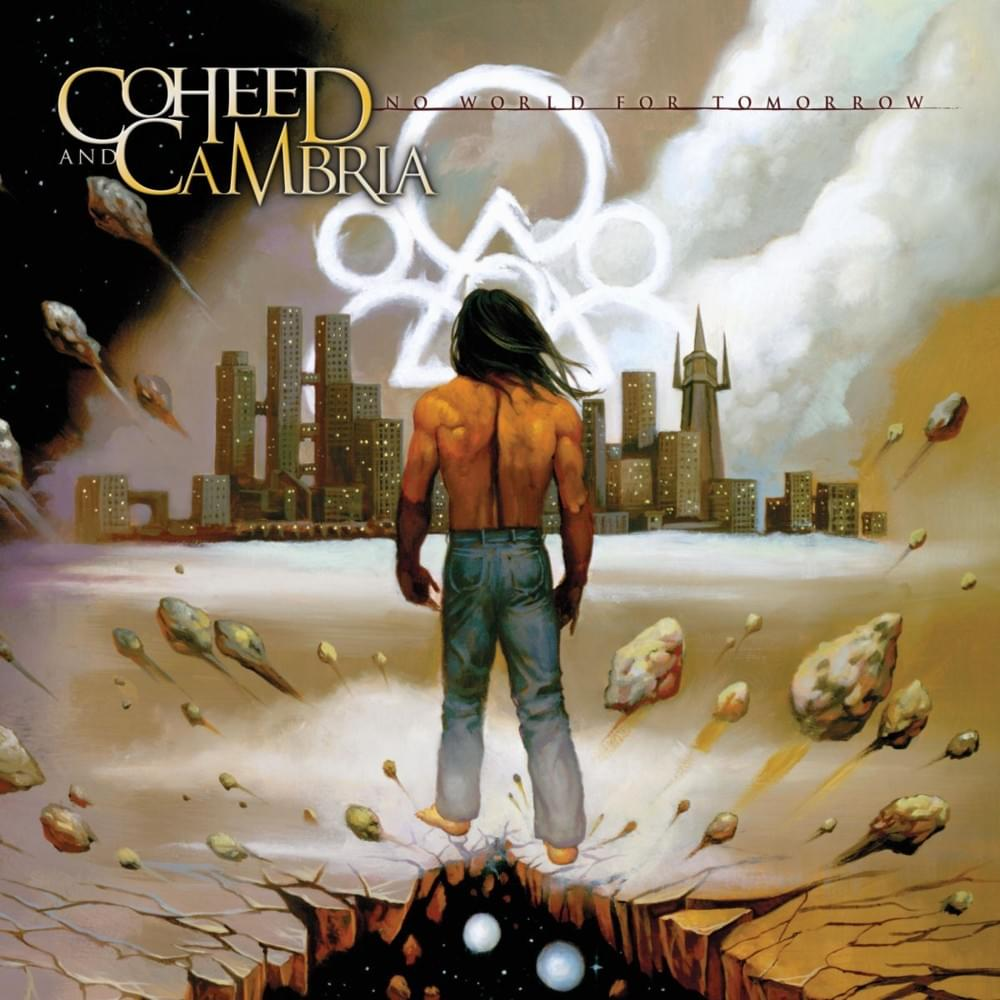
Coheed and Cambria – Good Apollo, I'm Burning Star IV, Volume Two: No World for Tomorrow

Columbia Records

Sequels are difficult to pull off, regardless of what medium you’re talking about, but landing a great follow-up to a perfect album is absolutely a rarity in the music industry. Sequels always seem to be plagued by personnel shake-ups, unsuccessful risks, and downright bad luck, but fortunately Coheed and Cambria were still able to make something special with the sequel to their third album, No World For Tomorrow. “Sequel to the third album” sounds like a weird way to say their fourth album, but in the sci-fi opera world of Coheed, believe me, it makes sense. Despite the name consistently being shortened, No World For Tomorrow thematically and musically serves as the second volume of the band’s Good Apollo, I’m Burning Star IV series, making for a connected pair of records.

No World For Tomorrow follows much of Coheed’s typical formula – the foreboding and melancholic intro track, the genre-hopping singles, the epic ending suite – yet feels like such a special beast even amongst their first four iconic albums. Taylor Hawkins of Foo Fighters filled in on drums after the original (and now current) Coheed drummer, Josh Eppard, was booted from the band, making for a unique lineup. The band really leaned into their 80s rock influences in tracks like “The Hound (of Blood and Rank)” and “The End Complete V: On The Brink” as well. Conceptually, No World For Tomorrow depicts the literal end of the world and, given the personnel changes and the band’s overall approach to the songs, that ethereal, foreign atmosphere continues to earn its place in Coheed’s discography. 

– Ciara Rhiannon


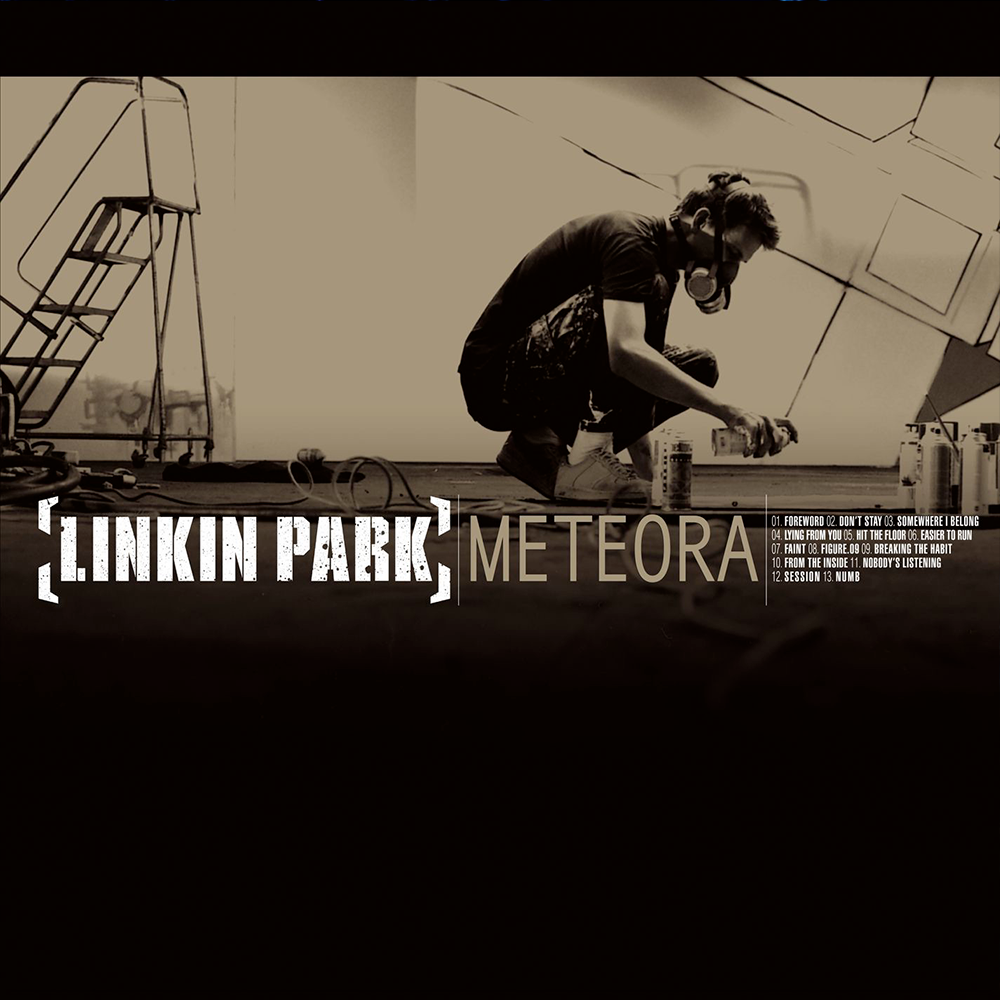
Linkin Park – Meteora

Warner Records Inc.

Linkin Park’s Meteora is the most #BionicleCore album ever. What is #BionicleCore? It’s anything I was listening to during my peak “playing with Bionicles years,” duh. This also includes bands like P.O.D., Hoobastank, and Incubus. Now that I've given you a frame of reference for what ten-year-old me was up to when Meteora came out, let’s dig in. This was a big album for me. I’m pretty sure this is the first time in my life I was ever waiting on bated breath for a new band’s second album. I had no idea what a “sophomore slump” was, and evidently neither did Linkin Park, because Meteora fucking whips. I mean, c’mon, “Faint,” “Somewhere I Belong,” “Breaking The Habit,” and “Numb” are on this thing. Most bands would kill to have four songs like that in their entire career, let alone a single record. I don’t play with Bionicles anymore, which admittedly sucks, and I still love this album, but I’ll never be able to love it the way that little boy did.

RIP Chester

– Connor Fitzpatrick


Talking Kind – It Did Bring Me Down

Lauren Records

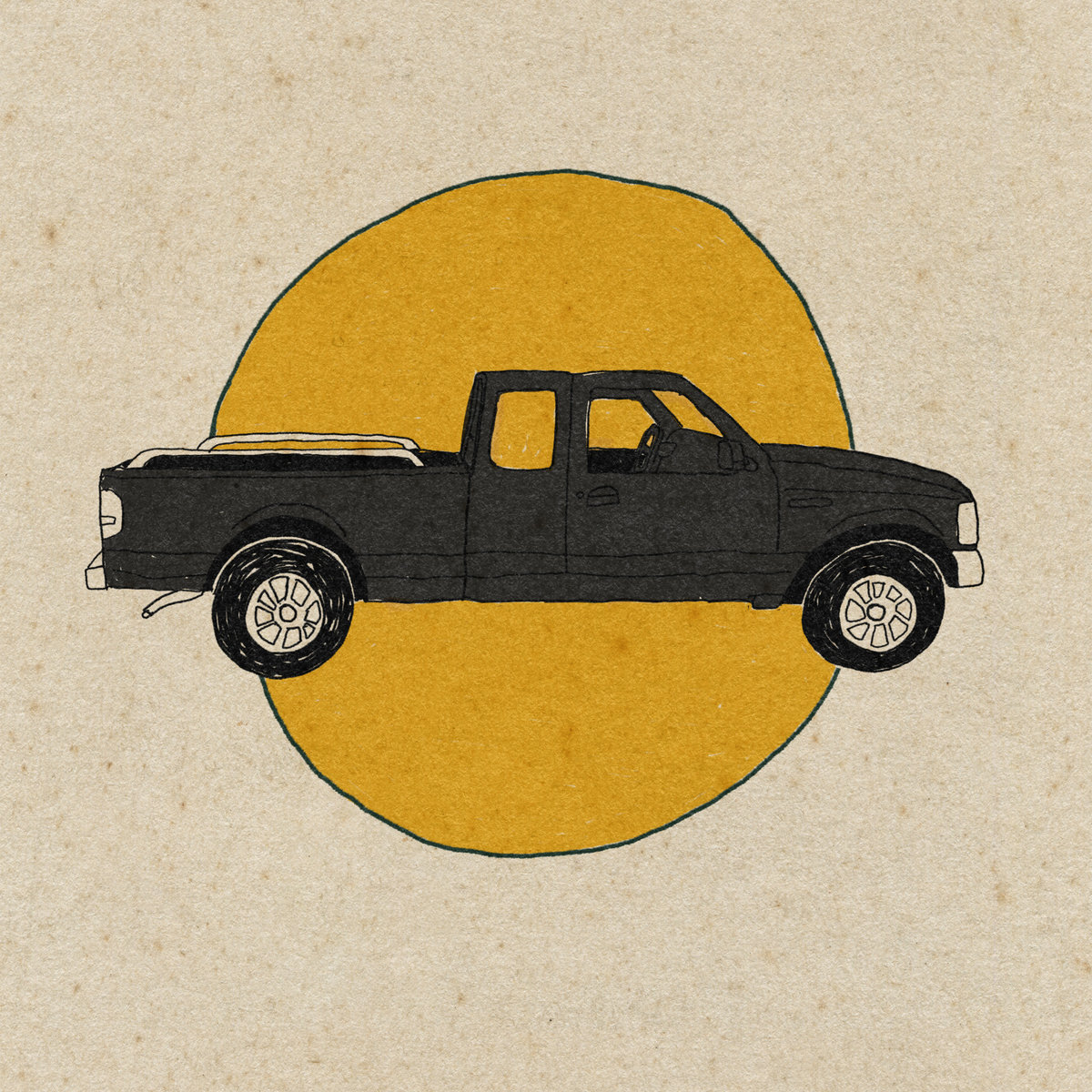
Look, I’m gonna have to level with ya: I’ve written about It Did Bring Me Down before. The first (and so far only) solo album from Pat Graham was my favorite record of 2023, but I’ll take any excuse to extol its virtues, even if just for its brownish-yellow truck-adorned album cover. This LP came out at an absolutely pivotal time in my life, and my love affair with it started simply enough. One listen through, and a song like “Damn Shame” immediately leaps out with a melody so timeless that I often find myself humming it absentmindedly. There are fast, fun tracks like “Brand New Face” and the goofy automotive love song “My Truck,” which butt up against absolute gut-wrenchers like “Trader” and “Small.” Just masterful sequencing, incredibly funny and earnest songwriting, and the whole thing ends with a song-length ode to folk musician Greg Mendez. 

I still listen to this album a few times a month; it’s guaranteed to put me in a good mood and take me back to that important point in my life when I made a massive leap for someone I love. To have that bottled up in 27 minutes of music is nothing short of a miracle, and if you give this album a chance, I hope you find even a fraction of the spark that it's given me. 

– Taylor Grimes


Honorable Mentions

Hey, we can’t write about every album with this color, so here’s a list of some more that we feel like we should mention.

  • Autopsy - Shitfun

  • Godspeed You! Black Emperor - Lift Yr. Skinny Fists Like Antennas to Heaven

  • Nine Inch Nails - The Downward Spiral

  • Ethel Cain - Willoughby Tucker, I'll Always Love You

  • Primus - Brown Album

  • Shift - Spacesuit

  • Bruce Springsteen - Darkness On the Edge Of Town

  • Weedeater - God Luck And Good Speed

  • Downhaul - How to Begin

  • Pedro The Lion - Control

  • Soccer Mommy - Clean

  • Remember Sports - The Refrigerator

  • Joyce Manor - I Used To Go To This Bar

  • Wilco - Being There

  • Alex G - Trick

  • Sluice - Companion

  • Ween - 12 Golden Country Greats

  • Ethel Cain - Peacher’s Daughter

  • Van Morrison - Moondance

  • Oso Oso - The Yunahon Mixtape

  • Foo Fighters - Foo Fighters

  • Led Zeppelin - Zeppelin III 

  • Crosby, Stills, Nash, and Young - Deja Vu


Collect some more Covers:

January Blues

February Reds

March Yellows

April Greens

May Purples

July Rainbows

Squirrel Flower – Say a Prayer to the Gods of Getting Going | Album Review

Polyvinyl Record Co.

There’s an easy-to-understand romanticism when it comes to living a nomadic lifestyle. In its purest, most idealized form, your life has no rules; you simply make up your day as it goes along. The thought of being able to get up and go on a whim is one that many people dream of but can’t ever live. It’s a glamorous fantasy to imagine that one day you could be at a swanky bar in Los Angeles, then, on a whim, drive to the flat Midwest plains of Kansas. Maybe you’re struck with a sudden urge to venture north and visit the lush vegetation of the Pacific Northwest or head south to chase the warm weather. There are certain people who thrive with this sort of freedom, people who seem recharged, not drained, by that feeling of constant motion. Ella Williams is one of those people. 

The more I listen to the music of Ella Williams, better known by her stage name Squirrel Flower, the more I believe that this world is made for her. While her body may be based in Chicago when she’s at rest, her mind and soul will always be on the open road. Spiritually, Williams reminds me of Frances McDormand’s character in the Academy Award-winning film Nomadland. The music that Williams creates is a striking blend of raw, naturalistic, and ultra-relatable emotions. These revelations are channeled through her powerful voice and backed by reverb-drenched guitar in her early work, but scaled up to loud, cacophonous fury on more recent outings. 

The last project we left off with Squirrel Flower was in 2023 with Tomorrow’s Fire. That record was a seminal highlight for Williams that offered the best music of her career thus far. Songs like “Full Time Job,” “Stick,” and “Canyon” had the capacity to be thunderous and devastating, but possessed a quiet, centering storm within them. To back her up, Williams assembled an all-star team of indie musicians, including MJ Lenderman and members of Bon Iver and the War On Drugs, all putting in full-time shifts. Above this instrumental landscape, Williams’ ironclad voice brought an intensity to the songs that were her loudest to date. The results came back positive, resulting not just in one of the best indie records, but one of the best albums of that year. 

On her fourth studio LP, Say a Prayer to the Gods of Getting Going, Williams continues to reflect the world as she sees it by amplifying what she does best. The loud moments are almost deafening while the quiet parts grasp for humanity in silence. All the while, Williams is a sturdy and reliable presence acting as the calm in the eye of the storm. 

There’s something to be said about how a change of scenery can influence your writing. A song written in the shadow of a towering New Mexico rock formation should sound different than one written while sitting beside a babbling brook in the middle of nowhere. Given how many times Williams has toured the country, both solo and with her rotating cast of road dog musicians, the influence of her accumulated miles is evident. Throughout this record, Williams sings about the physical landscapes of states like Indiana and California, but also the elements within them like the scorching-hot desert sun, foot-thick ice, and gusts of wind found on mountaintops. The opening title track sets the scene as an ear-splitting slow burner where the gods of “getting going” and “standing still” are held with equal reverence, because, sure, it’s great to be out there moving through the world, but if you don’t stop to take it all in, then what’s the point? 

The folk-inspired lead single, “Reelin,” is situated appropriately halfway through the album with shimmering acoustic guitar strokes that feel like a summer drive through the heartland. It’s a song about addiction to life on the road, contrasting flashes of normalcy in Williams’ life (“Drink my coffee / Do my chores / Trash on Sunday”) with the yearning to pack up a suitcase and leave on a whim as she sings “Oh mama I didn’t miss him / But he’s reelin’ me back again.” One song earlier, the subdued “Highway Woman” presents the restless heart of the album with Williams telling the story of a woman packing nothing but her guitar and a knife as she hits the road.  

One of the best songs on Say A Prayer to the Gods of Getting Going is “Cleveland,” where the distorted guitars hit like a freight train and have more muscles than Jean-Claude Van Damme. This track is a love letter to an overlooked city with Midwestern roots that finds itself on the outskirts of the East. It’s a city without a true home, which makes it hard to romanticize, yet the lyrics manage to find an underdog charm to it. Williams’ voice soars sky-high as she sings about liking a boy who doesn’t want to move, qualifying, “He’s cute, but he doesn’t like Cleveland.” She easily could have been singing about former Chicago Bulls center Joakim Noah, who famously said: “I never heard anybody say ‘I’m going to Cleveland on vacation.” In the end, “a few degrees of separation” provide some clarity to the other party’s lack of adventurousness and desire to take this leap, so Williams decides to hit the road solo, singing, “Guess I’ll go east on my own.” 

One of the heaviest songs on the album, “Foot Thick Ice,” feels like being caught in the middle of a Pacific Northwest rainstorm, starting gradually before building up to a torrential body-soaking downpour. The heavy feedback and guitar fuzz combine to create a sludgy tone that is beautiful as it is grimey. The soft-hard-soft guitar patterns feel like a modern approximation of the style popularized by countless PNW bands in the nineties. Immediately following, “Sick Tooth” has a little New York attitude, with Williams embracing a cool, nonchalant way of singing that Kim Gordon perfected in her heyday. Here, Williams puts her own spin on the old adage of “wherever you go there you are” by addressing the fact that new environments might seem like a solution or an escape, but often just end up presenting new problems of their own. It’s a rapid-fire rager with the shortest runtime on the album, coming in at only a minute and forty seconds. The song knows its exact assignment comes in, raises hell, and leaves. 

After the solitary sting of “Fought a Hornet,” Squirrel Flower hop back out to the West Coast for “Surfing USA,” which not only evokes The Beach Boys, but feels like a ride down the California coastline. On this track, Williams showcases her graceful vocal harmonies as she alludes to heartbreak while trying to ride off into the sunset on her bike. The shimmering guitar licks are just the cherry on top of the sundae for such a beautiful song. 

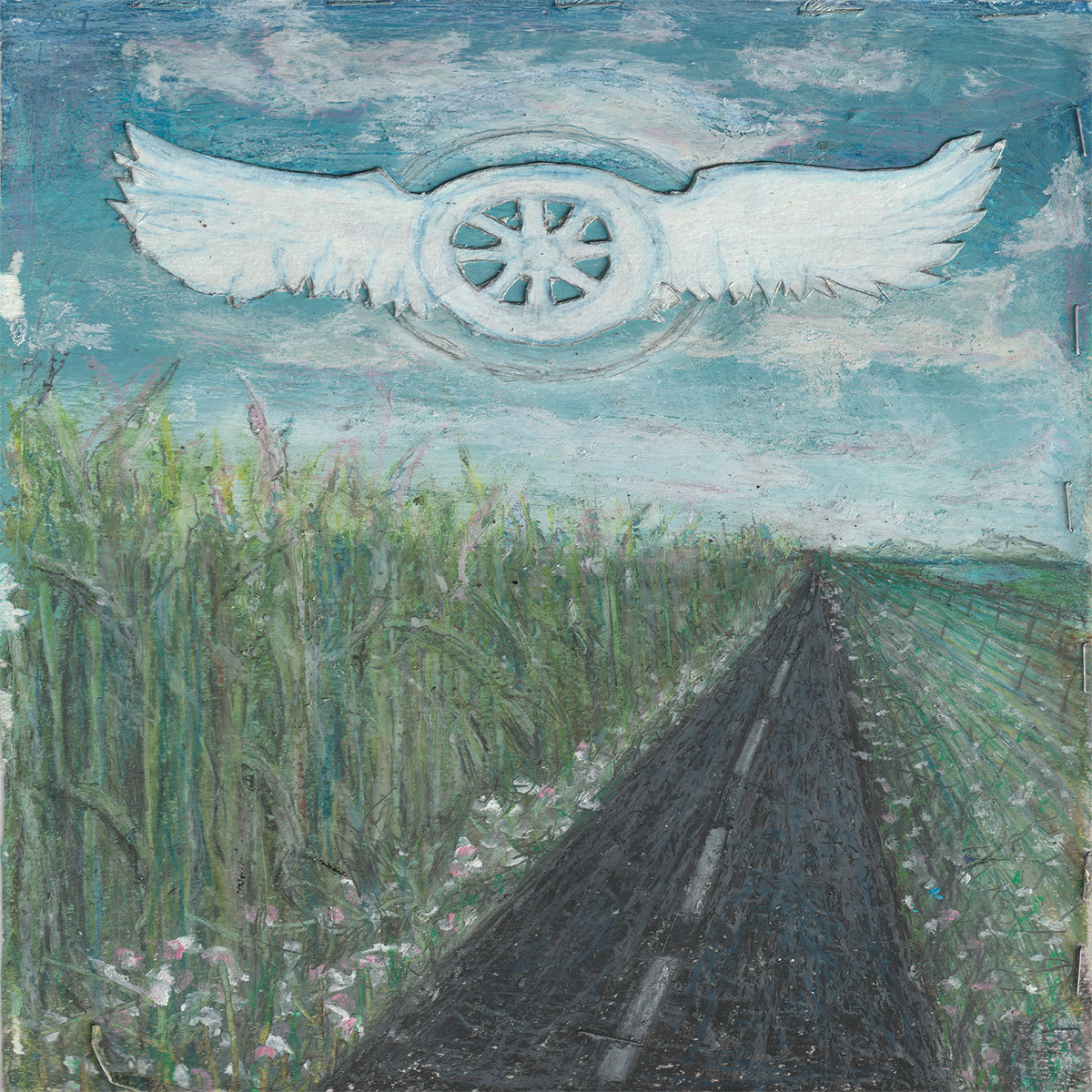
Say A Prayer to the Gods of Getting Going is as spacious as the plains of the Midwest and as textured as the rock spires of South Dakota. Each song feels like a portrait of Williams, her travels, and truths found out on the road. The record plays out like a sonic scrapbook, presenting these lessons with the understanding that the experiences aren’t universal, but the path that connects them is. Through these glimpses into her own life, Williams inspires the listener to find their own driving force, their own incantation, their own prayer to the gods of getting going. There’s an endless network of roads with the possibility to deliver you to new experiences, relationships, and emotions, and that all starts as soon as you step out your front door. Get going. Stand still. Open yourself up to something new. Even if it’s just a half step away from your normal routine, you might be surprised what’s waiting for you. 


David is a content mercenary based in Chicago. He’s also a freelance writer specializing in music, movies, and culture. His hidden talents are his mid-range jump shot and the ability to always be able to tell when someone is uncomfortable at a party. You can find him scrolling away on Instagram @davidmwill89, Twitter @Cobretti24, or Medium @davidmwms.

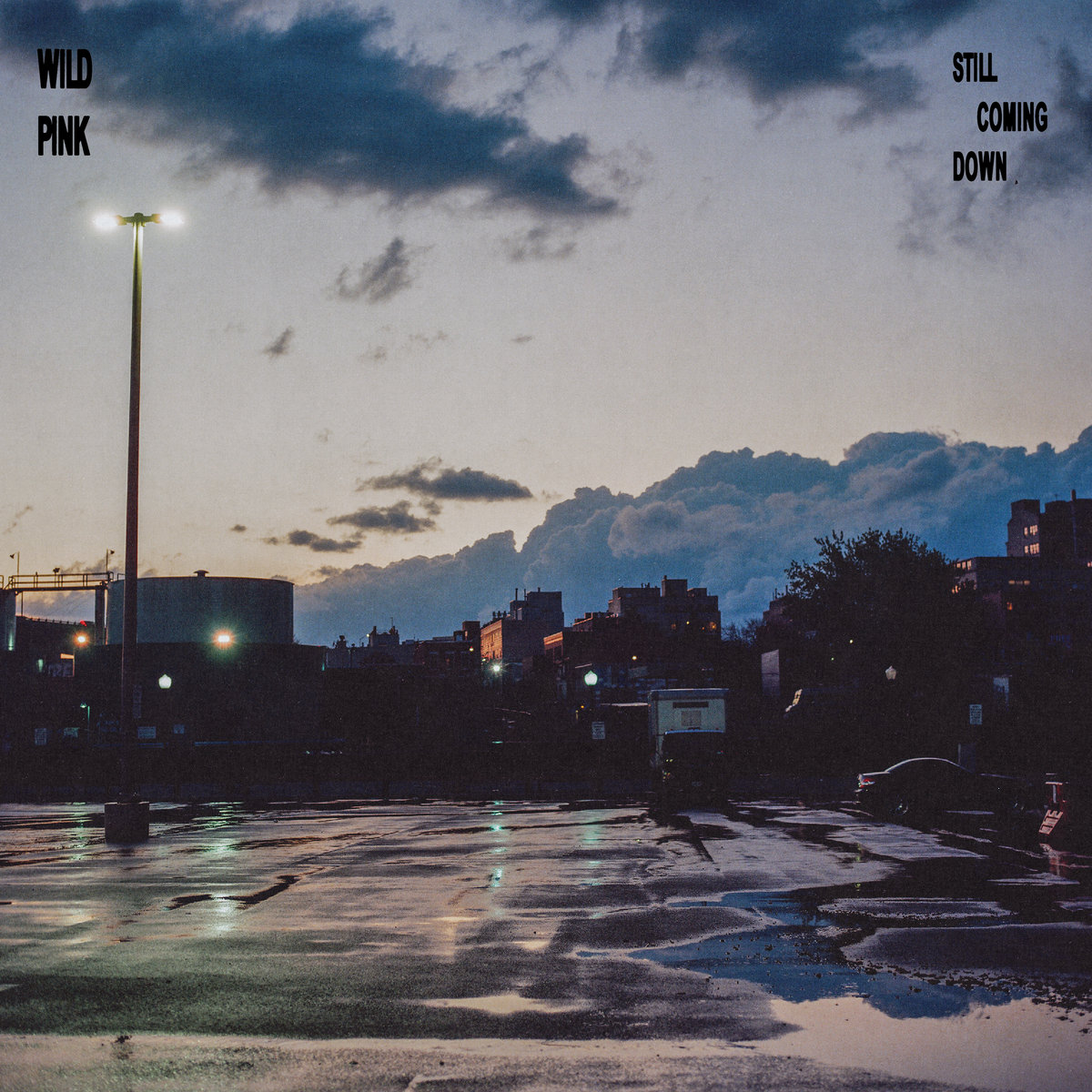
Wild Pink – Still Coming Down | Album Review

Fire Talk

I've been thinking, maybe too much, about the many ways you can interpret the title of Wild Pink's new album Still Coming Down. I imagine my mom on the phone with a faraway friend, looking out the kitchen window, neck crooked, telling her friend, “Yeah, it’s still coming down.” I think about myself nervously texting a friend, asking if they’re planning on still coming down for a visit. I see a stranger at a bar ordering another beer, saying they’re still coming down from a bad day at work. It’s a title that demands characters and scenes, and throughout these nine songs, John Ross delivers. 

Still Coming Down is Wild Pink’s sixth LP and their first since 2024’s barnstormer Dulling the Horns. Back when that album was released, Aly Eleanor aptly described it as “rougher and rowdier than the band has ever sounded before,” and it absolutely was. Saxophone chaos and lyrics wound so tight around a steel pedal that one misstep could have veered into cacophony. Wild Pink’s previous four albums all varied between soft heartland rock and an emo twinge, but Dulling the Horns offered a foray into that sweet alternative country sound and stuck the landing. Twangier. Looser. Still Coming Down is still rough and still rowdy, but this roughness and rowdiness have been transferred away from the sound and into the stories that Ross creates within each song; imagining different people — a pleased shopper, a bank robber, someone pumping gas — living in the landscape of Wild Pink’s sound.

The album begins with “Box Store,” a track that sounds like a monologue Jason Lee’s character in Mallrats would give while walking the aisles of different stores — lyrics about a strip mall, a beloved air conditioner, and how underrated William Fichtner’s acting is. Instrumentally, the song also serves to establish the robust sound of the album, confident and solidified compared to the crunchier, still-experimental elements of Dulling the Horns. Ross has always had a fullness to his music, but with longtime bandmate Dan Keegan smashing through this record on drums and both Meg Duffy (Hand Habits) and MJ Lenderman (+ his collaborators in The Wind, Landon George and Xandy Chelmis), this is simply the loudest Wild Pink has ever been. This approach of burying complex feelings about life between opinions on Mark Wahlberg’s acting career and a cruisin’ guitar make “Box Store” a total dudes rock song, maybe the first in years that makes me think dudes rock is worth saving. 

One song later, the Remembering-Some-Guys of “Box Store” is turned on its head in “Round of Applause for the End of the World,” where Ross uses the Kennedy assassinations and the surrounding conspiracies to build up to the realization “I don’t know / What my idea of fun is anymore.” The character that Ross is singing from the perspective of in this song is interested in the shooters themselves, not Lee Harvey Oswald but his assassin Jack Ruby and Robert F. Kennedy’s killer Sirhan Sirhan, particularly the space they occupy between innocence and guilt. The guitars on the track are just as conversational as the conspiratorial lyrics, beginning an unending sound as if lost in thought alongside Ross. Next comes the album’s title track, almost slinking behind the lingering notes of the song before, its guitars washed in relentless feedback and buzz, attempting to swallow itself Ouroboros-style. Here, Ross uses the phrase “still coming down” to describe a cleansing storm raining thunderous love — a heartening notion that there’s still room for salvation in all of his observations. 

I normally wouldn’t compare Wild Pink to the Drive-By Truckers, maybe something closer to the looseness of Son Volt or the wild guitars of Drivin’ n’ Cryin — but not all twangy rock music sounds the same, Jesus. That said, there is something distinctly Mike Cooley about the first whine of Ross’ guitar in “Plates Keep Spinning”; it’s that laid-back, dry shred I’ve become accustomed to hearing right before someone starts singing about a life-altering party foul on a sticky night. “Plates Keep Spinning” isn’t far off from that; Ross compares heaven and hell to the threat of a second location being discussed at a fading party. Much like the title of the album itself, Ross’ notion about keeping the plates spinning points to this feeling of endlessness. 

The album slows down around “Simple,” a kind of modern-day bank robber epic. Over a cascading pedal steel, Ross pictures a well-insured, cheeky robber just in it for the thrill. On “500 Is The New 250,” the character observed in the story is less friendly: a man under a foreboding sky pumping gas with a “fuck you, Yankee bitch” tattoo. This proximity to hatred, just one gas pump over, fills the already dense song with dread. 

Still Coming Down ends on a rocker, “Relaxing, Special Interests,” with gentle lyrics about rewatching something you love. These softer lyrics don’t match the track's initial, harsher rhythm, yet as Ross sings about this comfortable familiarity, the song steadies too, becoming the loudest lullaby in the world. 

In the album’s final moments, Ross opts to end things with an optimistic perspective on hypothermia and the human body, singing, “Your brain is very kind / To make you think you’re warm inside / When you’re so cold / You’re dying.” It’s here where Ross answers what still coming down means to him. Despite relentless pain or sorrow or frustration, the notion that something or someone is “still coming down” implies that you believe it will eventually stop or won’t happen. It can be about rain in a desert or a tough day, but there’s a reliable sense of brevity and relief. It’s a hopeful outlook buried deep throughout an album contemplating private embarrassments or a longing to be someone else. It’ll change soon.


Caro Alt (she/her) is from New Orleans, Louisiana, and if she could be anyone in The Simpsons, she would be Milhouse.