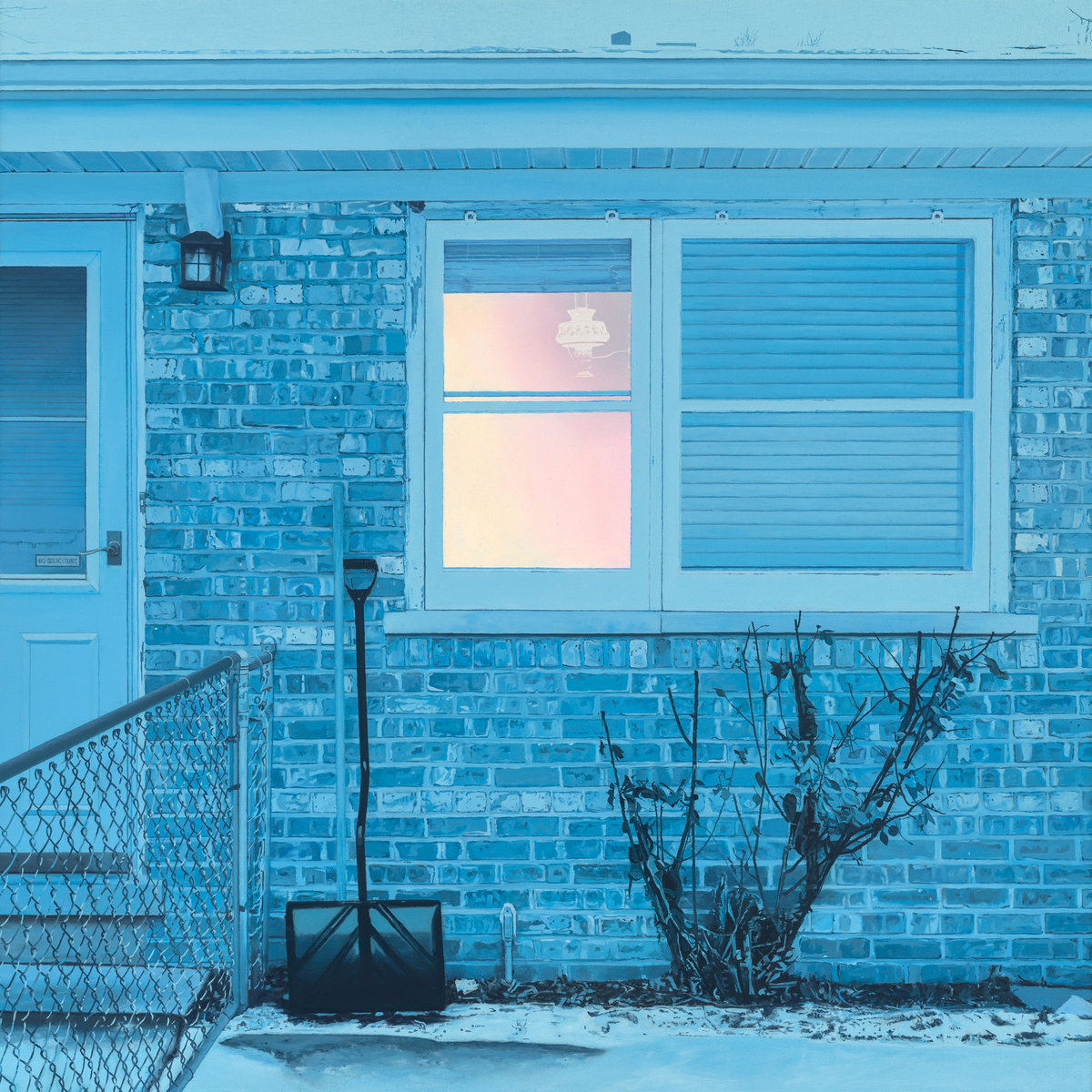
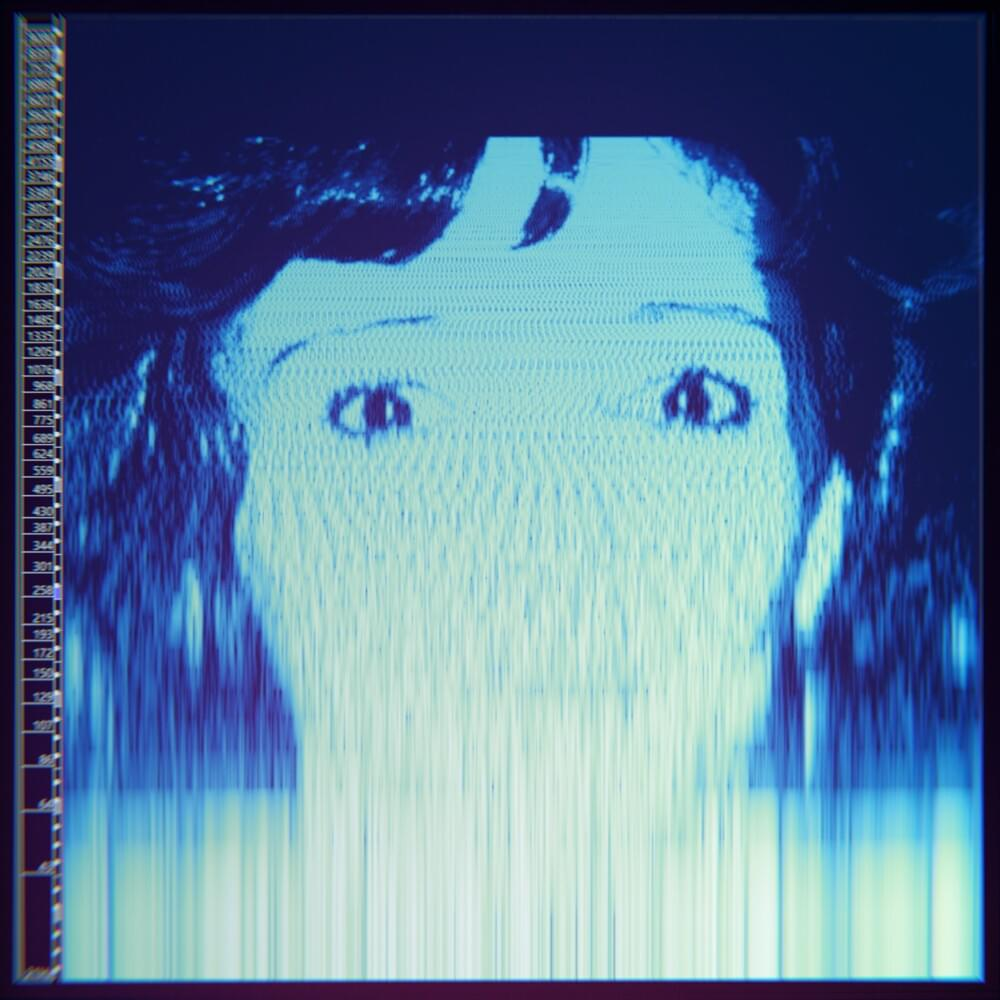
Ratboys – Singin' to an Empty Chair | Album Review

New West Records

Snowed in. Roads iced over. Trying on New Year’s resolutions and dropping New Year’s resolutions. What else is there to do at this time of year but think about last year? Openly celebrate what went right and privately obsess over what went wrong. Why did that one thing happen? How can you make sure it never happens again? Why did they say that to you? What should you have said back? Why didn’t they talk to you after that? Why didn’t they listen to you? Why didn’t you try harder to make them stay?

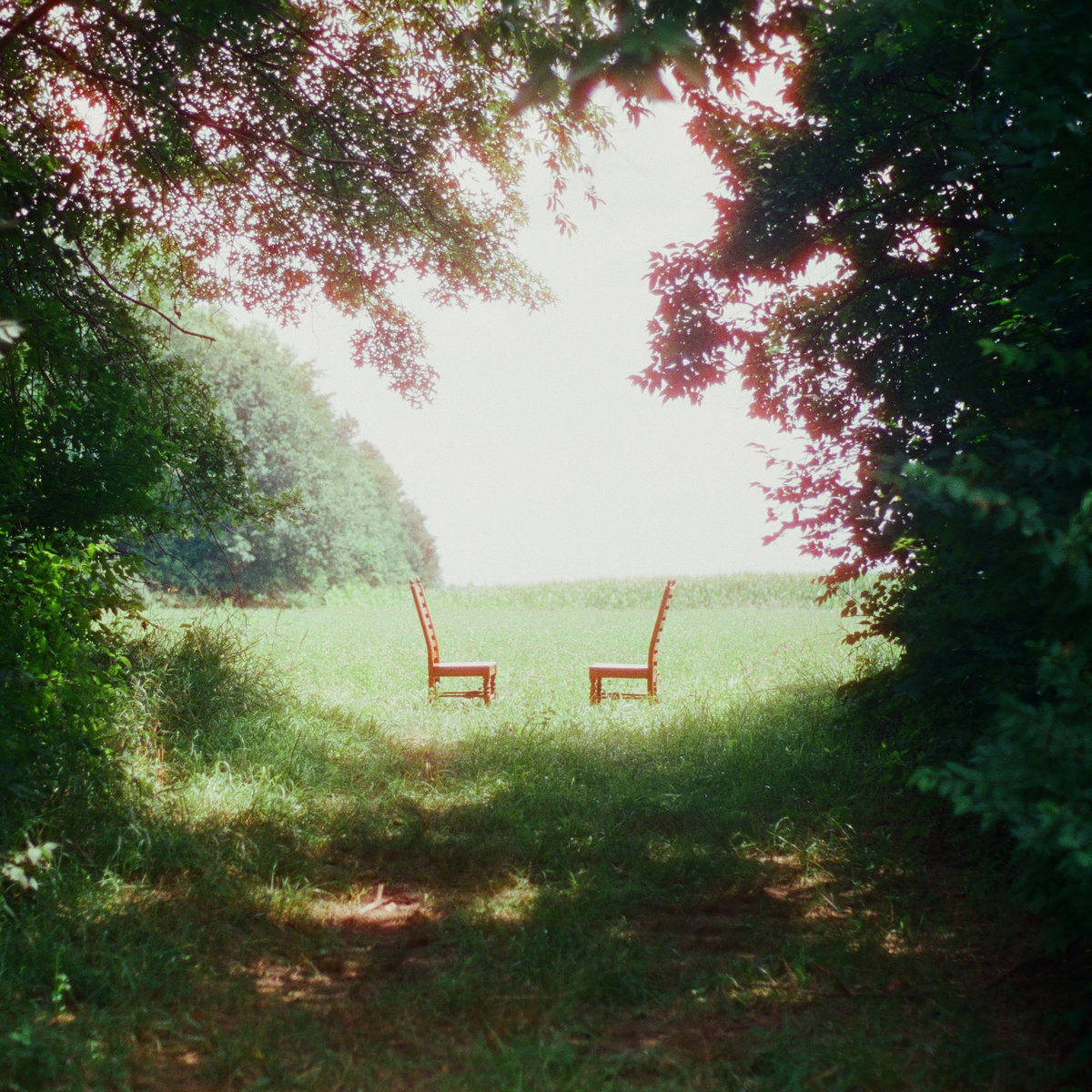
Julia Steiner, frontwoman of Ratboys, got the title for the band’s latest album, Singin' to an Empty Chair, from a therapy tool called The Empty Chair Technique. The premise of the exercise is simple on paper: you imagine that someone you want to have a difficult conversation with is sitting right across from you, and you have that complicated conversation. Alone. But this is obviously easier said than done. Actually mustering up the courage to verbalize the words you have kept buried for so long, to even say them by yourself, is intimidating. Gathering the courage to admit wrong, to share a secret, to ask for better, to try again, is an impossible feeling. Ratboys know this well.

Singin' to an Empty Chair is the sixth album from the Chicago indie stars and their first release on New West Records. This album also marks their second collaboration with Chris Walla of Death Cab for Cutie, who also produced 2023’s The Window. Steiner described their last album as a “dedicated and intentional process,” the product of a meticulous couple years of writing and rehearsing before recording anything officially. Singin' to an Empty Chair offers a different perspective. Bassist Sean Neumann describes this record as a quilt – a collection of songs written in different places and recorded in different spaces. This patchwork approach is pieced together by songs describing half-conversations and one-sided admittances, all sewn together with their signature mind-bending guitar and twangy lilt. 
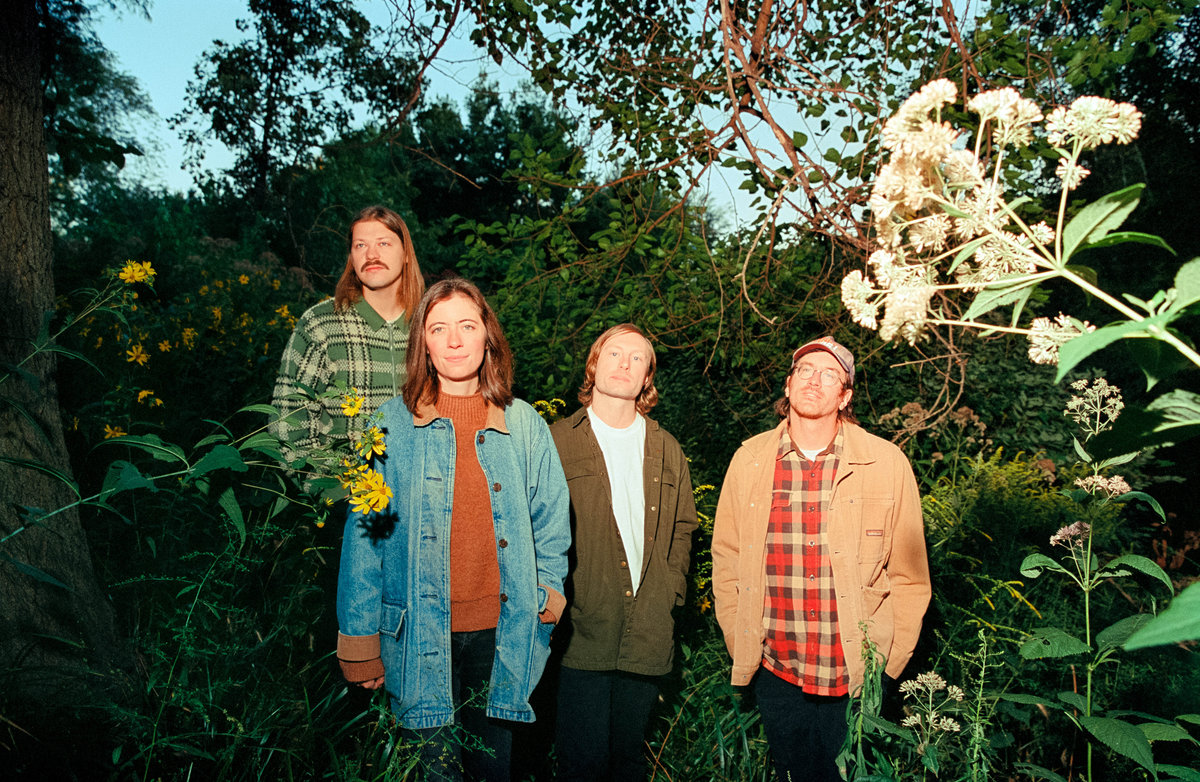
Photo by MILES KALCHIK

Where were you while we were getting high? Wanna go for a ride? On “Open Up,” Steiner adds to the canon of great rock music questions when she asks, “What’s it gonna take to open up tonight?” She asks this over the confident strum of a guitar, but as the song builds, Steiner’s bright voice is interjected by sparks of the rest of the band, a moment of fuzz here, a kick drum there, before building into a folksy jam. The whole band is firing on all cylinders, and the only place to go from here is the stars.

Ratboys’ greatest sleight of hand is their cosmic bend, and they are very precise with how they blend it into their twang. On their last album, Ratboys took listeners to the brink of the world on “Black Earth, WI.” On Singin' to an Empty Chair, Ratboys avoid their own beaten path but find a new supersonic twist on “Light Night Mountains All That.” The song starts by sweeping you off your feet, sending you into a vortex of Dave Sagan’s swirling guitar and the uncanny rhythm of Marcus Nuccio’s drumming. At first, Steiner’s voice steadies the spinning, repeating an increasingly frustrated accusation that “you didn’t care.” Her voice, while always clear and measured, builds and builds until it’s blistering because “you didn’t care / you didn’t care / you didn’t / care!” This irritation seems to blow a hole in the vortex, turning Sagan’s guitar into something more intergalactic. 

The music video released alongside this single matches its extraterrestrial spin. Styled like a found-footage horror film, some kind of haunting evil forces invade while the band plays their song. The ghouls flicker in and out of the video, almost like they’re interfering with the signal, until they’re playing the song too. This cataclysmic feeling Ratboys spin is one of their most exciting tricks—a soundtrack for the final frontier. 

Just because we’re singing to an empty chair here and embracing conversations we hesitate to have does not mean that every imagined conversation has to be upsetting or frustrating. It’s hard to admit how much you love someone, too. In “Penny in the Lake,” serene optimism is conveyed through berry pies, Ringo Starr, and the breathless crow of a rooster. “Strange Love” is an earnest confession that conjures slightly sweaty palms, and “Anywhere” evokes a vulnerable, but freeing feeling, like admittance with avoidant eye contact. 

The title of the album appears in “Just Want You to Know the Truth,” the album’s 8-minute bittersweet barnstormer. Across a mournful pedal steel, Steiner weaves snapshots of a past she can’t return to: construction sites, lasagna on Christmas Eve, and Antiques Roadshow. The emotional core of the album is buried somewhere in the sawdust of this song, between Steiner’s aching lyrics and Sagan’s biting guitar. The resonance of the Empty Chair Technique is laid bare as Steiner grimly sings “A couple some odd years ago / You said, ‘Sweetie take your time’ / So now I’m singin’ to an empty chair / Bleedin’ out every line.” It’s a punishing admonishment about forgiveness and time, combined with a cathartic release of finally saying something, even if it's alone.

The album closes with two opposed songs. The penultimate track, “Burn it Down,” while starting syrupy, turns incendiary as the band unleashes a fury they have tamped down for five albums. Steiner gives in to the doom built up by the song’s ferocious sound, just for a moment, saying, “It’s always been this way / It’s never gonna change.” But this anger washes away. The album ends on “At Peace in the Hundred Acre Woods” offering a bookend to the breezy sound that it began with. It’s a swaying, reassuring song, something that is supposed to play softly from a speaker on your patio while you’re talking to an empty lawn chair. 

On “Just Want You to Know the Truth,” Steiner sings, “Well, it’s not what you did / it’s what you didn’t do / I just want you to know the truth.” It was here, as I was caught in my thoughts about 2025 and my weirdest, lowest points, that I understood the Empty Chair Technique. It’s not just about addressing the truth, but verbalizing what you need to get to the truth. Since then, I’ve been thinking about who I want to talk to in the empty chair next to me. The blue one next to the couch I’m writing this on. What truth do I need to be made real? What about you? Who is in your empty chair? What do you want to tell them?


Caro Alt (she/her) is from New Orleans, Louisiana, and if she could be anyone in The Simpsons, she would be Milhouse.
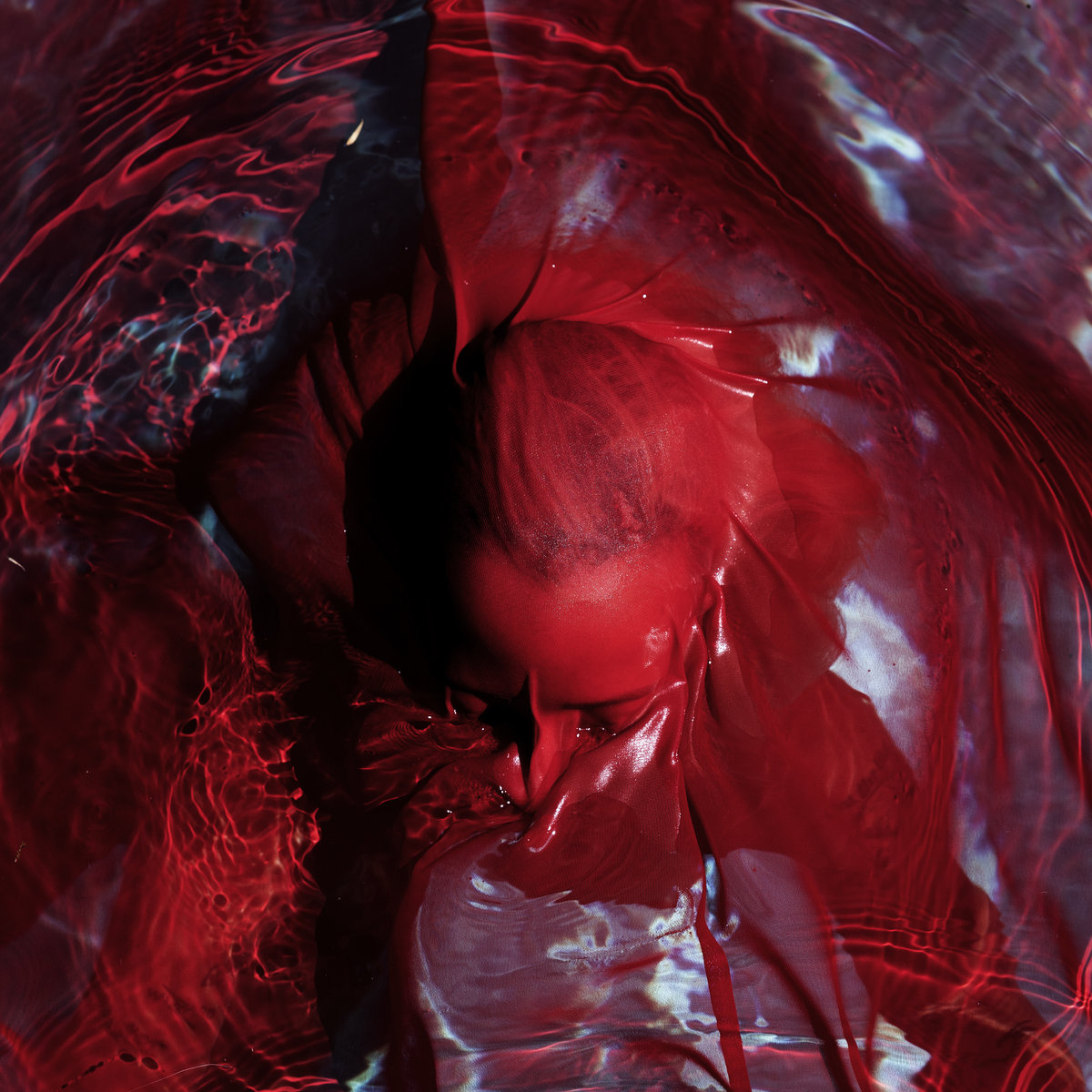
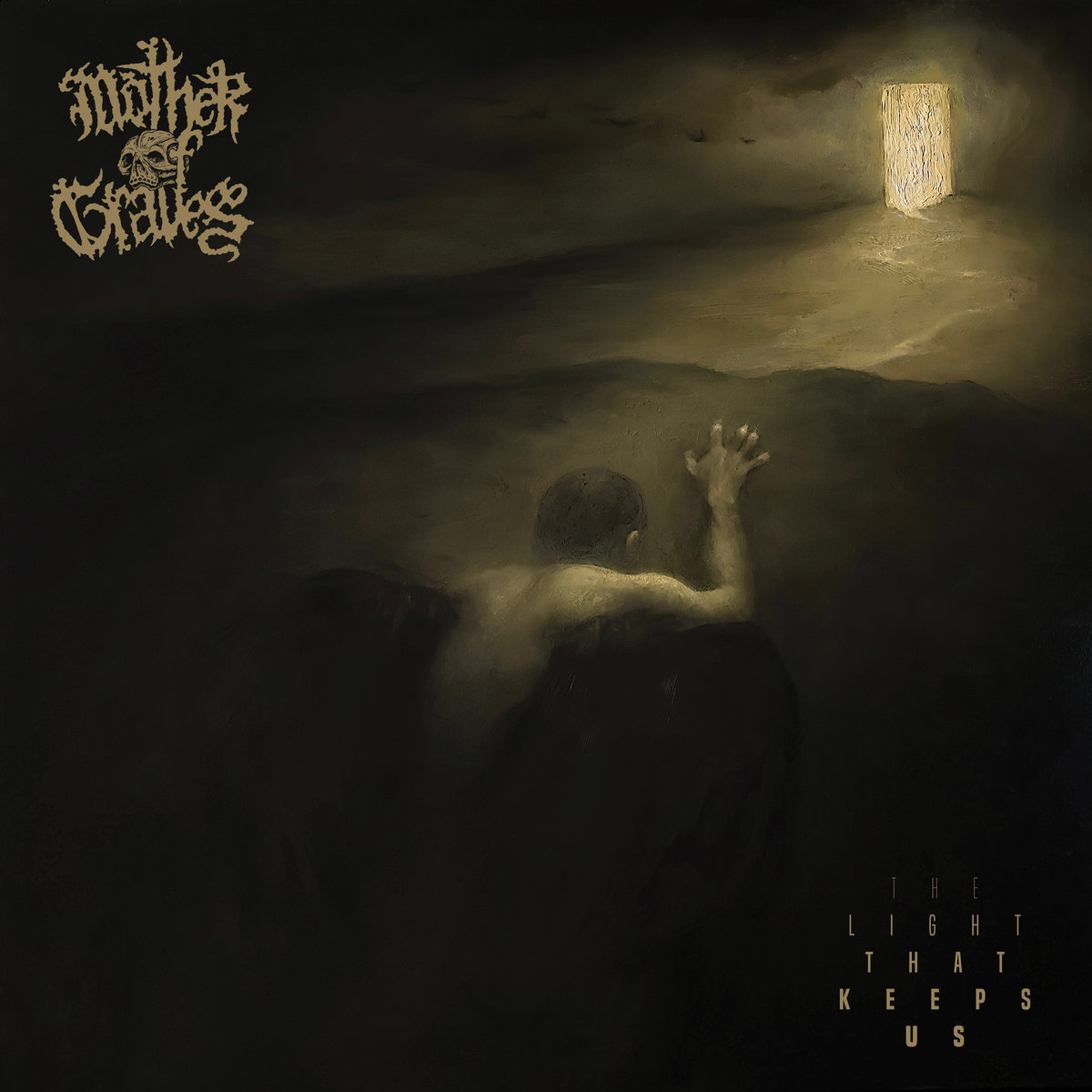
Blackwater Holylight – Not Here Not Gone Review

Suicide Squeeze Records

When it comes to stoner rock, sometimes it feels like there’s little room for the form to expand. So often, bands fall into tar pits as they rehash the same trite lyrics and recycle the same five sludgy riffs. For titans like Sleep, this genre can be taken to bong-ripping heights, but other acts like The Sword iterate until they become parodies of their earlier, more exciting selves. If they are averse to marijuana mysticism, a band might instead go down the path of the thousand-dollar leather jacket and embrace more of a desert rock direction. Queens of the Stone Age make this look cool, but most of the time you’ll end up sounding like Black Rebel Motorcycle Club. So how do you inject new life into a style that often reads as riff-by-numbers? You abandon it almost entirely.

That’s exactly what Blackwater Holylight have done. On their first two albums, the Portland, Oregon, group’s sound was dripping in bluesy, chugging 70’s hard rock. They were proficient in their Sabbath worship, but not altogether original. In fact, 2019’s Veils of Winter is so entrenched in the desert-doom sound that it literally has a song titled “Motorcycle.” These are good albums, but it’s clear that the risk was there for them to become trapped in the endless cycle of cannabinoid riffage. The band’s third album, Silence/Motion, was a massive reimagining of their music as the group became darker and more dreamlike, adding in elements of prog and shoegaze. The result is something simultaneously refined and menacing, but what makes it so impressive is that it’s very clearly the same band that made the first two records.

On Blackwater Holylight’s new album, Not Here Not Gone, the group is continuing to evolve their artistry while remaining true to their roots. After relocating to LA and working with producer Sonny Diperri (Narrow Head, DIIV, Emma Ruth Rundle), the trio has cultivated a vicious doomgaze sound that is equal parts punishing and ethereal. The album opens with “How Will You Feel,” which immediately signals that Blackwater Holylight is continuing to push the limits of their expression. The track features fuzzed-out, crunchy guitars that are more akin to early My Bloody Valentine than Truckfighters as singer Sunny Faris’ voice floats serenely above the chaos. 

On tracks “Bodies” and “Spades,” guitarist Mikayla Mayhew blurts out concussive, mosh-inducing riffs that are backed by airy synth work from Sarah McKenna. It’s this constant contrast that makes the songs on Not Here Not Gone so engaging; just when you think you’ve got them figured out, they shift into a new direction. Single “Fade” finds them branching out into the vast world of post-rock with a confidence that would have you think they’ve been making songs like this for twenty years. Album interlude “Giraffe” is the band’s biggest experiment yet as they jam over a beat from Dave Sitek of TV on the Radio. The collaboration results in a slice of industrial rock that could fit in seamlessly on the tracklist of The Fragile. Despite all of these progressions, Blackwater Holylight hasn’t forgotten that, at the end of the day, they descend from Black Sabbath. This is best heard on the seven-minute closer “Poppyfields,” which weaves elements of black and doom metal and gives Eliese Dorsay an opportunity to truly beat the shit out of her drums. All of this is done in the service of creating a brooding, tension-filled piece that ends the album on a powerful note.

All of this is what makes Blackwater Holylight such an impressive band. Rather than coming out of the gates hot on their first album or two and then fizzling out in attempts to recapture that energy or flailing through desperate experimentation, the group has steadily and deftly adapted their sound. They’re the kind of band that makes you want to continue to follow their career because you’re actually excited to hear what they’ll do next, rather than clenching your jaw in hopes that they stick the landing. While Blackwater Holylight might not be a textbook desert rock or stoner doom band anymore, they fit in at Austin’s Levitation Fest as much as they do at Roadburn in the Netherlands. Blackwater Holylight refuse to be contained by the constraints or expectations of genre, charting their course on their own terms. They're far from the first musicians to do this, and they're certainly not the last, but in a genre that is loaded with copycats, they're a shining example of changing and molting until you reach the truest version of yourself. Odds are, people will recognize that and be drawn to it because when everything else can be found in excess, the things that are actually unique speak for themselves.


Connor is an English professor in the Bay Area, where he lives with his partner and their cat and dog, Toni and Hachi. When he isn’t listening to music or writing about killer riffs, Connor is reading fiction and obsessing over sports.

Cover Collector – January Blues

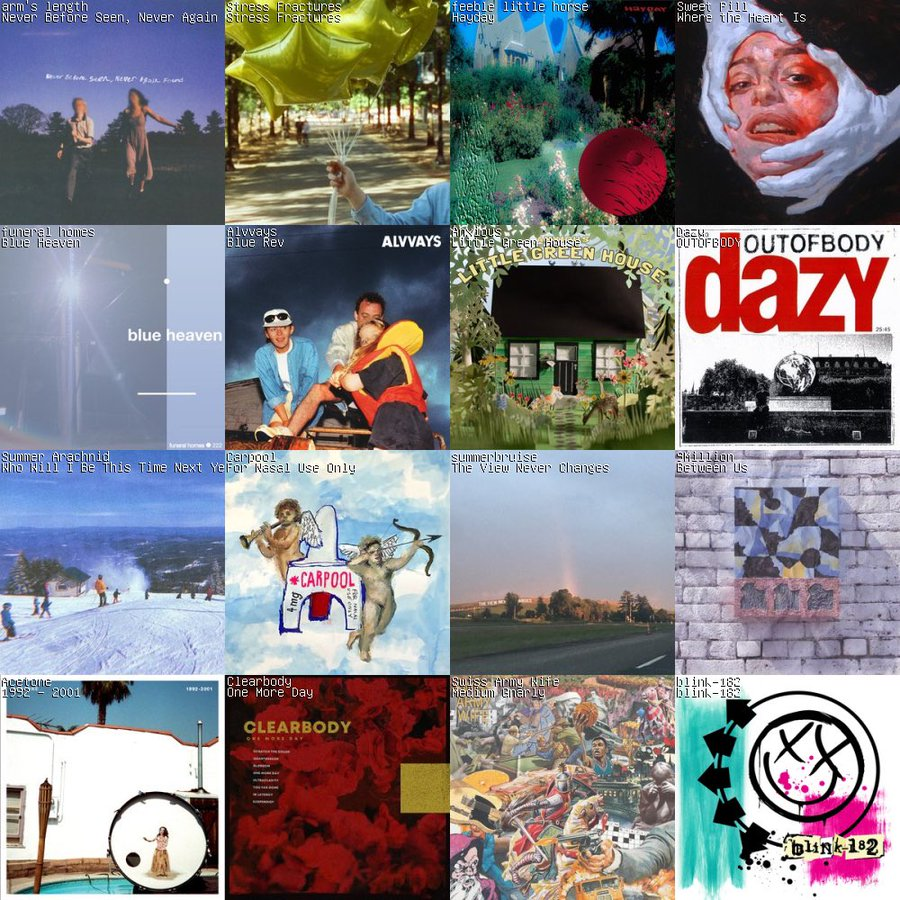
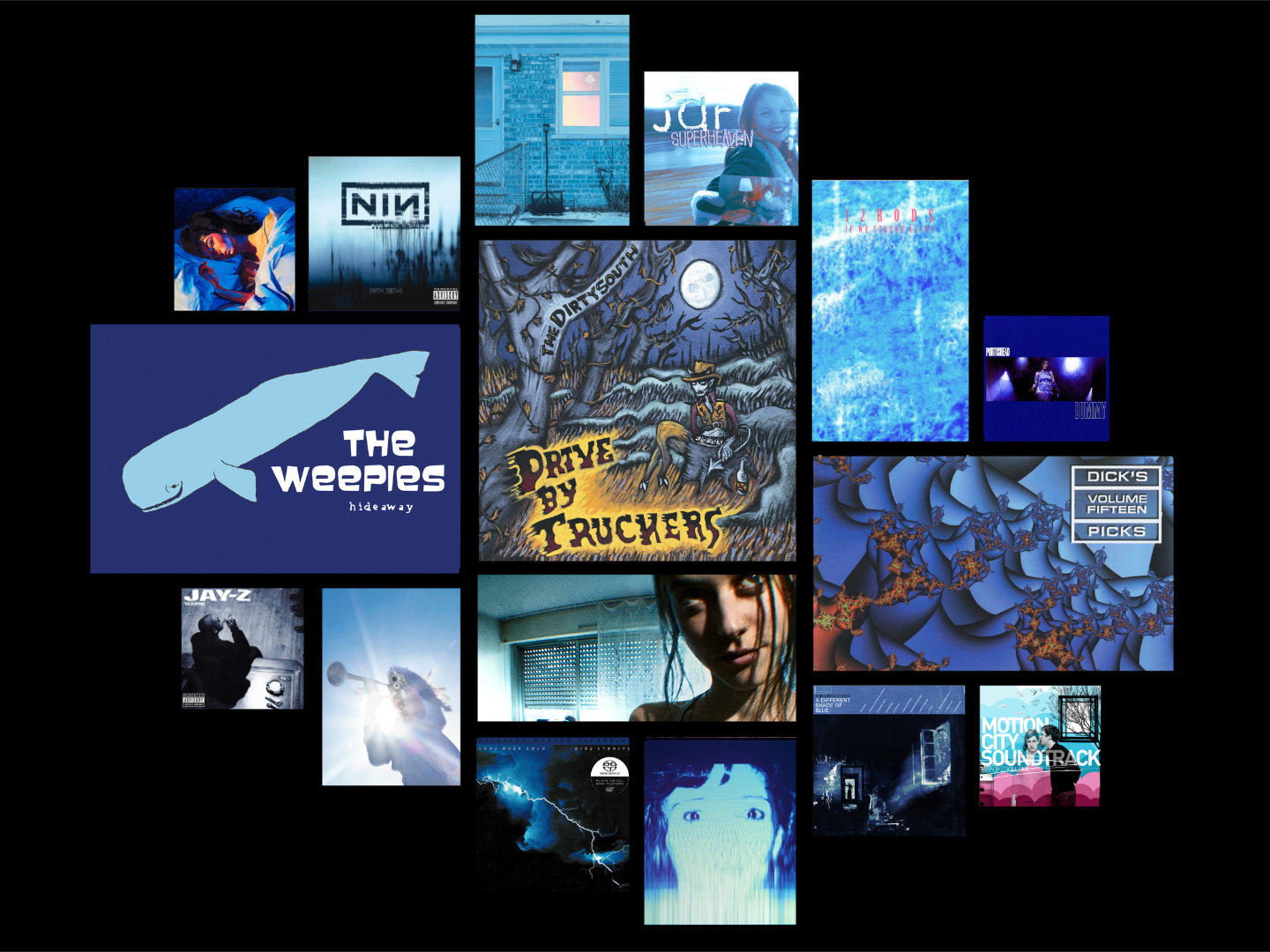
I don’t know about you guys, but I love a good album collage. One of the first things I do every Friday is head over to tapmusic.net and render a 4x4 chart of the albums I listened to most over the past week. At the end of each month, I do the same thing with a 5x5 that recaps my previous 30 days of listening. By the time December rolls around, I look forward to recapping the last twelve months with a gigantic 10x10 grid in an unwieldy encapsulation of the 100 albums that defined my year. 

Is it a little self-aggrandizing? Sure, but it’s also a fun way to see a quick snapshot of what my last week, month, or year has sounded like. At its best, this practice has led to fun conversations and solid recommendations going back and forth with friends as we bond over specific albums. Sometimes it’s that shared love over a deep pull from years gone by, other times it’s just noticing trends with a recent fave that seems like an unshakable presence week in and week out. At the very least, I suppose it’s satisfying to see a bunch of records that I feel an affinity toward lined up and embodying a specific stretch of my life. 

An example of a cool chart

At some point near the tail end of 2025, I conceived of a more communal way to bring this love of album collage to life. Because, sure, getting a live readout of your listening history is cool, but this is also about album art, an essential part of the experience and something us nerds can fixate on just as much as the songs that sit beneath the cover. As such, I’m excited to introduce Cover Collector: a monthly installation where the Swim Team will discuss some of our favorite albums based on album color. For January, we’re leaning into wintery blues. 


Drive By Truckers – The Dirty South

New West Records

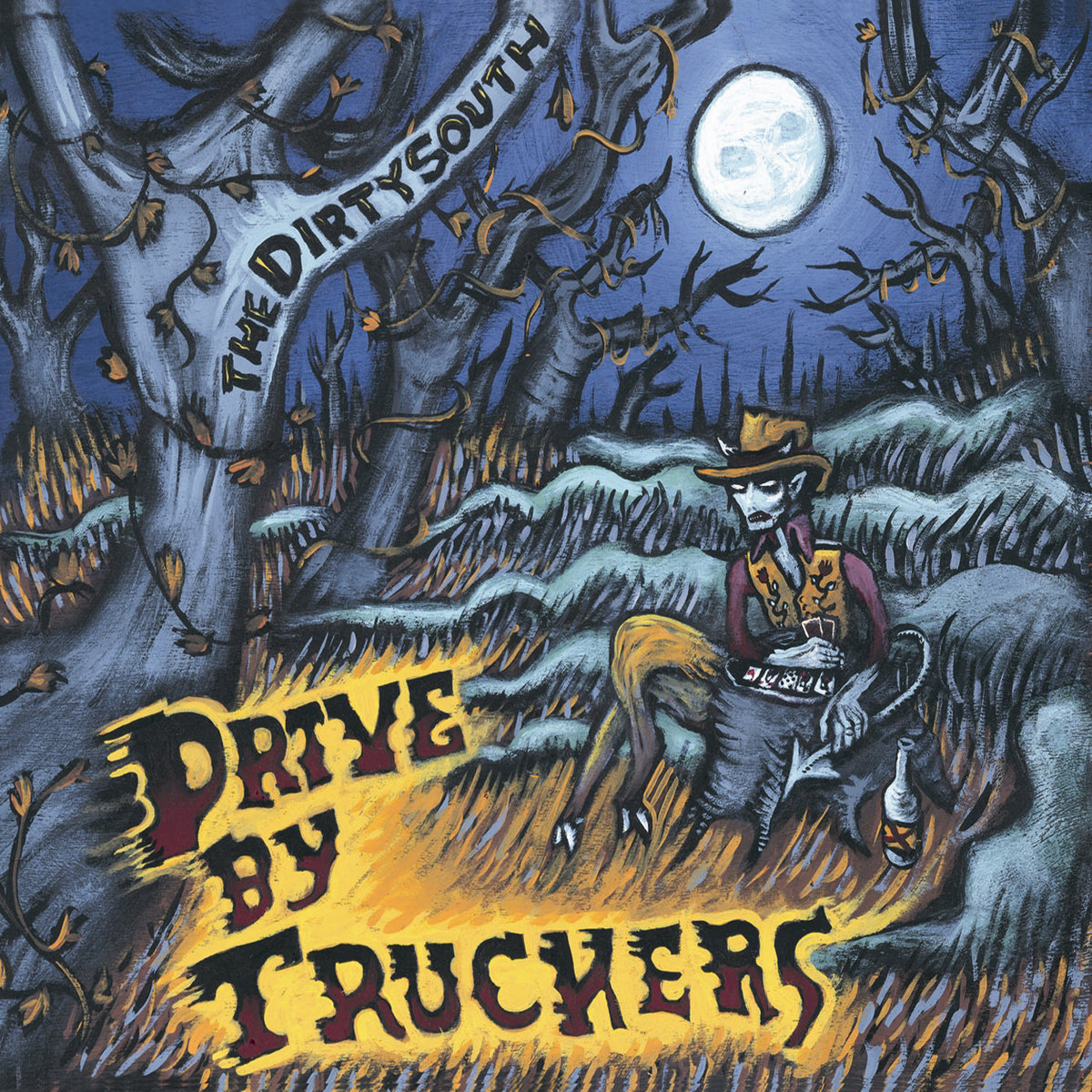
I think about the lanky blue demon on the cover of this album all the time. I wonder how he got in the middle of those Alabama pines, if he’s drinking bootlegged rye or bourbon out of that bottle, and what he’s thinking about alone in those woods. I wonder if he likes being mean, if he listens to The Band, and if he’s scared of his daddy. How long has he been sitting on that stump? 

The Dirty South is Drive By Truckers’ fifth album (I am forgoing the hyphen in the spelling of their band name here because former member Jason Isbell swears it wasn’t there when he was playing in it, and he is all over this album) and the conceptual sequel to Decoration Day. Like Decoration Day and most of their discography, the band uses the album to dissect the wrongness of the people in the South. However, what makes me like The Dirty South the most out of their Southern investigations is the consideration of familial myth and unstoppable tragedy as something crucial to understanding the region. It makes for a layered and haunting work. In an old website post, Patterson Hood said that “Tornadoes, Danko / Manuel and Carl Perkins' Cadillac all sound especially fine.” Unfortunately, he is wrong. Those songs do all sound fine, but what sounds best are “Where the Devil Don't Stay,” “The Day John Henry Died,” and “Puttin' People on the Moon.”

– Caro Alt


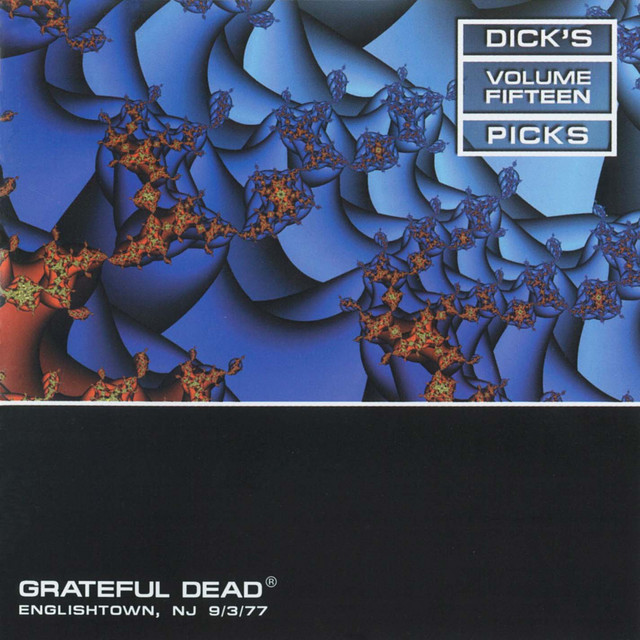
Grateful Dead – Dick’s Picks 15: Raceway Park, Englishtown NJ, 9/3/77

Grateful Dead Productions

A band like the Grateful Dead has such a seemingly high barrier to entry. For the uninitiated, you’ve seen the iconography your whole life—the dancing bears (they’re actually “marching” bears), the skull with the lightning bolt in it, the skull with the rose crown. You’ve seen the images of hippies twirling. Maybe the most you know of them is your high school friend’s older brother who reeked of patchouli. Of course, all these things are reductive. But it’s what sticks.

To actually get into the music of the Grateful Dead, where would one even start? Over a 30-year career, they played over 2,400 live shows, almost all of which were recorded and exist online in some way. 13 studio albums, multiple off-shoot bands and side projects. It’s like eating an elephant, and the method for tackling both is the same: one bite at a time.

Deadheads have argued for decades—and we like to argue about everything—which is the best show to give someone to introduce them to the Grateful Dead? Cornell ’77? Kind of a perfect one. Veneta ’72? Really great, but long and spacey. Buffalo ’89? A classic, but misses some of the “lore” of the 60’s and 70’s. In my time, I’ve put multiple people “on the bus,” as they say. While it’s maybe not the absolute best, and it doesn’t cover all necessary ground, I keep coming back to Englishtown ’77.

1977 was a banner year for the Grateful Dead. Maybe THE banner year. If you ask 100 Deadheads their favorite year, I would wager over half would say ’77. Everything was just kind of connecting for them. They had fully gotten back up to speed after their hiatus year in 1975, and Jerry Garcia was at one of his many peaks. Mickey Hart, the band’s second percussionist, had returned after resigning in disgrace when his father stole a bunch of money from the group. Mickey, with other drummer Bill Kreutzmann, had locked into a sort of dancey disco vibe, apropos of the late-70s. The crown jewel of 1977 is the month of May, boasting a dozen or so all-time great shows. But this one took place in September.

Raceway Park was a massive space, and this concert would become one of the largest crowds the Dead ever played to. Estimates range from 125k to 175k people, with the most conservative figures still over 100k. Two people died, and two babies were born. There are a hundred great stories about this show (like it had been over two years since they played “Truckin’,” so apparently they had to go backstage and relearn it together in the middle of the show?), but I don’t want to hog this piece. Suffice it to say, 09/03/1977 contains multiple all-time performances of some of the Dead’s most classic songs: Mississippi Half-Step Uptown Toodleoo, Looks Like Rain, Peggy-O, The Music Never Stopped, Eyes of the World.

Everybody take a step back!

– Caleb Doyle


Jay-Z – The Blueprint

UMG Recordings

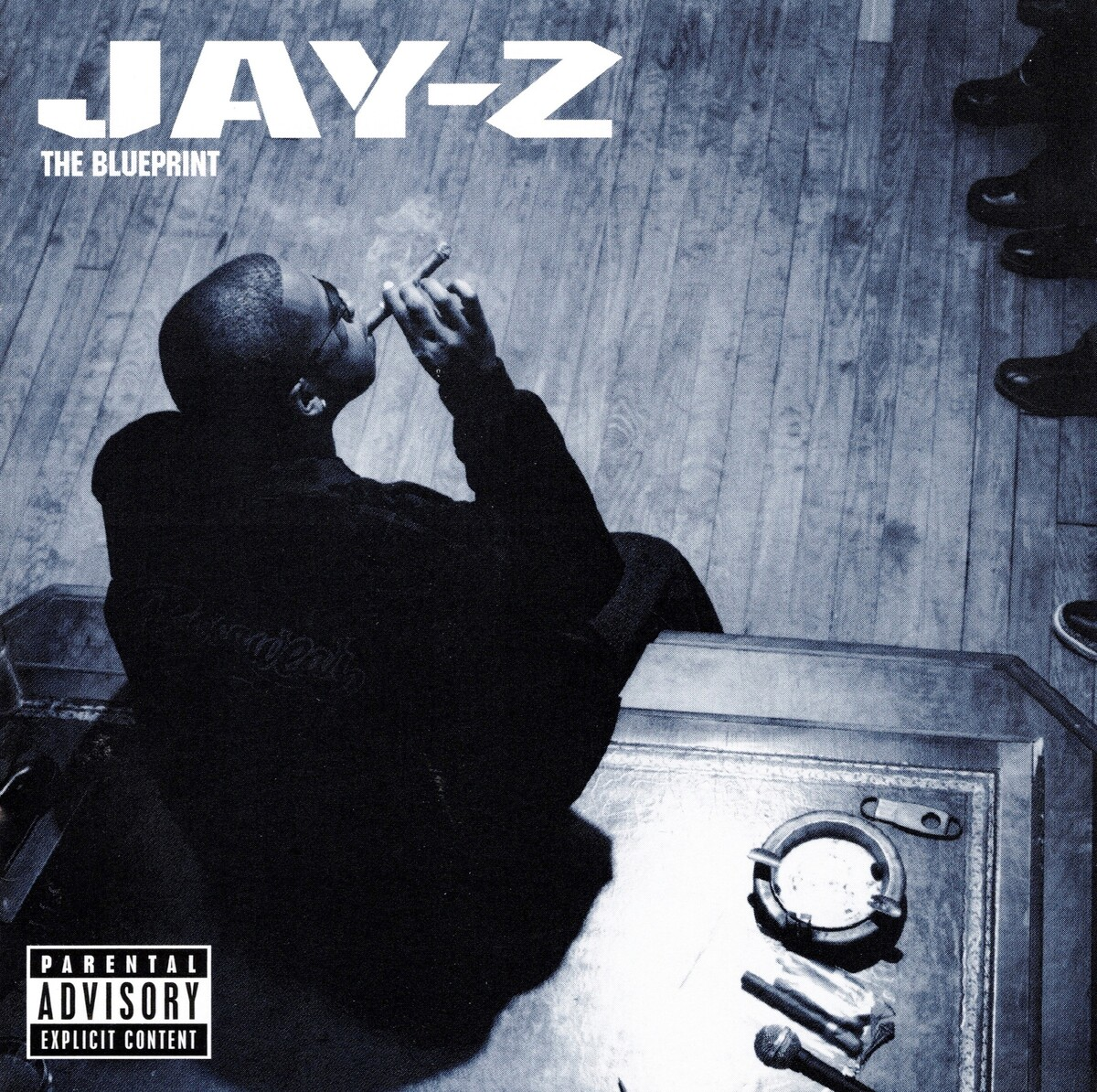
The Blueprint is Jay-Z at his rap beef apex; he’s sitting on a throne of dominance in New York. The rollout for Jay’s sixth studio album contained some of the most memorable moments in the Y2K era for hip-hop. There was the infamous 2001 Summer Jam concert, where Jay-Z displayed a photo of Mobb Deep’s Prodigy wearing a ballet outfit, a moment that still lives in infamy to this day in rap beef history. The dichotomy of embarrassing an opponent dressed like Michael Jackson, then bringing out the real Michael Jackson at the same concert, needs to be studied by our top historians. It’s a stroke of hater genius by Jay-Z. “Takeover” was the equivalent of a figure-four leglock aimed at not only Mobb Deep but also another rap icon, Nas, which resulted in my favorite hip-hop tussle of all time.

Besides the juicy rivalry bits, on The Blueprint, Jay-Z curated a specific soulful vibe with innovative production from a young and hungry Kanye West, who mixed in his classic soul chops, resulting in hits like “Izzo (H.O.V.A.), “Heart of the City (Ain’t No Love),” and “Never Change.” Eminem is featured on “Renegade,” a feature that I still think back to almost twenty-five years later. Something about two hip-hop heavyweights trying to out-bar each other gets me going. This song is like a Tyson-Holyfield spectacle. The Blueprint is an all-time classic that solidified Jay-Z's place in another stratosphere of superstardom.  

– David Williams


Superheaven – Jar

Run for Cover Records

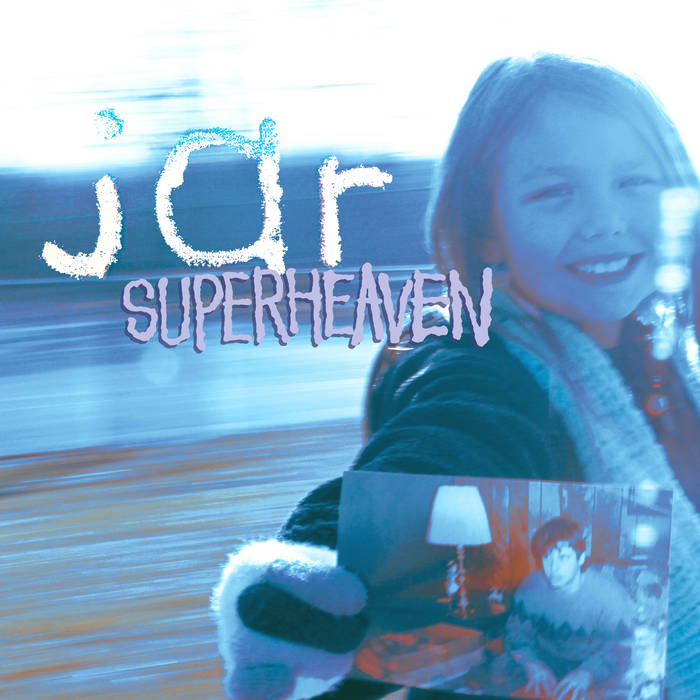
Two years ago, my girlfriend gifted me a tape player and Jar on cassette for our first Christmas together. For me, the title of this album might as well be “Now That’s What I Call Post-Post-Post-Hardcore!” With every listen, I feel like I hear a new influence or notice a new similarity to another song. Some albums break the mold, but this one was cast so perfectly in its own that it makes the entire genre shine brighter. So, it’s not surprising that when Jar was released in April of 2013, it actually charted. On the radio. In the context of other notable releases, Title Fight’s Floral Green came out just six months prior (in a city just 10 minutes away from Superheaven’s hometown of Wilkes-Barre, PA), Citizen’s Youth released two months later, and The Hotelier’s Home, Like Noplace is There followed in late 2014. My favorite track is “Hole In the Ground,” which somehow simultaneously reminds me of Mineral and makes me appreciate Daughtry just a bit more. Final fun fact: the album cover was originally red! It changed when the group changed their name from “Daylight” to “Superheaven.”

– Braden Allmond


Motion City Soundtrack – Even If It Kills Me

Epitaph Records

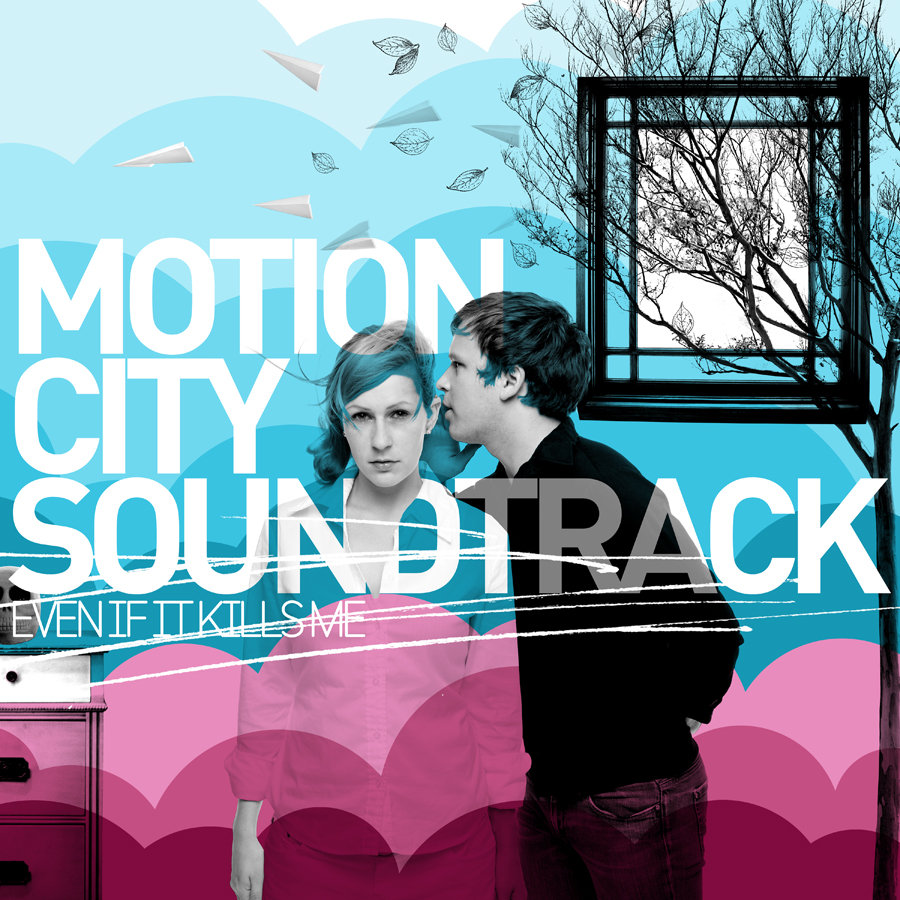
The first four Motion City Soundtrack albums are sacred artifacts – well, to me at least. MCS has always been a band that felt like my own; a rejection of my sheltered upbringing that existed outside the influence of friends and family. I discovered various early hits of theirs in high school, mainly through my Say Anything Pandora station, and there has always been this secret sauce drawing me back to those early days of their career, from I Am the Movie to My Dinosaur Life. As they all feel like children to me, it’s impossible to pick a favorite, but if I had to pick the black sheep of the family, it’s their third creation, Even If It Kills Me

It lacks the notable singles like “Everything Is Alright” and “My Favorite Accident,” you probably won’t find it collecting great accolades among top albums of all time, and it might not be considered a “no-skip” album (a term I have my own qualms with, but can’t fit into 300 words). No, Even If It Kills Me isn’t flashy and, as a whole, it’s actually a downright bummer of an album both in lyrical and musical content, but there’s a tender and often lighthearted sincerity to this particular entry in the band’s catalog that holds a special place in my heart. Songs like “Fell In Love Without You” and “Calling All Cops” offer more than enough fun and familiarity, while others, namely “Point of Extinction” and bonus track “The Worst Part…” exist purely as a reliable gut punch when I’m feeling the need for one.

Blue? Oh yes, Even If It Kills Me fits the descriptor in more ways than just its painfully 2000s album cover. 

– Ciara Rhiannon


Knocked Loose – A Different Shade Of Blue

Pure Noise Records

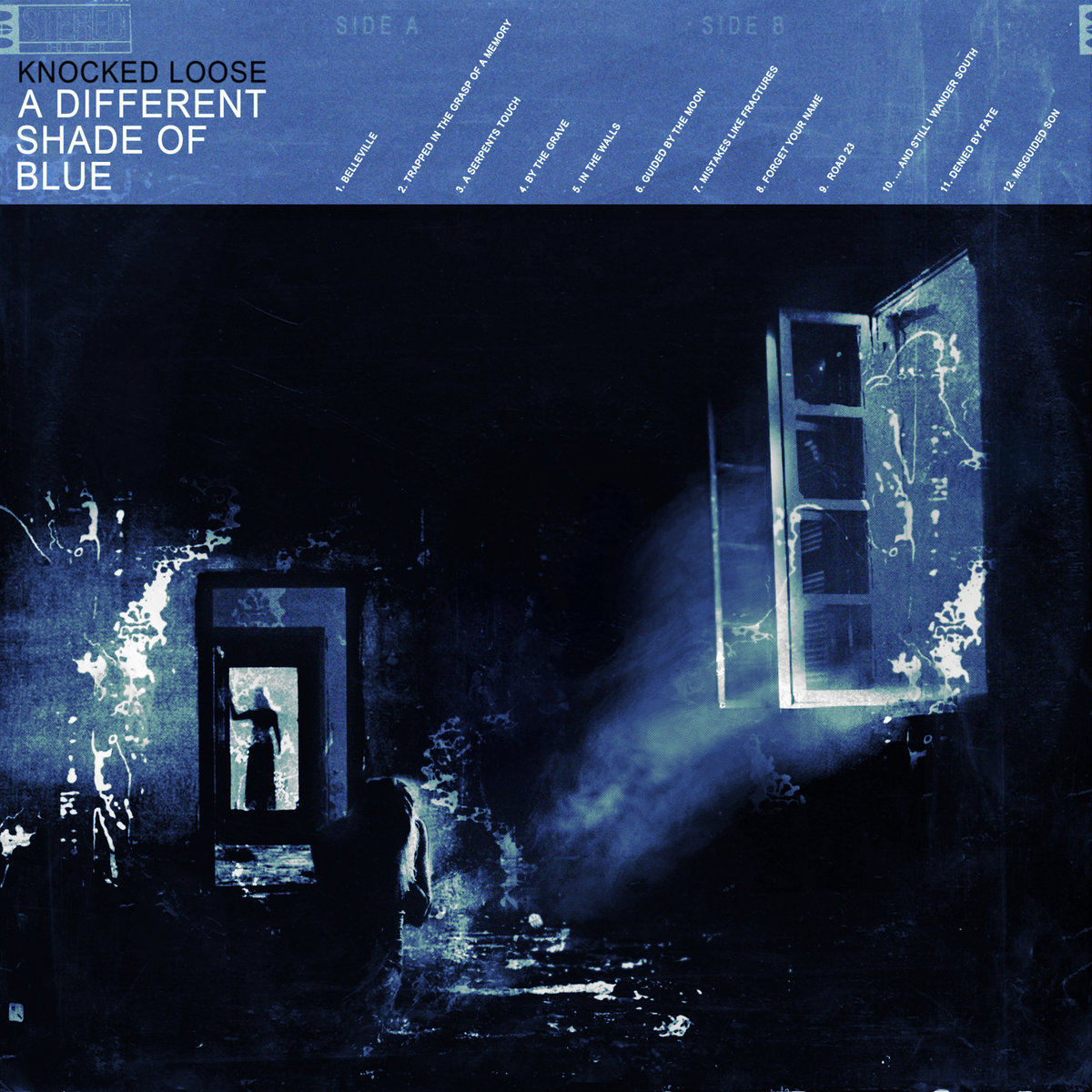
It’s been fascinating to watch A Different Shade Of Blue age since its release in 2019. In the scope of Knocked Loose’s songwriting structure, this is when the Oldham County group elevated their meat-and-potatoes approach to hardcore music and turned it into something downright scary. Every ring out and downtuned guitar passage sounds like it came straight out of hell, thanks to Isaac Hale’s obsession with creating the most unnerving guitar tones known to man and Will Putney’s complimentary production style. On the lyrical front, Bryan Garris screams of hiding someone in the walls and having a bone to pick with death, working together with video game voiceovers to further exemplify the horrifying atmosphere that Knocked Loose have wanted to build this entire time. This type of world-building would be further refined in their next record, You Won’t Go Before You’re Supposed To (a masterclass of 2020s heavy music associated with the color green, not blue), but A Different Shade Of Blue brought the group to the limelight for a lot of music listeners, myself included. My first proper hardcore show was their gig at Webster Hall, where I got spinkicked in the face within half an hour of getting inside. Good times.

– Samuel Leon


Ratboys – The Window

Topshelf Records

Ratboys are probably one of indie rock’s most perpetually underrated bands. Since self-releasing their self-titled EP as a duo in 2011, the band has expanded and solidified over five albums, tightening the screws each time and leaving a flawless batch of tunes in their wake. The group was sitting at the intersection of alt-country and indie rock before Pinegrove or Alex G, much less any of the bands currently chasing that sound down today. It should come as no surprise then that the Chicago band feel like such a singular and authentic voice—they’ve only ever known how to be themselves. Nowhere is that more clear than The Window, a record packed with vivacious rev-up songs, life-affirming melodies, and soul-searching epics that gradually melt into each ventricle of your heart upon repeated listen. I’d say that The Window is Ratboys’ most realized work yet, but based on the few singles released from Singin’ to an Empty Chair, it seems we might have an even better contender arriving in a matter of days. Ratboys are a rare band of consistency; a group that somehow manages to just keep getting better as they unlock new and exciting compartments of their own sound. While The Window stands as the most recent articulation of that exploration, it will be exciting to see how they continue to crank out these stirring indie rock songs with craftsman-like precision. 

– Taylor Grimes


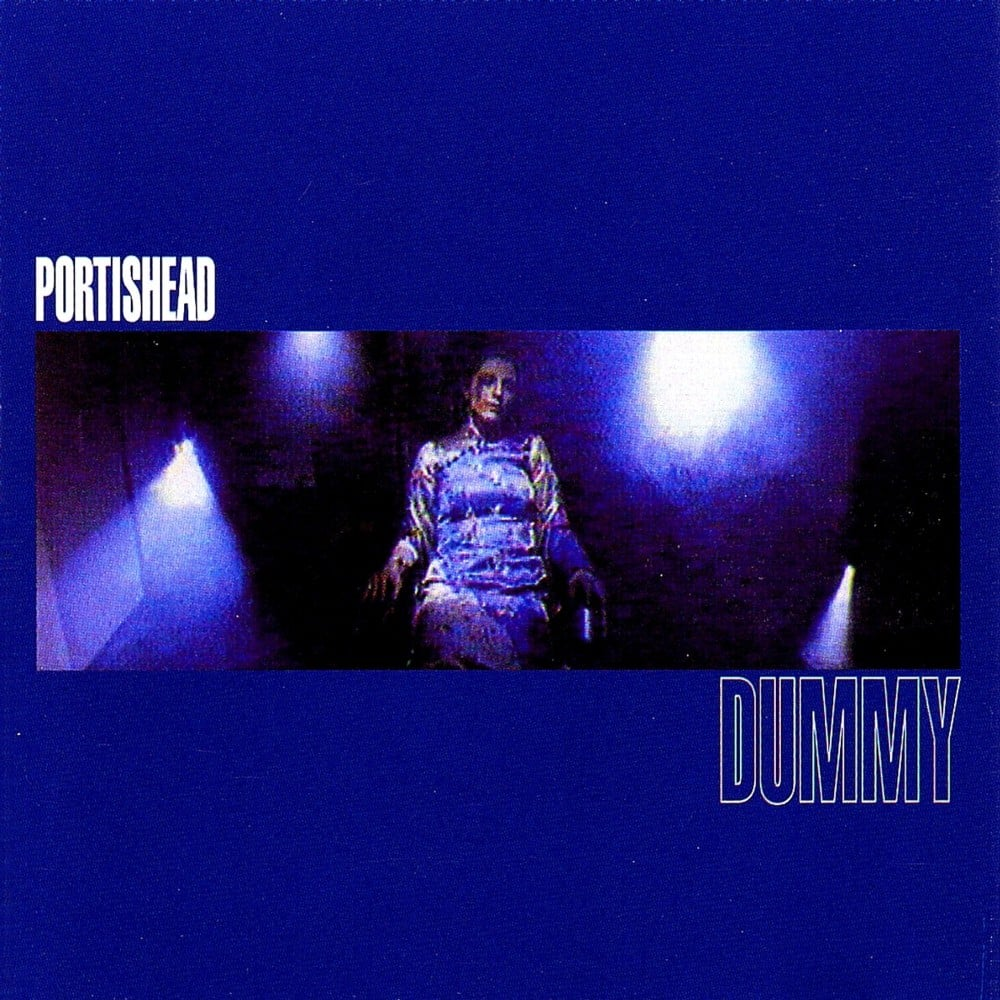
Portishead – Dummy

Island Records

Nobody captured the ‘90s sense of “cool” quite like vocalist Beth Gibbons on Portishead’s Dummy. This seminal trip-hop album features her voice, breathy and sweet, over reverb-y minor chords and shifty cymbals. Like the midnight blue of the album cover, Dummy is so nighttime-coded it simply doesn’t make sense to listen to it while the sun’s out. Gibbons’ lines are flirty and at the same time deadly serious. Some speculate you shouldn’t look the blue Medusa in the eye, but I recommend turning up the bass volume.

– Katie Hayes

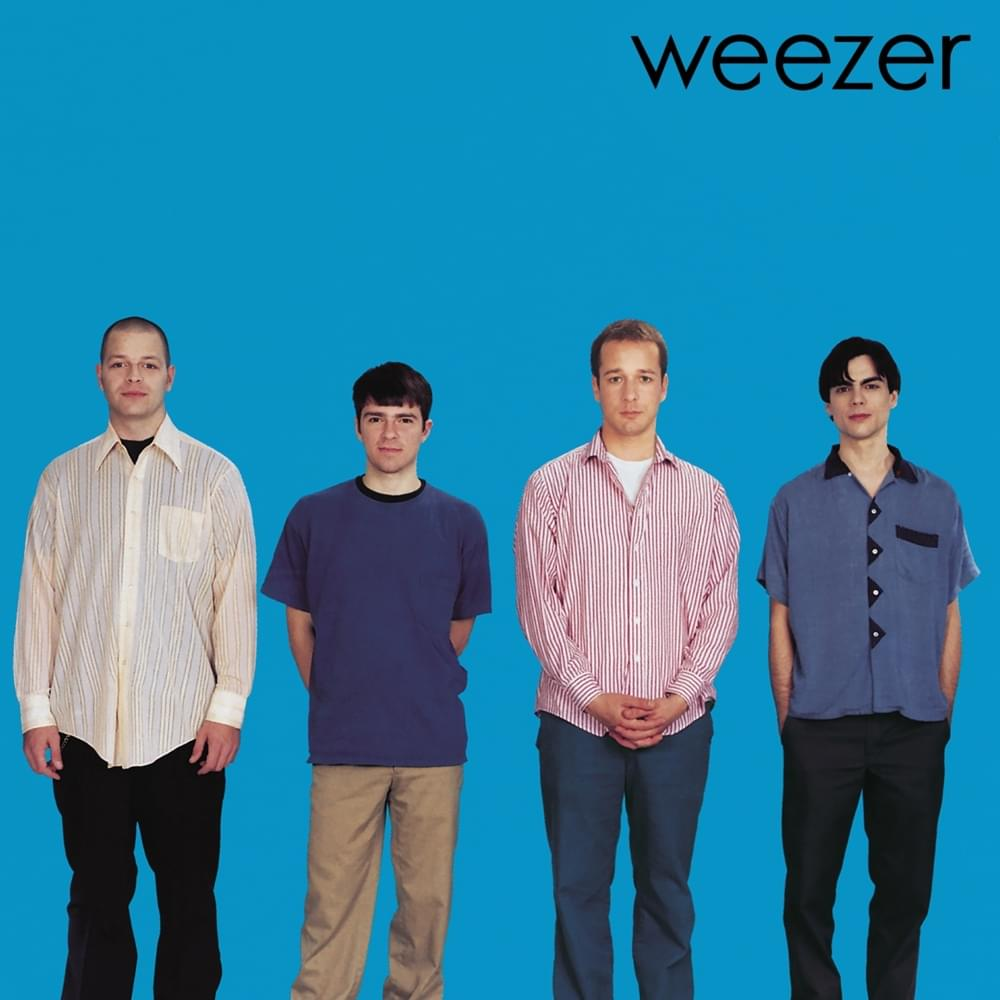
If we’re talking solid-color album art, there’s one band that stands above the rest, and that’s Weezer. Across fifteen studio albums, more than a third of their discography is made up of self-titled albums that fans simply refer to by their color. Each features the band members lined up staring down the barrel of the camera against a solid-colored background. In this recurring section, we’ll address the elephant in the room that is Weezer’s discography.

Weezer (1994), also known as “The Blue Album,” is simply an all-timer. Maybe I’m biased as someone who identifies with Rivers Cuomo’s nerdy tendencies and staggering unconfidence. Despite those leanings, these songs fucking rock and make for one of the best records of the 90s and alternative music as a whole. Ending the whole thing on a wandering, meditative, soul-affirming 8-minute song is just the cherry on top. 


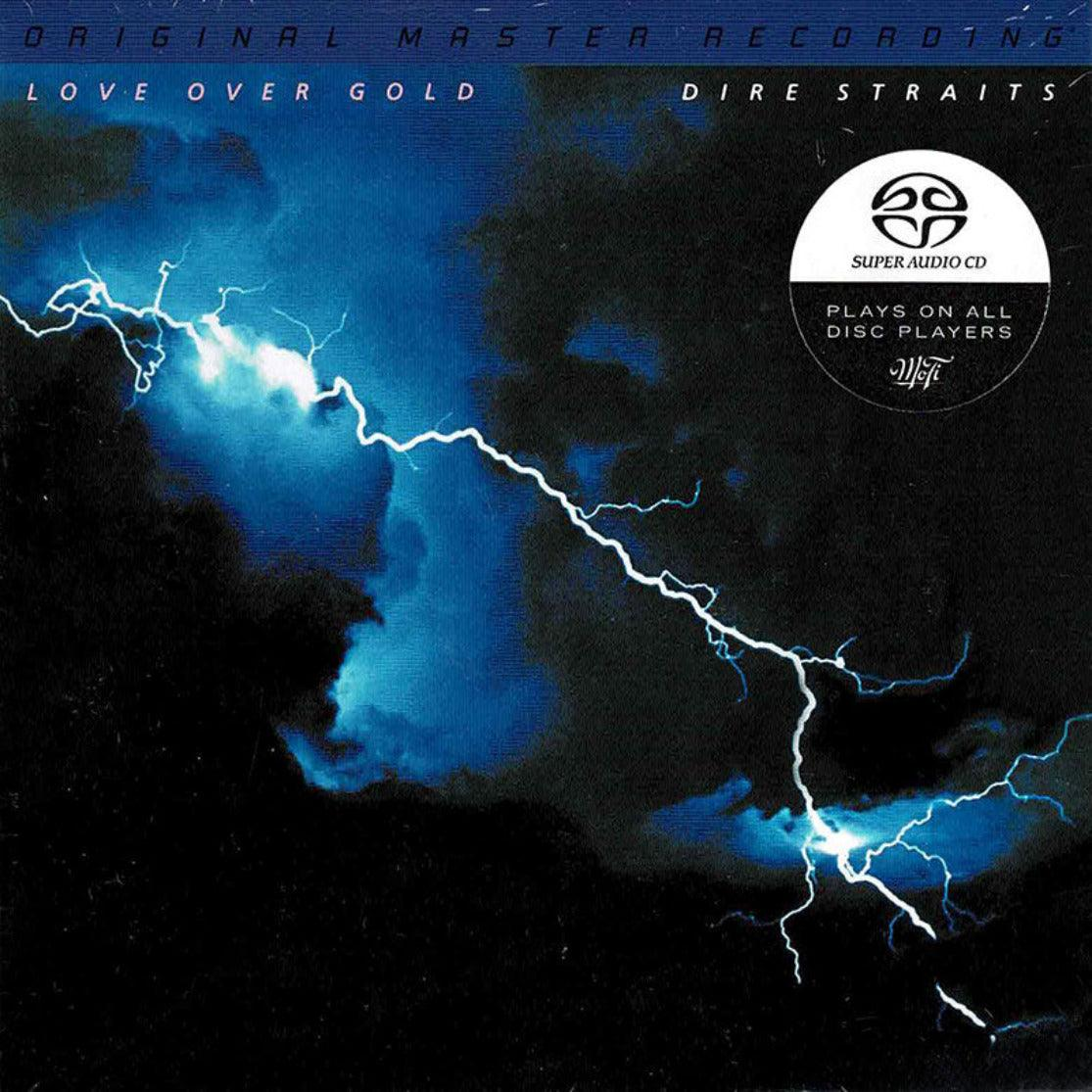
Dire Straits – Love Over Gold

Vertigo

Love Over Gold is one of the best records that I’ve ever found in a bargain bin. Before picking this up a month or so back, I only really knew Dire Straits through their radio hits, so I wasn’t at all prepared for Love over Gold’s 14-minute-long opener “Telegraph Road.” A heartland rock track from a British band that’s as long as a prog song, you just can’t beat it. Front to back, this record is full of great moments, especially in the latter half of the title track, where you get some very cool lead interplay between vibraphones, marimbas, and a nylon string guitar. 

This has quickly become the album that I reach for when I’m not exactly sure what I want to listen to; it’s interesting without being heady, perfect for late-night listens while you stare at the ceiling. I know I’m late to the party here, but man, Mark Knopfler can really play. Beyond its own merits, I have an affinity for this record because it got me obsessed with Knopfler, which led to me watching a movie he scored called Local Hero. The movie had been on my watchlist for a while, but I’d been holding off because its premise made me fear it might be trite and predictable; the Knopfler connection was enough to push me over the edge to actually watch it. It turned out that I was totally wrong, hell of a movie. Thanks, Love over Gold.

– Josh Ejnes


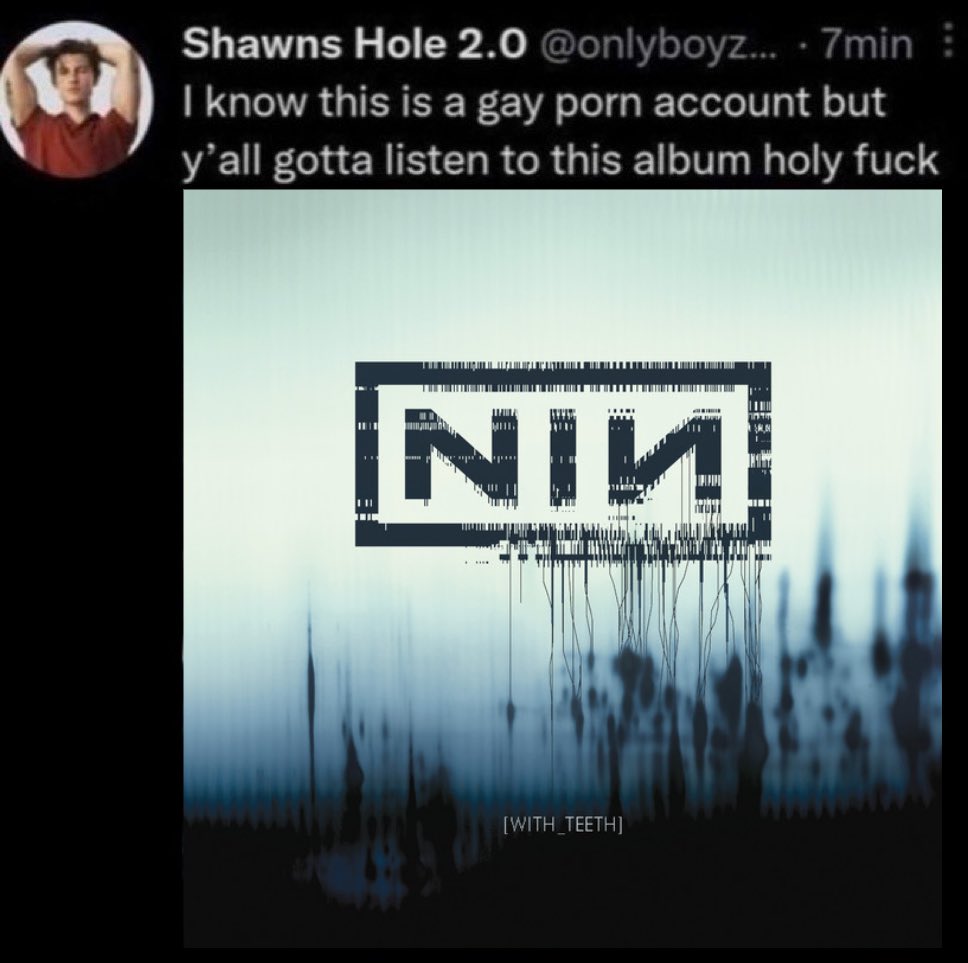
Nine Inch Nails – With Teeth

Interscope Records

Sometimes I forget that Nine Inch Nails is one of my favorite bands. The last release of theirs I was really obsessed with was 2013’s Hesitation Marks, and I’m not enough of a cinephile to follow all of Trent Reznor & Atticus Ross’s soundtrack work. Plus, the last time I saw them was admittedly a bit underwhelming, considering the first time I saw them at Lollapalooza 2013 is still, to this day, the best live performance I’ve ever witnessed. That show had arrived after eight long years of build-up, when I heard the band for the very first time. With Teeth had just come out, their first album since 1999’s The Fragile, and their finest hour in my opinion. The album was blaring from my dad’s home office when I walked in there to ask him a likely asinine question, as I often did. I heard Trent screaming “DON’T YOU FUCKING KNOW WHO YOU ARE” over this chaotic electronic music, unlike anything I’d heard before. After that, I became a pre-teen NIN devotee, studying every CD my dad had in his collection, including the remix albums like Fixed and Further Down The Spiral, and of course, With Teeth.

In some ways, I think Teeth is the perfect NIN album. It’s a career-encapsulating collection of songs that range from aggressive radio singles like “The Hand That Feeds” and “Only,” to classic goth ballads like “Every Day Is Exactly The Same” and “Right Where It Belongs,” plus fan favorite deep cuts like “Getting Smaller” and “Sunspots.” The band’s next album, 2007’s Year Zero, with more fantastic blue artwork, would inspire me to write a 14-chapter fan fiction for my fifth-grade creative writing assignment. Trent and his rotating cast of bandmates have been a longtime influence of mine, even if their records aren’t as prevalent in my rotation as they once were. With Teeth will always be a cornerstone in my musical evolution that hasn’t lost a beat in the last 20 years.

– Logan Archer Mounts


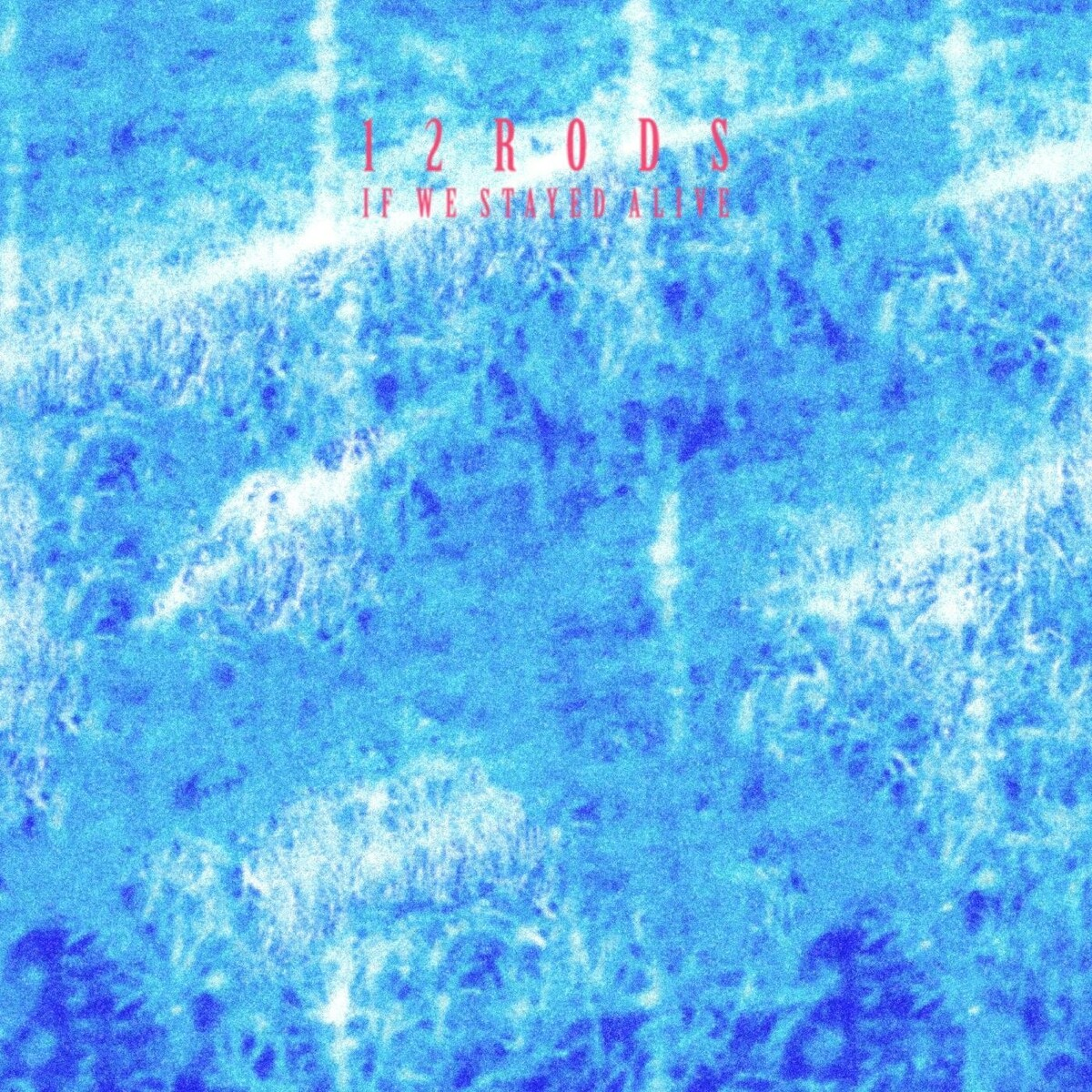
12 Rods – If We Stayed Alive

Terrible Hands

12 Rods—a Minneapolis group sometimes remembered for earning one of Pitchfork’s very first “10s,” but maybe more commonly referred to as “the greatest band that nobody remembers.” After calling it quits in 2004, 12 Rods made a surprise comeback in 2023 with seven previously unreleased tracks and just one remaining member—frontman Ryan Olcott.

Despite a 20-year gap between records, If We Stayed Alive picks up seamlessly where Olcott and the former band left off. In true 12 Rods fashion, the album blends dreamy, dizzying textures with cryptic yet personal lyricism. While heavier moments of 12 Rods’ discography made use of synthesizers and occasional distortion, If We Stayed Alive opts for electric guitar with a timeless wash of reverb. The record’s haunting opening promptly transitions into a handful of more optimistic tracks, then just as quickly pivots to a cool, understated groove. Olcott’s nuance shines even in the final 20 seconds of the record when the listener is granted the slightest hint of a harmonic and emotional resolution after floating through the sonic ether. 

While the cover is a lively electric blue, If We Stayed Alive evokes the deep blue of a downtown on a foggy night. This record is ideal for the dreampop fan who yearns for the 90s, and is the perfect gateway into the bittersweet world of 12 Rods. 

– Annie Watson


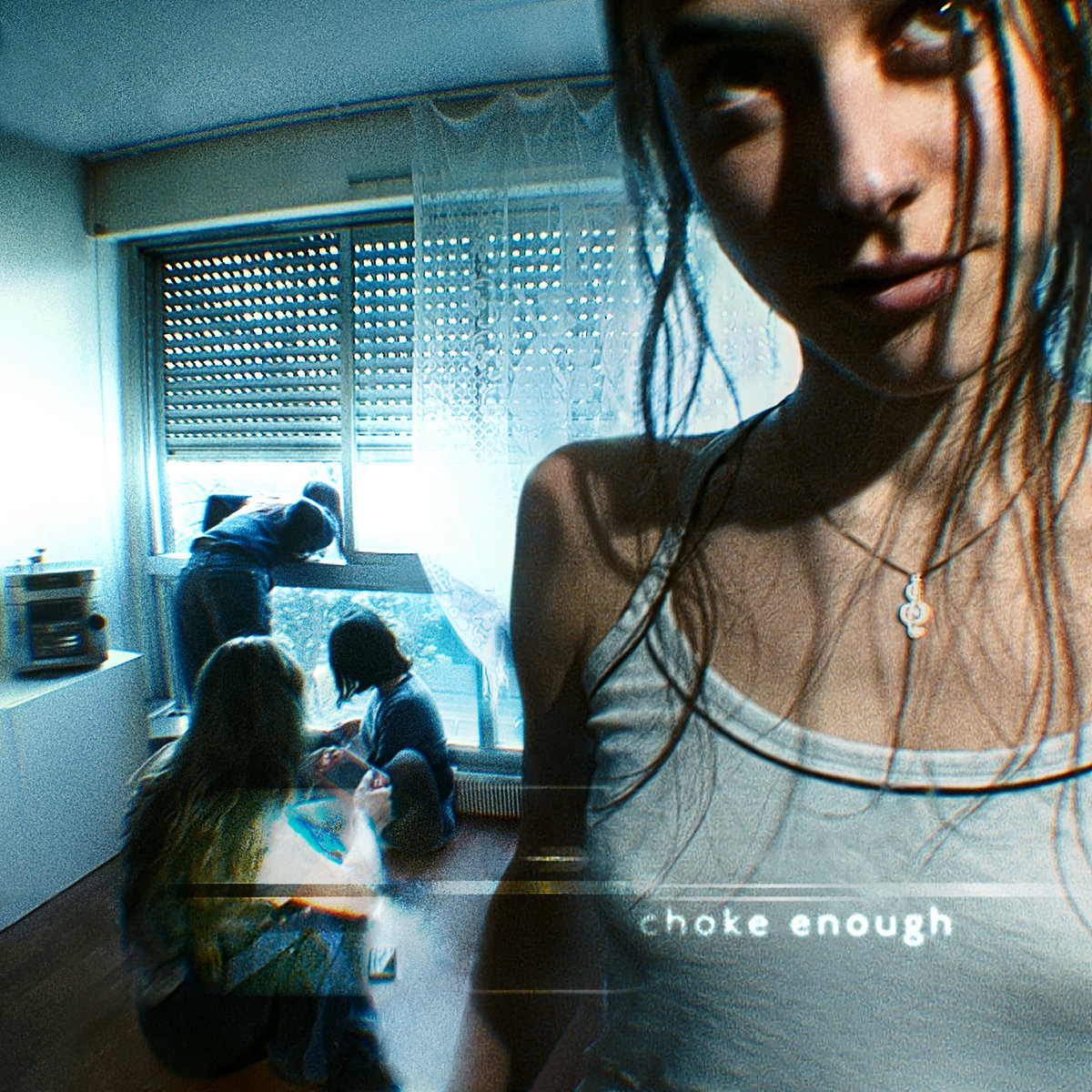
Oklou – choke enough

True Panther Sounds 

I, admittedly, don’t know much about Oklou. I know that she is from France, is a classically trained musician (a pianist and cellist), and recently became a mother during the creation of choke enough. The ripples of motherhood flow throughout the album, especially in the blurry, domestic scene displayed on the cover; a group of kids hanging out in the living room, slightly out of focus, their attention drawn to something happening just outside the window. Oklou herself poses for a selfie in the foreground of the scene, perfectly depicting the conflict that is prevalent throughout the record: what does it mean to be Oklou now in such a strange era of accelerated surveillance technology, one where she not only has a new life to care for but has instant access to the beauty and (horror) of the world in a scrollable feed?

That dichotomy is explored beautifully through a gentle record that remains alluringly at arm’s length, despite its intimacy. Much of the music here resembles the transient experience of passing by a club at night and hearing the 808s pump through the walls; you can feel the party, but you're not exactly a part of it. You need that distance sometimes, that oddly comforting sense of proximity that allows the freedom to pause and make sense of it all without getting completely wrapped up in it. Oklou gives us a misty, ephemeral work, pushing towards the emotion found in trance and club music, yet constantly pulling back before the exuberant drop. But all rivers flow back to the self. Let the blue waters flow over you. You never know what can be floating underneath.

– Nickolas Sackett 


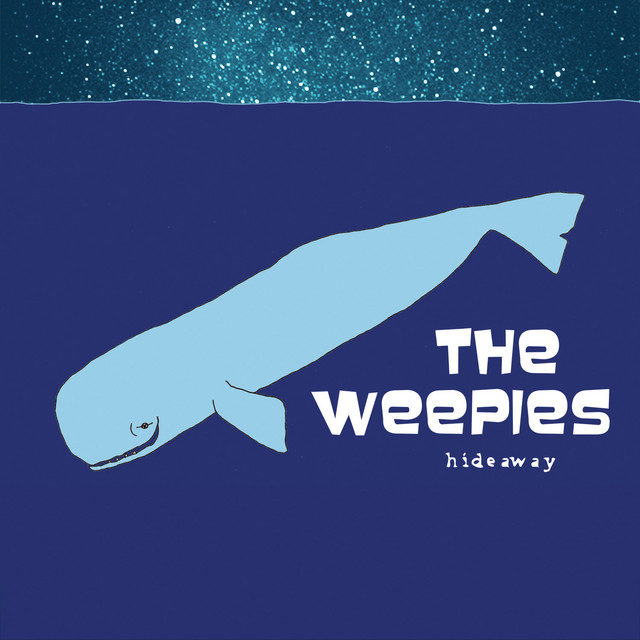
The Weepies – Hideaway

Nettwerk Productions

I hadn’t been driving for long. Freshly sixteen, I’d revel in my newfound mobility with jaunts just about anywhere. That particular day in 2008, I was on the move, hoping to stock my CD shelves with goods from CD Warehouse, a nook in my neighborhood’s strip center. Part of me felt shame determining a purchase based on album art, but the other part of me fell in love with the delicately drawn beluga whale on the cover of The Weepies’ Hideaway. I grabbed the plastic square and slapped it onto the counter. In the container of my car, the songs felt like lullabies, gently melancholy like the stars and the sea on the cover.

This album has never quite let me out of its orbit. The opening track, “Can’t Go Back Now,” is one of my playlist mainstays. The folky duo’s silky harmonies sail over soft, sparkling guitars and keys: “If you ever turn around, you’ll see me.” It’s an ode to a deep blue road that I still find myself driving, almost twenty years later.

– Katie Hayes


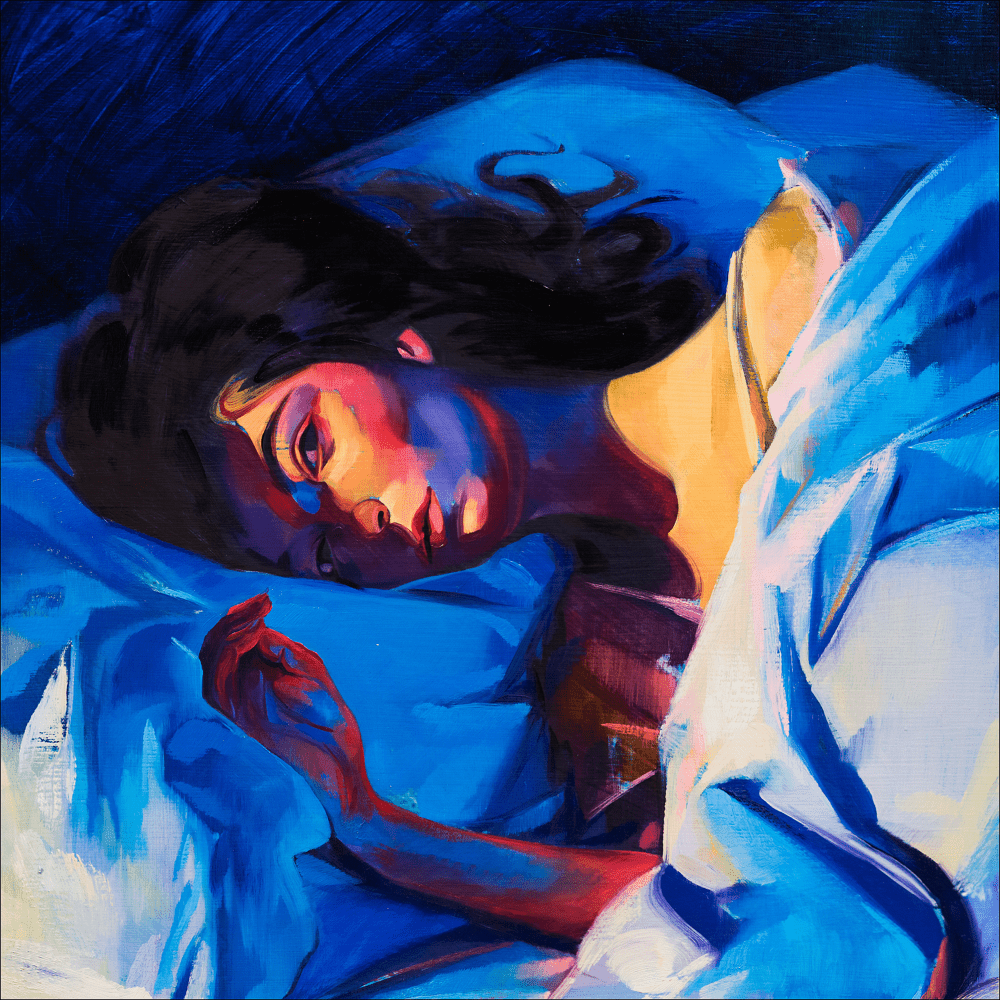
Lorde – Melodrama

Universal Music

I was first introduced to Lorde in 2013 when my college roommate played “Royals” for me through the tinny speaker of her iPhone 4. We would play the album on loop as the semesters flew by, cementing Lorde as one of the defining artists of my undergrad career. Fast-forward to 2017, and I’m heading into my second year of graduate school. This time, Lorde had freshly released her sophomore album, Melodrama, and my best friend and I loved to listen to “Liability” as we agonized over papers, research, and recital prep. The album artwork is one of my favorites: a moody, intimate painting of Lorde by Sam McKinniss. His treatment of light through the use of rich blue tones and contrasting coral accents is mesmerizing. The portrait is timeless, capturing both elegance and raw vulnerability through angular brushstrokes and saturated hues. I’ll always love it. Nostalgia lives on in every track, reminding me of evenings spent blasting this album with the windows down, breathing in the salted Gulf air, and screaming about the “fuckin’ melodrama” until our voices were nearly as raspy as Lorde’s. 

– Britta Joseph


The Avalanches – We Will Always Love You

Astralwerks Records

The Avalanches entered the cultural zeitgeist with their 2000 album, Since I Left You, and re-entered it again with their long-awaited 2016 follow-up, Wildflower. Both albums are beloved for good reason, but to me, nothing compares to the magnum opus that is We Will Always Love You. In some ways, this is a concept record, following the love story between Carl Sagan and Ann Druyan, the director of the Voyager Golden Record project, whose goal was to cement the existence of human life into the universe by placing two golden records upon the Voyager spacecrafts in 1977. Her face is on the cover, and the thesis of her project serves as a throughline of the album’s heart and soul.

There is no record that feels as all-encompassing or celebratory of the human experience and what it means to love each other. Throughout the album’s runtime, The Avalanches combine their signature plunderphonics and sample-based production with interpolations and features from musicians whose work spans countless genres and decades. From Johnny Marr and Blood Orange to Vashti Bunyan and Karen O, the album centers around the idea that everyone can come together and celebrate our shared humanity through music. The record’s hour-long runtime never feels bloated or weighted down by any of its inclusions; in fact, it’s an album that feels wrong to listen to unless it’s as a complete work. Despite the fact that each track can stand as its own composition, when listened to as a full album, every song continues to build on the last. It’s all one musical idea extrapolated on by many different voices and perspectives. 

Each time I think back on the tracks I love the most, like “Interstellar Love” with Leon Bridges, “Gold Sky” with Kurt Vile, or “Running Red Lights” with Rivers Cuomo and Pink Siifu, I remember the cathartic rush and emotion I feel throughout the journey, capped off by the closing track. The final song “Weightless” contains the Arecibo Message from 1974, a Morse code which was broadcast at the speed of light into the universe to beg the question of extraterrestrial existence. Though we may not have any concrete way to know who heard the Voyager Golden Record or the Arecibo Message, we know that music connects us to each other, no matter where in the world we are. 

– Helen Howard


Honorable Mentions

Hey, we can’t write about every album with this color, so here’s a list of some more that we feel like we should mention.

  • Joni Mitchell - Blue

  • Queens of the Stone Age - Rated R

  • The Killers - Hot Fuss

  • Explosions in the Sky - How Strange, Innocence

  • Nirvana - Nevermind

  • Turnstile - Never Enough

  • Momma - Welcome to My Blue Sky

  • First Day Back - Forward

  • Drunk Uncle - Look Up

  • Geese - Getting Killed

  • Sturgill Simpson - A Sailor’s Guide to Earth

  • Carpool - My Life in Subtitles

  • Combat - Stay Golden

  • Judge - Bringin’ It Down

  • Megadeth - Rust In Peace

  • Meat Loaf - Bat Out Of Hell II: Back Into Hell

  • Fall Out Boy - Take This To Your Grave

  • Oldsoul - Education on Earth

  • Death Cab For Cutie - Thank You For Today

  • Adventures - Supersonic Home

  • Kacey Musgraves - Golden Hour

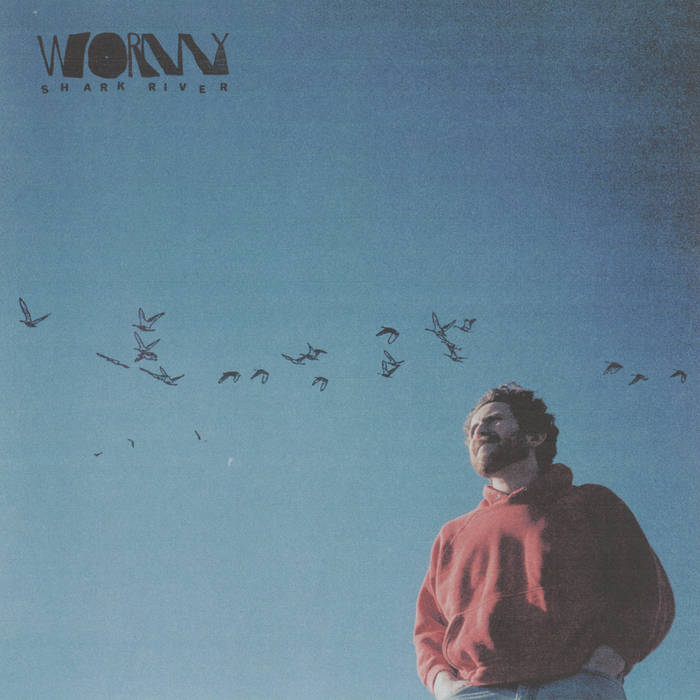
Wormy – Shark River | Album Review

Rose Garden

I recently started a new job and have been put in the slightly embarrassing position of new people, normal people, asking me what kind of music I like. Hesitant to ever utter the word “emo” out loud, both out of embarrassment and for fear of being misinterpreted, lately I’ve been defaulting to “indie rock” or “music with guitars in it.” It’s not that those terms are any better, if anything, they’re broad to the point of being unhelpful, but at least it feels like an honest answer.

As I was listening to “Big Loser,” the opening track off Wormy’s Shark River, I couldn’t help but feel some connective tissue to the “emotional rock” that I love so dearly. It’s not odd time signatures or frantically tapped guitars, but the radical self-deprecation found in the lyrics. The song lands among the ranks of self-admitted loser songs, tracks that own the insult and turn that outsider label into a badge of honor. In the chorus, singer-songwriter Noah Rauchwerk whines, “I hate myself so much, you might as well hate me too. I’m a big fuckin’ loser, the best thing about me is that I still care about you.” Hell of a line to stitch into an opening track, but one that will probably land for a certain sect of people fumbling through life trying their best and constantly falling short. 

Over the next two minutes of that track, we flash through a series of sensory memories scored by a banjo and soft drum pattern. Soggy potato chips and nautical kitchenware become stand-ins for the pleasant memories of life that we wish so badly we could return to. It seems unfair; we didn’t even know those moments were the best it was gonna get until we look back and see them in contrast to whatever exists now. A guitar solo whisks the bad thoughts away for a moment until Rauchwerk comes back in with an anecdote of aging dogs before relenting to the chorus one more time. It’s super powerful and a beautiful way to set the tone for Shark River, an album full of well-observed moments and beautiful truths. 

Throughout the rest of the record, there are pop culture references like U2’s Songs of Innocence (referred to as “the one they put on our iPods without asking”), cheap Gatorade, and the 2023 film Cocaine Bear, each of which serve as totems for connection in different ways. Just like real life, these random pop-culture objects are conduits for so much more. A mediocre late-career record and a goofy black comedy horror film can become a platform for something much deeper; it’s more about when and how these things come into our lives. Those associations are a chief concern of Shark River, as the project explores how these might prove to be either false comforts or accidental saving graces.

Every song is pushed forward with a sort of white boy melancholia you’d find in a Barenaked Ladies song, I’m thinking of tracks like “Pinch Me” and “The Old Apartment” that hone in on hyper-specific mundanities and spin them out into larger regrets. The song “27 Days” focuses on the distance that can strain a relationship, with our narrator desperately asking, “Will you text me when I land / to see if I’m okay?” over a simple drum pat and a clean little guitar bend. It’s all really beautiful and infinitely relatable. As our hero compares himself to more exciting and compelling individuals, it’s hard not to feel like an echo of an echo, the original sound reverberating, growing weaker and weaker, but already long gone. 

Immediately following, “Cocaine Bear” has already become one of my favorite songs of 2026, embracing a more peppy electronic beat and free-wheeling energy. Fretting over an uncertain future and inevitable death, Rauchwerk sings with a Darnellian verve “I don’t wanna be left with the burden / I don’t wanna be dead on the roadside / I don’t wanna be dragged by the curtain / I don’t wanna be there when I die.” Flashing to the earthly pleasures of Cocaine Bear, Costco runs, and Monster Energy, he pretends to “act like his life is hard.” To me, this is the same vein as “getting killed by a pretty good life,” capturing a sort of attitude adjustment that many people like me have felt recently. Things can be good on paper and still hard. You can, and should, acknowledge the advantages you have, but those privileges don’t negate the complicated feelings that can come from a fucked-up brain. Life is hard for everyone in different ways, and you gain nothing from comparing struggles.

Things dip into a woozy pedal steel lilt on “I Am Here,” and I think of ‘alt-country run-off,’ a phrase I heard someone toss out off-handed but meant to allude to a sort of “FFO MJ Lenderman” style of music that has become easy for indie rockers to reach for ever since the success of Manning Fireworks. Even still, I think it’s used tastefully here, and Rauchwerk’s writing is unique enough to stand on its own. It’s not just the proper nouns that poke through the songs, but the way they’re framed and what they all ladder up to. 

Breakfast Again” captures a specific type of helplessness that’s easy to feel in the wake of everything on every front constantly going wrong and getting worse. Snacking yourself to sleep while it feels like the sharks are circling, only to wake up hungry and do it all again. It’s infinite unfulfilment that sounds just dreadful on paper, but can be surprisingly easy to fall into. While there’s obviously some self-shaming in an observation like “pants too tight from just stayin’ in,” I think it’s important to focus on the silver lining presented in the lyric “Hardest things that you ever try / make you want to try again.”

After all this, the media consumption, the gorging on snack food and energy drinks, the bad decisions and expired relationships, Rauchwerk paints a truly vulnerable and compelling image of a slacker mid-redemption arc. There’s absolutely loneliness, devastation, regret, and sorrow, but there’s also recovery, reclamation, and the hope for reconciliation. Rauchwerk’s writing is filled with self-reflection, and that makes it easy for the listener to see themself in his work. The little nods to movies or food can sometimes feel like funny distractions or frivolous extravagances, but one could also argue they’re part of the journey just as much as the Big Feelings and Real Decisions. 

In the final moments of the record, our narrator finds himself questioning what he really wants. While the concept of “true love” feels a bit too daunting to break down into anything digestible, Rauchwerk opts to find comfort in a small show of affection. It’s nothing too intimate, just a gentle cradle and the hope to sort things out. It’s that sort of singular connection, the one between two individuals, that can make all the difference. It’s not that you expect the other person to solve everything (or anything) for you, but that the possibility is there, even in the face of feeling angry, ugly, and cosmically unlucky. If you’re really fortunate, maybe you and this other person can help you learn things about each other until you learn things about yourself. God knows there’s still lots to figure out, but knowing who you want to do it with, and, more importantly, that you yourself want to do it, is a pretty damn good start.

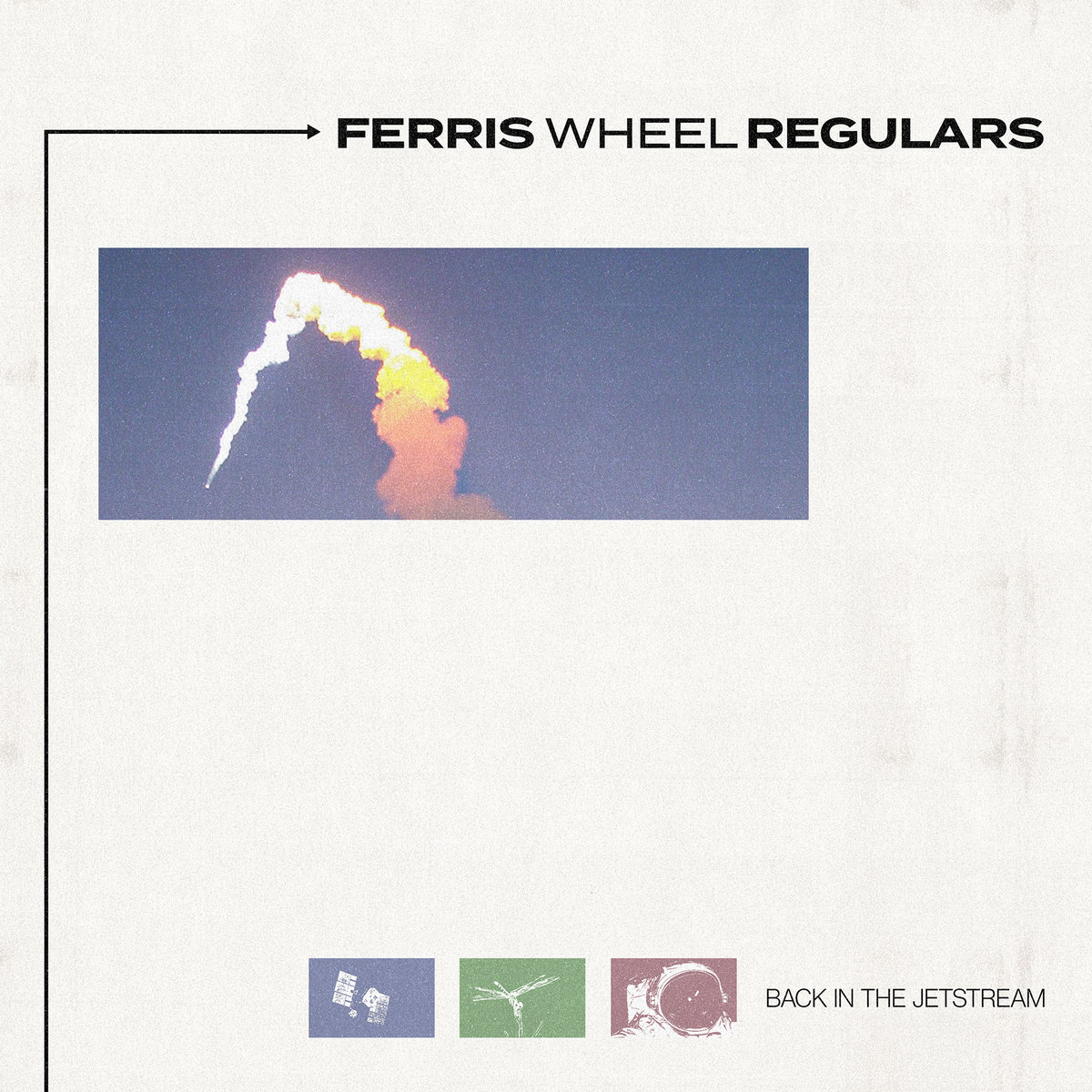
Ferris Wheel Regulars – Back in the Jetstream | Album Review

Hunkofplastic Records

A few summers back, I took a trip to DC for the 2024 edition of HFStival, an attempt to revive the long-defunct fest that had been a must-stop in the late 90s and early 2000s for alt rock radio’s top bands. The 2024 lineup was made up mostly of groups that were big during the festival’s heyday—think Tonic, Lit, Filter, etc.—with Death Cab for Cutie and the Postal Service closing out the show. I mostly went to catch Postal Service and Jimmy Eat World, but neither band was at the top of my mind as I walked out of Nationals Park at the end of the night. What stuck with me were two things:

  1. People are feral (sexually) for Gavin Rossdale in a way that I did not anticipate.

  2. Incubus rule. 

I tried to push the first thought out of my head by mulling over the second. I used to love Incubus back when I was in middle school, but I totally fell off listening to them when most other people did. Seeing the band live made me regret throwing them aside, and it also got me thinking about their legacy. This was right around the time that the Deftones resurgence was at its height, where it felt like you couldn’t open Instagram without hearing a new band using them as a sonic reference point. Could something similar happen for their contemporaries in Incubus?

As 2024 turned to 2025, the answer appeared to be a resounding no, and as 2025 rolled on, that no only got louder, so I stopped thinking about it. Then, I started listening to this new Ferris Wheel Regulars record, Back in the Jetstream. When I got to track three, “Dragonflies,” and heard the opening lines “There’s no other way / To say I love you / I find it kinda strange / The way the clouds move,” a subtle pang in the vocals and the timbre of the guitars immediately brought me back to the first time I heard Morning View. This is what I was looking for. 

Before I get over my skis here, I want to make clear that I’m not trying to say that this record rises to the level of straight-up Incubus worship; Ferris Wheel Regulars are not treating Brandon Boyd the way that The Gaslight Anthem treats Bruce Springsteen. At its core, this is more of a post-hardcore record than anything else, though the record’s shoegaze and “space rock” tags on Bandcamp also make groups like Hum an easy reference to reach for. Still, there’s just so much here—the soft to loud shifts, sledgehammer distortion, the digital processing on breakdowns—that presents what I was looking for when I started hoping to see more Incubus pulls in contemporary music. It’s part of the palette in a way that’s very compelling to me. For example, “Trajectory” pulls from a similar bag of tricks as “Nowhere Fast,” from the shift in character between verse and chorus to the feedback sounds over the closing fade out. I love to see it. 

Back in the Jetstream is Ferris Wheel Regulars’ third record, but they’re a band that’s new to me, first coming onto my radar last December when I started to see hype for lead single “Wires Cut for Two” on Twitter. What most impressed me about the track when I first listened to it was that the group didn’t treat their soft sections as an afterthought. Sometimes when I listen to bands whose bread and butter is heavy/distorted guitar, it’s clear that they’re only getting softer to create contrast for contrast’s sake. Ferris Wheel Regulars are at their best when they’re noisy, but when they pull back—like on the first verse of “Wires Cut for Two”—the music is still inspired, letting the vocals shine through and leaving room for more agile guitar work. 

Where Ferris Wheel Regulars really excel though is when they fully step on it, like the closing breakdown of “Scarlet,” where screaming vocals come in to duel with the main voice line and a heavy rendition of the song’s main riff. The interlude after the first verse of “Moves Like Clouds,” with its soaring guitar lead, is another section that only sounds better the more you turn up the volume. It’s music made to make your windows shake.

Another thing that really stood out to me about this record was its thematic consistency. This is most obviously appreciated when you look at its bookends, with “Sister Star’s” refrain of “Take me out there / Somewhere Far / There’s blue out there / Somewhere far” morphing into “Take me out there / Somewhere far / Feels good nowhere / Just like stars” as the album closes with “Just Like Stars.” In between those two moments, the sky is a constant presence throughout the album, mentioned in every track, sometimes presented as a balm and other times as cold comfort. Particularly striking to me is the opening of “Simple Systems,” where we hear the lines: “You’ll see the sunrise / Winter follows mine.” There’s this economy of words that you can only really tap into when you’re laser-focused on something as universal as the sky above. Because we’re seeing the heavens hit again and again throughout the record, there’s this cumulative impact that makes that “Feels good nowhere / Just like stars” hit so incredibly hard. 

This speaks to what is perhaps my favorite thing about Back in the Jetstream, the fact that it’s a record that doesn’t wink at you. Though influences of 90s post-hardcore and 2000s alternative come through clearly in the music, there’s nothing about the presentation that’s trying to be meta about it; there’s no cutesy song titles or comedic interludes, nothing memeified. There’s room for all kinds of music with different tones and moods out there, but the straightforward and earnest approach that we see here is what resonates with me the most. Because of this approach, you get to see the music standing on its own, compelling not because it makes you feel like you’re in on something, but because someone is truly letting you in. When you do hear pieces of artists from the past poking through, it feels more reverential than referential, the sum of a lifetime of listening to music spilling out rather than a choice made to seem clever. You don’t need to be well-versed in the encyclopedia of emo to get what’s going on here; it’s just very good music that’s ready to meet you where you’re at, and you can’t really ask for much more than that. 


Josh Ejnes is a writer and musician living in Chicago. He has a blog about cassette tapes called Tape Study that you can find here, and he also makes music under the name Cutaway Car.