Ratboys – Singin' to an Empty Chair | Album Review
/
New West Records
Snowed in. Roads iced over. Trying on New Year’s resolutions and dropping New Year’s resolutions. What else is there to do at this time of year but think about last year? Openly celebrate what went right and privately obsess over what went wrong. Why did that one thing happen? How can you make sure it never happens again? Why did they say that to you? What should you have said back? Why didn’t they talk to you after that? Why didn’t they listen to you? Why didn’t you try harder to make them stay?
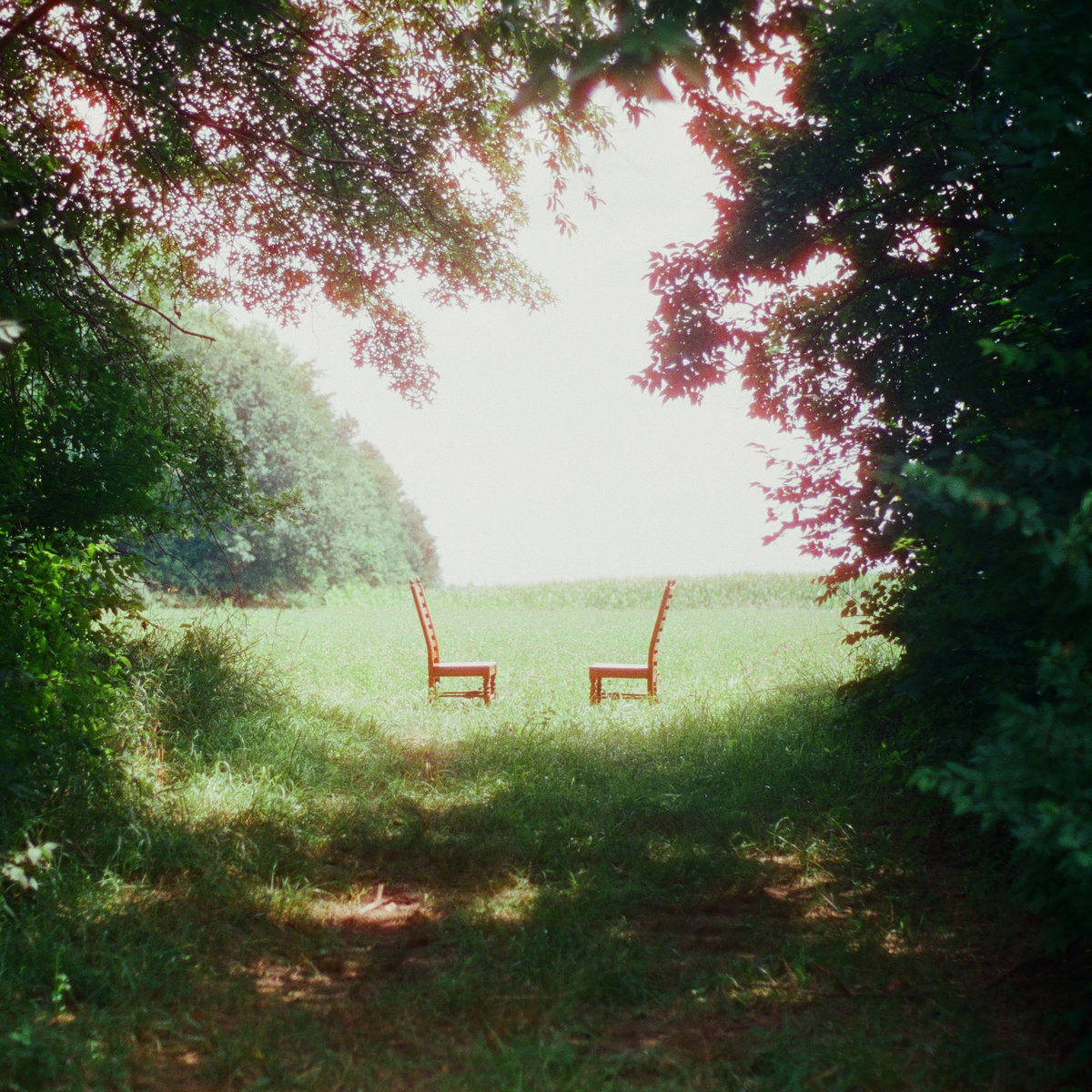
Julia Steiner, frontwoman of Ratboys, got the title for the band’s latest album, Singin' to an Empty Chair, from a therapy tool called The Empty Chair Technique. The premise of the exercise is simple on paper: you imagine that someone you want to have a difficult conversation with is sitting right across from you, and you have that complicated conversation. Alone. But this is obviously easier said than done. Actually mustering up the courage to verbalize the words you have kept buried for so long, to even say them by yourself, is intimidating. Gathering the courage to admit wrong, to share a secret, to ask for better, to try again, is an impossible feeling. Ratboys know this well.
Singin' to an Empty Chair is the sixth album from the Chicago indie stars and their first release on New West Records. This album also marks their second collaboration with Chris Walla of Death Cab for Cutie, who also produced 2023’s The Window. Steiner described their last album as a “dedicated and intentional process,” the product of a meticulous couple years of writing and rehearsing before recording anything officially. Singin' to an Empty Chair offers a different perspective. Bassist Sean Neumann describes this record as a quilt – a collection of songs written in different places and recorded in different spaces. This patchwork approach is pieced together by songs describing half-conversations and one-sided admittances, all sewn together with their signature mind-bending guitar and twangy lilt.

Photo by MILES KALCHIK
Where were you while we were getting high? Wanna go for a ride? On “Open Up,” Steiner adds to the canon of great rock music questions when she asks, “What’s it gonna take to open up tonight?” She asks this over the confident strum of a guitar, but as the song builds, Steiner’s bright voice is interjected by sparks of the rest of the band, a moment of fuzz here, a kick drum there, before building into a folksy jam. The whole band is firing on all cylinders, and the only place to go from here is the stars.
Ratboys’ greatest sleight of hand is their cosmic bend, and they are very precise with how they blend it into their twang. On their last album, Ratboys took listeners to the brink of the world on “Black Earth, WI.” On Singin' to an Empty Chair, Ratboys avoid their own beaten path but find a new supersonic twist on “Light Night Mountains All That.” The song starts by sweeping you off your feet, sending you into a vortex of Dave Sagan’s swirling guitar and the uncanny rhythm of Marcus Nuccio’s drumming. At first, Steiner’s voice steadies the spinning, repeating an increasingly frustrated accusation that “you didn’t care.” Her voice, while always clear and measured, builds and builds until it’s blistering because “you didn’t care / you didn’t care / you didn’t / care!” This irritation seems to blow a hole in the vortex, turning Sagan’s guitar into something more intergalactic.
The music video released alongside this single matches its extraterrestrial spin. Styled like a found-footage horror film, some kind of haunting evil forces invade while the band plays their song. The ghouls flicker in and out of the video, almost like they’re interfering with the signal, until they’re playing the song too. This cataclysmic feeling Ratboys spin is one of their most exciting tricks—a soundtrack for the final frontier.
Just because we’re singing to an empty chair here and embracing conversations we hesitate to have does not mean that every imagined conversation has to be upsetting or frustrating. It’s hard to admit how much you love someone, too. In “Penny in the Lake,” serene optimism is conveyed through berry pies, Ringo Starr, and the breathless crow of a rooster. “Strange Love” is an earnest confession that conjures slightly sweaty palms, and “Anywhere” evokes a vulnerable, but freeing feeling, like admittance with avoidant eye contact.
The title of the album appears in “Just Want You to Know the Truth,” the album’s 8-minute bittersweet barnstormer. Across a mournful pedal steel, Steiner weaves snapshots of a past she can’t return to: construction sites, lasagna on Christmas Eve, and Antiques Roadshow. The emotional core of the album is buried somewhere in the sawdust of this song, between Steiner’s aching lyrics and Sagan’s biting guitar. The resonance of the Empty Chair Technique is laid bare as Steiner grimly sings “A couple some odd years ago / You said, ‘Sweetie take your time’ / So now I’m singin’ to an empty chair / Bleedin’ out every line.” It’s a punishing admonishment about forgiveness and time, combined with a cathartic release of finally saying something, even if it's alone.
The album closes with two opposed songs. The penultimate track, “Burn it Down,” while starting syrupy, turns incendiary as the band unleashes a fury they have tamped down for five albums. Steiner gives in to the doom built up by the song’s ferocious sound, just for a moment, saying, “It’s always been this way / It’s never gonna change.” But this anger washes away. The album ends on “At Peace in the Hundred Acre Woods” offering a bookend to the breezy sound that it began with. It’s a swaying, reassuring song, something that is supposed to play softly from a speaker on your patio while you’re talking to an empty lawn chair.
On “Just Want You to Know the Truth,” Steiner sings, “Well, it’s not what you did / it’s what you didn’t do / I just want you to know the truth.” It was here, as I was caught in my thoughts about 2025 and my weirdest, lowest points, that I understood the Empty Chair Technique. It’s not just about addressing the truth, but verbalizing what you need to get to the truth. Since then, I’ve been thinking about who I want to talk to in the empty chair next to me. The blue one next to the couch I’m writing this on. What truth do I need to be made real? What about you? Who is in your empty chair? What do you want to tell them?
Caro Alt (she/her) is from New Orleans, Louisiana, and if she could be anyone in The Simpsons, she would be Milhouse.