Cover Collector – January Blues
/
I don’t know about you guys, but I love a good album collage. One of the first things I do every Friday is head over to tapmusic.net and render a 4x4 chart of the albums I listened to most over the past week. At the end of each month, I do the same thing with a 5x5 that recaps my previous 30 days of listening. By the time December rolls around, I look forward to recapping the last twelve months with a gigantic 10x10 grid in an unwieldy encapsulation of the 100 albums that defined my year.
Is it a little self-aggrandizing? Sure, but it’s also a fun way to see a quick snapshot of what my last week, month, or year has sounded like. At its best, this practice has led to fun conversations and solid recommendations going back and forth with friends as we bond over specific albums. Sometimes it’s that shared love over a deep pull from years gone by, other times it’s just noticing trends with a recent fave that seems like an unshakable presence week in and week out. At the very least, I suppose it’s satisfying to see a bunch of records that I feel an affinity toward lined up and embodying a specific stretch of my life.
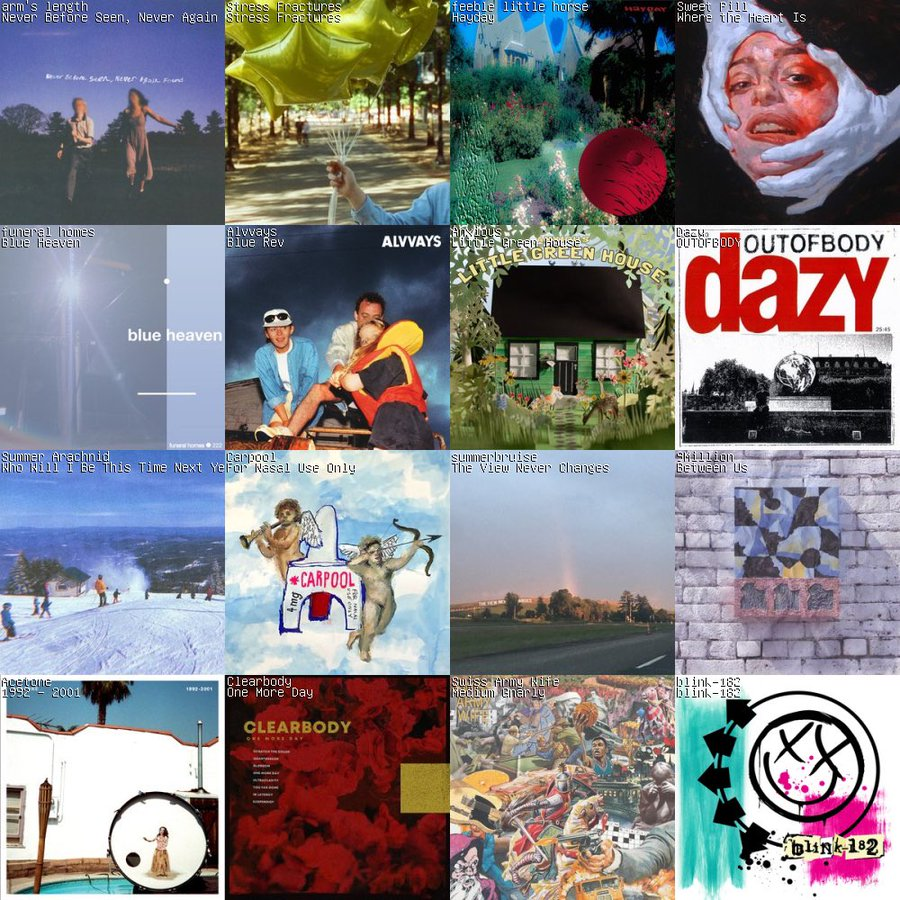
An example of a cool chart
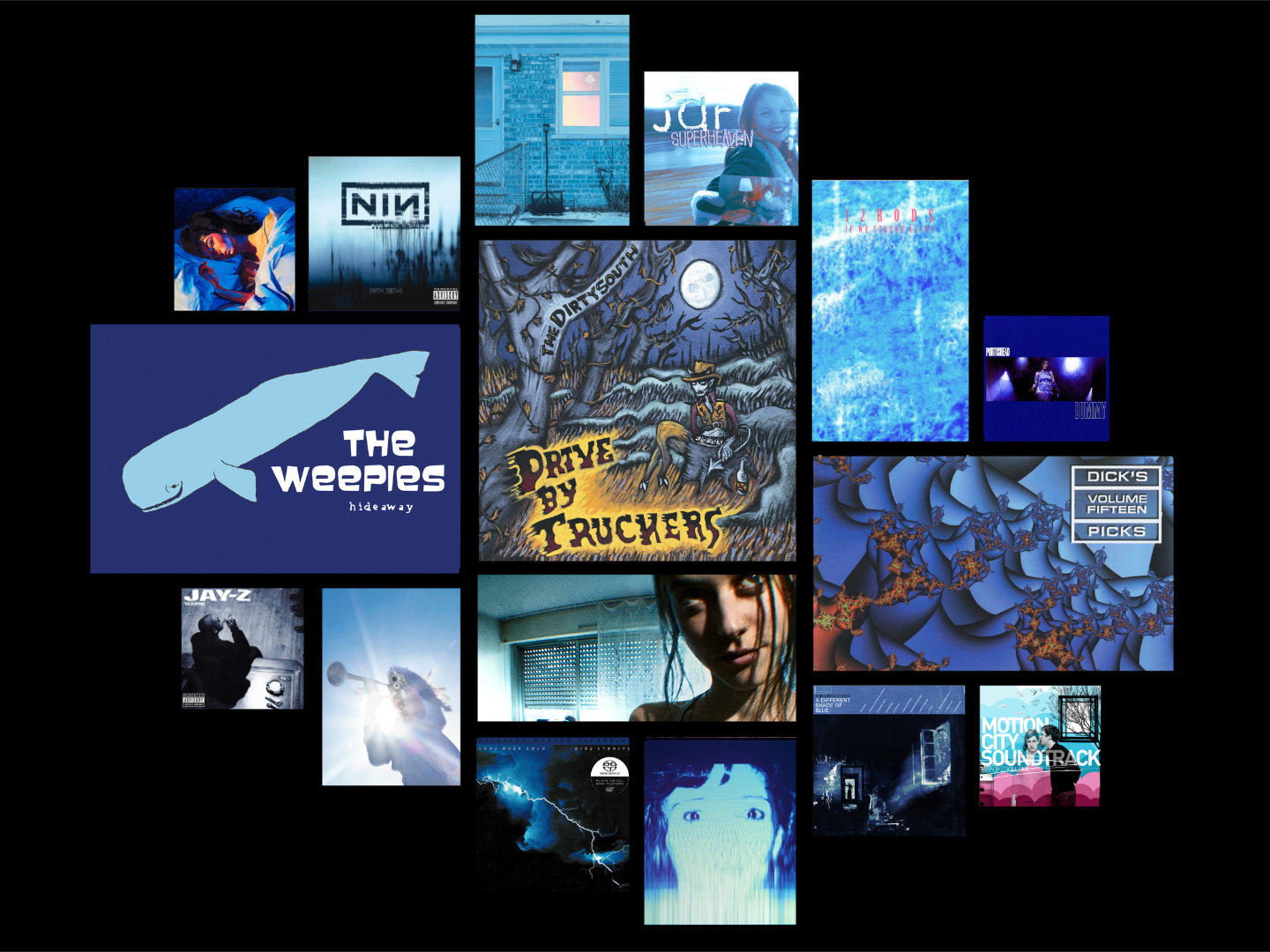
At some point near the tail end of 2025, I conceived of a more communal way to bring this love of album collage to life. Because, sure, getting a live readout of your listening history is cool, but this is also about album art, an essential part of the experience and something us nerds can fixate on just as much as the songs that sit beneath the cover. As such, I’m excited to introduce Cover Collector: a monthly installation where the Swim Team will discuss some of our favorite albums based on album color. For January, we’re leaning into wintery blues.
Drive By Truckers – The Dirty South
New West Records
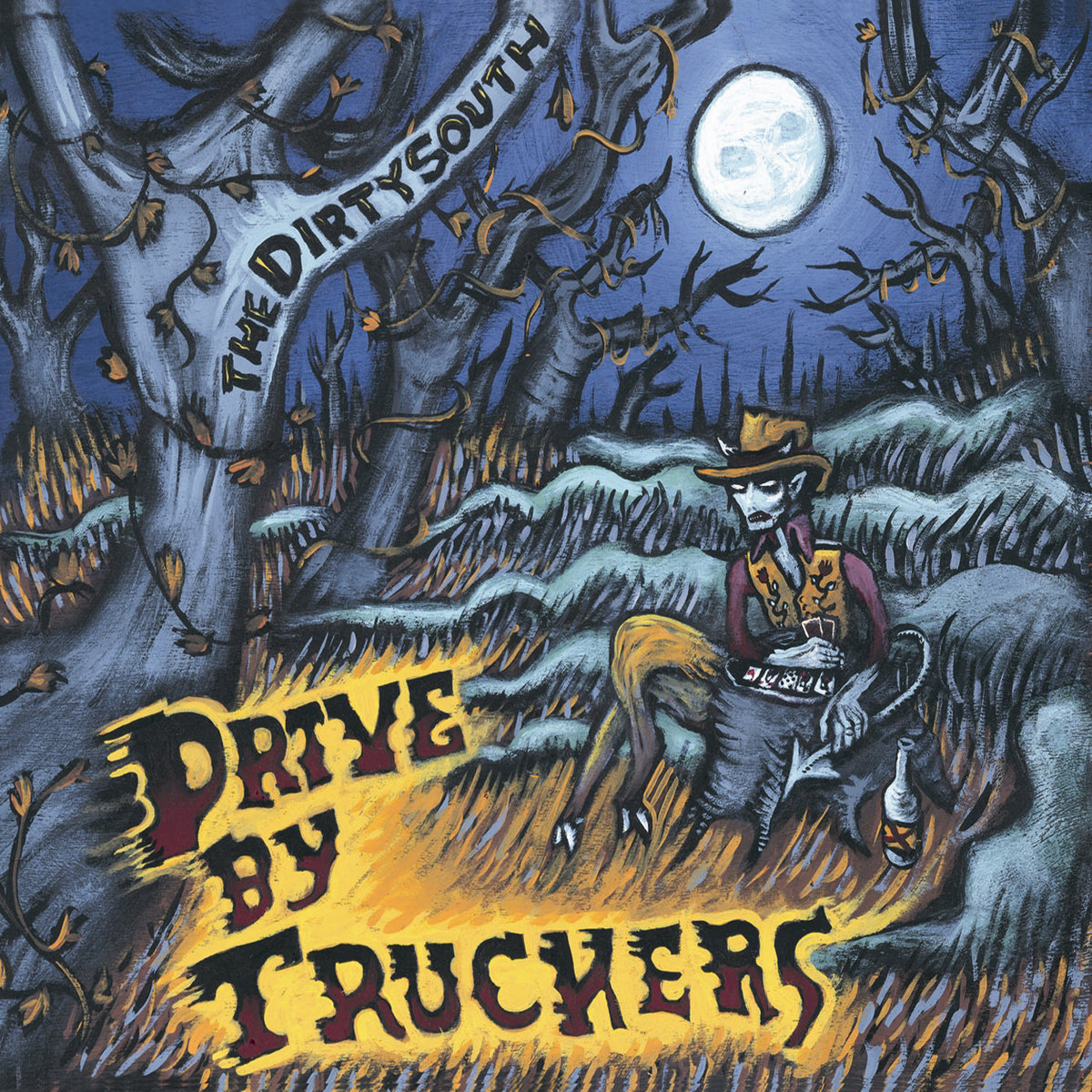
I think about the lanky blue demon on the cover of this album all the time. I wonder how he got in the middle of those Alabama pines, if he’s drinking bootlegged rye or bourbon out of that bottle, and what he’s thinking about alone in those woods. I wonder if he likes being mean, if he listens to The Band, and if he’s scared of his daddy. How long has he been sitting on that stump?
The Dirty South is Drive By Truckers’ fifth album (I am forgoing the hyphen in the spelling of their band name here because former member Jason Isbell swears it wasn’t there when he was playing in it, and he is all over this album) and the conceptual sequel to Decoration Day. Like Decoration Day and most of their discography, the band uses the album to dissect the wrongness of the people in the South. However, what makes me like The Dirty South the most out of their Southern investigations is the consideration of familial myth and unstoppable tragedy as something crucial to understanding the region. It makes for a layered and haunting work. In an old website post, Patterson Hood said that “Tornadoes, Danko / Manuel and Carl Perkins' Cadillac all sound especially fine.” Unfortunately, he is wrong. Those songs do all sound fine, but what sounds best are “Where the Devil Don't Stay,” “The Day John Henry Died,” and “Puttin' People on the Moon.”
– Caro Alt
Grateful Dead – Dick’s Picks 15: Raceway Park, Englishtown NJ, 9/3/77
Grateful Dead Productions
A band like the Grateful Dead has such a seemingly high barrier to entry. For the uninitiated, you’ve seen the iconography your whole life—the dancing bears (they’re actually “marching” bears), the skull with the lightning bolt in it, the skull with the rose crown. You’ve seen the images of hippies twirling. Maybe the most you know of them is your high school friend’s older brother who reeked of patchouli. Of course, all these things are reductive. But it’s what sticks.
To actually get into the music of the Grateful Dead, where would one even start? Over a 30-year career, they played over 2,400 live shows, almost all of which were recorded and exist online in some way. 13 studio albums, multiple off-shoot bands and side projects. It’s like eating an elephant, and the method for tackling both is the same: one bite at a time.
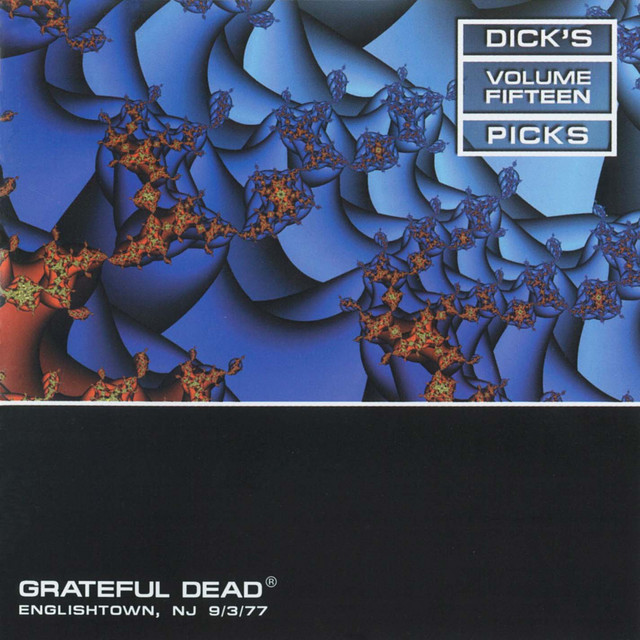
Deadheads have argued for decades—and we like to argue about everything—which is the best show to give someone to introduce them to the Grateful Dead? Cornell ’77? Kind of a perfect one. Veneta ’72? Really great, but long and spacey. Buffalo ’89? A classic, but misses some of the “lore” of the 60’s and 70’s. In my time, I’ve put multiple people “on the bus,” as they say. While it’s maybe not the absolute best, and it doesn’t cover all necessary ground, I keep coming back to Englishtown ’77.
1977 was a banner year for the Grateful Dead. Maybe THE banner year. If you ask 100 Deadheads their favorite year, I would wager over half would say ’77. Everything was just kind of connecting for them. They had fully gotten back up to speed after their hiatus year in 1975, and Jerry Garcia was at one of his many peaks. Mickey Hart, the band’s second percussionist, had returned after resigning in disgrace when his father stole a bunch of money from the group. Mickey, with other drummer Bill Kreutzmann, had locked into a sort of dancey disco vibe, apropos of the late-70s. The crown jewel of 1977 is the month of May, boasting a dozen or so all-time great shows. But this one took place in September.
Raceway Park was a massive space, and this concert would become one of the largest crowds the Dead ever played to. Estimates range from 125k to 175k people, with the most conservative figures still over 100k. Two people died, and two babies were born. There are a hundred great stories about this show (like it had been over two years since they played “Truckin’,” so apparently they had to go backstage and relearn it together in the middle of the show?), but I don’t want to hog this piece. Suffice it to say, 09/03/1977 contains multiple all-time performances of some of the Dead’s most classic songs: Mississippi Half-Step Uptown Toodleoo, Looks Like Rain, Peggy-O, The Music Never Stopped, Eyes of the World.
Everybody take a step back!
– Caleb Doyle
Jay-Z – The Blueprint
UMG Recordings
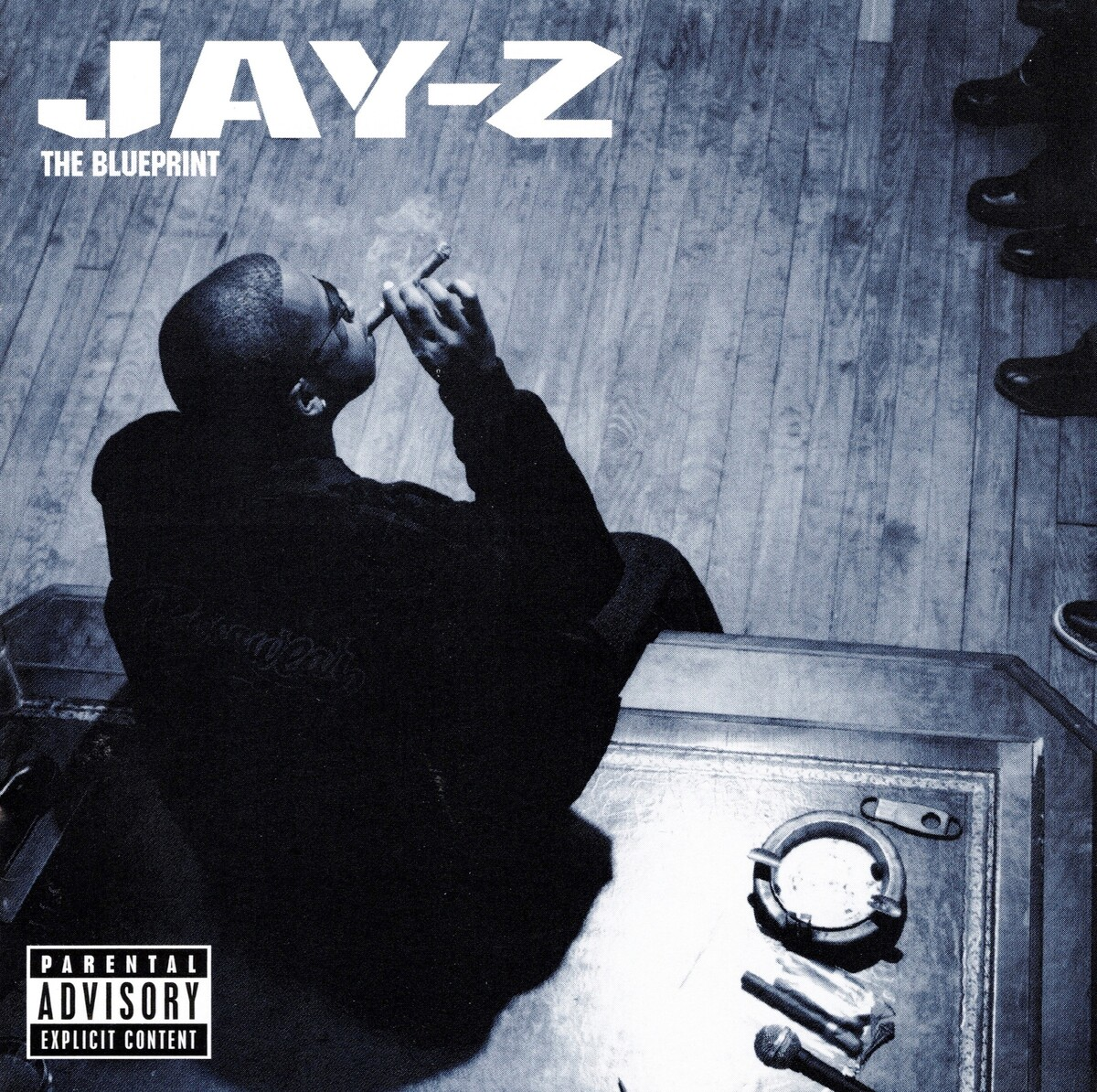
The Blueprint is Jay-Z at his rap beef apex; he’s sitting on a throne of dominance in New York. The rollout for Jay’s sixth studio album contained some of the most memorable moments in the Y2K era for hip-hop. There was the infamous 2001 Summer Jam concert, where Jay-Z displayed a photo of Mobb Deep’s Prodigy wearing a ballet outfit, a moment that still lives in infamy to this day in rap beef history. The dichotomy of embarrassing an opponent dressed like Michael Jackson, then bringing out the real Michael Jackson at the same concert, needs to be studied by our top historians. It’s a stroke of hater genius by Jay-Z. “Takeover” was the equivalent of a figure-four leglock aimed at not only Mobb Deep but also another rap icon, Nas, which resulted in my favorite hip-hop tussle of all time.
Besides the juicy rivalry bits, on The Blueprint, Jay-Z curated a specific soulful vibe with innovative production from a young and hungry Kanye West, who mixed in his classic soul chops, resulting in hits like “Izzo (H.O.V.A.), “Heart of the City (Ain’t No Love),” and “Never Change.” Eminem is featured on “Renegade,” a feature that I still think back to almost twenty-five years later. Something about two hip-hop heavyweights trying to out-bar each other gets me going. This song is like a Tyson-Holyfield spectacle. The Blueprint is an all-time classic that solidified Jay-Z's place in another stratosphere of superstardom.
– David Williams
Superheaven – Jar
Run for Cover Records
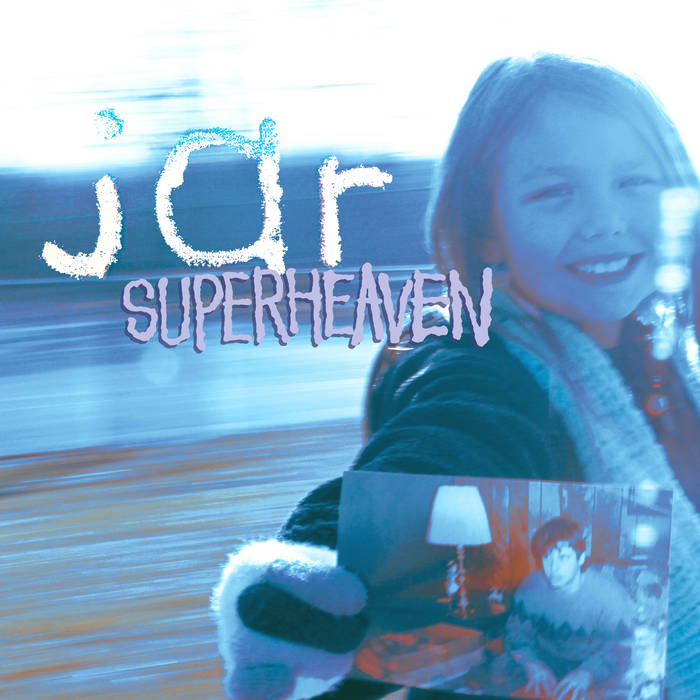
Two years ago, my girlfriend gifted me a tape player and Jar on cassette for our first Christmas together. For me, the title of this album might as well be “Now That’s What I Call Post-Post-Post-Hardcore!” With every listen, I feel like I hear a new influence or notice a new similarity to another song. Some albums break the mold, but this one was cast so perfectly in its own that it makes the entire genre shine brighter. So, it’s not surprising that when Jar was released in April of 2013, it actually charted. On the radio. In the context of other notable releases, Title Fight’s Floral Green came out just six months prior (in a city just 10 minutes away from Superheaven’s hometown of Wilkes-Barre, PA), Citizen’s Youth released two months later, and The Hotelier’s Home, Like Noplace is There followed in late 2014. My favorite track is “Hole In the Ground,” which somehow simultaneously reminds me of Mineral and makes me appreciate Daughtry just a bit more. Final fun fact: the album cover was originally red! It changed when the group changed their name from “Daylight” to “Superheaven.”
– Braden Allmond
Motion City Soundtrack – Even If It Kills Me
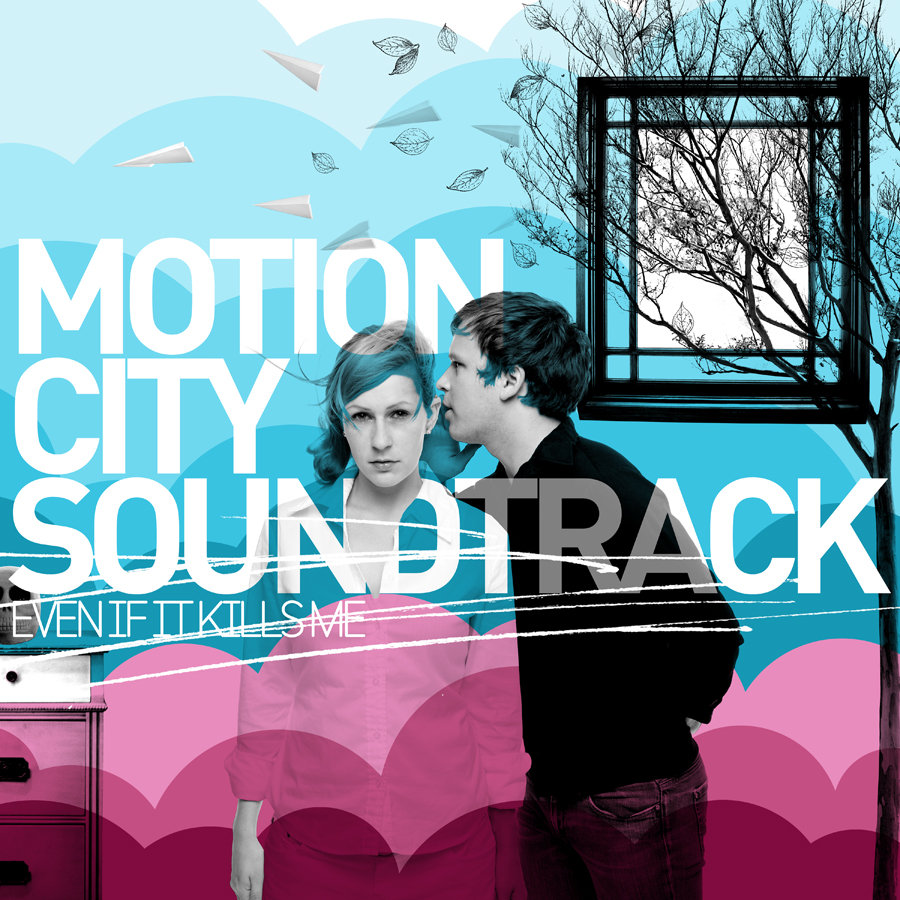
Epitaph Records
The first four Motion City Soundtrack albums are sacred artifacts – well, to me at least. MCS has always been a band that felt like my own; a rejection of my sheltered upbringing that existed outside the influence of friends and family. I discovered various early hits of theirs in high school, mainly through my Say Anything Pandora station, and there has always been this secret sauce drawing me back to those early days of their career, from I Am the Movie to My Dinosaur Life. As they all feel like children to me, it’s impossible to pick a favorite, but if I had to pick the black sheep of the family, it’s their third creation, Even If It Kills Me.
It lacks the notable singles like “Everything Is Alright” and “My Favorite Accident,” you probably won’t find it collecting great accolades among top albums of all time, and it might not be considered a “no-skip” album (a term I have my own qualms with, but can’t fit into 300 words). No, Even If It Kills Me isn’t flashy and, as a whole, it’s actually a downright bummer of an album both in lyrical and musical content, but there’s a tender and often lighthearted sincerity to this particular entry in the band’s catalog that holds a special place in my heart. Songs like “Fell In Love Without You” and “Calling All Cops” offer more than enough fun and familiarity, while others, namely “Point of Extinction” and bonus track “The Worst Part…” exist purely as a reliable gut punch when I’m feeling the need for one.
Blue? Oh yes, Even If It Kills Me fits the descriptor in more ways than just its painfully 2000s album cover.
– Ciara Rhiannon
Knocked Loose – A Different Shade Of Blue
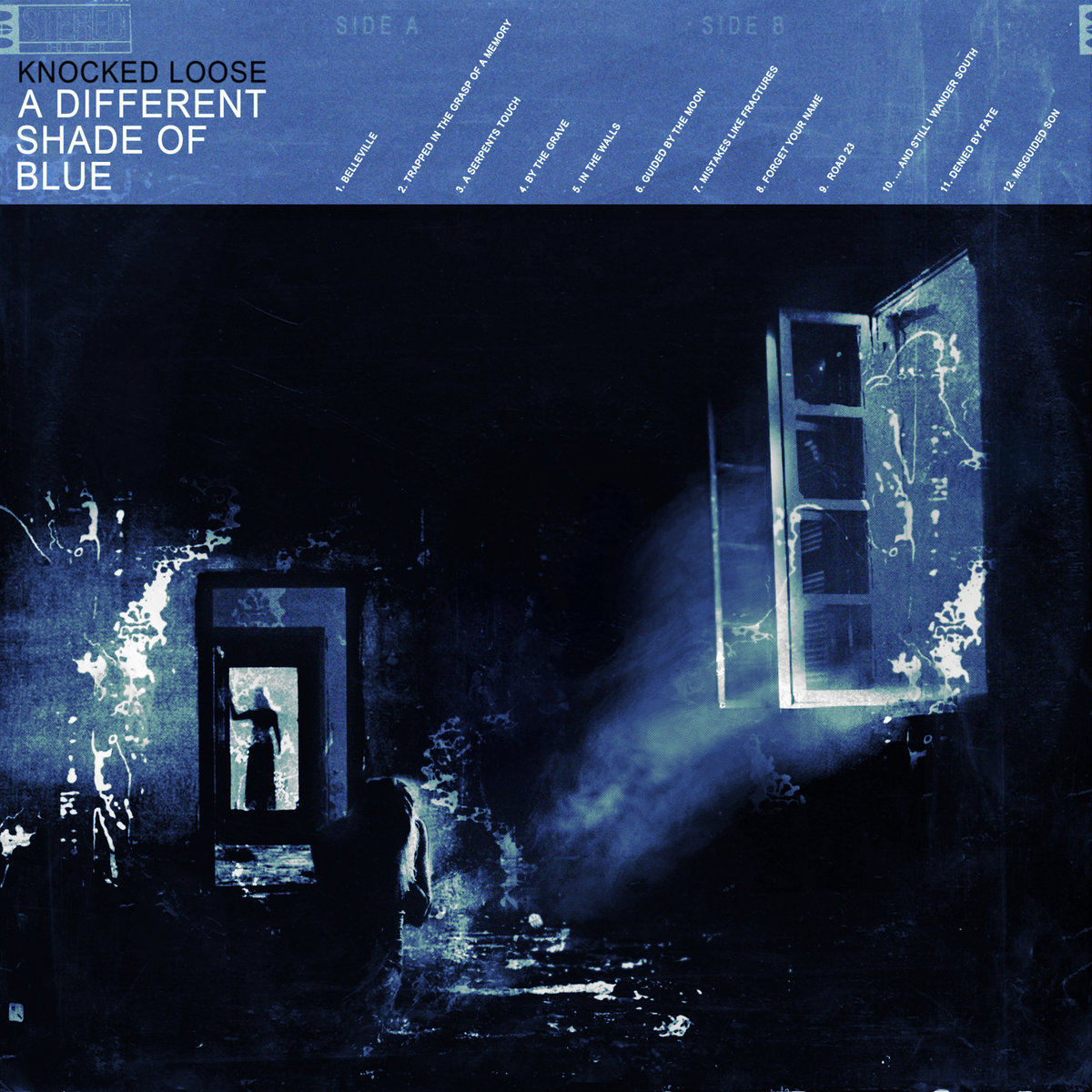
Pure Noise Records
It’s been fascinating to watch A Different Shade Of Blue age since its release in 2019. In the scope of Knocked Loose’s songwriting structure, this is when the Oldham County group elevated their meat-and-potatoes approach to hardcore music and turned it into something downright scary. Every ring out and downtuned guitar passage sounds like it came straight out of hell, thanks to Isaac Hale’s obsession with creating the most unnerving guitar tones known to man and Will Putney’s complimentary production style. On the lyrical front, Bryan Garris screams of hiding someone in the walls and having a bone to pick with death, working together with video game voiceovers to further exemplify the horrifying atmosphere that Knocked Loose have wanted to build this entire time. This type of world-building would be further refined in their next record, You Won’t Go Before You’re Supposed To (a masterclass of 2020s heavy music associated with the color green, not blue), but A Different Shade Of Blue brought the group to the limelight for a lot of music listeners, myself included. My first proper hardcore show was their gig at Webster Hall, where I got spinkicked in the face within half an hour of getting inside. Good times.
– Samuel Leon
Ratboys – The Window
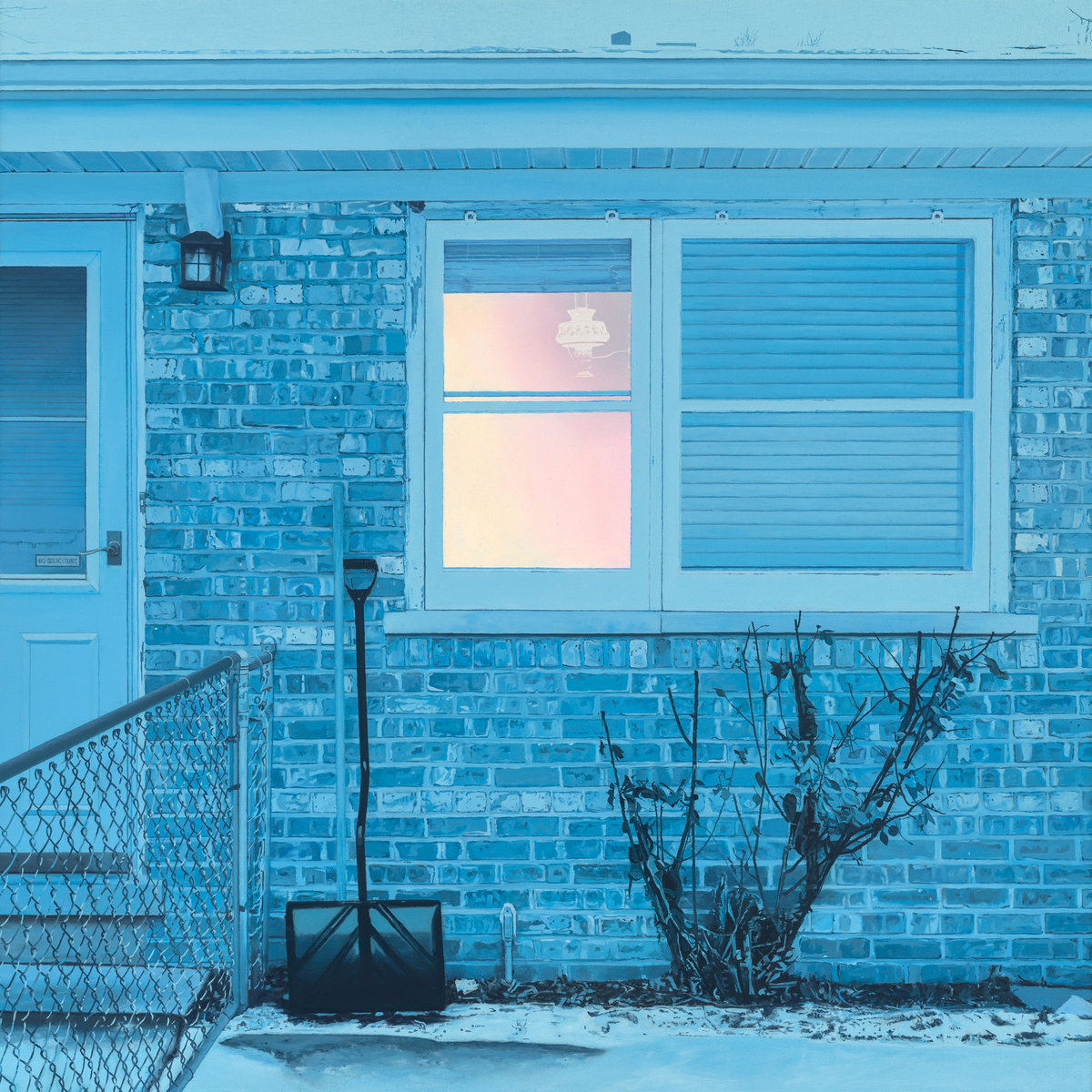
Topshelf Records
Ratboys are probably one of indie rock’s most perpetually underrated bands. Since self-releasing their self-titled EP as a duo in 2011, the band has expanded and solidified over five albums, tightening the screws each time and leaving a flawless batch of tunes in their wake. The group was sitting at the intersection of alt-country and indie rock before Pinegrove or Alex G, much less any of the bands currently chasing that sound down today. It should come as no surprise then that the Chicago band feel like such a singular and authentic voice—they’ve only ever known how to be themselves. Nowhere is that more clear than The Window, a record packed with vivacious rev-up songs, life-affirming melodies, and soul-searching epics that gradually melt into each ventricle of your heart upon repeated listen. I’d say that The Window is Ratboys’ most realized work yet, but based on the few singles released from Singin’ to an Empty Chair, it seems we might have an even better contender arriving in a matter of days. Ratboys are a rare band of consistency; a group that somehow manages to just keep getting better as they unlock new and exciting compartments of their own sound. While The Window stands as the most recent articulation of that exploration, it will be exciting to see how they continue to crank out these stirring indie rock songs with craftsman-like precision.
– Taylor Grimes
Portishead – Dummy
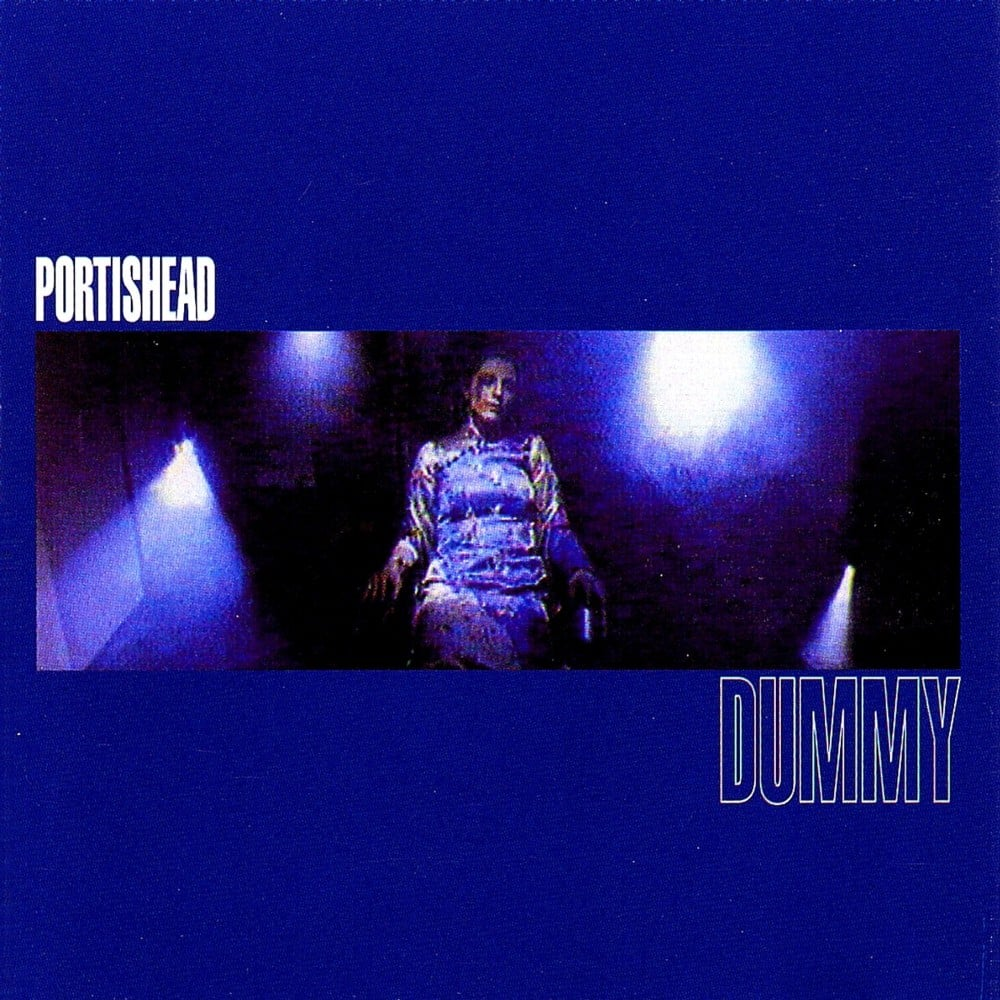
Island Records
Nobody captured the ‘90s sense of “cool” quite like vocalist Beth Gibbons on Portishead’s Dummy. This seminal trip-hop album features her voice, breathy and sweet, over reverb-y minor chords and shifty cymbals. Like the midnight blue of the album cover, Dummy is so nighttime-coded it simply doesn’t make sense to listen to it while the sun’s out. Gibbons’ lines are flirty and at the same time deadly serious. Some speculate you shouldn’t look the blue Medusa in the eye, but I recommend turning up the bass volume.
– Katie Hayes

If we’re talking solid-color album art, there’s one band that stands above the rest, and that’s Weezer. Across fifteen studio albums, more than a third of their discography is made up of self-titled albums that fans simply refer to by their color. Each features the band members lined up staring down the barrel of the camera against a solid-colored background. In this recurring section, we’ll address the elephant in the room that is Weezer’s discography.
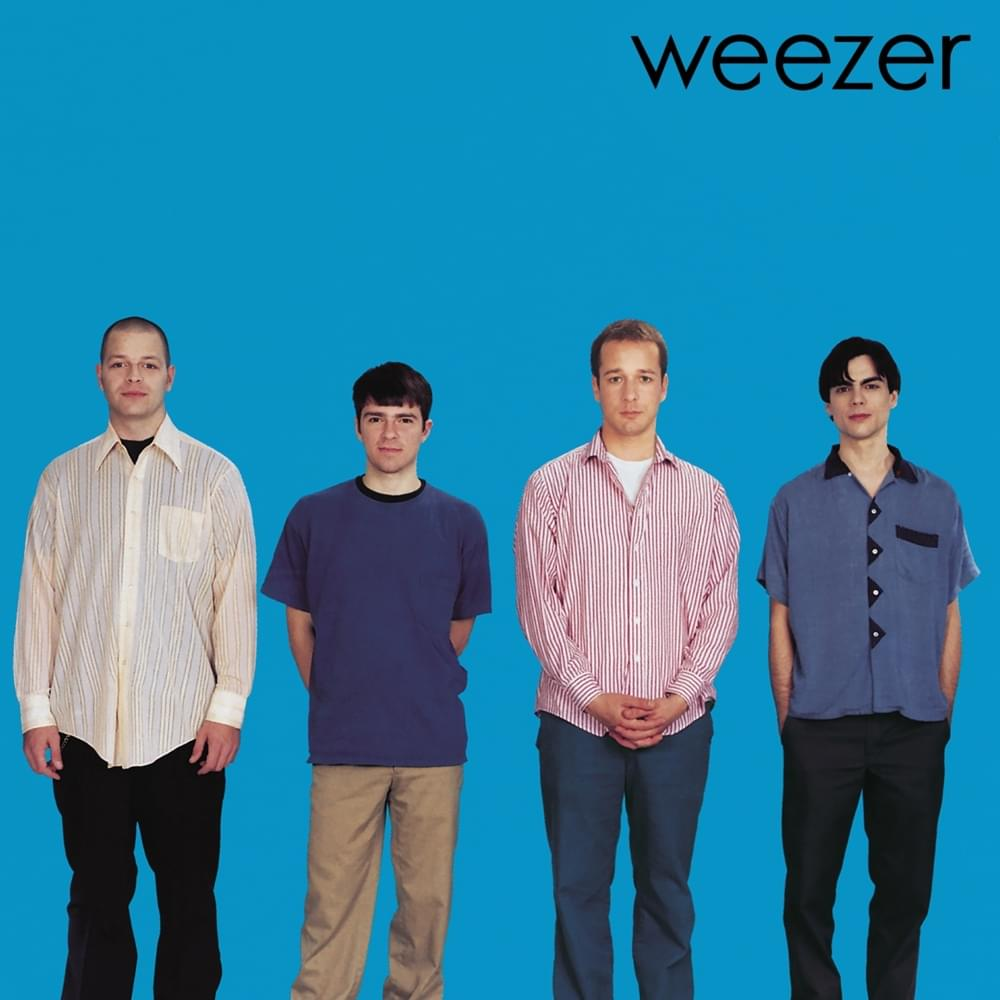
Weezer (1994), also known as “The Blue Album,” is simply an all-timer. Maybe I’m biased as someone who identifies with Rivers Cuomo’s nerdy tendencies and staggering unconfidence. Despite those leanings, these songs fucking rock and make for one of the best records of the 90s and alternative music as a whole. Ending the whole thing on a wandering, meditative, soul-affirming 8-minute song is just the cherry on top.
Dire Straits – Love Over Gold
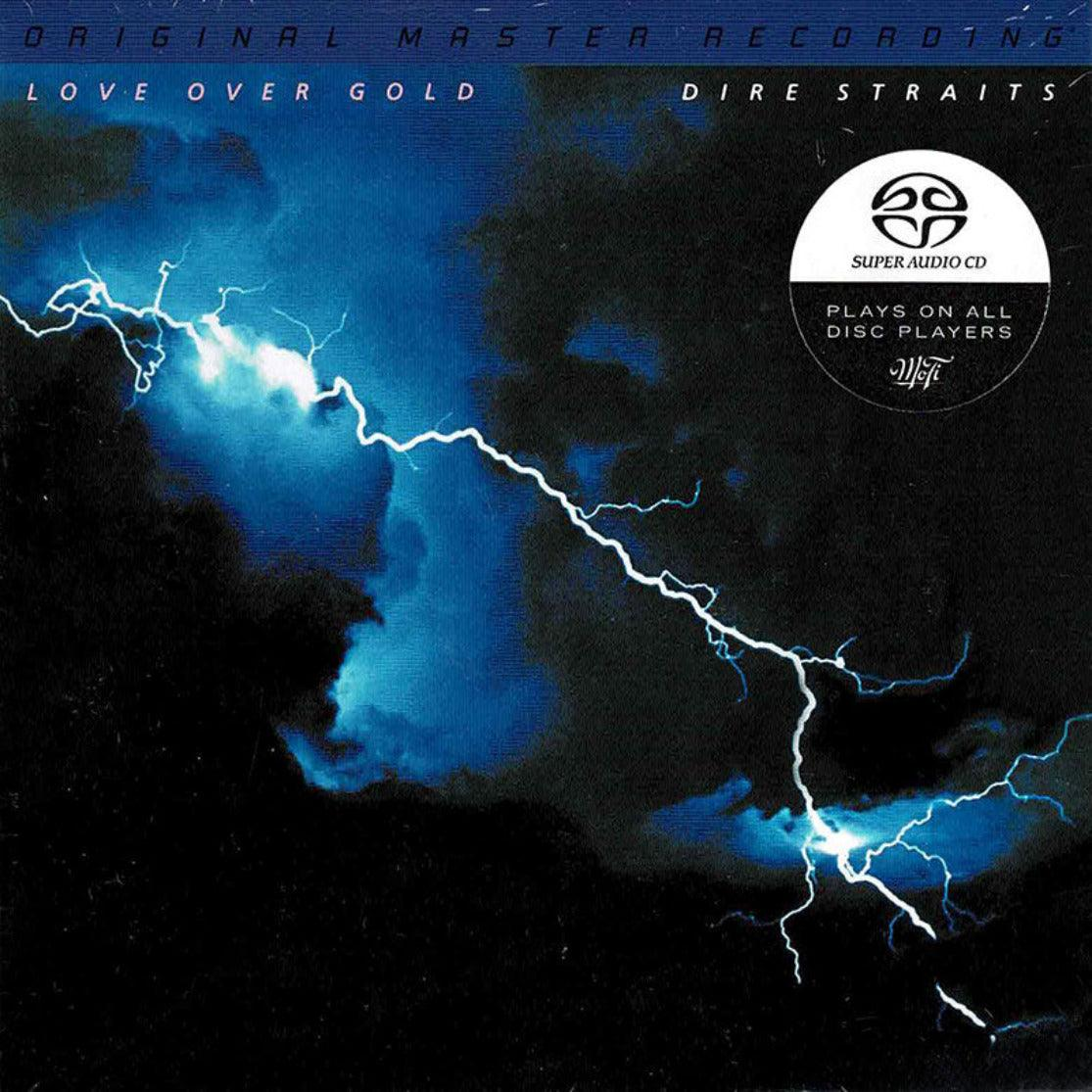
Vertigo
Love Over Gold is one of the best records that I’ve ever found in a bargain bin. Before picking this up a month or so back, I only really knew Dire Straits through their radio hits, so I wasn’t at all prepared for Love over Gold’s 14-minute-long opener “Telegraph Road.” A heartland rock track from a British band that’s as long as a prog song, you just can’t beat it. Front to back, this record is full of great moments, especially in the latter half of the title track, where you get some very cool lead interplay between vibraphones, marimbas, and a nylon string guitar.
This has quickly become the album that I reach for when I’m not exactly sure what I want to listen to; it’s interesting without being heady, perfect for late-night listens while you stare at the ceiling. I know I’m late to the party here, but man, Mark Knopfler can really play. Beyond its own merits, I have an affinity for this record because it got me obsessed with Knopfler, which led to me watching a movie he scored called Local Hero. The movie had been on my watchlist for a while, but I’d been holding off because its premise made me fear it might be trite and predictable; the Knopfler connection was enough to push me over the edge to actually watch it. It turned out that I was totally wrong, hell of a movie. Thanks, Love over Gold.
– Josh Ejnes
Nine Inch Nails – With Teeth

Interscope Records
Sometimes I forget that Nine Inch Nails is one of my favorite bands. The last release of theirs I was really obsessed with was 2013’s Hesitation Marks, and I’m not enough of a cinephile to follow all of Trent Reznor & Atticus Ross’s soundtrack work. Plus, the last time I saw them was admittedly a bit underwhelming, considering the first time I saw them at Lollapalooza 2013 is still, to this day, the best live performance I’ve ever witnessed. That show had arrived after eight long years of build-up, when I heard the band for the very first time. With Teeth had just come out, their first album since 1999’s The Fragile, and their finest hour in my opinion. The album was blaring from my dad’s home office when I walked in there to ask him a likely asinine question, as I often did. I heard Trent screaming “DON’T YOU FUCKING KNOW WHO YOU ARE” over this chaotic electronic music, unlike anything I’d heard before. After that, I became a pre-teen NIN devotee, studying every CD my dad had in his collection, including the remix albums like Fixed and Further Down The Spiral, and of course, With Teeth.
In some ways, I think Teeth is the perfect NIN album. It’s a career-encapsulating collection of songs that range from aggressive radio singles like “The Hand That Feeds” and “Only,” to classic goth ballads like “Every Day Is Exactly The Same” and “Right Where It Belongs,” plus fan favorite deep cuts like “Getting Smaller” and “Sunspots.” The band’s next album, 2007’s Year Zero, with more fantastic blue artwork, would inspire me to write a 14-chapter fan fiction for my fifth-grade creative writing assignment. Trent and his rotating cast of bandmates have been a longtime influence of mine, even if their records aren’t as prevalent in my rotation as they once were. With Teeth will always be a cornerstone in my musical evolution that hasn’t lost a beat in the last 20 years.
– Logan Archer Mounts
12 Rods – If We Stayed Alive
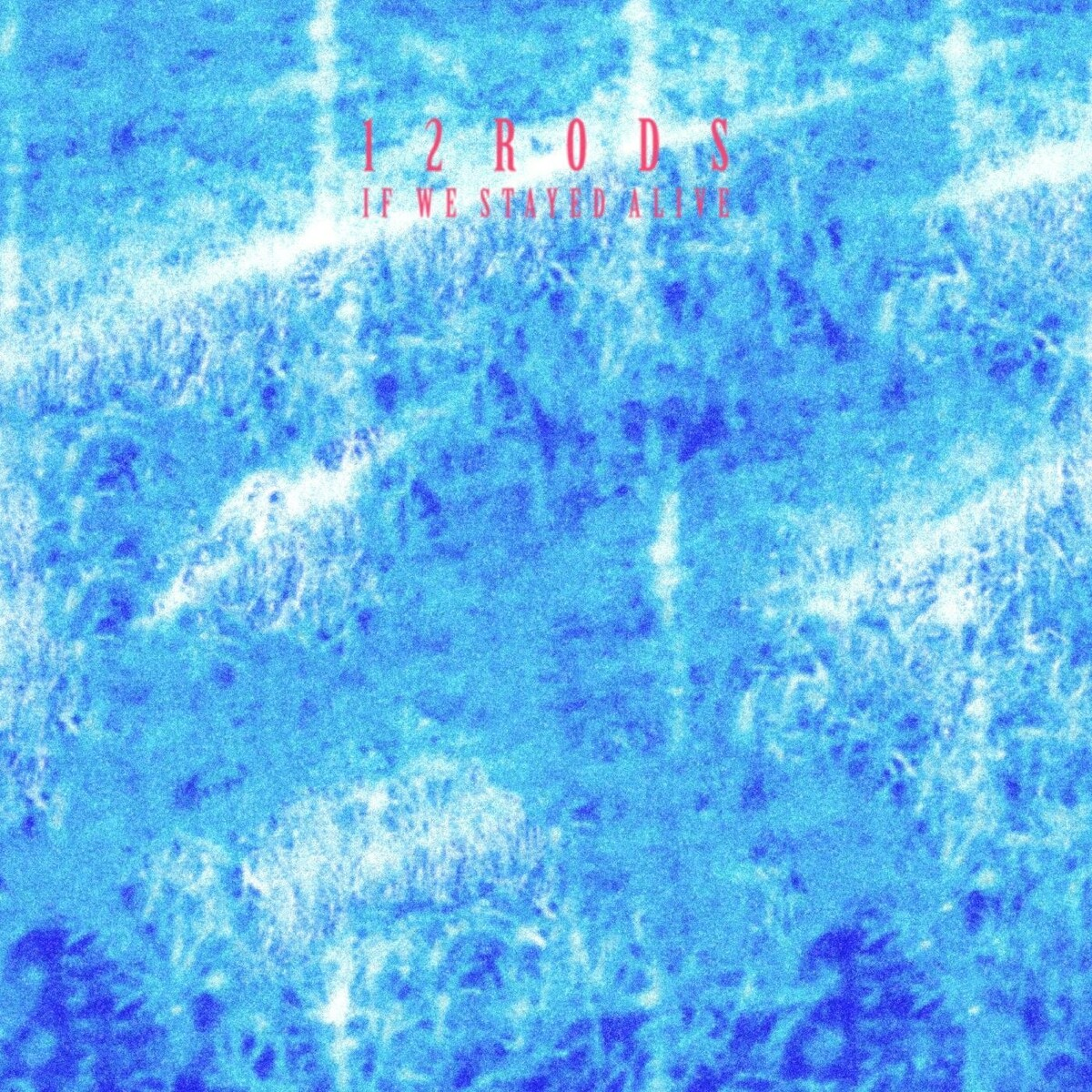
Terrible Hands
12 Rods—a Minneapolis group sometimes remembered for earning one of Pitchfork’s very first “10s,” but maybe more commonly referred to as “the greatest band that nobody remembers.” After calling it quits in 2004, 12 Rods made a surprise comeback in 2023 with seven previously unreleased tracks and just one remaining member—frontman Ryan Olcott.
Despite a 20-year gap between records, If We Stayed Alive picks up seamlessly where Olcott and the former band left off. In true 12 Rods fashion, the album blends dreamy, dizzying textures with cryptic yet personal lyricism. While heavier moments of 12 Rods’ discography made use of synthesizers and occasional distortion, If We Stayed Alive opts for electric guitar with a timeless wash of reverb. The record’s haunting opening promptly transitions into a handful of more optimistic tracks, then just as quickly pivots to a cool, understated groove. Olcott’s nuance shines even in the final 20 seconds of the record when the listener is granted the slightest hint of a harmonic and emotional resolution after floating through the sonic ether.
While the cover is a lively electric blue, If We Stayed Alive evokes the deep blue of a downtown on a foggy night. This record is ideal for the dreampop fan who yearns for the 90s, and is the perfect gateway into the bittersweet world of 12 Rods.
– Annie Watson
Oklou – choke enough
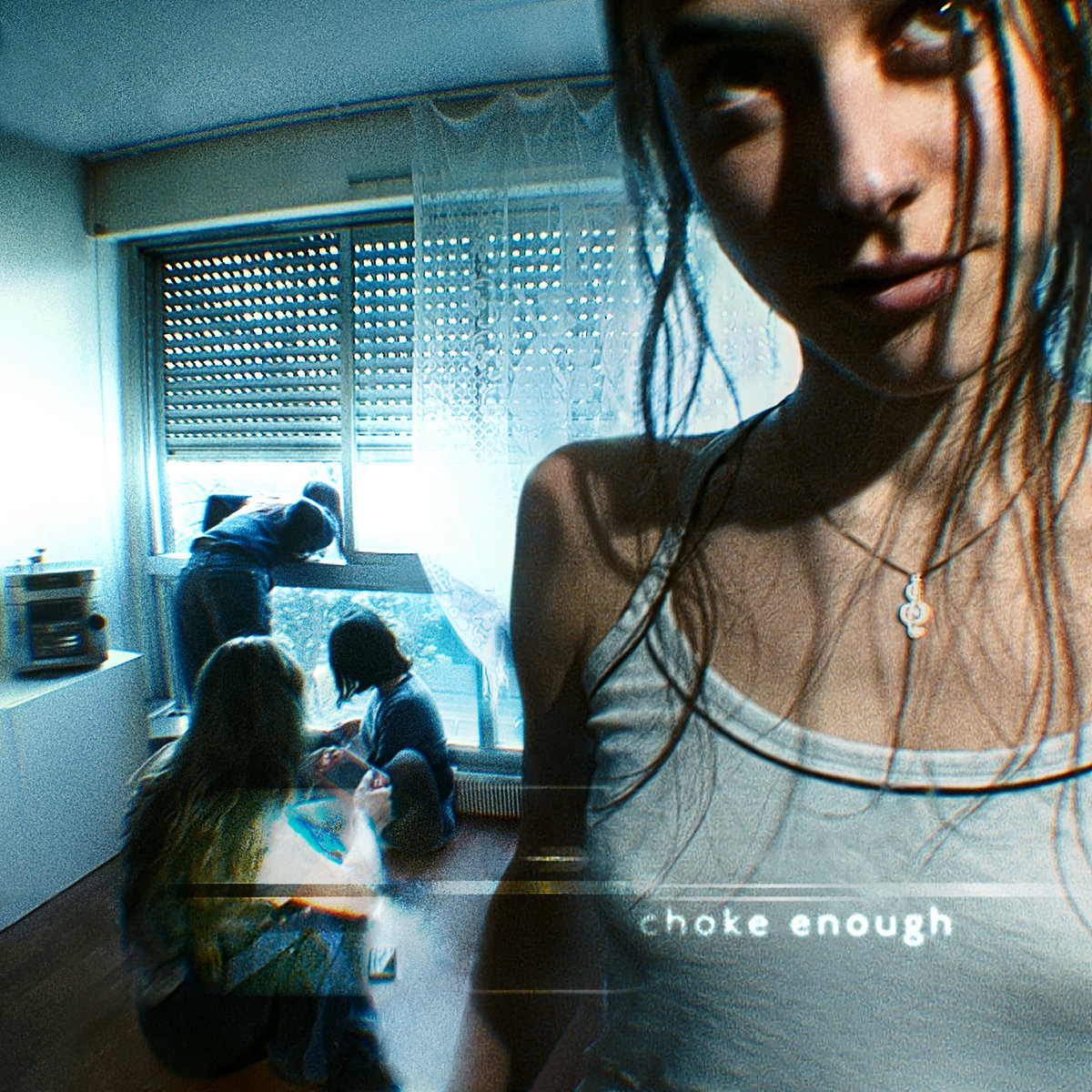
True Panther Sounds
I, admittedly, don’t know much about Oklou. I know that she is from France, is a classically trained musician (a pianist and cellist), and recently became a mother during the creation of choke enough. The ripples of motherhood flow throughout the album, especially in the blurry, domestic scene displayed on the cover; a group of kids hanging out in the living room, slightly out of focus, their attention drawn to something happening just outside the window. Oklou herself poses for a selfie in the foreground of the scene, perfectly depicting the conflict that is prevalent throughout the record: what does it mean to be Oklou now in such a strange era of accelerated surveillance technology, one where she not only has a new life to care for but has instant access to the beauty and (horror) of the world in a scrollable feed?
That dichotomy is explored beautifully through a gentle record that remains alluringly at arm’s length, despite its intimacy. Much of the music here resembles the transient experience of passing by a club at night and hearing the 808s pump through the walls; you can feel the party, but you're not exactly a part of it. You need that distance sometimes, that oddly comforting sense of proximity that allows the freedom to pause and make sense of it all without getting completely wrapped up in it. Oklou gives us a misty, ephemeral work, pushing towards the emotion found in trance and club music, yet constantly pulling back before the exuberant drop. But all rivers flow back to the self. Let the blue waters flow over you. You never know what can be floating underneath.
– Nickolas Sackett
The Weepies – Hideaway
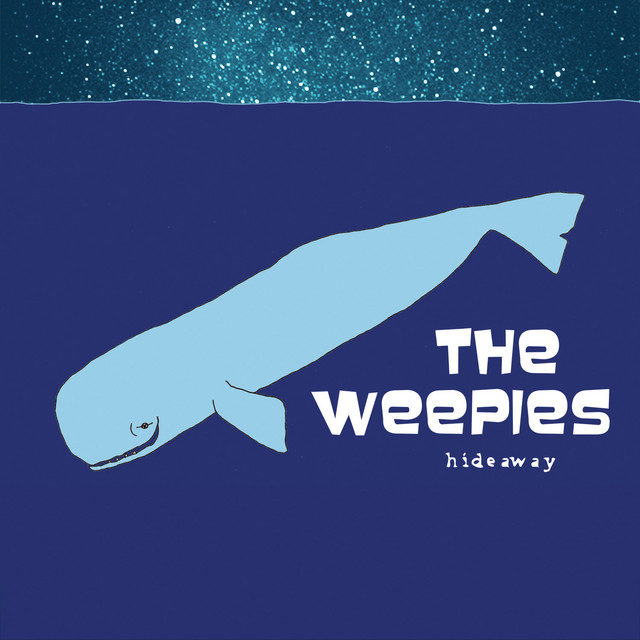
Nettwerk Productions
I hadn’t been driving for long. Freshly sixteen, I’d revel in my newfound mobility with jaunts just about anywhere. That particular day in 2008, I was on the move, hoping to stock my CD shelves with goods from CD Warehouse, a nook in my neighborhood’s strip center. Part of me felt shame determining a purchase based on album art, but the other part of me fell in love with the delicately drawn beluga whale on the cover of The Weepies’ Hideaway. I grabbed the plastic square and slapped it onto the counter. In the container of my car, the songs felt like lullabies, gently melancholy like the stars and the sea on the cover.
This album has never quite let me out of its orbit. The opening track, “Can’t Go Back Now,” is one of my playlist mainstays. The folky duo’s silky harmonies sail over soft, sparkling guitars and keys: “If you ever turn around, you’ll see me.” It’s an ode to a deep blue road that I still find myself driving, almost twenty years later.
– Katie Hayes
Lorde – Melodrama
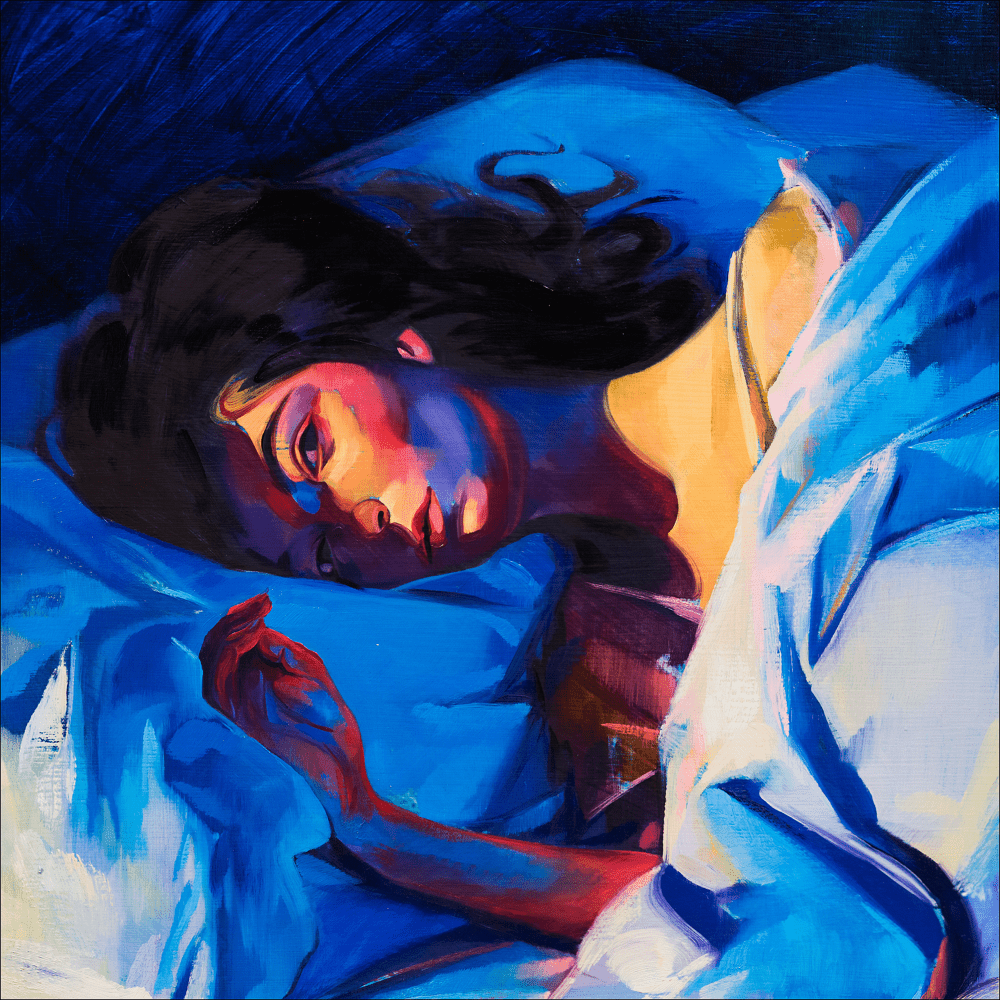
Universal Music
I was first introduced to Lorde in 2013 when my college roommate played “Royals” for me through the tinny speaker of her iPhone 4. We would play the album on loop as the semesters flew by, cementing Lorde as one of the defining artists of my undergrad career. Fast-forward to 2017, and I’m heading into my second year of graduate school. This time, Lorde had freshly released her sophomore album, Melodrama, and my best friend and I loved to listen to “Liability” as we agonized over papers, research, and recital prep. The album artwork is one of my favorites: a moody, intimate painting of Lorde by Sam McKinniss. His treatment of light through the use of rich blue tones and contrasting coral accents is mesmerizing. The portrait is timeless, capturing both elegance and raw vulnerability through angular brushstrokes and saturated hues. I’ll always love it. Nostalgia lives on in every track, reminding me of evenings spent blasting this album with the windows down, breathing in the salted Gulf air, and screaming about the “fuckin’ melodrama” until our voices were nearly as raspy as Lorde’s.
– Britta Joseph
The Avalanches – We Will Always Love You
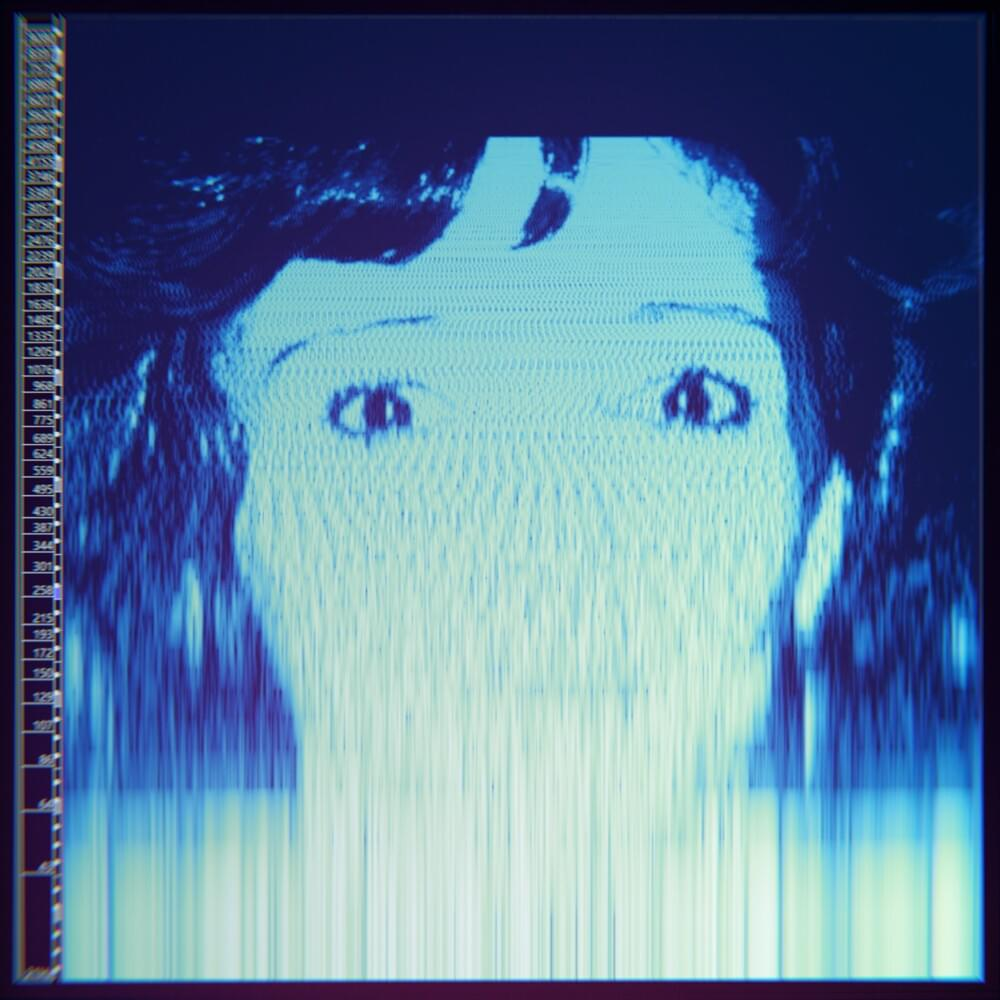
Astralwerks Records
The Avalanches entered the cultural zeitgeist with their 2000 album, Since I Left You, and re-entered it again with their long-awaited 2016 follow-up, Wildflower. Both albums are beloved for good reason, but to me, nothing compares to the magnum opus that is We Will Always Love You. In some ways, this is a concept record, following the love story between Carl Sagan and Ann Druyan, the director of the Voyager Golden Record project, whose goal was to cement the existence of human life into the universe by placing two golden records upon the Voyager spacecrafts in 1977. Her face is on the cover, and the thesis of her project serves as a throughline of the album’s heart and soul.
There is no record that feels as all-encompassing or celebratory of the human experience and what it means to love each other. Throughout the album’s runtime, The Avalanches combine their signature plunderphonics and sample-based production with interpolations and features from musicians whose work spans countless genres and decades. From Johnny Marr and Blood Orange to Vashti Bunyan and Karen O, the album centers around the idea that everyone can come together and celebrate our shared humanity through music. The record’s hour-long runtime never feels bloated or weighted down by any of its inclusions; in fact, it’s an album that feels wrong to listen to unless it’s as a complete work. Despite the fact that each track can stand as its own composition, when listened to as a full album, every song continues to build on the last. It’s all one musical idea extrapolated on by many different voices and perspectives.
Each time I think back on the tracks I love the most, like “Interstellar Love” with Leon Bridges, “Gold Sky” with Kurt Vile, or “Running Red Lights” with Rivers Cuomo and Pink Siifu, I remember the cathartic rush and emotion I feel throughout the journey, capped off by the closing track. The final song “Weightless” contains the Arecibo Message from 1974, a Morse code which was broadcast at the speed of light into the universe to beg the question of extraterrestrial existence. Though we may not have any concrete way to know who heard the Voyager Golden Record or the Arecibo Message, we know that music connects us to each other, no matter where in the world we are.
– Helen Howard
Honorable Mentions
Hey, we can’t write about every album with this color, so here’s a list of some more that we feel like we should mention.
Joni Mitchell - Blue
Queens of the Stone Age - Rated R
The Killers - Hot Fuss
Explosions in the Sky - How Strange, Innocence
Nirvana - Nevermind
Turnstile - Never Enough
Momma - Welcome to My Blue Sky
First Day Back - Forward
Drunk Uncle - Look Up
Geese - Getting Killed
Sturgill Simpson - A Sailor’s Guide to Earth
Carpool - My Life in Subtitles
Combat - Stay Golden
Judge - Bringin’ It Down
Megadeth - Rust In Peace
Meat Loaf - Bat Out Of Hell II: Back Into Hell
Fall Out Boy - Take This To Your Grave
Oldsoul - Education on Earth
Death Cab For Cutie - Thank You For Today
Adventures - Supersonic Home
Kacey Musgraves - Golden Hour