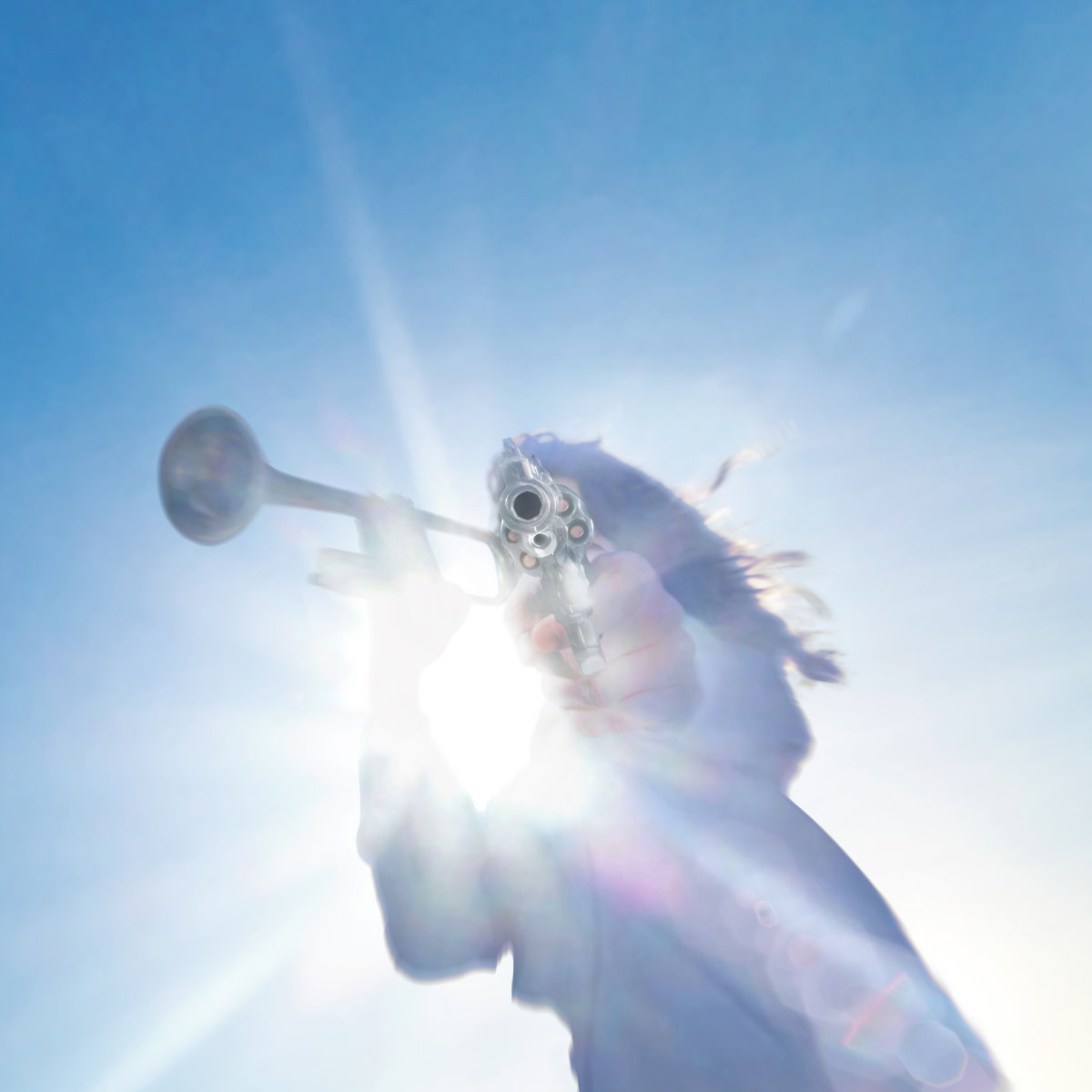
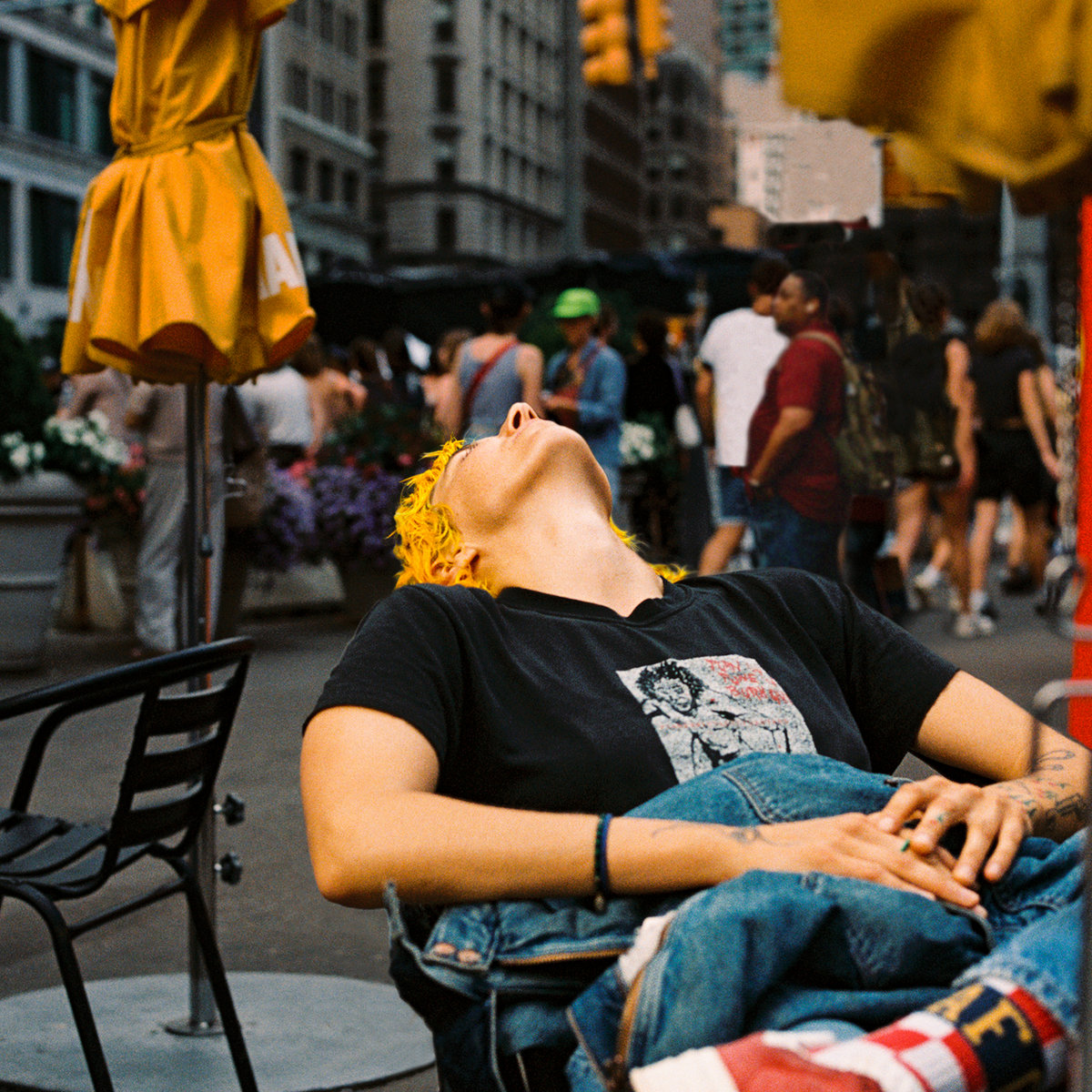
Cover Collector – January Blues

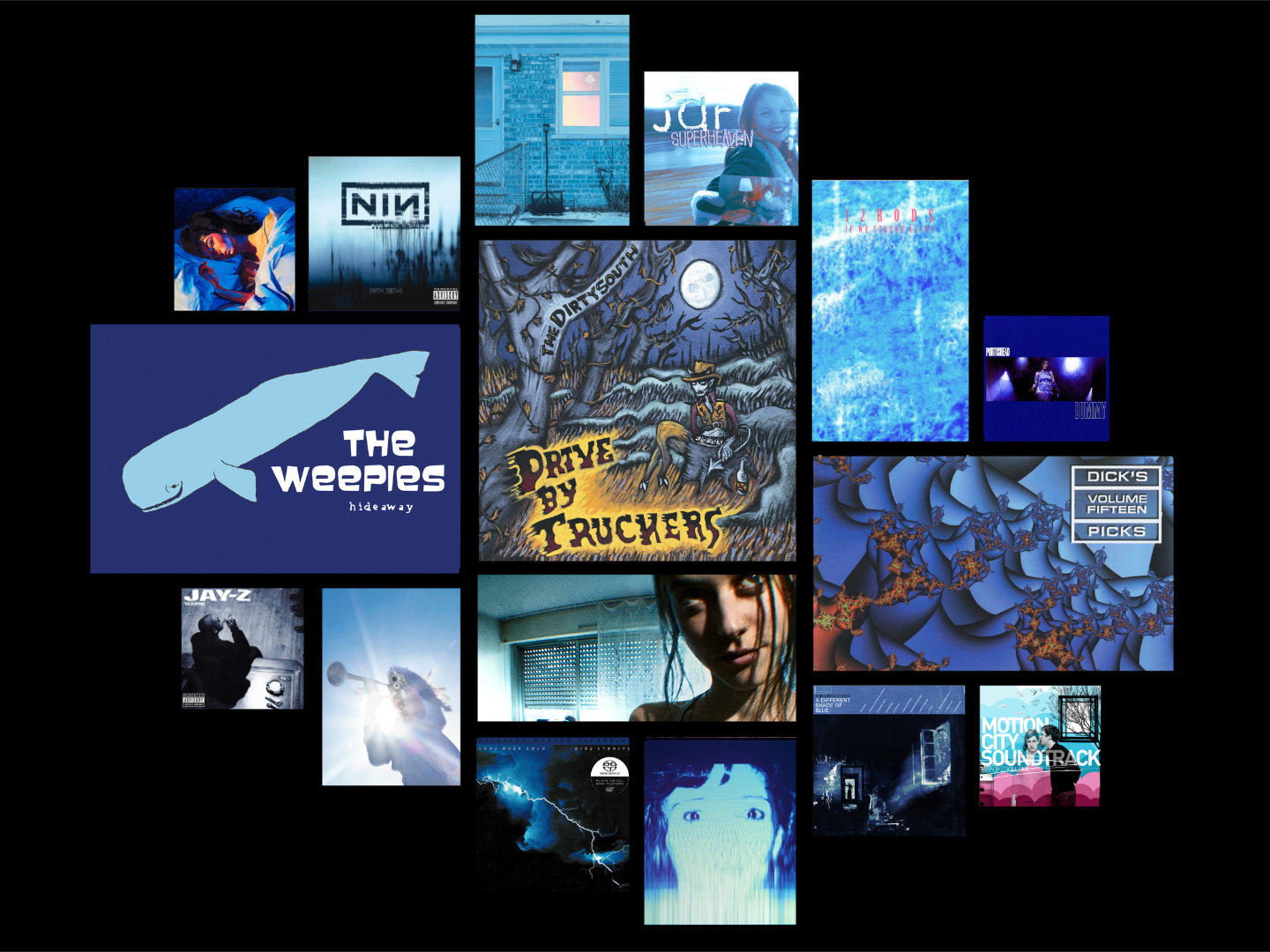
I don’t know about you guys, but I love a good album collage. One of the first things I do every Friday is head over to tapmusic.net and render a 4x4 chart of the albums I listened to most over the past week. At the end of each month, I do the same thing with a 5x5 that recaps my previous 30 days of listening. By the time December rolls around, I look forward to recapping the last twelve months with a gigantic 10x10 grid in an unwieldy encapsulation of the 100 albums that defined my year. 

Is it a little self-aggrandizing? Sure, but it’s also a fun way to see a quick snapshot of what my last week, month, or year has sounded like. At its best, this practice has led to fun conversations and solid recommendations going back and forth with friends as we bond over specific albums. Sometimes it’s that shared love over a deep pull from years gone by, other times it’s just noticing trends with a recent fave that seems like an unshakable presence week in and week out. At the very least, I suppose it’s satisfying to see a bunch of records that I feel an affinity toward lined up and embodying a specific stretch of my life. 
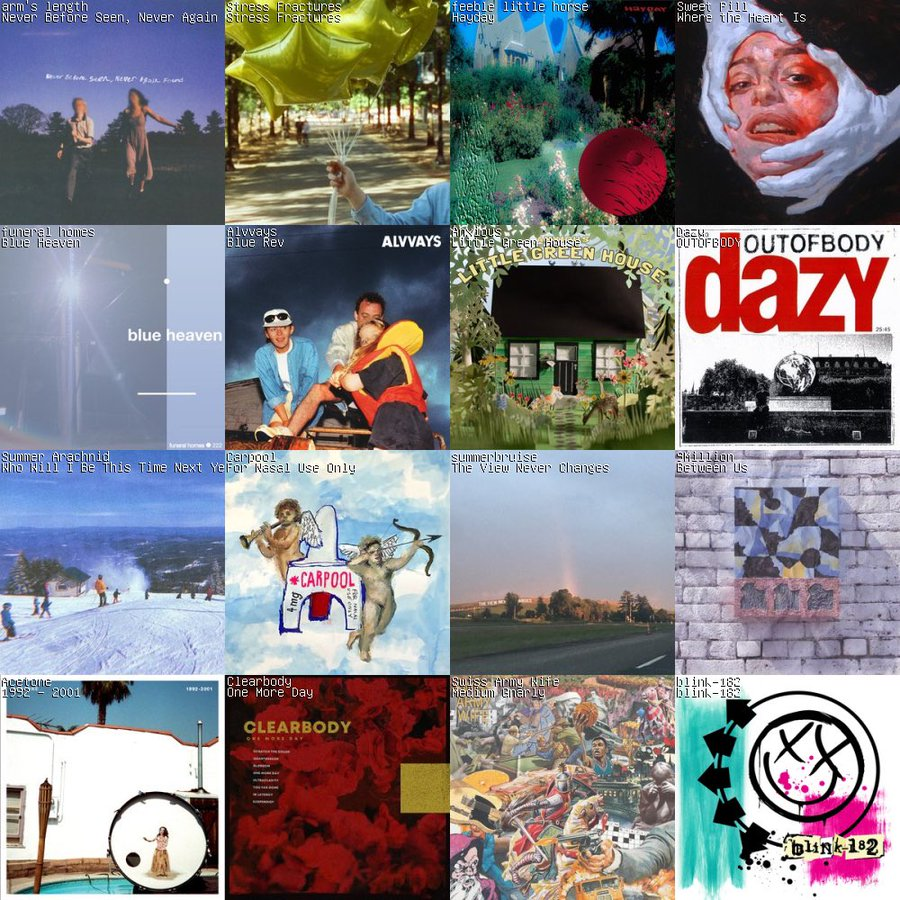
An example of a cool chart

At some point near the tail end of 2025, I conceived of a more communal way to bring this love of album collage to life. Because, sure, getting a live readout of your listening history is cool, but this is also about album art, an essential part of the experience and something us nerds can fixate on just as much as the songs that sit beneath the cover. As such, I’m excited to introduce Cover Collector: a monthly installation where the Swim Team will discuss some of our favorite albums based on album color. For January, we’re leaning into wintery blues. 


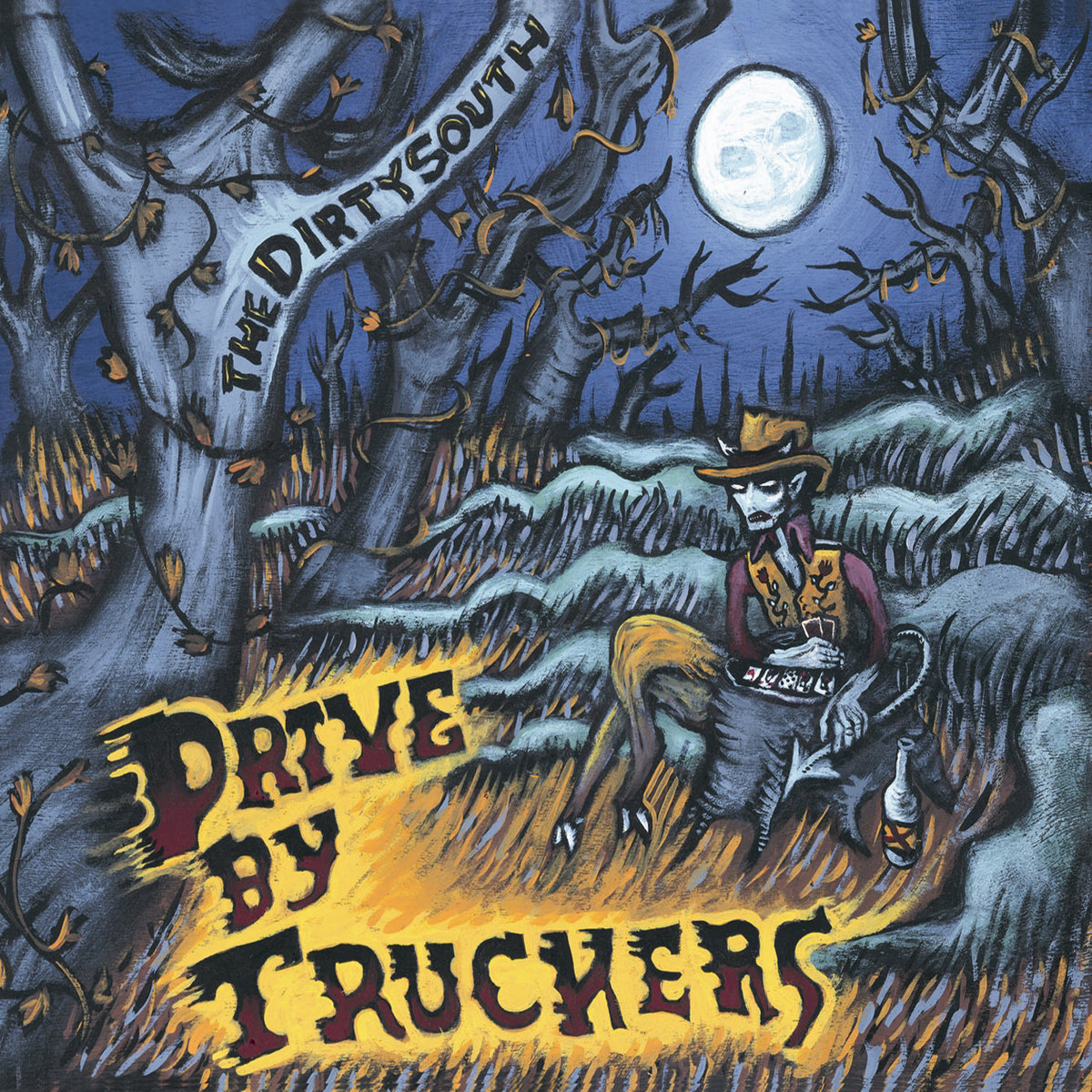
Drive By Truckers – The Dirty South
New West Records

I think about the lanky blue demon on the cover of this album all the time. I wonder how he got in the middle of those Alabama pines, if he’s drinking bootlegged rye or bourbon out of that bottle, and what he’s thinking about alone in those woods. I wonder if he likes being mean, if he listens to The Band, and if he’s scared of his daddy. How long has he been sitting on that stump? 

The Dirty South is Drive By Truckers’ fifth album (I am forgoing the hyphen in the spelling of their band name here because former member Jason Isbell swears it wasn’t there when he was playing in it, and he is all over this album) and the conceptual sequel to Decoration Day. Like Decoration Day and most of their discography, the band uses the album to dissect the wrongness of the people in the South. However, what makes me like The Dirty South the most out of their Southern investigations is the consideration of familial myth and unstoppable tragedy as something crucial to understanding the region. It makes for a layered and haunting work. In an old website post, Patterson Hood said that “Tornadoes, Danko / Manuel and Carl Perkins' Cadillac all sound especially fine.” Unfortunately, he is wrong. Those songs do all sound fine, but what sounds best are “Where the Devil Don't Stay,” “The Day John Henry Died,” and “Puttin' People on the Moon.”

– Caro Alt


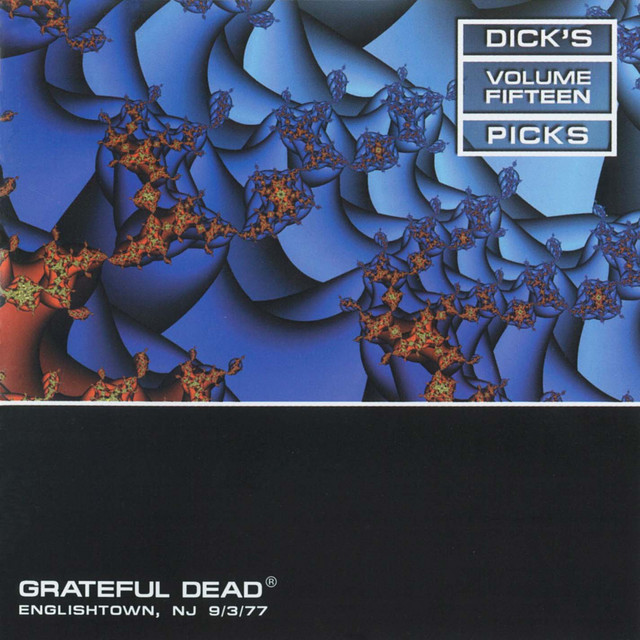
Grateful Dead – Dick’s Picks 15: Raceway Park, Englishtown NJ, 9/3/77
Grateful Dead Productions

A band like the Grateful Dead has such a seemingly high barrier to entry. For the uninitiated, you’ve seen the iconography your whole life—the dancing bears (they’re actually “marching” bears), the skull with the lightning bolt in it, the skull with the rose crown. You’ve seen the images of hippies twirling. Maybe the most you know of them is your high school friend’s older brother who reeked of patchouli. Of course, all these things are reductive. But it’s what sticks.

To actually get into the music of the Grateful Dead, where would one even start? Over a 30-year career, they played over 2,400 live shows, almost all of which were recorded and exist online in some way. 13 studio albums, multiple off-shoot bands and side projects. It’s like eating an elephant, and the method for tackling both is the same: one bite at a time.

Deadheads have argued for decades—and we like to argue about everything—which is the best show to give someone to introduce them to the Grateful Dead? Cornell ’77? Kind of a perfect one. Veneta ’72? Really great, but long and spacey. Buffalo ’89? A classic, but misses some of the “lore” of the 60’s and 70’s. In my time, I’ve put multiple people “on the bus,” as they say. While it’s maybe not the absolute best, and it doesn’t cover all necessary ground, I keep coming back to Englishtown ’77.

1977 was a banner year for the Grateful Dead. Maybe THE banner year. If you ask 100 Deadheads their favorite year, I would wager over half would say ’77. Everything was just kind of connecting for them. They had fully gotten back up to speed after their hiatus year in 1975, and Jerry Garcia was at one of his many peaks. Mickey Hart, the band’s second percussionist, had returned after resigning in disgrace when his father stole a bunch of money from the group. Mickey, with other drummer Bill Kreutzmann, had locked into a sort of dancey disco vibe, apropos of the late-70s. The crown jewel of 1977 is the month of May, boasting a dozen or so all-time great shows. But this one took place in September.

Raceway Park was a massive space, and this concert would become one of the largest crowds the Dead ever played to. Estimates range from 125k to 175k people, with the most conservative figures still over 100k. Two people died, and two babies were born. There are a hundred great stories about this show (like it had been over two years since they played “Truckin’,” so apparently they had to go backstage and relearn it together in the middle of the show?), but I don’t want to hog this piece. Suffice it to say, 09/03/1977 contains multiple all-time performances of some of the Dead’s most classic songs: Mississippi Half-Step Uptown Toodleoo, Looks Like Rain, Peggy-O, The Music Never Stopped, Eyes of the World.

Everybody take a step back!

– Caleb Doyle


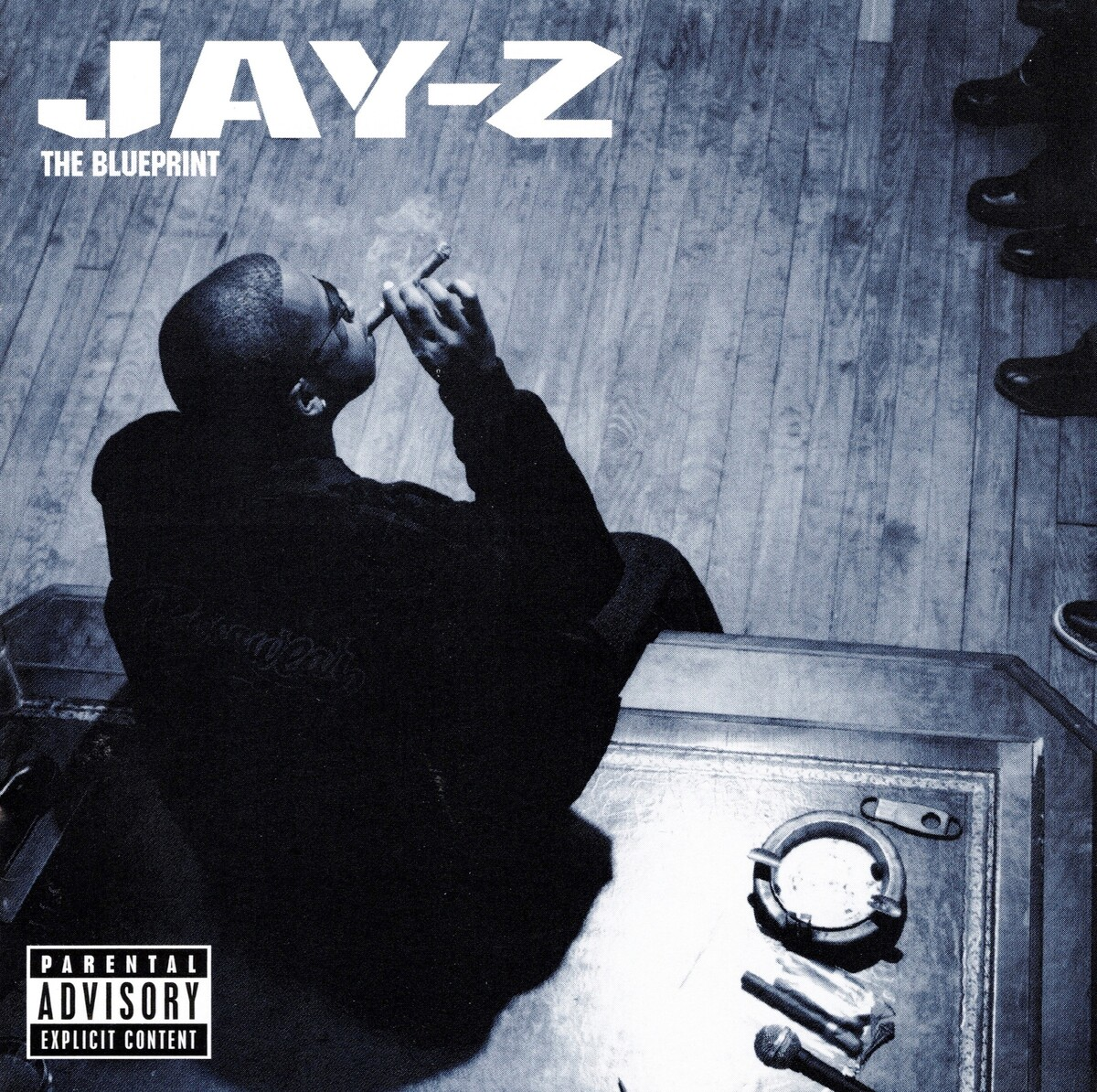
Jay-Z – The Blueprint
UMG Recordings

The Blueprint is Jay-Z at his rap beef apex; he’s sitting on a throne of dominance in New York. The rollout for Jay’s sixth studio album contained some of the most memorable moments in the Y2K era for hip-hop. There was the infamous 2001 Summer Jam concert, where Jay-Z displayed a photo of Mobb Deep’s Prodigy wearing a ballet outfit, a moment that still lives in infamy to this day in rap beef history. The dichotomy of embarrassing an opponent dressed like Michael Jackson, then bringing out the real Michael Jackson at the same concert, needs to be studied by our top historians. It’s a stroke of hater genius by Jay-Z. “Takeover” was the equivalent of a figure-four leglock aimed at not only Mobb Deep but also another rap icon, Nas, which resulted in my favorite hip-hop tussle of all time.

Besides the juicy rivalry bits, on The Blueprint, Jay-Z curated a specific soulful vibe with innovative production from a young and hungry Kanye West, who mixed in his classic soul chops, resulting in hits like “Izzo (H.O.V.A.), “Heart of the City (Ain’t No Love),” and “Never Change.” Eminem is featured on “Renegade,” a feature that I still think back to almost twenty-five years later. Something about two hip-hop heavyweights trying to out-bar each other gets me going. This song is like a Tyson-Holyfield spectacle. The Blueprint is an all-time classic that solidified Jay-Z's place in another stratosphere of superstardom.  

– David Williams


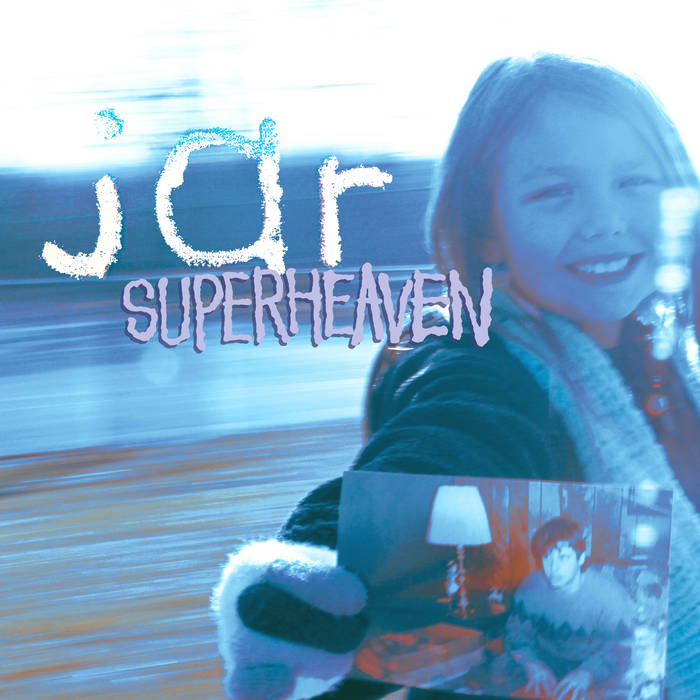
Superheaven – Jar
Run for Cover Records

Two years ago, my girlfriend gifted me a tape player and Jar on cassette for our first Christmas together. For me, the title of this album might as well be “Now That’s What I Call Post-Post-Post-Hardcore!” With every listen, I feel like I hear a new influence or notice a new similarity to another song. Some albums break the mold, but this one was cast so perfectly in its own that it makes the entire genre shine brighter. So, it’s not surprising that when Jar was released in April of 2013, it actually charted. On the radio. In the context of other notable releases, Title Fight’s Floral Green came out just six months prior (in a city just 10 minutes away from Superheaven’s hometown of Wilkes-Barre, PA), Citizen’s Youth released two months later, and The Hotelier’s Home, Like Noplace is There followed in late 2014. My favorite track is “Hole In the Ground,” which somehow simultaneously reminds me of Mineral and makes me appreciate Daughtry just a bit more. Final fun fact: the album cover was originally red! It changed when the group changed their name from “Daylight” to “Superheaven.”

– Braden Allmond


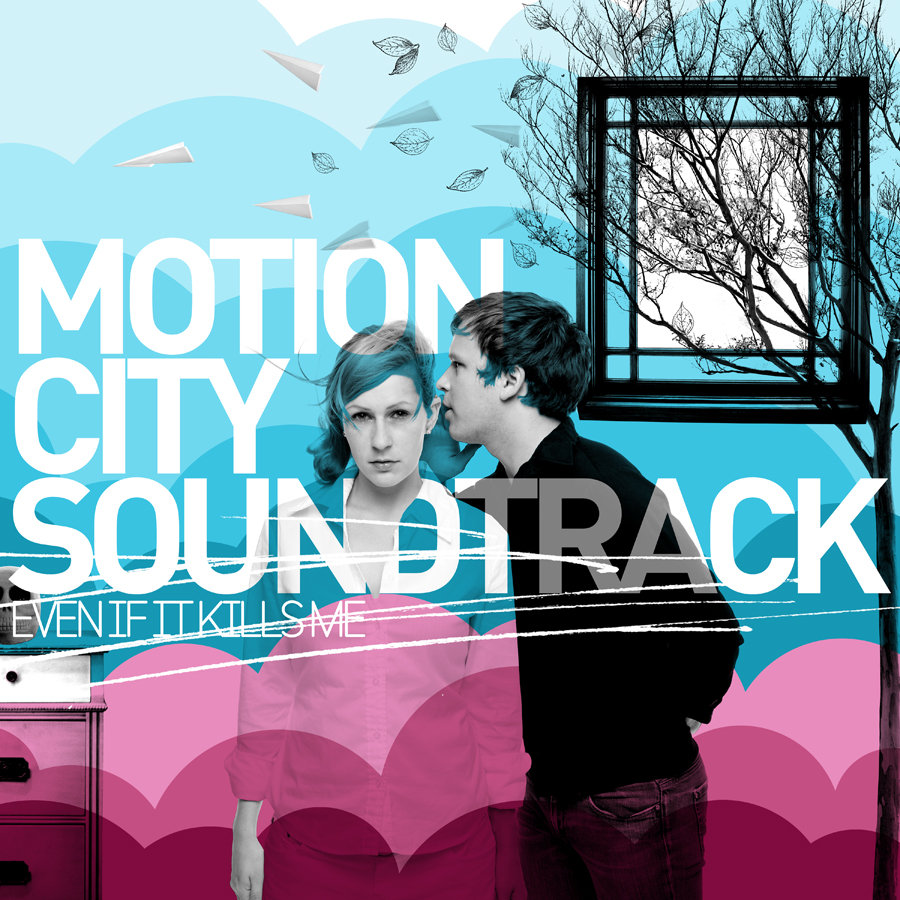
Motion City Soundtrack – Even If It Kills Me
Epitaph Records

The first four Motion City Soundtrack albums are sacred artifacts – well, to me at least. MCS has always been a band that felt like my own; a rejection of my sheltered upbringing that existed outside the influence of friends and family. I discovered various early hits of theirs in high school, mainly through my Say Anything Pandora station, and there has always been this secret sauce drawing me back to those early days of their career, from I Am the Movie to My Dinosaur Life. As they all feel like children to me, it’s impossible to pick a favorite, but if I had to pick the black sheep of the family, it’s their third creation, Even If It Kills Me

It lacks the notable singles like “Everything Is Alright” and “My Favorite Accident,” you probably won’t find it collecting great accolades among top albums of all time, and it might not be considered a “no-skip” album (a term I have my own qualms with, but can’t fit into 300 words). No, Even If It Kills Me isn’t flashy and, as a whole, it’s actually a downright bummer of an album both in lyrical and musical content, but there’s a tender and often lighthearted sincerity to this particular entry in the band’s catalog that holds a special place in my heart. Songs like “Fell In Love Without You” and “Calling All Cops” offer more than enough fun and familiarity, while others, namely “Point of Extinction” and bonus track “The Worst Part…” exist purely as a reliable gut punch when I’m feeling the need for one.

Blue? Oh yes, Even If It Kills Me fits the descriptor in more ways than just its painfully 2000s album cover. 

– Ciara Rhiannon


Knocked Loose – A Different Shade Of Blue
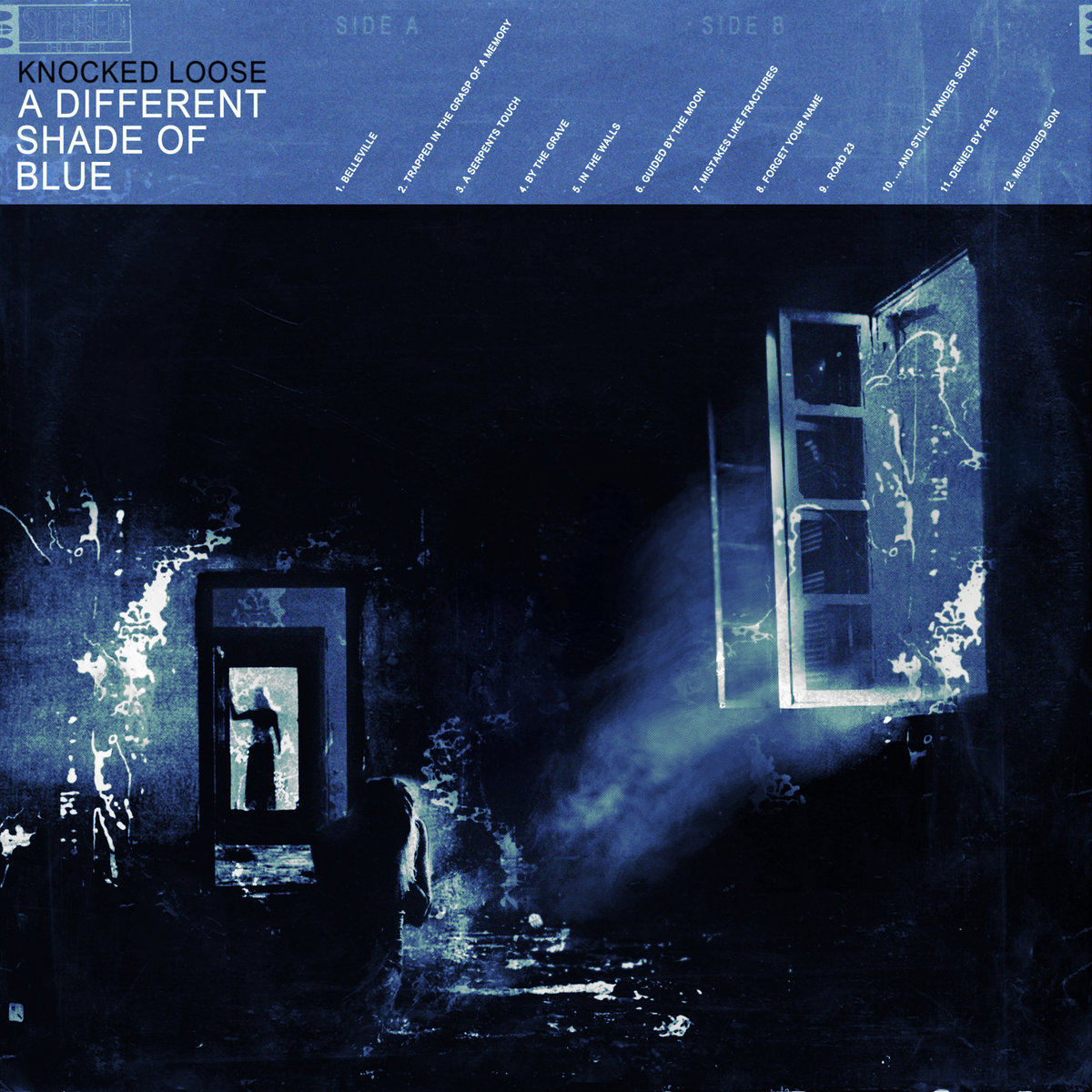
Pure Noise Records

It’s been fascinating to watch A Different Shade Of Blue age since its release in 2019. In the scope of Knocked Loose’s songwriting structure, this is when the Oldham County group elevated their meat-and-potatoes approach to hardcore music and turned it into something downright scary. Every ring out and downtuned guitar passage sounds like it came straight out of hell, thanks to Isaac Hale’s obsession with creating the most unnerving guitar tones known to man and Will Putney’s complimentary production style. On the lyrical front, Bryan Garris screams of hiding someone in the walls and having a bone to pick with death, working together with video game voiceovers to further exemplify the horrifying atmosphere that Knocked Loose have wanted to build this entire time. This type of world-building would be further refined in their next record, You Won’t Go Before You’re Supposed To (a masterclass of 2020s heavy music associated with the color green, not blue), but A Different Shade Of Blue brought the group to the limelight for a lot of music listeners, myself included. My first proper hardcore show was their gig at Webster Hall, where I got spinkicked in the face within half an hour of getting inside. Good times.

– Samuel Leon


Ratboys – The Window
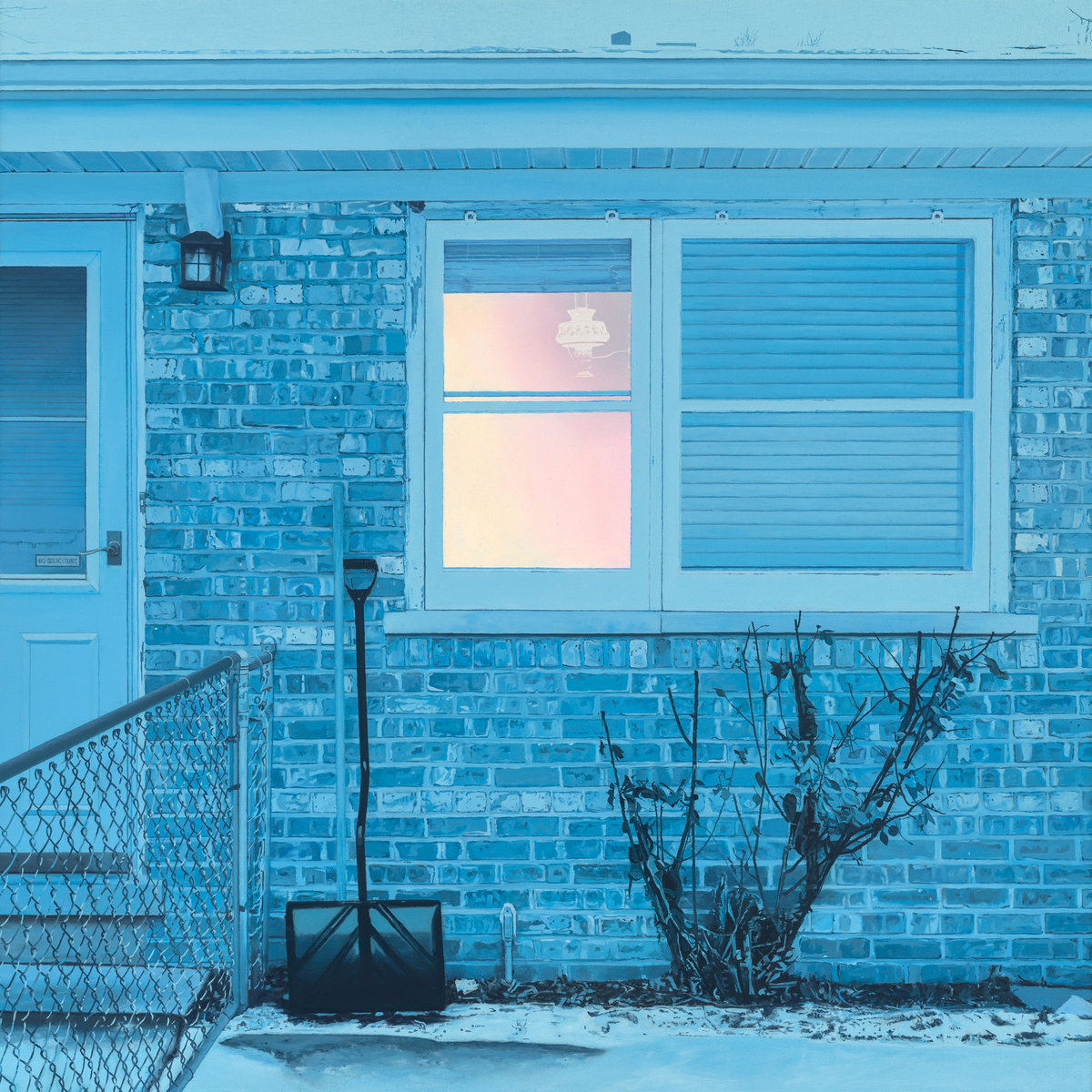
Topshelf Records

Ratboys are probably one of indie rock’s most perpetually underrated bands. Since self-releasing their self-titled EP as a duo in 2011, the band has expanded and solidified over five albums, tightening the screws each time and leaving a flawless batch of tunes in their wake. The group was sitting at the intersection of alt-country and indie rock before Pinegrove or Alex G, much less any of the bands currently chasing that sound down today. It should come as no surprise then that the Chicago band feel like such a singular and authentic voice—they’ve only ever known how to be themselves. Nowhere is that more clear than The Window, a record packed with vivacious rev-up songs, life-affirming melodies, and soul-searching epics that gradually melt into each ventricle of your heart upon repeated listen. I’d say that The Window is Ratboys’ most realized work yet, but based on the few singles released from Singin’ to an Empty Chair, it seems we might have an even better contender arriving in a matter of days. Ratboys are a rare band of consistency; a group that somehow manages to just keep getting better as they unlock new and exciting compartments of their own sound. While The Window stands as the most recent articulation of that exploration, it will be exciting to see how they continue to crank out these stirring indie rock songs with craftsman-like precision. 

– Taylor Grimes


Portishead – Dummy
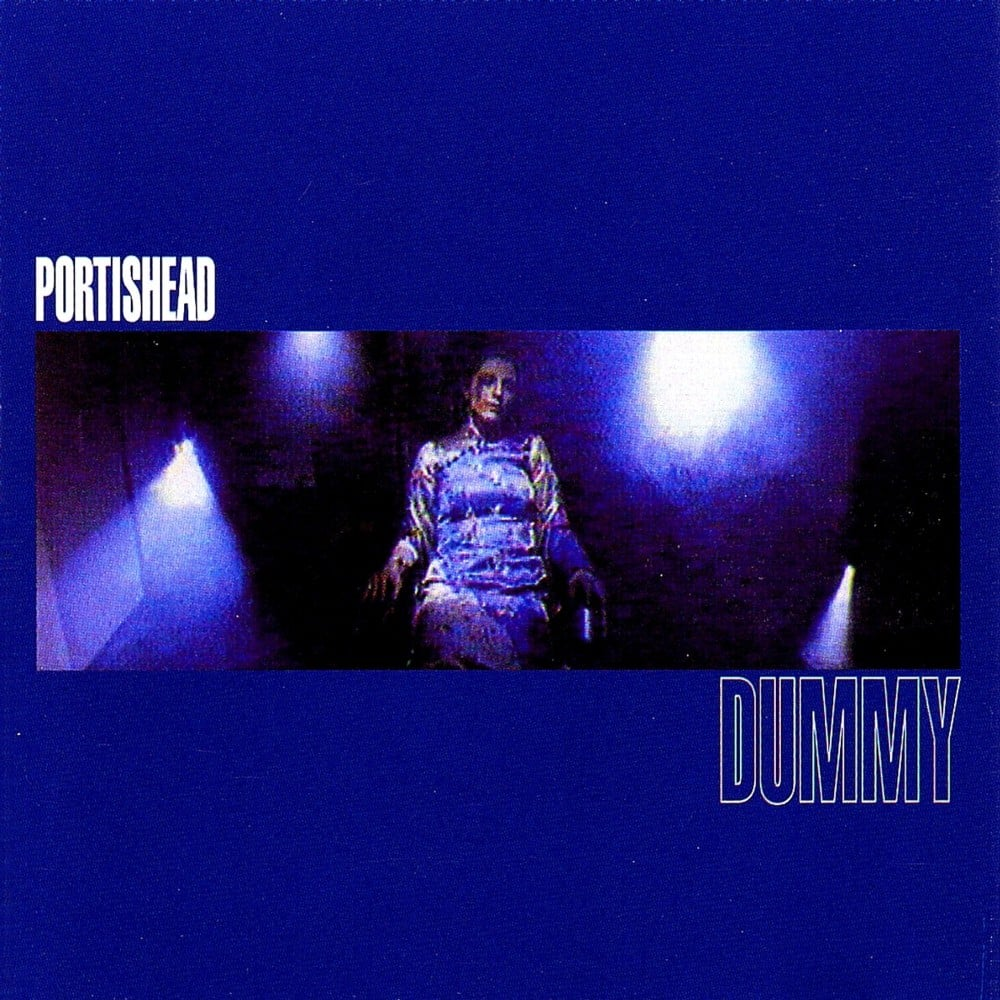
Island Records

Nobody captured the ‘90s sense of “cool” quite like vocalist Beth Gibbons on Portishead’s Dummy. This seminal trip-hop album features her voice, breathy and sweet, over reverb-y minor chords and shifty cymbals. Like the midnight blue of the album cover, Dummy is so nighttime-coded it simply doesn’t make sense to listen to it while the sun’s out. Gibbons’ lines are flirty and at the same time deadly serious. Some speculate you shouldn’t look the blue Medusa in the eye, but I recommend turning up the bass volume.

– Katie Hayes

If we’re talking solid-color album art, there’s one band that stands above the rest, and that’s Weezer. Across fifteen studio albums, more than a third of their discography is made up of self-titled albums that fans simply refer to by their color. Each features the band members lined up staring down the barrel of the camera against a solid-colored background. In this recurring section, we’ll address the elephant in the room that is Weezer’s discography.
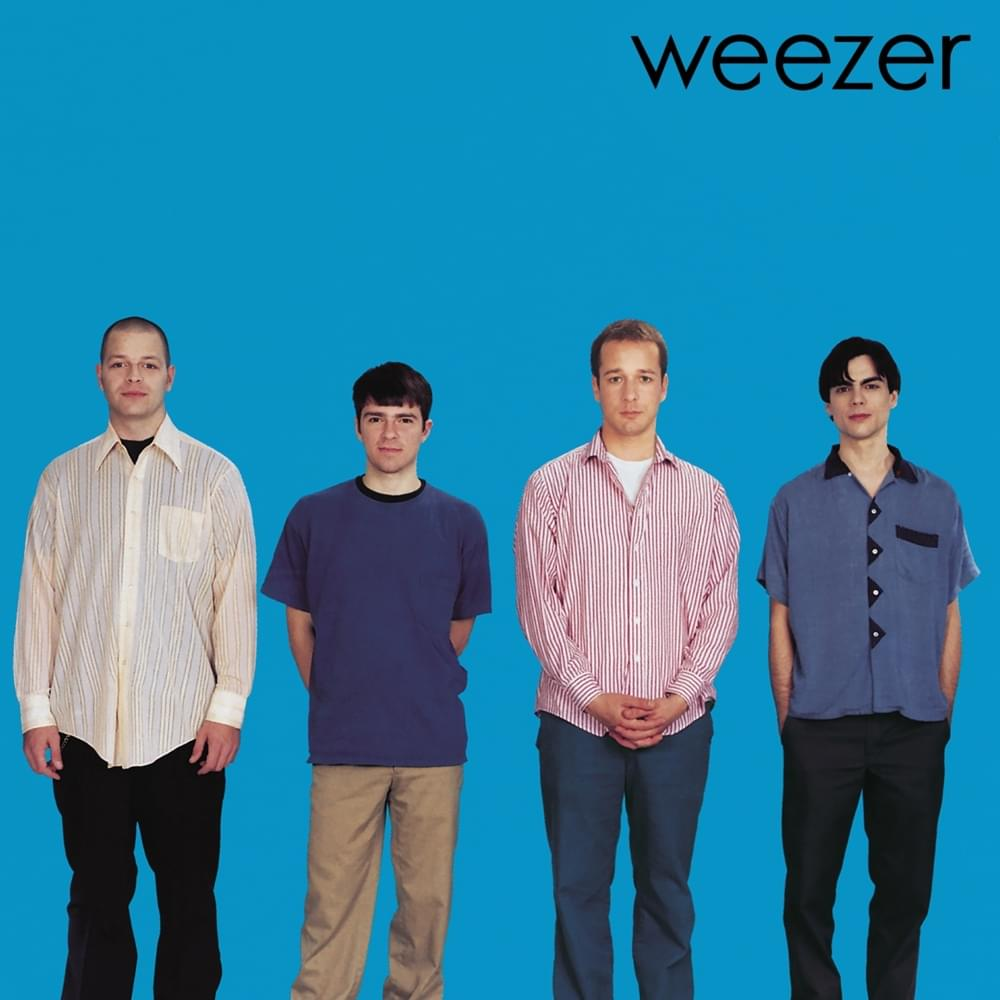
Weezer (1994), also known as “The Blue Album,” is simply an all-timer. Maybe I’m biased as someone who identifies with Rivers Cuomo’s nerdy tendencies and staggering unconfidence. Despite those leanings, these songs fucking rock and make for one of the best records of the 90s and alternative music as a whole. Ending the whole thing on a wandering, meditative, soul-affirming 8-minute song is just the cherry on top. 


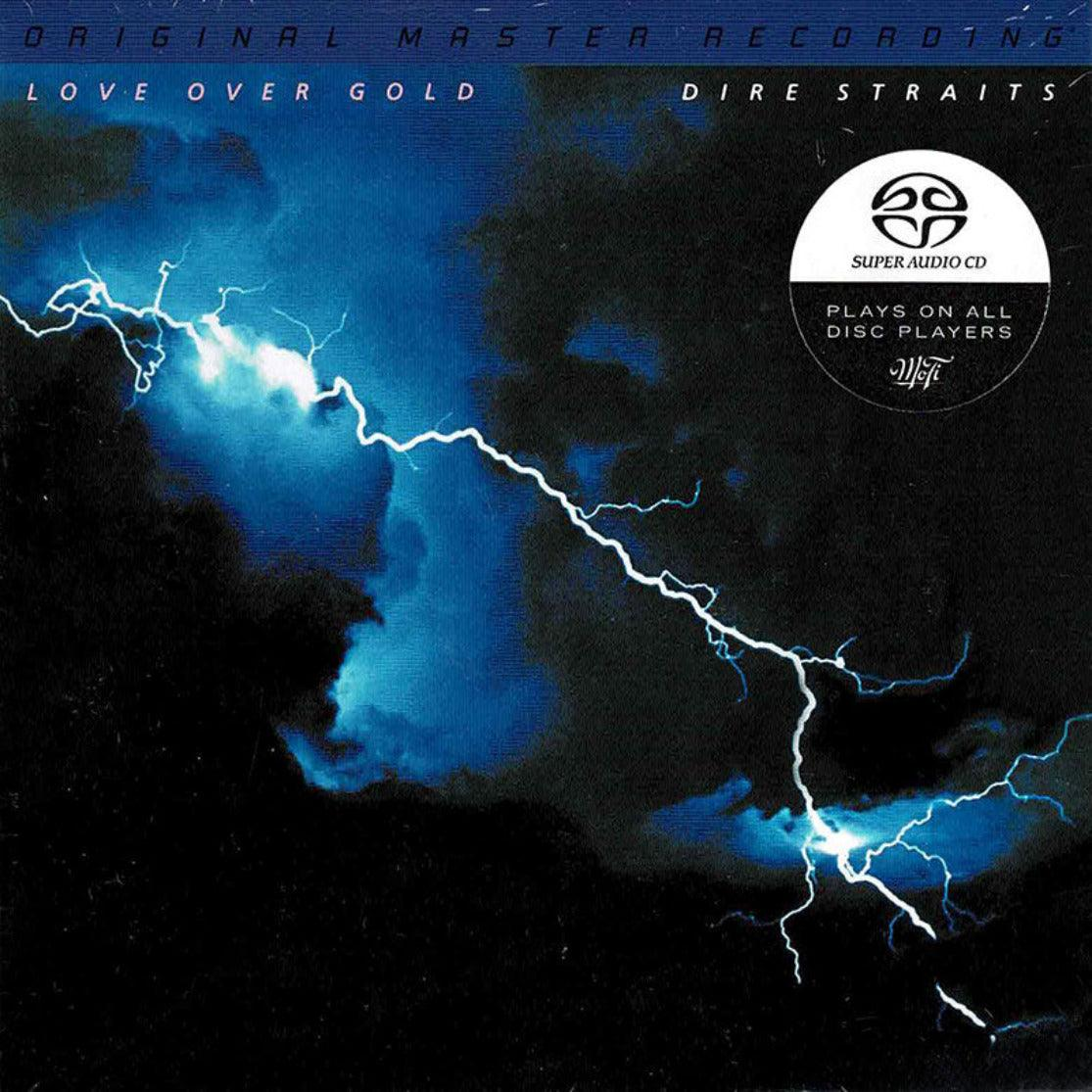
Dire Straits – Love Over Gold
Vertigo

Love Over Gold is one of the best records that I’ve ever found in a bargain bin. Before picking this up a month or so back, I only really knew Dire Straits through their radio hits, so I wasn’t at all prepared for Love over Gold’s 14-minute-long opener “Telegraph Road.” A heartland rock track from a British band that’s as long as a prog song, you just can’t beat it. Front to back, this record is full of great moments, especially in the latter half of the title track, where you get some very cool lead interplay between vibraphones, marimbas, and a nylon string guitar. 

This has quickly become the album that I reach for when I’m not exactly sure what I want to listen to; it’s interesting without being heady, perfect for late-night listens while you stare at the ceiling. I know I’m late to the party here, but man, Mark Knopfler can really play. Beyond its own merits, I have an affinity for this record because it got me obsessed with Knopfler, which led to me watching a movie he scored called Local Hero. The movie had been on my watchlist for a while, but I’d been holding off because its premise made me fear it might be trite and predictable; the Knopfler connection was enough to push me over the edge to actually watch it. It turned out that I was totally wrong, hell of a movie. Thanks, Love over Gold.

– Josh Ejnes


Nine Inch Nails – With Teeth

Interscope Records

Sometimes I forget that Nine Inch Nails is one of my favorite bands. The last release of theirs I was really obsessed with was 2013’s Hesitation Marks, and I’m not enough of a cinephile to follow all of Trent Reznor & Atticus Ross’s soundtrack work. Plus, the last time I saw them was admittedly a bit underwhelming, considering the first time I saw them at Lollapalooza 2013 is still, to this day, the best live performance I’ve ever witnessed. That show had arrived after eight long years of build-up, when I heard the band for the very first time. With Teeth had just come out, their first album since 1999’s The Fragile, and their finest hour in my opinion. The album was blaring from my dad’s home office when I walked in there to ask him a likely asinine question, as I often did. I heard Trent screaming “DON’T YOU FUCKING KNOW WHO YOU ARE” over this chaotic electronic music, unlike anything I’d heard before. After that, I became a pre-teen NIN devotee, studying every CD my dad had in his collection, including the remix albums like Fixed and Further Down The Spiral, and of course, With Teeth.

In some ways, I think Teeth is the perfect NIN album. It’s a career-encapsulating collection of songs that range from aggressive radio singles like “The Hand That Feeds” and “Only,” to classic goth ballads like “Every Day Is Exactly The Same” and “Right Where It Belongs,” plus fan favorite deep cuts like “Getting Smaller” and “Sunspots.” The band’s next album, 2007’s Year Zero, with more fantastic blue artwork, would inspire me to write a 14-chapter fan fiction for my fifth-grade creative writing assignment. Trent and his rotating cast of bandmates have been a longtime influence of mine, even if their records aren’t as prevalent in my rotation as they once were. With Teeth will always be a cornerstone in my musical evolution that hasn’t lost a beat in the last 20 years.

– Logan Archer Mounts


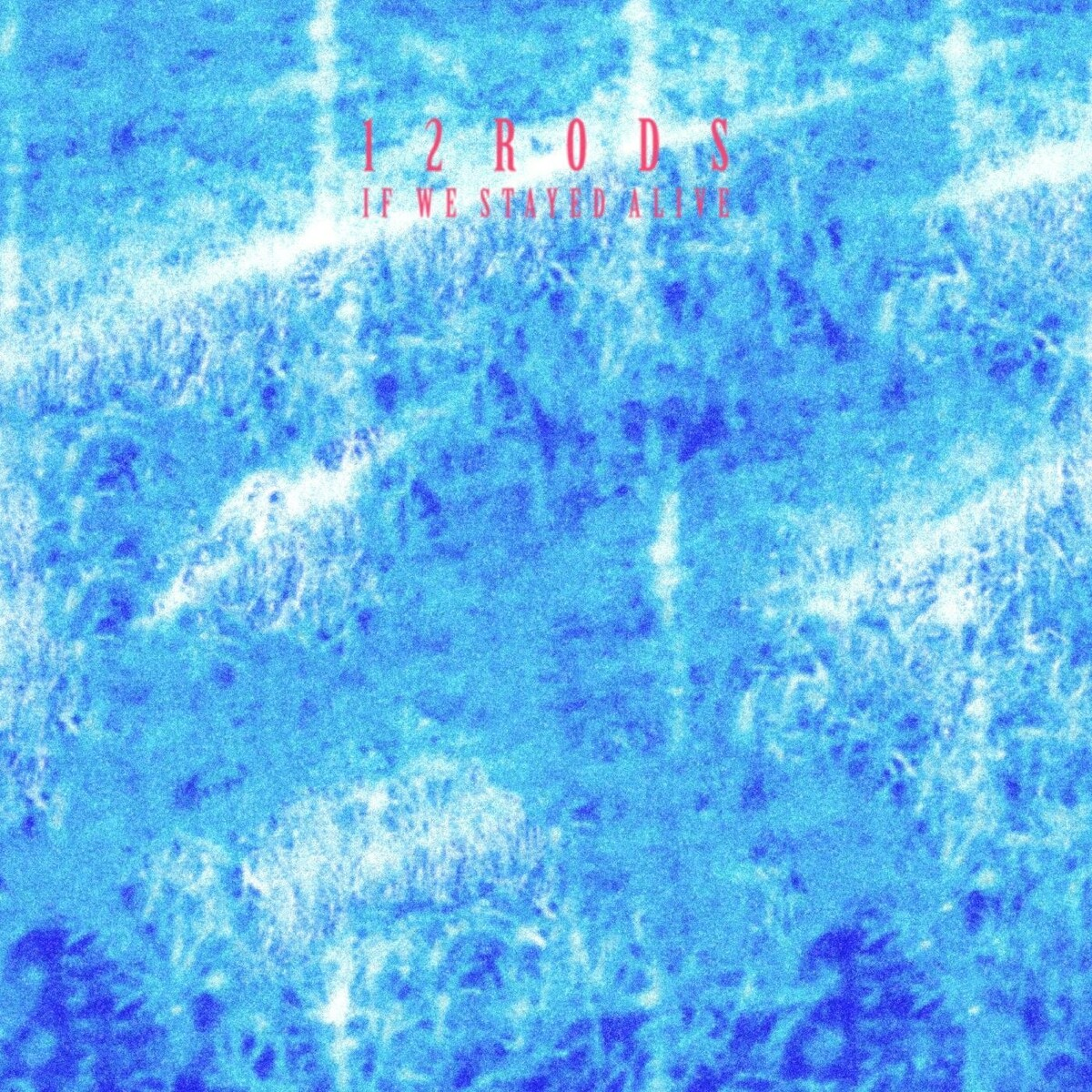
12 Rods – If We Stayed Alive
Terrible Hands

12 Rods—a Minneapolis group sometimes remembered for earning one of Pitchfork’s very first “10s,” but maybe more commonly referred to as “the greatest band that nobody remembers.” After calling it quits in 2004, 12 Rods made a surprise comeback in 2023 with seven previously unreleased tracks and just one remaining member—frontman Ryan Olcott.

Despite a 20-year gap between records, If We Stayed Alive picks up seamlessly where Olcott and the former band left off. In true 12 Rods fashion, the album blends dreamy, dizzying textures with cryptic yet personal lyricism. While heavier moments of 12 Rods’ discography made use of synthesizers and occasional distortion, If We Stayed Alive opts for electric guitar with a timeless wash of reverb. The record’s haunting opening promptly transitions into a handful of more optimistic tracks, then just as quickly pivots to a cool, understated groove. Olcott’s nuance shines even in the final 20 seconds of the record when the listener is granted the slightest hint of a harmonic and emotional resolution after floating through the sonic ether. 

While the cover is a lively electric blue, If We Stayed Alive evokes the deep blue of a downtown on a foggy night. This record is ideal for the dreampop fan who yearns for the 90s, and is the perfect gateway into the bittersweet world of 12 Rods. 

– Annie Watson


Oklou – choke enough
True Panther Sounds 

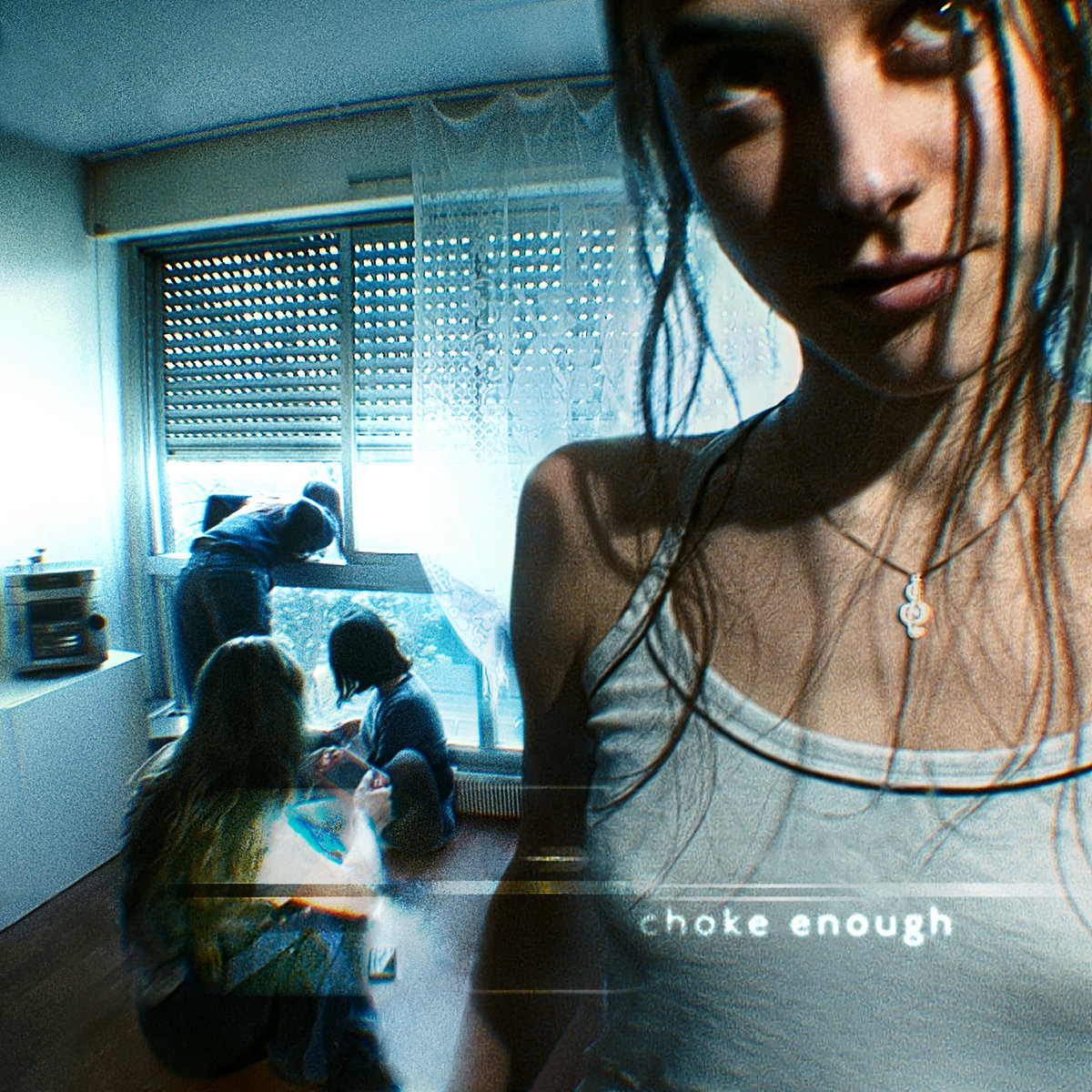
I, admittedly, don’t know much about Oklou. I know that she is from France, is a classically trained musician (a pianist and cellist), and recently became a mother during the creation of choke enough. The ripples of motherhood flow throughout the album, especially in the blurry, domestic scene displayed on the cover; a group of kids hanging out in the living room, slightly out of focus, their attention drawn to something happening just outside the window. Oklou herself poses for a selfie in the foreground of the scene, perfectly depicting the conflict that is prevalent throughout the record: what does it mean to be Oklou now in such a strange era of accelerated surveillance technology, one where she not only has a new life to care for but has instant access to the beauty and (horror) of the world in a scrollable feed?

That dichotomy is explored beautifully through a gentle record that remains alluringly at arm’s length, despite its intimacy. Much of the music here resembles the transient experience of passing by a club at night and hearing the 808s pump through the walls; you can feel the party, but you're not exactly a part of it. You need that distance sometimes, that oddly comforting sense of proximity that allows the freedom to pause and make sense of it all without getting completely wrapped up in it. Oklou gives us a misty, ephemeral work, pushing towards the emotion found in trance and club music, yet constantly pulling back before the exuberant drop. But all rivers flow back to the self. Let the blue waters flow over you. You never know what can be floating underneath.

– Nickolas Sackett 


The Weepies – Hideaway
Nettwerk Productions

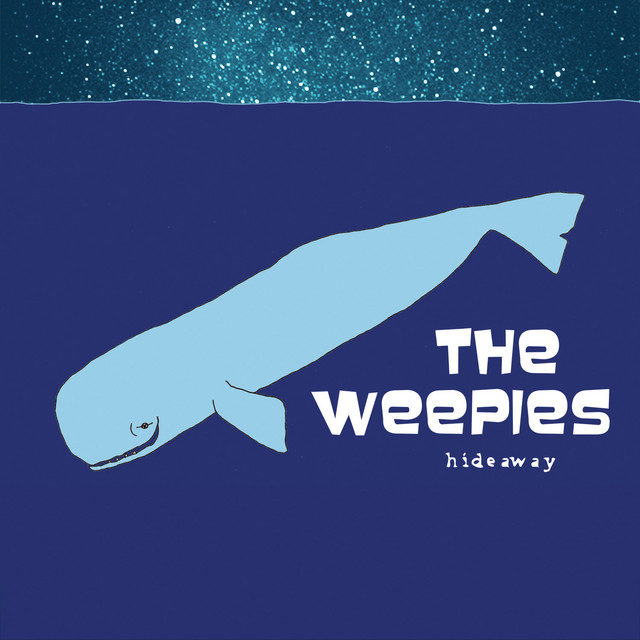
I hadn’t been driving for long. Freshly sixteen, I’d revel in my newfound mobility with jaunts just about anywhere. That particular day in 2008, I was on the move, hoping to stock my CD shelves with goods from CD Warehouse, a nook in my neighborhood’s strip center. Part of me felt shame determining a purchase based on album art, but the other part of me fell in love with the delicately drawn beluga whale on the cover of The Weepies’ Hideaway. I grabbed the plastic square and slapped it onto the counter. In the container of my car, the songs felt like lullabies, gently melancholy like the stars and the sea on the cover.

This album has never quite let me out of its orbit. The opening track, “Can’t Go Back Now,” is one of my playlist mainstays. The folky duo’s silky harmonies sail over soft, sparkling guitars and keys: “If you ever turn around, you’ll see me.” It’s an ode to a deep blue road that I still find myself driving, almost twenty years later.

– Katie Hayes


Lorde – Melodrama
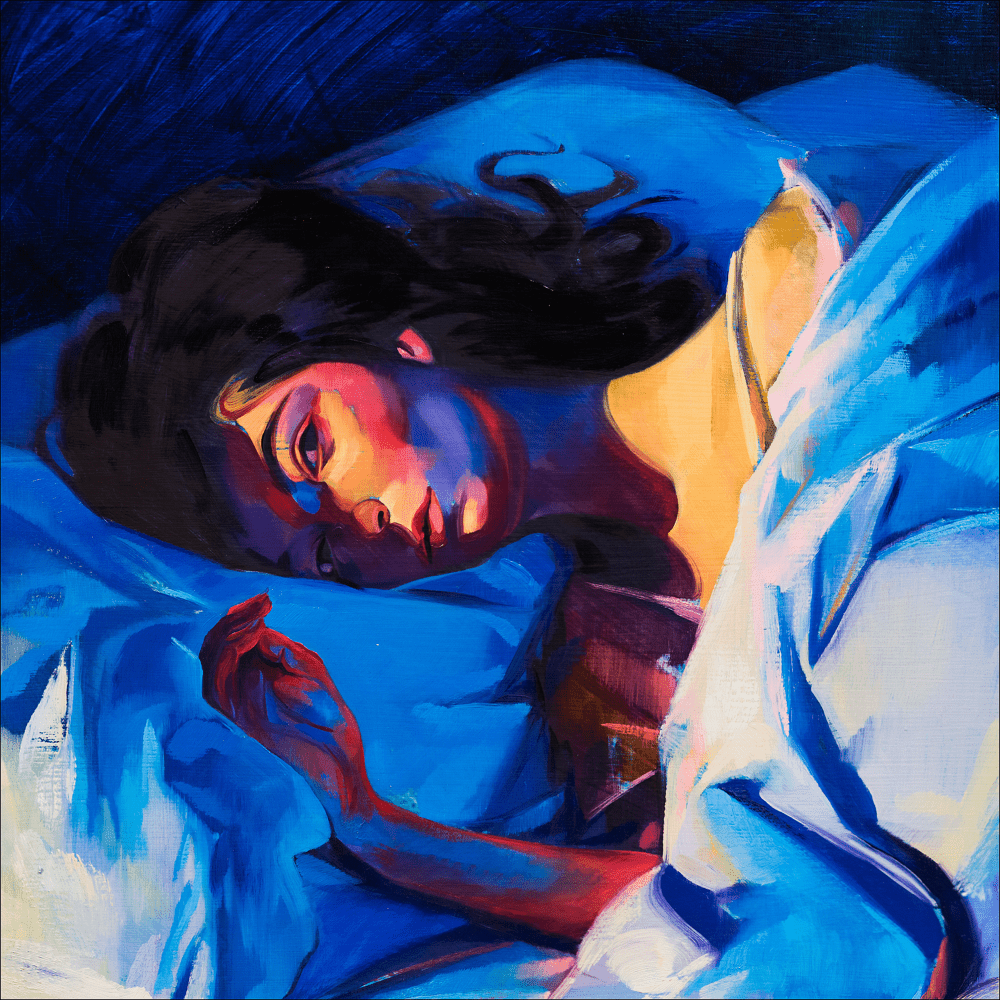
Universal Music

I was first introduced to Lorde in 2013 when my college roommate played “Royals” for me through the tinny speaker of her iPhone 4. We would play the album on loop as the semesters flew by, cementing Lorde as one of the defining artists of my undergrad career. Fast-forward to 2017, and I’m heading into my second year of graduate school. This time, Lorde had freshly released her sophomore album, Melodrama, and my best friend and I loved to listen to “Liability” as we agonized over papers, research, and recital prep. The album artwork is one of my favorites: a moody, intimate painting of Lorde by Sam McKinniss. His treatment of light through the use of rich blue tones and contrasting coral accents is mesmerizing. The portrait is timeless, capturing both elegance and raw vulnerability through angular brushstrokes and saturated hues. I’ll always love it. Nostalgia lives on in every track, reminding me of evenings spent blasting this album with the windows down, breathing in the salted Gulf air, and screaming about the “fuckin’ melodrama” until our voices were nearly as raspy as Lorde’s. 

– Britta Joseph


The Avalanches – We Will Always Love You
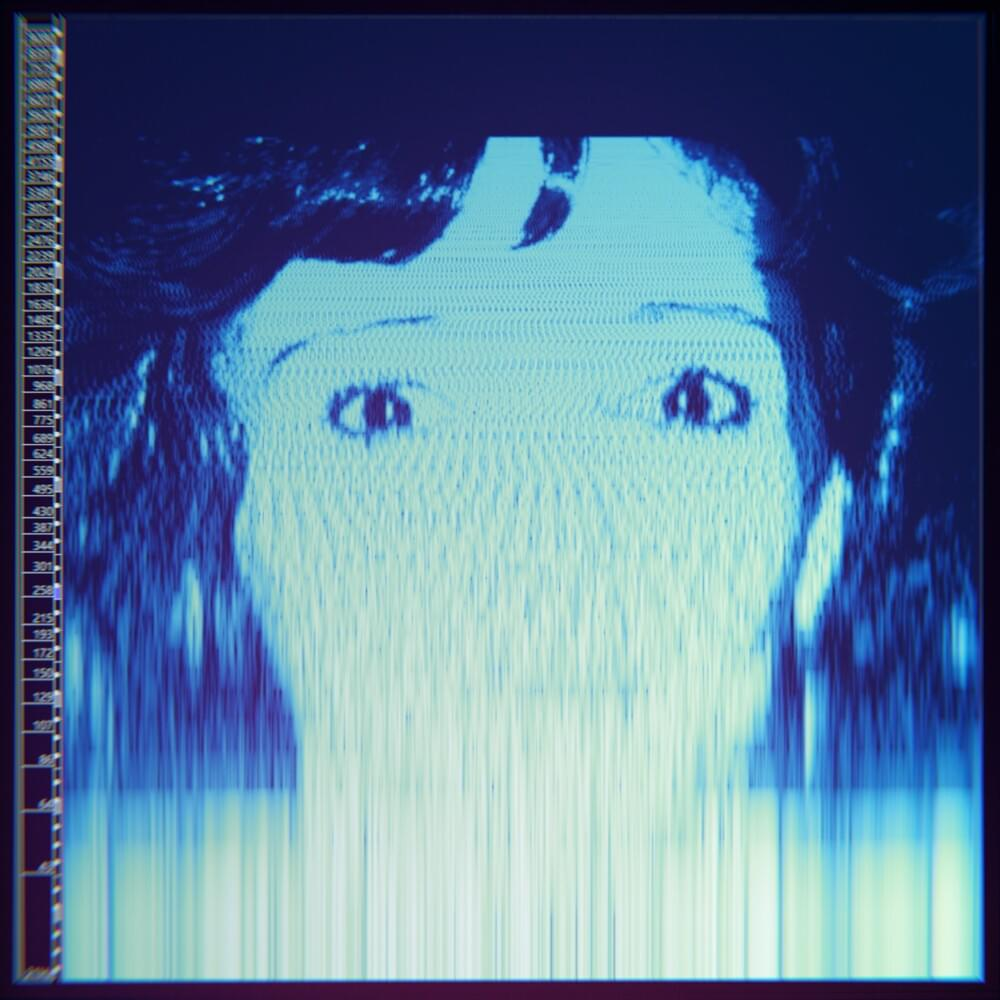
Astralwerks Records

The Avalanches entered the cultural zeitgeist with their 2000 album, Since I Left You, and re-entered it again with their long-awaited 2016 follow-up, Wildflower. Both albums are beloved for good reason, but to me, nothing compares to the magnum opus that is We Will Always Love You. In some ways, this is a concept record, following the love story between Carl Sagan and Ann Druyan, the director of the Voyager Golden Record project, whose goal was to cement the existence of human life into the universe by placing two golden records upon the Voyager spacecrafts in 1977. Her face is on the cover, and the thesis of her project serves as a throughline of the album’s heart and soul.

There is no record that feels as all-encompassing or celebratory of the human experience and what it means to love each other. Throughout the album’s runtime, The Avalanches combine their signature plunderphonics and sample-based production with interpolations and features from musicians whose work spans countless genres and decades. From Johnny Marr and Blood Orange to Vashti Bunyan and Karen O, the album centers around the idea that everyone can come together and celebrate our shared humanity through music. The record’s hour-long runtime never feels bloated or weighted down by any of its inclusions; in fact, it’s an album that feels wrong to listen to unless it’s as a complete work. Despite the fact that each track can stand as its own composition, when listened to as a full album, every song continues to build on the last. It’s all one musical idea extrapolated on by many different voices and perspectives. 

Each time I think back on the tracks I love the most, like “Interstellar Love” with Leon Bridges, “Gold Sky” with Kurt Vile, or “Running Red Lights” with Rivers Cuomo and Pink Siifu, I remember the cathartic rush and emotion I feel throughout the journey, capped off by the closing track. The final song “Weightless” contains the Arecibo Message from 1974, a Morse code which was broadcast at the speed of light into the universe to beg the question of extraterrestrial existence. Though we may not have any concrete way to know who heard the Voyager Golden Record or the Arecibo Message, we know that music connects us to each other, no matter where in the world we are. 

– Helen Howard


Honorable Mentions

Hey, we can’t write about every album with this color, so here’s a list of some more that we feel like we should mention.

  • Joni Mitchell - Blue

  • Queens of the Stone Age - Rated R

  • The Killers - Hot Fuss

  • Explosions in the Sky - How Strange, Innocence

  • Nirvana - Nevermind

  • Turnstile - Never Enough

  • Momma - Welcome to My Blue Sky

  • First Day Back - Forward

  • Drunk Uncle - Look Up

  • Geese - Getting Killed

  • Sturgill Simpson - A Sailor’s Guide to Earth

  • Carpool - My Life in Subtitles

  • Combat - Stay Golden

  • Judge - Bringin’ It Down

  • Megadeth - Rust In Peace

  • Meat Loaf - Bat Out Of Hell II: Back Into Hell

  • Fall Out Boy - Take This To Your Grave

  • Oldsoul - Education on Earth

  • Death Cab For Cutie - Thank You For Today

  • Adventures - Supersonic Home

  • Kacey Musgraves - Golden Hour
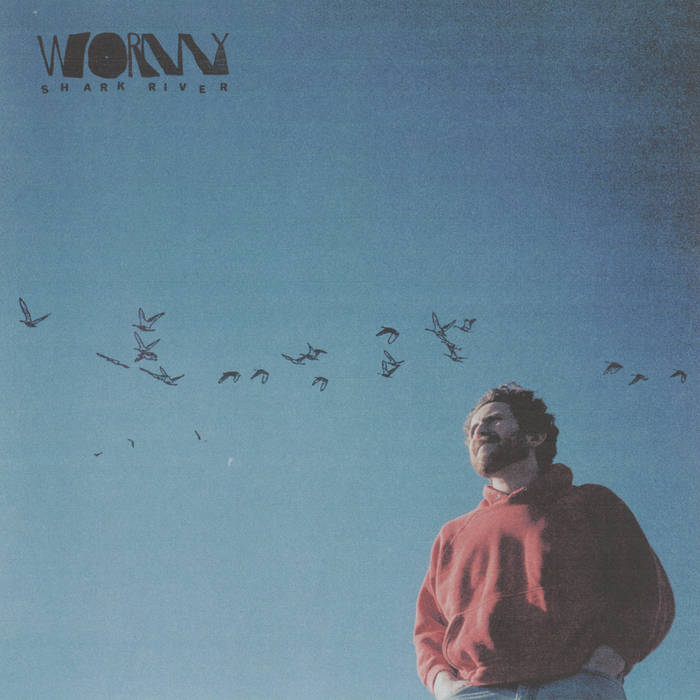
Wormy – Shark River | Album Review

Rose Garden

I recently started a new job and have been put in the slightly embarrassing position of new people, normal people, asking me what kind of music I like. Hesitant to ever utter the word “emo” out loud, both out of embarrassment and for fear of being misinterpreted, lately I’ve been defaulting to “indie rock” or “music with guitars in it.” It’s not that those terms are any better, if anything, they’re broad to the point of being unhelpful, but at least it feels like an honest answer.

As I was listening to “Big Loser,” the opening track off Wormy’s Shark River, I couldn’t help but feel some connective tissue to the “emotional rock” that I love so dearly. It’s not odd time signatures or frantically tapped guitars, but the radical self-deprecation found in the lyrics. The song lands among the ranks of self-admitted loser songs, tracks that own the insult and turn that outsider label into a badge of honor. In the chorus, singer-songwriter Noah Rauchwerk whines, “I hate myself so much, you might as well hate me too. I’m a big fuckin’ loser, the best thing about me is that I still care about you.” Hell of a line to stitch into an opening track, but one that will probably land for a certain sect of people fumbling through life trying their best and constantly falling short. 

Over the next two minutes of that track, we flash through a series of sensory memories scored by a banjo and soft drum pattern. Soggy potato chips and nautical kitchenware become stand-ins for the pleasant memories of life that we wish so badly we could return to. It seems unfair; we didn’t even know those moments were the best it was gonna get until we look back and see them in contrast to whatever exists now. A guitar solo whisks the bad thoughts away for a moment until Rauchwerk comes back in with an anecdote of aging dogs before relenting to the chorus one more time. It’s super powerful and a beautiful way to set the tone for Shark River, an album full of well-observed moments and beautiful truths. 

Throughout the rest of the record, there are pop culture references like U2’s Songs of Innocence (referred to as “the one they put on our iPods without asking”), cheap Gatorade, and the 2023 film Cocaine Bear, each of which serve as totems for connection in different ways. Just like real life, these random pop-culture objects are conduits for so much more. A mediocre late-career record and a goofy black comedy horror film can become a platform for something much deeper; it’s more about when and how these things come into our lives. Those associations are a chief concern of Shark River, as the project explores how these might prove to be either false comforts or accidental saving graces.

Every song is pushed forward with a sort of white boy melancholia you’d find in a Barenaked Ladies song, I’m thinking of tracks like “Pinch Me” and “The Old Apartment” that hone in on hyper-specific mundanities and spin them out into larger regrets. The song “27 Days” focuses on the distance that can strain a relationship, with our narrator desperately asking, “Will you text me when I land / to see if I’m okay?” over a simple drum pat and a clean little guitar bend. It’s all really beautiful and infinitely relatable. As our hero compares himself to more exciting and compelling individuals, it’s hard not to feel like an echo of an echo, the original sound reverberating, growing weaker and weaker, but already long gone. 

Immediately following, “Cocaine Bear” has already become one of my favorite songs of 2026, embracing a more peppy electronic beat and free-wheeling energy. Fretting over an uncertain future and inevitable death, Rauchwerk sings with a Darnellian verve “I don’t wanna be left with the burden / I don’t wanna be dead on the roadside / I don’t wanna be dragged by the curtain / I don’t wanna be there when I die.” Flashing to the earthly pleasures of Cocaine Bear, Costco runs, and Monster Energy, he pretends to “act like his life is hard.” To me, this is the same vein as “getting killed by a pretty good life,” capturing a sort of attitude adjustment that many people like me have felt recently. Things can be good on paper and still hard. You can, and should, acknowledge the advantages you have, but those privileges don’t negate the complicated feelings that can come from a fucked-up brain. Life is hard for everyone in different ways, and you gain nothing from comparing struggles.

Things dip into a woozy pedal steel lilt on “I Am Here,” and I think of ‘alt-country run-off,’ a phrase I heard someone toss out off-handed but meant to allude to a sort of “FFO MJ Lenderman” style of music that has become easy for indie rockers to reach for ever since the success of Manning Fireworks. Even still, I think it’s used tastefully here, and Rauchwerk’s writing is unique enough to stand on its own. It’s not just the proper nouns that poke through the songs, but the way they’re framed and what they all ladder up to. 

Breakfast Again” captures a specific type of helplessness that’s easy to feel in the wake of everything on every front constantly going wrong and getting worse. Snacking yourself to sleep while it feels like the sharks are circling, only to wake up hungry and do it all again. It’s infinite unfulfilment that sounds just dreadful on paper, but can be surprisingly easy to fall into. While there’s obviously some self-shaming in an observation like “pants too tight from just stayin’ in,” I think it’s important to focus on the silver lining presented in the lyric “Hardest things that you ever try / make you want to try again.”

After all this, the media consumption, the gorging on snack food and energy drinks, the bad decisions and expired relationships, Rauchwerk paints a truly vulnerable and compelling image of a slacker mid-redemption arc. There’s absolutely loneliness, devastation, regret, and sorrow, but there’s also recovery, reclamation, and the hope for reconciliation. Rauchwerk’s writing is filled with self-reflection, and that makes it easy for the listener to see themself in his work. The little nods to movies or food can sometimes feel like funny distractions or frivolous extravagances, but one could also argue they’re part of the journey just as much as the Big Feelings and Real Decisions. 

In the final moments of the record, our narrator finds himself questioning what he really wants. While the concept of “true love” feels a bit too daunting to break down into anything digestible, Rauchwerk opts to find comfort in a small show of affection. It’s nothing too intimate, just a gentle cradle and the hope to sort things out. It’s that sort of singular connection, the one between two individuals, that can make all the difference. It’s not that you expect the other person to solve everything (or anything) for you, but that the possibility is there, even in the face of feeling angry, ugly, and cosmically unlucky. If you’re really fortunate, maybe you and this other person can help you learn things about each other until you learn things about yourself. God knows there’s still lots to figure out, but knowing who you want to do it with, and, more importantly, that you yourself want to do it, is a pretty damn good start.

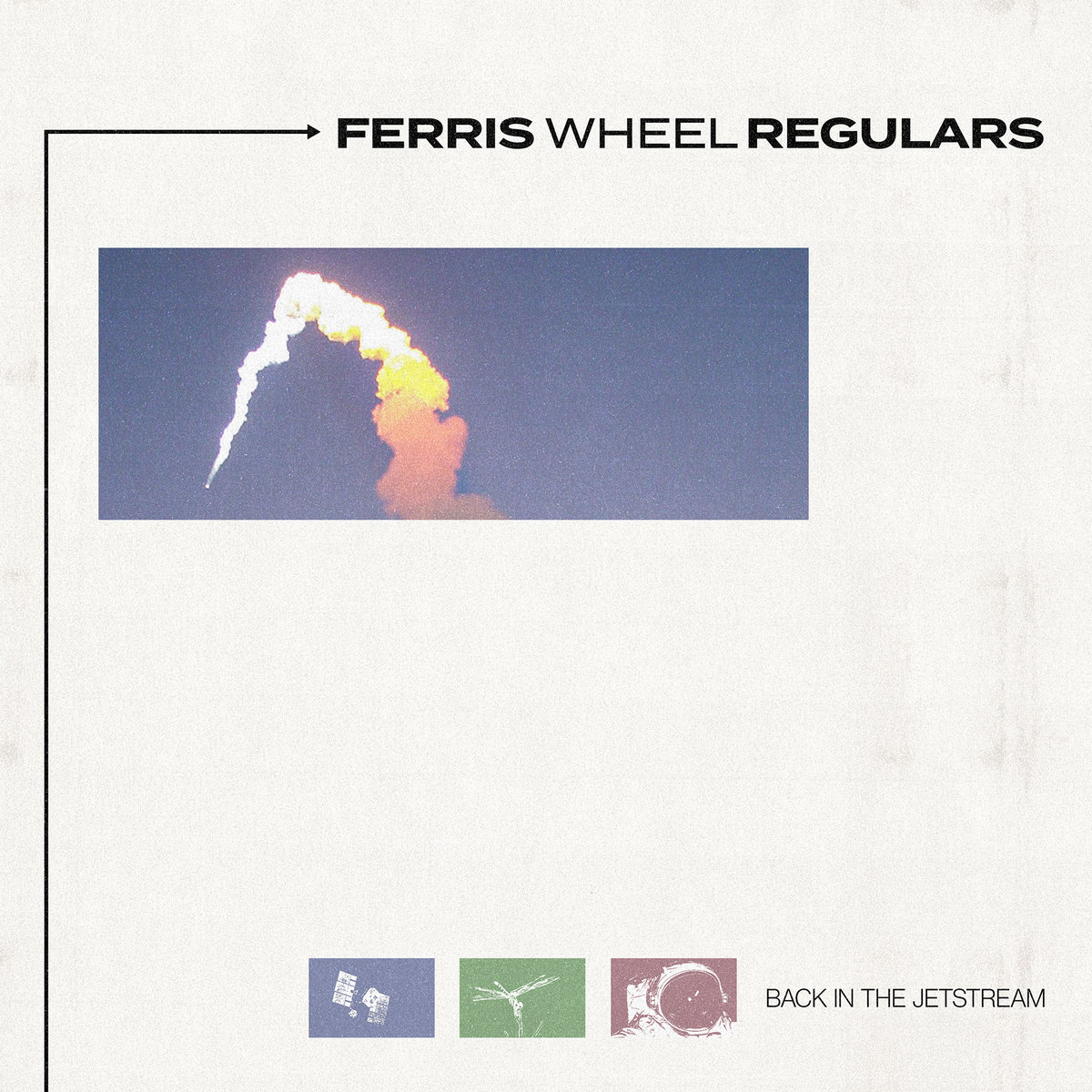
Ferris Wheel Regulars – Back in the Jetstream | Album Review

Hunkofplastic Records

A few summers back, I took a trip to DC for the 2024 edition of HFStival, an attempt to revive the long-defunct fest that had been a must-stop in the late 90s and early 2000s for alt rock radio’s top bands. The 2024 lineup was made up mostly of groups that were big during the festival’s heyday—think Tonic, Lit, Filter, etc.—with Death Cab for Cutie and the Postal Service closing out the show. I mostly went to catch Postal Service and Jimmy Eat World, but neither band was at the top of my mind as I walked out of Nationals Park at the end of the night. What stuck with me were two things:

  1. People are feral (sexually) for Gavin Rossdale in a way that I did not anticipate.

  2. Incubus rule. 

I tried to push the first thought out of my head by mulling over the second. I used to love Incubus back when I was in middle school, but I totally fell off listening to them when most other people did. Seeing the band live made me regret throwing them aside, and it also got me thinking about their legacy. This was right around the time that the Deftones resurgence was at its height, where it felt like you couldn’t open Instagram without hearing a new band using them as a sonic reference point. Could something similar happen for their contemporaries in Incubus?

As 2024 turned to 2025, the answer appeared to be a resounding no, and as 2025 rolled on, that no only got louder, so I stopped thinking about it. Then, I started listening to this new Ferris Wheel Regulars record, Back in the Jetstream. When I got to track three, “Dragonflies,” and heard the opening lines “There’s no other way / To say I love you / I find it kinda strange / The way the clouds move,” a subtle pang in the vocals and the timbre of the guitars immediately brought me back to the first time I heard Morning View. This is what I was looking for. 

Before I get over my skis here, I want to make clear that I’m not trying to say that this record rises to the level of straight-up Incubus worship; Ferris Wheel Regulars are not treating Brandon Boyd the way that The Gaslight Anthem treats Bruce Springsteen. At its core, this is more of a post-hardcore record than anything else, though the record’s shoegaze and “space rock” tags on Bandcamp also make groups like Hum an easy reference to reach for. Still, there’s just so much here—the soft to loud shifts, sledgehammer distortion, the digital processing on breakdowns—that presents what I was looking for when I started hoping to see more Incubus pulls in contemporary music. It’s part of the palette in a way that’s very compelling to me. For example, “Trajectory” pulls from a similar bag of tricks as “Nowhere Fast,” from the shift in character between verse and chorus to the feedback sounds over the closing fade out. I love to see it. 

Back in the Jetstream is Ferris Wheel Regulars’ third record, but they’re a band that’s new to me, first coming onto my radar last December when I started to see hype for lead single “Wires Cut for Two” on Twitter. What most impressed me about the track when I first listened to it was that the group didn’t treat their soft sections as an afterthought. Sometimes when I listen to bands whose bread and butter is heavy/distorted guitar, it’s clear that they’re only getting softer to create contrast for contrast’s sake. Ferris Wheel Regulars are at their best when they’re noisy, but when they pull back—like on the first verse of “Wires Cut for Two”—the music is still inspired, letting the vocals shine through and leaving room for more agile guitar work. 

Where Ferris Wheel Regulars really excel though is when they fully step on it, like the closing breakdown of “Scarlet,” where screaming vocals come in to duel with the main voice line and a heavy rendition of the song’s main riff. The interlude after the first verse of “Moves Like Clouds,” with its soaring guitar lead, is another section that only sounds better the more you turn up the volume. It’s music made to make your windows shake.

Another thing that really stood out to me about this record was its thematic consistency. This is most obviously appreciated when you look at its bookends, with “Sister Star’s” refrain of “Take me out there / Somewhere Far / There’s blue out there / Somewhere far” morphing into “Take me out there / Somewhere far / Feels good nowhere / Just like stars” as the album closes with “Just Like Stars.” In between those two moments, the sky is a constant presence throughout the album, mentioned in every track, sometimes presented as a balm and other times as cold comfort. Particularly striking to me is the opening of “Simple Systems,” where we hear the lines: “You’ll see the sunrise / Winter follows mine.” There’s this economy of words that you can only really tap into when you’re laser-focused on something as universal as the sky above. Because we’re seeing the heavens hit again and again throughout the record, there’s this cumulative impact that makes that “Feels good nowhere / Just like stars” hit so incredibly hard. 

This speaks to what is perhaps my favorite thing about Back in the Jetstream, the fact that it’s a record that doesn’t wink at you. Though influences of 90s post-hardcore and 2000s alternative come through clearly in the music, there’s nothing about the presentation that’s trying to be meta about it; there’s no cutesy song titles or comedic interludes, nothing memeified. There’s room for all kinds of music with different tones and moods out there, but the straightforward and earnest approach that we see here is what resonates with me the most. Because of this approach, you get to see the music standing on its own, compelling not because it makes you feel like you’re in on something, but because someone is truly letting you in. When you do hear pieces of artists from the past poking through, it feels more reverential than referential, the sum of a lifetime of listening to music spilling out rather than a choice made to seem clever. You don’t need to be well-versed in the encyclopedia of emo to get what’s going on here; it’s just very good music that’s ready to meet you where you’re at, and you can’t really ask for much more than that. 


Josh Ejnes is a writer and musician living in Chicago. He has a blog about cassette tapes called Tape Study that you can find here, and he also makes music under the name Cutaway Car.

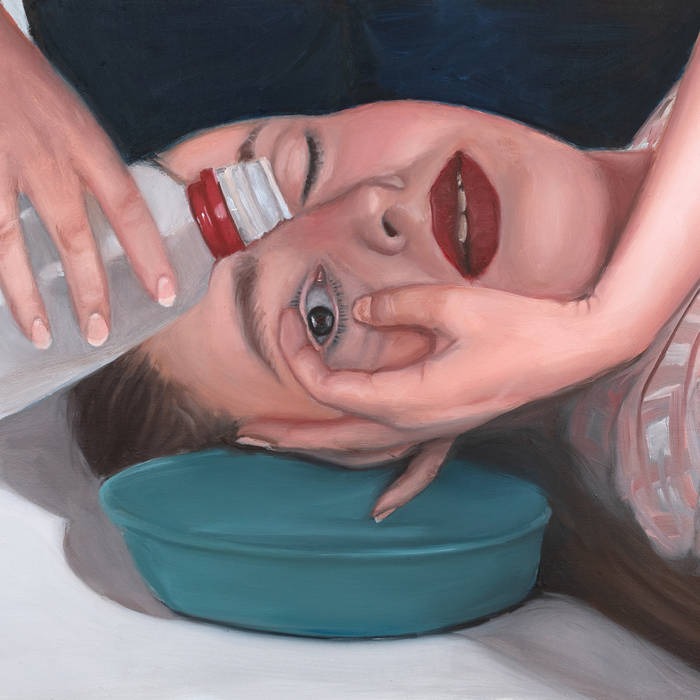
Dry Cleaning – Secret Love | Album Review

4AD

I threw my hair into space buns as I ran ten blocks from my late shift at the library to catch Dry Cleaning at Webster Hall. This was the band’s second US tour post-lockdown, and friends I made in line for a Mannequin Pussy show months ago were saving me a spot on the barricade. At that first meeting, I’d ached to come out as trans, shameful to be seen as a man taking up space, and desperate to express the femininity I related to so deeply. When I joined them on the floor at Webster Hall, Lily complimented my hair, and I immediately blurted out my confession. There was no better place to do it than a Dry Cleaning show. 

Since their initial duo of EPs in 2019, Dry Cleaning has undergone subtle shifts that have refined their style to its core elements. Their debut LP, New Long Leg, was less outwardly caustic, resulting in a creepier, more sinister record, while 2022’s Stumpwork included Florence Shaw almost singing and the band diving deeper into constructing haunting grooves. 

Over the last four years, with the production help of Cate Le Bon, Dry Cleaning have once again burrowed deeper into themselves and emerged with Secret Love, their finest record yet. Secret Love is an expansive album with lyrics that explore the genocide in Palestine, gender roles, manosphere food influencers, and the search for love, all while the instrumentals bounce from hardcore punk to jangle pop and synth ballads. All of these influences and topics coalesce around a single question: how do you live an authentic life today?

Dry Cleaning has always had hooks. So many of Shaw’s lines have the uncanny ability to become instantly inscribed in listeners’ brains as if they’d always been there. The first time I heard her declare “never talk about your ex / never, never, never, never / never slag them off because then they know / then they know,” I could tell I would be screaming it at friends while commiserating breakups for the rest of my life. Then there was her sigh of “must I look at my belly in the mirror” on “Every Day Carry,” which stuck with me as someone who hated everything she saw in the mirror. Few bands have drum rolls I want to sing along to, like on “More Big Birds,” guitar lines I want to whisper into my lover's ear like on “Viking Hair,” or bass lines I want to murmur as I shake mourners' hands at a funeral like on “No Decent Shoes For Rain.”  

I once met Florence Shaw after a show and got to tell her how essential the Dry Cleaning records have been to my transition. She replied that she was grateful they helped, as her lyrics speak to her own feelings of disaffection with the world, and on Secret Love, she reveals more of her soft underbelly than she ever previously allowed. On “Let Me Grow and You’ll See the Fruit,” she sings about how “people move away from me / I constantly think there are spiders on me and around me.” As someone who bristled anytime I was asked to turn to my neighbor and share during class, when she recites these lines, I’m reminded of the lecture halls full of classmates who paired off and left me alone. The following line, “I yearn for a friend who I can tell my secrets to,” cuts when all your life has felt like desperately waiting for someone to understand you so innately that you don’t have to speak. Alongside Shaw’s pained vocals, I want to travel back in time to hold my past self and whisper this track's sighing horns to her in an attempt to help her understand that everything will be okay. 

Then there is Shaw’s love of tidying, as detailed on “My Soul / Half Pint,” where she discusses how much joy organizing her possessions and assigning them set places in her home provides. But don’t get her confused; she doesn’t love cleaning, in fact, she “find[s] cleaning demeaning.” Over a strutting instrumental, she resents the implication that, as a woman, she should be the one cleaning. At each piano-key plink, you feel her shaking off the expectations her gender assigned to her. It’s simply thrilling. 

The group returns to objects of love on “The Cute Things” and “I Need You,” as Shaw describes the sacrifices one makes for their partner over a whimsical, drifting melody on the former and a synth mire of want on the latter. “I Need You” contains one of the most unexpected references Shaw has ever made in her lyrics, likening the selection of a lover to Donald Trump picking an Apprentice. It’s an unsettling comparison to make, but isn’t love by definition unsettling? If love weren’t unsettling, the sacrifices made in pursuit wouldn’t be worth it. 

When Shaw looks towards the larger world, she sees manipulation everywhere: “objects outside the head control the mind / to arrange them is to control people’s thinking,” she sings on the lead single “Hit My Head All Day.” That track slinks along seductively as Cate Le Bon’s production almost turns the band into a pick-up artist. They stay in the realm of bad advice givers on “Evil Evil Idiot,” one of the most aptly titled tracks in the band’s discography, as Shaw takes on the perspective of a man who only eats food that has been burnt so severely it may as well just be charcoal. Tom Dowse’s guitar springs into the mix like a performer jumping into your face from around the corner of a good haunted house. “Evil Evil Idiot” perfectly captures the feeling of radicalization, showing how people descend from normal fears like ingesting too many microplastics to refusing to even let black plastic touch their food. 

“Evil Evil Idiot” is an excellent example of Shaw’s newfound strength in writing explicitly from manipulative characters’ perspectives. But it is not just the exaggerated personalities she’s interested in, elsewhere she looks at the mundanities of life. On “Cruise Ship Designer,” she takes on the titular job and forces you to listen to someone justify their career choice. When contrasted with the late-album highlight “Blood,” the cruise ship designer seems quaint, but Shaw understands he is just as insidious as a drone pilot. One provides escapism from the terrors of the world that the other enacts with the cold detachment provided by distance. On the latter, over a constant beat that pounds away like the thrum of violence that undergirds society, she sings about looking away from tragedy: “I’ve shown my arse now.”

Dry Cleaning’s advice after all these challenges to living a good life? Caring. After being confronted with dozens of obstacles to happiness as described on “Rocks,” Shaw sings on the final track, “Don’t give up on being sweet.” You never know what can come from putting kindness and empathy into the world. In the face of malicious actors, sweetness could be what builds a better world. 


Lillian Weber is a fake librarian in NYC. She writes about gender, music, and other inane thoughts on her substack, all my selves aligned. You can follow her on Insta @Lilllianmweber.

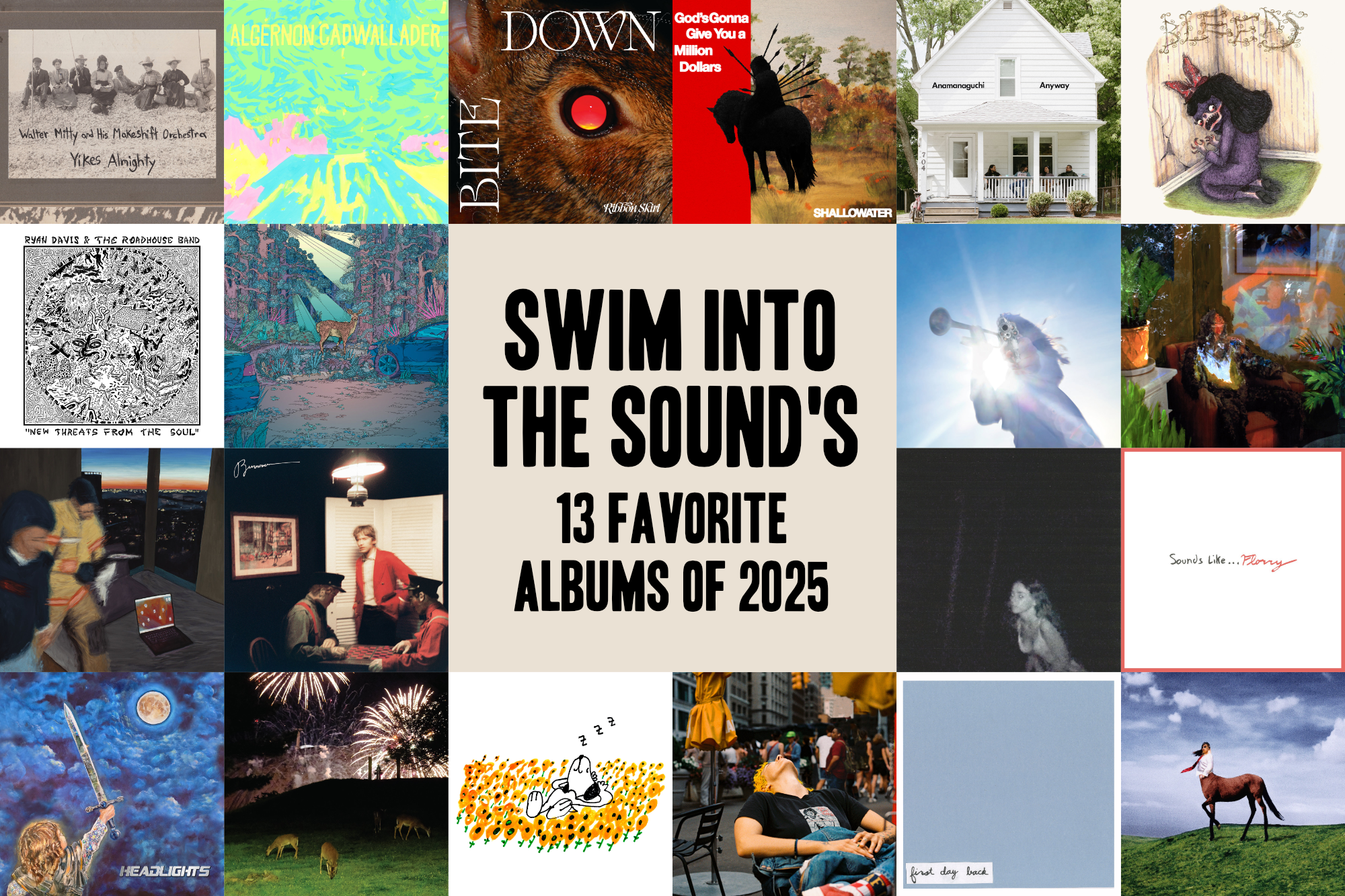
Swim Into The Sound’s 13 Favorite Albums of 2025

What can I say about 2025 that hasn’t already been said across numerous publications, think pieces, and vent sessions? I guess I’ll start (selfishly) with my own experience as 2025 was a year of displacement, awkward liminal holding patterns, and stringing things together. About halfway through the year, I moved from North Carolina, leaving behind a place that felt “my speed” and was home to one of the most welcoming creative communities I’ve ever been part of. I also spent months looking for a job, facing down rejection after rejection, which is a uniquely demoralizing and confidence-destroying way to spend a year. Way I figure, all you can do in a situation like that is try to keep things light and moving forward. 

The upside was that this lack of vocation meant lots of freedom and experimentation. At the beginning of the year, I instituted my own weekly column and monthly roundup just to keep myself writing regularly. I rekindled my love of photography and launched a new wing of this site dedicated to concert photos. I made a fresh batch of Swim Into The Sound merch (shirts, totes, lighters, stickers!) and tabled our first-ever event at a festival that has been nothing short of formative to my musical identity. We also made our first zine, hit 500 articles, and turned ten years old! It was a banner year in Swim Land that also happened to be our most-trafficked ever, all with fewer posts than last year, so I’ll chalk that up to quality over quantity. I couldn’t have done any of this without the beautiful Swim Team, and if you wanna know what music they liked this year (besides “Elderberry Wine”), you should click here. I hope this continues to be a place where cool people can share cool music they love.

In the end, I did find a job, and it's one that I am immensely excited to start in the new year. It’ll be a new chapter of my life and, presumably, this site as I find equilibrium in an entirely new environment. Now that I’m looking back, 2025 felt like a really weird self-contained bottle episode of sorts. Apologies in advance if things feel slow or disjointed in the new year. I think there’s still lots of “figuring stuff out” ahead of me, but at least now I feel some direction, which is a blessing after 12 months of floating around and trying my best. 

Okay, but who the hell am I?

I am a dork-ass nerd who listens to way too much music. My choice for album of the year matters just as much as yours. You can read that statement as positively or negatively as you like, but I see it as freeing. We all have different answers to the AOTY question, from the lowly Taylor Swift devotee to the buzzy Bandcamp-only group that Pitchfork has exalted this year. To some end, those answers themselves are meaningless; what actually matters is why

This year, I sat looking at some of my favorite albums of 2025 and questioned if it was all too expected. It’s not quite this, but many of these bands feel like related artists who tour together, play on each other’s songs, and could easily be played in sequence at a cafe that has let the algorithmic radio play out too long. Does it feel redundant? Am I offering enough trenchant insight to warrant this? Where do I get off?

If all the first-person language so far wasn’t a tip-off, “Swim Into The Sound’s Favorite Albums of 2025” is really just “Taylor’s Favorite Albums of 2025” dressed up to resemble the type of year-end list you’d find at a more buttoned-up publication. This is a tradition I’ve kept up for ten years, so there’s no stopping it now. 

Ultimately, the goal for this type of article is to be as representative of my year as possible. Sure, it’s ranked, so I guess there’s some value judgment here, but make no mistake: this is a love fest. These are all records that I listened to endlessly and found comfort or catharsis in throughout the year. The goal is for me to look back and say ‘oh yeah, that’s what 2025 sounded like…’ I think a certain type of person might still find something new here, but at the very least, I hope you find a new way to look at an album you’ve already heard. 

This year, we’re going with a baker’s dozen. Sure, it’s ranked, but the difference between, say, #8 and #9 on a list like this is about as nebulous as it gets. I can assure you I’ve got an even bigger list about a hundred albums long, and while it can feel funny to affix a number like “66” to a record, to me this is a celebration, not competition.

In so many ways, this was a terrible year of backsliding, regression, malicious intent, and horrible cruelty. I think it’s right to button things up with some positives before sending 2025 off to the annals of time—so long and good riddance. Here’s hoping we take the next step forward together, taking on whatever comes at us with renewed energy, vigor, and intent. 

Look out for each other and love each other, it’s kinda all we have. In the meantime, here are 13 albums that helped keep me sane and understood in a year of free-floating dread and looming anxiety. Hallelujah, holy shit. 


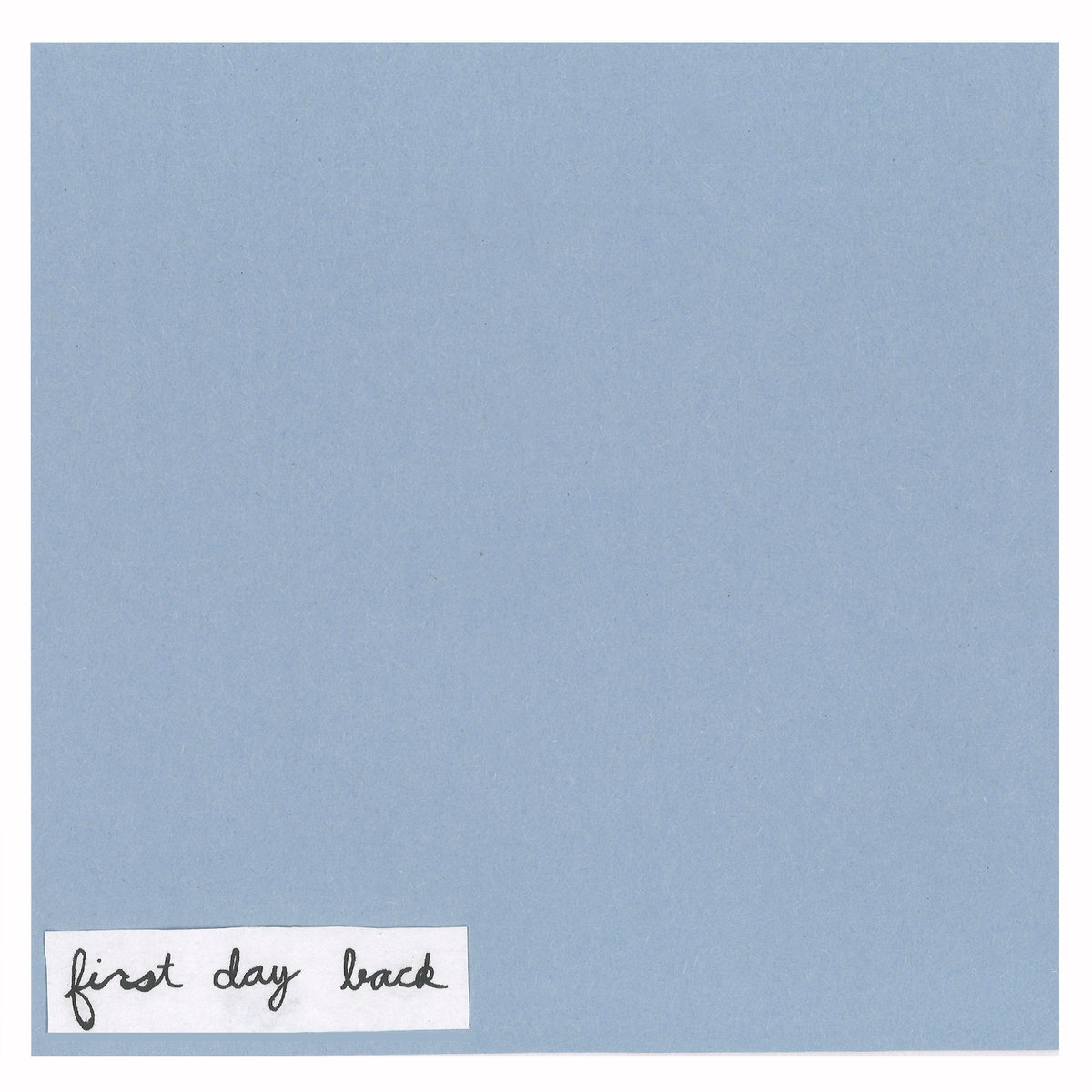
13 | First Day BackForward

Self-released

For every “real emo” copypasta, there’s an equal and opposite reaction. For the ongoing Mom Jeans-ification of Midwest Emo, I like to imagine there’s a group like First Day Back upholding a more rigorous and truthful version of the genre, rooted in something more profound. Forward sounds like a forgotten classic, lost behind the shelves of a Pacific Northwest record store between Sunny Day Real Estate and Sharks Keep Moving. Throughout their debut, the Santa Cruz band tap into a second-wave style of emo that does my soul good to hear in the modern era. There’s no shortage of forlorn vocals or wandering instrumentals that offer plenty of space to contort in contemplation and writhe in regret. A true-blue emo release that should appease the oldheads and help the kids wrap their minds around a different way to approach these feelings. It’s overwrought because it has to be. After all, that’s the only way you feel anything at this age. And that is real emo.


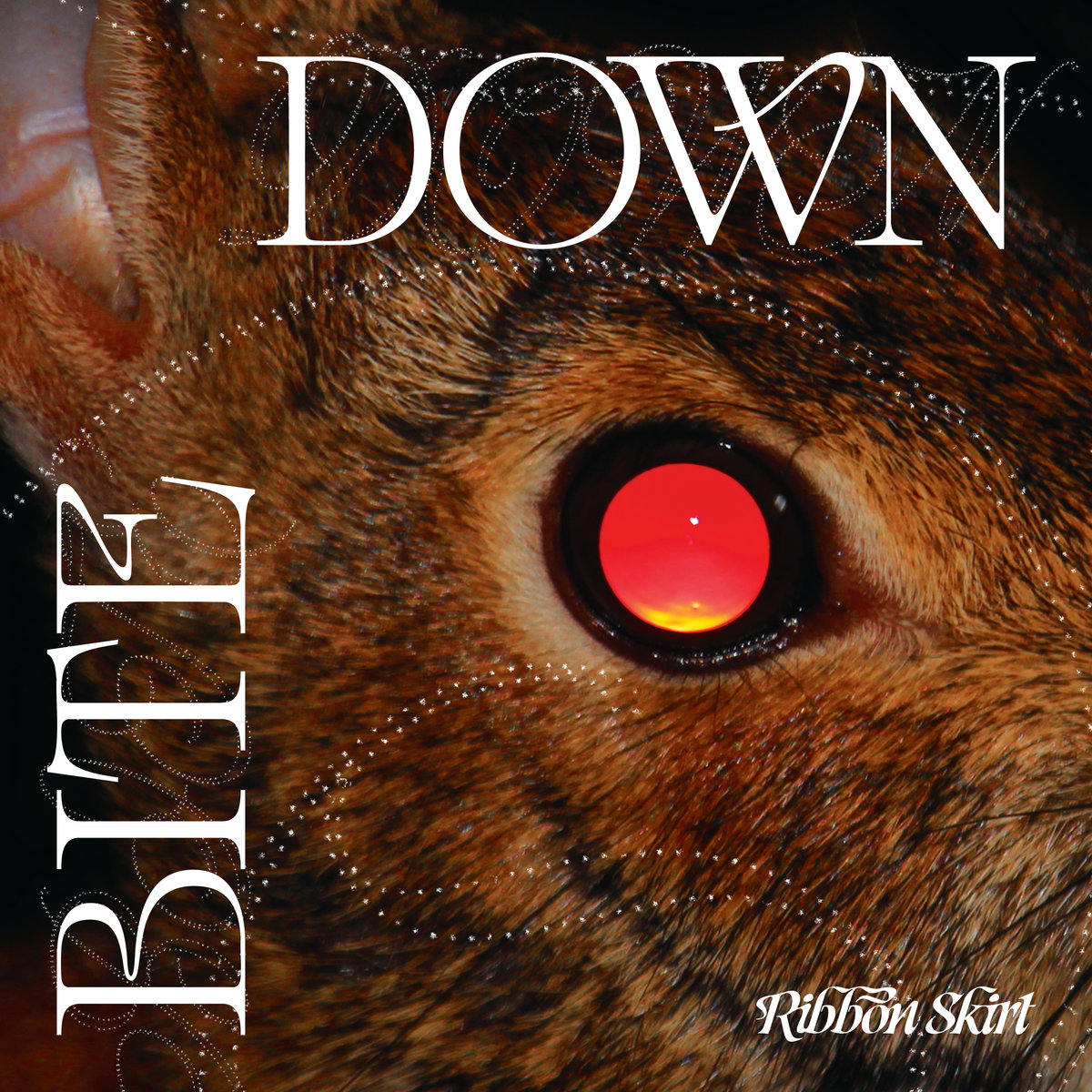
12 | Ribbon SkirtBite Down

Mint Records Inc.

Early on in 2025, I was listening to an advance of Bite Down and was struck with the realization that it was one of my favorite records of the year thus far. In a world where the bands you know and recognize offer the false comfort of familiarity, here was a record I wandered into with zero knowledge or preconceived notions, and I found myself utterly floored by. While it’s technically the Montreal band’s debut, Ribbon Skirt was formed from the ashes of Love Language, so this new name and project feel like a fresh start that allows them to be even more intentional and fully realized. This is a band that knew what kind of music they wanted to make and achieved their vision with stunning clarity throughout these nine tracks. Bite Down is packed with dark, enchanting grooves that are even more mystifying to witness live. Lead singer Tashiina Buswa pens lyrics that can be cutting, angry, and funny all at once – a combination of emotions that feel like an appropriate way to face down the absurdity of life in the modern age. There’s betrayal, confusion, displacement, and, at the end of it all, the band summons a pit to swallow everything up and return the world we know into the gaping maw of the universe, washing it all away in the blink of an eye. 

Read our full review of Bite Down here


11 | Michael Cera PalinWe Could Be Brave

Brain Synthesizer

There’s a joke I like to say, and I can’t remember if I picked it up from somewhere or arrived at it organically, but it’s a bit of a sweeping statement: every band name is bad except for Mannequin Pussy. That’s true to the nth degree for Michael Cera Palin, a band whose name sounds like an emo group from a decade ago because they are. The crazy thing is, the music is so fucking good that it redeems the corny name to the point where I don’t even think about it until I’m saying it out loud. 

To give a brief history of the Atlanta indie-punk group: they released two EPs at the waning crest of fourth-wave that I genuinely believe to be without flaw. Between COVID, lineup changes, and just about every obstacle you could imagine, We Could Be Brave is the group’s first official LP, and it’s everything I could have hoped for. The thing kicks off like a powderkeg with immaculate guitar tone and hard-driving bass, peaking in an ultra-compelling cry of “FUCK A LANDLORD, YOU CAN'T TELL ME WHERE I LIVE!” There’s an incredible spoken word passage, powerful singalong singles, a re-recording for the realheads, and a 12-minute closing title track to really send ya off with a kick in the pants. Throughout it all, the band is utterly restless and proficient, a perfect conduit for the transfer of energy that this type of music aims to achieve. The rare great emo album, the rare seven-year wait that was worth it, the rare god-awful band name that doesn’t give me a second of pause. 

Read our full review of We Could Be Brave here.


10 | Greg FreemanBurnover

Transgressive Records

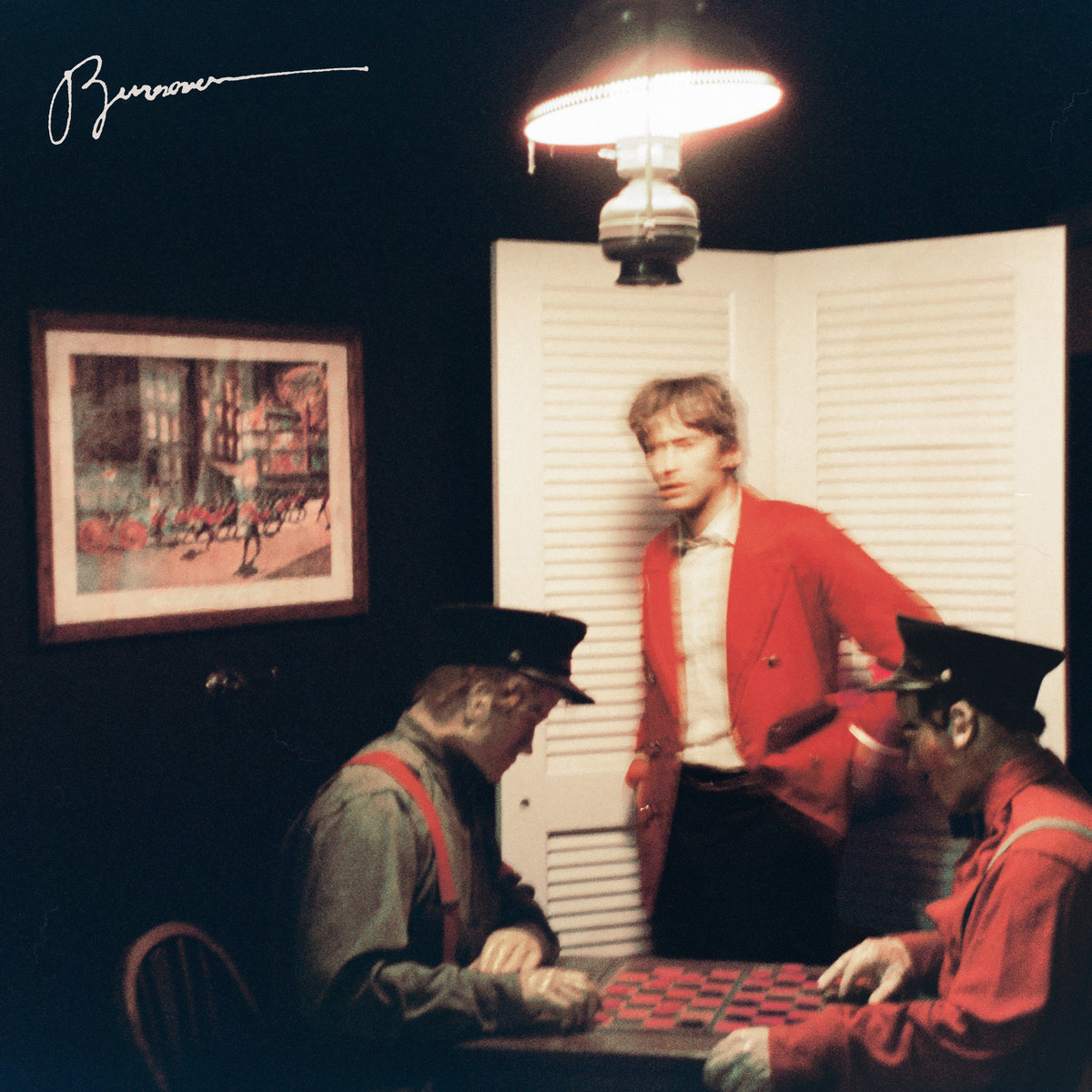
I love the first Greg Freeman album. There was a whole summer where I kept I Looked Out on maddening repeat, wrapped up in its alien twang and distortion. It’s the exact kind of sound that’s in vogue right now, so it only makes sense that Greg Freeman is already onto the next thing. Greg’s second album, Burnover, is a dirty, dust-covered, shit kicker of an album, packed with lounge singer swagger, funny-ass phrases, and open-road braggadocio. Opening track “Point and Shoot” is something of a test to see how well the listener can handle Freeman’s off-kilter voice as he paints backdrops of blood-soaked canyons, senseless tragedy, and a wild west with the power to make you recoil. Beyond that, the horns of “Salesman” and the honky tonk piano of “Curtain” offer riches beyond this world. Mid-album cut “Gulch” revs to life with the heartland verve of a Tom Petty classic, encouraging you to hop in your car and hit 80 on the closest straightaway you can find. If the album’s charms work the way they’re intended, by the time he’s singing “Why is heartache outside, doing pushups in the street?” the question should not only make sense, but the answer should hit you like a punch in the gut. 

Read our full review of Burnover here.


9 | FlorrySounds Like…

Dear Life Records

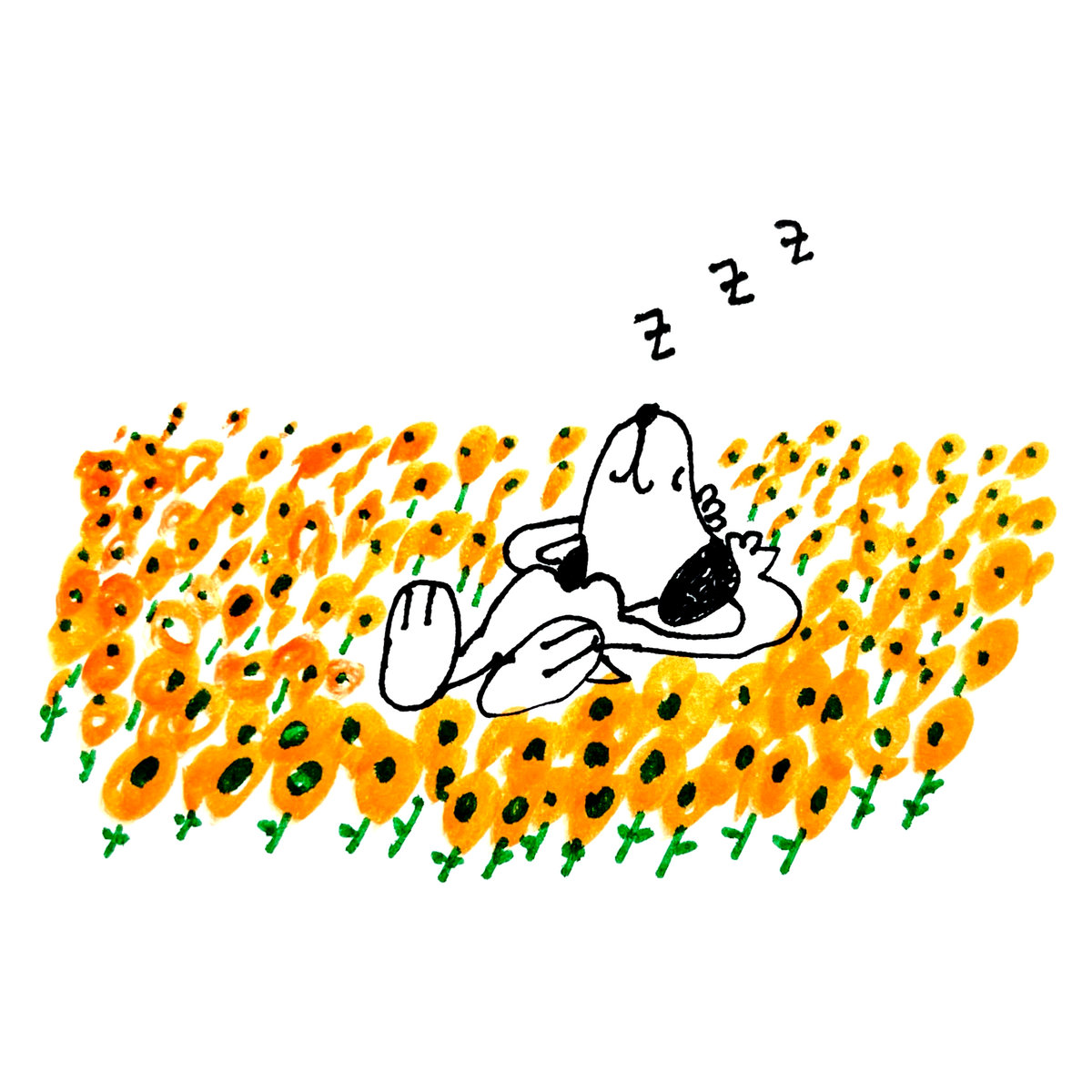
Sometimes, one sentence is all it takes to sell you on a record. In the case of Sounds Like…, there was a standalone quote on the Bandcamp page, rendered in hot-pink type, that reads, “The Jackass theme song was actually a really big influence on the new album.” Hell yeah, brother. Between the time it took me to read that and watch the homespun handycam music video for lead single “Hey Baby,” I knew I was in for a good time. Sounds Like… is an album that sweats, shouts, yelps, and stomps its way into your heart through nothing but the glorious power of rock and roll. Opening track “First it was a movie, then it was a book” is a joyous seven-minute excursion, complete with glorious guitar harmonies and countless solos – a perfect showcase for lead singer Francie Medosch’s scratchy, charismatic voice. Throughout the rest of the album, you’ll hear sweltering harmonica, walloping wah-wah, beautiful acoustic balladry, smoky, head-bobbing riffage, and sincere love songs. Sometimes ya just gotta sit back, let the guitars rock, and enjoy watching the frontperson be a wonky type of guy you’ve never seen before. While their sound is obviously very steeped in the tradition of “classic” rock, on this album, Florry sounds like nothing but themselves. 


8 | Colin MillerLosin

Mtn Laurel Recording Co.

Colin Miller might be the Fifth Beatle of the “Creek Rock” scene. He’s the Nigel Godrich to Wednesday’s Radiohead; the rhythmic center keeping time in MJ Lenderman’s band; the invisible fingerprint on a whole host of this year’s best indie rock records. On his second solo album, Miller proves that he’s also a knockout musician in his own right. While I enjoyed the singles, to me, the only thing you need to understand Losin’ is to start it from the top and take in that sick-ass guitar bend on “Birdhouse.” If that hits you, then you’re in for a treat. 

Essentially an album-length eulogy, Losin’ is a record about Gary King, the beloved owner of the Haw Creek property, which served as artistic home for the aforementioned Wednesday, MJ Lenderman, and many more from the now-dispersed Asheville music scene. This is an album that wrestles, fights, makes up with, and finds painful coexistence alongside loss. It’s not just the loss of a father figure and a home, but a time, place, and person that you’ll never be again. It’s about how things will always feel different, and might feel bad, but will unfold all the same. The tasty licks help things go down easier, but this is a heartrending record made for moping and wallowing in the name of moving on. After all, it’s what those lost loved ones would have wanted. 

Read our full review of Losin’ here.


7 | GeeseGetting Killed

Partisan Records

Whenever life has felt hard this year, I can’t help but feel guilty knowing that I don’t have things that bad. All things considered, my struggles feel frivolous compared to what some have to deal with on a daily basis, and that worries me for the future. Put another way, I’m getting killed by a pretty good life. 

It seems impossible to write about Geese without being a little annoying, but maybe that’s just because I know a lot of music writers and have read a lot of hyperbolic Geese writing this year. They’re the band saving rock. They’re the band holding up New York as an artistic center of the universe. They’re the ones topping lists and starting trends and getting people to wash their hair differently. Ultimately, I’m just glad that kids have a proper band to look up to who will lead them to Exile and Fun House and to start their own stupid, shitty rock bands that don’t go anywhere. We need more of those. 

If anything, I am a Geese skeptic. If anything, I prefer the dick-swingin' classic rock riffage that was more abundant on 3D Country. If anything, I think this band’s most interesting work is still in front of them. Even still, it’s hard to deny the beauty of a song like “Au Pays du Cocaine,” the snappy drumming of “Bow Down,” the rapturous ascension of “Taxes,” or the pure, wacked-out fun of shouting “THERE’S A BOMB IN MY CAR!” Overall, Getting Killed may take a slightly slower pace than I would have wanted, but it’s nice to have a cool, weird rock band making cool, weird rock music that people seem to be excited about. 


6 | Alex GHeadlights

RCA Records

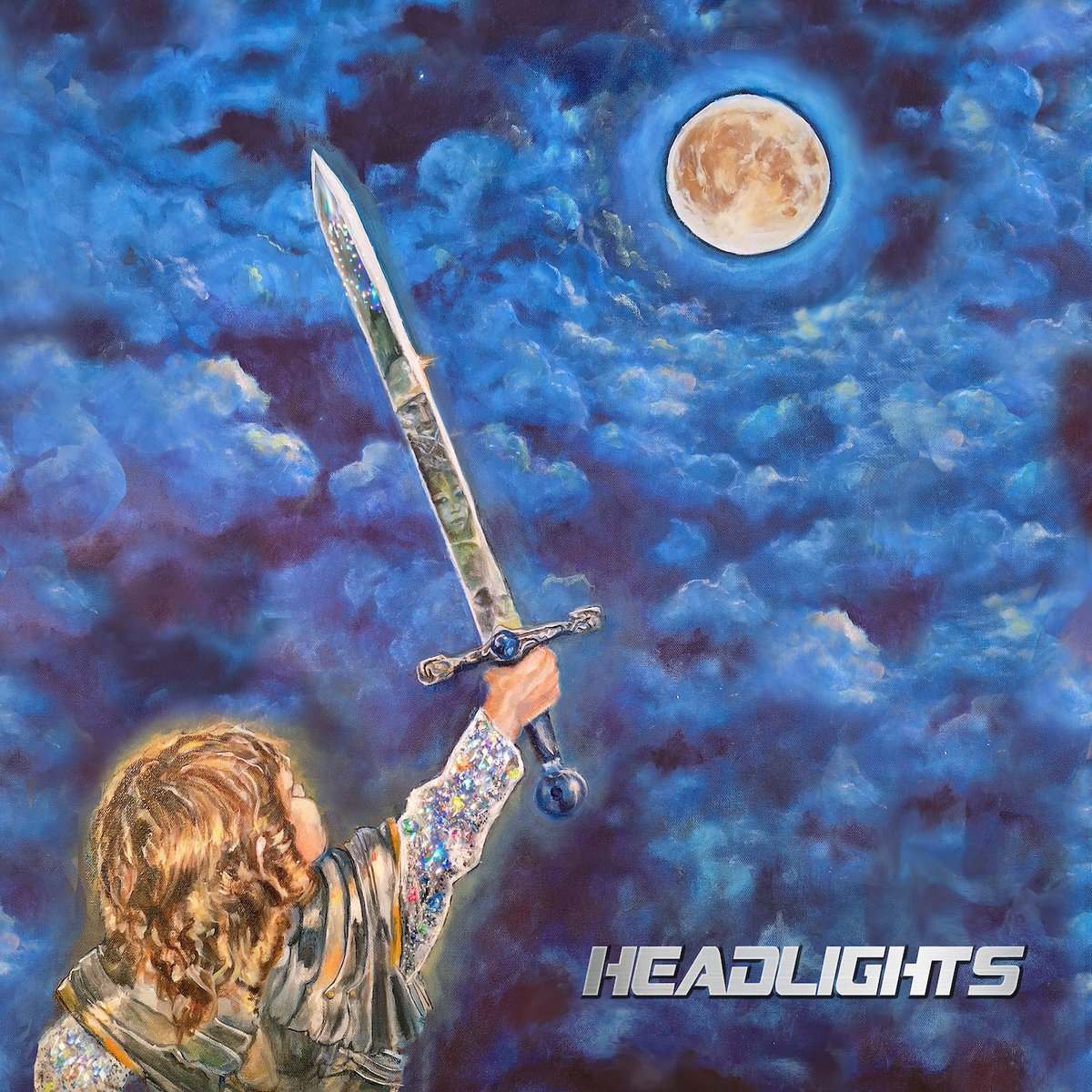
Headlights is an album that feels like it was meant to exist as a CD in the console of your family car. It’s a shame this wasn't released between the years of 1991 and 1998. This is an album that has grown on me immensely over time, and much of that enjoyment comes from throwing it on and letting it play from the top. Headlights has a rough, road-ready quality that puts it in the league of albums like Out of Time or Being There – records meant to be thrown on repeat endlessly and live between the seats of a beat-up Dodge or the family van. Maybe listened in five to 15-minute chunks while running errands across town, maybe on a road trip blasting through the middle of the country. In any case, the tenth album from Alex G doesn’t necessarily stun or wow on the outset; instead, its power comes from these repeated visits, slowly growing, morphing, and solidifying over time into a singular thing. Definitely a grower, not a shower, but hey, who among us? After directing scores for two of the most interesting indie films of the past decade, Alex G seems to have picked up a couple of interesting lessons about restraint and leaving some sense of mystery. Headlights is a record that rewards patience with beauty, unlocking compartments and passageways for those willing to explore. In time, I think this record will work its way up my ranking towards the upper-crust of Alex G records, but maybe I’m just unavoidably 32, and this is the type of music I’m drawn to. Time will tell.  


5 | Spirit DesirePets

Maraming Records

In the weeks after Pets released, I distinctly remember asking myself the question, ‘Can a four-song EP be in the top ten on my album of the year list?’ Technically, Pets is really only three songs and one 90-second instrumental interlude, but I suppose that lightweight feeling is part of the appeal; less songs means less space for error, and when four out of four songs hit, you start to think of this as a 100% hit ratio. While the first song delves into the title at hand, reckoning with dead pets over shimmering keys and a nasally Canadian-emo accent, “Shelly’s Song” offers an immediate portal that cleanses the palate for what’s next. What’s next is “IDFC,” one of my favorite songs of the year and a track that connects to me with the same lightning rod intensity of something like “Assisted Harikari,” an absolute jolt to the system and the type of song that reminds me why I like music so much in the first place. Admittedly my buoy for this entire release, “IDFC” begs you to jump into the pit and scream your heart out, while “It Is What It Is” swoops in to mop up the sweat and spilled beer. I know Pets isn’t an album, but the enjoyment I’ve gotten out of these ten minutes outweighs entire LPs, adventures, and days of my life—a perfect excursion.


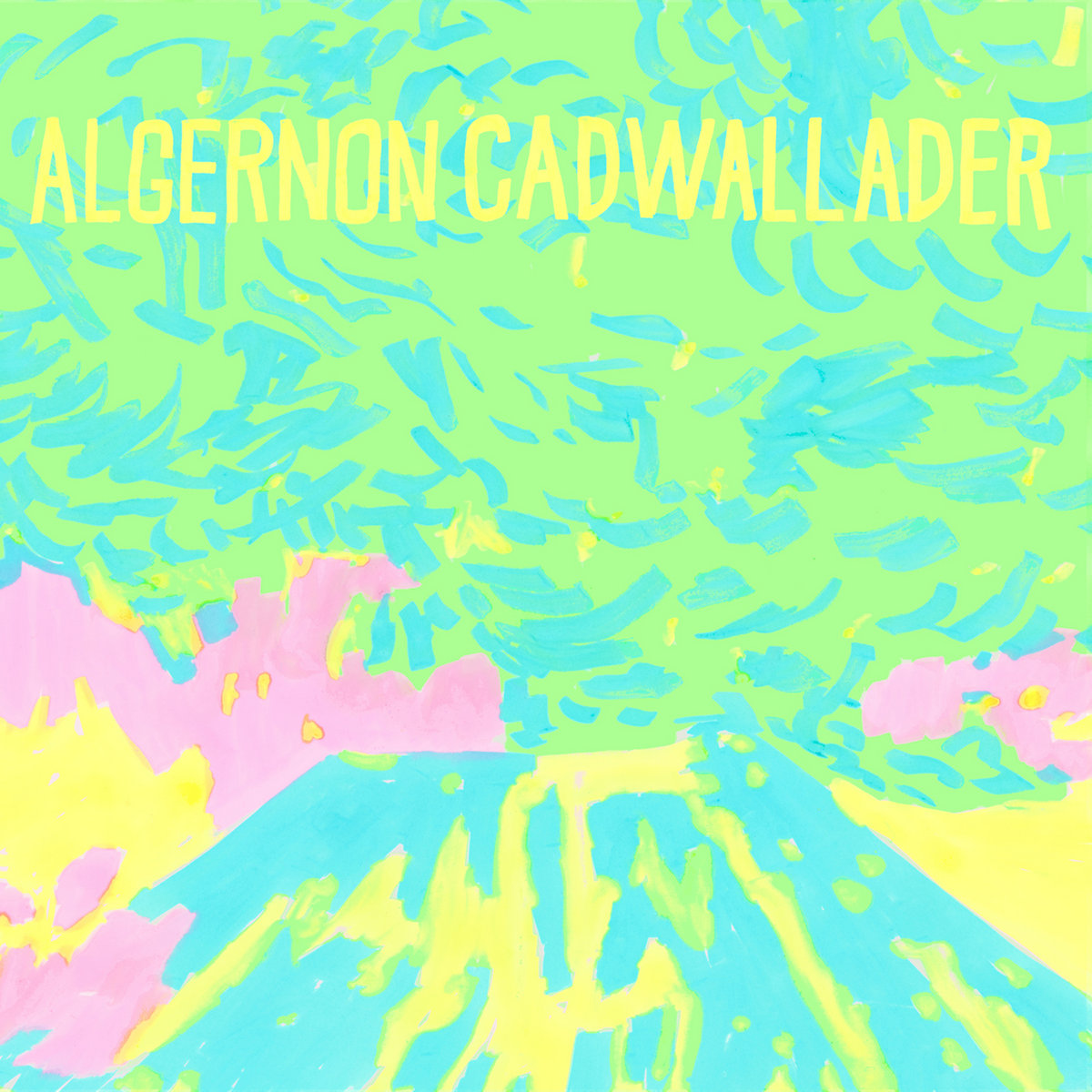
4 | Algernon CadwalladerTrying Not to Have a Thought

Saddle Creek

It sounds a little hyperbolic, but when Algernon Cadwallader released Some Kind of Cadwallader in 2008, it more or less birthed the modern emo scene. There are still bands today that cite Algernon as an inextricable influence. Sure, emo music still has deeper ties to American Football and Rites of Spring, but Algernon was the Revival. In fact, they were so good, they couldn’t even top themselves. The group released Parrot Flies in 2011, then decided to take a hiatus in 2012. A couple of years ago, they did the Anniversary Thing and toured with the original lineup, which felt so good that they signed to Saddle Creek for Trying Not to Have a Thought. Never mind the Emo Qualifier; this record is the absolute best-case scenario for a band reuniting and recording a record, up there with Slowdive and Hum. 

Perhaps one of the strongest things working in its favor is that this is decidedly not the band just trying to sound as close as possible to their fan-favorite album; instead, they’re taking those techniques and approaches and updating them to where they find themselves in life now, which is to say, grappling with an entirely different set of problems. While the early music was earnest and obscure, Trying is earnest and pointed. There’s no longer time to beat around the bush because there are real stakes. This record touches on everything: death, technology, work-life balance, and the 1982 non-narrative documentary Koyaanisqatsi. When those concepts seem too big, the band zooms in on hyper-specific examples, detailing them with colorful brush strokes that are impossible to rip away from. 

On one song, vocalist Peter Helmis shines a light on millions of dollars of rocks that the city of Portland, Oregon, had installed to keep homeless people from sleeping under an overpass. One song later, the band recounts Operation MOVE, in which our own government dropped two bombs on a Philly neighborhood that housed the black liberation organization MOVE, killing six adults, five children, and leaving hundreds homeless. It’s pretty stunning to hear a band age this gracefully and create a work that feels like it stands alone. The decades separating the band’s first album from their most recent show that the members are all more mature, proficient, and outspoken. In the end, the band themselves sum everything up smack dab in the middle of the record, where they sing, “You’re ready all too ready ready to accept that this is the way it’s always been and so it must not be broke.” We are radiators hissing in unison.

Read our write-up of Trying Not To Have a Thought here.


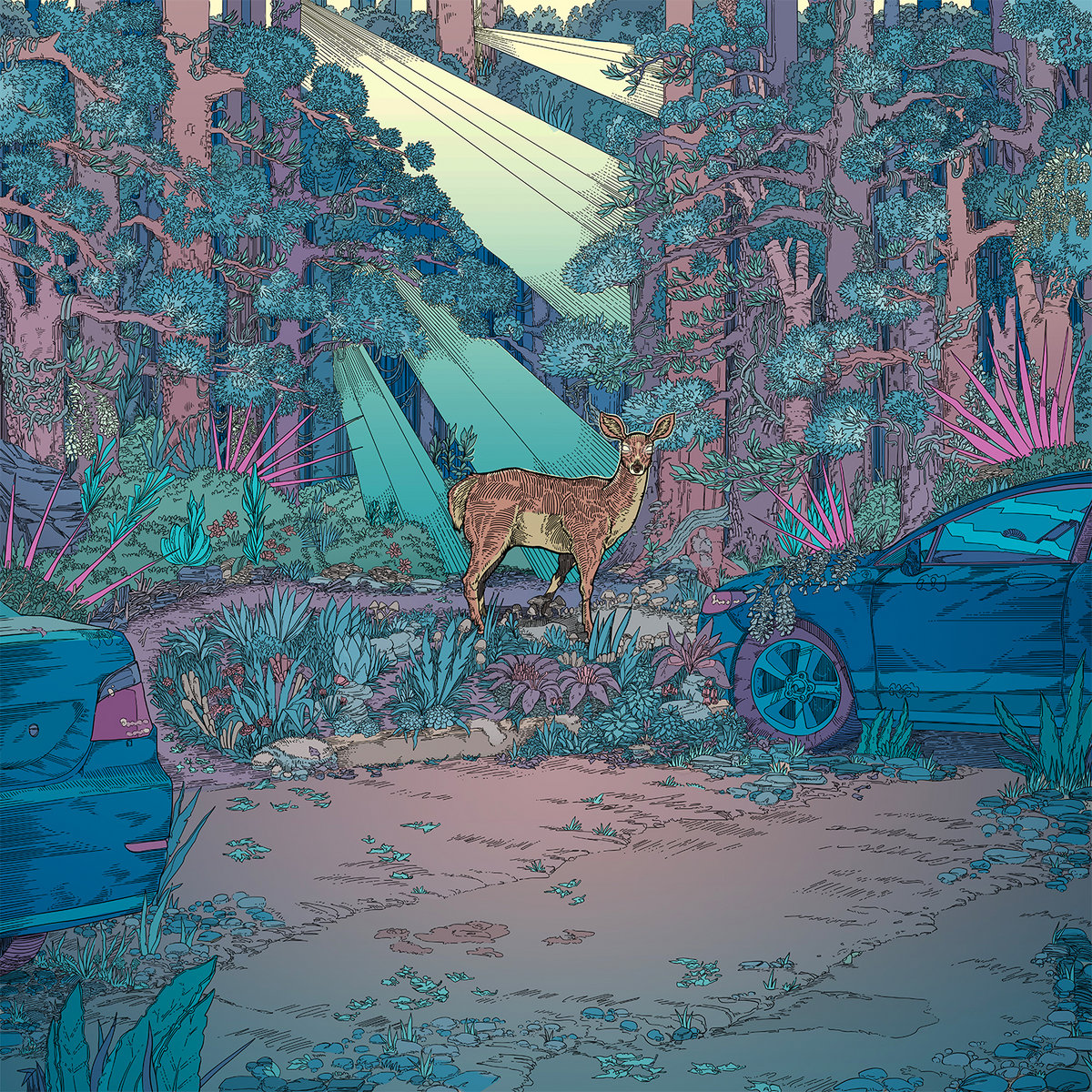
3 | Ryan Davis & the Roadhouse BandNew Threats from the Soul

Sophomore Lounge

Ryan Davis is a verbose motherfucker. The average track length on his project’s sophomore album is eight minutes. Recommending that to a casual music fan makes me feel like those people who talk about decades-running anime series and say things like “it really picks up like 300 episodes in,” but I swear that, in this case, patience pays off. In fact, I don’t think you even have to be that patient: go listen to the opening song, title track, and lead single “New Threats from the Soul,” and you’ll pretty immediately understand what this album is “doing,” which is to say loungy, multi-layered sonic expeditions into the heart of the increasingly fragile American psyche. There’s synth, snaps, flutes, and claps. There are shaky statements of love, glimpses into a kingdom far, far away, and an unshakable disconnect between the life expected and the one being lived. At the center of it all, we find Ryan Davis attempting to piece a life together with bubblegum and driftwood, flailing as the band flings back into the groove. 

This sort of energy is scattered all across New Threats from the Soul, each song offering a vast soundscape, hundreds of words, and enough of a runway to really feel like you’re along for the ride. Each track pulls you along, adding some lightness and brevity exactly where it’s needed as you are comforted, consoled, and compelled by the pen of Mr. Davis. There are just as many ravishing turns of phrase as there are striking instrumental moments, like the country-fried breakbeat on “Monte Carlo / No Limits” or the winding outro of “Mutilation Falls.” It all adds up to an album that you’ll keep turning over, parsing different layers of a dense text and coming up with something new each time. 


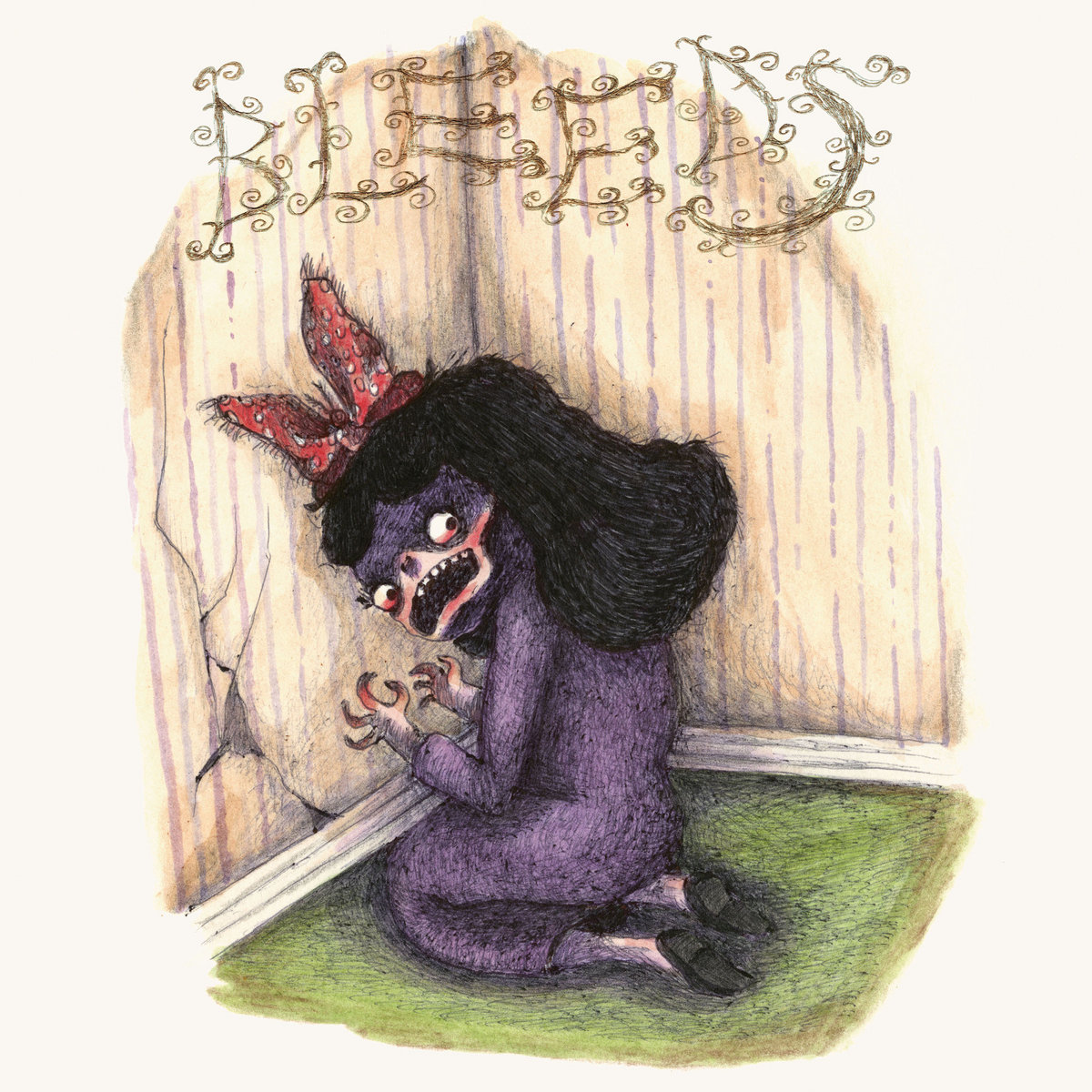
2 | WednesdayBleeds

Dead Oceans

The new album from Wednesday is perfect. It’s also expected. Expected in that those who have been following the group for years pretty much knew what to expect from the band’s tightrope walk of country, shoegaze, and cool-ass southern indie. Expected that the band has refined this formula to the point of perfection. Expected that it earned them lots of media coverage, interviews, and sold-out shows after the album before this did the same. The only reason I’d still give an edge to an album like Twin Plagues is that everything felt that much more surprising and novel when it was my first time experiencing it. Even still, it’s a delight taking in the world through the eyes of bandleader Karly Hartzman, who writes, pound-for-pound, some of the most charming, personable, and compassionate lyrics of any modern artist. Her words hone in on small details that others might pass over, wielding them into pointed one-liners, surprising pop culture references, or brand-new idioms that just make inherent sense. 

Bleeds still has plenty of surprises: an Owen Ashworth-assisted romp through a double-header of Human Centipede and a jam band set, a rough-and-ready crowd-churning rager, a Pepsi punchline to wrap the whole thing up. This is the most Wednesday album to date: a sort of album-length self-actualization brought about by five of the most talented musicians our United States has to offer. Each time I venture into the record, it is utterly transportive. As “Reality TV Argument Bleeds” mounts to a piercing scream followed by a blown-out shoegaze riff, it’s impossible to want to be anywhere else. This is Wednesday to a tee. The band has condensed their sound to the point of maximum impact, and while I look forward to many more live shows jumping around to “Townies” and singing along to “Elderberry Wine,” the mind reels wondering where they all could take this next, because the answer truly feels like it could be anywhere.

Read our full review of Bleeds here.


1 | Caroline Roseyear of the slug

Self-released

Dear reader, let me ask you a question… Do you like the way things are right now? Are you happy with The Arrangement? Content to sit back, uphold the norm, and wait for things to get better? Odds are, your answer is something along the lines of ‘fuck no,’ and that’s why you’re here reading this. I’m speaking broadly, but only because this dissatisfaction is omnidirectional and widely applicable. We’re not solving any of the world’s systemic issues in the opening paragraph of a DIY publication’s album of the year roundup, but maybe we can break things down and make it feel more digestible. 

This summer, news broke that Spotify CEO Daniel EK was investing 700 Million Euros into Helsing, an AI defense company that primarily makes drones and surveillance systems. As a response, hundreds of artists pulled their music off Spotify and users quit the platform in droves out of protest. The same thing happened a couple of months later when Spotify started running ICE recruitment ads while members of the organization were actively terrorizing citizens in Portland and Chicago. 

It feels especially prescient then that when Caroline Rose announced year of the slug back in January, she specifically went out of her way to outline that the album would not be on Spotify or any other streaming platform besides Bandcamp. Similarly, when Rose took the album on the road, they only toured independent venues; the kinds of places that are simultaneously an endangered species and the backbone of the music industry. Between all of this –the AI music, the Live Nation monopoly, the merch cuts, the shrinking margins, and the execs who can only think in terms of statistics and streaming numbers– Rose carved out space to release a collection of songs entirely on their own terms. 

year of the slug is a masterful, enchanting, intentioned, personable, honest, and singular collection of songs that function in the exact way an album should. Even just by breaking out of the Spotify Cycle of constantly-flowing new releases that treats music less like art and more like “content,” Rose made a record that you have to go out of your way to intentionally experience and listen to. This alone forces you to engage with the music on a more thoughtful level, experiencing the record on its own terms, not as part of a queue. 

In that same album announcement, Rose explained the sort of philosophy behind the record, contrasting that, “in lieu of A.l. perfection, slug contains the sounds of my life–cupboards slamming, birds chirping, the garbage trucks that plague me every Thursday.” The result is a pared-down batch of songs that sound beautifully flawed and human. 

The album was tracked on GarageBand through Rose’s phone, so things typically revolve around the most basic of musical ingredients: vocals and an acoustic guitar. While on one hand you could hear that and think “this sounds like unfinished demos,” it could just as equally evoke the stark, barebones imperfection of an album like Nebraska. I personally tend toward the latter, with the minimal arrangements only serving to highlight the elements that do come through. There’s no room for anything to get muddled or washed out. To borrow a phrase from the opening track, everything in its right place, especially the fuck-ups. 

The songs themselves are brilliant, with Rose’s ear for melody and knack for sticky phrasing shining on nearly every track. Whether it’s the piercing hurt of “to be lonely” or the spaghetti western stomp of “goddamn train,” year of the slug is an album that delights in the simple pleasure of a sip of Mexican beer and the raw humanity of a Taco Bell order. What’s more, this is an album where I can glance at the tracklist, read a song title, and immediately call to mind what it sounds like. Can’t say the same thing for most records I listened to this year. 

To close, I’d like to ask the same question I did at the beginning of this entry: Do you like the way things are right now? If the answer is no, I think it’s time to make a change. It doesn’t have to be all at once; it doesn’t even have to be multiple things. You don’t have to quit everything, leave society, and lead a hermetic life. Maybe it’s just as simple as taking the $10 you give to a company each month and directing it to an artist on Bandcamp to experience their album. I think that’s more rewarding than clicking on a stream, chasing “scalability,” following virality for the next big thing. This could be your next obsession, and that’s the only one that matters.