Lamenting the Death of The Hidden Track

Green Day - Dookie - CD.jpg

Not to sound like a copypasta, but I listen to a lot of music. Even before quarantine, I spent most of my waking hours with something playing on my phone. Now that I’m inside all day and have very few real-world obligations, music is playing from virtually the minute I wake up until the second I fall asleep. This means, yes, I’m on my emo bullshit more than ever before, but it also means that I have the time to revisit lots of older albums from my childhood.

As someone who was born in 1993, I grew up in a time where CDs reigned supreme. My parents had hundreds, if not thousands of CDs, which was probably where my obsession with music began. We listened to music in the car, at home on our stereo, and in my room on my personal CD player. Once I got my first iPod back in 2004, I eventually just started ripping every CD that I had even a passing interest in, quickly building out an expansive library of MP3 files to satiate my voracious musical appetite. 

Now that I have more hours than ever in the day to listen to music, I’m breaking out of my typical emo/indie rock rotation and revisiting more classics from my childhood. Albums like Barenaked Ladies’ Gordon, Presidents of the United States self-titled record, and Relient K’s Two Lefts Don’t Make A Right… But Three Do. I’m not necessarily going to bat for the artistic merit of any of these records because my mind is too clouded with the pleasant glow of nostalgia to listen to them objectively. What I will say though is in revisiting all these 90’s and 2000’s albums, I was reminded of a trend that seems to have been forgotten completely: the hidden track. 

cd_songs-for-the-deaf_queens-of-the-stone-age_0012.jpg

It may seem goofy to explain, but for the sake of anyone under the age of 20 reading this, “hidden tracks” were essentially bonus tracks buried at the end of an album, usually after a long period of silence. The experience of discovering these hidden treasures was almost always notable. Whether it was being jolted awake by the chuggy stoner rock riffage of “Endless, Nameless” or being blindsided by the Daniel Johnston-ey weirdness of Green Day’s “All By Myself,” the hidden track provided artists with an outlet to deliver die-hard fans some of their weirdest, most left-field easter eggs. 

While vinyl records and cassettes had their own novelties, the hidden track was a unique byproduct of the compact disc format. The expansion from a vinyl’s 44-minute running time to CD’s 74-minute running time meant that artists had nearly double the amount of time to play with. This was even an increase from cassette tape’s roughly 60-minute running time. While some artists utilized CD’s entire time allotment, the average running time of an album still hovered somewhere between the 40-60 minute range. That meant a large chunk of extra time at the end of the CD for literally anything else. 

The experience of listening to an album, reaching the end, and sitting in silence for a few minutes is a near-lost art. The surprise of an additional piece of music that wasn’t listed on the back of the album is all but dead. 

The hidden track began to mean less as soon as iTunes and other music digitization meant all the raw MP3s and their running times were exposed. This meant that the final track with a suspicious 10-minute running time was a little less sneaky than the artist originally intended. It also meant you could just skip straight ahead by clicking on the timeline in your music player of choice. Sure, you could do this on a CD too, but that “first listen” surprise is gone forever. 

Even now, most of these songs exist on streaming services, but they’re just listed as their own song without any pause or gap in between the album’s intended closer. This is especially frustrating because it’s not the true “ending” of the album as the artist intended. For the most part, hidden tracks were meant to be throwaway jokes, weird little callbacks, or fun bits of studio chatter, they were not real songs, but now streaming services treat them as such.

Sometimes there are legitimately great tracks hidden at the end of records that, for whatever reason, the band just didn’t feel like highlighting on the tracklist proper. Yeah Yeah Yeahs’ Fever To Tell is a landmark album for many reasons, but why something as great as “Poor Song” was tucked away unlabeled at the end of “Modern Romance” will forever be a mystery to me. 

Tracks like “Poor Song” were the exception rather than the rule, and if you need evidence, look no further than practically any one of Blink 182’s albums. It’s hard to accurately articulate the strange mixture of shock and confusion of being nine years old and hearing “When You Fucked Grandpa” while listening to Take Off Your Pants and Jacket for the first time… hell, I still get blindsided by that one. 

cd_take-off-your-pants-and-jacket_blink182_0010.jpg

The digitization of music has arguably brought more good than bad. It’s easier than ever to discover a new artist, share songs with your friends, and even get your own music out into the world on a massive scale. On the flip side, losing physical media means the average listener views music as more disposable and less unique. This is all on top of the fact that there are now even fewer opportunities for format-based easter eggs like hidden tracks.

I’m not going to pretend that the death of hidden tracks is as terrible as artists being paid fractions of a penny per stream, but it’s something that still hurts as a lifelong music nerd. Things like this are why vinyl had a resurgence because it gave artists the opportunity to go above and beyond with their art. Same thing with cassettes… that’s more of an affordability thing, but there’s no denying how cool it is to fold out a new J-Card for the first time. Hell, I’ve even seen people getting back into VHS in 2020, so who knows what the future holds. Hidden tracks may have become a forgotten art form, but I have faith that the next generation of musicians will find something even cooler to replace them with. 

Apropos of nothing but being stoned, I recently watched 2002’s Scooby-Doo and was struck by the movie’s depiction of early-2000’s cool. It was all radio-sanitized pop-punk, spiked hair, and frosted tips. I remember thinking, “these college kids are so cool” when I watched the movie back in 2002, but now it’s just a hilariously-dated time capsule. In other words, hidden tracks had their time, and that time has passed. Much like frosted tips and chain wallets, maybe it’s for best that we leave them in the past. 
On Running Times: The Importance of Album Length

a0939345291_10.jpg

Perhaps unsurprisingly, one of my favorite parts of meeting new people is learning what kind of music they’re into. Usually, I’ll wait for it to come up in conversation naturally (so as not to overwhelm them with the firehose-like pressure of my own nerdiness), but it’s still something I look forward to whenever I’m getting to know someone. Not only is music one of the few things I feel confident in talking about endlessly, but it’s also a fantastic way to learn about who someone is as a person. Sometimes you meet someone who isn’t “into music,” and it’s fun because you get to slowly immerse them in your favorite records and reveal a part of yourself to them. Sometimes you meet someone for the first time and you both share a love for so many bands that it’s almost eerie. Those latter cases are fun just because you just get to geek out about cringy high school music that was somehow omnipresent enough for both parties to have separate nostalgia for it. 

Those weird cases of shared musical backgrounds are so rewarding because it feels like some cosmic affirmation of my (mostly questionable) high school music choices. I made a friend like this in early 2019 who shared a nearly-identical background with me of pop-punk, hardcore, and emo. We were kind of at different points in that triangle of genres, but he got me deeper into pop-punk, I got him deeper into emo, and it was a rewarding friendship from that perspective. 

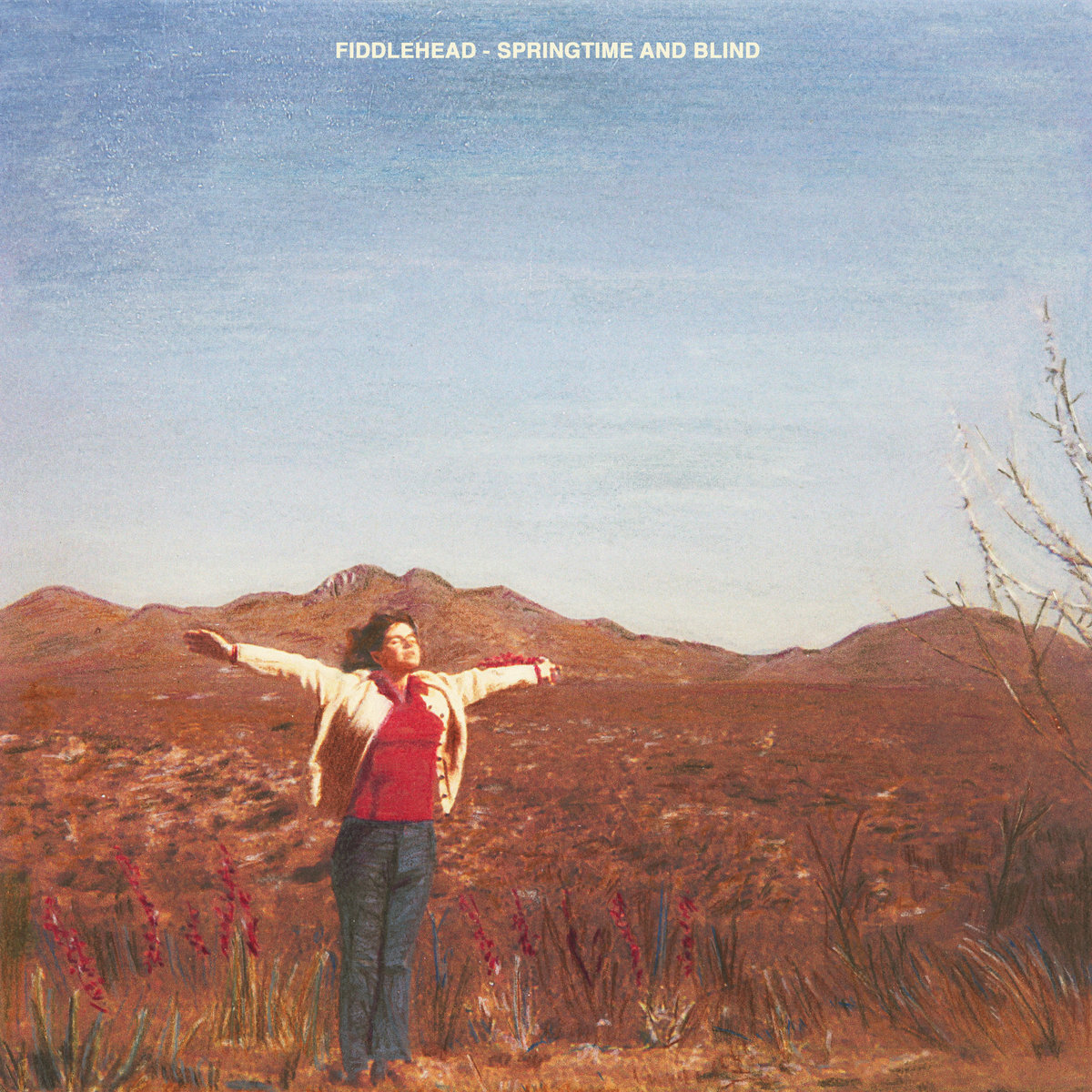
At some point after a few weeks of knowing each other, my friend asked me what my favorite album of 2018 was, and I started going on about Fiddlehead’s Springtime and Blind. I talked about the hard-hitting Title Fight-esque delivery, the guilt-ridden emotional lyricism, and the well-placed world-building interludes. I tied a bow on (what I thought was) a compelling argument in favor of the record by emphasizing its running time of just 24 minutes. My friend paused for a second, thought to himself, then replied with “man, you really love talking about album lengths.” I was taken aback. 

Here I thought I’d made a passionate argument for this album that I adored, and my friend just pointed out how often I bring up running times. But then I thought about it, and he was right. I realized over the course of knowing each other for just a few weeks I’d used that as a selling point in favor of an album more than once. More than that, it also shocked me that the length of an album wasn’t something he particularly cared about. 

Earlier this year, I was listening to the new Beach Bunny record and (half) jokingly tweeted that “any LP that's less than 26 minutes is an automatic 9/10 in my mind.” That’s obviously a slight exaggeration, but I do think that shorter albums are generally better and harder to pull off than longer ones. While I realize the running time of a record may seem like an esoteric piece of trivia, I believe it’s actually a vital component of what makes an album good. Sure, I love long-winded double albums, 20-minute songs, and concept albums as much as the next guy, but by and large most of my favorite records, especially recently, are ones that tend to be leaner and more economical with their time. Hell, my favorite album of last year was a 6-track EP, so this post is a long time coming. Truthfully I think shorter records are harder to make and therefore are not the norm. I also think they can be stronger, more creative, and more impactful than a “traditional”-length album for many reasons.

a3458975711_10.jpg

In my mind, an album’s running time is as essential as it’s tracklist or sequencing. Many artists don’t take those things into consideration, but the ones that do often end up crafting a more compelling piece of art. The new Ratboys album is a perfect example of a masterfully-sequenced record; each side opens with a fast-paced single, side one closes with a banger, and the back half of the album works up to a beautifully meditative title track made all the more poignant by the flow of the songs that come before it. Part of what makes Printer’s Devil great is, yes, the songs themselves, but also how the band decided to order those songs and walk the listener through them. You could take those same 11 tracks, rearrange them, and the album would be flat-out worse. 

When an artist releases an album, generally, it has a point. The musician sets out to capture a feeling, depict a time in their life, or make a statement on something in the world. If you can get your point across in less time, that only makes your message all the more compelling. One of the first times I consciously began to think about album running times was when Japanese Breakfast released Psychompmp back in 2016. Admittedly enamored with the (now) infamous long-form indieheads shitpost about the album, I went into the record with almost-non-existent expectations and came out the other side 25-minutes later blown away. 

Essentially a concept album about her mother’s death, Michelle Zauner set out to capture her grief, experiences, and feelings that surrounded this major event in her life. The album opens poppy enough with the mystifying “In Heaven,” the soaring “Rugged Country,” and the immensely danceable “Everybody Wants to Love You.” Things take a turn halfway through where the titular “Psychopomp” stops the listener in their tracks with a spacy instrumental containing a voicemail of Michelle’s mom. From there, “Jane Cum” bowls the listener over with a wordless explosion of grief, pain, and sharp feelings. Not only is “Jane Cum” one of the most authentic expressions of loss ever captured in music, but it’s made stronger thanks to the songs that surround it. The record is so well-paced, and it’s conscious build-up to that pivotal moment of loss makes the feelings Michelle’s depicting all the more raw and impactful. After that heaviness “Heft,” “Moon on the Bath,” and “Triple 7” act as a sort of post-script to death that sends the listener off on a (slightly) more hopeful note, though not by much. The fact that Michelle was able to fit all of those feelings into an album that’s shorter than most episodes of TV is nothing short of spectacular.

One of the reasons I love music is because it’s the only medium with the ability to make such a compelling depiction in such a short amount of time. TV shows and movies are great, but at best they take 2 hours to create a similar effect. I suppose you could make the argument that shorter-form art house movies broach a similar level of impact, but even then the two mediums don’t exist in the same quantities. There’s a more compelling narrative in the four and a half minutes of “Born to Run” than there was in whatever new teen drama Netflix shat out this weekend. There’s no comparison.

monitor-cover-1583604812.jpg

This feels like a good place to say that I’m not against long albums, one of my favorite records of all time is The Monitor by Titus Andronicus; a 65-minute punk epic that’s loaded with 8-minute songs and capped off by a blistering 14-minute coda. The same thing goes for Sufjan’s Michigan, and Kendrick Lamar’s To Pimp A Butterfly, sure I’m cherry-picking some of the greatest albums of all time, but they’re all examples of artists using their hour-plus running times to craft a compelling story that could not have been told any other way. Those records are still economical in that sense, it’s just that they take a little bit longer to arrive at their final conclusion.

On the opposite end of the cultural spectrum, you have records like Migos’ Culture II, which is admittedly a bloated 24-track 2-hour mess, but it’s a bloated mess I don’t have a problem with because it’s just a glorified playlist that you put on while doing anything else. Drake literally did this when he released More Life, a mixtape that he marketed as a “playlist.” That’s code for “don’t think about this too much and just give me 22 streams.” I’ll admit I like More Life alright, but then you see the same thing happening on Scorpion, which is 90 minutes of some of the blandest, most mind-numbing, lobotomy-inducing hip-hop that I’ve ever heard in one place. That album just feels like Drake gaming the streaming system to get as many plays as possible while offering nothing of artistic substance. 

a1561992622_10.jpg

Another thing worth bringing up here is the history of the physical album. The fact that records used to be based solely on two 23-minute sides of a vinyl record meant that 40-ish minutes became the default. Then once CDs became prominent enough, their 80-minute capacity meant that hour-length albums could become the norm. Once iTunes, Pandora, and digital music paved the way for streaming services an album could be literally anything. Artists are no longer restricted by the realities of a physical format, and that’s a good thing.

I know there are plenty of people out there who just listen to an album, click the “heart” button on their favorite songs, and then craft their daily music experience around a playlist of those cherry-picked favorites. That’s fine, but I believe that the album format is still a viable medium and an essential piece of the music creation process. I feel that “The Album” is the barometer under which all music should be measured. You can have a couple of great tracks, but if the rest of the songs surrounding it don’t measure up, then you don’t have a great album. That’s part of the problem with albums like Scorpion where you have a few objectively fire songs like “Nonstop” and “Nice For What” surrounded by utter nonsense like “Ratchet Happy Birthday.” Truth be told, I can’t even name any of the other “bad” songs on that album because there’s so much fat that record that it all blurs into one incoherent mess of sleepy pop-rap. It makes me like the entire thing less, and therein lies the problem. 

Meanwhile, take a look a the new Beach Bunny album; a 9 track 25-minute debut that ranges from catchy sing-along love songs, confessional tales of heartbreak, and masterful builds of unrequited love. Truth be told, Honeymoon is not really making any grand artistic statement on love and relationships, but it set out to offer a collection of saccharin poppy love songs, and it did just that. It didn’t need an hour, it didn’t need interludes, it’s just nine tight tracks of well-written indie-pop and that alone elevates it above other albums of its ilk.


The minute an album has worn on long enough for you to check the tracklist to see how much is left, then the artist has failed. Every preceding song may be great, but the longer an album is, the more chances there are for lulls like that. The shorter a record is, the less room there is for error.

I’m not saying artists should limit themselves; musicians should take as much time as they need to craft their work and get their point across, it’s just that the less time they manage to do it in, the more impactful the message feels. Much like you’re probably reading this, 1900 words deep and wondering when it will end. 

The “album” is a fluid concept in 2020, more fluid than it’s ever been in fact. There are artists breaking barriers every day, and album length is only one small piece of that. It just feels notable to me when an artist manages to create something so compelling and get it across in such a short amount of time. After all, if you love it and want more, you can always just start it all over again from the top.

Streaming Culture, Platinum Hits, and The Art of the Tracklist

895c52591bf983ebe6e8821f23e4642e.999x999x1.jpg

Full disclaimer: this article was initially written in early 2018. While it sat as a draft for nearly one year, I recently revisited it and felt like the sentiment is still relevant and worth sharing. Please excuse how firmly-rooted in 2018 this is. 

Let me get one thing out of the way at the top: defending Migos is not the hill I want to die on. Don’t get me wrong, the Atlanta rap trio has brought me incalculable joy throughout the years (along with love for the adlib), but I’m not sure I can defend the artistic integrity of anyone that talks about Pateks this much

When Migos dropped their long-awaited sequel to Culture in early 2018 the release was met with… mixed reception. Typically churning out anywhere from two to six mixtapes per year, Culture II felt like an anomaly for the Atlanta natives in that fans had to wait a full year between releases for new music. While various features and a collab album between Offset, 21 Savage, and Metro Boomin helped to tide listeners over, the one-year wait for Culture II had fans anticipating the group’s next moves like never before. 

After the landmark “Bad and Boujee,” Migos had finally achieved the mainstream success that longtime fans always knew they were capable of. As most people saw it, the problem with Culture II wasn’t that the songs didn’t stack up, or that the group waited too long to release it, but rather that it was too damn long

Comprised of 24 tracks that collectively clock in at one hour and 45 minutes, many fans found the release a slog to get through, especially in contrast to the original album’s much more traditional 13 track running time. 

In addition to fan outcry, select publications also called out the group, accusing them of gaming the streaming system for sales, and even going as far as to call the release a data dump. While these are valid criticisms, Culture II is merely the symptom of a long-emerging trend. Ever since Drake discovered that ten songs equal an album sale, it’s been a race to the bottom. This album-loading strategy worked for Drake on Views, but he failed to recreate this success on More Life which (despite being longer) was quickly eclipsed by Kendrick Lamar’s DAMN. 

Since then every artist from Lil Yachty to Post Malone has seemed happy to embrace this album-packing approach by dropping 20-plus-songs at once. As a result, they boost their streaming numbers while simultaneously overwhelming radio stations, playlists, and digital airwaves with a glut of new music… and you know what? That’s not necessarily a bad thing. 

While there are obviously some outliers like Chris Brown (who blatantly asked fans to fudge his streaming numbers), these rappers are entirely within their right to unleash a deluge of music if they want to. Any artist should be free to release whatever they want, but one thing you’ll notice about this streaming scandal is that it’s primarily hip-hop acts who are carrying it out. 

Fans were mad that Culture II wasn’t as concise as its predecessor, yet from my point of view, the songs are of the exact same quality. There was no significant change in sound, lyrical content, or musical approach. The only thing that really changed was the number of songs the group delivered at once. 

On top of the sheer size of Culture II, most people preferred its predecessor because they’d been able to enjoy it for a year. They knew the choruses and had a year’s worth of nostalgia built into those 13 tracks. Removing myself of all those feelings, Culture II is a nearly-identical album that simply gave us twice as many songs. 

Setting aside the fact that they used to release multiple mixtapes a year (each of which would range anywhere from five to twenty-seven songs) Culture II was dinged primarily because it was viewed as oversaturation, especially when compared to the first. 

Now there’s something to be said for a concise album, but that’s not what I’m arguing. Migos should be able to release any number of songs they want because they can

Do you know why albums are usually under an hour? Because they used to be printed. On physical media. With restrictions. The whole concept of an “album side” was practically dead until vinyl’s resurgence in the mid-2010s, why should we expect any modern group to be beholden to this archaic structure? Why should that be a factor or an expectation for anyone releasing music in the streaming age? Sure, that was the standard for a long time, but there’s no reason for that in 2018. If Migos want to release 100 songs on Spotify tomorrow they can, and there’s something awesome about that. 

Conversely, we saw half a dozen albums from the G.O.O.D. Music camp throughout the summer, each of which weighs in at seven tracks and under half an hour. There’s no real precedent for that, but I think it’s incredible that if an artist wants to release art in this EP/album hybrid then they’re free to. Migos shouldn’t be condemned for releasing a 2-hour album, because they could be pioneers. 

This running time could be the new hip-hop standard for all we know, and the only thing that’s made that possible is the ubiquity of products like Spotify and Apple Music. I’m not even arguing the quality of Culture II (because it’s mostly by-the-numbers), but it’s nowhere near as bad as some fans and critics seem to think it is.

There are certainly more artistic ways to “frame” a long-form release like Rae Sremmurd’s triple album or Drake’s half hip-hop/half RnB release, but at the end of the day, those are only small distinctions.

When I read criticism of Culture II, I feel like people are expecting more from Migos than they really should. These are three dudes from Atlanta who got famous for rapping about the same thing for ten years. They are personable, pick good beats, pull solid features, and have an uncanny influence on pop culture…. but album-crafting artisans they are not. Migos make great trap music, but their efforts are far from high art. 

Most people listening to this album will be putting it on in the background of a party, letting it play, and not thinking twice of it. Nobody expected Culture II to make some grand artistic statement, so why should the release be judged on those merits? Migos make music for clubs, for dancing, for driving, and for partying. If they give you two hours of competently-made party music at once, it should have no impact on the enjoyment of your party nor the group itself. 

In the end, this discussion doesn’t matter because people will stream this album, it will be successful, and the group will continue to release more music. These songs will be played at parties and rack up millions of plays on every hip-hop station. Expecting Migos to follow traditional running times or some arbitrary “artistic” frame is beyond the group’s scope. 

Culture II may be unwieldy, but the songs themselves are of the exact same quality of those that came before. I love short albums as much as the next person, but it’s clear to me that hip-hop can exist in a different format than a 10-track album with a standard running time, and Migos should be celebrated for that. 

Justin Vernon’s Ascent Into The Artificial

justin.jpeg

How A Winding Career Led One Man From Folk Hero to Electronic Mastermind

The story of Bon Iver is almost cliched to recite at this point. Heartbroken over a breakup and frustrated with his unsuccessful music career, 25-year-old Justin Vernon embraced his inner-Thoreau and recoiled from civilization in a remote Wisconsin cabin. Over the course of a 2006 winter, Vernon spent his days in isolation hunting for his own food, contemplating his relationships, and recording his thoughts to music in a process that would eventually form his breakthrough album.

Released the name Bon Iver, For Emma, Forever Ago would come out in the summer of 2007 to widespread critical acclaim and unexpected crossover success. Led by the undeniable indie hit “Skinny Love,” Vernon’s unveiling as Bon Iver put him on the map, solidifying him almost instantly as a bona fide folk superstar. This record, along with Fleet Foxes self-titled debut, would serve as an entry point to the indie and folk genres for an entire generation of budding music fans. Despite his humble origins as a soft-spoken folk singer, Vernon has gone on have one of the most interesting, unexpected, and diverse careers in his field… but it didn’t get that way overnight. 

For Emma, Forever Ago contains lots of things you would expect on a folk album: acoustic guitar, heartfelt vocals, and even some expressive brass instruments on a few tracks. It’s a choral journey through the frigid darkness of heartbreak and depression, but the greatest trick Justin Vernon ever pulled was what came next: a series of albums that grew in size, scope, and influence where each was more diverse and masterful than the last. But to fully appreciate the steps he took to get there, we have to start at the beginning. 

What Might Have Been Lost

2e921100b2c731bd92b63d9db4041bb9.1000x1000x1.jpg

Even a cursory listen of For Emma, Forever Ago will reveal why the record became a gateway to the folk genre for a generation of fans. While music from this genre can easily become “folksy background noise” that’s pushed to the back of millennial’s campfire and bedtime playlists, Emma is anything but. Thanks to varied instrumentation, full-hearted emotion, and Vernon’s “melody-first” approach, the record reaches out and demands your attention. It’s a cozy-sounding album that you can sink into and lose yourself in. 

Despite its rustic, folksy sound, one song in particular sticks out as the album’s most complicated and heart-wrenching tracks: “Wolves (Act I and II).” Coming in at track number four of nine, “Wolves” finds itself exactly halfway through For Emma, essentially acting as its emotional low-point. It’s a breakup song, yes, but after dozens of repeated listens, one moment in the song has stuck with me more than any other on the record.

The song starts just as straightforward as any other on the album, however, it’s deceptively-simple beginning quickly makes way for the densest track on the album. Opening with a single acoustic guitar, the song features a multi-layered vocal that finds Vernon harmonizing with himself. The most striking moment in the song comes halfway through the track where the bridge enters and (presumably) the second “act” begins. Vernon sings “What might have been lost” repeatedly, and the most telling moment comes at 2:50 where the third repetition bears a twinge of autotune on the word “lost.”

What might have been lost

Vernon goes on to repeat that phrase a total of fourteen times throughout the song, eventually interrupting himself with pained cries of “Don't bother me” that gradually build until a clatter of instruments brings the song crashing to an end. 

“Wolves” is a heartbreaking song, and it’s weird to get hung up on the delivery of one word, but that single use of auto-tune planted the seeds for the rest of Vernon’s discography. They forecast what was coming next. They offered a one-word hint toward Vernon’s future, one that he may not have even been conscious of at the time, but we can point to now that we have all the pieces. 

Up In The Woods

f480ff12930f006fe48fb600b62822bd.1000x1000x1.jpg

Two years after the initial release of For Emma, Vernon published an update: a four-track EP by the name of Blood Bank. Clocking in at 17-minutes, Blood Bank was only a bite-sized follow-up, but one that was eagerly devoured by Bon Iver fans who were hungry for new music. 

Bearing snow-covered album art, Blood Bank seemed to rekindle the same type of tender wintery feeling as Emma, and sure enough, the release starts off just as you would expect. Opener “Blood Bank” is a frostbitten love song of candy bars, a waning moon, and, of course, a fateful trip to the blood bank. “Beach Baby” is a post-breakup song that features a spiritual lap-steel guitar outro that personifies loss and contemplation. “Babys” is centered around an ever-mounting piano line with lyrics that bear almost as many exclamation points as a Sufjan Stevens song title. And finally, the EP’s fourth track “Woods” closes out the release and signals the first time Justin Vernon fully stakes his claim on the electronic embrace. 

“Woods” is lyrically-straightforward, containing one verse repeated eleven times:

I'm up in the woods
I'm down on my mind
I'm building a still
To slow down the time 

It’s interesting (and worth noting here) because the song contains almost no traditional instrumentation whatsoever. Initially singing straightforwardly, Vernon croons the first verse with a voice that’s dripping in autotune. 

The second verse finds Vernon harmonizing with himself, singing the same words in two different styles with two different emotions. The third verse adds an additional take, and so on until a multitude of different vocalizations are all flowing and emoting simultaneously. By the time the song reaches the halfway point, ghastly echoes reverberate through the background of the track, and the vocals at the front of the song are singing with even more passion, pain, and expression. As the end of the song nears, the momentum has built to a fever pitch and the autotuned cries all fade out into total silence. 

It’s a haunting and goosebump-inducing track. While “Woods” initially came across to me as the musical equivalent of a thought experiment (“let’s see how many times I can layer myself singing the same thing”), it ends up becoming a gut-wrenching and transformative piece of art. That’s probably why Kanye West tapped Vernon to close out his 2010 masterpiece My Beautiful Dark Twisted Fantasy

Using the same lyrics as the original song, Kanye and Vernon use a similar emotional build on “Lost In The World” as a gateway to an explosive hip-hop beat laid over Vernon’s autotuned crooning and bombastic drums. This song paved the way for future hip-hop collaborations with Kanye, but also Vernon’s later electronic work. 

“Woods” acted as a proof of concept that Vernon need not be tied to acoustic guitars, folk instrumentation, or even traditional song structures. Emotion and technology were enough.

Shifting Layers

745f803cb77ad87d7fdbac572148ee13.900x900x1.jpg

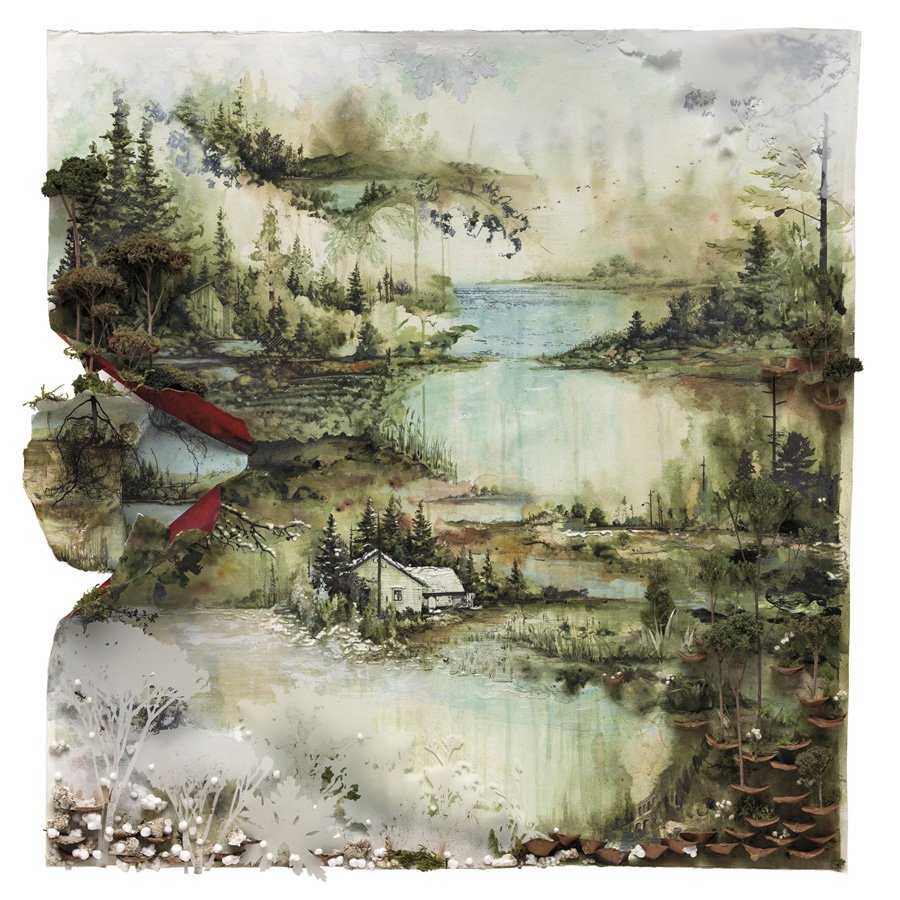
While Emma and Blood Bank are insular and inward-looking, Bon Iver’s 2011 self-titled record is the complete opposite. Massive, arid, and expansive, Bon Iver is a pivot from Vernon’s snow-covered origins, yet in retrospect feels like a completely logical stepping stone. 

Featuring swelling arrangements, atmospheric instrumentals, and sweeping vocals, my first listen of Bon Iver initially left me underwhelmed. As did my second listen. In fact, it took me around five years to fully-realize the brilliance contained within this record, all because it didn’t sound exactly like its folky predecessor. Now I hear the opening cascade of “Perth” and receive instant goosebumps. I see the brilliance of “Holocene” and recognize the sadness contained on songs like “Beth/Rest” are just as valid as anything on Emma… they’re just packaged differently.

Overall, Bon Iver might use less overt electronics than anything else in the rest of the band’s discography. Instead, it sees Vernon enlisting the help of his friends for a fuller and richer-sounding record that leans even harder into the choral flavors only briefly touched upon in Emma

While there may be less overt electronics, Bon Iver is a record of layers. Vocals are layered, instruments are layers, ideas are layered. There are airy horns and explosive drums. Background vocals echo far off in the distance as ornamental swirls overwhelm the senses. It’s a feast for the ears and ends up being a complicated record that’s dense yet emotionally bare. 

The album benefits from an obviously-improved budget when compared to Emma, but it finds Vernon exploring the possibilities that a studio brings. The different shapes his ideas can take outside of a traditional folk song, the different ways ideas can be transferred yet still be used to the same effect. The way melodies can be muddled, shifted, and played with until they’re nearly unrecognizable but still manage to come through… which leads to his next release.

The Arrival

61gmifSfGdL._SL1400_.png

On August 12th of 2016, the Bon Iver YouTube account unleashed two lyric videos onto the internet: “22 (OVER S∞∞N) [Bob Moose Extended Cab Version]” and “10 d E A T h b R E a s T ⚄ ⚄ (Extended Version).” If the names alone didn’t give it away, these songs represented a massive departure from everything that came before them. The former was a flame-engulfed crooner accompanied by dueling English and Spanish subtitles, and the later was a glitched-out beatbox spitting out distorted lines and stuttering forward endlessly. 

The two songs represented the first new Bon Iver material in over five years, and fans consumed them voraciously, if not a little hesitantly. Drawing early comparisons to Sufjan Stevens’ Age of Adz, Radiohead’s Kid A, and Kanye West’s Yeezus, the two tracks were electronic, dissonant, and wholly unexpected. A left-field creation for which there was seemingly no precedent… But there was. 

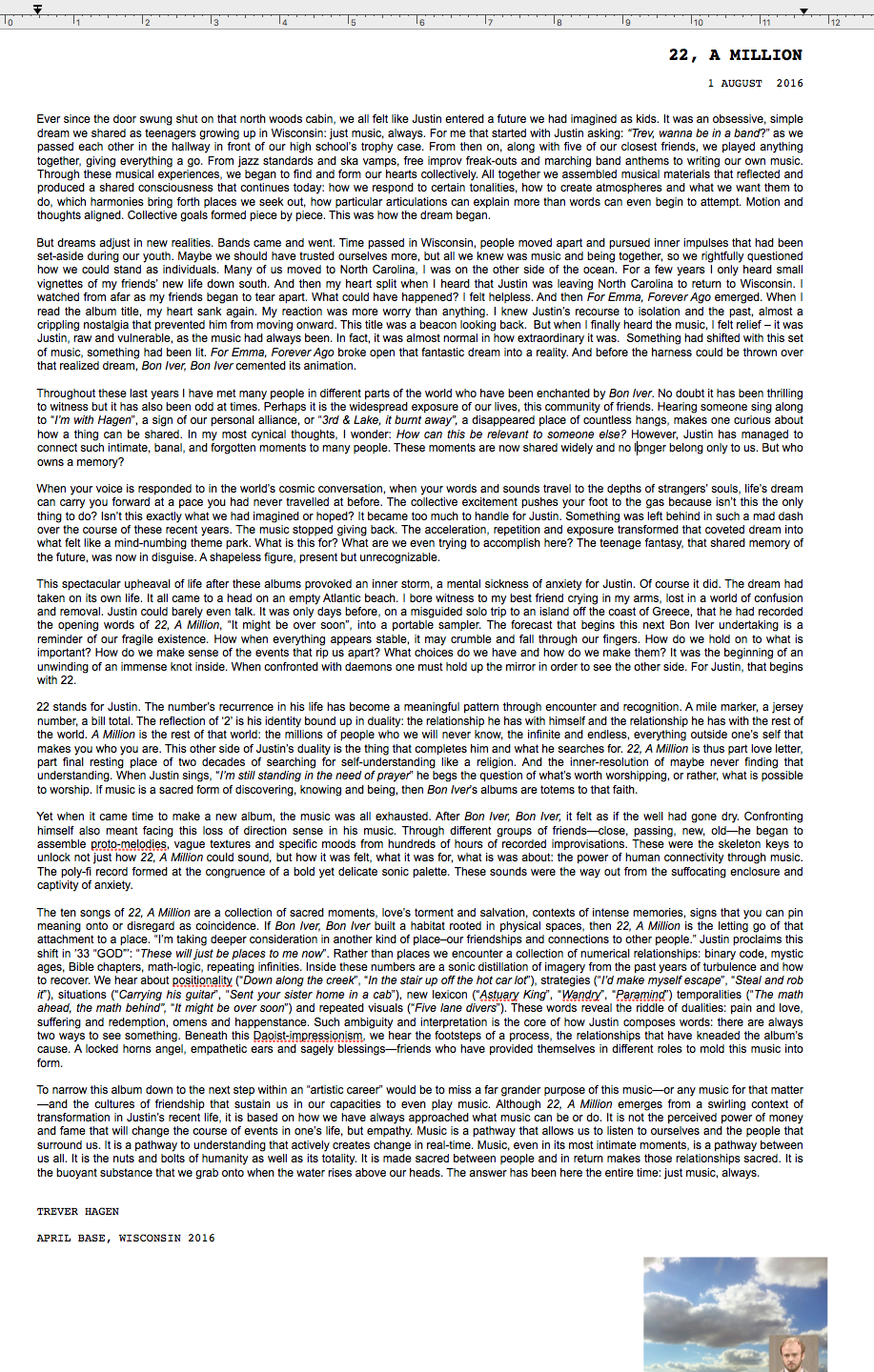
The day these songs were uploaded, Bon Iver’s site was completely revamped. Mostly bare, but sporting a new “bio” section written not by Vernon, but Trever Hagen, a Bon Iver collaborator and one of Vernon’s childhood friends. This new page was a long-form update captured in a TextEdit screengrab that attempted to update fans on what had happened over the intervening years. It also framed the two new singles better than any traditional press release ever could:

So, in short, 22 A Million isn’t as simple as a change in sound; it was a spiritual inevitability.  

A Pathway to Understanding

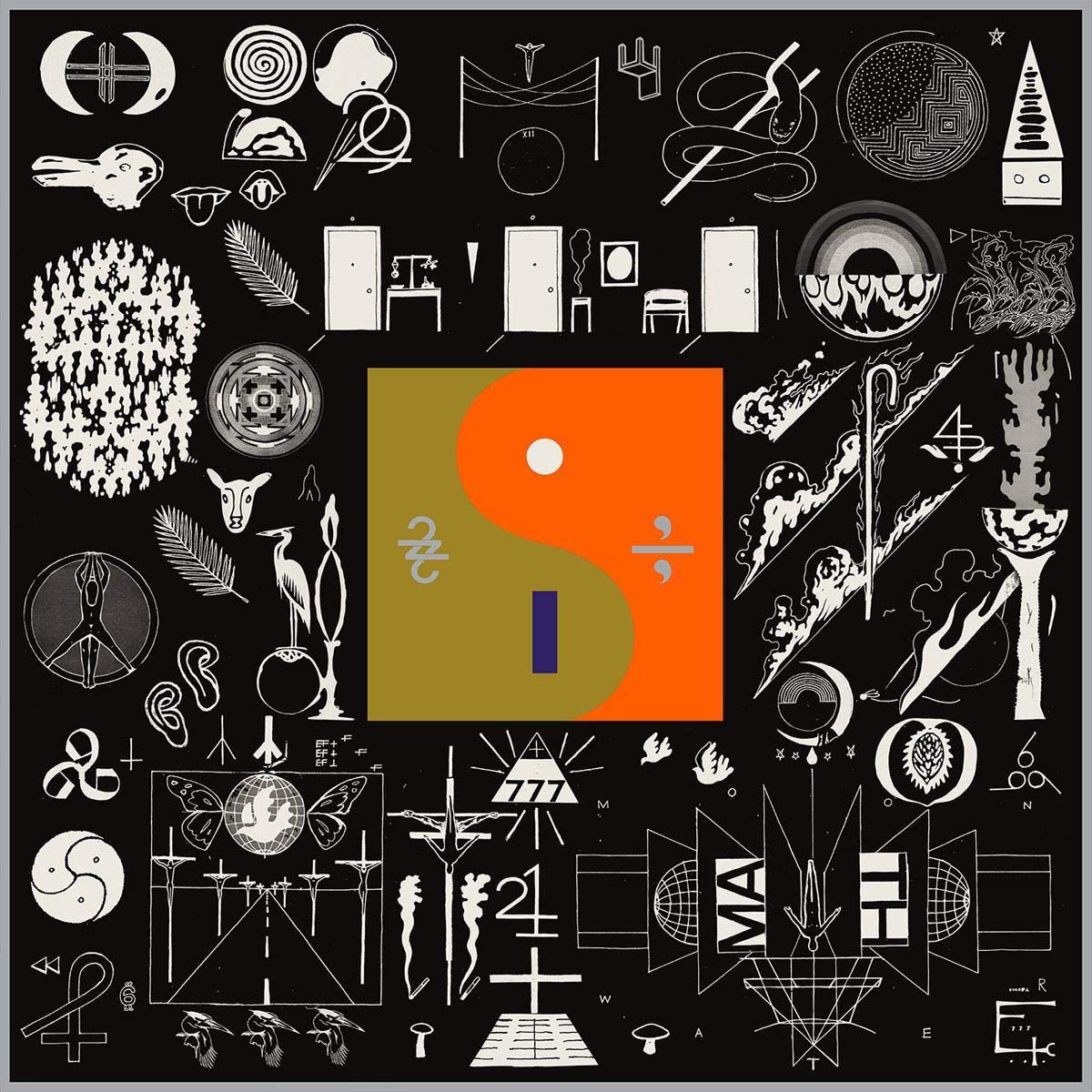
71pGwd2qyWL._SL1200_.jpg

I’ve built this narrative of Vernon’s increasingly-electronic career in my head for some time now. The pieces were all there from the first twinge of autotune on “Wolves” to the ever-mounting brilliance of “Woods,” but I didn’t know what to make of these disparate pieces until that summer day in 2016. When Bon Iver’s third album finally released that fall, it wasn’t just a new record from a band I already loved; it was the missing piece of a puzzle and the actualization everything that came before it. 

Despite some early comparisons to genre-shifting albums of greats like Sufjan Stevens and Radiohead, I also remember reading speculation that 22, A Million wouldn’t be as good as his previous work. Of course anyone attracted to Emma’s soft-spoken folk music will find themselves lost in 22, A Million, but at that point, I had come around to Bon Iver after years of doubt and now knew to trust in Vernon completely. 

What Trever Hagen was saying is that 22, A Million isn’t actually that different from the records that came before it. If there’s any trend to Bon Iver’s discography, it’s that every Bon Iver project is an album without precedent. For Emma, Forever Ago sounded nothing like Bon Iver, and 22, A Million sounds nothing like either of its predecessors. The difference here is that 22 is a complete dismantling. The first two records at least existed in the same sonic realm. Songs used familiar structures, familiar sounds, and familiar language. They were different but still comparable. Emma was a folky and intimate snow-covered cabin. Bon Iver was a wide-open sun-drenched field. 22, A Million is a meteorite. 

b0ZfZgX7rbXVOIhbU3bd2CVenpK4mhwESrX3fffEnqQ.png

Where previous Bon Iver songs were built around simple guitar lines, mounting drums, and easy-to-grasp melodies, 22, A Million strips songs of everything but the melody and reconstructs them from the ground up. The instruments that that are present are twisted and distorted until they’re alien and unfamiliar. There are horns, and guitars, and percussion, but they’re scratched up and broken. There are vocal melodies, but they’re chopped up and shifted around. 

In fact, Vernon and his engineer Chris Messina invented a new instrument just for this record: The Messina. Better journalists than me have detailed the creation of this instrument, so I’ll just link them here along with this quote from its creator:

“Normally, you record something first and then add harmonies later. But Justin wanted to not only harmonize in real time, but also be able to do it with another person and another instrument. The result is one thing sounding like a lot of things. It creates this huge, choral sound.”

For the purposes of this article, the invention of the Messina was a major step in Vernon’s career. The Messina allowed not only for the creation of 22, A Million, but some of Vernon’s most beautiful songs. The instrument’s effect is felt all over the album, but one song in particular stands out as 22, A Million’s most breathtaking creation. A song that takes the stripped-back dichotomy of “Woods” one step further. A song that Vernon’s entire career feels like it was leading up to: “715 - CRΣΣKS.”

Lost in the Reeds

justin2.jpg

While  “22 (OVER S∞∞N)” and “10 d E A T h b R E a s T ⚄ ⚄” are great songs on their own, they also had to serve double-duty and act as a primer to what 22, A Million stood for. Once those two tracks are out of the way, the record throws listeners into the proverbial deep end with “CRΣΣKS” which, Messina aside, is done entirely acapella. 

As most Bon Iver songs do, “Creeks” opens pointedly. 

Down along the creek
I remember something

These lines are sung straightforwardly, but set the scene for the song and introduce the recurring phrase “I remember something.” With each following line more and more of the Messenia leaks into the vocals until the third verse where Vernon reaches a near-yell as the song explodes with passion.

Toiling with your blood
I remember something
In B, un—rationed kissing on a night second to last
Finding both your hands as second sun came past the glass
And oh, I know it felt right and I had you in my grasp

Put simply, “715 - CRΣΣKS” is sublime. The song is a beautiful and one-of-a-kind creation that represents millions of branching paths all converging to create something practically too beautiful for this world. If Vernon hadn’t shown the propensity for electronics, his path wouldn’t have led to this song. If the Messina hadn’t been invented, this song wouldn’t have been possible. If Vernon hadn’t stowed himself away in that cabin over a decade ago, these feelings would not have been realized. 

“CRΣΣKS” is the ultimate marriage of humanity and technology. The entire time you’re witnessing Vernon’s emotion breaking through with each word and waiting to see what comes next. He leads the listener with each line, forcing them to lean in closer and closer until he violently breaks through the cold, indifferent wall of technology. It’s explosive, fragile, and heartbreaking. It’s a song that never fails to make me feel, and there’s something to be said for that. 

Never-Ending

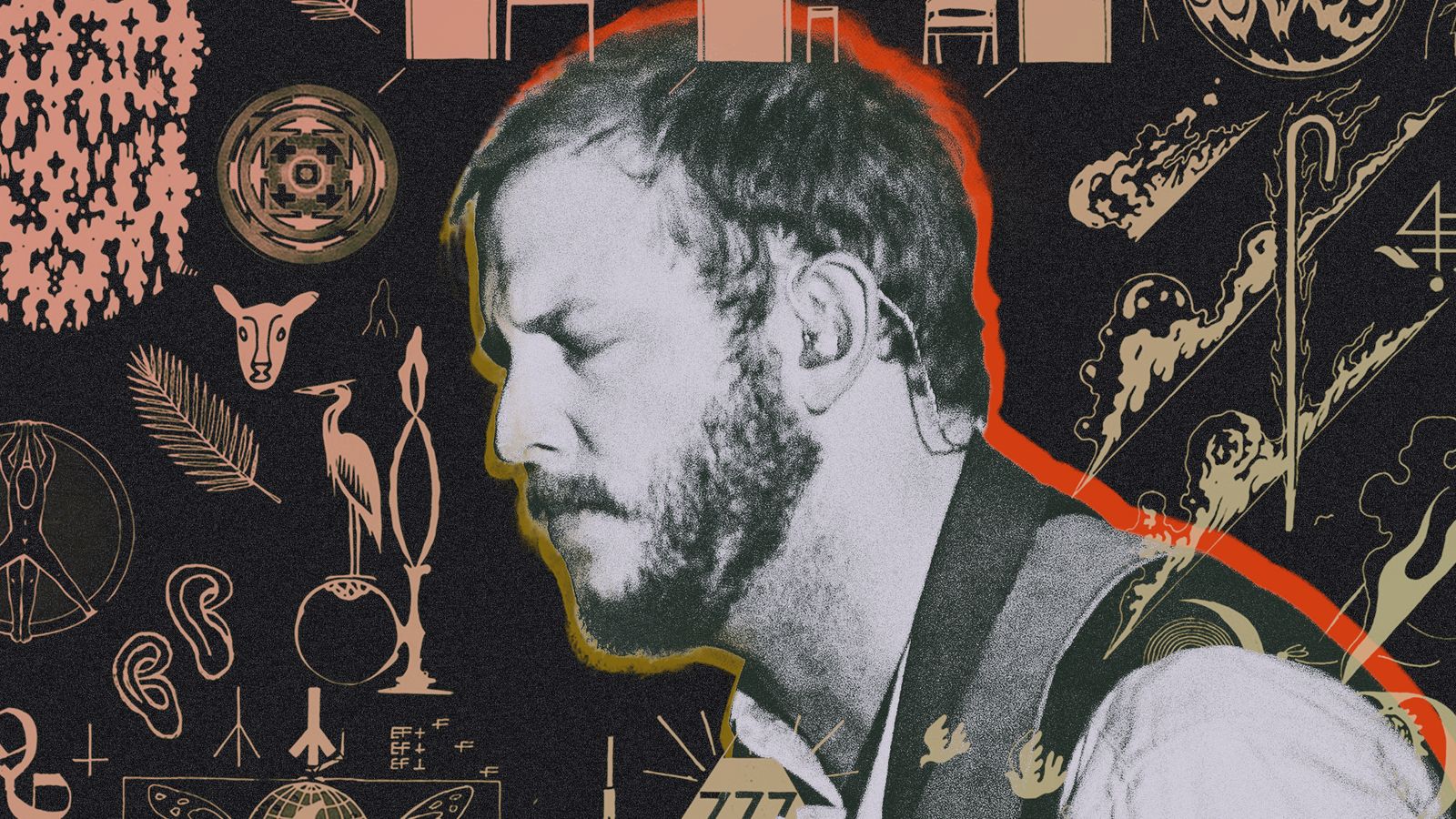
justin4.jpg

Vernon’s journey from folk hero to electronic mastermind was a long and winding multi-year-long process. It’s a journey that continues to this day as he tours, performs the songs live, and even on side projects like Big Red Machine where Vernon and The National’s Aaron Dessner both encourage each other along their respective increasingly-electronic journeys

The saga of Bon Iver has been a thrilling story to watch over the past decade. From the first wintery guitar strums of Emma to the final piano notes of 22, A Million, Vernon has weaved a multi-part epic on heartache and the human condition. Each song peeled back another layer, revealing the human behind the music, and that unfolding has been a fascinating, touching, and rewarding thing to witness.

While I hope we have many more years of music from Vernon, 22, A Million is undeniably an incredible third-act in the discography of Bon Iver. It’s more than folk music. It’s more than indie music. It’s more than electronic music, art pop, or any other label you can place on it. 22, A Million is human music. 

A Guide to Supporting Bands in the Streaming Age

guide4.png

The landscape for how music is consumed has changed unrecognizably in the past 10 years. When we started the label we were selling hundreds of CDs (imagine that?!). Nowadays streaming is a big focus and can make a huge difference to whether we break even on a release or not, and if a band gets heard outside their immediate scene. This isn't meant to be an attack on streaming, I'm a big fan, it's super convenient and I've discovered loads of great bands through Spotify. But the reality is payment rates for streams are tiny (£0.003-4 a play). 99% of streaming income goes to the top 10% of tracks and we're participating in a system which only works financially for those at the top and leaves those at the bottom unheard and unpaid! 

It looks like that system is sticking around for a while, so here are a few ideas for how to support artists you like and try to level the playing field a bit. 


Be An Active Listener

Playlists, algorithms, 'radio' playlists all work to highlight those lucky few who get handpicked or get enough data to enter the recommendation algorithms. If you never break that threshold you're destined to remain in '<1000' streams territory. 

Listen
Listen to small artists, listen to ones you already like, actively check out ones you haven't heard, listen to their tracks in full (don't skip through), save their songs / albums to your library. 

Use Playlists
Set up some playlists for songs you like, maybe separate them by genre. It doesn't matter if anyone apart from you listens to the playlist, Spotify picks up on what tracks are on the same lists together and will use that data for their recommendation algorithms. 

Turn Off Auto Play!
You know when you finish listening to an album and it starts auto playing similar songs (usually from the lucky handful of top artists in that sub-genre)? It's nice not have an awkward silence, but it does serve to inflate the play count of those already popular artists. By not using it, you're choosing what to listen to and who to support. 

Discover
If you're looking to discover new music, by all means check out Discover Weekly, Release Radar and other recommendation systems. But also try listening to your mates playlists, look through related artists, listen to what's come out recently on labels you like, check out what blogs are recommending, read reviews in zines / MAXIMUM ROCKNROLL / Razorcake, look through the Bandcamp homepage. There is endless good shit out there and the best stuff is not necessarily what's being directly recommended to you. 


Share 

The influence of traditional media is dwindling, the influence of online music websites is dwindling, how many people actually look outside their own social media bubble anymore? The reach of bands and business Facebook pages has basically dropped to nothing unless they're willing to pay for it.

Your personal social media probably has more influence on the tastes of your friends than anything else! If you like a song, tell your mates, if you like a video show your mates, if you're going to a gig invite your mates or at least encourage them to check out the bands. If you have a playlist of new music, share it with people! If you're at a gig, take a photo / video, stick it on Instagram (obviously try not to be obnoxious about it, we've all been stuck behind someone at a gig that can't put their fucking phone away). If you're playing a record at home stick a photo on social media. 

If you do a blog / write reviews, I love you, you truly are doing awesome work! But it doesn't need to take that kind of time commitment to help share music, a simple repost and "If you like 'X Band' / 'Y Band"' type recommendation really helps. 


Put Your Money Where Your Mouth Is

The reality is most artists aren't making any significant money from streaming. If you can afford to support in other ways it will make a huge difference to their ability to continue touring and continue making music. Music will always be created regardless of the financial returns, it's fun and its cathartic, but a healthy music economy means that making music isn't only for those privileged enough to have spare cash and spare time to put into it. 

Buy The Record
I'm sure you've all heard about the so-called 'vinyl revival', and yes in total record sales are higher than they've been in years. But just because everyone's dad is buying Led Zep reissues at Tesco, the reality is small bands and labels are struggling. There are so many records coming out now, pressing turnaround times are going up, prices are going up. If you like physical music, buy that record you've been streaming constantly! 

Buy Advance Tickets to Gigs
Touring is pretty much the only consistent revenue stream for most bands! So go see them, buy advance tickets when the shows get announced, and try to bring some of your mates along. Services like Songkick do a great job of emailing you when bands you've been listening to on Spotify / Apple Music are playing nearby, so sign up for that as well as actively looking at venue listings and following local promoters. 

Buy Merchandise
Apart from touring, merch is probably the next most lucrative way bands have to make money. So pick something up at a show, check out their Bandcamp page and see if you can order online. 

I know some of this shit is obvious, and hopefully this isn't teaching you how to suck eggs! You have more power than you think to help out musicians you like, and it doesn't take a huge amount of time or money. No one's getting rich off this shit, bands you perceive to be doing well are probably still struggling, your support & enthusiasm can mean the world.


 I love talking about this kind of stuff so if you have any thoughts / ideas hit me up - andrew@specialistsubjectrecords.co.uk 

A PDF of this is available free at shop.specialistsubjectrecords.co.uk. Words by Andrew Horne, layout by Kay Stanley. Specialist Subject Records is an independent record label and shop based in Bristol UK. Follow them on Twitter here.