Otis Shanty – Shadow Of Doubt | Album Review
/
Disposable America
The transition from summer to autumn is a holy ritual. As the early September warmth bows its head to cooler sunrises and the sun ploughs a lazier zenith across the dimming sky, I cherish this change, however brief it may be. Autumn is already such a short season, so I gladly search for hints of it even in late summer. The music I listen to at this time begins to shift as well – no longer does noisy, galvanized post-punk call my name, but instead I find myself leaning towards hazy, golden indie rock. The world is starting to slow down, and so do my listening habits. I want records that will help me savor those slow weather changes and dimly-lit afternoons. Otis Shanty is one such band: their delicate, shimmering brand of rock is perfect for watching the trees around my apartment turn from green to gold.
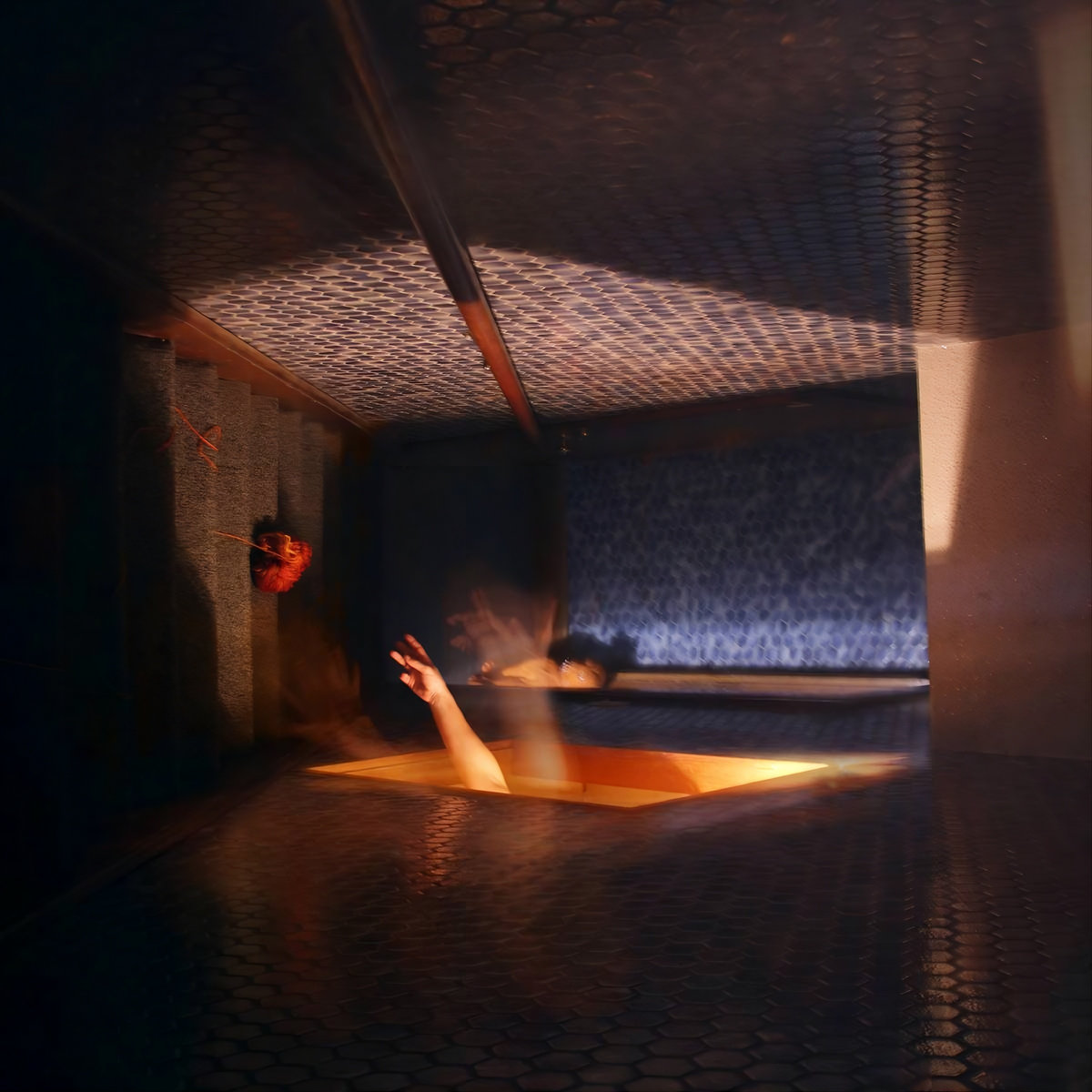
The Boston-based quartet has been on an incredible streak of releases, from their first album, Suite 33, in 2021 and follow-up EP Early Birds in 2023 to their sophomore album, Up On The Hill, released in 2024. Singer and multi-instrumentalist Sadye Bobbette’s vocals are sweetly melancholic, weaving through the band’s gossamer sound like a bright thread, while guitarist Ryan DiLello’s precise, delicate playing keeps the songs whirling like spun sugar. Bassist Julian Snyder and drummer Jono Quinn skillfully anchor the group, keeping Otis Shanty tethered to earth with savory bass lines and crisply balanced percussion that never feels overpowering. I’ve been a fan of the band since I reviewed their single “Nobody’s Party” in 2024, instantly captivated by the earnest lyricism and ethereal build of the song. I’m happy to report that Otis Shanty has only gotten better over the past couple of years, as their new album, Shadow Of Doubt, has effortlessly proven.
I don’t know if it was intentional or just a stroke of luck and good timing, but I find that the themes discussed on Shadow Of Doubt perfectly suit the season in which it was released. I associate autumn with endings, transitions, and a thousand quiet slumbers as plants wither and animals prepare to hibernate. Throughout the album, Sadye sings about the changes and shifts that every human experiences in their relationships. Now that I’m a bit into my thirties, I feel that the past couple of years have been extremely telling in terms of the relationships that survived the past decade – and those that did not. Some friendships are more solid than ever, some faded like breath on cold glass, and others imploded on themselves, no matter what I did to try to save them.

On Shadow Of Doubt, the band beautifully explores their own experiences with relationships, plunging into the deep end immediately with the opening track “Where to Look for Things.” A delicate, spinning guitar melody introduces the album as Sadye muses, “Everybody’s looking down / Sucked into self-doubt / Isn’t it funny how / We’re all looking for an out.” As the music progresses, the perspective of the lyrics begins to broaden. What starts as a very inhibited, narrow point of view turns into noticing “a twinkle in the pines” and then an encouragement to “stare in amazement at the sky.” I love how the music swells to match the words – the chord progression shifts, the hi-hat cymbal opens, and the band builds exuberantly as Sadye proclaims, “Let your mind surprise itself / Let your mind surprise itself!” It’s a joyous challenge to the listener, and with it, “Where to Look For Things” sets the bar high for the entire album.
This theme of self-reflection is continued into the following track, “Ceiling,” trading the exuberant mood of the opening for a tone that’s more bittersweet. “Stripping a screw / And pulling it through / Is part of figuring it out” is the song’s first lyric, and those words hit my stomach like a cold swallow of water the first time I heard them. Few things are as frustrating as realizing you’ve ruined a screw while trying to build or fix something, and it’s even worse when you have to admit defeat and wrestle the offending screw out with pliers. The screw is thrown aside, no longer viable, and you’re faced with a gaping hole to fix. The clever metaphor used by Otis Shanty suggests a relationship that’s been stripped of the threads that used to hold it together, and no matter how much work was put in, all that resulted was an ugly hole where something beautiful used to be.
Full face to the ceiling
Waiting for the tears to fall back
In my eyes
Sinking gently
I’m sick of revealing
Everything about my insides
Like a ball of string
Down stairs unwinding
Down stairs unwinding
The band continues to wind their way down a shimmering path on “Lowballer,” a dryly clever track pinpointing a particular type of artificial person. “Well those cowboy killers are gonna give you cancer,” sings Ryan, who trades lyrics with Sadye throughout the song. “And that camo hat’s not hiding the fact that you / You’re always looking for something new to get in front of,” they add. If I’ve seen one person like this, I’ve seen a hundred of them - a pack of Marlboros tucked in their front shirt pocket, vintage silver rings on every finger, aforementioned camo hat and Carhartt jacket perfectly distressed. It’s almost a meme at this point - in my mind, I think of it as a stereotyped Silver Lake aesthetic, but it speaks to a much larger cultural phenomenon than just an internet trend.
So many people today want to fit a particular look in order to send a message about themselves without actually putting in the effort to develop their own interests, style, and taste. The sound of the music here alludes to this as well - it’s heavy and spacey, fitting exactly into the genres that are popular online right now. There’s a distinct shoegaze revival, often co-opted by these same aesthetic grifters, who once again lay claim to a genre of music they find “aesthetic.” Latching on to a particular style made popular by online trends is easy, because you can just buy all the pieces -cigarettes, jewelry, and workwear- from a specific brand. “They dress you up, and then they try to set you free / You’re a well-read sailor just floating around at sea / Looking for a white whale and a sense of meaning / Just a lowballer running down a dream.” There is niche upon niche online, but in the real world, you are still faced with yourself. At the end of the day - costume off, cigarette extinguished, and all alone - there is nothing but your reflection staring back at you. You can no longer avoid facing the eternal question: who am I?
My favorite track sits precisely halfway through the album, “Echoes of a Blue Moon.” It’s melancholy yet cathartic, swirling forward like high tide. It discusses a very on-again, off-again relationship as Sadye asks, “Echoes of a blue moon / Only happen maybe once or twice / Makes you wonder / If it feels right / Why don’t we do it all the time?” This song shows off Otis Shanty's ability to lead into a chorus like no other, teasing a build through a short bridge, building again, then crashing into themselves at last in huge fuzzy waves of sound. This skill is what first drew me to them years ago, and because of that, my heart was overjoyed to hear the build in this song. “It’s you all the time / Reframing / One thing at a time to do, to do, to do, to do.” I close my eyes, letting the cool wash of music surround me. “Catch up, fall behind / Adhering / Like bugs in wine / It’s you, it’s you, it’s you, it’s you.” The bass and drums push the song forward, thrumming under the frenetic haze of vocals, guitar, and synth that float atop the ocean of this song. The ache and longing for someone you always want to come back to is expressed so well - the cyclical feeling is captured perfectly through the arpeggiated guitar licks and swelling synth effects. And just like that, the song is over as quickly as it began, abruptly dying out after three lush minutes. Coincidence? Probably not.
The latter half of the album starts with a mellower track, “Polished Stone.” It’s a pleasant breath after the intensity of “Echoes,” and settles into a comfortable sway as Sadye sings, “Fell out of alignment / Two voices on their own / Repurpose the garden / Beneath the overgrowth / Grind against each other / Till we make a polished stone.” I find this to be such a beautiful way to capture how it feels to work through difficulty with a loved one - whether between each other or side-by-side. Those who truly love you will always see challenges through with you - Sadye admits, “Turns out people in my life want to give me / The benefit of the fucking doubt.” This comforting song reminds us of the grace we hold for those we love.
A couple of tracks later, the band’s perspective shifts inward: “For Once” is a beautiful exploration of self-worth and seeing yourself through the lens of someone who loves you. “I’m painting still lifes on the couch / I see the world in twisting arms around heads / You’re drawing portraits of my mouth / Can’t help but see myself the way you see me / And it’s good for once.” I was deeply touched by this song - not only is it poetic and tender, but it speaks to struggles I have dealt with personally through my entire life. My throat tightened as I heard Sadye ask, “What would it take for me to love my face / What would it take to love my legs to love my shape / It’s been a long time coming, it’s been a long time spent / What would it take? What would it take? What would it take?” I have struggled since I was very young to love my legs in particular, and I frequently hide them underneath jeans or dresses, self-conscious of their size and shape. But as I listened to Sadye repeat “What would it take?” over and over, their voice rising to almost a scream, I asked myself what would it take? But my question is answered: “I can try your eyes on / And love my face,” Sadye admits. I can try my husband’s eyes on and love my legs. I can see myself as more, and I can see myself as loved.
With Shadow Of Doubt, Otis Shanty offers the listener a moving exploration of the deeply complex relationships we have with others and with ourselves. The band is at their very best - lyrically precise, with every track awash in scintillating texture and depth. As I watch the earth participate once again in autumn’s solemn ritual, I have come back to this album again and again to bask in its light. Shadow Of Doubt is an incandescent bulb, haloed with warmth, healing the heart of the listener.
Britta Joseph is a musician and artist who, when she isn’t listening to records or deep-diving emo archives on the internet, enjoys writing poetry, reading existential literature, and a good iced matcha. You can find her on Instagram @brittajoe.