The Process is the Reward: A Conversation with AP Lewis of American Sacred Music and Fig On Wrist Records
/
Photo by Amanda Killian
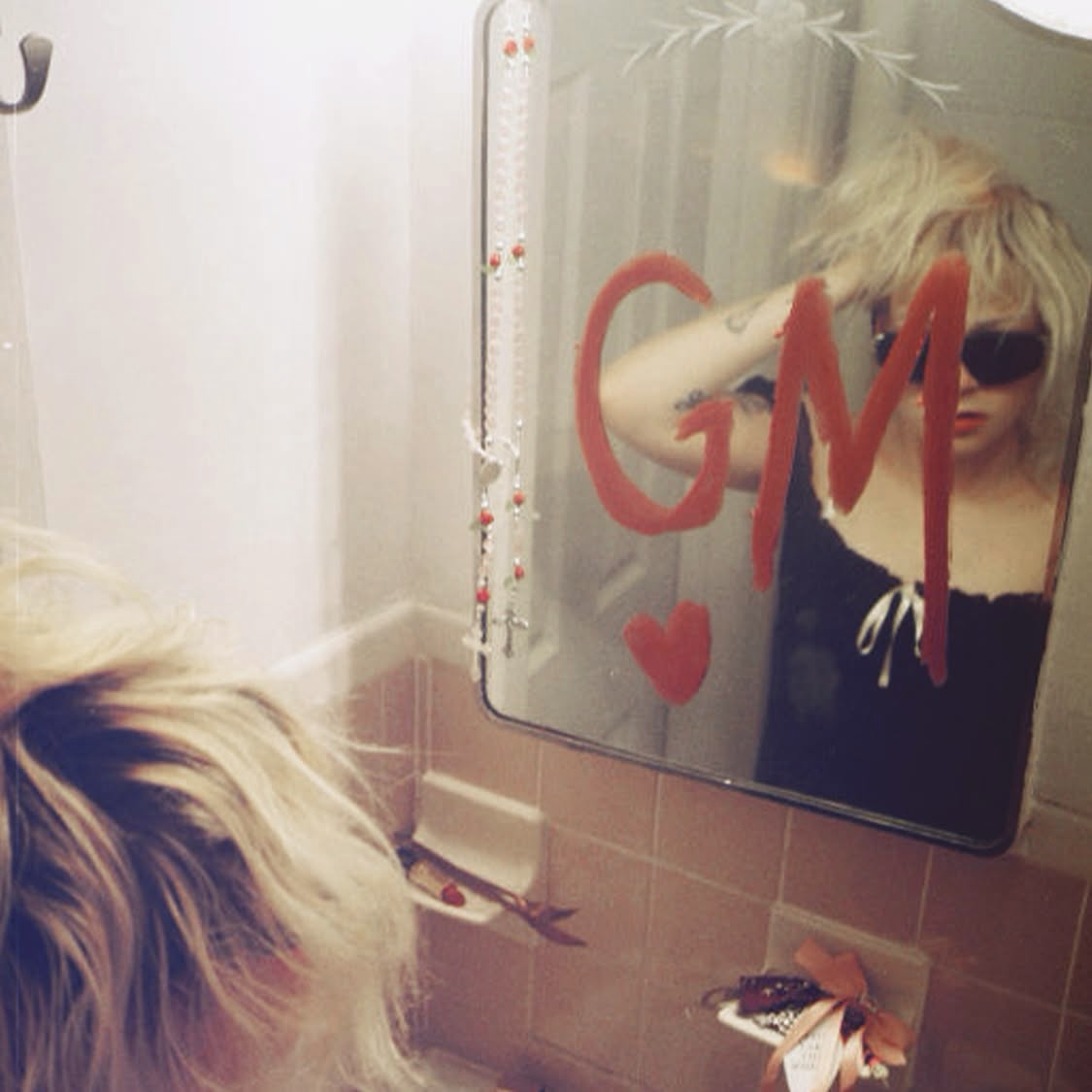
The more folks I have the joy of meeting in the scene, the more sunbeams of warmth and kindness filter into my life. One such sunbeam has been AP Lewis, the person behind Atlanta-based DIY label Fig on Wrist. Though they’re only a few releases deep, Fig on Wrist is slowly carving out a distinct niche in the DIY scene with heavy music releases that include artists such as Ameokama and Meatmark. The label champions physical releases and stocks a selection of cassette tapes on their Bandcamp, both for their own roster and on behalf of other bands. I recently had the privilege of calling AP and sitting down for a chat, where we had a wonderful conversation about what makes music “heavy,” the shared millennial experience of discovering Christian rock, and the camaraderie that makes DIY special.
SWIM INTO THE SOUND: Where did the name Fig On Wrist come from?
FIG ON WRIST: I had a cat who passed away named Fig, and I have her paw print tattooed on my wrist. She had kind of a tragic life, and I was on tour for most of it in a previous band. I got her in October of one year, and she passed away that Christmas Eve. She was with my partner for most of that time. It felt really horrible that I missed that time, and doing this felt like the best way I could honor her. She was a really sweet baby.
SWIM: I'm sorry for your loss. That's a really beautiful tribute to her. And how did the label start after that?
FIG: I developed a passion for operating my own label after I had a bad experience on the one that my old band was on. I wound up doing a lot of the work that the owner should have been doing, but that was a blessing in disguise because I learned I loved doing all that stuff. So when that band came to a natural conclusion, I was like, “What's my next endeavor going to be?” That was the beginning of all of this.
SWIM: Who else is involved?
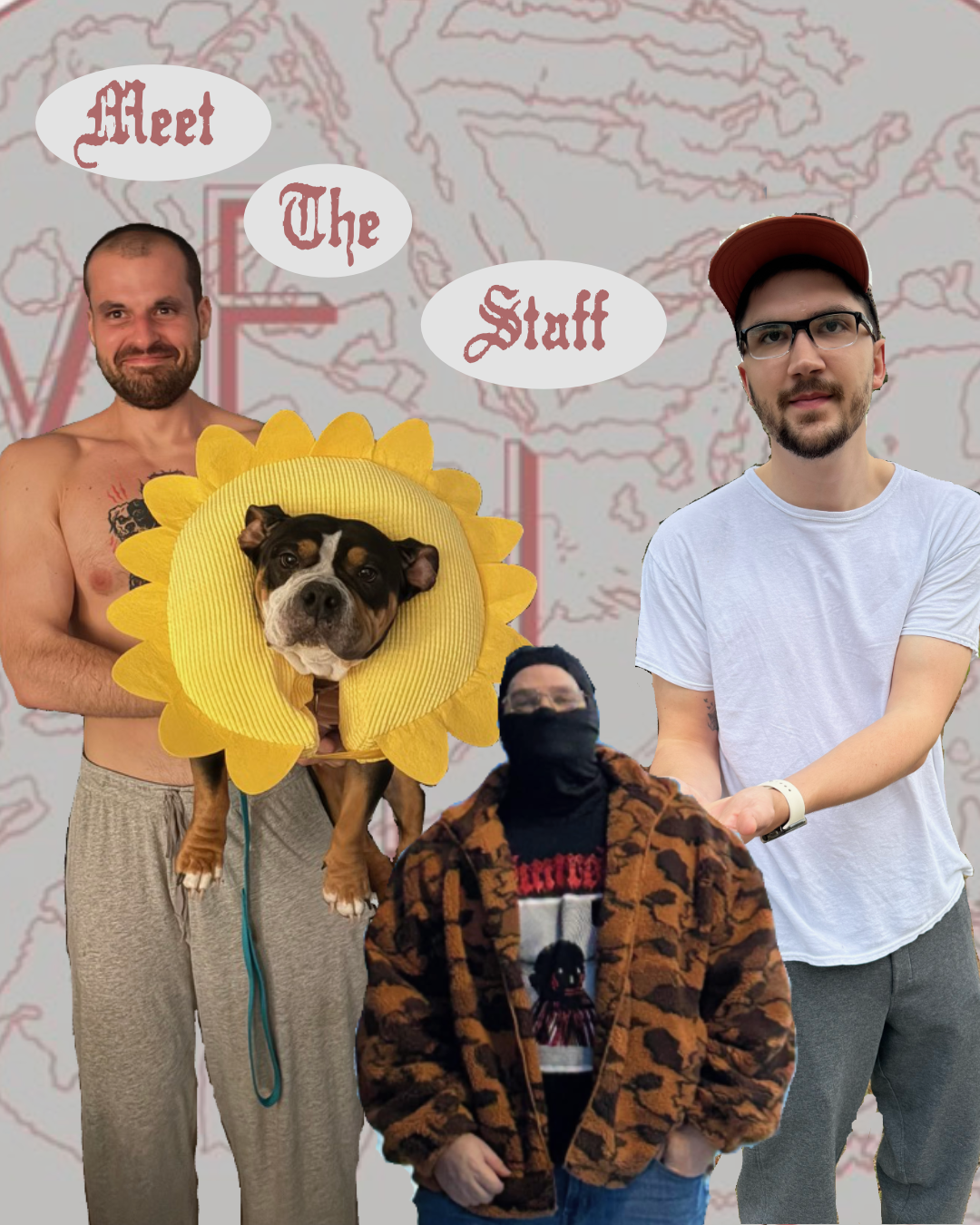
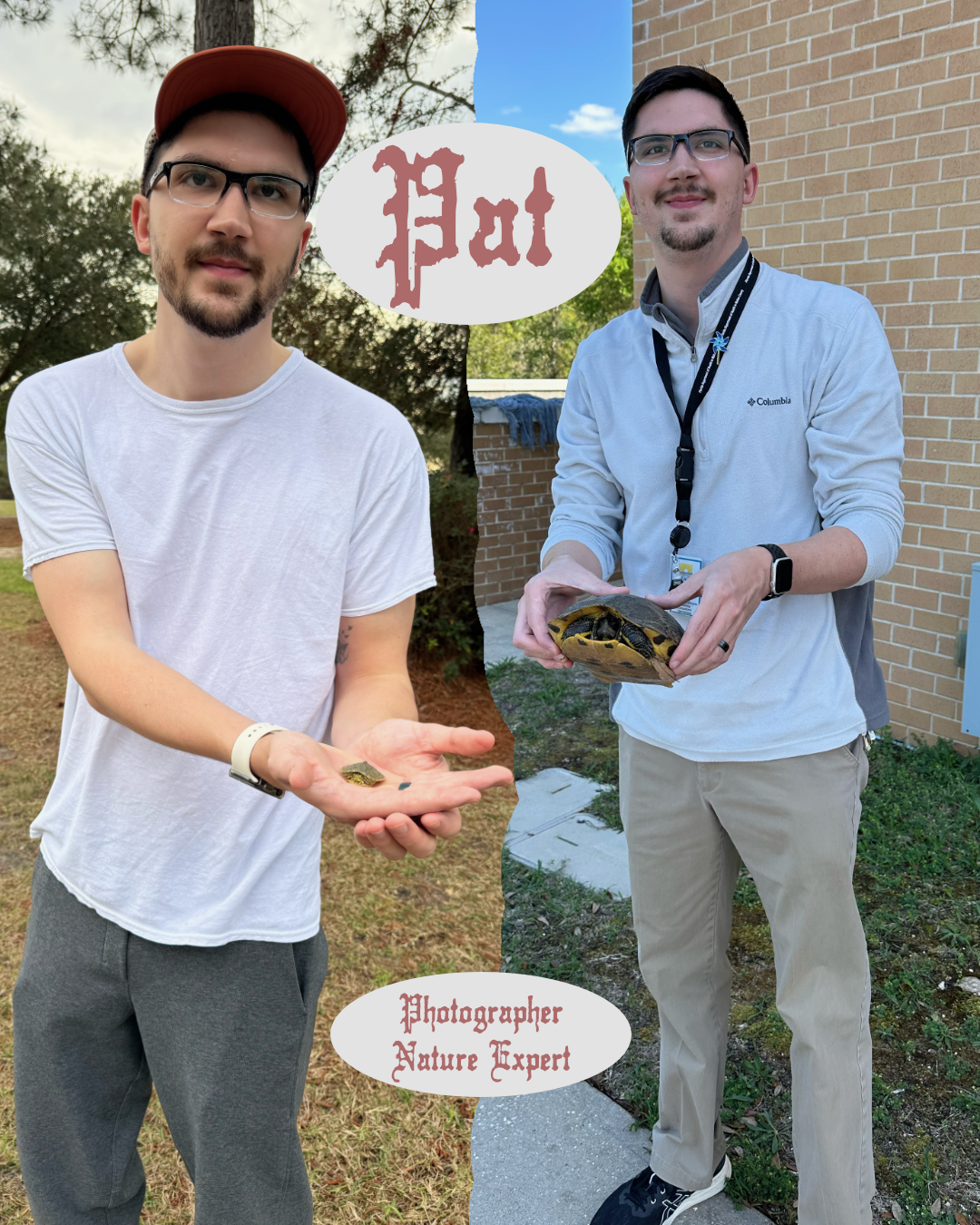
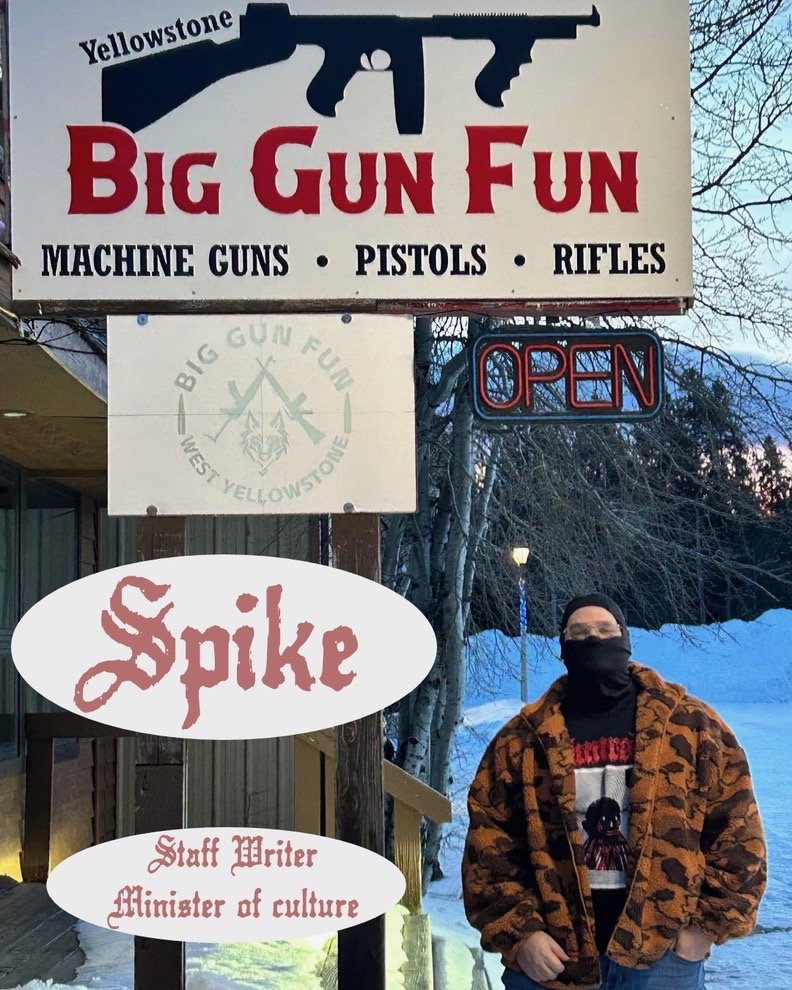
FIG: Everything is about 90% me. I run a recording studio, I do the mixing and mastering, and I do graphic design. There's also a PR element that I have two very close friends help me out with as “staff writers,” Patrick and Spike. The three of us talk every day, figuring out who we want to write about and what's inspiring us. Even though I'm doing most of the music-centered stuff, it feels very much like I couldn't do it without their support.
SWIM: That makes sense. I feel like running a label in any capacity can't be a one-person operation, so having a team like that is really cool. Do you have certain subgenres that you focus on?
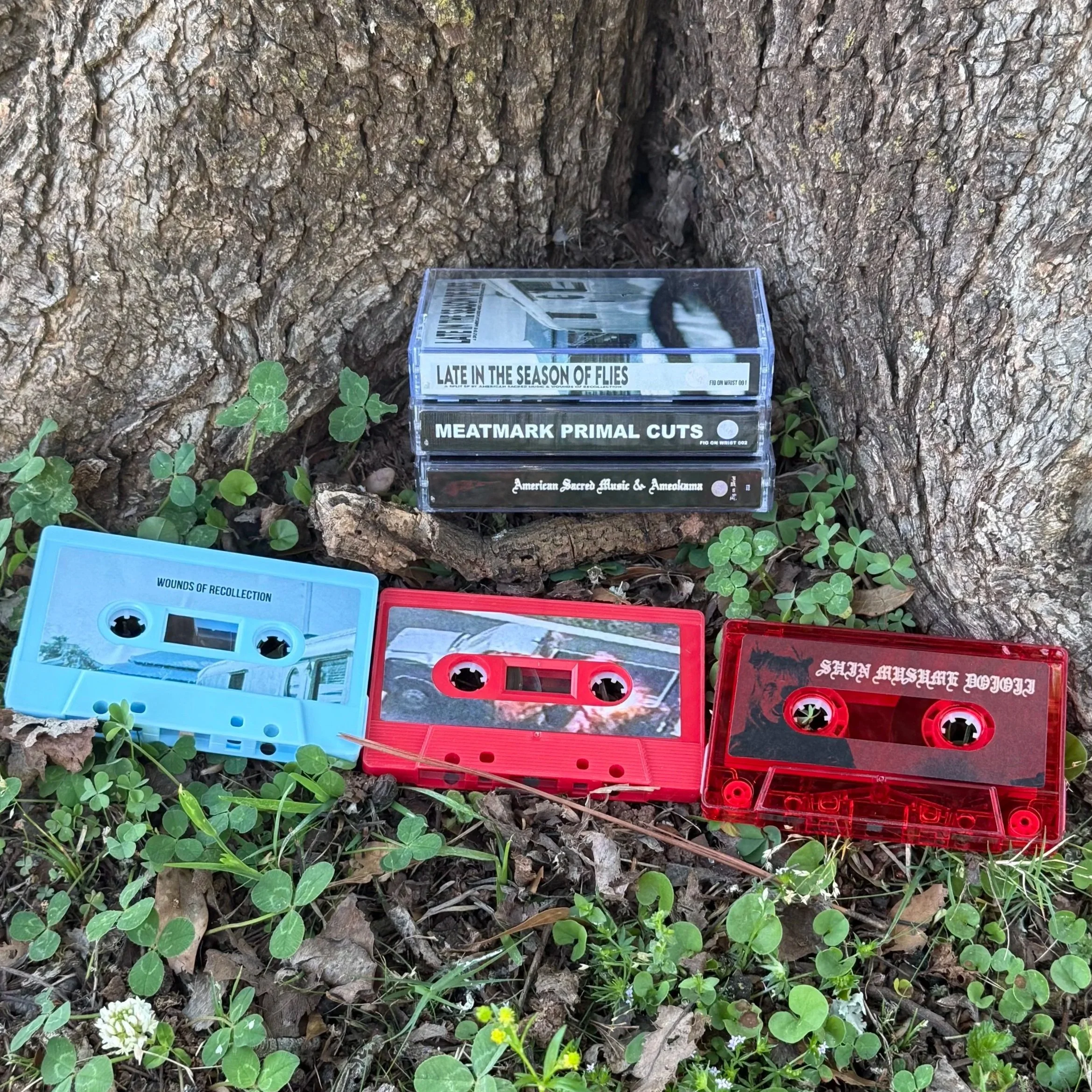
FIG: So far, it’s mostly post-rock and post-black metal kind of stuff, but it’s basically a smörgåsbord of whatever I'm interested in at any given time. We only have three releases under our belt at the moment, and two of them have involved my own project, American Sacred Music. The band has two splits: one with Wounds of Recollection, who employ that post-black metal sound, and another with Ameokama, who is primarily an industrial artist. The third is the Primal Cuts demo by Meatmark, who are a great noise rock band. My only stipulation is that it has to be art that I believe in. We could put out a country record, and I'd be fine with it as long as I found something moving in the music.
SWIM: Do you feel like that differentiates you from other DIY labels, or have you noticed that's the general mindset of your contemporaries?
FIG: When I think of bigger independent labels, they're more like this. If you think of labels like The Flenser or Run For Cover, they have their niches covered. But what I’ve discovered is that, on a DIY level, you’re usually working with who you're already friends with. I feel that I see a lot of genre-specific labels, like someone is putting out the screamo records, and someone is putting out the alt-rock records, or hip-hop, or whatever. I come from a metal background, but there’s already a lot of people doing that in my circles. So the fact that I'm leaning more into an “esoteric” roster, for lack of a better word, differentiates Fig On Wrist a bit from other labels I know. I like “pretty” music and things that are not traditional heavy metal, but that’s not all that unique these days.
SWIM: I’m sure the splits you’ve released so far have been with folks you share a mutual admiration with. What drew you to those artists initially?
FIG: I'll start with Wounds Of Recollection. They’re sort of an anonymous project, but essentially it’s spearheaded by the same individual, who just goes by Annos. They have a few different bands that they operate, one of which is called The Blood Mountain Black Metal Choir. I got hold of their music and loved it, so I shot them a DM about it. We struck up a friendship, and eventually, when I started working on Fig on Wrist, I approached them about doing a split together. It carries weight within this community to have them co-sign their name on something they had never heard just based on our friendship. I was so floored that they were willing to do that because it really helped me get this label and my own music in front of other ears.
FIG: Then there’s Ameokama, which is a project by a woman named Aki McCullough. We had crossed paths through both of our old bands and ended up in the same green room, eating dinner together at a show. She was super kind, so afterward I cold emailed her and was like, “Hey, I'm starting this new band and label. Would you want to do a split?” Just like with Wounds Of Recollection, I had nothing out at the time, but she was willing to cosign with me as well. It was crazy to get to have my name associated with someone so respected so quickly.
SWIM: I think a lot of what I appreciate about DIY, or the underground music scene at large, is that people are so willing to take risks and just go for projects just because of friendship or because it is interesting or new. That's something that I really treasure about the community.
FIG: It's very special. I know we're both listeners to Jeremy Bolm’s The First Ever Podcast, and something that he always talks about is a great thing about hardcore - which I’m translating to DIY in general here - is that you're only a few steps away from your heroes. First of all, those are inspiring words as is, but second of all, it's 100% true. Sure, I was buying music from these people before I knew them, but all it really takes is putting in the effort. In some cases, you can wind up collaborating with folks that you really admire.
SWIM: What bands and artists inspire you? Whatever comes to mind first.
FIG: Offline, we spoke about a mutual love of Deafheaven. I got into them my senior year of high school, and they just changed my life.
SWIM: I remember reading in a different interview that you said it was Sunbather that you first listened to, right?
FIG: Yeah, I was 18, and I thought I knew everything about music. I subscribed to the Deathwish Inc. newsletter, and they put up the pre-order for Sunbather. I had a little money from mowing lawns, and I had no idea what it sounded like, and I just thought, “This seems really pretty and if Jacob Bannon says it's cool, then yeah, I'll buy it.” When it finally showed up, I put it on and I’d never heard anything like it.
SWIM: What's your favorite Deafheaven song?
FIG: Gosh, well I can tell you my favorite record is New Bermuda. That one really sticks with me. But I think “Shellstar” is my favorite song, which is the opening track from Infinite Granite. There’s something with that vocal layering that really hits me. I always tell my partner that I don't understand why they're not the biggest band in the world. They can do stuff like that, and then they can do all their heavier stuff. It's crazy.
SWIM: “Heavy” music is such a massive generalization for the genres that would fall into Fig On Wrist’s category, but how do you personally define it? Do you find the term “heavy" to be subjective?
FIG: It's all semantics, and it's all silly, but I think “heavy” music is different from “metal,” if that makes sense. Mount Eerie is a heavy band, even though it's one man with an acoustic guitar. Grouper is a heavy artist; you can't listen to her sing on Dragging A Dead Deer Up A Hill and not think that that's a heavy work of art. To be honest, I don't really care about metal and hardcore. I just care about interesting art. Sometimes those things fall into that distinction, and sometimes they don't. From a broader cultural perspective, some folks would say the “stuff with the screaming” is “heavy” music, or the “stuff with the double bass,” or whatever. But I like the phrase “heavy music” a lot more than I like “metal" or “screamo" or “hardcore” or whatever.
SWIM: I think a lot of people will immediately think of bands like Knocked Loose, or classic hardcore bands, or whatever screamo is popular right now when it comes to “heavy.” But I like that you brought up Mount Eerie because it is crushing and emotionally heavy to listen to that music. Keaton Henson is a really heavy artist for me, too. “Small Hands” is totally a heavy song. It's so sad, but sonically, not really “heavy” at all. Do you think that “heavy” music can become objective, and is there a way to define how it does?
FIG: I don't know that it can be fully objective. I think there's too much gray area in how people process and interpret pieces of art. I don't know if that can be objective at any point.
SWIM: How did you get into what you define as “heavy” music?
FIG: I want to preface this by saying that I am not a particularly religious person now, but I was raised in a religious home. I was very fortunate to have a youth pastor who was in a popular band. He introduced me to bands on the Tooth & Nail record label samplers like Hawk Nelson and Thousand Foot Krutch.
SWIM: That's a crazy throwback because Hawk Nelson was my introduction to heavy music. Letters To The President is the album, and “Things We Go Through" is the song for me. I can trace my love of heavy music back to that song.
FIG: They were my first favorite band! That was like fifth grade for us, right? I got the You Can’t Handle the Tooth CD sampler, and it had Underoath, Norma Jean, mewithoutYou, Emery, and all these Christian bandsbands.
SWIM: I feel like all of those bands were the gateway for so many millennials to get into heavy music, especially if you grew up in suburban America in any capacity. I appreciate a lot of them. I actually got to see Underoath a year or so ago when they were touring the anniversary of They're Only Chasing Safety, which was really, really cool. You bringing up Hawk Nelson is blowing my mind right now.
FIG: It's funny, no one I know has ever heard of them. It's like how, as an adult now, I'm always asking people, “Have you seen the movie Cheaper by the Dozen? They're the house party band, and I know you saw that movie.”
SWIM: If you had the ability to release music by any artist, and had all the resources available to you that you needed, who would you choose?
FIG: One of my favorite musicians, who I should have mentioned earlier, is the hip-hop artist Billy Woods. I worship his entire output. He does a lot of soundscape-rooted stuff, and I would love to somehow be involved in that aspect and contribute to the soundscape. I love sampling things, I love eerie noises, and if I could just be like, “Hey man, do what you will with these sounds, just let me get involved,” that would be incredible. And as far as poetry goes, he's a beautiful lyricist. It's something that I think can make sense to someone that's not already into hip-hop just as much as someone who is.
SWIM: Do you have a day job on top of the label?
FIG: I prefer to keep it vague, but I'm in the construction industry. Monday to Friday, nine to five. In my spare hours, I work on the label and my own music.
SWIM: That's pretty common nowadays. It’s only a rare few in the underground that get to do any of that exclusively for a living. Everybody I know uses their day job to fund their various projects.
FIG: Obviously it would be such a privilege to get to do art all day and still pay the bills, but I certainly don't know anyone that gets to do that. However, I'm fortunate enough to have a job that lets me chase my dreams when I’m off the clock.
SWIM: Looking over everything that you do as an artist, what is your favorite thing to create?
FIG: What I've recently learned about myself is that I just like the creative process on its own. I honestly don't feel all that satisfied when I finish things; I’m happy just developing. Maybe I'm on a run, and I get a song idea, and the dopamine starts hitting because I think of all the pieces of it coming together, and then I have a piece of art to work towards. That planning process, and everything that goes along with it, is really what gets me going. There’s so many possibilities as to what could happen and what shape the art could take, and I get that same high from almost all creativity, whether it's art for a friend's band, or printing a run of tapes, or making my own song. It's so satisfying to feel busy and creative, and even though it's not the most important thing in the world, you feel like you're contributing to some sort of community at that moment, even if it's only ten people. That's an addictive feeling for me.
SWIM: I relate to that strongly as an artist myself. There's something so satisfying about watching the pieces come together. The process, especially if you're collaborating, feels really cool. I don't think I've ever heard anyone articulate it as well or as succinctly as you did.
FIG: Thank you. You can credit that one to my therapist. We talked through it on Tuesday afternoon.
SWIM: So much can be credited to therapists. Shout out to my therapist as well. The next question is just something fun I like to ask everyone, but what is your coffee order? Or if you're not a coffee person, what do you like drinking in the morning?
FIG: If I'm going to a shop, I love a hot Americano. Give me like a splash of oat milk, unless I know you're like the bee's knees. If it's a trusted shop, then I'll go black. But if not, give me a dab of oat milk. But just black coffee at home.
SWIM: I respect that. Do you have a home brewing setup?
FIG: Yes, I have an automated pour-over machine. It’s super sick, and I wanted to stop destroying the environment with pods and take control of my own coffee situation. The brand is Technivorm, I think.
SWIM: That's really cool. I've never heard of an automated pour-over machine before! My folks got a Technivorm Moccamaster, just like the regular coffee machine growing up, so I'm familiar with the brand. The coffee that those things put out is phenomenal. Really, really good.
FIG: I would go to my bandmate's house in this old math rock band I was in, and we'd practice there. It was every Thursday, and I would be like Yogi Bear coming up to get the pie because I would smell him brewing this pour-over coffee. I'd be like, “Bro, you wanna make me a cup?” And then eventually I wound up with my own machine.
SWIM: I want to get more into home brewing. I'll do a pour-over or a French press, but I want to get better at it. I'm not weighing my grounds or calculating water ratios or anything. I'm just kind of letting the vibes lead, which is not a recipe for success. I'm going to see if Technivorm has other equipment.
FIG: Yeah, totally!
SWIM: What are some of your hobbies outside of music?
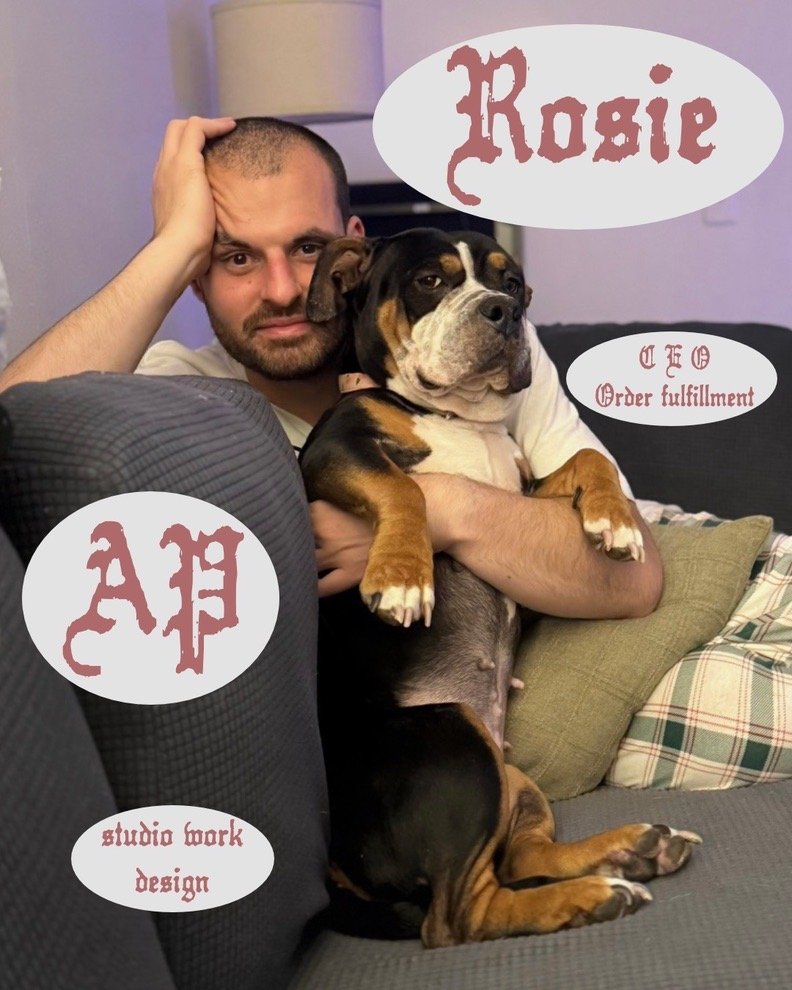
FIG: I’m a big runner. That’s still music-related in that I've listened to a new record every single day since 2016 while I run. That's my time to clear my thoughts and log what new art I'm putting in my body for the day. Outside of music, I love to bake. I love to spend time with my partner, which isn't quite a hobby, but it is a lifestyle. I’m a movie guy, good movies, bad movies, whatever. I just like watching things. I collect rescue dogs because, surprisingly, they just keep showing up! One of them is named Rosie, and she’s technically a bully, not a pit bull, which I learned was a whole separate thing. My partner found her on the side of the road, fully emaciated, and we wound up keeping her. If you look on the label's Instagram, Rosie is kind of the label mascot now.
SWIM: That's so sweet. I'm glad you saved her and that you're giving all these dogs a good, loving home. We always brought shelter pets home when we could. My dad could not be trusted in an animal shelter; he would always come home with an animal, which was really endearing. At one point we had like 10 or 11 cats.
FIG: That sounds like a dream. My partner has to police me because I will bring home a new one whenever given the chance.
SWIM: Does your interest in film influence your music at all?
FIG: Yeah, I love Possession, the 1981 film. That's a really big one for me as far as art movies go, things that are a little higher-brow. But if we're getting “hell-yeah-movies” mode, I love Hot Rod, My Cousin Vinny, and Goodfellas. I'm always taking notes, no matter what I'm consuming, whether it's music or film or books. I keep a little notebook where I'm always jotting down the way other people use language and arrange words in a way that my brain wouldn't have naturally thought of. It could be an episode of a sitcom, and something just hits you. There’s inspiration everywhere. I love my high-art bullshit, but I also love Hot Rod. It’s as perfect as Possession to me.
SWIM: And what literature do you really enjoy?
FIG: A wide gamut; I'm a big fiction guy. I like to get lost in stuff. I love Cormac McCarthy, Stephen King, and Clive Barker. I like darker novels than I do darker movies.
Also, I love good poetry. I've been reading some of Phil Elverum's work recently—everything he does moves and inspires me in a crazy way. Mount Eerie is just a project that has moved me as I've aged.
SWIM: What new projects and releases will Fig On Wrist be putting out?
FIG: I can’t announce specific things right now, but what I can tell you is that we are in talks of reissuing the discography for a really, really cool grind band that are friends of mine from my touring days.
In addition to that, there's gonna be a song called “Fig On Wrist” by my project, American Sacred Music. It's going to be kind of a launching point for the American Sacred Music project. I recorded a lot of music last year and have things in the bank, and I can release them at will. It's a heavier sound that is closer to my last full-time band. There were demos that never got used, or that became jumping-off points, and this feels like an introduction to where I'm more interested in going musically. It’s a long-form song with lots of drones and clean vocals and acoustic guitar, but also sludgy bass stuff. It feels like the most unique representation of my interests. It’s really, really special to me and I'm gonna make a 20-minute short film to go along with it. It's the most work I've ever put into anything. So that one's going to be very cool, at least to me, when it comes out.
Britta Joseph is a musician and artist who, when she isn’t listening to records or deep-diving emo archives on the internet, enjoys writing poetry, reading existential literature, and a good iced matcha. You can find her on Instagram @brittajoe.