Carpool – Anime Flashbacks | Single Review

“Say somethin’ / say nothing at all / this is not what I wanted.” Those are the words that are about to be stuck in your head for the next 24 hours. Coincidentally, those are also the words that make up the hook to Carpool’s dancy new single “Anime Flashbacks.” Belted out in a bouncy cadence by frontperson Stophy Colasanto, the delivery is equal parts pleading, regretful, and catchy–the perfect cocktail for a late-summer emo banger. 

Just a prelude to a 5-song EP dropping on 9/23 via Acrobat Unstable Records, “Anime Flashbacks” is a knockout lead single that both announces and reassures listeners that Carpool is back. Outside of a one-off Sheryl Crow cover at the end of 2020, this is the first we’ve heard from the Rochester-based DIY rockers since their debut Erotic Nightmare Summer, which this blog named Album of the Year back in 2020

It’s safe to say we’re fans of Carpool here, and we’re happy to report that the band has not spent the last two years slouching around. If anything, “Anime Flashbacks” sees the group tighter than ever before, leveling up far past the skill displayed on their debut album. 

The song begins with a pace-setting stretch of feedback, giving the listener just enough time to get up to speed. Within a few seconds, the band launches into the above hook, skipping straight to the bubblegum saccharine that made their first LP so good. Like pushing your friend into the pool on a hot summer day (making sure to grab their phone first, of course), Carpool wastes no time throwing the audience headfirst into this singable bit of punk rock. 

After a short dance break, little electronic bits begin to shimmer through, accenting the instrumental and casting the song in a slightly different hue. These keys come courtesy of Carpool’s newest band member Alex Ryan, whose contributions immediately feel complimentary to the band’s existing sound, fleshing out a corner of the Carpool Auditory Universe you didn’t even know you needed. 

“Anime Flashbacks” still bears everything you’ve come to love about the group so far: tappy guitar parts, a snappy rhythm section, and of course, Stophy’s unmistakable voice. Alternating between a remorseful croon and a violent sneer, they air out petty grievances over the pop-punk instrumental, effortlessly captivating the listener in the process. 

The emotional climax comes about two minutes in when Stophy belts, “I never shoulda… NOOOO,” letting their scream ring out for as long as their lungs allow. After this outpouring of emotion, we have one more instrumental stretch that winds down and feels designed to give the people in the pit a chance to catch their breath or go extra hard, depending on the energy of the room. As the song crests to a halt, it resolves on a bed of gentle synth notes that carries the listener out, leaving us salivating for more. Luckily, we won’t have to wait too long, given that a new helping of Carpool tracks will arrive in our streaming platforms a month from now. Until then, it’s time to keep the flashbacks on repeat.

Colleen Dow – Inside Voices | EP Review

What’s in a name? Colleen Dow already has a pretty good one in Thank You, I’m Sorry–a Minneapolis-based emo project that began with solitary bedroom acoustic recordings but quickly blossomed into a fully-fledged indie rock group. Regardless of the scale that TYIS took, Dow’s writing and voice always shined through as the transfixing centerpiece at both ends of this spectrum. Whether articulating the realities of depression or fixating on the woes of tour life, it was easy to find a home in these songs and empathize with Dow’s perspective within them. And now, thanks to a string of solo releases under their own name, there’s a new dwelling in which fans of Dow’s work can nuzzle up to their own anxieties.

When Dow released “Periwinkle” back at the end of 2021, it felt like a strange sense of deja vu. Given how unique Dow’s voice is, given that Thank You I’m Sorry started as a solo project, and given that it was being released on the same label, it was easy to see this single as an extension of Dow’s main band… that is until you listen to it. 

While TYIS songs tend to explode forward with nervous energy and feature noodly math rock riffs, “Periwinkle” opens with a woozy guitar sway and ignites in a dreamy synth beat. Glitchy vocalizations flit and flutter on the outer edges of the song, still recognizable as Dow but obscured by a cold, technological feeling. While relatively peppy, the song’s lyrics still bear the trademarked emotional struggle Dow often writes around, lending the piece a nice artistic continuity. 

A month later, things got even sadder with “Sorry,” a crushing song centered around a reverb-soaked Julien Baker guitar line and adorned with appropriately dour album art. For the first three months of 2022, Dow sent out monthly dispatches in the form of “Bumbum,” “Yeah,” and “Lists.” Each song leaned into a different style of electronic music, always guided forward by Dow’s voice, augmented by subtle guitar playing, and accompanied with awesome art courtesy of Sim Morales of Insignificant Other.

So what did Dow find in a name change? Freedom for one, lack of expectations for another. By releasing these songs under their own name as opposed to the up-and-coming indie rock band they front, Dow forced the listener to approach, listen to, and conceive of these songs as something different from their “main” act. Why feel boxed in creating a follow-up for your emo project when you can explore something totally new within the confines of your own name?

I figured this string of singles was essentially just a creative exercise for Dow; one-off pieces of music that they could drop with less pressure and more creative control. I should have known better. I should have Trusted In Dow because now we have Inside Voices, a 5-song EP that drops 13 minutes of new material at once, rounding out Dow’s solo “side project” to a solid 26 minutes of music, a collection that surpasses the very first TYIS release by about four minutes.

Throughout the new EP, Dow remains as honest as their previous work, equal parts charming and disarming. On the boppy opening track, “Bummer Summer,” Dow sings, “Banging my head against the wall / I can tell from your eyes that it’s all my fault / I’ve been staying up late and don’t ever call you back.” You always know exactly what Dow is struggling with because they find a way to say it plainly and calmly. While these lyrics might read as sad-to-a-fault on paper, Dow’s forthright approach is nothing but compelling within the music. 

And it turns out that labeling these emotions has paid off well; a few lines later in the same song, Dow sings, “I know better than to build all these walls / And it wouldn’t be that hard to just give you a call.” These lyrics make the solution clear; wisdom gained from having weathered these experiences and made it out the other side. 

This honesty allows for a surprisingly fluid train of logic that keeps the listener nodding along, wincing with pain as each line of the song adds a different brush stroke of ennui. These sentiments would be harder to swallow if they weren’t swaddled in such sweet instrumentals and packaged in such adorable album art. 

Guest appearances from fellow bedroom rockers Ness Lake on “Childhood Home” and Snow Ellet on “Radiator” help push the view beyond Dow’s perspective, fleshing out the world and adding a nice variety to the middle of the release. While relatively subtle and never show-stealing, these collaborations make Inside Voices feel more like a mutual support group as opposed to a solitary dairy entry. This is even reflected on the EP’s cover, which sees all the people from the preceding single releases coming together for a wholesome hug–a mini multiverse moment for the ever-expanding Colleen Dow musical universe… Dow-iverse? We’ll figure out a better name later.

Like the first sip of a sugar-free Red Bull, “Redline” injects some buoyant energy into the final stretch of the EP. The song walks a line between the kind of sad confessionalism we’ve heard up to this point but also acts as a (half) love letter to Dow’s temporary home of Chicago. That two-minute burst of energy paves the way for “Lil Kid,” an ultra-relatable song about finding a grounding sense of peace in taking a stroll while listening to Courtney Barnett on your headphones. Wow, they’re just like me for real.

As the EP’s final song wraps up, I come back to the question I asked at the beginning and think maybe a name doesn’t matter at all. Listening to Inside Voices, I’m just as taken with Dow’s artistic vision as I was when I first found Thank You, I’m Sorry. Especially when taken in concert with the preceding string of singles, it’s amazing to have what’s ostensibly a full LP’s-worth of music from someone you were already a fan of. Whether it’s in their main band, their solo project, or something totally new, the most important thing is that we are lucky enough to keep hearing from Dow.

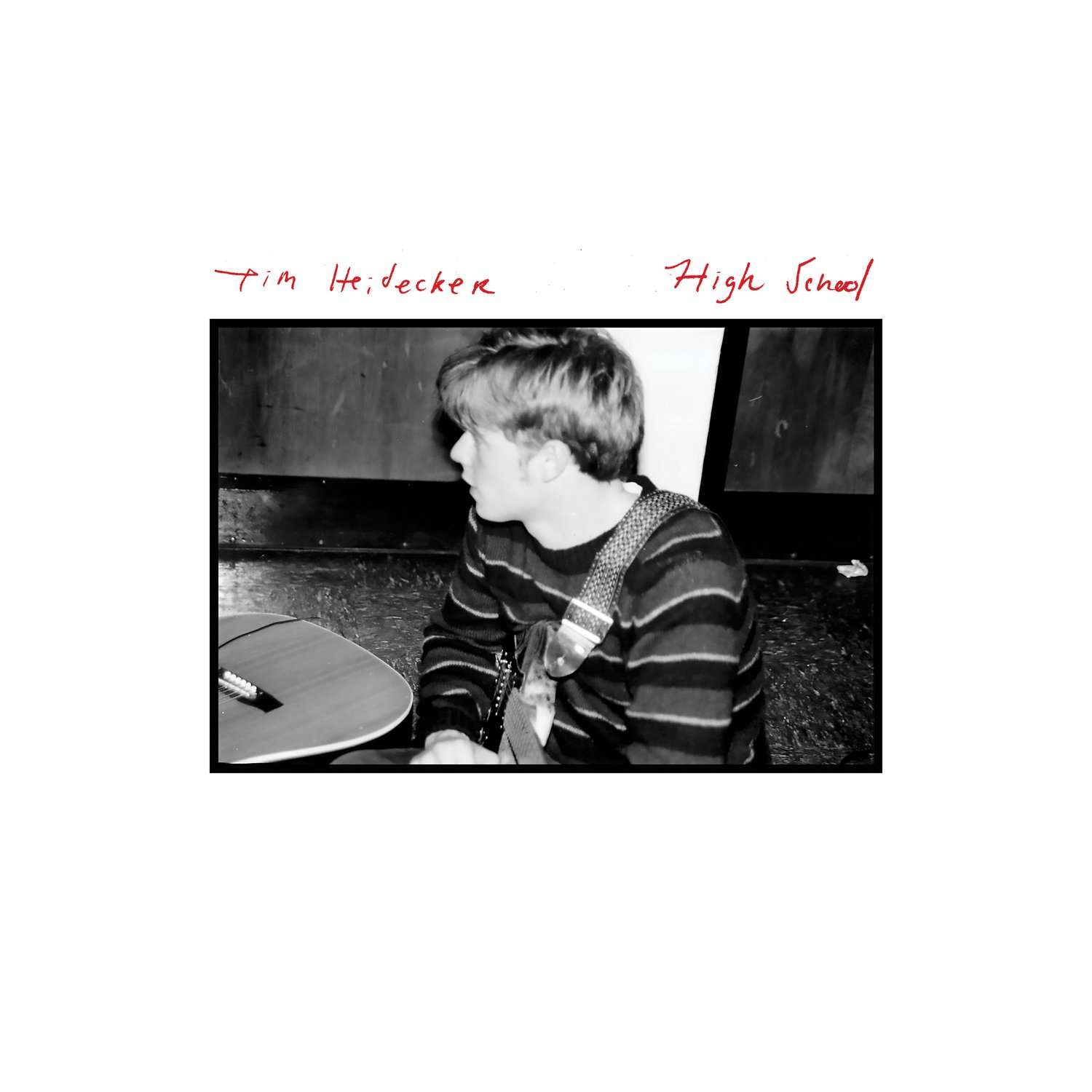
Tim Heidecker – High School | Album Review

Tim Heidecker, still attempting to balance his livelihood as a comedian and prove his reputation as a musician, recently released a new concept album. High School is a compilation of autobiographical songs that tell the tales of classic missteps and boredom fueled by 80s suburbia. While the album offers little to no resolution, we are introduced to the characters of Heidecker’s world; the bands he listened to, the people he left behind, and the internal relationships fostered between himself and his understandings of politics, religion, and privilege. While other projects in vintage and modern music approach this concept better, perhaps there is something quaint and accessible about Heidecker’s world. It is hard to resist well-worn nostalgia, especially when accompanied by a warm musical arrangement. 

High School’s opening track, “Buddy,” finds Heidecker lamenting over a burnout friend from high school that he’s since lost touch with. Heidecker describes the friend as “gone” because he was the resident stoner. There is a desperateness to Tim’s inactivity as a character in this song – longing for things to work out for his friend but ultimately seeing him as a lost cause. This narrative choice is interesting, considering Heidecker has mentioned how he took psychedelics in high school. This isn’t a judgment on their activities, but rather an observation of the unfairness for Tim to position himself as a more aware person than his friend as if they were not partaking in the same coming-of-age activities. Heidecker unintentionally brandishes a naivety about why he was able to “escape” this lifestyle while his friend didn’t – never connecting the dots between his friend’s home life (“we turned it up, so you didn’t have to hear the yelling downstairs”) and his own (“Mom and Dad to hear me sing / they seemed to love it, they said it was great”). There is a privilege in not only having the means to escape your hometown and rebuke your identity as a teenager, but also having the support of parental guidance and untouched optimism. 

The fifth track, “I’ve Been Losing,” is where Heidecker begins to find his footing. His voice is his own, no longer hiding behind the impulse to slip into his Springsteen and Dylan impressions that get him guaranteed laughs on his call-in podcast Office Hours Live. His tone is sweet and wistful yet enveloped in an unavoidable melancholy. “Working myself up to the fact that my best days are behind me,” he sings in the third verse. This sentiment is common, not just as a punch in the gut for a performer, but as a symptom of the human condition. There is a real resignation in feeling that your peak has come and gone and that there’s no way to reach it, that you can’t go home again. However, my appreciation for this song is diminished by the outro, in which Heidecker sings, “Oh, I’ve been talking / talking too much / maybe I should stop and listen.” This is an ironic point of view for Heidecker to foster, considering the only other endeavor at the forefront of his current career is his podcast. Office Hours Live is fully funded by fan support through Patreon, though it operates under a Howard Stern-esque format, complete with interviews, listener call-ins, and a “comedic” bitterness that is appealing to a demographic that I don’t hold. In short, I don’t believe Heidecker is as self-effacing as he tries to be in this song, and the existence of his podcast is proof that he is more intentioned in finding a viewer to berate than listening and learning, or whatever he is trying to say at the end of this song. 

This leads me to ask: If this album is built on framing Heidecker’s adolescence from the perspective of his current adult self (mentions of regret, embarrassment, and longing are scattered throughout each track), then why isn’t there any redemption? It is reductive to focus entirely on the past without also building a bridge to the present and, perhaps in more proactive terms, the future. The crux of catharsis is not just unloading shame from your past but also uncovering the specific desire within oneself to transform or metamorphosize into an entirely new being. For the listener, there is little fulfillment in hearing a stranger wax nostalgic about the one who got away simply because it’s a story that’s been told (and lived) so many times before. It also provides a sense of tunnel vision to the album, which can limit one’s ability to find and apply universality to the sentiments Heidecker is singing about. 

The album bounces back and forth between a 90s alt-rock sound and light 70s country psychedelia. It also explores a wannabe 80s novelty song sound in the track “Sirens of Titan.” In my previous article, The Slow Cancellation of the Future: 70s Cosplay in Modern Pop Music, I detailed my disdain for artists' reliance on the aesthetics of 70s music and skewed cultural ideas. In that piece, I also mentioned how Heidecker’s previous album Fear of Death fell under the umbrella of liberally borrowing from 70s rocker influences and how those instincts tarnished my relationship with the album and made me question Heidecker’s motive for wanting a music career. In High School, he continues this trend, focusing his energy on name-dropping bands and musicians he found solace in. These references feel somewhat natural, albeit a bit stilted. It’s clear that Heidecker was mesmerized by the 60s & 70s era of classic rock staples as a kid growing up in the 80s and 90s, but the references almost feel invasive, as if he is working very hard to cultivate a setting without describing anything at all. He is relying on the listener to use their own association and viewpoint of those bands to tap into their own nostalgia. This is a tool that can be implored intelligently, but it seems that Heidecker does it because he doesn’t have anything of depth to say or explore within his adolescence. 

In “Sirens of Titan,'' Heidecker reveals that he was a “little right-wing” and “fiscally conservative” until he “got that college degree.” As a long-time fan of his comedy, Heidecker declaring he became progressive or politically enlightened doesn’t feel honestly representative of his post-college work. In addition to this, I cannot recall an interview in which Heidecker has ever mentioned college as a useful experience either in terms of his filmmaking craft or his political awareness. I believe Heidecker’s insistence of his now-honed liberal politics is compensation for the insecurity of his childhood ignorance.

 However, in tracks like “Punch in The Gut,” it seems that Heidecker’s activism is still reserved to only pointing out what was wrong, rather than conjuring a hindsight that offers a revolutionary ardor. The song details Heidecker witnessing a schoolyard brawl that targeted “the kid with the different skin.” His point of action was to ask the priest to intervene, and when nothing was done, Heidecker resigned. This song, in particular, highlights the glaring issue with the pattern of lyrical content of this album – Tim doesn’t have any guts. He didn’t advocate for his burnt-out friend in “Buddy,” and he didn’t stand up or involve himself with the classmate who was being bullied to the point of physical harassment. To this day, Heidecker still possesses the same lack of conviction he had in his adolescence, which is why these songs often feel aimless. Speaking of listlessness, late album cut “What Did We Do With Our Time?” channels the height of suburbia angst with the lyrics “I’m a weed-wackin’, lawn-mowin’, leaf-blowin’, snow-shovelin’ boy.” Oh, the horrors of maintaining your environmentally damaging lawn!

I think the exploration of Heidecker’s adolescent cowardness wouldn’t be frustrating if he made any effort to disparage his past self or the environment that allowed him to operate with such passivity. Songs like these have a build-up that needs a release, but instead, Heidecker usually opts to repeat a verse or two until the runtime has reached a respectable length, slowly letting the fade take over. This style can be done; Lucy Dacus’ Home Video comes to mind, where in a few tracks, she invokes more of the timber in her voice and harshens her word choice while still keeping the ballad-like instrumentals. Lyrically, Conor Oberst’s “Next of Kin” manages to name-drop Lou Reed and Patti Smith without feeling shoehorned in. This is because Oberst uses the identities of those two performers to allude to a larger personal theme, stating that meeting them didn’t make him “feel different.” Oberst’s disillusionment with these transgressive icons of his youth correlates with a loss of innocence; his internalized anger didn’t serve his art or his character well. In this context, the output of “meeting” these figures acts as a coming of age moment that’s been prolonged or put off in some way, which is why it works as a binding point between Oberst’s allusions to the death of a relationship and the inability to perform on stage in the first half of the song. This is also why there’s an earned victory and a sense of finality that he found his ‘way back home’ in the closing verse. 

Bruce Springsteen’s “No Surrender” from Born in the U.S.A is a masterclass in tapping into the generational angst that Heidecker is chasing throughout the runtime of High School. The song’s second line, “we learned more from a three-minute record than we ever learned in school,” accomplishes what Heidecker’s trivia-esque namedrops attempt but with more emotional resonance. Springsteen does the work to communicate the impact he felt when listening to music, somehow being both vague and specific, which is done purposefully. He is evasive in the act of not naming the record or artist because he knows that won’t serve any value to the song; the descriptor would just serve as a personal easter egg, which can distract the audience from the focused message of the song. This snapshot is just a tool to drive Springsteen’s point further; it is intentional in his choice to describe the experience of listening to music while being young. To write that a record is more important and beneficial to him than school, we understand multiple things: his relationship to music, his relationship to school, and what he desired in his youth. Right away, listeners are able to place themselves in his shoes – it doesn’t matter if they necessarily find resonance in his ideals and objectives because he frames it as a story with himself as a key character. Throughout Born in the U.S.A, Springsteen muses about his youth, looking back and alternating between present and past tense. In “My Hometown,” he relays his disillusionment with what he was told when he was young (be proud of your hometown) to what he saw later (tensions between races in school and firearm-related incidents) and what he sees now as an adult (vacant stores, closed down textile mills). Not everything on the album is factual or speaks to Springsteen’s specific experiences, but its aim is to preserve and communicate the realities of feeling abandoned by youth. In contrast to this, Heidecker focuses on being confessional above all else. The interpretation of one’s own personal narratives can be a liberating act. However, in the context Heidecker presents, it is creatively stifling. His desire to remain honest in his experiences sacrifices the creative edits that could be made for the benefit of the song's story. Poetic license can and should be implemented if it functions better than the original encounter at illustrating the narrative hook or learned moral truth being communicated in the song. 

Elsewhere in the album, Heidecker alludes to the political turmoil within himself as a young person growing up towards the end of the Cold War era. This point in time was significant in that, to the conspiracist or critical-paranoid, everything was a sign. Pop culture was flooded with fear and fascination, but that didn’t prevent people from searching for answers in it. Culture was and is a tool that could influence the masses to conformity or a soft rebellion. My assumption of this is perhaps overly reliant on Pynchonian redux, but if Heidecker is willing to reference Vonnegut at the forefront of this album, even having merch that rips off the stylized 90s paperback covers of his books, perhaps it should’ve been the leeway for constructing the atmosphere of growing up in this portion of the Cold War era. Postmodern literature (a response to the dishonesty of the Cold War era) explores paranoia, which can be considered a close cousin to helplessness. I don’t know any other time I’ve felt more helpless than when I was in high school. And it is not only this, but also the idea that technology has its own itinerary. In the 80s and 90s, the idea of people becoming subservient to technology became relevant in the modern context – not just in literature, but in film, television, and music as well. I think this concept could’ve been easily implemented into Heidecker’s songs on High School, especially when his analysis of his youth intersects and overlaps with pop culture and the intrusion of media. He was using music and literature to find meaning because all he found in the real world was boredom. 

The album closer “Kern River” effectively achieves what Heidecker has struggled to do in previous tracks; it brought on veritable feelings of nostalgia and wistfulness. For whatever odd reason, whenever I am in a moment, I can sometimes feel myself yearning for the memory even though I am in it, creating it. I’ve always been plagued by a severe sense of sentimentality; I am someone who ruminates on the present as if it’s the past. This song is a snapshot of that experience. It is the culmination of the end of summer, especially if you live in a rural area where kayaking or tubing down a river is a common activity. As Tim sees it, the end of the river is the end of his childhood. Through these obscure, albeit trivial, landmarks, I can notice cracks appearing in the metaphorical shell of my adolescence. The ages of 14 through 18 are difficult because you experience everything with intensity. You have plenty of time and freedom to do what you want, while also noticing the days falling away with a quickness that is only fathomable to kids and to parents who have to watch their kids grow up. Every situation you face and every emotion you feel is magnified because it is the first time you are encountering them. It’s difficult, but somehow you still find yourself prioritizing your teenage years over the whole affair of adulthood. 

If “Kern River” is any indication of the heights that Heidecker is capable of reaching, then I am cautiously optimistic about his future endeavors in writing music. I can only hope that Heidecker forgoes the struggle of trying to legitimize himself as a musical performer and person of strong moral virtue and instead focuses on building fully-formed songs with complete emotional depth.


Kaycie is a freshman at Kutztown University of Pennsylvania, where she is majoring in English. You can find her on Instagram at @boyishblues

The Most Petable Dogs In Music

Dogs. They’re everywhere, maybe even in your own home. You might know them as Man’s Best Friend, but I’d argue they’re even more than that–they’re art. 

I’ve always been a dog person. My family has had two dogs; Inca (rest in peace) and Miracle. They’re both Keeshonds and both very good girls. I’m just doing a ballpark estimation, but I’d guess that I’ve taken dozens of gigabytes worth of photos and videos of both of them over the last sixteen years. They’re cute, and I love them!

It only makes sense that musical artists have the same connections with their dogs, so it’s no surprise why many of them have immortalized their pets (or other people’s pets) on the covers of their albums. 

Go on, just think about it. You can probably name a few off the top of your gear right now without even trying. As far as album covers go, I’d like to make a bold and substanceless claim that no other creature within the album kingdom has been as well-represented as canines. Big guys, small guys, fluffy guys, feral guys, they’re all here in some form or another on various album covers from indie rock to experimental bullshit. 

In this article, I’d like to rank these famous pups by how much I’d like to pet them personally. I’d also like to give the clarifying asterisk that I think all of these dogs are good boys and girls. This ranking is no judgment on the dog’s looks or the artist’s music, purely how much I would personally like to curl up with the dog we see on the album art. 

Secondary asterisk: don’t you dare contact me and tell me that I “missed one.” This is all of them, every dog that’s ever existed on an album cover ever. There are no more… Just kidding, please add your favorite album cover dogs in the comments; I want to see them all.


Machine Girl - Wlfgrl

Given the title of this album, the animal captured on Machine Girl’s breakthrough album may very well be a wolf. Regardless, it does not look friendly and is not an animal I would want anywhere near me. 0/10


21 Savage, Offset & Metro Boomin - Without Warning

Not a happy dog, and I wouldn’t be happy to be around him. 1/10


Blur – Parklife

Here they come, barreling towards you, driven by some unknowable primordial force and the taste for victory. I think greyhounds are pretty cool, but any time you see a muzzle on a dog, that signals at least some level of un-cuddliness. Also, minus points for being British. 2/10


Joyce Manor - Cody

I wonder what the dietary information is on a mannequin head. 2/10


Rick Springfield - Working Class Dog

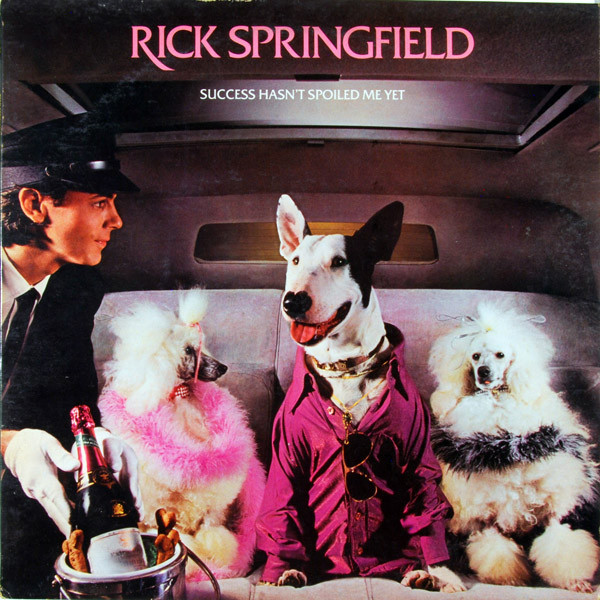
A prisoner of capitalism. One album later, the same dog can be seen riding in the back of a limousine flanked by two girl dogs. He may claim, as the title reads, “success hasn’t spoiled me yet,” but the smile on his face has noticeably faded. Money won’t bring you happiness, Rick Springfield dog, I can promise you that. 2/10


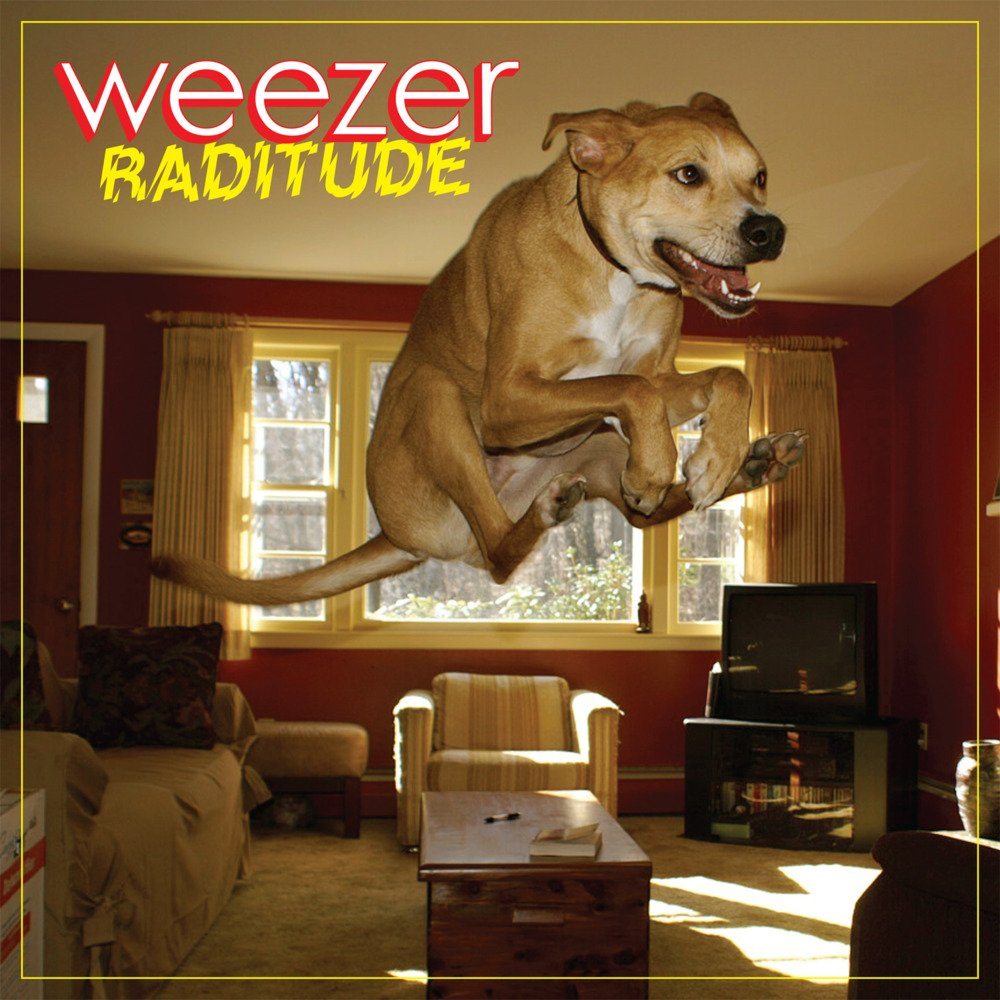
Weezer - Raditude

Sometimes a boy’s just gotta fly. He probably just heard “(If You’re Wondering If I Want You To) I Want You To” and got all hyped up. We’ve all been there, right? I would like to vacation in this home, but I don’t know if I could deal with the energy level of this particular dog. 3/10


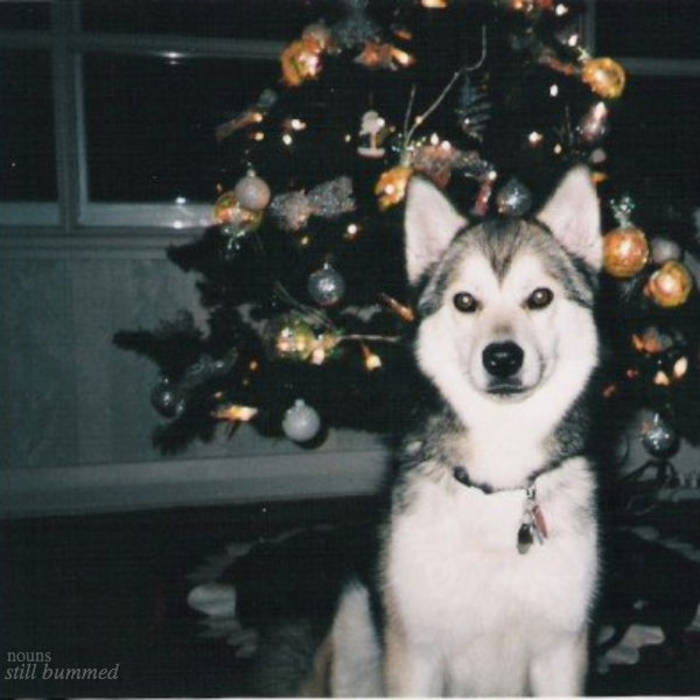
Nouns - still bummed

Something about this dog has always unsettled me. Maybe it’s the underexposed flash film photography, the modest Christmas tree in the background, or the music itself, but I’ve never been a fan. Plus, huskies always remind me of this meme dog. 3/10


Rush – Signals

Not to go all “Cruella” on you guys, but I once heard that Dalmatians are bad with kids, and that turned me off of them forever. Not even a good Rush album. 4/10


Snoop Dogg - Bush

Look, I know there’s probably a more-famous Snoop Dogg cover you were expecting to see on this list, but Bush is a fun little funk record that’s worth checking out. This is also markedly less horny album cover than Doggystyle, and this is a WHOLESOME list, so I’m opting for Bush. The ideal listening (and dog petting) scenario is nearby a BBQ on a hot summer day with some beers in hand. 5/10


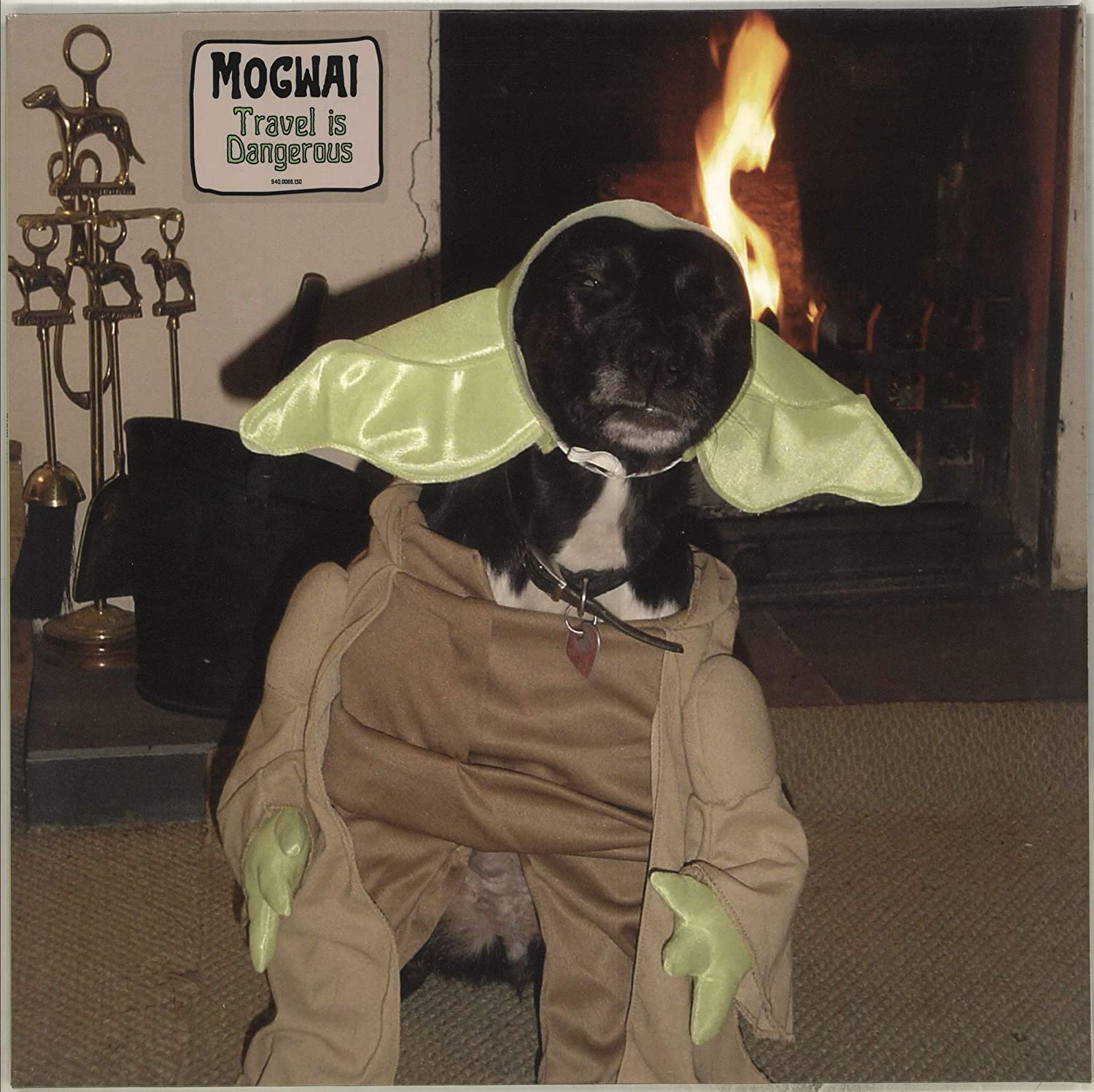
Mogwai - Travel is Dangerous

This is my baby Yoda. The live version of “We’re No Here” is crushingly heavy and one of my favorite songs of all time; please go listen. 5/10


SUB-CATEGORY: CARTOON GUYS

We’re roughly halfway through our countdown, so let’s take a break from the real dogs to look at some fake dogs. I’m putting all these illustrated guys into their own category because they’re still dogs but deserve to be analyzed with slightly different criteria. 

In terms of the physical action of petting, would I be petting a 2D approximation of these dogs? Would I myself be 2D? Would it be a Roger Rabbit-style cartoon-into-real-world logic? As you can see, we must look at these boys slightly differently and rank them accordingly. Still scored based on cuteness and overall petability. 


Mannequin Pussy - Perfect

I can see why Mannequin Pussy chose this dog as the cover for their awesome EP from last year. It’s a rager of a punk release, and this snarling German Shepard embodies the music well. This all said, cartoon or not, I’d like to keep this dog far away from me. 1/10


Iron & Wine - The Shepherd's Dog

Freaky little dog with freaky little eyes. Honestly would probably put me to sleep just like this album. 2/10


Crywank - Tomorrow Is Nearly Yesterday And Everyday Is Stupid

Here we see a certified looooong boy having achieved Dog Nirvana. I’ll let him enjoy victory over his tail and not disrupt him with my pets or adoration. 3/10


Car Seat Headrest - Twin Fantasy

Long before I knew anything about Will Toledo’s life as a furry, I thought this album cover was just a veiled homage to Daniel Johnston. I’d offer to pet these dogs, but honestly, it seems like they’re comforting each other just fine. 4/10


Hovvdy - Easy/Turns Blue

Technically a single, so technically a dog 5/10


Newgrounds Death Rugby - Pictures of Your Pets

No idea where these guys are, what they’re wearing, or why they're posing for a picture, but I can only imagine they’re a good hang. I’d let them crash on my couch while backpacking across the country. 6/10


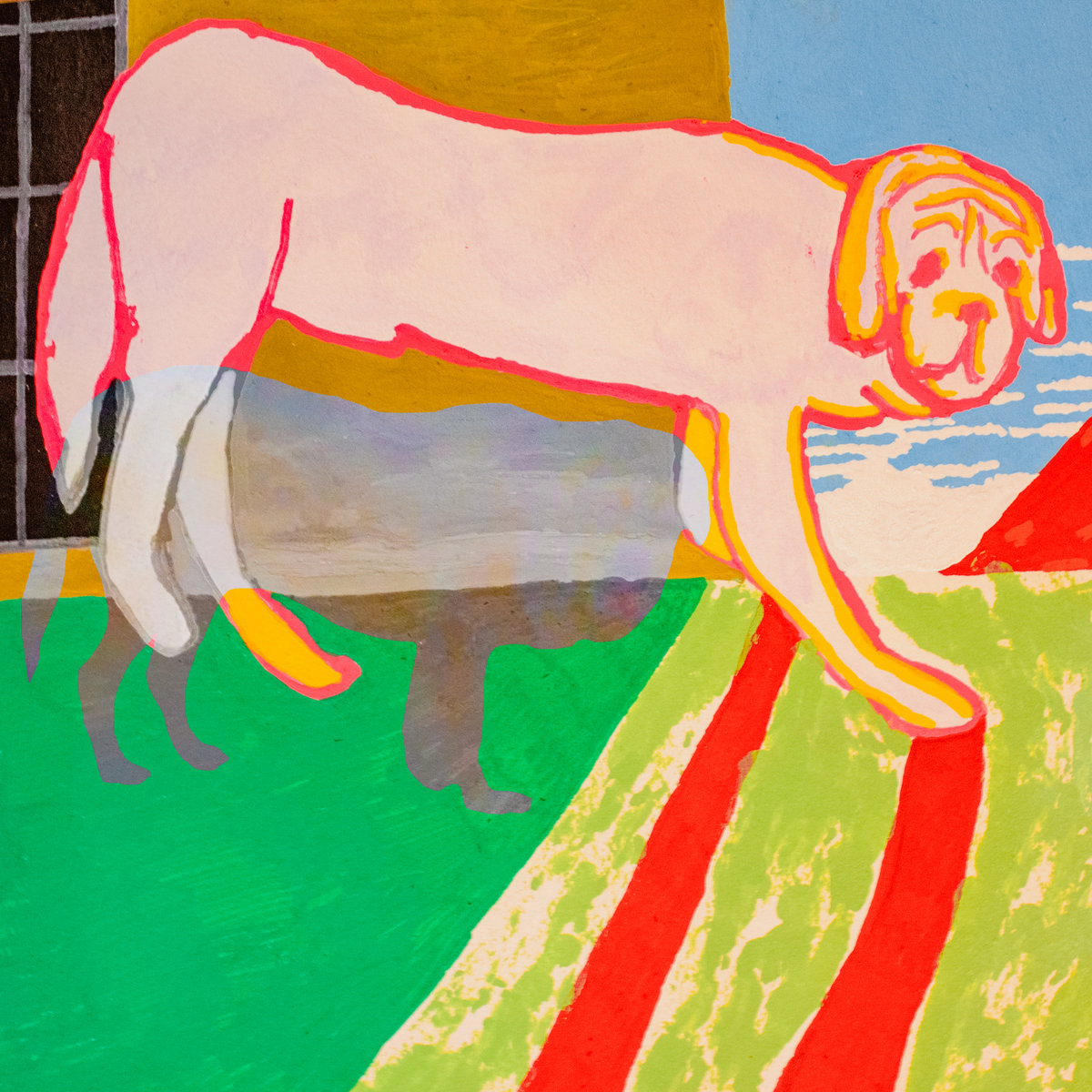
Mo Troper - Dilettante

A vibrant and multi-colored dog. Truth be told, I don’t know quite what’s going on here, but the abstractness kinda adds to the charm. If I owned this dog, I’d name him Schlorp. 7/10


TTNG  - Animals

A landmark math rock album in which a group of five British men attempt to replicate the energy of 13 various animals across as many tracks. While the dog only may be one small piece of this album and its art, it’s hard to deny how small and cute this guy is. Plus, if he can coexist alongside an alligator, elk, baboon, and more, you just know he’s a stone-cold chiller. 8/10


Various Artists - No Earbudz Vol. 1

Look, ain't no rules says a dog can't play basketball. There also aren’t any rules that a PR company can’t put out one of the best compilations of 2021. Assisting in album campaigns for the likes of Bartees Strange, Into It Over It, Future Teens, Caracara, and more, No Earbuds is a killer organization that’s home to some of the best and brightest minds in emotional indie rock. Having all these artists cover each other was a stroke of genius. Here’s hoping we get a Vol. 2 someday. Very petable, very good. 9/10


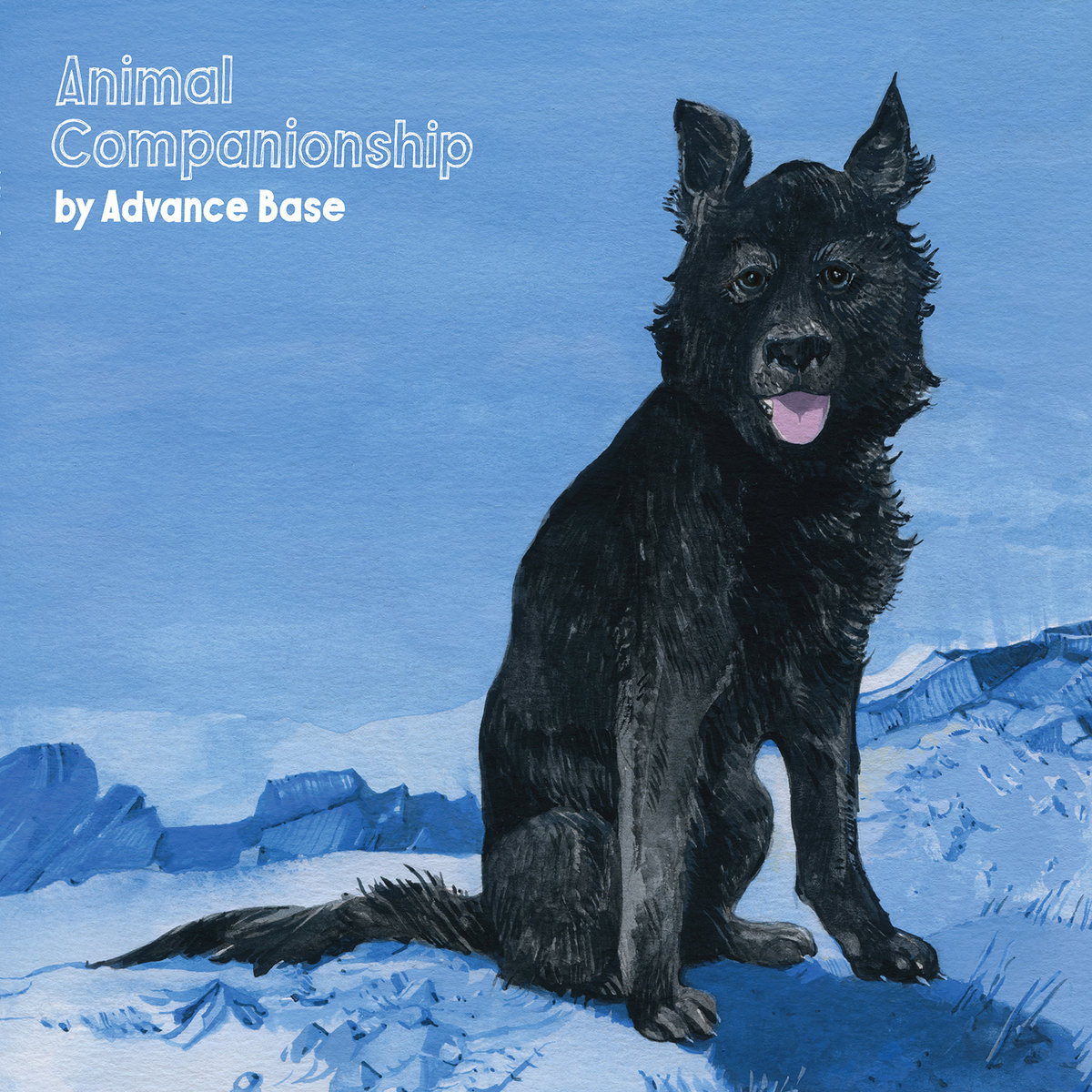
Advance Base - Animal Companionship

Regal, majestic, pure. These are just a few of the words that come to mind when I look at the dog on the cover of Animal Companionship. He might be a little cold, but I’d gladly let him inside and allow him to warm up by the fire. Also, possibly my favorite album on this list besides TTNG. 10/10


Okay, that about covers us for the two-dimensional dogs. Now, back to your regularly-scheduled dog ranking…


Alex G - Trick

Look at him go. He may have grown up in a religious environment, but you can just tell that this German Shepherd knows how to party. 6/10


Phoebe Bridgers - Stranger In The Alps

In Phoebe Bridgers’ first (and, in my opinion, best) album, we take in an image that, much like her music, is equal parts haunting and charming. Set on a pastoral farm scene, a scratched-out cartoon ghost obscures the humanoid figure beneath. A rainbow breaks through the sky, dog nearby, cautiously surveying the scene and looking damn cute while doing it. Phoebe has also posted a cool unedited version on Instagram, which is great for all your Deluxe Edition needs. 6/10


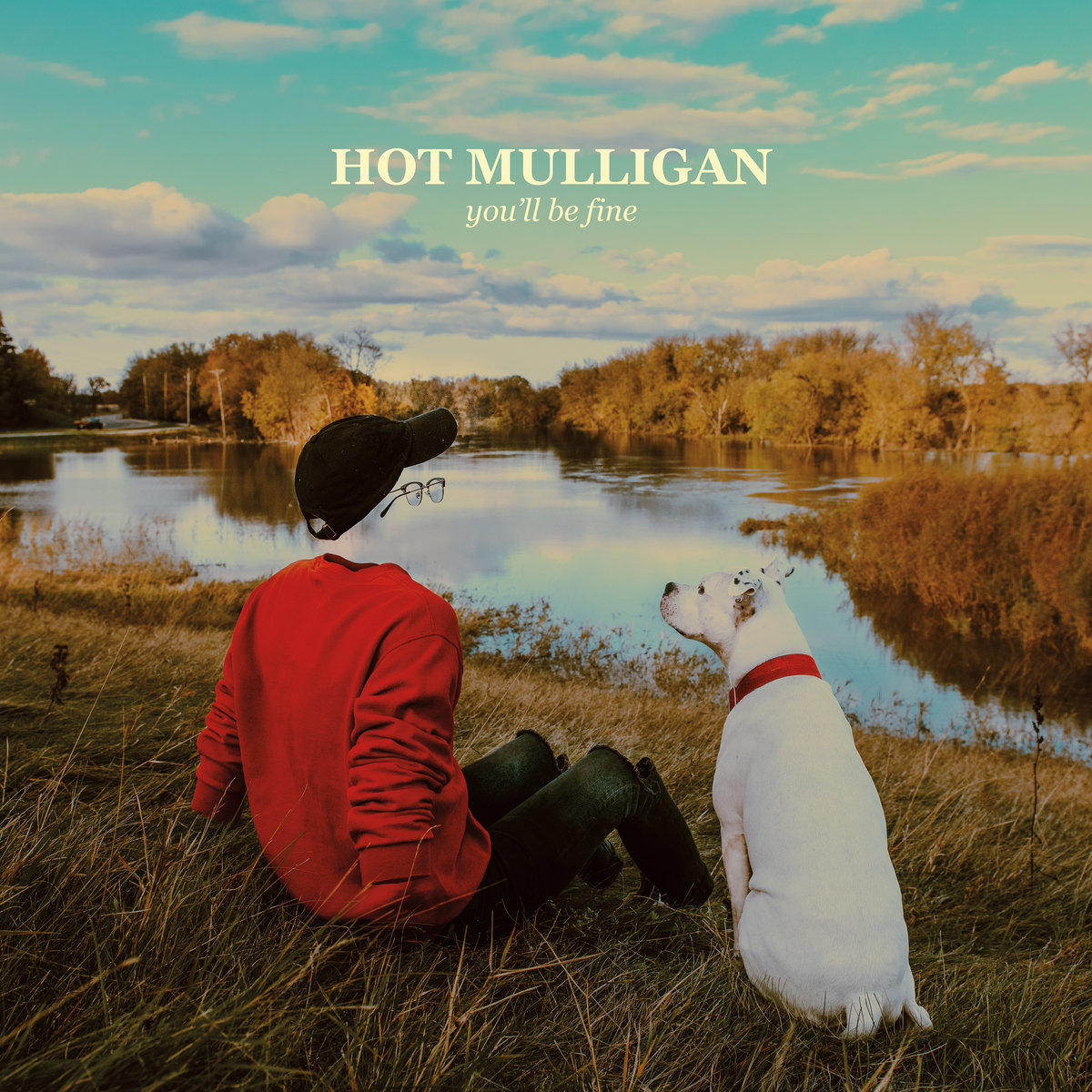
Hot Mulligan - you’ll be fine

Me? Depressed. Emotionless. Existing, but not feeling. My dog? Luckily my dog feels everything. We both take in the endless expanse of nature listening to the post-emo of you’ll be fine, and for 31 minutes, it seems like things might just turn out okay. 6/10


Pet Symmetry - Pets Hounds

Floppy-ass ears and big hangin’ tongues, what else could you want in an animal? I just know these dogs would be down for a couple of hours of fetch and a long rest on the front porch afterward. 7/10


Jimmy Mayo - Whoops

Boop. Oh, sorry, I didn’t see ya there. In what feels like the tonal inverse of the Nouns dog, here we have a warm but just-as-out-of-focus pic of a pup on the cover of one of the most underrated and under-the-radar emo EPs of the past few years. 7/10


See Through Person - Chariot

Another great emo dog. He’s chillin’, you’re chillin’, life is good, and the riffs are twinkly. 7/10


Kate Bush - Hounds of Love

The Stranger Things lady? Cool! All kidding aside, I’m happy for Kate Bush and the legions of Gen Z fans she’s recently attained. I’m even happier to report that the titular hounds on Hounds of Love appear infinitely cuddle-able. In fact, the album cover acts as undeniable proof of that fact. 8/10


Pet Symmetry - Two Songs About Cars. Two Songs With Long Titles.

Whoa, boom, second entry from the same band on one list! Pet Symmetry is easily taking home the “most dog-friendly band” award. They must have been trying to make this a theme in the band’s early days, and how could you deny them when you look at a dog this cute? A wonderful boy that I would drive to the dog park any day of the week. 8/10


Little Big League - Tropical Jinx

Michelle Zauner, mustaches, and a singular fluffy pup snuggled in between them. What else could you possibly need? 9/10


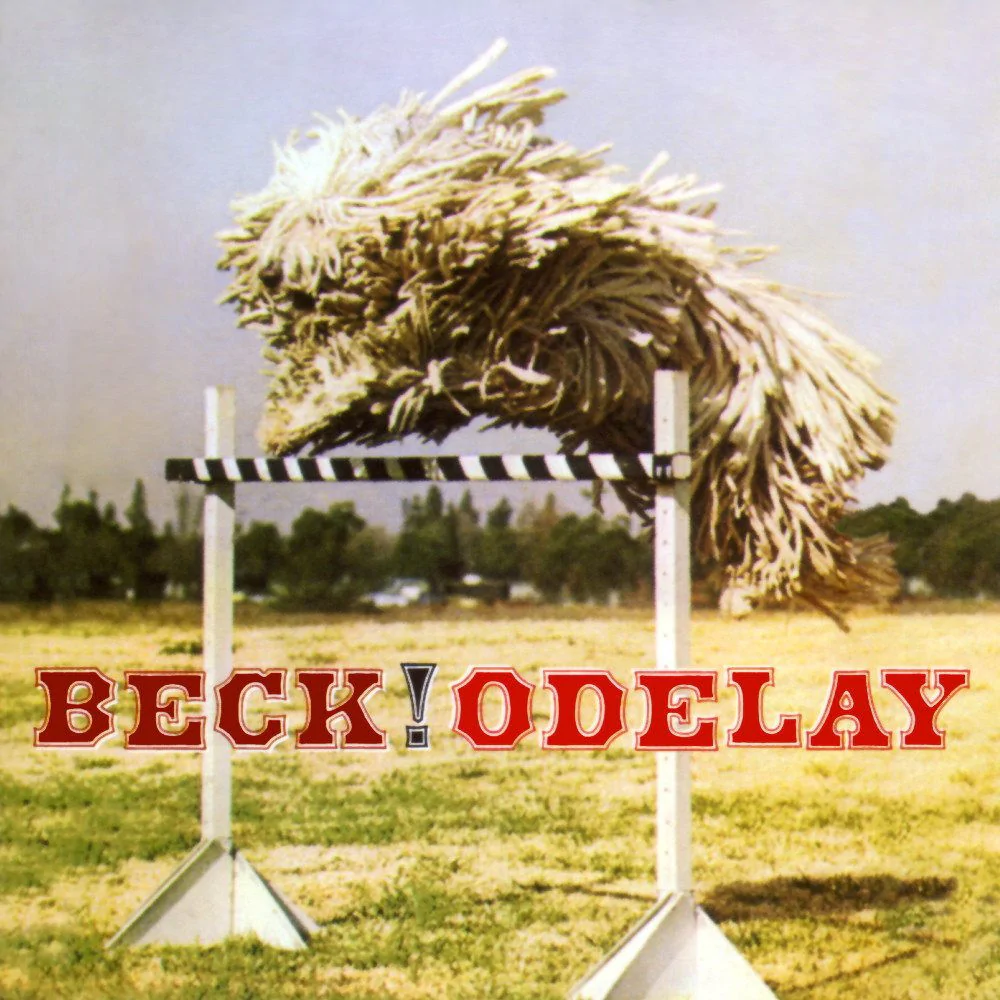
Beck – Odelay

One of the types of dogs. I’ve always wanted to pet him. I’ve always wanted to see him on a windy day. I’ve always wanted to see him do everything. 10/10


Shelley FKA DRAM - Big Baby DRAM

Damn, look at DRAM. Look at that pup. This image radiates happiness in a way that few album covers ever do. A perfect composition. 10/10

Long Neck – Soft Animal | Album Review

“Who told you you have to be good?” Long Neck frontwoman Lily Mastrodimos sings on album closer and Soft Animal title track, paraphrasing Mary Oliver’s 1986 poem Wild Geese. The record is nearing its end, and at this point, we get the sense that Mastrodimos has grown tired of being good. Or rather, she’s grown tired of having goodness dragged out of her by thankless, unforgiving circumstances, much like how she drags out the words “polite and gracious”-- to borrow from the late Ms. Oliver –“a hundred miles in the desert.”

Mastrodimos’s stripped-down 4th LP, composed mostly in Covid-induced solitude, marks a sonic return to her solo era before Long Neck’s sound had been filled out by a backing band. Even with occasional contributions from her collaborators, the absence of company is felt throughout Soft Animal. It’s an album that often sounds lonely, recalling long solo walks during the early days of quarantine, tentatively breathing in the air of the outside world while still feeling disconnected from everyone in it. This sonic emptiness is fitting thematically, as much of Soft Animal’s lyrical content deals with the struggles of isolation. It’s a reflection of the self-questioning spirals we go down when we’re left alone in our own heads for too long, as well as the difficulties of re-adjusting to social and professional life that follow those periods of reclusiveness. 

She begins the album by comparing herself to the minute-long opening track’s titular “Evergreen”-- strong, dependable, always in bloom, not because she necessarily wants to be, but because she feels like she has to be. The spacey, ominous production mimics the fogginess of someone who has overextended herself to her breaking point. The distorted background vocals and sample of a barely-discernible conversation between a mother and toddler give the track a disorienting feeling, not unlike sleep paralysis. Like much of the rest of the album, it feels transient and unsure, existing in an in-between space. 

Soft Animal’s ability to toe the line between the universal and the deeply personal is perhaps its greatest strength. Almost as soon as lockdown began, we were bombarded with co-opted “we’re all in this together” messages from celebrities and politicians whose lived experiences of pandemic life were worlds away from the average person’s (as well as empty promises and inaction from those in power). This Long Neck album recognizes that the grief is simultaneously all of ours (collectively) and each of ours (alone). Take the delicately fingerpicked “Cut & Burn” for example, in which Mastrodimos likens her isolation to “a cat run out to die,” sighing, “this is private, this is mine.” She presents this cycle of ups and downs– mostly downs –as a forest burning to the ground, growing back from the ash and decay, and burning down again. 

That’s the crux of Mastrodimos’ songwriting on Soft Animal– failing and starting over a million times, all while struggling to show herself the same kindness that she’s committed to showing others, whether or not it's returned. On piano ballad “The Headwaters,” she fruitlessly attempts to preserve an unequal relationship and in the process, sacrifices her own wellbeing for someone who doesn’t reciprocate her efforts. “What can I do to mean something to you?” she pleads, so clouded by her good intentions that she forgets to mean something to herself. 

Interpersonal relationships aren’t the only area of our narrator’s life in which she puts herself under immense pressure during extenuating circumstances. “If I can’t put a pen to paper, what good am I? / The calendar says April, but it’s May, June, and July,” she muses on “Ants,” having internalized the message that her self-worth must be directly correlated with her creative outlet, even in an ongoing global crisis. Especially during an ongoing global crisis. For artists and writers, the fear of emerging from quarantine having not finished our King Lear became an existential one. Who are we outside of our art? The harsh truth is that adversity doesn’t always equal creative motivation, and sometimes the things that make our lives harder don’t inspire our greatest work. There’s this idea that if we’re able to spin our suffering into great art, that suffering will somehow become meaningful and “worth it.” “Ants” grapples with this notion and occasionally falls for it, finally settling (sort of) on the resigned, open-ended line, “I guess that everybody is.” 

558” is the cut that holds the most personal resonance for me, and if you spent any part of the last two years working in the service industry, I’m guessing you’ll feel similarly. It's a jarring departure from the bare-bones acoustic folk of the rest of the album, with its fuzzy electric guitars and discordant low-fi production mimicking the alienation of a tedious, mind-numbing job. It reminds me of the protective detachment I had to develop last year while working as a waitress, shutting my brain off for hours at a time and turning myself into a customer service robot. I pushed all the grief and fear down as customers pointed at my mask and said, “you know you don’t have to wear that anymore, right?” and on a couple occasions, told me I’d look prettier without it; as the two drunk girls at the end of the packed bar on a Monday night toasted “to Covid being over!” during August of last year; as an immunocompromised coworker got infected just weeks later, and our manager neglected to tell the rest of the staff that we’d been exposed. The first time I heard Mastrodimos snarl, “thank you for coming into work / wasn’t my choice to make,” I felt that same anger bubbling back up. Listening to “558” felt like stealing a few minutes in the walk-in fridge to cool down and indulge in my resentment toward rude customers and bosses who prioritize profit over safety before returning to dissociative, dehumanizing work with a smile on my (masked) face.

Other tracks on the album’s back half like “Gardener” and “Visitor” deal with recovery and rebuilding over quiet, sparse instrumentation that gradually grows into something grander, swelling at each song’s emotional peak. The former takes a more introspective approach, while the latter is more socially-inclined, depicting a reunion scene between acquaintances who haven’t seen each other in a long time and might not see each other for a while afterward. We see Mastrodimos momentarily healed by much-needed human connection, tenderly singing, “there’s no one on earth I wanna know more than you.” She caps off this campfire sing-along country ballad with a bittersweet farewell– “not goodbye but see you soon.”

Soft Animal” closes out the album of the same name, serving as the thesis statement that Mastrodimos has been slowly building up to. Her dissection of the album’s central questions– “Who do you love? / How do you love them? / What do you want? / How do you show it?” --feels reminiscent of Mitski’s subversive 2014 ballad “I Will,” which Mitski has said is not a love song for someone else, but a series of reassurances that she herself would want a lover to say to her. In a similar vein, “Soft Animal” sees Mastrodimos finally putting herself first for once after a record’s worth of self-neglect. In learning to extend her forgiving nature and generosity to her own needs, she ends up letting go of some resentment towards both herself and others. Mastrodimos’ strength does not come from rejecting her vulnerability and gentleness but rather from directing it inwards and using it to care for herself the way she’s used to caring for those around her. By the time the key change hits and the band begins to play us out, she’s ready to fly with the wild geese into the harsh and exciting unknown.


Grace Robins-Somerville is a writer from Brooklyn, New York. You can find her on Instagram and Twitter at @grace_roso.