Cover Collector – August Browns

Design by Ryan Morrissey

I don’t know about you guys, but I love a good album art collage. One of the first things I do every Friday is head over to tapmusic.net and render a 4x4 chart of the albums I listened to most over the past week. At the end of each month, I do the same thing with a 5x5 that recaps my previous 30 days of listening. By the time December rolls around, I look forward to recapping the last twelve months with a gigantic 10x10 grid in an unwieldy encapsulation of the 100 albums that defined my year. 

Is it a little self-aggrandizing? Sure, but it’s also a fun way to see a quick snapshot of what my last week, month, or year has sounded like. At its best, this practice has led to fun conversations and solid recommendations going back and forth with friends as we bond over specific albums. Sometimes it’s that shared love over a deep pull from years gone by, other times it’s just noticing trends with a recent fave that seems like an unshakable presence week in and week out. At the very least, I suppose it’s satisfying to see a bunch of records that I feel an affinity toward lined up and embodying a specific stretch of my life. 

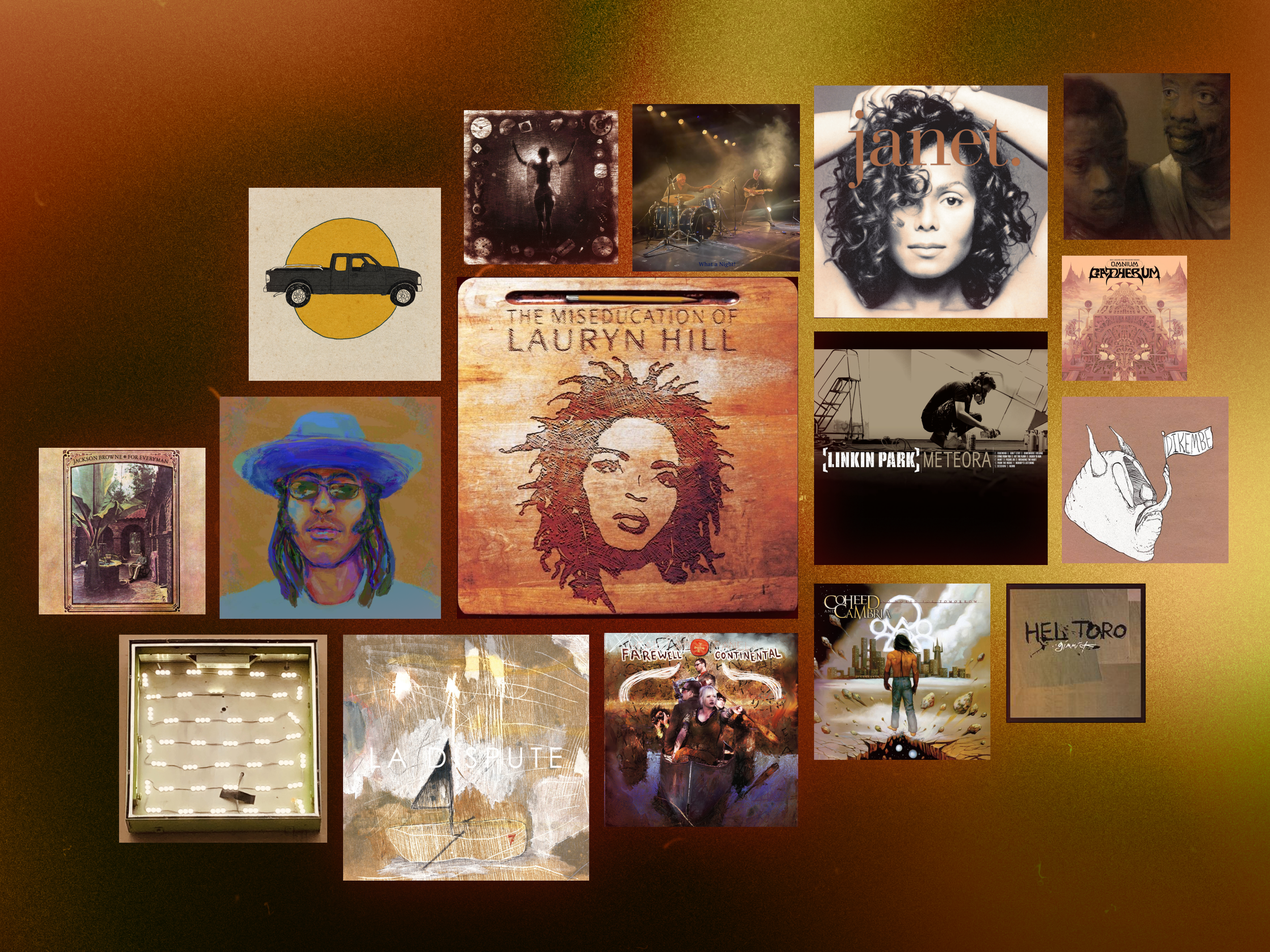
At some point near the tail end of last year, I conceived of a more communal way to bring this love of album collage to life. Because, sure, getting a live readout of your listening history is cool, but this is also about album art, an essential part of the experience and something us music nerds can fixate on just as much as the songs that sit beneath the cover. As such, I’m excited to welcome you to the seventh edition of Cover Collector: a monthly installation where the Swim Team discusses some of our favorite albums based on album color. For August, we’re writing about beautiful browns.


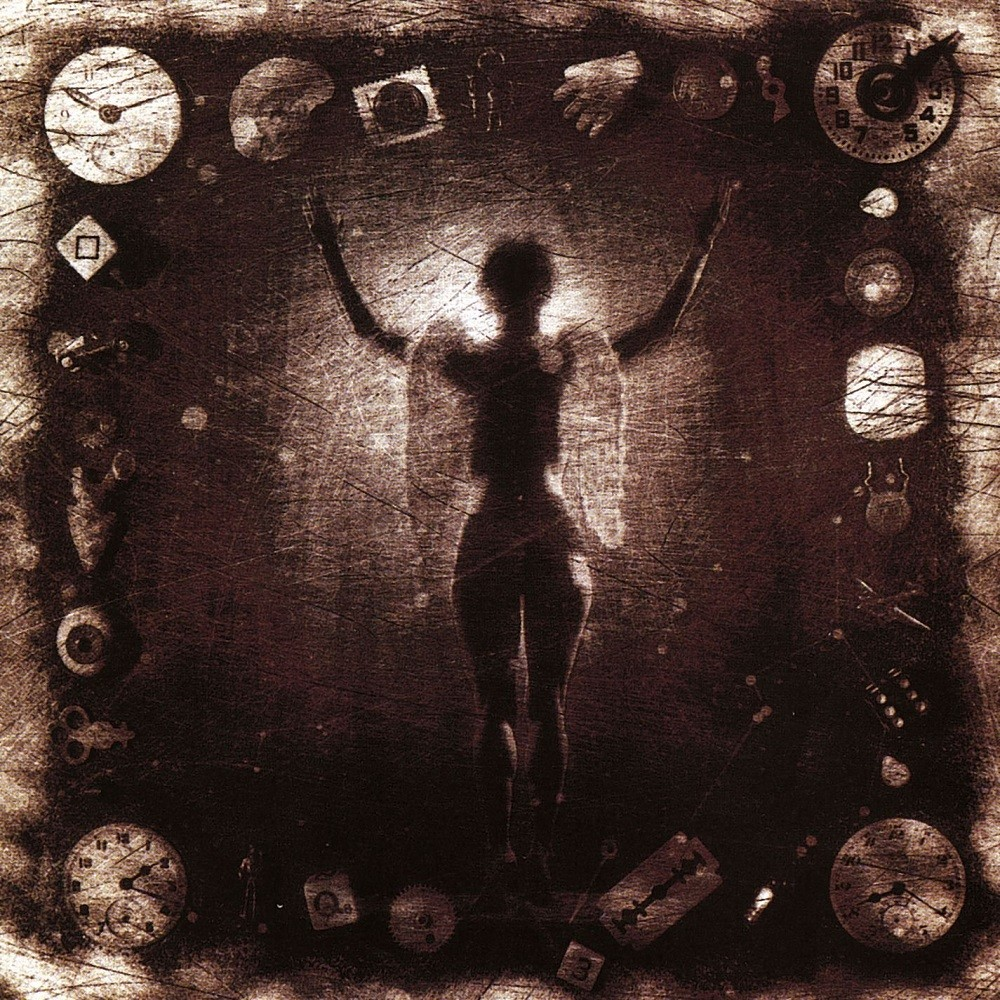
Ministry – ΚΕΦΑΛΗΞΘ
Sire Records

Ministry’s fifth studio album, alternatively titled Psalm 69 so you don’t have to decode or pronounce the original Crowleyan scribe, is the last in the band’s foundational trilogy of industrial metalworks and miraculously granted them mainstream success. Following 1988’s The Land Of Rape And Honey and 1989’s The Mind Is A Terrible Thing To Taste (aka the heaviest album of all time), Al Jourgensen continued to push the envelope for rock and electronic music with this 1992 release that spawned timeless genre anthems like “N.W.O.” and “Just One Fix.” The record landed just four days before the band spent the rest of the Summer on the second-ever Lollapalooza tour, where they utterly crumbled stages across America, highlighting many of the unrelenting and aurally taxing compositions they had just unleashed upon the public. Its crown jewel, “Jesus Built My Hotrod,” has always been my favorite Ministry song, from the intro featuring Gibby Haynes of Butthole Surfers to the real-hotrod-speed thrashing throughout. Ministry’s return for 1996’s Filth Pig was long-awaited after the mania of Psalm 69, and while I love it for its specific harshness, it was a clear departure point from the classic records that preceded it. Psalm 69 is necessary listening from the nineties, a time when even the most extreme music on the planet could end up on a major label.

— Logan Archer Mounts


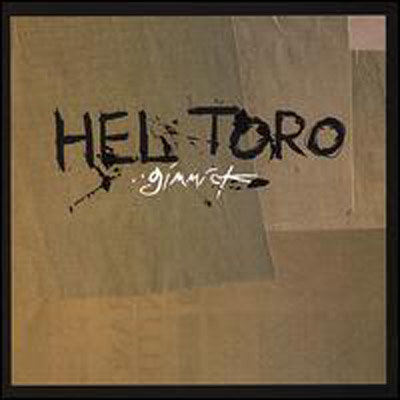
Hel Toro – Gimmick
Self-released

If you’re surprised I’m not writing about Pile, don’t worry, I sort of still am. Hel Toro is Rick Maguire’s early-aughts project, released just before Pile. It’s noisy rock and roll, lyrically cutting, with pentatonic glimmers throughout that hint at the distinct style already present in Rick’s writing. Released in 2007, Gimmick is the band’s second album, coming four years after their debut, Tabula Rasa. Ragey and brash, I consider Gimmick the perfect soundtrack to watch the zenith of late summer slowly wilt and sag towards the ochre-tinged earth. The opening track “Holes Up” grabs the listener by the collar and yanks them in, screaming lyrics straight to their face: “I don’t wanna watch you draw it out, cause I’m not that good of an artist!” Brown paper album artwork and a splatter of scribbled handwriting across the front perfectly relay the grimily textural undercurrents of this sophomore release. 

– Britta Joseph


billy woods – Aethiopes
Backwoodz Studioz

Since its April 2022 release, billy woods’ Aethiopes has been a cold comfort to my summers, especially my Augusts. I can’t pinpoint why, exactly. Maybe the timbral palette of Preservation’s beats provides the right soundtrack to the month’s sense memories: the brassy, aberrant synths of “No Hard Feelings” pierce the ear like a noon sun hits the eye, the pinging rides and dusty acoustic strings of “The Doldrums” sizzle like heat haze above pavement. Or maybe the seamless, live-mix style transitions throughout the LP mimic how days blend together in the thick fog of a late-summer malaise. 

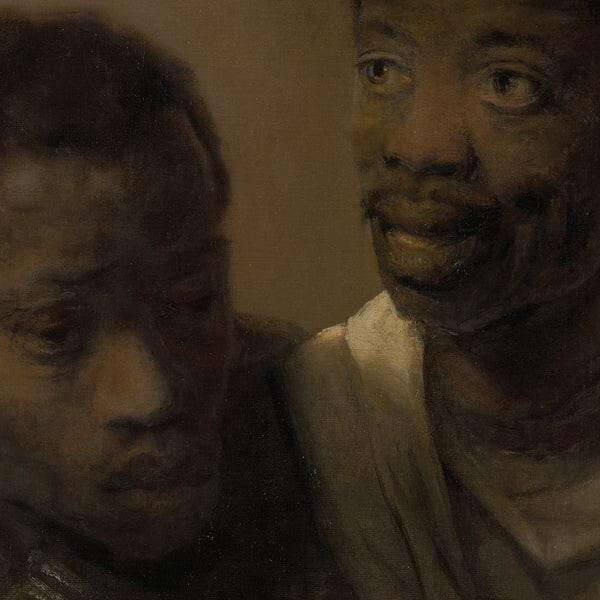
But in revisiting the record this August for Cover Collector, another possibility stands out as I run back woods’ verse on “Christine,” in particular. Here, the producer’s sparse, eerie production also lends fitting support to the MC’s lyrical vignettes, which connect a series of haunted narratives around and in cars as weird, liminal spaces. What I find to be a more fitting image than the 1957 Plymouth Fury nodded to in the track title, though, emerges with the vocal reuse of The Wailers’ “Mr. Brown.” In the source track, a Lee Perry plate that was passed over as the instrumental for “Duppy Conqueror,” Bob Marley recounts a folktale where a ghost driving a three-wheeled coffin rides around Jamaica in search of a ‘Mr. Brown,’ unnerving folks from Mandeville to Sligoville. woods repeats the borrowed line thrice, like an incantation: but is this a curse or protection charm? I can hear it both ways, and that emotional ambivalence reads like an echo of the close-cropped Rembrandt painting that serves as the album cover.

– J. P. Cupps


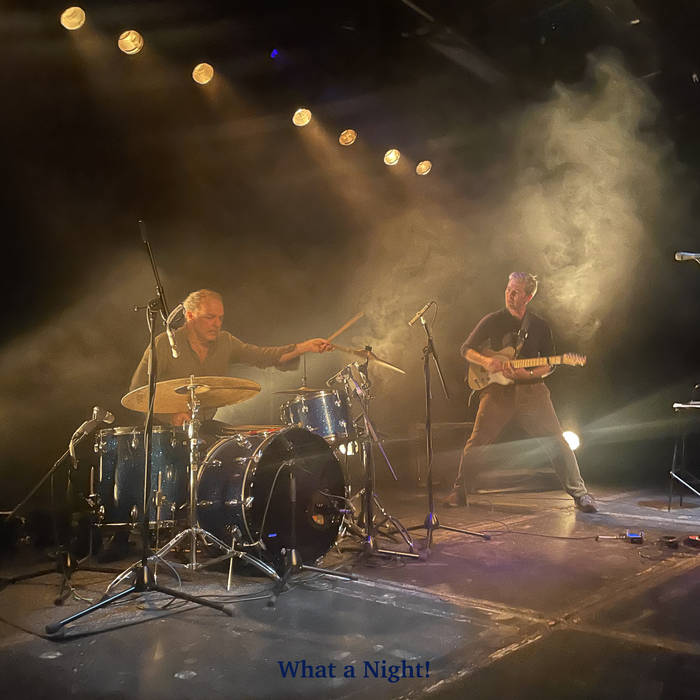
Bill Callahan – What a Night!
Self-Released

Outside of Yo La Tengo, Bill Callahan might be the ideal model for a career in indie rock. The dude has been making music for almost four decades, documenting phases of his life through his plainspoken baritone voice and poetic lyrics, first as Smog and then under his own name. What a Night! is a 90-minute live album that sees an artist at the peak of his powers. The lineup features just Callahan on guitar and vocals, with his compatriot Jim White on drums. Together, these two craft entire worlds, whether it’s the 11-minute odyssey of “Riding for the Feeling,” the swaggering, chunky groove of “Cowboy,” or the rendition of “Coyotes” that spills out to nine minutes. It’s like witchcraft the way these two are able to conjure massive swells of emotion from such simple ingredients. It’s modest and cosmic, but just feels like a staggering achievement to take in. The setlist is a no-miss greatest hits that shows exactly why Callahan has been able to cultivate such a long and illustrious career. He’s a craftsman, and this record is like a finely furnished piece of upholstery – an oak armchair you can sink into that doesn’t creak or shift an iota. A sturdy entity that justifies its own existence in the most self-evident way. 

– Taylor Grimes


Oso Oso – basking in the glow
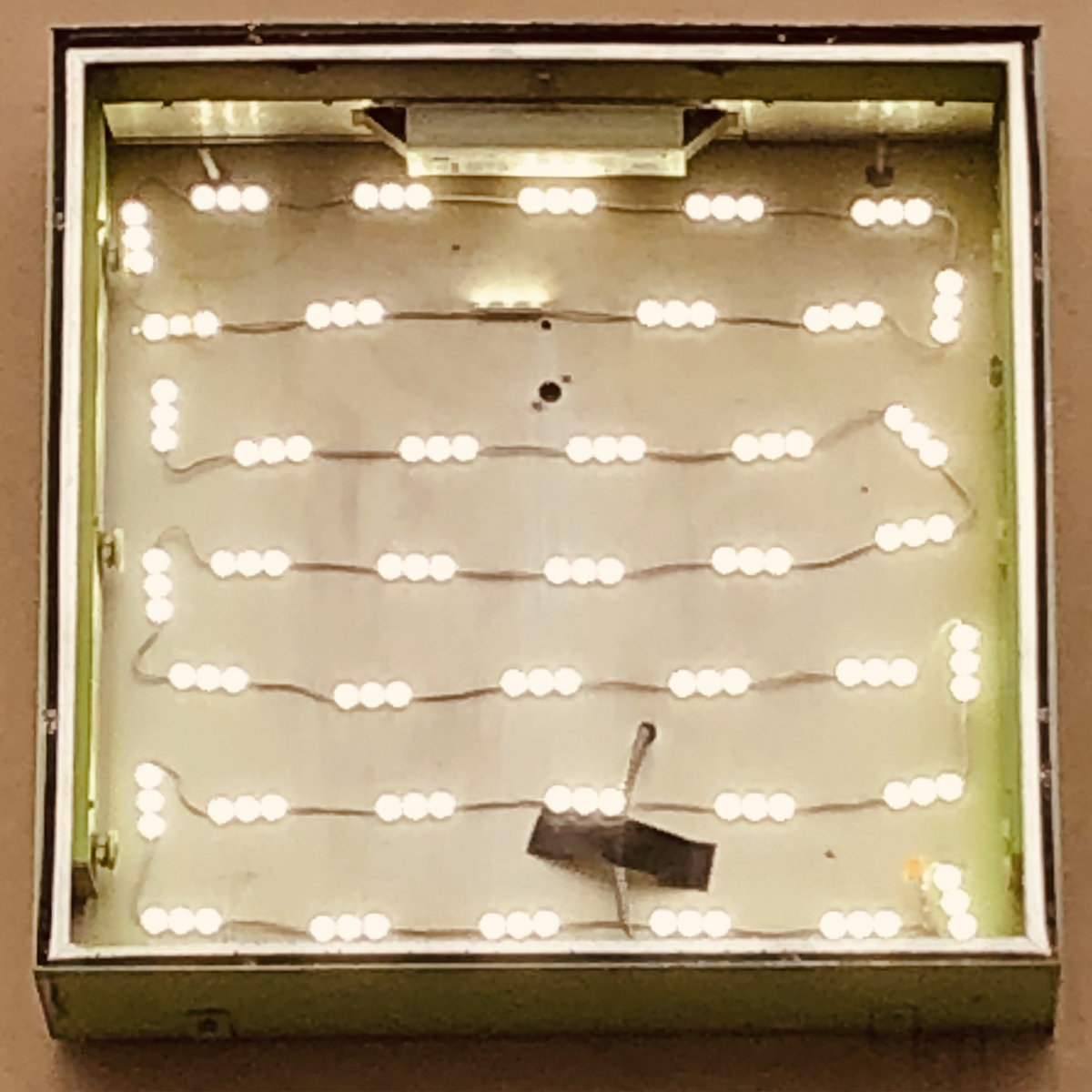
Triple Crown Records

As per a Billboard interview with Oso Oso’s founder and frontman, Jade Lilitri, the thesis of basking in the glow is, “taking in the good things, just accepting what comes with life.” Operating in an unabashed laissez-faire manner has always been the Long Island unit’s cut– all while effortlessly creating the kind of music that many bands spend their entire careers chasing. basking in the glow, released two years after the acclaimed sophomore LP, the yunahon mixtape, had immense shoes to fill. Lilitri, obviously undeterred by this, managed to level up with his 2019 release, which was also the project’s first on legendary label Triple Crown Records. 

At a time when emo as a genre had entered a definitive lull, basking in the glow proved that some bands in this scene were not condemned to the lightning-in-a-bottle effect of their first or second LP releases. While Oso Oso’s music toes the line between emo, pop-punk, and indie, it blends seamlessly to create infectious hooks where every song could legitimately be a single. basking in the glow is undoubtedly a love record at its core, with what could be interpreted as religious undertones woven throughout. This is probably most evident on “a morning song,” where Lilitri flippantly admits, “living on my knees, praying blessings crashed into me.” 

Whether it’s basking in the glow of faith, a thriving relationship, or the incandescent bulbs of a busted H&R Block marquee, Oso Oso confirms there is meaning to be found in whatever life throws at you.

– Brandon Cortez


Dikembe – Chicago Bowls 
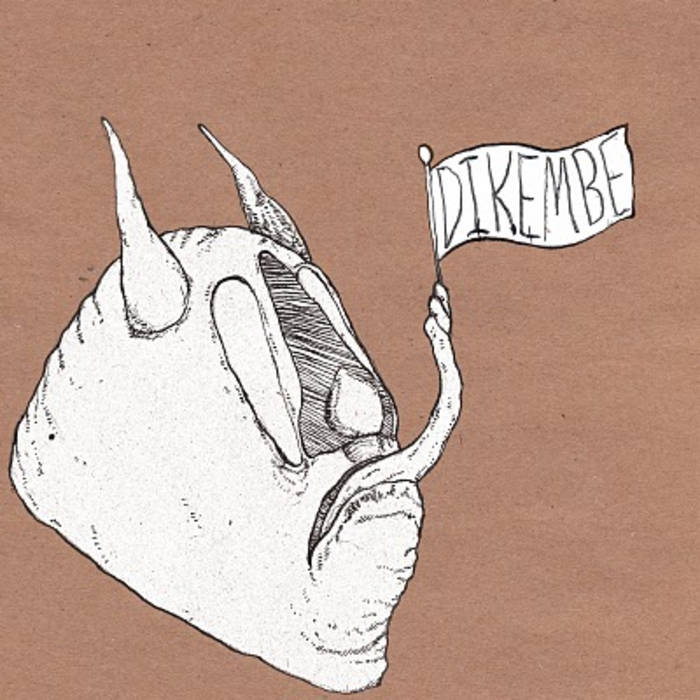
Death Protector Collective

If you don’t already know, Chicago Bowls is an emo-DIY classic. In 2011, Dikembe made their debut with a digital-only EP, featuring song titles spoofing player names from the ‘95-’96 Chicago Bulls, one of the strongest NBA Finals teams in the history of the league. The track names are “Scottie Spliffen,” “Luc Bongley,” “Michael Jordank,” and “Tony Kukush.” Making your song titles portmanteaus of weed and sports celebrities is a strong choice, but one perfectly suited for such a strong EP. It opens and closes with a conversation from the coming-of-age sitcom Freaks and Geeks in which Jason Segel’s character is showing off his ornate drum set to the show’s main character, Lindsay Weir. He ends by imploring her to “find her [own] big, gigantic drum kit.” I’m writing this about a decade and a half removed from the EP’s release, and I feel like the world is much more complicated now. The fact that two primary components of the album look backward suggests Dikembe knows that feeling too.

About a year after the EP, the band released their first full-length album, Broad Shoulders. To give you an idea of what they were up against in 2012, here are a few other albums that came out that year: Floral Green by Title Fight, Sports by Modern Baseball, American Radass by Dads, Colourmeinkindness by Basement, Just Married by Glocca Morra, Colors by Sports, and Grow Up, Dude by You Blew It! In a year of heavy hitters, Dikembe not only holds their own but stands out as a band that was ahead of the curve, putting together an all-star lineup of tracks that epitomize the genre in under ten minutes.

– Braden Allmond

Janet Jackson – janet.
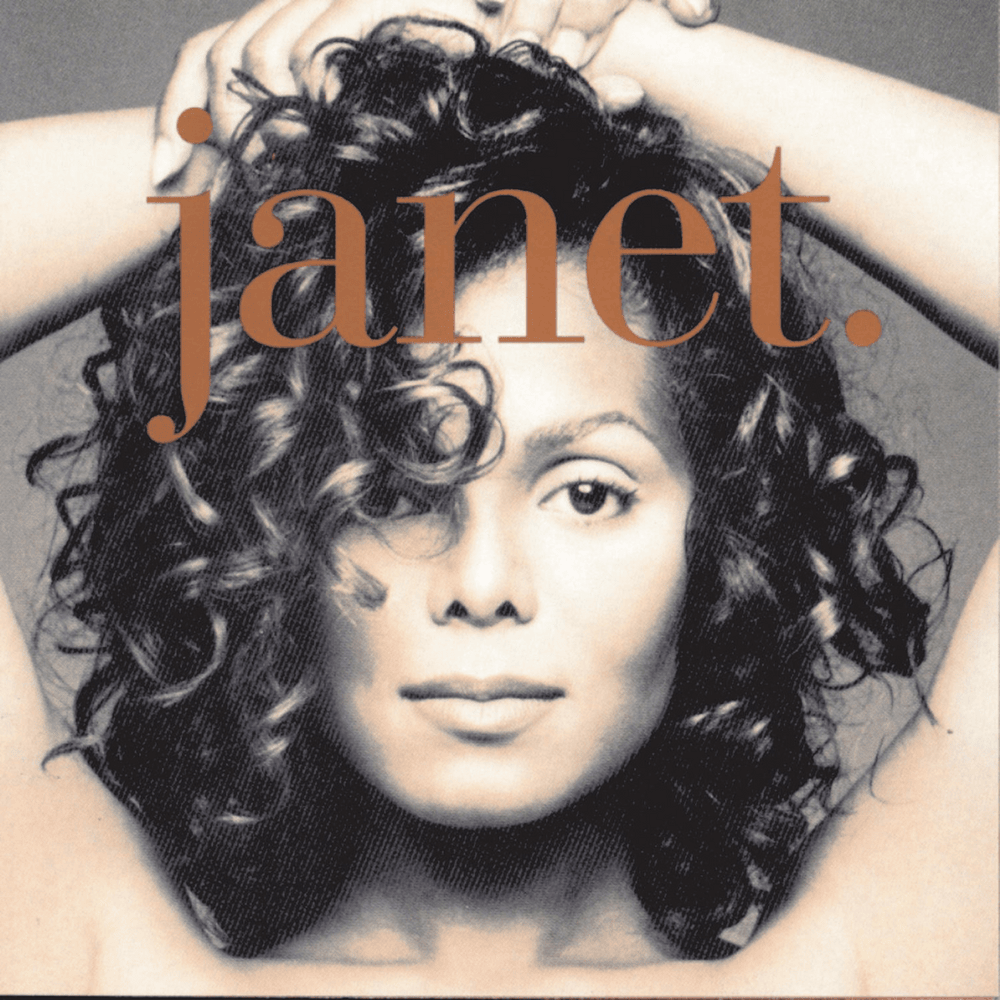
Virgin Records

In 1993, there was a case to be made that Janet Jackson would be the most talented Jackson from then on. This wouldn’t even have been a hot take at the time. Janet’s big brother Michael was entering a turbulent point in his career. The King of Pop was being dethroned as his personal life was brought under a fiery, scorching-hot microscope, combined with the public perception that his 1991 album Dangerous didn’t live up to the standard of his previous work. (Let me go on record that I personally love Dangerous – the New Jack Swing first half of that record still hits like Mike Tyson in his prime.) But you have to give credit where credit is due; little sis Janet proved to the entire world she’s a bona fide star, and the music she made on janet. is the exact reason why. If you said Janet is the most talented Jackson, you wouldn’t even have sounded like an ESPN talking head blowhard just saying things for clickbait. 

The early nineties were the time when Janet leaped out of the ginormous shadow left by her big brother. The music on janet. is a career-defining blend of neo-soul mixed with a touch of new jack swing, and just the right amount of house music. This was groundbreaking, superbly done, and incredibly horny. From the provocative album cover, steamy lyrics, and sensual music videos, Janet was taking the reins of her sexuality and entering adulthood. Looking past the horniness of it all, the album had mega hits: “That’s the Way Love Goes” was a chart-topping banger; “Any Time, Any Place” was an instant classic that hip-hop artists have sampled out the wazoo; “Because of Love” will have your body doing moves you didn’t even know you were capable of. This record not only set her apart from her own blood, but established Janet as the mood board for future generations of R&B artists. 

– David Williams


King Gizzard & the Lizard Wizard – Omnium Gatherum
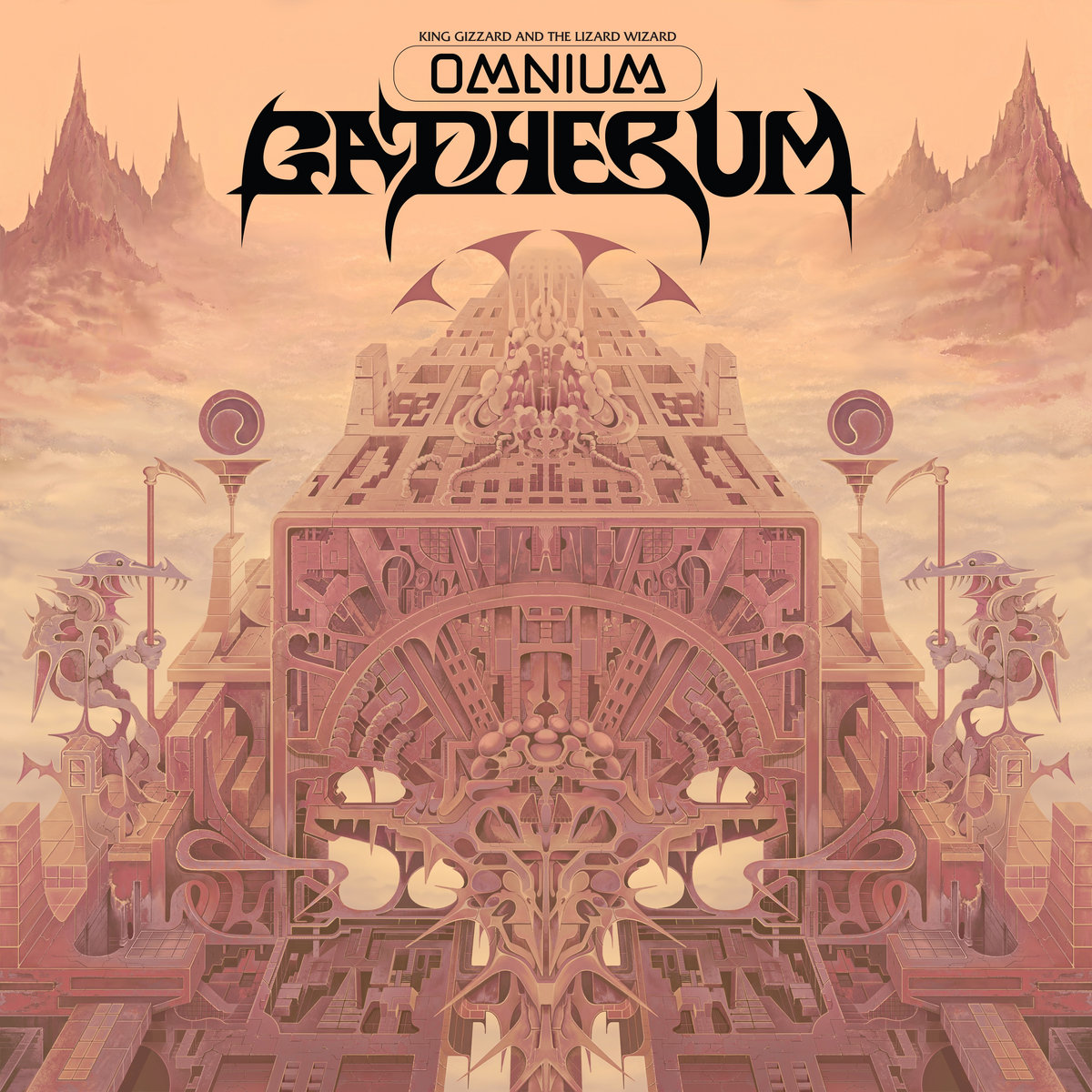
KGLW

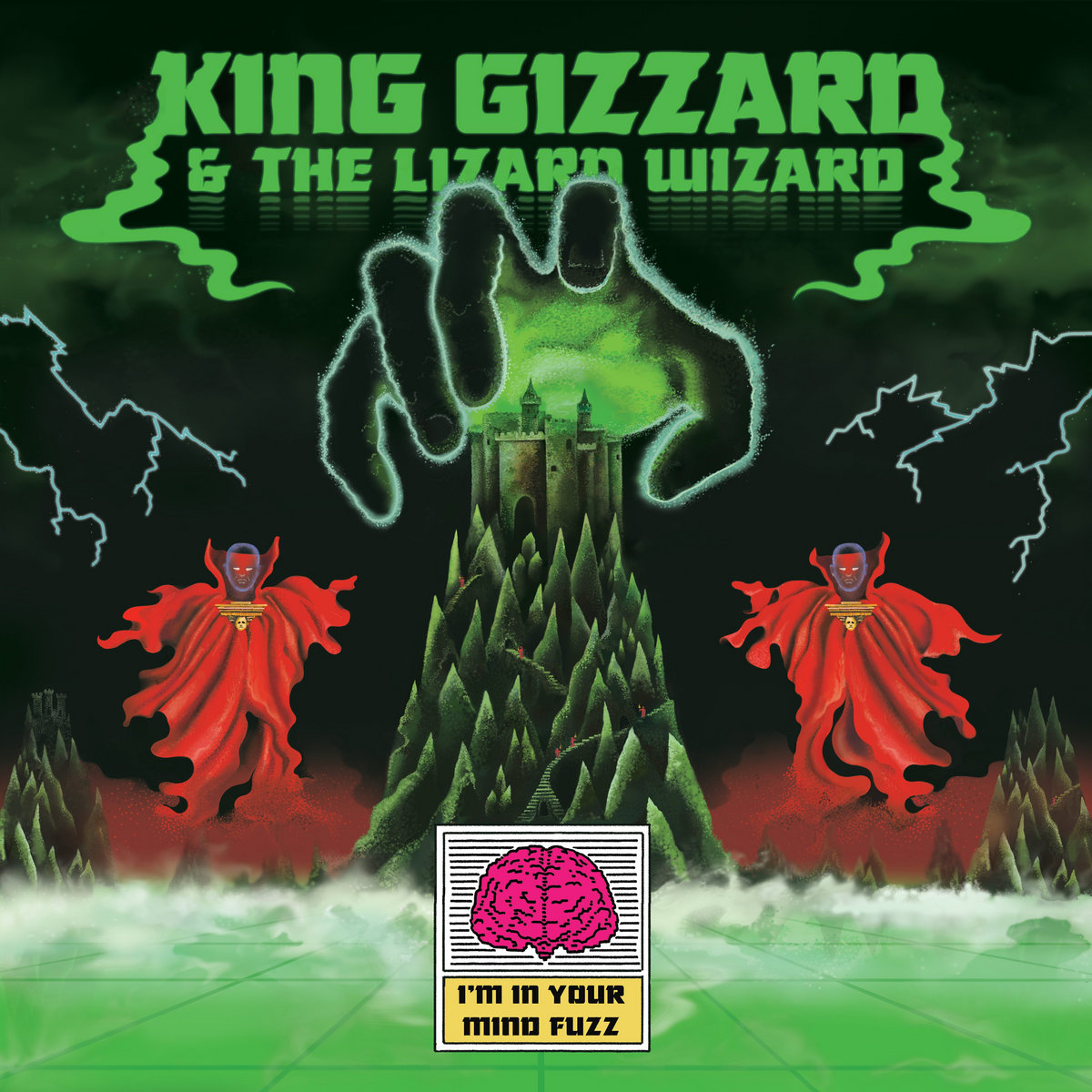
Omnium Gatherum is an odd bird. It's the kind of album that opens with a 20-minute sprawling environmentalist jam session before moving into… synth-pop? hip-hop? thrash metal? krautrock? bossa nova? Yeah, it's a lot to fit into one album, which is part of why this ends up being Gizz's longest album to date. Not designed as a cohesive album, it’s meant to be heard as a collection of ideas that didn't fit anywhere else. Omnium Gatherum challenges and excites by constantly taking turns that feel exciting and novel without ever slipping into being disorienting or off-putting. 

As is common for King Gizzard, the lyrics are about environmentalism, though there are some detours into less dour fare, such as in the Beastie Boys-inspired “Sadie Sorceress,” where multi-instrumentalist and singer Ambrose Kenny-Smith dons his alter ego, The Shrimpomaniac, and raps about an elderly witch. Or the easy-going “Persistence,” where frontman Stu Mackenzie uses the language of cars and motorsports to coyly talk about sex. Of course, it wouldn't be a true King Gizzard & the Lizard Wizard record without at least one song about some horror with a thirst for blood, and we get that in “Predator X,” a thrash metal ripper that pays homage to Meshuggah as we see the band fully leaning into palm-muted chugging guitars in complex time signatures.

Ultimately, Omnium Gatherum comes across as a sampler platter that any newcomer to Gizz's work can approach, giving them a smorgasbord of options as they decide what flavor of Gizz they want more of. The fact that it’s also the source of many of the band’s most popular tracks is just proof of the power of Gizz.

– Noëlle Midnight


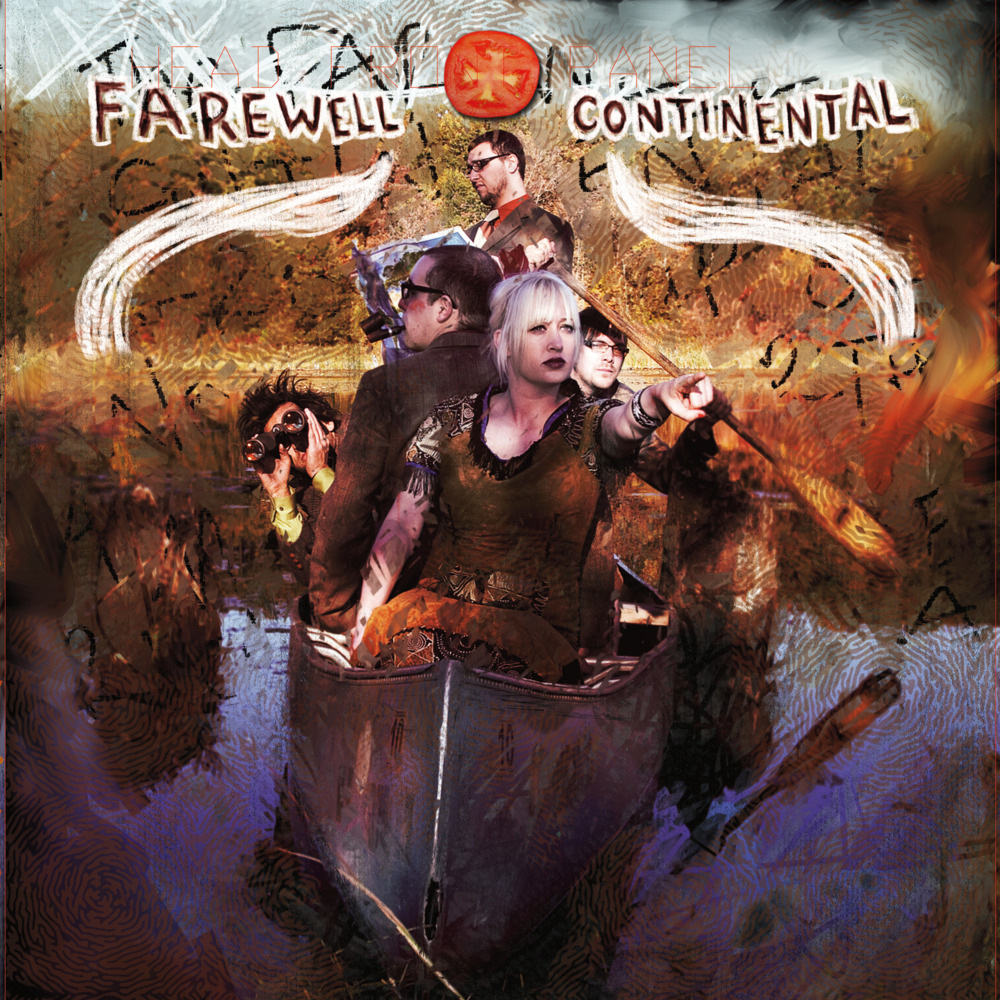
Farewell Continental – ¡Hey, Hey Pioneers!
Paper + Plastick

There’s nothing quite like the surprise and elation when you find out one of your favorite bands has a side project you knew nothing about. Whether you’re a fan of alternative side projects such as The Postal Service (Ben Gibbard of Death Cab for Cutie), The Prize Fighter Inferno (Claudio Sanchez of Coheed and Cambria), or City and Colour (Dallas Green of Alexisonfire), learning about your favorite artists’ expanded universes always felt like a reward in the fledgling days of the internet. My love for Motion City Soundtrack is deep and well-documented at this point, but I spend significantly less time singing the praises of singer Justin Courtney Pierre’s short-lived second band, Farewell Continental.

JCP put together ¡Hey, Hey Pioneers! in between the release of Motion City Soundtrack’s fourth and fifth albums, and his desire to create something different really shines across this oddball one-off. Back-to-back tracks “The Greatest of All Time (How You Feelin’ Now?)” and “Dagger, Dagger: Terror, Terror” are my go-to pulls from this album and succinctly showcase everything I love about the unfortunately standalone LP. You still get JCP’s unmistakable vocals and inherent knack for pop rock, but the addition of Kari Gray’s vocals, grittier textures, and experimental melodies creates this seductively unique quality that I love to revisit every now and again, particularly as we shift into the “-ber months.” 

– Ciara Rhiannon


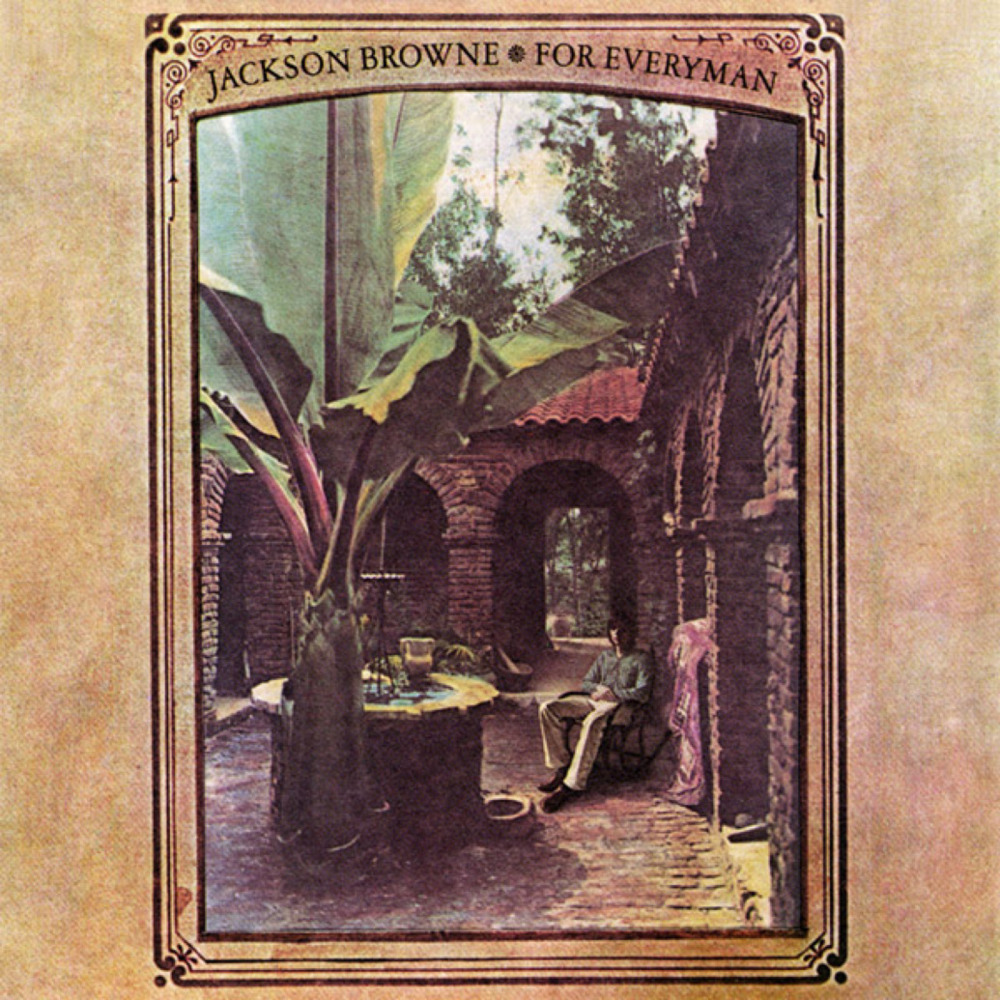
Jackson Browne – For Everyman
Asylum

Taking this one literally and writing about a Brown(e) album. Widely speaking, Jackson Browne is an underrated figure in the 70s music lexicon, and one of the greatest singer-songwriters of all time. Though he started by writing hit songs for others, he quickly carved himself a niche in the Laurel Canyon folk rock scene. Browne wrote the Eagles’ “Take It Easy” and Nico’s “These Days,” among others, both of which appear on his second album For Everyman.

Browne had barely graduated high school in the late 1960s when he joined the Nitty Gritty Dirt Band, left to live and make music in Greenwich Village, and then returned to Laurel Canyon, all in the span of a few years. His youth never impeded his acumen as a songwriter, and For Everyman is perhaps his songwriter-iest. His self-titled debut album contains one of his biggest hits, and his fifth album, Running On Empty, is his most famous, but For Everyman contains his most breathtaking lyrics.

Many successful musicians get to write their own lore—to the victor go the spoils, etc. Some of it may be true, some of it may be artificially enhanced. The way Jackson Browne always tells it, he wrote “These Days” when he was 15 years old. I refuse to be skeptical of that, because it actually greatly enhances my appreciation of the song to think a 15-year-old boy wrote the lyrics “don’t confront me with my failures, I had not forgotten them.”

He may not have had the flash of Don Henley, or the mystique of Nico, but Jackson Browne’s For Everyman proves he could always write any of them under the table.

– Caleb Doyle


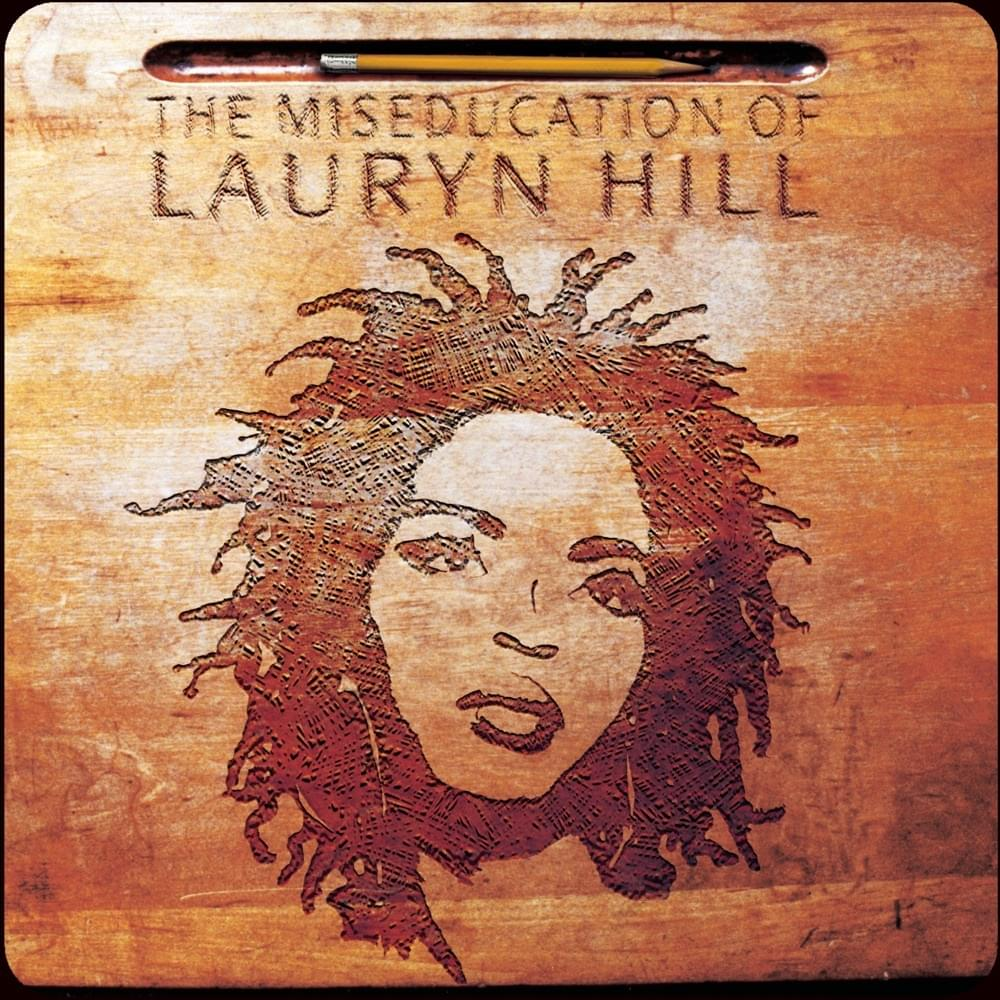
Ms. Lauryn Hill – The Miseducation of Lauryn Hill
Ruffhouse Records

Brown is the worn surface of a classroom desk; brown is back-to-school autumn; brown is the backdrop for a student who sits down and realizes how much they still have yet to learn. Thematically, it’s where The Miseducation of Lauryn Hill begins: the iconic album art shows Ms. Lauryn Hill’s face etched into a wooden desk, and the first track is a teacher’s roll call. What follows is a generational run of songs making melodic and emotional sense of life’s headiest lessons.

Miseducation weaves a cohesive, but far from tidy, narrative about a young woman baring her soul to lovers, navigating fame, choosing motherhood, and reconciling her roots. If any of the above sounds trite, it’s only because of the countless imitators Hill herself spawned with the release of this fundamental work. Set to timeless grooves, inimitable rap/vocal interchanges, and impossibly catchy choruses, Ms. Lauryn Hill’s songs remain the blueprint for the everywoman-philosopher journey.

Hit play on this revered record and school is in session.

– Katie Hayes


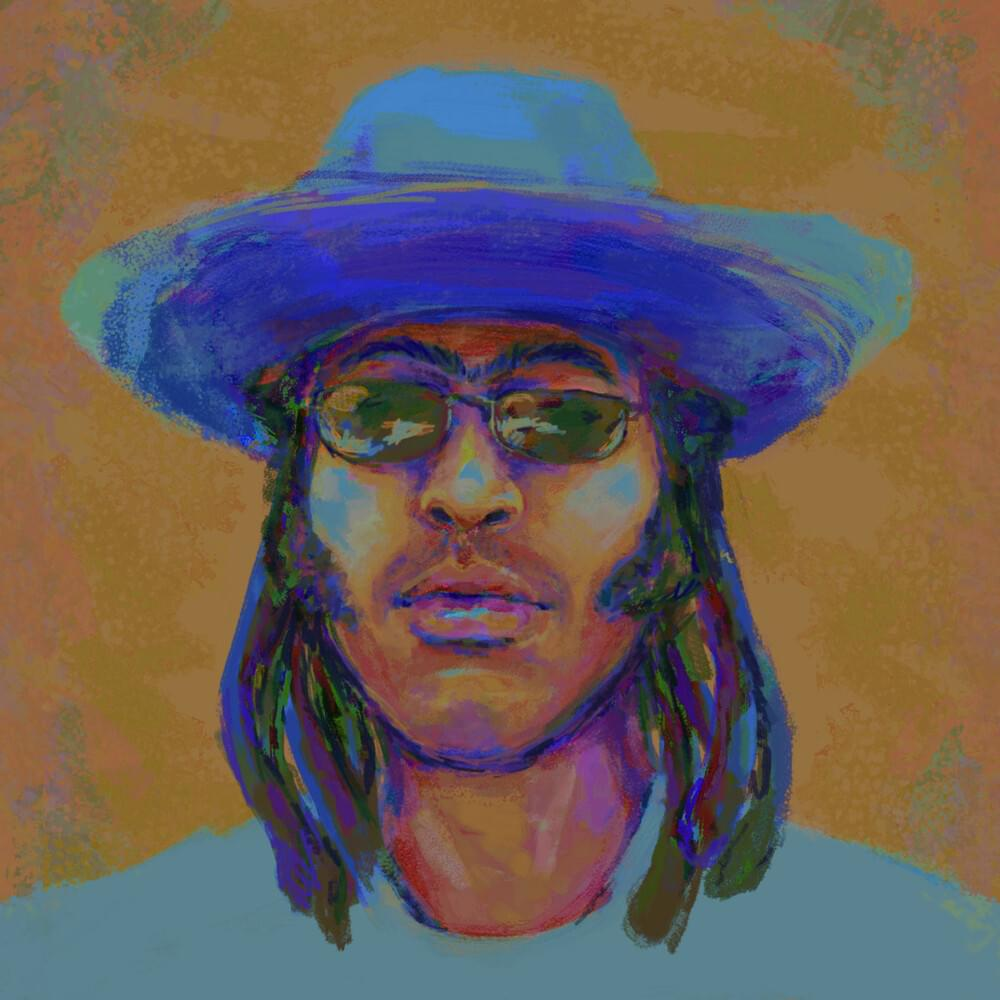
R.A.P Ferreira – bob's son: R.A.P. Ferreira in the garden level cafe of the scallops hotel
Ruby Yacht

It’s impossible to talk about Bob’s Son without specifying who the whole album was written about in the first place. The “Bob” in question is Bob Kaufman, a significant Black poet commonly associated with the Beat Generation (and, depending on who you ask, the person who came up with the name) as well as a style of art known as Afro-Surrealism. His poetry, like a lot of his Beat peers, was heavily informed by the jazz that coated the streets of the United States in the 20th century- so much so that he practiced the jazz concept of spontaneous composition for his own work, often scribbling poems on napkins and the margins of the day’s paper and leaving them there for others to discover. 

R.A.P Ferreira, formerly known as Milo and occasionally as scallops hotel, continues the tradition of Afro-Surrealism in his own music. Although he started in the nerdcore subgenre early on, Ferreira has reinvented himself artistically. Long gone are the references to niche internet communities, video games, and the feeling of being an outsider in hobbies that are predominantly white. Bob’s Son, like the man who inspired it, is instead full of knotted flows and rhymes packed with references to jazz, poetry, and the Black experience. The last song is the most direct nod to Bob one could do– it’s not a song at all, but rather a reading of one of Kaufman’s most famous poems of all time, the “Abomunist Manifesto,” a surreal, tongue-in-cheek series of declarations of a fictional belief system that mocks both capitalist and communist philosophy. 

If the admiration for Bob Kaufman doesn’t come through enough on the album, perhaps the whole reveal of the album back in 2021 will. To roll out the release, Ferreira created a virtual reality cafe (which, unfortunately, the web link has died) that is not far off from the old-school spots that Kaufman frequented in his day, shouting poetry from atop tables and scribbling spontaneous poems on whatever he had at hand. Bob’s Son plays softly in its entirety from the speakers of a boombox in the cafe. It’s a wonderful love letter not only to the man himself, but also to the affirmation in his poem “Dolorous Echo” that was true all along:

“When I die / I won’t stay / Dead.”

– Nick Sackett


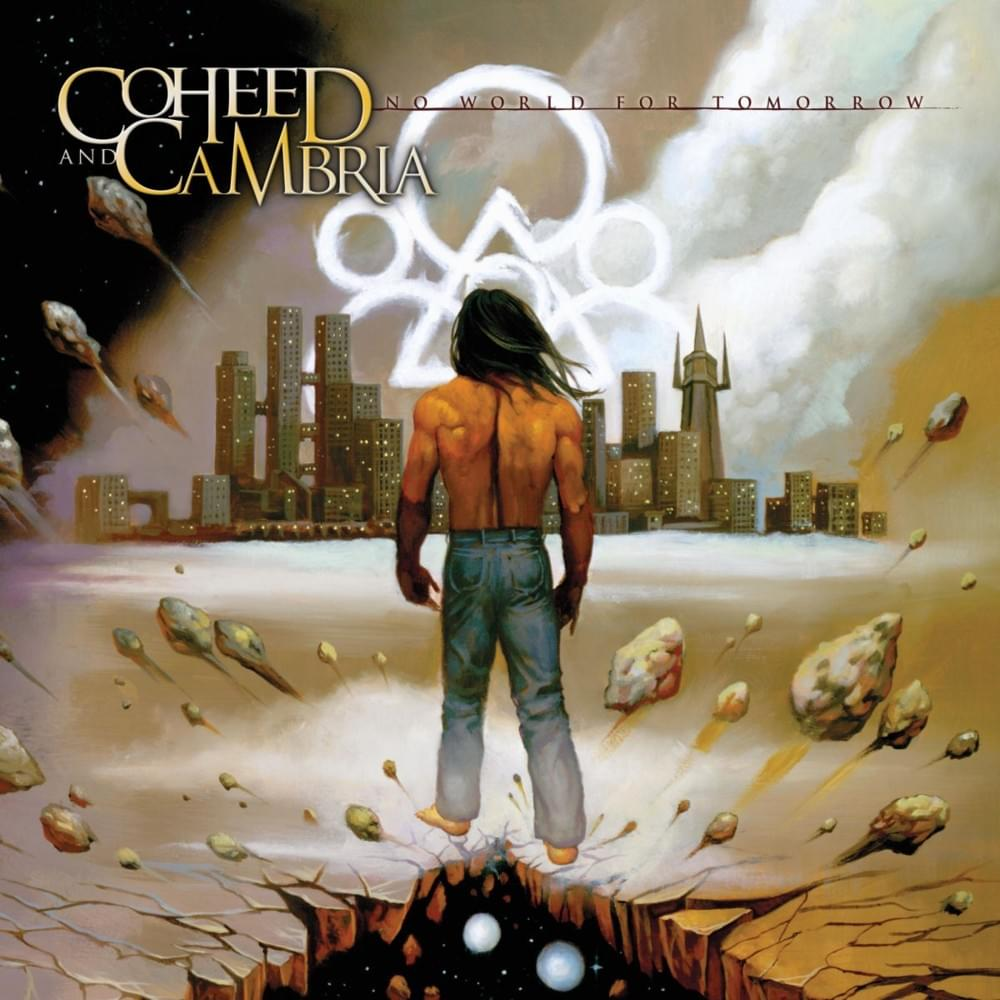
Coheed and Cambria – Good Apollo, I'm Burning Star IV, Volume Two: No World for Tomorrow
Columbia Records

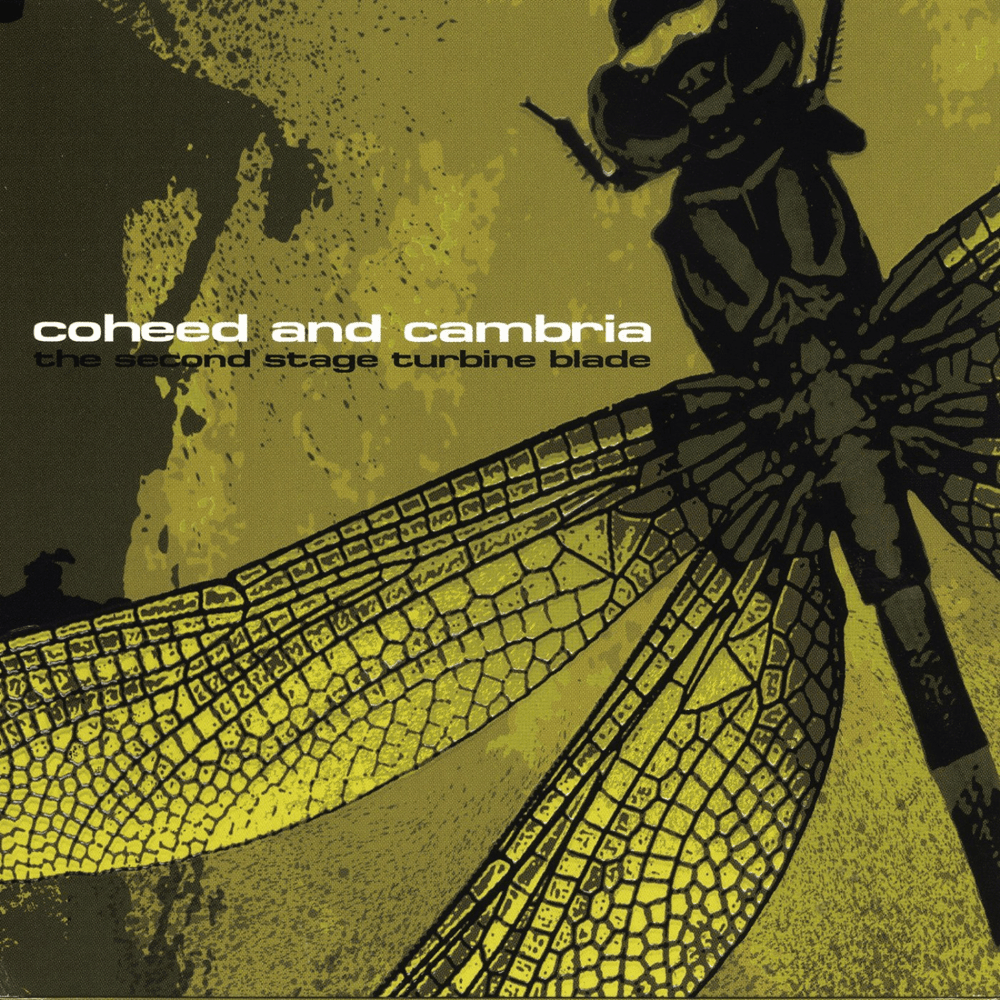
Sequels are difficult to pull off, regardless of what medium you’re talking about, but landing a great follow-up to a perfect album is absolutely a rarity in the music industry. Sequels always seem to be plagued by personnel shake-ups, unsuccessful risks, and downright bad luck, but fortunately Coheed and Cambria were still able to make something special with the sequel to their third album, No World For Tomorrow. “Sequel to the third album” sounds like a weird way to say their fourth album, but in the sci-fi opera world of Coheed, believe me, it makes sense. Despite the name consistently being shortened, No World For Tomorrow thematically and musically serves as the second volume of the band’s Good Apollo, I’m Burning Star IV series, making for a connected pair of records.

No World For Tomorrow follows much of Coheed’s typical formula – the foreboding and melancholic intro track, the genre-hopping singles, the epic ending suite – yet feels like such a special beast even amongst their first four iconic albums. Taylor Hawkins of Foo Fighters filled in on drums after the original (and now current) Coheed drummer, Josh Eppard, was booted from the band, making for a unique lineup. The band really leaned into their 80s rock influences in tracks like “The Hound (of Blood and Rank)” and “The End Complete V: On The Brink” as well. Conceptually, No World For Tomorrow depicts the literal end of the world and, given the personnel changes and the band’s overall approach to the songs, that ethereal, foreign atmosphere continues to earn its place in Coheed’s discography. 

– Ciara Rhiannon


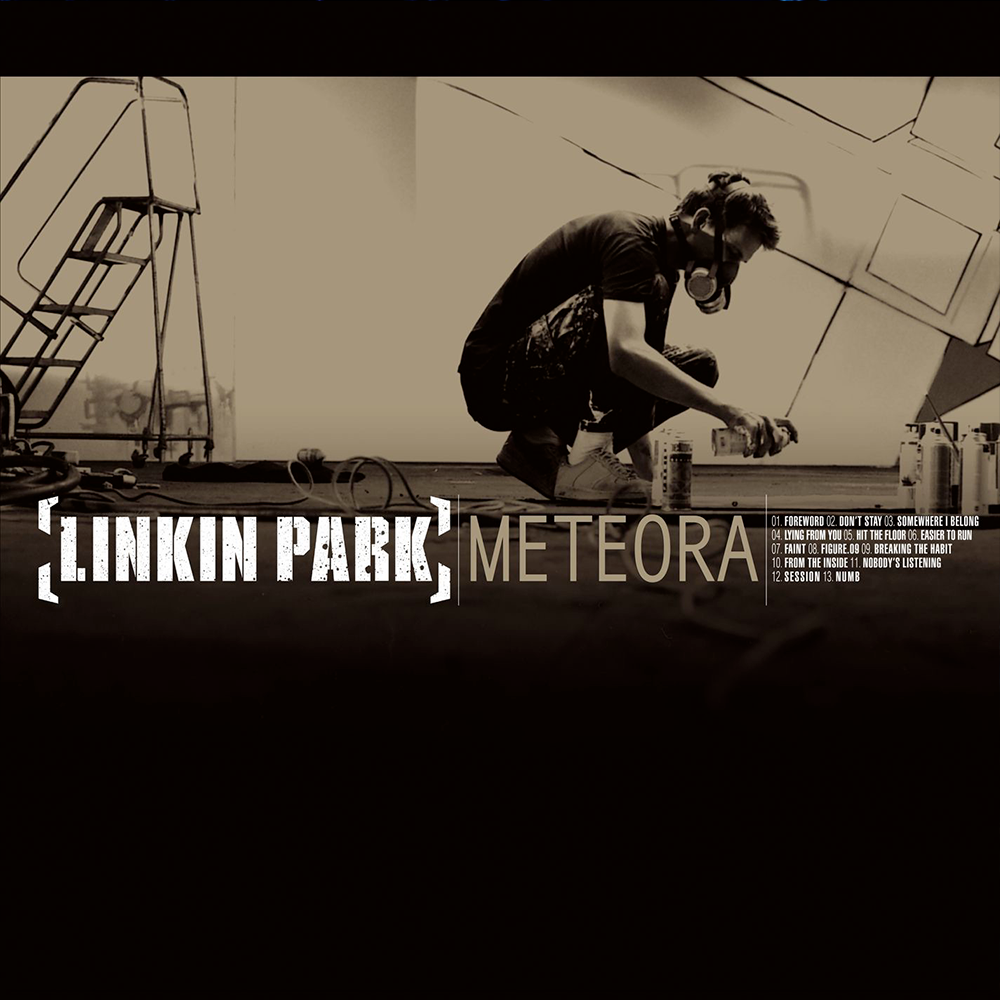
Linkin Park – Meteora
Warner Records Inc.

Linkin Park’s Meteora is the most #BionicleCore album ever. What is #BionicleCore? It’s anything I was listening to during my peak “playing with Bionicles years,” duh. This also includes bands like P.O.D., Hoobastank, and Incubus. Now that I've given you a frame of reference for what ten-year-old me was up to when Meteora came out, let’s dig in. This was a big album for me. I’m pretty sure this is the first time in my life I was ever waiting on bated breath for a new band’s second album. I had no idea what a “sophomore slump” was, and evidently neither did Linkin Park, because Meteora fucking whips. I mean, c’mon, “Faint,” “Somewhere I Belong,” “Breaking The Habit,” and “Numb” are on this thing. Most bands would kill to have four songs like that in their entire career, let alone a single record. I don’t play with Bionicles anymore, which admittedly sucks, and I still love this album, but I’ll never be able to love it the way that little boy did.

RIP Chester

– Connor Fitzpatrick


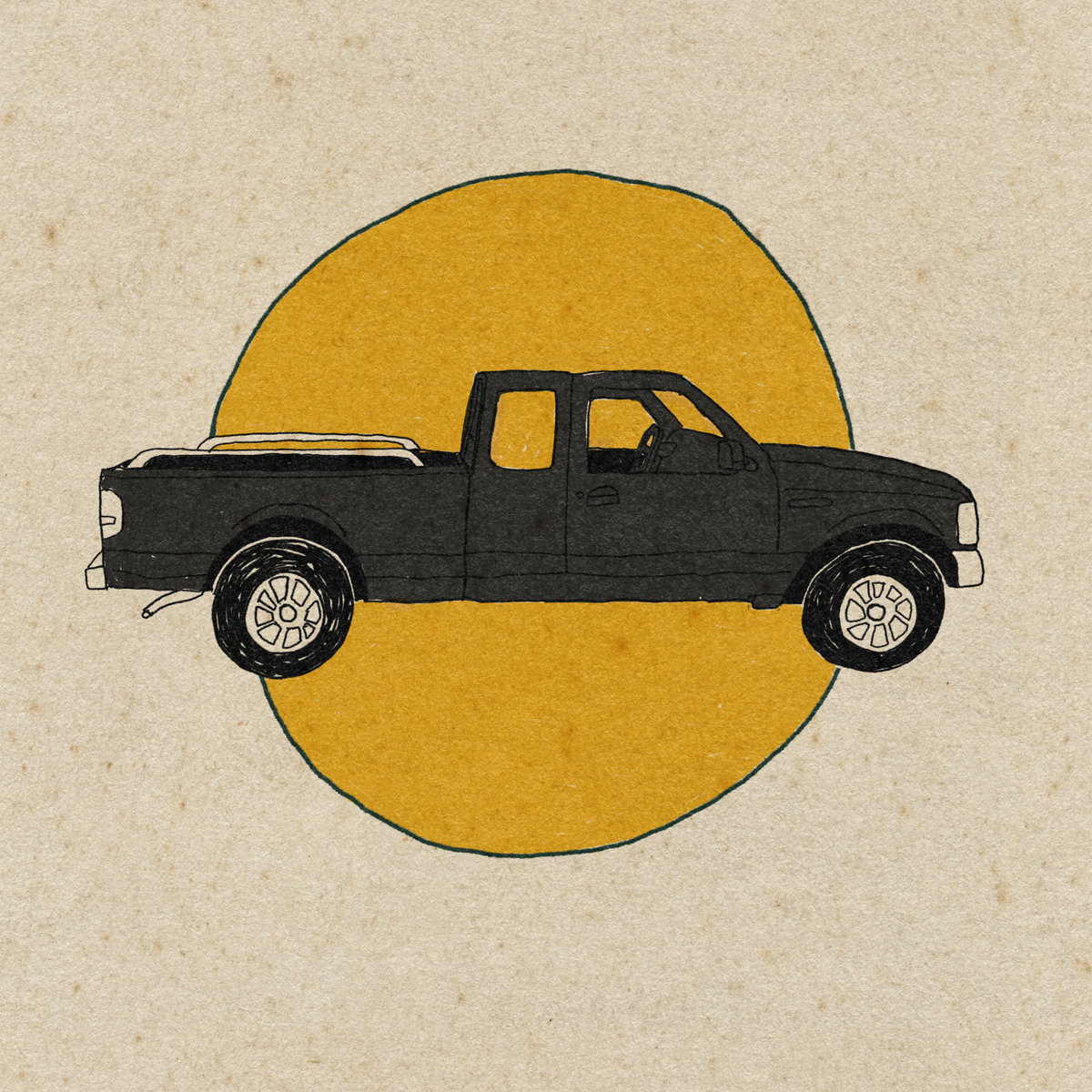
Talking Kind – It Did Bring Me Down
Lauren Records

Look, I’m gonna have to level with ya: I’ve written about It Did Bring Me Down before. The first (and so far only) solo album from Pat Graham was my favorite record of 2023, but I’ll take any excuse to extol its virtues, even if just for its brownish-yellow truck-adorned album cover. This LP came out at an absolutely pivotal time in my life, and my love affair with it started simply enough. One listen through, and a song like “Damn Shame” immediately leaps out with a melody so timeless that I often find myself humming it absentmindedly. There are fast, fun tracks like “Brand New Face” and the goofy automotive love song “My Truck,” which butt up against absolute gut-wrenchers like “Trader” and “Small.” Just masterful sequencing, incredibly funny and earnest songwriting, and the whole thing ends with a song-length ode to folk musician Greg Mendez

I still listen to this album a few times a month; it’s guaranteed to put me in a good mood and take me back to that important point in my life when I made a massive leap for someone I love. To have that bottled up in 27 minutes of music is nothing short of a miracle, and if you give this album a chance, I hope you find even a fraction of the spark that it's given me. 

– Taylor Grimes


Honorable Mentions

Hey, we can’t write about every album with this color, so here’s a list of some more that we feel like we should mention.

  • Autopsy - Shitfun

  • Godspeed You! Black Emperor - Lift Yr. Skinny Fists Like Antennas to Heaven

  • Nine Inch Nails - The Downward Spiral

  • Ethel Cain - Willoughby Tucker, I'll Always Love You

  • Primus - Brown Album

  • Shift - Spacesuit

  • Bruce Springsteen - Darkness On the Edge Of Town

  • Weedeater - God Luck And Good Speed

  • Downhaul - How to Begin

  • Pedro The Lion - Control

  • Soccer Mommy - Clean

  • Remember Sports - The Refrigerator

  • Joyce Manor - I Used To Go To This Bar

  • Wilco - Being There

  • Alex G - Trick

  • Sluice - Companion

  • Ween - 12 Golden Country Greats

  • Ethel Cain - Peacher’s Daughter

  • Van Morrison - Moondance

  • Oso Oso - The Yunahon Mixtape

  • Foo Fighters - Foo Fighters

  • Led Zeppelin - Zeppelin III 

  • Crosby, Stills, Nash, and Young - Deja Vu

Collect some more Covers:

January Blues

February Reds

March Yellows

April Greens

May Purples

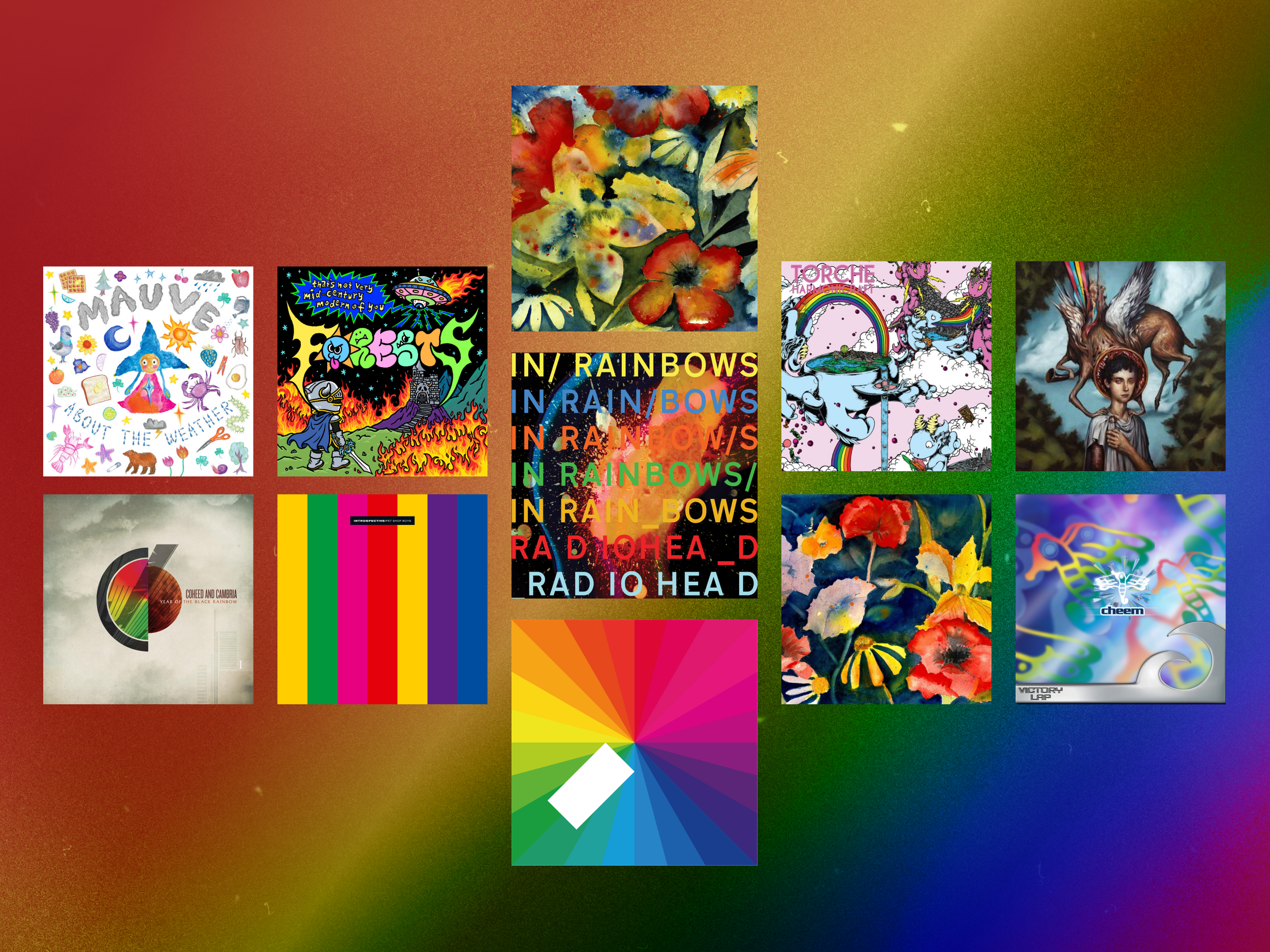
July Rainbows

Cover Collector – July Rainbows

Design by Ryan Morrissey

I don’t know about you guys, but I love a good album art collage. One of the first things I do every Friday is head over to tapmusic.net and render a 4x4 chart of the albums I listened to most over the past week. At the end of each month, I do the same thing with a 5x5 that recaps my previous 30 days of listening. By the time December rolls around, I look forward to recapping the last twelve months with a gigantic 10x10 grid in an unwieldy encapsulation of the 100 albums that defined my year. 

Is it a little self-aggrandizing? Sure, but it’s also a fun way to see a quick snapshot of what my last week, month, or year has sounded like. At its best, this practice has led to fun conversations and solid recommendations going back and forth with friends as we bond over specific albums. Sometimes it’s that shared love over a deep pull from years gone by, other times it’s just noticing trends with a recent fave that seems like an unshakable presence week in and week out. At the very least, I suppose it’s satisfying to see a bunch of records that I feel an affinity toward lined up and embodying a specific stretch of my life. 

At some point near the tail end of last year, I conceived of a more communal way to bring this love of album collage to life. Because, sure, getting a live readout of your listening history is cool, but this is also about album art, an essential part of the experience and something us music nerds can fixate on just as much as the songs that sit beneath the cover. As such, I’m excited to welcome you to the sixth edition of Cover Collector: a monthly installation where the Swim Team discusses some of our favorite albums based on album color. For July, we’re writing about ravishing rainbows


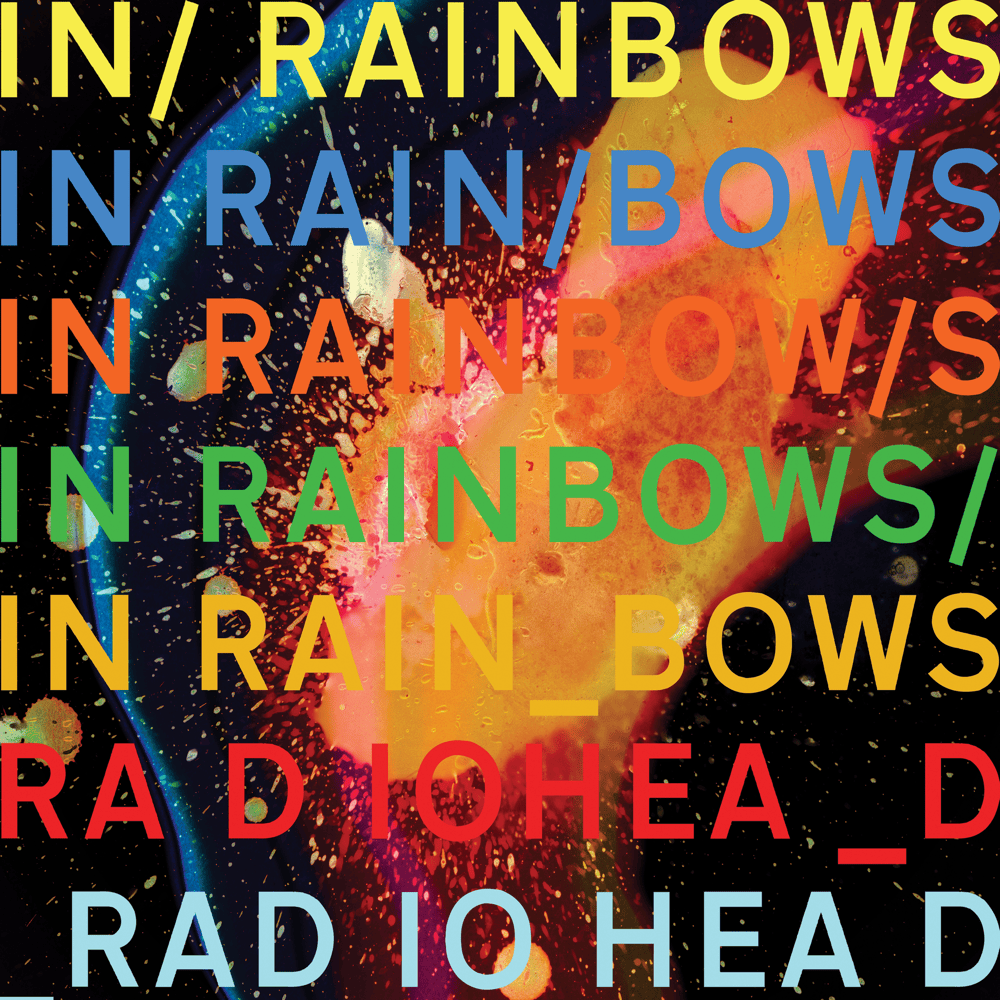
Radiohead – In Rainbows

XL Recordings

I’ve had the greatness of Radiohead explained to me by several dozen white dudes in my 32 years. And I, too, am a white dude, so I know many others have gotten it worse. On first dates and in comment sections, Radiohead has become perhaps the foremost band whose legacy requires defending and proselytizing.

I’m not going to do that to you. Mostly because I don’t believe in it. I completely missed Radiohead until I was like 30. At first because I was a tweenager more heavily invested in what Taio Cruz and The Beatles were doing, but then I avoided them precisely because of the “Front Row of Every Anthropology 201 Class” guy who feels the need to preach about OK Computer’s influence.

Earlier this year, Pitchfork made a completely unforced error in creating a March Madness-style bracket of every album they’ve granted Album of the Year to since 1996. The Pitchfork of 2026 is written by people who are relatively more diverse than 30 years ago, and they cover a much wider array of music more forgivingly than ever. But the reader base and the nature of online commenters have not evolved quite as much. Hilariously, the final 2 albums in the bracket—one that featured Outkast’s Aquemini, Beyoncé’s Renaissance, and Fiona Apple’s Fetch the Bolt Cutters—were Radiohead’s Kid A and Radiohead’s OK Computer. It wasn’t Pitchfork’s fault. The RadioBros move like amoebas.

Anyway, whoa, okay…I’m supposed to be writing about In Rainbows. When I get the urge to listen to Radiohead, when I want something spacey and atmospheric and maybe groovy, I will put on In Rainbows. My second choice is The Bends. If those two are not available (why would they not be available?), I simply do not listen to Radiohead. Y’all ruined any chance of me enjoying Kid A and OK Computer. I think In Rainbows is an example of what I like most about Radiohead: big, layered compositions, every type of guitar sound imaginable, and Thom Yorke caterwauling over it all, singing about god-knows-what. (“Weird Fishes/Arpeggi” is the best Radiohead song, let’s fight).

The first time I heard about In Rainbows was in 2007 when it came out. My mom got me a subscription to Entertainment Weekly (not one of the cooler magazines), and they were talking about Radiohead choosing to self-release this on their website with a pay-what-you-want model. I thought it was cool then, and it’s still cool now. This model, along with their music, has served as a real eye-opener to modern musicians about what is possible.

Much like every conversation about Radiohead, this piece wasn’t really about the music, now was it?

– Caleb Doyle


Circa Survive – Blue Sky Noise

Hopeless Records

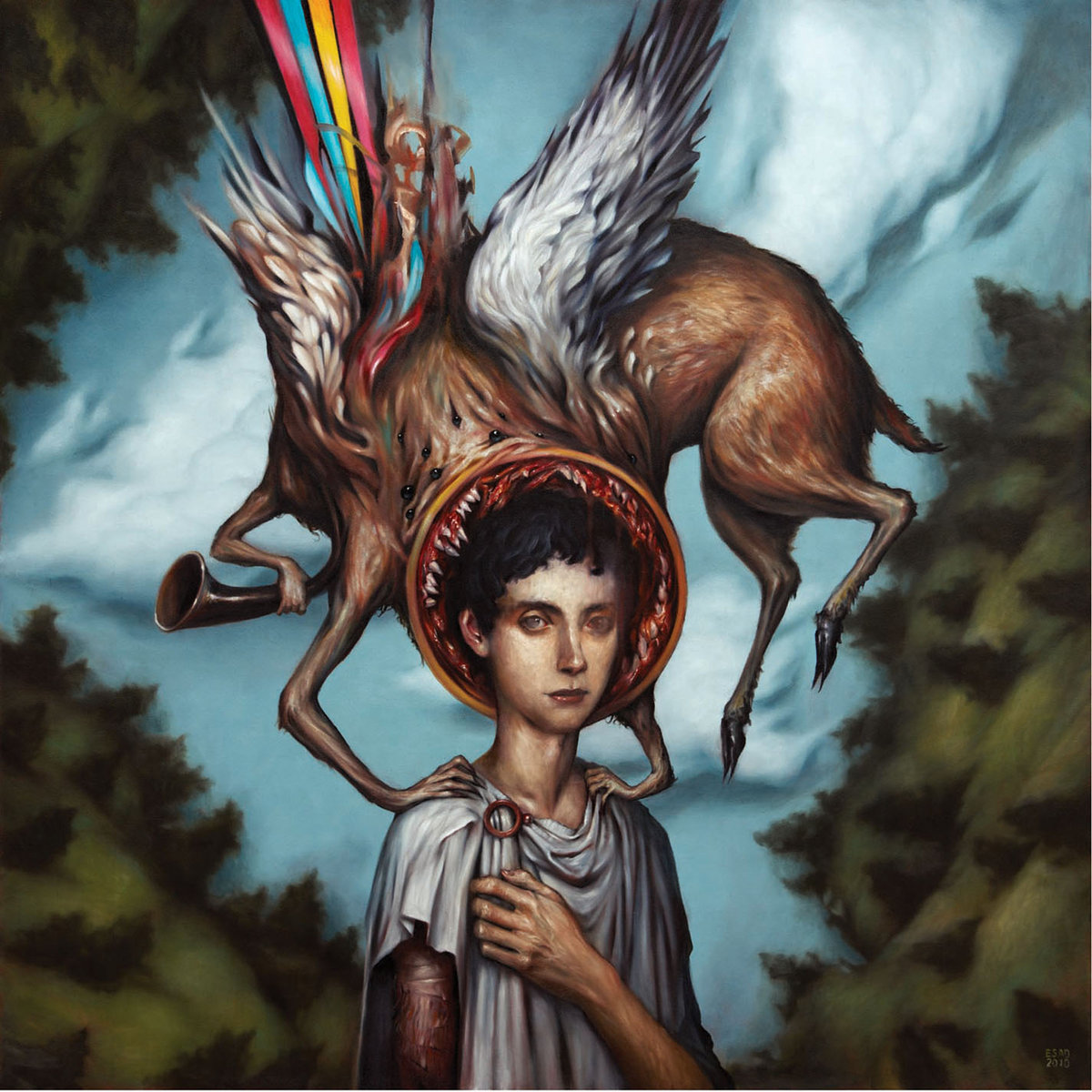
I am a devotee of the surreal, and few bands capture that quality as well as Circa Survive do. Their distinct brand of indie prog and Anthony’s siren-like vocals create a lush, strange atmosphere, and the art gracing their album covers is equally captivating. There aren’t many better pairings than the work of celebrated painter Esao Andrews and the music of Circa Survive. Esao’s work is instantly recognizable - elegant figures, vivid colors, and otherworldly beings adorn bizarre landscapes. While he is probably most famous for his work on the covers of Juturna and On Letting Go, the cover of Blue Sky Noise is my favorite of Esao’s. It shows a young boy making direct eye contact with the viewer, hand moving to cover a wounded arm. His head is haloed by the gaping maw of a winged eldritch creature – not deer, not angel, but something in between. The sacred meets the profane here, surrounded by hills that encroach at impossible angles. It is simultaneously one of the most beautiful and most chilling paintings I’ve ever seen, and I love it with my entire being.

Every song on Blue Sky Noise captures that same paradox of allure and terror. “Get Out,” one of the album’s best-known tracks, parallels striking melodic passages against urgent vocals that rise to a shriek. “Imaginary Enemy” is a feverish and frantic defense of self, with textures that ebb from thin to dense in a matter of seconds. The band is impeccably in the pocket, wound almost too tight, and Anthony is at his vocal ultimate. The palpable tension throughout Blue Sky Noise rages and mellows with desperate intensity - causing me to feel as though I, the listener, am the wounded child saint, pursued by a creature that already has its claws in my back.

– Britta Joseph


Torche – Harmonicraft

Volcom

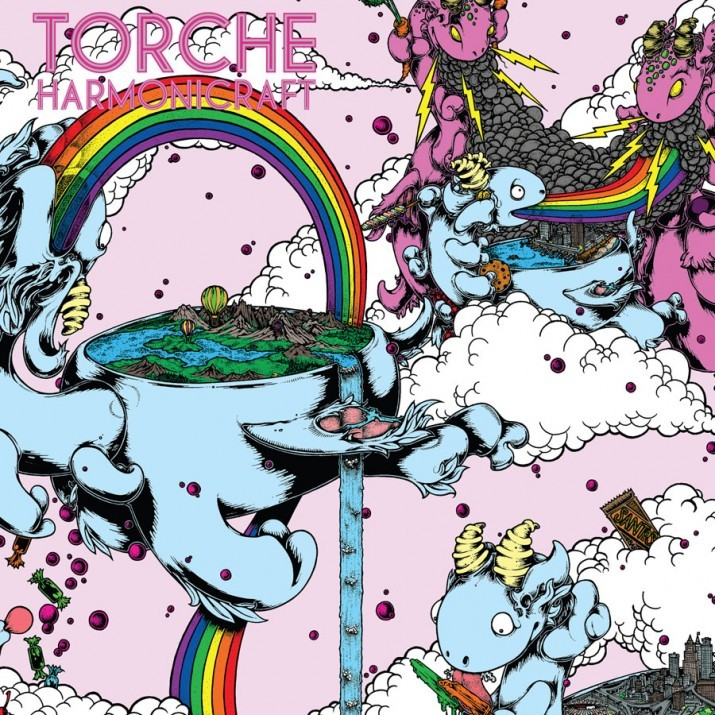
Remember Volcom hardcore? Perhaps Scion metal? No, you’re only familiar with Google AI Olympics ad corporate shill punk? Okay, look, I understand the anarchist argument that any sponsorship for your music is “selling out” or somehow compromising the “punk” ethos. But just picture the late 2000s and early 2010s when companies who, in some cases, had no business getting involved with bands like High On Fire or the Melvins, were actually doing cool and creative things for them.

Volcom was at least a skateboarding company and already rooted in underground culture, so when Florida sludge-pop pioneers Torche released their third full-length Harmonicraft through Volcom Entertainment in 2012, that didn’t seem like a mismatched partnership. There was even a limited-edition skate deck bundle for the hardcore fans. I was only hardcore enough at the time to get the vinyl version that came with a rainbow lollipop slipmat, but that did me just fine for a number of years. Harmonicraft is an excellent starting point if you’ve missed out on Torche all these years, featuring their catchiest songs yet but not turning down the heaviness whatsoever. Much like its rainbow-detailed album art, the band seamlessly melds headbanging and harmonies better than almost anyone.

– Logan Archer Mounts


mauve – About the Weather

Really Rad Records

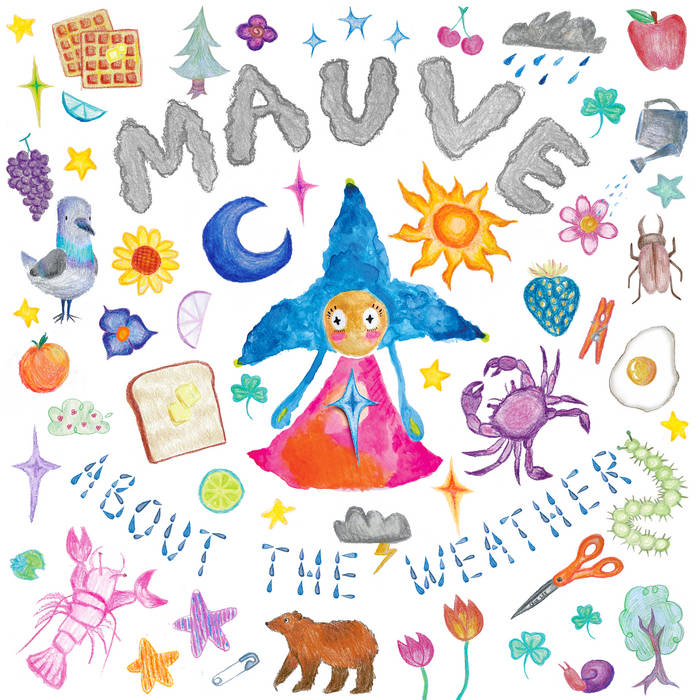
Pine trees, a raincloud, an orange, a purple crab. It’s always nice when an album legitimately sounds like its cover, and I have always loved how much mauve’s one and only release, About the Weather, sounds like the bright, trinket-y illustrations that adorn their cover. 

mauve was a late addition to the 5th wave sound. They popped up on Twitter radars in 2022 with their barnstormer, “20,000 Degrees,” and released their debut in the summer of 2023, a spectacular high for the crashing wave of the emo era. I think about the switch-up on “Drive/Threw” all the time still, a deceptive, jangly track that blows the album open for “Oh My God!” and the gloomier “Two.” Their Origami Angel influence (another band I almost picked for the rainbow cover – shout out The Brightest Days mixtape) comes through the clearest on the final song, “Sun,” but is honestly closest to the older emo waves of yore (like late second wave). mauve was a cool little blip on the emo radar that I still miss, but at least I have this cover. My favorite illustration is the pink lobster.

– Caro Alt


Cheem – Power Move: Victory Lap

In Bloom Music

It’s no secret that I’m a huge fan of the Connecticut nu-pop quintet, Cheem. Their undeniable sense of self, their approach to genre blending, and their impressive instrumentation all make them a standout act in the big ‘26, and their latest release, Victory Lap, is no exception. Typically, I can take or leave deluxe albums. Too often, the extra tracks feel tacked on for a separate release and probably should’ve stayed on the cutting room floor. However, when lead singer Sam Nazaretian sent me the original Power Move ahead of its release in November, something felt missing. I only realized this once I received the deluxe version, and those bonus tracks helped round the whole thing out and make it feel like a complete album. 

Cheem continues to improve and excel with each release, and Power Move: Victory Lap adds that extra oomph to send the original album into the stratosphere. “Future Tense” opens the album perfectly with commanding instrumentation and slow, steady rhythms that pull the listener straight in. “Rhyme/Reason” is yet another classic hip-hop-inspired Cheem hit to really show you what the band is about, while my personal favorite on the album, “Mistake,” feels like it was pulled straight out of the Persona 3 soundtrack and encapsulates so much of what I love about Cheem. Power Move: Victory Lap has quickly joined its predecessor, Guilty Pleasure, as one of my favorite albums of all time, and I don’t see a world where the next Cheem release doesn’t achieve the same status. 

– Ciara Rhiannon


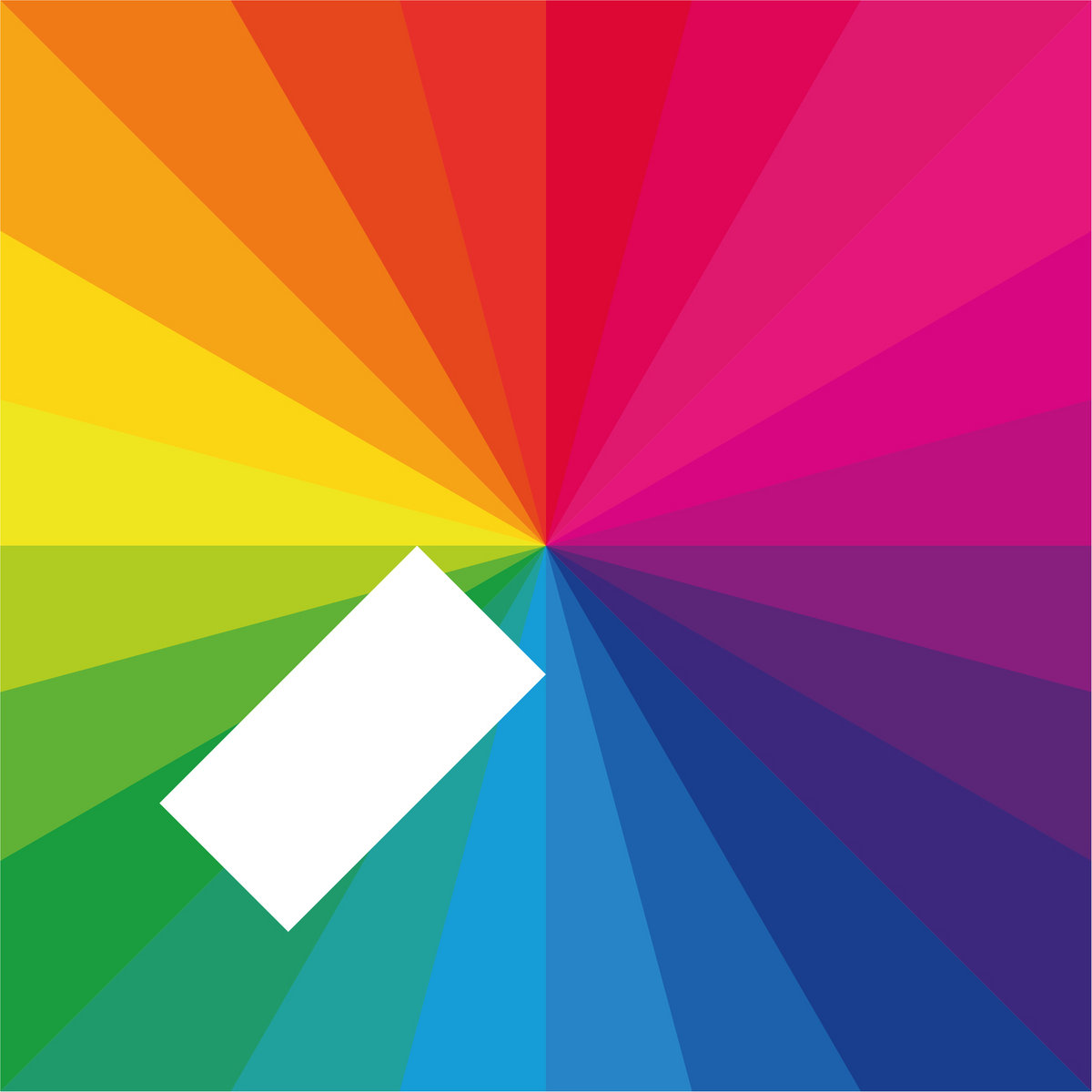
Jamie xx – In Colour

Young

Back in the early 2010s, I was obsessed with The xx. We all were. The group’s self-titled debut dropped when I was halfway through high school, and songs like “Infinity” and “Stars” captured a steamy moodiness I’d never heard in music before. Coexist was a more mellowed-out follow-up that I utilized as “study music” on a regular basis – a little less exciting, but reliable and still recognizable as that thing I was first drawn to. When Jamie xx released In Colour in 2015, I wasn’t sure how I felt at first. Sure, there were a couple of features from Romy and Oliver Sim that gave off whiffs of The xx, but it felt like a much more instrumental and electronic project than the bedroom-whisper indie I was used to. Fortunately, 2015 also marked the beginning of my obsession with Young Thug, and his feature here, where he passionately delivers the line “Imma ride in that pussy like a stroller,” was emphatic enough to keep me coming back. These days, I view In Colour as a very good electronic album. The opener, “Gosh,” does a great job pulling you into this kaleidoscopic world, and after a handful of listens, it quickly becomes clear that each track takes its own hyper-distinct approach, whether that’s due to the handful of features or a choice in the instrumental like the killer steel drum in “Obvs.” It’s a fun record to throw on in a group setting with its own distinct little pockets of vibes and, when it comes to rainbow album covers, it simply doesn’t get better, or more satisfying, than this. 

– Taylor Grimes


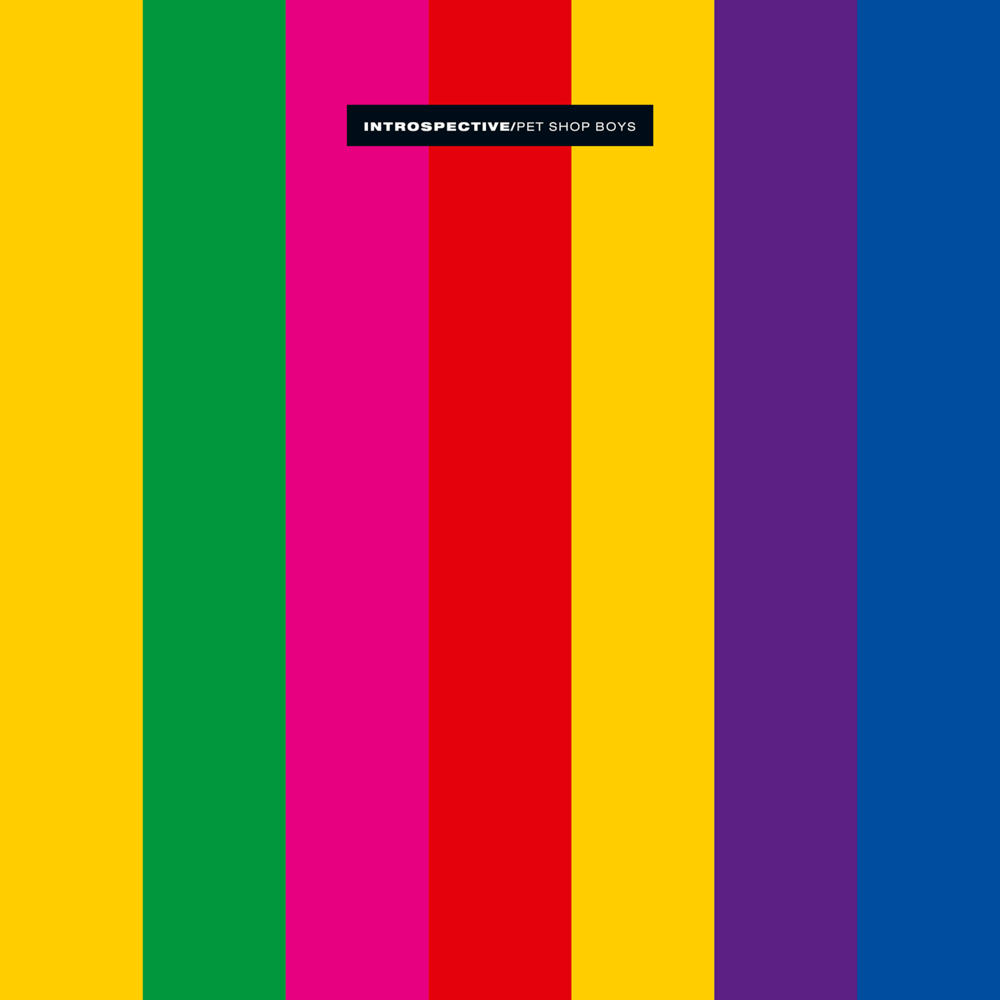
Pet Shop Boys – Introspective

Parlophone / EMI-Manhattan

Pet Shop Boys remain very high on my concert bucket list, especially after the sting of their New Order co-headline tour being rescheduled twice over due to the pandemic. Chris Lowe and Neil Tennant crafted some of the greatest keyboard music of the 1980s, starting with their breakout single “West End Girls,” and are still steadily releasing music today. 1988’s Introspective feels like the full-circle evolution of the group’s sound: theatrical and grandiose dance anthems that would get even more blown out on later records like 1993’s Very.

This six-track LP wastes not a moment of synthpop bliss, each number carefully crafted from beginning to end like the opener “Left To My Own Devices” or the moody “Domino Dancing.” Pet Shop Boys’ unbeatable streak of cover tunes begins on this album with their surprising but successful take on the country classic “Always On My Mind,” and in 2009 they used “Domino Dancing” as the dancefloor plan for a version of Coldplay’s “Viva La Vida,” which to me remains the best version of the millennial pop opus. Introspective brings its title theme to full-body movement music, cementing Pet Shop Boys as undisputed progenitors of their genre.

– Logan Archer Mounts


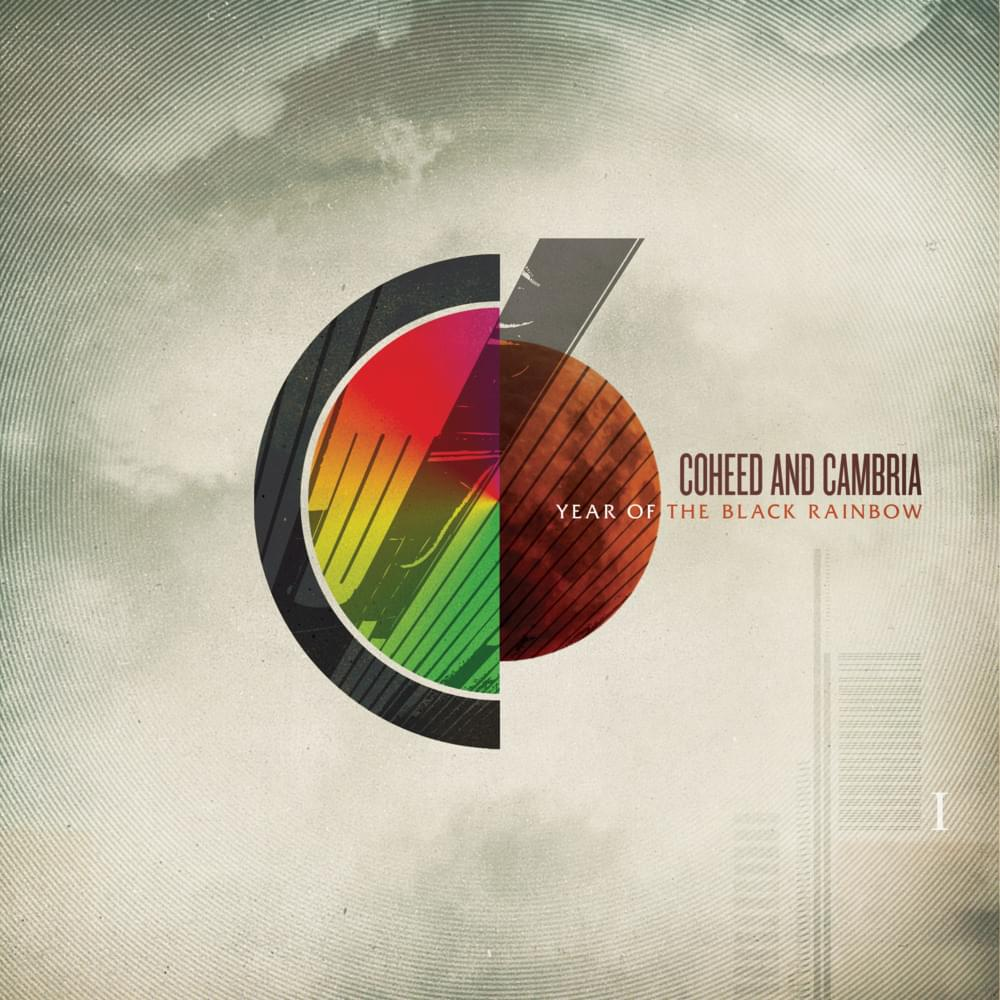
Coheed and Cambria – Year of the Black Rainbow

Columbia Records

If we’re all honest with ourselves, I think there’s always at least one album in our favorite band’s discography that sticks out like a sore thumb. Sure, we like to think we love all of our children equally, but when pressed, we have to hit ‘em with the “I don’t care for [X album].” I’m as die-hard a Coheed fan as they come, but have always had a complicated relationship with their fifth studio album, Year of the Black Rainbow. It’s not just that the release had notable shake-ups surrounding it – the booting of their original drummer, Josh Eppard, and subsequent replacement with Chris Pennie of The Dillinger Escape Plan, Atticus Ross of Nine Inch Nails’ eccentric producing influence, and lead singer Claudio Sanchez’s ongoing desire to evolve the band’s sound and musical approach – and the final product was heavily affected. 

The resulting album is, to this day, the most oddball release the band has ever done. While I have never completely gelled with the album as a whole, it does contain a couple of my favorite tracks of theirs, and songs like “Guns of Summer” really swing for the fences and show off Pennie’s truly staggering drumming chops. When it comes to Coheed’s discography, there are no releases that I dislike; it always comes down to which albums I love the least, and the reality is that I think Year of the Black Rainbow will always sit toward the bottom of the pack for me. Either way, I think it’s always good practice to revisit those black sheep albums in your favorite band’s discography every once in a while to remind yourself why you love them, not in spite of those albums, but to appreciate how they deepen and expand the band’s catalog.   

– Ciara Rhiannon


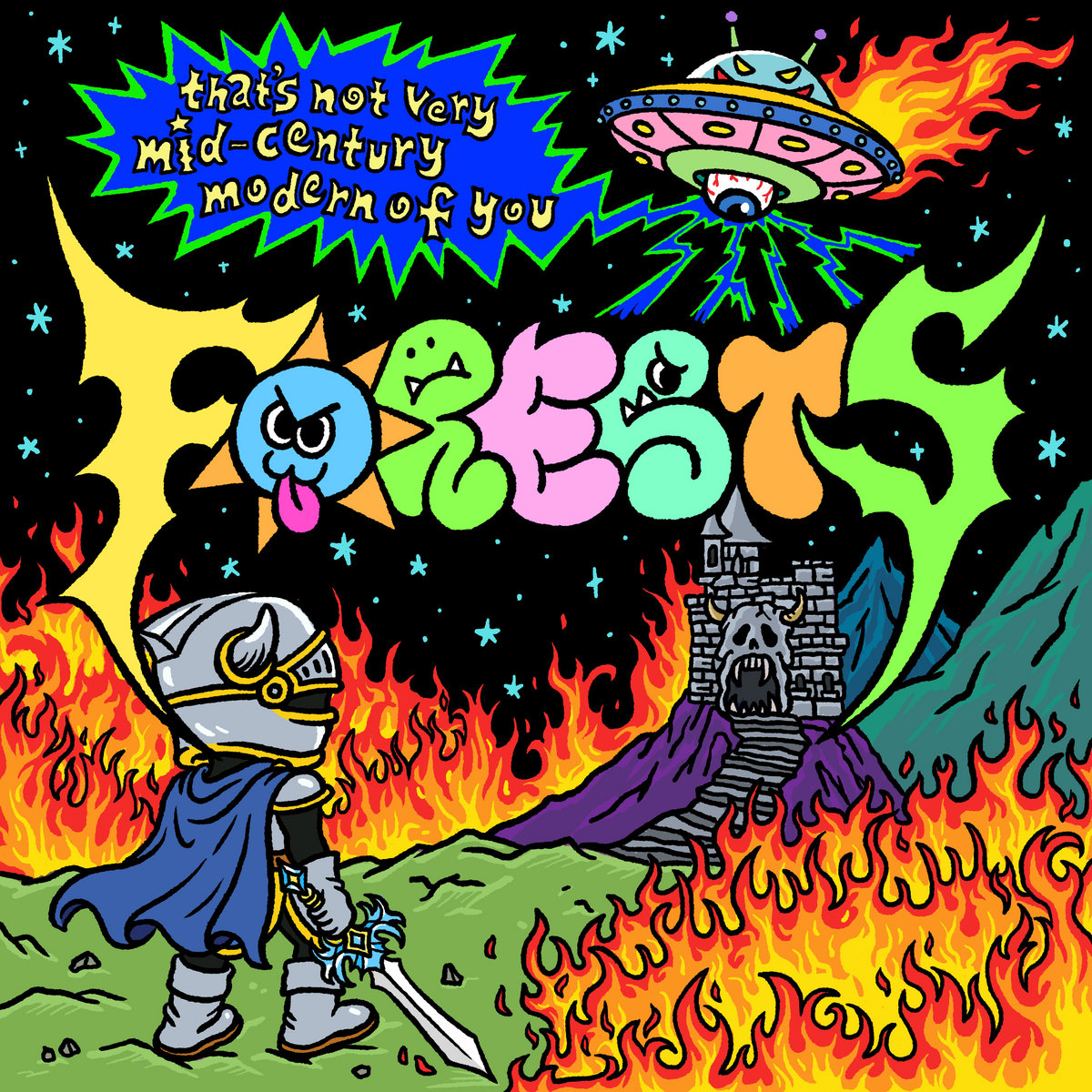
Forests – That’s Not Very Mid-Century Modern of You

Self-released

Forests is an emo band. That’s what their Bandcamp description was in 2016 when they released their debut album, Sun Eat Moon Grave Party. Despite being based in Singapore, they’ve cultivated a strong fanbase in the US with the perfect blend of melodic/abrasive vocals, mathy riffs, and all-too-relatable lyrics about memories that would be better off forgotten. Something Forests does particularly well is blending in references and influences, most obviously on “Trauma Dumpling,” uniting both Title Fight’s “Numb, But I Still Feel It” and Linkin Park’s “Numb.” This half-joking, self-referential humor isn’t anything new, but Forests pulls it off more effectively than any other group I know.

The album art for That’s Not Very Mid-Century Modern of You is a good metaphor for the ground the band has covered in ten years. Much like the cover of their debut, there are still mountains, stars, and a UFO, but now with much more detail. Their name on the album isn’t just one color, but a rainbow of creatures. They’re like they were ten years ago, but with more experience, more influences, and more control. I usually say that the best emo bands break up, but I hope Forests is making music like this for decades to come. 

– Braden Allmond


Adrianne Lenker – songs/instrumentals

4AD

The two most common questions I get when people find out I play guitar are either “Can you play Wonderwall?“ or “Do you have a favorite guitar player?” My answer to both hasn’t changed in the last few years: No, I do not know how to play Wonderwall, and I am not interested in learning how, and Adrianne Lenker is my favorite guitarist living today. Generally speaking, I tend to drift toward her solo output more than her work with Big Thief, not only to take in the wonderful ways she navigates across the fretboard, but to hear the often devastating stories she blends with her beautiful playing. songs/instrumentals, like much of the art that was created during the 2020 COVID lockdowns, evokes a very lonely time and place that most of us have probably subconsciously put away to find some sort of reason to keep going. But Adrianne, with a resilience I could only hope to achieve at some point in my life, carved out a remote space in the mountains for herself and her regular collaborator Philip Weinrobe to process the crushing feeling of what she dubbed “heartsickness” from not only the despair the pandemic had wrought, but also the dissolution of a romantic relationship and the death of a grandparent.

Both songs and sister album instrumentals are the result of a month of processing that heartsickness in the woods of Massachusetts. Lenker decided to take a more personal approach to this group of songs, making them feel strikingly intimate (especially so during a time when we were all communicating through screens and webcams). The detail in the tracks across the album is painterly in just how visual they are. “Circle of pine and red oak / Circle of moss and fire smoke / Fan on the ceiling like a wheel spoke / Push the clutch and I pull the choke,” she sings in one of my favorite sequences during “anything.” I’m there with her and her lover, passing the time in the woods, simmering slightly in the summer heat of a hot bedroom, driving down an empty street trying to time the mechanism of a manual vehicle with another. Floating in time, in memory, in whatever the day brings when you’re so deeply in love with someone.

Instrumentals, as you may have guessed, consist solely of Lenker’s guitar playing and the ambient sounds surrounding the cabin where the album was recorded. It’s two pieces, “music for indigo” and “mostly chimes,” clock in at just about 37 minutes. “mostly chimes” starts with some quiet guitar improvisation and ends with about 11 minutes of nothing but wind, chimes, and birdsong. The intimacy of Lenker’s songs is beautifully reflected through the intimacy of just being- a reminder that despite it all, the simple fact of existence is an act of love itself. 

– Nickolas Sackett


Honorable Mentions

Hey, we can’t write about every album with this color, so here’s a list of some more that we feel like we should mention.

  • Anthony Green - So Long, Avalon

  • Discus - To Relate To

  • Karmanjakah - Diamond morning

  • Pool Kids - Pool Kids

  • Pretty Bitter - Pleaser

  • Death Cab For Cutie - Narrow Stairs

  • Hey, Ily! - Hey, I Loathe You!

  • Longfriend Timefriend - Here’s to Not Feeling Worse

  • Microwave - Stovall

  • Cotton Jones - Paranoid Cocoon

  • Every Time I Die - From Parts Unknown


Collect some more Covers:

January Blues

February Reds

March Yellows

April Greens

May Purples

Swim Team Summer Bev Check 2026

Beverages are one of life’s simple pleasures. No matter how down bad you are, you can always get a 99¢ Arizona from the store around the corner. No matter how much you wanna bail on the gig tonight, there’s always a sugar-free Red Bull to pick you up and help you power through. There’s champagne to celebrate, whisky to make you woozy, and Gatorade to help you recover from it all. The right drink can make a long shift at work a little less shitty or be the cherry on top of an already perfect day. 

We here at Swim are big fans of hydration in all its forms. I personally keep my 32-oz Nalgene filled and within arm’s reach, basically 80–90% of the time. I keep multiple flavors of seltzer on-deck and in my fridge at all times, and I have needlessly strong opinions on the best flavors of Red Bull, Monster, and Rockstar. I’m lucky that most of The Swim Team share similarly strong beliefs and passions about the world of snack and bev, because we gotta talk about something in between complaining about Spotify and trading indie music recommendations back and forth. 

To that end, the illustrious Swim Team has come together to whip up a summer bev check, aka a list of a dozen or so different drink recipes for you to try this season. We’ve paired each drink with a song that you can listen to as you sip for the optimal summer experience. You can find all the songs in this playlist right here. Happy listening and happy sipping, I hope you have a beautiful summer.


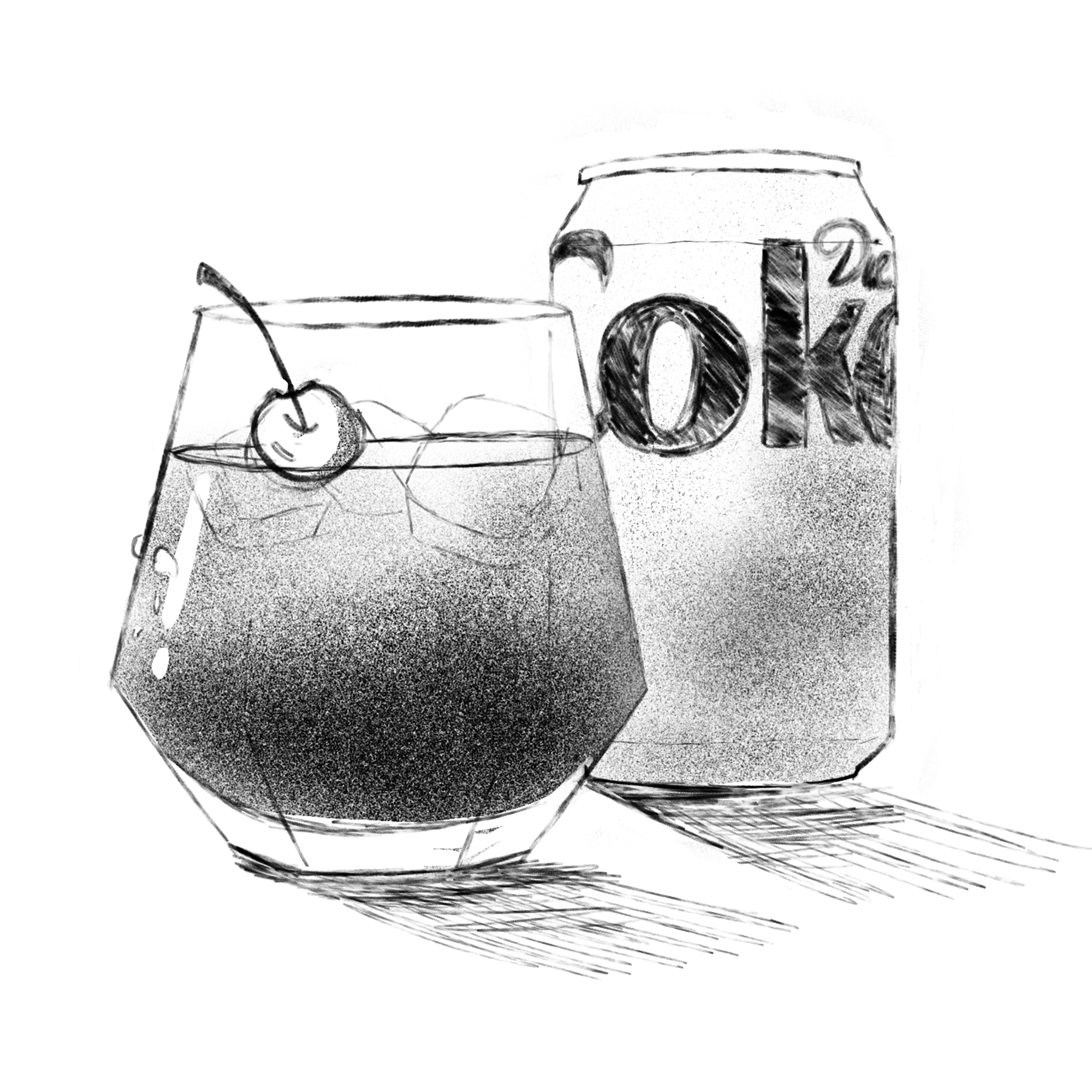
Cigarillo

Illustration by Amanda Deering

I have to shout out my buddy Tim from Pop Music Fever Dream for coming up with the name of this delicious bev. The humble Diet Coke is one of our most versatile beverages, to the point of transcending its status as a beverage—I believe this is why it’s been nicknamed the “fridge cigarette.” Add a bit of grenadine for some sweetness, dirty it up with the tequila of your choice, and you’ve got yourself a cigarillo, my friend. 

Ingredients

  • Ice

  • 1 oz tequilla 

  • Diet Coke (approximately 1 mini-can’s worth)

  • A splash of grenadine

  • A maraschino cherry, if ya nasty

For best results, pair with “Bartender” by Lana Del Rey (or more likely, the entirety of Norman Fucking Rockwell!)

– Grace Robins-Somerville


In Shirley’s Eyes

I stopped drinking a couple of years ago, and a Shirley Temple has become my drink I look forward to after a hot day in the sun. There is nothing better to sip while enjoying a hazy sunset with friends than this delightful syrupy concoction. 

Ingredients

  • Ice

  • Ginger ale

  • Grenadine 

  • As many cherries as you damn well please

For best results, pair with “Out of Step” by Minor Threat.

– Lillian Weber


The Uncle Tupelo

I’ve never been a smoker, but cigarettes legally do not count after four beers… Three if you’re petite. There’s something about bar-hopping in the summertime–feeling the stick of the air as you wade through a cloud of someone’s cigarette smoke on your way into your favorite dive. In four short beers, you’ll have a cloud of your own. A moment best shared with no more than two loved ones.

Ingredients

  • 1 whiff of someone smoking a cigarette on the patio as you enter the bar

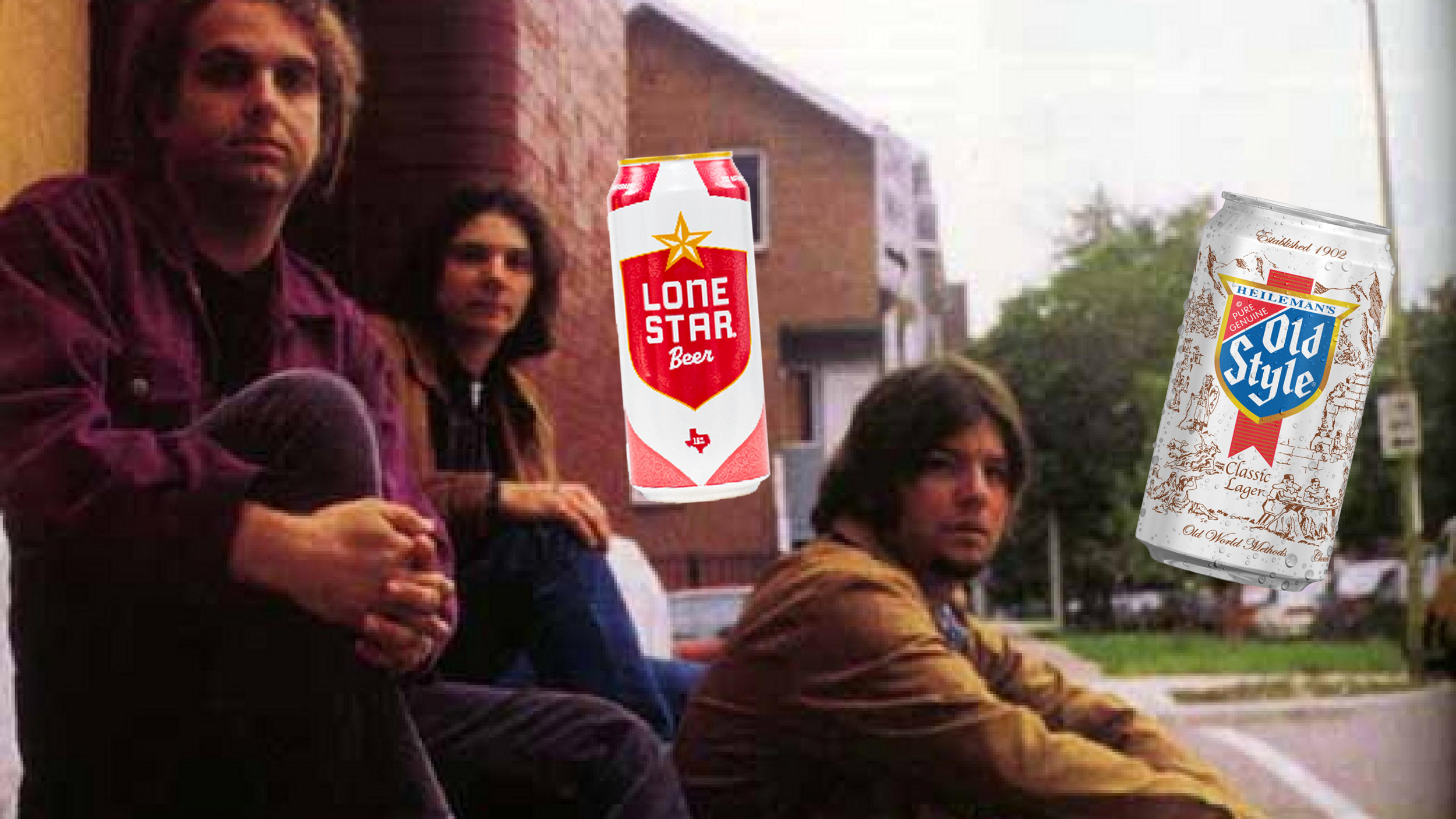
  • 3–4 “Uncle” beers (Beers you see your uncle drink in the garage on Thanksgiving. Depending on your region, this could be Stag, Hamm’s, Old Style, or Lone Star. If necessary, PBR will do)

  • 1 Camel Blue (it has to be Camel Blue)

For best results, pair with “Chickamauga” by Uncle Tupelo.

– Caleb Doyle


Aunt Caroline’s Famous Down Home Old Fashioned Style Switchel

Well, gather ‘round y'all, and let Aunt Caroline pour you a nice tall glass of my world-famous switchel. Now, back before all you youngins drank lemonade, this is how us old timers would quench our thirst after bringing in the harvest on a sweltering summer day. I know I’m telling you to drink a beverage that contains a not-insignificant amount of vinegar and molasses, but I swear to god, it's delicious. Your great-aunt Caroline even made this for General Sherman and his men on their way down to Atlanta.

Ingredients

  • 2 tablespoons apple cider vinegar

  • 4 teaspoons sweetener (Aunt Caroline only uses genuine black strap molasses, but you city folk can use honey, maple syrup, or sugar)

  • 1/4 teaspoon ground ginger or 1 teaspoon grated fresh ginger

  • 1 cup water

Combine all ingredients in a jar or glass and refrigerate for at least two hours, or overnight if possible. Strain if using fresh ginger. Serve over ice. 

For best results, pair with “John Brown’s Body” by Pete Seeger. 

– Caroline Liaupsin

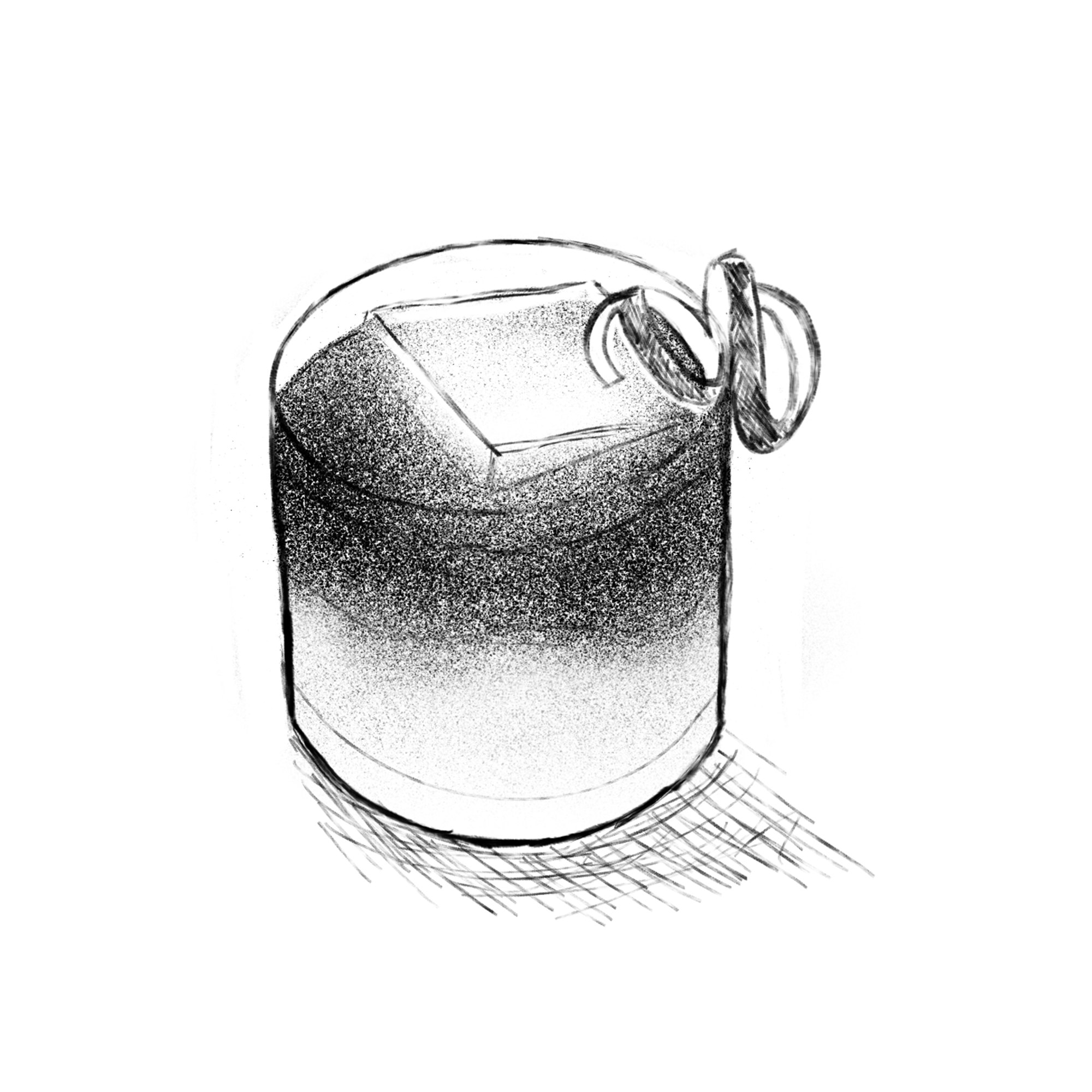
The Dirty Palmer

Illustration by Amanda Deering

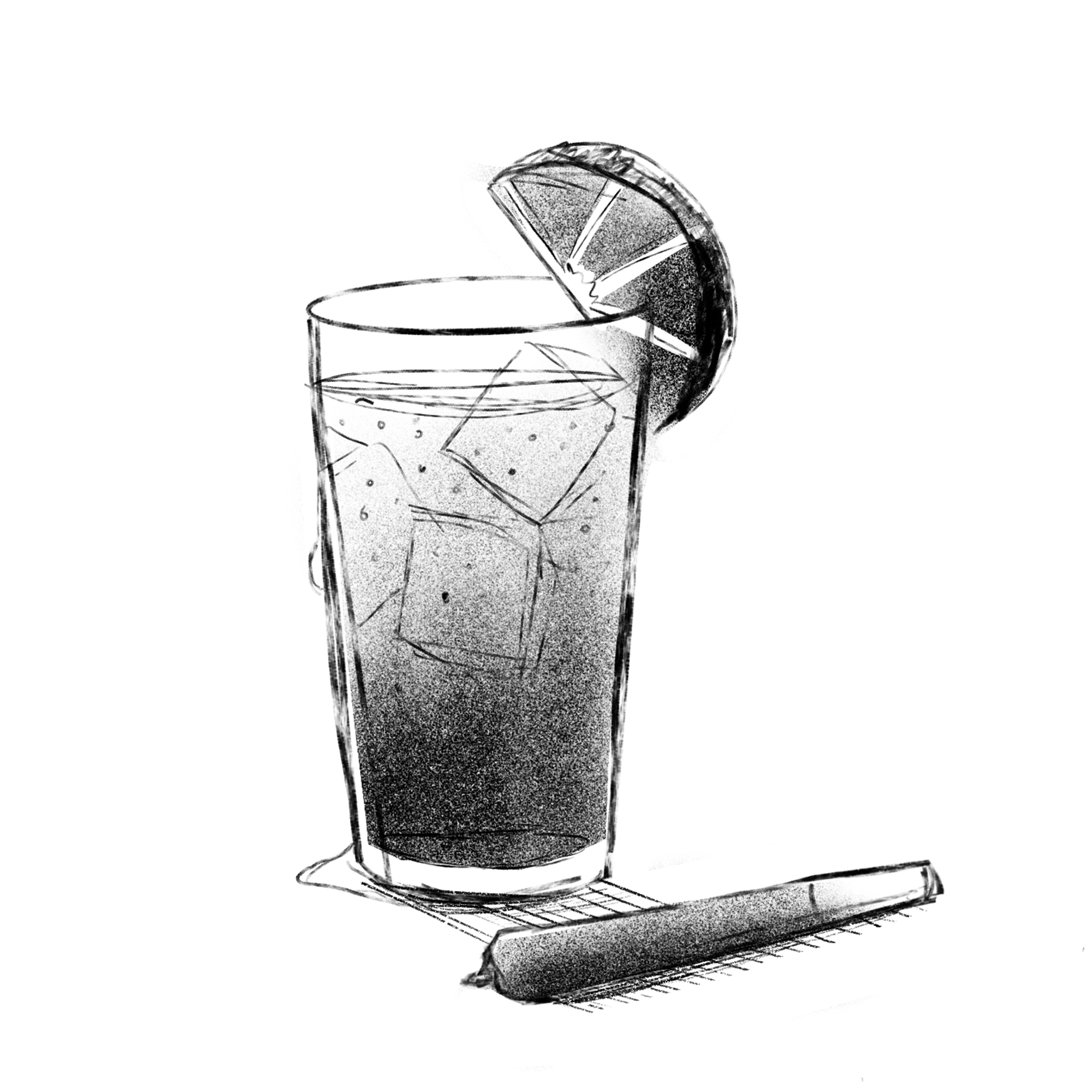
I’ve been known to fuck up some mini golf, but I’m not a golfer. If anything, I’m anti-golf; it’s a rich guy sport that monopolizes land, hoards water, and acts as a conduit for the worst people in the world to conduct shady backdoor business deals. All that said, I still have mad respect for Arnold Palmer. He has an impressive list of career accolades, but perhaps his greatest achievement is his signature beverage, a blend of lemonade and iced tea. You can buy it at any convenience store in this great country for 99¢, and that’s beautiful. If you throw a little booze in there, you have a beautiful concoction that pairs with any sunny summer activity, whether you’re day drinking by the pool, lazing in a hammock, or heading out for a night out on the town. 

Ingredients

  • Ice

  • 1–2 shots of Tito’s Vodka

  • Half a bottle of JOE TEA Half Lemonade Half Lemon Tea

  • A splash of plain seltzer (preferably Polar Original)

  • A slice of lime

  • A sativa joint (optional)

For best results, pair with “Dozen Roses” by Thomas Dollbaum.

– Taylor Grimes


2009 Four Loko

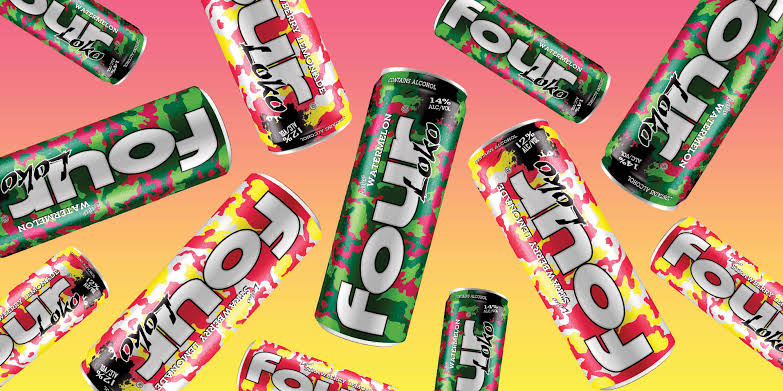
This summer, if you want to know the feeling of high-voltage electricity pulsating through your entire body, there’s only one solution… the FDA-banned version of Four Loko from 2009. It’s a drink so powerful that in just one night of consuming this toxic beverage, you could experience the highest of highs, like levitating in the middle of a crowded street, but it could also lead to you being helped on a gurney headed to your nearest CPR machine. The only hindrance you might incur is the time travel part, but where there’s a will, there’s a way. I’m sure with the correct equipment, that won’t be a problem for you.

Ingredients

  • 1981 DeLorean DMC

  • Flux Capacitor

  • Liquid Nitrate

  • CPR Machine 

For best results, pair with “Sikamikanico” by Red Hot Chili Peppers.

– David Williams


The Nancy

The Little Apple – Manhattan, Kansas – is situated at the edge of the Flint Hills, has one of the top agricultural universities in the country, and provides (almost) all of the fixin’s of the big city with all of the charm of a small town. The best part of this little city is easily Aggieville, a short drag of college bars, where you can find the “Nancy” offered year-round at Rock-A Belly Deli, Taco Lucha, and So Long Saloon. Always available, always refreshing, and—most importantly—always cheap. 

Ingredients

  • 20 oz plastic diner cup

  • 50% cheap light beer (Old Milwaukee is traditional)

  • 50% canned pineapple juice

Variations include: Pirate Nancy (add 1 oz rum), Dirty Nancy (1 oz vodka), Whiskey Tango Nancy (1 oz whiskey), Fancy Nancy (1 oz Crown), or, if you dare, a Long Island Nancy.

For best results, pair with “Hey Jealousy” by The Gin Blossoms or this cover by The Ergs.

– Braden Allmond


The (Extra) Dirty Beertini

Illustration by Amanda Deering

Much like the average yacht rock tune, a Beertini can be appropriately enjoyed at both your local dive bar or any country club wedding reception. This Midwestern concoction is what it feels like to indulge in simplicity. You can adjust the brine to your liking, but I prefer mine extra dirty. The adventurous yacht-rocker might even try subbing olive juice out for pickle juice. No matter your preference, there’s a beer-brine combination out there for everyone, so go experiment and then kick back this summer with your very own Beertini.

Ingredients

  • Your favorite light beer

  • A splash of olive brine

  • Garnish with olives or a pickle spear

For best results, pair with “What a Fool Believes” by The Doobie Brothers, or your yacht rock artist of choice.

– Annie Watson


Change of Address

Illustration by Amanda Deering

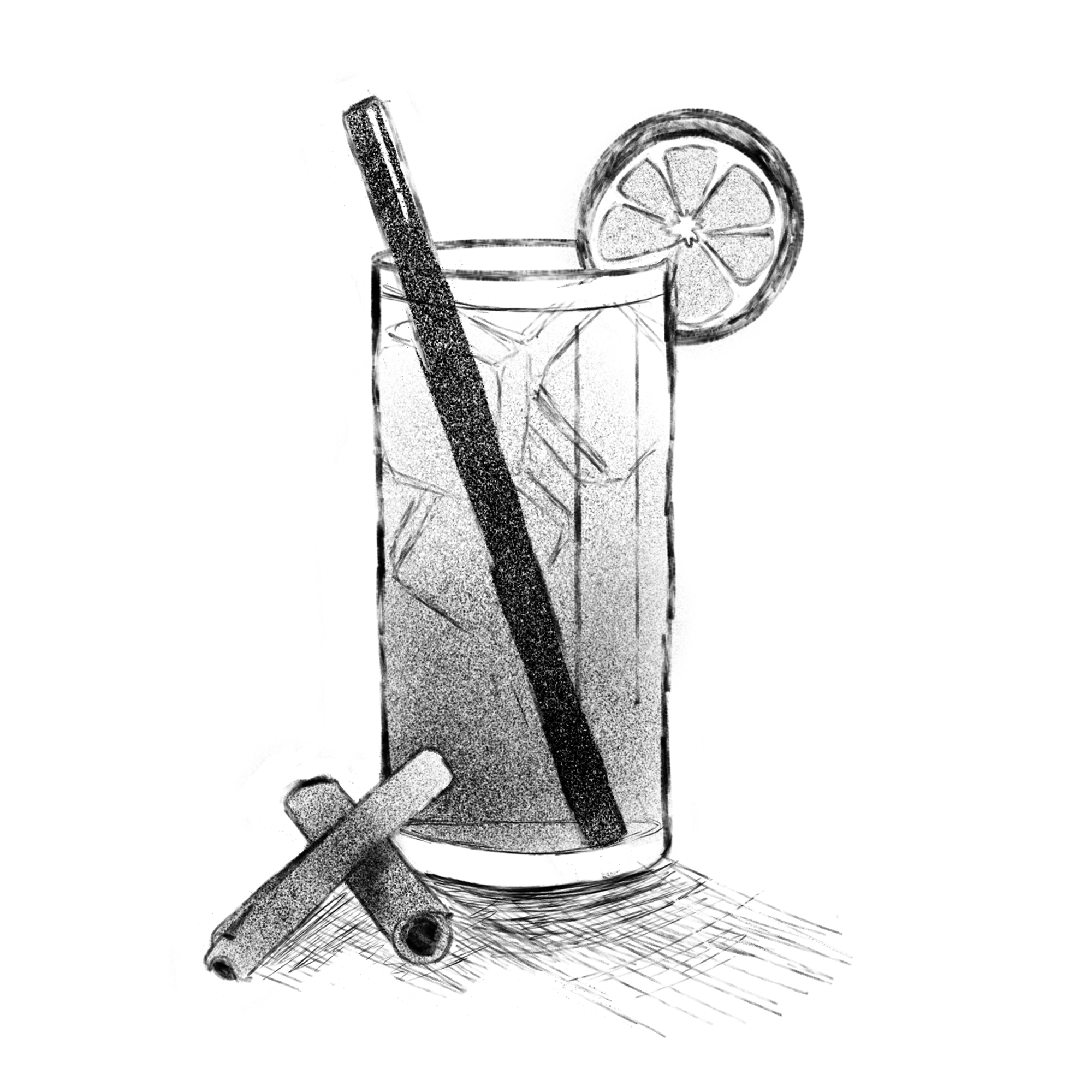
I am the lightest of lightweights and therefore appreciate a satisfying mocktail. The unusual and intriguingly delicious Change of Address is my favorite mocktail of all time; both simple and impressive. It’s a great twist on plain cola with a solid balance of sweet, spice, and umami. This specific recipe is by Eric Nelson, sourced from the wonderful cookbook Good Drinks by Julia Bainbridge.

Ingredients

  • 0.75 oz fresh lemon juice

  • 0.75 oz maple syrup

  • 1 tsp soy sauce

  • 3 oz Coca-Cola (or any cola really – I like the Vintage Cola Olipop)

  • Freshly grated cinnamon, for garnish

Combine the lemon juice, maple syrup, and soy sauce in a cocktail shaker. Fill with ice, seal the shaker, and shake for about 3 seconds to combine. Add the Coca-Cola, then double-strain into a Collins glass filled with crushed ice. To serve, grate cinnamon over the top.

For best results, pair with “What Is Left To Say (ft. The Lemon Twigs)” by Thundercat and a really good cheeseburger.

– Britta Joseph


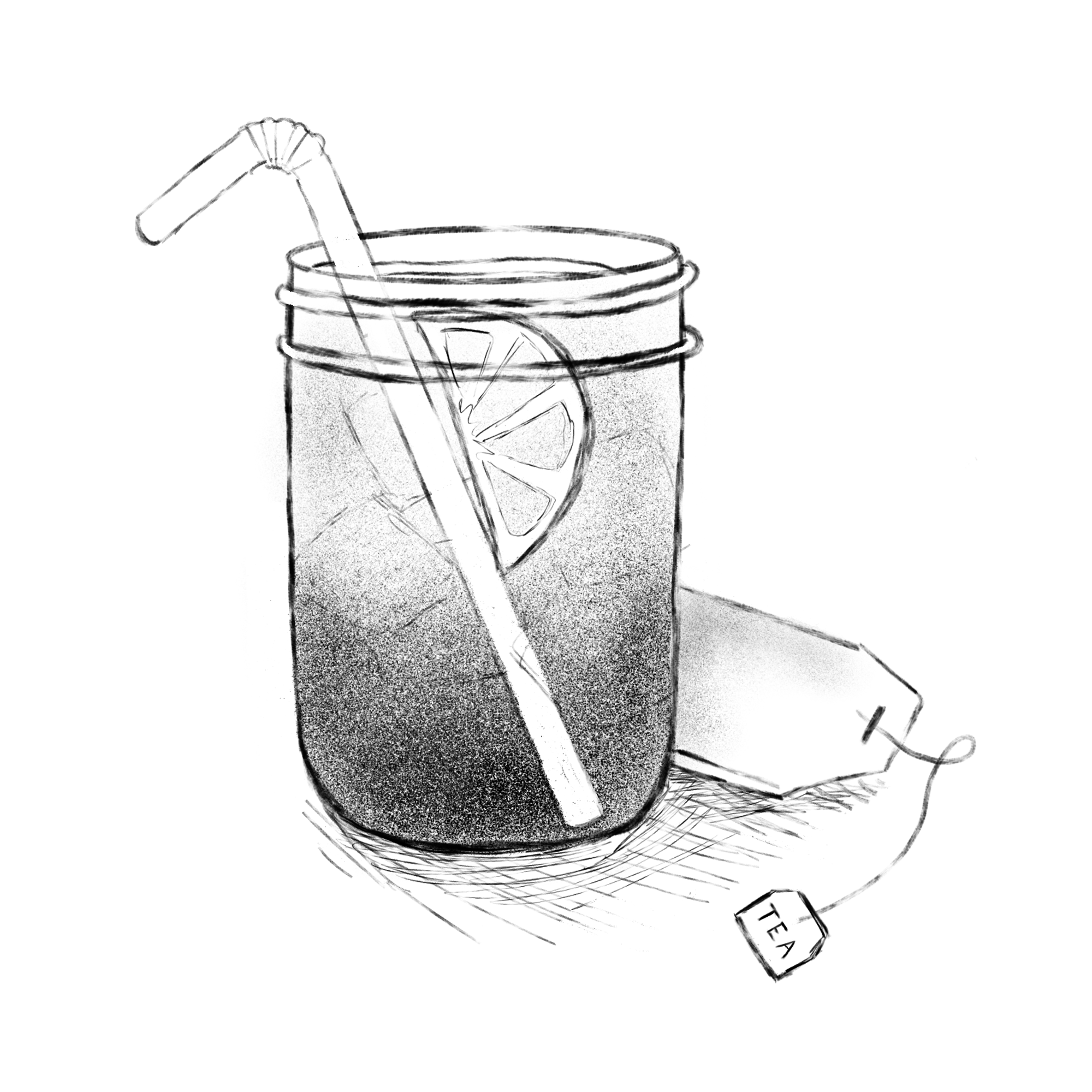
Sun Tea 

Illustration by Amanda Deering

The one constant in my childhood was a huge glass jar on the porch, filled with Lipton tea bags and tap water, brewing in the afternoon sun. Sun tea (or porch tea, as my mom called it) is a Southern staple– easy to make and hits harder than a freight train on a hot summer day. 

Ingredients

  • 1–2 quart glass container with a tight lid (no plastic, I’ve seen it melt, I swear) 

  • 4–6 Lipton tea bags (you could probably use better tea here, but it’s rough out here)

  • Water

  • Ice

  • Sugar, honey, or a simple syrup, if you need a lil sweetness in your life 

For best results, let it steep for 3–5 hours, but no longer to avoid any bacteria growth. And refrigerate immediately! 

Pair it with some John Fahey, Bill Callahan, or whatever artist makes you feel like you and the sun are taking a well-deserved break together after a long, sunny day.  

– Nickolas Sackett 


Emerald Effervescence 

Illustration by Amanda Deering

Despite my affinity for the alcoholic libation, I’m tapping in to help round out the n/a squad for my summer refresher. I recently started working at a coffee shop again, and nothing is keeping me functional during my humid industry shifts like the matcha tonic. Matcha has had quite the uptick in popularity in recent years and, while mainly accompanying one’s milk of choice or dusting whatever the hot confectionery craze currently is, there’s something about the light, bubbly, sharp combination of matcha and tonic that I cannot get enough of whenever I’m looking to cool down while I caffeinate. 

Ingredients:

  • 3g matcha + 2 oz boiling water

  • 20–30 g syrup of your choice

  • Lemonade (optional) 

  • Tonic of choice (Fever-Tree or craft preferred)

  • Crushed or nugget ice

Add your syrup to your vessel of choice – I’ve been using the homemade grenadine we have at my coffee shop, and it’s next level. Fill your chosen vessel with ice and tonic (maybe a little lemonade if you’re looking to add even more depth), while making sure to give enough room for your matcha on top. Whisk your matcha and water together until light and frothy with the traditional bamboo whisk, automatic frother, or whatever gets the job done, then top off the concoction. Appreciate the layers you’ve created, take a couple pictures for posterity, and give the beverage a gentle, purposeful stir to incorporate the layers. 

Best enjoyed with “Quench (ft. pulses.)” by Cheem or any unapologetically fun and snappy song that makes you feel like a kid on a hot summer day again. 

– Ciara Rhiannon


Mai Tai

Here is the grand imposter of the cocktail world. A drink so simple, so perfect, that the trash tiki forces that be can’t help but add a whole host of fuck-it-up ingredients. If it’s blue, it ain’t a Mai Tai. If there’s pineapple juice, it ain’t a Mai Tai. If there’s grenadine, then pack it up and go home. Basically, it’s a rum margarita with orgeat, an almondish syrup that elevates this drink to the sublime. The initial concept behind tiki was to create a vacation experience for the post-war patrons of the 50s who couldn’t afford to fly to Fiji. For your purposes, ditch the queasy Polynesian exoticism and make this drink when you need a little escape. 

Ingredients

  • 2 oz rum (I prefer a funky & strong Jamaican rum like Smith & Cross)

  • ½ oz orange curacao

  • ¾ oz freshly-squeezed lime juice

  • ¼ oz orgeat (I will allow you to sub amaretto if you can’t find it)

  • ½ oz simple syrup

Shake with cubed ice, strain, and pour over crushed ice; garnish with mint. 

For best results, pair with “Miami - Live at Café Carlyle” by Hamilton Leithauser (covering Randy Newman)

– Joshua Sullivan


Something Similar

Illustration by Amanda Deering

A cocktail as prickly as the song it’s based on, Something Similar seeks to take the familiar tastes of the New York Sour and distort them until there’s something both unexpected and surprisingly familiar, much like the music of The Mercury Tree, who take the trappings of math rock, post-metal and progressive metal, mix them with microtonality, and spit them out as something a little weird, but undeniably delightful. The color of the Empress gin and red wine float reflect the colors of the album art for Self Similar, the record “Dreamwalking” is taken from.

Ingredients

  • 2 oz Empress gin

  • 1 oz lemon juice

  • ½ oz prickly pear syrup

  • ½ oz tamarind syrup

  • Shake with ice

  • Pour over a rock

  • Float dry red wine

For best results, pair with “Dreamwalking” by The Mercury Tree.

– Noëlle and Yael Midnight


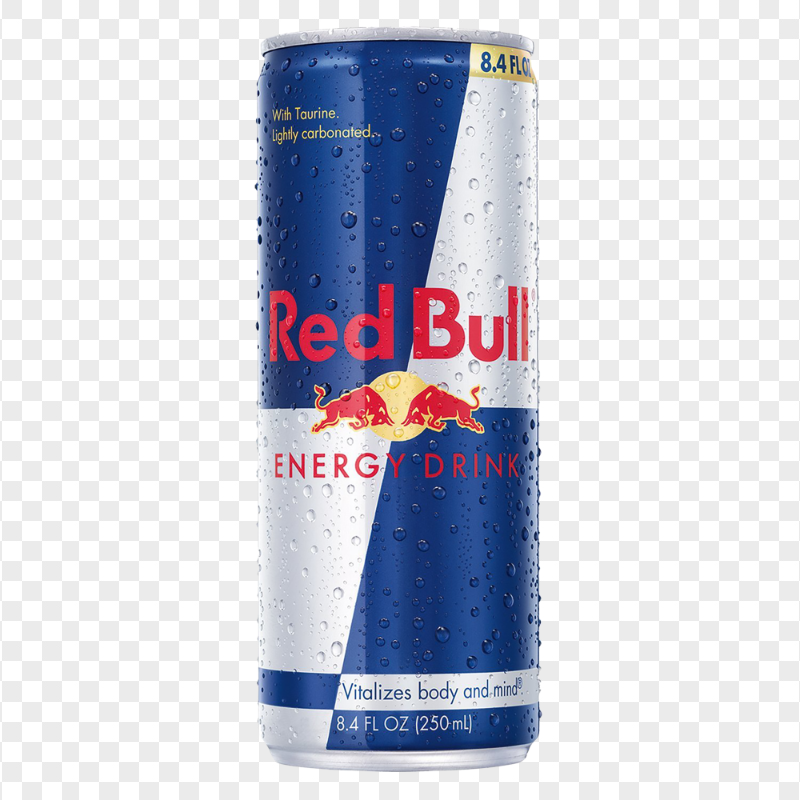
The Breakfast Red Bull

Have a Red Bull for breakfast. Certainly you won’t regret drinking an entire Red Bull for breakfast.

Ingredients

  • 1 can of Red Bull (any size, any flavor)

  • Crippling debt

  • Planet Fitness Guest Pass

For best results, pair with “Fucking Hostile” by Pantera.

– Logan Archer Mounts


Aperol Spritz

Hey guys, I am pretty drunk in London right now and forgot about the deadline for this. Typing on my phone. So my drink is an Aperol Spritz. Ever heard of it? I have had three today, and they rock.  

Ingredients

  • ONE BIG GLASS

  • Ice

  • Fill half of that ice glass with Aperol. On the back of the Aperol bottle it tells you the recipe. That’s wrong, and I am right. 

  • Bad prosecco. It has to be bad. Fill like ¼ of the rest of the glass. 

  • Club soda. Fill the rest of the glass. I actually like Topo Chico the most here #hack. 

Listen to “Rock Music” by Charli xcx, the Queen of Aperol. Also, while I am on my soapbox, the drink of 2028 will be the Sarti Spritz. It’s coming to America, I promise. It’s hot pink. Okay, love you, bye.

– Caro Alt

Cover Collector – May Purples

Design by Ryan Morrissey

I don’t know about you guys, but I love a good album art collage. One of the first things I do every Friday is head over to tapmusic.net and render a 4x4 chart of the albums I listened to most over the past week. At the end of each month, I do the same thing with a 5x5 that recaps my previous 30 days of listening. By the time December rolls around, I look forward to recapping the last twelve months with a gigantic 10x10 grid in an unwieldy encapsulation of the 100 albums that defined my year. 

Is it a little self-aggrandizing? Sure, but it’s also a fun way to see a quick snapshot of what my last week, month, or year has sounded like. At its best, this practice has led to fun conversations and solid recommendations going back and forth with friends as we bond over specific albums. Sometimes it’s that shared love over a deep pull from years gone by, other times it’s just noticing trends with a recent fave that seems like an unshakable presence week in and week out. At the very least, I suppose it’s satisfying to see a bunch of records that I feel an affinity toward lined up and embodying a specific stretch of my life. 

At some point near the tail end of last year, I conceived of a more communal way to bring this love of album collage to life. Because, sure, getting a live readout of your listening history is cool, but this is also about album art, an essential part of the experience and something us music nerds can fixate on just as much as the songs that sit beneath the cover. As such, I’m excited to welcome you to the fifth edition of Cover Collector: a monthly installation where the Swim Team discusses some of our favorite albums based on album color. For May, we’re writing about posh purples


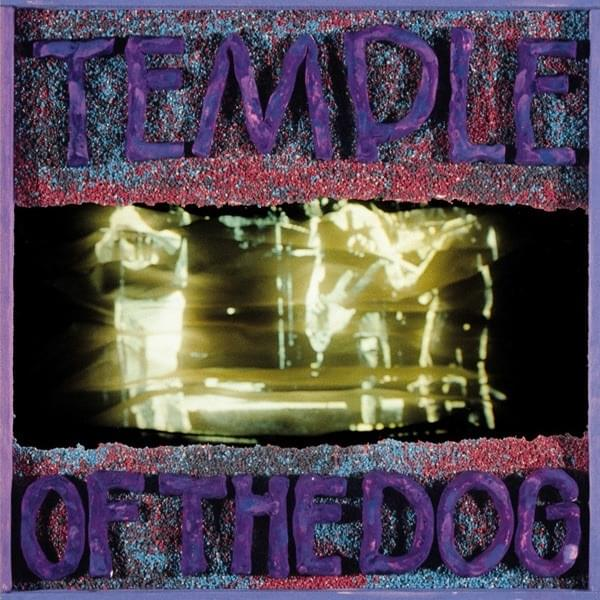
Temple of the Dog – Temple of the Dog

A&M

If, like me, you are a Second Generation Grunge Fan, an album like Temple of the Dog seems impossible the first time you hear it. All the members of Pearl Jam *before* Pearl Jam had formed? Soundgarden’s Chris Cornell on lead vocals and an Eddie Vedder cameo *before* any of those guys had really worked with Eddie before? It seems insane, and it is. Temple of the Dog existed for about 18 months, recorded one album, played fewer than a dozen live shows, and launched its members into 90’s Music Royalty.

Tragically, the band was formed as a tribute to Andrew Wood, lead singer of Mother Love Bone and roommate of Cornell, who died of a heroin overdose in March of 1990. Grieving and directionless, bassist Jeff Ament described the band as “a really good thing at the time” for him and guitarist Stone Gossard, which put them in a “band situation where we could play and make music.”

Cornell had written the first two tracks, “Say Hello 2 Heaven” and “Reach Down,” before Wood passed, and lyrically those songs became ever more prescient in the aftermath. The music is jammier, heavier, and more melodic than the music the guys of Mother Love Bone and Soundgarden were making at the time, but the darker vibe of the music served as a perfect platform for Cornell’s otherworldly rock vocals.

The centerpiece and most notable track from the album, “Hunger Strike,” features the first lead vocal performance of Eddie Vedder, who had flown in to Seattle to audition for the new iteration of Mother Love Bone. Vedder sang the lead in his now-trademark low register, perfectly fitting the space that Cornell was aiming to fill. In Cornell’s words, “He sang half of that song not even knowing that I'd wanted the part to be, and he sang it exactly the way I was thinking about doing it, just instinctively.”

Temple of the Dog remains a colossal work of art in the scope of 90’s Grunge music, a testament to the healing power of creating art in times of pain, and a remarkable jumping-off point for the most influential titans of the era.

When my high school/college friend Colby Dorf passed away in 2024, Temple of the Dog was a huge comfort to me. I listened to “Say Hello 2 Heaven” and “Hunger Strike” on repeat for a week, and I played them both as loudly as local statutes would allow. I suggest, even if you aren’t in pain, that you do the same. Your neighbors deserve to hear Chris Cornell and Eddie Vedder trading melodies over huge guitars.

– Caleb Doyle


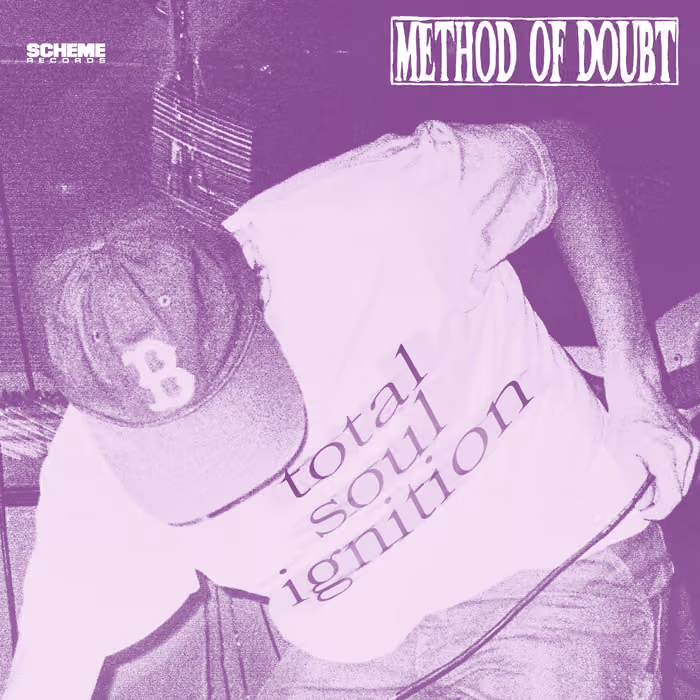
Method of Doubt – Total Soul Ignition

Scheme

2025 saw a lot of stellar releases in the underground music community, and one EP in particular was a major standout to me: Method of Doubt’s Total Soul Ignition was my favorite hardcore release of the year. The purple-tinted cover, depicting a figure mid-two-step wearing a shirt that has the title emblazoned across it, feels classic and timeless. Even the elongated serif font the band chose to display their name is reminiscent of the font commonly used by hardcore titans Earth Crisis. 

This EP spans four furious tracks, featuring guitars with just a hint of grit, snappy drumming, and urgent vocals that pack a punch without losing clarity. In a world that feels saturated with fuzz, excess reverb, and heavy compression, all of this caught my attention immediately. It’s a refreshingly crisp listen. The lyrics are a sharp stand against apathy, stating, “There’s got to be a different way, and I will live it out / Still in search of the quiet life / Still in search of the righteous life.” On the second track, the band follows this declaration with a snarling question directed at those in power: “Have you ever stopped to think, for once in your life, that you might not be right?” Method of Doubt offers up eight minutes of scintillating hardcore and doesn’t waste a single second.

– Britta Joseph


Olivia Rodrigo – SOUR

Geffen Records

Summer 2021 felt like it was covered by an ecstatic purple haze. A cloud had descended, and every breath brought pain and exaltation into your lungs in equal measure. Everyone felt it. Olivia Rodrigo’s debut album, SOUR, was just that fucking good. I’m not speaking hyperbolically when I describe Rodrigo’s music as ecstatic. What makes her songs so good is that while, yes, they hurt, each song feels so fucking good. She’s not content for “drivers license” to just wallow in the agony of romantic euphoria being upended that she describes on the verses and choruses; she knows the song needs that chanting bridge declaring how much she still feels love for him during the small moments of sitting at red lights to make it hurt so damn good. Sure, she can be childish, like who doesn’t know Billy Joel? But who hasn’t felt a little childish in a breakup? They broke your heart. Why should you be charitable? That’s the other thing about Rodrigo’s music and why adults respect her songwriting so much: she reminds us we’re all a little childish. 

– Lillian Weber


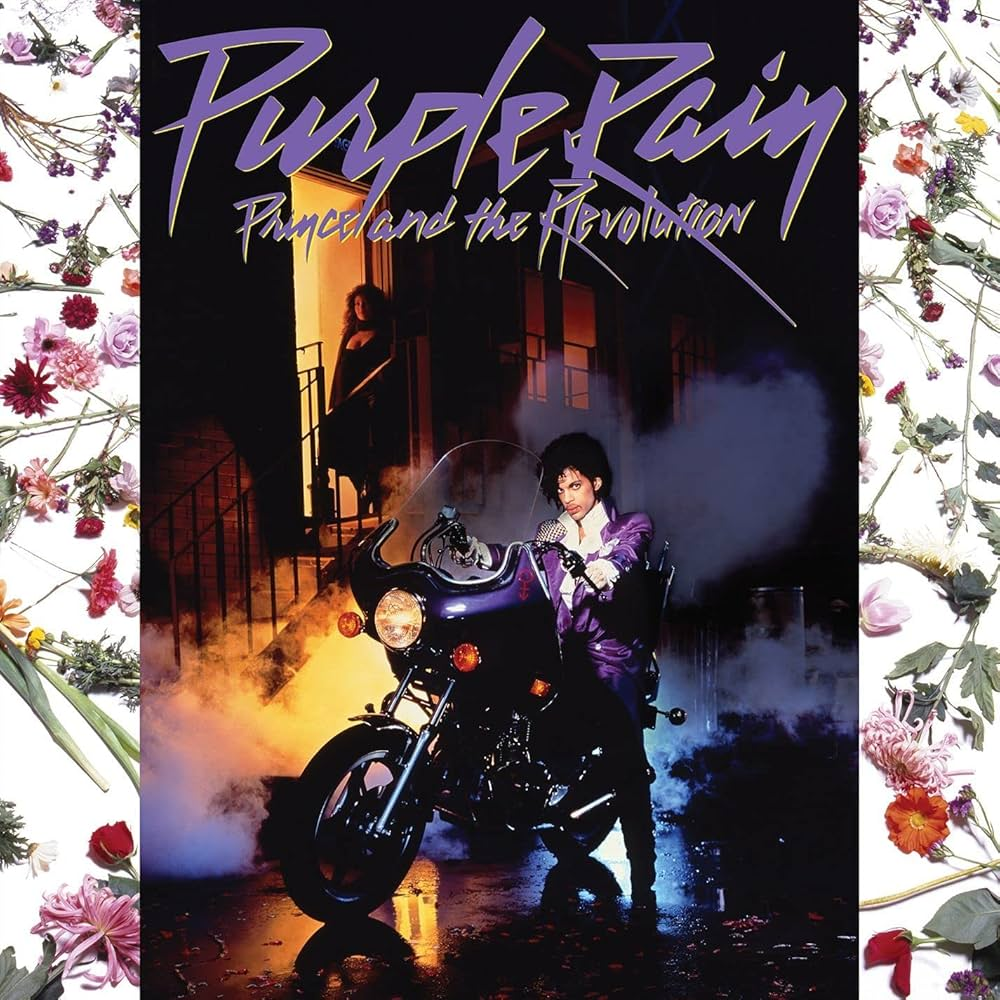
Prince – Purple Rain

NPG Records

Dearly beloved, we are gathered here today to talk about Purple Rain. Not only is this one of my favorite albums of all time, but it’s also easily the greatest soundtrack ever created. The film of the same title vaulted Prince from household name to international icon, a status he has held ever since. Prince’s star is a celestial one. Take, for instance, the vicious guitar solo on the ending of “Let’s Go Crazy,” or the monumental, career-defining ballad “Purple Rain.” The songs are transcendent, full stop. On Purple Rain, Prince kept climbing sky-high plateaus until he reached the very top of the mountain, something that only a select few artists ever reached.

My personal favorites, “I Would Die 4 U” and “Baby I’m Star,” bleed into one another back-to-back; the songs are jovial, glistening, and sound like a party I would never want to leave. Even the B-sides on the deluxe album that never made it to the official release, in the words of Martin Scorsese, are “pure cinema.” Tracks like “17 Days,” “Velvet Kitty Kat,” and “The Dance Electric” would be most pop artists’ best songs if we were being honest.

Since May is purple month over on Swim Into The Sound, it’s only right to write about “The Purple One.” No one, and I mean no one, has owned a color more than Prince. His Royal Badness has been the “Grand Poobah” growing strong for over forty years, steamrolling every other purple object in his path from lilacs to eggplants to Grimace. So, if the elevator tries to bring you down, put on Purple Rain. Game blouses.

– David Williams


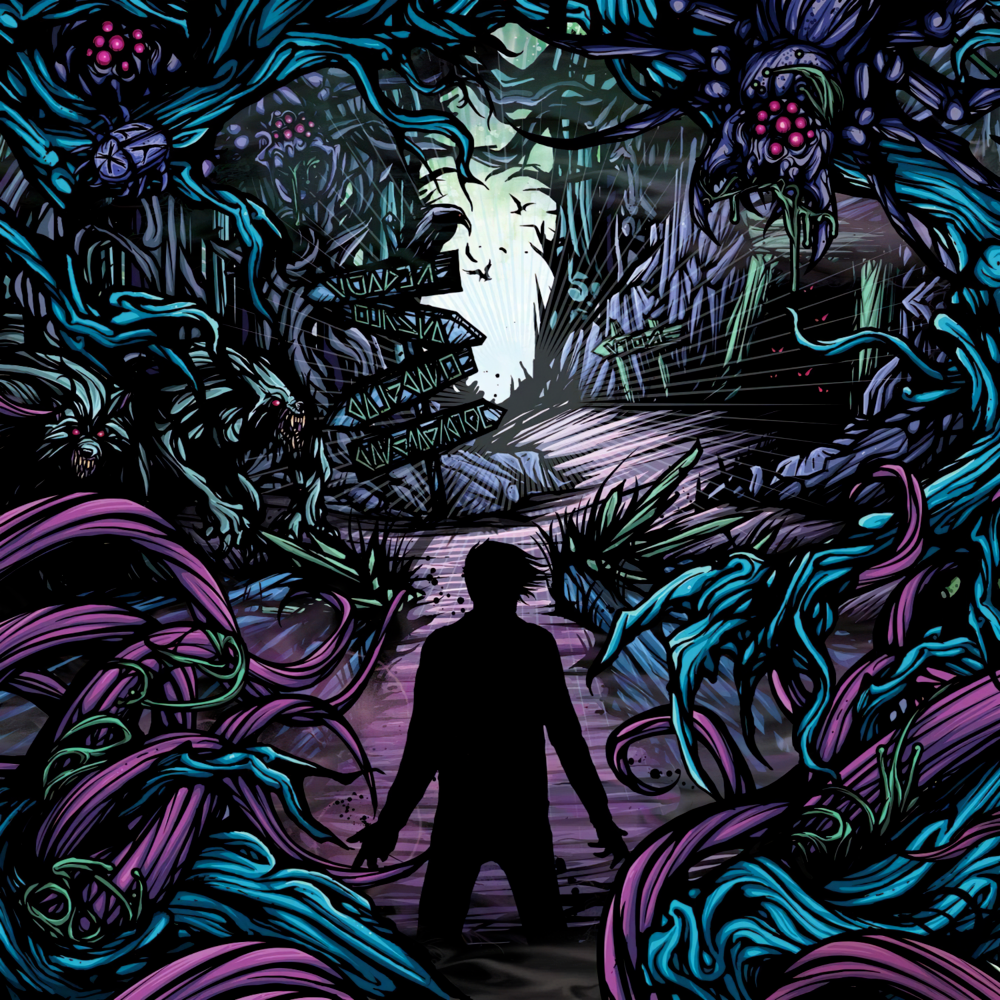
A Day to Remember – Homesick

Victory Records

A Day to Remember’s tenure in the pop-punk and metalcore scene goes largely unappreciated for the run that they’re on. A band, formed in 2003, that’s kept the same lineup (for the most part) while still kicking 23 years later can garner respect from even the snobbiest of scene gatekeepers. While their more recent albums leave little to write home about, the Florida-based group’s early run is one for the history books. When discussing the best pop-punk units of all time, I firmly believe that ADTR remains strongly in contention, particularly with Homesick

Homesick showcases ADTR’s patented seamless blend of infectious pop-punk choruses with crushing metalcore breakdowns at a time when the two genres were just beginning to converge. The band members find themselves at a thematic crossroads as well, as Homesick details their begrudging commitment to leave Ocala behind for a life on the road. The group’s range is on full display here, and it shines even in the sequencing of tracks where the circle-pit invoking “Mr. Highway's Thinking About The End” sits confidently before the arena-ready anthem “Have Faith In Me.” Ultimately, the record stands not only as an ode to the lives they left behind in Florida, but a vindictive lament to those who said they would never make it. 

– Brandon Cortez


The Reptilian – Full Health

Count Your Lucky Stars Records

In the grand scheme of things, an old adage holds true. I do not remember it word for word, but it’s something to the effect of: Proximity can breed fondness. I think. Either way, because my formative years were in the thick of DIY activity in the 2010s, it is with utter fondness that I remember records that fell out of the general looping zeitgeist. Whether they deserve it or not is to be argued elsewhere; my real point here is one of recollection. Full Health is a record hewn from a time when post-hardcore was about a raised brew in-hand, waved and spilled to mathy, noodley punk packed out in a small room where every word shouted was known, and falling down felt only half as good as getting back up. The Reptilian’s positing of up-and-down thrashy emo felt like it was at the center of all things, and Full Health certainly had its own center of gravity, existing as an eternal marker for the scene at the time, perfectly held and suspended in that indescribable feeling. As the band captures it on the album closer, “Aerosmith Kids,” when they sing: 

Now I'm living for myself / Varsity blues can't bring me down and stop me in my tracks / Don't bring me down / My best friends write the best riffs / Don't bring me down. / We'll stay to the end. 

– Elias Amini


Cave In – Jupiter

Hydra Head

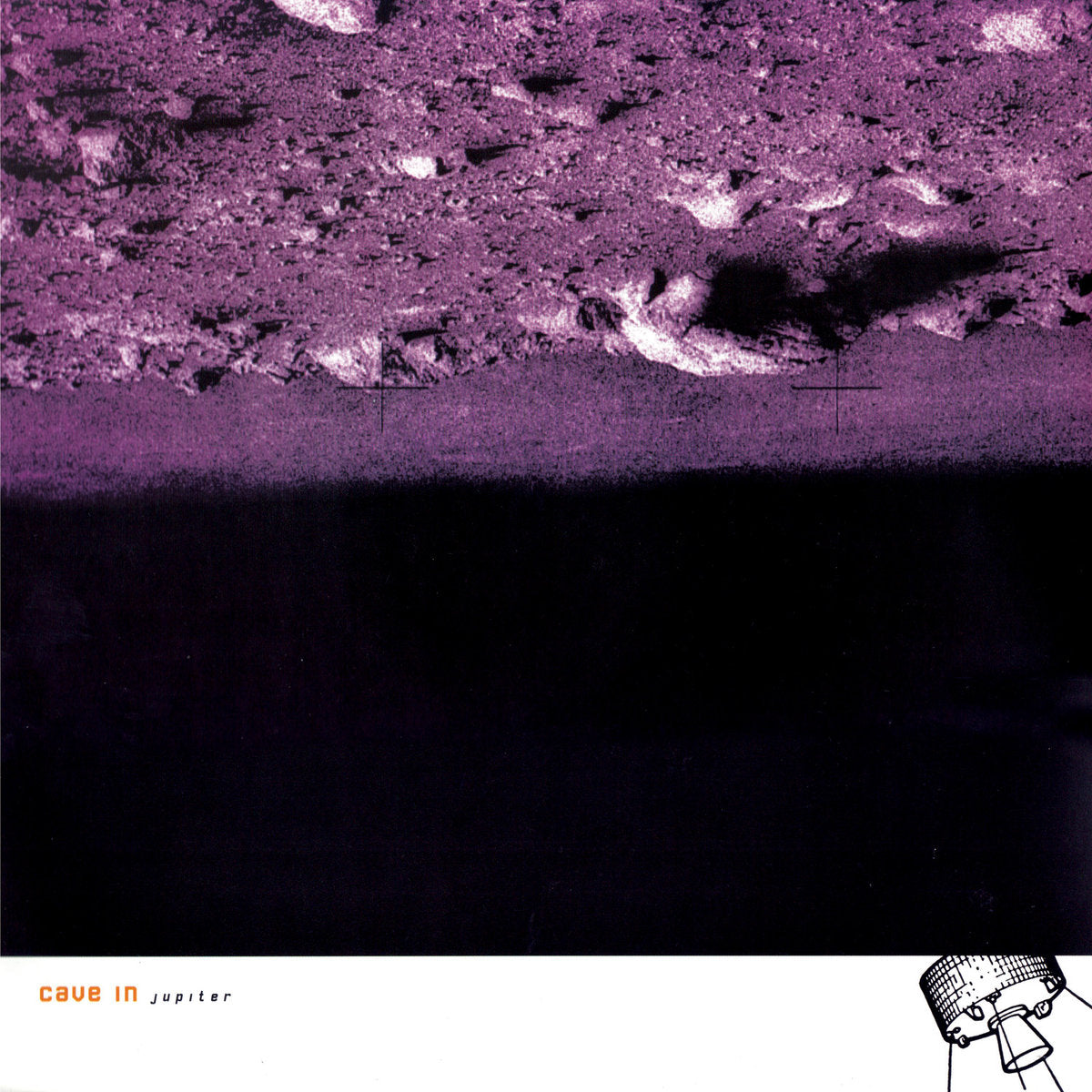
Part space rock, part post-hardcore, part metalcore, and all parts uniquely brilliant, Cave In’s second album, Jupiter, is a shining satellite that kicked off the new millennium in a way no other band could. It was originally released on the legendary heavy label Hydra Head with a number of different colored cover variations, but one of the initial two, and the one used for the 25th anniversary edition via Relapse Records last year, was the purple-tinted crater close-up that allows its entry into this list. Cave In remains a limitless band even through their latest album, 2022’s Heavy Pendulum, with Jupiter being a defining moment of their expansive artistic reach. Coming off the already ambitious Until Your Heart Stops just a couple of years earlier, Cave In dialed back the chaos and focused on more accessible (but just as proficient) metal music, straying from their original hardcore roots but laying the foundation for a new take on the nebulous post-hardcore genre. It’s an essential transmission sequence from top to bottom, but “Big Riff” is a standout moment of the band’s entire catalog, a piece of media more important than the moon landing broadcast. Jupiter widened the lens of what a band in a hardcore space could be capable of, and it still sounds cosmically enchanting today.

– Logan Archer Mounts


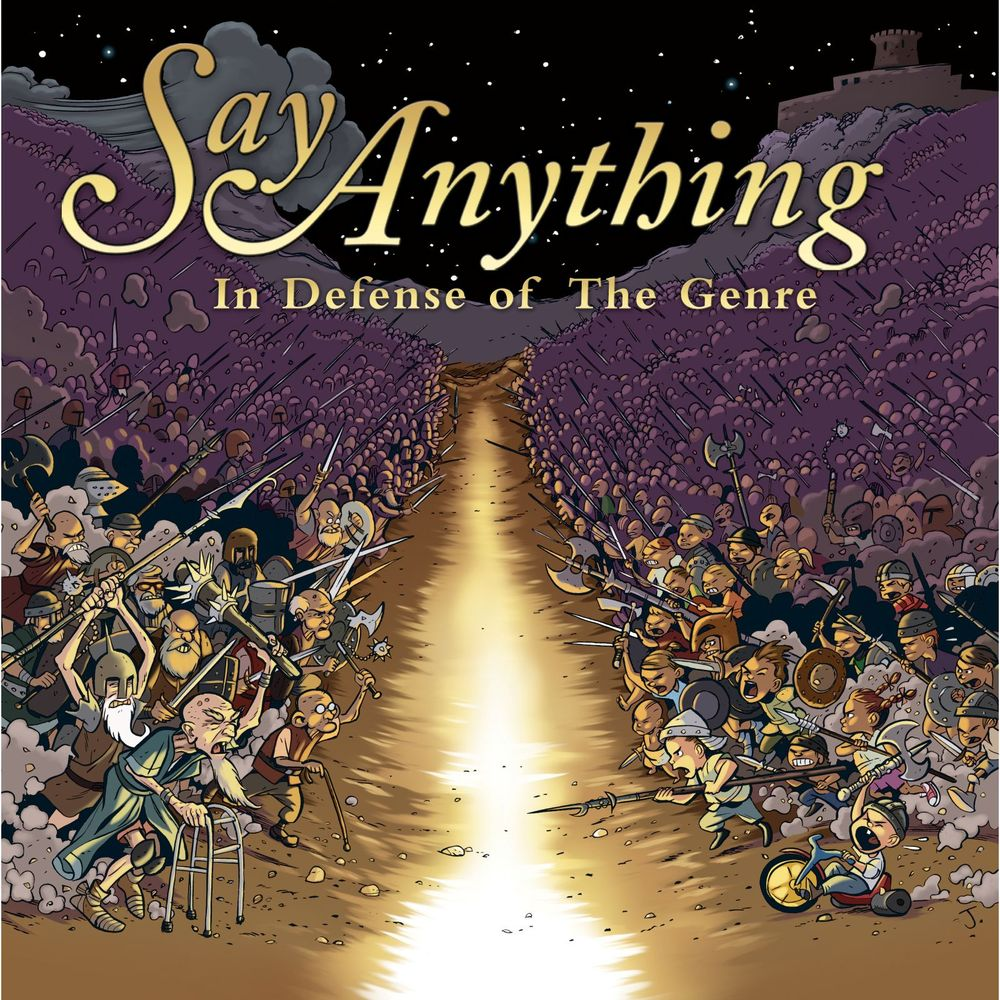
Say Anything – In Defense of the Genre

J Records

I have a love/hate relationship with the band Say Anything and their vocalist, Max Bemis. I’ve been listening to their music for over two decades, with my fandom reaching its peak during my teen years. The irreverent humor, inflammatory verbiage, and erratic song-writing, while feeling right at home in the ears of my teenage self, have somewhat soured and left me with complicated feelings towards the band and the man behind it in the years since. 

All that to say, I feel as though Say Anything’s third studio album, In Defense of the Genre, is the perfect capsule of everything the band has ever had to offer, both the good and the bad. In Defense holds many of my favorite Say Anything songs, from the R&B-inspired bops “Baby Girl, I’m A Blur” and “No Soul” to the musically chaotic “That Is Why” and the album’s grandiose title track. One of the album’s most glaring issues is its length. At a bloated 27 tracks (despite its 23 features from the era’s most iconic emo singers), it doesn’t always stick the landing, and the cringeworthy tracks like “Died A Jew” just leave me feeling puzzled and intensely rolling my eyes twenty years later. I don’t even feel comfortable dropping the title of one of my favorite tracks on the album in this space (yeah, that one). 

There’s a part of me that will always love Say Anything, always feel perplexed and challenged by Max Bemis as both a person and a songwriter, and come to the defense of the band’s second, third, and fourth LPs. I ultimately feel as though there's beauty in that kind of relationship. Clinging to the music we used to love and the people we used to be in our adolescence, both to the ends of comfort and of protecting a piece of ourselves we can no longer fully relate to, but identify with all the same. In Defense of the Genre, shortcomings and blemishes and all, will forever be a chapter of my life I will inevitably and intermittently again forever.

– Ciara Rhiannon


Future – DS2

Epic

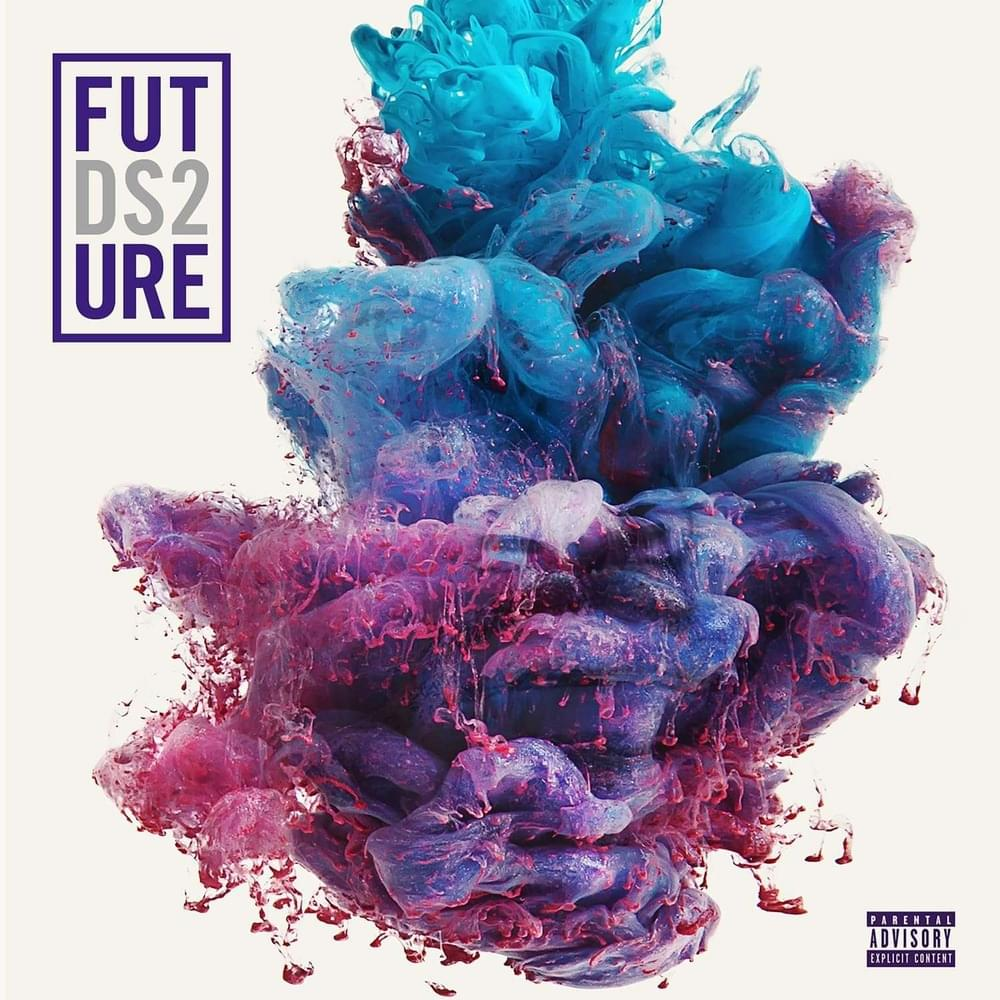
I don’t care if it’s not majority purple, this counts. Come on, that’s literally purple drink. Check out that crisp purple logo in the top right. Did you know that the CD version of this album is made from a reflective, holographic-type material and features a 9-panel foldout? Really adds to the overall effect. There’s also a face hidden in the blue swirl that I didn’t know about until researching this right now, almost eleven years later (squint and you’ll start to see an eye right by the bottom corner of the logo). There was also a rumored textbook cover that bears the same image, but there’s also a 13-minute YouTube video where a guy attempts to track it down and calls it “lost media”, so maybe that was just a meme all along. Cover aside, holy shit does this DS2 still hit hard as fuck over a decade later. “Stick Talk”? Come on. That beat on “I Serve the Base”? Unforgettable. “Blood on the Money”? Cold as ice. “Thought It Was a Drought”? Get the fuck outta here. I had the absolute best summer in 2015 riding around and listening to this record, and it’s genuinely surprising how consistent and fulfilling it remains this many years later. Peak Future.

– Taylor Grimes


Hum – Inlet

Earth Analog Records

It's a great feeling to know that your legends can still dunk. After years of wear and tear on the body, you'd expect a decline in hops because, as we say in the game, “Father Time comes for us all.” So when you see your OGs get up for one final slam that turns out to be an all-time posterization, you're forced to rethink everything you ever thought about life and existence. Well, that's what Hum did with 2020's Inlet. They emerged from a twenty-two-year hiatus with their best album. By the time Inlet was released, Hum-indebted heavy shoegaze and spacerock had really started to pick up steam, and this felt like a direct response as if to say, “I see what you kids are doing, but don't forget why you ever attempted this sound in the first place.” This is Hum and their tightest and most titanic. Their riffs have never been more pummeling, and Bryan St. Pere's drums have never been so thunderous. A perfect exclamation point to a career-long highlight reel. 

– Connor Fitzpatrick


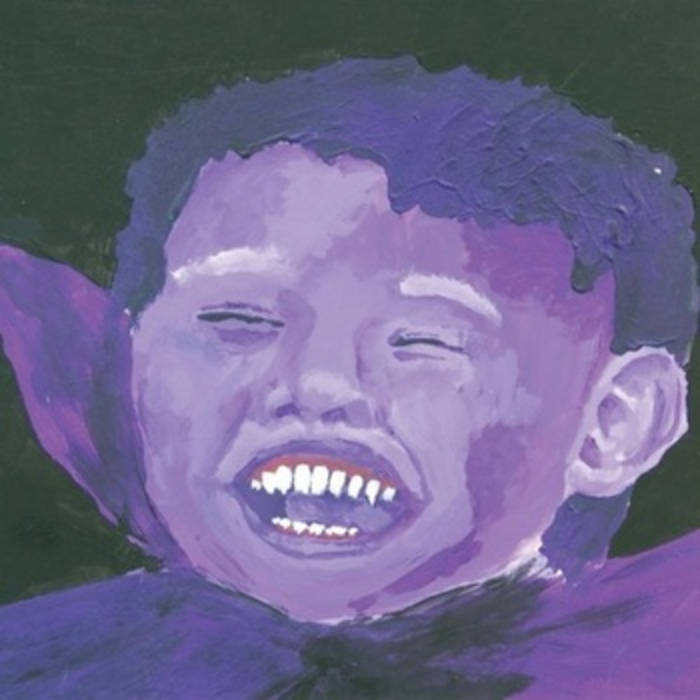
My Chemical Romance – I Brought You My Bullets, You Brought Me Your Love 

Reprise

In Julio Torres’ new special, Color Theories, he declares that purple is the color of mystery and intrigue. I bring this up because I think this is the only My Chem album that actually embraced that feeling, and it’s the only one with a kinda purple cover. My Chem had to end up in this series for me somewhere, so it’s here. When I think of I Brought You My Bullets, You Brought Me Your Love, I think about how it’s kind of bad. It’s an absolutely sloppy album, too wordy, too vampiric (not like their later albums), the fan lore is a bit obnoxious, and it gets a bit into Metallica in a way that sucks. But I love it. 

Bullets has a real mythology around it. Gerard Way was in agonizing pain during the recording sessions. Mikey Way begged Geoff Rickly to listen to the songs at a house party, and Rickly essentially rolled his eyes. Ray Toro didn’t know the difference between lead guitar and rhythm guitar, so he rolled all of it into one. They almost poisoned themselves with spray paint fumes for a music video. Frank Iero got hold of a demo and couldn’t stop listening. The band stopped playing “Drowning Lessons” because they thought it was cursed. The CD declares that Gerard will suck your blood if you duplicate it. It’s messy and gross, and they eventually figured out how to do everything better on the next album, but that’s why it’s good. It’s a desperate project by desperate people. It’s their greatest trick. That’s why Houdini is on the cover. 

– Caro Alt


MGMT – Oracular Spectacular

Columbia Records

There are a handful of albums from each decade that now elicit pure, unadulterated nostalgia. For the late 2000s, MGMT’s debut album Oracular Spectacular fits the bill to a T. Work on the album initially began while the duo were still freshmen in college, before they signed to a label. Released in 2007, Oracular Spectacular remains instantly recognizable, with a sound that can immediately flood the listener with memories of a place, a feeling, or a very specific moment from 15-plus years ago.

Standout tracks are, of course, “Kids” and “Electric Feel,” which feel like decade-defining sounds of the late 2000’s, but the album still holds up beyond those nostalgia touchpoints. Some of the less synth-driven songs still sound great. A couple of my favorites are “Pieces of What” and “Of Moons, Birds & Monsters.” Turns out, if you want to encase 2007 in amber, it wouldn’t be yellow, but the purple-blue you see on the cover of Oracular Spectacular.

– Ryan Morrissey


Paw – Death to Traitors

A&M Records

This is grunge with a capital G, from the early ‘90s in Lawrence, Kansas. I’ve written before that this is proto divorced-dad rock, with lyrics like “Everyone is bored and boring / Not me, I am drunk and roaring.” 

If the mainstream hadn’t had Nirvana, they would’ve had Paw. A&M picked them up on the strength of a demo recorded at Smart Sounds in 1992. With major label support, Paw released their debut album Dragline in 1993. Their sophomore release, Death to Traitors, came out two years later and treads similar territory, albeit with fewer off-genre intrusions. The record wasn’t significantly promoted due to internal difficulties at the label and never achieved major acclaim. This is surprising because every song in the hour-long album fucking rocks. Case in point, “Built Low” is a 6-minute cruiser, split perfectly into thirds with a 2-minute exposition, a 90-second breakdown, and a riff-filled instrumental outro. On first listen, you’d have no idea how long this song is. Like all really great bands, Paw broke up a few years later, with a smattering of reunion efforts afterward. 

This album is just over 30 years old, released when the marketing machine was pre-internet, pre-iTunes, pre-Spotify, and pre-analytics. Compared to now, labels were basically throwing darts at a wall, drunk, with their eyes closed. Albums that sailed under the radar like this also tend to be preserved poorly. For example, the cover on Spotify, YouTube, and Discogs is a purple haze of storm clouds over a stampeding herd of horses. The image on Wikipedia is inexplicably red-hued and is not another version of the album, just a poorly digitized image. It’s hard to say how or why a band this talented falls through the cracks, but it’s a great example of why exploring and developing personal taste matters. It’s the only way to know for yourself what groups are being overlooked.

– Braden Allmond


Free Throw — Those Days Are Gone

Count Your Lucky Stars Records

If the emo genre were to have its own equivalent to a drinking song, one that nobody in the room could resist singing along to, it would undoubtedly be “Two Beers In.” Whether in a cramped basement or on the stereo between sets at a show, this beloved song instantly brings people together. But it’s far from the only recognizable track off of Free Throw’s debut LP, Those Days Are Gone. The entire record has become something of a modern classic amongst the scene, and it isn’t hard to see why.

Those Days Are Gone dives deep into the anger and grief-stricken reality of a love that didn’t last–a nearly universal pain. The contemplative intro to “Such Luck” quickly gives way to the guttural heart of the record, signaling to the listener that things are about to get uncomfortably honest. 

Unlike earlier incarnations of emo that were steeped in figurative prose, Free Throw and their fourth wave counterparts tend to speak quite literally. Stories of heartbreak are sprinkled throughout the yelling and heaviness, and admissions of unhealthy coping mechanisms are sandwiched between twinkly guitar riffs. Nearly every song on the record makes space for both calmness and intensity, mimicking the whiplash one feels between anger and sadness. Those Days Are Gone feels like driving too fast, then slamming on the brakes, yelling at your phone, and staring into the distance. The final line of the record dwells on if things “could have stayed the same,” but deep down, we know that sometimes, it’s better to move on and begin healing.

– Annie Watson


Bladee – Gluee

YEAR0001

For better or worse, I discovered Bladee through a Twitter meme- a video of a kid sleeping, and someone pours water on him- as he wakes up, they slap him across the face. Instead of screaming, what else could come out of this poor kid’s mouth but the undeniable intro to “Be Nice 2 Me.” I tracked the song down through the comments on the tweet, and thus began my journey into Drain Gang.

Gluee is Bladee’s debut mixtape, and, as a whole, one of the lesser-loved works by the world’s AutoTune Angel. And I can see why- much of what Bladee is doing on Gluee is much better executed in his later work as he becomes not only more confident in his rapping and singing but also in dialing in his AutoTune parameters. But it’s hard to deny just how unique Gluee sounds, not just in Bladee’s discography, but just in general. It is truly a marvel that this album exists. Here, we have a white boy from Sweden, taking in copious amounts of American rap and pop music via the internet, creating a sound that somehow captures the emotional undercurrent of it all, no matter how disparate the starting influences were. You can hear the braggadocio of Chief Keef, the rhythmic flows of Lil B, the digital haze of James Ferraro, the emotional vulnerability of the Beach Boys, often all in just one Bladee song- it really is incredible how he makes it sound so easy, so fresh.

In fact, it’s hard to imagine the current musical landscape without Bladee. What seemed to be just another internet curiosity turned out to be an artist who changed what music could sound like. Gluee, as amateurish as it can seem at times, planted the seeds for the whole Drain sound. Although Bladee’s influence can now be heard in more and more artists across the world, Gluee has a special, spectral vibe to it that isn’t quite like anything else. I can’t promise you’ll like it the first time, but I will promise that it will elicit a visceral reaction from you.

– Nickolas Sackett


The Buried Heart – Safe Harbor

Self-Released

One of the greatest gifts in this life, and one that I never try to take for granted, is how fortunate I am to call some of my favorite musicians my friends. Next year will mark a decade since my buddy Jack Wittich released his first EP under the project The Buried Heart. I am truly not exaggerating when I say Jack is one of the best musicians I know, and revisiting his first EP, Safe Harbor, only reminds me of how his passion for the game and his abilities as a creator have not faltered over the past decade. 

The Buried Heart is a project that wears its influences on its sleeve; a cosmic amalgamation of emo, post-hardcore, Japanese video game music, and animated orchestration that has given this project such a unique feeling and scope. The five songs across Safe Harbor cover so much ground. While “Opia” has always been the standout track for me, “Veins,” “Dichotomy,” and “Flowers & Theft” can sling punches with the best of them in the hardcore scene and beyond. The heart of the EP, however, lies in the track “Garden,” a melancholic love letter to Jack’s younger brother, whom he lost far too young. Not only does this track cut deep as someone who has come to consider Jack a brother over the past several years, but its musicality is equal parts breathtaking and emotive on every listen. 

Each time I’m treated to new Buried Heart music, whether it's the 2020 self-titled LP or various WIP demos, I’m thoroughly blown away by how much Jack has improved as a musician over the years and how obviously the magic was there from the start. If you’re lucky enough to be friends with some of your favorite artists, you know it's both a privilege and a gift to see their growth and to cherish these kinds of earlier works.

– Ciara Rhiannon


Glitterer – erer

Purple Circle Records

While I think I’m still partial to the music and album art for Glitterer’s 2024 album Rationale, it’s hard to deny the striking design of erer. For this cover, the band embraced a prominent purple (hex code #992bd5 to be exact) stretched edge-to-edge that allows the red type band name and album title to pop out in a shocking contrast, smashed together, reading extra hypnotic and repetitive: “Glitterererer.” Below that, the album name is blown up to massive proportions, making it instantly recognizable from miles away. The band used this same color scheme to turn their name into a tricky little “face” logo and even gave them the namesake for their own “Purple Circle Records,” which they used to self-release this album. Beneath the cover, tracks like “Somebody” and “Stainless Steel” are instant career bests for Ned Russin & co. The tracks hit hard as fuck and sound great live, solidifying into a killer 25 minutes of punk music primed for shouting, sweating, and dancing along to. 

– Taylor Grimes


Honorable Mentions

Hey, we can’t write about every album with this color, so here’s a list of some more that we feel like we should mention.

  • Erykah Badu - New Amerykah Part Two (Return of the Ankh)

  • Ben Seretan, John Thayer - Sunbeam of No Illusion

  • Alex G - I Saw The TV Glow (Original Motion Picture Soundtrack)

  • Dehd - Poetry 

  • Paramore - After Laughter

  • Cassandra Jenkins - My Light, My Destroyer

  • Bam Bam - Free Fall from Space

  • Teethe - Magic of the Sale

  • Cory Hanson - Western Cum

  • Infant Island - Obsidian Wreath

  • Footballhead - Overthinking Everything

  • Great Grandpa - Patience, Moonbeam

  • Chat Pile - Remove Your Skin Please

  • Buggin - Concrete Cowboys

  • Take Care - Southtowne Lanes

  • Shudder To Think - Pony Express Record

  • Boris - Heavy Rocks 

  • Doomriders - Black Thunder

  • Paul Stanley - Paul Stanley

  • Fred - Fred

  • The Smiths - The Smiths

  • Edgar Froese - Aqua

  • Pallbearer - Sorrow And Extinction

  • Donovan - A Gift From A Flower To A Garden

  • Hot Mulligan - Why Would I Watch

  • Drug Church - Prude

  • Smashing Pumpkins - Gish

  • Cross My Heart - Cross My Heart

  • Fall Out Boy - MANIA


Collect some more Covers:

January Blues

February Reds

March Yellows

April Greens

Cover Collector – April Greens

Design by Ryan Morrissey

I don’t know about you guys, but I love a good album collage. One of the first things I do every Friday is head over to tapmusic.net and render a 4x4 chart of the albums I listened to most over the past week. At the end of each month, I do the same thing with a 5x5 that recaps my previous 30 days of listening. By the time December rolls around, I look forward to recapping the last twelve months with a gigantic 10x10 grid in an unwieldy encapsulation of the 100 albums that defined my year. 

Is it a little self-aggrandizing? Sure, but it’s also a fun way to see a quick snapshot of what my last week, month, or year has sounded like. At its best, this practice has led to fun conversations and solid recommendations going back and forth with friends as we bond over specific albums. Sometimes it’s that shared love over a deep pull from years gone by, other times it’s just noticing trends with a recent fave that seems like an unshakable presence week in and week out. At the very least, I suppose it’s satisfying to see a bunch of records that I feel an affinity toward lined up and embodying a specific stretch of my life. 

At some point near the tail end of last year, I conceived of a more communal way to bring this love of album collage to life. Because, sure, getting a live readout of your listening history is cool, but this is also about album art, an essential part of the experience and something us nerds can fixate on just as much as the songs that sit beneath the cover. As such, I’m excited to welcome you to the fourth edition of Cover Collector: a monthly installation where the Swim Team discusses some of our favorite albums based on album color. For April, we’re writing about gorgeous greens


The World is a Beautiful Place and I am No Longer Afraid to Die – Whenever, If Ever

Topshelf Records

Much like the color blue, I think there’s something primordially calming about green. It’s everywhere in our natural world, from the grass of the field to the leaves on the trees that tower above us. It’s calming, pastoral, and speaks to something deep within our brains that seems to signal pause and restoration. It’s no big surprise then that the cover for Whenever, If Ever, the debut studio album from the foundational emo act The World is a Beautiful Place & I am No Longer Afraid to Die, evokes a sense of fuzzy nostalgia before you even hit play. The slightly out-of-focus photograph shows someone jumping off a high rock into a cool body of water below, everything framed by foliage and warmed by the bright sunbeams above. The album’s two-minute instrumental welcomes you into this world before whisking the listener away into the brilliant splendor of “Heartbeat in the Brain.” Not only is Whenever, If Ever a defining emo album, it operates from this mystical point of undying adventure and youthful adoration that every nostalgic teenager and wistful 20-something understands as soon as they realize that the world will never quite be the same again. The band rouses and rises to the occasion. There’s a collectivist sense of powering through with each other, despite it all. The band said it best themselves in the knockout seven-minute closer “Getting Sodas,” when they sang “The world is a beautiful place, but we have to make it that way.”

– Taylor Grimes


Blues Traveler – Four

A&M

In my journey as one who writes about music, I often return to my origins: MTV2, VH1, and my Mom’s big purple CD binder. My earliest music memories involve sitting at the foot of our wooden entertainment center, next to the six-CD changer-stereo combo, beneath a blue curtain with that classic ‘90s gold-moons-and-suns astrology pattern, leafing through this CD binder that must have held 300 CDs.

Among the Dave Matthews Band, Aerosmith, and Sheryl Crow CDs, two discs always caught my eye. The first was Kid Rock’s Cocky, because the image on the disc featured Mr. Rock flipping the double bird. The other was Blues Traveler’s Four. Not only because the disc was bright green, in great contrast to other CDs at the time, but because of the cartoon cat smoking a joint at the top. What can I say? I was like seven years old and titillated by things I knew were naughty! And yes, I’m sorry for airing out my Mom just now and admitting she owned a copy of Kid Rock’s Cocky, though it’s entirely possible that one belonged to my stepdad, and this was after the “Great CD Co-Mingling of the Early 2000s.” That’s where his Ludacris Chicken and Beer CD touched faces with her copy of Madonna’s Ray of Light, and they found happiness.

Four became one of my favorite albums over my childhood and adolescence, and it still reminds me of car rides with my Mom to this day. Blue Traveler has picked up a sort of “Nickelback Factor” where people love to talk shit but refuse to admit that they had some real joints. The singles from Four (“Run-Around,” “Hook,” and “The Mountains Win Again”) can come off a bit hokey now, but that’s because they’re devoid of context. Four was released in September of 1994. Grunge was in the rearview mirror, and labels were clamoring to catch the next rising star. Blues Traveler arose as something different with drawing power. In a crowded field of jammy, blues-inspired acts from the Northeast and Southeast (along with Spin Doctors, Phish, Widespread Panic, God Street Wine, Dave Matthews Band, and Medeski Martin and Wood), they innovated an entire new genre in a couple of years, playing thousands of live shows at colleges all over the Eastern United States. There’s a really great book about this mid-90’s jam scene, Mike Ayers’ Sharing In The Groove.

There’s really not a skip on Four, and it’s an outstanding document of a band at the tippy-top of a scene doing what they do best. For my money though, their first live CD, Live From The Fall, is the best way to hear what those A&R guys heard in 1992. John Popper is one of the greatest frontmen of all time, and Live From The Fall is the proof.

– Caleb Doyle


Type O Negative – Slow, Deep And Hard

Roadrunner

There may not be a more obvious, entry-level, green-coded band than Type O Negative. Few bands have held their identity with just one or two colors, but from 1991 to 2007, the Brooklyn “drab four” created an entire discography of iconic green-and-black imagery. My favorite Type O album is 1996’s October Rust, although that cover art is the least directly green of them all, so let’s dive into their penetrative debut, 1991’s Slow, Deep And Hard. Lead vocalist, lyricist, bassist, and 1995 Playgirl centerfold Peter Steele was beginning his next musical chapter after the end of his previous band Carnivore, and he was not in a good mood. Slow, Deep And Hard may be the first and only thrash metal breakup album, bridging the gap from Carnivore’s direct East Coast fury to the introduction of Type O Negative’s (anti-)romantic doom. It doesn’t sound much like what the band would become afterward, nor does it line up with any other metal album before or since. The twelve-and-a-half-minute opener “Unsuccessfully Coping With The Natural Beauty Of Infidelity” is a signature moment of Steele’s tongue-in-bleak attitude that he would carry throughout the rest of his career, even with it being a completely raw and unfiltered reflection of his feelings. “Xero Tolerance” moves back and forth between dissonant sludge and major-key punk rock, with a “kill you tonight” shouted refrain that’s as nasty as it is ridiculous.

Of the album’s seven songs, two of them are back-to-back entries in Type O’s list of album pranks: “Glass Walls Of Limbo (Dance Mix)” is nothing but a dark ambient/martial industrial interlude, and “The Misinterpretation Of Silence And Its Disastrous Consequences” is… well, you’ll have to listen to get it. The five core, multi-movement songs end with “Gravitational Constant: G = 6.67 × 10⁻⁸ cm−3 gm−1 sec−2,” simply one of the finest, physics-inspired, relationship-dissolving, gothic thrash album finales in Type O Negative’s history. Slow, Deep And Hard is something all its own, not for everyone, but should be heard by everyone.

– Logan Archer Mounts


Víkingur Ólafsson – Opus 109 (Beethoven | Bach | Schubert)

Deutsche Grammophon

It’s challenging to break through the noise in any genre of music, but I would argue that it’s particularly difficult to do so in classical music. The genre is overshadowed by great performers and ruled by strict, historically accurate performance demands. And yet Vikingur Olafsson has done the impossible and cut into the surface of this realm with clear, precise intent. I am an avid fan of Olafsson’s interpretations and claim him as my favorite performer of classical piano music - his 2017 album of various Philip Glass selections is a treasure, and he made waves with his fresh, sparkling recordings of the Goldberg Variations in 2023. 

In Olafsson’s latest recording, Opus 109, he explores the throughline that runs so clearly through Bach to Beethoven to Schubert. You can hear the pull of emotion in every note of Olafsson’s interpretation, indicative of the new era that music was hurtling towards. Programming Schubert alongside two giants of classical music may seem an unusual choice at first glance, but upon closer inspection, we can trace a theme from Beethoven to Schubert: both composers defied traditional compositional structure in their later works. Schubert’s two-movement sonata, widely considered incomplete, is argued to be the opposite by Vikingur. Schubert would be utterly pleased to see his name alongside Beethoven’s on this cleverly planned album.

Vikingur Olafsson’s renditions of the works on this album are resonant, warm, and thoughtfully prepared. The album exterior reflects an equal amount of care: it’s impossible to ignore the mesmerizing cover photo. Vikingur has always leaned into his artistic sensibilities for the covers of his releases, and this portrait of him is no exception. Lush, sensual, and surreal, the artist invites the listener into his world with a direct gaze that breaks the fourth wall. You are beckoned to experience the beauty of these works alongside him. The performer is nothing without someone to play to, for what is music without anyone to hear it?

– Britta Joseph


King Gizzard & The Lizard Wizard – Float Along - Fill Your Lungs

Flightless

Back when I was a green Gizz listener, I prided myself on holding the niche take that Float Along - Fill Your Lungs was the Australian psych-rock genre-be-damned mega-unit at their very best. And, even as “good ole days,” I still stand by it. Hearing “Head On/Pill” for the first time rewired what I thought a long song could be. (People joke about riffs or melodies being able to lift them from comas, but the “Head On” riff really does summon my Gizz geeker self from the depths of my psyche.) The opening guitar echoes and wobbles on “Head On/Pill” felt like a green, slimy, sticky, swampy flare shot straight into the night sky. (As Stu wrote in the liner notes: “It was short at first, but it just kept fucking growing like pond scum.”) And I realize now that I used to think it was the best Gizz album because it was the first Gizz album where the minds were truly meeting, the Gizzards letting their improvisational freak flags billow until they broke. It was also the de facto double-drummer album, a return to form that became a focal point of Gizz's live presence in the mid-2010s. With a ripping, wandering opener and a theme-song-esque title-track closer, the middle of the album is oft overlooked, but not in my world. Not in the world I’m living in. That’s where the Gizzards sneak their droning (“30 Past 7”), their fuzzy (“Pop In My Step”), their overmodulated (“God Is Calling Me Back Home”), and their funky (“I’m Not a Man Unless I Have a Woman”)—a great, big green journey into the outer reaches of it all. 

– Cassidy Sollazzo


The Hush Sound – Like Vines

Decaydance Records

When I was around 11 years old and burning the midnight oil on World of Warcraft in the family computer room, there was a good chance I was usually either listening to Billy Talent’s second LP or Like Vines by The Hush Sound. Released in 2006 on Pete Wentz’s Decaydance Records, this no-skip banger of an album is a masterclass in imaginative poetry and use of playful textures. Despite this release dancing in the same circles as Fall Out Boy and Panic! At the Disco, Like Vines stands strongly on its own feet outside the shadow of its contemporaries. This record’s unabashedly twee nature and jaunty rhythms, combined with its melancholic lyricism, feel very much at home in a time period where Hot Topic and the global village coffeehouse existed simultaneously. 

Like Vines gives you such a strong impression of what it’s about within seconds of starting with the charismatic, almost showtune-esque “We Intertwined” while tracks like “Lighthouse” and “You Are the Moon” display the group’s more heartstring-tugging, piano-forward qualities. It’s the effortless versatility, this shifting between full-band tracks with the more subtle breaks consisting of a single vocalist and a piano, that help this album stand the test of time. 

While I believe every track on this album is its own perfect, self-contained world to explore, the song “Wine Red” alone is reason enough for everyone to experience Like Vines at least once in their time on this earth. Of course, I’m also going to give a special shoutout to the Patrick Stump feature in “Don’t Wake Me Up” that I admittedly did not clock as him until many years into listening to the album.  

– Ciara Rhiannon


Hatchie – Giving The World Away

Secretly Canadian

If you’ve been looking for something to listen to while walking in a dusky city on a cool, spring night, look no further. Hatchie’s 2022 breakout album has the whimsical reverb that perfectly parallels Giving The World Away’s dreamy album cover, with beams of light and a glow reminiscent of a still frame from a futuristic Wong Kar-wai movie. The standout “Quicksand” was on my playlist for the entirety of 2022, making its way into my personal library when I would take the green-bullet G train and get a glimpse of the downtown skyline before heading back into the tunnels underneath Brooklyn. That bass during the chorus envelops me in such a beautiful way. Outside of Hatchie’s pop masterpiece, songs like “This Enchanted” explode with sound and color, while “The Rhythm” feels equipped for your dancing shoes. There’s a deep cut on this record called “The Key,” which is simply shoegaze perfection, with a chorus that slams with levels of distortion like nothing you’ve ever heard. There’s RANGE on this one! 

– Samuel Leon


Alex G – Rocket

Domino Recording Co

They say you never forget your first, and when it comes to Alex G albums, that’s certainly true for me. I distinctly remember trying to “get into” Alex G back in 2017; he was fresh off his contributions on Frank Ocean’s Blonde, and I was eager to learn more. First, I tried DSU since that seemed to be a consensus fan favorite at the time, but that record didn’t do much for me. This was still during his “(Sandy) Alex G” era, and I remember deciding to give him another shot early on in the summer when he released Rocket. I threw the album on while out for a walk, and the whole thing soundtracked my walk perfectly, seeping into the grooves of my shoes and flinging the hot air past me. I was walking through neighborhoods and fields that looked eerily similar to the one on the cover of Rocket: lush, waving, and full of motion off toward an indistinguishable horizon. There was no Jacob Sheep staring me down, sure, but I will tell you the first time I heard the dog bark on “Poison Root,” I took out my earbuds because I thought it was coming from a nearby backyard. That moment turned out to be transportive in the best way, making me laugh as I slipped my headphones back on and hit play again. The rest of the record is super laid-back and breezy, barring the off-kilter three-song suite from “Witch” through “Brick,” but even that I love as a sort of mid-album bridge into “Sportstar” and the remainder of Side B. Rocket is just a really special record that helped me unlock the rest of Alex G’s discography. I feel lucky to have fallen into it.

– Taylor Grimes


If we’re talking solid-color album art, there’s one band that stands above the rest, and that’s Weezer. Across fifteen studio albums, more than a third of their discography is made up of self-titled albums that fans simply refer to by their color. Each features the band members lined up staring down the barrel of the camera against a solid-colored background. In this recurring section, we’ll address the elephant in the room that is Weezer’s discography.

Alright folks, big Weezer fan Lillian Weber talking here. And by that I mean up until today, April 25th, 2026, I have only listened to Weezer, Pinkerton, Everything Will Be Alright in the End, and Weezer in full. No, those are not in chronological order, and which colored Weezer albums I am referring to is for you to decide. Weezer (The Green Album) was not one of them. Beyond those four albums, I knew the singles, and no one could convince me I really needed to listen to anything more from further Weezer albums. With Green, I knew one song that wasn’t a single, and it’s this live performance of “Don’t Let Go.” This is much better than the version on the record because River’s sings like this song actually has a target, like there is actually a love he is desperate to keep in his life. But I’m getting too close to my issues with this record, and we have singles to talk about. 

What do I think of the singles? “Hash Pipe” is obviously a perfect song, and “Island in the Sun” is just that: a pleasant idea. Listening to this record today, what I’m most struck by is how pleasantly this record goes down. You can’t call it bad, per se, because the melodies are good, the lyrics are inoffensive (except “crab at the booty”), and the instrumentals are the perfect bridge between the emotive alt-rock of The Blue Album and the fluff Weezer would continue to pump out until EWBAITE (but which immediately returned on White). The band went to the studio with the intention of resetting to what fans liked about Blue after the EVERYTHING of Pinkerton. But what makes The Blue Album so good to this day is how it melds the emotional anguish with hooks. The Green Album is just hooks for the sake of hooks, and hey, I’m not above the platonic ideal of a hook, but this is WEEZER we’re talking about. But now that I think about it, this is Weezer we’re talking about

The cover is okay. River’s looks a little surprised by the camera, and that’s about all the emotion we get out of him on this record…. I’m sorry he really sings “crab at the booty.” WHAT ARE WE DOING HERE? 

– Lillian Weber


Crash of Rhinos – Distal

Triste 

If you have an opinion on the term “midwest emo revival,” then you probably know this album already. Released in 2011, Distal is a brooding work of dueling guitars and uncertain trajectories, inhabiting the intricate space between emo and math rock. The reason I call this period “revival” is because bands like Crash of Rhinos, Algernon Cadwallader, and Sport brought back a sound from the mid-to-late nineties. The sound they breathed new life into was originally concocted by Cap’n Jazz and Braid, who crafted fast, chaotic, and thoughtful tunes for as long as they could manage. The cost of their energy and intensity was an all-too-brief lifespan. This was similarly borne out by Crash of Rhinos, whose original run as a band lasted from 2009 to 2014.

Despite knowing about this album and listening to it for the better part of five years, this is the first time I’ve looked intently at the cover. It appears to be a picture of a threshold into another room, with a dark green filter applied on top of some building notes. The cover is maybe even referenced in “Lifewood” with the line, “Take back these ideas / These words and notes and papers and plans.” 

It would seem to me we are living through another revival, but this time it might stick. Emo is approaching mainstream “cool” in a way it never has before, long-defunct bands are reuniting for huge festivals, and the internet has made it possible for anyone with enough free time and DIY grit to achieve global listenership. Luckily for us, Crash of Rhinos is one of these reuniting bands, with a full album releasing on May 22nd. If you can’t wait, you can already listen to two new badass singles on Bandcamp, released just last month.

– Braden Allmond


King Gizzard & The Lizard Wizard – I’m In Your Mind Fuzz

Flightless

Am I in Heaven? No, I’m just listening to King Gizzard’s fifth studio album: I’m In Your Mind Fuzz. Often called a psych rock or garage rock record, this album transcends both genres to do something bigger, opening with a four-song suite, the first of many that Gizz would go on to do, becoming a staple of the band’s sound. This album is much more than its ripping first four tracks, however, as Side B gives us something else we’ve never seen before from this band: slow jams. Throw away your spring reverb, fuzz pedals, and turn down the gain on your amp, cause it’s time to slow things down and talk about saving the earth.

Of course, it’s hard to talk about this album without talking about the album art. Visual artist (and essentially the bonus member of Gizz) Jason Galea designs nearly all the band's visuals, from album artwork and music videos to show posters and projections. Galea, in short, is the band’s visual identity, which is why it’s so weird that this time he just shamelessly ripped off the cover art for the 1983 Atari game Fortress. as the band begins to create The Gizzverse, an interconnected story that ties together many of their albums and songs.

The Gizzverse is only visually depicted on this record through the cover art, but in subsequent albums, we’ll get context for why the sea is green on the cover and why the castle is crumbling. Perhaps we even get answers as to where the lightning is coming from. Indeed, this record’s art sets up the story for at least the next eight records the band would release. Don’t call it psych rock. Vocalist Stu Mackenzie has tried to shed that label. Rather, think of it as a puzzle piece, a first look into what’s to come, and an invitation to put in some work on this angel of a planet we call home.

– Noëlle Midnight


Coheed and Cambria – The Second Stage Turbine Blade

Equal Vision Records

As a lifelong Coheed and Cambria fan, I would be remiss not to give a special collection of words to the green album that started it all. The Second Stage Turbine Blade is easily one of the most ambitious debut albums I have ever heard, and even 24 years after its release, I am continually impressed and inspired by it. Coheed’s firstborn originated many of the group’s staples – the eerie, instrumental opening track and outro, the handful of proggy tracks exceeding 10 minutes in length – while also birthing a discography-spanning, sci-fi epic centered around the two characters for whom the band is named. 

While Coheed’s third album, Good Apollo, I’m Burning Star IV, Volume One: From Fear Through the Eyes of Madness, is my indisputable favorite of the band’s catalog, The Second Stage Turbine Blade contains some of my top Coheed tracks, including the impossibility badass and sonically rich “Delirium Trigger” that I once transcribed by ear for classical guitar quarter in my final year of college. “Everything Evil” similarly ranks high in the pantheon of Coheed tracks and is probably their best live song to date, with its entrancing final “Dear Claudio-o” chant and typically present ripper of a guitar solo. It’s difficult not to list every track on this album as heavily influential, but “Junesong Provision” holds a special place for me, along with its acoustic demo featured in the deluxe version of the album, complete with an audio clip from the cult classic, Army of Darkness.

The Second State Turbine Blade is owed reverence not only in the history of great rock albums, but in my history as a music-lover, leading me down the paths I have been able to walk and the relationships I’ve been able to form through Coheed and Cambria. Fortunately, it remains a classic and a timeless masterpiece that I get to return to and enjoy to this day. 

– Ciara Rhiannon


Ogbert the Nerd – I Don’t Hate You

Sun Eater Records

My first show after the COVID-19 Pandemic was in July of 2021. It was called the DIY Super Bowl, featuring an absolutely stellar lineup: Guitar Fight from Fooly Cooly, Blue Deputy, Oolong, Carly Cosgrove, and Ogbert the Nerd—a veritable who’s who of the burgeoning community of fifth-wave emo bands. After over a year without shows, the DIY Super Bowl finally offered the catharsis we all so desperately needed. No one brought that catharsis on that sweaty July night quite like Ogbert the Nerd. 

Their debut LP, I Don’t Hate You, showcases their incredibly messy brand of emo perfectly. It is far from polished, even by the increasingly lo-fi, messy standards of fifth-wave emo. The guitars are frantic, constantly driving forward and nearly careening off course. On “Do It For Elio,” lead singer Madison James’ voice is constantly breaking and straining with pure emotion. Throughout its brisk 30-minute run time, their vocal cords always sound moments away from snapping in half while screaming about being a fuckup, being fucked up, and being fucking mad at your fuckup friends. “You Like the Raiders?” opens with genuinely one of the meanest opening lines of any song: “Hey fucker, nobody ever gave a shit about you.” For a 20-year-old whose life was just derailed by a global pandemic, who struggled with finding joy, who didn’t believe in herself, and who was harboring a great deal of frustration with the world, I Don’t Hate You felt like a bolt of lightning. An album that was the pure distillation of all the energy, anger, and anxiety I had bottled up inside of me.  

The moment from Ogbert’s set that will always stick with me is when I attempted my first-ever stage dive. Attempted is the keyword here, as it was much more accurately a belly flop. I fell directly into the first row, where somehow the perfect number of people both dodged and tried to catch me, leaving my feet pointing sky high, my face planting into what must rank as one of the top three grossest venue floors of my life. Despite this, the most vivid part of my memory is how I bounced right back to my feet, energized by the hectic, frantic music, ready to keep swinging, keep dancing, and keep embracing the pure catharsis that Ogbert the Nerd brought that evening.

– Caroline Liaupsin


Angel Du$t – Brand New Soul

Pop Wig Records

I am going to hop on my fucking soapbox and declare that Brand New Soul is the best record to drive to. Ever. Of all time. Don’t believe me? Okay, well, get in my Accord, baby, and we’ll go for a spin. “Brand New Soul” is the perfect song for trying to connect your phone to the Bluetooth thing. “Love Slam” is the perfect song for pulling out of your parking space and hitting the gas a bit too fast. “Don’t Stop” is a humble trucking song. “Racecar” is a song for sitting at the red light. “Space Jam” is for the light finally turning green. You get it? It’s a perfect LP, and I’m not just saying that because it has “Sippin’ Lysol” on it.

– Caro Alt


Anxious – Little Green House

Run For Cover Records

Anxious doesn’t waste time with sugarcoating difficult emotions in their debut album, Little Green House. Sitting at a tight 32-minute run time, this record approaches the bittersweet experience of growing up with honesty and wisdom beyond the band’s years at the time of writing. In the same way that life often demands that we balance many feelings at once, Little Green House simultaneously addresses themes of relationships, grief, change, and doubt. What better way to work through such heaviness than the tender, precise blend of melodic hardcore and emo that Anxious has been refining since high school?

Despite its subject matter, this record doesn’t lead me to dwell on things. Instead, it evokes grit, determination, and an intent to keep moving forward after reflecting on the past. The first three tracks are punchy – anthemic even – and they carry a momentum as if to suggest that the only way out of pain is by going through it. This energy is contrasted beautifully in the stripped-down moments of “Wayne” and the poignant closing track “You When You’re Gone.” Anxious stay true to the genre in their configuration, yet deliver an instantly recognizable sound through subtle vocal processing and unique instrumentals. This record feels like a raindrop-soaked memory in a rearview mirror; the perfect backdrop for leaving something behind before facing a new chapter. If you’re wrestling with confusion, gloom, or transformation in life, you very well may feel at home within the walls of Little Green House.

– Annie Watson


Bomb the Music Industry – Get Warmer

Quote Unquote Records

A bright, empty green field is a promise, a clean slate to build on. Jeff Rosenstock knew what he was doing when he picked a photo of a field for the cover of Get Warmer, a record about how you can get a clean slate by moving states, getting sober, and riding bikes, but things won’t really change unless you do. When Rosenstock sings, “It never seems to get warmer / no matter how far south you go,” he doesn’t just mean literally. The obvious double entendre implies that when you look outside yourself for the truth, you just get colder. It doesn’t matter what the Georgian summer brings when “problems are all I create.” For as goddamn fun as this album sounds — specifically how euphoric “I Don’t Love You Anymore” is to shout along with — this is a desperate record that can’t fulfill any promises you can’t do yourself. 

– Lillian Weber


Field Medic – Light Is Gone 

Self-released

I was pretty late to the Medic Nation. I jumped on board after seeing a tweet someone had posted about not being able to listen to Field Medic because of the way he looked. Usually I just scroll past that sort of online hate, but it was 2020 and I didn’t have anything better to do considering the world outside had stopped, so I decided to see what this person looked like that made someone so angry. Six years later, Kevin Patrick Sullivan, the man behind Field Medic, Paper Rose Haiku, and Protection Spell, remains one of my favorite artists. Debut album Light Is Gone is a homebrewed, lo-fi folk album that is somehow reminiscent of the old folk music my mom would play in the kitchen, yet also contemporary and fresh. Recorded live directly to cassette tape, the songs on Light Is Gone are sparse in their arrangements but dense in their lyrics of love lost and nights spent alone drinking. One of my highlights on the album is the closer “it’s still you,” where Patrick sings about a sketchy situation of some dudes getting him to cash a stolen check for them. I was genuinely shocked to hear something so transparent and vulnerable from an artist. That courage to put out a song that revealing inspires me to this day and always keeps me coming back to not only Light is Gone, but to Patrick’s work in its entirety. May we all be that true to ourselves in our lives.

– Nickolas Sackett


Honorable Mentions

Hey, we can’t write about every album with this color, so here’s a list of some more that we feel like we should mention.

  • American Football - American Football

  • The World is a Beautiful Place and I am No Longer Afraid to Die - Harmlessness

  • Prince Daddy & The Hyena - Adult Summers

  • Alien Boy - Don't Know What I Am

  • Minus The Bear - Menos El Oso

  • Anxious - Little Green House

  • Fleet Foxes - Fleet Foxes

  • Soup Dreams - Hellbender

  • Charli XCX - Brat

  • Band of Horses - Everything All the Time

  • Big Black - Songs About Fucking

  • The Beths - Expert in a Dying Field

  • Enter Shikari - Common Dreads

  • SZA - Ctrl

  • Wilco - Schmilco

  • Big Thief - Double Infinity

  • The Smashing Pumpkins - Pisces Iscariot

  • Alex G - DSU

  • Deftones - Private Music

  • Pool Kids - Easier Said Than Done

  • Tiberius - Troubadour

  • Gladie - No Need to Be Lonely

  • Ratboys - Singin’ To An Empty Chair

  • Origami Angel - Somewhere City

  • Fiddlehead - Between the Richness

  • Lucky Boys Confusion - Commitment

  • Opeth - Watershed

  • Type O Negative - The Origin Of The Feces

  • Type O Negative - Bloody Kisses

  • Type O Negative - World Coming Down

  • Type O Negative - The Least Worst Of

  • Type O Negative - Life Is Killing Me

  • Type O Negative - Dead Again

  • Alex G - Rules

  • MJ Lenderman - Manning Fireworks

  • bedbug - pack your bags the sun is growing


Collect some more Covers:

January Blues

February Reds

March Yellows